10 Retro Yard Trends Making a Comeback (And the One Nobody Warns You About)
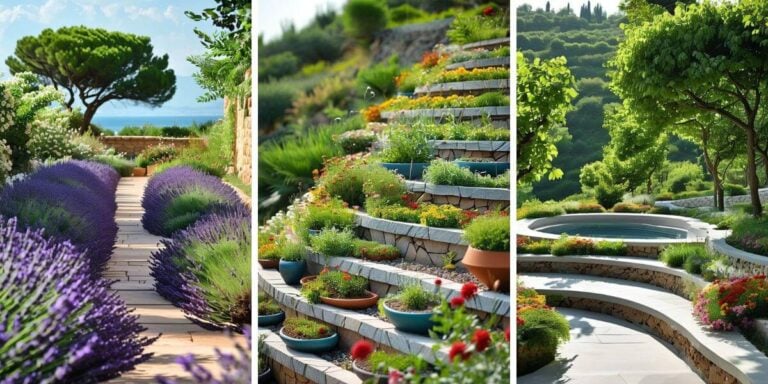
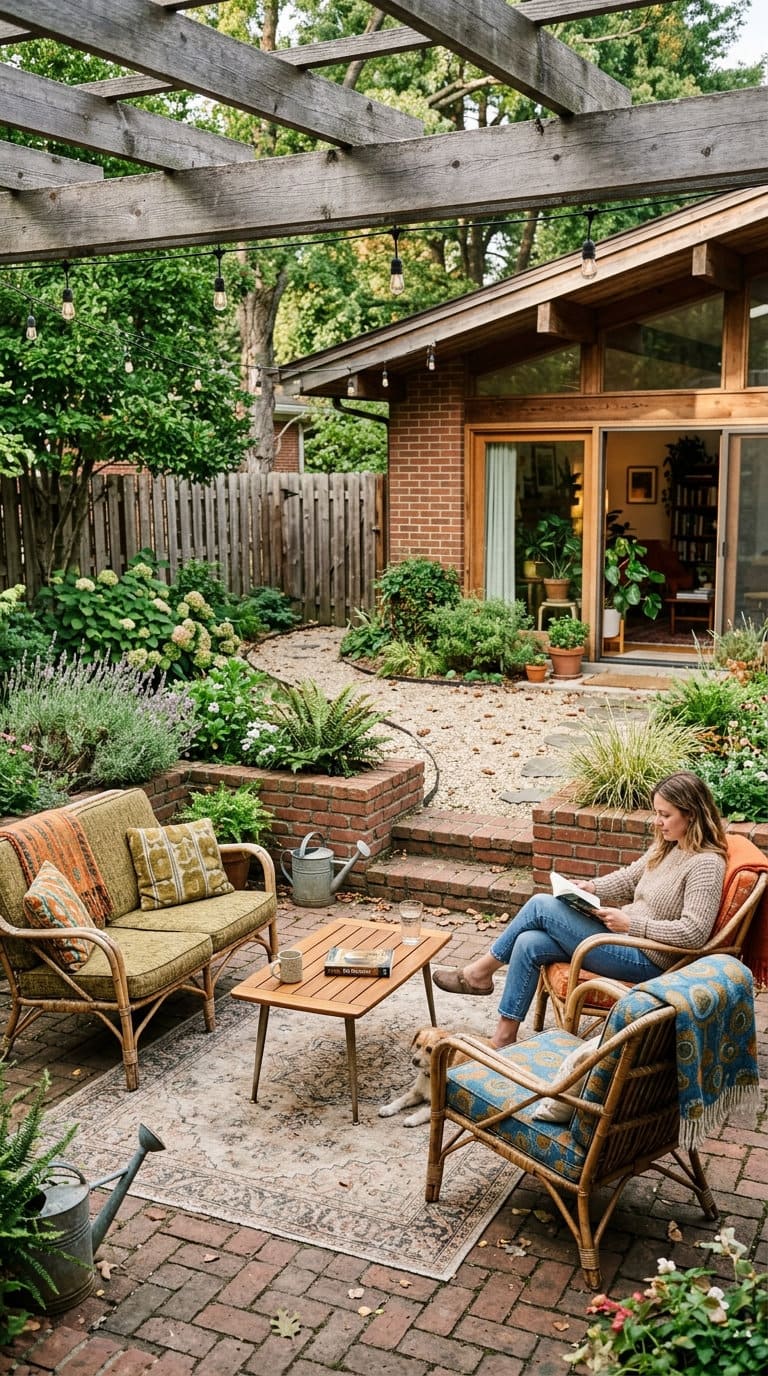
Backyard trends usually swing one direction: newer, sleeker, more minimal. Right now they’re swinging the other way. Gravel courtyards, sunken conversation pits, wicker chairs, bullnose-edged planters, the stuff that filled 1960s and ’70s backyards is showing back up in 2026, and not as ironic kitsch either. People genuinely want the texture back. Two different readers…

Never miss an update — choose FarmFoodFamily as your preferred source on Google.
How it works: Tap the button below to open Google’s settings page, then check the box next to FarmFoodFamily.
Tap the checkbox to turn it blue — that’s how you know it’s set.
Backyard trends usually swing one direction: newer, sleeker, more minimal. Right now they’re swinging the other way. Gravel courtyards, sunken conversation pits, wicker chairs, bullnose-edged planters, the stuff that filled 1960s and ’70s backyards is showing back up in 2026, and not as ironic kitsch either. People genuinely want the texture back.
Two different readers land on an article like this, honestly. One wants to borrow the retro look for a totally modern yard. The other actually owns an older home and wants to bring the original garden bones back to life rather than layer a modern look on top of them. Both are covered below, and I’ve flagged which ideas lean which direction.
If it’s the decor and accessories side of retro style you’re after rather than the hardscaping and structural trends below, this site’s own vintage garden decor ideas covers that ground separately.
One more thing before the list: not every retro trend is consequence-free. Gravel especially has a real downside almost nobody mentions when they’re recommending it, more on that under idea #1.
1. Gravel Courtyards (and the removal headache nobody mentions)
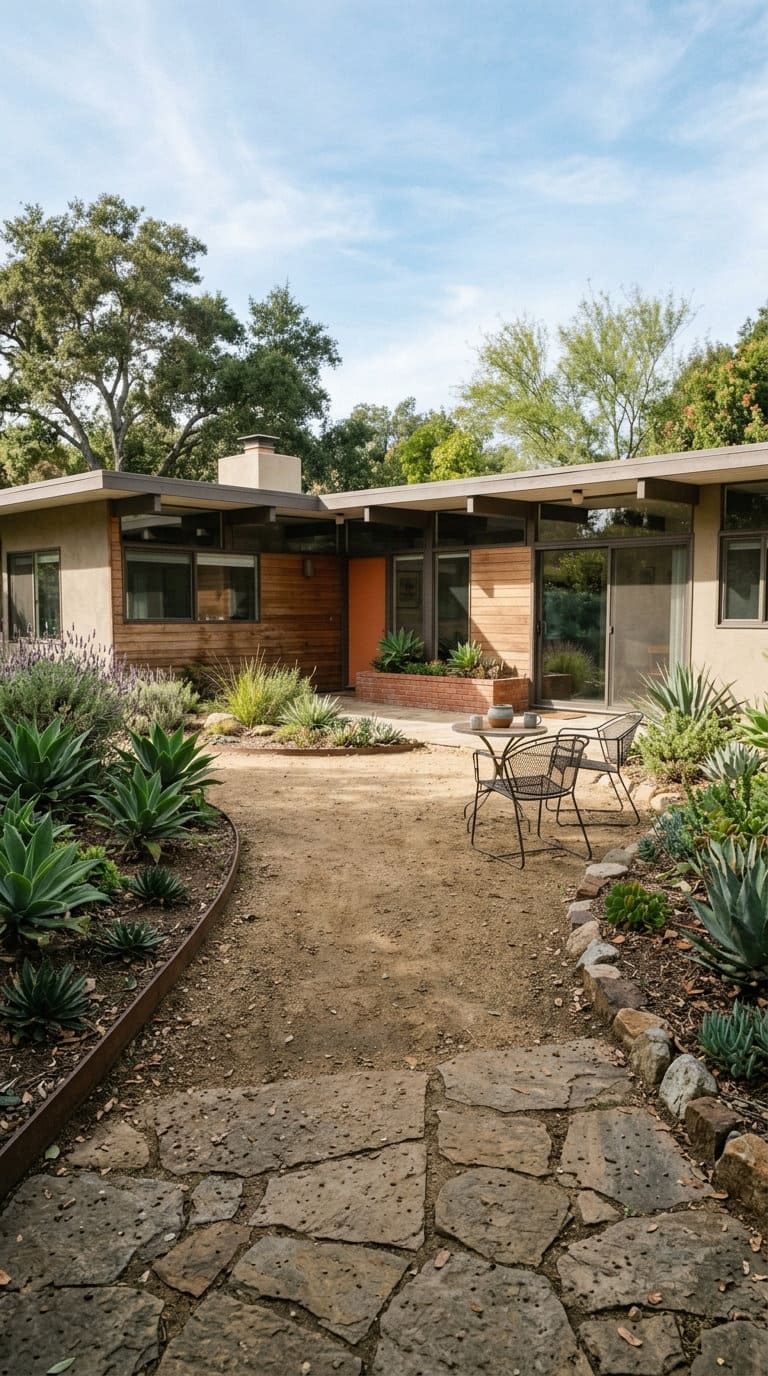
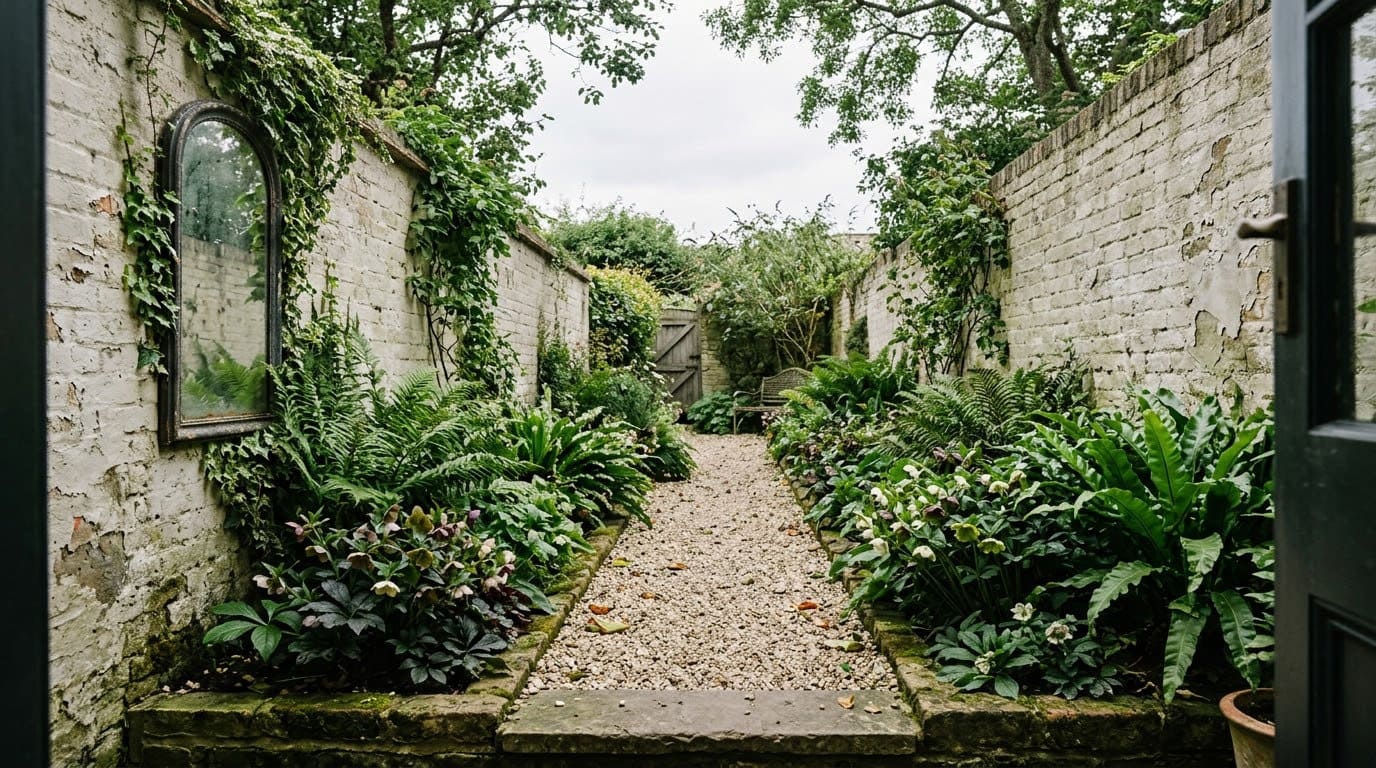
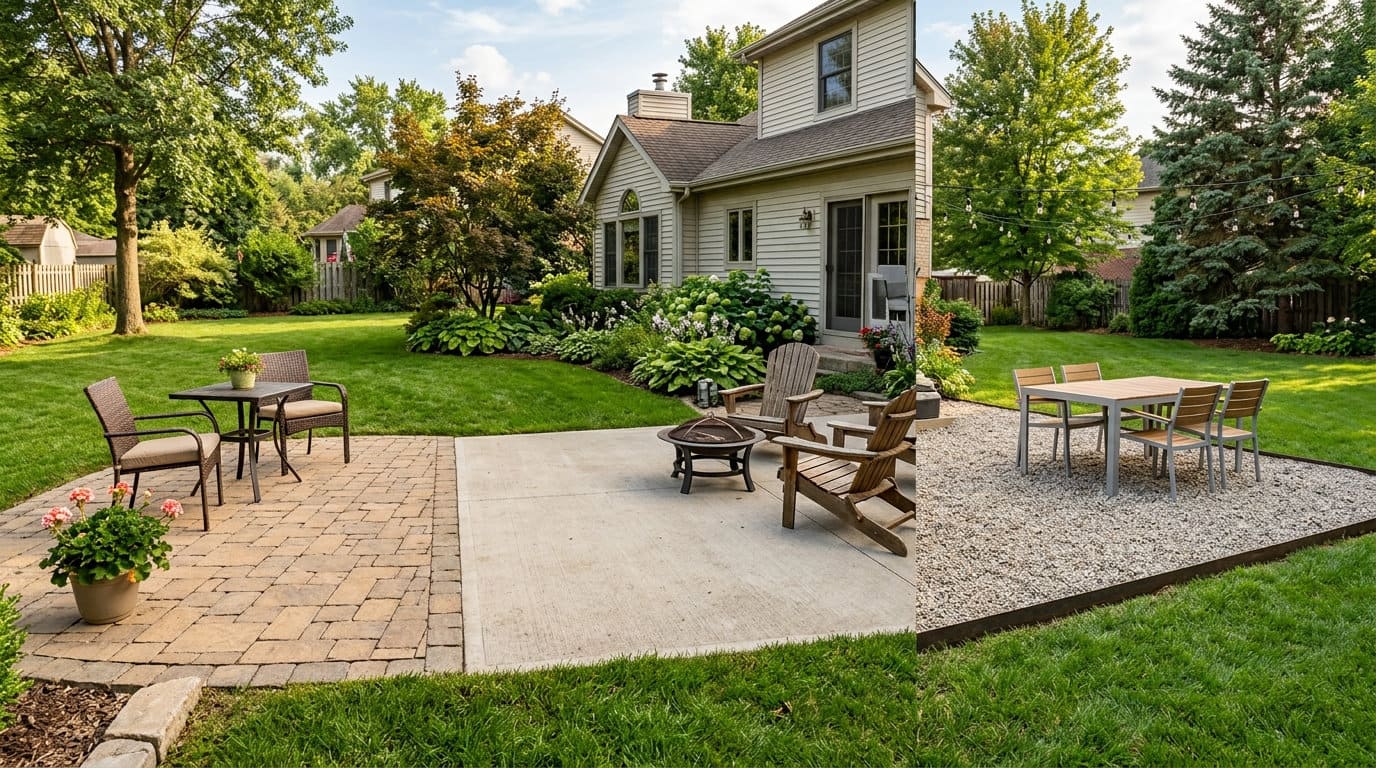
Gravel courtyards were common in midcentury and Mediterranean-style homes, and they’re back for a practical reason as much as a stylistic one. Bill Ferris, president of the outdoor furniture retailer Decor Outdoor, says gravel and decomposed granite courtyards appeal to homeowners today for their texture and low water use.
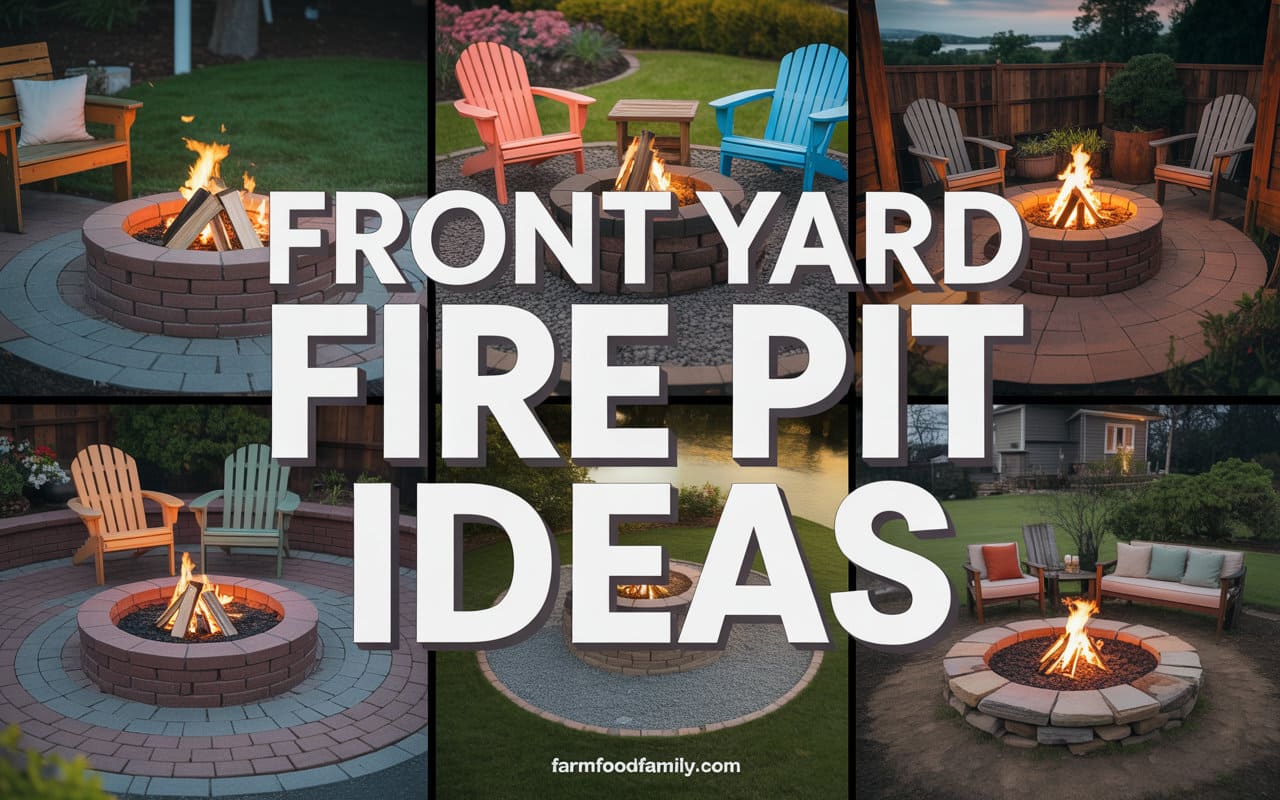
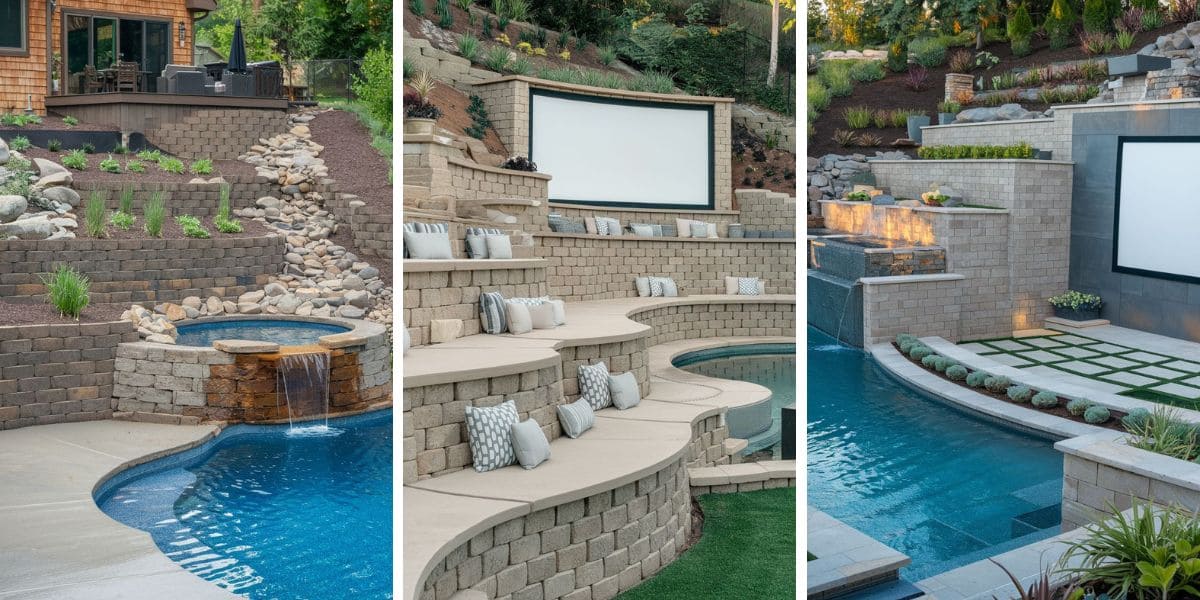
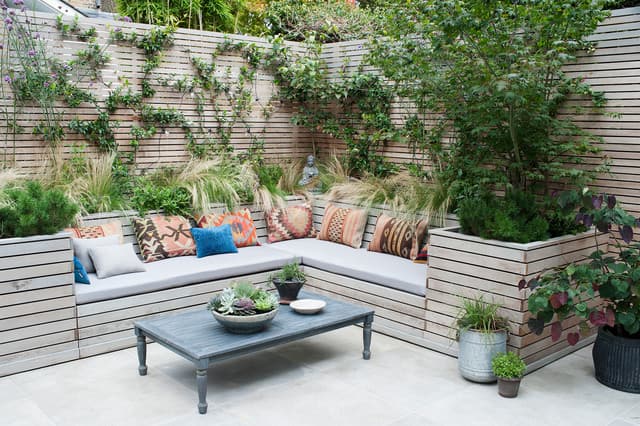
Here’s the part that gets skipped: gravel is genuinely a pain to remove once you’re done with it. A homeowner on r/landscaping trying to replace gravel with a clover lawn got asked directly by another user how they managed the removal, a real, practical question with no easy one-line answer, since loose gravel tends to work its way into the soil beneath it over years. If you’re on the fence, know that going in, this isn’t a trend you casually reverse in an afternoon.
Answer 4 quick questions and get matched to the exact fix for your yard — drainage, budget, layout, or something else entirely.
Take the Free QuizBudget: low to install, moderate to high if you later decide to remove it, factor in both numbers, not just the install cost.
Best for: readers wanting to borrow the retro look, gravel courtyards work well as a new addition to a modern yard.
2. Stones Instead of Cement
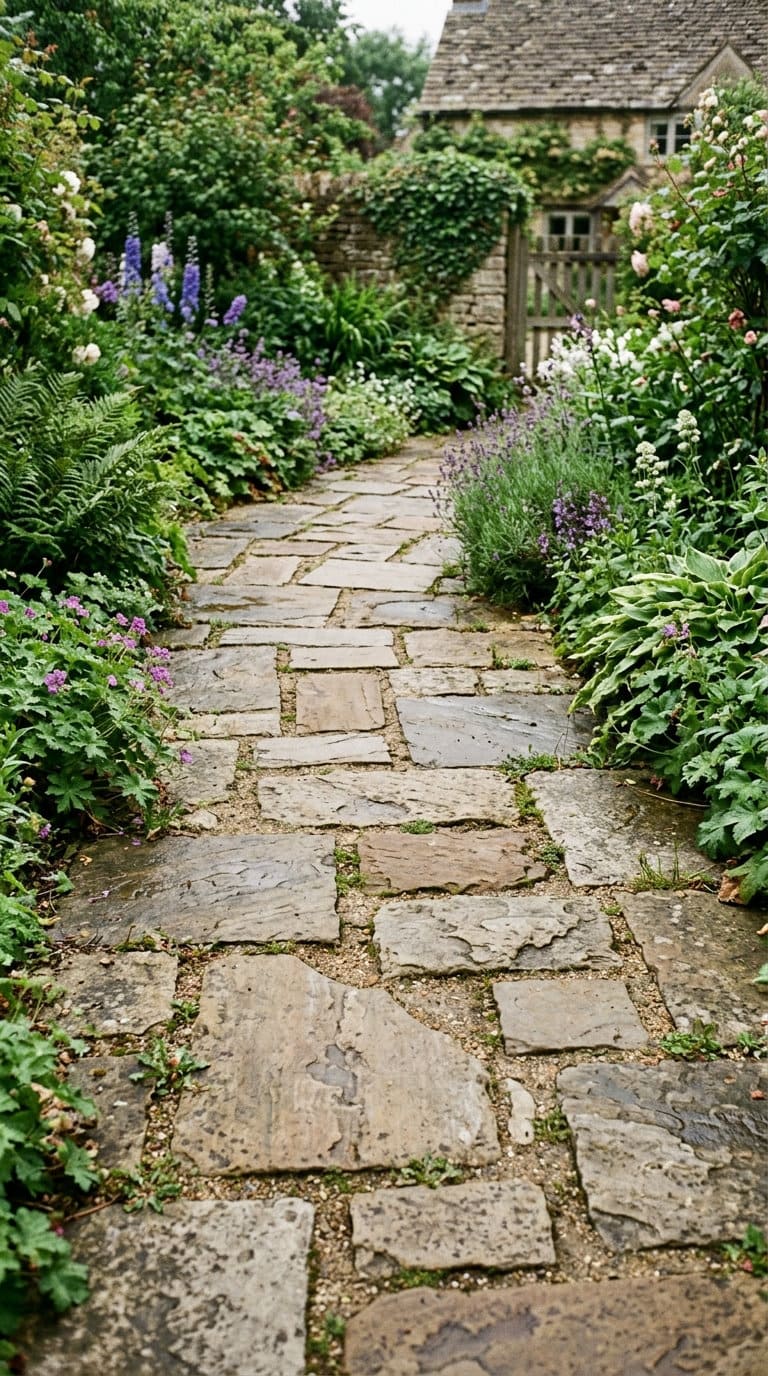
Smooth poured concrete is low-maintenance but visually flat, and it shows every crack once it develops one. Sand-set stone, individual pavers or flagstones set into a compacted sand and gravel base rather than one continuous pour, ages with real character instead of turning into a network of hairline cracks.
Landscape architect Molly Sedlacek, founder of the LA-based firm ORCA, says people miss the character permeable, sand-set materials develop compared to solid concrete surfaces that just look worn out once they crack.
This pairs naturally with proper base preparation, the same principle covered in more depth in this site’s own stone walkway coverage, sand-set stone still needs a real compacted base underneath, it’s not just decorative gravel scattered on dirt.
Budget: moderate, individual stone units cost more in labor than a single concrete pour, but they age better and are easier to patch piece by piece.
Best for: both audiences, this works as a new pathway in a modern yard or as a faithful restoration material for an older property’s original stone paths.
Most yard problems trace back to one specific, fixable cause. Find yours in 4 quick questions.
Take the Free Quiz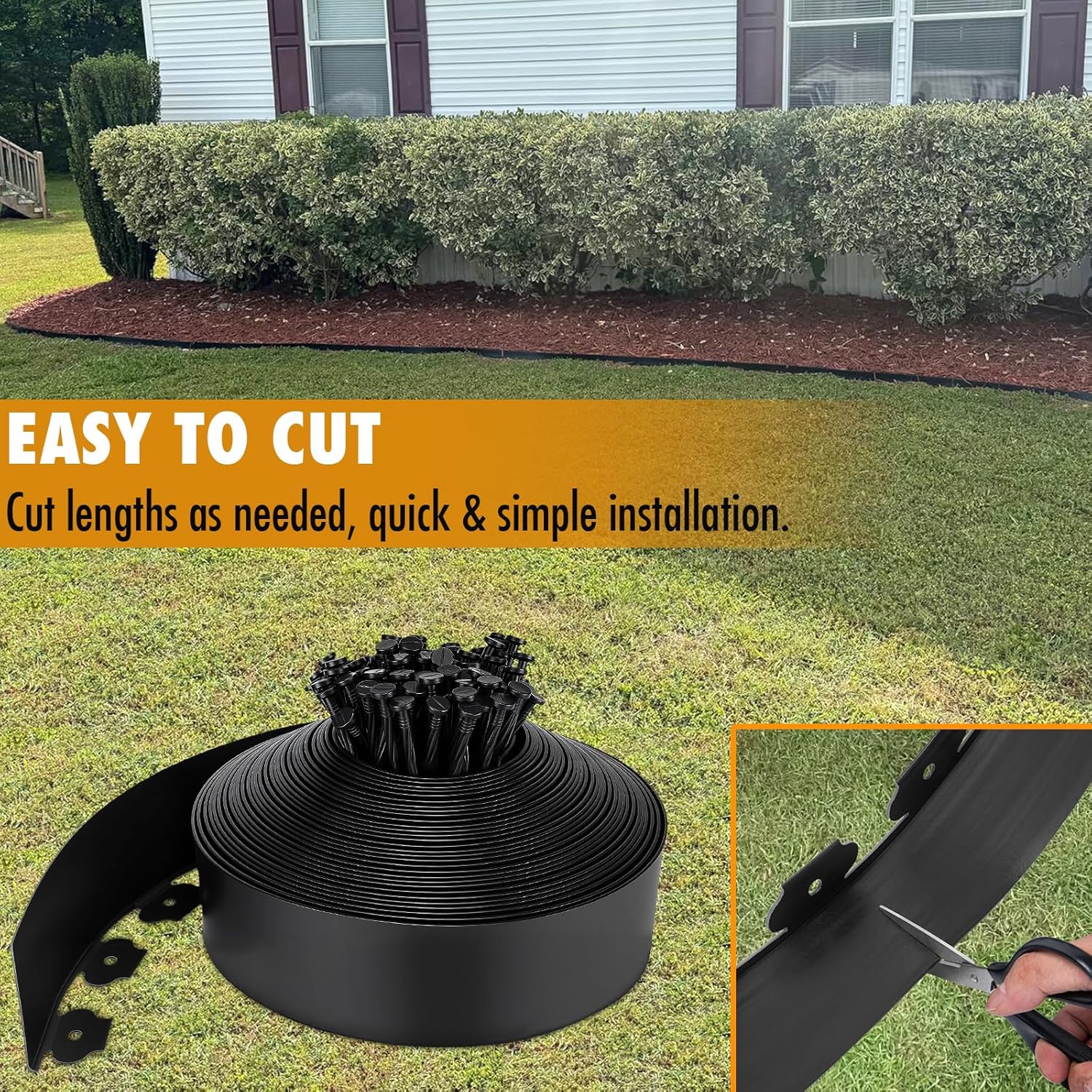
Flexible landscape border edging with anchoring spikes and connectors, built to contain gravel, mulch, or stone within its intended footprint, directly relevant to the removal-prevention point raised in the Gravel Courtyards section above.
Shop NowThis post contains affiliate links. We may earn a commission on qualifying purchases at no extra cost to you.
3. Conversation Pits
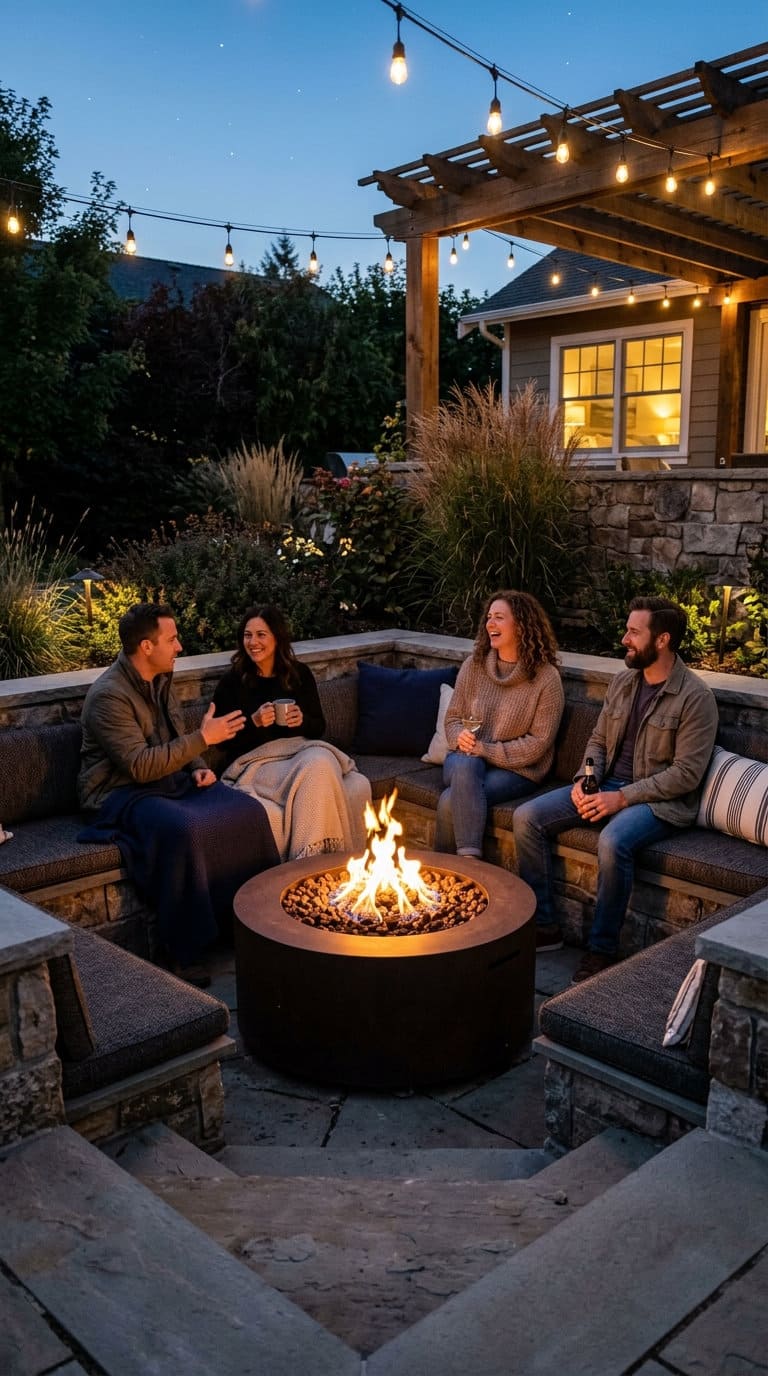
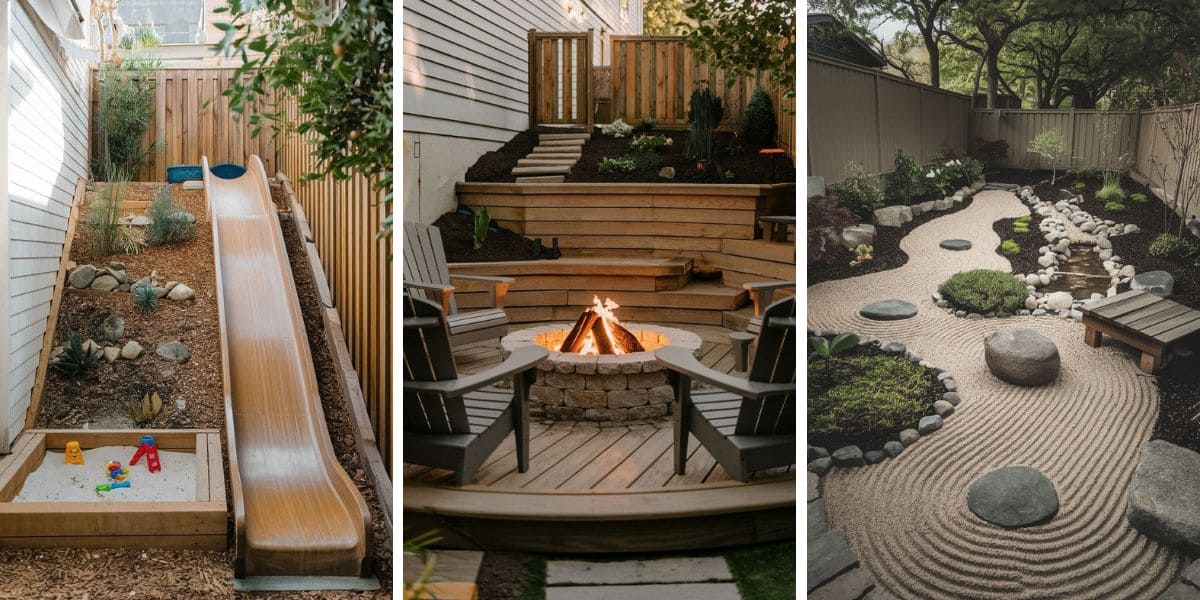
The sunken indoor conversation pit of the 1960s and ’70s has moved outside, with a cleaner, more current look. Bill Ferris of Decor Outdoor describes the reemerging version as pairing cleaner lines with fire features.
Today’s version typically adds weather-resistant built-in seating, outdoor-rated upholstery, and low-voltage lighting rather than the shag-carpeted sunken living rooms the trend originally came from.
The “sunken” part is the real construction commitment here, this isn’t a furniture purchase, it’s a hardscape project involving actual excavation and retaining structure, plan and budget for it as such.
Budget: high, this is one of the more expensive ideas on this list, closer to a small patio renovation than a furniture upgrade.
Best for: readers wanting to borrow the retro look in a new build or major renovation, not a quick weekend project for an existing yard.
4. Wicker Furniture
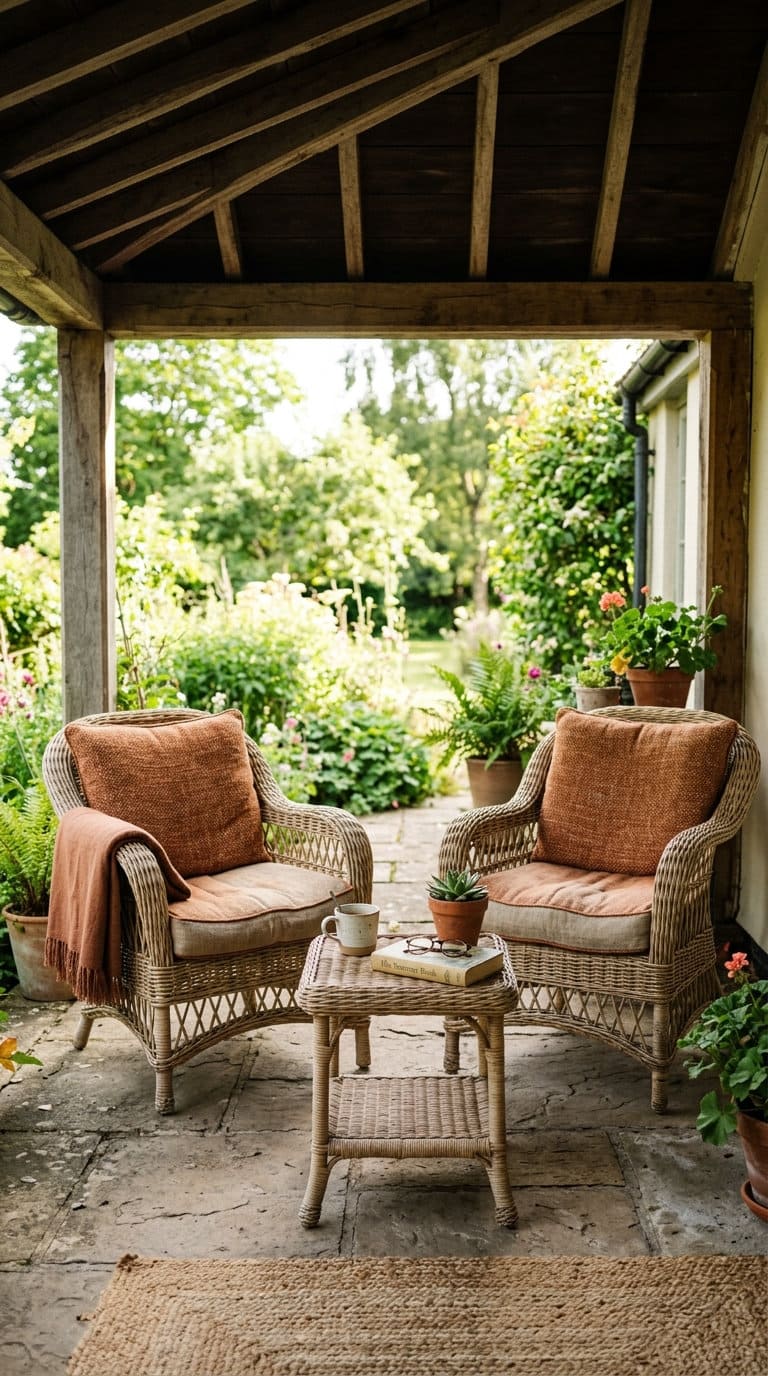
Natural materials like wicker rode a 1970s wave of longing for organic, unpolished textures, and that’s exactly what’s bringing it back now. Landscape designer Kristen Kelly of Hicks Landscapes says the same appeal for natural materials is driving wicker’s return today.
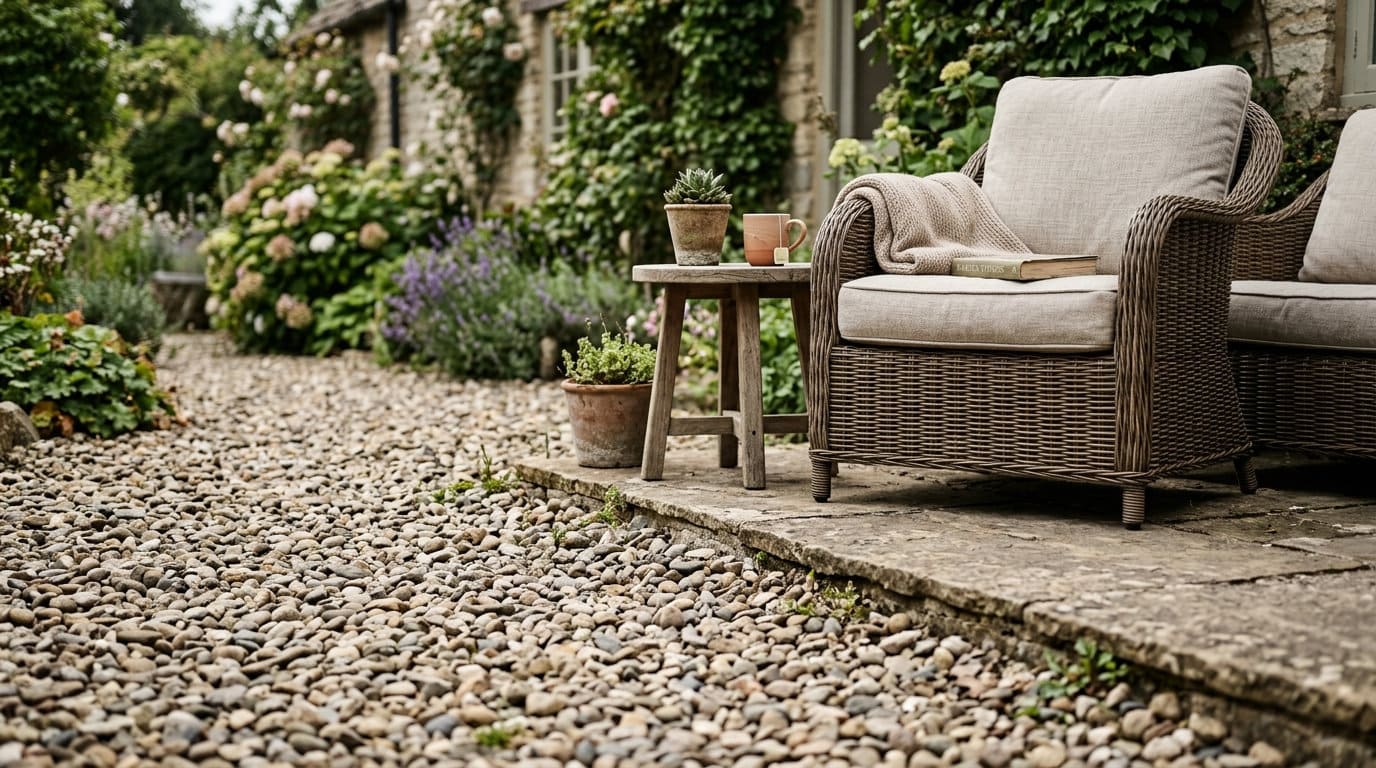
Real wicker (as opposed to synthetic resin-wicker weave) needs more weather protection than most outdoor furniture, keep it under a covered porch or patio roof rather than fully exposed, or budget for a genuinely weather-rated version if it’ll sit in open weather year-round.
Budget: low to moderate for accent pieces, higher for a full matching seating set, and higher still if you’re buying weather-rated construction rather than indoor-style wicker repurposed outdoors.

Best for: readers wanting to borrow the retro look, easy to add to any existing patio without construction.
The average homeowner spends $616/year on yard fixes that don't address the real problem. Find out what yours actually is — before you spend another dollar.
Take the Free Quiz5. Potted Herbs
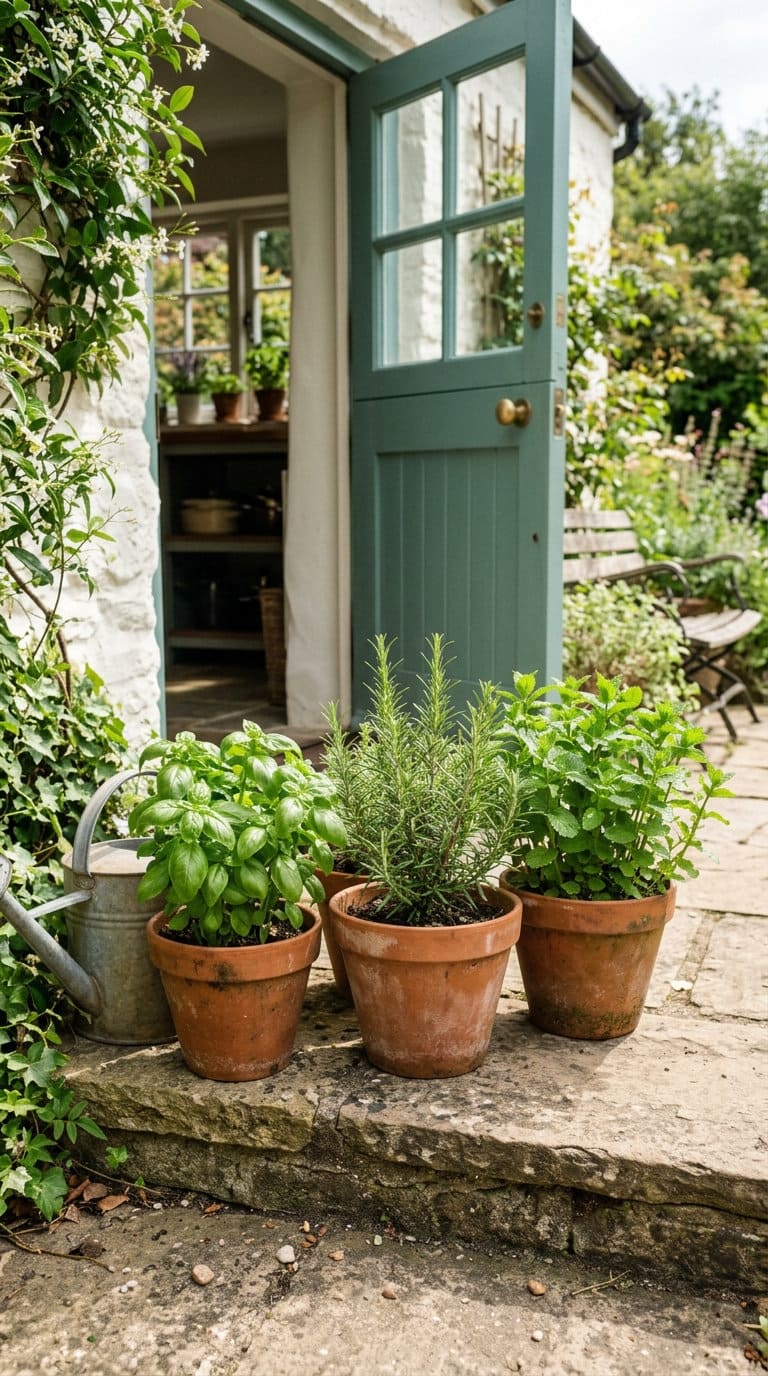
Pots of basil, rosemary, and mint lined sunny patios, steps, and kitchen-adjacent ledges in the 1960s and ’70s, placed for easy access while cooking as much as for decoration. That practical logic still holds, and it’s the cheapest, lowest-commitment idea on this entire list.
Group pots by sun and water needs rather than by looks alone, mint especially spreads aggressively and does better contained in its own pot regardless of how the arrangement looks.
Budget: very low, terracotta pots and a few herb starts cost under $50 for a full grouping in most areas.
Best for: both audiences equally, potted herbs near a kitchen door are period-authentic for an older home and an easy, low-cost addition to any modern patio.
6. Old-School Plants for Privacy
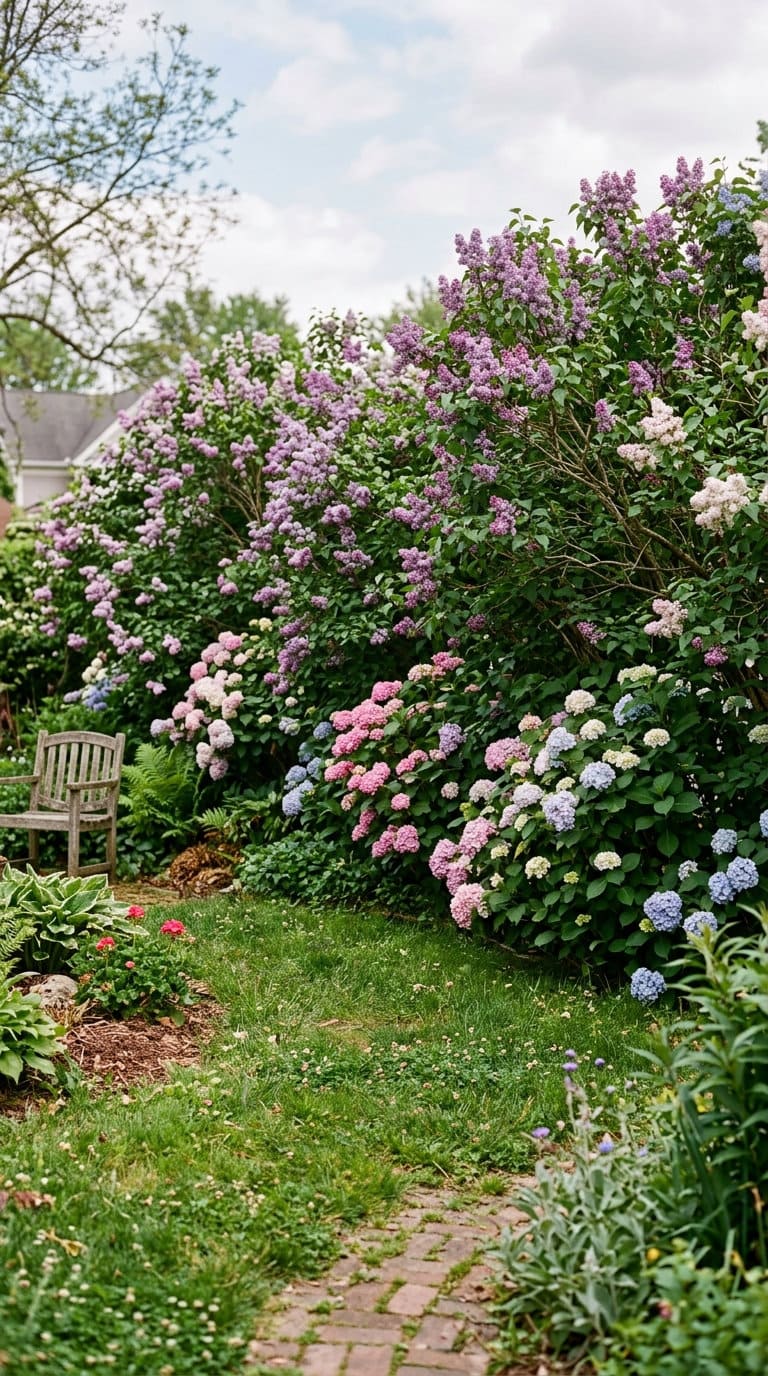
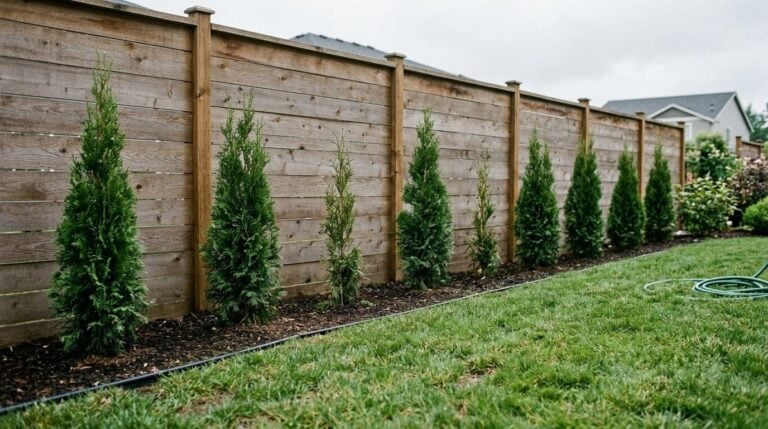
Lilac, camellia, delphinium, and other perennials that fell out of fashion during the decades of minimalist, low-maintenance landscaping are back, used more intentionally this time. Kristen Kelly of Hicks Landscapes says she favors older cultivars like Hydrangea ‘Tardiva’ or layering Magnolia grandiflora into a privacy hedge for plants that read as though they’ve always belonged there.
If you’re restoring an actually period property, this is one of the highest-value ideas on the list, mature specimens of these species can take years to establish, so starting now matters more than with almost anything else here.
Budget: moderate to high for mature specimens, lower if you’re willing to plant young and wait several seasons for the privacy screen to fill in.
Best for: readers restoring a genuinely older property benefit most here, though anyone building a new privacy hedge can use these species too.
7. Brick Decor
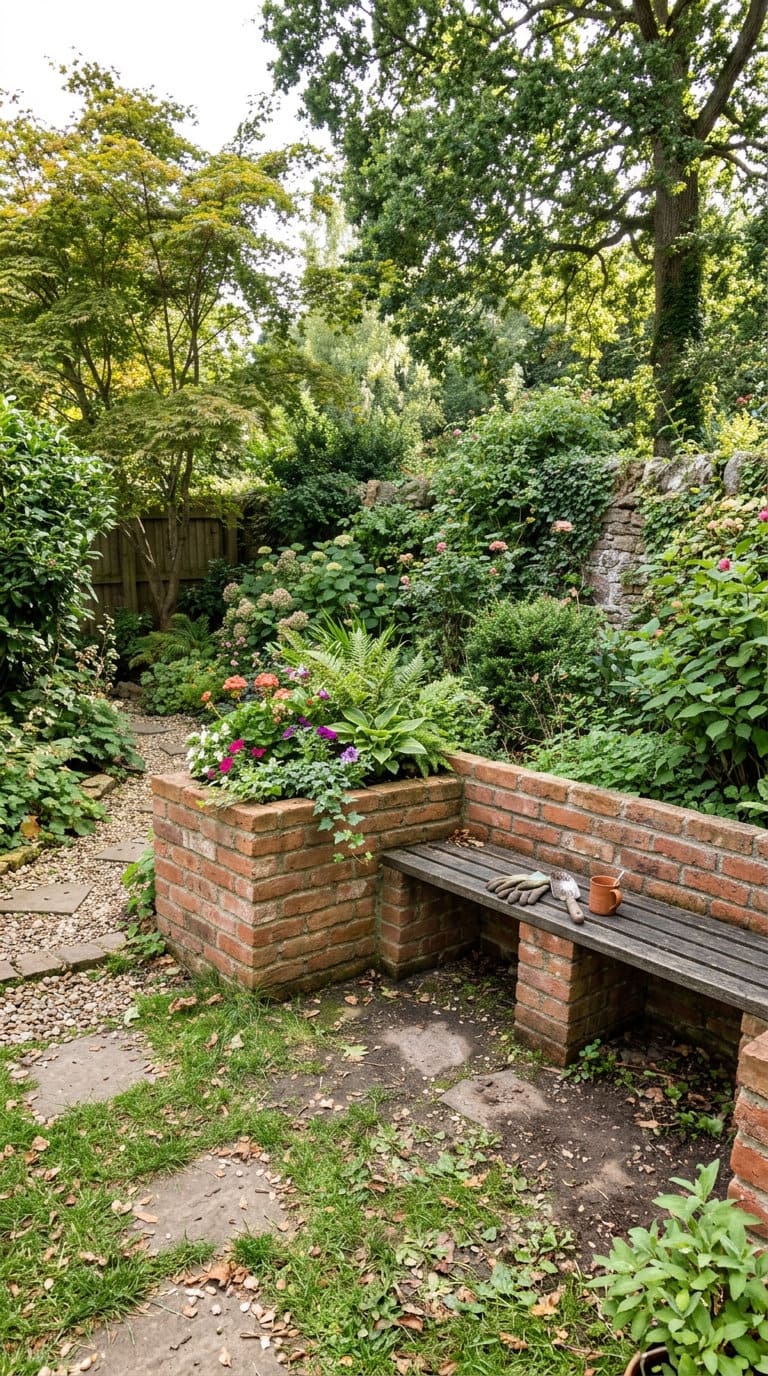
The 1970s saw a wave of appreciation for exposed brick as older homes and commercial buildings got adapted for new residential use, brick read as authentic and hand-crafted in a way newer materials didn’t. Molly Sedlacek of ORCA says brick is showing up again in planters, benches, and outdoor kitchens, giving gardens a more solid, grounded feel.
For the edging and border version of this trend specifically, this site’s own brick edging coverage goes deeper into pattern and installation options than a general trend roundup has room for.
Budget: moderate, brick costs more than poured concrete but less than natural stone, and it’s a material a confident DIYer can work with for smaller elements like a planter or bench base.
Best for: both audiences, brick reads as period-authentic for older homes and as an intentional design choice in a new build.
8. Individual Outdoor Furniture
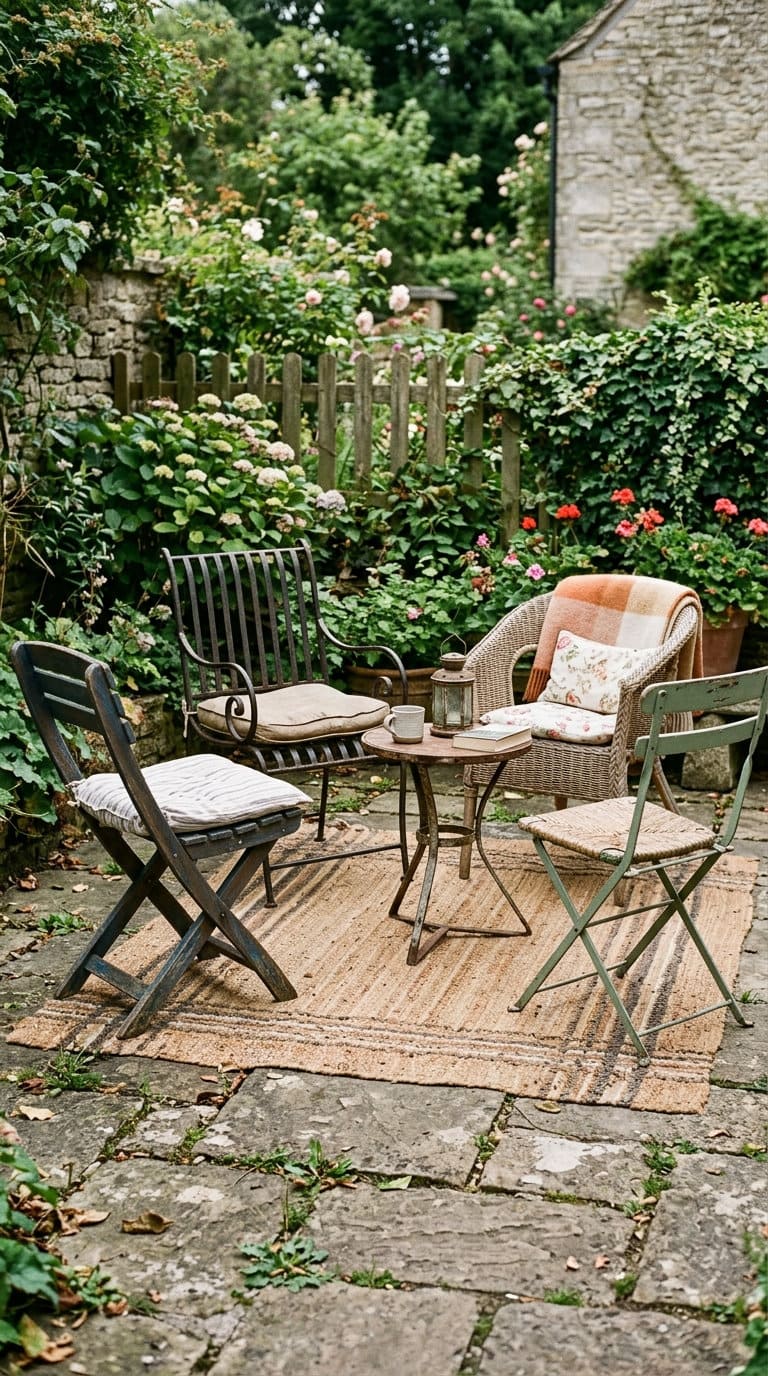
Matched modular sectional sets, the kind that lock together into one fixed arrangement, are losing ground to intentionally mismatched individual chairs and tables arranged more loosely. Kristen Kelly of Hicks Landscapes says people are choosing comfort over a fully curated, matched look, and that individual pieces often end up reading as more luxurious, not less.
This is also the most budget-flexible idea on the list precisely because it’s modular by nature, add one good chair now, another next season, rather than committing to one large set purchase.
Budget: flexible by design, buy incrementally rather than all at once, which spreads cost out more than a matched sectional set typically allows.
Best for: readers wanting to borrow the retro look, this is an easy incremental furniture change on an existing patio.
9. Euro-Style Gardens
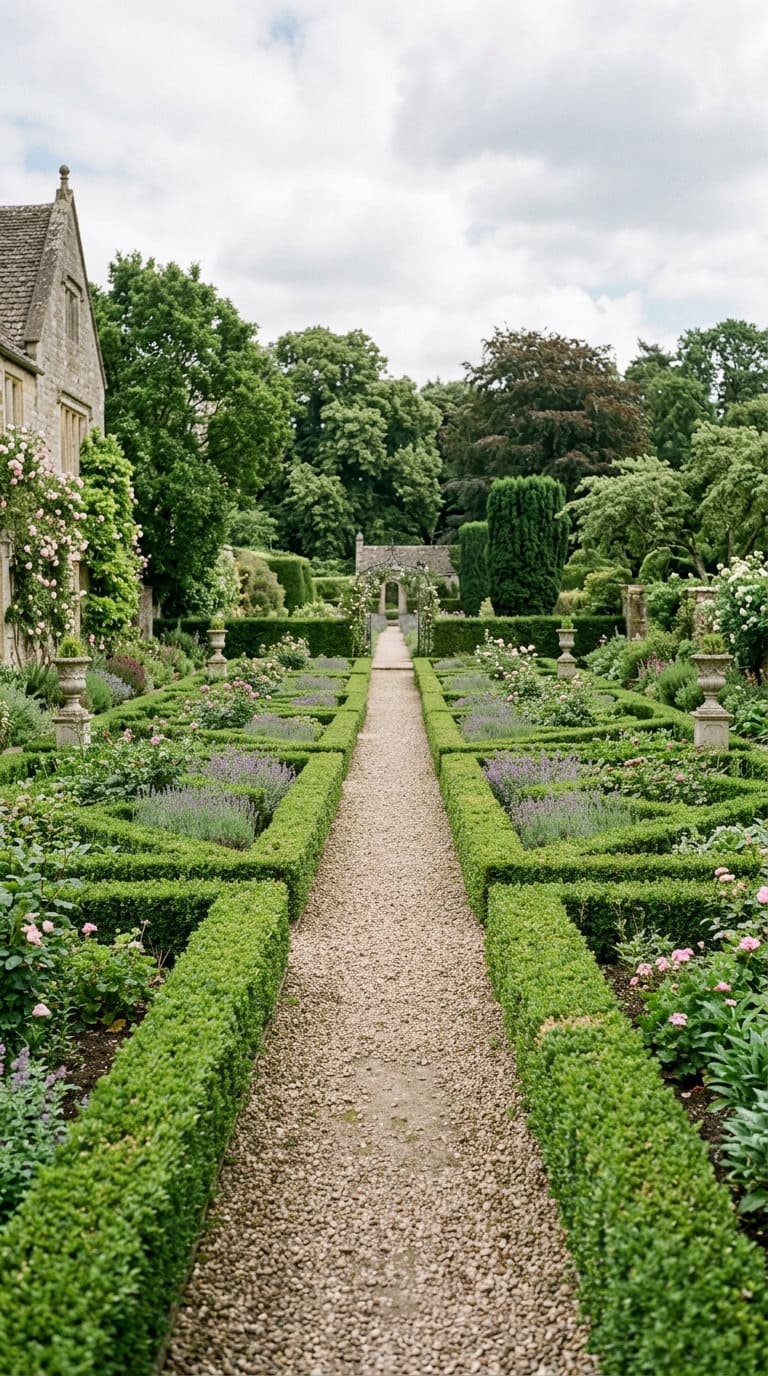
Symmetrical, structured gardens with clipped boxwood hedges were a defining look of 1960s and ’70s suburban yards, borrowing old-world European garden formality to liven up otherwise plain lawns. Bill Ferris of Decor Outdoor says structured European-style gardens with hedges and symmetry are returning, in some cases directly replacing the minimalist landscaping that dominated in between.
This is a genuinely higher-maintenance choice than most other ideas here, clipped hedges need regular shaping to keep the structured look, budget time as well as money.
Budget: moderate upfront for hedge plants, ongoing cost in either your own time or a landscaper’s for regular shaping.
Best for: readers wanting to borrow the retro look on a property with enough space for real symmetry to read clearly.
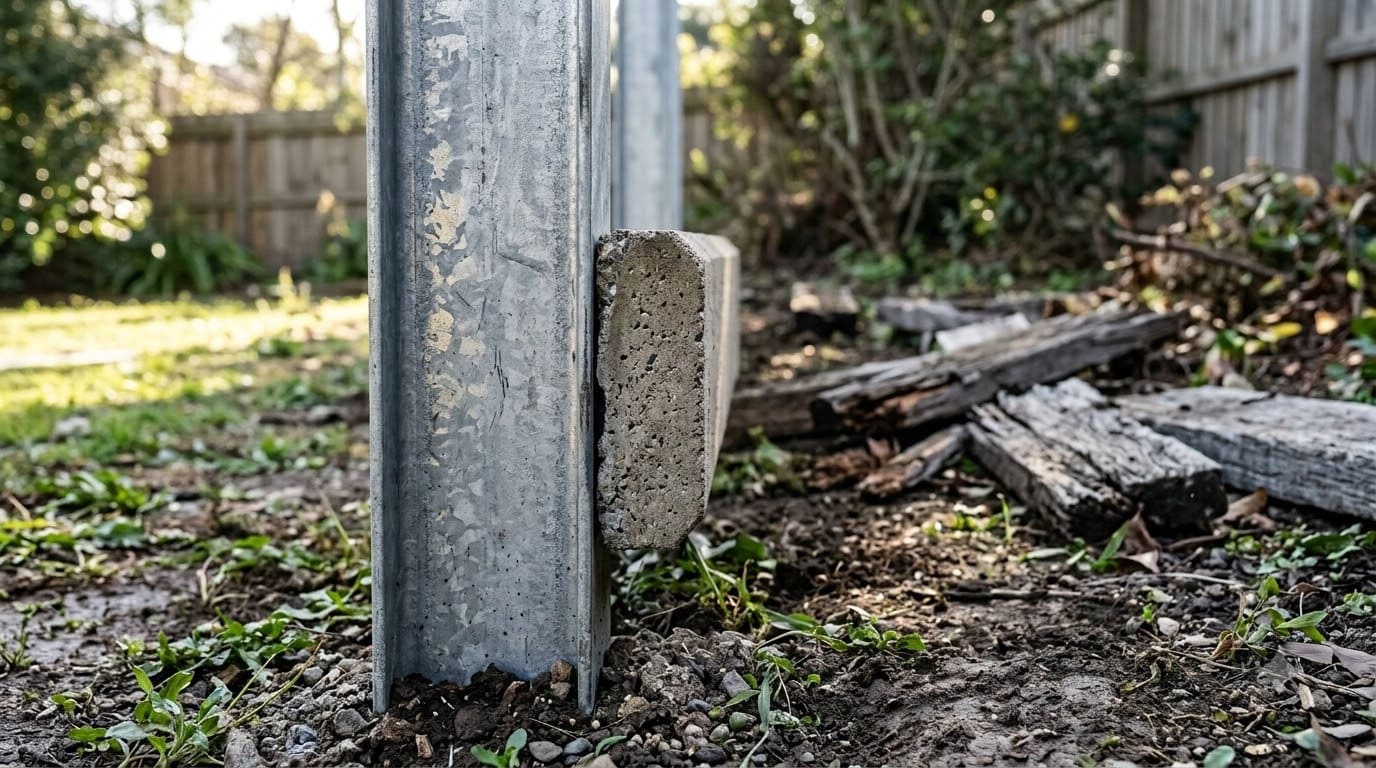
10. Bullnose Coping
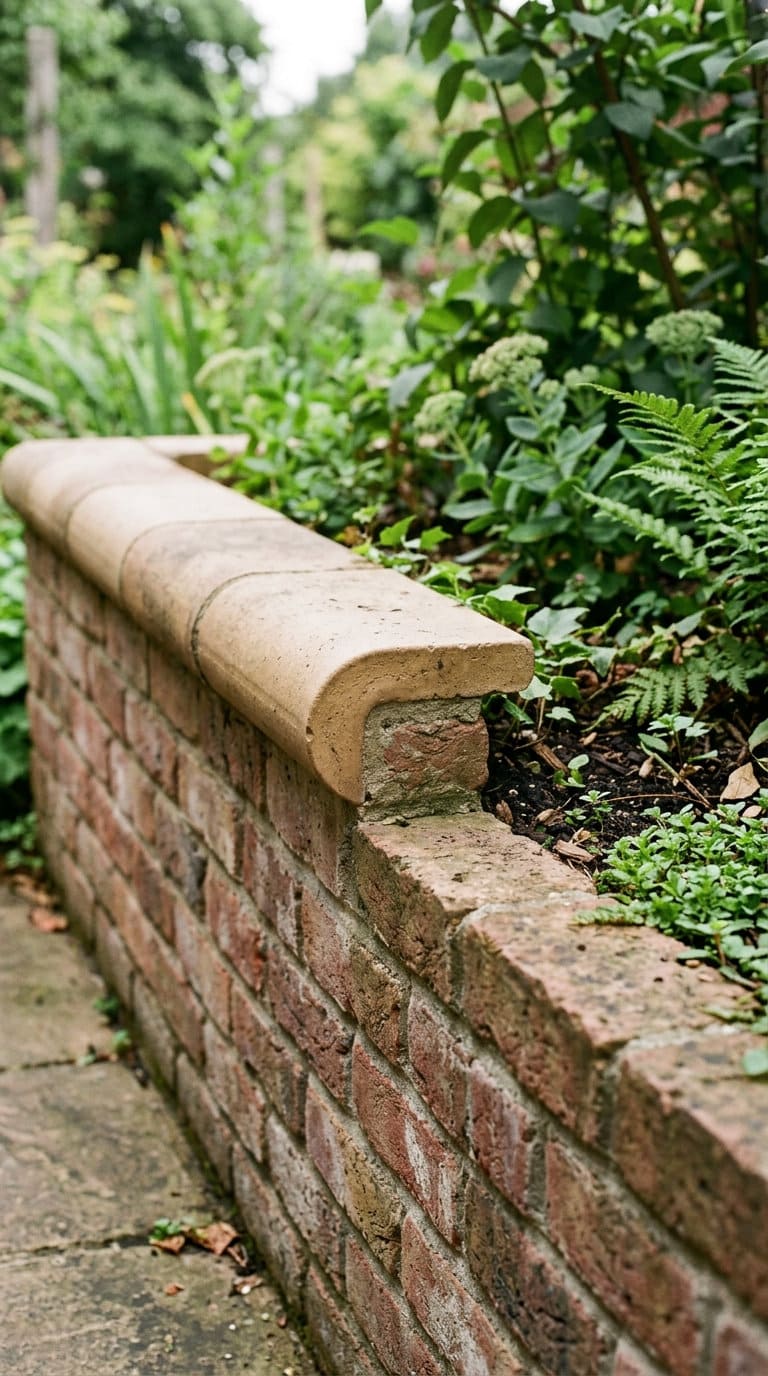
Smooth, rounded coping (the cap along the top edge of a wall, planter, or step) framed backyard hardscaping throughout the 1960s and ’70s, softening what would otherwise be a sharp, hard edge.
Garden historian Therese O’Malley, former associate dean at the National Gallery of Art’s Center for Advanced Study in the Visual Arts, has noted that this period saw architecture and landscape design overlapping more directly than before, with indoor-outdoor living genuinely underlying how spaces were planned, bullnose coping is a small physical trace of that bigger shift.
It’s a detail more than a standalone project, applied to the edge of a planter, low wall, or step rather than built as its own feature, so it’s usually added onto another hardscape project rather than commissioned alone.
Budget: low as an add-on to a planter or wall already being built, higher if retrofitting coping onto existing hardscaping.
Best for: readers restoring a genuinely older property will recognize this detail immediately if their original hardscaping had it; new builds can borrow it for the same softened look.
Putting It Together
None of these ten trends require picking a side between “modern” and “retro.” Most of them layer onto an existing yard as one or two additions, not a full teardown. Start with whichever idea answers something real about your own situation, a property you’re actually restoring, a maintenance headache you’re trying to avoid, a look you just genuinely like, rather than chasing all ten at once.
And if gravel is the one that caught your eye, just go in with your eyes open about what it takes to change your mind later.
FAQs
Is gravel hard to remove if I change my mind later?
Yes, more than most guides mention. Gravel tends to work its way into the soil beneath it over time, and real homeowners on forums like r/landscaping describe genuine difficulty fully clearing it out when converting to lawn or another material. Factor removal difficulty into the decision up front, not just the low install cost.
What’s the difference between sand-set stone and poured concrete?
Sand-set stone (individual pavers or flagstones set into a compacted sand and gravel base) ages with visible character and can be patched piece by piece. Poured concrete is a single continuous surface that’s easier to install initially but shows every crack as one long flaw once it develops, rather than a fixable individual unit.
Which of these trends are best for an older, period home specifically?
Old-School Plants for Privacy and Bullnose Coping are the two most directly tied to restoring an actually period property’s original garden bones, since both involve either long-maturing plantings or a hardscaping detail common to original 1960s-70s construction. The other ideas work well as new additions to any yard, retro-styled or not.
Is a sunken conversation pit expensive to add?
Yes, relatively. Unlike most other ideas on this list, a conversation pit involves real excavation and retaining structure, not just a furniture or planting purchase, budget it closer to a small patio renovation project than a furniture upgrade.
Products We Recommend
This post contains affiliate links. We may earn a commission on qualifying purchases at no extra cost to you.
Landscape Edging, 4 Inch Tall, 80 FT with Anchoring Spikes
Flexible landscape border edging with anchoring spikes and connectors, built to contain gravel, mulch, or stone within its intended footprint, directly relevant to the removal-prevention point raised in the Gravel Courtyards section above.
Shop Now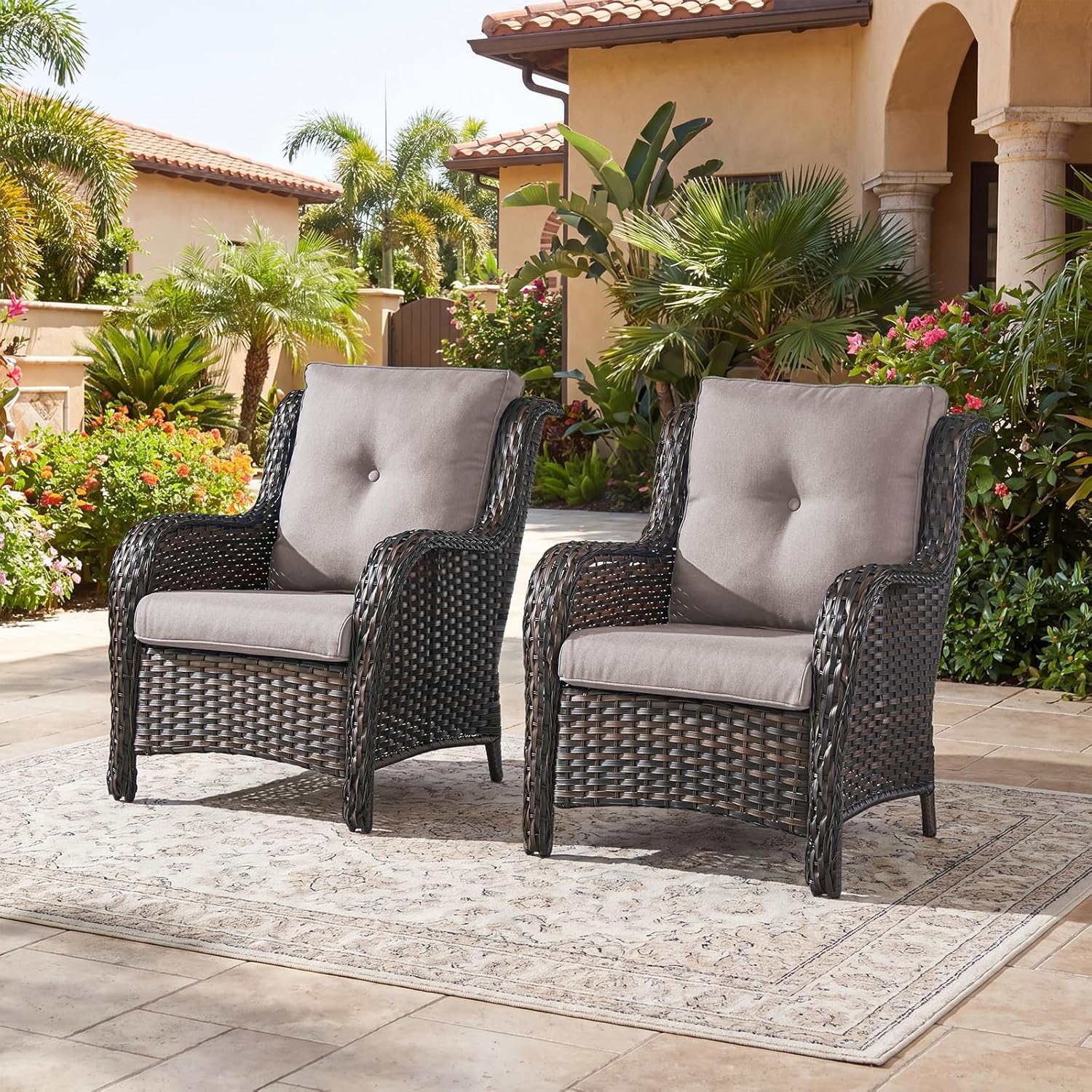
Rilyson Outdoor Wicker Patio Chairs, Set of 2
An all-weather PE rattan wicker chair set with a powder-coated steel frame and water-resistant cushions, suited to the Wicker Furniture trend without the maintenance concerns of natural wicker left in open weather.
Shop Now
Vensovo 3-Inch Terracotta Pots with Drainage, 20-Pack
Small classic terracotta pots with drainage holes, sized for starting a grouped multi-herb display near a kitchen door, matching the Potted Herbs idea above.
Shop NowNever miss an update — choose FarmFoodFamily as your preferred source on Google.
How it works: Tap the button below to open Google's settings page, then check the box next to FarmFoodFamily.
Tap the checkbox to turn it blue — that's how you know it's set.