5 Real 2026 Garden Trends (And What They Actually Cost to DIY)
Every “garden trends” roundup this year quotes the same handful of high-end landscape designers, and none of them tell you whether a normal homeowner can actually pull any of it off, or what it costs if you’re not hiring a design firm. Here are 5 of the real trends actually showing up in 2026 garden…

Never miss an update — choose FarmFoodFamily as your preferred source on Google.
How it works: Tap the button below to open Google’s settings page, then check the box next to FarmFoodFamily.
Tap the checkbox to turn it blue — that’s how you know it’s set.
Every “garden trends” roundup this year quotes the same handful of high-end landscape designers, and none of them tell you whether a normal homeowner can actually pull any of it off, or what it costs if you’re not hiring a design firm.
Here are 5 of the real trends actually showing up in 2026 garden design, plus an honest read on which ones you can do yourself and which ones genuinely need a bigger budget or a professional.
1. Wellness-led design
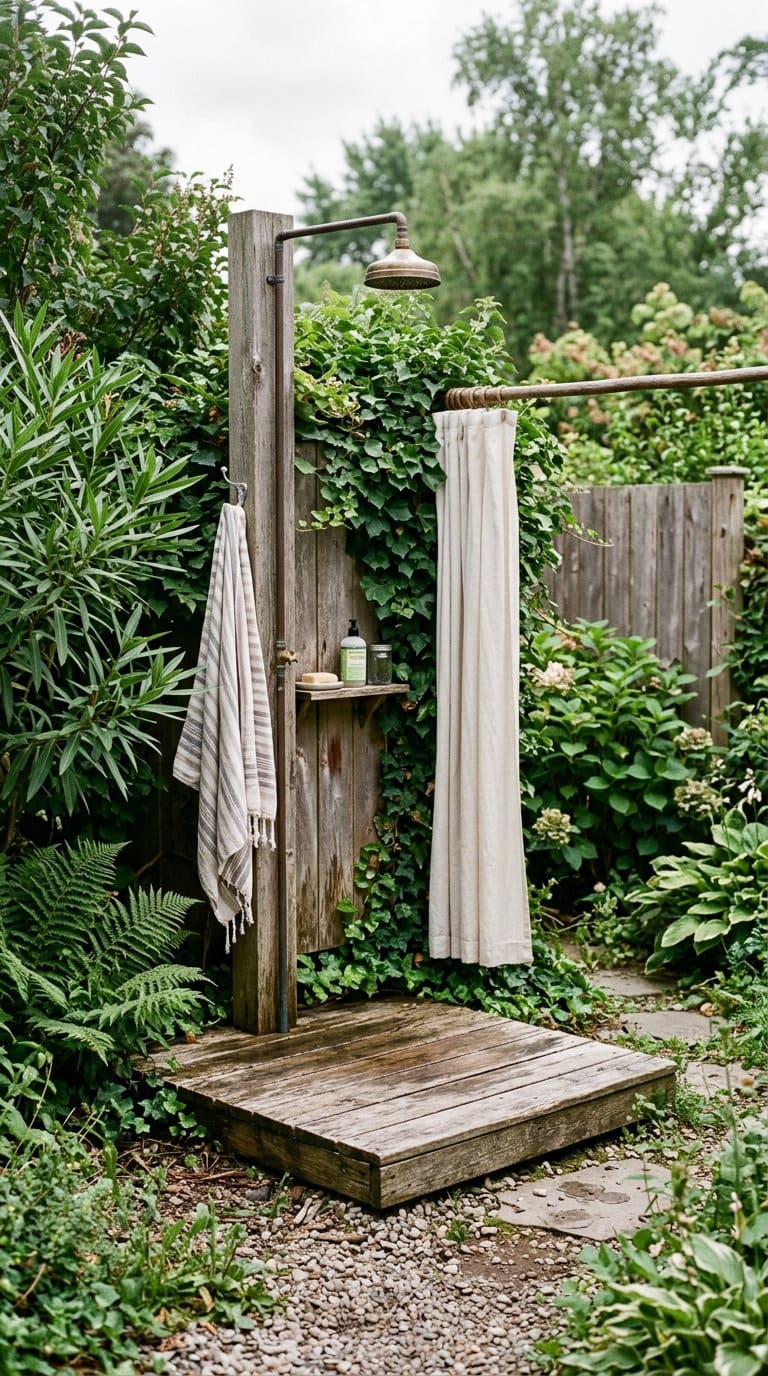
Outdoor showers, cold plunges, small saunas, and quiet meditation corners are showing up in backyards as an extension of the same wellness push that’s reshaped indoor design for years. Molly Sedlacek, founder of the landscape design studio ORCA, sees this as a natural next step, once wellness becomes part of how people think about their homes, the outdoor space follows.
Here’s the actual cost spread. An outdoor shower is the genuinely achievable entry point, our own outdoor shower guide puts real installs anywhere from under $1,000 to $8,000 depending on plumbing and finish, and it’s a project a lot of DIYers can tackle themselves.
A built-in sauna or cold plunge is a different scale of project, plumbing, electrical, and structural work that usually means hiring a contractor, budget accordingly before falling in love with the aesthetic.
2. Permanence through natural stone
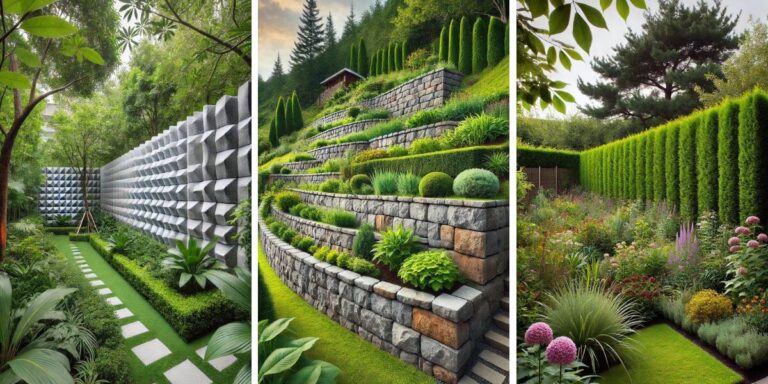
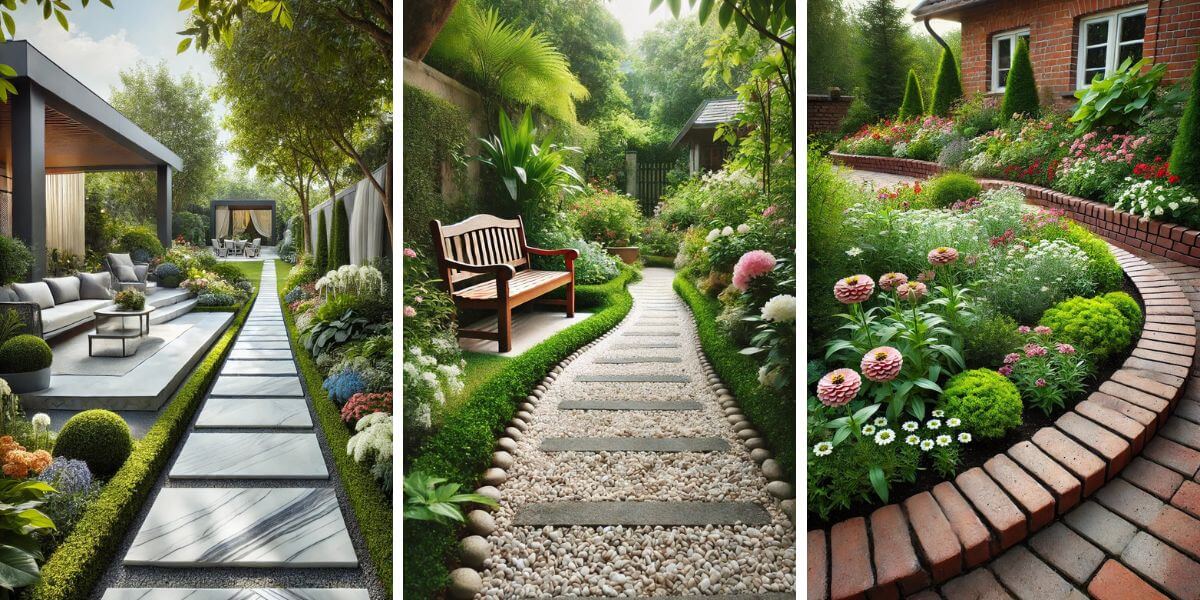
Travertine, limestone, and marble are showing up more as structural, load-bearing materials in gardens, not just decorative accents.
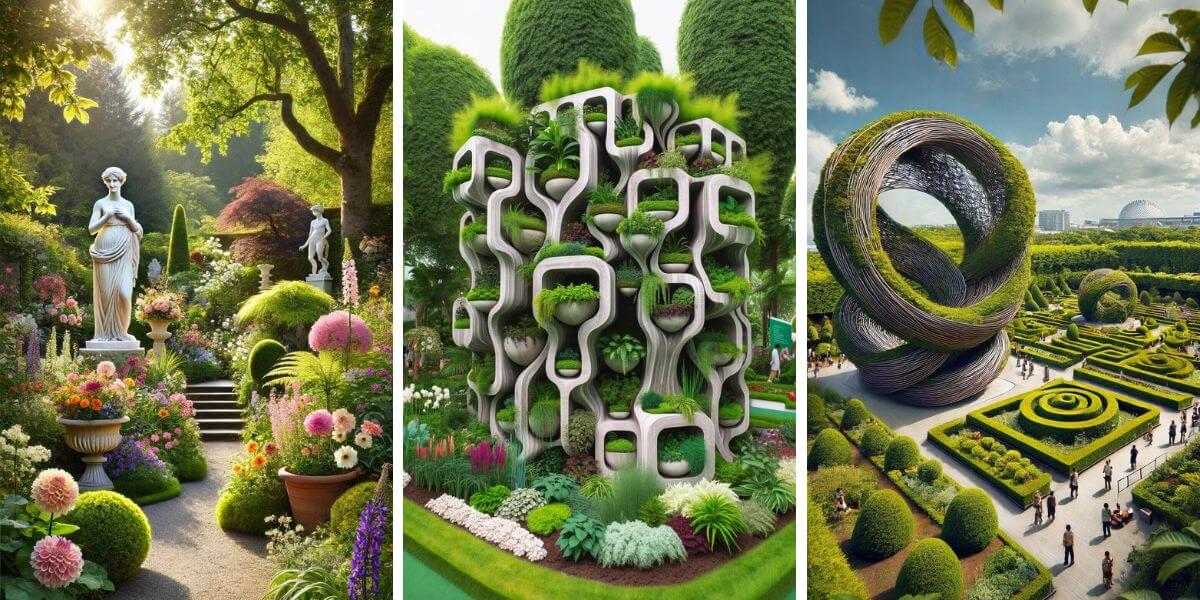

Oliver Webb, joint managing director of the UK stone wholesaler Cullifords, frames gardens as architectural extensions of the home, materials that develop real character over time rather than getting replaced every few seasons.
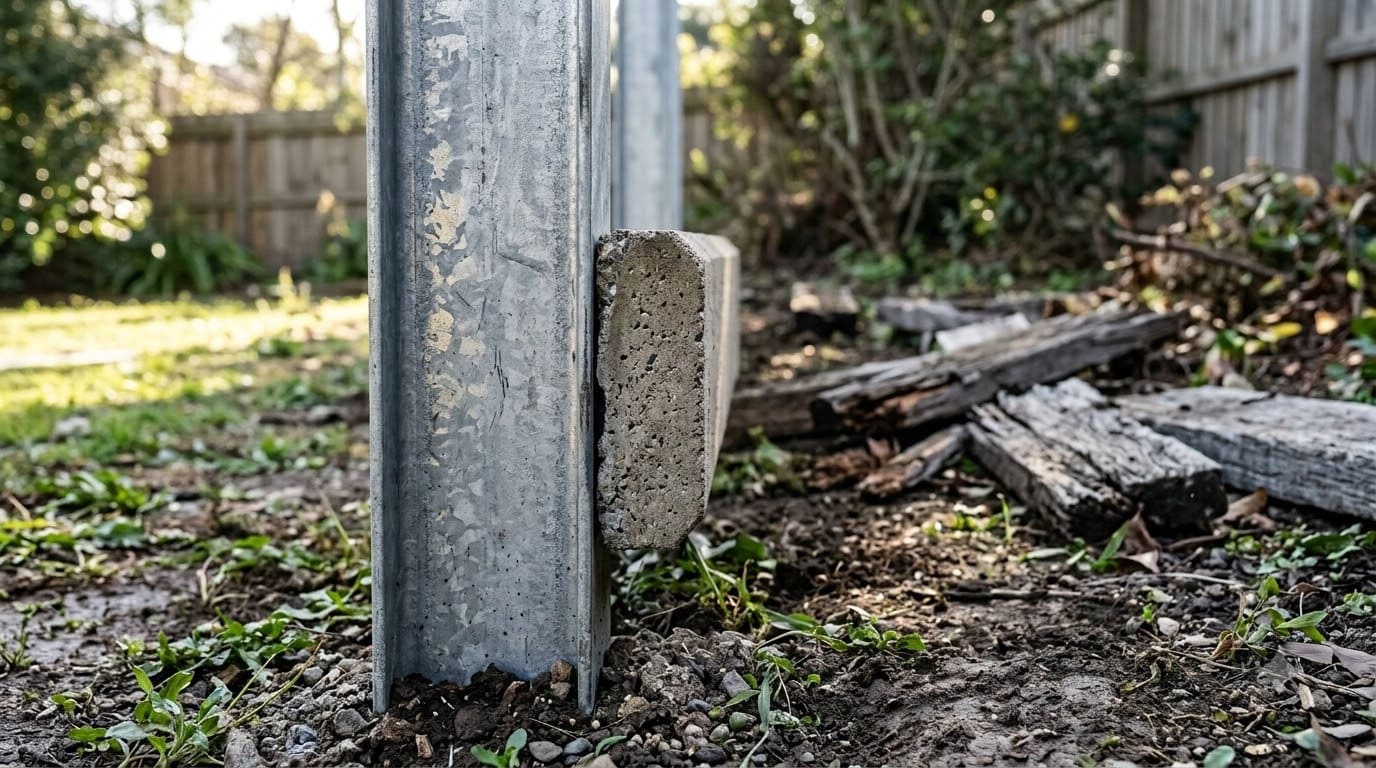
Full natural-stone hardscaping (a stone patio, major retaining walls) is realistically a hire-a-pro project once you factor in material cost and the skill needed to lay stone that won’t shift or crack.
Answer 4 quick questions and get matched to the exact fix for your yard — drainage, budget, layout, or something else entirely.
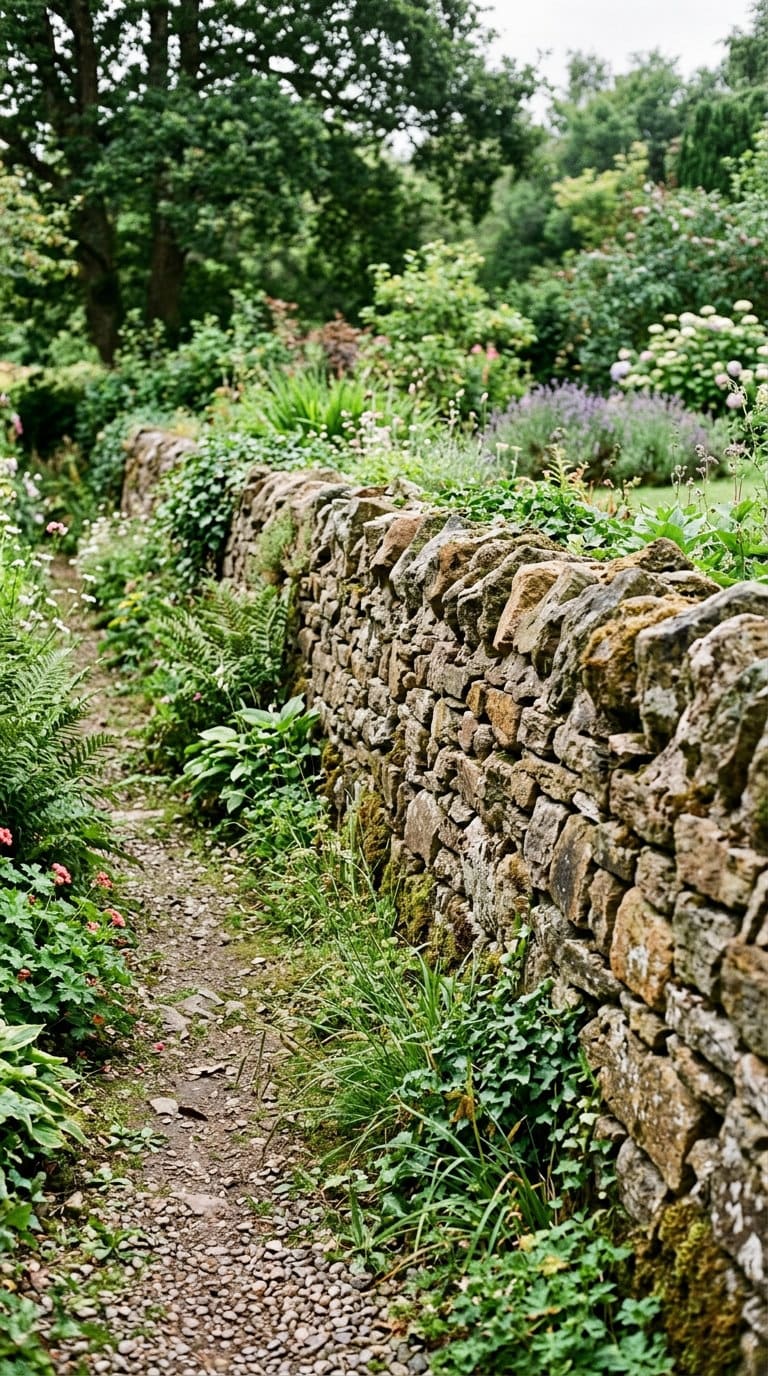
Take the Free QuizA more attainable middle ground: a stone fence, wall, or accent feature at a smaller scale. This stone fence guide covers dry-stack and mortared options that range from a genuine weekend DIY project to a bigger undertaking depending on which style you pick.
3. Letting light lead the layout
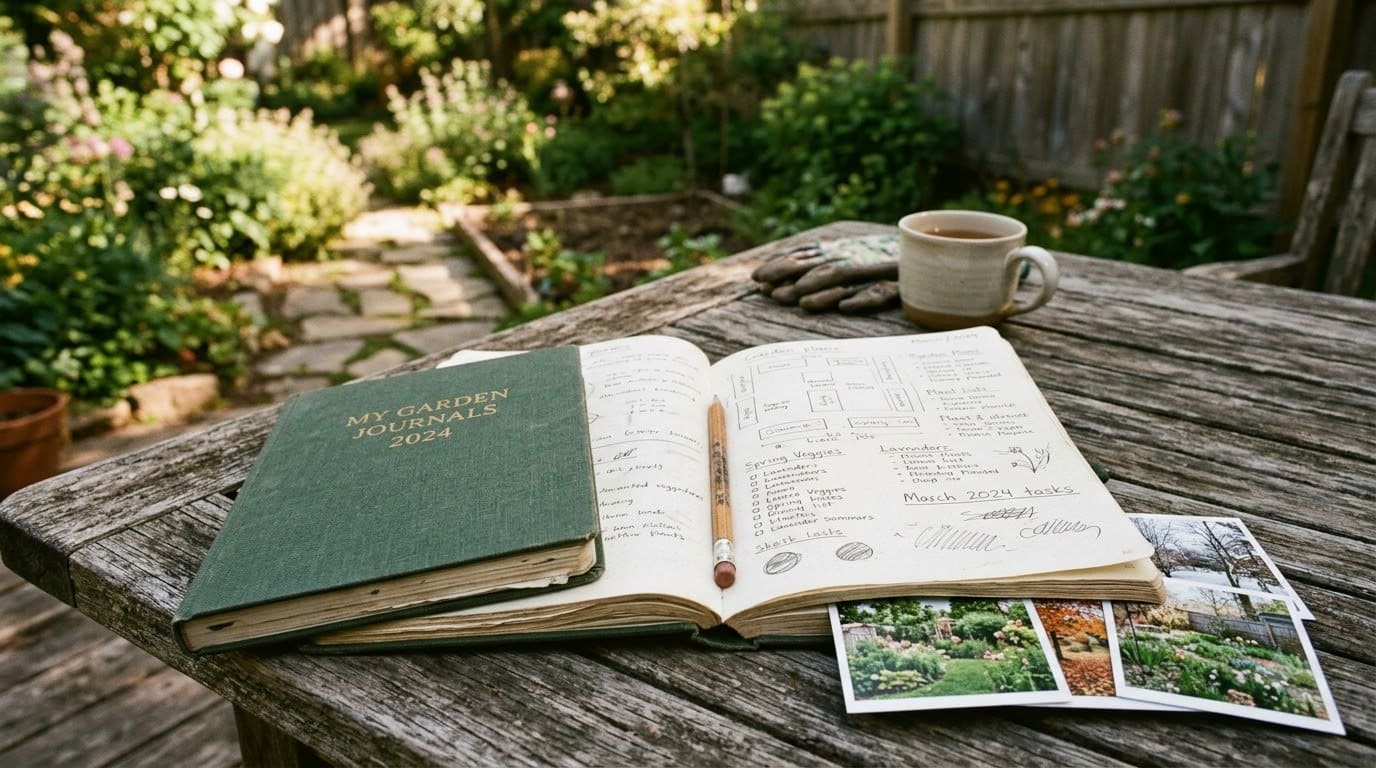
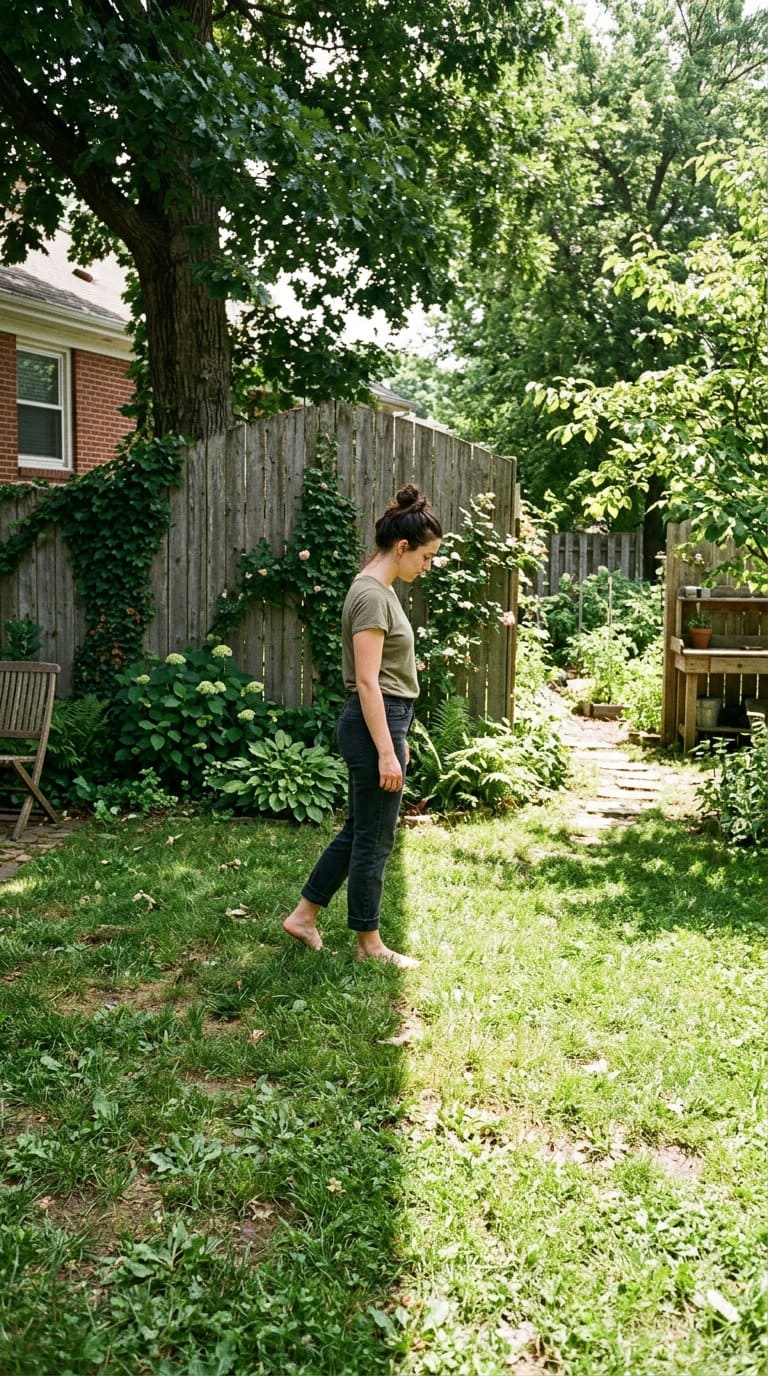
Rather than planning a garden layout first and hoping the light works out, this trend flips the process, watch how sun actually moves across your yard through the day, then place seating, plants, and features accordingly.
Sedlacek’s specific technique is using mixed-material hedging, plants and screening with some visual texture rather than a solid wall, so you get privacy without fully blocking available light.
This is one of the genuinely free trends on this list. It costs nothing to spend a weekend actually watching where the sun falls on your property at different hours before you commit to placing anything permanently, and it can save you from a genuinely common, expensive mistake: planting a shade-loving plant in a full-sun spot, or vice versa, and having to replace it a season later.
4. Contextual design
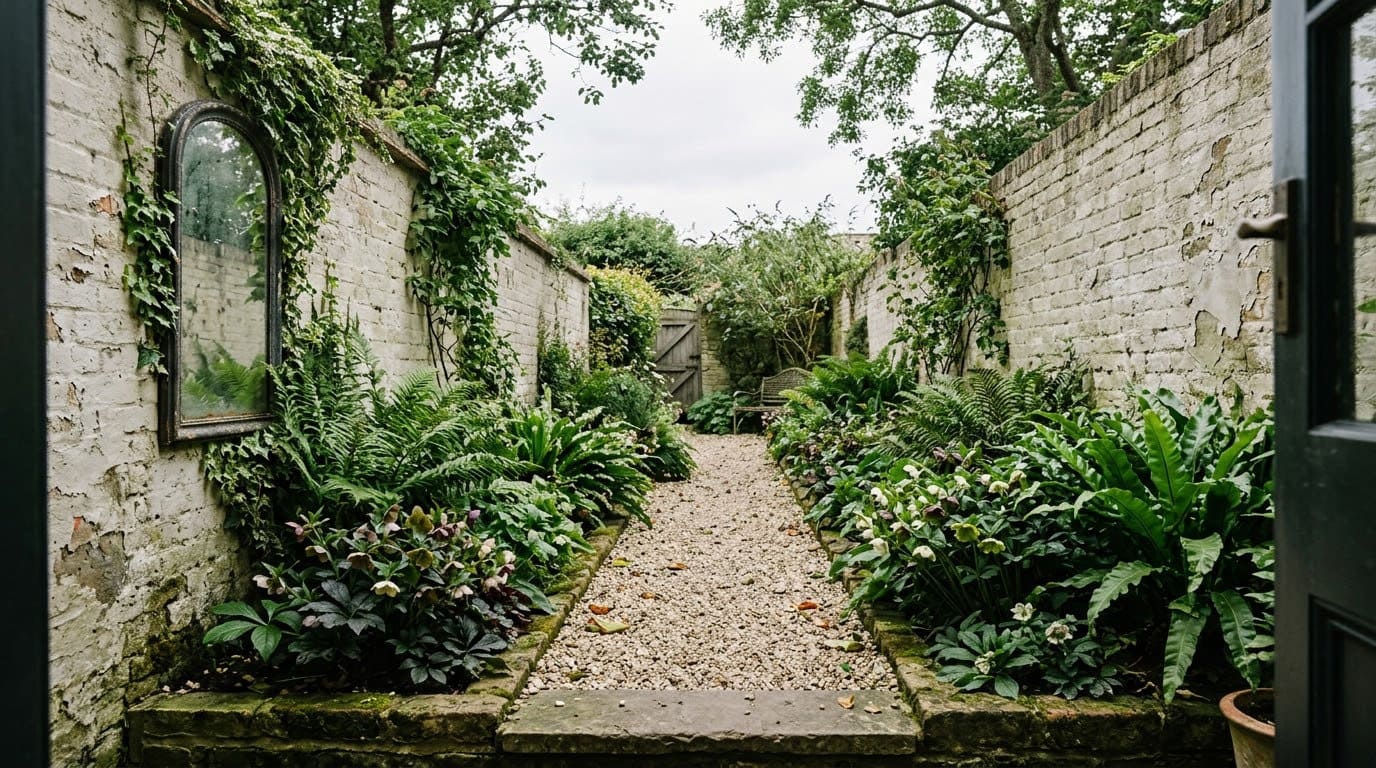
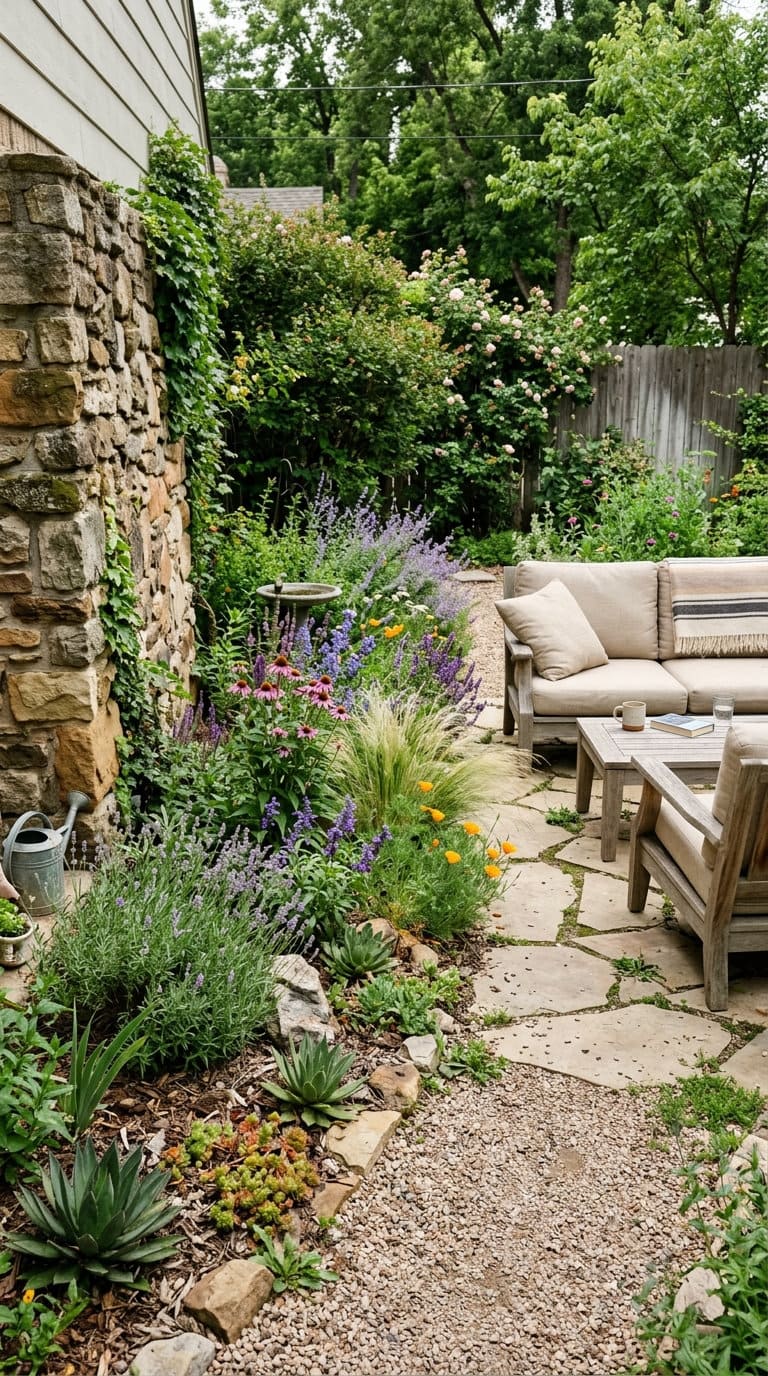
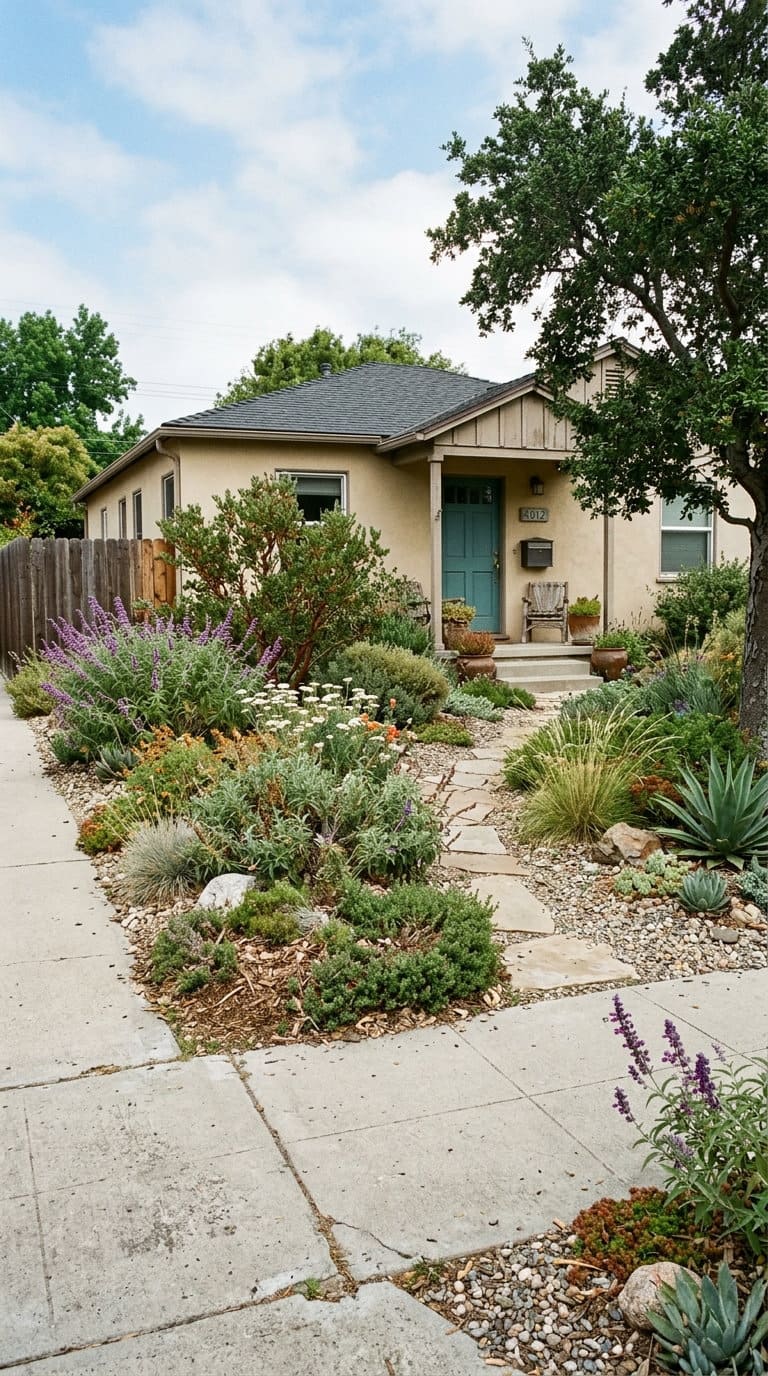
Working with your yard’s actual geography and climate instead of fighting it is the core idea here. Ryan Donohoe, founder of the Vancouver-based firm Donohoe Living Landscapes and a two-time Landscape Designer of the Year, treats this less as a stylistic trend and more as a basic responsibility, design that references where you actually live rather than importing a look that doesn’t fit the site.
There’s a real budget argument here too, not just an aesthetic one. Native and regionally-appropriate plants generally need less water, less fertilizer, and less ongoing maintenance than plants fighting against your actual climate, which means real long-term savings, not just a nicer photo.

A genuinely cheap way to start the contextual/native-plant approach from idea #4.
Most yard problems trace back to one specific, fixable cause. Find yours in 4 quick questions.
Take the Free QuizThis post contains affiliate links. We may earn a commission on qualifying purchases at no extra cost to you.
This Southwest landscaping guide is a solid example of what contextual design looks like when you’re actually working with an arid climate instead of against it, adjust the same principle for whatever region you’re in.
5. Warm minimalism outdoors
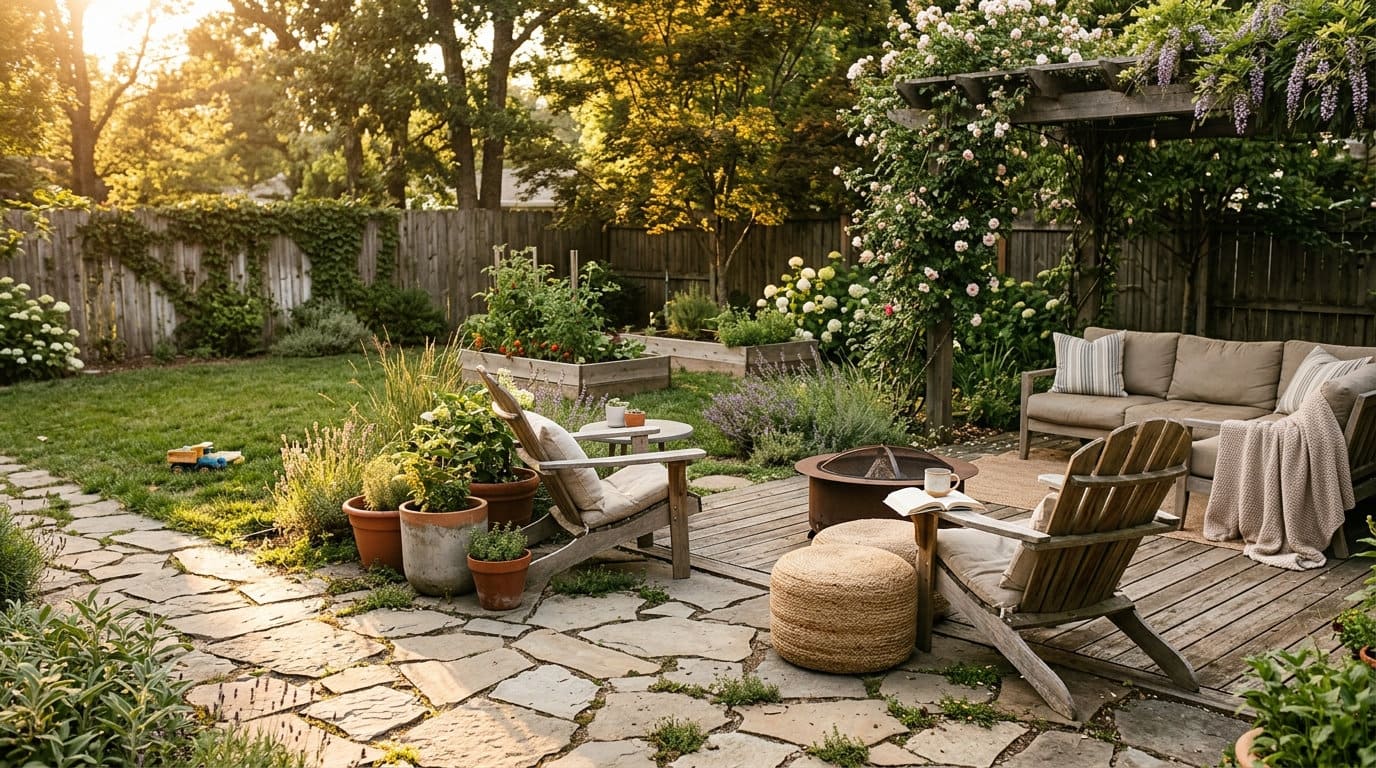
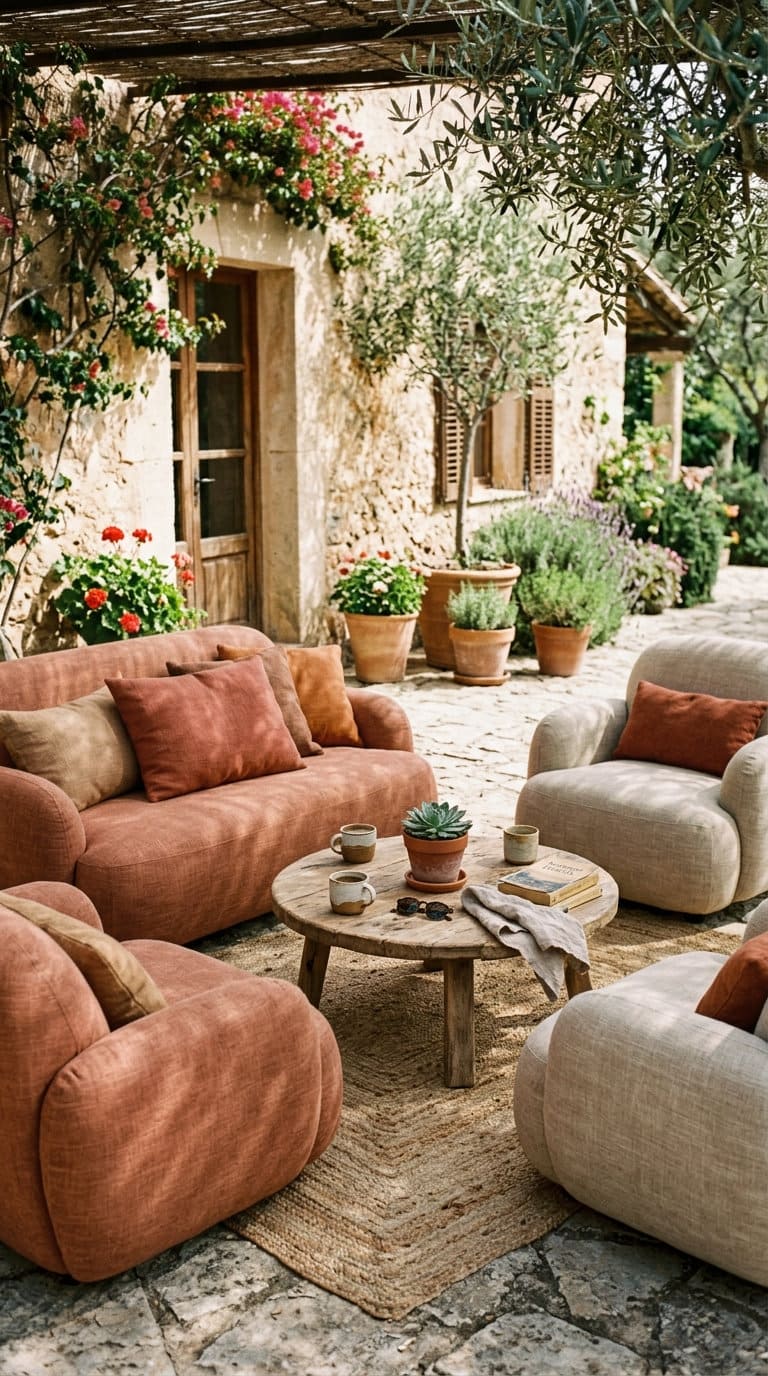
Soft, rounded furniture forms and neutral, warm color palettes, the same shift that’s been happening in interior design for a few years, are moving outside. Bo Hellberg, CMO of the 130-year-old Swedish outdoor furniture maker Grythyttan Stålmöbler, describes it as pared-back spaces grounded in warm tones with layered texture, not a stark, cold minimalism.
This is the most DIY-friendly trend on the list by far. You don’t need a full outdoor redesign, swapping cushion covers, adding a couple of warm-toned planters, or replacing one or two dated furniture pieces gets you most of the way there without touching the garden’s actual structure or plants.
FAQs
Do I need a landscape designer to follow any of these trends?
For 3 of the 5, no. Watching your yard’s actual light pattern, choosing native or regionally-appropriate plants, and swapping in warmer furniture and textiles are all genuinely DIY-able without hiring anyone. The other 2, built-in wellness features like saunas or cold plunges, and large-scale natural stone hardscaping, usually benefit from professional installation once you factor in plumbing, electrical, or structural work and the real cost of getting stone laid properly.
What’s the cheapest 2026 garden trend to try first?
Contextual, native-plant-based design and paying attention to your yard’s actual light pattern before placing anything. Both are closer to a planning decision than a purchase, and native plants specifically tend to cost less to maintain long-term than fighting your local climate with the wrong plant choices.
Do any of these trends require a permit?
Usually not for furniture swaps, plant choices, or a small stone accent feature. A built-in sauna, cold plunge, or major hardscaping project is a different story, electrical, plumbing, and larger structural changes commonly trigger a permit requirement depending on your city or county, worth checking before committing to the bigger-ticket version of any trend here.
Trends Are a Starting Point, Not a Shopping List
The honest version of “2026 garden trends” isn’t a list of things to buy, it’s a short list of ideas worth testing at whatever scale actually fits your yard and your budget. Watch your light. Pick plants that actually want to grow where you live. Swap what’s easy to swap before committing to what isn’t.
Products We Recommend
This post contains affiliate links. We may earn a commission on qualifying purchases at no extra cost to you.
Name Product description Product link Premium North American Native Wildflower Seed Mix (No Fillers, 1/2 lb)
A genuinely cheap way to start the contextual/native-plant approach from idea #4.
Shop Now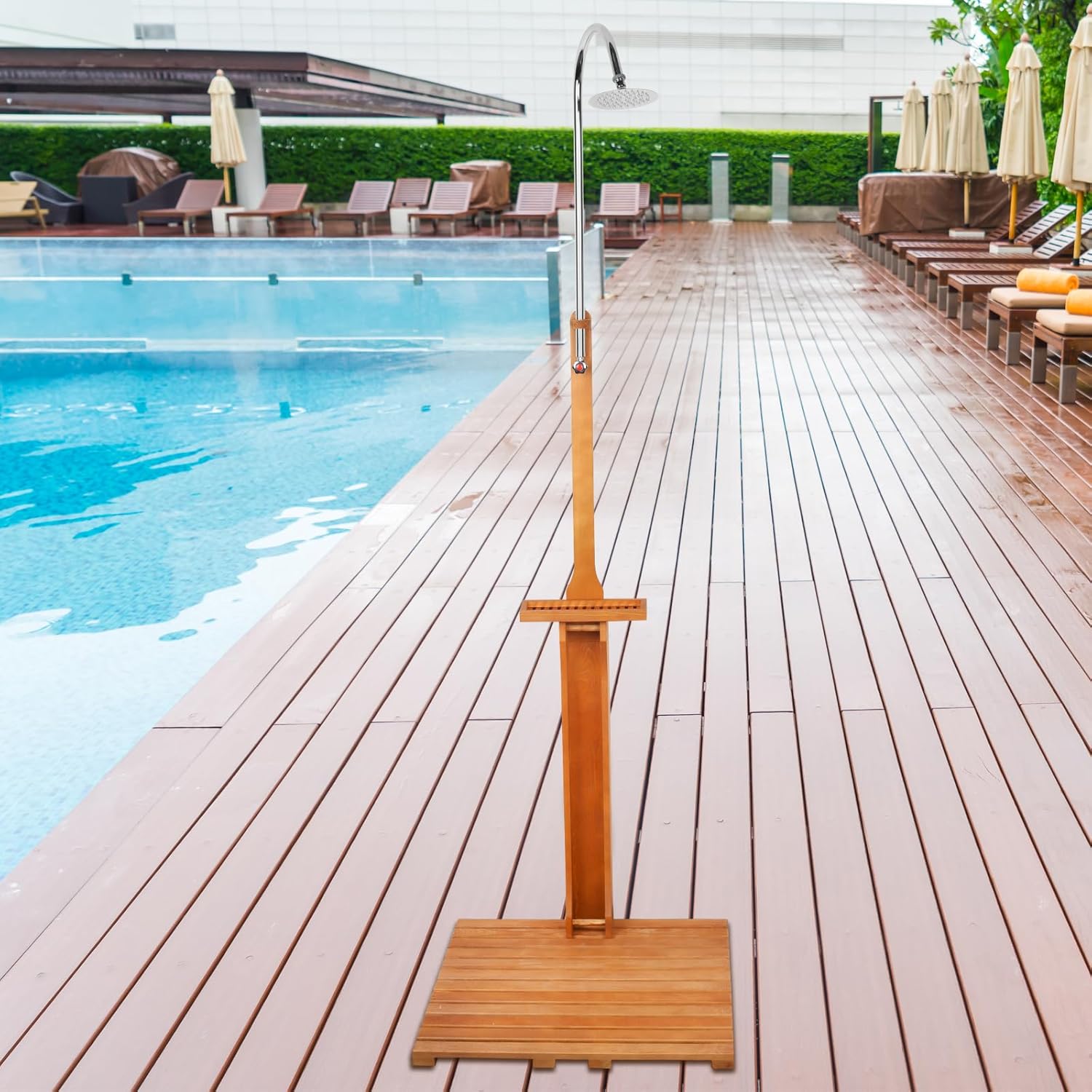
Senrob Portable Outdoor Shower Kit with Wooden Base
A lower-cost, freestanding entry point into the wellness-led design trend from idea #1 than a full built-in installation.
The average homeowner spends $616/year on yard fixes that don't address the real problem. Find out what yours actually is — before you spend another dollar.
Take the Free QuizNever miss an update — choose FarmFoodFamily as your preferred source on Google.
How it works: Tap the button below to open Google's settings page, then check the box next to FarmFoodFamily.
Tap the checkbox to turn it blue — that's how you know it's set.