8 Rules Real Landscape Designers Refuse to Compromise On in 2026
These aren’t trend forecasts, they’re working rules from practicing landscape designers, the things they build into every project regardless of what’s fashionable that year. A few of these touch ground we’ve already covered in 2026 garden trends, hard landscaping trends, and what’s actually new in landscaping, worth reading if this is your first stop, but three of the…

Never miss an update — choose FarmFoodFamily as your preferred source on Google.
How it works: Tap the button below to open Google’s settings page, then check the box next to FarmFoodFamily.
Tap the checkbox to turn it blue — that’s how you know it’s set.
These aren’t trend forecasts, they’re working rules from practicing landscape designers, the things they build into every project regardless of what’s fashionable that year.
A few of these touch ground we’ve already covered in 2026 garden trends, hard landscaping trends, and what’s actually new in landscaping, worth reading if this is your first stop, but three of the eight are genuinely new ground, and even the familiar ones come with real research behind them here that goes beyond a single designer’s opinion.
1. Soften seating areas with planting
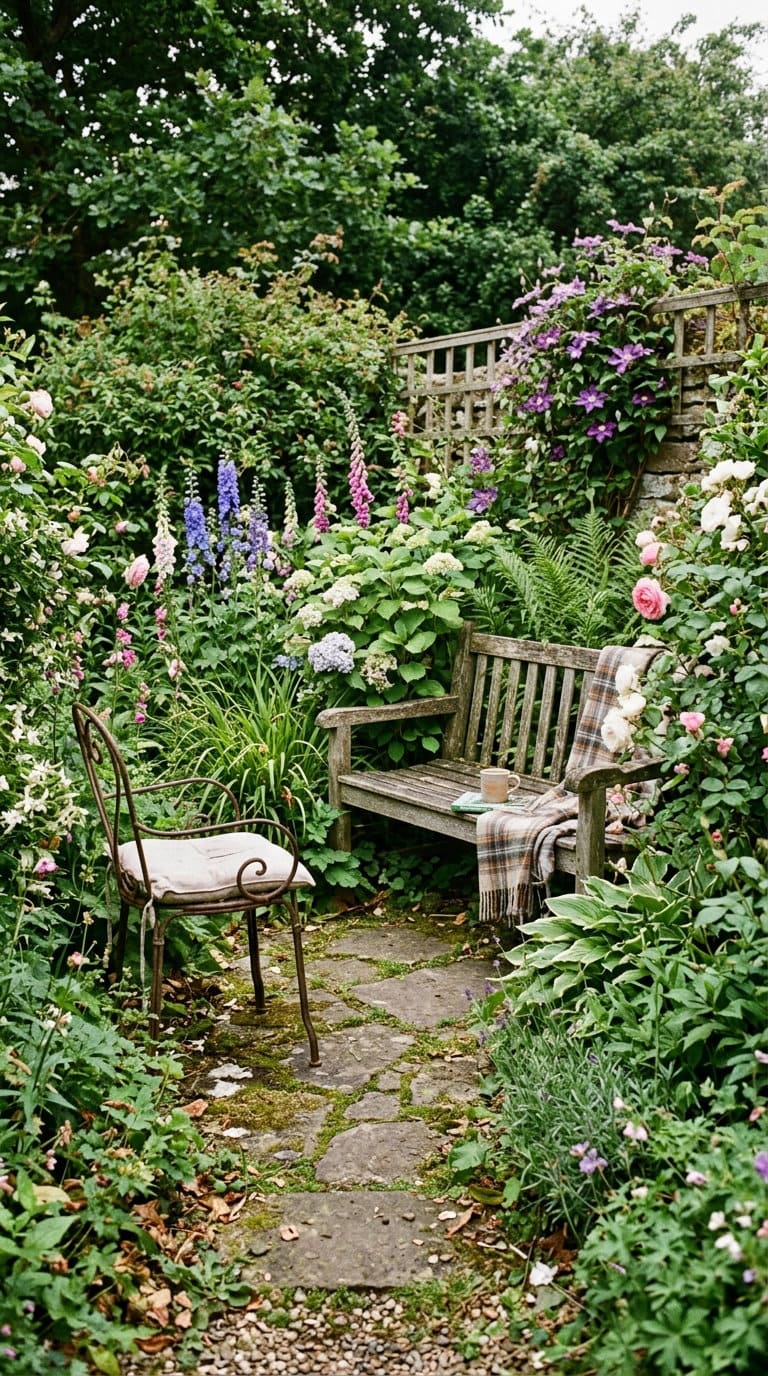
Elizabeth Tyler, a Wiltshire-based landscape designer whose work has appeared in FT Weekend, House & Garden, and Vogue, builds dense planting directly around seating rather than leaving it exposed on an open lawn or patio slab.
The reasoning is genuinely psychological, plants around a seating area create a sense of enclosure and safety that makes people actually want to sit and stay, rather than just pass through.
She also varies seating placement deliberately, different spots catch sun at different times of day, so there’s always somewhere comfortable regardless of the hour.
2. Design for year-round interest
Colm Joseph, a Cambridge-based landscape designer, treats a garden that only looks good in summer as an unfinished design.
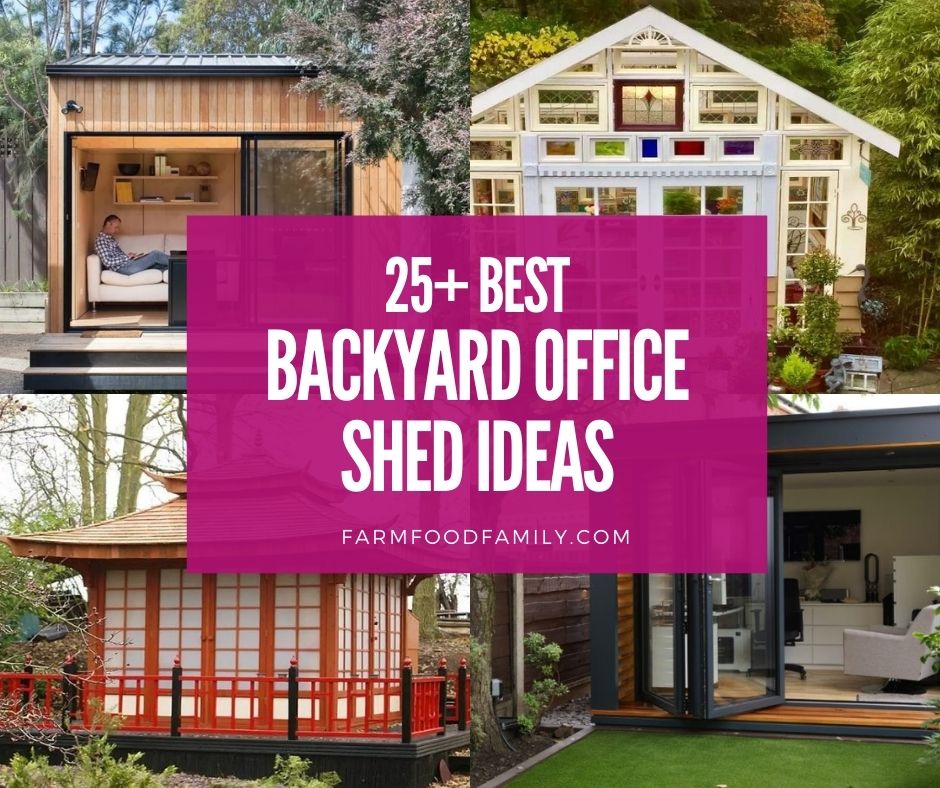
His approach leans on plants with real winter texture, ornamental grasses left standing rather than cut back, seed heads left on rather than deadheaded, paired with structural elements like birch trunks or beech hedging that hold visual interest even bare.
The point isn’t more maintenance, it’s choosing plants and structure that were never going to need cutting back to look good in the first place.
Answer 4 quick questions and get matched to the exact fix for your yard — drainage, budget, layout, or something else entirely.
Take the Free Quiz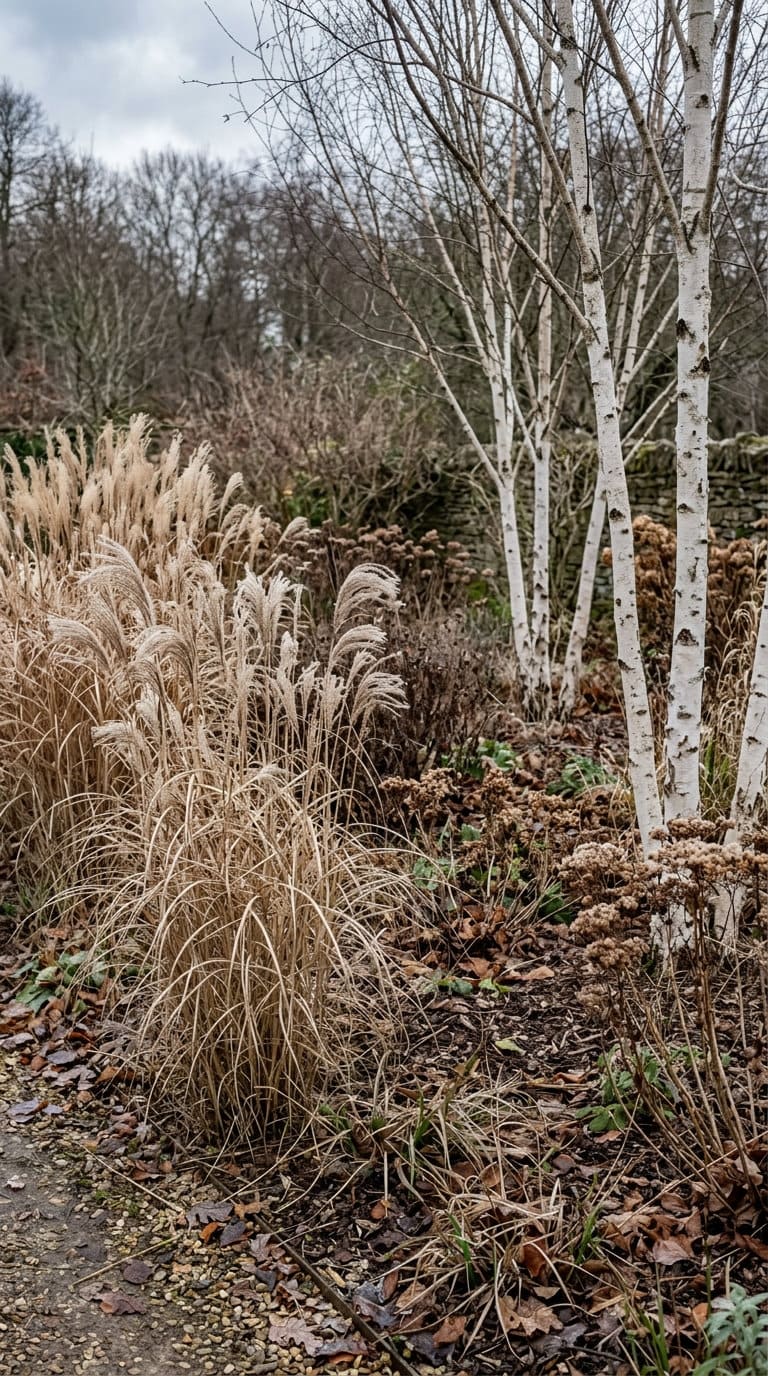
3. Opt for unstructured hardscaping
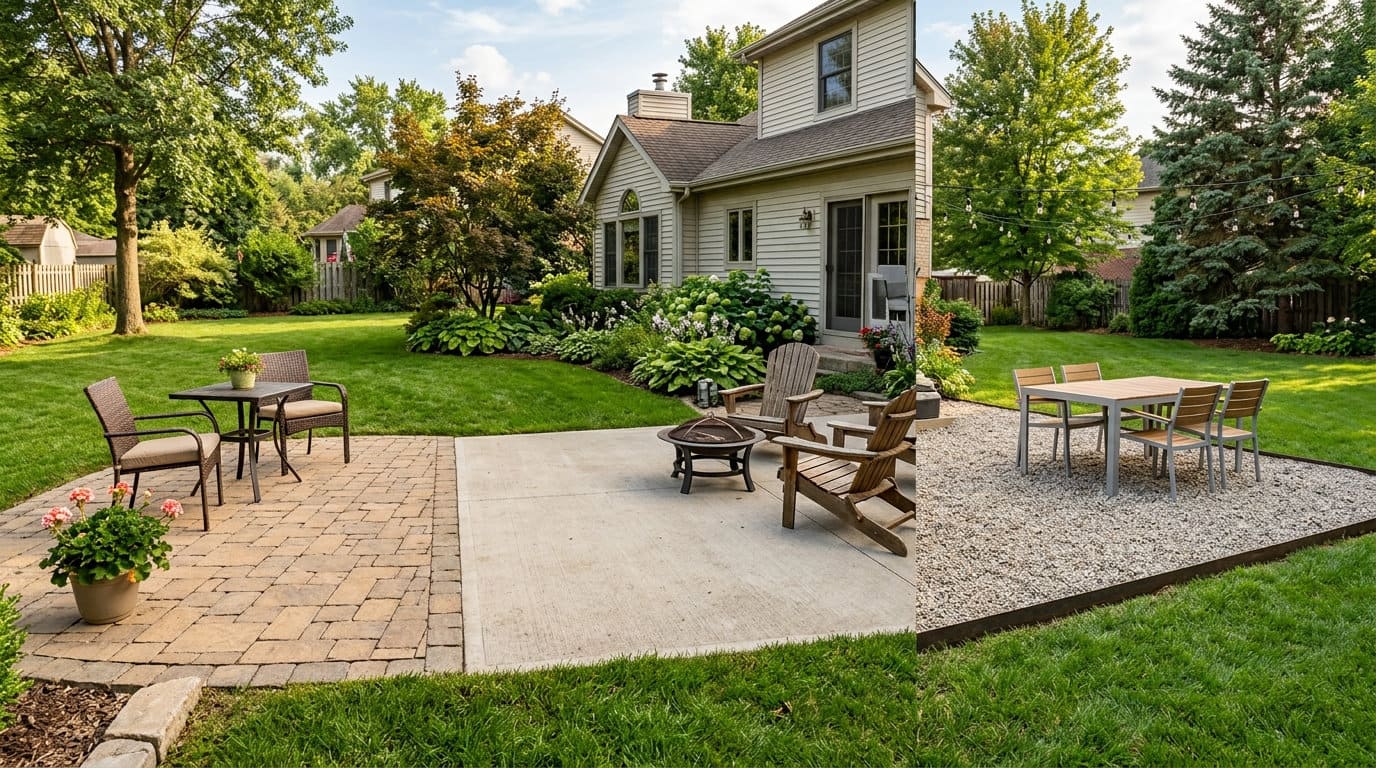
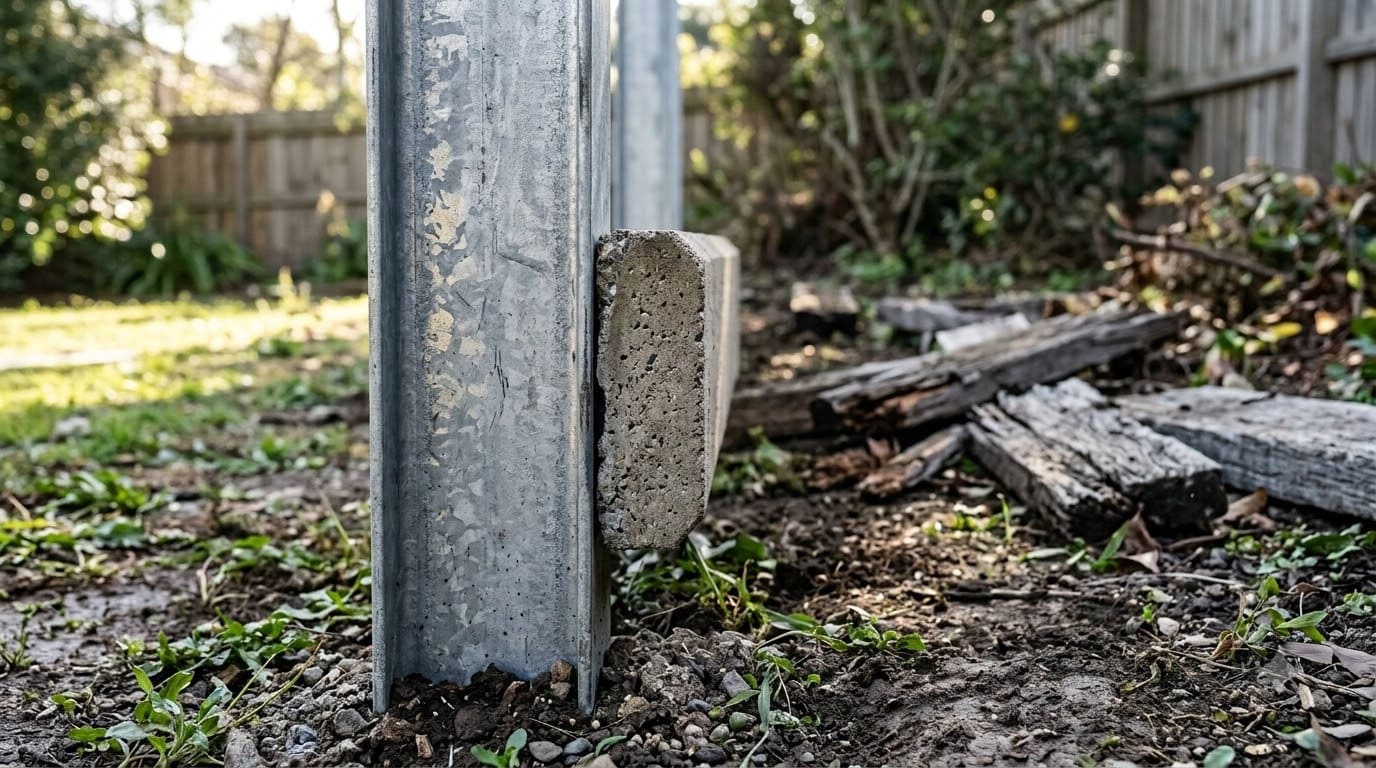
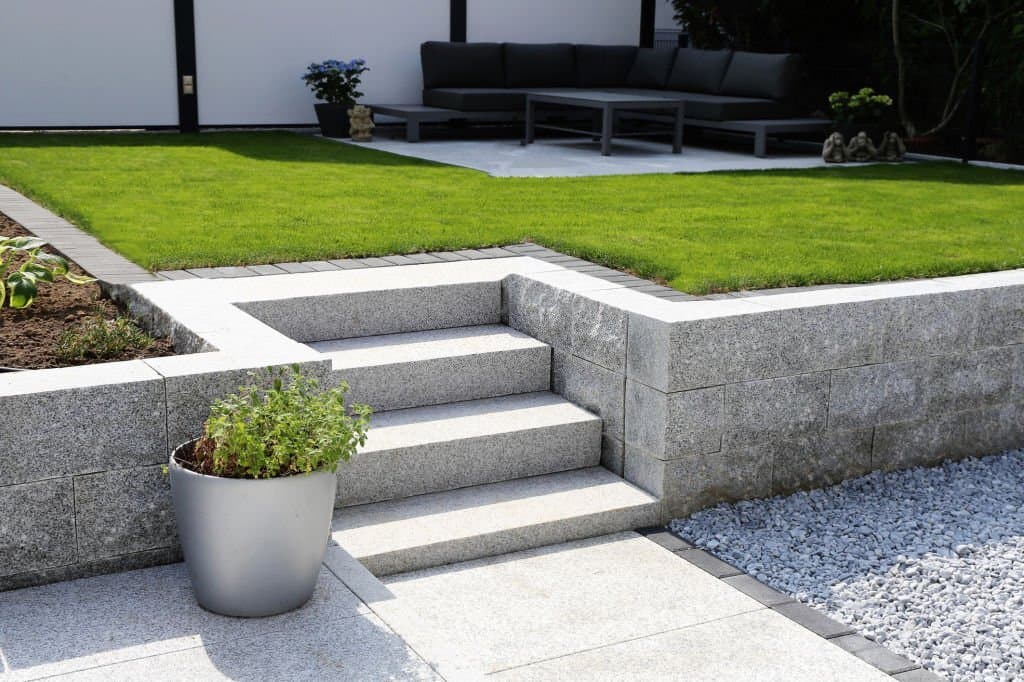
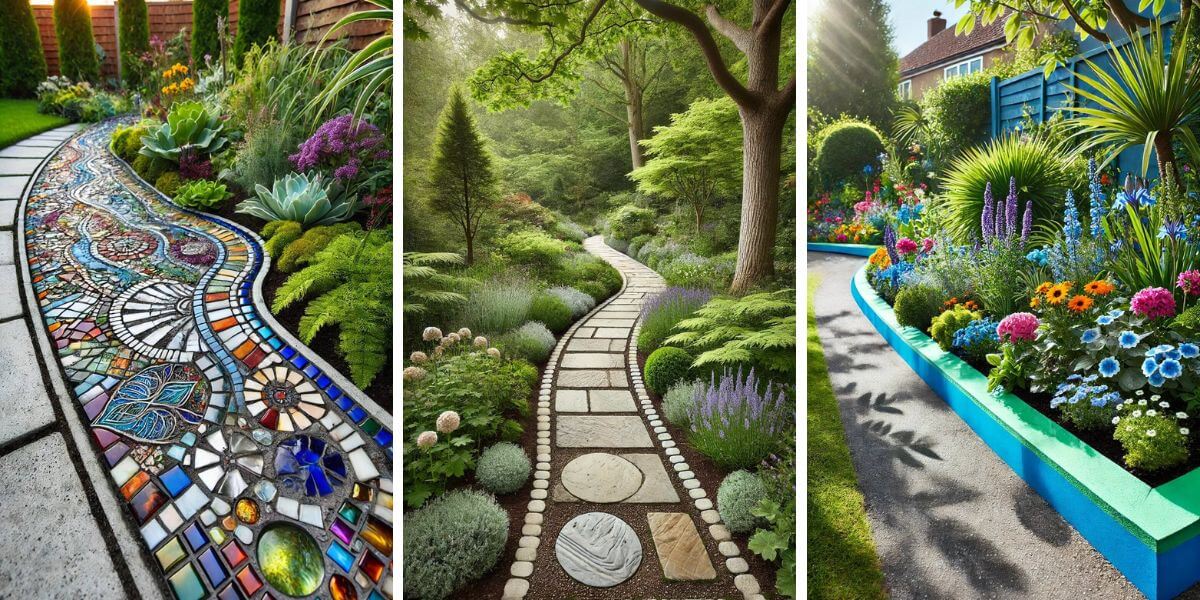
Myles Broad, Principal Designer at Eckersley Garden Architecture in Melbourne (20 years running one of Australia’s best-known landscape studios), mixes rough-hewn pavers with gravel and creeping groundcover rather than laying uniform, rigid paving across an entire space. Curved steel edging and split-face slate show up more than perfectly cut, matched stone.
There’s a real functional reason behind this beyond the look, one the aesthetic framing usually skips.
Gravel, spaced stone, and permeable pavers let rainwater soak into the ground rather than sheeting off into storm drains. Per the U.S. Geological Survey and Minnesota’s own stormwater management research, permeable surfaces measurably reduce total runoff volume and improve water quality, since pollutants get filtered through the stone and soil layers instead of washing straight into the storm system.
An “unstructured” gravel path isn’t just softer to look at, it’s doing real water management work a solid concrete slab isn’t.
4. Keep lighting low, flexible, and wildlife-conscious
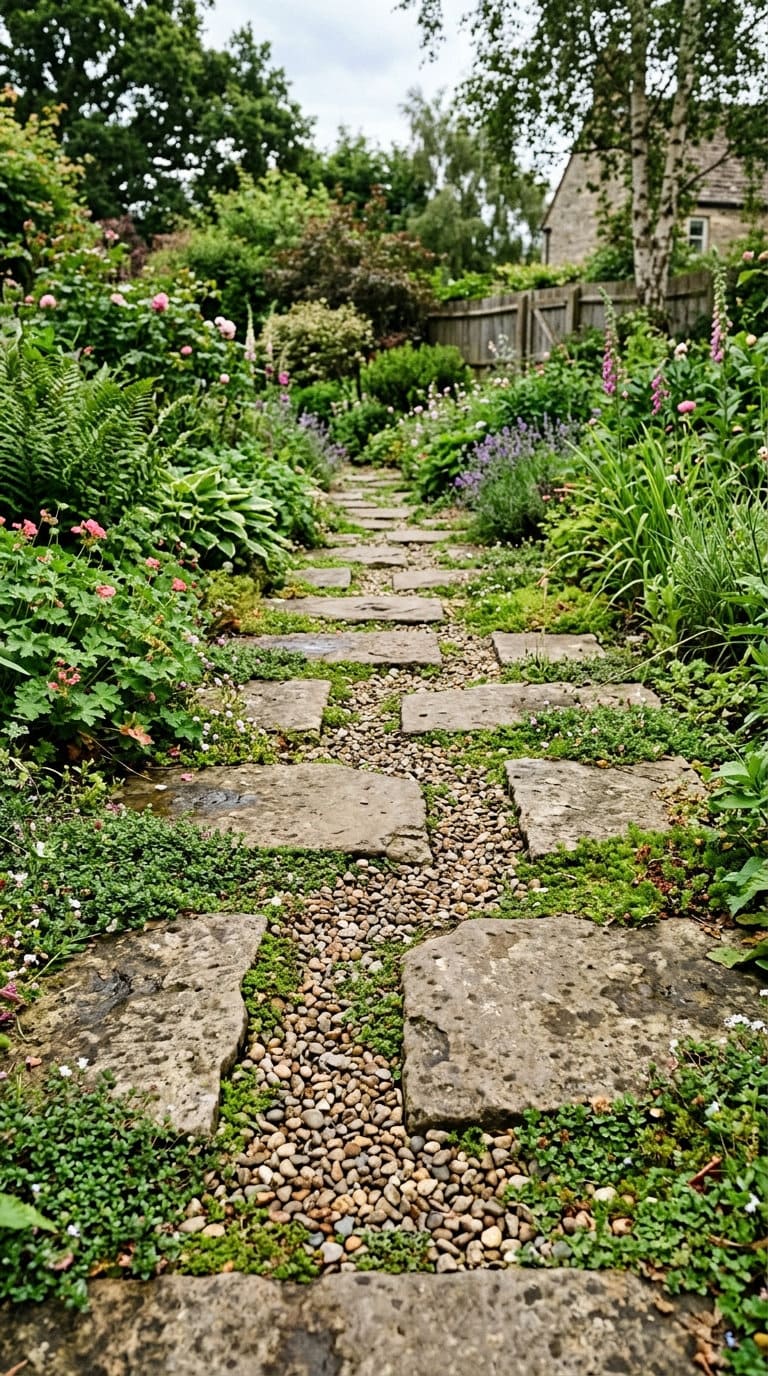
Natasha Nuttall, a North London garden designer, uses small spotlights tucked within planting beds rather than broad floodlighting, and zones lighting so different areas can be lit independently, partly for the look, and partly to actually reduce light pollution.
That reasoning holds up against real outside research too. DarkSky International, the leading authority on light pollution, lays out five real principles for responsible outdoor lighting: useful (only light what needs it), targeted (aimed where it’s needed, not spilling elsewhere), low-level (no brighter than necessary), controlled (on a timer or motion sensor, not on all night), and warm-colored (avoiding harsh blue-white light).

The permeable-surface approach from rule #3, the real stormwater-infiltrating base beneath a gravel or spaced-stone path.
Most yard problems trace back to one specific, fixable cause. Find yours in 4 quick questions.
Take the Free QuizThis post contains affiliate links. We may earn a commission on qualifying purchases at no extra cost to you.
Light pollution has documented, measurable effects on nocturnal wildlife and migrating birds, this isn’t a soft, feel-good design preference, it’s a real environmental variable a garden’s lighting plan can actually influence.
5. Plant with pollinators in mind
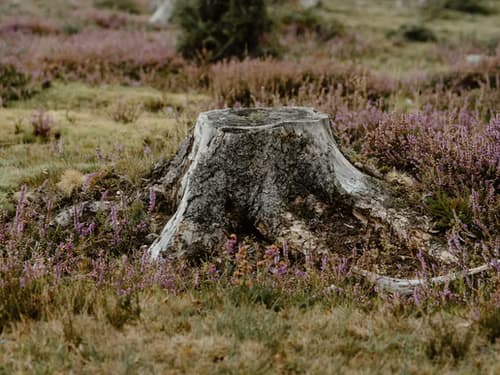
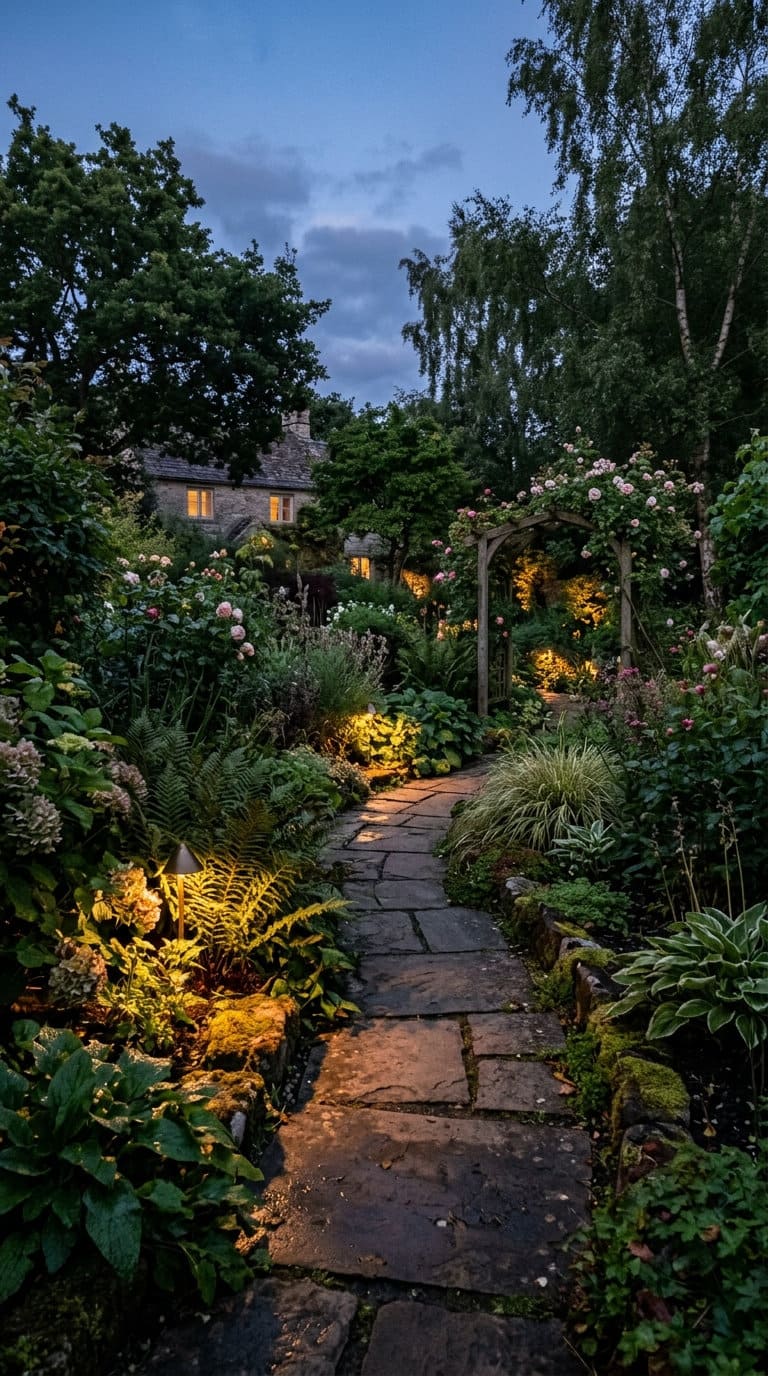
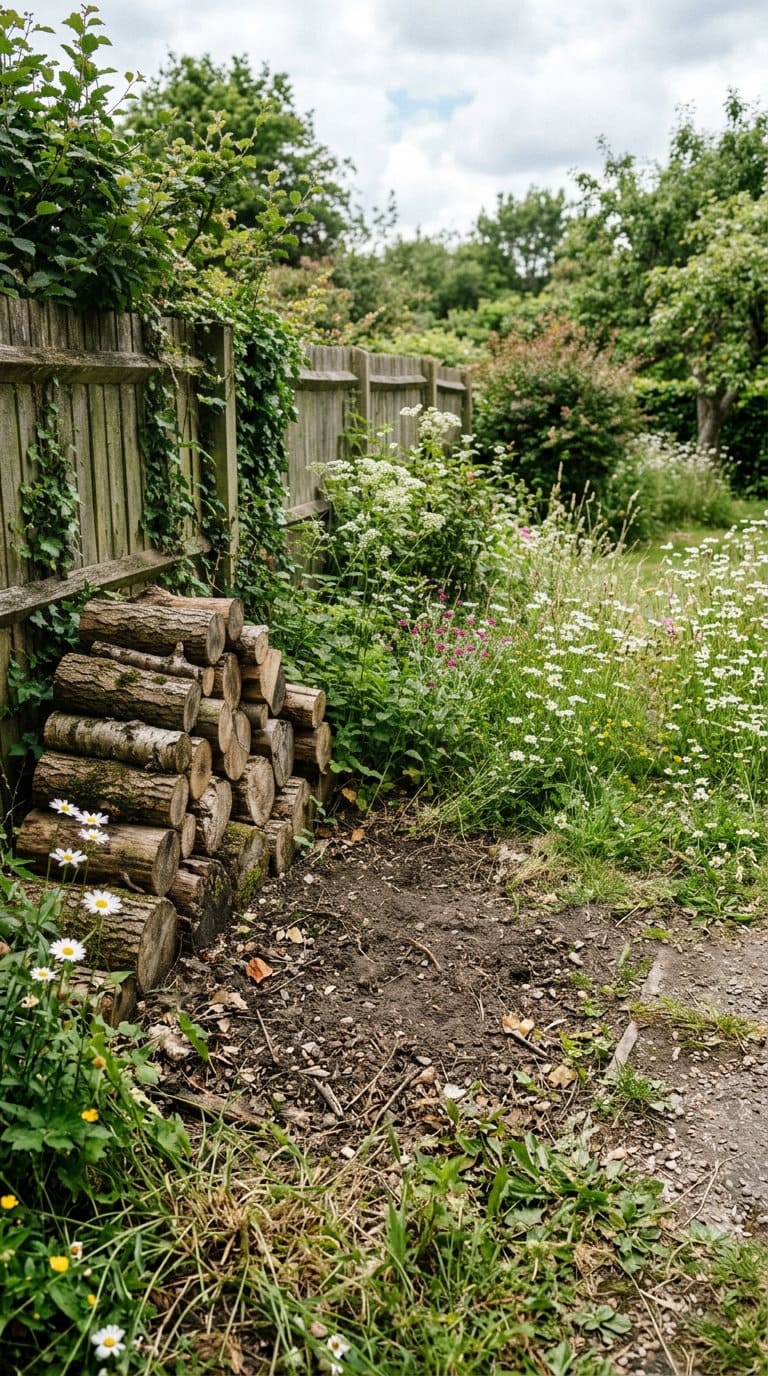
Kristina Clode, a Kent-based garden designer, builds in wildflower meadow patches and deliberately includes late-season bloomers, plants flowering into early fall when nectar sources are otherwise scarce, plus stacked log piles left in a corner rather than cleared away.
The Xerces Society, a real pollinator-conservation nonprofit, backs this with a genuine 4-step framework: grow pollinator-friendly flowers with overlapping bloom times, provide actual nest sites and shelter, avoid pesticides, and spread the practice further.
The log-pile detail has a specific mechanism behind it that’s easy to miss: cavity-nesting bees need pithy stems and dead wood specifically to lay eggs in, while ground-nesting bees (a much larger share of native bee species than most people realize) need patches of bare, undisturbed earth, not mulch, not groundcover.
A “messy corner” left alone is doing real habitat work most manicured gardens accidentally eliminate.
6. Factor wellbeing into the design
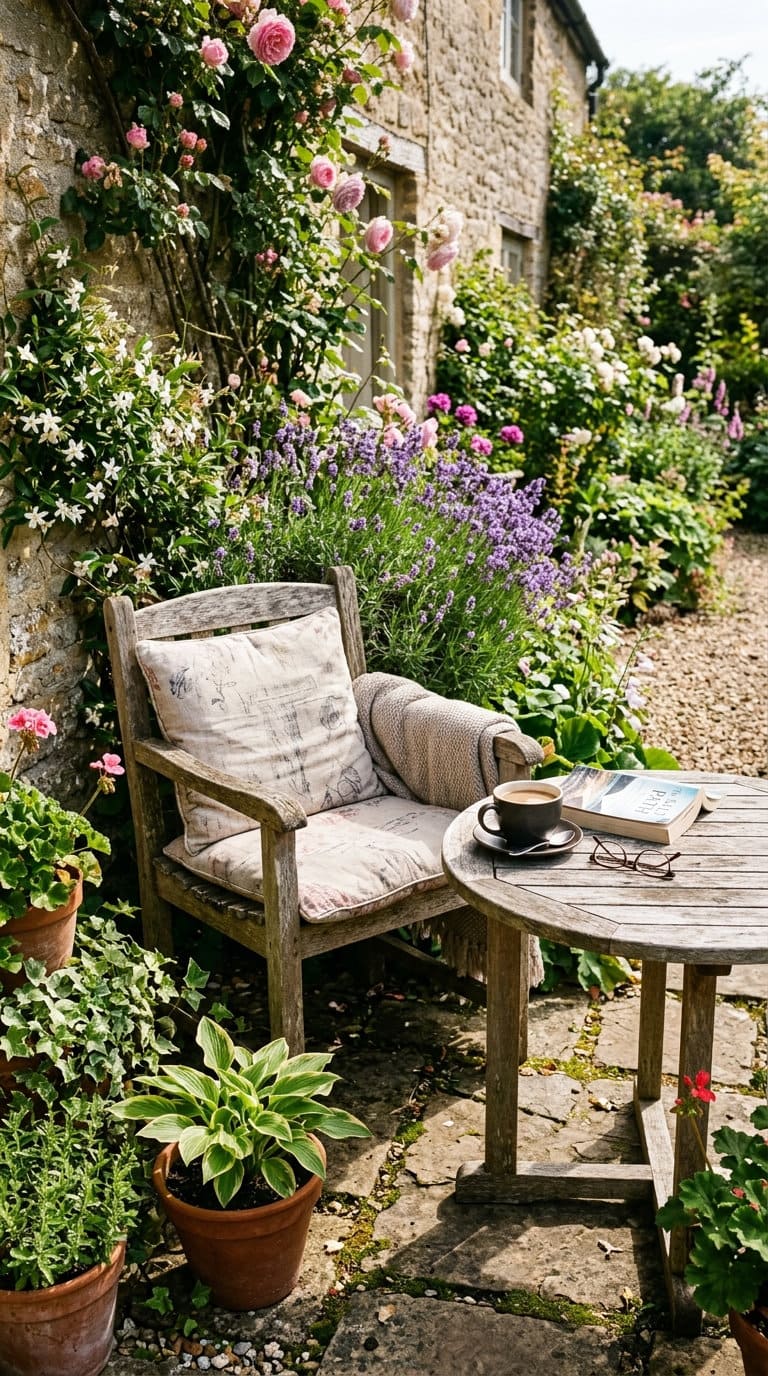
Vanessa Alexander, a California-based interior designer, builds specific sensory elements into outdoor spaces: the sound of moving water, scented planting near a seating area, and orienting a morning coffee spot to actually catch early sun rather than shade.
It’s a concrete, buildable version of “wellness,” not an abstract spa-day aesthetic, three specific senses (sound, smell, light timing) rather than a vague mood board.
7. Prioritize genuinely comfortable seating
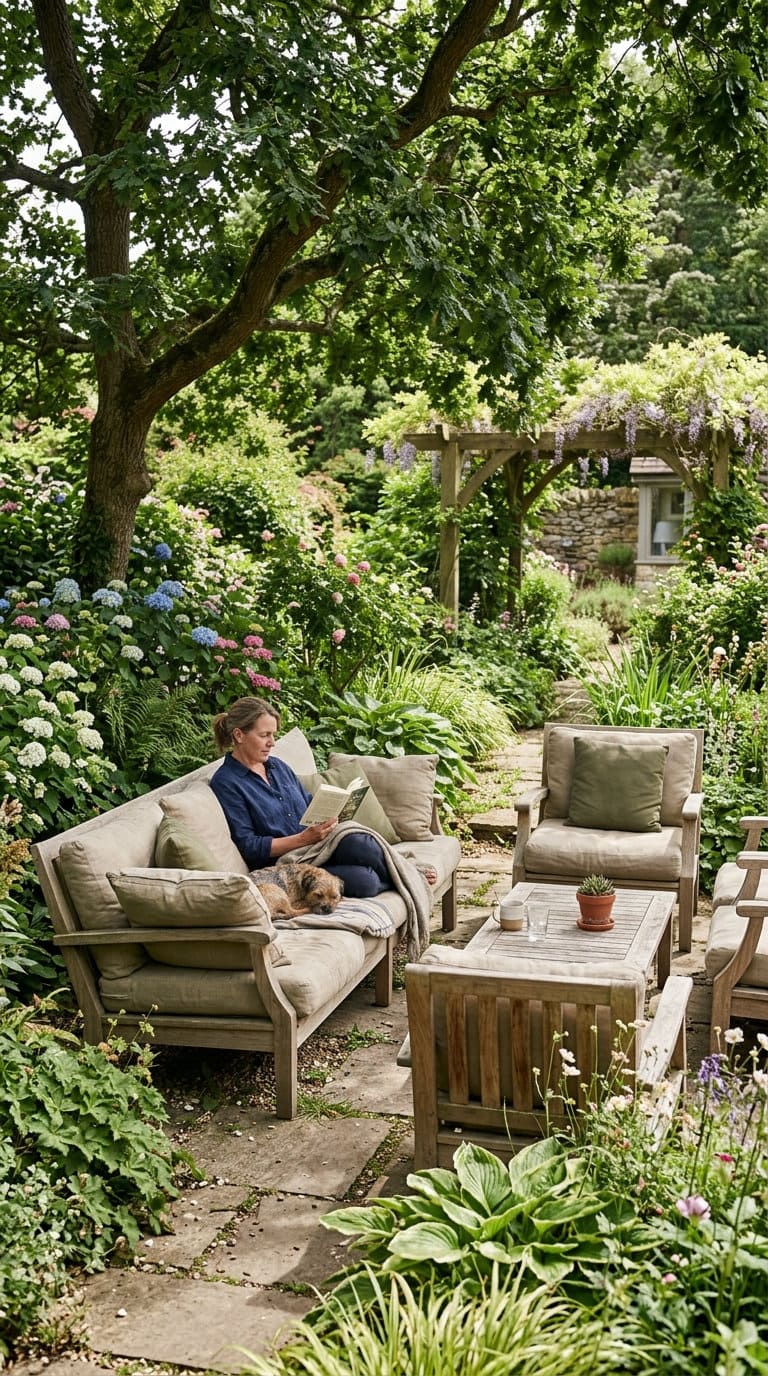
Stefano Marinaz, a Chartered Landscape Architect based in London and Utrecht and a repeat name on House & Garden’s Top 50 UK Garden Designers list, pushes for generous, properly upholstered outdoor seating over anything that photographs well but isn’t actually comfortable to sit in for an hour.
The test he applies is simple: does this seating genuinely make someone want to stay outside as the season changes, not just look good in a single photo.
8. Make small gardens feel immersive
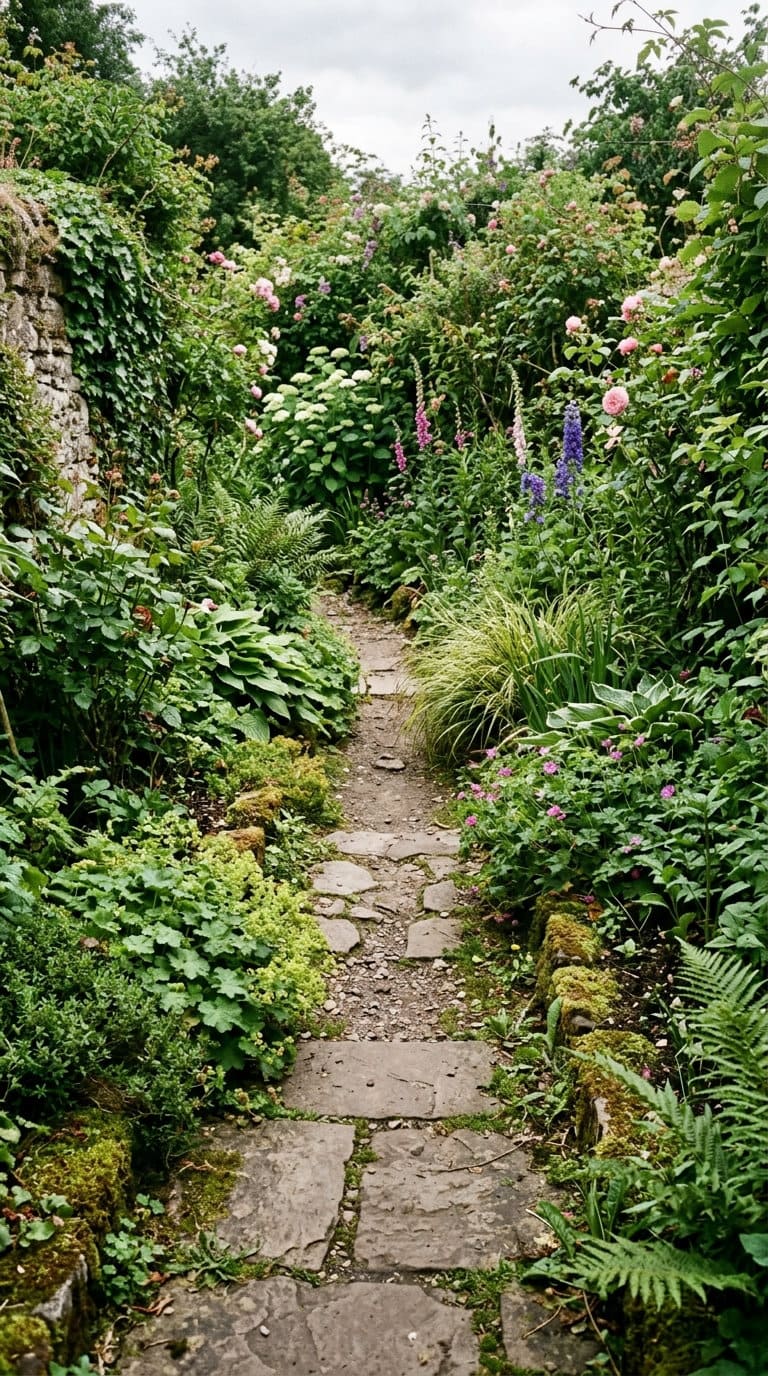
For compact gardens specifically, the rule is designing for movement rather than a single static view.
The average homeowner spends $616/year on yard fixes that don't address the real problem. Find out what yours actually is — before you spend another dollar.
Take the Free QuizA path that curves out of sight, a planted screen that reveals a new area only once you’re past it, makes a small space feel like it’s unfolding rather than fully visible from one spot on the patio.
This is the opposite instinct from what feels natural in a tight yard (clear every sightline to make it feel bigger), and it’s genuinely more effective, a garden you can see all of at once reads as small no matter its actual square footage, one that reveals itself in stages reads as more.
FAQs
Are these “rules” the same as 2026 trends?
Not quite. These are working principles specific landscape designers apply on every project, not seasonal forecasts. Some of the underlying themes (wellness, lighting, seating comfort) do overlap with trend coverage elsewhere on this site, worth reading 2026 garden trends and what’s actually new in landscaping if you want the forecast side of the same themes.
What’s the single easiest rule to start with in a small yard?
Designing for movement rather than one visible view, rule #8. It doesn’t require new materials or structural work, just rethinking a path’s curve or where a planted screen sits so the space reveals itself in stages instead of all at once.
Do I need a professional designer to apply these rules myself?
Most are approachable without one, planting choices, seating placement, lighting zones, and the pollinator/habitat details are all real DIY territory. The unstructured hardscaping rule is the one most likely to benefit from professional installation, since getting a permeable base to actually drain correctly (rather than just looking loose on top) takes real technique.
Rules, Not Trends
A trend tells you what’s popular this year. A rule is something a real designer builds into every project because it actually works, regardless of what’s fashionable. Borrow the ones that fit your space, the year-round planting, the permeable path, the deliberately messy pollinator corner, and skip worrying about which ones are currently “in.”
Products We Recommend
This post contains affiliate links. We may earn a commission on qualifying purchases at no extra cost to you.
TRUEGRID PRO LITE Permeable Paver Grid
The permeable-surface approach from rule #3, the real stormwater-infiltrating base beneath a gravel or spaced-stone path.
Shop Now
Elenora Low-Voltage LED Landscape Lighting Kit (2700K Warm White, 8-Pack)
The wildlife-conscious lighting from rule #4, low-level, warm-colored, and zone-controllable rather than broad floodlighting.
Shop Now
Late Blooming Wildflower Seed Mix
The late-season nectar approach from rule #5, specifically bred for fall and late-season blooms when nectar is otherwise scarce.
Shop NowNever miss an update — choose FarmFoodFamily as your preferred source on Google.
How it works: Tap the button below to open Google's settings page, then check the box next to FarmFoodFamily.
Tap the checkbox to turn it blue — that's how you know it's set.