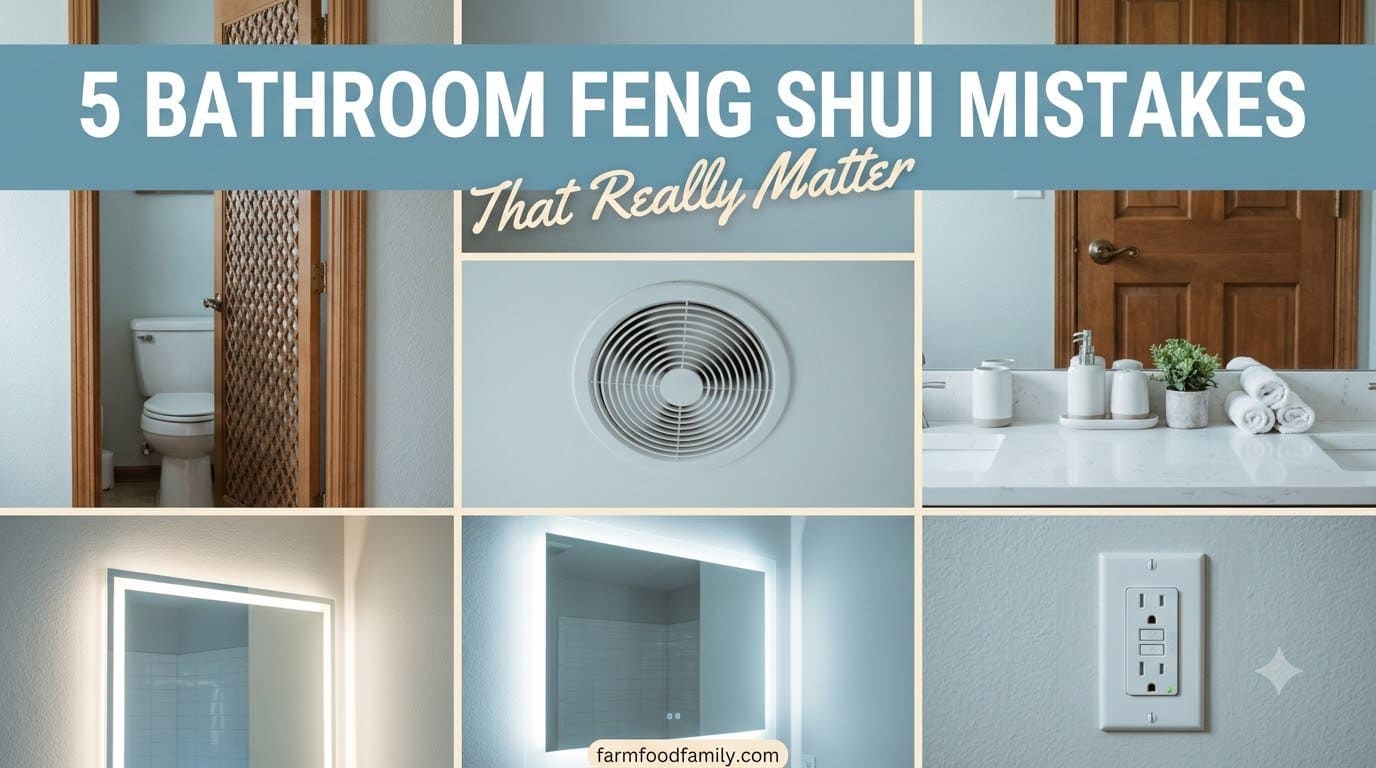
5 Feng Shui Bathroom Mistakes You Need to Avoid — And How to Fix Them
Feng shui treats the bathroom as the one room built to constantly drain something, water, energy, or both, and a couple of the fixes it recommends turn out to have real electrical code and hygiene science standing right behind them.

Never miss an update — choose FarmFoodFamily as your preferred source on Google.
How it works: Tap the button below to open Google’s settings page, then check the box next to FarmFoodFamily.
Tap the checkbox to turn it blue — that’s how you know it’s set.
Marianne Gordon, a Certified Feng Shui Consultant, treats the bathroom as the room most capable of “leaking” a household’s wealth and health energy if it’s positioned or maintained carelessly, water flows out constantly by design, and feng shui wants everything else about the room working to contain that effect rather than compound it.
Here are the five mistakes that matter most, paired with the real science and code that back a couple of them up beyond symbolism.
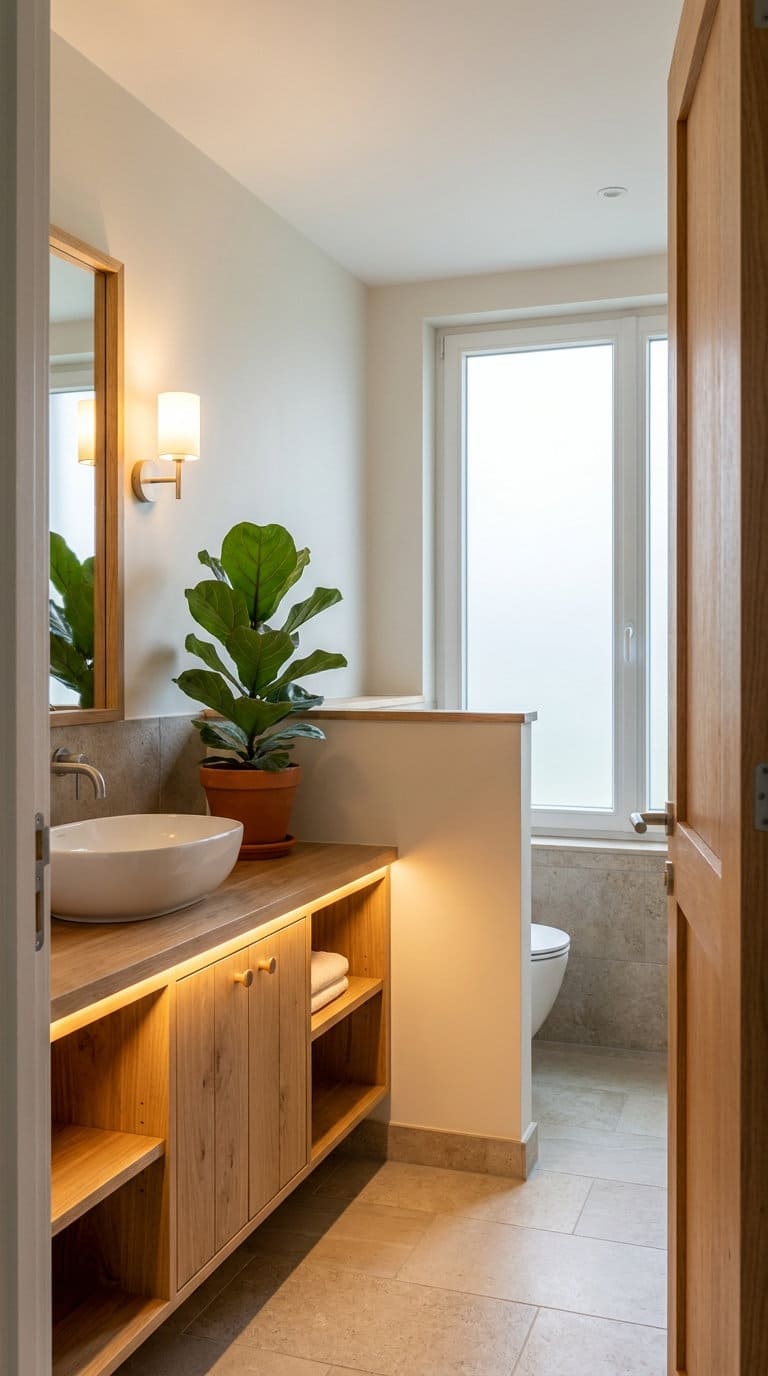
Mistake #1: A toilet visible from the doorway, or in direct line with the door
The feng shui reasoning: a toilet positioned directly in line with the bathroom door, or visible the moment the door opens, is thought to create a “leak” of wealth and health energy, the exact opposite of what a bathroom (already built around drainage) needs.
What’s actually happening: there’s a real, nuanced hygiene angle behind the broader “contain the toilet” instinct, though it’s more complicated than the usual “close the lid” advice suggests.
Peer-reviewed research (published in outlets including Scientific Reports and the American Journal of Infection Control) confirms that flushing creates an aerosol plume capable of traveling 5 feet or more, but more recent studies found that closing the lid doesn’t fully stop this, aerosols can still escape through the gap between the seat and bowl.


The real, more effective takeaway isn’t lid position alone, it’s regular disinfection of nearby surfaces and good ventilation, addressed in mistake #3.
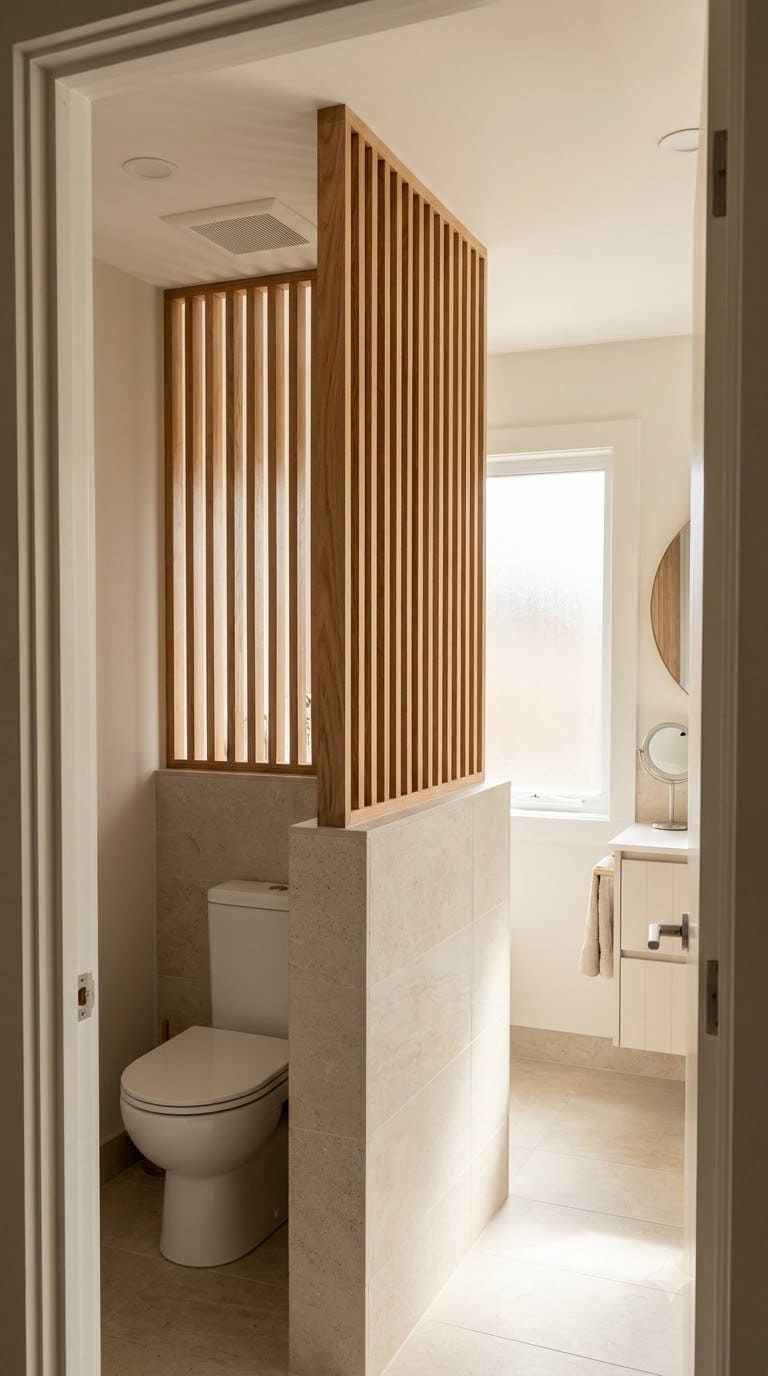
The fix: if you can’t reposition the toilet, a half-wall, decorative screen, or simply keeping the door closed by default addresses the visual/energetic concern. For the real hygiene concern, focus on disinfecting the surfaces within that 5-foot radius regularly, not just closing the lid and considering it handled.
Mistake #2: A bathroom door facing the kitchen, bedroom, or front entrance
The feng shui reasoning: a bathroom door aligned with the kitchen sets up a fire-water clash between cooking and cleansing energy; facing the bedroom is thought to bring excess moisture and yin energy into a space meant for rest; facing the front door is thought to let incoming wealth energy “flush” straight through and out.
What’s actually happening: the “fire-water” framing has a real electrical safety echo worth knowing regardless of layout. NEC 210.8(A)(1) requires every bathroom receptacle in the U.S. to have GFCI protection, no exceptions for distance from water, because a bathroom’s water and electrical fixtures sitting close together is a genuine shock risk, not just a symbolic elemental clash.
If you’re renovating or building, confirming GFCI protection on every bathroom outlet is the real-world version of “keep fire and water separated properly.”
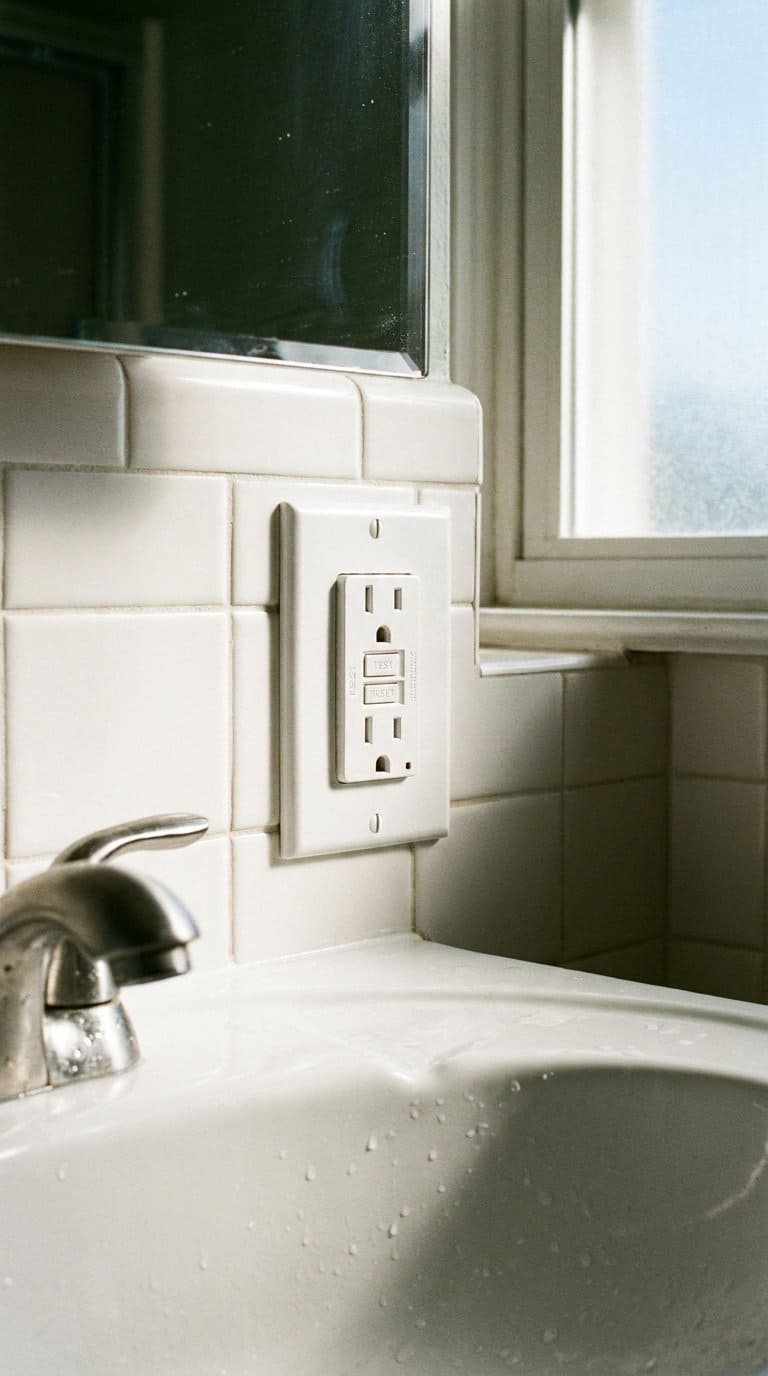
The fix: if the door alignment itself can’t change, a solid interior door (not louvered or glass), kept closed by default, addresses the symbolic concern. Separately, and regardless of layout, verify your bathroom outlets are GFCI-protected, this matters whether or not the door faces a kitchen.
Mistake #3: Poor ventilation, leading to mold and mildew
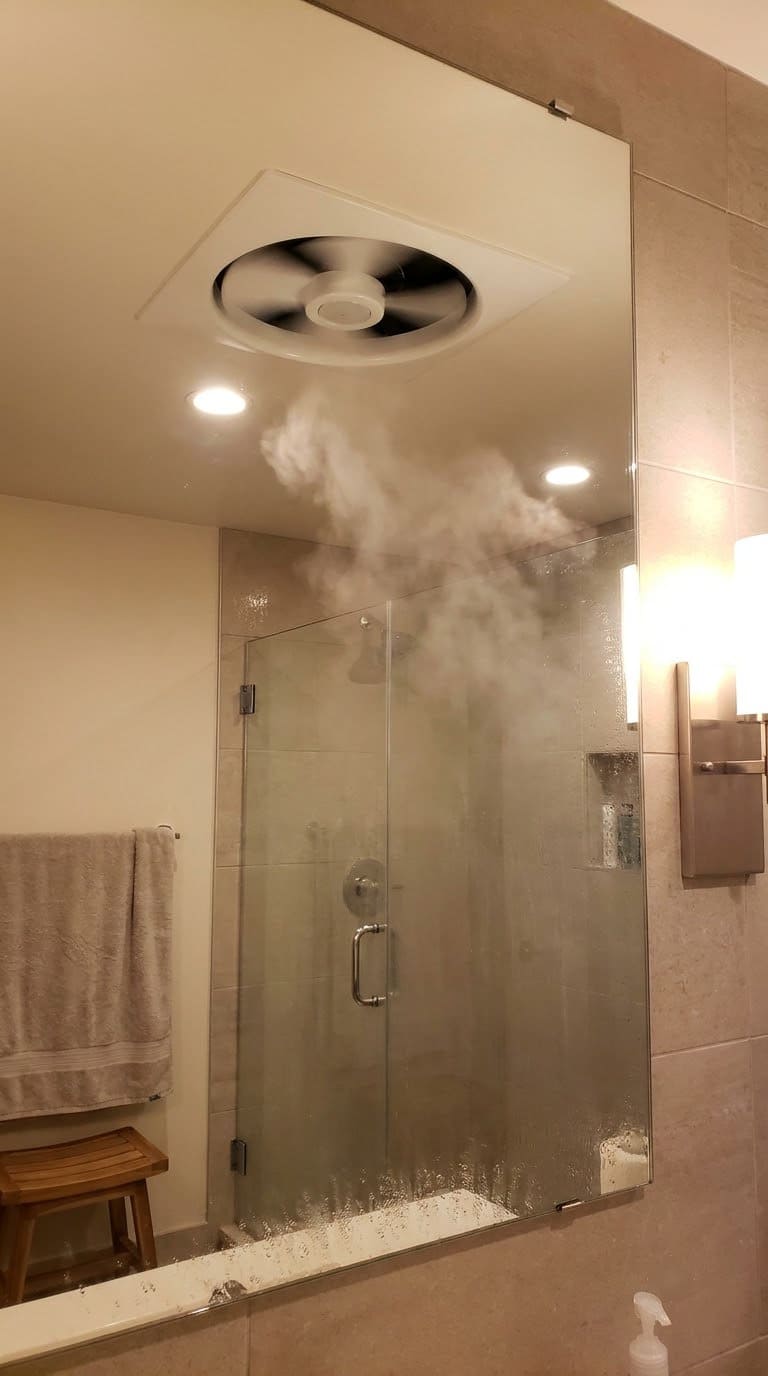
The feng shui reasoning: a damp, poorly ventilated bathroom is treated as stagnant, decaying energy, mold and mildew are considered a visible sign of qi that’s gone bad rather than just a maintenance issue.
What’s actually happening: this is one of the clearest overlaps between feng shui instinct and real building science on this whole list.

Directly addresses mistake #3's real ventilation/mold gap
Shop NowThis post contains affiliate links. We may earn a commission on qualifying purchases at no extra cost to you.
The EPA recommends keeping indoor humidity between 30-50%, and bathrooms, which see the most concentrated moisture in a home, need active help getting there: running the exhaust fan during every shower and for a further 15 to 20 minutes after is the commonly cited real-world standard for actually clearing that humidity spike, not just until the mirror stops fogging.
The fix: if your bathroom doesn’t have a working exhaust fan, or the existing one is undersized for the room, that’s a genuine priority fix, ahead of most of the decor-level feng shui advice on this list. Our awkward bathroom layout ideas guide covers ventilation and layout fixes for bathrooms with real structural constraints.
Mistake #4: Clutter and expired products left sitting around
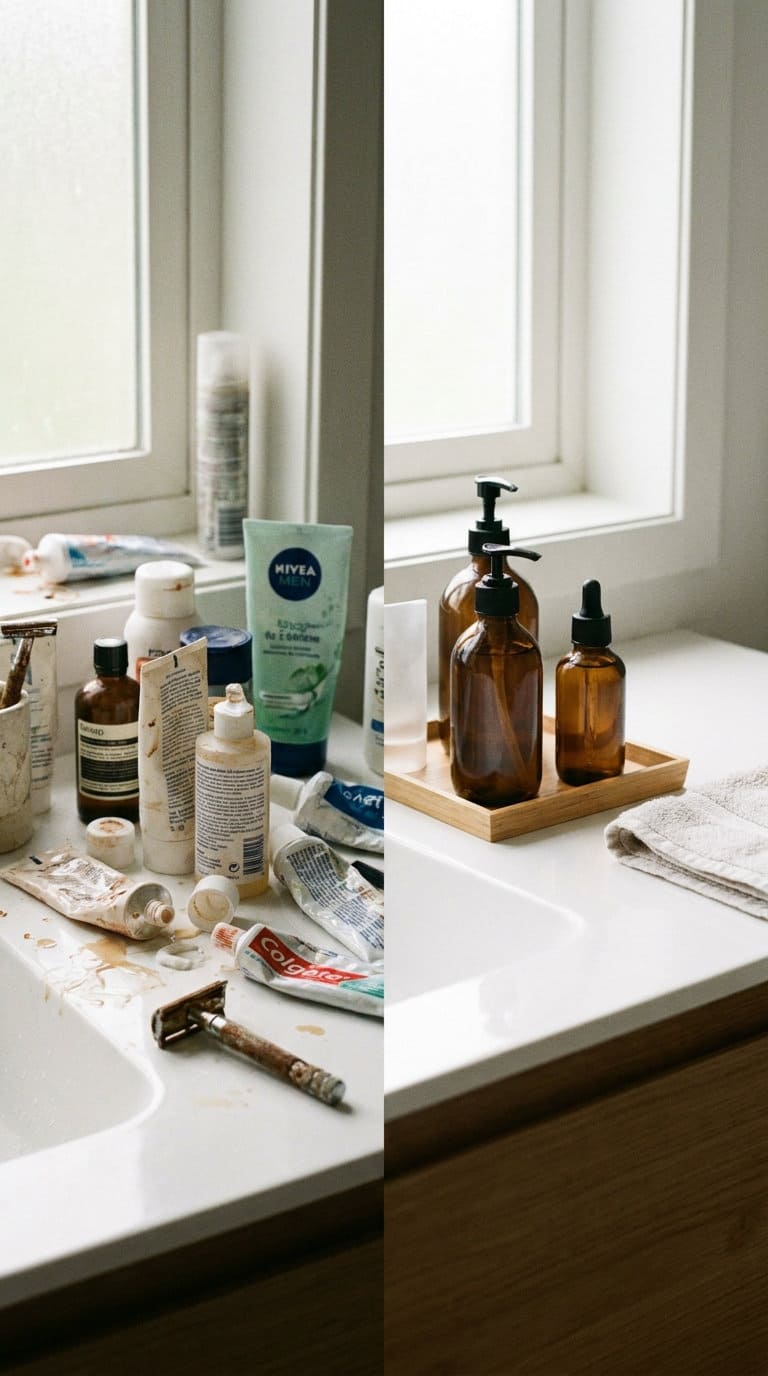
The feng shui reasoning: an overflowing counter, old towels, or expired skincare and cleaning products are treated as stagnant energy accumulating in a room that’s supposed to represent cleansing and renewal.
What’s actually happening: there’s a real practical reason beyond symbolism here too, a bathroom is a uniquely humid environment, and expired or improperly sealed products (especially anything water-based) are more prone to bacterial growth in that moisture than the same product sitting in a dry cabinet elsewhere in the house. “Throw away expired products” isn’t just a decluttering nicety in this specific room.
The fix: a simple seasonal check, discard anything past its expiration date, and store what you keep in closed cabinets rather than open humid air, satisfies both the feng shui and the practical hygiene concern at once.
Mistake #5: Dim, harsh, or inadequate lighting
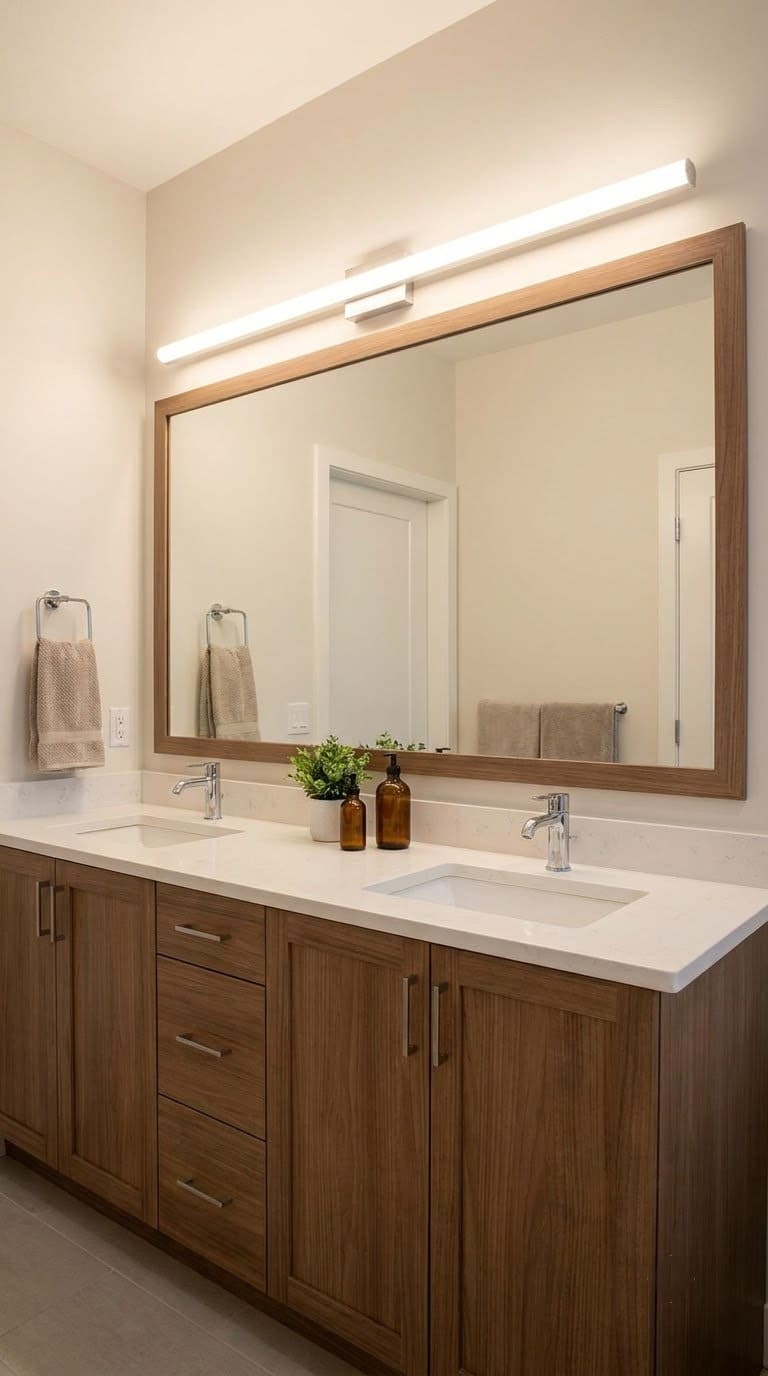
The feng shui reasoning: a dark or poorly lit bathroom is considered draining rather than restorative, full-spectrum lighting that mimics natural daylight is the commonly recommended fix to keep the room’s energy active and uplifting.
What’s actually happening: lighting quality genuinely affects mood and how a space feels to be in, this isn’t feng shui-exclusive territory, it’s well-documented in general lighting design.
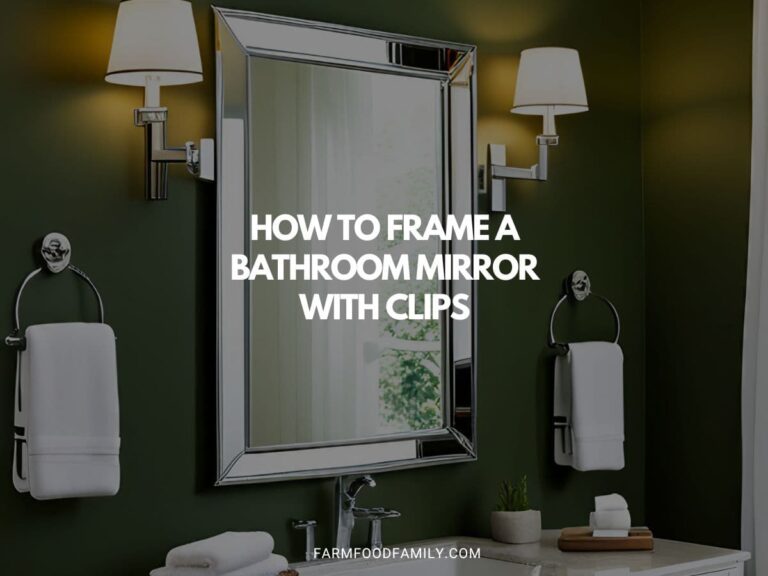
A harshly lit or dim bathroom can make even a clean, well-organized space feel clinical or gloomy, undermining the effect of everything else you’ve fixed on this list. Our bathroom lighting ideas over the mirror guide has real fixture options that address this without a full remodel.



The fix: layer in warmer-temperature LED bulbs and, where possible, a light source that doesn’t cast harsh shadows across the mirror, a simple bulb swap often does more for the room’s feel than a larger renovation would.
The 5 mistakes at a glance
| Mistake | Feng shui reasoning | What’s actually happening |
|---|---|---|
| Toilet visible from doorway | “Leaks” wealth and health energy | Flush aerosols travel 5+ feet; lid alone doesn’t stop it |
| Door facing kitchen/bedroom/entrance | Fire-water clash, excess yin, wealth “flushing” out | NEC 210.8(A)(1): every bathroom outlet needs GFCI protection |
| Poor ventilation | Stagnant, decaying energy | EPA: keep humidity 30-50%, run the fan 15-20 min post-shower |
| Clutter and expired products | Stagnant energy in a “cleansing” room | Humidity accelerates bacterial growth in expired products |
| Dim or harsh lighting | Draining rather than restorative | Warmer LED bulbs reduce harsh shadows and clinical feel |
What we learned the hard way
The GFCI check is the one people assume is already handled, especially in an older home that’s never had an electrical inspection. Confirming this is a five-minute check for a licensed electrician and a genuinely higher-stakes fix than almost anything else on this list.
The ventilation fan runtime is the other thing people get wrong without realizing it. Turning the fan off the moment you step out of the shower, rather than letting it run another 15-20 minutes, is the single most common reason a “properly ventilated” bathroom still develops mold in the corners over time.
FAQs
Does closing the toilet lid actually keep bad energy (or germs) contained? It helps somewhat, but recent research shows aerosols can still escape through the seat-bowl gap even with the lid down. Regular disinfection of nearby surfaces is the more reliable fix than lid position alone.
My bathroom door faces my kitchen and I can’t change the layout. What can I do? Keep the door closed by default and use a solid (not glass or louvered) door if possible. This is the standard feng shui workaround, and it doesn’t require any structural change.
How do I know if my bathroom ventilation is actually adequate? If you regularly see fogged mirrors lasting more than a few minutes after a shower, or notice mold developing in grout or corners, your fan either isn’t strong enough for the room or isn’t running long enough. Extending the runtime to 15-20 minutes post-shower is the first free fix to try.
Do I need an electrician to check my bathroom outlets? Yes, if you’re not certain they’re GFCI-protected. This is a real code requirement (NEC 210.8(A)(1)) in the U.S., not just a feng shui suggestion, and it’s worth confirming especially in an older home.
Related reading on farmfoodfamily.com: for a full bathroom refresh once these fundamentals are addressed, see our zen bathroom ideas and bathroom ideas with plants for a calming, feng shui-friendly finish.

Products We Recommend
This post contains affiliate links. We may earn a commission on qualifying purchases at no extra cost to you.
Broan-NuTone 110 CFM Quiet Bathroom Exhaust Fan
Directly addresses mistake #3's real ventilation/mold gap
Shop Now
Leviton Self-Test GFCI Outlet
Covers mistake #2's real electrical safety requirement (NEC 210.8(A)(1))
Shop Now
VOLISUN Dimmable 5CCT LED Vanity Light Bar
Covers mistake #5's lighting fix with adjustable color temperature
Shop NowNever miss an update — choose FarmFoodFamily as your preferred source on Google.
How it works: Tap the button below to open Google's settings page, then check the box next to FarmFoodFamily.
Tap the checkbox to turn it blue — that's how you know it's set.