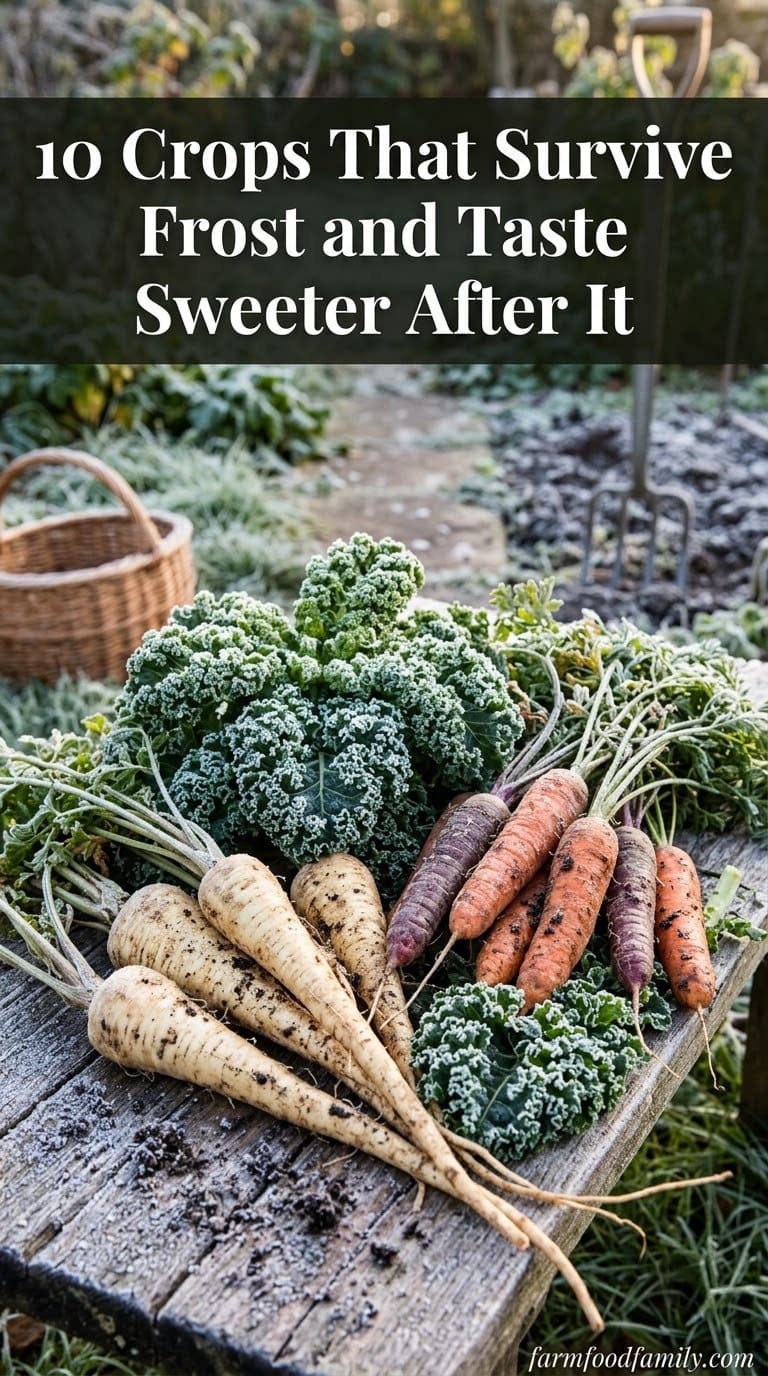
10 Cold-Defying Crops That Survive Frost and Taste Sweeter After It
A frost warning usually means “cover the garden now” — for these ten crops, it means the best part of the harvest is about to start.

Never miss an update — choose FarmFoodFamily as your preferred source on Google.
How it works: Tap the button below to open Google’s settings page, then check the box next to FarmFoodFamily.
Tap the checkbox to turn it blue — that’s how you know it’s set.
The first hard frost of the season sends most gardeners into a panic. Sheets get dragged out, tender plants get wrapped, and everyone braces for the worst.
But if you’re growing parsnips, kale, or a handful of other cold-hardy crops, that same frost is doing you a favor. The plant isn’t dying. It’s converting stored starch into sugar so its cells don’t freeze solid, and the side effect is a flavor upgrade you can’t get any other way.
This isn’t folk wisdom. It’s basic plant biochemistry, and it’s the reason old-timers always said to wait for a freeze before digging the parsnips. Here’s exactly which crops do this, how cold they need to get, and how long to leave them out there.
Quick Answer
Frost makes certain vegetables sweeter because cold triggers the plant to break down stored starch into simple sugars like glucose and fructose. That sugar lowers the freezing point of the fluid inside plant cells, protecting them from ice damage, and it happens to taste noticeably sweeter to us.
Parsnips, kale, Brussels sprouts, leeks, carrots, turnips, rutabaga, savoy cabbage, and collard greens all sweeten this way after one or more light frosts, typically in the 28 to 32°F range. Jerusalem artichokes use a different storage carbohydrate called inulin, which also converts after frost and reduces the digestive gas they’re known for. This only applies to genuinely cold-hardy crops that are built to handle a freeze in the first place.
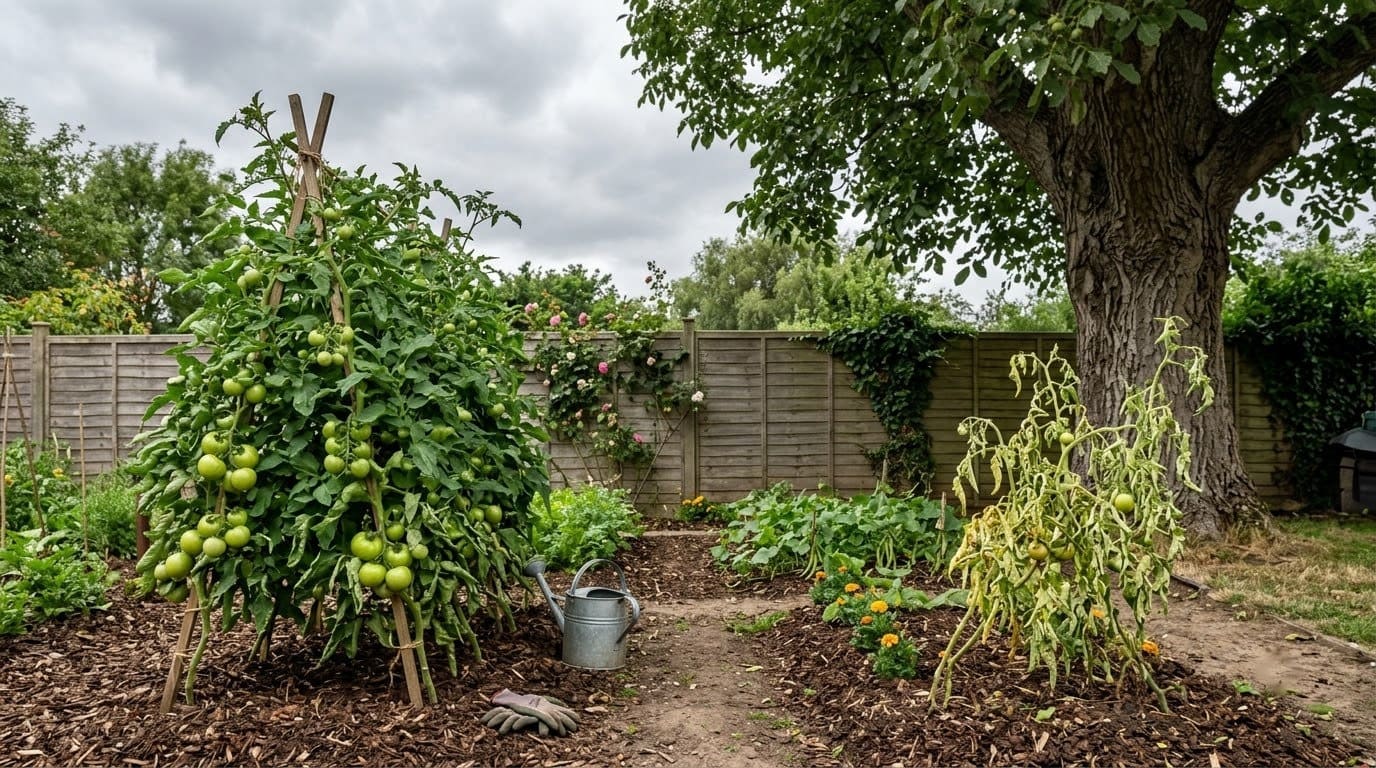
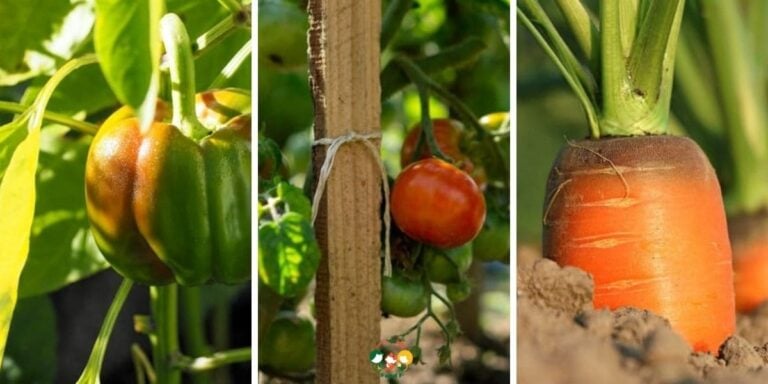
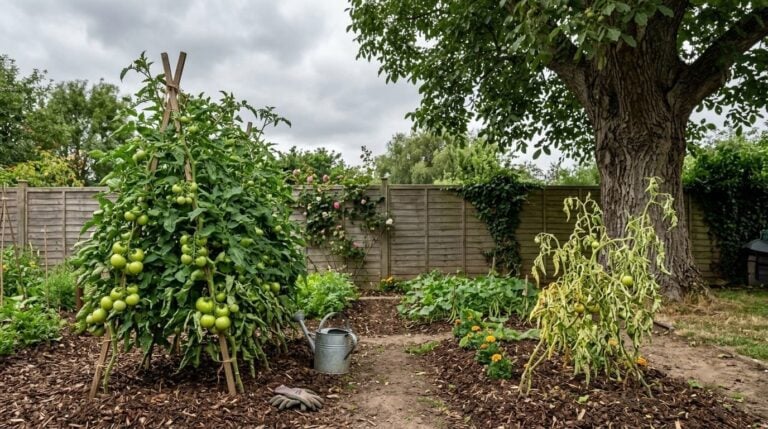
Tender vegetables like tomatoes, peppers, and squash skip the sweetening step entirely and just die at frost, so don’t wait on those hoping for the same effect. Root vegetables and heavy, dense-leaved greens are where this trick actually pays off.
Answer 4 quick questions and get matched to the exact fix for your yard — drainage, budget, layout, or something else entirely.
Take the Free QuizWhy does frost make some vegetables taste sweeter?
Plants make sugar through photosynthesis and store the extra as starch, a long chain of glucose molecules packed away for later. When the temperature drops toward freezing, the plant reads that as a survival threat and starts pulling that starch back apart into simple, soluble sugars.
Glucose and fructose dissolve into the water inside plant cells, and dissolved sugar lowers the freezing point of that fluid, the same reason salt keeps road ice from forming at 28°F instead of 32°F. Colder cell fluid without ice crystals means the cell walls don’t rupture.
The plant isn’t trying to please your palate. It’s trying not to die. This process is called cold acclimation, and the sweetness is a byproduct, not the goal.
According to the Holden Arboretum, sugar accumulation in plant cells acts like an antifreeze, preventing ice formation as the plant hardens off for winter, and the same basic chemistry drives it in vegetables.
Jerusalem artichokes are the outlier on this list. Instead of starch, they store energy as inulin, a different carbohydrate chain entirely.
Per Ohio State University Extension, inulin is sensitive to cold, and inulin content drops in cold storage as it converts toward fructose. That’s why a frost-dug sunchoke tastes sweeter and, as a bonus, causes noticeably less of the digestive discomfort inulin is famous for in fresh-dug tubers.
The 10 crops that get better after a freeze
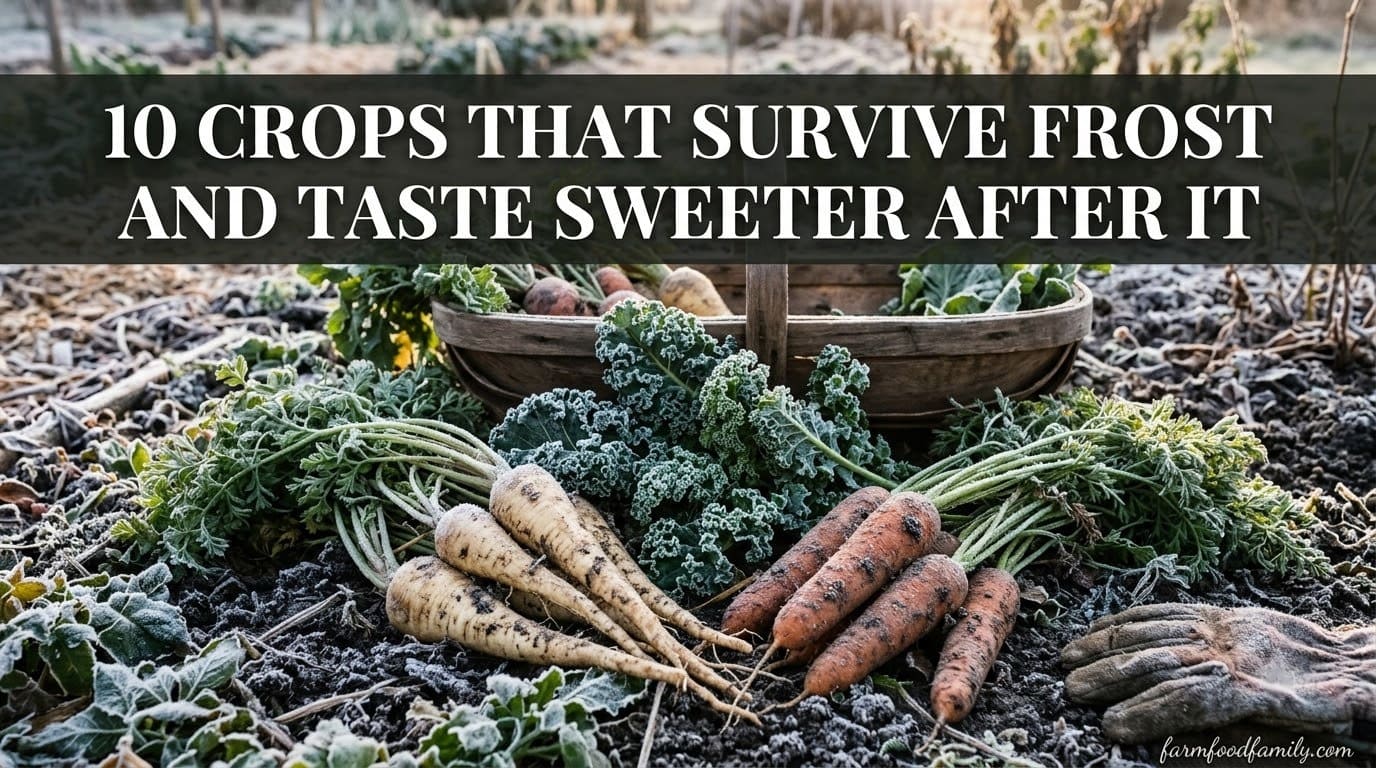
1. Parsnips
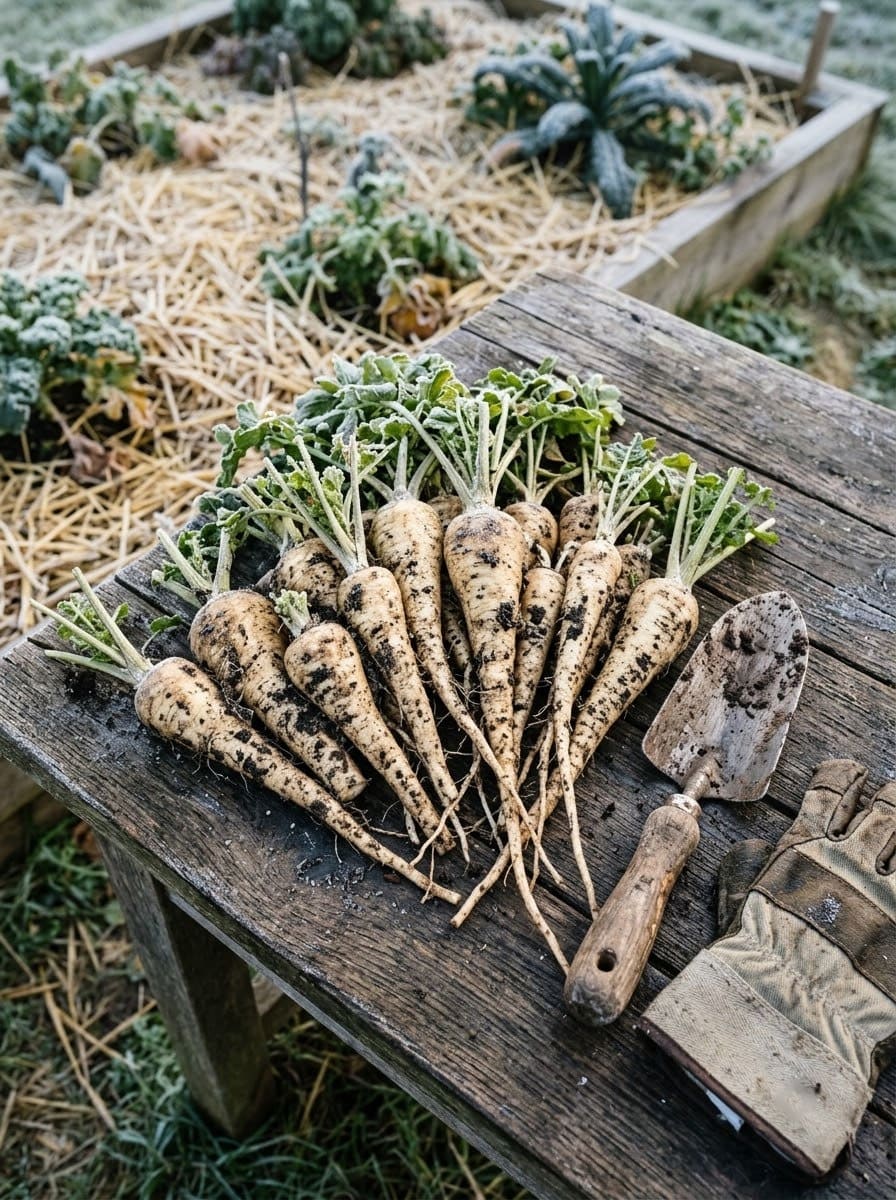
Parsnips are the textbook example, and the most dramatic. Per University of Illinois Extension, “parsnips need the chill of winter for optimum flavor,” specifically near-freezing temperatures held for 2 to 4 weeks in fall and early winter.
Most yard problems trace back to one specific, fixable cause. Find yours in 4 quick questions.
Take the Free QuizThat’s not a quick overnight dip. It’s a sustained cold stretch that gives the starch-to-sugar conversion time to actually happen.
If your ground doesn’t freeze solid, you can leave parsnips in place all winter under a few inches of straw mulch and dig them as needed. And there’s a bonus round: roots pulled in early spring, before new top growth starts, go through a second conversion and come out even sweeter and more tender.
Just don’t wait too long. Once new leaves and a seed stalk start pushing up, the root turns fibrous and loses that sweetness fast.
2. Jerusalem artichokes (sunchokes)
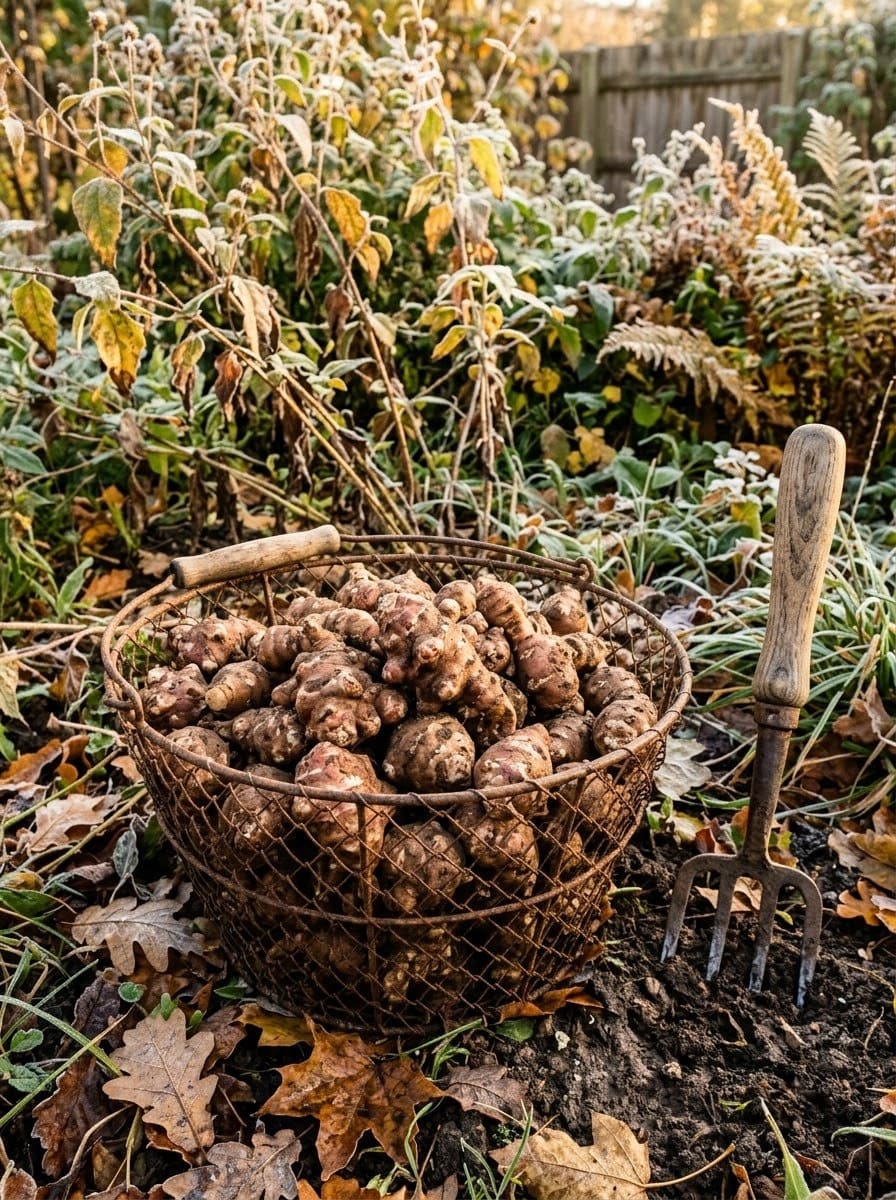
These knobby tubers run on a different clock than everything else on this list. Ohio State recommends harvesting sunchokes in mid-October, right after the first frost, when the inulin has had a chance to start breaking down. The flavor shift is real, and so is the practical upside: less of the gassy aftermath that keeps a lot of people from planting sunchokes twice.
Sunchokes are aggressive spreaders, so if you’re planting for the first time, put them somewhere you don’t mind them coming back on their own next year.
3. Brussels sprouts
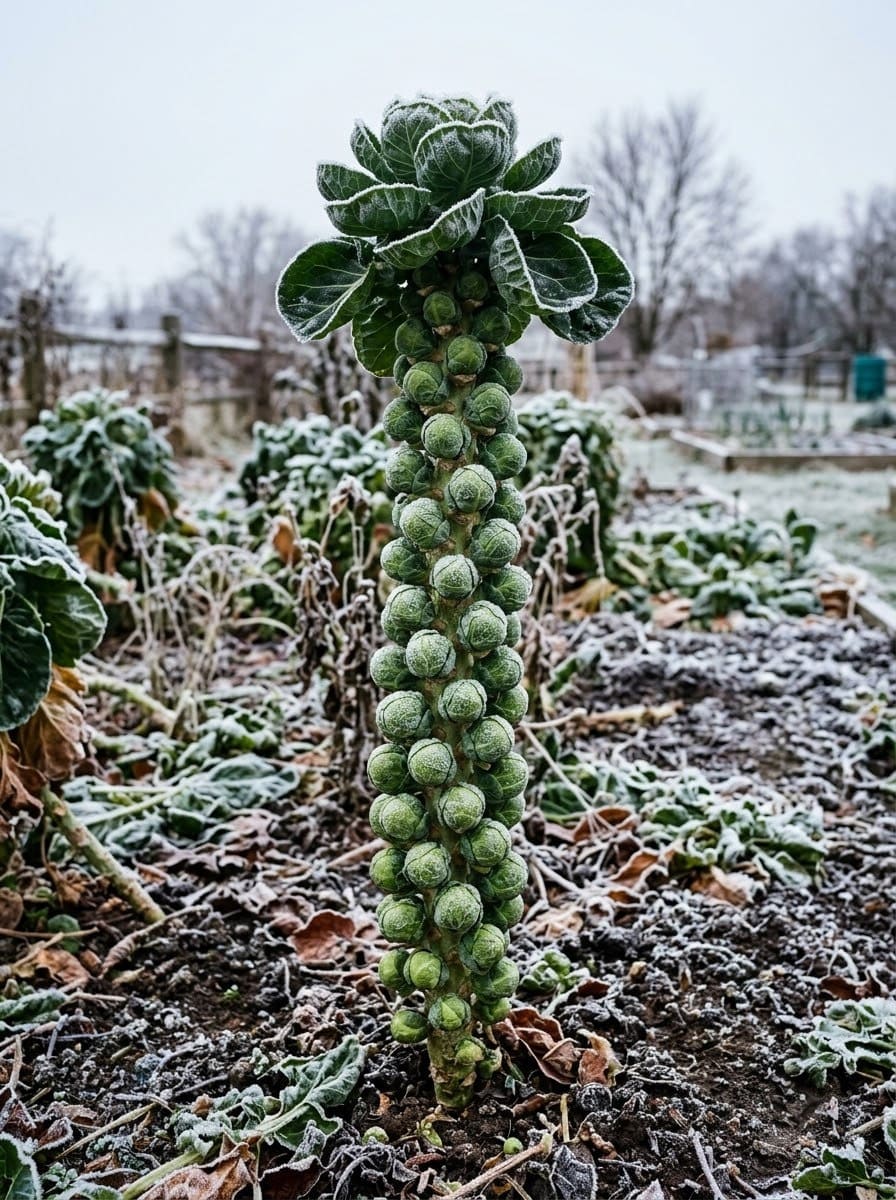
A light frost in the 28 to 32°F range is exactly what Brussels sprouts want before harvest. Plenty of experienced gardeners deliberately delay picking the sprouts up the stalk until after the first freeze, because the glucose and fructose that build up cut the bitterness that makes unfrosted sprouts a hard sell at the dinner table.
Pick from the bottom of the stalk up, since the lowest sprouts mature first and the top ones can keep going even after a couple of frosts.
4. Kale
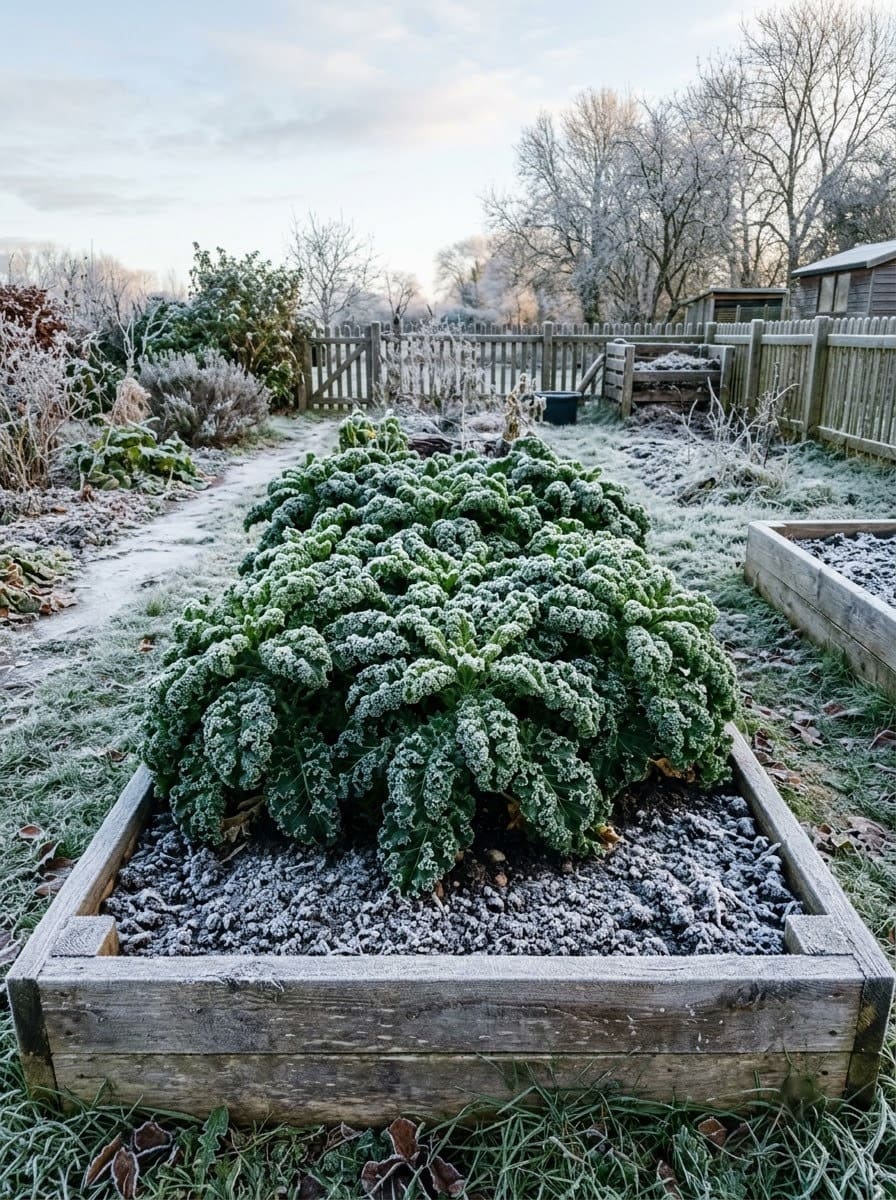
Kale’s cold tolerance varies a lot by variety. According to market farmer Pam Dawling of Twin Oaks Community, common kale types hold up to around 15°F, while the hardiest varieties, like Vates, can survive down to -5°F.
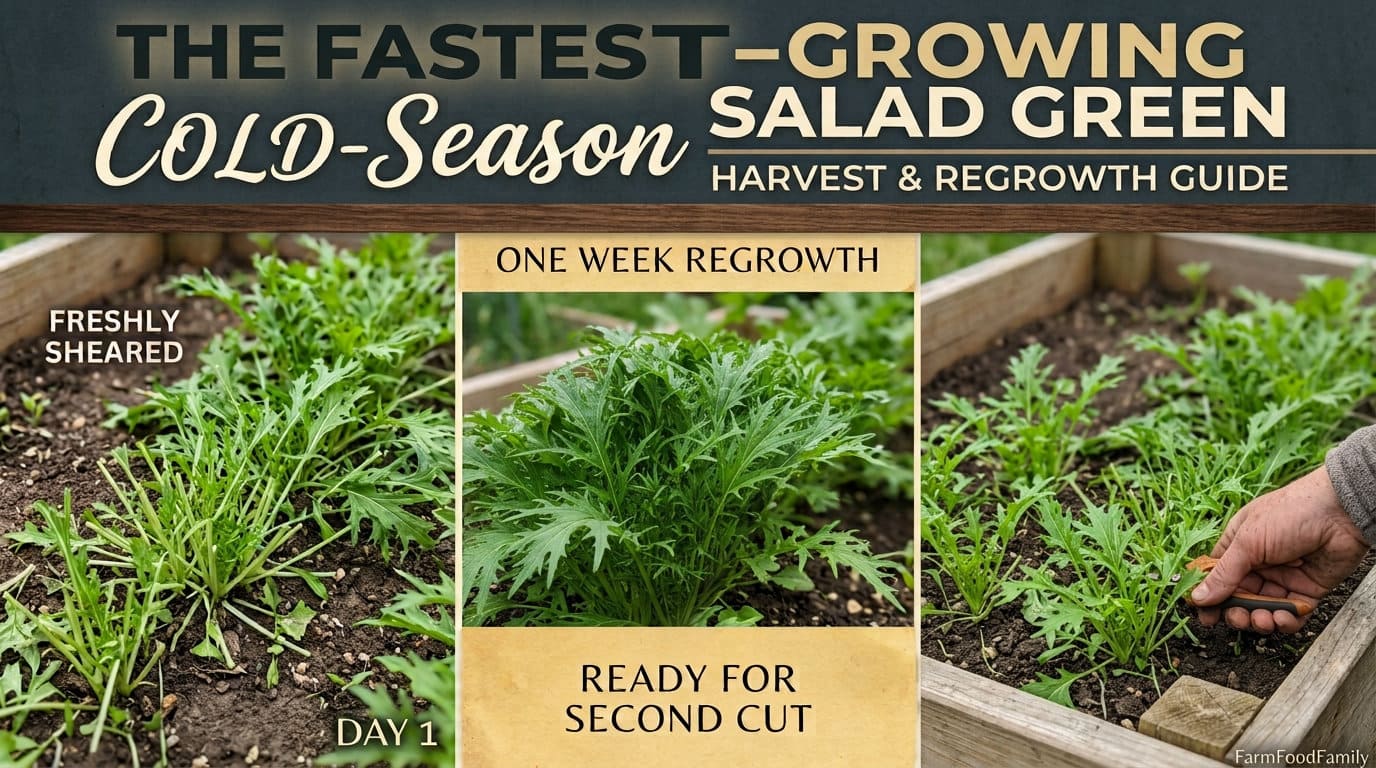
That’s a huge range, and it’s worth knowing which one you’re growing before you assume a hard freeze will finish off your crop.
Frost knocks the raw bitterness out of kale and leaves it noticeably milder and sweeter, which is why so many kale-forward recipes call for harvesting after the first cold snap rather than in warm weather.
5. Leeks
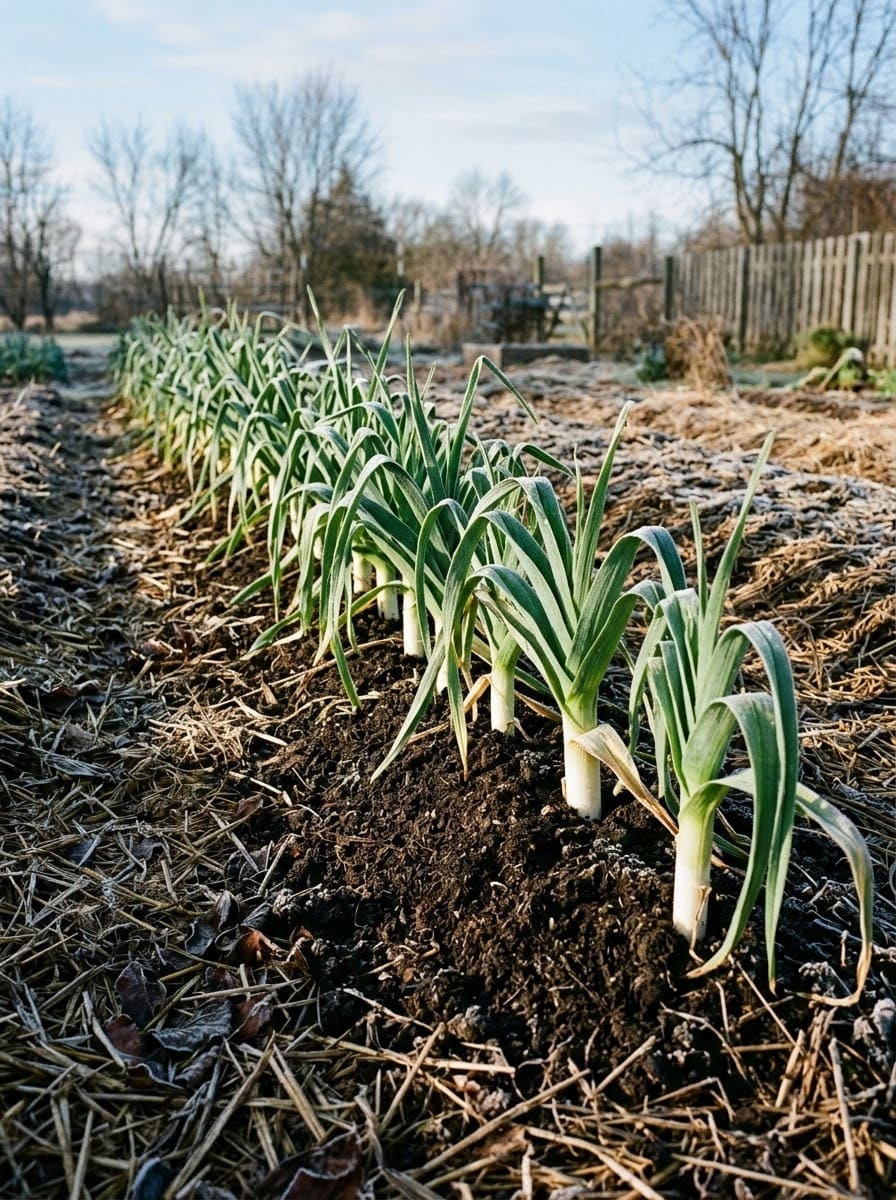
Leeks are one of the toughest crops on this list. Dawling’s trial data puts common leek varieties at around 12°F before winter-kill, with the hardiest types surviving down to 0°F. That means leeks can often be harvested straight through winter under a layer of mulch in many climates, and each cold exposure mellows and sweetens the flavor a bit more.
The average homeowner spends $616/year on yard fixes that don't address the real problem. Find out what yours actually is — before you spend another dollar.
Take the Free Quiz6. Savoy cabbage
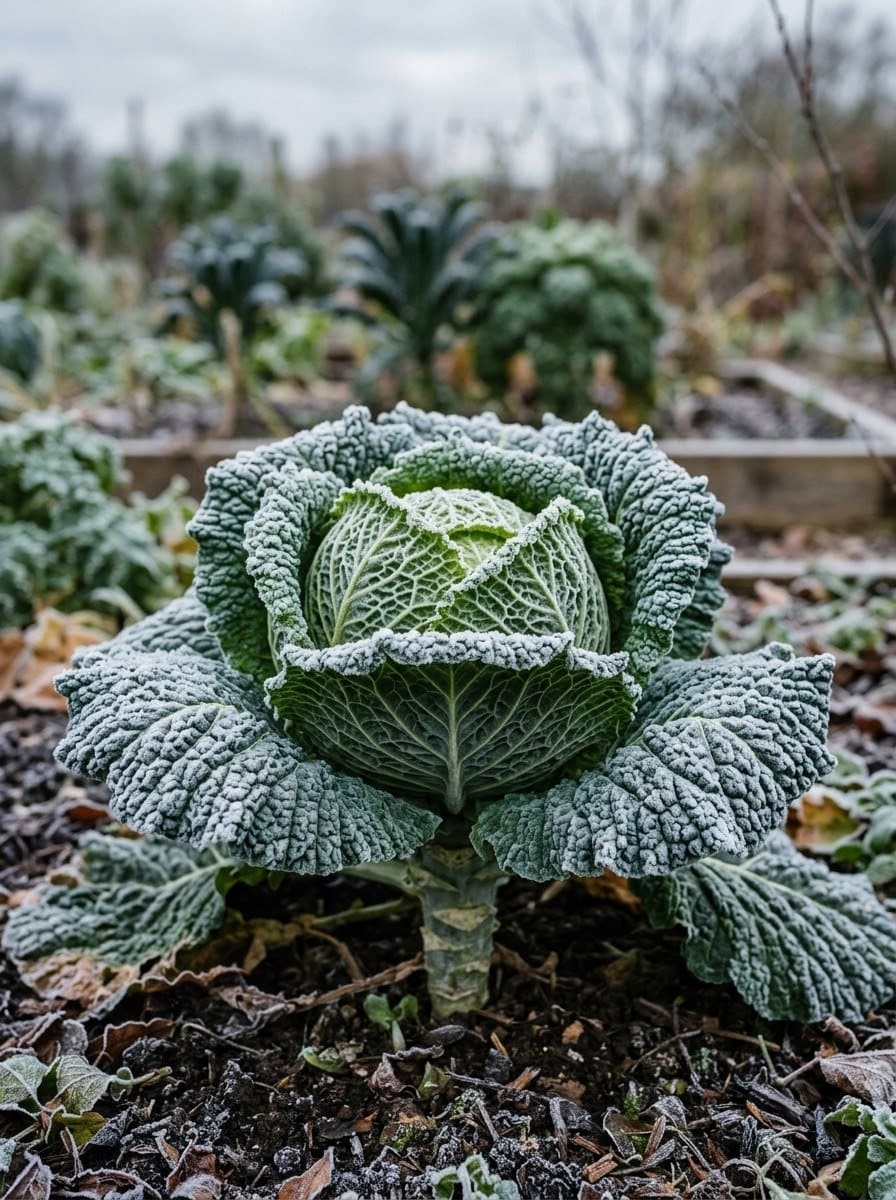
The crinkled, blistered leaves of savoy cabbage aren’t just decorative. That texture comes with real cold hardiness, and Dawling lists savoy-type cabbage at around 12°F for winter-kill, tougher than smooth-leaf types. A head that’s been through a frost or two tastes noticeably better than one harvested before the cold hits, less sharp, more rounded.
7. Collard greens
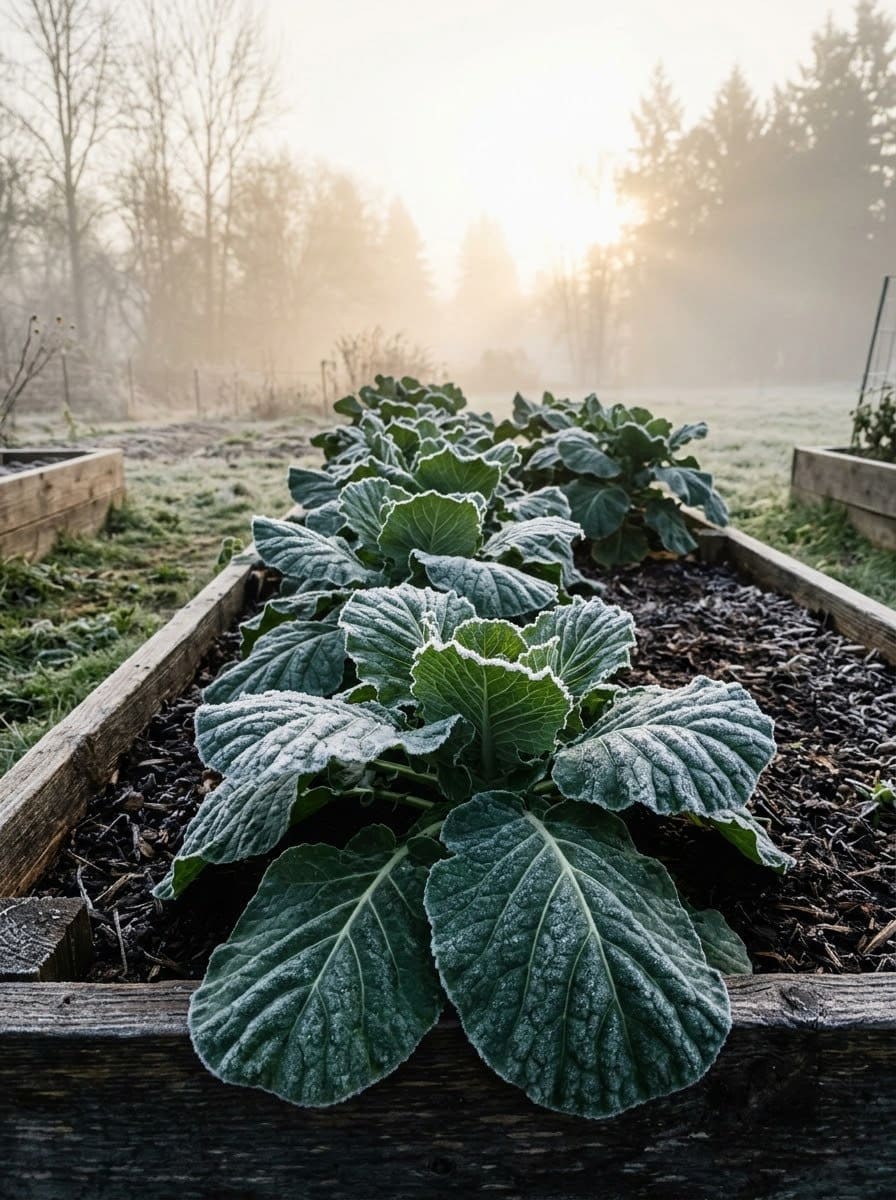
“Not worth eating until after a frost” is old Southern-garden advice, and it holds up. Dawling’s numbers put collards at 12 to 20°F depending on variety, with the hardiest surviving to 0°F.
The starch-to-sugar shift takes the edge off collards’ natural bitterness, which is part of why they’re traditionally a late-fall and winter crop in the regions where they’re a staple.
8. Rutabaga (swede)
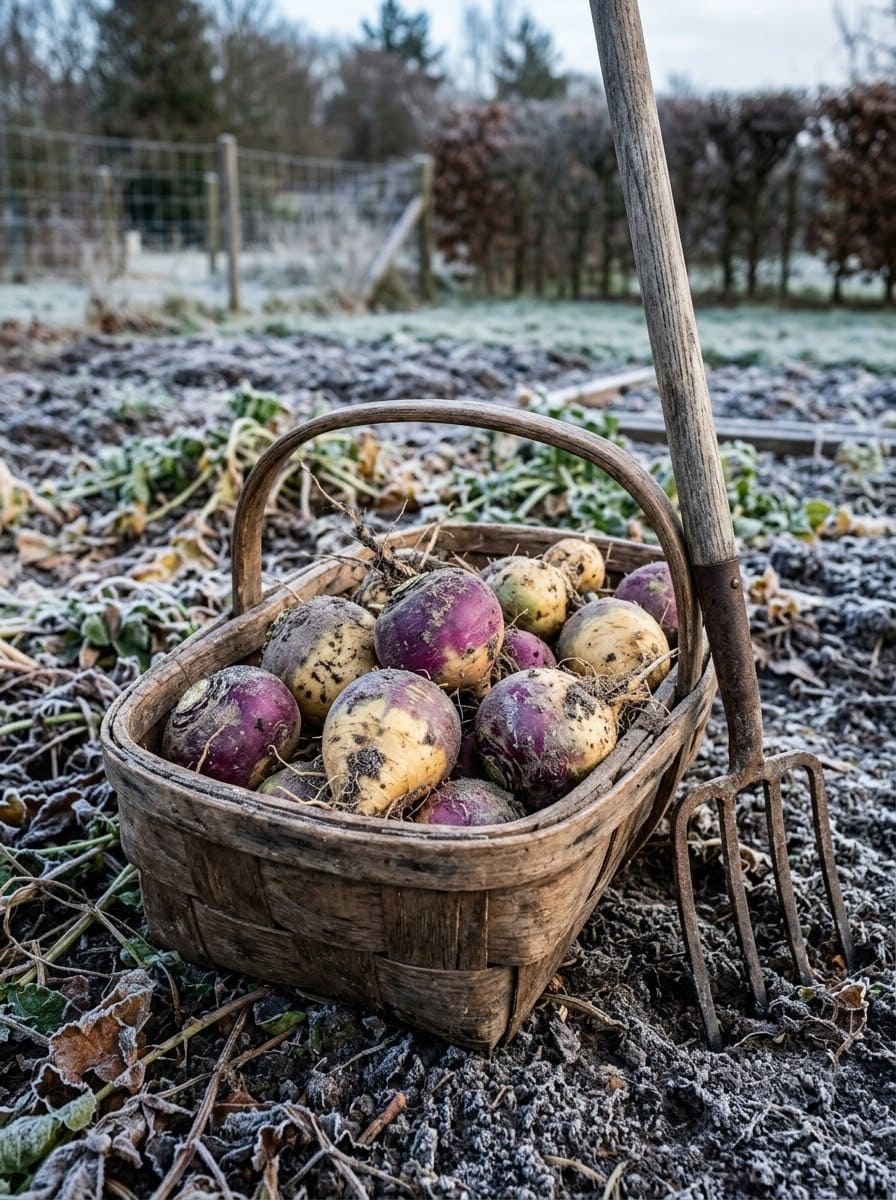
Rutabagas sit in the 12 to 15°F range for winter-kill per Dawling’s data, and a light frost is often all it takes to notice a difference in sweetness. If you want to push the effect further, mulch the shoulders of the root once the first frost has passed and leave it in the ground a bit longer before pulling.
9. Turnips
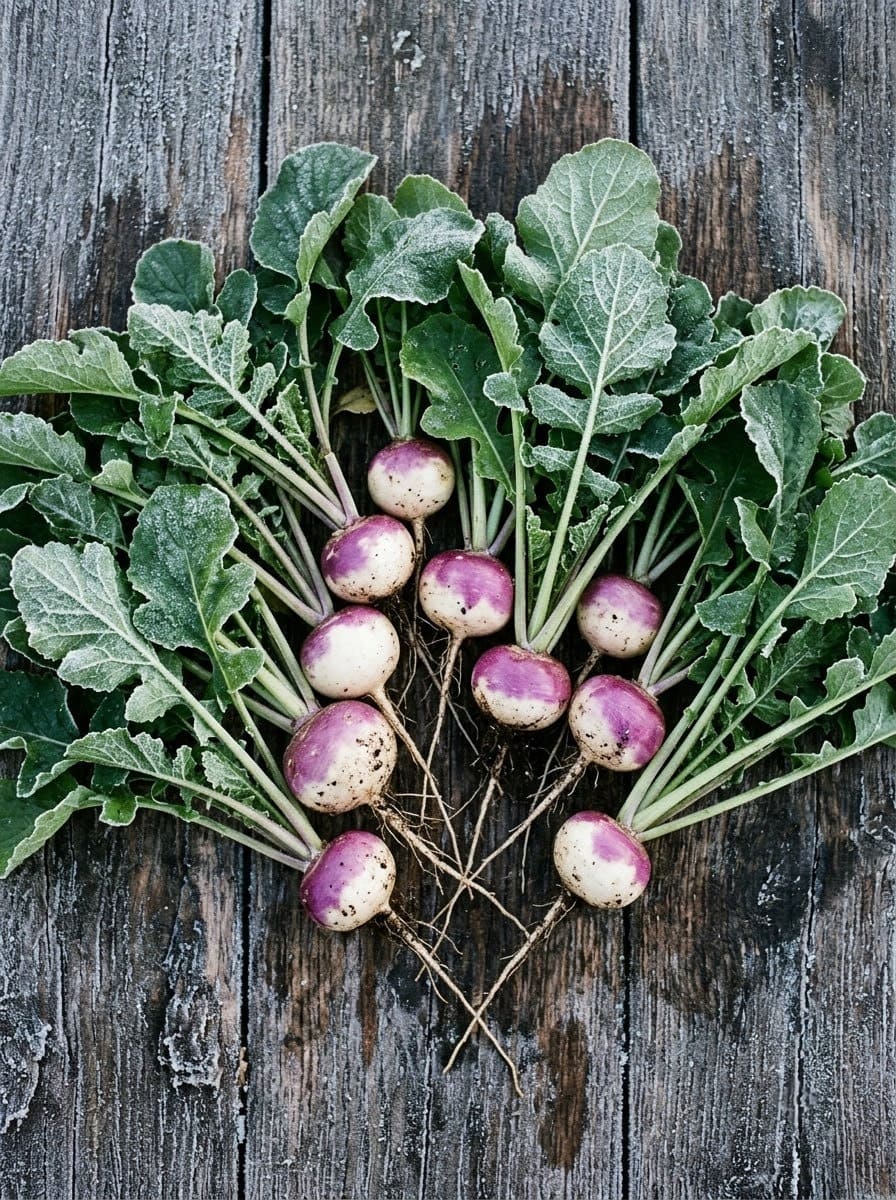
Turnips give you two harvests in one: the greens and the root. Dawling puts turnip cold tolerance at 12 to 20°F depending on variety.
The sweetening window closes faster on turnips than on parsnips or rutabaga, though, so don’t leave them out for weeks expecting the same dramatic change. One or two good frosts is usually the sweet spot, then it’s time to pull them.
10. Carrots
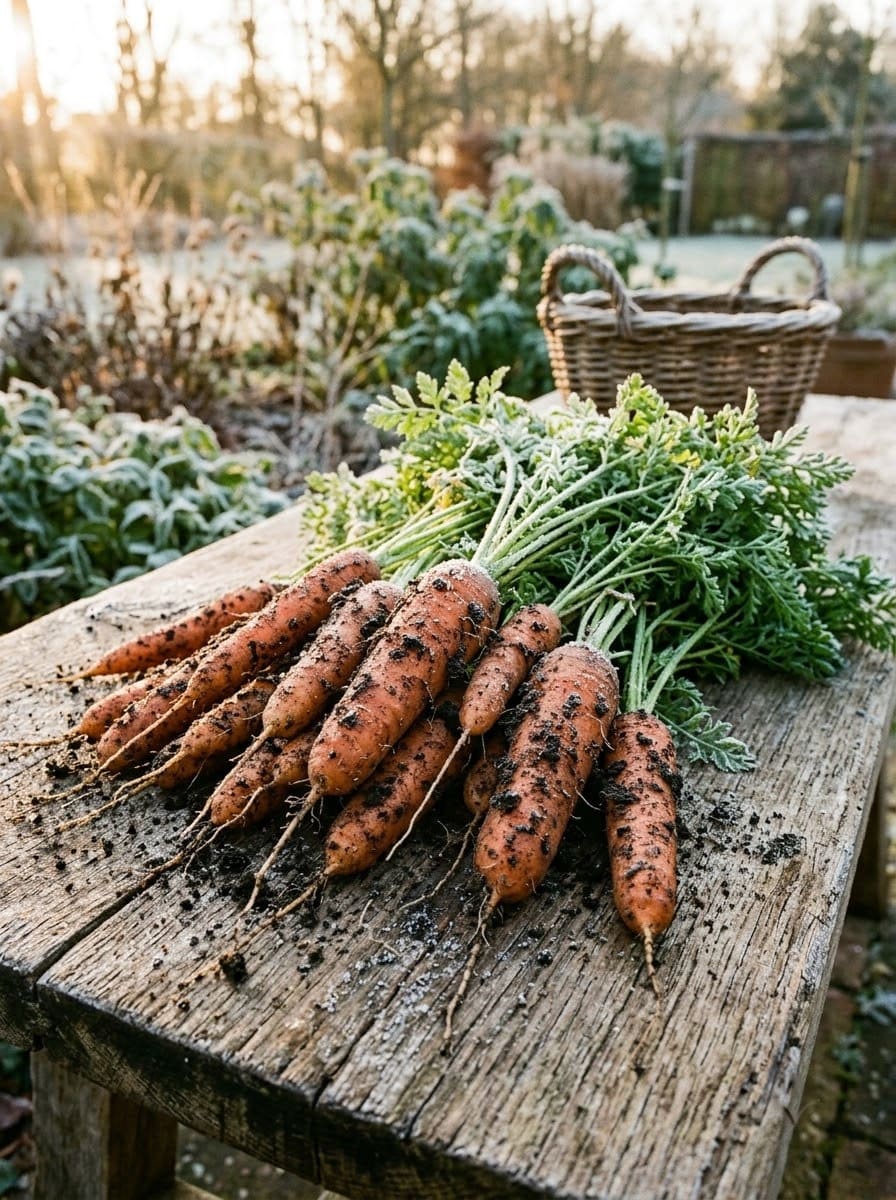
Carrots are probably the most familiar example of frost-sweetening, and for good reason. A light frost triggers the same starch-to-sugar shift as everything else on this list, and carrots pulled after a cold snap taste noticeably sweeter than ones pulled in warm October weather. Straw mulch over the shoulders lets you keep harvesting well into the cold months in a lot of climates.
Comparison table: cold tolerance by crop
| Crop | Light frost benefit starts | Survives down to (hardiest types) | Sweetening window |
|---|---|---|---|
| Parsnips | 32°F | 0°F or colder | 2-4 weeks near-freezing |
| Jerusalem artichokes | 32°F | Below freezing, tubers insulated by soil | One good frost, then harvest |
| Brussels sprouts | 28-32°F | Upper teens °F | 1-2 frosts |
| Kale | 32°F | -5°F (Vates) | Ongoing through winter |
| Leeks | 32°F | 0°F | Ongoing through winter |
| Savoy cabbage | 32°F | 12°F | 1-2 frosts |
| Collard greens | 32°F | 0°F | Ongoing through winter |
| Rutabaga | 32°F | 12-15°F | 1-3 frosts |
| Turnips | 32°F | 12-20°F | 1-2 frosts, closes fast |
| Carrots | 32°F | 12°F (mulched) | Ongoing through winter |
Cold-tolerance figures for leeks, kale, savoy cabbage, collards, rutabaga, and turnips are trial-based winter-kill temperatures from Pam Dawling’s Sustainable Market Farming, and vary by specific variety within each crop.
A real garden experience
I almost pulled my parsnips in early October the first year I grew them, right after the tops started looking ragged. A neighbor who’d been gardening in the same clay soil for twenty years talked me out of it.
She said parsnips dug before a hard frost taste like “sweetened dirt,” her words, and that I’d be wasting a crop that takes all season to grow if I rushed it.
I left them in until mid-November, after we’d had three or four frosty nights in a row. The difference wasn’t subtle. What had been a slightly bitter, starchy root in early fall turned into something closer to a sweet potato, roasted with nothing but olive oil and salt.
That one conversation changed how I plan my whole fall garden now. I don’t dig root crops on a calendar anymore. I wait for the thermometer.
What frost does NOT improve
Frost-sweetening only works within a crop’s real cold tolerance, and it doesn’t apply everywhere.
Tender, warm-season crops like tomatoes, peppers, beans, and squash don’t sweeten before frost. They just die. There’s no exception here, no “wait it out” trick that works on anything that isn’t already cold-hardy to begin with.
A freeze deep enough to go past a crop’s actual hardiness limit still ruins it, even one of the cold-tolerant crops on this list. Ice crystals that form inside cells rupture them regardless of how much sugar is in there, once the cold overwhelms what the plant can protect against.
The sweetening effect can partially reverse, too. If it warms back up for an extended stretch after a frost, the plant converts some of that sugar back into starch as the immediate cold threat passes. And roots left in the ground too long, especially parsnips, turn fibrous and lose their sweetness once new top growth starts pulling energy back out of the root in spring, per Illinois Extension.
FAQ
Does frost kill lettuce and spinach too? No, but they work differently than the crops on this list. Lettuce and many spinach varieties are frost-tolerant down to the high 20s°F and do get a bit sweeter and milder after cold, but the effect is smaller and less studied than in starchy roots and heavy-storage crops like parsnips or kale.
How many frosts does it take before a crop tastes different? It varies. Carrots and Brussels sprouts can show a noticeable change after just one good frost in the high 20s°F. Parsnips need a longer, sustained cold stretch, closer to 2 to 4 weeks of near-freezing temperatures, before the flavor fully develops.
Can I make frost happen on purpose if my area doesn’t get cold enough? Not really, and you shouldn’t try to fake it with ice or a freezer. A slow, natural chill is what drives the biochemical process. If your winters stay mild, focus on the crops on this list with the lowest frost threshold, like carrots and Brussels sprouts, rather than forcing the effect artificially.
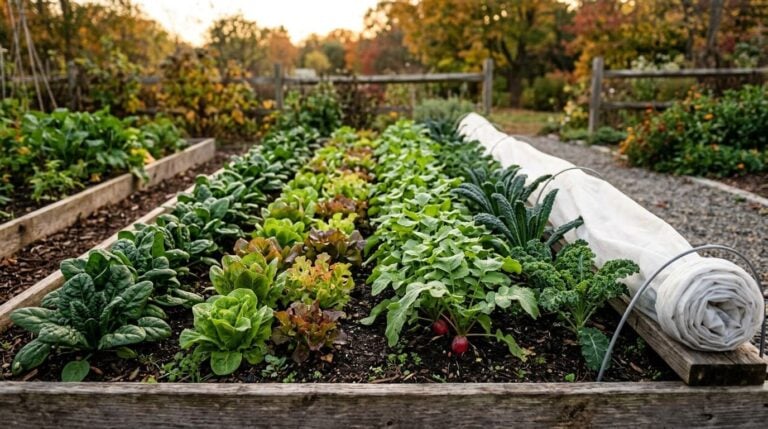
Do I need to cover these crops before a frost? For the ones on this list, no, that’s the whole point. Covering them would block the exact temperature drop that makes them sweeter. Save your row covers for the tender, warm-season crops that can’t handle cold at all.
Will a killing freeze ruin crops I was hoping would sweeten? Yes, if it goes past that crop’s real hardiness limit. Check the comparison table above for a rough guide, and mulch root crops to buy yourself a few extra degrees of protection if a harder freeze is coming.
Do all root vegetables sweeten after frost? Most cold-hardy ones do, but the intensity and timing vary a lot by crop and even by variety within a crop. Parsnips show the most dramatic change, while turnips show a smaller, faster-closing window. Check the specific crop above rather than assuming they all behave the same.
Related Posts
- Protecting Your Harvest From Frost
- Portable Greenhouses and Cold Frames
- 17 Fall Vegetables That Grow Well in 5-Gallon Buckets
Never miss an update — choose FarmFoodFamily as your preferred source on Google.
How it works: Tap the button below to open Google's settings page, then check the box next to FarmFoodFamily.
Tap the checkbox to turn it blue — that's how you know it's set.