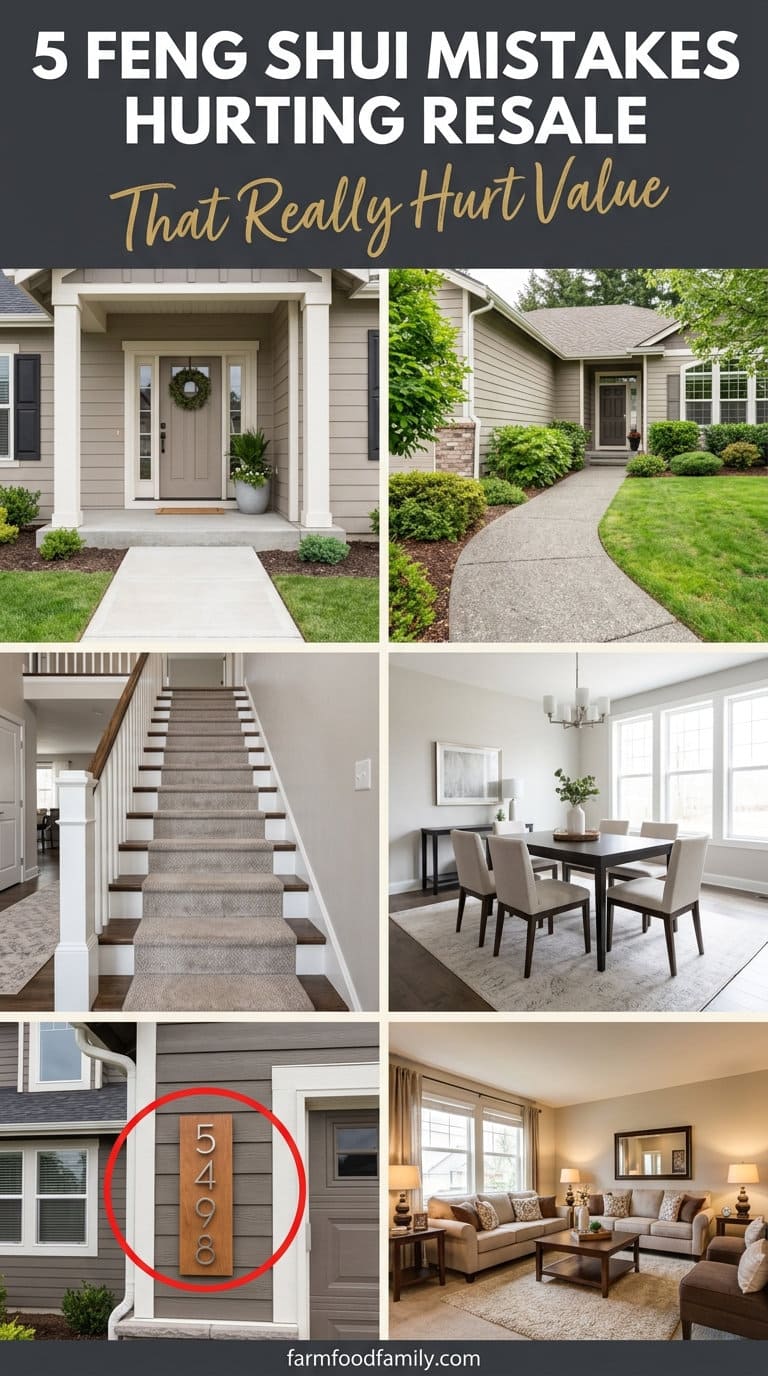
5 Feng Shui Mistakes That Could Be Hurting Your Home’s Resale Value
Real estate data confirms something feng shui has claimed for centuries: a cluttered entrance and a blocked approach genuinely cost sellers money, and real, named realtors report buyers changing house numbers over feng shui beliefs, this isn’t just symbolism anymore, it shows up in actual transactions.


Never miss an update — choose FarmFoodFamily as your preferred source on Google.
How it works: Tap the button below to open Google’s settings page, then check the box next to FarmFoodFamily.
Tap the checkbox to turn it blue — that’s how you know it’s set.
Patricia Lohan, a Feng Shui Expert, treats resale-relevant feng shui mistakes as distinct from purely personal preference issues, these are the things that can measurably affect how a buyer, any buyer, perceives your home walking through the door.
Here are the five that matter most, backed by real market data and real, documented buyer behavior.
1. Is a blocked or neglected front entrance really hurting your resale value?
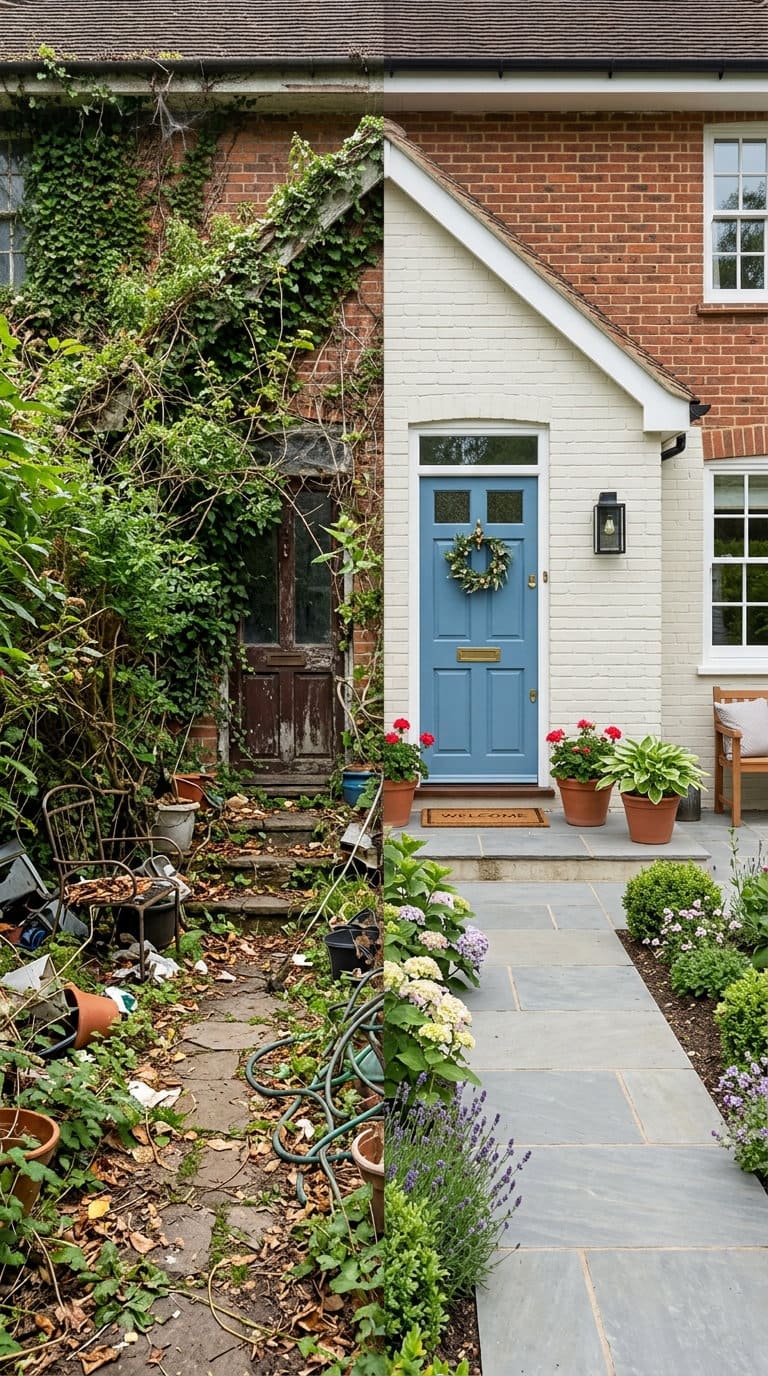
Feng shui treats an entrance obstructed by overgrown trees, trash bins in view, or general neglect as blocking wealth energy from reaching the home, an entrance that should welcome and invite is instead working against the sale.
Real market data backs this up directly: per the National Association of Realtors’ 2025 Profile of Home Staging, improving curb appeal is recommended by 77% of surveyed real estate agents as one of the top fixes before listing a home, right alongside cleaning and decluttering.
This isn’t feng shui-specific advice, it’s standard real estate practice that happens to point the same direction as the “welcoming entrance” principle.


2. A straight sightline from the front door through to the back door
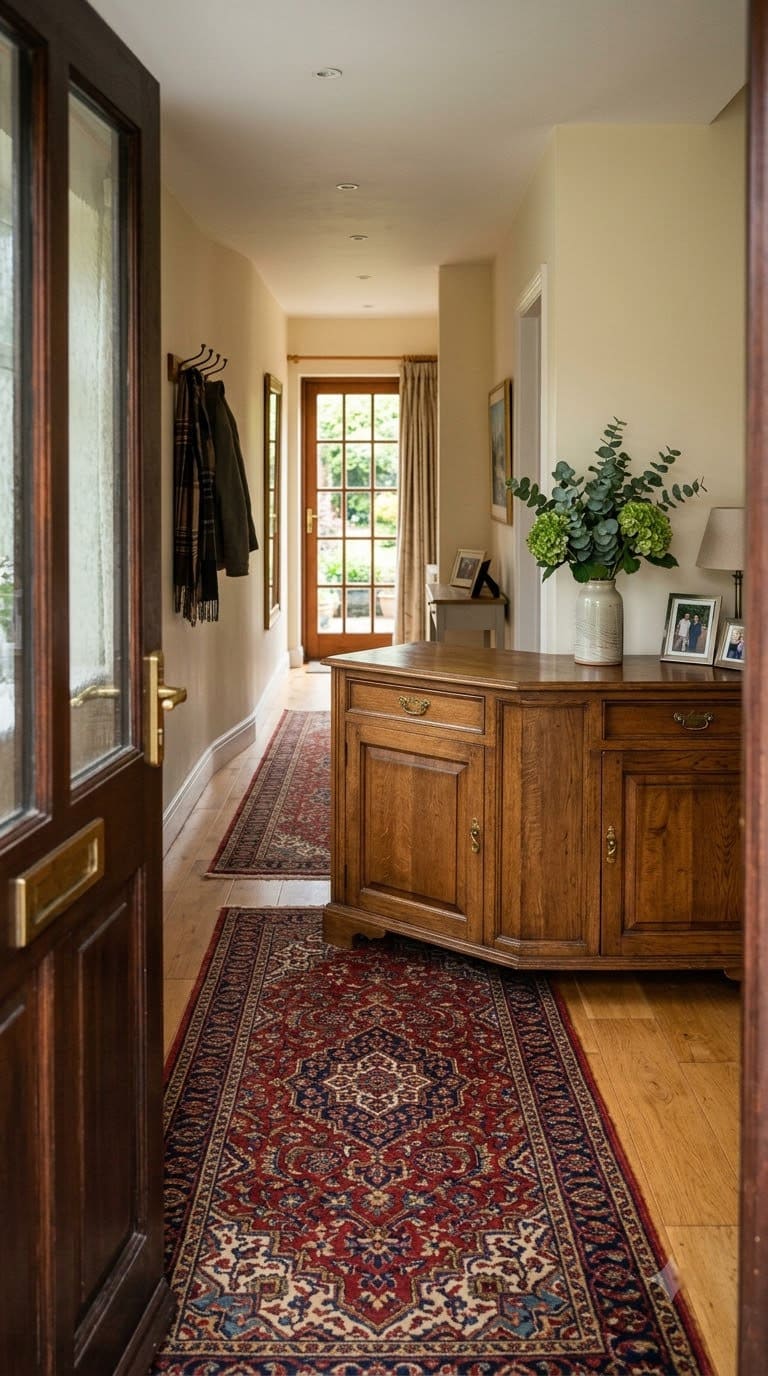
A home where you can see straight through from the front entrance to a back door or window is thought to let energy (and by extension, opportunity) rush through and out without settling, the same “poison arrow” logic covered in other feng shui rules for pathways and staircases.
Real estate-specific sources note this as a genuine, repeatedly-cited concern among feng shui-aware buyers specifically, distinct from most general home-staging advice.
The fix, whether you’re staying or selling: a piece of furniture, a rug change, or simply keeping doors on either end closed during showings breaks the direct sightline without any structural work.
3. A staircase directly facing the front entrance
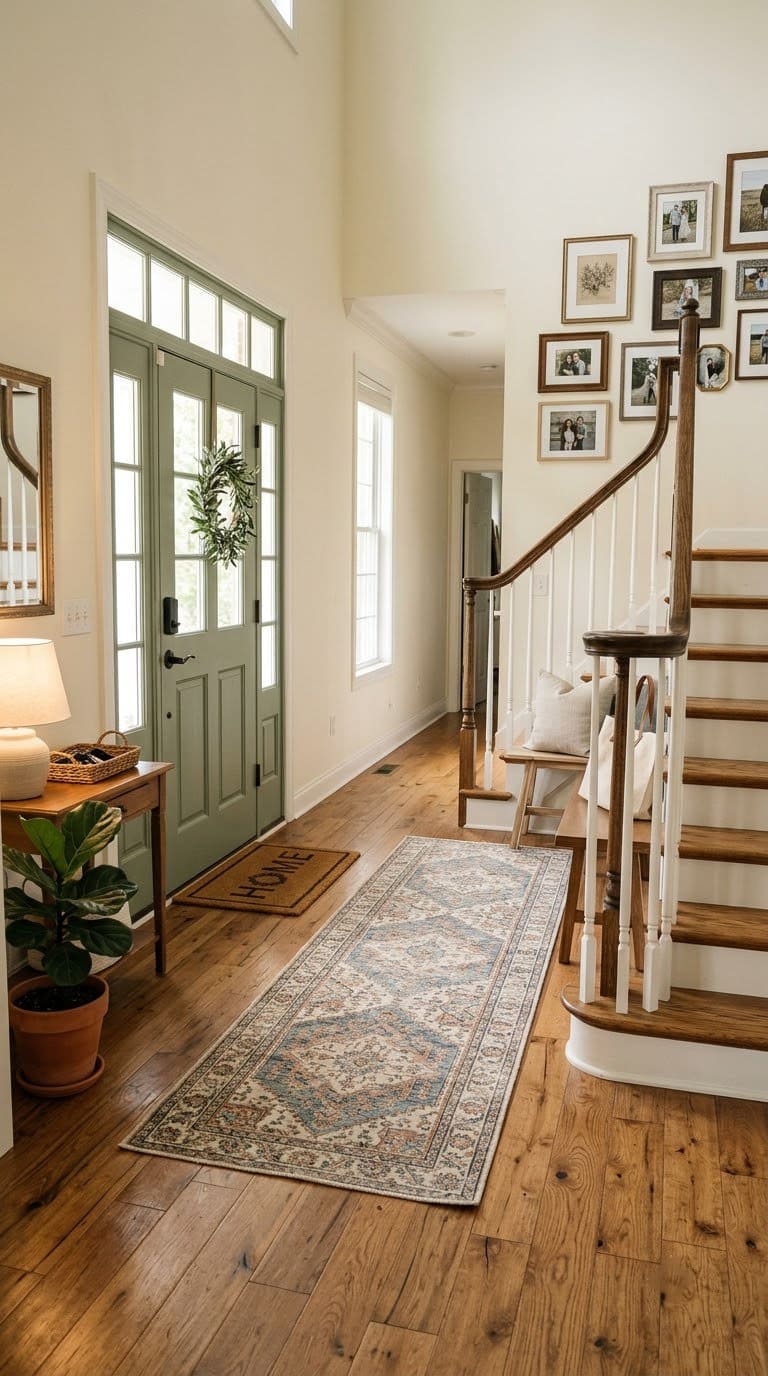
A staircase positioned in a direct line with the front door is thought to let energy rush upward and away too quickly, one of the more consistently cited “problem” layouts across both feng shui and real-estate-focused sources checked for this piece, distinct from purely decor-level advice because it’s a structural feature a buyer notices immediately.
The fix if you’re not renovating before selling: a runner rug, an area rug at the base of the stairs, or a piece of furniture partially breaking the direct visual line all soften this during showings without a construction project.
4. A cluttered home, full stop
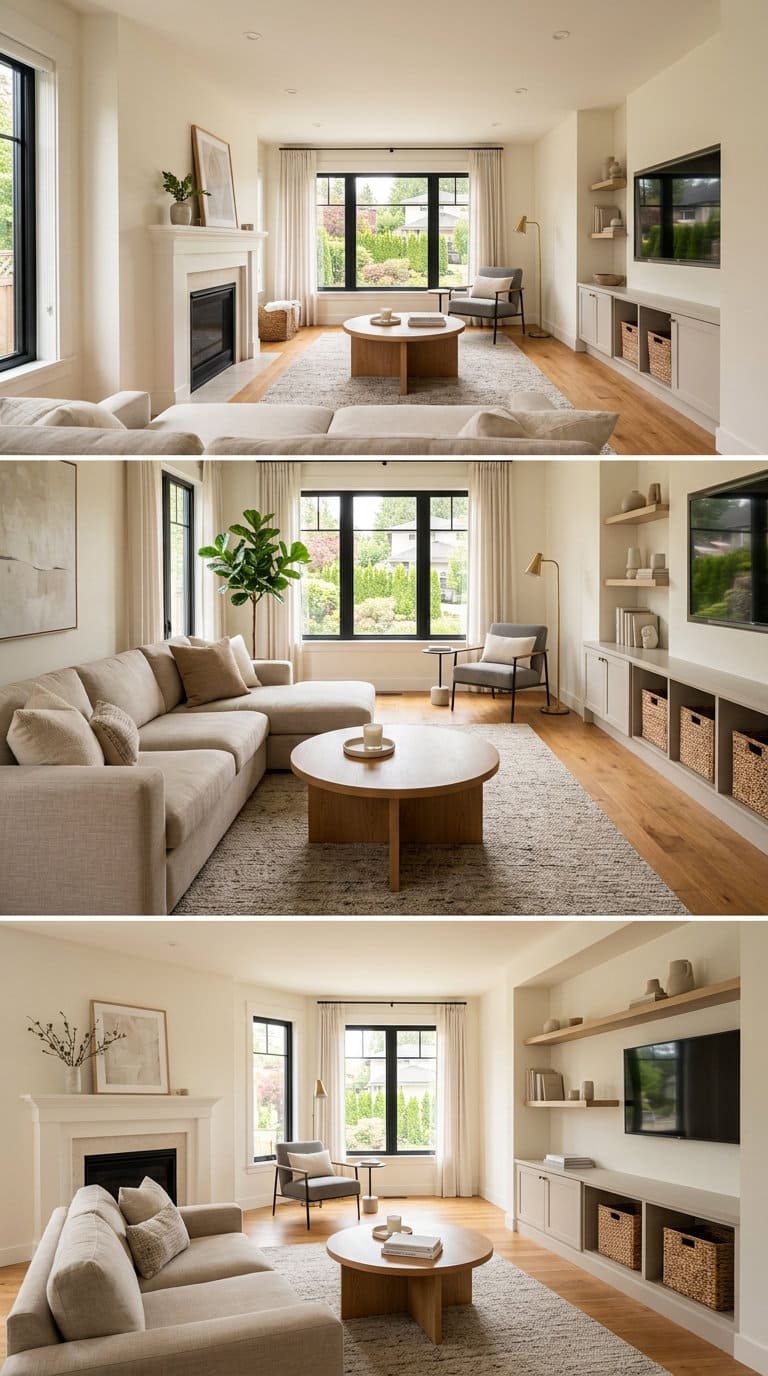
Clutter is feng shui’s single most repeated warning, a home packed with excess belongings is thought to trap stagnant energy and make buyers feel the space is smaller and less cared-for than it actually is.
This is also the most data-backed fix on this entire list. Per the National Association of Realtors’ 2025 Profile of Home Staging, decluttering is the #1 agent-recommended action before listing a home, cited by 91% of surveyed agents, ahead of cleaning (88%) and curb appeal (77%). Staged, decluttered homes also sell measurably faster, and 29% of surveyed agents report a real 1 to 10 percent increase in offer price directly tied to staging.
Whatever you believe about qi, the transaction data points the same direction: a decluttered home is a home that sells faster and for more, feng shui or not. Clear it out before your first showing, not the week before closing.

Covers rule #3's staircase sightline fix and rule #1's welcoming-entrance recommendation
Shop NowThis post contains affiliate links. We may earn a commission on qualifying purchases at no extra cost to you.
5. Does an “unlucky” house number actually affect resale value?
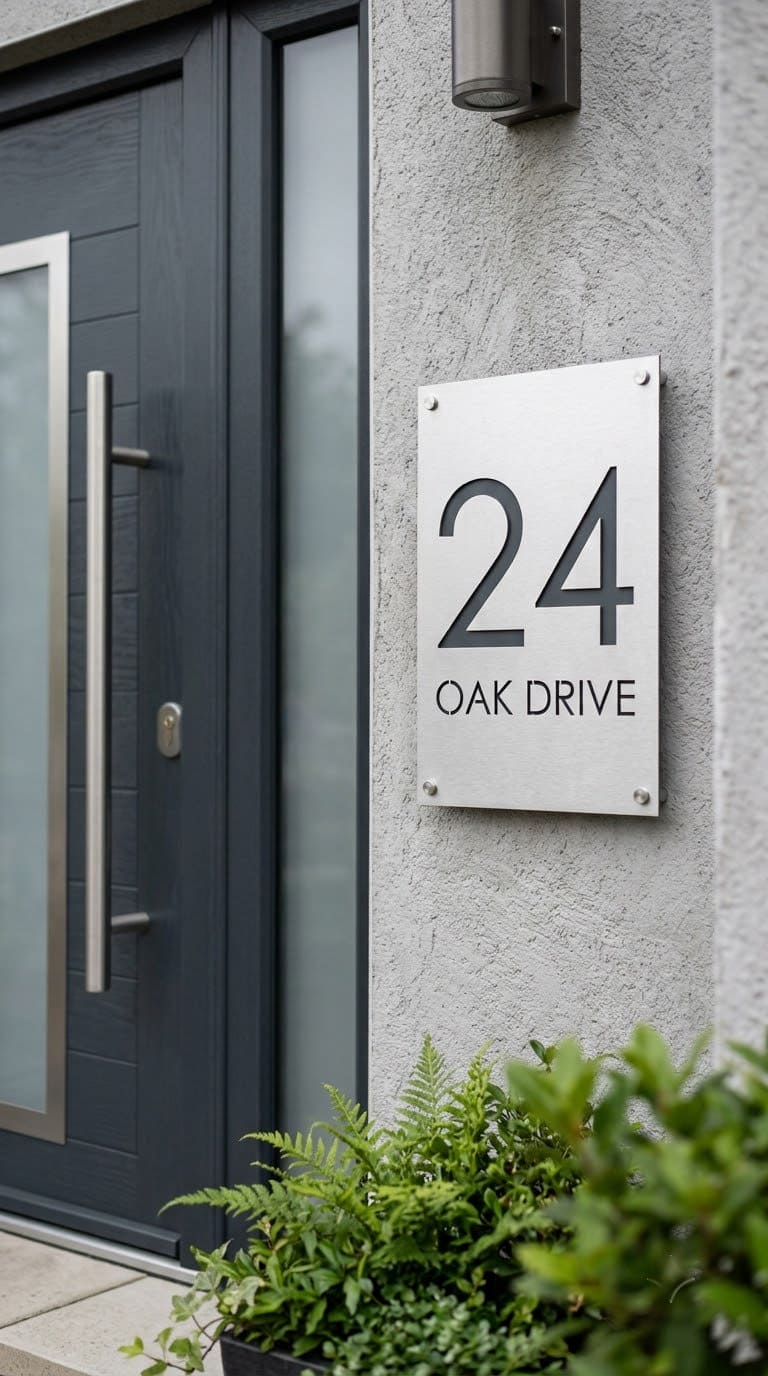
This is the mistake with the most surprising, well-documented real market behavior behind it. Real, named realtors confirm this affects actual transactions, not just symbolic preference: realtor Kelly Lantz has noted buyers using lucky numbers specifically in their offers, and realtor Jie Hu reports clients who have changed their house numbers because of feng shui beliefs.
This isn’t a fringe phenomenon, some municipalities in Canada have gone as far as banning the number 4 from new addresses specifically because of its association with bad luck in Chinese numerology.
If you’re selling in a market with a meaningful population of feng shui-aware buyers, an address containing repeated or prominent 4s is a real, if narrow, consideration, not just an old superstition.
Our feng shui rules for your mailbox and house numbers guide covers real remedies that don’t require an address change.
The 5 mistakes at a glance
| Mistake | Real-world backing | Fastest fix |
|---|---|---|
| Blocked/neglected entrance | NAR: 77% of agents recommend curb-appeal fixes | Clear obstructions, refresh landscaping before listing |
| Straight front-to-back sightline | Cited repeatedly by feng shui-aware buyers | Furniture or rug breaking the direct line during showings |
| Staircase facing the entrance | Consistently flagged across feng shui and real-estate sources | Runner rug or furniture softening the sightline |
| Cluttered home | NAR: 91% of agents recommend decluttering; 29% report a 1-10% price lift | Full declutter pass, not just a light tidy |
| Unlucky house number | Named realtors (Kelly Lantz, Jie Hu) report real client behavior | Circle-and-mirror remedy instead of an address change |
What we learned the hard way
The decluttering point is the one sellers underestimate the most, precisely because it feels like the “obvious” advice that couldn’t possibly matter that much. The real NAR numbers say otherwise, this single action outranks every other recommended fix in the entire 2025 staging survey, feng shui agrees, but the real dollar data is the more persuasive reason to actually do it before listing.
The house-number issue is the other thing sellers dismiss too quickly, assuming it’s a fringe belief that won’t affect a real transaction. Real, named realtors’ own client experiences say it does show up in practice, worth being aware of if your target buyer pool includes feng shui-conscious buyers, even if you personally don’t hold the belief.
FAQs
Is feng shui really a dealbreaker for most home buyers? Rarely on its own, per real estate market analysis, it functions more as a tiebreaker between otherwise-comparable properties than a decisive factor by itself. Location and price still dominate buyer decisions.
Do I need to renovate my staircase or entrance layout before selling? Usually not. Rugs, furniture placement, and keeping sightlines broken during showings address most of the concern without structural changes.



Should I actually change my house number if it contains a 4? Only if you’re specifically targeting a market where feng shui-aware buyers are a meaningful share of demand. For most sellers, the standard “circle the number” remedy covered in our mailbox and house numbers guide is a lower-effort alternative to an actual address change.
What’s the single highest-ROI fix if I can only do one thing? Declutter. It’s the most consistently recommended fix across every source checked, feng shui and real estate data alike, and it has the clearest measurable connection to both faster sales and higher offers.
Related Posts
- Mailbox and House Numbers Feng Shui
- Front Door Colors and Their Meaning
- Home Renovation Checklist
- Living Room Storage Ideas
- Bedroom Storage Solutions for Small Spaces
- Toilet Brands to Avoid
Products We Recommend
This post contains affiliate links. We may earn a commission on qualifying purchases at no extra cost to you.
Washable Non-Slip Entryway Runner Rug
Covers rule #3's staircase sightline fix and rule #1's welcoming-entrance recommendation
Shop Now
Bagnizer Stackable Storage Bin Set
Covers rule #4's highest-ROI fix per NAR data, both for staging and for feng shui
Shop Now
Stainless Steel Floating House Numbers
Covers rule #5's real remedy without an address change
Shop NowNever miss an update — choose FarmFoodFamily as your preferred source on Google.
How it works: Tap the button below to open Google's settings page, then check the box next to FarmFoodFamily.
Tap the checkbox to turn it blue — that's how you know it's set.