Raised Garden Bed Soil Calculator: Genius Fill Volume & Cost Planner
Find out exactly how much soil to buy, which mix to use, and whether bags or bulk delivery saves you more, before you fill a single bed.

Never miss an update — choose FarmFoodFamily as your preferred source on Google.
How it works: Tap the button below to open Google’s settings page, then check the box next to FarmFoodFamily.
Tap the checkbox to turn it blue — that’s how you know it’s set.
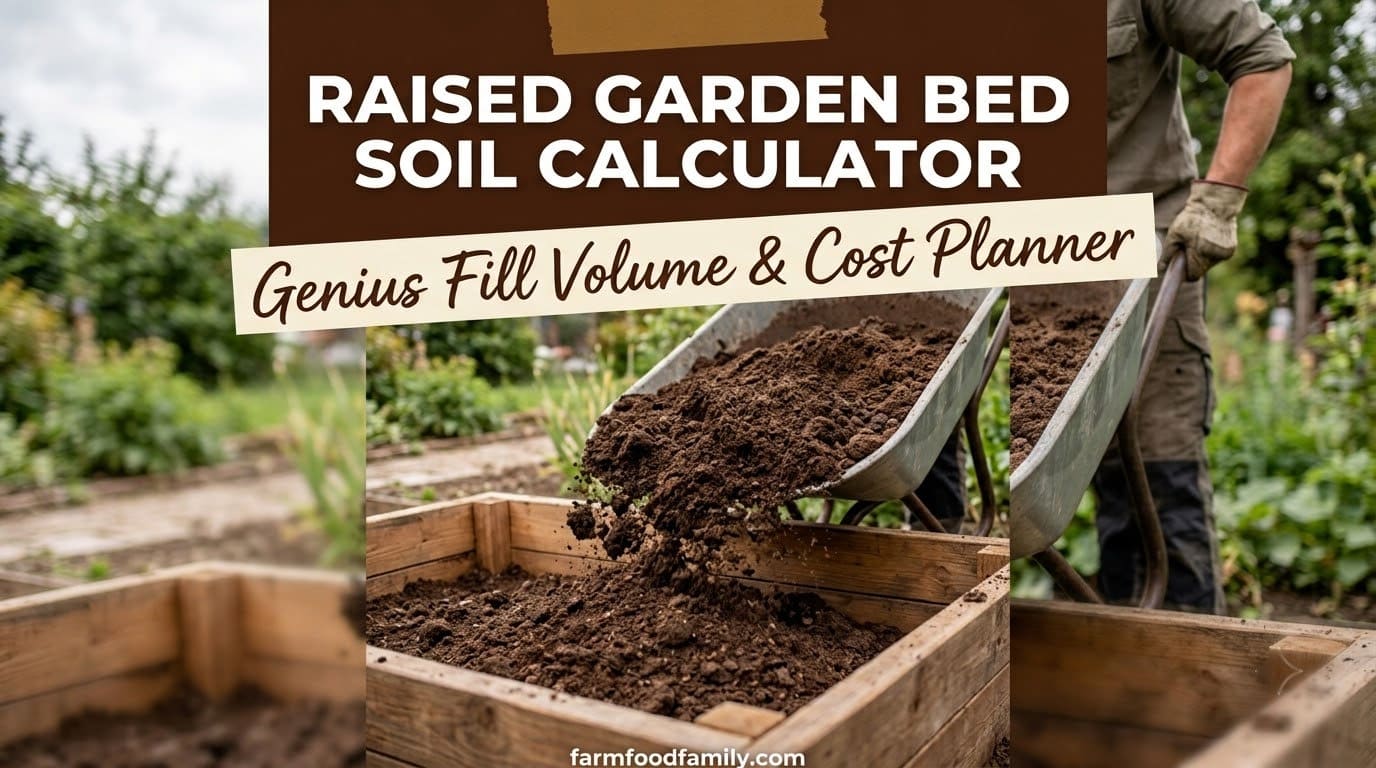
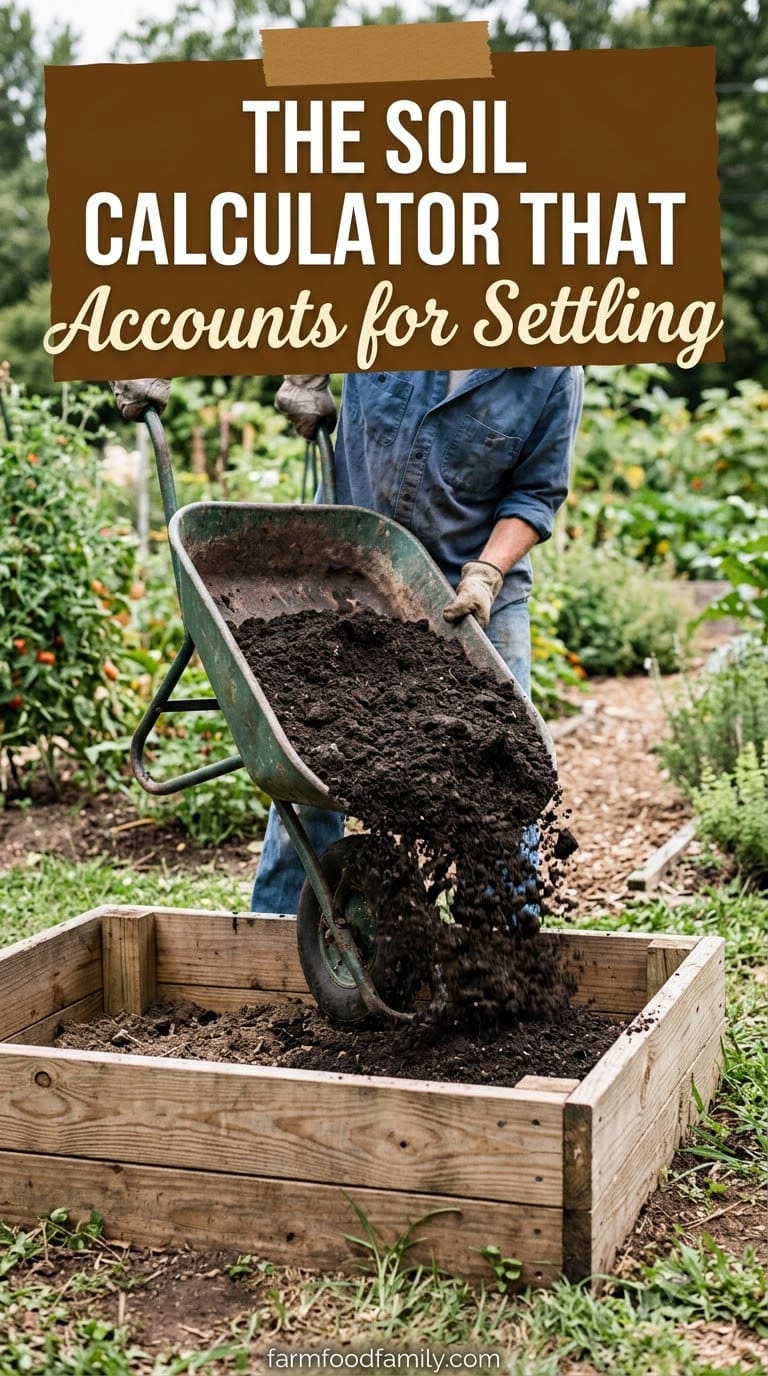
A raised garden bed soil calculator estimates fill volume by multiplying bed length, width, and depth, then adding extra for settling. Loose soil mix compacts 10 to 20 percent after watering and its first season, so a bed that needs 12 inches of settled depth should actually be filled closer to 14 inches.
Standard depth for most vegetables is 10 to 12 inches, herbs and lettuce need as little as 6 to 8 inches, and deep-rooted crops like tomatoes, potatoes, and carrots do best with 18 inches or more, based on University of Maryland Extension guidance.
A common mix is 60 percent topsoil, 30 percent compost, and 10 percent aeration material, though Mel’s Mix (equal parts compost, peat moss, and vermiculite) is the standard for square-foot gardening. Bagged soil works fine under about 27 cubic feet; beyond that, bulk delivery is usually cheaper per cubic foot.
Raised Garden Bed Soil Calculator
Add every bed, pick a sourced soil mix and crop-based depth, and get a settling-adjusted volume with a real bag-vs-bulk cost comparison.
Soil Needed
| Mix component | Share | Volume needed |
|---|
Depth guidance sourced from University of Maryland Extension’s raised bed vegetable guidance. Mel’s Mix ratio sourced from the official Square Foot Gardening Foundation. The 60/30/10 Raised Bed Blend and settling defaults are industry-standard conventions used across retail soil calculators, not a single university study, and are labeled as such. Bulk and bag prices are editable defaults, not live pricing, since soil costs vary by region and season. This tool is an estimate, not a guarantee of exact delivered volume.
Why Most Soil Calculators Get This Wrong
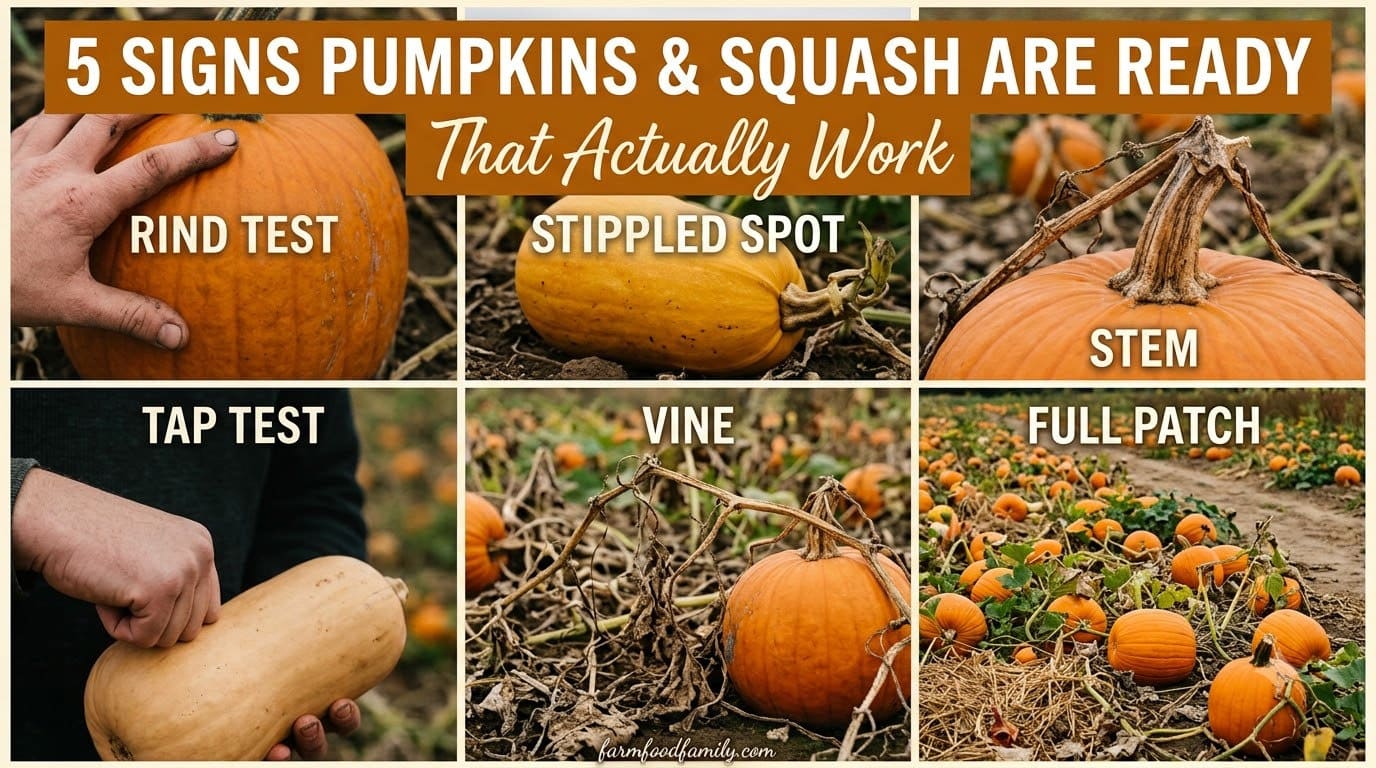
Type “raised bed soil calculator” into a search bar and you’ll find plenty of tools. Almost all of them do the same basic math: length times width times depth.
That number looks precise. It isn’t complete. None of the free tools we reviewed apply a settling correction to the final number, even though every extension source and every experienced gardener agrees that loose soil sinks after its first few waterings.
The result is a familiar letdown. You fill your bed to the top, water it in, and come back a week later to a bed that looks half-empty at the corners.
Answer 4 quick questions and get matched to the exact fix for your yard — drainage, budget, layout, or something else entirely.
Take the Free QuizThis calculator builds the settling correction directly into the output, so the number you see is the number you should actually buy. It also separates soil mix choice, crop-based depth, and bag-versus-bulk cost into one connected tool instead of leaving you to piece it together from three different articles.
How the Volume Math Actually Works
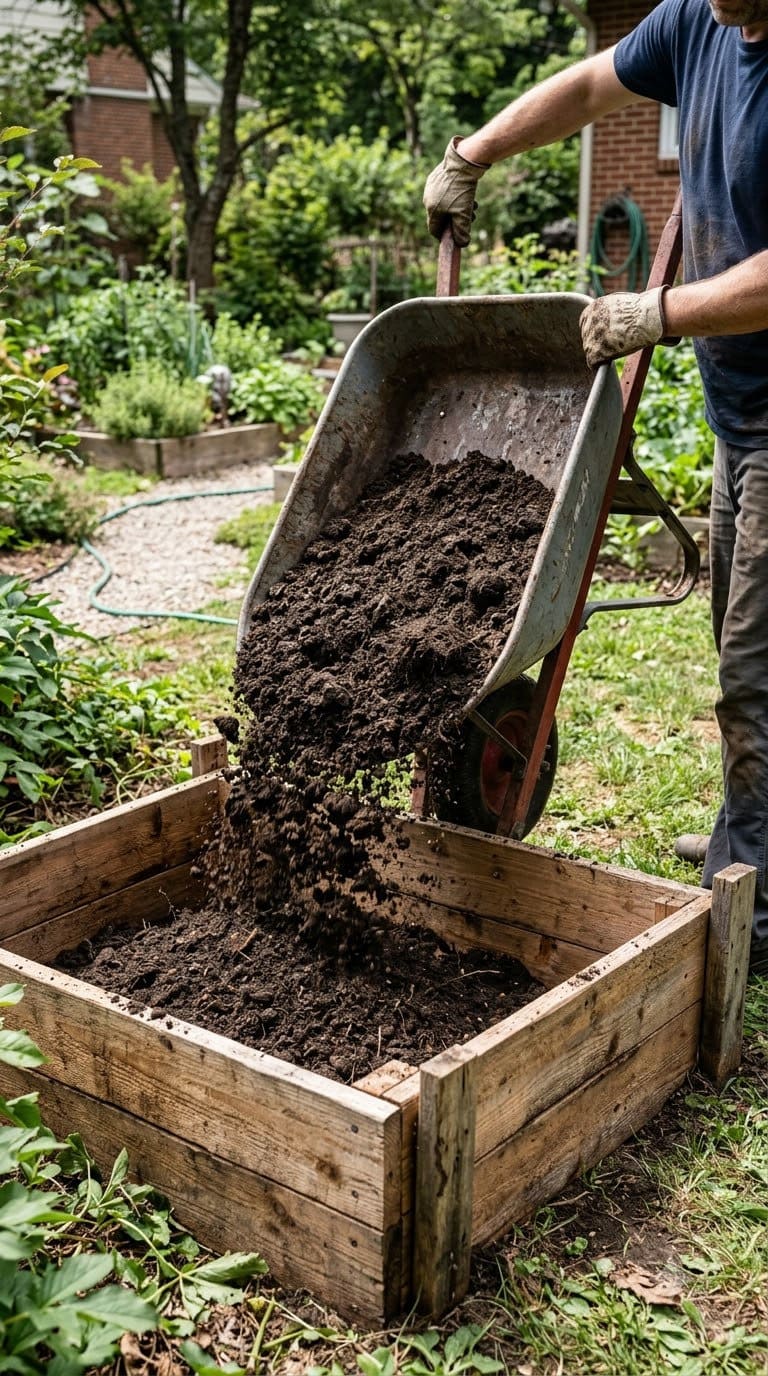
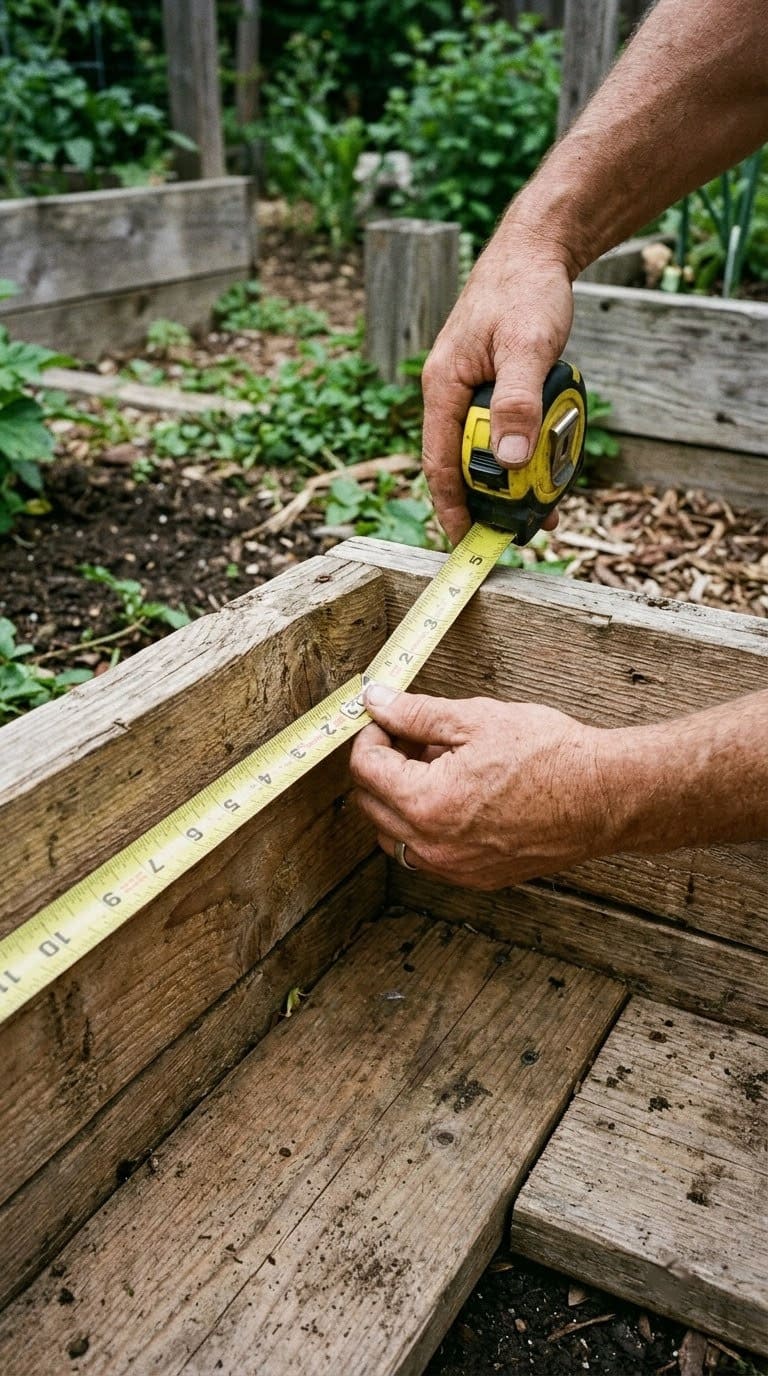
Step 1: Calculate raw volume. Multiply length by width by depth (converted to feet) for each bed. A 4-by-8-foot bed filled 12 inches deep needs 32 cubic feet of raw volume.
Step 2: Add a settling buffer. Divide that raw volume by the amount you expect the soil to compress. A 15 percent settling allowance means dividing by 0.85, not just adding 15 percent on top, since you’re solving for the volume that settles down to your target depth.
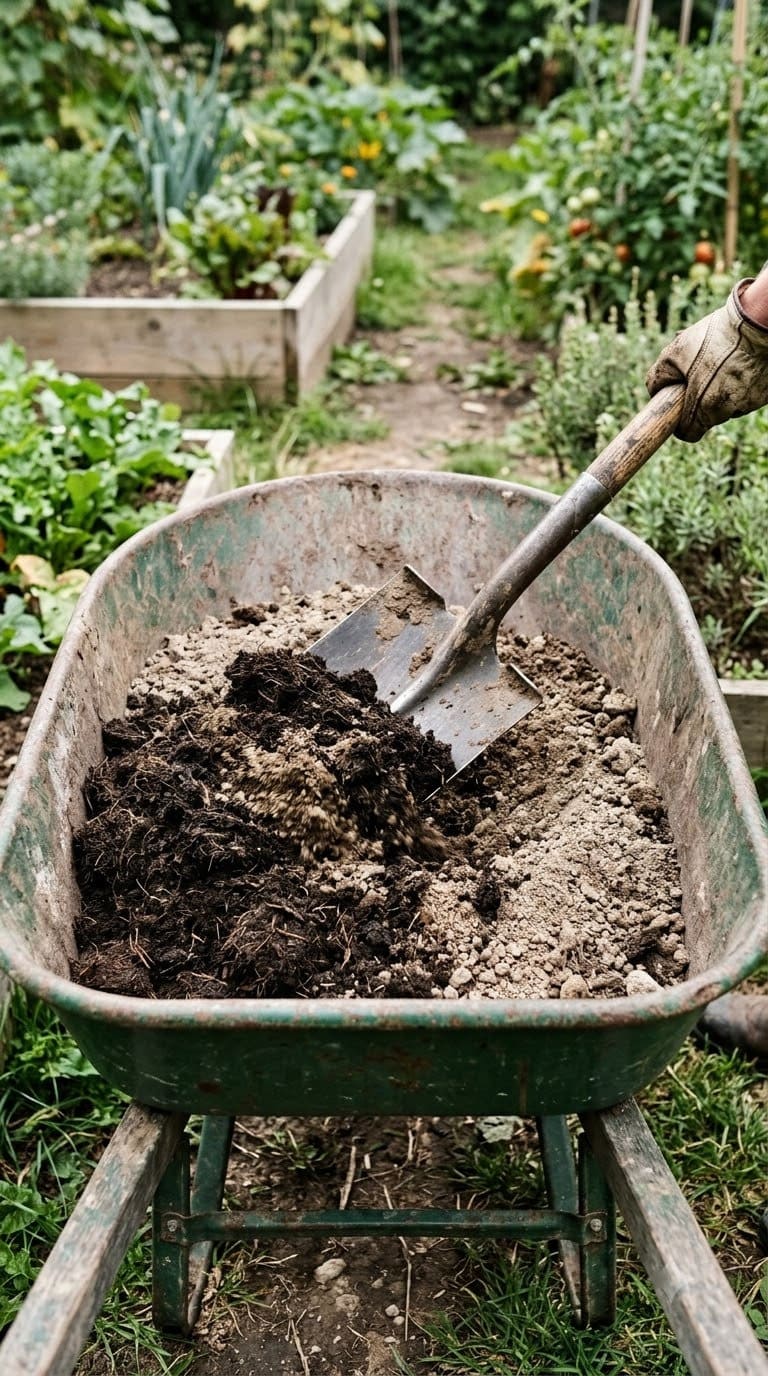
Step 3: Apply your mix ratio. Multiply your settling-adjusted volume by each ingredient’s share of the mix. A 60/30/10 blend on 37 cubic feet of total volume works out to about 22 cubic feet of topsoil, 11 of compost, and 3.7 of aeration material.
Step 4: Convert to what you’re actually buying. Divide by your bag size to get a bag count, or divide by 27 to get cubic yards for a bulk order. This calculator does all four steps automatically for as many beds as you’re filling at once.
Choosing a Soil Mix That Fits Your Bed
Raised Bed Blend (60% topsoil, 30% compost, 10% aeration material) is the most common commercial convention, used by most garden retailers. It’s a reasonable all-purpose default for a typical in-ground-adjacent bed.
Mel’s Mix, developed for square-foot gardening, uses equal parts compost, peat moss (or coconut coir), and coarse vermiculite. It’s a fully soilless blend, which makes it lighter and better draining, and it’s the standard choice for bottomless beds on hard surfaces like patios or driveways.
Most yard problems trace back to one specific, fixable cause. Find yours in 4 quick questions.
Take the Free QuizAmended Native Soil, a University of Maryland Extension recommendation, mixes equal parts compost and topsoil. It works well when you already have decent native soil beneath your bed and just want to boost its organic matter rather than replace it entirely.
Custom Mix lets you set your own three-way ratio. This is the right choice if you’re working from a soil test result or blending in a specific amendment like worm castings or mushroom compost.
How Deep Should Your Soil Actually Be?
Depth isn’t one-size-fits-all, and buying more than you need wastes real money. University of Maryland Extension breaks recommended depth down by what you’re growing.
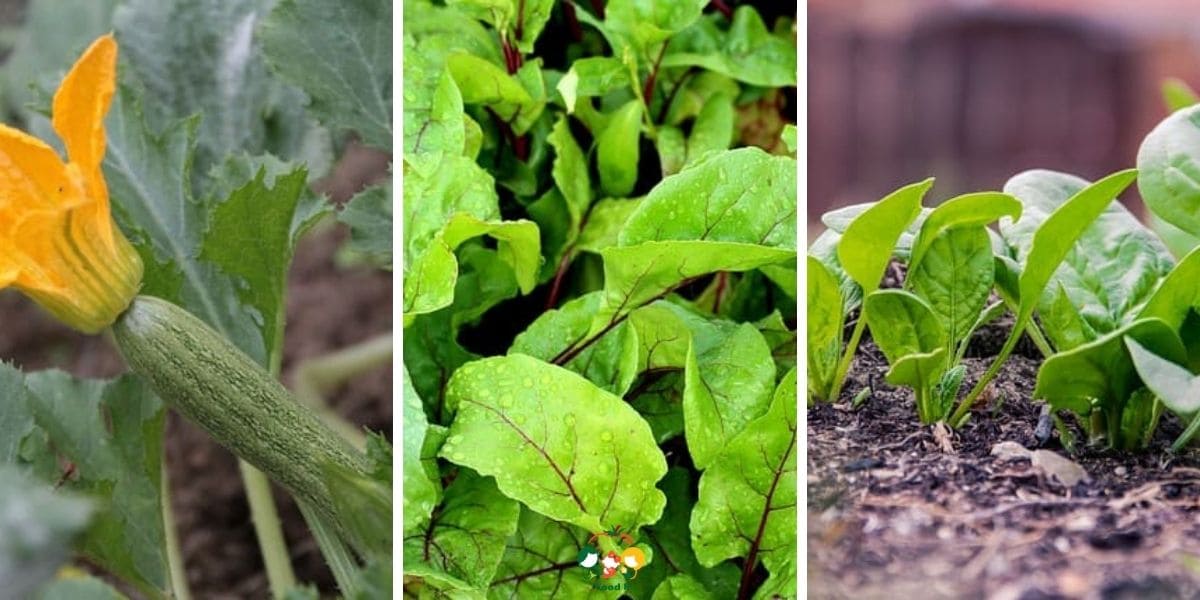
Shallow-rooted crops like lettuce, spinach, and most herbs do fine in 6 to 8 inches. Save this depth for beds dedicated to greens and kitchen herbs.
Most common vegetables, including beans, cucumbers, and summer squash, want 10 to 12 inches. This is the safest general-purpose depth if your bed will grow a mix of crops.
Deep-rooted crops need real room. Tomatoes, peppers, potatoes, and carrots perform best at 18 inches or more, since their roots (or the vegetable itself, for potatoes and carrots) need space to develop without hitting compacted soil below.
The Settling Problem Nobody Accounts For
Fresh soil mix is full of air pockets. Watering collapses some of them immediately, and the rest settle out gradually as organic matter in the mix starts to break down.
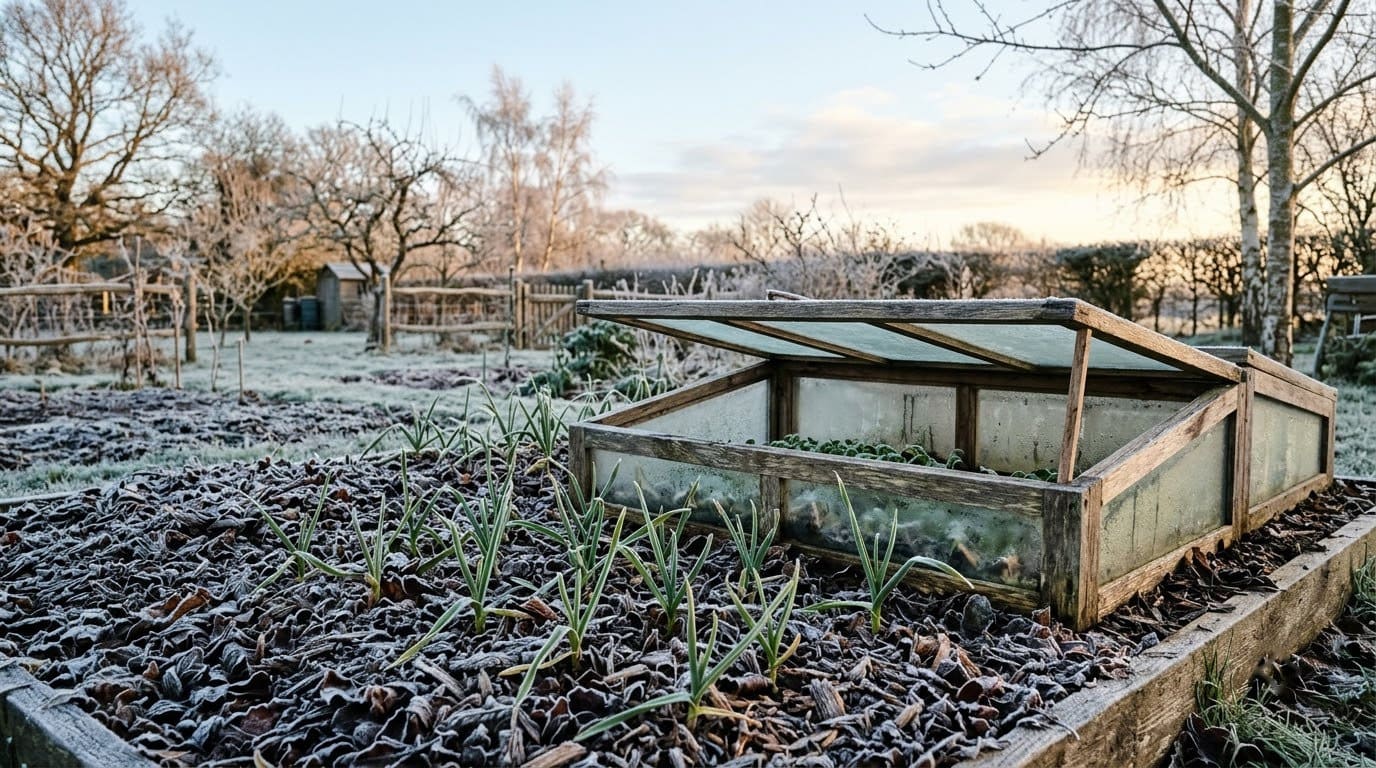
Bulk and loose-fill soil settles more than bagged soil, since bagged mix is already compressed during shipping. That’s why this calculator defaults to a 15 percent buffer for bulk delivery and 10 percent for bagged soil, both adjustable if your specific mix runs heavier on compost or lighter on mineral material.
Skipping this step is how a bed that should sit at 12 inches ends up closer to 9 or 10 by midsummer. That’s not a small gap for a young tomato plant trying to establish roots.
Cutting Your Soil Bill with a Hugelkultur Base
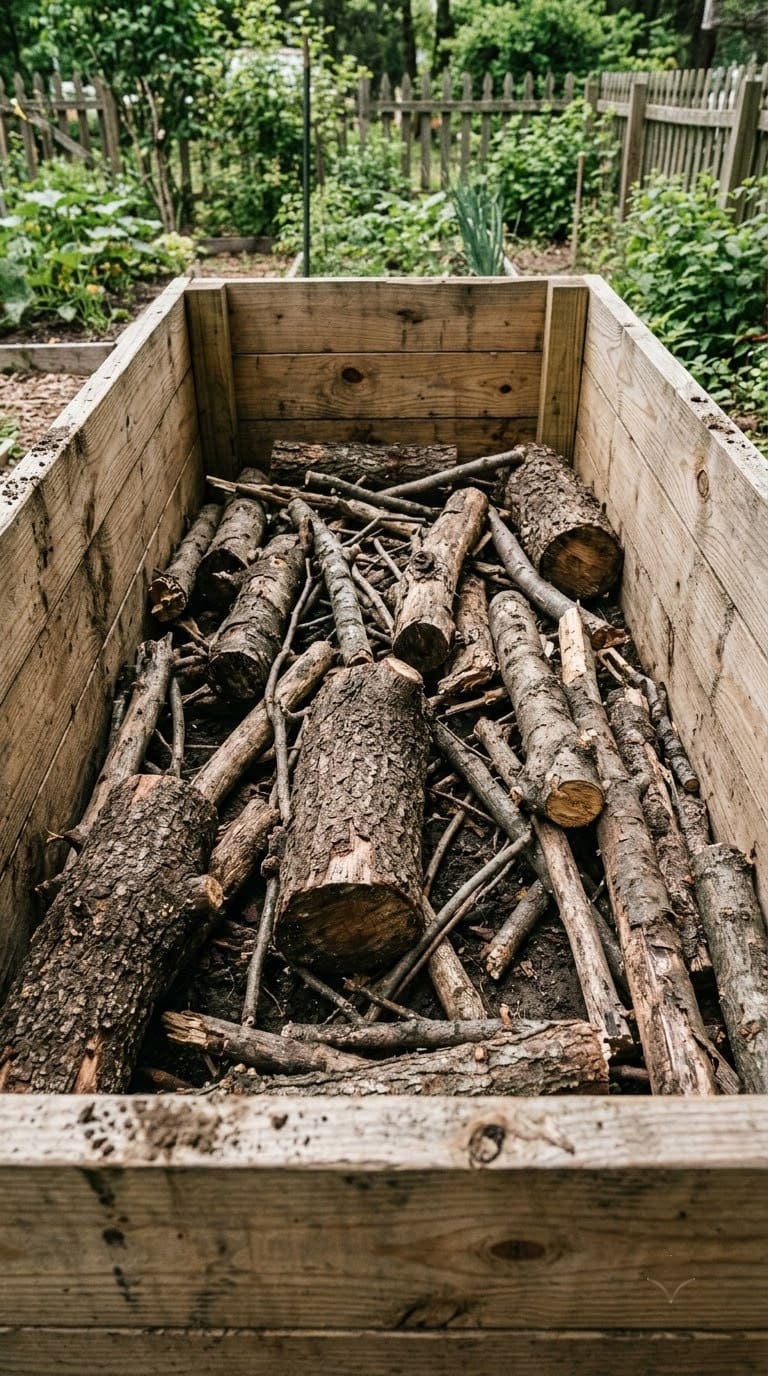
Deep beds get expensive fast, and not all of that depth needs to be premium soil mix. A hugelkultur base layer, built from logs, branches, and other woody debris, can fill the bottom portion of a deep bed for close to free.
The wood breaks down slowly over years, feeding the bed from below while holding moisture like a sponge. A typical setup uses 8 to 12 inches of wood at the bottom of a bed that’s 16 inches or deeper, topped with a full layer of quality soil mix above it.
The average homeowner spends $616/year on yard fixes that don't address the real problem. Find out what yours actually is — before you spend another dollar.
Take the Free QuizThis calculator includes a toggle for exactly that setup. Enter your base layer height and how much of that layer’s volume the wood replaces, and it subtracts the difference from your total soil order.
Bagged Soil vs. Bulk Delivery: Which Actually Saves Money?
Small beds almost always come out ahead with bags. They’re easy to carry, easy to store leftovers of, and there’s no minimum order.
That advantage flips once your total volume climbs past roughly one truckload, around 27 cubic feet. Most bulk suppliers price soil and compost by the cubic yard, and per-cubic-foot cost drops noticeably compared to buying dozens of individual bags.
Bulk does come with tradeoffs. Most suppliers set a 2 cubic yard (54 cubic foot) minimum for delivery, plus a flat delivery fee that typically runs $50 to $150 depending on distance. This calculator’s cost comparison factors both the per-unit price and that delivery fee into its bulk estimate, so the number you see is a real total, not just a per-yard price.
Garden Soil, Topsoil, and Raised Bed Mix Aren’t the Same Product
This mix-up sends more people back to the store for a second trip than almost any other raised bed mistake. The three products look similar on a shelf and behave very differently in a bed.
Garden soil is a natural, largely unimproved product meant to be mixed into existing ground. Used alone in a raised bed, it tends to compact hard and hold too much water.
Topsoil is screened surface soil, more often sold for lawn grading and leveling than for growing vegetables. It’s a fine base ingredient in a blend, but a poor choice used by itself.
Raised bed mix is a purpose-built blend, usually some version of topsoil, compost, and an aeration material, already combined in workable proportions. It’s the product most retail bags are actually referring to when they say “raised bed soil” on the label.
Knowing which product you’re standing in front of at the store, and how it fits into the ratios this calculator already gives you, is the difference between one trip and three.
Building Good Soil, Not Just Filling a Box
A bed full of the right volume still needs the right foundation underneath it. Garden soil preparation that supports a healthy mix of organic matter and soil life makes a measurable difference in how well your fill mix performs over its first year.
Composting your own material is one of the most reliable ways to keep that mix improving season after season. A step-by-step guide to making garden compost walks through building a pile from kitchen scraps and yard waste that turns into genuinely usable compost within a few months.
For gardeners without much yard space for a compost pile, low-budget DIY compost bins built from repurposed materials fit into a much smaller footprint while producing the same result.
Choosing and Building the Right Bed First
Soil volume depends entirely on the bed you’re filling, so getting the bed itself right matters just as much as the mix. Urban gardening raised bed ideas cover sizing and material choices for gardeners working with tight space, which directly changes how much soil you’ll need to order.
For anyone who wants a taller bed to cut down on kneeling and bending, waist-high raised garden bed plans are worth reviewing before finalizing a depth, since a taller bed is exactly the situation where a hugelkultur base pays off most.
Not every bed has to be a rectangle, either. Round raised garden bed ideas still plug into the same length-times-width volume math once you account for the shape’s actual footprint.
Frequently Asked Questions
How much soil do I need for a 4×8 raised bed? At a standard 12-inch depth, a 4-by-8-foot bed needs 32 cubic feet of raw volume, or about 36 to 38 cubic feet once you add a realistic settling buffer. That works out to roughly 24 to 26 bags at 1.5 cubic feet each, or just over 1 cubic yard if ordering bulk.
Should I fill my raised bed with just topsoil? No. Topsoil alone tends to compact and drain poorly in a raised bed. It works well as one ingredient in a blend, typically 50 to 60 percent of the total mix, alongside compost and an aeration material.
Do I need to fill the whole bed with purchased soil mix? Not necessarily. If your bed sits directly on decent native soil, or if it’s deep enough for a hugelkultur wood base layer, you can reduce how much purchased mix you need for the bottom portion of the bed.
How much does soil settle after filling a raised bed? Typically 10 to 20 percent in the first season, more for compost-heavy mixes and less for bagged soil that’s already compressed. This calculator applies that buffer automatically so your final depth actually matches what you planned.
Is bagged or bulk soil cheaper? It depends on volume. Bags are usually more practical and not much more expensive under about 27 cubic feet. Past that point, bulk delivery is typically cheaper per cubic foot, even after accounting for the delivery fee.
What’s the difference between garden soil, topsoil, and raised bed mix? Garden soil is meant to blend into existing ground, topsoil is screened surface soil often sold for grading, and raised bed mix is a purpose-built blend of both plus an aeration material. Raised bed mix is almost always the right single product if you only want to buy one bag type.
How deep does a raised bed need to be for tomatoes? At least 18 inches, based on University of Maryland Extension guidance for deep-rooted crops. Shallower beds can still grow tomatoes, but they’ll need more frequent watering and won’t support as large a root system.
Can I mix my own soil instead of buying a premade raised bed blend? Yes. Use the calculator’s custom mix option to set your own topsoil, compost, and aeration percentages, which is useful if you’re working from a soil test result or already have compost on hand.
Glossary
Aeration material: A lightweight ingredient like vermiculite, perlite, or coarse bark added to a soil mix to prevent compaction and improve drainage.
Bulk delivery: Soil or compost sold and delivered by the cubic yard, typically with a minimum order and a separate delivery fee.
Hugelkultur: A raised bed technique that uses a base layer of logs and woody debris to fill volume, retain moisture, and slowly release nutrients as it decomposes.
Mel’s Mix: The soilless blend used in square-foot gardening, made of equal parts compost, peat moss or coconut coir, and coarse vermiculite.
Raised bed mix: A purpose-built commercial blend, usually topsoil, compost, and an aeration material, formulated specifically for raised bed growing.
Settling: The compaction of loose soil mix that happens naturally after watering and over a growing season, reducing the mix’s effective depth.
Topsoil: Screened surface soil, commonly sold for lawn grading and leveling, that works best as one ingredient in a blend rather than used alone.
Sources & References
- University of Maryland Extension: Growing Vegetables in Raised Beds
- Square Foot Gardening Foundation: Mel’s Mix Resources
- Oregon State University Extension: Raised Bed Gardening
Never miss an update — choose FarmFoodFamily as your preferred source on Google.
How it works: Tap the button below to open Google's settings page, then check the box next to FarmFoodFamily.
Tap the checkbox to turn it blue — that's how you know it's set.