12 Best Accent Wall Colors for Gray Walls (And How to Test Them)
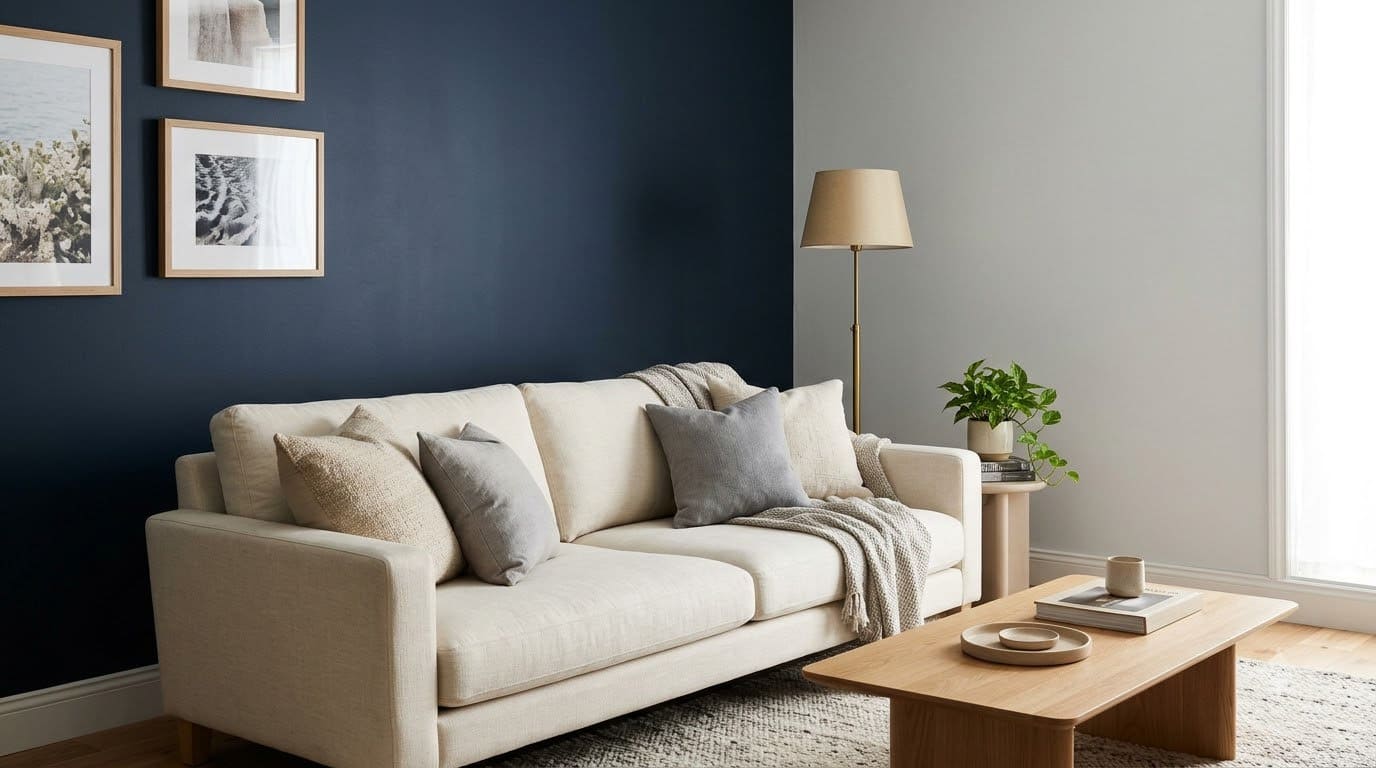
Navy, green, black and white all work on gray. Match the gray’s undertone first, and test the paint before you roll it.

Never miss an update — choose FarmFoodFamily as your preferred source on Google.
How it works: Tap the button below to open Google's settings page, then check the box next to FarmFoodFamily.
Tap the checkbox to turn it blue — that's how you know it's set.
Navy, green, black and white all work on gray. Match the gray's undertone first, and test the paint before you roll it.
Products We Recommend
This post contains affiliate links. We may earn a commission on qualifying purchases at no extra cost to you.

FrogTape Multi-Surface Painter's Tape with PAINTBLOCK, 0.94 in x 60 Yds
Painter's tape for crisp lines where the accent wall meets trim and the ceiling. Press the edge flat and peel while the paint is slightly wet.
Shop Now
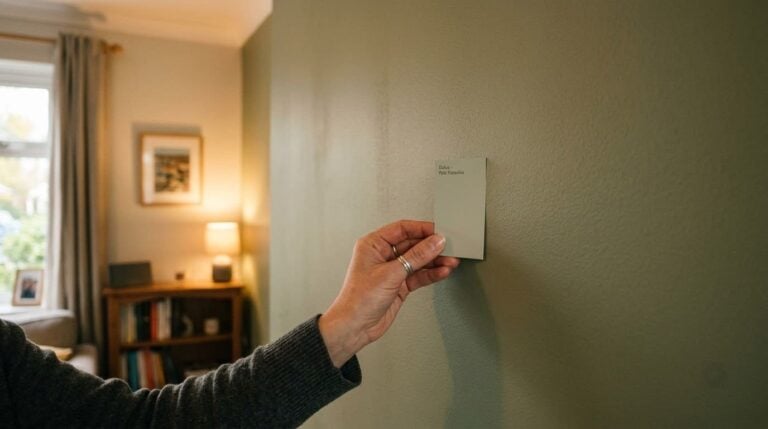
5 Pcs Paint Sample Boards 12" x 9" Paint Color Test Panels
Boards to paint two or three sample colors and move them around the room. Check them in morning and evening light before you choose.
Shop Now
HBTower Step Ladder, Folding Step Stool with Wide Anti-Slip Pedal
A small folding step stool for reaching the top edge of an accent wall. Set it on a flat floor and keep your body inside the rails.
Shop NowThe best accent colors for gray are navy, forest green, black, warm white and rust. Match the color to your gray’s undertone.
Warm grays like greige and taupe suit earthy colors. Cool grays like slate suit blues and greens. If you aren’t sure which you have, the paper test below settles it in a minute.
Block Renovation says to hold white paper against the gray in daylight. A brown or tan cast means warm. A blue, green or silvery cast means cool.
Be careful with whites. Designers at Redfin warn that a warm creamy white looks very yellow next to a cooler gray.
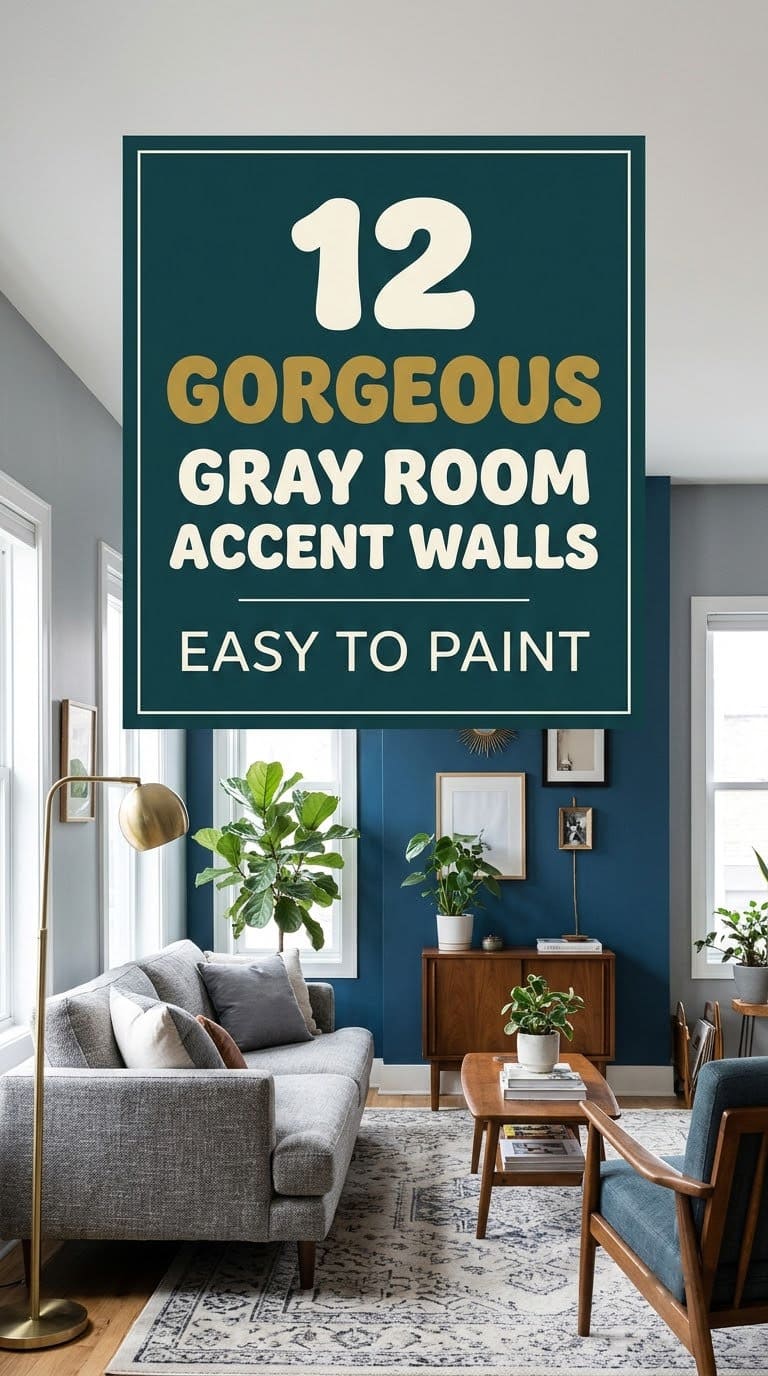
These 12 colors come with pairing tips, steps and a watch-out each. Pick one wall, test two samples, and paint it in a weekend. Most rooms need only one accent wall, so don’t overdo it.
How Do You Pick an Accent Color for Gray?
Start with the gray, not the accent. Every gray leans warm or cool. That lean decides which colors look calm and which look off.
Use this table. The matches are our own guide, except where a source says so.

| Your gray | Colors that usually work | Colors to test with care |
|---|---|---|
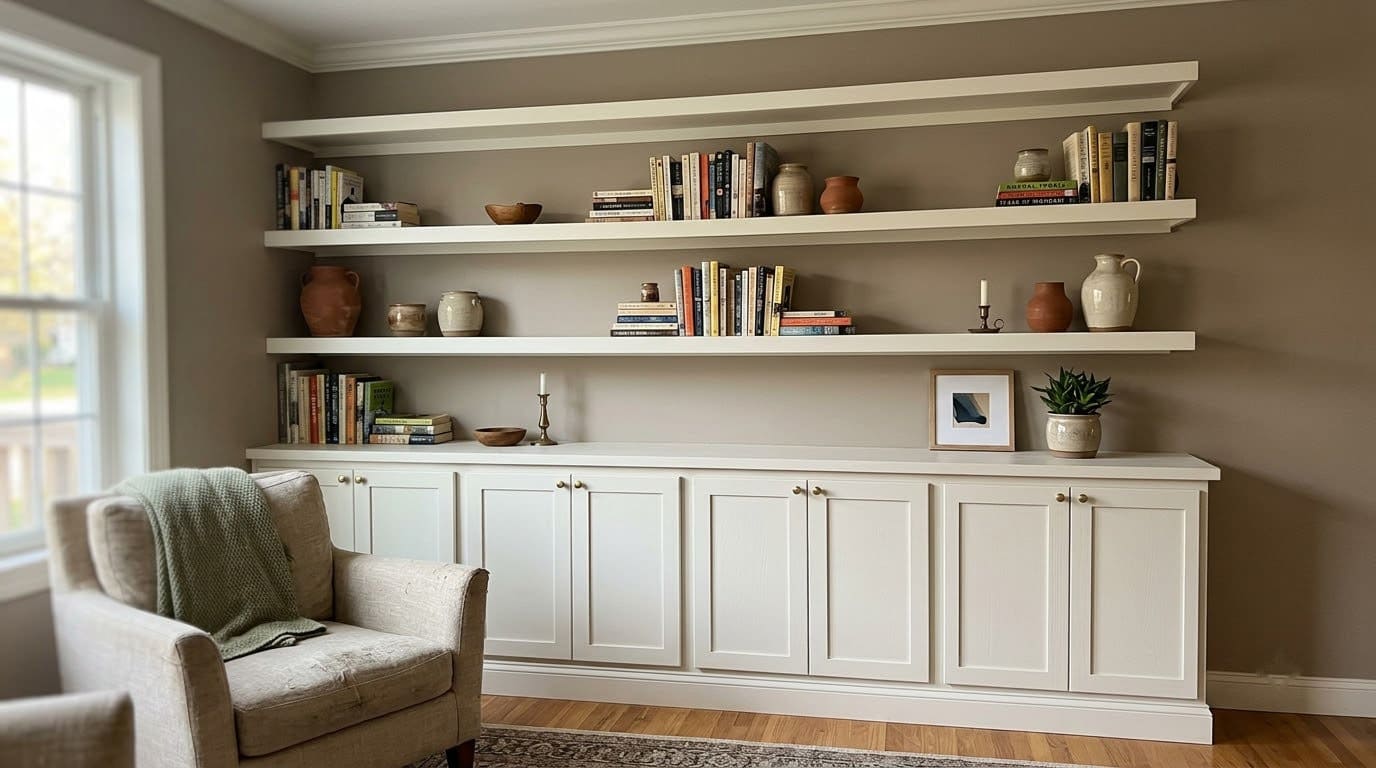
| Warm gray (greige, taupe) | Rust, terracotta, sage, cream, brown | Icy blue, stark white |
| Cool gray (slate, steel) | Navy, deep green, teal, crisp white | Creamy white, yellow |
| Light gray | Navy, black, forest green, rose | Pale pastels (they fade) |
| Dark gray | White, blush, brass, light blue | Black (it can feel heavy) |
If you can’t tell, hold the paper test up in the morning and again in the evening. Light changes how gray looks.
Follow the 60/30/10 rule. Walls take about 60 percent of the room.
Sofa and curtains take about 30 percent. The accent takes about 10.
Which Wall Should Be the Accent Wall?
Pick the wall your eye hits first. Designer Erika Dale tells House Digest that the wall that draws your attention is the one that calls for an accent. Good spots are behind the bed, the sofa or the fireplace.
Avoid a wall with no focal point. One accent wall is enough for most rooms. Two can feel busy.
What Safety Rules Apply Before You Paint?
Paint is easy. A few safety steps are not optional.
Check the house age. The EPA says the lead-safe rule covers homes built before 1978. About three-quarters of those homes still have some lead paint. If your home is that old, test before you sand or scrape.
Ventilate. Open windows and run a fan. Paint fumes build up indoors. Keep kids and pets out of the room.
Painter's tape for crisp lines where the accent wall meets trim and the ceiling. Press the edge flat and peel while the paint is slightly wet.
Shop NowThis post contains affiliate links. We may earn a commission on qualifying purchases at no extra cost to you.
Use the ladder safely. Set it on a flat floor. Keep your belt buckle between the rails. This is our advice.
Tape and cover. Use painter’s tape on trim. Cover floors with a drop cloth.
How Do You Test Paint Samples on Gray?
Testing saves money. It also saves a weekend of repainting.
Steps:
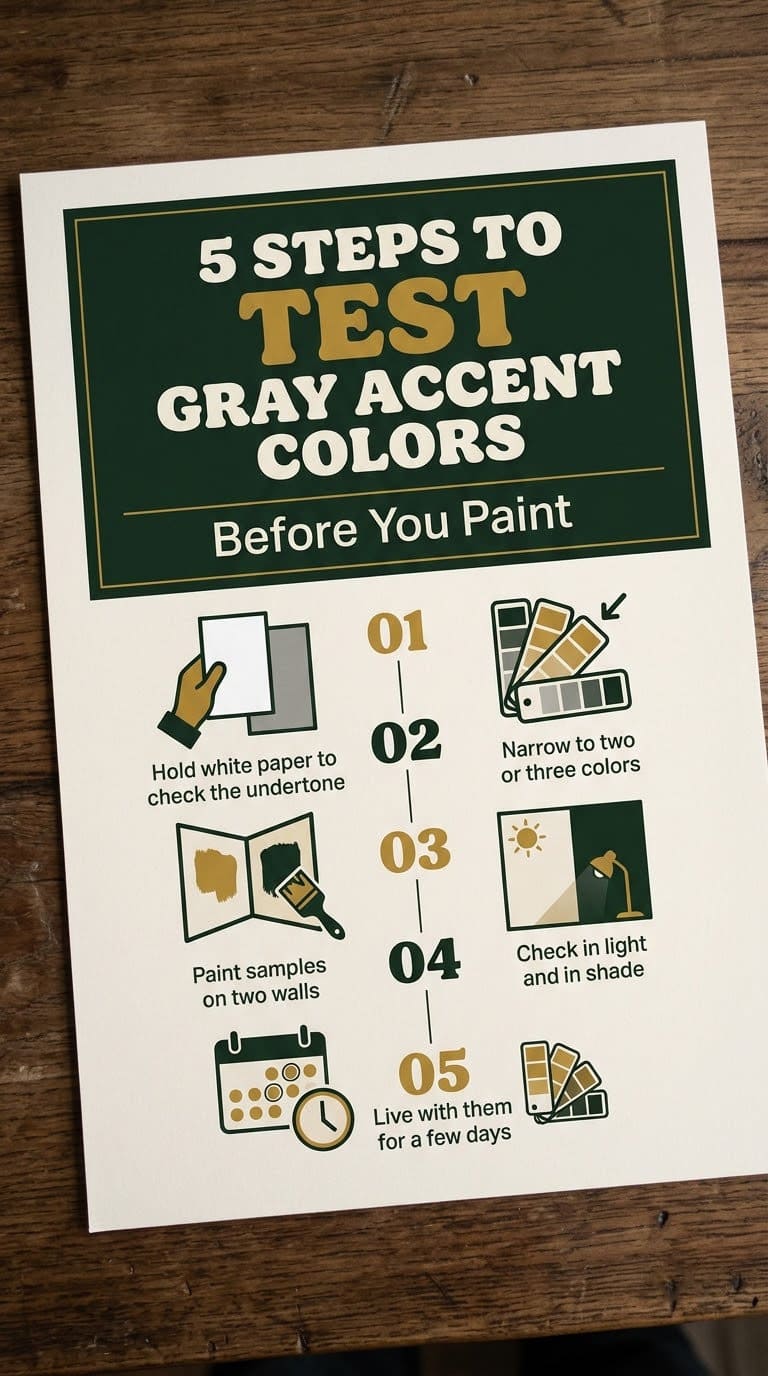
- Narrow your list to two or three colors.
- Paint a large sample on at least two walls.
- Put each sample near the floor, the cabinets and the trim.
- Check them in direct light and in shade. Redfin’s color consultant Erika Dillman advises two coats on each sample.
- Live with them for a few days before you choose.
Light matters, but it’s easy to miss. A higher light reflectance value (LRV) means the paint reflects more light.
Dillman says that helps in sunny east and west rooms. It also helps small or dark rooms. But a lower LRV feels cozier.
Which Colors Does Block Renovation Pair With Warm and Cool Gray?
Block Renovation lists a few paint names. For cool gray it suggests Hale Navy HC-154, Slate Blue 1648 and Rainstorm SW 6230. For warm gray it suggests Clary Sage SW 6178 and Cavern Clay SW 7701, a terracotta.
These were written for gray floors, not gray walls. Treat them as a starting point. Test them on your own wall.
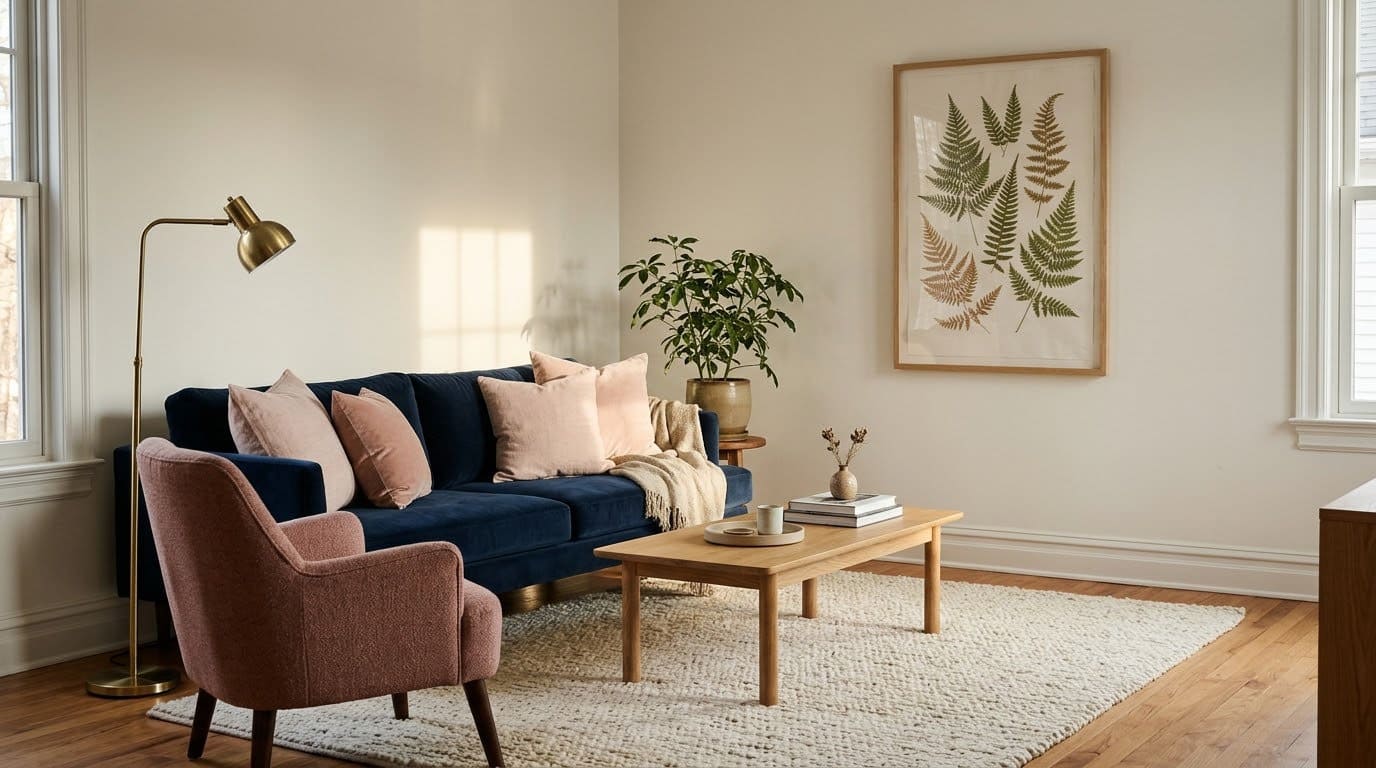


Brass hardware, wool rugs and warm-white bulbs also help. They warm a cool gray room without a new coat of paint.
How Does Light Change a Gray Room?
Gray is a chameleon. It picks up the color of the light around it. That’s why one gray can look blue at noon and brown at night.
Here is our simple guide. A north-facing room often looks cooler and dimmer. A south-facing room often looks warmer and brighter.
East rooms glow in the morning. West rooms glow at dusk.
Your bulbs matter too. Warm-white bulbs make gray and every accent look softer and warmer. Cool-white bulbs make them look sharper and bluer.
Pick the bulb color first, then test paint under it.
Which Finish Should You Choose for an Accent Wall?
Finish changes how a color feels. This is general painting practice and our own guide, so check each can’s label.
| Finish | Look | Best for | Watch out |
|---|---|---|---|
| Matte | Soft, no shine | Bedrooms, dark colors, walls with dings | Marks when you scrub it |
| Eggshell | Faint glow | Living rooms, dining rooms, hallways | Shows roller marks in strong light |
| Satin | Slight sheen | Kitchens, kids’ rooms, entries | Highlights bumps on the wall |
| Semi-gloss | Shiny | Trim, doors, baseboards | Too shiny for a big wall |
For a dark accent, matte or eggshell hides flaws best. Keep semi-gloss for the trim.
How Do You Paint an Accent Wall Step by Step?
The same method works for every color below. Dark colors just need more patience.
Steps:
- Clear the wall. Move furniture away and cover the floor with a drop cloth.
- Wash the wall with a damp cloth. Let it dry. Fill small holes and sand them smooth.
- Tape the trim, the ceiling line and the side walls. Press the tape edge flat.
- Prime if you are going dark over gray, or if you patched a lot. Let the primer dry.
- Cut in the edges with a brush. Then roll the wall in long, even strokes.
- Keep a wet edge. Don’t stop in the middle of a wall.
- Let the first coat dry. Follow the can label for recoat time, then paint the second coat.
- Peel the tape while the last coat is slightly wet. Pull it slowly at a low angle.
Wait a day before you push furniture back. Fresh paint scuffs easily.
1. Navy Accent Wall
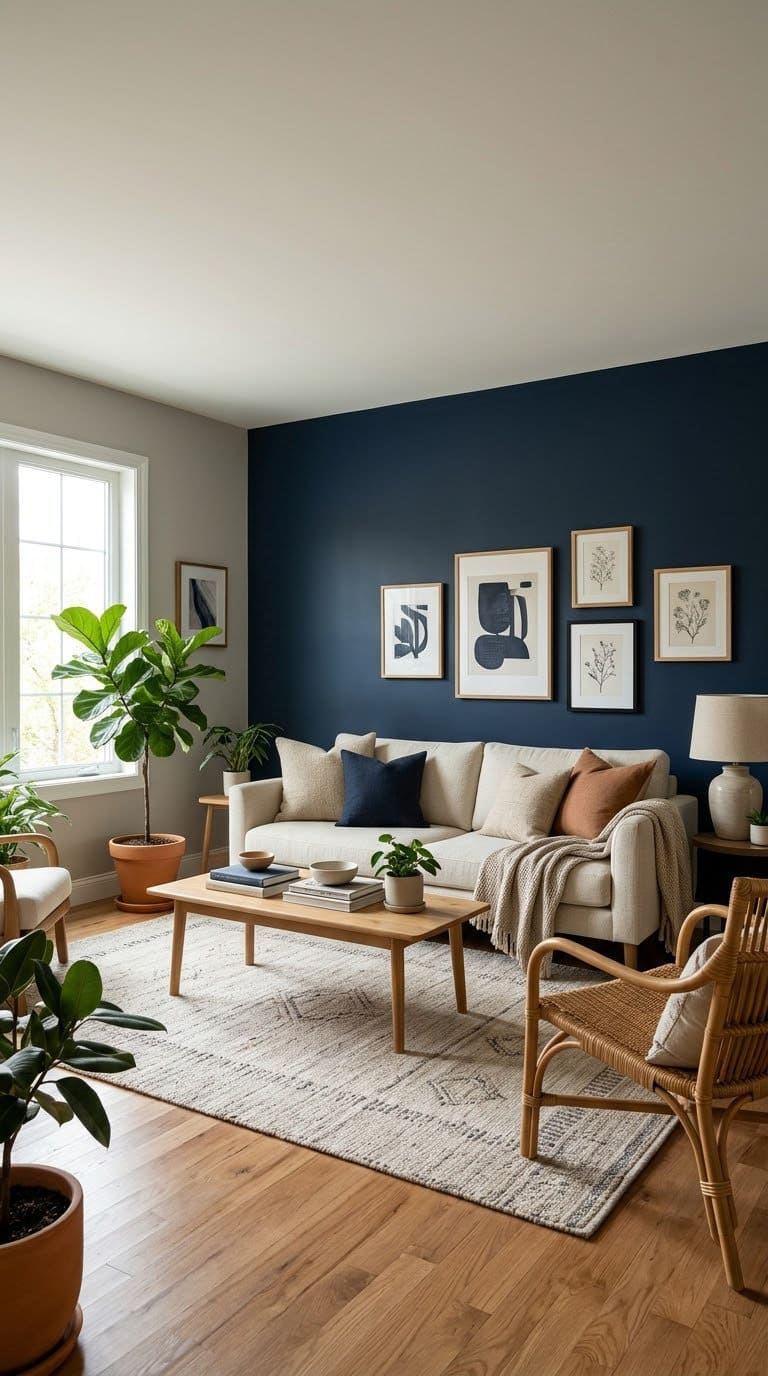
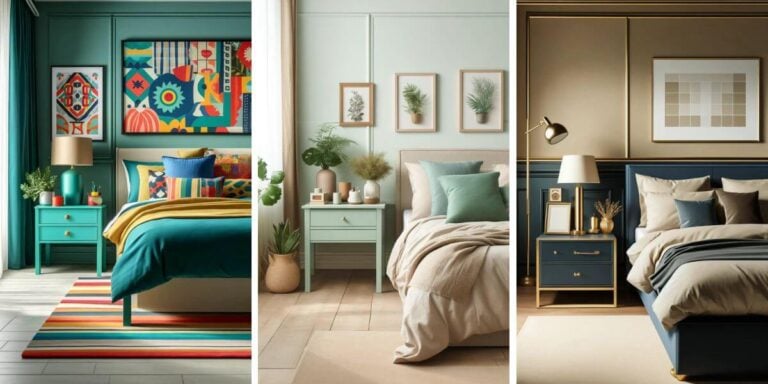
Navy is the safest bold choice. It acts like a deep neutral, so it sits well with both warm and cool grays. It also makes the gray around it look lighter.
Best for: living rooms, bedrooms and dining rooms.
Pair with: white trim, brass lights, a cream rug and light wood.
Steps:
- Tape the trim and the ceiling line.
- Prime if the gray is dark or the wall is patched.
- Cut in the edges with a brush.
- Roll the wall in long strokes.
- Let it dry, then roll a second coat.
- Check the color the next evening under lamps.
Style tip: Pick a matte or eggshell finish. Matte also keeps cool undertones from feeling harder. Add a white or cream sofa in front for contrast.
Watch out: Dark colors can need extra coats over gray. Plan for two or three. This is our tip.
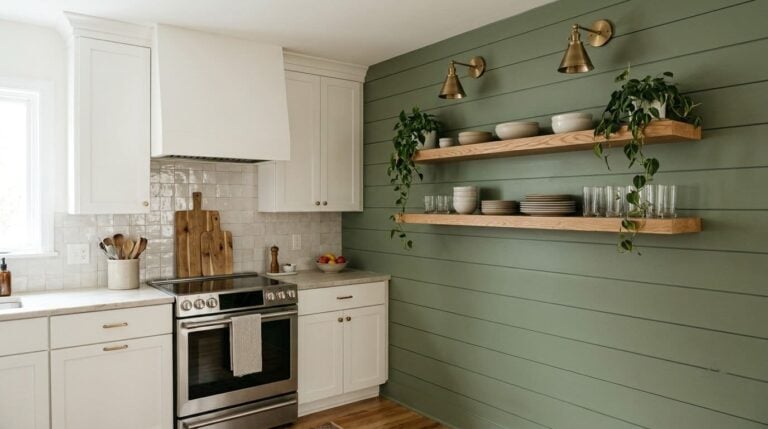
2. Forest or Sage Green Accent Wall
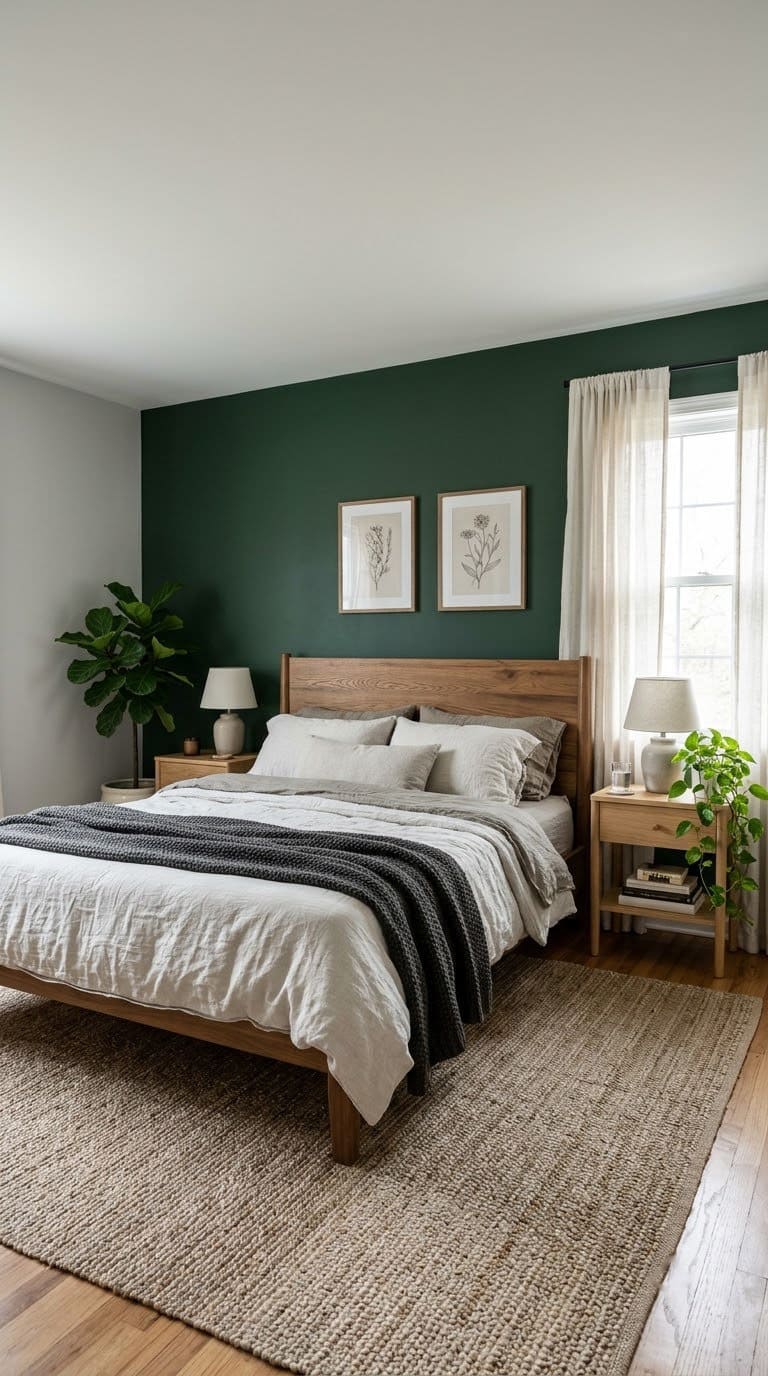
Green reads as calm and natural. Deep green feels cozy and a little formal. Sage feels light and airy.
Best for: bedrooms, offices and dining rooms.
Pair with: wood furniture, linen, wool and plants.
Steps:
- Hold two green samples on the wall.
- Check them in morning and evening light.
- Pick the one that stays green, not gray.
- Tape and cut in the edges.
- Paint two coats.
- Add plants or a wood shelf to finish.
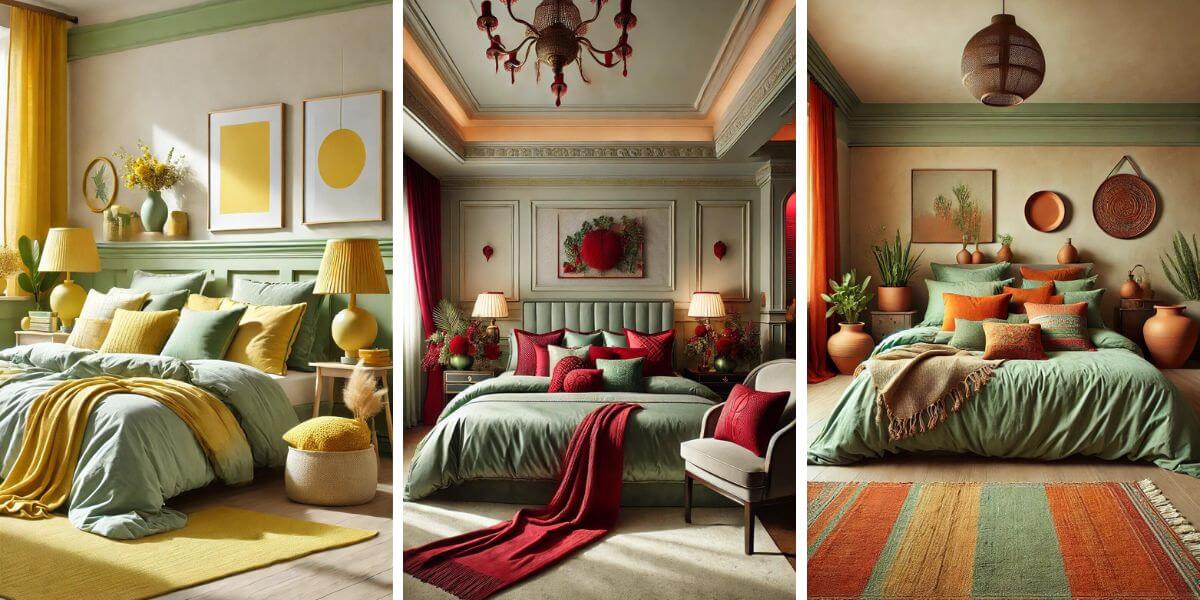
Style tip: Warm grays love sage. Cool grays love deeper green. A brass or wood frame warms either one.
Watch out: Dim rooms can turn deep green almost black. Test the sample in the darkest corner first.
3. Black Accent Wall
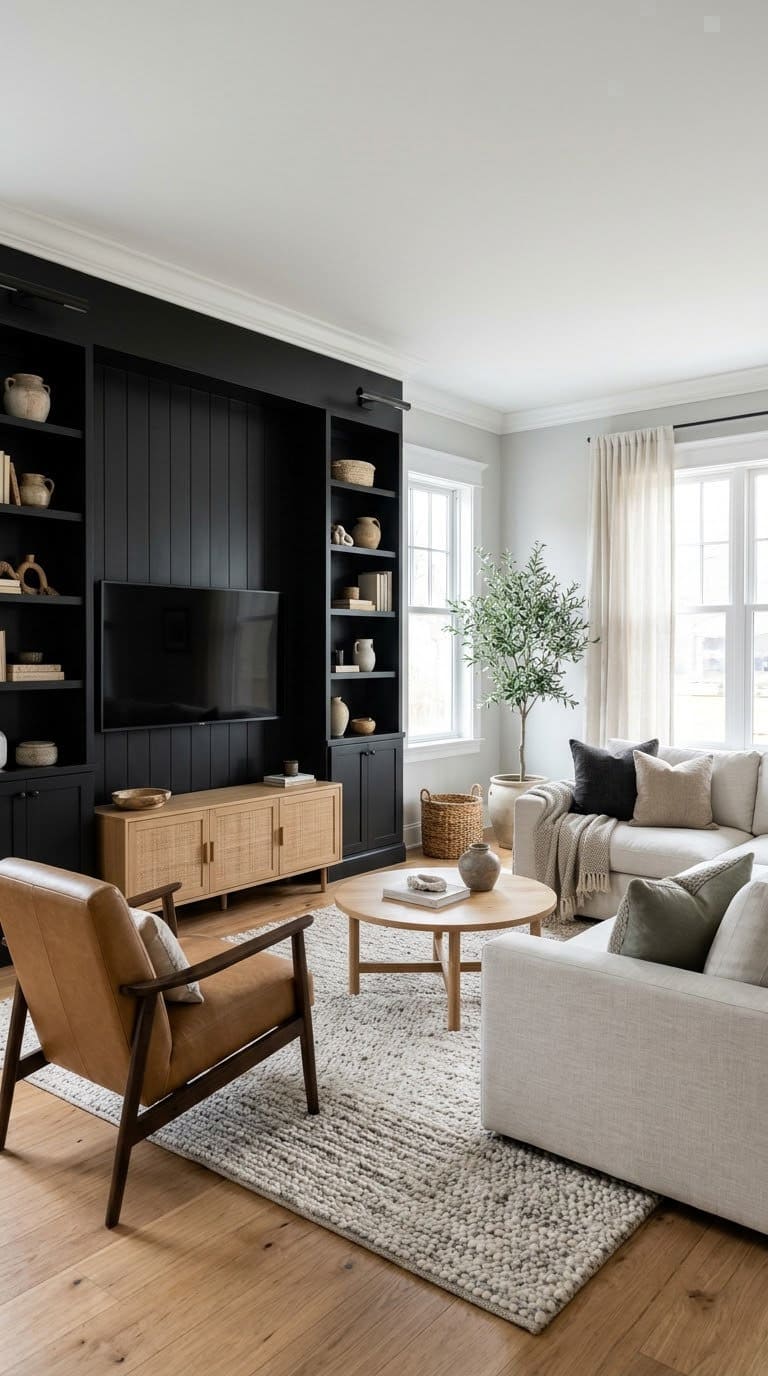
Black gives a gray room a sharp edge. It makes light grays look softer and makes white trim pop. It works best in a bright room.
Best for: living rooms with big windows, and media walls.
Pair with: white trim, light wood, warm bulbs and glass.
Steps:
- Prime first, so black covers evenly.
- Cut in the edges with a steady hand.
- Roll the first coat in one direction.
- Let it dry fully.
- Roll a second coat.
- Peel the tape while the paint is slightly wet.
Style tip: Add a mirror or a gold frame to bounce the light. A TV mounted on a black wall also nearly disappears.
Watch out: Black absorbs light. In a small, dim room it can feel heavy. Choose a deep charcoal if you want a softer look.
4. Warm White Accent Wall
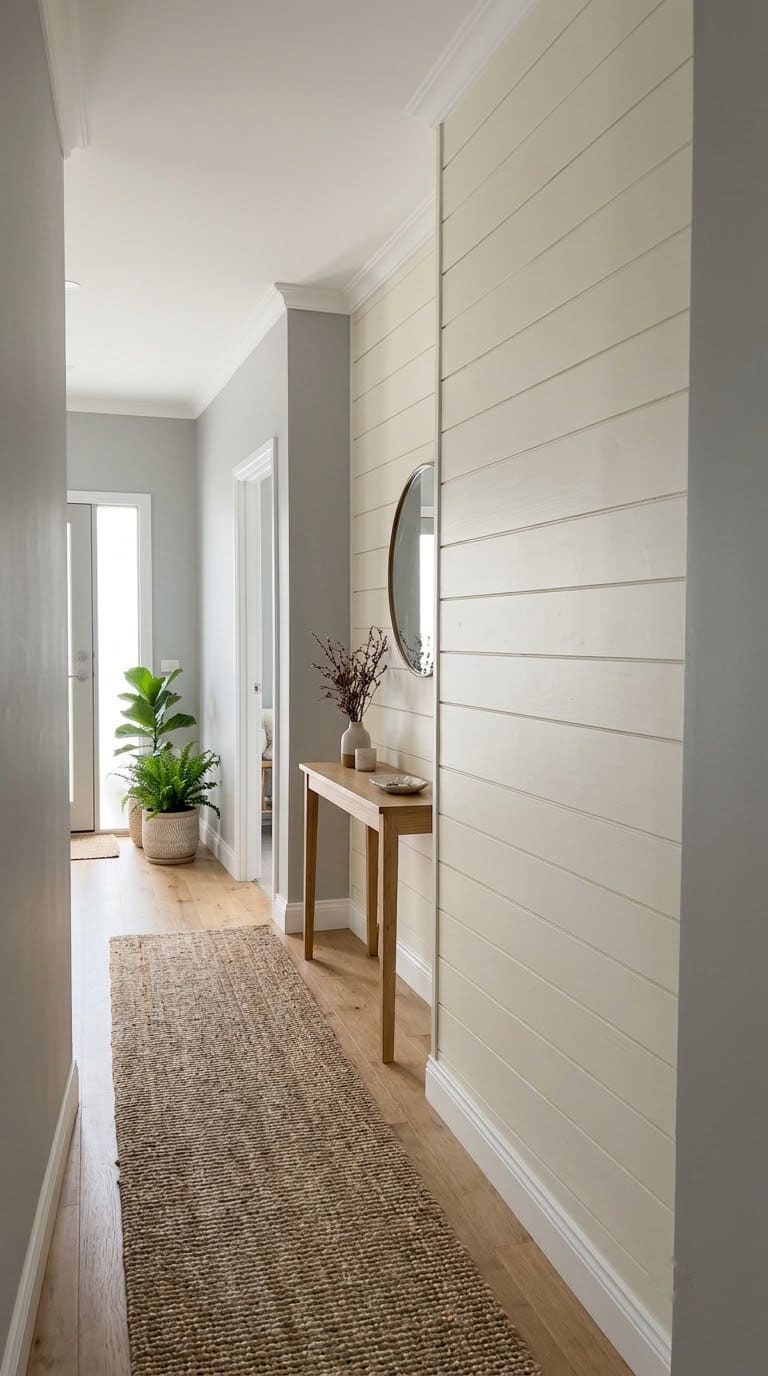
A white wall on gray looks fresh and clean. It can also look flat if the undertones fight. Match the white’s undertone to the gray.
Best for: hallways, small rooms and shiplap walls.
Pair with: warm gray, natural wood and woven baskets.
Steps:
- Hold white swatches next to the gray.
- Pick the white with the same undertone.
- Paint two coats.
- Add texture, like shiplap or board and batten.
- Look at it in morning and evening light.
Style tip: Texture does the work here. Add board and batten for depth. A white wall with wood shelves feels warm.
Watch out: A warm creamy white can look very yellow beside a cooler gray. Test it first.
5. Blue Accent Wall (Dusty, Cobalt or Sapphire)
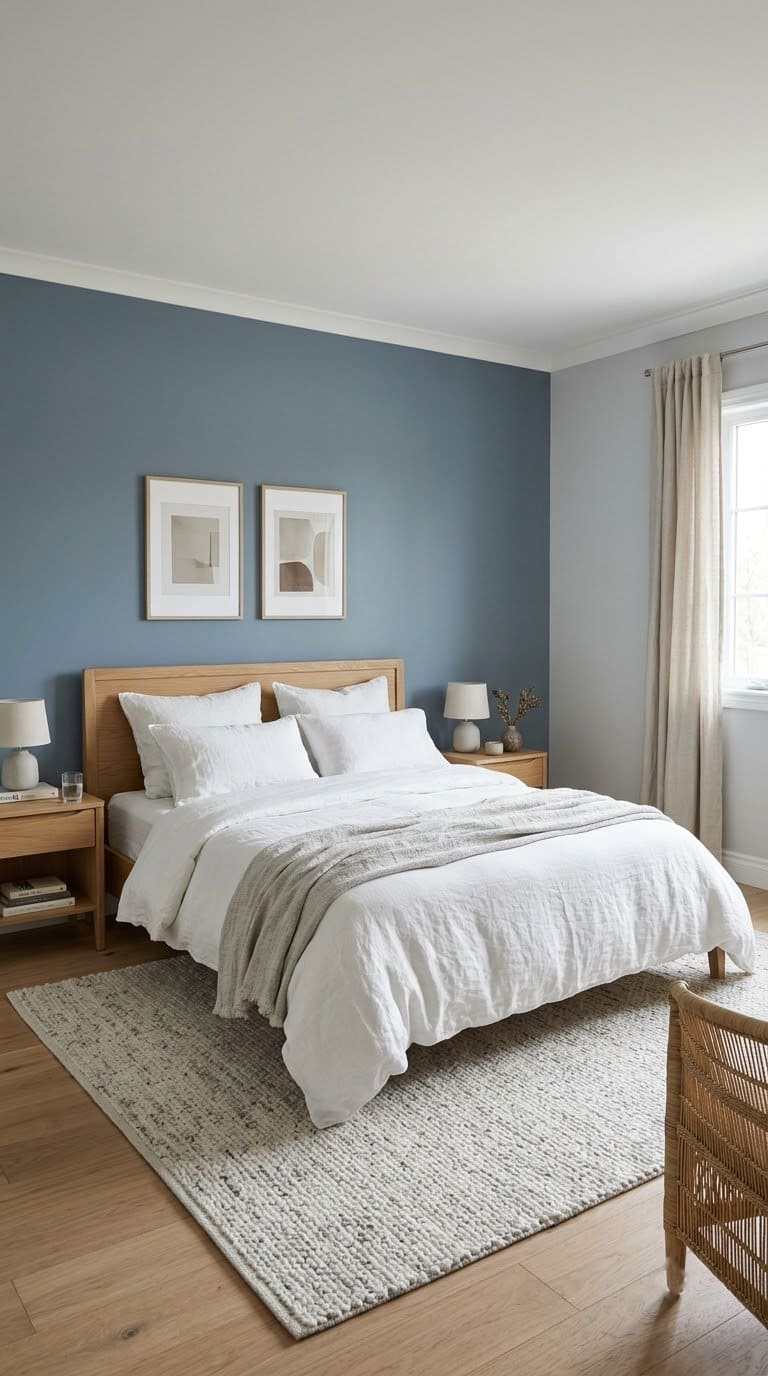
Blue is a gentle contrast with gray. Dusty blue is soft and quiet. Cobalt and sapphire are bold and jewel-like.
Best for: bedrooms, bathrooms and kitchens.
Pair with: white, tan, silver and light wood.
Steps:
- Pick one blue family.
- Test a dusty and a bold sample in two spots.
- Look at both in shade and in direct light.
- Paint the wall behind your main furniture.
- Add white bedding or a white sofa.
Style tip: Cool gray plus pale blue feels spa-like. Bold cobalt plus warm gray feels lively. Brass lights suit both.
Watch out: Two blues in one room can clash. Use only one.
6. Taupe Accent Wall
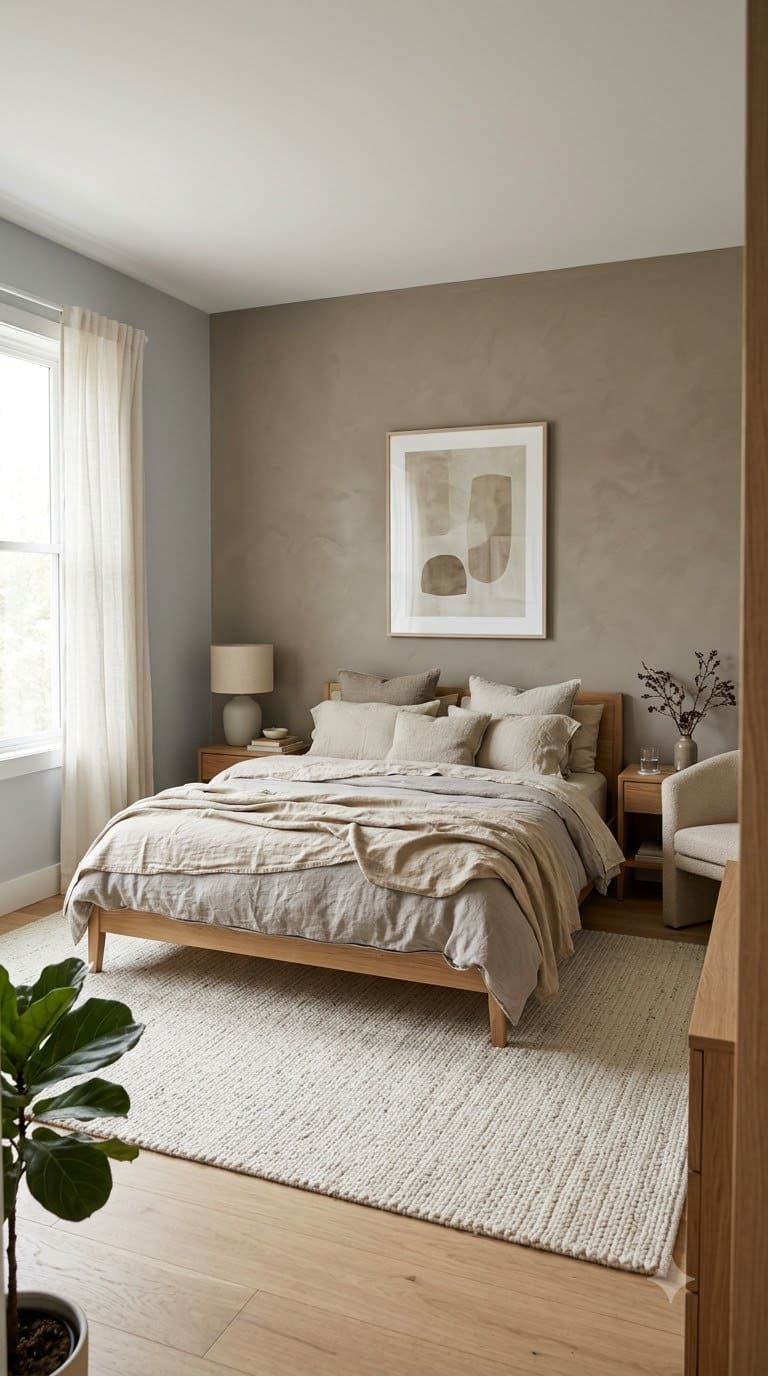
Taupe is a quiet partner for gray. It adds warmth without a color shock. The room feels layered, not painted.
Best for: bedrooms and rooms where you want calm.
Pair with: white trim, cream bedding and wood.
Steps:
- Test taupe next to your gray.
- Pick a taupe a clear shade darker.
- Check it beside your floor.
- Paint two coats.
- Layer linen and wool on top.
Style tip: Layer textures like linen, wool and rattan. Warm bulbs make taupe glow.
Watch out: A taupe too close to your gray looks like a mistake. Go a clear shade darker.
7. Brown Accent Wall
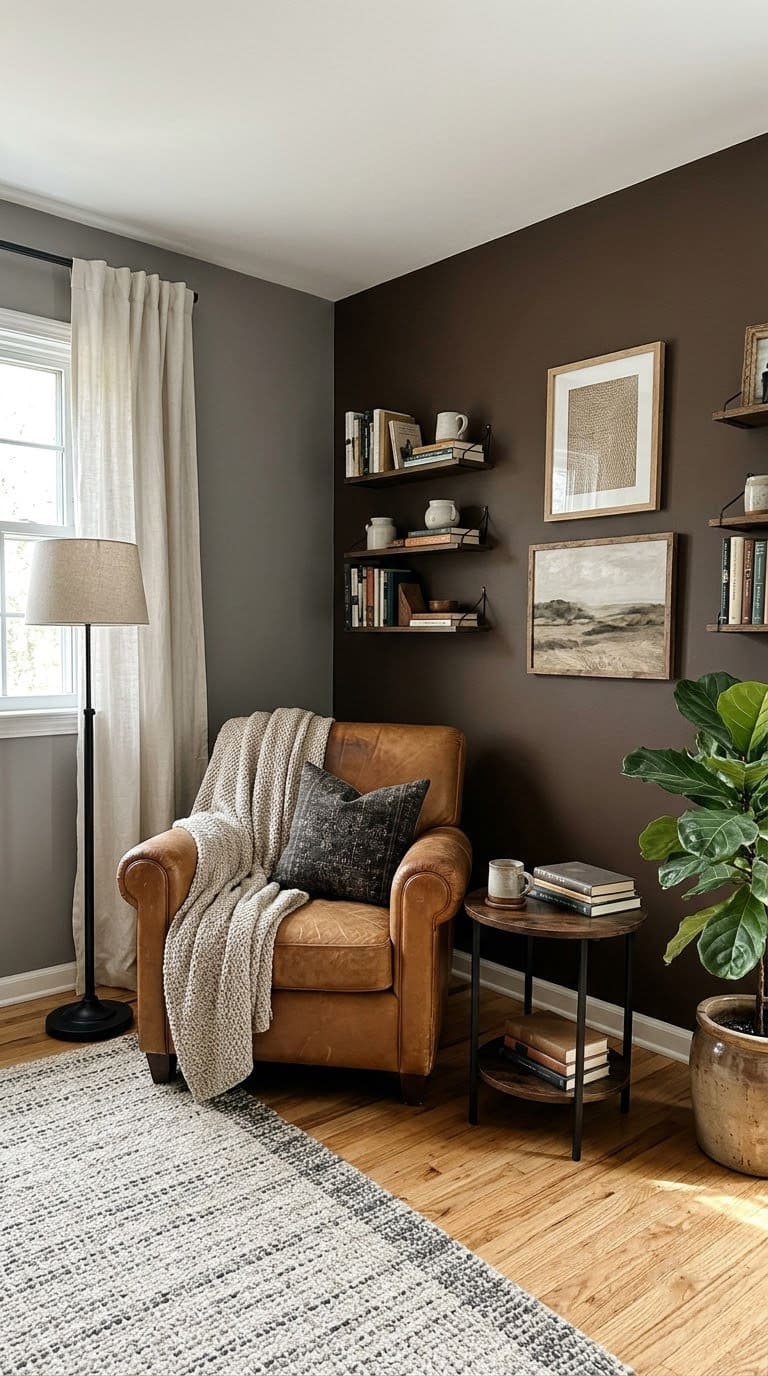
Brown warms up a cool gray room fast. Think chocolate or mocha. It feels like a cozy den.
Best for: dens, dining rooms and living rooms.
Pair with: cream, brass and leather.
Steps:
- Test brown with a large sample patch.
- Check it beside your floor.
- Prime if the gray is much lighter.
- Paint two coats.
- Hang light art to keep it airy.
Style tip: Add white art to keep the wall from feeling heavy. A cream rug lifts the whole room.
Watch out: Brown on brown floors can feel dull. Add a light rug.
8. Pink or Rose Accent Wall
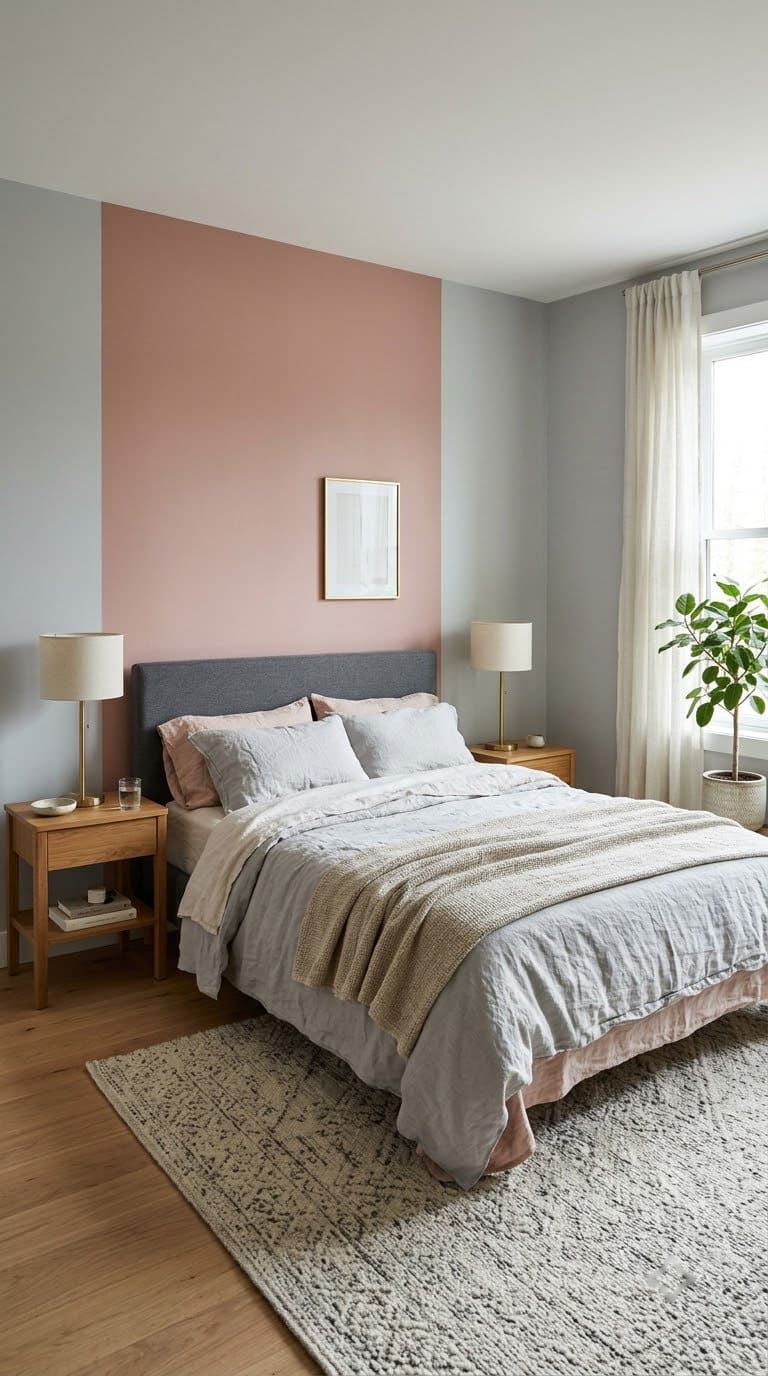
Pink softens gray. Blush is quiet and rose is richer, and both make cool gray feel warmer.
Best for: bedrooms, nurseries and dressing rooms.
Pair with: white, brass and soft green.
Steps:
- Test blush and rose side by side.
- Pick the one that stays pink in shade.
- Check it at night with lamps on.
- Paint two coats.
- Add a gray rug to tie the room together.
Style tip: Add a gray rug or throw. It ties the pink back to the walls. Brass hardware makes rose look richer.
Watch out: Some pinks look orange in warm light. Test at night with lamps on.
9. Yellow Accent Wall
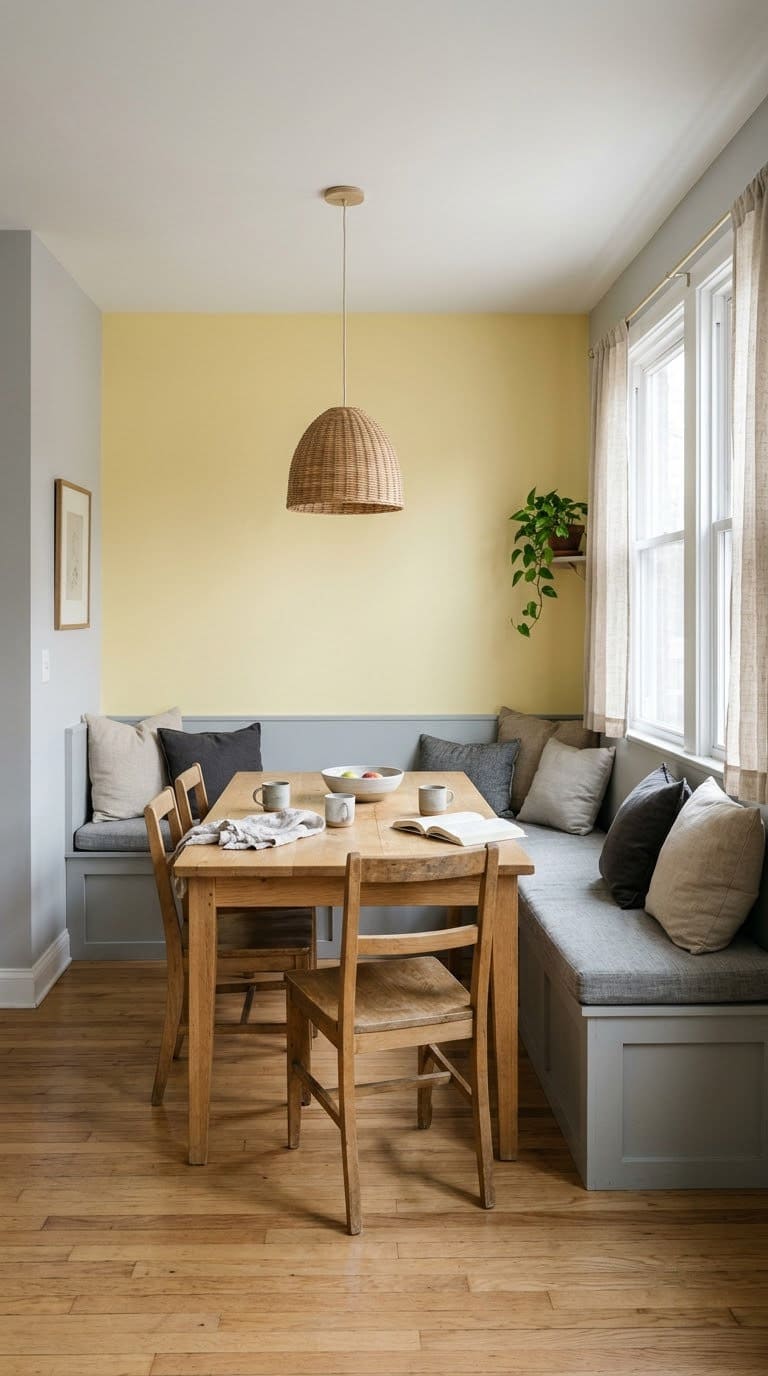
Yellow brightens a gray room like sunlight. It works best in soft, buttery shades. Strong yellows are hard to live with.
Best for: kitchens, entries and reading nooks.
Pair with: white trim and charcoal.
Steps:
- Test a soft butter yellow, not neon.
- Use it on a small wall.
- Check it at noon and at dusk.
- Paint two or three coats.
- Add a gray throw to balance it.
Style tip: Add a gray throw or a charcoal chair to balance it. White trim keeps it crisp.
Watch out: Bright yellow can glare in a sunny room. Pick a softer shade, and test before you buy.
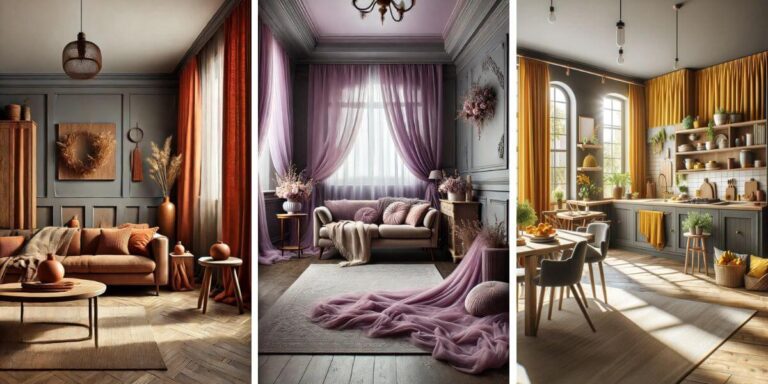
10. Rust or Orange Accent Wall
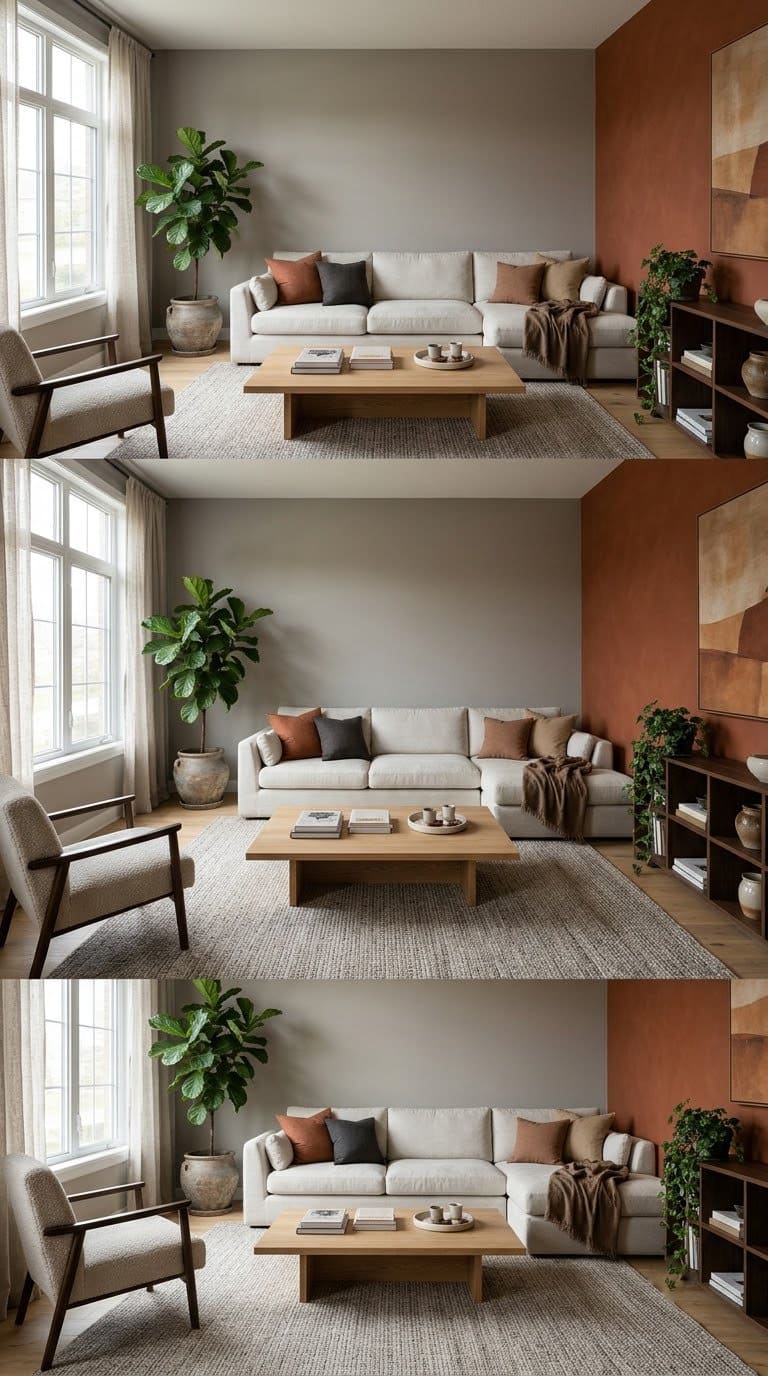
Rust adds warmth to cool gray. It feels earthy and bold. It looks best in muted tones, like terracotta.
Best for: living rooms, dining rooms and warm-gray spaces.
Pair with: cream, wood and leather.
Steps:
- Test rust and terracotta side by side.
- Choose the one that looks warm, not neon.
- Check it under warm bulbs.
- Paint two coats.
- Add brass lamps and wool for a cozy mood.
Style tip: Use brass lamps and wool for a cozy mood. A leather chair in front looks rich.
Watch out: Bright orange overwhelms a small room. Keep it muted.
11. Gold or Brass Accent Wall
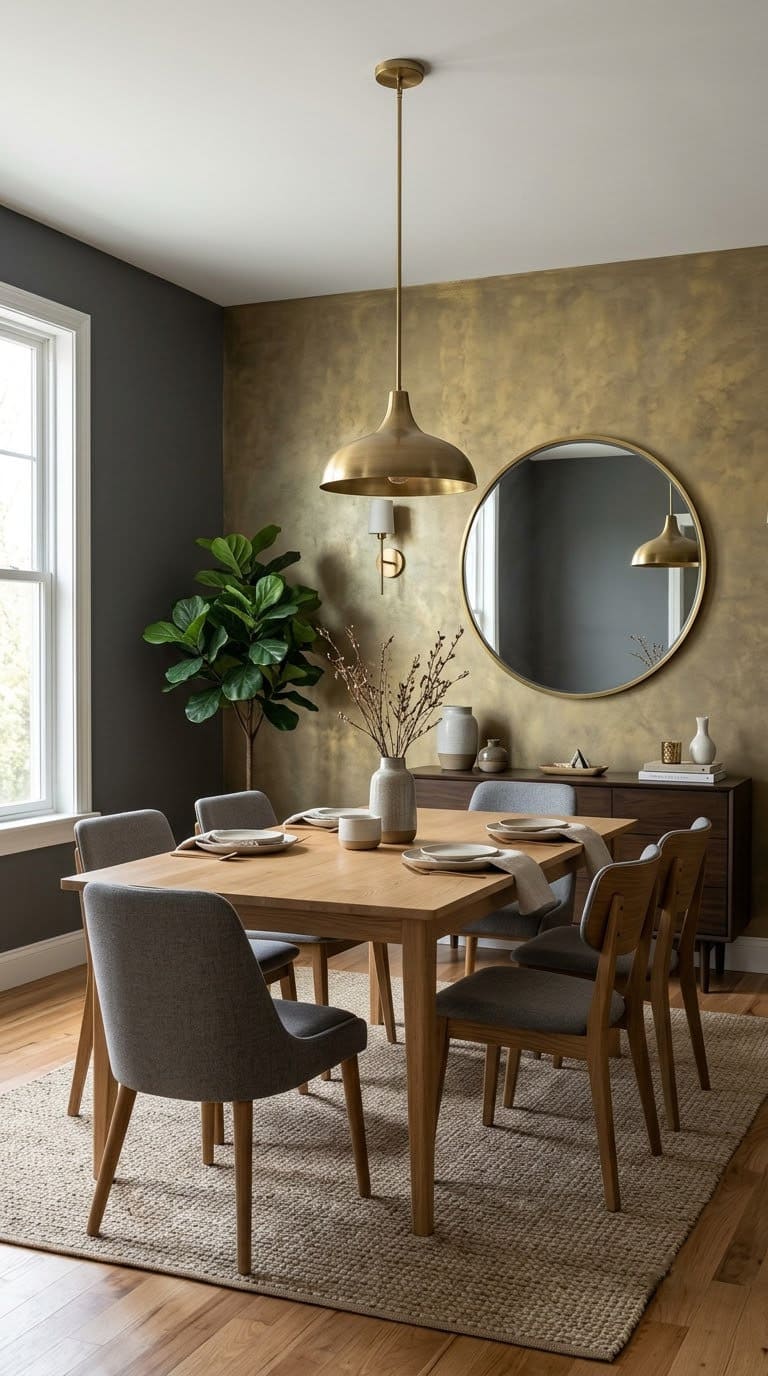
Metallic paint is bold. Many people get the same glow with brass fixtures instead. It looks warm against charcoal and cool gray.
Best for: dining rooms, entries and powder rooms.
Pair with: charcoal, navy and white.
Steps:
- Try brass lights, frames and hardware first.
- If you want paint, test a small patch.
- Check it in daylight and lamp light.
- Keep the rest of the room simple.
Style tip: One brass mirror does a lot. This is our tip. Pair it with a gray wall and a dark console.
Watch out: Metallic paint shows roller marks. Use light, even strokes, and don’t go back over wet areas.
12. Teal Accent Wall
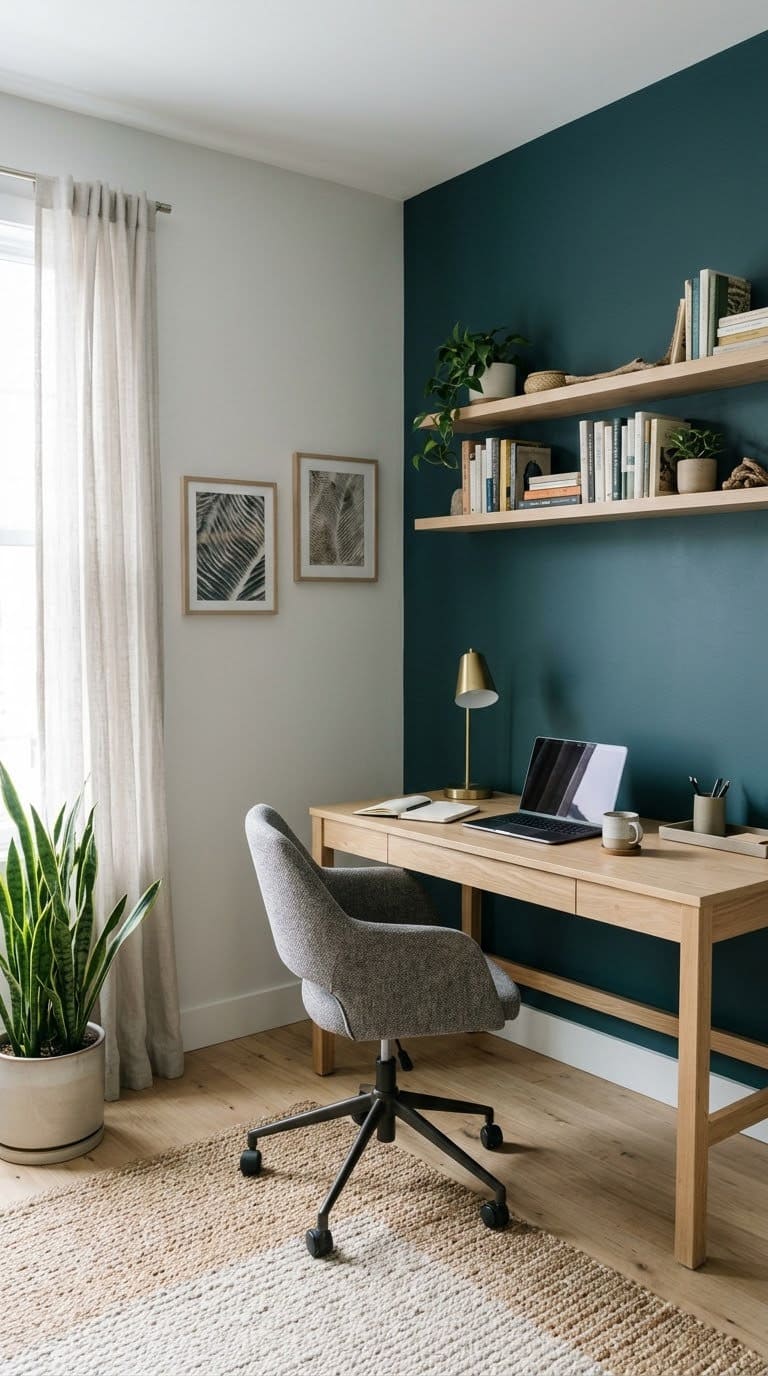
Teal sits between blue and green. It looks fresh on gray. It’s a good choice when navy feels too serious.
Best for: bedrooms, offices and bathrooms.
Pair with: white, wood and light gray.
Steps:
- Test teal in two lights.
- Pick the one that stays teal, not blue.
- Check it under lamps at night.
- Paint two coats.
- Add one orange pillow for contrast.
Style tip: Add one orange pillow for contrast. Light wood keeps teal friendly.
Watch out: Teal can look different at night. Check it under lamps.
How Much Paint Do You Need for an Accent Wall?
One wall is small. A 12 by 8 foot wall is 96 square feet.
This Old House says a gallon covers about 350 to 400 square feet. It also advises two coats on walls.
Two coats on 96 square feet is about 192 square feet of paint. That’s less than half a gallon, so a quart or two is often enough. This math is ours, so check the can label.
Common Mistakes to Avoid
Skipping the undertone test. The accent then looks off next to the gray.
Painting before testing. Always try two samples first.
Painting one coat. Dark colors over gray usually need more. Plan for it.
Ignoring the light. A wall looks different at noon and at night.
Picking a wall with no focal point. The accent then feels random.
Your Weekend Plan
Friday: test two samples and check them in the morning and evening. Saturday: tape, prime if needed, and paint the first coat. Sunday: paint the second coat and peel the tape.
FAQ
What color accent wall goes with gray?
Navy, green, black, white and rust all work. Match the color to your gray’s undertone, since warm grays suit earthy colors and cool grays suit blues and greens.
How do I know if my gray is warm or cool?
Hold white paper against the wall in daylight. A brown or tan cast means warm. A blue, green or silver cast means cool.
How many accent walls should a room have?
One is enough for most rooms. Pick the wall your eye sees first.
How much paint does one accent wall need?
A gallon covers about 350 to 400 square feet. A 96 square foot wall with two coats often needs only a quart or two.
Is it safe to paint over old paint?
If the home was built before 1978, test for lead first. The EPA says about three-quarters of those homes have some lead paint.
Related Posts
Never miss an update — choose FarmFoodFamily as your preferred source on Google.
How it works: Tap the button below to open Google's settings page, then check the box next to FarmFoodFamily.
Tap the checkbox to turn it blue — that's how you know it's set.