Simple Ways to Warm Up a Family Room Without a Fireplace
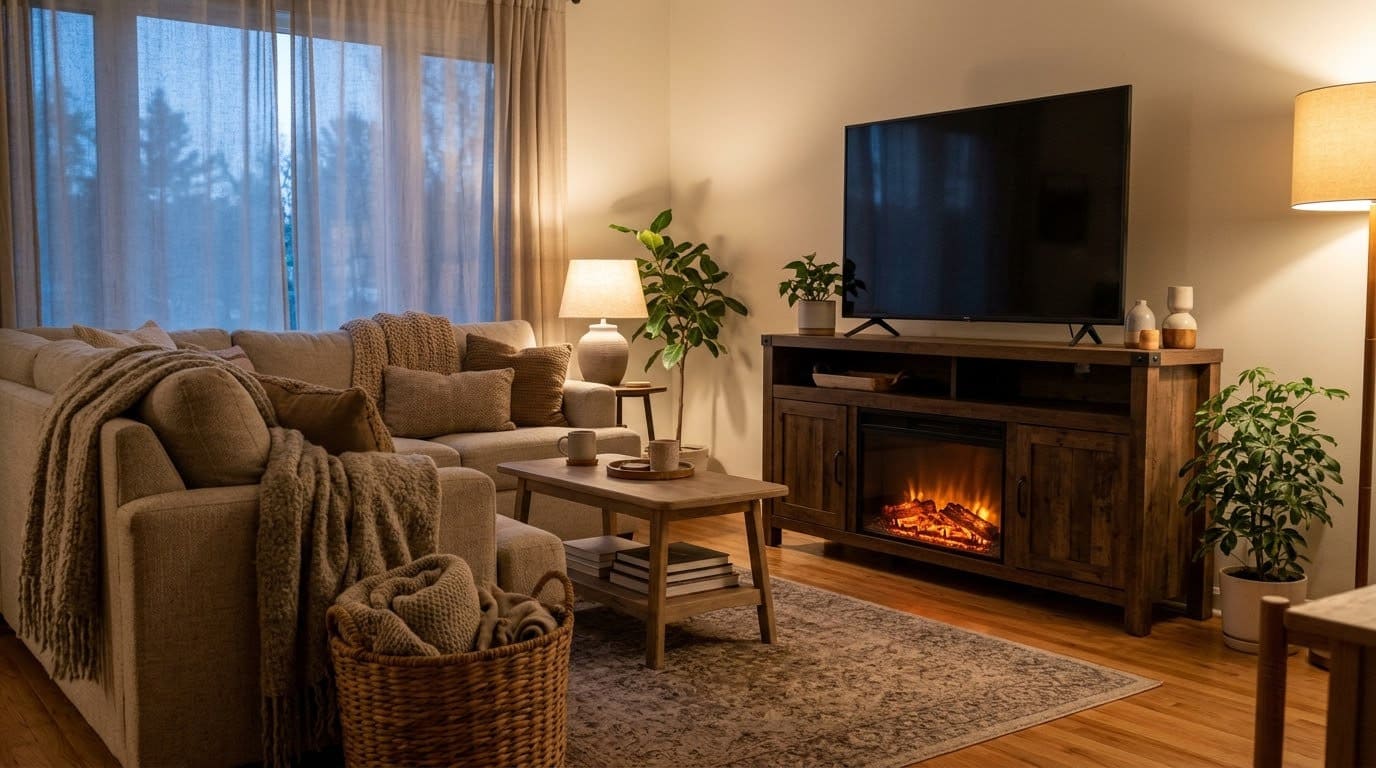
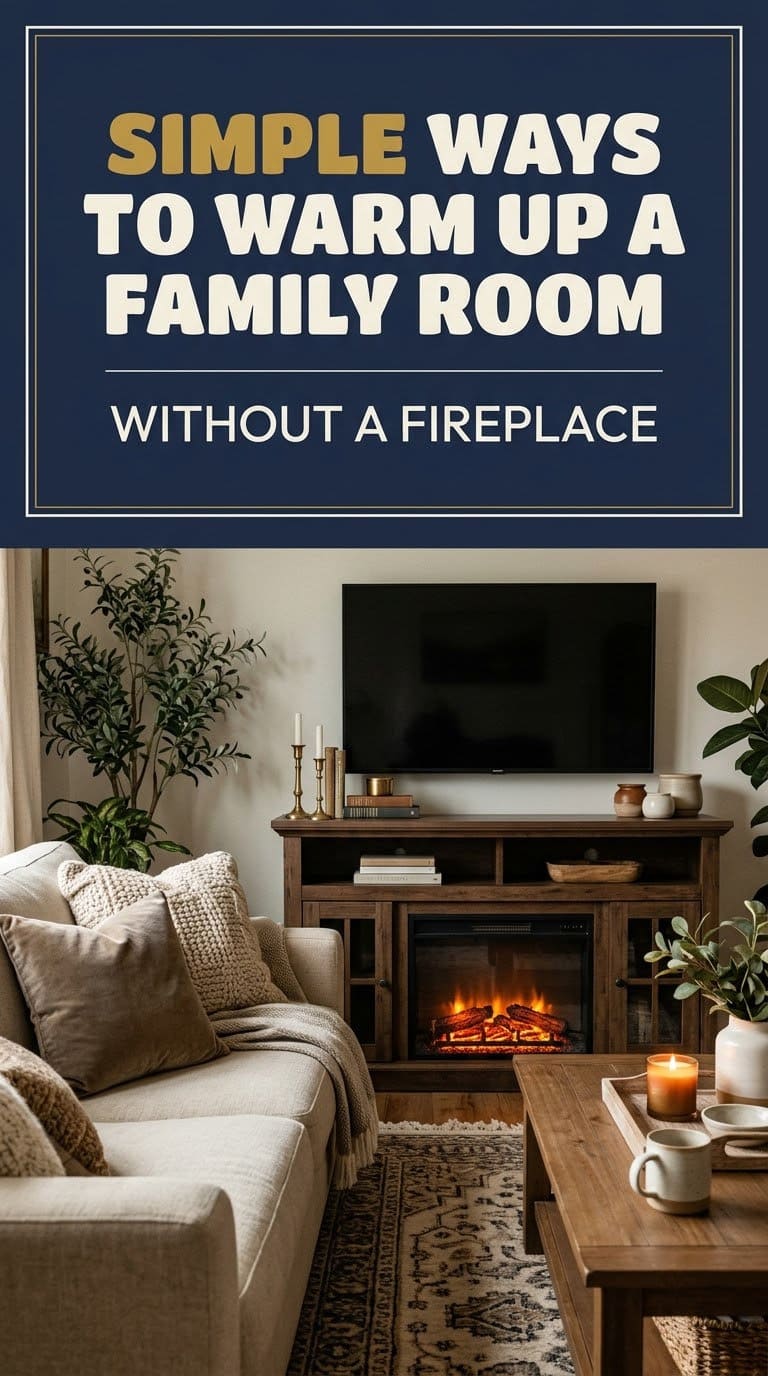
You can make a fireplace-free family room feel warm with built-in heat under the TV, closed storage, and lower, warmer light, without remodeling.

Never miss an update — choose FarmFoodFamily as your preferred source on Google.
How it works: Tap the button below to open Google's settings page, then check the box next to FarmFoodFamily.
Tap the checkbox to turn it blue — that's how you know it's set.
You can make a fireplace-free family room feel warm with built-in heat under the TV, closed storage, and lower, warmer light, without remodeling.
Quick answer: how do you warm up a family room without a fireplace?
To warm up a family room without a fireplace, add supplemental heat under the TV, hide clutter behind closed cabinet doors, and pull the seating, rug, and lamps closer together. An electric fireplace TV stand with a 1,400 to 1,500-watt insert adds roughly 4,800 to 5,100 BTUs per hour of extra heat.
Size the console 4 to 8 inches wider than your TV’s outer width, and pick a front-vented insert so warm air stays off the screen. Swap overhead lights for low lamps with 2700K warm white bulbs.
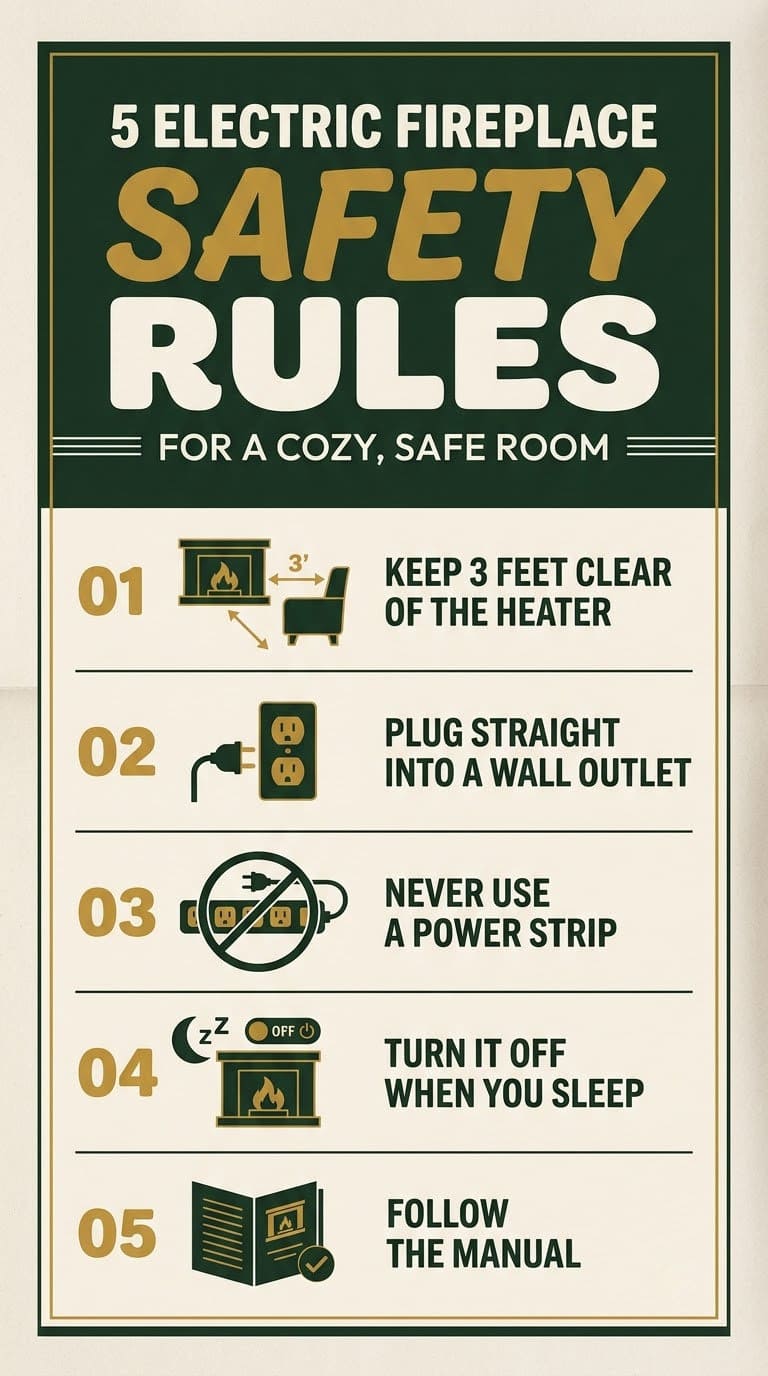
Use the heater safely. The CPSC says to keep portable heaters at least three feet from drapes, furniture, and bedding, plug them directly into a wall outlet, and turn them off when you sleep.
Then fill the bare wall with a tall lamp on one side and a plant, photo stack, or narrow bookcase on the other.
Plenty of family rooms built over the last thirty years share the same winter annoyance. The hallway thermostat sits at 70 degrees, yet the main living area still feels drafty once the sun goes down and everyone settles onto the couch. Without a real hearth, the room centers on a wide blank wall and a dark television screen.
Making that room warm and comfortable comes down to a few practical changes: adding supplemental heat under the TV, hiding daily family clutter behind solid cabinet doors, and arranging the seating, lighting, and surrounding wall pieces so the space feels settled after dark.
Put Supplemental Heat Inside Your TV Console
Dragging a plastic portable space heater across the living room rug every November gets frustrating fast. It eats up walkway space, leaves a heavy cord stretched across the carpet in the dark, and looks like temporary gear waiting to go back into the closet.

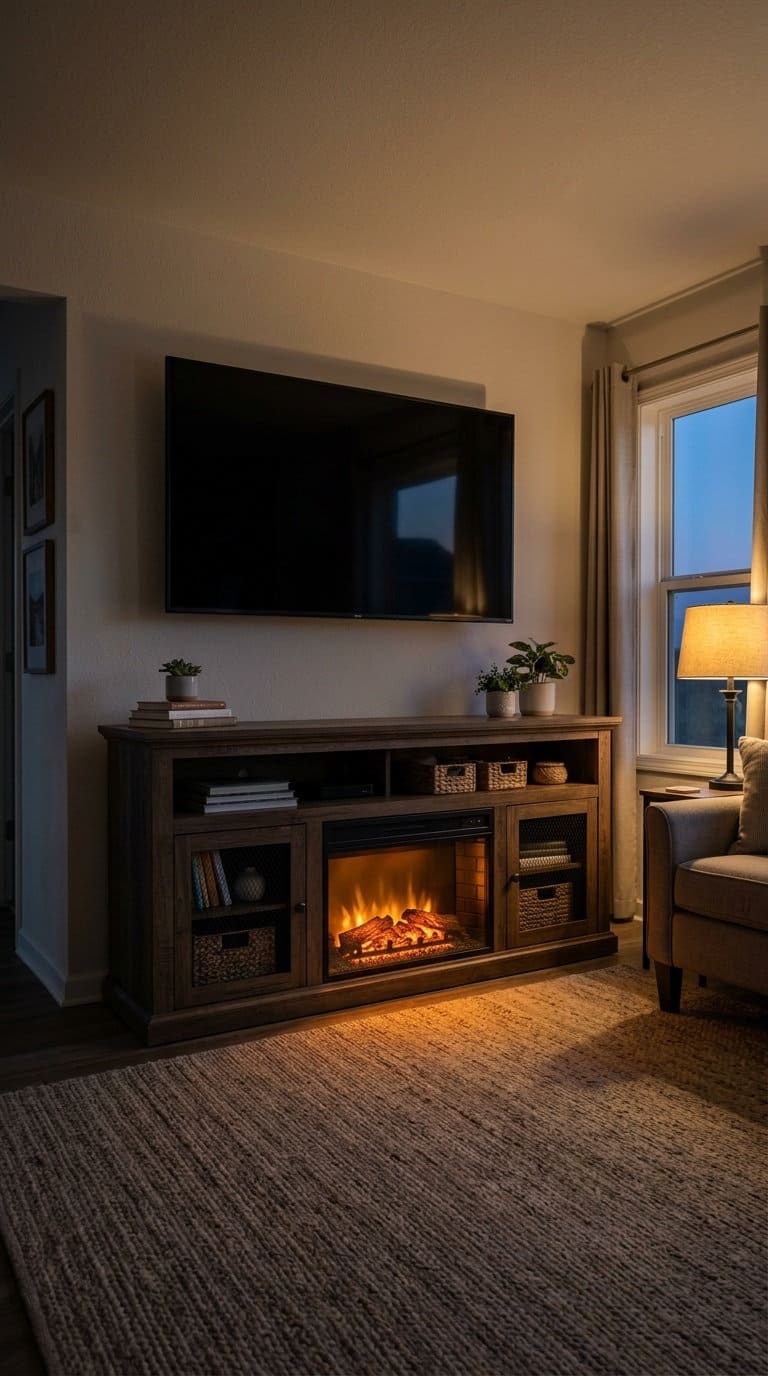
Building the heater into your media console handles both the chill and the clutter in one move. Many electric fireplace TV stands use a 120-volt insert rated around 1,400 to 1,500 watts, providing roughly 4,800 to 5,100 BTUs per hour of supplemental heat. In a well-insulated family room, that output can take the edge off an evening chill. In a larger, draftier space, expect a more modest temperature change. Plug the heater directly into a grounded wall outlet on a circuit with sufficient available capacity, and keep blankets, baskets, and curtains at least 3 feet from the front vent, or farther if the manual requires it.
During spring and summer, most electric inserts run the flame display with the heating element switched completely off. You still get that soft amber light during evening movies in July without adding heat to the house.
Before ordering, measure two things: your television’s actual outer width and the firebox’s vent direction. Screen sizes measure diagonally, so a 65-inch TV spans roughly 57 inches across from edge to edge, and a 75-inch screen lands near 66 inches wide. Choose a console at least 4 to 8 inches wider than your TV’s outer width. A 65- to 70-inch stand underneath a 65-inch TV keeps the wall balanced and leaves enough side margin so backpacks and everyday traffic stay clear of the screen corners. Look specifically for front-vented inserts that push warm air forward into the room so heat stays off the television frame and soundbar sitting above it.
Swap Open Cubbies for Doors That Hide Everyday Mess
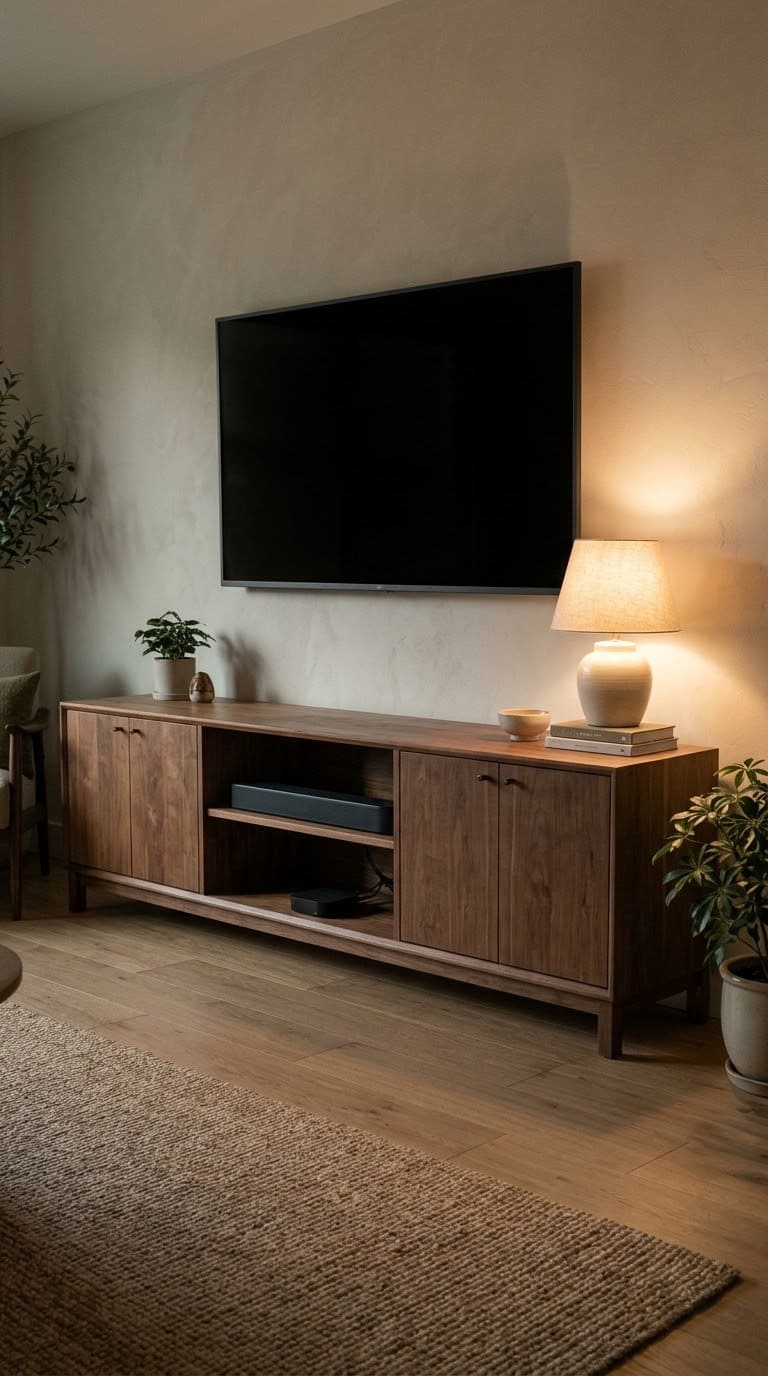
A cold room feels even less inviting when throw blankets pile onto the floor, board game boxes stack next to the sofa, and nobody can locate the streaming remote. Open shelving works in furniture showrooms where each cubby holds two hardcover books and an empty bowl. In a busy house with school folders, gaming controllers, charging cords, and dog leashes, open racks collect clutter by Wednesday.
Closed cabinets along both sides of the console fix most of that visual noise. Among Belleze furniture options and comparable consoles, compare the usable interior depth and shelf height behind closed doors before choosing by finish alone. But a cabinet that fits folded throws can still be too shallow for bulky board-game boxes. Keep one open center bay for your cable box, soundbar, or game console so remote signals reach easily and electronics get steady airflow.
Before pushing the stand flush against the wall, spend ten minutes organizing the wiring. Choose a console with rear back-panel cutouts so low-voltage cables drop straight behind the unit. Route HDMI and audio cords through those openings using reusable Velcro ties so swapping a streaming device later takes seconds. A properly rated surge protector can serve the TV, soundbar, and streaming gear, while the fireplace heater should remain plugged directly into a wall outlet.
Tighten the Seating Group and Drop the Lighting Down
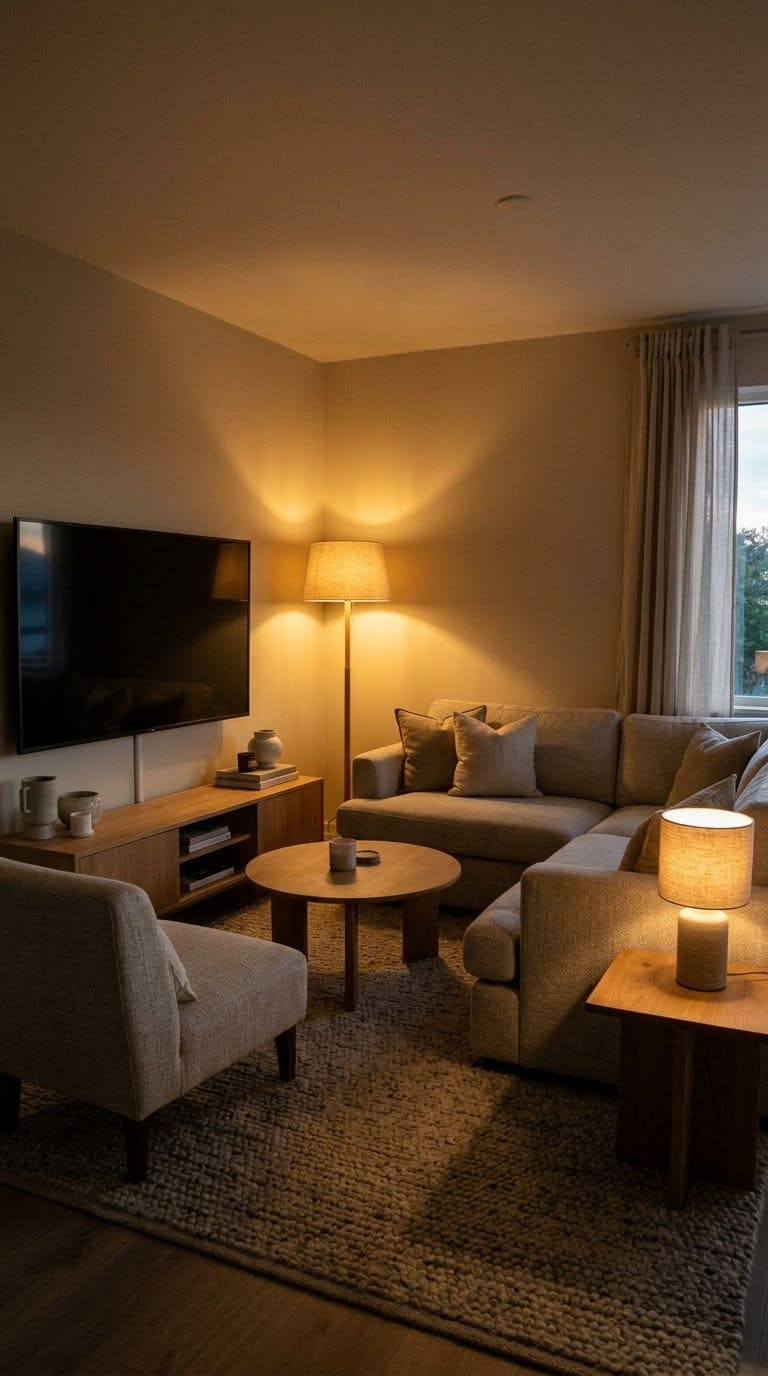
Even a well-chosen fireplace stand loses impact if the couch sits 14 feet away across bare tile or hardwood while bright ceiling cans glare off the TV glass. For a 65-inch TV, start with the sofa about 7 to 10 feet from the screen and leave a clear 30- to 36-inch passage beside the coffee table. That tightens the conversation area and keeps movie nights comfortable even when the fireplace heater is switched off. Lay a thick low-pile rug across the center walk zone so bare wood or tile stops pulling warmth straight out of cold feet.
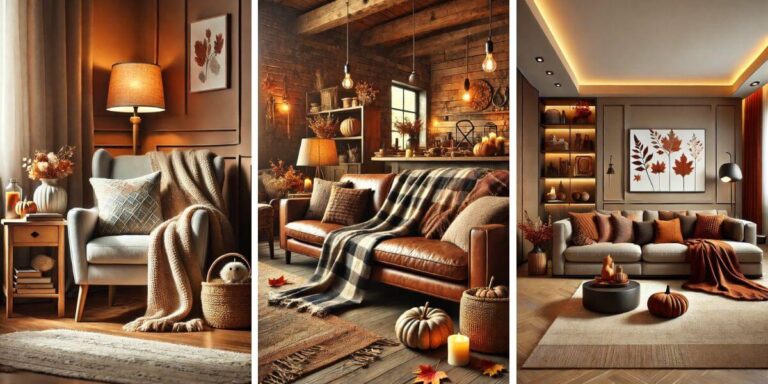
Once dinner wraps up, turn the overhead ceiling lights off. Harsh ceiling fixtures flatten a family room and throw bright reflections right across the television. Light the seating area from lower levels with a shaded floor lamp tucked behind one sofa corner, a warm table lamp on an end table, and the flickering firebox at the center. Switch cool white daylight bulbs out for 2700K warm white LEDs so every lamp matches the glow of the flames.
Finish the seating area with soft fabrics built for real daily wear. Machine-washable chunky cotton throws, zip-off pillow covers you can wash on Sunday, and one sturdy woven basket parked beside the sofa for spare quilts soften the hard drywall and glass around the screen without turning family pizza night into a stain emergency.
Keep the Rest of the TV Wall From Looking Bare
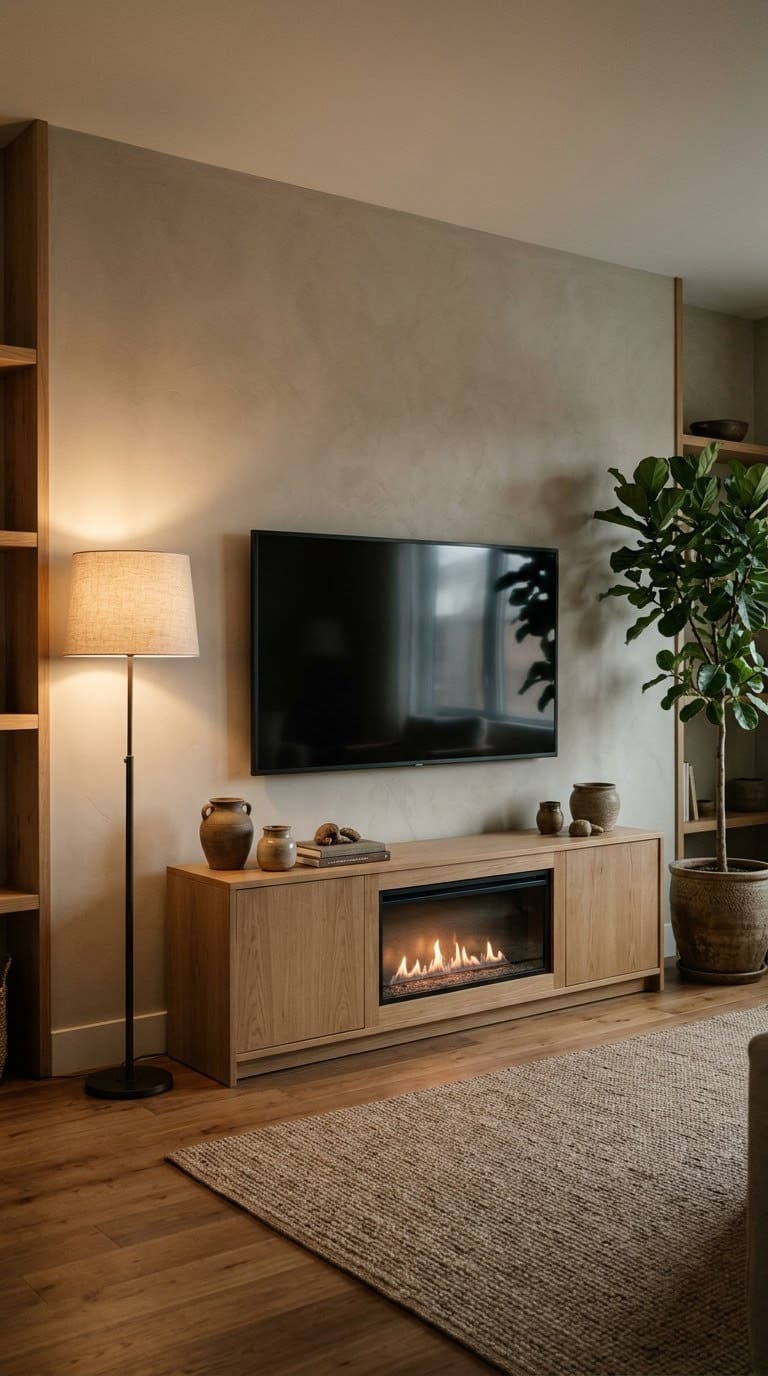
One common surprise after setting up a standalone fireplace TV stand on a 12- or 14-foot family room wall is that the console still looks small against all that blank drywall. When the wall stays empty around the edges, the room keeps feeling unfinished.
Start by checking screen height from your favorite seat on the couch. The center of the television should land close to seated eye level so the console and screen feel connected to the seating group. Next, build a little vertical height on the left and right sides of the console so your eye moves across the whole wall. A tall shaded floor lamp on one side and a sturdy potted indoor tree, a vertical stack of three framed family photos, or a narrow matching bookcase on the other side anchor the television into the room.
Tie the console finish to at least one other warm material you already own, such as your coffee table, picture frames, or wood ceiling beams, so the fireplace stand looks like it belongs in the house from day one. Repeating even one small accent, like matching brass lamp bases or warm oak frames across the seating area, pulls the wall together without replacing every other piece in the room.
Quick sizing guide
Use these numbers before you order a console. They come from the measuring tips above.
| TV size | Approximate outer width | Console width to look for | Sofa distance to start with |
|---|---|---|---|
| 65-inch | About 57 inches | About 61 to 65 inches or wider, such as a 65- to 70-inch stand | About 7 to 10 feet |
| 75-inch | About 66 inches | About 70 to 74 inches or wider | Measure from your favorite seat |
Leave a clear 30- to 36-inch walkway beside the coffee table either way.
How much heat can an electric fireplace add?
A 1,500-watt insert turns that power into roughly 5,100 BTUs of heat per hour, since one watt equals about 3.41 BTUs per hour. That’s supplemental heat, not a furnace replacement.
In a well-insulated family room, it can take the edge off an evening chill. In a larger, draftier room, expect a more modest change, so pair it with the rug, throws, and tighter seating described above.

Electric fireplace safety checklist
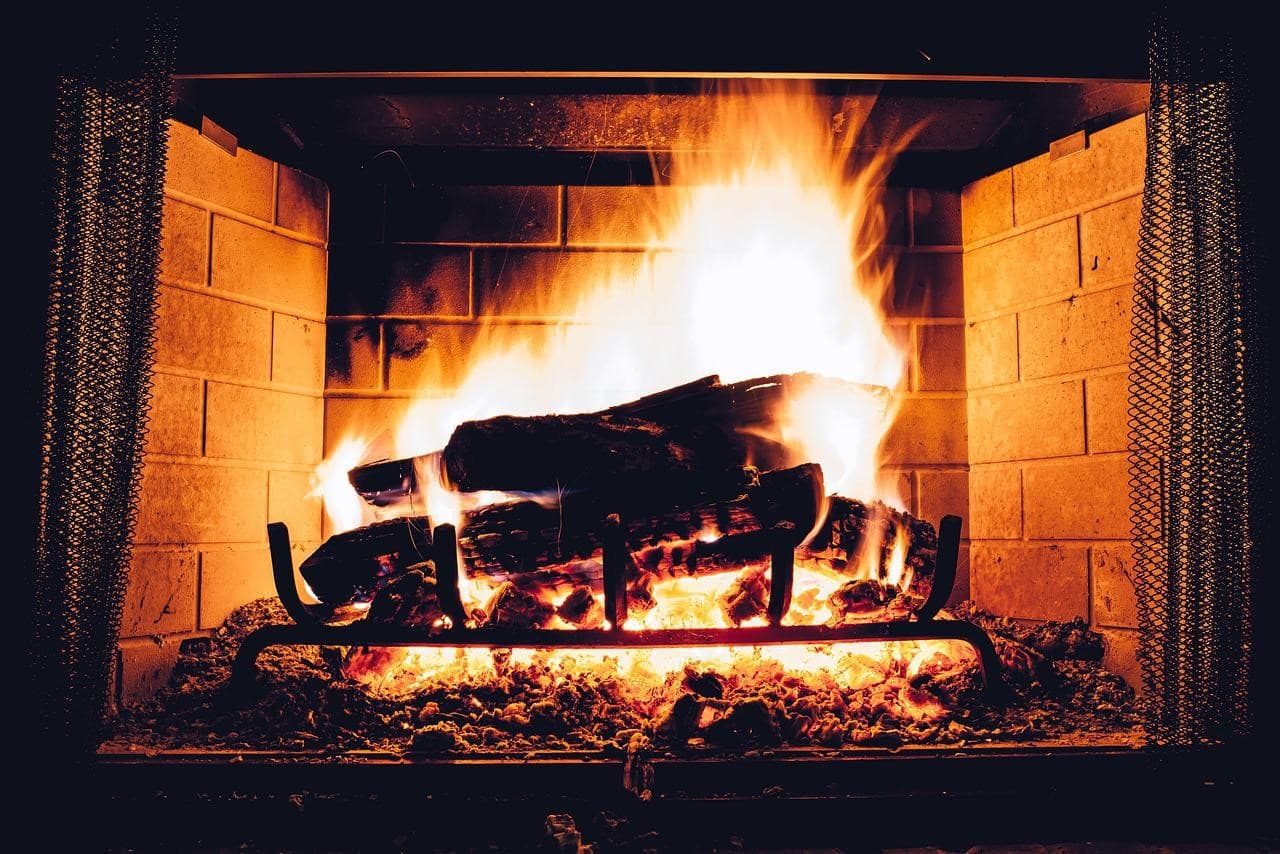
The CPSC gives a short set of rules for electric space heaters. We follow the same rules for a heater built into a TV stand.
- Keep drapes, furniture, bedding, blankets, and baskets at least three feet from the heater.
- Plug the heater directly into a wall outlet, never into an extension cord or power strip.
- Turn the heater off when you go to sleep.
- Keep kids’ blankets, toys, and pet beds out of that three-foot zone too.
- Follow the manual if it asks for more clearance than three feet.
- Use the surge protector for the TV, soundbar, and streaming gear only.
Common mistakes to avoid
Most cold-feeling family rooms share a few fixable problems. These come from the advice above.
- Buying a console that’s narrower than the TV, which makes the wall look unbalanced.
- Choosing an insert that vents heat up toward the television and soundbar instead of forward.
- Plugging the fireplace heater into a power strip with the rest of the electronics.
- Keeping open cubbies that fill with clutter by midweek.
- Parking the sofa 14 feet from the screen across bare tile or hardwood.
- Leaving bright ceiling cans on, which flatten the room and glare off the TV.
- Mixing cool daylight bulbs with the warm glow of the flames.
- Leaving the drywall around the console bare.
An evening setup checklist
Run through this once dinner wraps up.
- Turn off the overhead ceiling lights.
- Switch on the floor lamp and table lamp with 2700K warm white bulbs.
- Turn on the flame display, and the heat if the room needs it.
- Check that throws and baskets sit at least three feet from the vent.
- Pull a washable throw onto the sofa.
Start with one change
You don’t have to redo the whole room this weekend. Start with the change that fixes your biggest complaint: heat if the room is cold, closed storage if the clutter bothers you, or lamps if the evenings feel harsh.
Then add the rest as you go. Honestly, the lighting swap is usually the cheapest place to begin, and it changes how the room feels the same evening.
Family Room Warmth FAQs
Can an electric fireplace TV stand heat a room?
It adds supplemental heat. Many use a 120-volt insert rated around 1,400 to 1,500 watts, which provides roughly 4,800 to 5,100 BTUs per hour. That can take the edge off an evening chill in a well-insulated room, with a more modest change in a large, drafty space.
Can I use the fireplace flame without the heat?
Yes. Most electric inserts can run the flame display with the heating element switched off, so you get the amber glow in summer without adding heat.
How wide should a TV stand be?
Choose a console at least 4 to 8 inches wider than your TV’s outer width. A 65-inch TV spans roughly 57 inches across, so a 65- to 70-inch stand works well.
How far should the sofa be from a 65-inch TV?
Start with the sofa about 7 to 10 feet from the screen, and leave a clear 30- to 36-inch passage beside the coffee table.
What light bulbs make a family room feel warmer?
Use 2700K warm white LEDs, and light the seating area from lower levels with floor and table lamps instead of bright ceiling fixtures.
Can I plug an electric fireplace into a power strip?
No. Plug the heater directly into a grounded wall outlet. The CPSC says electric space heaters should never go into an extension cord or power strip. A surge protector can still serve the TV and other electronics.
Never miss an update — choose FarmFoodFamily as your preferred source on Google.
How it works: Tap the button below to open Google's settings page, then check the box next to FarmFoodFamily.
Tap the checkbox to turn it blue — that's how you know it's set.