Mid-Summer Garden Reset: 7 Real Tasks
Most mid-summer garden checklists are exactly that, a list, with no real explanation of why any of it matters. Here are the same 7 real tasks working garden designers actually do this time of year, plus the actual research behind 3 of them that most guides skip entirely. 1. Deadhead herbaceous plants Sarah Kay, an…


Never miss an update — choose FarmFoodFamily as your preferred source on Google.
How it works: Tap the button below to open Google’s settings page, then check the box next to FarmFoodFamily.
Tap the checkbox to turn it blue — that’s how you know it’s set.
Most mid-summer garden checklists are exactly that, a list, with no real explanation of why any of it matters.
Here are the same 7 real tasks working garden designers actually do this time of year, plus the actual research behind 3 of them that most guides skip entirely.
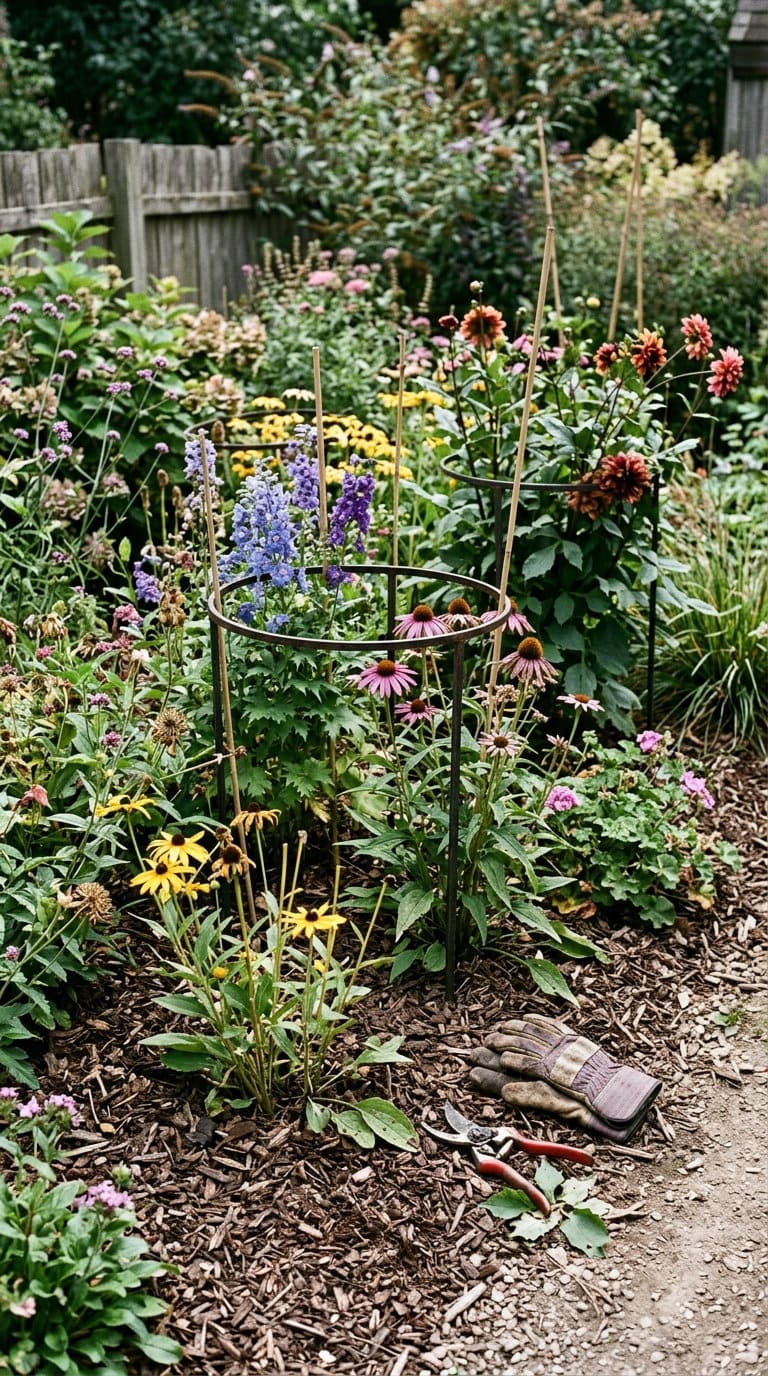
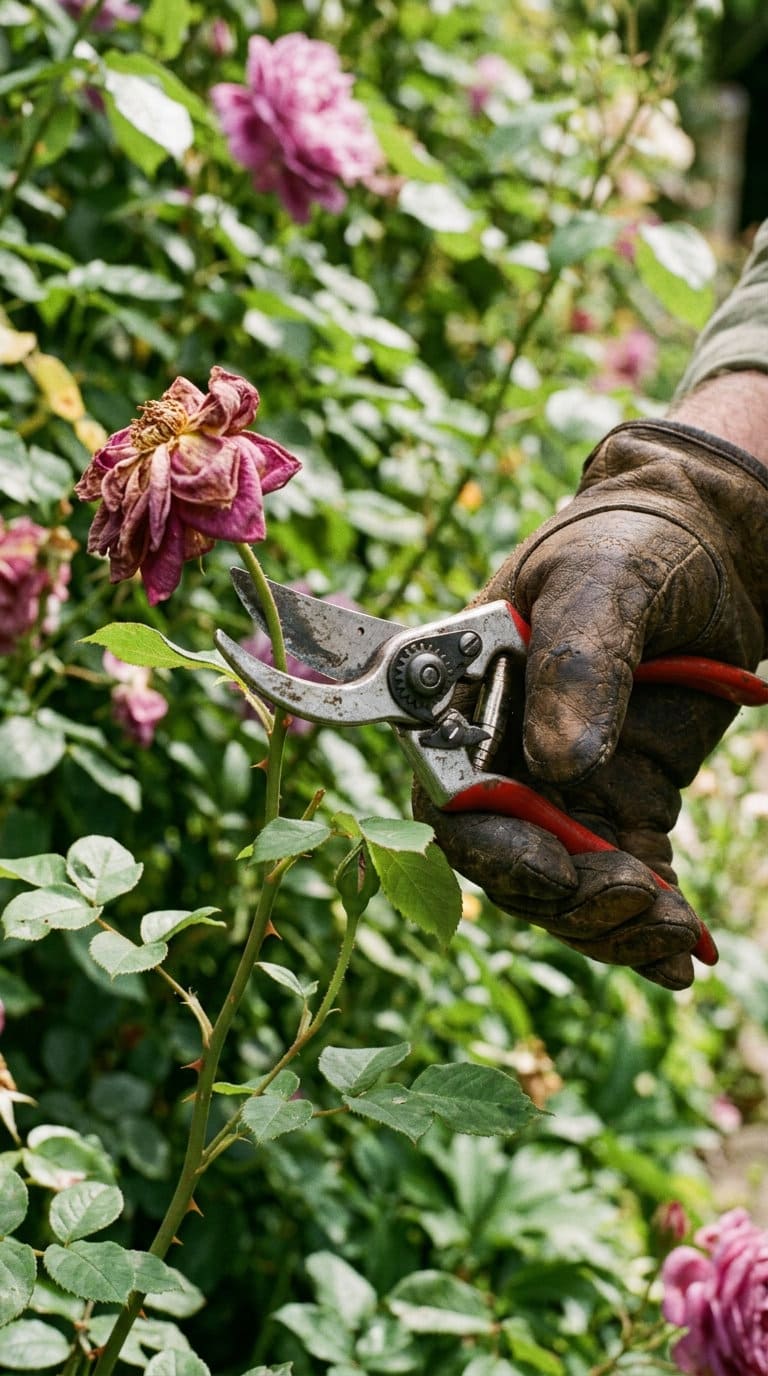
1. Deadhead herbaceous plants
Sarah Kay, an East London garden designer running her own studio since 2010, deadheads through midsummer to redirect a plant’s energy toward new flowering rather than seed production, and to get ahead of disease before it spreads.
That disease-prevention point is worth taking seriously, and extension-office research explains exactly why it works: a clean cut avoids the kind of tissue injury that becomes an entry point for disease, and removing spent blooms cuts down on the decaying plant matter that certain diseases actually develop on.
One practical detail most guides skip, if the spent flowers show visible signs of disease, put them in the trash, not the compost pile, composting can spread the problem right back into next year’s beds.
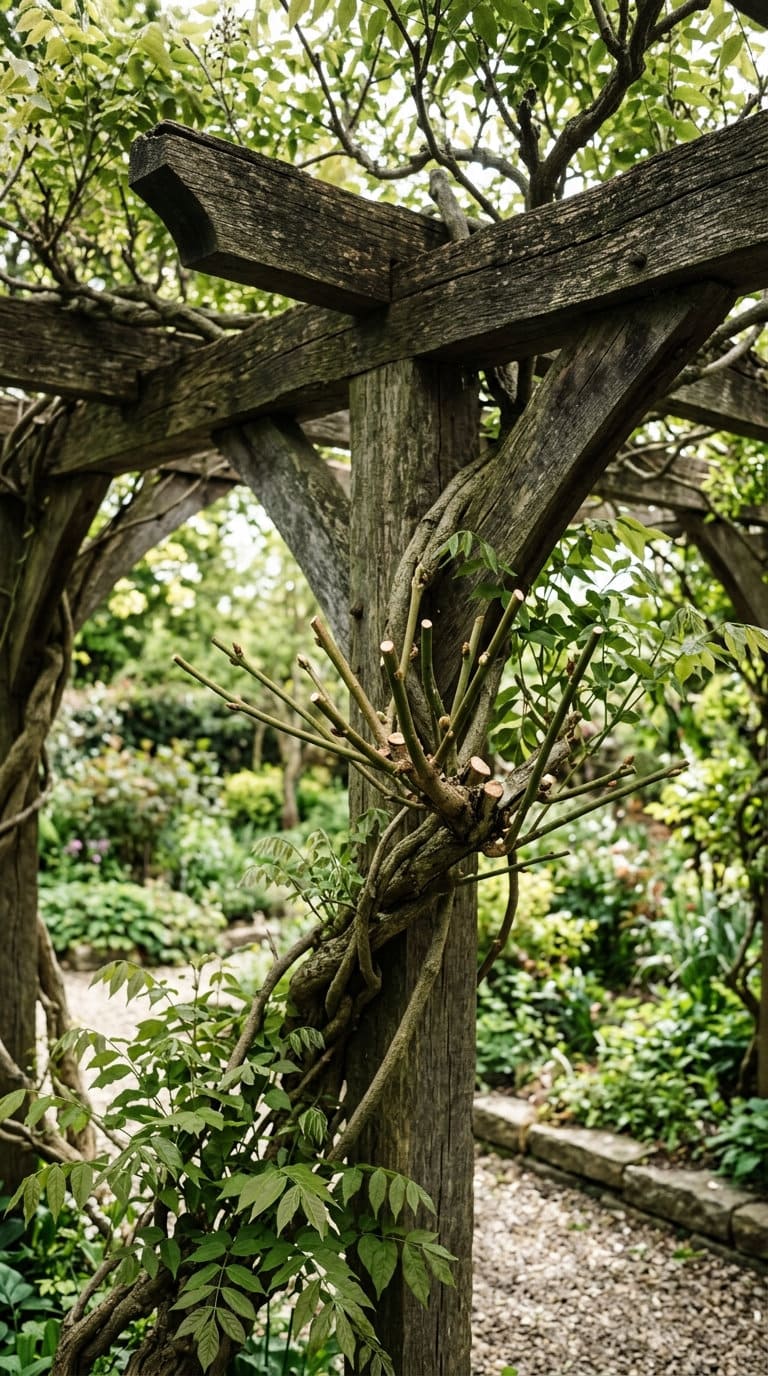
2. Prune fast-growing climbers
Vigorous climbers like wisteria need a summer prune to stay in bounds, encourage better air circulation, and set up next year’s flowering.



The usual technique: cut this year’s long, leafy shoots back to about 6 inches once flowering has finished for the season.
There’s a real structural reason to actually do this, not just an aesthetic one. The Royal Horticultural Society, the UK’s official gardening authority, is direct about it: wisteria is a genuinely heavy vine, and an under-maintained plant can pull down the very structure it’s growing on.
Answer 4 quick questions and get matched to the exact fix for your yard — drainage, budget, layout, or something else entirely.
Take the Free QuizThere’s a documented case of a 30-year-old, unpruned wisteria with stems as thick as wrists tangled over a roofline, the support structure visibly groaning under uneven weight. Summer pruning isn’t just tidying up, it’s managing real load on whatever arbor, arch, or wall the vine is climbing.
3. Stay on top of watering
Sarah Kay’s advice here is straightforward: water deeply but infrequently, targeting the roots directly, and do it in early morning or evening rather than midday, when evaporation takes more of it before it ever reaches the soil.
Turf and horticulture research explains the actual mechanism behind why deep, infrequent watering works better than a quick daily sprinkle: it forces roots to grow downward toward available moisture, often 6 inches deep or more, which measurably improves drought resistance compared to the shallow root systems that develop under light, frequent watering.
But here’s a real caveat most watering advice skips entirely: this isn’t a universal rule regardless of soil type.
Sandy soil drains fast enough that deep watering can leach straight through without the roots ever benefiting, smaller, more frequent watering works better there.
Dense, fine-textured soil has the opposite problem, a big single soak can run off or puddle on the surface instead of soaking in, so smaller amounts spread out more often make more sense.

The clean-cut deadheading and climber-pruning approach from tasks #1 and #2, a sharp bypass blade avoids the crushed-tissue injury that invites disease.
Most yard problems trace back to one specific, fixable cause. Find yours in 4 quick questions.
Take the Free QuizThis post contains affiliate links. We may earn a commission on qualifying purchases at no extra cost to you.
Know your actual soil before assuming “deep and infrequent” applies to your yard.

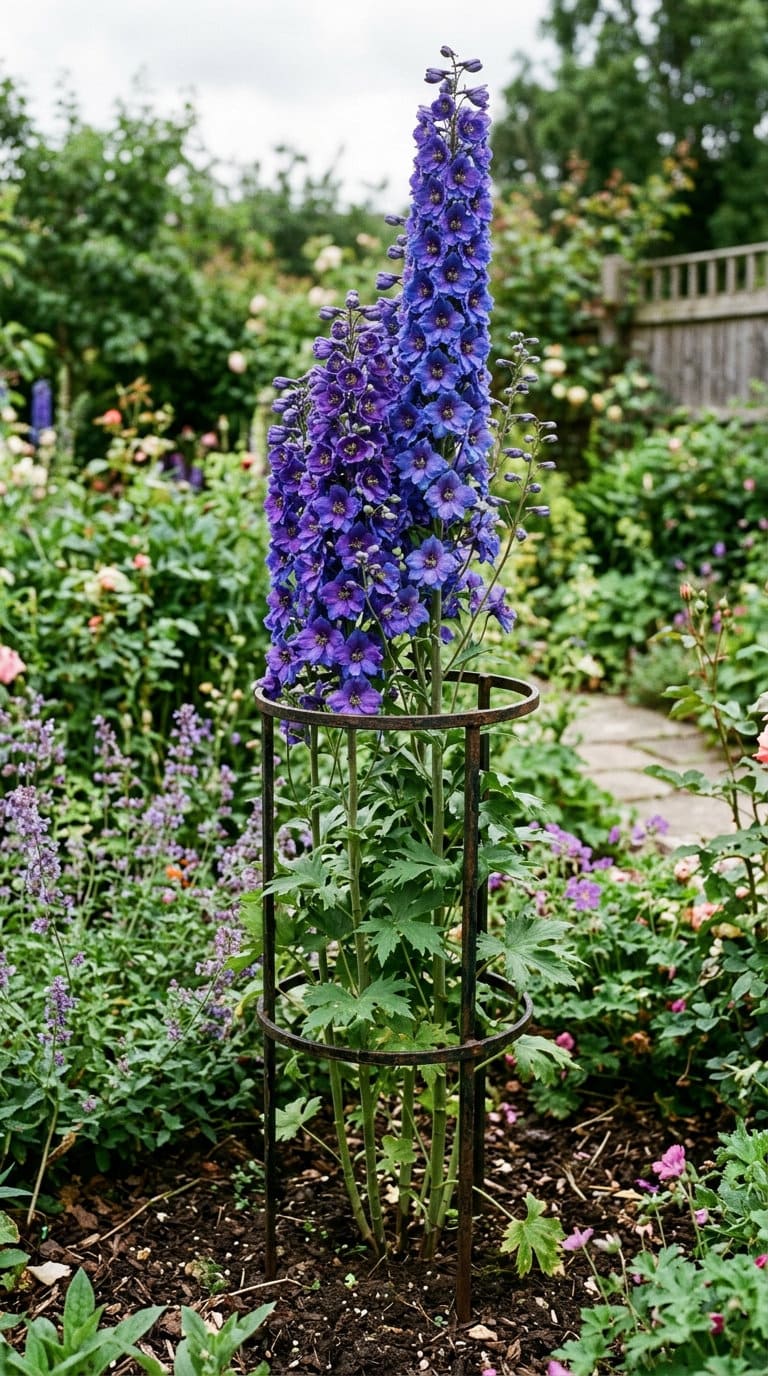
4. Stake leggy plants
Kate Gould, a London-based designer with five RHS Chelsea gold medals, stakes tall, top-heavy plants (think delphiniums or dahlias loaded with blooms) with metal hoops or stakes before a summer storm does the job for you.
Once a stem’s already snapped, staking won’t fix it, the point is getting ahead of the weight before it becomes a problem.
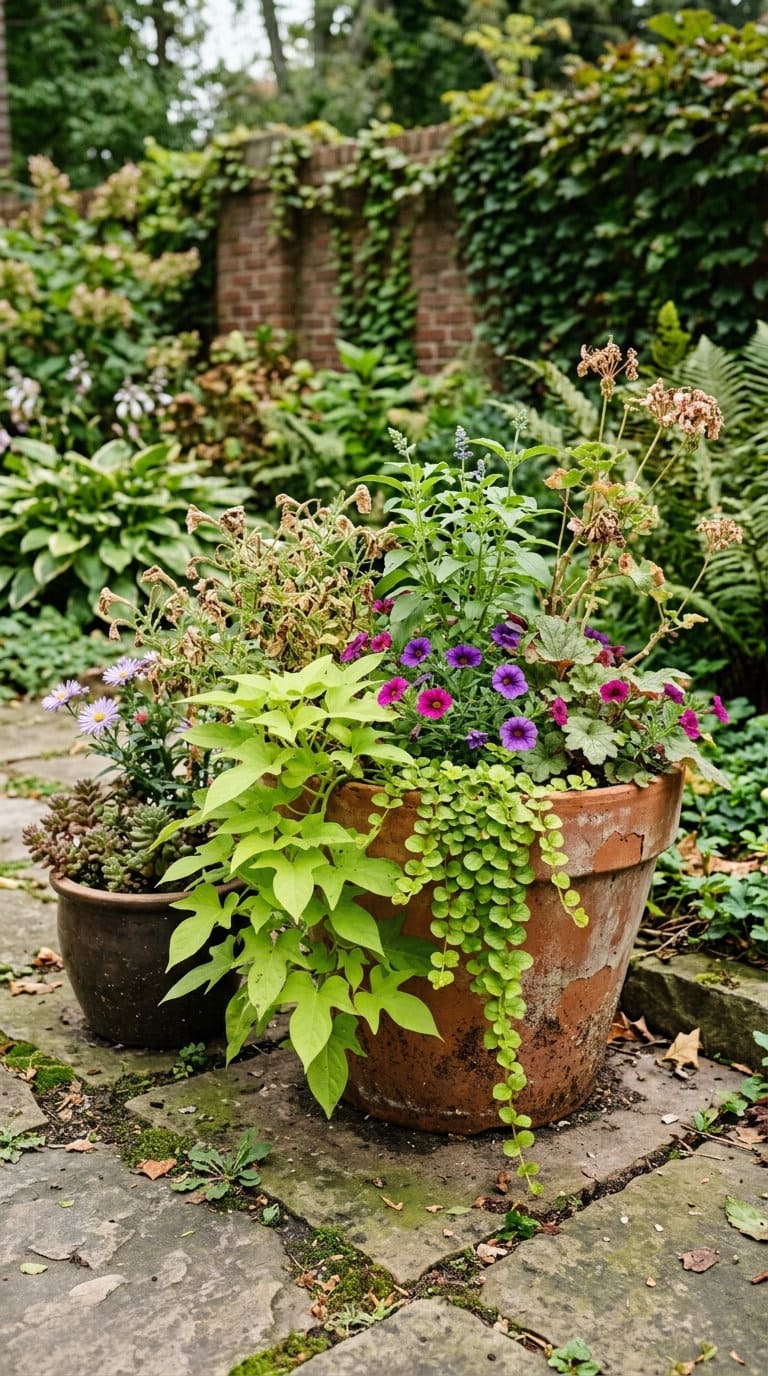
5. Replenish containers
By midsummer, container displays that looked great in May are often fading fast. Kat Aul Cervoni, founder of the Brooklyn-based design studio Staghorn NYC and a Columbia-trained landscape designer, swaps out tired annuals for fresh ones, or adds new spillers and fillers to revive a display rather than starting over completely.
A container refresh is a fraction of the cost and effort of a full replant, and it extends a display’s good looks straight through to fall.
6. Sow new annuals
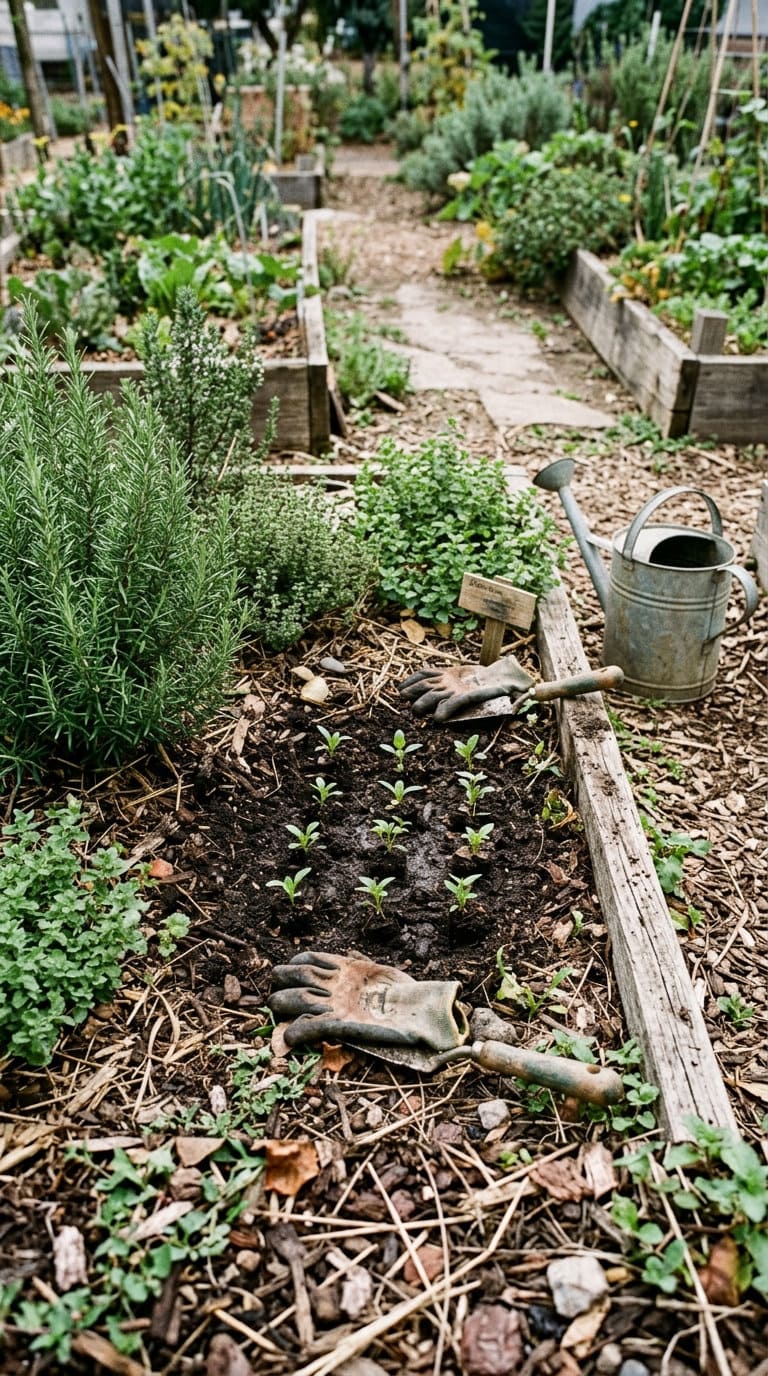
Gardening author Kate Copsey points to quick-growing annuals like calendula and zinnias as a genuinely useful midsummer sow, they mature fast enough to still deliver real color before the season turns, filling in gaps left by spent spring and early-summer plants.
7. Move large garden toys off the lawn
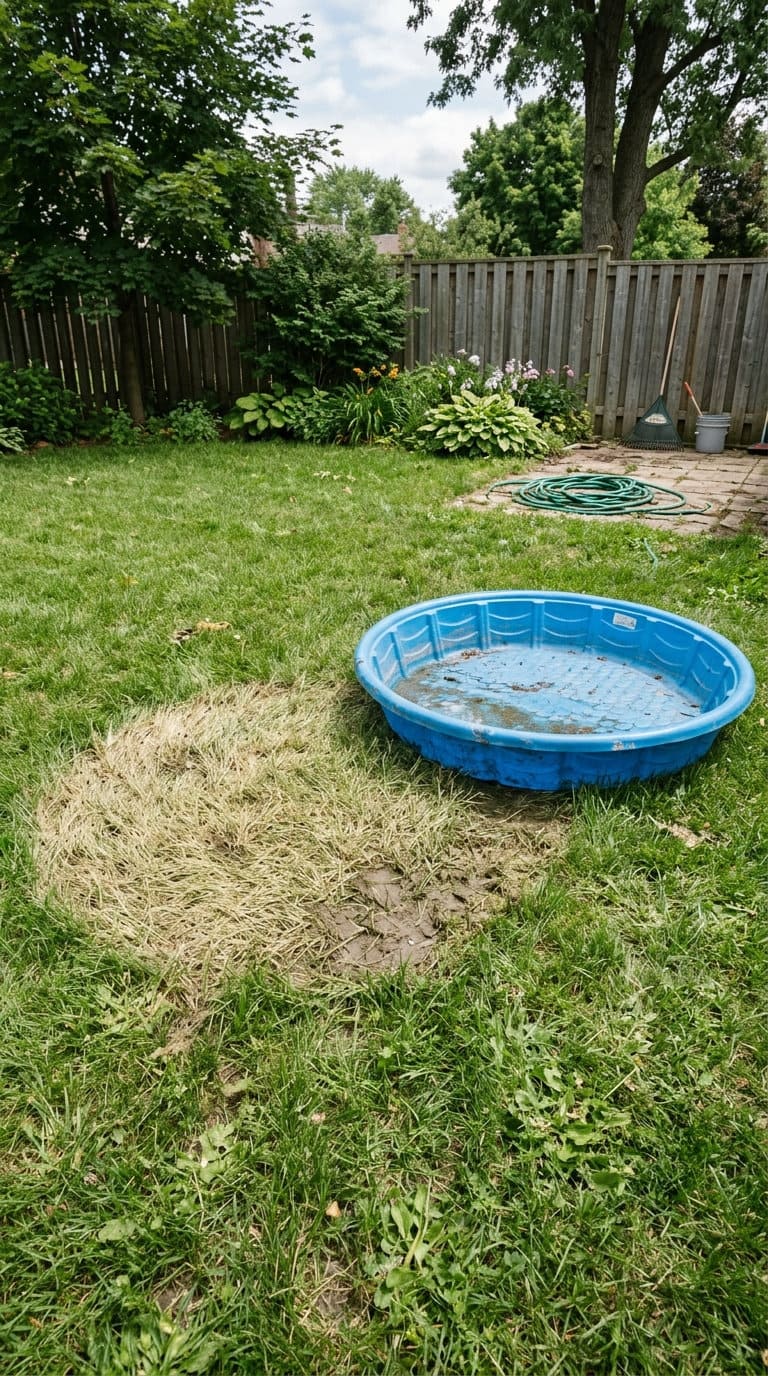
Pools, trampolines, and other large play structures left in one spot all summer put concentrated pressure and shade on the grass underneath, and Copsey’s advice is simple: move them periodically.


A patch of lawn under a kiddie pool for 10 weeks straight is a patch of lawn that’s going to need real recovery time once the pool finally moves, easier to prevent than to fix.
Once you’ve got the lawn itself sorted, this guide to types of grass is worth a look if you’re deciding what to overseed a stressed patch with.
The average homeowner spends $616/year on yard fixes that don't address the real problem. Find out what yours actually is — before you spend another dollar.
Take the Free QuizAnd if deadheading and staking have you thinking further ahead than just midsummer, this four-seasons perennial garden guide covers staggering blooms across the whole year, not just this one stretch of it.
FAQs
Why does deadheading actually prevent disease?
A clean cut avoids the kind of tissue injury that gives disease an entry point, and removing spent, decaying blooms cuts down on the plant matter certain diseases develop on in the first place. If the flowers you’re removing already show signs of disease, throw them away rather than composting them, composting can reintroduce the problem into next year’s beds.
Is deep, infrequent watering always the right approach?
Not universally. Deep, infrequent watering forces roots to grow deeper in search of moisture, which genuinely improves drought resistance in most soils. But sandy soil drains too fast for this to work well, deep watering there can leach straight past the root zone, so smaller, more frequent watering suits it better. Dense, fine-textured soil has the opposite issue, a big single soak can run off the surface instead of absorbing, so smaller, more frequent amounts work better there too.
Can skipping pruning on a climbing vine like wisteria really cause structural damage?
Yes, over time. Wisteria is a genuinely heavy vine, and the Royal Horticultural Society is explicit that an under-pruned, under-maintained plant can pull down the very arbor, arch, or wall it’s growing on. Summer pruning right after flowering (cutting long shoots back to about 6 inches) is partly about managing that real structural load, not just keeping the plant looking tidy.
A Reset, Not a Redo
Midsummer maintenance isn’t about starting over, it’s about catching the small things (a spent bloom, an unpruned vine, a patch of lawn under a pool) before they turn into bigger problems by fall. Fifteen minutes with pruners and a watering can now saves a lot more work later.
Products We Recommend
This post contains affiliate links. We may earn a commission on qualifying purchases at no extra cost to you.
Fiskars Bypass Pruning Shears
The clean-cut deadheading and climber-pruning approach from tasks #1 and #2, a sharp bypass blade avoids the crushed-tissue injury that invites disease.
Shop Now
XLUX Long Probe Deep Use Soil Moisture Meter
Useful for checking actual soil type and moisture before assuming deep, infrequent watering is right for your yard, per task #3.
Shop NowNever miss an update — choose FarmFoodFamily as your preferred source on Google.
How it works: Tap the button below to open Google's settings page, then check the box next to FarmFoodFamily.
Tap the checkbox to turn it blue — that's how you know it's set.