I Fertilized and My Plant Wilted: The Real Fertilizer Burn Fix
Fertilizer burn looks like your plant is dying, but most of the time it recovers within a couple weeks, as long as you flush it instead of watering less out of fear.

Never miss an update — choose FarmFoodFamily as your preferred source on Google.
How it works: Tap the button below to open Google’s settings page, then check the box next to FarmFoodFamily.
Tap the checkbox to turn it blue — that’s how you know it’s set.
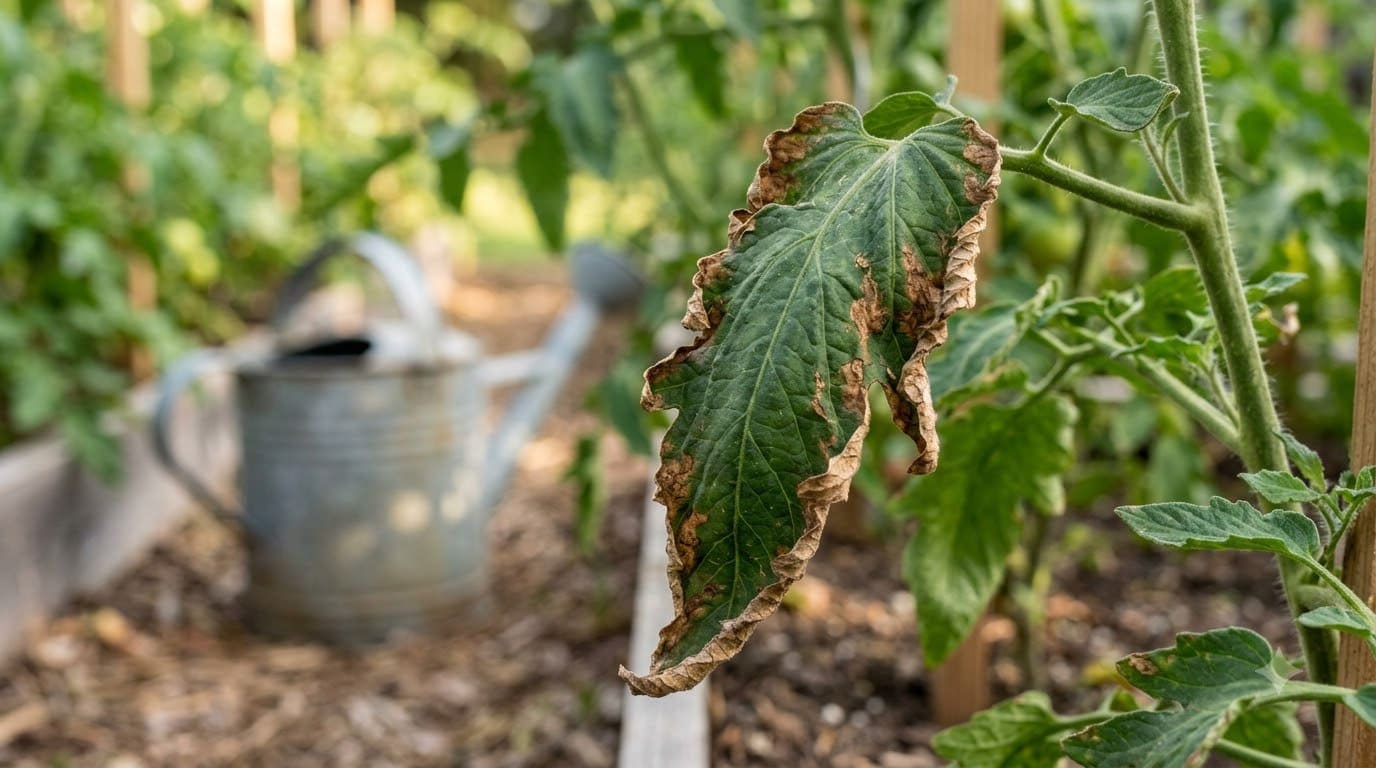
Here’s the confusing part. You fed your plant, whether it’s a vegetable bed you’ve been feeding on a regular schedule or a container plant on the patio, and now it’s drooping like it’s thirsty, even though the soil underneath is still damp.
That contradiction is exactly what throws people off, and it’s why so many people respond by watering even less, worried they’ve overdone it twice. That’s backwards.
If this happened within a day or two of fertilizing, you’re very likely looking at fertilizer burn, not underwatering, and the fix is almost the opposite of what your instinct is telling you to do.
How Do You Know It’s Fertilizer Burn and Not Something Else?
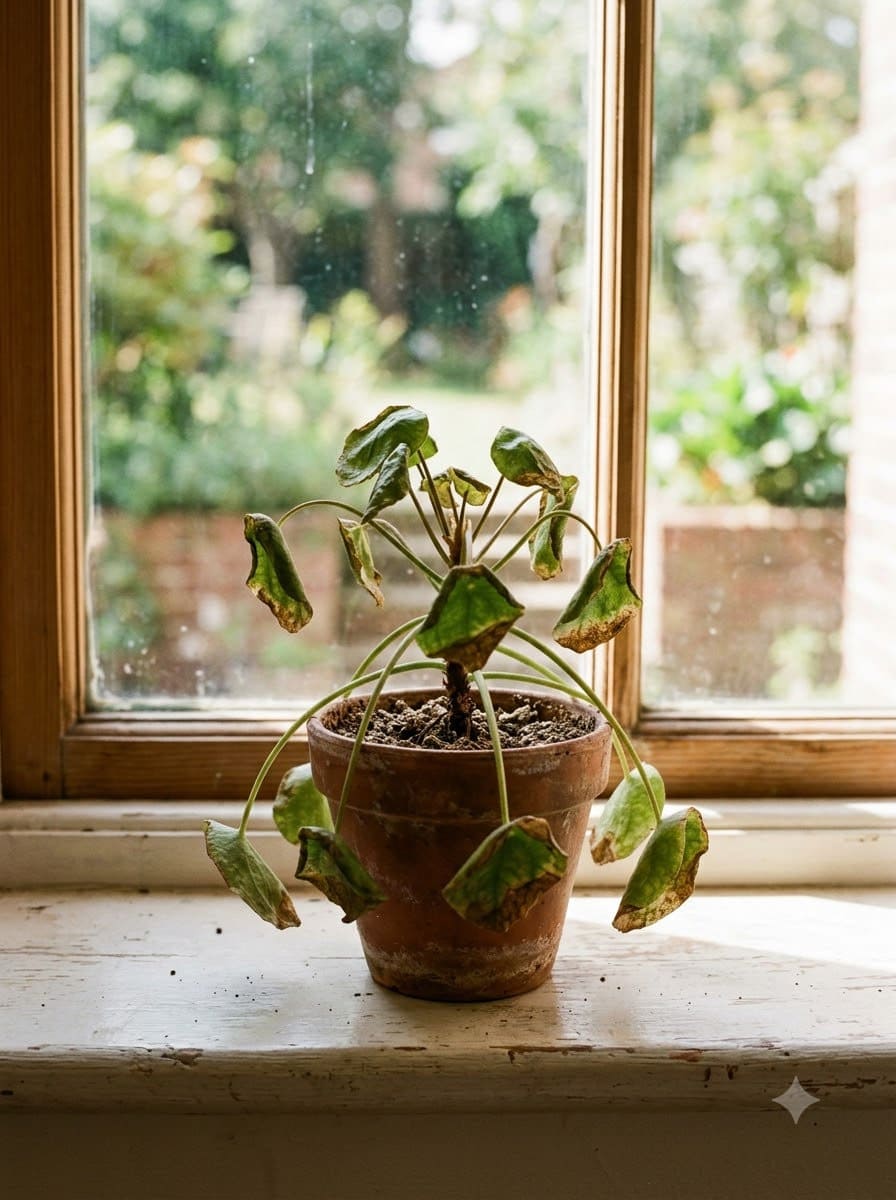
Fertilizer burn has a specific look, and it’s worth ruling out the other usual suspects before you start treating for it.
| Symptom pattern | Likely cause | Key tell |
|---|---|---|
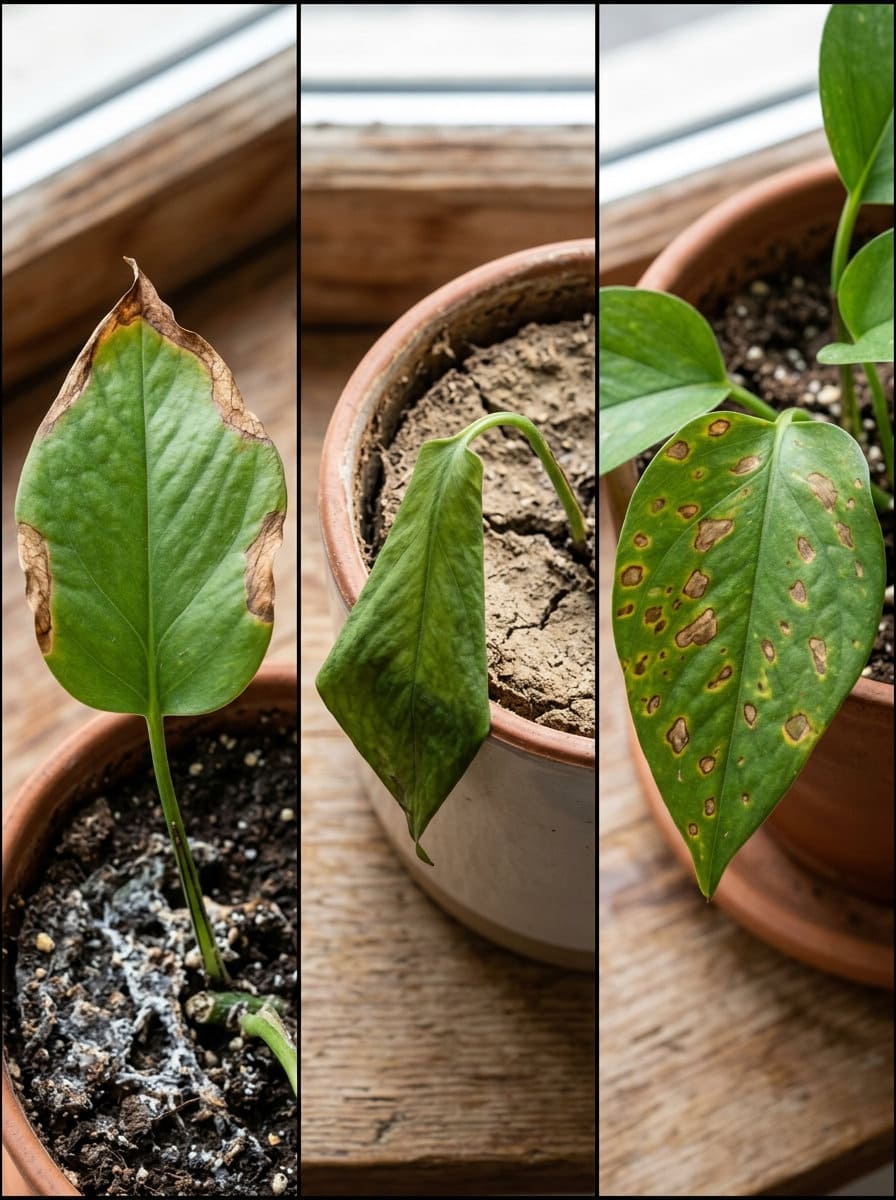
| Wilting plus damp soil, brown/crispy leaf edges, happened within 1-2 days of feeding | Fertilizer burn | Soil is wet, not dry, and damage often starts at leaf margins |
| Wilting plus dry, crumbly soil that’s pulled away from the pot edge | Underwatering | Soil is visibly and physically dry |
| Spotty, ringed, or fuzzy discoloration spreading gradually over days or weeks | Fungal or bacterial disease | No clear connection to a recent feeding, spots are irregular rather than edge-concentrated |
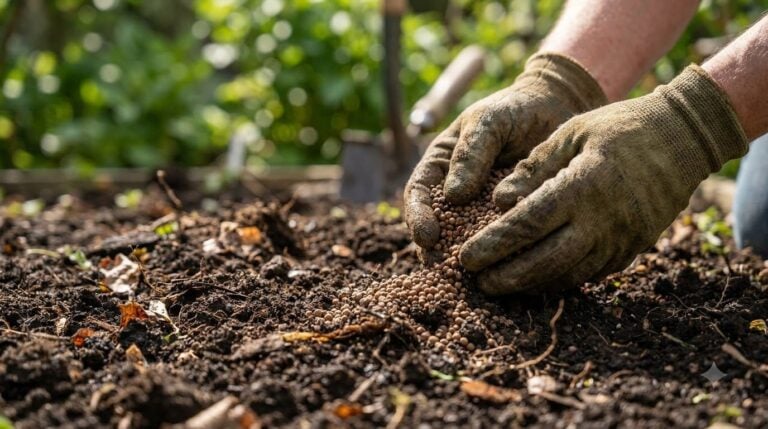
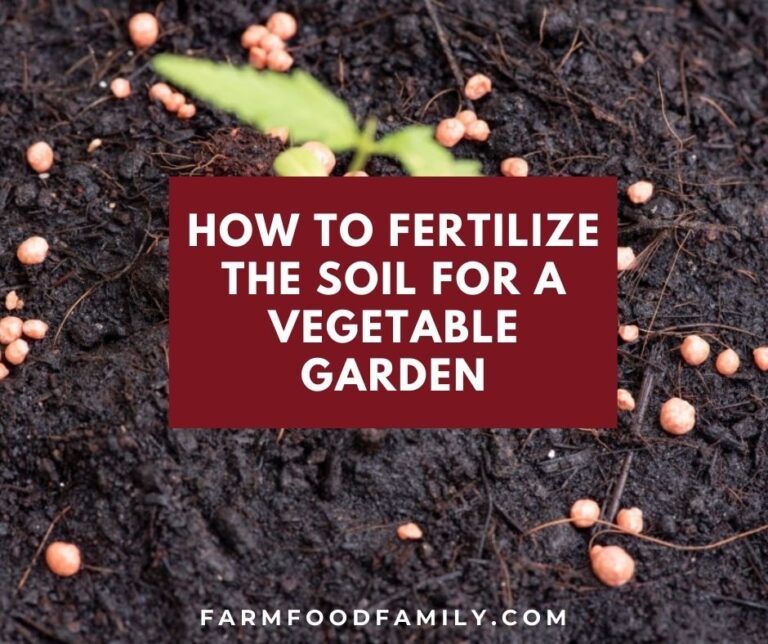
The soil itself often confirms it: excess fertilizer can leave a whitish or brownish crusty buildup on the surface of the soil or along the inside rim of a container, according to Washington State University Extension.
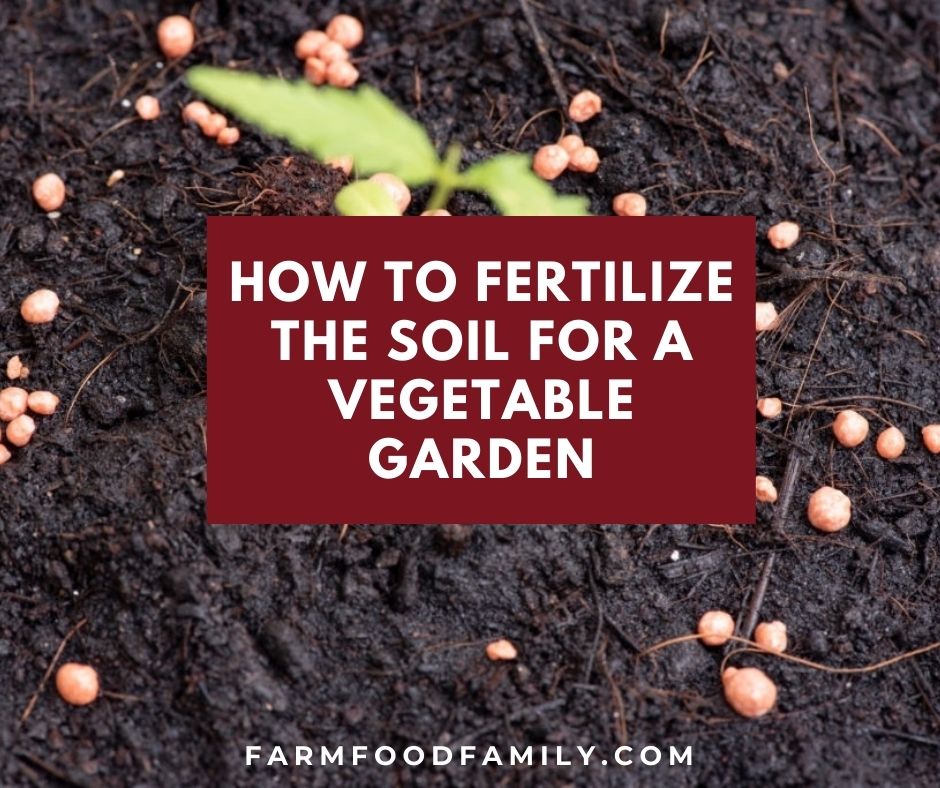
If you see that crust and the timing lines up with a recent feeding, that’s about as close to a confirmed diagnosis as you’ll get without a lab test.
Answer 4 quick questions and get matched to the exact fix for your yard — drainage, budget, layout, or something else entirely.
Take the Free QuizFertilizer burn is also just one of several reasons leaves brown at the edges in the first place, so if the timing doesn’t line up with a feeding at all, what actually turns houseplant leaves brown is worth ruling out separately.
The Right-Now Rescue Steps
If you catch it early, most fertilizer burn is fixable. First, if there’s any visible granular fertilizer still sitting on the soil surface, scoop it up with a small trowel rather than letting it keep dissolving in.
Then water deeply and slowly, enough to fully saturate the root zone and let water drain out the bottom of a container or soak well past the root depth in a garden bed, since the goal is to physically flush the excess salts out of the root zone rather than just adding more moisture on top.
Repeat this deep watering once a day for about a week.
Skip fertilizing again during this window, even if your regular schedule says it’s due, since adding more salts while you’re trying to flush them out undoes the whole point.
Finally, prune off any leaves that are already fully brown and crispy, since they won’t recover and removing them lets the plant put its energy into new growth instead.
Container Plant vs. In-Ground Garden: Which Fix Applies to You?
The rescue steps above work for both, but there’s a real fork in the road depending on where the plant is growing.
Most yard problems trace back to one specific, fixable cause. Find yours in 4 quick questions.
Take the Free Quiz
A no-battery soil moisture probe that helps confirm whether a wilting plant's soil is actually dry (underwatering) or still damp (a sign pointing toward fertilizer burn instead)
Shop NowThis post contains affiliate links. We may earn a commission on qualifying purchases at no extra cost to you.
If it’s a container or houseplant, you have an extra option: if heavy watering hasn’t visibly improved things after about two weeks, or the burn was severe, repotting into fresh potting mix removes the salt-contaminated soil entirely instead of relying on flushing to slowly dilute it.
This works especially well for smaller pots where the salt concentration is higher relative to the plant’s size.
If you’re troubleshooting a wilting or browning houseplant more generally, not just after a feeding, the common mistakes that cause houseplant leaves to fail covers more ground than fertilizer burn alone, and a broader nursing-back-to-health routine like reviving a struggling houseplant step by step pairs well with the flushing steps here once the salt issue itself is under control.
If it’s an in-ground vegetable bed or garden border, repotting obviously isn’t an option, so flushing in place is the only real fix, and it takes longer since you’re working against a bigger volume of soil.
University of Maryland Extension notes that damage from excess fertilizer tends to be worse in hot, dry weather, since the salts concentrate as the soil dries out between waterings, so keep the bed consistently moist (not soggy) while it recovers rather than letting it dry out and re-concentrate the salts you’re trying to flush.
The same wilting-with-wet-soil confusion shows up on ornamentals too, not just vegetables, which is exactly what’s usually behind a wilting hydrangea when overfeeding rather than underwatering turns out to be the actual cause.
How Long Until It Actually Recovers?
Neither extension source used in this guide publishes an exact recovery timeline, since it genuinely varies by plant and severity, but as a general rule of thumb from gardeners who’ve flushed a burned plant back to health: mild burn caught within a day or two often shows visible improvement in new growth within roughly a week of starting the flushing routine, though the already-damaged leaves themselves won’t heal, only new growth will look normal again.
More severe burn, especially on a smaller container plant, can reasonably take closer to two to three weeks before you’ll know whether repotting is necessary.
If a plant shows no improvement after several weeks of consistent flushing and it’s still declining, the damage may have gone past the point of recovery, and at that point you’re better off cutting your losses on that specific plant than continuing to pour water into a dying root system.
The average homeowner spends $616/year on yard fixes that don't address the real problem. Find out what yours actually is — before you spend another dollar.
Take the Free QuizWhy This Happens (and How to Never Do It Again)
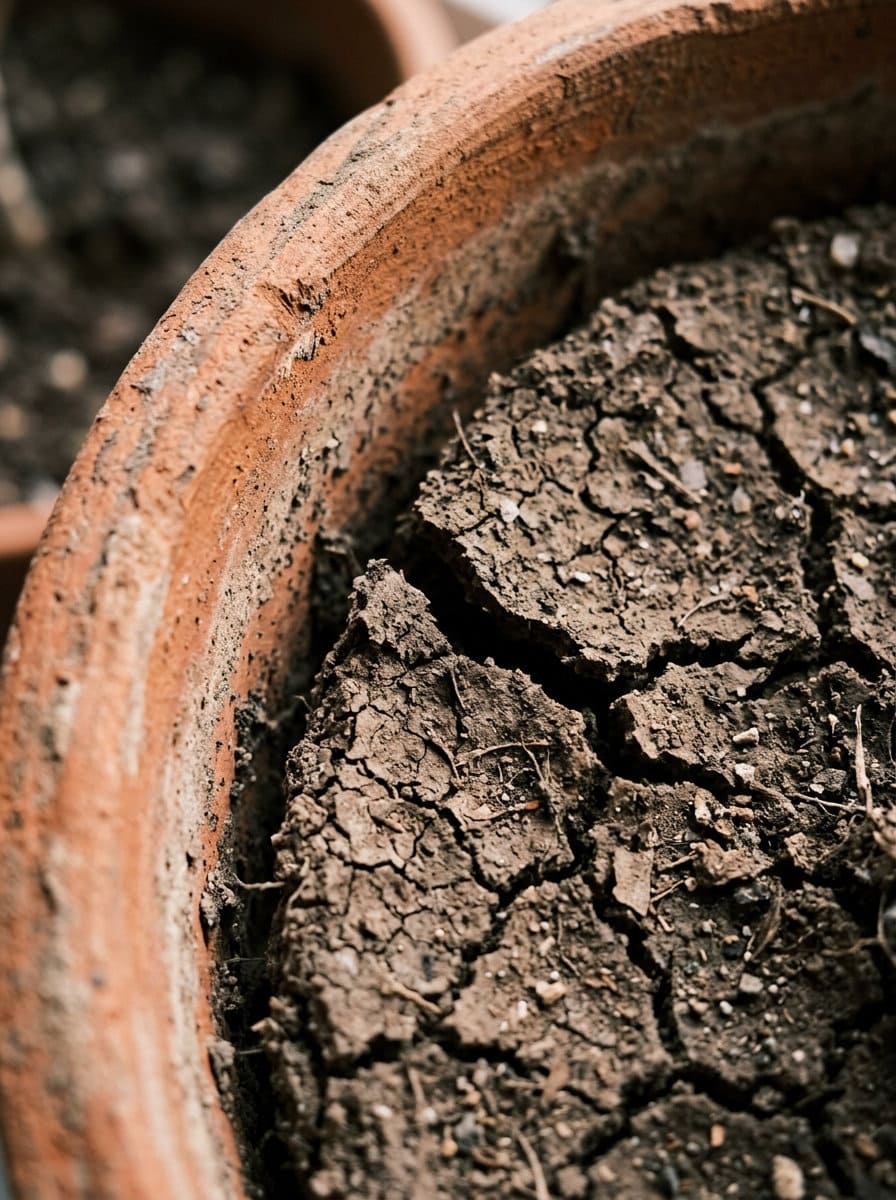
Fertilizer burn comes down to soluble salts pulling moisture out of root tissue faster than the roots can take it back in, which is the same basic mechanism as why salting meat draws out water.
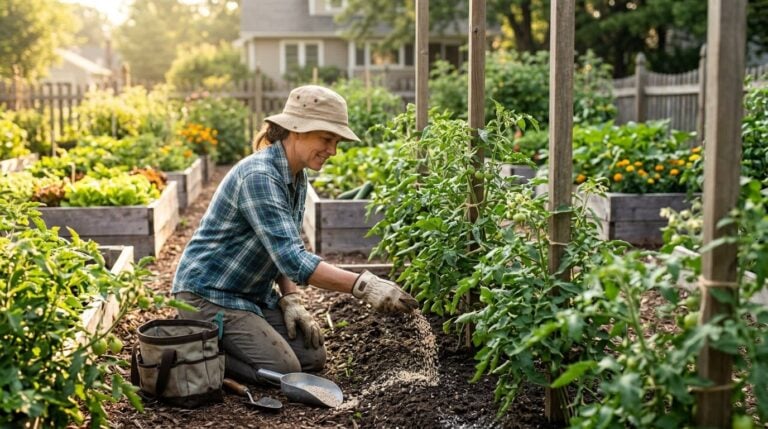
The fix going forward is mostly about timing and technique rather than avoiding fertilizer altogether: apply moderately and follow the label rate instead of guessing at “a little extra won’t hurt,” water thoroughly right after applying granular fertilizer so it starts dissolving into the soil instead of sitting concentrated on the surface, sweep any granules that land on leaves off immediately since direct foliar contact causes a separate kind of leaf-surface burn, and never fertilize a plant that’s already stressed from drought or heat, since stressed roots have less capacity to handle the added salt load.
The Time I Almost Gave Up on a Tomato Plant
The first time this happened to me, it was a container tomato plant in late July, and I’d fed it right before a stretch of 95-degree days because I figured the heat meant it needed the extra help.
Within two days the lower leaves were curling and browning at the edges, and my first instinct, embarrassingly, was to fertilize again, thinking it needed even more nutrients to bounce back. That’s exactly the wrong move, and it’s the mistake I see most often in gardening forums too: doubling down on feeding instead of flushing.
What actually worked was almost boringly simple. I stopped feeding entirely, watered deeply every morning for about ten days, and pruned off the worst leaves. By the second week, new growth at the top of the plant looked completely normal again, and it went on to produce a decent late-summer harvest anyway.
The plant never fully undid the damage on those original scorched leaves, but it didn’t need to, since new growth is what matters for recovery. If there’s one thing I’d tell anyone panicking over a wilted, freshly-fertilized plant, it’s that the instinct to “do more” is almost always wrong here. The fix is patience and water, not more fertilizer.
FAQs
Will a plant recover from fertilizer burn? Most plants recover if the burn is caught early and flushed with deep watering for about a week, though leaves that are already fully brown and crispy won’t heal and should be pruned off to redirect the plant’s energy into new growth.
Should I water a plant with fertilizer burn? Yes, more than usual, not less. Deep, thorough watering flushes the excess salts out of the root zone. Withholding water, which feels intuitive when a plant looks stressed, actually concentrates the salts further and makes the damage worse.
How do I know if it’s fertilizer burn or underwatering? Check the soil first. Fertilizer burn typically shows wilting with soil that’s still damp, sometimes with a whitish or brownish crust on the surface, while underwatering shows wilting with soil that’s visibly dry and pulling away from the container edge.
Can I fix fertilizer burn on a houseplant by repotting it? Yes, and for container plants it’s often the fastest fix if heavy watering hasn’t improved things within about two weeks, since fresh potting mix removes the salt-contaminated soil entirely instead of relying on dilution.
Related Posts
- Grow Vegetables in Containers
- Common Reasons Houseplants Fail
- Container Gardening Calendar for August
Products We Recommend
This post contains affiliate links. We may earn a commission on qualifying purchases at no extra cost to you.
XLUX Soil Moisture Meter (Battery-Free)
A no-battery soil moisture probe that helps confirm whether a wilting plant's soil is actually dry (underwatering) or still damp (a sign pointing toward fertilizer burn instead)
Shop Now
Espoma Organic Potting Mix, 8 qt.
A fresh, salt-free organic potting mix suited to repotting a container plant that isn't recovering from fertilizer burn with flushing alone
Shop Now
Neptune's Harvest Seaweed Fertilizer (0-0-1), 16 oz.
A gentle liquid seaweed feed low in salt-building nitrogen, safer to resume feeding with once a burned plant has recovered and started putting out new growth
Shop NowNever miss an update — choose FarmFoodFamily as your preferred source on Google.
How it works: Tap the button below to open Google's settings page, then check the box next to FarmFoodFamily.
Tap the checkbox to turn it blue — that's how you know it's set.