Soil “Tired” After Years? Here’s the Real No-Till Fix
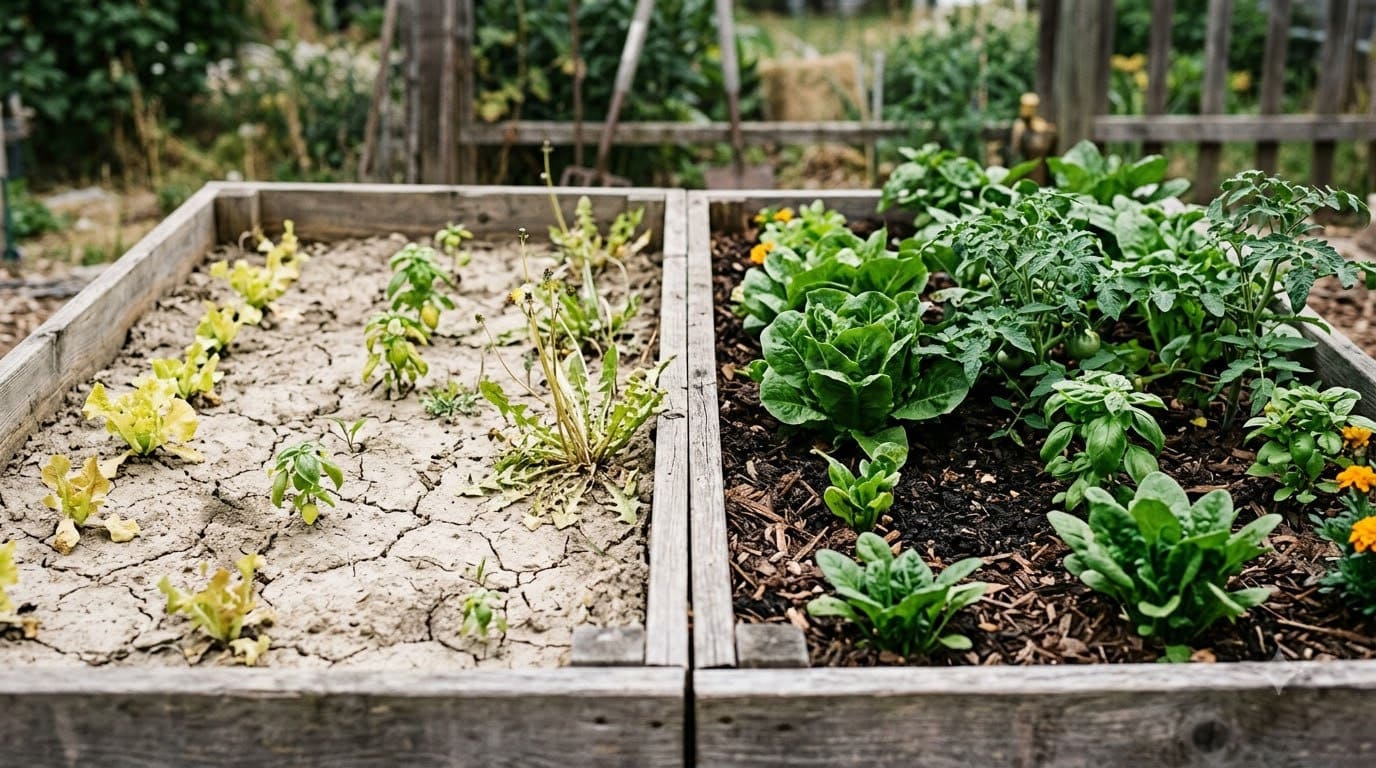
A garden bed that used to produce well and now doesn’t isn’t cursed, it’s probably worn down by the same tilling that once seemed like it was helping.

Never miss an update — choose FarmFoodFamily as your preferred source on Google.
How it works: Tap the button below to open Google’s settings page, then check the box next to FarmFoodFamily.
Tap the checkbox to turn it blue — that’s how you know it’s set.
If a bed that used to give you a real harvest, maybe a raised bed you built with care or an in-ground row, now struggles every year despite doing everything the same, the soil itself has probably changed, and the tilling you’ve been doing every spring is very likely part of why.
It sounds counterintuitive since tilling looks like it’s helping, loosening soil, mixing in amendments, but the real research points to it being part of the problem after enough seasons.
Why Tilling Is Part of Why Your Soil Got Tired
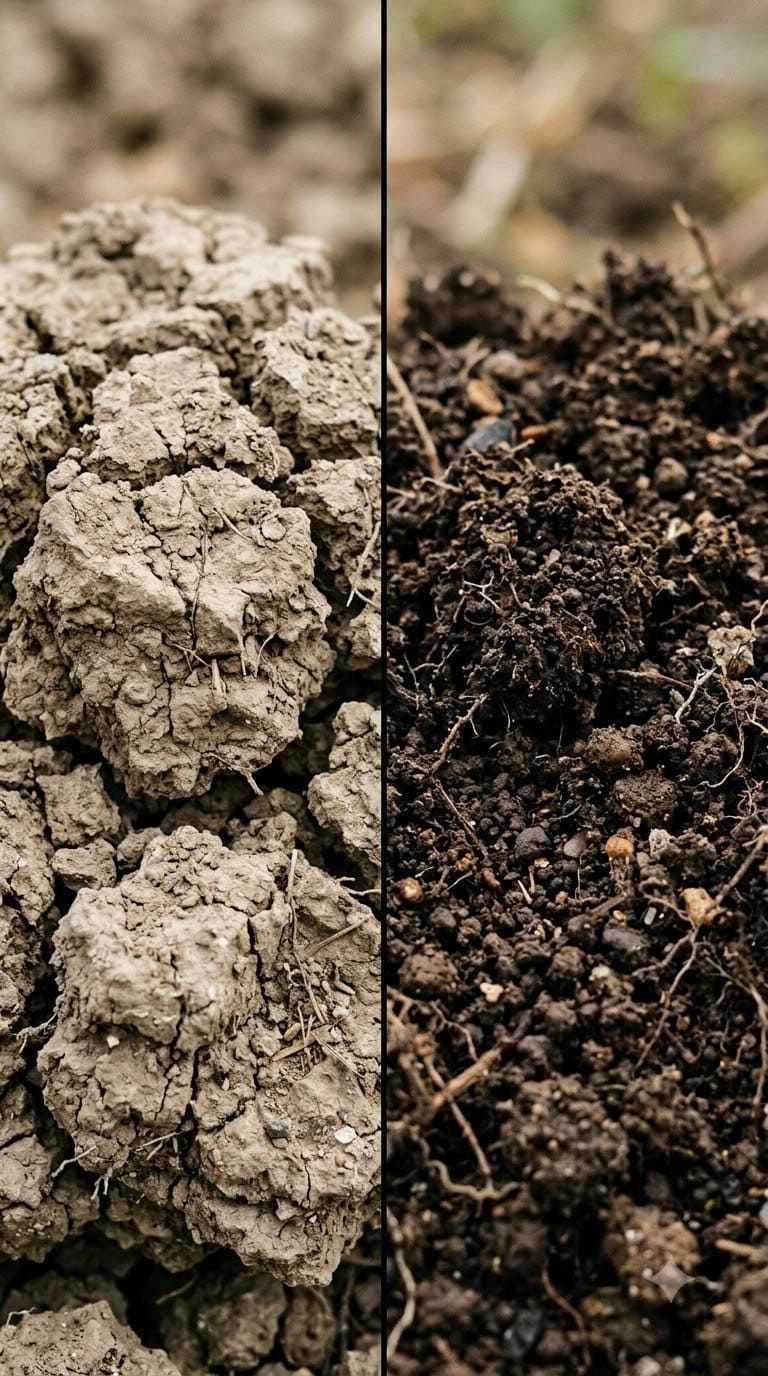
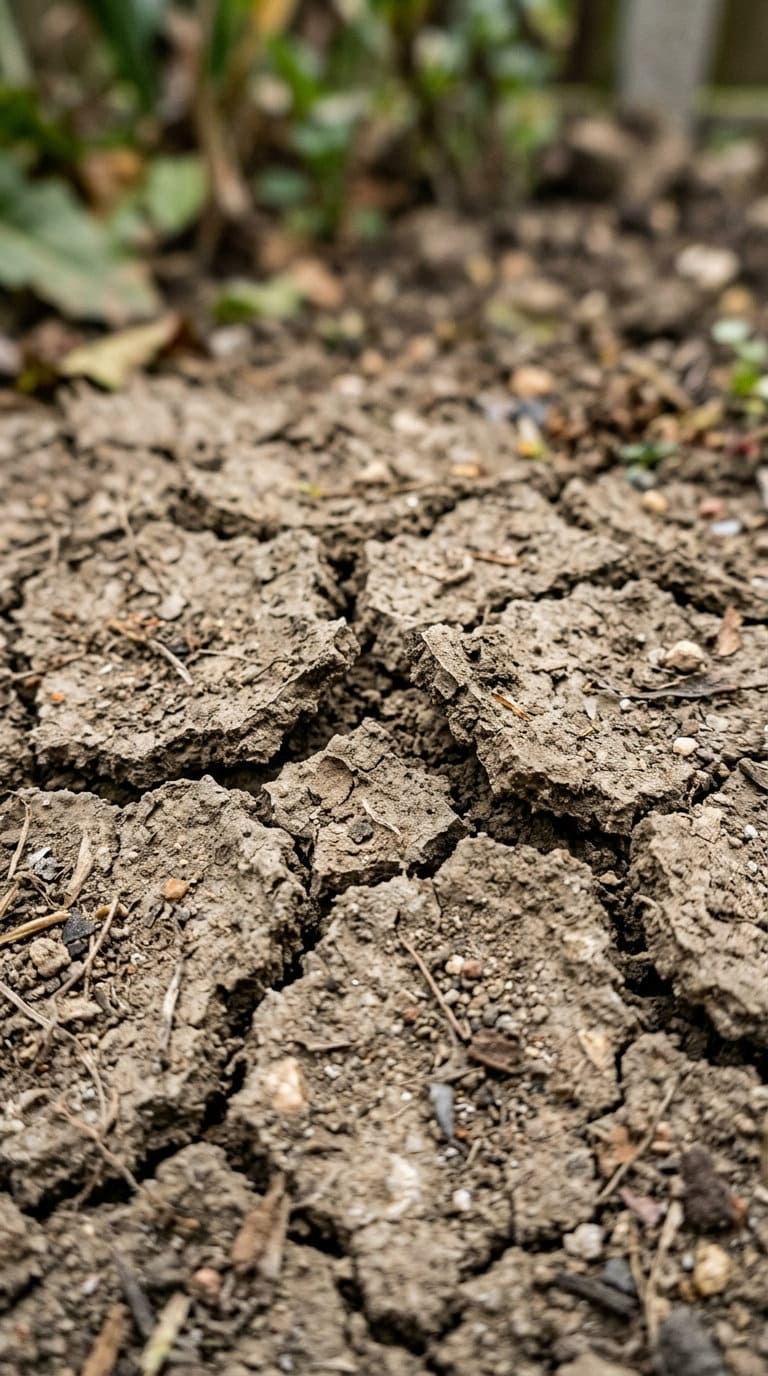
Per University of Illinois Extension, tilling genuinely destroys soil structure over time, not just the surface, and over-tilled soil develops smaller particles that dry out quickly and form a hard crust after rain.
Tilling also exposes dormant weed seeds buried below the surface, which is why a freshly tilled bed always seems to sprout more weeds than the one you left alone.
The part that explains the “tired” feeling directly: tilling does add oxygen to the soil, which feels productive in the short term, but soil microbes consume that extra oxygen to break down organic matter faster than it would naturally, meaning any fertility boost you get from tilling fades over subsequent growing seasons instead of building up. Do that every spring for years, and you’re not maintaining your soil, you’re slowly spending it down.
Converting Your Existing Bed to No-Till
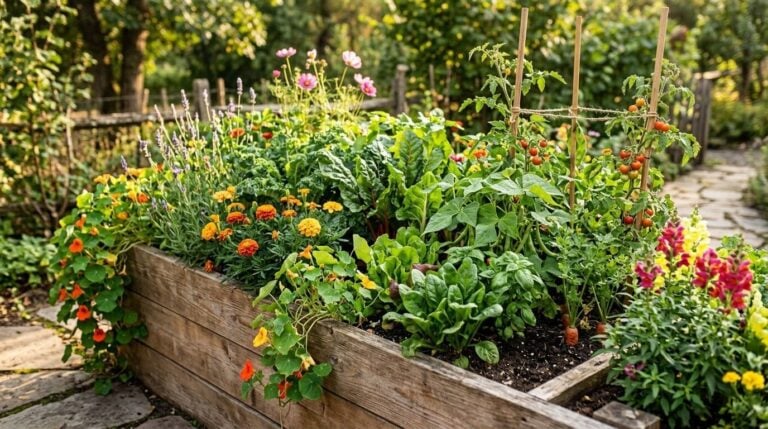
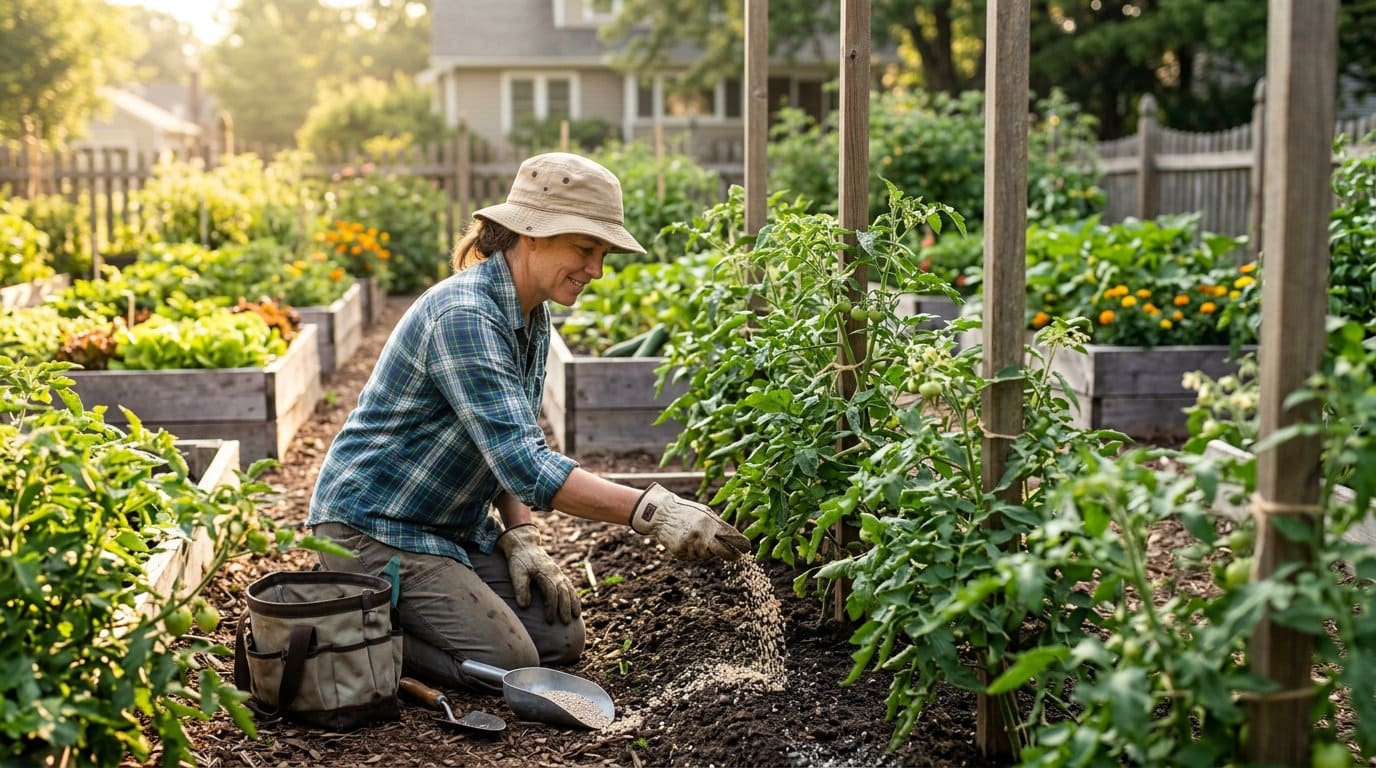
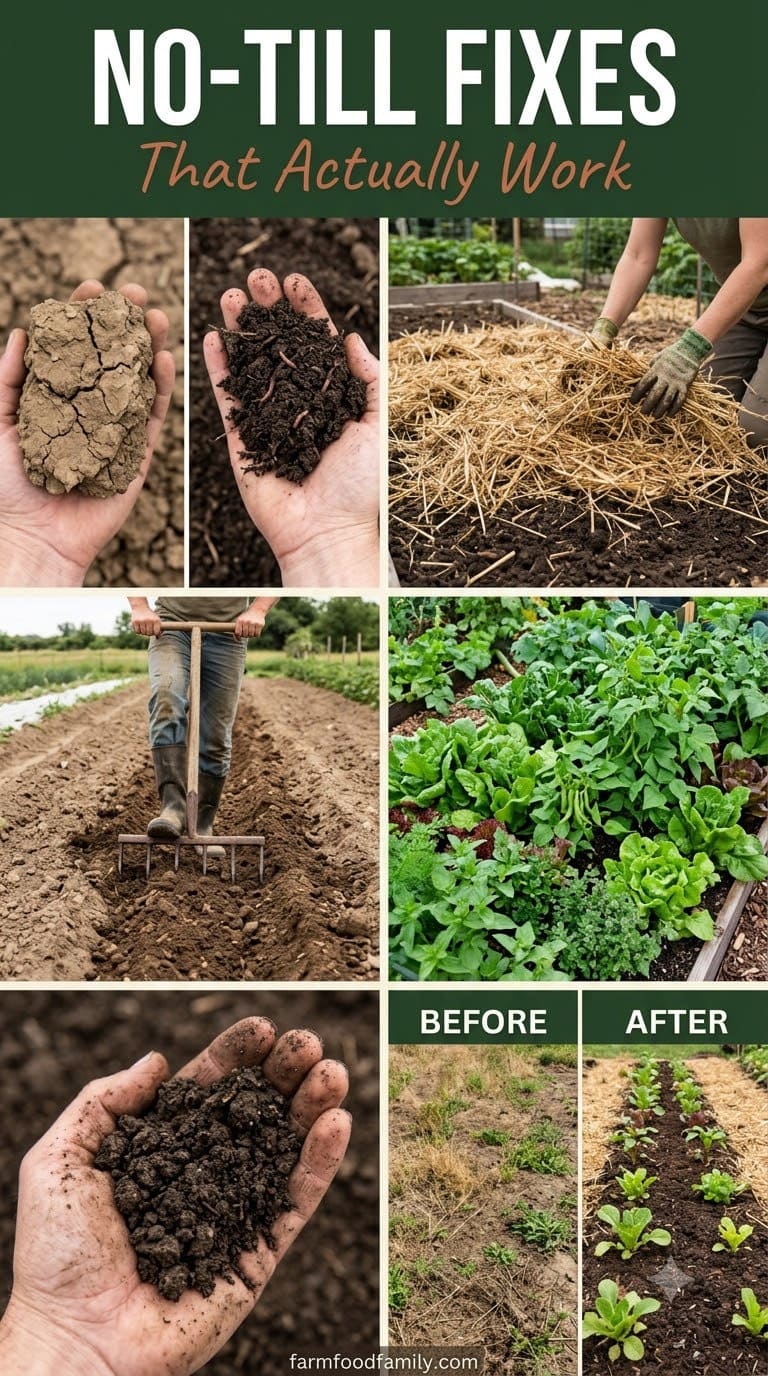
You don’t need to abandon or rebuild a tired bed, you can convert it in place. Per Nebraska Extension, start in fall or winter and design (or redesign) beds narrow enough that you can plant, weed, and harvest without ever walking on the growing area, roughly 4 feet wide works well for most people.
Answer 4 quick questions and get matched to the exact fix for your yard — drainage, budget, layout, or something else entirely.
Take the Free Quiz| Conversion method | What it involves | Best for |
|---|---|---|
| Spade-in compost | Work 3 to 4 inches of compost into the existing soil to a depth of 8 to 10 inches, one final till | Gardeners willing to do the physical work of one last dig-in |
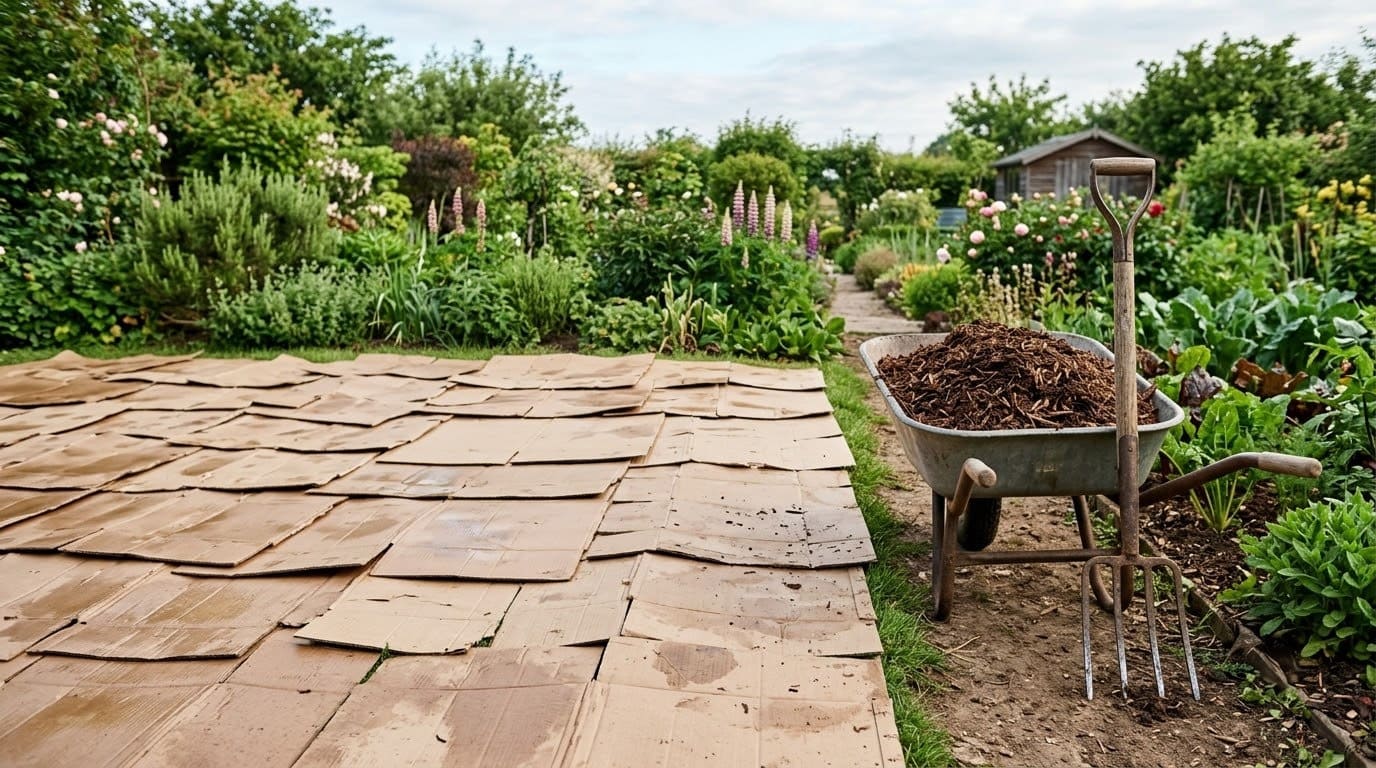
| No-dig mulch layer | Apply a heavy 4 to 6 inch layer of organic matter directly on top of the bed and let it break down over winter | Gardeners who want the easier, lower-effort option |
Either way, cover walking paths with 8 to 10 inches of mulch in fall and winter, and replenish it as it breaks down through the growing season, the same layering approach that works well when building real soil health with compost more generally.
What to Expect the First Season
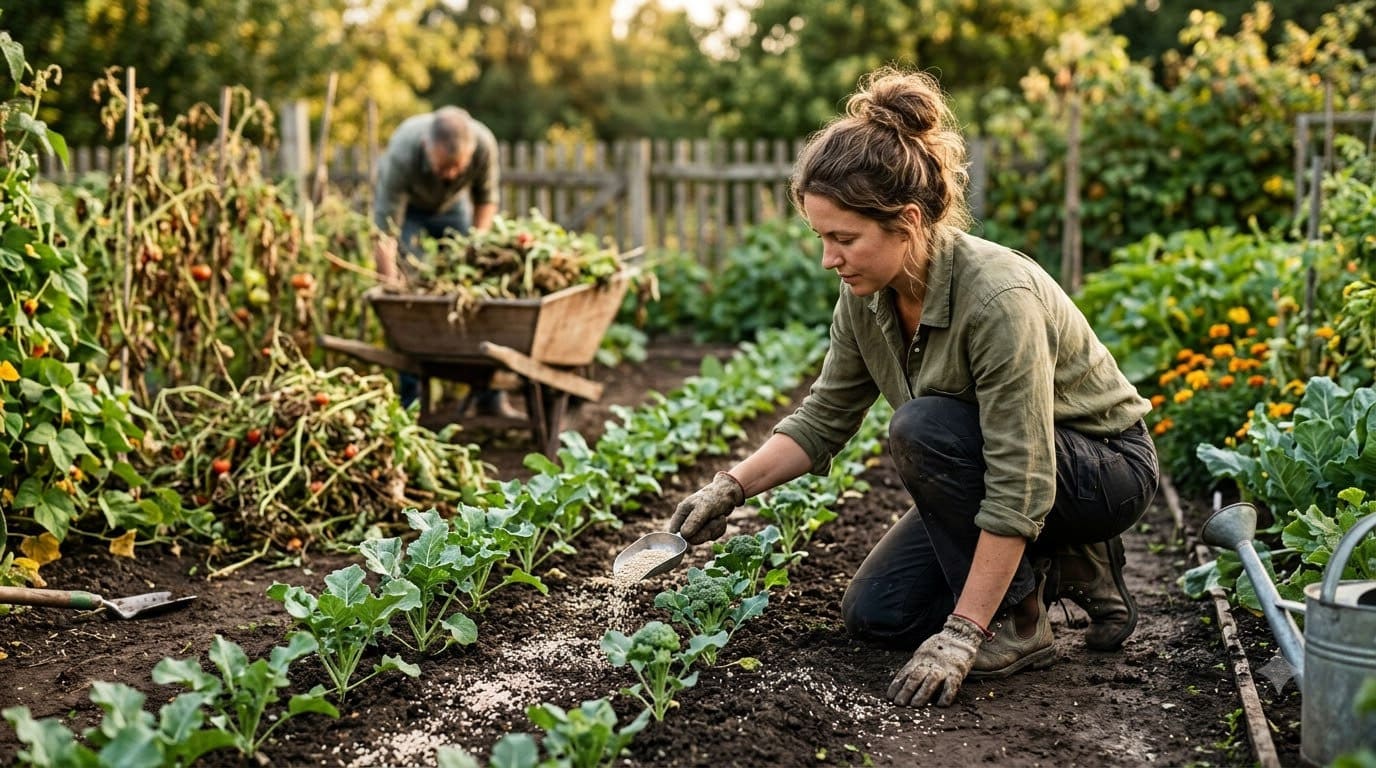
The organic matter you apply in fall doesn’t just sit there, earthworms and other soil organisms work it into the underlying soil over winter, so by spring you’re not starting from a bare, unimproved bed.
Come planting time, you simply push the mulch aside to plant seeds or transplants directly, no digging required at that point.
Don’t expect dramatic results in week one, this is a soil-biology process working on its own timeline, but per Illinois Extension’s real-world example, gardeners who’ve stuck with no-till raised beds for more than a decade report rarely needing to water, never needing to till, and dealing with only occasional weeds, a meaningful long-term payoff for patience up front, especially when paired with a real cover crop planted in the same off-season window.
Do You Need to Start Over, or Can You Convert in Place?
You can convert your existing tired bed directly, there’s no need to strip it down or start a new bed from scratch.
The whole point of the no-dig mulch option specifically is that it works with the soil you already have rather than replacing it, adding organic matter on top and letting soil biology do the incorporation instead of you doing it with a tiller.
If your bed’s decline has been gradual over several years, expect the recovery to be gradual too, but it happens on top of the same soil prep fundamentals you’d use anywhere else, not instead of them.
Most yard problems trace back to one specific, fixable cause. Find yours in 4 quick questions.
Take the Free Quiz
A real source of organic matter and established microbial life to layer onto a bed during conversion
Shop NowThis post contains affiliate links. We may earn a commission on qualifying purchases at no extra cost to you.
The Bed That Stopped Producing Until I Stopped Tilling It
I had a raised bed that produced genuinely well for its first three seasons and then noticeably worse every year after that, even though I tilled it every spring and added the same amendments each time.
I assumed I needed a completely new bed, more amendments, or a different crop rotation, anything except questioning the tilling itself, since that was the one thing I was doing “right” every single year without fail.
The season I actually stopped tilling and switched to the mulch-layer approach instead, I didn’t expect much to change, since it felt like doing less rather than more.
By the following spring, the soil under that mulch layer was noticeably darker and looser than it had been in years, and that season’s harvest was the best that bed had produced since its first year.
What actually clicked for me was realizing tilling had never been neutral, it was actively working against the bed’s long-term fertility the whole time, and stopping wasn’t a compromise, it was the actual fix, the same lesson that eventually reshaped how I think about feeding that bed going forward too.
FAQs
Why does my garden soil get worse over the years even though I till it every spring? Tilling destroys soil structure over time and lets microbes break down organic matter faster than it’s replenished, according to University of Illinois Extension. Any short-term fertility boost from tilling fades in subsequent seasons instead of building up.
How do I convert an existing garden bed to no-till? Per Nebraska Extension, start in fall or winter, either spade 3 to 4 inches of compost into the soil to a depth of 8 to 10 inches, or apply a heavier 4 to 6 inch layer of organic matter directly on top and let it break down naturally over winter.
Do I need to rebuild my garden bed to switch to no-till? No. You can convert an existing bed in place by adding organic matter on top, or working it in one final time, rather than starting a completely new bed.
How long until a no-till bed shows results? Organic matter applied in fall gets incorporated by soil organisms over winter, so you’ll have improved soil by spring planting, but the full long-term benefit builds over multiple seasons, with real-world examples showing meaningfully better results after several years of consistent no-till management.
The average homeowner spends $616/year on yard fixes that don't address the real problem. Find out what yours actually is — before you spend another dollar.
Take the Free QuizRelated Posts
Products We Recommend
This post contains affiliate links. We may earn a commission on qualifying purchases at no extra cost to you.
Wiggle Worm Soil Builder Earthworm Castings, 4.5 lb.
A real source of organic matter and established microbial life to layer onto a bed during conversion
Shop Now
MIGHTY109 100% Natural Cedar Mulch, 40 Quarts
A real, undyed organic mulch option suited to the 4-6 inch no-dig layer or 8-10 inch walking path depth described in this guide
Shop Now
CobraHead Broadfork (Grelinette)
A real tool for aerating no-till beds without inverting soil layers the way a tiller does
Shop NowNever miss an update — choose FarmFoodFamily as your preferred source on Google.
How it works: Tap the button below to open Google's settings page, then check the box next to FarmFoodFamily.
Tap the checkbox to turn it blue — that's how you know it's set.