Using Compost Too Early? Here’s How to Tell It’s Actually “Finished”
Compost that looks dark and smells earthy can still be unfinished underneath, and using it too soon can genuinely kill the seedlings you’re trying to help.

Never miss an update — choose FarmFoodFamily as your preferred source on Google.
How it works: Tap the button below to open Google’s settings page, then check the box next to FarmFoodFamily.
Tap the checkbox to turn it blue — that’s how you know it’s set.
Waiting for compost to finish is genuinely hard when you’re excited to use it, especially once a bed is already prepped and ready to plant, but rushing it isn’t just an impatience problem, it’s a real risk to whatever you plant in it.
Unfinished compost isn’t simply “less effective,” it can actively work against you, and the good news is you don’t need a lab to find out whether yours is actually ready.
Why Unfinished Compost Can Actually Hurt Your Plants
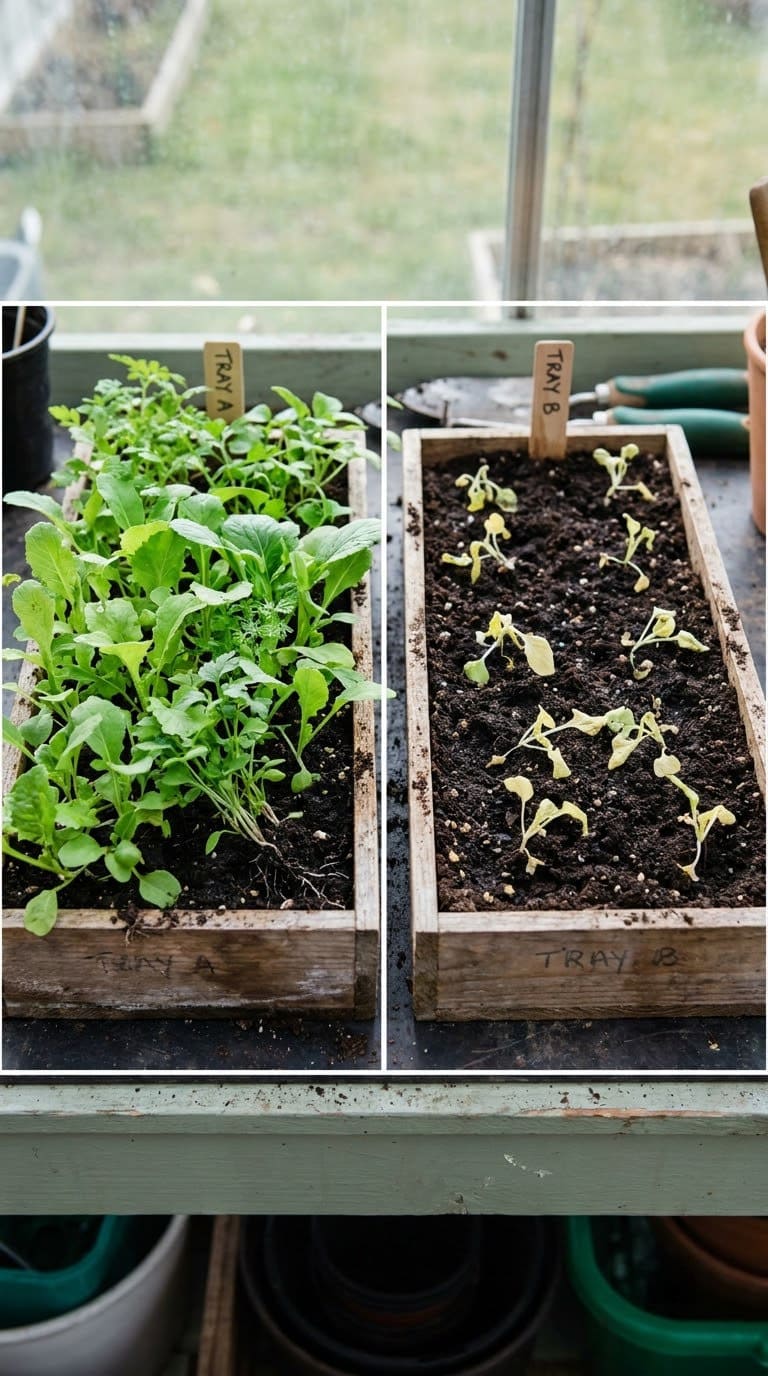
Immature compost isn’t just less nutritious, it can contain real phytotoxins, compounds that are directly toxic to plant tissue, left over from the decomposition process still working itself out.
Per UF/IFAS Extension, these phytotoxins can kill seed embryos outright, preventing germination entirely, or stunt seedlings that do manage to sprout. This is exactly why relying on “it looks dark enough” isn’t a reliable stopping point, decomposition can look mostly done on the surface while still releasing compounds that will damage whatever you plant into it.
The real fix isn’t just waiting an arbitrary extra few weeks and hoping, it’s running an actual test that measures whether seeds can germinate and grow normally in it, since that’s the same sensitivity your garden plants will have.
The Radish Test: A Real, Cheap Way to Check at Home
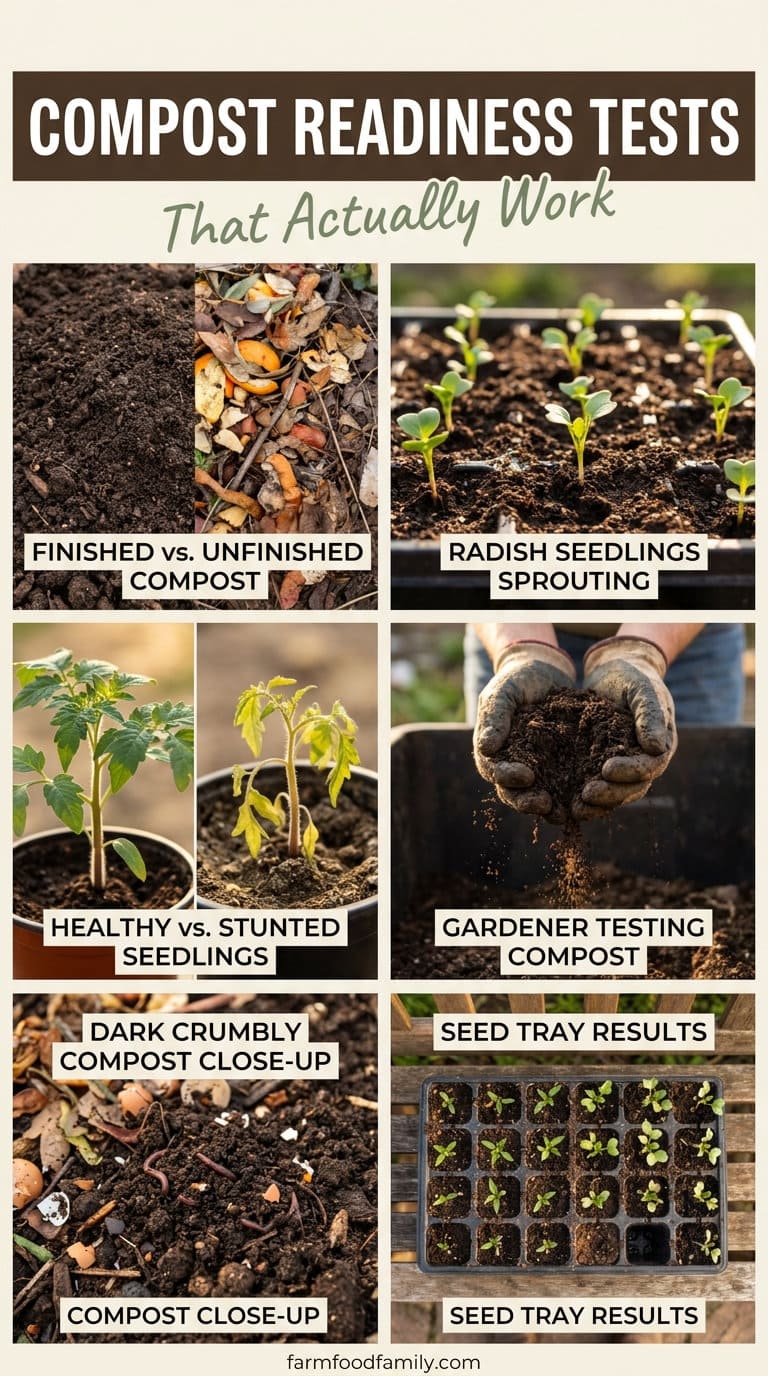
The simplest reliable test uses radish seeds, and per UF/IFAS Extension, it’s genuinely this straightforward: plant a batch of radish seeds directly into a sample of your compost, the same way you’d plant them in soil, and watch what happens over the next several days.
Answer 4 quick questions and get matched to the exact fix for your yard — drainage, budget, layout, or something else entirely.
Take the Free QuizIf 75 percent or more of the seeds sprout and grow into normal-looking radish seedlings, your compost is ready to use.
Radishes work well for this specifically because they germinate and mature quickly, so you get a real answer within about a week instead of waiting to find out the hard way with something like tomatoes further along in their own feeding schedule that takes months to show a problem.
The More Rigorous Version: Germination Index Test
If you want something closer to an actual lab-grade answer, there’s a more precise version worth knowing about, even if you don’t run it exactly as written.
| Test | Effort | What it tells you |
|---|---|---|
| Visual/smell check (dark, crumbly, earthy smell) | Very low, no materials needed | A rough first impression, not a reliable pass/fail on its own |
| Radish seed test | Low, just radish seeds and a container | A real germination-based pass/fail, 75%+ sprouting means ready |
| Cucumber Germination Index (GI) test | Higher, requires precise measuring and a controlled setup | A precise numeric score, above 80% is mature and non-toxic, below 50% needs more time |
Per Santa Clara County Cooperative Extension, the full GI protocol involves mixing a measured compost sample with water, letting it extract for several hours, filtering it, then applying that liquid to cucumber seeds on damp paper towels and incubating them in the dark for 3 days before calculating a germination score.
Most home gardeners don’t need to go this far, the radish version captures the same real signal with far less setup, but knowing the actual scientific benchmark behind it is useful context for why that simpler test genuinely works.
The Visual and Smell Signs (and Why They’re Not Enough Alone)
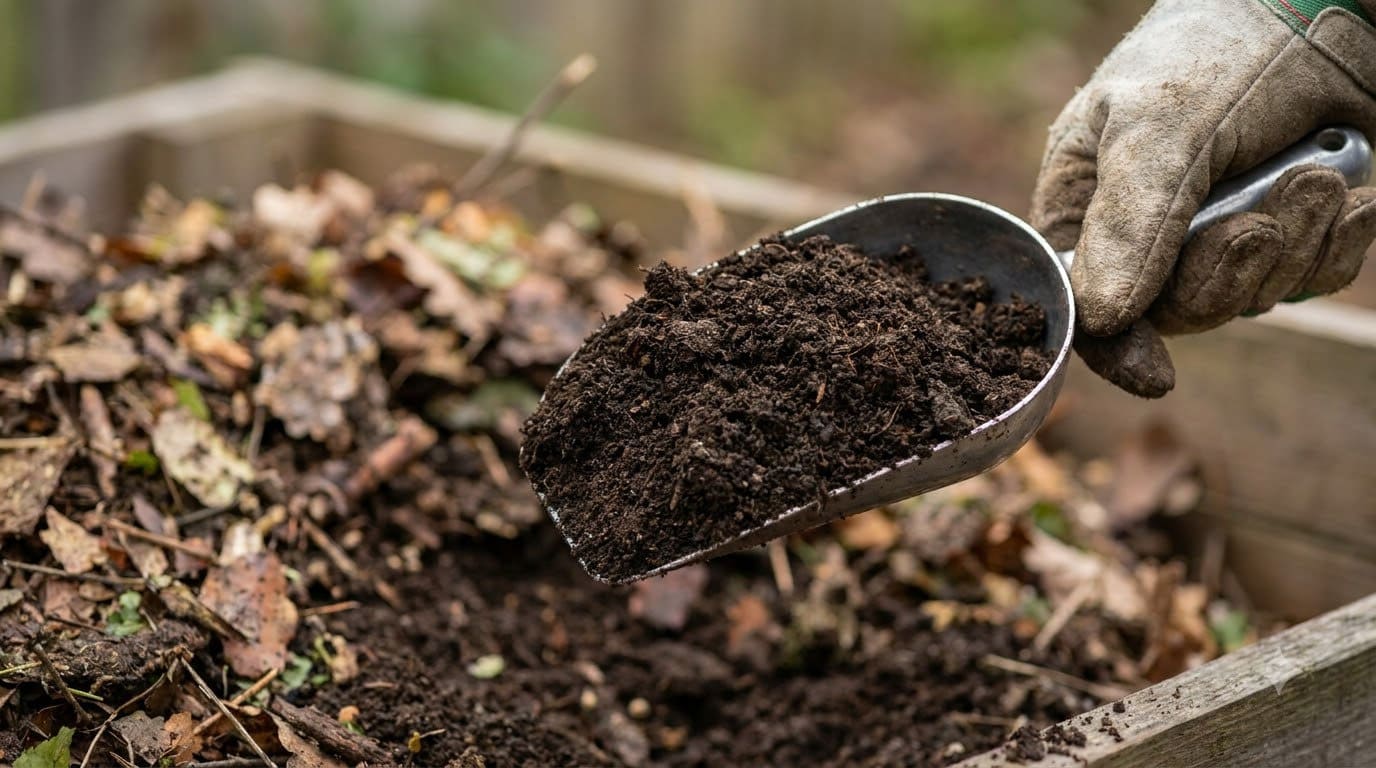
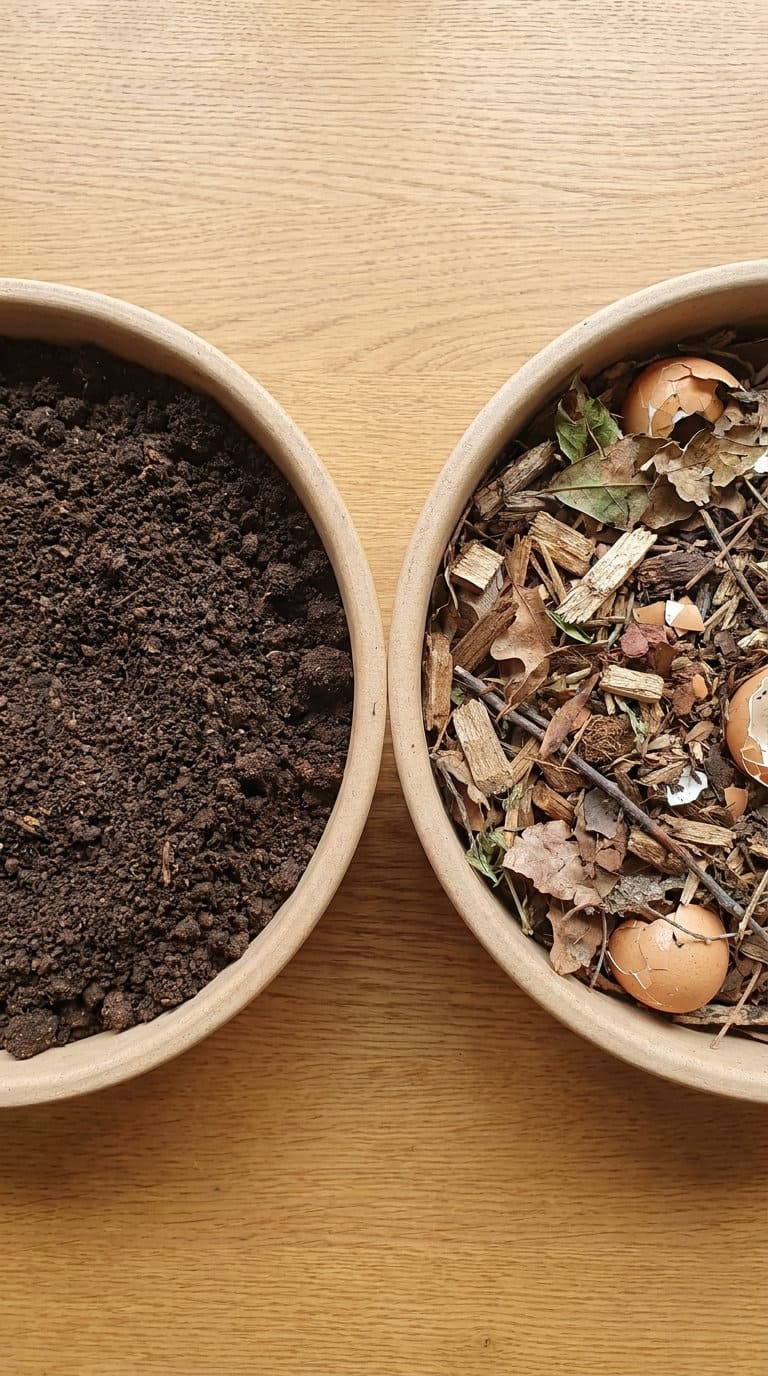
Dark color, a crumbly texture, and an earthy smell with no trace of the original ingredients are all real, legitimate signs that compost is progressing well, and a pile that’s still chunky, smells sour or like ammonia, or clearly shows recognizable food scraps definitely isn’t ready.
Most yard problems trace back to one specific, fixable cause. Find yours in 4 quick questions.
Take the Free Quiz
A real, fast-germinating seed variety (ready in 21-25 days) suited to running the compost readiness test described in this guide
Shop NowThis post contains affiliate links. We may earn a commission on qualifying purchases at no extra cost to you.
But those signs describe the outside of the process, not necessarily whether every phytotoxic compound has fully broken down, which is exactly the gap a real germination test closes.
Treat the visual and smell check as a useful first filter, worth doing before you even bother with a germination test, but not the final word if you’re about to use the compost around something you actually care about growing, whether that’s a raised bed or a container setup.
The Season I Planted Straight Into Compost That Wasn’t Ready
I got impatient with a pile that looked dark and smelled fine to me, and I planted a full tray of pepper seedlings directly into it instead of waiting the extra few weeks I probably should have.
About half the seeds never came up at all, and the ones that did looked weak and yellow for weeks before a few of them eventually recovered.
I ran a radish test on the same batch of compost afterward out of curiosity, and it came back well under the 75% mark, confirming what that container of pepper seedlings had already shown me the hard way.
What actually changed my approach going forward wasn’t giving compost more time by default, it was running the radish test before using any batch I wasn’t already confident about, since a batch that looks and smells done isn’t automatically safe to plant into.
Now it’s a five-minute check before I use compost on anything that actually matters to me, the same discipline I’ve since applied to checking soil before planting anything new, instead of a guess I find out was wrong a month later.
FAQs
Can unfinished compost hurt plants? Yes. According to UF/IFAS Extension, immature compost can contain phytotoxins that kill seed embryos outright or stunt seedlings that do germinate, this is a real risk, not just a theoretical concern.
How can I tell if my compost is finished without a lab? Plant a batch of radish seeds directly into a compost sample. If 75% or more sprout and grow into normal seedlings within about a week, the compost is ready to use, per UF/IFAS Extension.
The average homeowner spends $616/year on yard fixes that don't address the real problem. Find out what yours actually is — before you spend another dollar.
Take the Free QuizIs dark, crumbly compost always finished? Not necessarily. Visual and smell signs are a useful first filter, but they don’t confirm that phytotoxic compounds have fully broken down. A germination test gives a more reliable answer before using compost around plants you care about.
What’s a Germination Index test? It’s a more precise, lab-style version of the radish test that mixes compost with water to make an extract, applies it to seeded paper towels, and calculates a numeric score. Per Santa Clara County Cooperative Extension, a score above 80% indicates mature compost, while below 50% means it needs more time.
Related Posts
Products We Recommend
This post contains affiliate links. We may earn a commission on qualifying purchases at no extra cost to you.
Cherry Belle Radish Seeds, 500+ Non-GMO Heirloom
A real, fast-germinating seed variety (ready in 21-25 days) suited to running the compost readiness test described in this guide
Shop Now
REOTEMP Backyard Pro Compost Thermometer, 24-Inch
Helps track whether a pile has cooled down, an early sign it may be approaching finished, before running a germination test to confirm
Shop Now
Wiggle Worm Soil Builder Earthworm Castings, 4.5 lb.
A real, already-finished organic amendment that's safe to use right away if a compost batch hasn't passed its readiness test yet
Shop NowNever miss an update — choose FarmFoodFamily as your preferred source on Google.
How it works: Tap the button below to open Google's settings page, then check the box next to FarmFoodFamily.
Tap the checkbox to turn it blue — that's how you know it's set.