10 Best Pruning Shears: Razor-Sharp Picks for Every Job
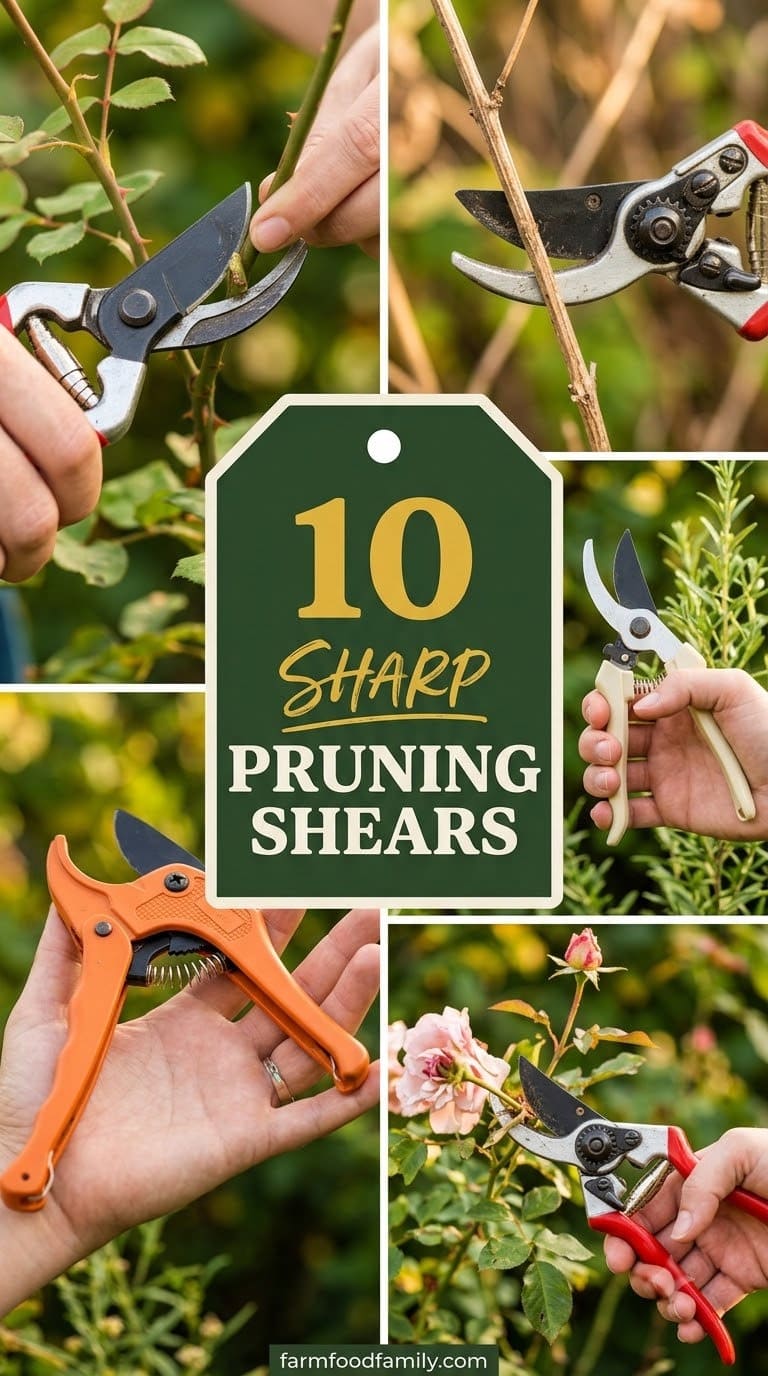
The best pruning shears depend on your hands and your branches, so we sorted ten popular picks by the job each one does best.

Never miss an update — choose FarmFoodFamily as your preferred source on Google.
How it works: Tap the button below to open Google’s settings page, then check the box next to FarmFoodFamily.
Tap the checkbox to turn it blue — that’s how you know it’s set.
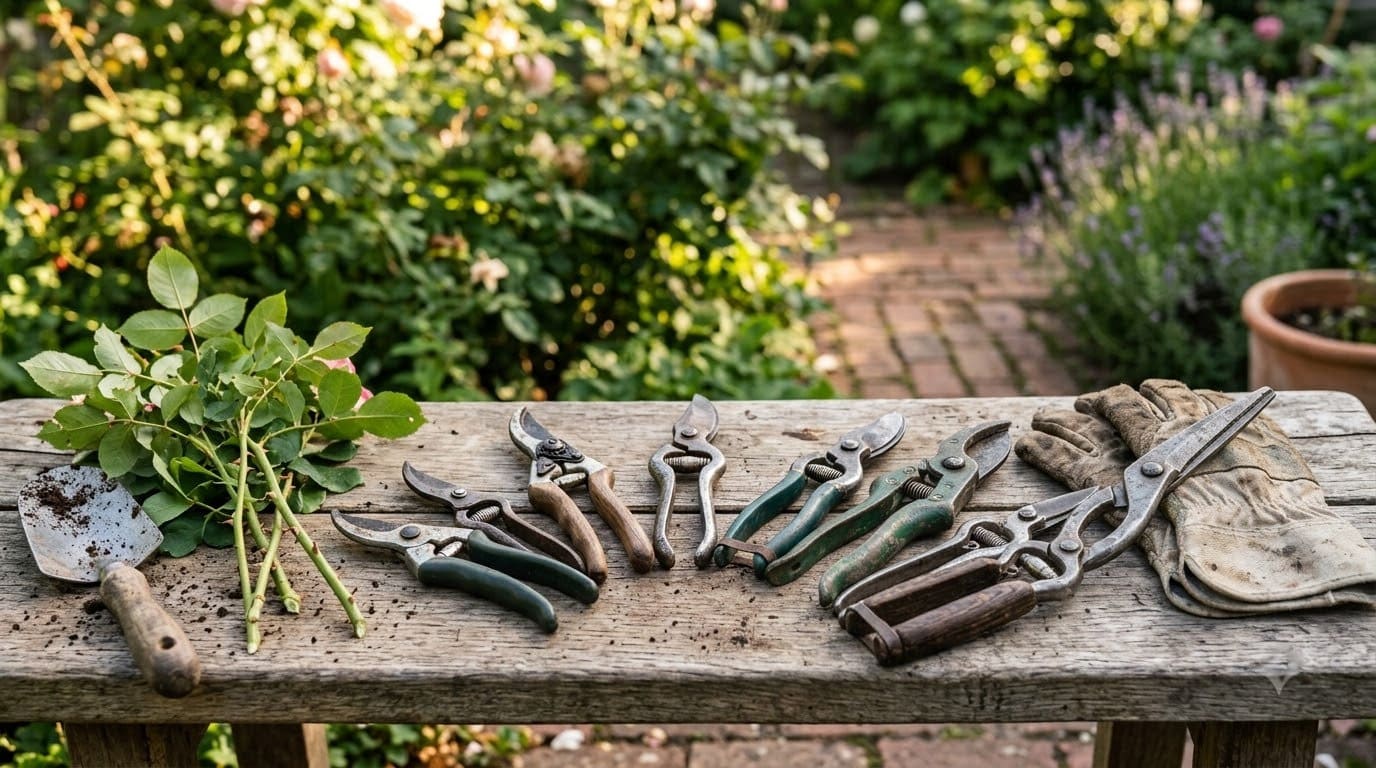
The best pruning shears for most gardeners are bypass pruners, because they cut like scissors and leave cleaner wounds. University of Maryland Extension says bypass pruners reduce tearing and crushing of tissue. It also says hand pruners suit branches up to one inch thick.
Our pick for everyday jobs is the Fiskars Bypass Pruning Shears. For a tool that lasts, choose the Felco F-2.
Pick the Gerossi ratchet if your hands tire easily. Choose an anvil model such as the Fiskars Power-Lever for dry, dead stems.
Match the tool to the branch, and use loppers past a pruner’s listed capacity. We chose these ten by use case from specs and shopper reviews. We did not test them by hand.
Sharp blades matter as much as the brand. So we added a cleaning and sharpening routine from three university extension sources, and it works on every pruner here.

Top Picks at a Glance
The Best Pruning Shears

Fiskars Power-Lever Anvil Pruning Shears
Jump to Review ↓How did we pick these pruning shears?
We searched Amazon by use case, including bypass, anvil, ratchet, small-hand, and left-handed pruners. We skipped sponsored results and kept the listings with strong sales and review volume. Then we opened each product page on September 19, 2026 to read the specs and the themes in shopper reviews.
Answer 4 quick questions and get matched to the exact fix for your yard — drainage, budget, layout, or something else entirely.
Take the Free QuizWe show no star ratings or review counts, because they change daily. Check the current price and reviews before you buy.
How did we evaluate them?
We did not test these pruners by hand. Our scores come from the listed specs, the seller’s claims, and patterns in shopper reviews. Where a claim comes from the seller, we say so.
Every product gets the same four scores out of 10. The overall score is the average of the four.
Cutting Quality covers blade type and shopper comments on sharpness. Comfort and Ergonomics covers weight, grip, and hand fit.
Durability and Serviceability covers build, parts, warranty, and reported failures. Value compares what you get to what you pay. These are editorial scores, not lab results.
Bypass vs anvil vs ratchet: which type do you need?
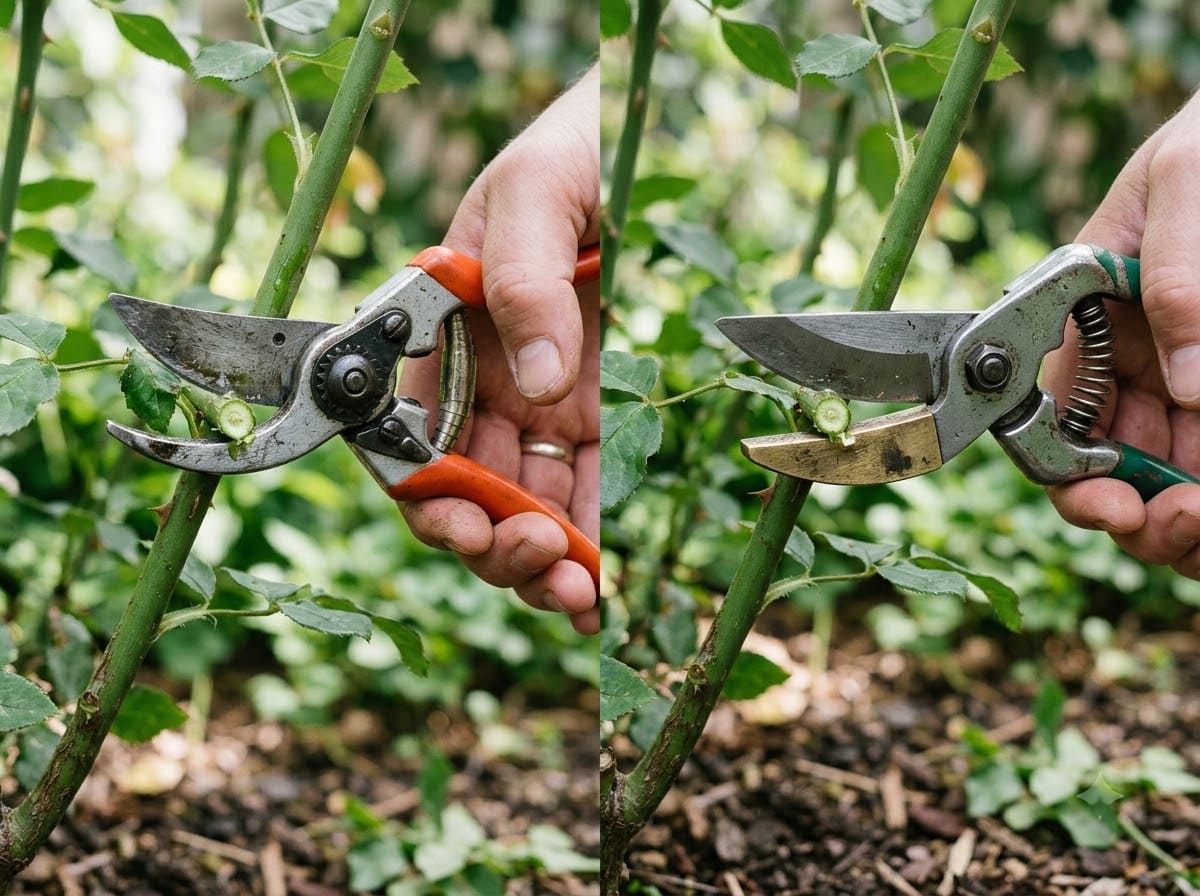
Bypass pruners have two blades that pass each other like scissors. Anvil pruners press a single sharp blade against a flat backstop. Ratchet models add a stepped mechanism that cuts in stages.
The University of Florida’s Andrew Koeser explains it in a UF/IFAS Gulf Coast REC post. A bypass blade “slices all the way through the stem,” so you can cut close to a branch union without leaving a stub. An anvil pruner squeezes a living branch between the blade and a blunt backstop, which can crush the cambium on softer branches.
Most yard problems trace back to one specific, fixable cause. Find yours in 4 quick questions.
Take the Free QuizBut the debate isn’t closed. Koeser notes one study found wound recovery was similar for bypass and anvil cuts, and he is running more research. So the difference may matter less than the old advice suggests.
Here is how we use it. Choose bypass for live stems and green growth, and keep an anvil pruner for dry, dead wood. Choose a ratchet model if grip strength is the problem.
What should you look for when buying pruning shears?
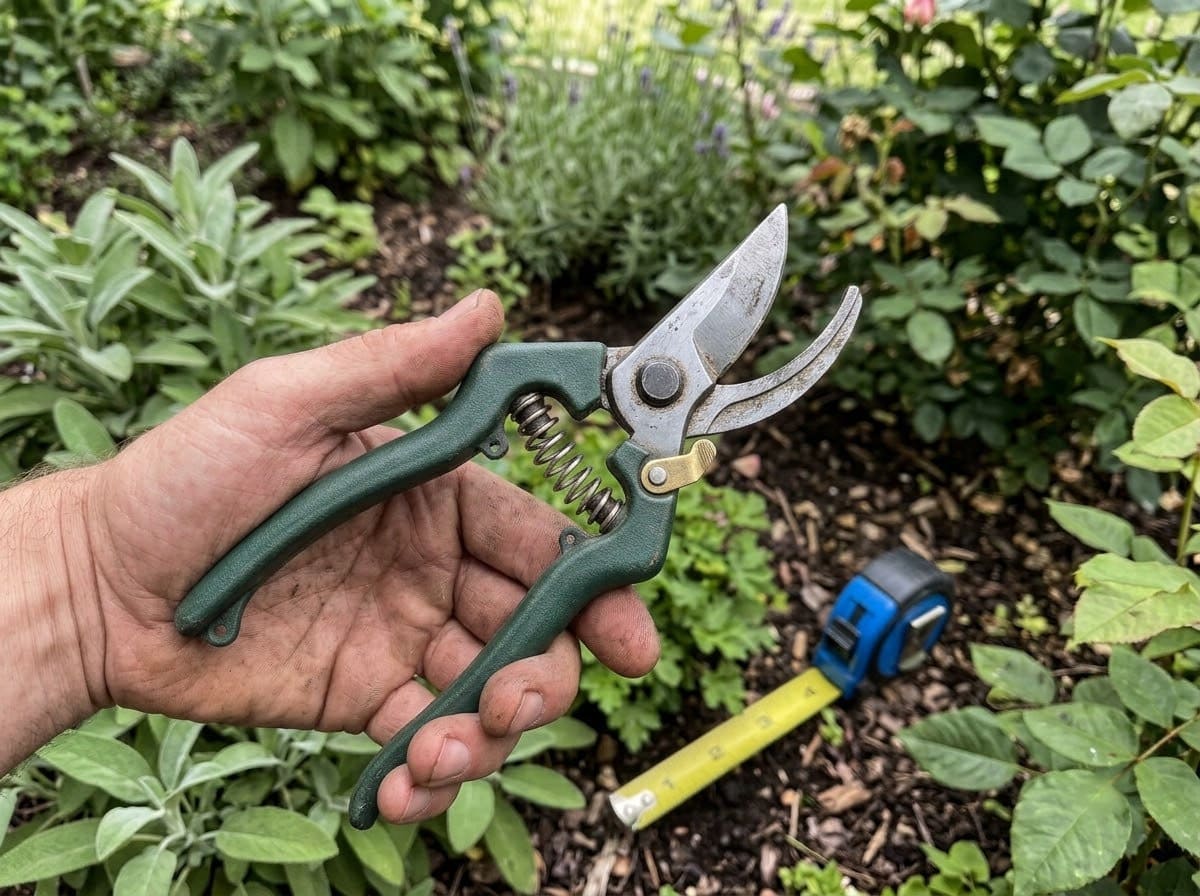
Cutting capacity. UMD says hand pruners cut branches up to one inch in diameter, and loppers up to three inches. Check the number on the listing, and don’t twist or force a tool past it.
Weight and hand fit. Our list runs from 4.6 to 13.6 ounces. A heavy pruner feels solid, and a light one is easier over a long afternoon.
A lock that works. Almost every model here drew some shopper complaints about its lock. A lock that pops open in a pocket is a safety problem.
Spare parts and warranty. Felco lists replaceable blades and springs. A pruner you can repair beats one you replace.
Right-hand, left-hand, or both. Felco lists the F-2 as a right-hand model, while the Fiskars SoftGrip listing calls its shape ambidextrous.
For a broader shopping list, see our garden tool kit guide or our list of no-cost and low-cost garden tools.

How do the 10 best pruning shears compare?
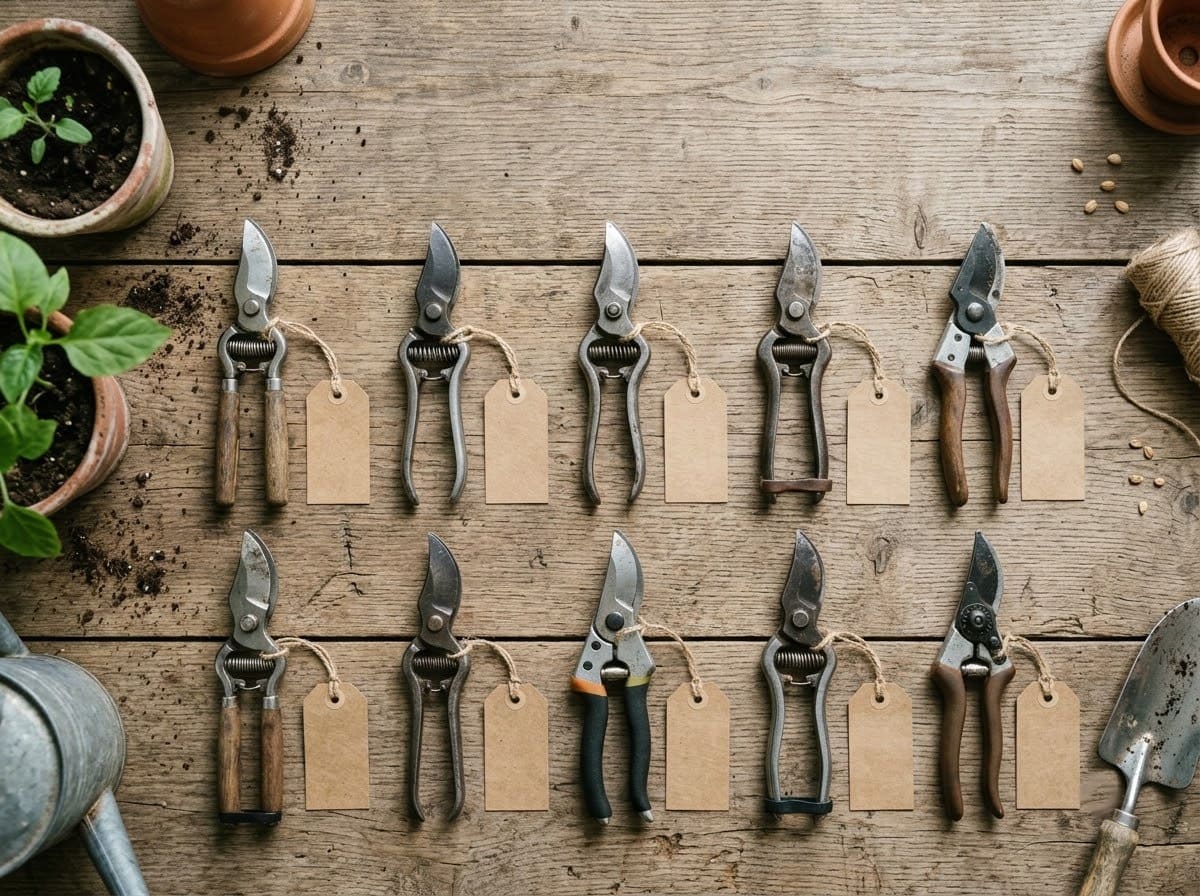
| Pruner | Type | Listed capacity | Listed weight | Best for |
|---|---|---|---|---|
| Fiskars Bypass Pruning Shears | Bypass | 5/8 in | 9.6 oz | Everyday jobs |
| Felco F-2 | Bypass | 0.98 in | 8.8 oz | Repairable, lasting tool |
| Corona BP 3180D ClassicCUT | Bypass | 1 in | 13.6 oz | Thicker stems |
| Okatsune 103 | Bypass | 1 in | 8.1 oz | Light and sharp |
| ARS HP-130DX | Bypass | Not stated on listing | 4.6 oz | Small hands |
| Fiskars Power-Lever Anvil Pruning Shears | Anvil | 5/8 in | 11.8 oz | Dead growth |
| Gerossi Ratchet Pruning Shears | Ratchet (anvil style) | 3/4 in | 7.8 oz | Weak hands |
| Haus & Garten ClassicPRO 8.5 in | Bypass | 1 in (per listing text) | 9 oz | Roses and comfort |
| Kynup SK5 Pruning Shears | Bypass | 1 in | 8.5 oz | Low price |
| Fiskars SoftGrip Bypass Pruning Shears | Bypass | 5/8 in | Not read | Left-handed use |
Capacity and weight come from each listing, not from our own measurements.
1. Fiskars Bypass Pruning Shears: Best for everyday garden jobs
Fiskars Bypass Pruning Shears

- Bypass blades make clean cuts on live stems and small branches, listed up to 5/8 inch.
- The sap groove and coated blade help keep sap from gumming up the cut.
- Shoppers describe sharp, precise cuts and a comfortable grip.
- The 5/8 inch capacity is smaller than several rivals, so plan on loppers for thicker wood.
- Some shoppers report blades that don't open and close smoothly, and a lock that doesn't stay locked.
We earn a commission, at no additional cost to you.
This is the pruner most gardeners already know, and the listing shows why it stays popular. It has a bypass blade, a low-friction coating with a sap groove, a non-slip handle, and a safety lock. Fiskars states a lifetime warranty on the page.
The average homeowner spends $616/year on yard fixes that don't address the real problem. Find out what yours actually is — before you spend another dollar.
Take the Free Quiz2. Felco F-2: Best for a repairable, buy-it-once pruner
Felco F2 Pruning Shears

- Replaceable parts mean a worn blade or spring doesn't end the tool's life.
- Shoppers say the blades stay sharp for a long time and that the pruner lasts for years.
- It's on the lighter side, at about 8.8 ounces on the listing.
- It costs the most of our ten, and shoppers are split on whether it's worth it.
- Felco lists this as a right-hand model. Left-handed gardeners need a different Felco.
We earn a commission, at no additional cost to you.
The F-2 is the pruner people often mean when they say “buy one good pair.” Felco’s own page lists forged aluminum handles and a bypass design. The build is fully repairable, with a replaceable blade, springs, and shock absorbers. Felco also lists a lifetime warranty on the forged aluminum parts.
3. Corona BP 3180D ClassicCUT: Best for thicker stems
Corona BP 3180D Forged Classic Bypass Pruner

- The 1 inch listed capacity matches the top of what UMD says hand pruners should tackle.
- Shoppers praise the durability, and one says theirs lasted decades without sharpening.
- Reviewers describe cutting through volunteer saplings with little effort.
- At 13.6 ounces it's the heaviest of the ten, which can tire small hands over a long session.
- It costs more than budget bypass pruners like the Kynup or the Fiskars SoftGrip.
We earn a commission, at no additional cost to you.
Corona lists a forged steel bypass blade rated for live stems and green wood up to 1 inch. It is the heaviest pruner on our list, and that weight is part of its solid feel. The handles are contoured and non-slip.
4. Okatsune 103: Best for a light, sharp everyday pruner
Okatsune 103 Bypass Pruners

- Shoppers say the blades stay sharp and cut through thick branches with ease.
- The locking mechanism draws praise, and shoppers call it lightweight.
- The listing gives a slim 7.9 inch length, which keeps it easy to carry.
- Ergonomics get mixed feedback. Some say it feels like an extension of the hand, and others find it harder to grip.
- The listing covers one size, so check that it suits your hand.
We earn a commission, at no additional cost to you.
The Okatsune 103 is a medium general-purpose bypass pruner with a vinyl-coated handle. The listing gives its length as about 7.9 inches and its weight as about 8.1 ounces. The seller says it cuts branches up to 1 inch.
5. ARS HP-130DX: Best for small hands and pocket carry
ARS HP-130DX 7-Inch Ideal Light Pruner

- Shoppers call it super sharp and light, and say it fits small hands well.
- One-hand use is easy, and reviewers describe a built-in latch that keeps it closed.
- It's small enough to carry in a pocket for quick trimming.
- The listing we read doesn't state a cutting capacity, so check it before you buy for thick stems.
- A compact tool gives you less reach and power than a full-size pruner.
We earn a commission, at no additional cost to you.
The HP-130DX is a 7-inch bypass pruner sold as an “ideal light pruner” and pocket secateur. It has hard chrome-plated, high-carbon tool steel blades and soft PVC handles. It weighs 4.6 ounces, the lightest here by a wide margin.
6. Fiskars Power-Lever Anvil Pruning Shears: Best for dead growth and deadheading dry stems
Fiskars Power-Lever Anvil Pruning Shears
- Anvil design suits dead, dry wood, which is where it earns its place.
- Shoppers say it's easy to handle and makes clean cuts on home plants and small weeds.
- Fiskars says the Power-Lever design adds cutting power on tough stems.
- Shoppers report a problem lock that needed a screwdriver to open, and they disagree on durability and value.
- Extension guidance favors bypass blades on live tissue, so keep this one for dead growth.
We earn a commission, at no additional cost to you.
This is the only classic anvil pruner on our list. Fiskars pitches it for dry, dead growth, such as winter-killed stems and dead flower heads. It lists a Power-Lever design that adds cutting power over traditional pruners.
7. Gerossi Ratchet Pruning Shears: Best for weak hands or arthritis
Gerossi Ratchet Pruning Shears

- Shoppers say it's easy on the hands, including arthritic hands, and that the ratchet works on tough branches.
- It weighs only 7.8 ounces.
- You can turn the ratchet on or off, so it handles both quick snips and stubborn stems.
- Durability gets mixed feedback, and some shoppers report it breaking after little use.
- The listing describes an anvil-style blade, so it is not the best pick for delicate live stems.
We earn a commission, at no additional cost to you.
The Gerossi is a 2-in-1 design with a single-cut mode and a 3-step ratchet mode for thicker branches. The seller says the ratchet multiplies hand power threefold and markets it to gardeners with weak hands or arthritis. The comparison chart on the listing gives a cutting capacity of 3/4 inch.
8. Haus & Garten ClassicPRO 8.5 in: Best for roses and comfortable long sessions
Haus & Garten ClassicPRO 8.5″ Pruning Shears

- Shoppers say the blades are sharp, comfortable for trimming roses, and good value.
- The shock-absorbing pads and ergonomic handle target hand fatigue.
- The titanium coating is meant to reduce friction and protect against rust.
- Several shoppers report the lock not engaging during use.
- Ergonomic claims for arthritis come from the seller, not from independent testing.
We earn a commission, at no additional cost to you.
The ClassicPRO is an 8.5-inch bypass pruner with a high-carbon steel blade, anodized aluminum body, titanium-coated blades, and shock-absorbing pads. The seller markets it to smaller hands, seniors, and gardeners with arthritis.
9. Kynup SK5 Pruning Shears: Best for a low price with 1 inch capacity
Kynup SK5 Pruning Shears

- Shoppers describe it as razor-sharp and effective on thick branches for the money.
- The spare spring is a useful extra.
- Shoppers say the handle gives a secure, non-slip grip.
- The lock gets mixed reviews, and some shoppers report reliability problems.
- It's a lesser-known brand, so long-term parts and support are less certain than with Felco or Fiskars.
We earn a commission, at no additional cost to you.
The Kynup is the value pick. It lists SK5 steel blades, a 1-inch cut capacity, and an extra spring in the box. It weighs 8.5 ounces.
10. Fiskars SoftGrip Bypass Pruning Shears: Best for left-handed gardeners
Fiskars SoftGrip Bypass Pruning Shears

- The ambidextrous shape makes it a practical pick for left-handed gardeners.
- Shoppers find it easy to grip and use it on roses, vines, and fresh flowers.
- It is among the cheapest name-brand options we found.
- Shoppers are split on quality, the lock, durability, and value, with some very happy and some very unhappy.
- The 5/8 inch capacity limits it to stems and small branches.
We earn a commission, at no additional cost to you.
The SoftGrip uses the same 5/8-inch bypass cut as the classic Fiskars. Its listing calls the shape ambidextrous, so it suits both right- and left-handed use, and it adds a SoftGrip handle to reduce fatigue.
How do you clean and sharpen pruning shears?
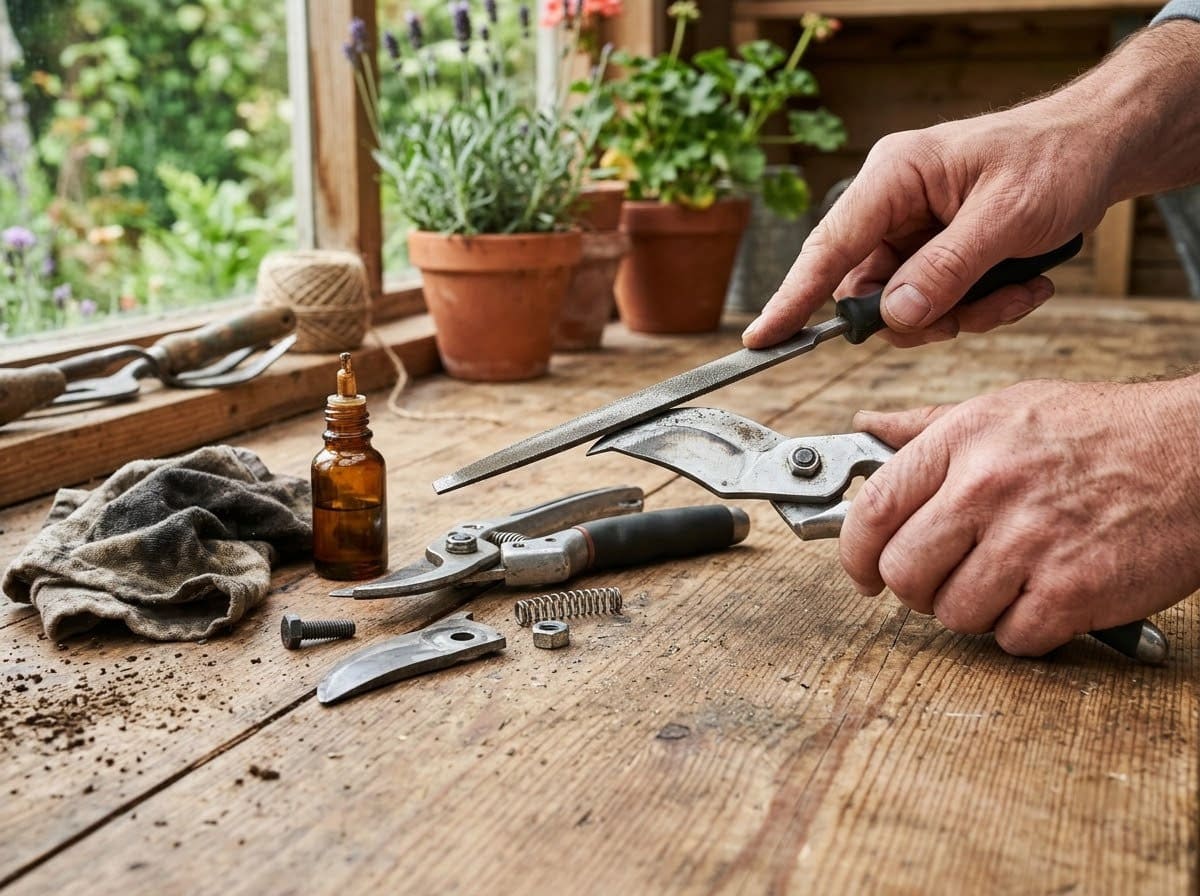
Sharp blades make clean cuts. UMD says tools must be sharp to give a good clean cut, and that a file, diamond sharpener, or whetstone all work.
UNH Extension’s Yard and Garden Infoline gives a simple routine. Take the pruner apart if it comes apart easily. Scrub off dirt with warm soapy water and a sponge.
Dry it, then use coarse steel wool on any rust.
Then sharpen with a diamond file held at the factory bevel angle. Use medium pressure and work in one direction from the inside of the blade outward. Run a fine file over the back to remove burrs.
Try cutting a piece of paper. If it cuts cleanly, the blade is sharp enough. Then oil the moving parts to prevent rust.
UMN Extension’s Madeline Wimmer adds that a natural bevel of 10 to 20 degrees is the target. She also says to skip vinegar for disinfecting, since it can contribute to rust. Use diluted bleach, 70 percent rubbing alcohol, or a labeled quaternary ammonium product instead.
If you’re pruning diseased plants, UMD says to clean tools between cuts with 70 percent alcohol or bleach diluted one to nine with water. Rinse bleach off afterward because it corrodes metal.
For more on avoiding damage to trees, read our guide to common ornamental tree pruning mistakes.
What do gardeners get wrong with pruning shears?
Most pruner problems come from how the tool is used, not from the tool itself.
They cut wood that’s too thick. A hand pruner has a stated capacity. Past that, use loppers, and see our guide to tools you can use to trim trees.
They skip the cleaning. Sap and grime dull the action, and dirty tools can spread disease between plants.
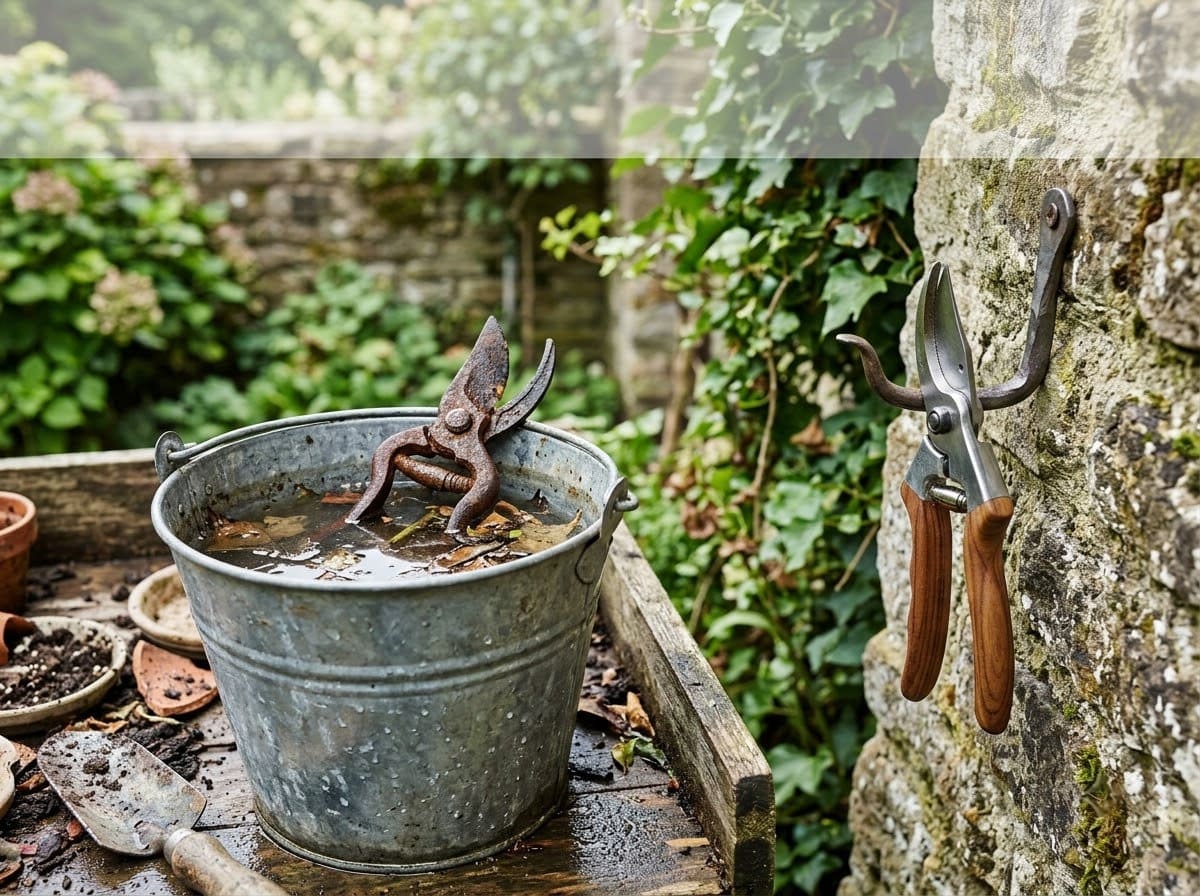
They store pruners wet. Rust starts fast, and UMN says badly corroded tools will never return to their original condition.
They never sharpen. Dull blades crush stems instead of cutting them.
They buy the cheapest or the fanciest tool by default. Match the tool to your hand size, your branches, and how often you prune. And for vegetable-garden basics, see our list of tools needed to raise vegetables.
Frequently asked questions
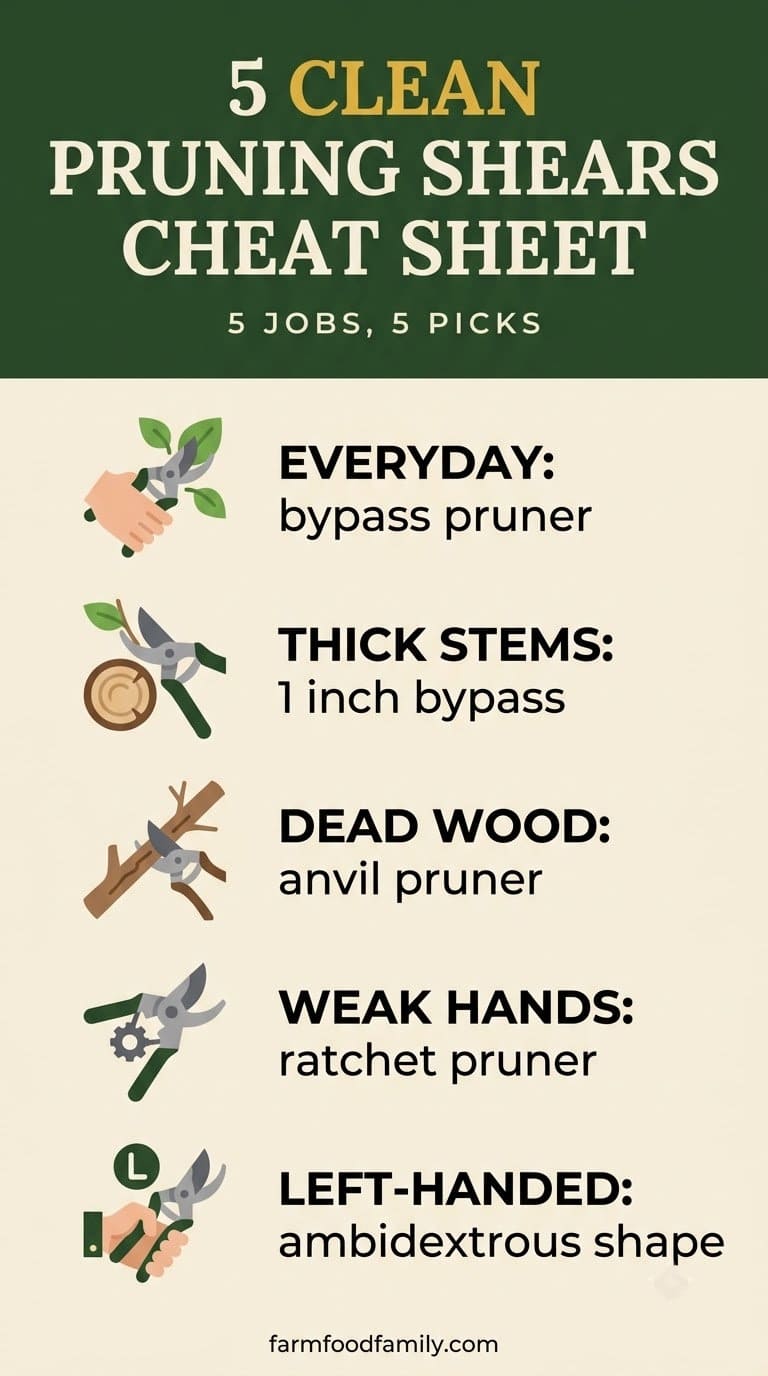
What is the difference between bypass and anvil pruners?
Bypass pruners cut with two blades that pass each other like scissors. Anvil pruners press one blade against a flat backstop. UMD says bypass pruners reduce tearing and crushing, and UF/IFAS notes that research on wound recovery is still open.
How thick a branch can pruning shears cut?
UMD says hand pruners cut branches up to one inch thick. Each model lists its own capacity, and several here list 5/8 inch. For thicker wood, UMD says loppers cut up to three inches.
Are expensive pruning shears worth it?
They can be if you prune often. Felco lists replaceable blades and springs and a lifetime warranty on forged aluminum parts. For light use, a budget bypass pruner is fine.
Which pruning shears are best for arthritis?
A ratchet model like the Gerossi is built for weak grip, according to its seller. Light pruners like the ARS HP-130DX also reduce strain. Try a pruner in your hand if you can.
How often should I clean and sharpen pruners?
Clean them after each use, and disinfect between cuts when you prune diseased plants. Sharpen when a blade starts to crush stems, and check with the paper test.
Do left-handed gardeners need special pruners?
Some do. Felco lists the F-2 as a right-hand model and sells left-handed versions separately. The Fiskars SoftGrip listing describes an ambidextrous shape.
Related Posts
Never miss an update — choose FarmFoodFamily as your preferred source on Google.
How it works: Tap the button below to open Google's settings page, then check the box next to FarmFoodFamily.
Tap the checkbox to turn it blue — that's how you know it's set.