Container Gardens Feeding Schedule: The Real Timing That Works
Potted plants burn through nutrients faster than garden beds because every watering washes some away, so a real container feeding schedule needs its own rhythm, not a borrowed one.

Never miss an update — choose FarmFoodFamily as your preferred source on Google.
How it works: Tap the button below to open Google’s settings page, then check the box next to FarmFoodFamily.
Tap the checkbox to turn it blue — that’s how you know it’s set.
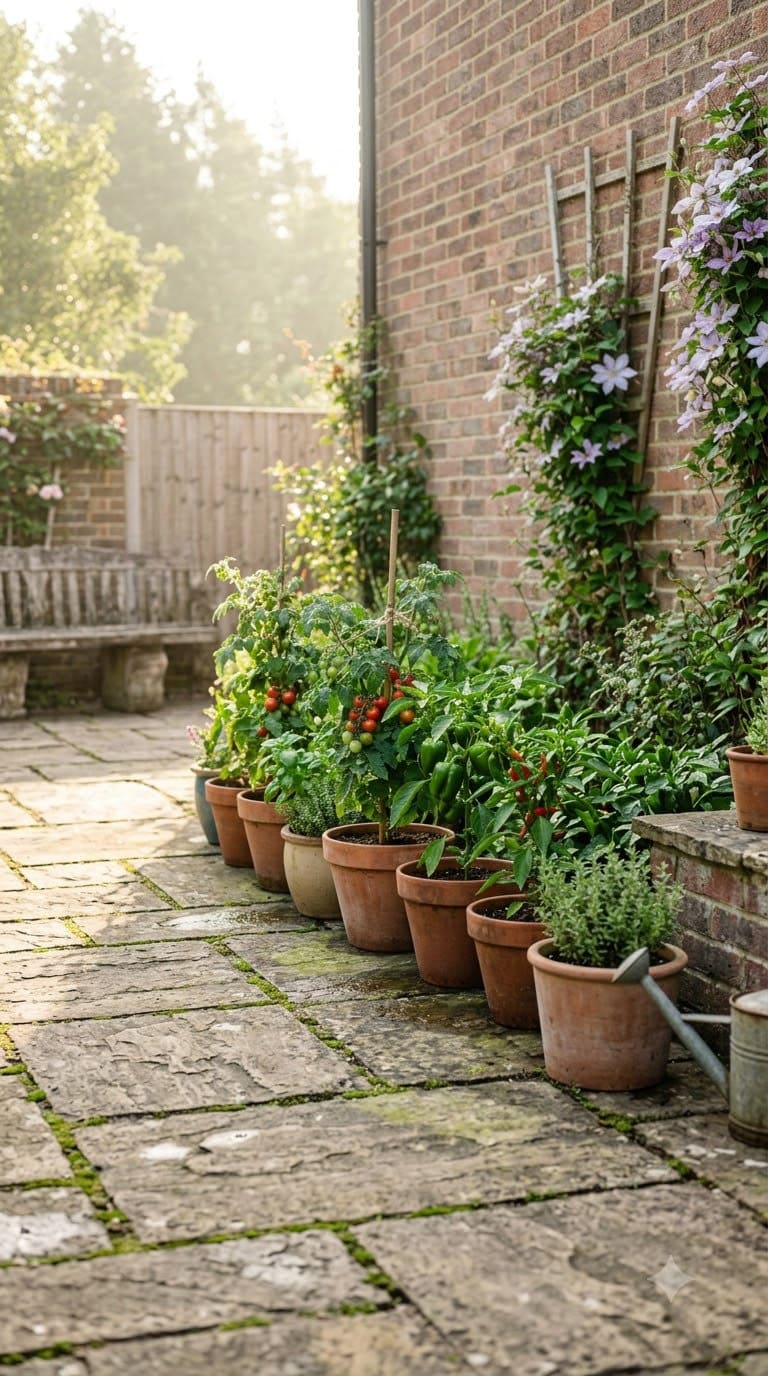
If you’ve ever wondered why your container tomato needs feeding so much more often than the same variety planted in the ground, the answer is simple physics, not a sign you’re doing something wrong.
Every time you water a pot thoroughly enough to keep the plant alive, some of that water carries dissolved nutrients straight out through the drainage holes with it.
In-ground soil holds onto nutrients much longer because there’s more of it and it isn’t constantly flushed the way a few gallons of potting mix in a container is, whether that container is sitting in a full backyard setup or a small-space balcony garden.
That single mechanism is why “just fertilize like you would a garden bed” advice quietly fails container gardeners.
Slow-Release or Liquid? Which Feeding Method Fits You
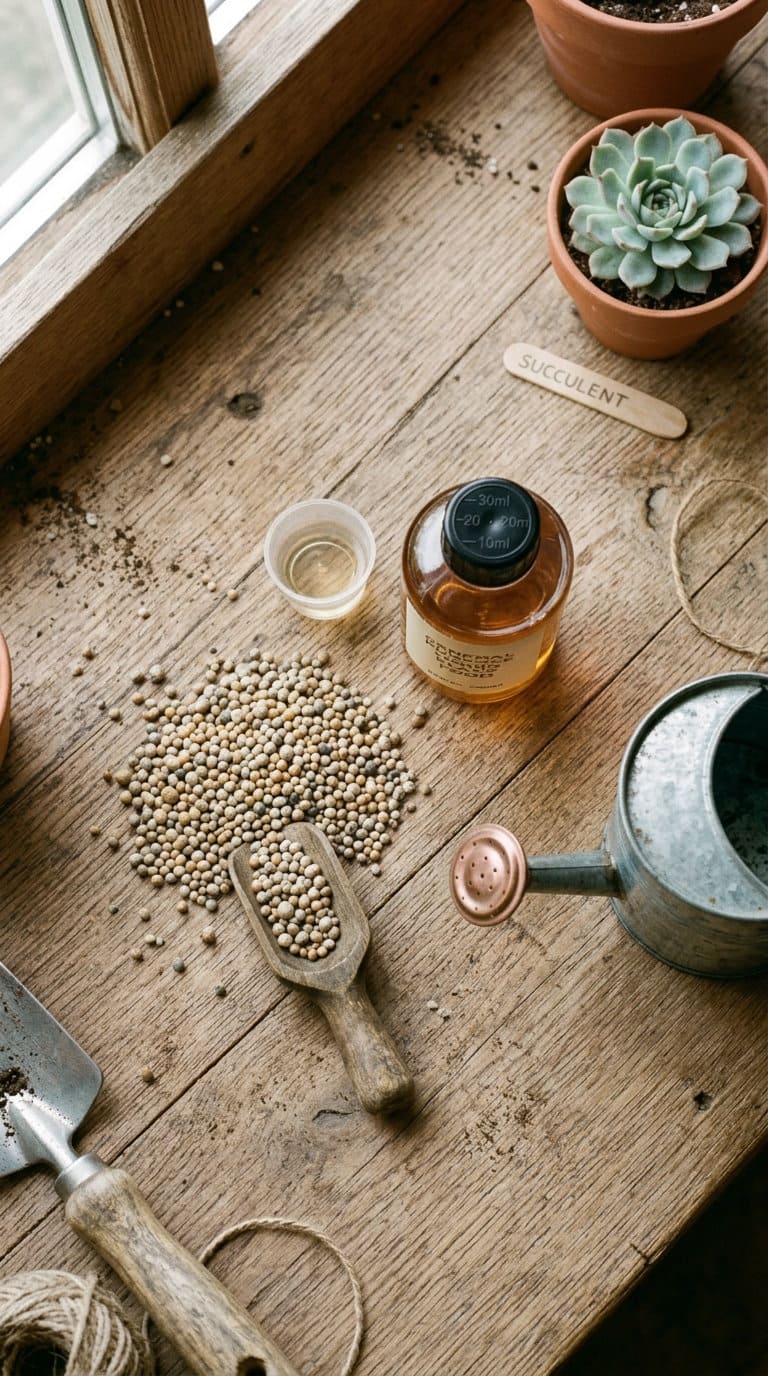
Both methods work, but they suit different situations, and knowing which one matches your actual habits matters more than which is technically “better.”

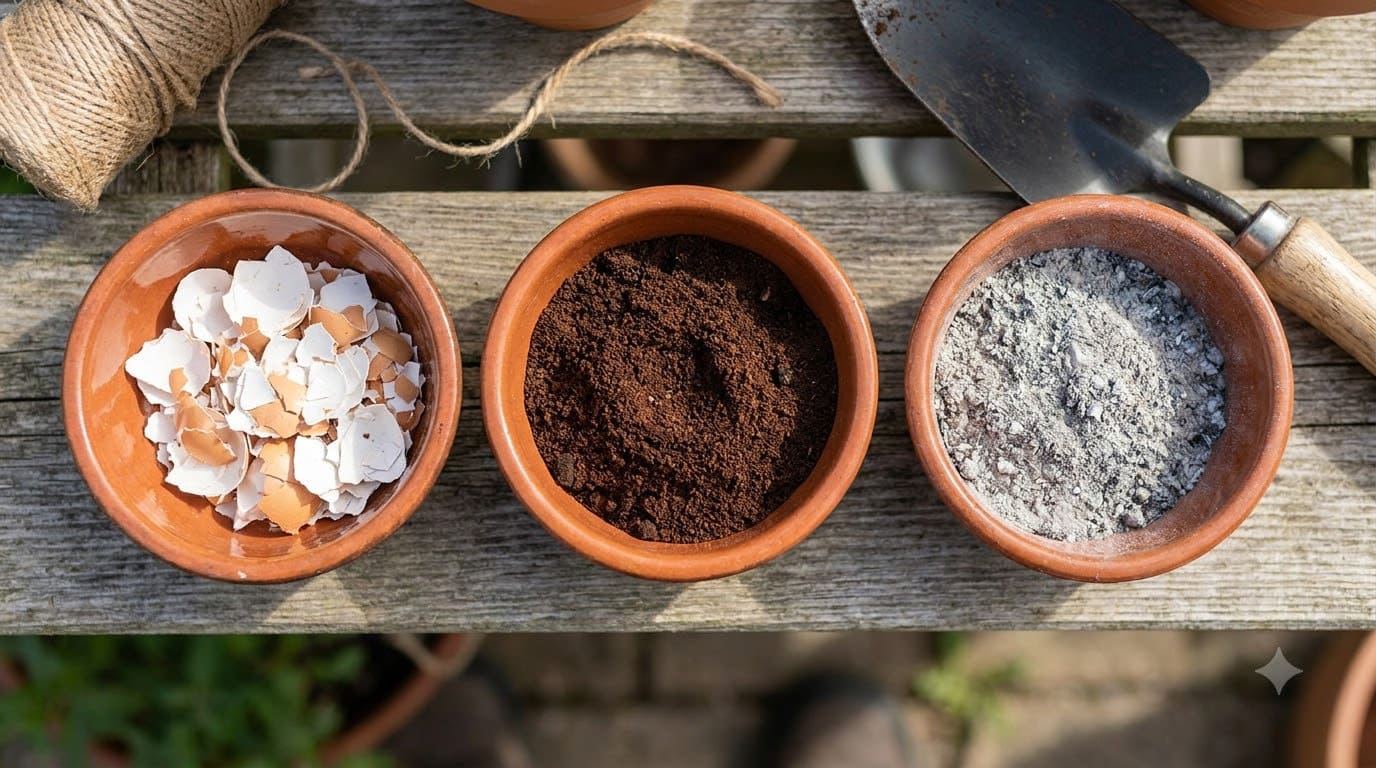
| Method | Real effort level | Frequency | Best for |
|---|---|---|---|
| Slow-release granular, mixed in at planting | Lowest, set it and mostly forget it | Lasts roughly 3 to 4 months depending on moisture and temperature | Gardeners who don’t want a recurring task, or containers that are hard to reach regularly |
| Liquid fertilizer, standard strength | Moderate, needs a recurring reminder | Every 2 weeks | Gardeners who want more control and can stick to a schedule |
| Liquid fertilizer, half-strength every watering | Higher frequency but lower risk per dose | Every time you water | Heavy feeders like fruiting vegetables, or anyone who waters on a consistent routine anyway |
Per University of Illinois Extension, the half-strength-every-watering method is a legitimate alternative to the standard biweekly full-strength approach, not a compromise, it just spreads the same total nutrient load out over more, smaller doses.
Answer 4 quick questions and get matched to the exact fix for your yard — drainage, budget, layout, or something else entirely.
Take the Free QuizThis matters even more if you’re planning what to grow around a specific seasonal window, which is exactly what a month-specific container planting and care calendar helps line up with the actual feeding rhythm below.
The Real Feeding Schedule
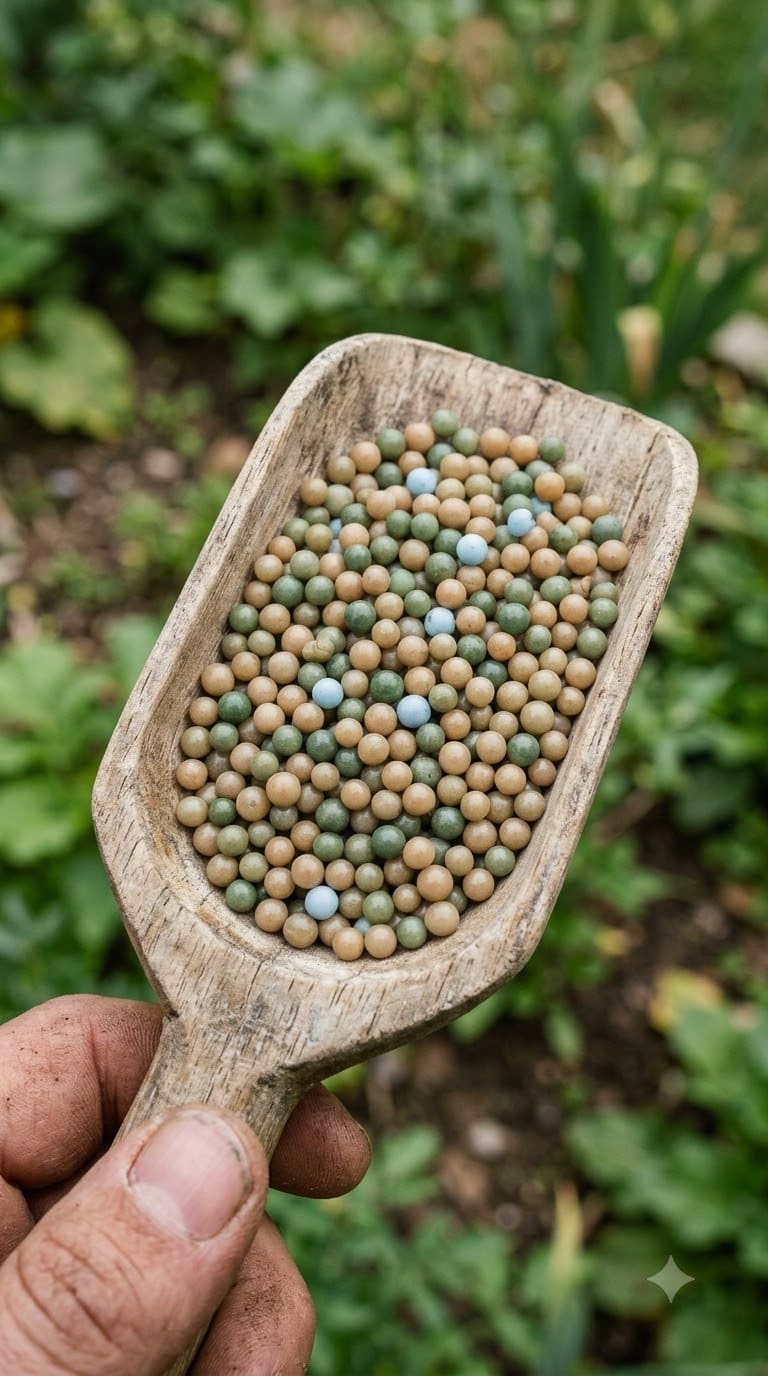
Here’s what to actually do, broken down by method instead of one blanket number. With slow-release granular, mix it into the potting soil at planting following the label rate for your container size, and you’re generally covered for 3 to 4 months, though hot, frequently-watered containers burn through it faster than cooler ones.
With liquid fertilizer at standard strength, reapply every 2 weeks during active growth, always to soil that’s already moist rather than bone dry, since fertilizing dry soil risks burning the roots.
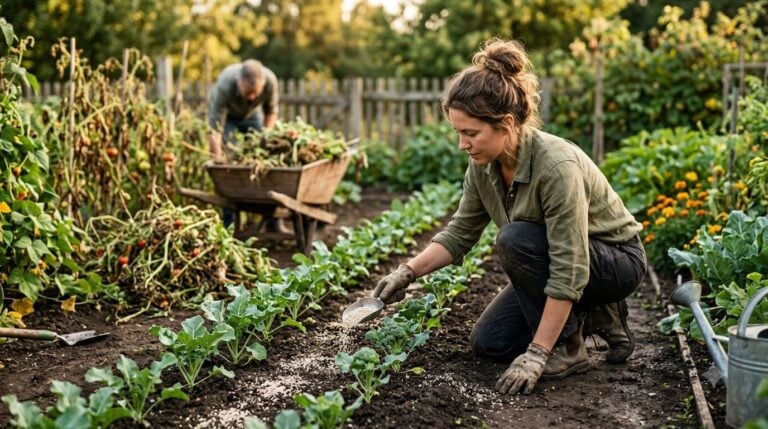
With the half-strength-every-watering method, mix at half the label’s concentration and use it in place of plain water whenever you’d normally water anyway.
Whichever method you pick, flush the pot with plain water every few weeks, letting it run through until it drains clear, to prevent salt buildup none of these schedules address on their own.
Fruiting Plants Need More: Tomatoes, Peppers, Cucumbers
Long-season fruiting vegetables like tomatoes, cucumbers, eggplant, and peppers are the exception to a relaxed schedule.
According to University of Maryland Extension, these crops need light fertilization roughly every 2 weeks to keep producing a continuous harvest rather than putting out a single early flush of fruit and then stalling.
Most yard problems trace back to one specific, fixable cause. Find yours in 4 quick questions.
Take the Free Quiz
A slow-release granular fertilizer that feeds containers for up to 4 months per application, ideal for the lowest-effort schedule option
Shop NowThis post contains affiliate links. We may earn a commission on qualifying purchases at no extra cost to you.
If you’re growing any of these in pots, lean toward the liquid or half-strength-every-watering method over slow-release alone, since a single 3-to-4-month slow-release application often can’t keep pace with how much a heavily fruiting plant pulls out of the soil during peak season.
For a broader rundown of what actually grows well in containers in the first place, this guide to container vegetable gardening covers the setup side that this schedule builds on.
How to Tell You’re Over-Fertilizing a Pot
Containers burn faster than garden beds when you overdo it, simply because there’s so much less soil volume to dilute the excess salts in.
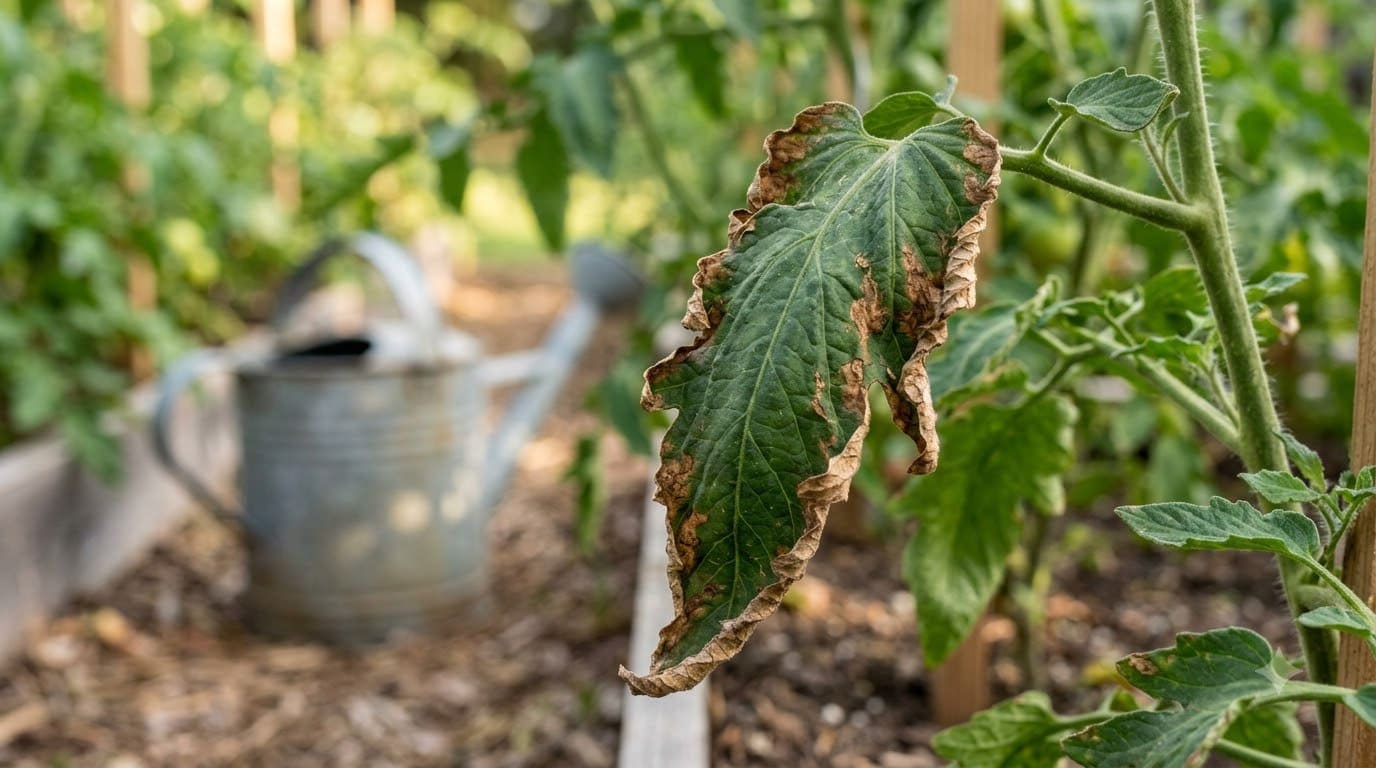
Watch for leaf edges that look scorched or crispy, a whitish or brownish crust forming on the soil surface, or a plant that’s producing lots of leafy growth but little actual fruit.
This shows up across the full range of crops suited to pot culture, not just tomatoes, so it’s worth checking regardless of what’s actually in the container. If you see any of these, stop feeding immediately and flush the pot heavily with plain water for several days in a row before resuming any fertilizer at all.
It’s a genuinely easy mistake to make in containers specifically, since “a little extra” that would barely register in a garden bed can meaningfully shift the salt concentration in a few gallons of potting mix.
Watering Technique Matters as Much as Feeding
A feeding schedule only works if the watering underneath it is solid, since improper watering, not fertilizer choice, is genuinely the most limiting factor in container gardening success according to University of Maryland Extension.
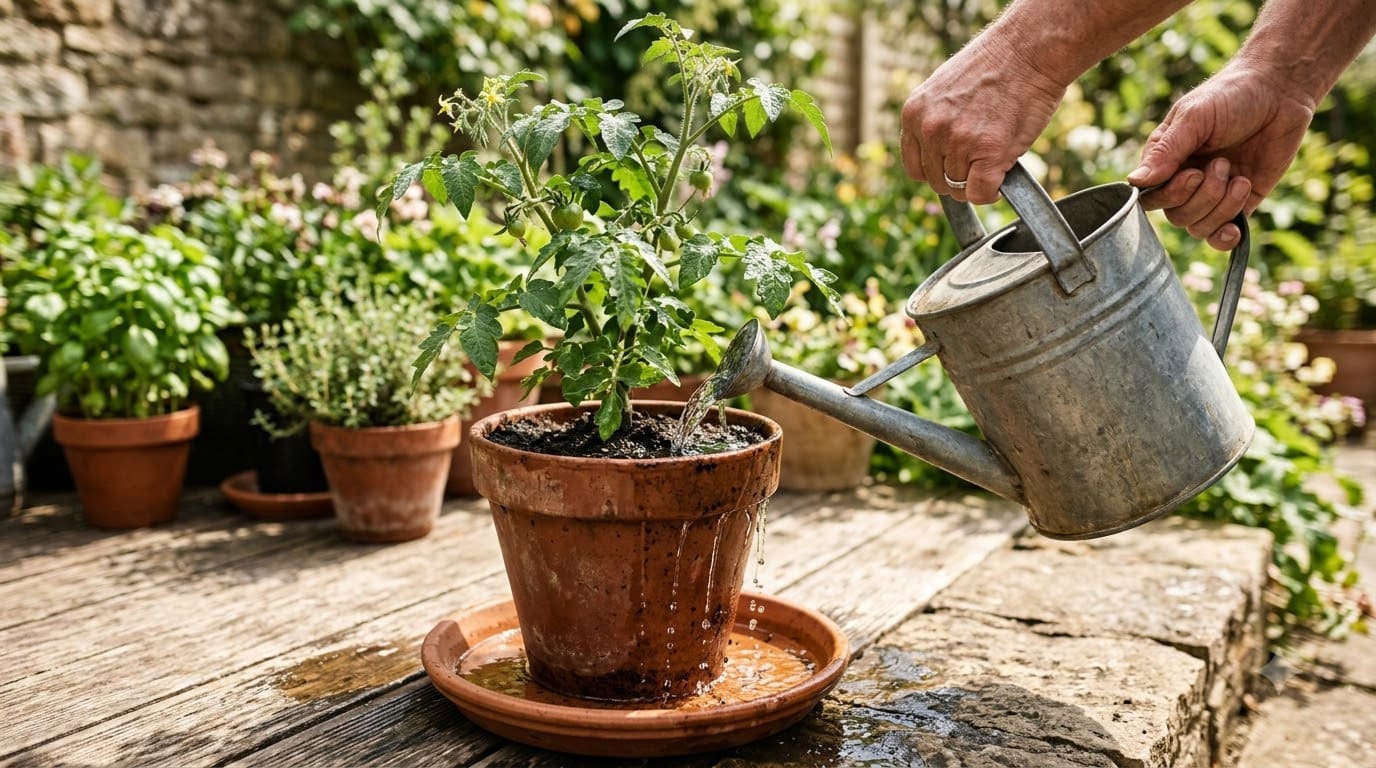
Water at the soil level rather than over the foliage to reduce disease risk, and water thoroughly enough that it actually drains out the bottom holes rather than giving the pot shallow, frequent sips that never reach the full root zone.
Empty any saucer under the pot after it drains, since standing water sitting under the container invites root rot regardless of how well your feeding schedule is going.
The average homeowner spends $616/year on yard fixes that don't address the real problem. Find out what yours actually is — before you spend another dollar.
Take the Free QuizPot feet or small risers that lift the container slightly off the ground help drainage stay consistent, which in turn keeps your fertilizing schedule doing what it’s actually supposed to do.
If kids are involved in the container garden, keeping the watering routine simple and visible makes it much easier to get them actually sticking to it, something container gardening projects built with kids in mind leans into on purpose.
The Balcony Tomato That Taught Me to Leach the Pot
The first container tomato I ever grew looked incredible through July, and then in August the leaves started curling and the fruit production basically stopped, even though I was feeding it every two weeks exactly like I’d read I should.
I spent a while assuming it was heat stress, since it was a brutal month, before it occurred to me that I’d never once flushed the pot with plain water the whole season. I’d been layering fertilizer on top of fertilizer every two weeks without ever rinsing anything back out.
Once I actually ran the hose through that pot for a few minutes until the water coming out the bottom looked clear instead of cloudy, the plant visibly perked back up within about a week.
That was the moment the “leach the pot periodically” line in the extension guidance stopped being an abstract footnote and became something I actually understood, salt just accumulates in a container the same way it would in any small, repeatedly-fed system, and feeding on schedule without ever flushing is only doing half the job.
If there’s one thing I’d tell someone starting their first container garden, it’s that the feeding schedule and the flushing schedule are two different things, and skipping the second one quietly undoes a lot of the benefit of getting the first one right.
FAQs
How often should I fertilize a container vegetable garden? It depends on the method: slow-release granular lasts roughly 3 to 4 months per application, standard liquid fertilizer gets reapplied every 2 weeks, and fruiting vegetables like tomatoes and peppers specifically benefit from feeding every 2 weeks regardless of method, according to University of Illinois Extension and University of Maryland Extension.
Do container plants need more fertilizer than in-ground plants? Not more concentrated, but more frequent. Repeated watering leaches nutrients out through a container’s drainage holes faster than it does in the larger, less-flushed volume of an in-ground garden bed.
Can you over-fertilize a plant in a pot? Yes, and it happens faster in containers than in-ground because there’s less soil volume to dilute excess salts. Watch for scorched leaf edges or a salt crust on the soil surface, and flush the pot with plain water if you see either sign.
What does it mean to “leach” a container? Leaching means running plain water through the pot until the water draining out the bottom looks clear, which flushes out accumulated fertilizer salts that build up over a feeding season and that regular feeding alone doesn’t remove.
Related Posts
- How to Fertilize Soil for a Vegetable Garden
- How to Grow Tomatoes
- Step-by-Step Guide to Making Garden Compost
Products We Recommend
This post contains affiliate links. We may earn a commission on qualifying purchases at no extra cost to you.
Osmocote Smart-Release Plant Food Flower & Vegetable, 2 lb.
A slow-release granular fertilizer that feeds containers for up to 4 months per application, ideal for the lowest-effort schedule option
Shop Now
Miracle-Gro Water Soluble All Purpose Plant Food
A liquid feed fertilizer suited to the standard 2-week or half-strength-every-watering container methods
Shop Now
XLUX Soil Moisture Meter (Battery-Free)
Helps confirm soil is moist before applying liquid fertilizer, since feeding bone-dry soil risks root burn
Shop NowNever miss an update — choose FarmFoodFamily as your preferred source on Google.
How it works: Tap the button below to open Google's settings page, then check the box next to FarmFoodFamily.
Tap the checkbox to turn it blue — that's how you know it's set.