Nitrogen-Fixing Cover Crops That Feed Your Soil for Free
A legume cover crop can genuinely replace a bag of fertilizer, but only if you inoculate it correctly and terminate it at the right time, skip either step and you’re mostly just growing a green lawn.

Never miss an update — choose FarmFoodFamily as your preferred source on Google.
How it works: Tap the button below to open Google’s settings page, then check the box next to FarmFoodFamily.
Tap the checkbox to turn it blue — that’s how you know it’s set.
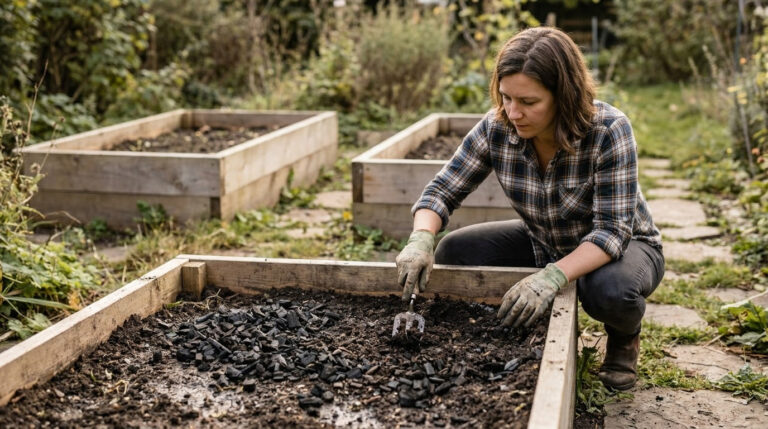
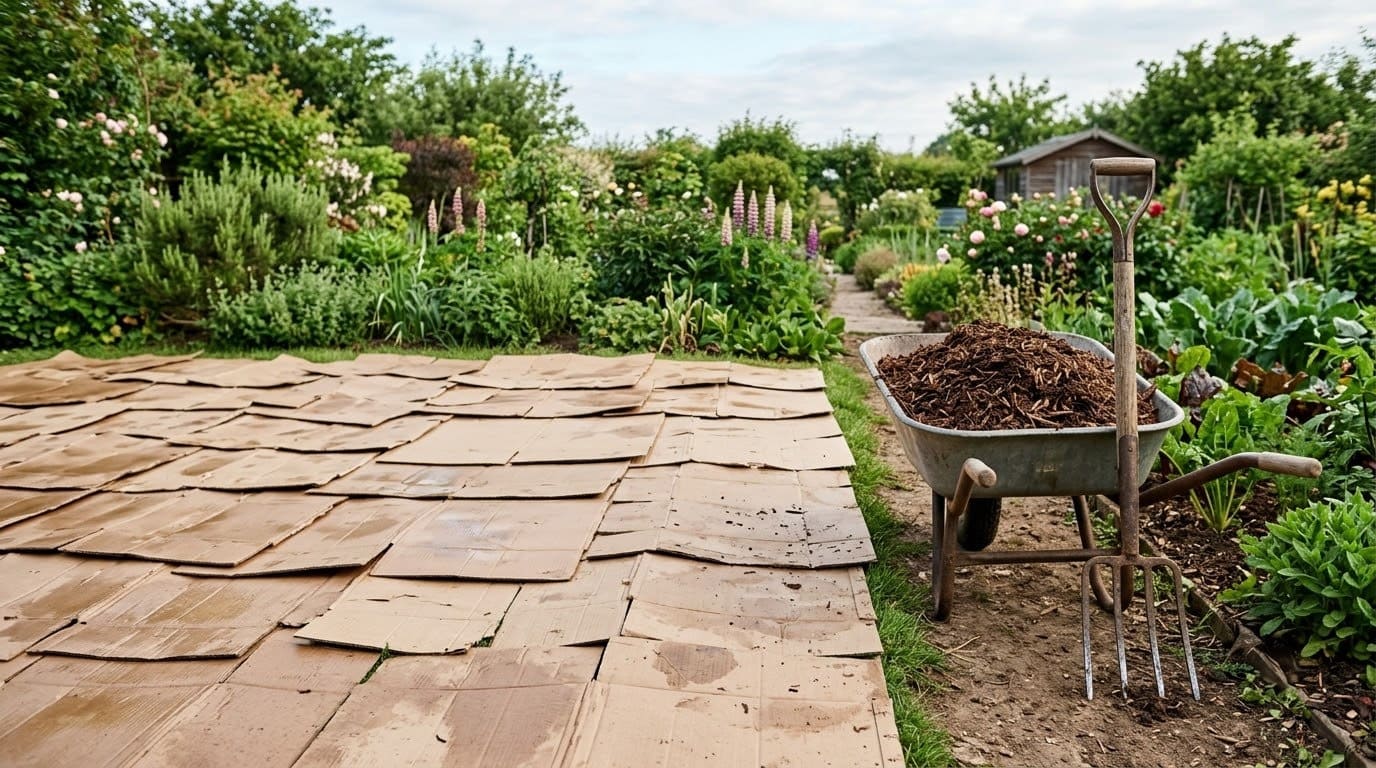
Skipping the fertilizer bag for a legume cover crop sounds like an easy win, plant something, let it grow, till it in, done, the same appeal behind general cover cropping for soil health.
The real mechanism behind it is genuinely legitimate, legumes can add meaningful nitrogen to soil for free, but the actual payoff depends on details most people skip entirely: which legume, whether it’s inoculated, and when you terminate it.
How Legumes Actually Add Nitrogen to Soil
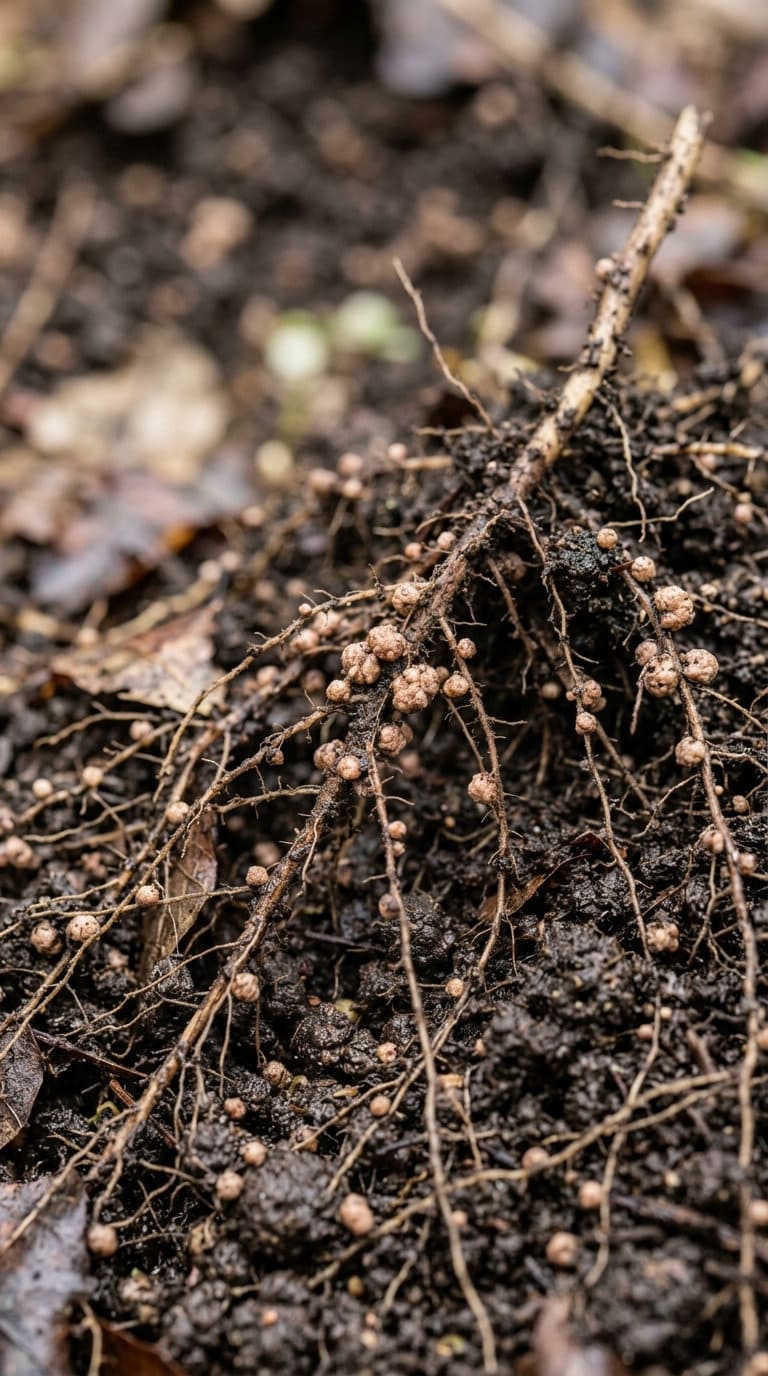
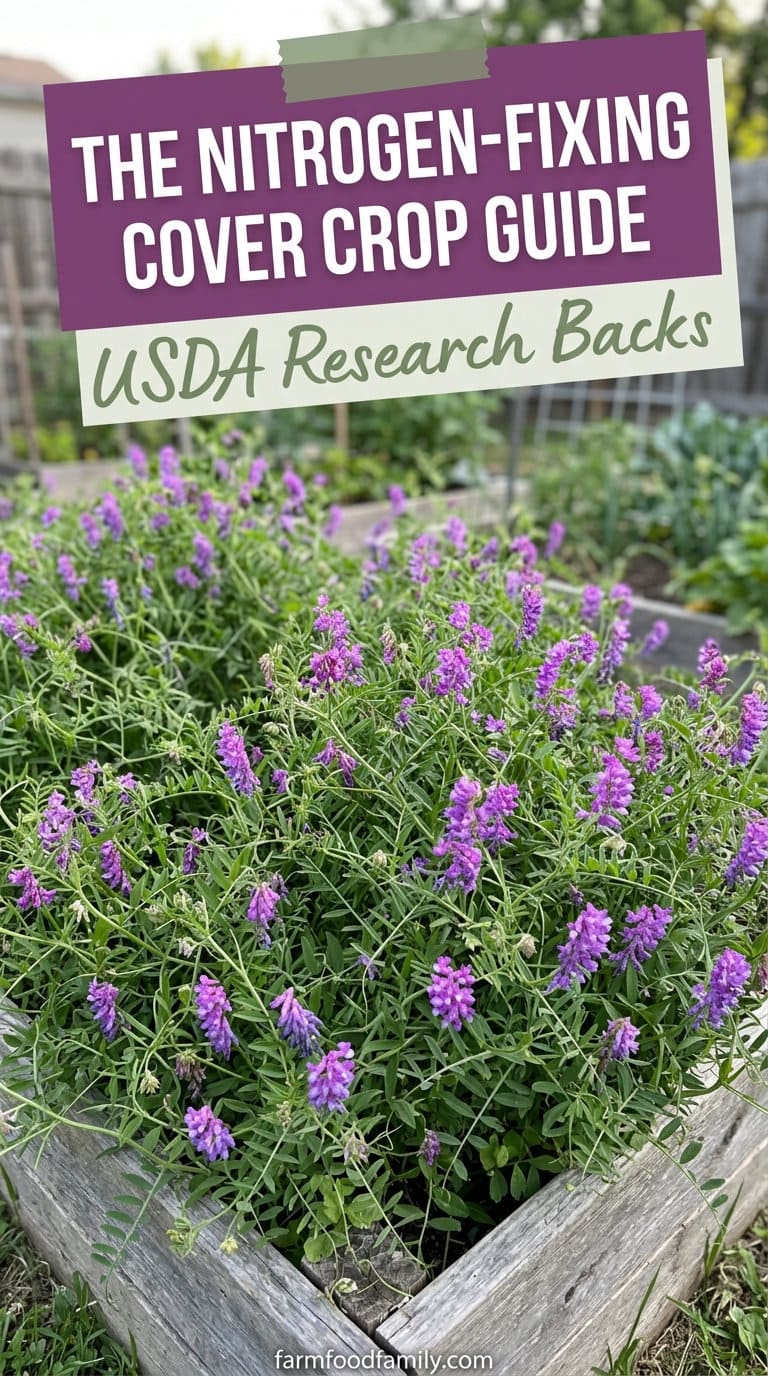
Legumes, clover, vetch, peas, and beans, form a real symbiotic relationship with Rhizobia bacteria that colonize their roots as visible nodules, a process that works entirely on its own once the right conditions are in place.
Those bacteria convert nitrogen gas from the air, a form plants can’t use directly, into ammonia and other forms plants actually can absorb. Per University of Vermont Extension, legumes can provide over 100 pounds of nitrogen credit per acre, a real, substantial number, but that nitrogen doesn’t become available to your next planting immediately.
Plant-available nitrogen shows up roughly 4 to 6 weeks after you terminate the cover crop, and legumes release it faster than grass-family cover crops specifically because they have a lower carbon-to-nitrogen ratio, meaning they decompose and break down more quickly once terminated.
Which Legume Should You Actually Plant?
Real per-species numbers make this decision a lot less generic than “just plant a legume.”
Answer 4 quick questions and get matched to the exact fix for your yard — drainage, budget, layout, or something else entirely.
Take the Free Quiz| Legume | Real nitrogen fixation | Best planting window |
|---|---|---|
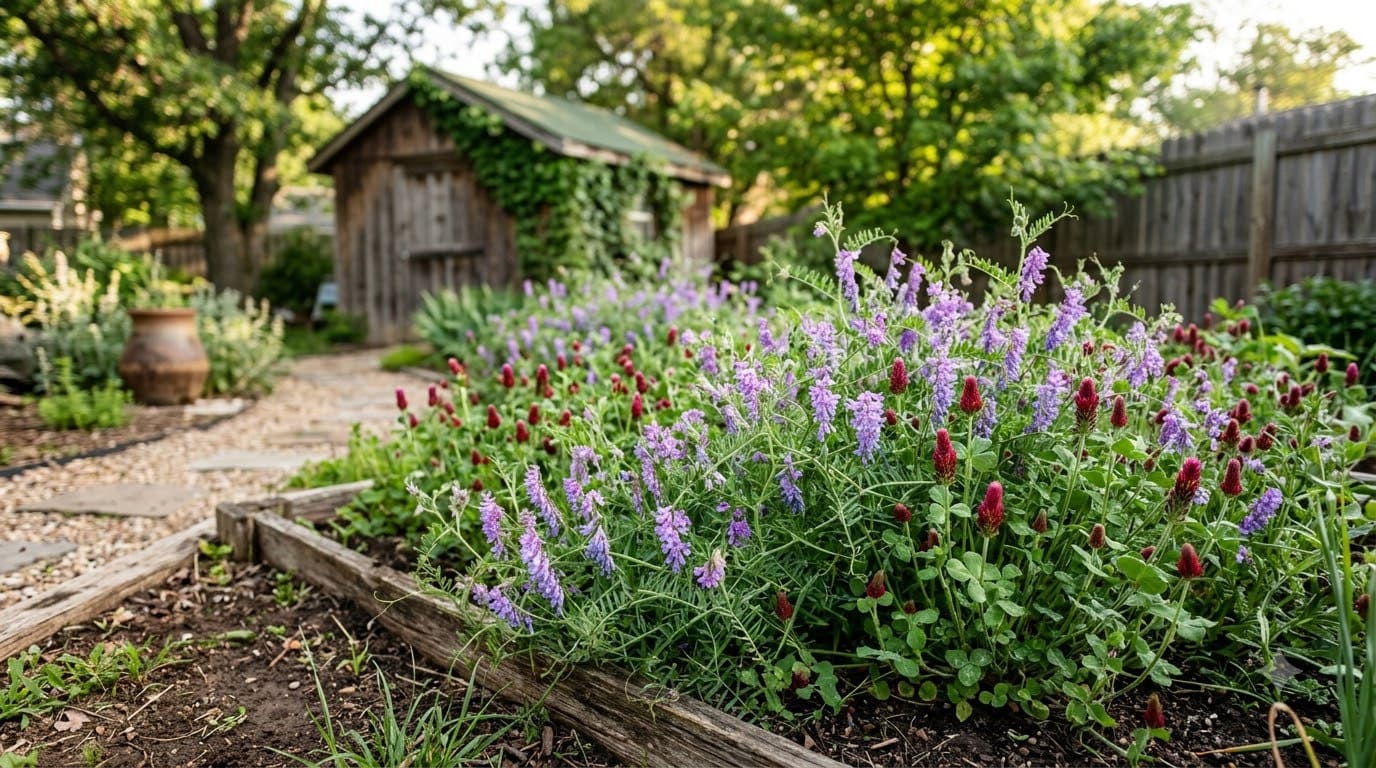
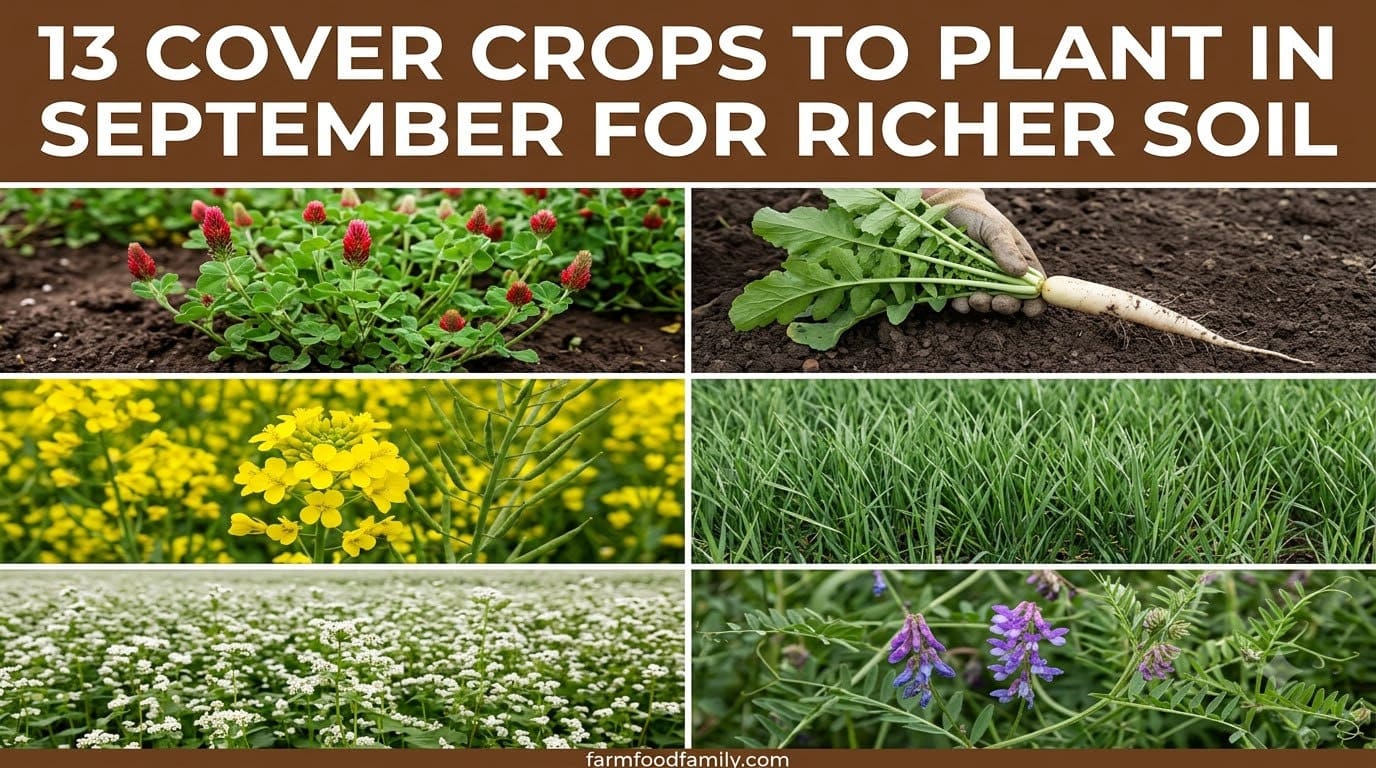
| Hairy vetch | 130 to 180 lbs N/acre in Maryland trials; 40 to 180 lbs N/acre annually over a 15-year Illinois study | Fall, 30 to 45 days before the first killing frost |
| Crimson clover | Roughly 50 to 100 lbs N/acre per season (general range, varies by conditions) | Fall, similar window to hairy vetch in most US climates |
| Field peas | A fast-growing, cool-season option suited to early-season use alongside other legumes | Early spring or late summer, cool-season windows |
Per SARE Outreach, hairy vetch specifically should be seeded at 15 to 20 lbs per acre if drilled, or 25 to 30 lbs per acre if broadcast, real rates worth converting down to your actual bed size rather than guessing at a handful of seed, the same precision that matters when prepping a bed for planting in the first place.
The Step Most People Skip: Inoculation
Nitrogen fixation doesn’t happen automatically just because you planted a legume, the seed needs to be colonized by the right species-specific strain of Rhizobia bacteria, a process called inoculation.
Some seed comes pre-inoculated, but a lot of it doesn’t, and you’ll need to apply an inoculant separately before planting. This matters more than it sounds like it should: a clover inoculant won’t work on vetch or peas, the bacteria strains are species-specific, and inoculant itself has a short shelf life, so old inoculant sitting in a garage for two seasons may not work either.
Skip this step, or use the wrong strain, and you can plant a real, correctly-timed legume cover crop and still get a fraction of the nitrogen benefit the numbers above promise, similar to how green manure techniques only pay off when the underlying steps are actually followed.

When to Plant and When to Terminate
Both ends of the timeline matter as much as the planting itself. On the planting side, per SARE Outreach, hairy vetch goes in the fall, 30 to 45 days before your area’s first killing frost, giving it enough time to establish before winter.
On the termination side, cutting or tilling it in at early bloom, roughly 10 to 25% of flowers open, maximizes the nitrogen contribution, and SARE Outreach offers a genuinely useful rule of thumb once spring growth is underway: vetch adds roughly 2 to 3 pounds of nitrogen per acre for every sunny day of growth.
Most yard problems trace back to one specific, fixable cause. Find yours in 4 quick questions.
Take the Free Quiz
A real, non-GMO nitrogen-fixing cover crop seed suited to the fall planting window described in this guide
Shop NowThis post contains affiliate links. We may earn a commission on qualifying purchases at no extra cost to you.
Regional timing varies meaningfully too, UVM Extension notes clover needs to be established by August 15 in Vermont specifically, while winter annual legumes there can go in as late as mid-September, a reminder that your own local frost dates matter more than a single national planting date ever will, the same regional judgment call that shapes a real vegetable feeding schedule more broadly.
The Cover Crop I Planted Wrong and Got Almost Nothing From
The first time I tried a nitrogen-fixing cover crop, I planted hairy vetch seed straight from a bag with no inoculant at all, since it wasn’t labeled pre-inoculated and I honestly didn’t understand why that mattered at the time.
It grew fine, looked green and healthy all fall, and I tilled it in the following spring expecting a real nitrogen boost for that year’s vegetables.
The plants that went into that bed grew noticeably less vigorously than in a different bed I’d fed with regular fertilizer that same season, and it took me a while to figure out why a “nitrogen-fixing” crop hadn’t actually fixed much of anything.
Once I learned about species-specific inoculation, it clicked immediately, the vetch had grown as a plant just fine, but without the right Rhizobia strain colonizing its roots, it was never converting meaningful atmospheric nitrogen into anything usable.
The second time around, with a proper vetch-specific inoculant applied at planting, the difference in that bed’s following crop was obvious. The lesson that actually stuck: growing the plant is the easy part, the inoculation step is what makes the whole “free fertilizer” promise real instead of theoretical, the same kind of detail I now double-check in every fresh compost batch before assuming it’s ready to use.
FAQs
How much nitrogen do cover crops actually add to soil? It varies by species. Legumes overall can provide over 100 lbs of nitrogen credit per acre, according to University of Vermont Extension, and hairy vetch specifically has shown 130 to 180 lbs N/acre in Maryland trials, per SARE Outreach.
Do I need to inoculate cover crop seed? Yes, if it’s not already pre-inoculated. Legume seed needs the correct species-specific strain of Rhizobia bacteria to actually fix meaningful nitrogen, a clover inoculant won’t work on vetch or peas, and old inoculant can lose effectiveness.
When should I plant a nitrogen-fixing cover crop? Timing depends on species and your local climate. Hairy vetch is typically fall-planted 30 to 45 days before the first killing frost, per SARE Outreach, though regional deadlines vary, university extension offices in your area can confirm local dates.
The average homeowner spends $616/year on yard fixes that don't address the real problem. Find out what yours actually is — before you spend another dollar.
Take the Free QuizWhen should I terminate a legume cover crop for maximum nitrogen benefit? Early bloom stage, roughly 10 to 25% of flowers open, typically maximizes nitrogen contribution for hairy vetch, per SARE Outreach. Plant-available nitrogen then becomes available to your next crop roughly 4 to 6 weeks after termination.
Related Posts
Products We Recommend
This post contains affiliate links. We may earn a commission on qualifying purchases at no extra cost to you.
Mountain Valley Seed Co. Organic Hairy Vetch Seed, 5 lb.
A real, non-GMO nitrogen-fixing cover crop seed suited to the fall planting window described in this guide
Shop Now
Outsidepride Crimson Clover Seeds, 2 lb. (Nitro-Coated)
A pre-inoculated legume cover crop option, removing the separate inoculation step for this specific product
Shop Now
Mountain Valley Seed Co. Legume Powder Inoculant, 1 oz. (Rhizobia for Vetch, Peas, Fava Beans)
A real, species-specific inoculant for hairy vetch and field peas, the step most people skip that determines whether nitrogen fixation actually happens
Shop NowNever miss an update — choose FarmFoodFamily as your preferred source on Google.
How it works: Tap the button below to open Google's settings page, then check the box next to FarmFoodFamily.
Tap the checkbox to turn it blue — that's how you know it's set.