Why Your “Organic” Fertilizer Isn’t Working
Organic fertilizer isn’t broken or fake if your plants look the same three weeks later, it’s just waiting on soil microbes to finish a job synthetic fertilizer skips entirely.

Never miss an update — choose FarmFoodFamily as your preferred source on Google.
How it works: Tap the button below to open Google’s settings page, then check the box next to FarmFoodFamily.
Tap the checkbox to turn it blue — that’s how you know it’s set.
You bought the organic fertilizer, followed the label, worked it into a bed you laid out carefully, and your plants look exactly the same as before you started. That’s frustrating, and it’s easy to assume the product is weak or the whole “organic” label is marketing fluff. It’s usually neither.
Organic fertilizer works through a genuinely different mechanism than synthetic fertilizer, one that depends on something happening in your soil before your plants ever see a nutrient, and understanding that mechanism explains almost every “it’s not working” complaint.
Why Organic Fertilizer Needs Microbes to Work at All
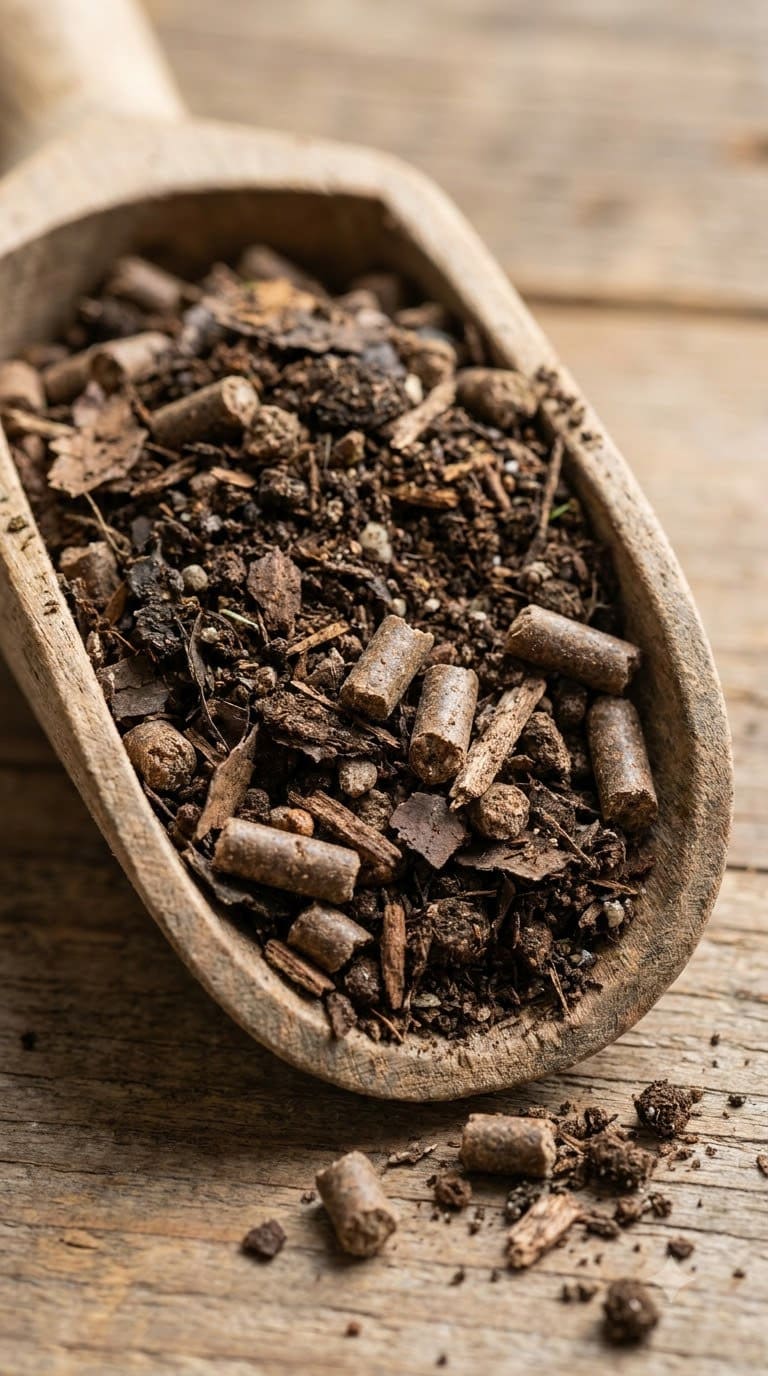
Synthetic fertilizer delivers nutrients in a form plant roots can absorb immediately. Organic fertilizer doesn’t. Whatever nitrogen is locked inside compost, manure, bone meal, or fish emulsion starts out in complex organic forms, proteins and other compounds, that plant roots simply can’t use as-is.
Per University of Delaware Cooperative Extension, soil microorganisms, bacteria and fungi, have to break those complex compounds down and convert them into ammonium first, a process called mineralization, before any of that nitrogen becomes plant-available at all.
Once ammonium actually forms, the next conversion step to nitrate typically happens fast, within days, but that first microbial breakdown step is the real bottleneck, and it’s not instant.

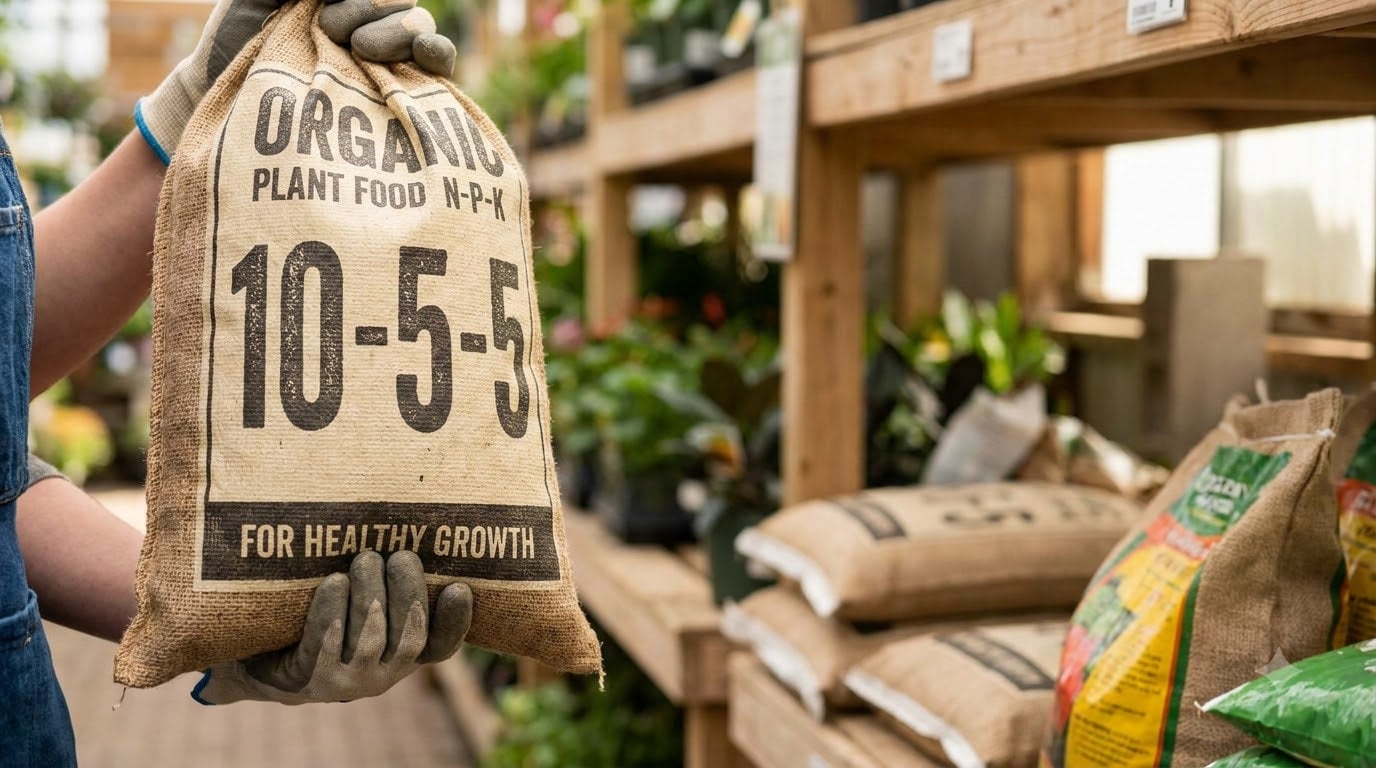
If your soil doesn’t have an active microbial population working on that conversion, the nutrients in your organic fertilizer are sitting there, present but functionally locked, until the microbes catch up.
Answer 4 quick questions and get matched to the exact fix for your yard — drainage, budget, layout, or something else entirely.
Take the Free QuizWhy It Seems So Much Weaker Than the Bag Promises
Even once mineralization is working normally, organic fertilizer often looks underwhelming next to synthetic because it usually IS delivering less raw nutrient per pound, not because it’s failing.
| Fertilizer type | Typical N-P-K | What this means |
|---|---|---|
| Balanced synthetic fertilizer (common example) | 10-10-10 | Concentrated, immediately available nutrients in a small volume |
| Chicken manure (Sup’r Green brand, real example) | 3-2-2 | Roughly a third the nitrogen concentration of the synthetic example, plus it still needs microbial breakdown before any of it is usable |
| Compost, general | Typically well under 3-2-2, varies by source material | Very low concentration, functions more as a soil-builder than a fast feed |
Per UF/IFAS Extension, that 3-2-2 chicken manure figure compared to a standard 10-10-10 synthetic illustrates why label instructions for organic products call for applying a much larger volume, you’re not getting less effective nutrition per application, you’re getting a lower concentration that requires more product to deliver an equivalent nutrient load.
If you’re applying an organic product at roughly the same volume you’d use for a concentrated synthetic one, that mismatch alone can explain a “nothing happened” result.
What’s Actually Stalling It in Your Specific Soil
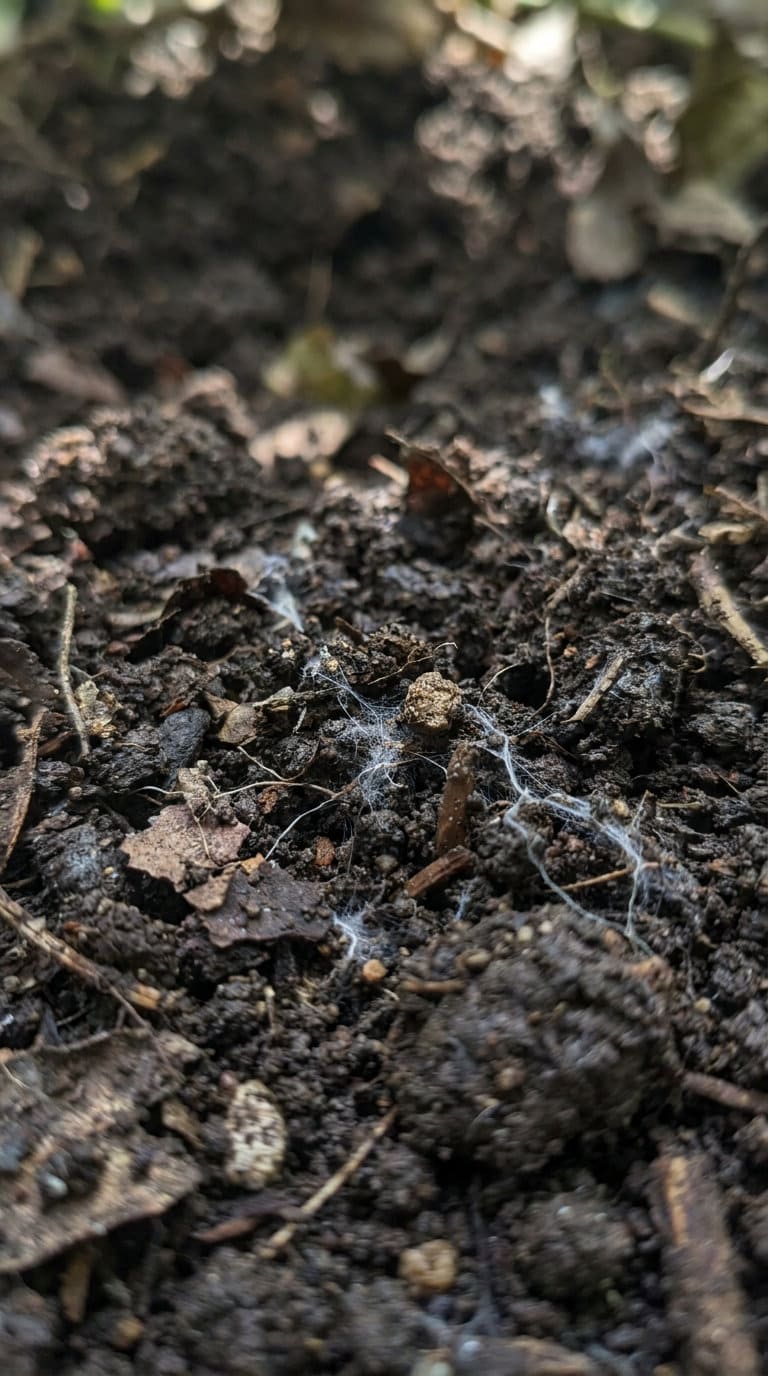
Three real, fixable conditions slow or stall the microbial breakdown organic fertilizer depends on. Cold soil is the most common culprit in early spring, since microbial activity drops sharply as soil temperature falls, which is why organic fertilizer applied to soil that hasn’t warmed up yet can sit doing very little for weeks.
Dry soil is the second, since the same microbes that break down organic matter need moisture to stay active, a fertilized bed that’s also underwatered compounds both problems at once.
Low microbial population is the third and the one people miss most, container gardens with sterile or mostly-synthetic potting mix, and new raised beds filled with fresh, un-amended soil, often simply don’t have much of a microbial community established yet, regardless of temperature or moisture.
If you’ve fertilized organically in a new container or bed and seen little result, a thin microbial population, not a bad product, is a genuine likely cause, the same underlying issue that shows up when worm bins struggle to get going for similar reasons.
Most yard problems trace back to one specific, fixable cause. Find yours in 4 quick questions.
Take the Free Quiz
An OMRI-listed granular organic fertilizer suited to the steady-baseline feeding approach discussed here
Shop NowThis post contains affiliate links. We may earn a commission on qualifying purchases at no extra cost to you.
Should You Just Use Synthetic Instead?
Not necessarily, but it’s worth being honest about the real tradeoff instead of treating organic as automatically better. Synthetic fertilizer delivers fast, predictable, concentrated nutrients with no dependency on soil biology, which matters if you’re trying to correct a visible deficiency quickly or you’re gardening in conditions genuinely hostile to microbial life.
Organic fertilizer builds soil biology and structure over time as a side effect of how it works, and it’s more forgiving of a missed application since it releases gradually rather than risking a burn spike, but it needs a functioning soil ecosystem and patience to actually deliver on that promise.
A reasonable middle path a lot of experienced gardeners land on: use organic fertilizer as the steady baseline for long-term soil health, following the same feeding rhythm that works for a healthy vegetable bed, and keep a fast-acting synthetic or liquid organic option on hand for when a plant needs a quick, visible fix.
The Spring I Almost Gave Up on Organic Fertilizer
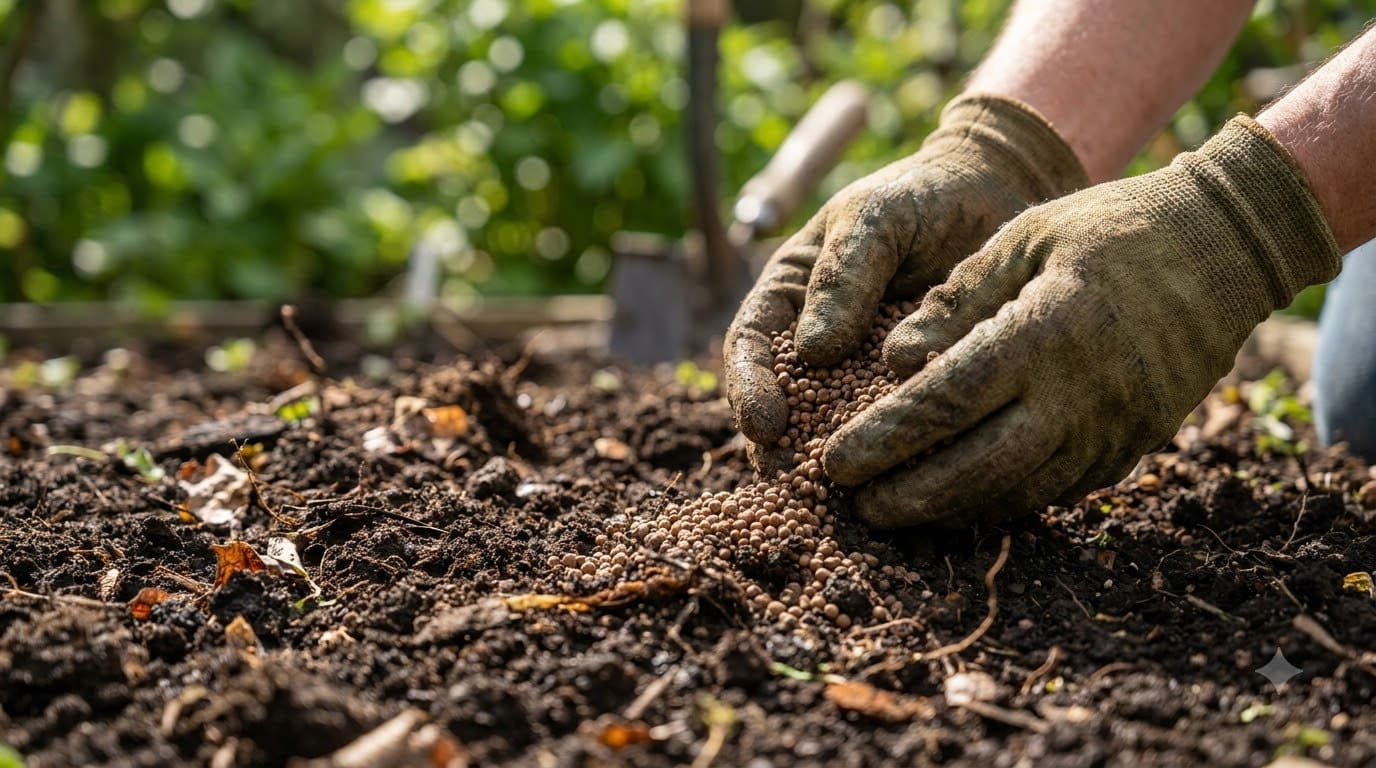
I switched an entire raised bed over to organic granular fertilizer one spring, convinced it was the responsible choice, and three weeks in the plants looked identical to how they’d looked before I fed them at all.
I genuinely considered switching back to synthetic and writing off the whole organic experiment as marketing hype that didn’t hold up in practice.
What actually turned it around wasn’t a different product, it was patience plus one real fix: that bed was brand new that season, filled with fresh bagged soil that had essentially no established microbial life in it yet.
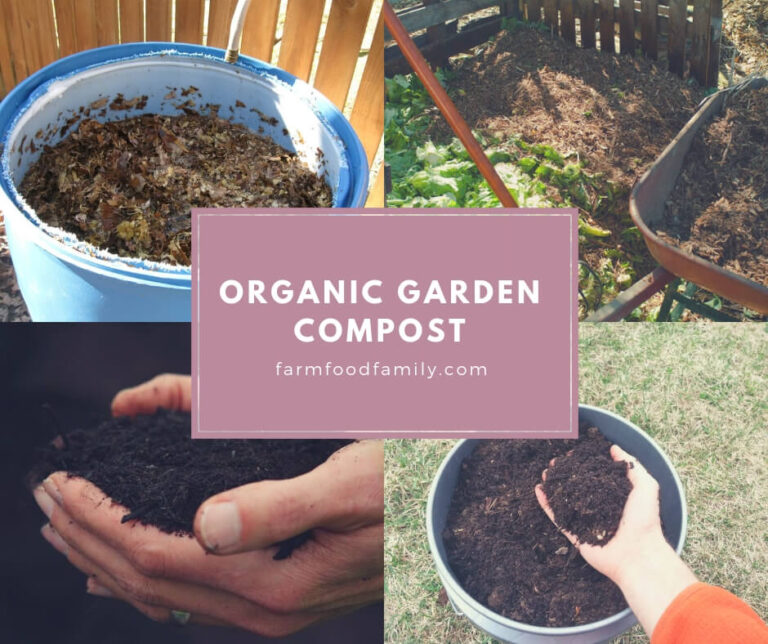
Once I worked in a couple inches of real finished compost alongside the organic fertilizer, the same kind of organic-matter boost growing a cover crop the season before would have given that bed if I’d planned further ahead, giving the bed an actual microbial population to do the breakdown work, growth visibly picked up within about two more weeks.
Looking back, the fertilizer was never the problem, the soil biology underneath it was, and no amount of organic fertilizer was going to fix that on its own. If there’s one thing I’d tell anyone frustrated with slow organic results, it’s to ask whether your soil actually has the microbial life to use it before assuming the product failed.


FAQs
Why does organic fertilizer take longer to work than synthetic? Organic fertilizer contains nitrogen in complex forms that soil microbes must first break down into plant-available ammonium through a process called mineralization, according to University of Delaware Cooperative Extension. Synthetic fertilizer skips that step entirely, delivering already-available nutrients directly.
The average homeowner spends $616/year on yard fixes that don't address the real problem. Find out what yours actually is — before you spend another dollar.
Take the Free QuizWhy do I need so much more organic fertilizer than the synthetic amount I’m used to? Organic products typically carry much lower nutrient concentrations. Chicken manure, for example, is roughly 3-2-2 (N-P-K) compared to a common synthetic at 10-10-10, per UF/IFAS Extension, so a larger volume is needed to deliver an equivalent amount of actual nutrient.
Does organic fertilizer work in containers? It can, but container potting mix often starts with very little established microbial life, which is exactly what organic fertilizer depends on to work. Mixing in real compost or worm castings alongside an organic fertilizer helps establish that microbial population.
Is organic fertilizer just weaker or lower quality than synthetic? Not weaker or lower quality, just structurally different. It delivers less concentrated, slower-release nutrition that depends on soil biology, while building long-term soil health as a side effect, a genuine tradeoff rather than a simple downgrade.
Related Posts
- How to Grow Tomatoes
- Step-by-Step Guide to Making Garden Compost
- Container Gardening Calendar for August
Products We Recommend
This post contains affiliate links. We may earn a commission on qualifying purchases at no extra cost to you.
Jobe's Organics Vegetable & Tomato Granular Fertilizer
An OMRI-listed granular organic fertilizer suited to the steady-baseline feeding approach discussed here
Shop Now
Wiggle Worm Soil Builder Earthworm Castings, 4.5 lb.
A real source of established microbial life and organic matter, useful for jump-starting a new bed or container that lacks the microbial population organic fertilizer depends on
Shop Now
REOTEMP Backyard Pro Compost Thermometer, 24-Inch
Helps confirm whether soil or a compost pile is warm enough for active microbial breakdown, rather than guessing why an organic feeding seems stalled
Shop NowNever miss an update — choose FarmFoodFamily as your preferred source on Google.
How it works: Tap the button below to open Google's settings page, then check the box next to FarmFoodFamily.
Tap the checkbox to turn it blue — that's how you know it's set.