I Tried Biochar for One Season, Here’s What Actually Happened
Biochar promises better soil in a bag, but the real research is more mixed than the marketing, and my own one-season trial landed somewhere honest in between.

Never miss an update — choose FarmFoodFamily as your preferred source on Google.
How it works: Tap the button below to open Google’s settings page, then check the box next to FarmFoodFamily.
Tap the checkbox to turn it blue — that’s how you know it’s set.
I’d seen biochar mentioned everywhere from gardening forums to expensive bagged soil amendments, always with the same confident pitch: better water retention, better nutrients, better everything.
That kind of universal praise usually makes me suspicious, so instead of just buying in, I actually looked at the research, tried it myself for one full growing season on a bed I’d already put real prep work into, and tracked what happened.
The honest answer is more complicated than either the marketing or the skeptics online would have you believe.
What Biochar Actually Does to Soil
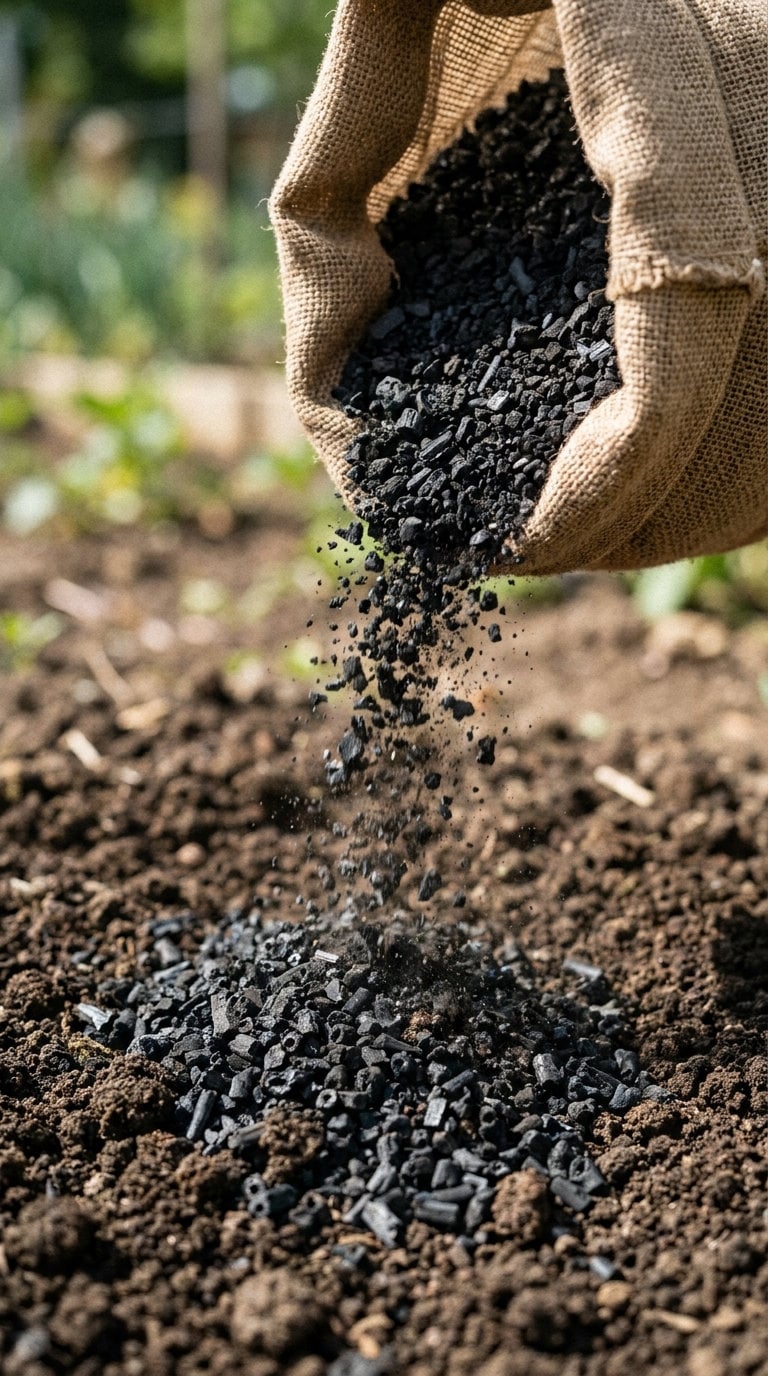
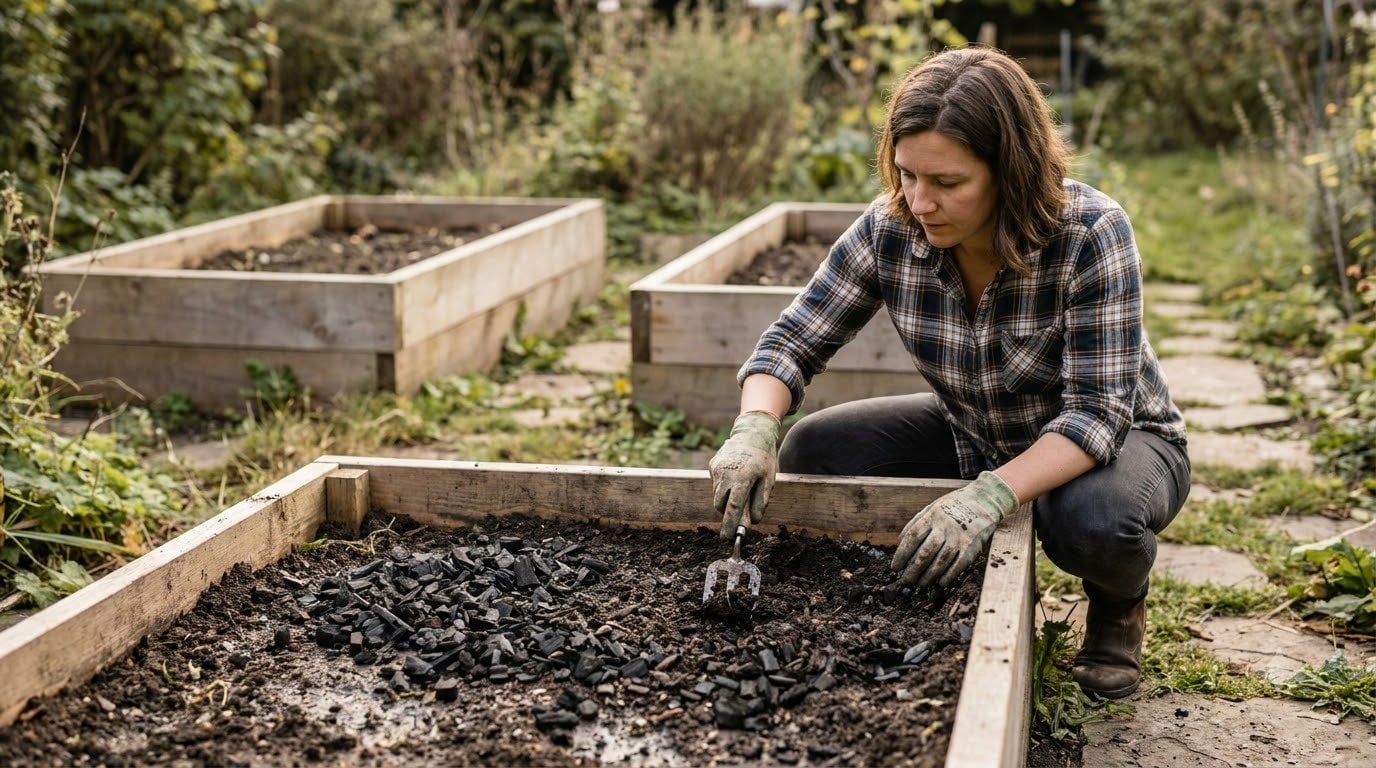
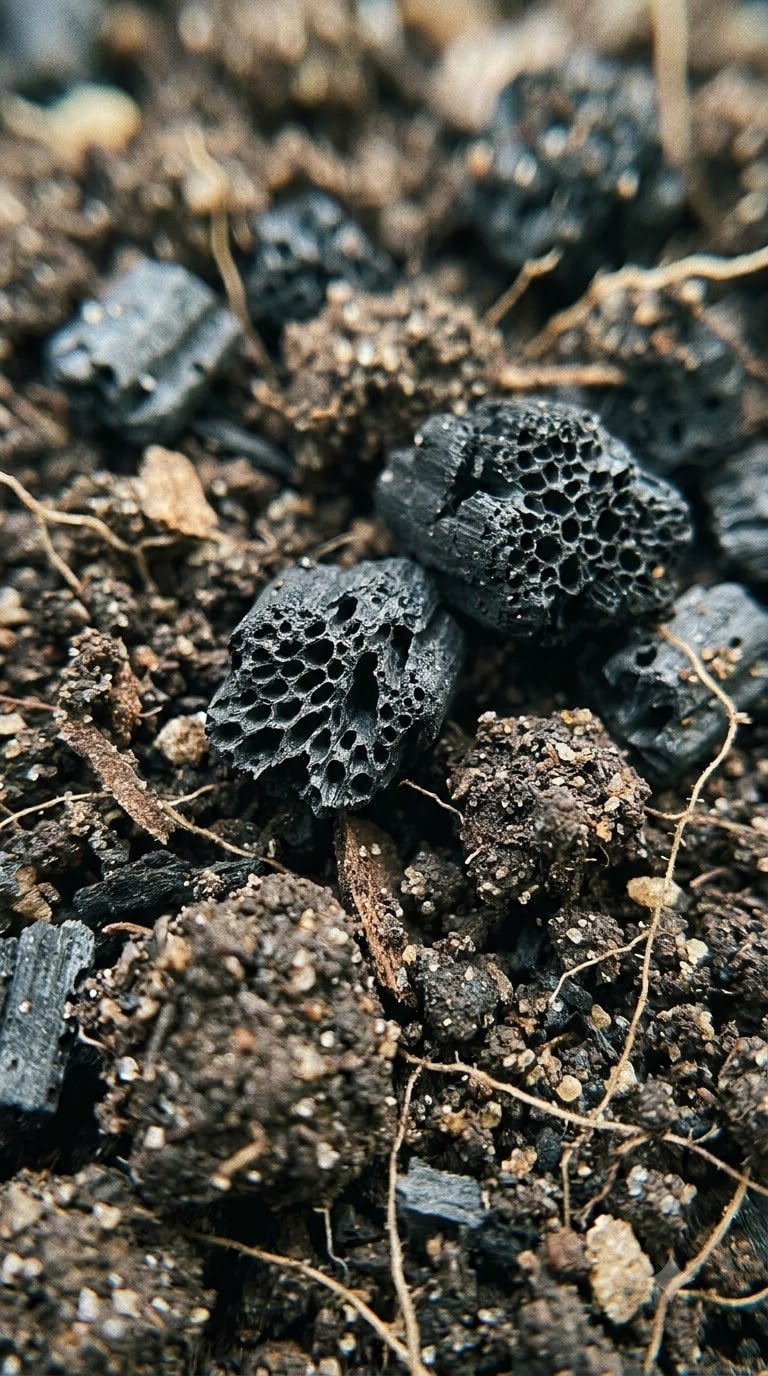
Biochar is charcoal made by heating organic material without oxygen, and its value comes from its structure, not from adding nutrients directly. Per Michigan State University Extension, mixing biochar into soil can increase both moisture retention and soil pH, the pH increase acts like a mild liming effect that can boost microbial activity and nutrient availability.
The material’s porous, charged surface also adsorbs nitrogen, phosphorus, and carbon, effectively holding nutrients in place rather than letting them wash away, and when combined with compost, that can genuinely reduce how much fertilizer a garden needs on top of a regular feeding routine.
A review of 16 separate experiments found biochar increases crop yield by 10 percent on average, a real, meaningful number, though an average across studies means plenty of individual results land above or below that.
Answer 4 quick questions and get matched to the exact fix for your yard — drainage, budget, layout, or something else entirely.
Take the Free QuizThe Research Is More Mixed Than the Marketing Suggests
That 10% average figure is real, but it’s not the whole picture, and most consumer content stops right there.
| Source | What it found |
|---|---|
| MSU Extension (16-study meta-analysis) | 10% average crop yield increase, plus real moisture/pH/nutrient-retention benefits, but effectiveness genuinely varies by soil type |
| USU Extension (real 2-3 year field trials on corn, alfalfa, wheat) | No consistent short-term yield or water-availability benefit; wheat actually saw roughly a 5 bushel/acre yield decrease at the standard application rate |
| My own one-season backyard trial | Modest, genuinely visible improvement in one bed, no noticeable difference in another, consistent with both studies above being right at once |
Utah State University Extension’s real field trials found no consistent benefit across corn, alfalfa, and wheat over 2 to 3 years, and wheat specifically showed a yield decrease at the standard rate, likely from the biochar competing with the crop for nitrogen.
Soil moisture sensor data in that same research showed no consistent pattern either, not clearly better, not clearly worse. That’s a genuinely useful reality check before spending money expecting a guaranteed result.
Charging Biochar Before You Use It (Don’t Skip This)
Raw, untreated biochar can actually make a nutrient problem worse in the short term, not better, because its porous surface adsorbs whatever nutrients are already in your soil before your plants get a chance to use them.
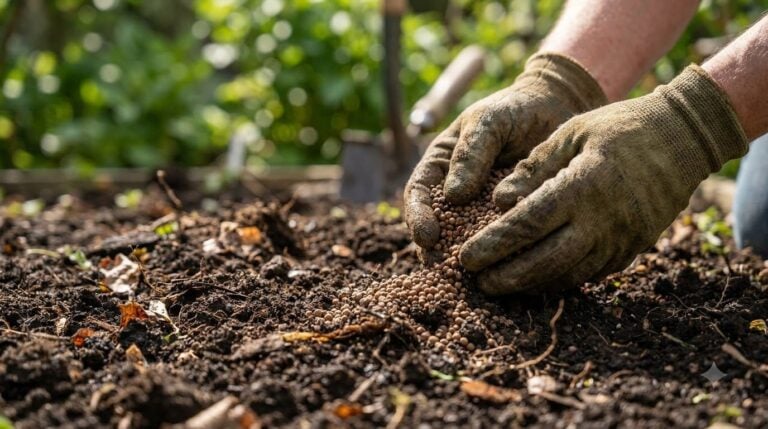
Mixing it with compost or a nutrient-rich organic material for a week or two before applying it, a process called charging or inoculating, lets the biochar’s pores fill with nutrients first instead of stealing them from your existing soil.
I skipped this step on my first attempt out of impatience, and the bed I applied raw biochar to actually looked slightly worse for the first few weeks before recovering, exactly the kind of nitrogen competition USU’s wheat trial results would predict.
What It Actually Cost Me
Commercial-scale biochar pricing doesn’t translate directly to a home garden, so it’s worth breaking down separately.
Most yard problems trace back to one specific, fixable cause. Find yours in 4 quick questions.
Take the Free Quiz
A real, garden-sized OMRI-listed bagged biochar product suited to the home-scale trial described in this guide
Shop NowThis post contains affiliate links. We may earn a commission on qualifying purchases at no extra cost to you.
USU’s field research cites roughly $350 per ton for material plus about $8 per ton for application, at the standard 10-ton-per-acre rate that works out to around $3,580 per acre, a genuinely large one-time cost, but that’s farm-scale pricing for a full acre.
For a single raised bed or a few containers, a bag of garden-sized biochar runs closer to $15 to $30 depending on the brand and bag size, a realistic and much smaller commitment for anyone testing it on a home garden scale rather than a field, especially compared to what a full organic soil-building routine already costs over a season.
My Actual Results After One Season
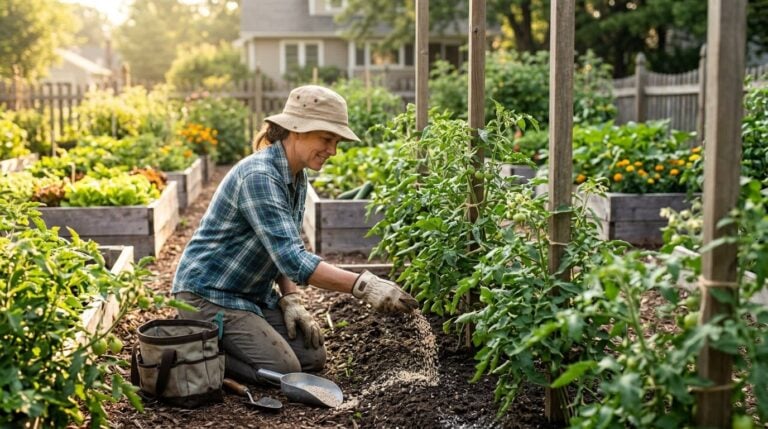
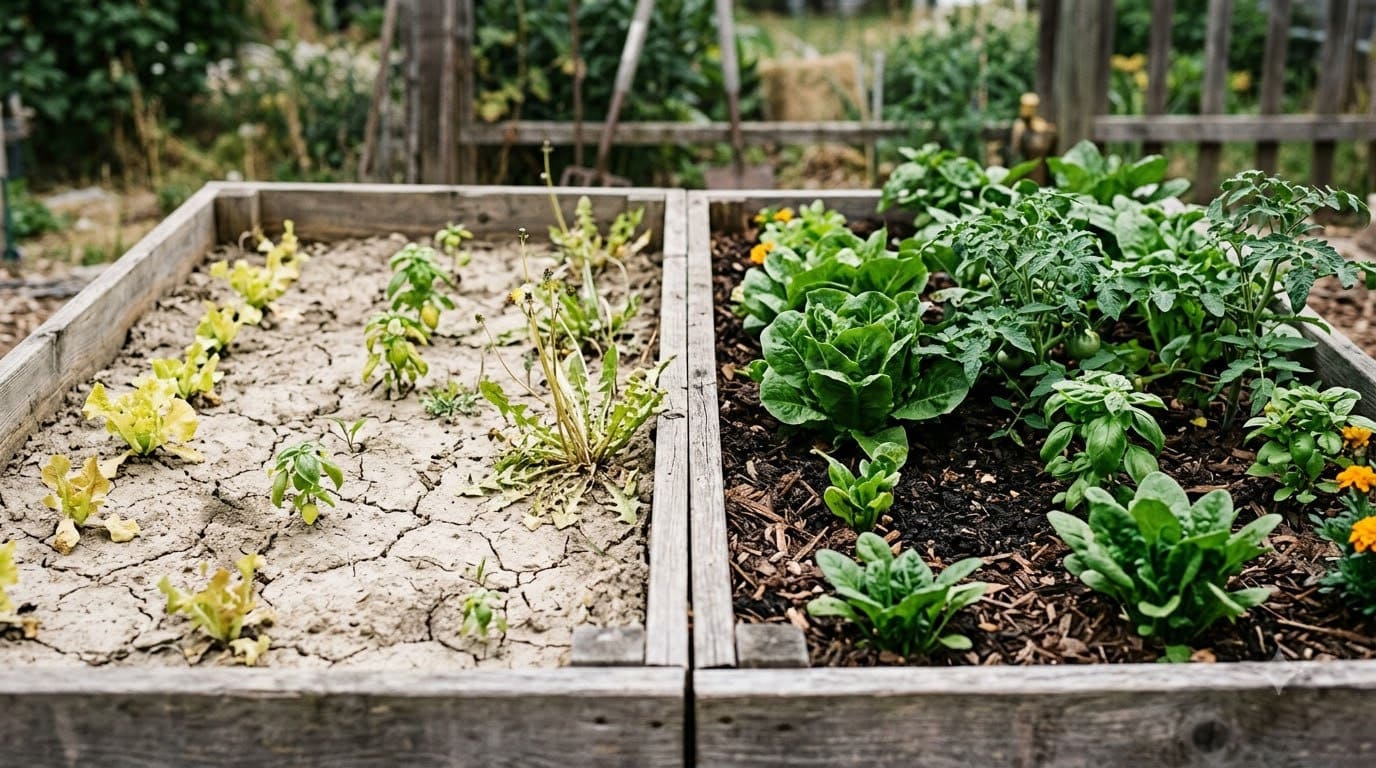
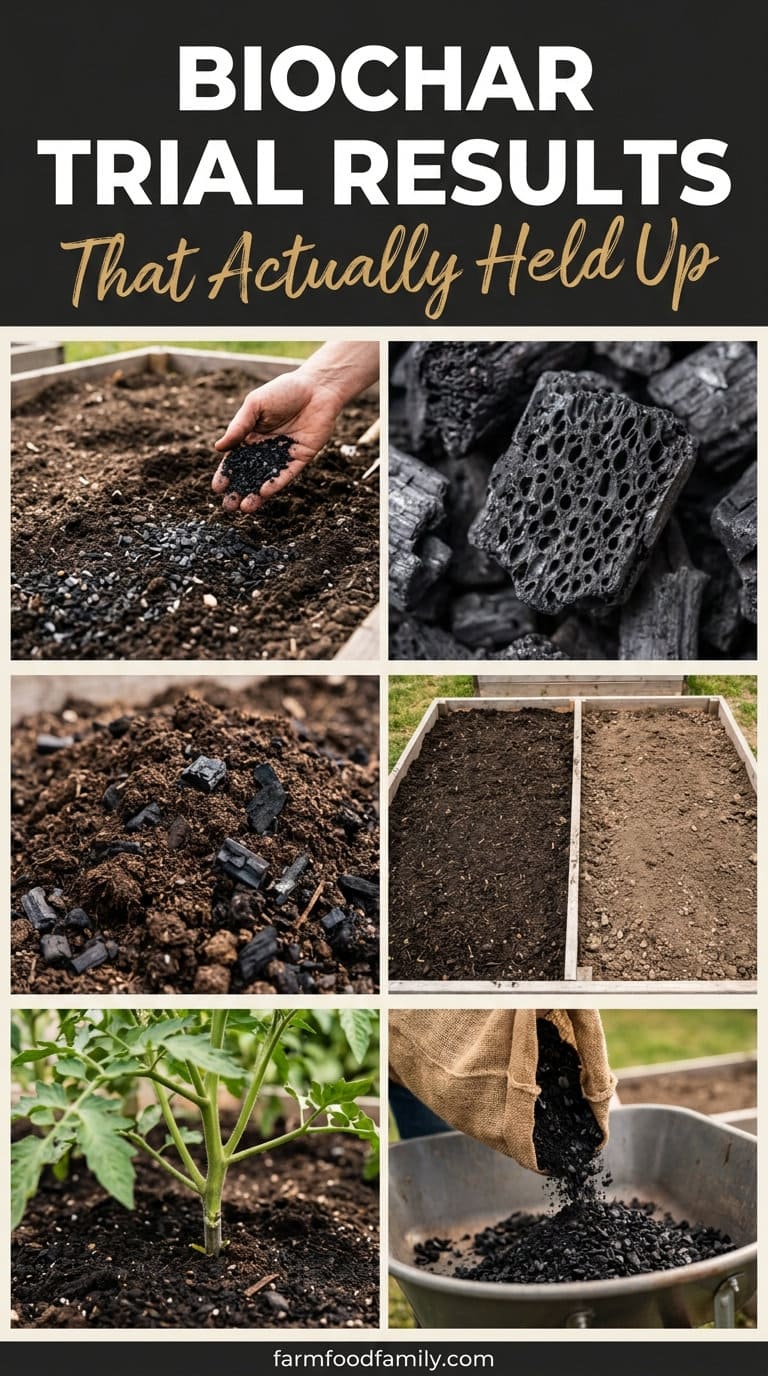
I applied charged biochar to one raised bed and left an otherwise similar bed untreated as a rough comparison. The treated bed held moisture noticeably longer between waterings by midsummer, which matched what MSU’s research on moisture retention would predict, and the plants in it did look a shade greener and slightly more vigorous by the end of the season.
It wasn’t dramatic, no one bed produced double the harvest of the other, but the difference was real and visible, not something I had to convince myself I was seeing.
What I can’t honestly claim is a controlled, scientific result from one backyard trial, and USU’s own research is a good reminder that a single season, or even 2 to 3 years, isn’t always enough to see a consistent, reliable benefit at all.
My honest takeaway: biochar is a real, legitimate soil amendment with genuine research support, not snake oil, but it’s also not a guaranteed fix, and going in expecting a dramatic transformation sets you up for disappointment the way USU’s wheat results would suggest is entirely possible.
Would I Do It Again?
Yes, but with adjusted expectations. I’d charge it properly from the start instead of learning that lesson the hard way, and I’d treat it as one genuinely useful soil-building tool among several, alongside real compost and organic matter and cover crops planted between seasons, rather than a standalone fix.
If you’re deciding whether to try it yourself, a small bag on one bed is a reasonable, low-risk way to see your own results before committing to anything larger.
FAQs
Does biochar actually work? The research is genuinely mixed. A 16-study meta-analysis from Michigan State University Extension found a 10% average crop yield increase, while Utah State University Extension’s real field trials found no consistent short-term benefit across several major crops. Results appear to depend heavily on soil type and how the biochar is applied.
The average homeowner spends $616/year on yard fixes that don't address the real problem. Find out what yours actually is — before you spend another dollar.
Take the Free QuizDo I need to prepare biochar before using it in my garden? Yes, charging or inoculating it with compost or another nutrient-rich material for a week or two before applying is important. Raw biochar’s porous surface can temporarily absorb nutrients already in your soil, potentially making things worse in the short term.
How much does biochar cost for a home garden? Bagged garden-sized biochar generally runs about $15 to $30 depending on brand and bag size, a much smaller commitment than the roughly $3,580-per-acre cost cited in commercial field-crop research, which doesn’t apply directly to a home garden bed.
How long until I see results from biochar? It varies, and it’s not guaranteed to be fast. Utah State University Extension’s own field trials found no consistent benefit even after 2 to 3 years for some crops, so a single growing season isn’t always enough to judge whether it’s working.
Related Posts
Products We Recommend
This post contains affiliate links. We may earn a commission on qualifying purchases at no extra cost to you.
Wakefield Biochar Soil Conditioner, 1 Cubic Foot Bag
A real, garden-sized OMRI-listed bagged biochar product suited to the home-scale trial described in this guide
Shop Now
Jobe's Organics Vegetable & Tomato Granular Fertilizer
A real organic amendment suited to charging raw biochar with nutrients before applying it to soil
Shop Now
XLUX Soil Moisture Meter (Battery-Free)
Useful for tracking a real before-and-after moisture comparison between a biochar-treated bed and an untreated one
Shop NowNever miss an update — choose FarmFoodFamily as your preferred source on Google.
How it works: Tap the button below to open Google's settings page, then check the box next to FarmFoodFamily.
Tap the checkbox to turn it blue — that's how you know it's set.