5 Feng Shui Rules for Hallways You Might Be Getting Wrong
A hallway is the connective tissue of a home, chi is supposed to pass through it on the way to every other room, and in an emergency, so is every person in the house, which is why a couple of these rules carry real, higher-than-symbolic stakes.

Never miss an update — choose FarmFoodFamily as your preferred source on Google.
How it works: Tap the button below to open Google’s settings page, then check the box next to FarmFoodFamily.
Tap the checkbox to turn it blue — that’s how you know it’s set.
Laura Morris, Feng Shui Educator and Co-founder of Mindful Design Feng Shui School, treats hallways as transitional spaces that either support or interrupt the flow of energy between rooms, easy to overlook because they’re rarely decorated with the same intention as a living room or bedroom.
Here are the five rules that matter most, paired with the real building code and safety facts that back a couple of them up well beyond symbolism.
1. Keep it well and evenly lit, especially at turns and dead ends
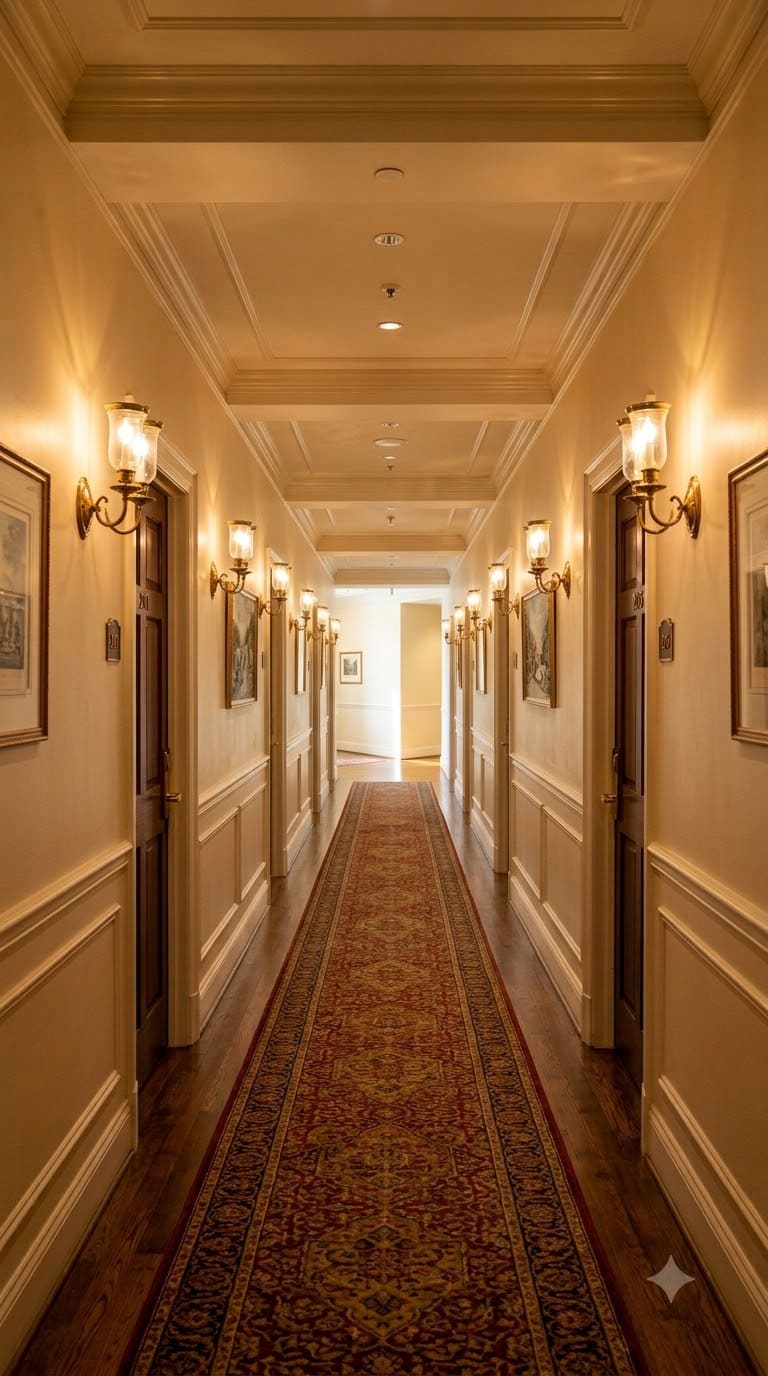
Bright, consistent lighting is the most repeated hallway feng shui rule, dark corners and uneven lighting are thought to trap stagnant energy exactly where it’s hardest to notice.
Turns and hallway ends are specifically called out as needing extra illumination, since these are the spots most likely to sit in shadow.
There’s a real safety reason to take this seriously beyond symbolism: poor lighting is a documented contributing factor in home falls, and hallways are walked in low light more than almost any other space in a house, getting up at night, early mornings, carrying something with both hands.


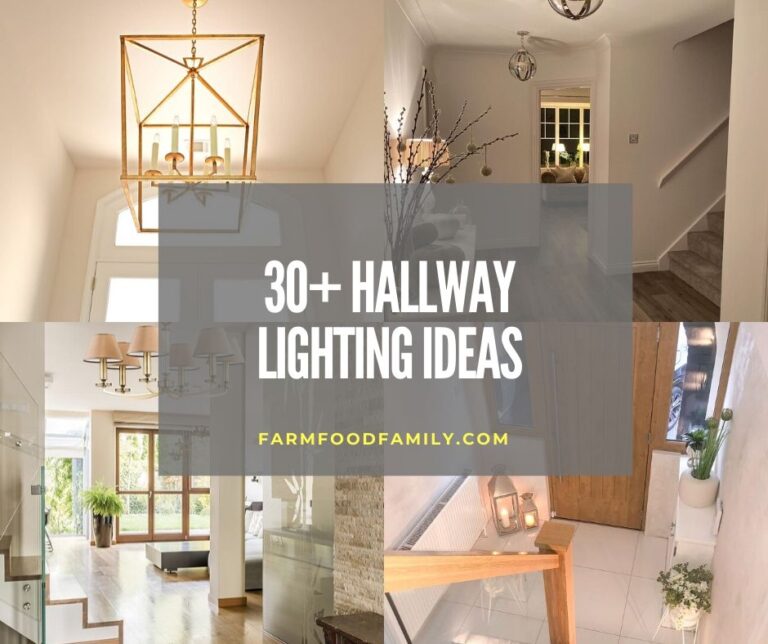
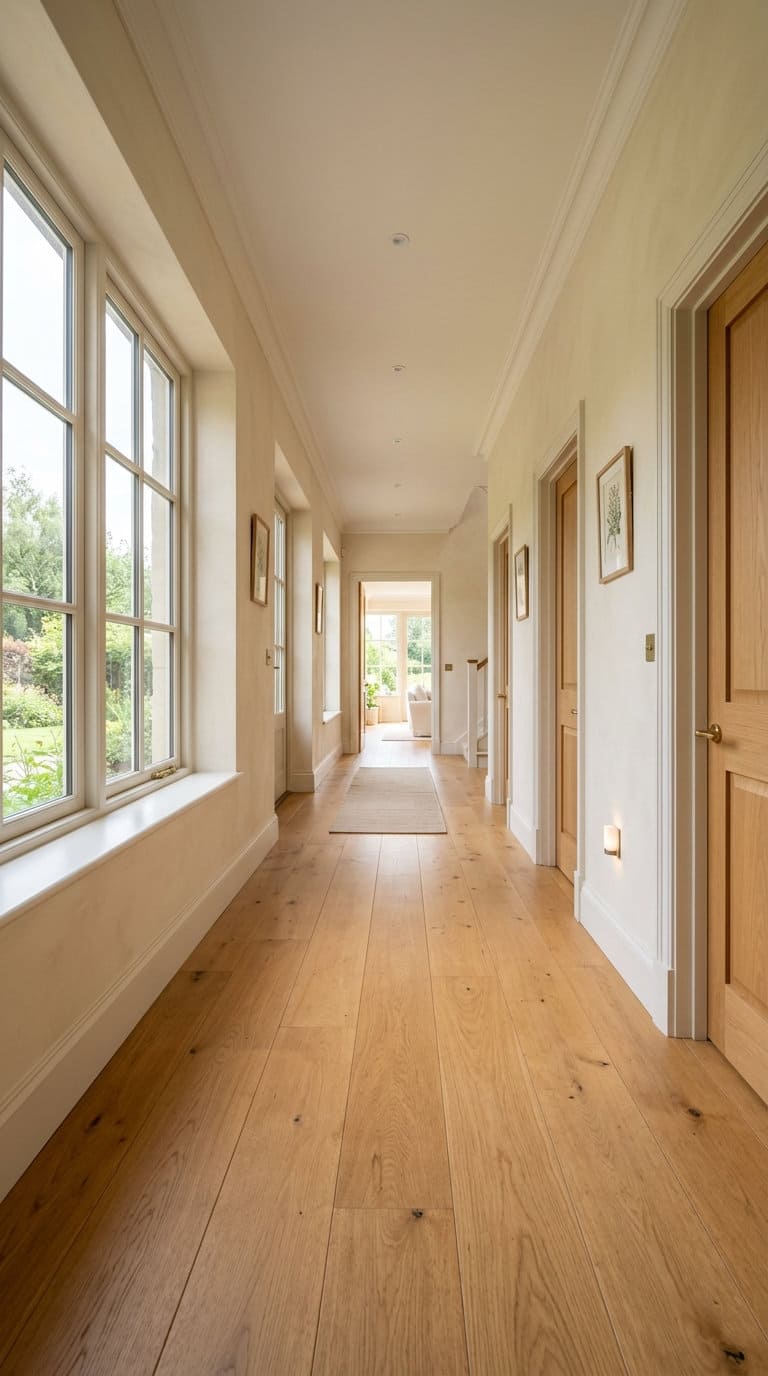
A hallway that’s genuinely bright at every point, not just at the ends, is a real fall-prevention fix, not just an energy one. Our hallway lighting ideas guide has real fixture options for exactly this.
2. Keep it wide enough, know the real code minimum
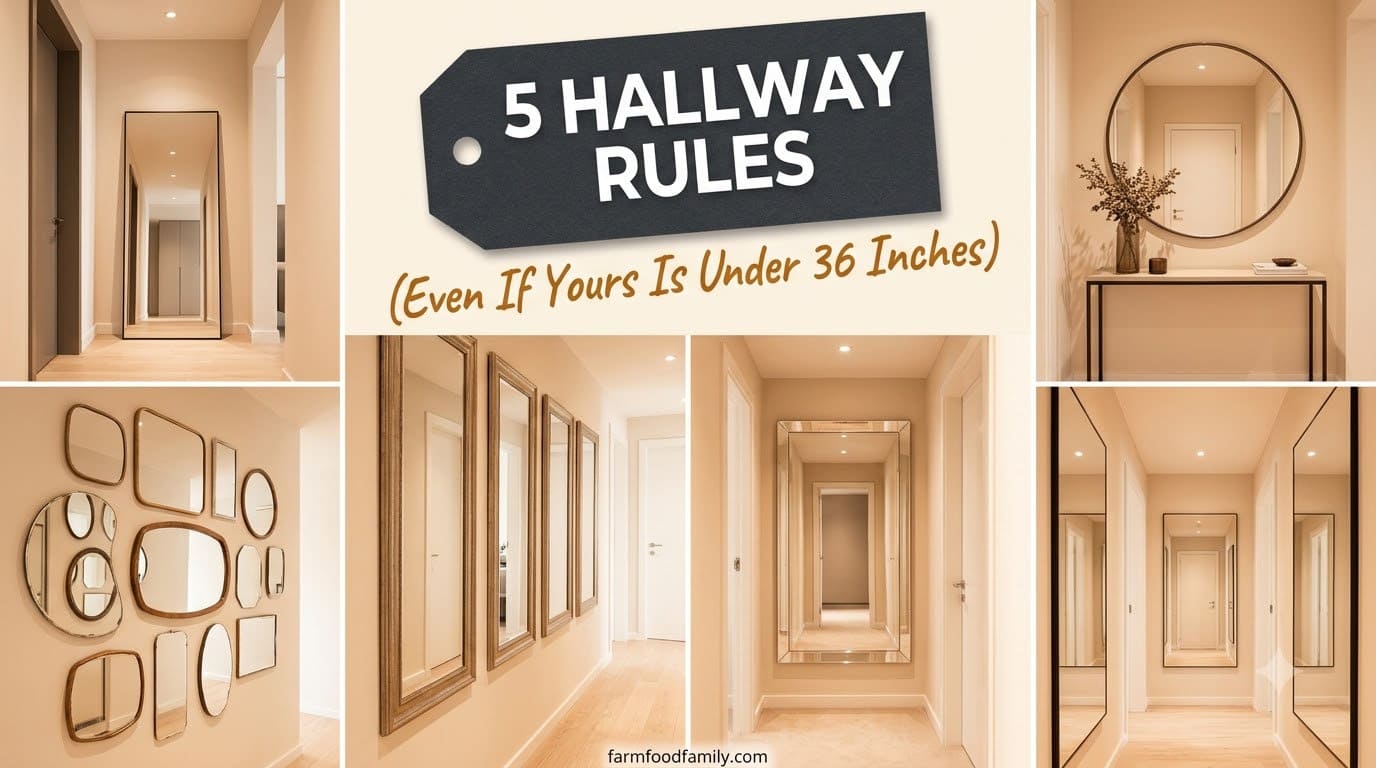
A narrow hallway is thought to restrict the amount of chi available to reach the rest of the home, the same way a narrow pipe restricts water flow. Mirrors or added lighting on one side are the standard feng shui fix for visually widening a hallway that can’t be structurally changed.
If you’re building or renovating rather than just working around an existing hallway, IRC Section R311.6 sets a real, checkable minimum: residential hallways must be at least 3 feet (36 inches) wide, clear, measured from finished wall surface to finished wall surface.
A hallway built to at least this code minimum is, in practice, unlikely to feel as restrictive as the feng shui concern describes, not a coincidence so much as both systems agreeing that a genuinely narrow passage is a real problem, not just a symbolic one.
3. Is a cluttered hallway really just bad feng shui, or a real safety hazard?
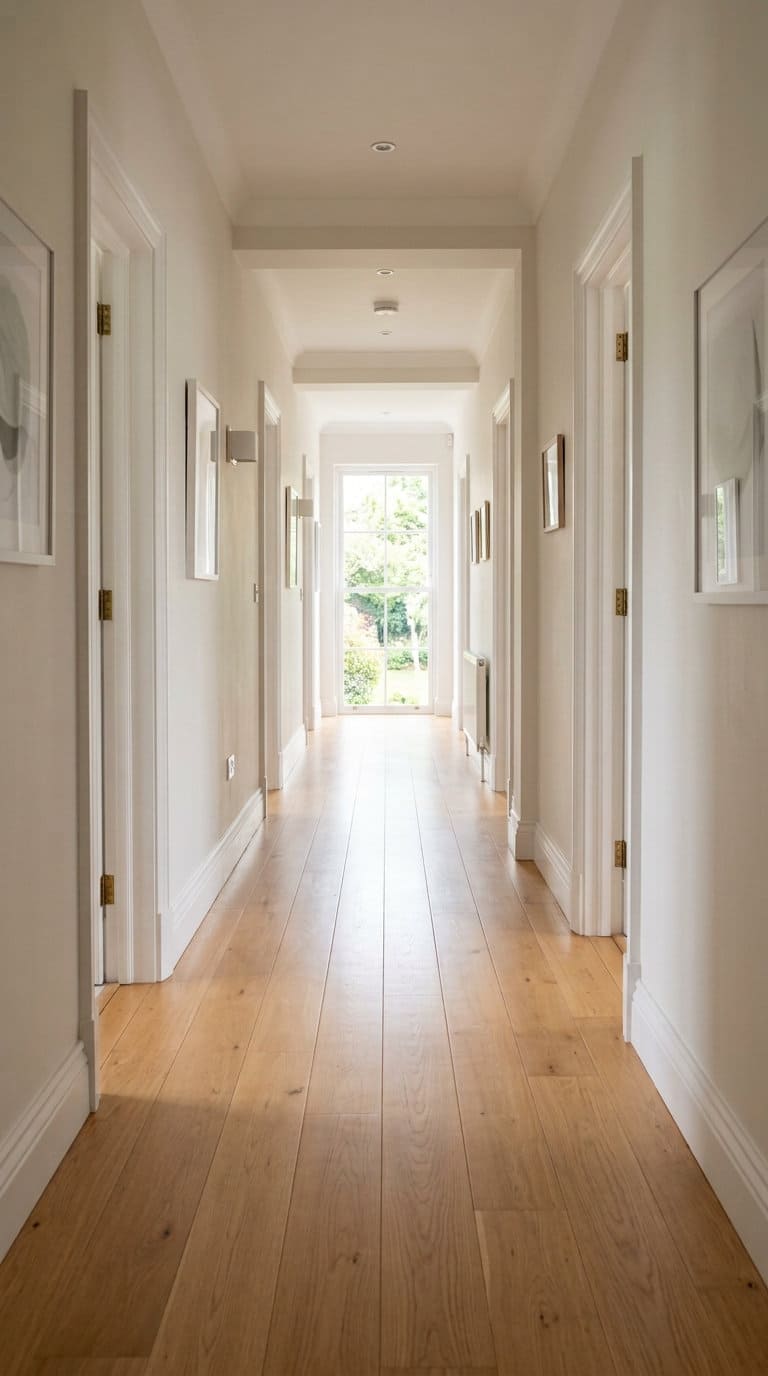
Shoes, boxes, furniture, anything left sitting in a hallway is treated as blocking the free flow of energy through the home, the same clutter logic applied to every other room, just with more consequence given how much foot traffic a hallway carries.
This is the rule with genuinely the highest real stakes of anything covered here. NFPA 101, the Life Safety Code, requires that a means of egress, hallways specifically included, remain continuously free of obstruction so occupants can evacuate quickly in a fire or other emergency.
A cluttered hallway isn’t just bad feng shui, it’s a real, documented life-safety hazard, this single rule matters more than every other item on this list combined.
4. Break up long, straight hallways with visual interest
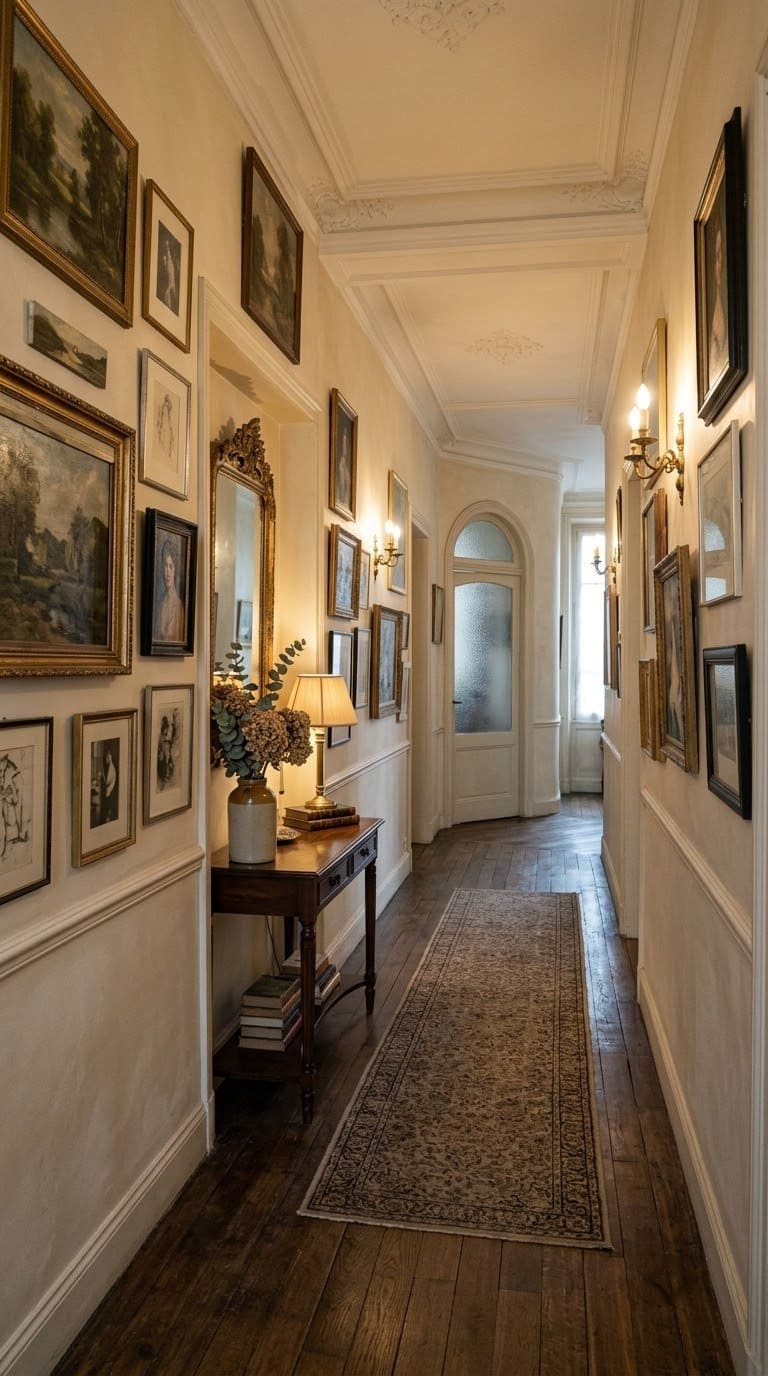
A long, straight hallway with nothing to interrupt the eye is thought to move chi too quickly, the same “rushing energy” concern covered in feng shui guidance for straight garden paths and driveways, just indoors.

Directly addresses rule #1's real lighting/fall-prevention concern
Shop NowThis post contains affiliate links. We may earn a commission on qualifying purchases at no extra cost to you.
Artwork placed with intentional variation (not a uniform, predictable row of matching frames), a mix of decor types, and one genuinely eye-catching focal point are the standard fixes.
Practically, this does double duty: a hallway with visual variety also reads as more navigable and less monotonous to actually walk through, a real wayfinding and comfort benefit independent of the energy concern.
5. Use mirrors and color intentionally, not as an afterthought
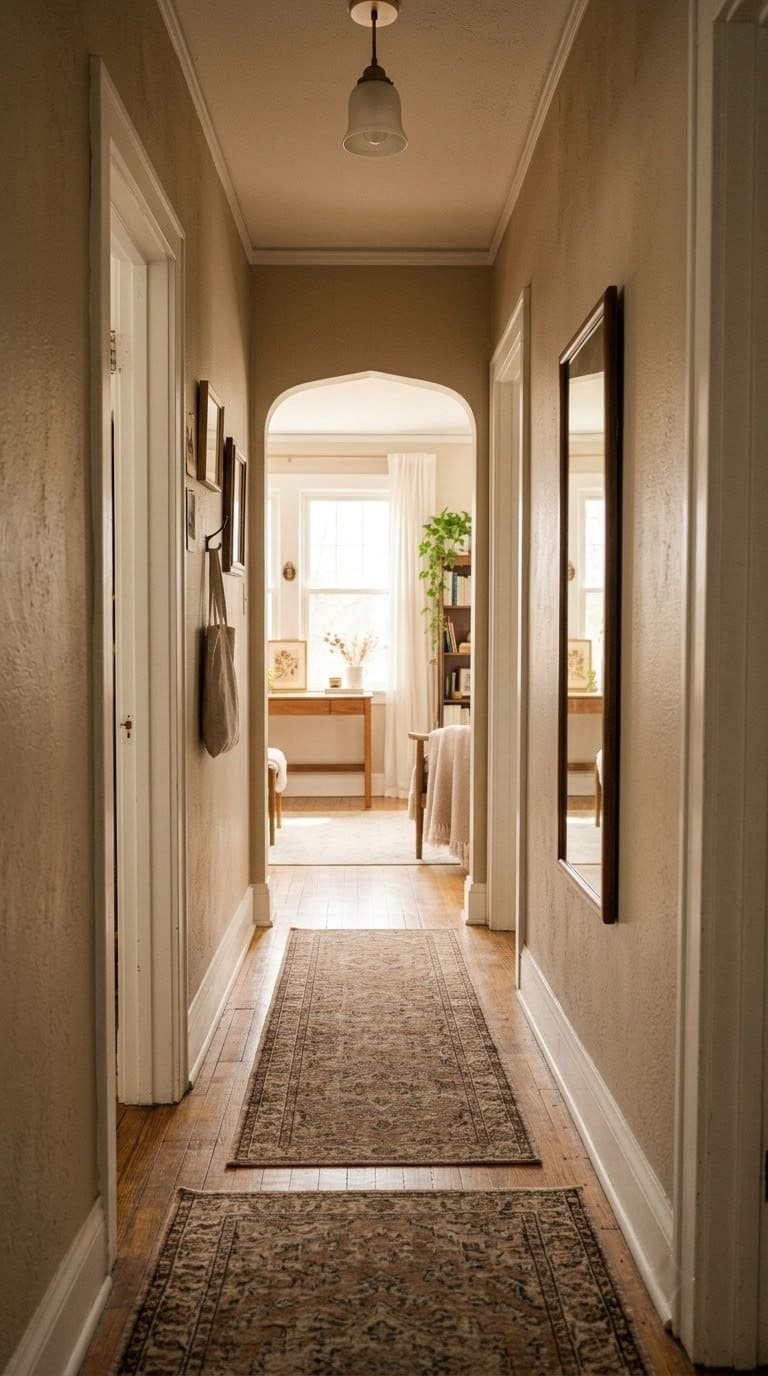
Mirrors positioned to reflect light or a pleasant view (not clutter, not each other, not directly opposite a door per the rules covered in this project’s mirror-feng-shui guide) are a favored way to visually and energetically open up a narrow or dim hallway.
Color choices matched to the hallway’s Bagua zone, or simply chosen to feel warm and cohesive with adjoining rooms, reinforce the same effect.
The 5 rules at a glance
| Rule | Real-world backing | Fastest fix |
|---|---|---|
| Even, bright lighting | Poor lighting is a documented fall-injury factor | Light turns and dead ends, not just the main stretch |
| Adequate width | IRC Section R311.6: 36″ minimum for residential hallways | Mirror on one side if you can’t renovate |
| Completely clutter-free | NFPA 101 Life Safety Code: egress paths must stay unobstructed | Clear shoes, boxes, furniture immediately |
| Break up long straight runs | Same “rushing energy” concern as straight paths/driveways | Varied artwork, one focal point |
| Intentional mirrors and color | Visually opens a narrow or dim hallway | Reflect light or a view, never clutter |
What we learned the hard way
The clutter rule is the one people treat as the least urgent, precisely because a hallway isn’t a “real” room most people decorate or maintain carefully.
Given the real NFPA egress requirement behind it, this is backwards, a hallway that’s just “a little cluttered” is exactly the kind of low-priority problem that matters most in the one scenario (an emergency) you can’t plan around in the moment.
The lighting-at-turns detail is the other thing people miss. It’s easy to light the main straight stretch of a hallway well and forget the corner or dead-end spot that actually stays darkest, exactly the blind spot both the feng shui concern and the real fall-prevention concern are pointing at.
FAQs
My hallway is narrower than 36 inches and I can’t renovate. What can I do? Use a mirror on one side to visually widen the space and reflect additional light, the standard feng shui fix, and prioritize keeping the space completely clear of clutter since a narrow hallway has even less margin for obstruction.



Is a completely straight hallway always bad feng shui? Not automatically, but it benefits from visual interruption, artwork, a runner rug, a change in lighting, to avoid the “rushing energy” concern. Our stair runner ideas guide has real examples that translate well to a hallway runner too.
What’s the single most important rule if I can only fix one thing? Keeping the hallway completely clear of clutter, it’s both the easiest fix on this list and the one with real, documented life-safety stakes behind it, not just a symbolic concern.
Do I need real windows in a hallway, or does artwork work as a substitute? Windows are ideal when available, but vibrant artwork or a well-placed mirror reflecting light from an adjoining room’s window achieves a similar visual and energetic effect where a real window isn’t possible.
Related reading on farmfoodfamily.com: for the mirror-specific rules referenced in rule #5, see our mirror feng shui guide.
Products We Recommend
This post contains affiliate links. We may earn a commission on qualifying purchases at no extra cost to you.
Joosenhouse LED Wall Sconces (Set of 2)
Directly addresses rule #1's real lighting/fall-prevention concern
Shop Now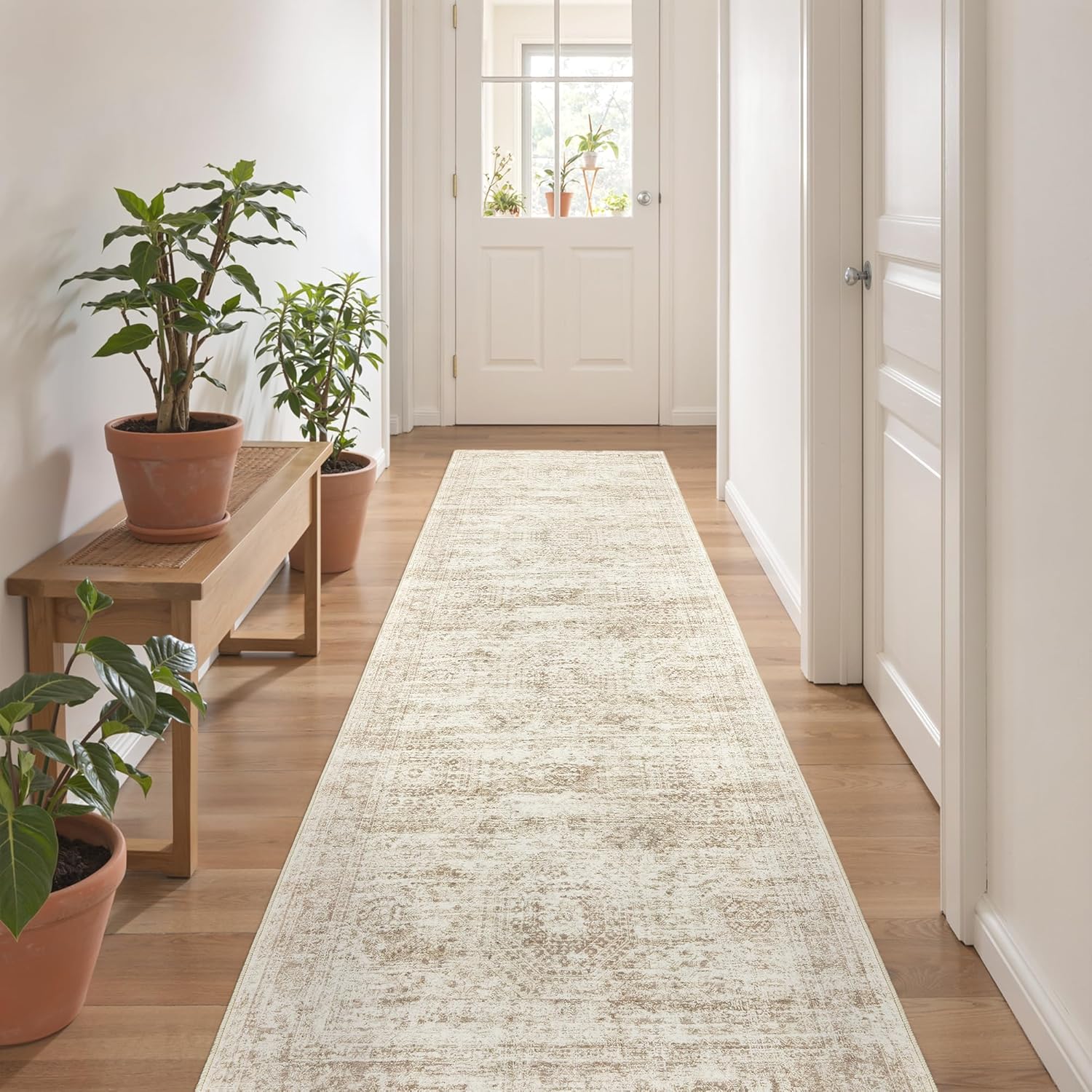
Restydon Non-Slip Washable Runner Rug
Covers rule #4's visual-interest fix, with non-slip backing for rule #3's real safety concern too
Shop Now
Delma Slim Vertical Wall Mirror
Covers rule #5's light-reflecting, space-widening recommendation
Shop NowNever miss an update — choose FarmFoodFamily as your preferred source on Google.
How it works: Tap the button below to open Google's settings page, then check the box next to FarmFoodFamily.
Tap the checkbox to turn it blue — that's how you know it's set.