5 Feng Shui House Plant Rules (Plus the Real Pet-Safety Gap Almost Nobody Checks)
Feng shui treats a houseplant as living, active energy, and it turns out that’s true in a more limited way than the popular “plants purify your air” claim suggests, while the pet-safety side of the most recommended “lucky” plants is a real gap almost nobody checks.

Never miss an update — choose FarmFoodFamily as your preferred source on Google.
How it works: Tap the button below to open Google’s settings page, then check the box next to FarmFoodFamily.
Tap the checkbox to turn it blue — that’s how you know it’s set.
Kathryn Weber, publisher of the Red Lotus Letter and a feng shui consultant, treats houseplants as one of the most accessible ways to bring the wood element and genuine living energy into a home, but with real rules about placement, selection, and upkeep that most casual plant-buying skips entirely.
Here are the five rules that matter most, along with two corrections almost no feng shui source checks.
1. Match plant placement to the right zone, and reserve tall plants for the “lucky corner”
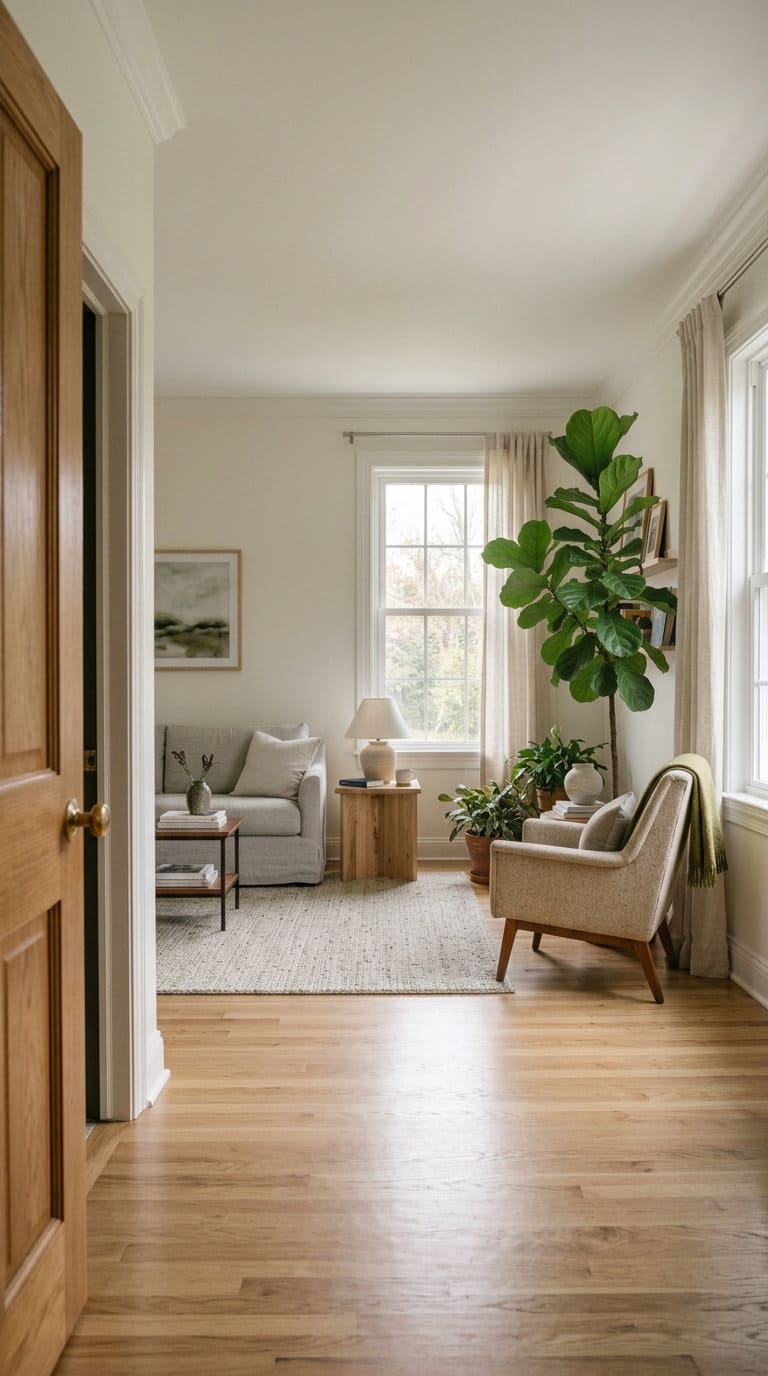
East, southeast, south, west, and northwest are the favored zones for houseplants in general. Tall, substantial plants are best placed in the “lucky corner,” diagonal from the main door at the rear of a room, thought to support growth and good fortune. Smaller leafy plants (ivy, ferns, peace lilies) are more flexible and can go in most spots.
Avoid clustering large plants in the north (thought to drain water-element energy relevant to career) or in the southwest, northeast, or center of a home, in the five-element production cycle, wood is thought to deplete earth energy, and these are considered earth-dominant zones.
2. Choose plant shape and type deliberately, not just for looks
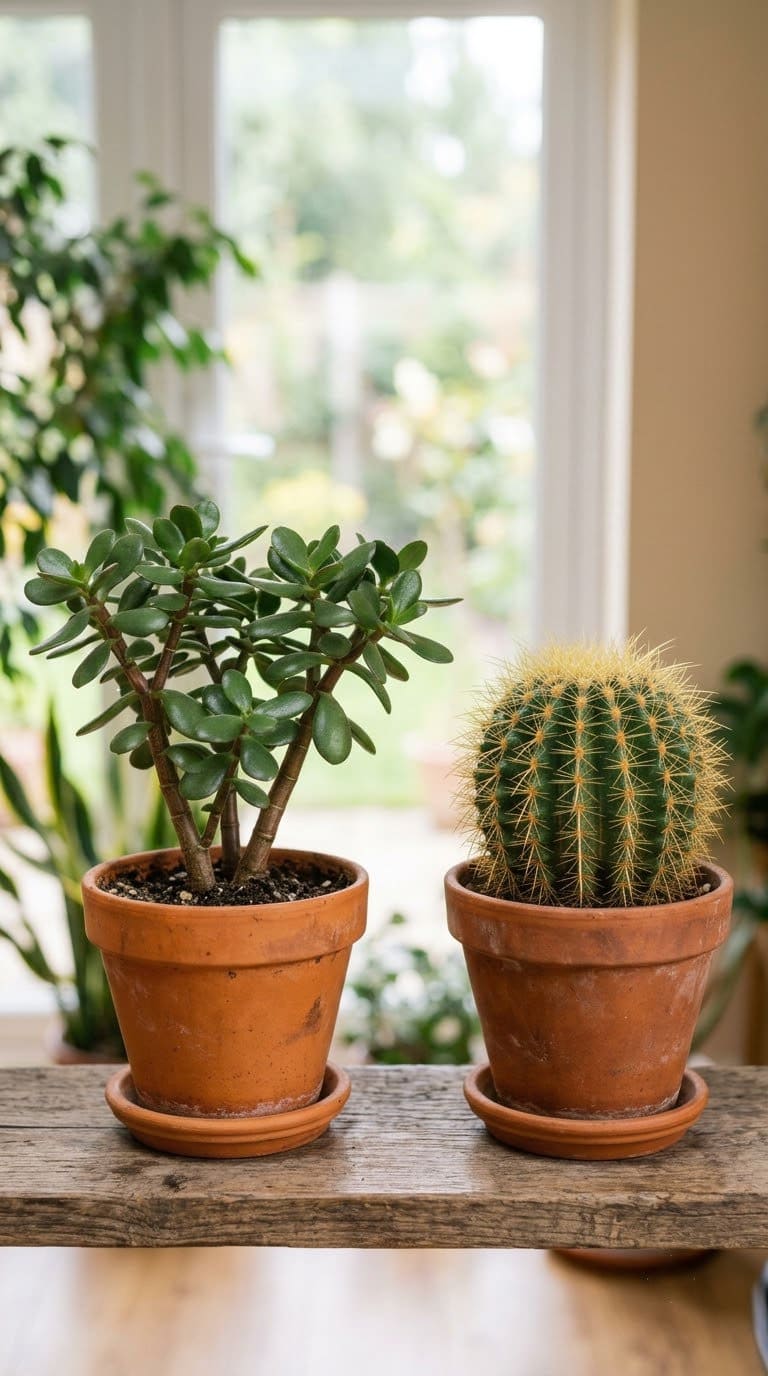
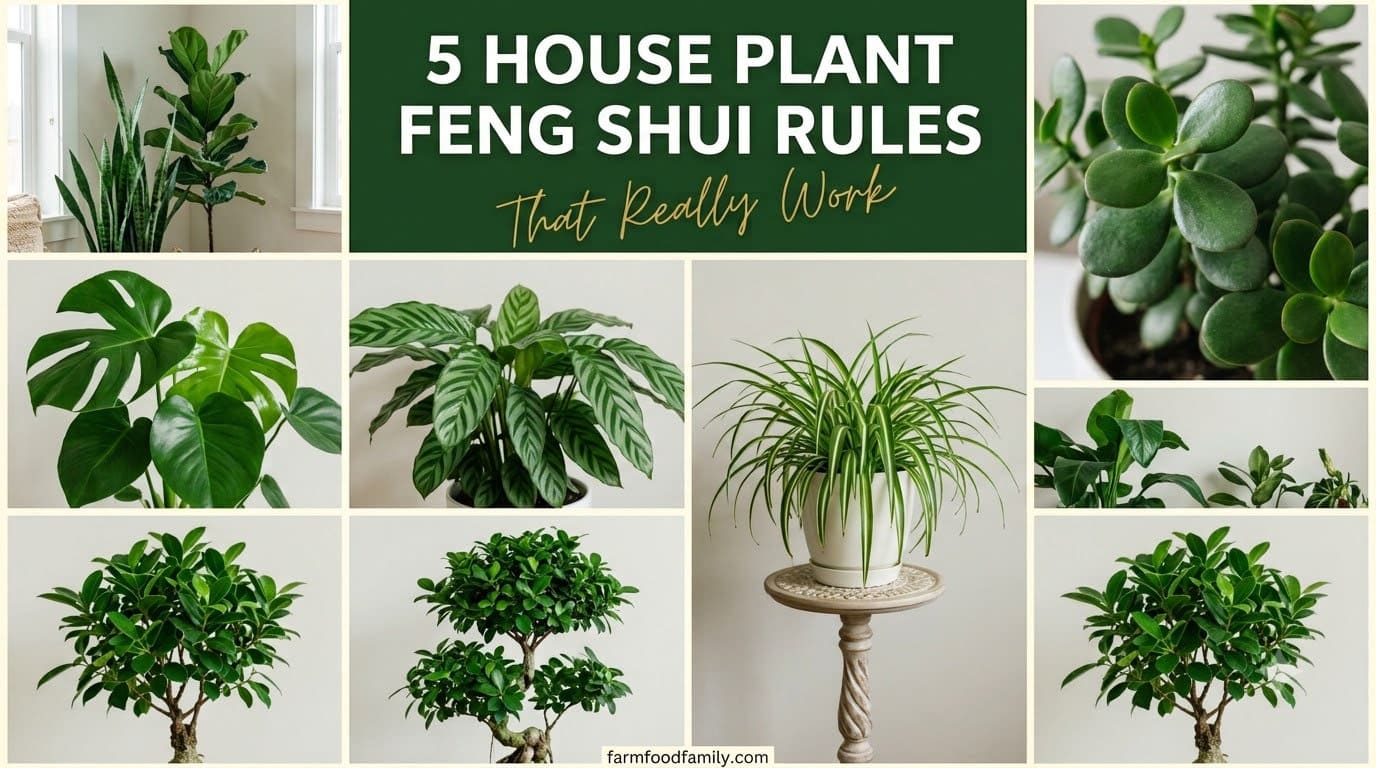
Round-leafed, upward-growing plants (jade, snake plants, peace lilies) are favored for a sense of accumulating, rising energy.

Bonsai trees are a specific exception to avoid, their entire design premise of deliberately stunted growth reads as symbolically limiting rather than supportive.
Answer 4 quick questions and get matched to the exact fix for your yard — drainage, budget, layout, or something else entirely.
Take the Free QuizThorny cacti are considered better suited outdoors as protective plants than indoors, where their sharp “poison arrow” energy has nowhere useful to point.
3. Never keep a dead or dying plant, and don’t oversell what a healthy one does for your air
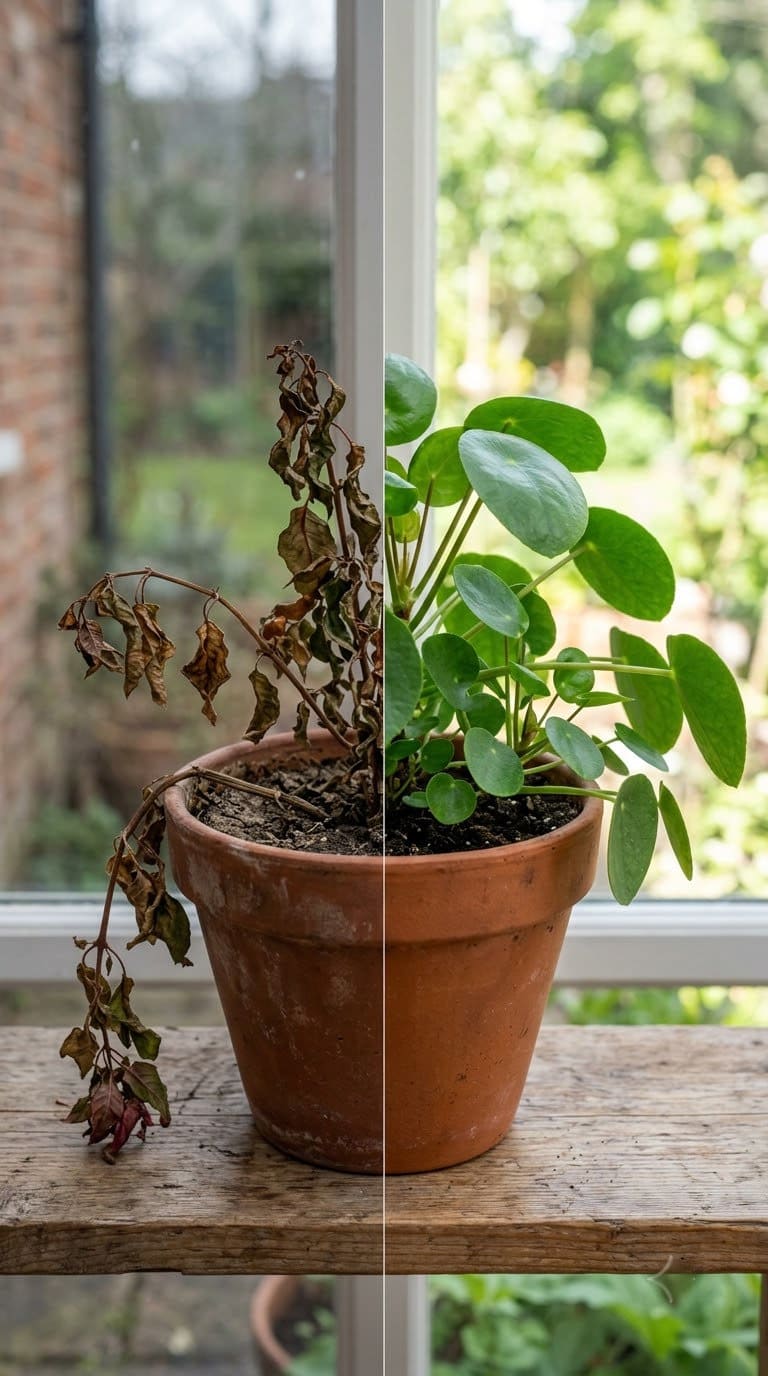
A withered, dying, or neglected plant is treated as actively harmful in feng shui, not neutral, it’s considered to generate stuck, declining “Sha Qi” rather than simply providing less benefit than a healthy one. Remove or replace anything past reviving, this is one of the more consistently emphasized rules across every source.
Where the “living plants bring good, clean energy” framing overstates things: the famous 1989 NASA Clean Air Study is widely (and incorrectly) cited as proof houseplants meaningfully purify indoor air.
Real independent follow-up research tells a more modest story, in a real home with normal airflow, you’d need somewhere around 680 plants in a 1,500-square-foot space to approach the effect measured in NASA’s sealed lab chambers, and simply opening a window outperforms any realistic houseplant arrangement for actual air quality.
A healthy plant is still a genuinely good, living addition to a room, just not for the specific “air purifier” reason often repeated. Our houseplants improve air quality guide has more on what plants can and can’t realistically do here.
4. Are the most popular “lucky” feng shui plants actually safe for pets?
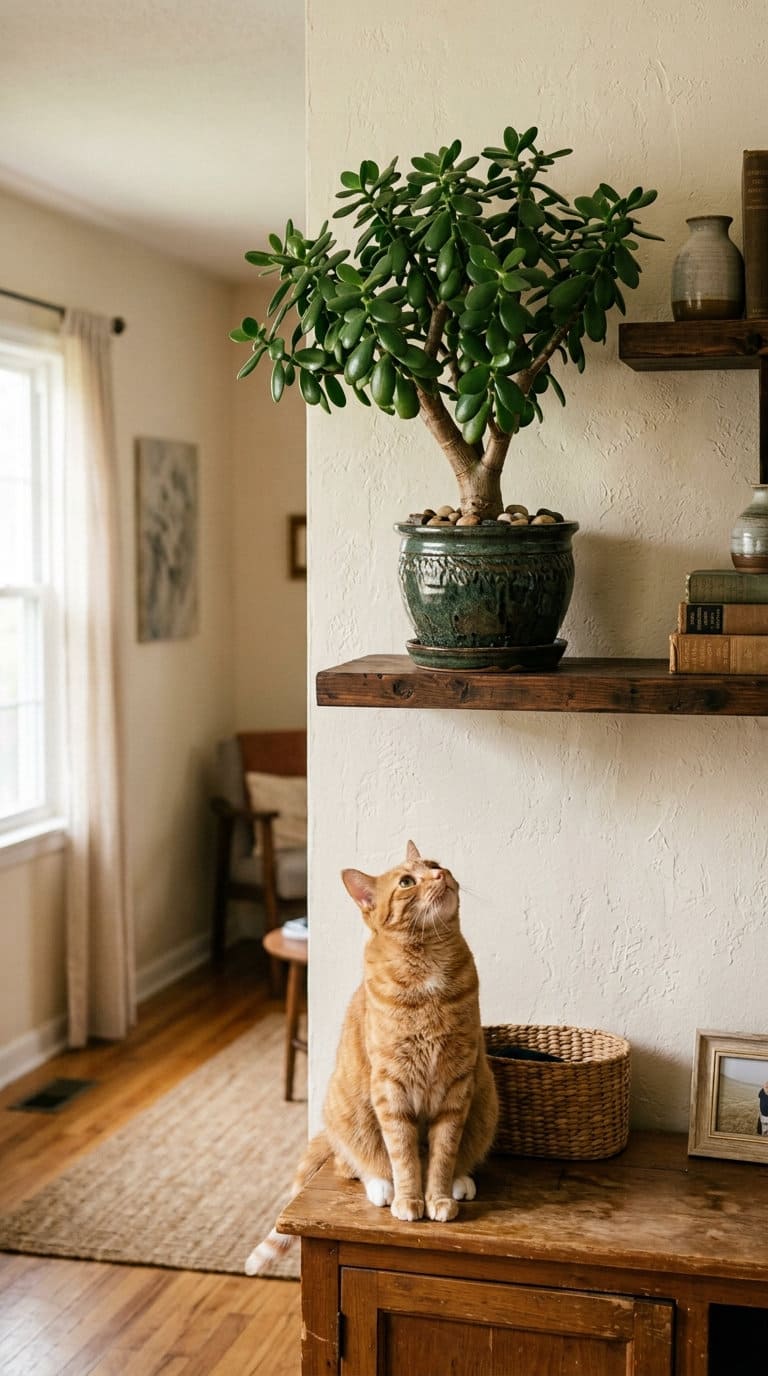
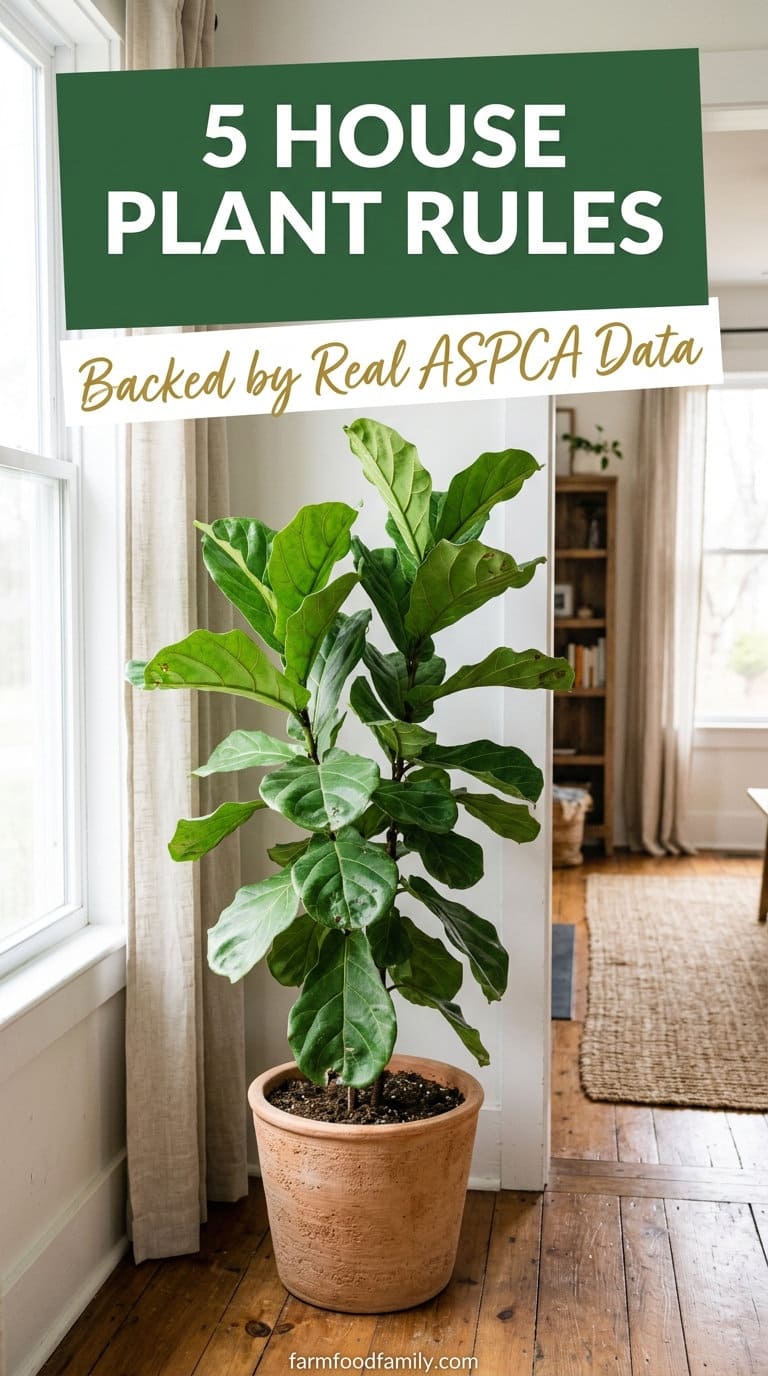
This is the gap in every feng shui source checked for this piece, and it’s a significant one given how central these specific plants are to the tradition. Per the ASPCA, jade plant, snake plant, and lucky bamboo (Dracaena sanderiana, which isn’t true bamboo at all) are each confirmed toxic to both cats and dogs, causing vomiting, diarrhea, and lethargy if ingested.
These three are consistently the most recommended “lucky” feng shui houseplants across every source checked, including this project’s other named feng shui expert’s own article, and none of them flag the toxicity risk.
Most yard problems trace back to one specific, fixable cause. Find yours in 4 quick questions.
Take the Free Quiz
Covers rule #2's favored plant type without rule #4's real ASPCA toxicity risk
Shop NowThis post contains affiliate links. We may earn a commission on qualifying purchases at no extra cost to you.
If pets have regular access to a room where you’re placing one of these plants, keep it elevated out of reach, or choose from our non-toxic houseplants guide instead, several genuinely feng shui-favorable options (many ferns, some palms) are also pet-safe.
5. Keep plants trimmed, healthy, and genuinely dust-free
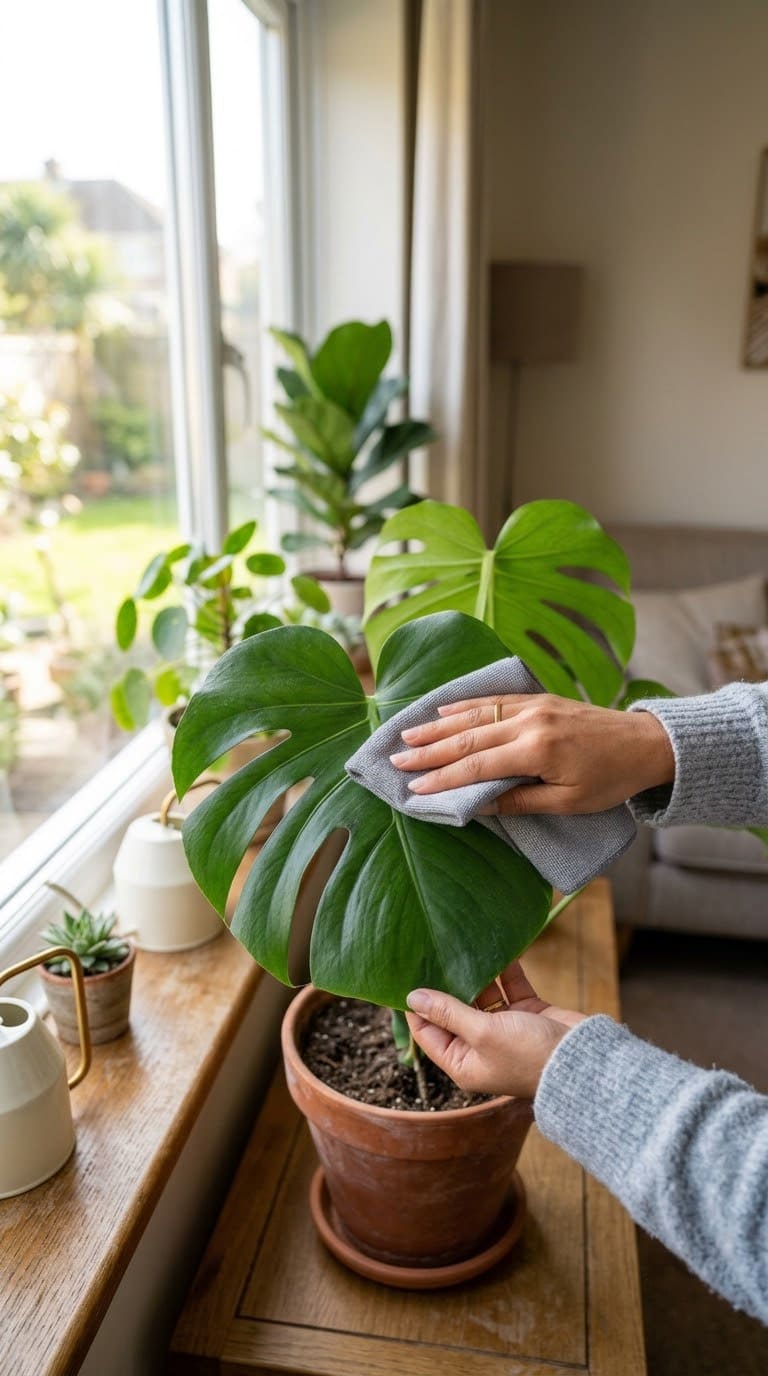
Beyond avoiding dead plants entirely, ongoing maintenance matters: trimmed rather than leggy or spindly growth, leaves wiped free of dust, and prompt removal of any yellowing or dead leaves rather than letting them accumulate.
A neglected-looking healthy plant sends a similar “declining energy” signal as a fully dead one, just more gradually.
Our keeping houseplants healthy: common mistakes to avoid guide covers the practical maintenance side of this in more depth.
The 5 rules at a glance
| Rule | Real-world backing | Fastest fix |
|---|---|---|
| Match placement to zone | Traditional five-element production cycle | Tall plants in the “lucky corner,” small ones flexible |
| Choose shape deliberately | Bonsai/cacti symbolically discouraged indoors | Round-leafed, upward-growing plants |
| Never keep dead/dying plants | NASA air-purifying claim overstated: ~680 plants needed for real effect | Remove or replace anything past reviving |
| Check pet toxicity | ASPCA: jade, snake plant, lucky bamboo all toxic to cats/dogs | Keep elevated or choose a pet-safe alternative |
| Keep trimmed and dust-free | Neglected-looking plants read as declining energy | Wipe leaves, remove yellowing growth |
What we learned the hard way
The pet-toxicity gap is the one that surprises people most, specifically because jade, snake plants, and lucky bamboo are marketed everywhere as beginner-friendly, low-maintenance “lucky” choices, with essentially no visible warning about pets. Checking the ASPCA’s plant list before buying, not after a pet gets sick, is the real lesson here.
The air-quality overstatement is the other common misconception. It’s an easy claim to repeat because it sounds plausible and references a real NASA study, but the real, unglamorous fix for stale indoor air is still ventilation, not a strategically placed fern.
FAQs
Do houseplants actually improve indoor air quality at all? Modestly, and far less than popular claims suggest. Real research shows you’d need dozens to hundreds of plants in a typical home to approach the effect measured in NASA’s sealed-chamber study; opening a window is more effective for actual air quality.
Are jade plants, snake plants, and lucky bamboo safe to have at all if I have pets? They’re not automatically off-limits, but they are confirmed toxic per ASPCA data. Keep them somewhere pets genuinely can’t access, or choose a pet-safe alternative if that’s not realistic in your home.



Is a fake or silk plant ever an acceptable feng shui substitute? Yes, according to Kathryn Weber’s own guidance, a clean, dust-free silk plant is considered acceptable when a live plant isn’t practical, the key requirement is that it looks genuinely fresh and well-kept, not neglected.
The average homeowner spends $616/year on yard fixes that don't address the real problem. Find out what yours actually is — before you spend another dollar.
Take the Free QuizCan I put a lot of plants together for a stronger effect? Not necessarily better, clustering too many large plants together is considered to create an imbalance of wood (or fire, depending on the plants) energy rather than a stronger positive effect.
Related reading on farmfoodfamily.com: for care-specific guides on the most popular feng shui plants mentioned here, see our types of jade plants, money tree plant care guide, and neon pothos care guides.
Related Posts
- Non-Toxic Houseplants
- Houseplants Improve Air Quality
- Keeping Houseplants Healthy: Common Mistakes to Avoid
- Hard-to-Kill Houseplants
- Types of Jade Plants
- Money Tree Plant Care Guide
Products We Recommend
This post contains affiliate links. We may earn a commission on qualifying purchases at no extra cost to you.
Artificial Jade Plant (Real-Touch)
Covers rule #2's favored plant type without rule #4's real ASPCA toxicity risk
Shop Now
American Plant Exchange Cast Iron & Areca Palm (Live, 2-Pack)
A genuinely ASPCA-listed pet-safe live alternative referenced in rule #4
Shop Now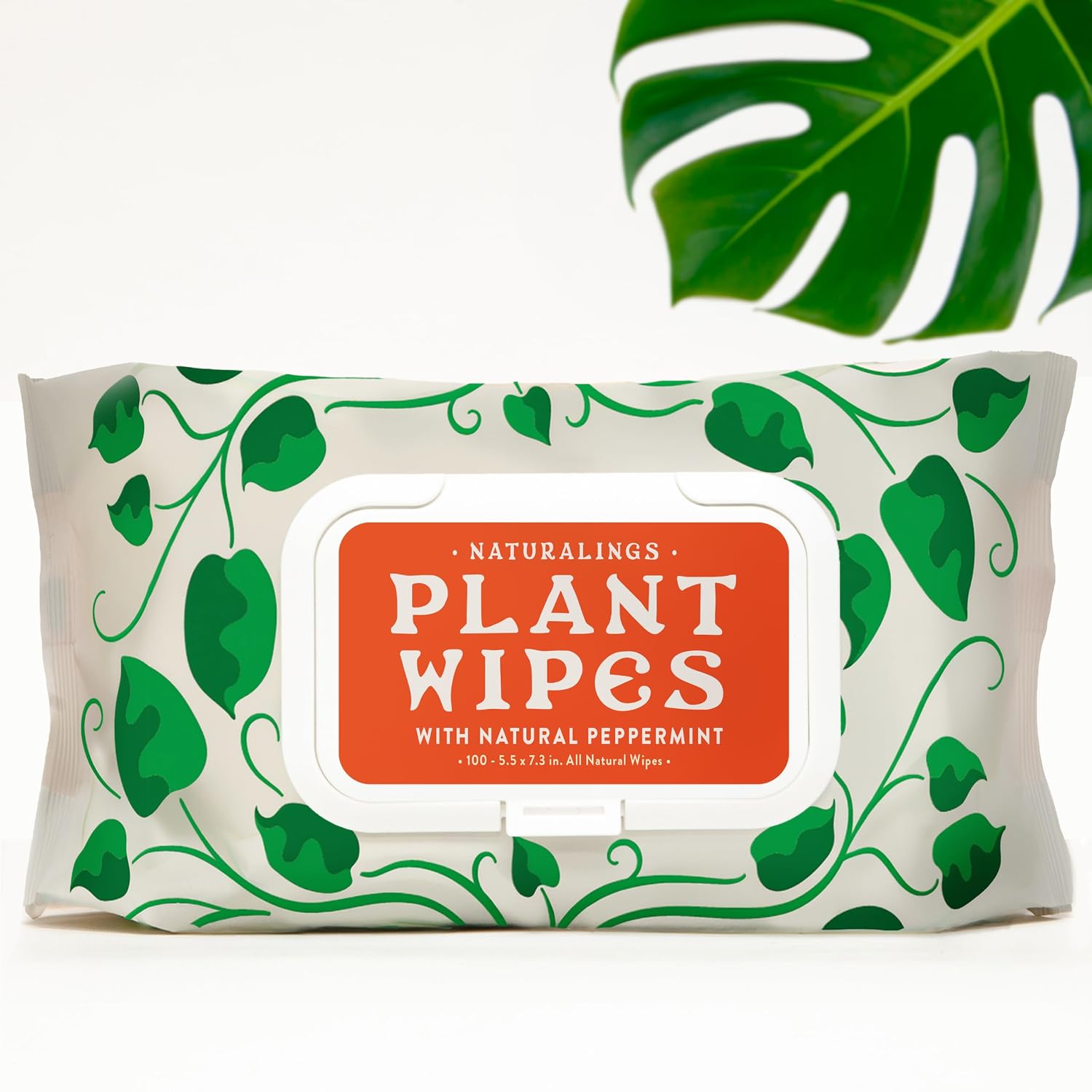
Naturalings Plant Leaf Cleaning Wipes (100-Count)
Covers rule #5's dust-free maintenance requirement
Shop NowNever miss an update — choose FarmFoodFamily as your preferred source on Google.
How it works: Tap the button below to open Google's settings page, then check the box next to FarmFoodFamily.
Tap the checkbox to turn it blue — that's how you know it's set.