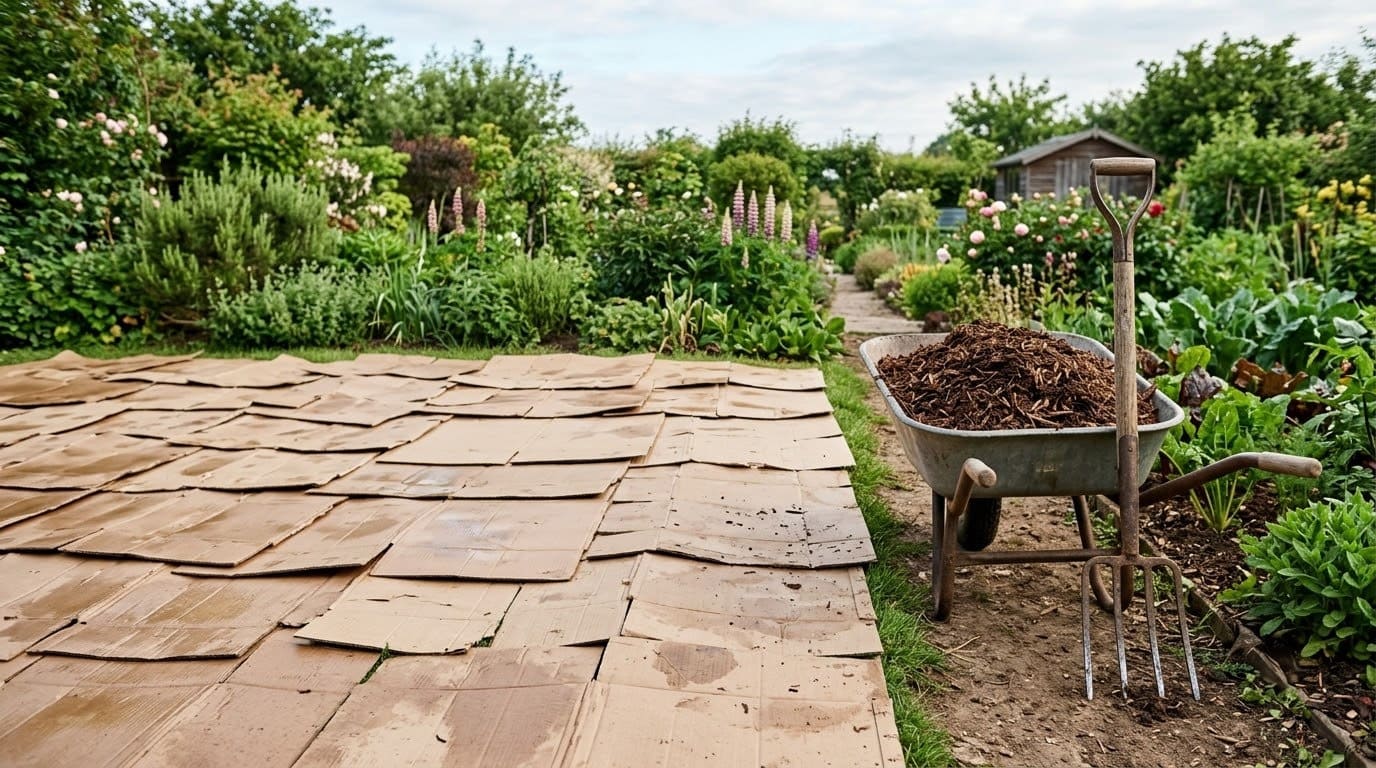
The September Garden Checklist: 12 Genius Tasks Before the First Frost Catches You Off Guard
A little September prep saves your tomatoes, your lawn, and next year’s flowers, but do these 12 tasks in the wrong order and you’ll undo half the work.

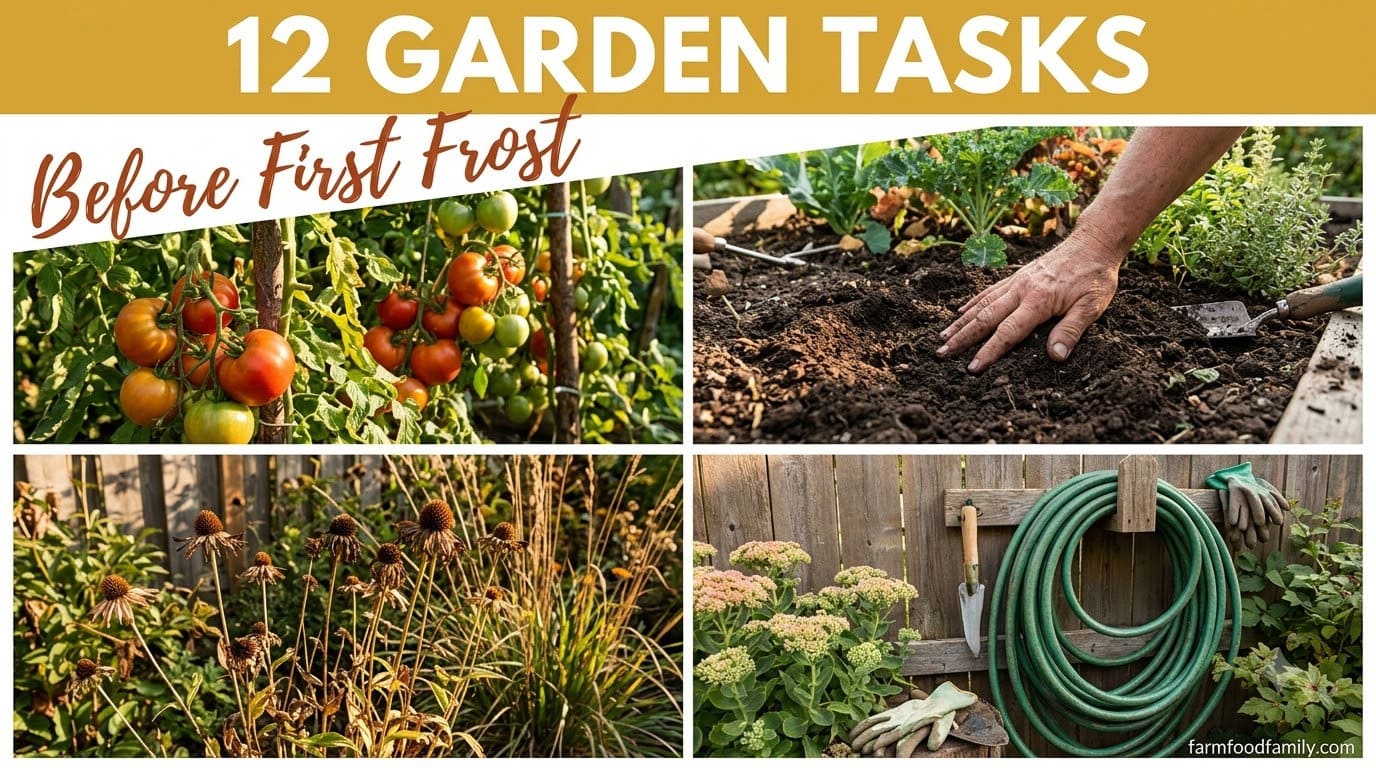
Never miss an update — choose FarmFoodFamily as your preferred source on Google.
How it works: Tap the button below to open Google’s settings page, then check the box next to FarmFoodFamily.
Tap the checkbox to turn it blue — that’s how you know it’s set.
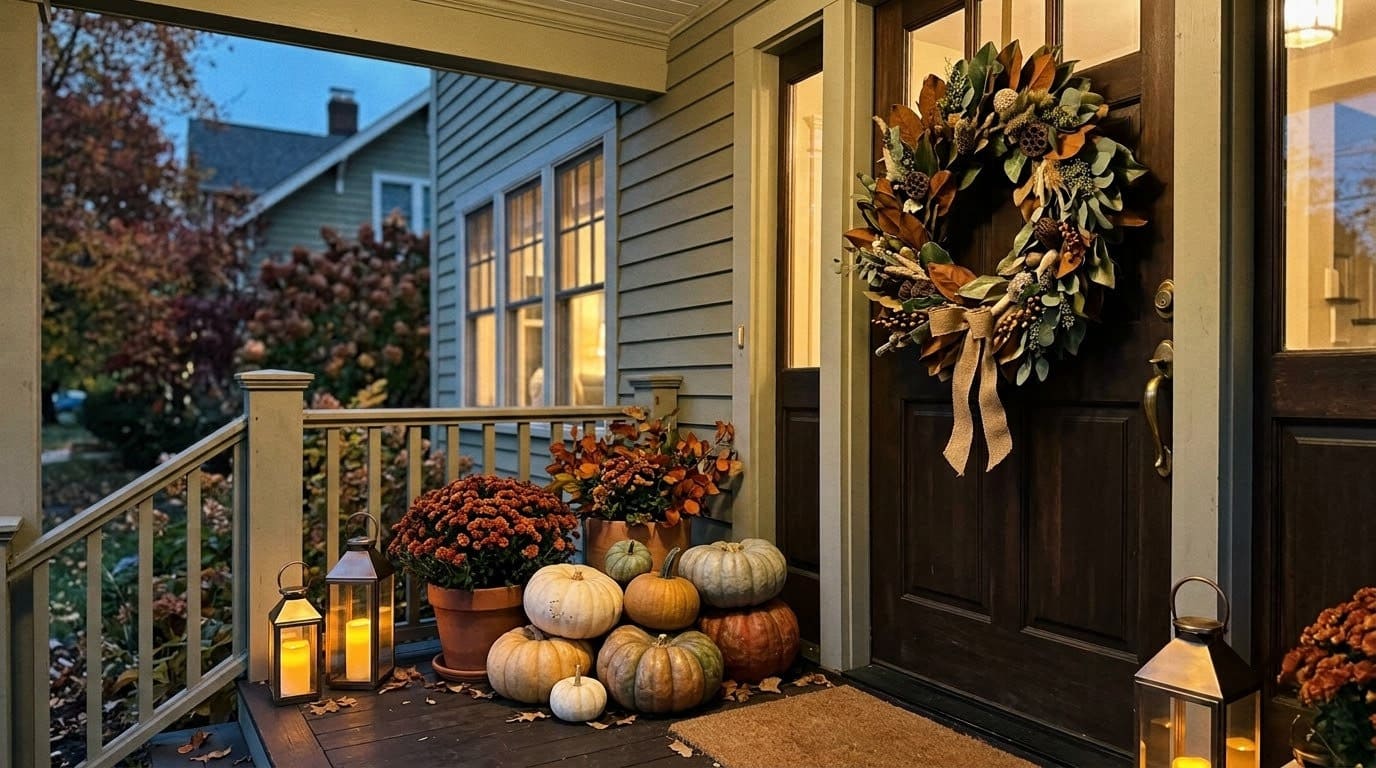
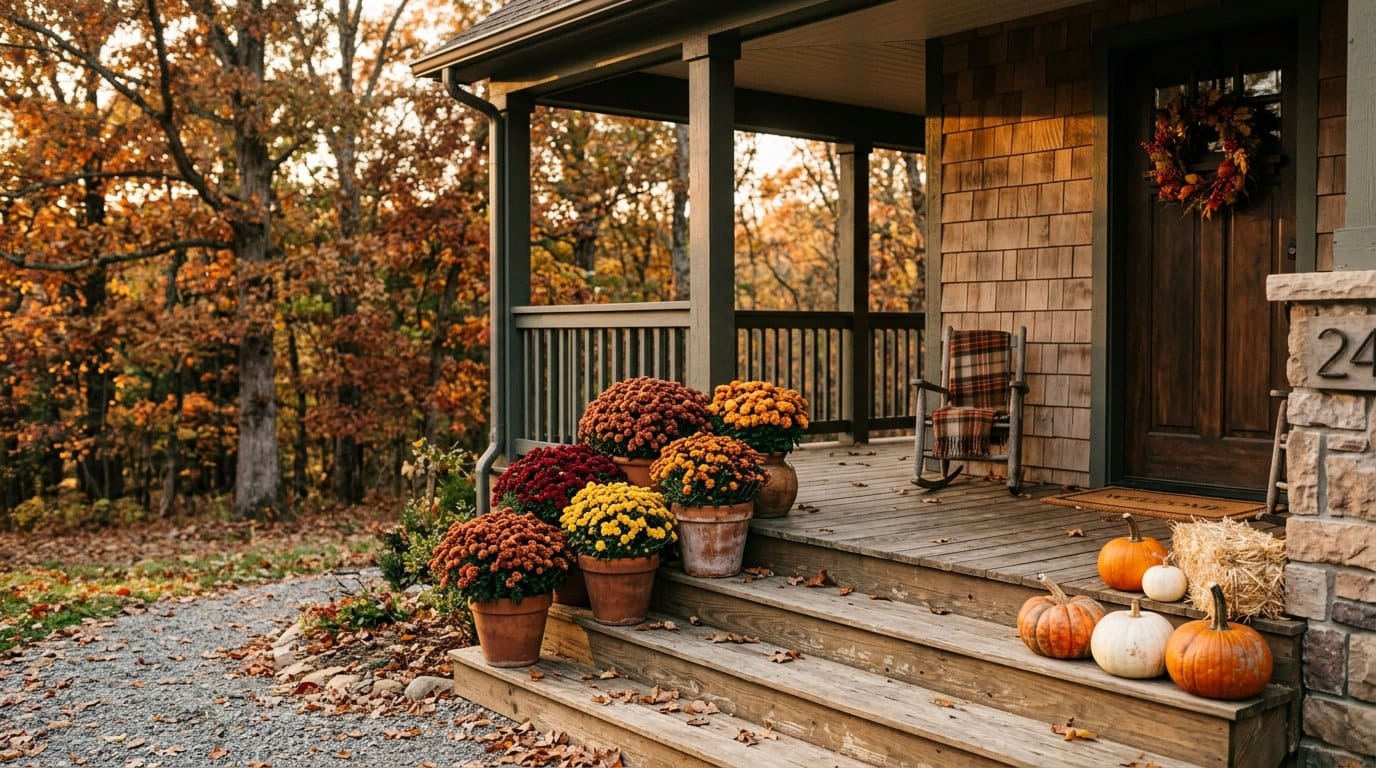
September is the month gardeners either overcorrect or under-react. Some people chop every perennial to the ground the second the weather cools, which actually hurts the plant. Others forget to bring a single pot indoors and lose a fern they’ve kept alive for six years.
I’ve done both. Last September I dragged a rosemary plant in about two hours before a surprise 38°F night, and it survived out of pure luck, not planning.
This isn’t a “what to do in fall” list padded out with generic advice. It’s 12 specific tasks, in the order that actually matters, with the timing and technique that decide whether they help or backfire.
Quick answer: The three things to get right first are picking every tomato before a hard frost (ripen indoors, never in the fridge), stopping nitrogen fertilizer after mid-September so plants don’t push soft growth that freezes, and leaving most perennials standing until after the first hard freeze instead of cutting them back early.
According to University of Missouri Extension horticulturist David Trinklein, herbaceous perennials should be cut back to the crown only once they’ve gone fully dormant, not on the first cool day. Everything else on this list, dividing perennials, sowing cover crops, testing soil, moving houseplants indoors, harvesting winter squash, overseeding the lawn, and planting garlic and spring bulbs, fits around those three anchor tasks rather than ahead of them.
Each task has its own real window, some need to happen 4-6 weeks before frost, others only in the final week. Get the sequence wrong and you’ll spend October undoing September’s mistakes, not building on them.
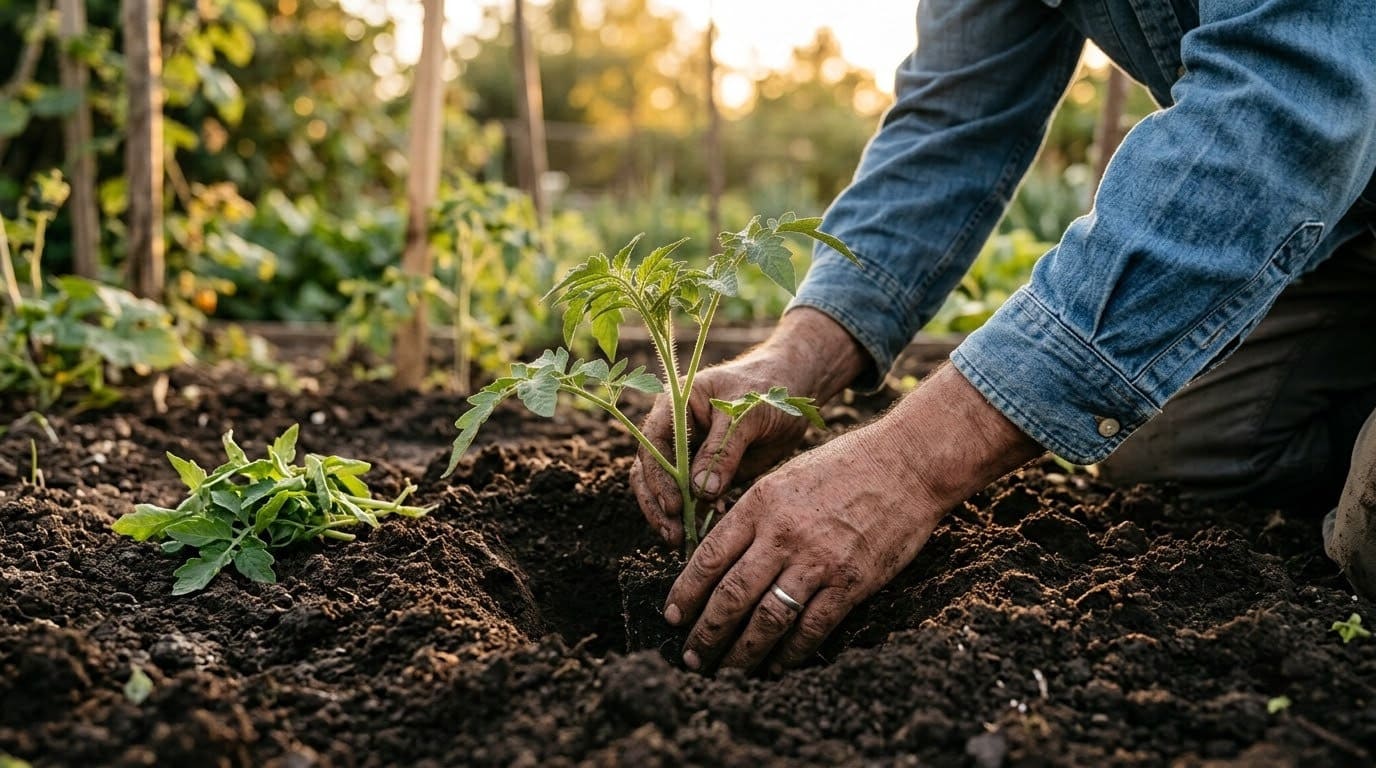


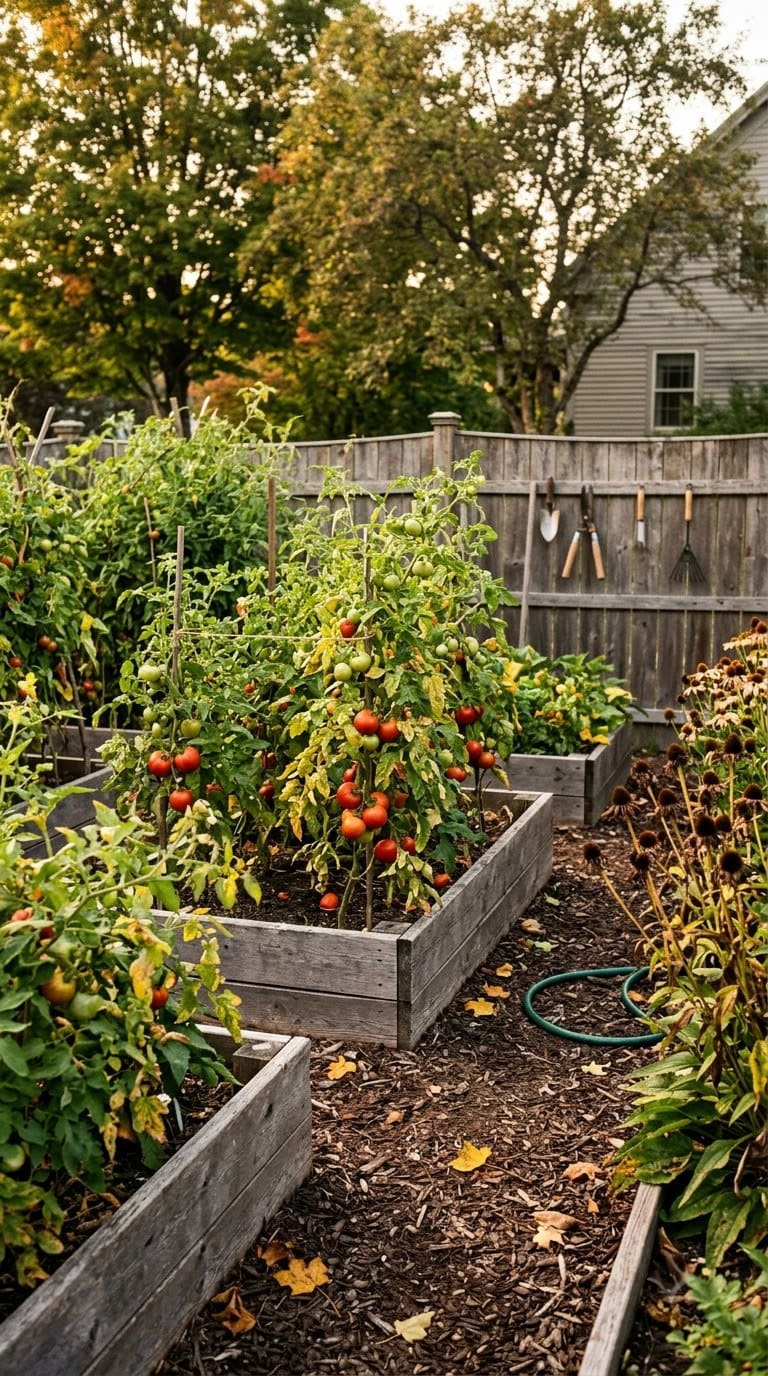
Answer 4 quick questions and get matched to the exact fix for your yard — drainage, budget, layout, or something else entirely.
Take the Free Quiz1. Pick every tomato before the first hard frost
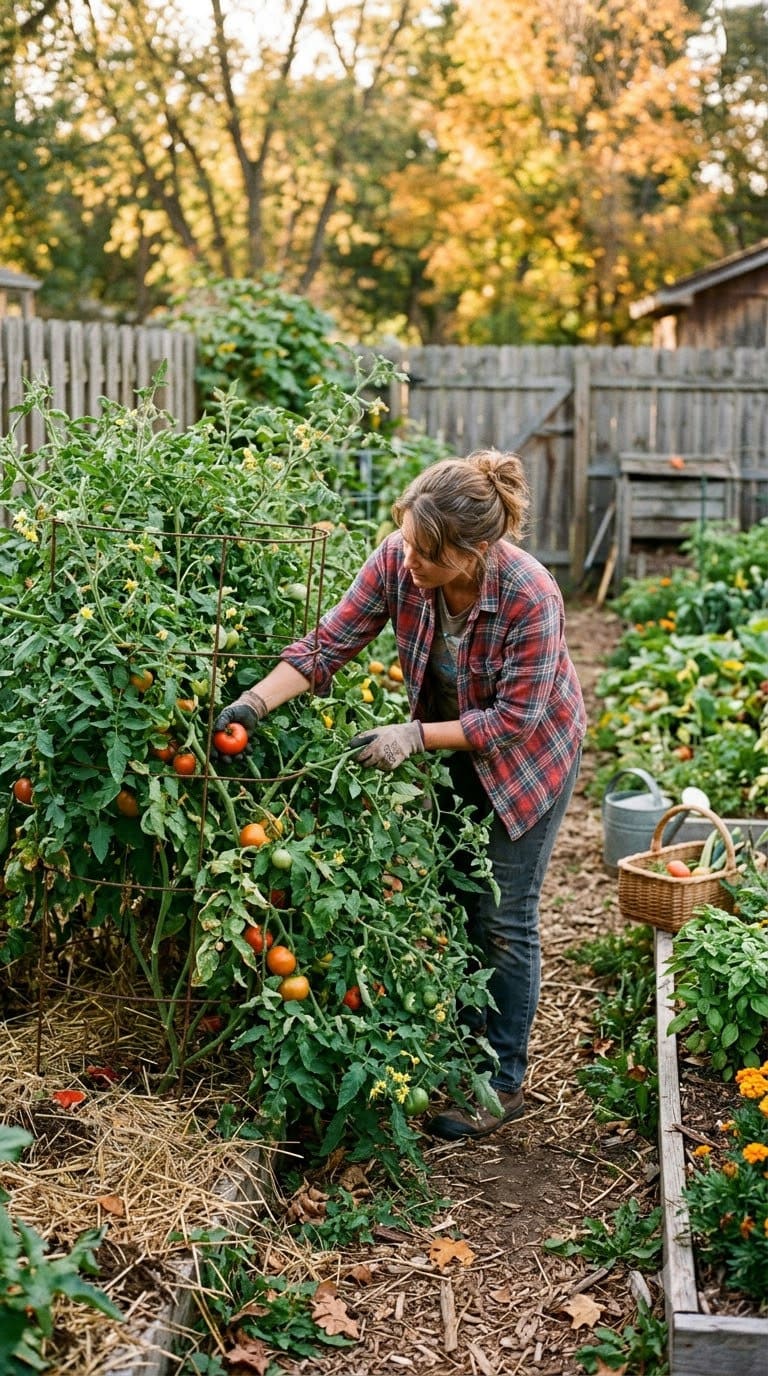
Don’t wait for a full ripening. Pick any tomato showing even a slight blush of color, since it will finish ripening indoors at room temperature.
Never put green tomatoes in the refrigerator. Cold stops the ripening process and kills the flavor for good.
Never seal them in a plastic bag either. Bags trap ethylene gas and moisture, which speeds up mold instead of ripening.
Lay them in a single layer on a counter or in a shallow box, out of direct sun, and check daily. Fully green tomatoes with no blush at all can still be used for fried green tomatoes or relish instead of thrown out.
This pairs well with task 9’s squash-harvest timing, since both crops need a specific readiness test instead of a guess.
2. Stop feeding nitrogen after mid-September
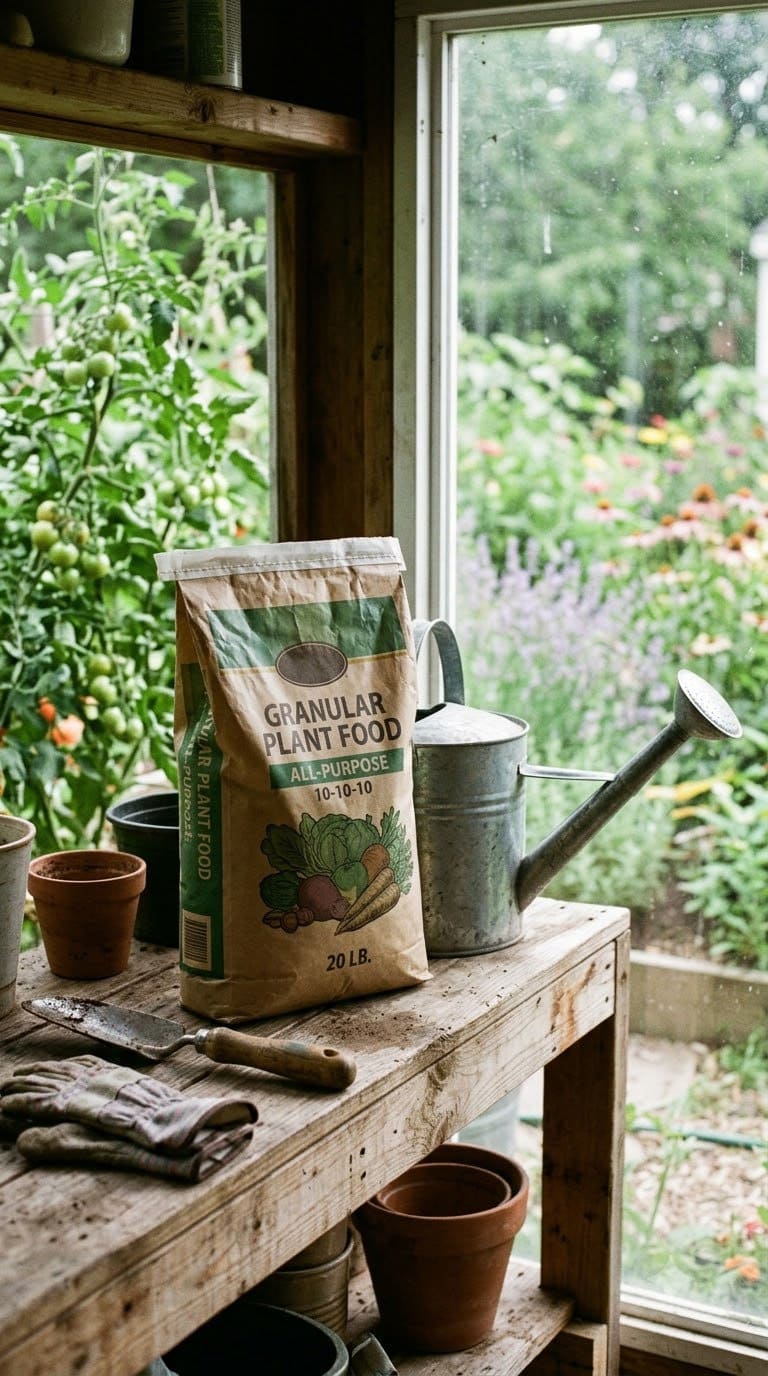
This one runs against instinct. It feels like plants need a boost before winter, but nitrogen after mid-September pushes soft, fast new growth that has no time to harden off before a freeze.
That tender new growth is also exactly what aphids and spider mites go looking for when they’re hunting a spot to overwinter, so late fertilizing can actually invite a pest problem heading into next spring.
Most yard problems trace back to one specific, fixable cause. Find yours in 4 quick questions.
Take the Free Quiz
At-home soil test kit for a quick read on pH and fertility between full extension-office soil tests, task 7 (4.0 stars, 512 ratings, "1K+ bought in past month", live-verified in stock).
Shop NowThis post contains affiliate links. We may earn a commission on qualifying purchases at no extra cost to you.
If a plant genuinely looks pale or stressed, switch to a low-nitrogen, higher-phosphorus feed instead, or just wait until spring. About 3 to 4 weeks before your average first frost date is the real cutoff, not a specific calendar day, since it depends on your zone.
If you’re not sure what your soil actually needs going into fall, the full breakdown of feeding a vegetable bed by growth stage is worth a read before you decide to skip fertilizing entirely.
3. Sow a cover crop in any bed you’re not using
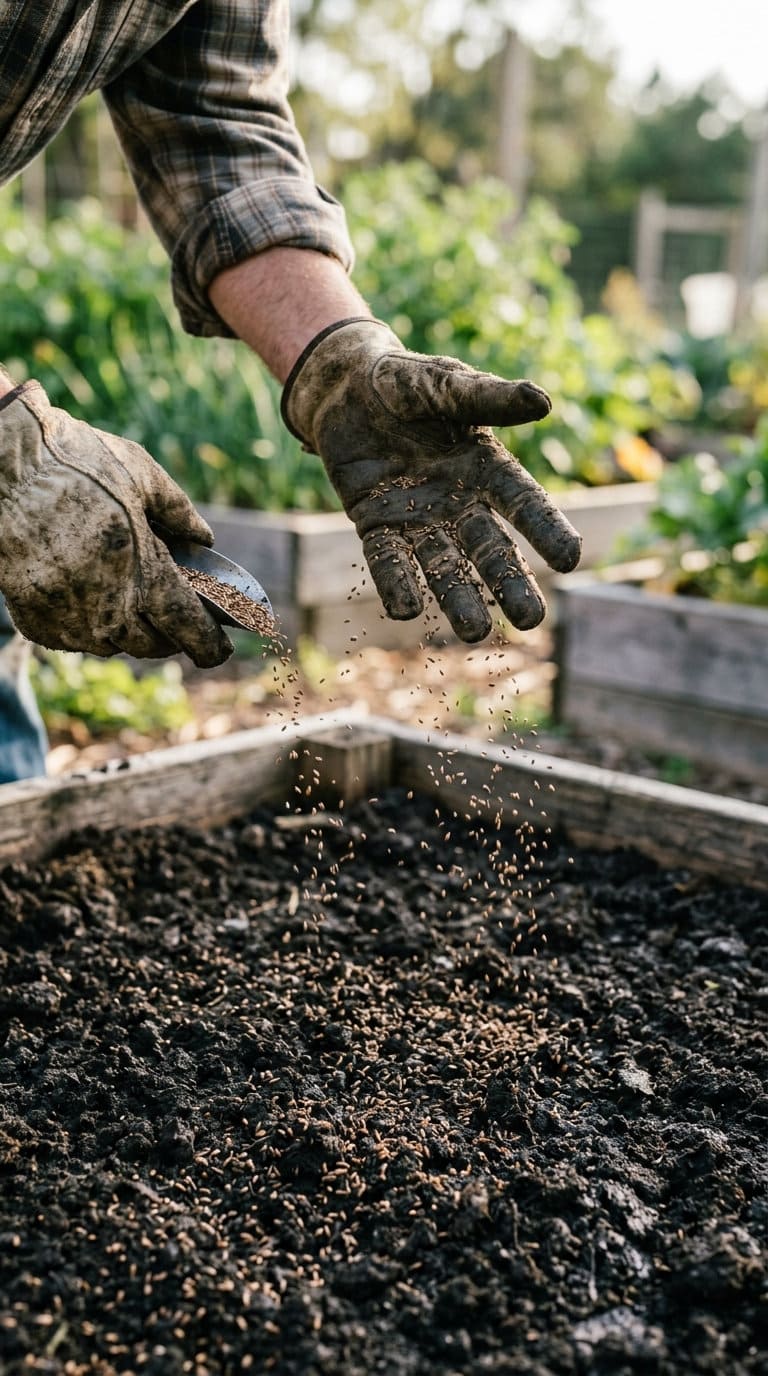
Bare soil erodes, compacts, and loses nutrients over winter. A cover crop fixes all three problems for close to nothing.
Cereal rye and winter wheat are the two most reliable cool-season options, sown 4 to 6 weeks before your first frost so they get enough root growth before going dormant. Crimson clover works too, and it fixes nitrogen in the soil as a bonus, which directly offsets the “no fertilizer” rule in task 2.
Rake the seed in lightly, water it once, and let it grow through fall. Come spring, cut it down and turn it into the bed instead of pulling it, which is basically free organic matter.
If a full cover crop feels like too much, even scattering leftover lettuce or radish seed in an empty row does something, and it’s a fast fix if task 11’s bulb planting leaves gaps elsewhere in the bed.
4. Divide spring and summer perennials now, not in spring
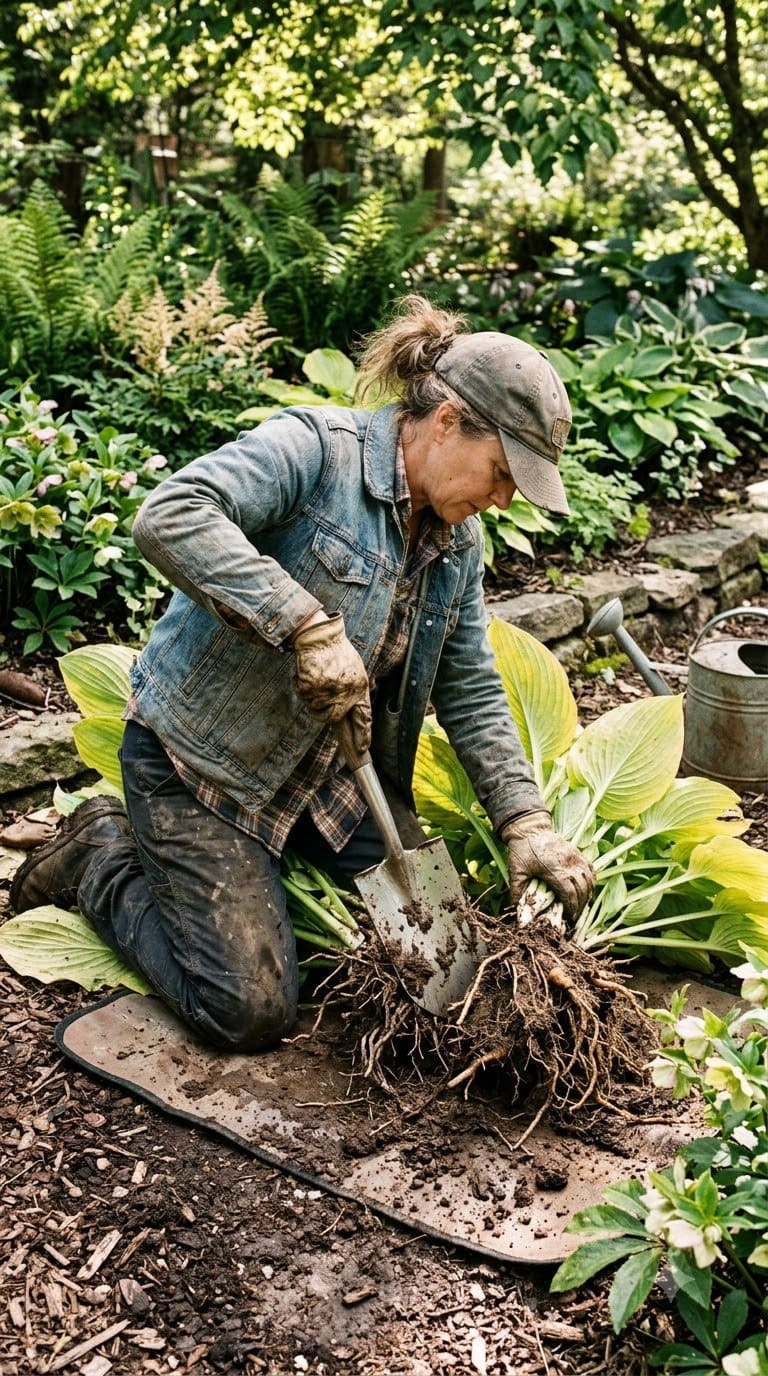
Early September, while the soil is still warm but the air has cooled, is genuinely the best window to divide perennials that already finished blooming. Hostas, daylilies, rudbeckia (black-eyed Susan), and Shasta daisies all handle a fall division well.
Dig up the whole clump, and don’t be shy about it, most established perennials tolerate a rougher split than people expect. Use a spade or an old kitchen knife to cut the root ball into sections, each with at least 2-3 healthy shoots and a chunk of root.


Replant divisions immediately at the same depth they were growing before, water them in well, and mulch lightly. This is also the cheapest way to fill a bare bed, since you’re multiplying plants you already own instead of buying new ones.
The average homeowner spends $616/year on yard fixes that don't address the real problem. Find out what yours actually is — before you spend another dollar.
Take the Free Quiz5. Don’t cut your perennials back yet
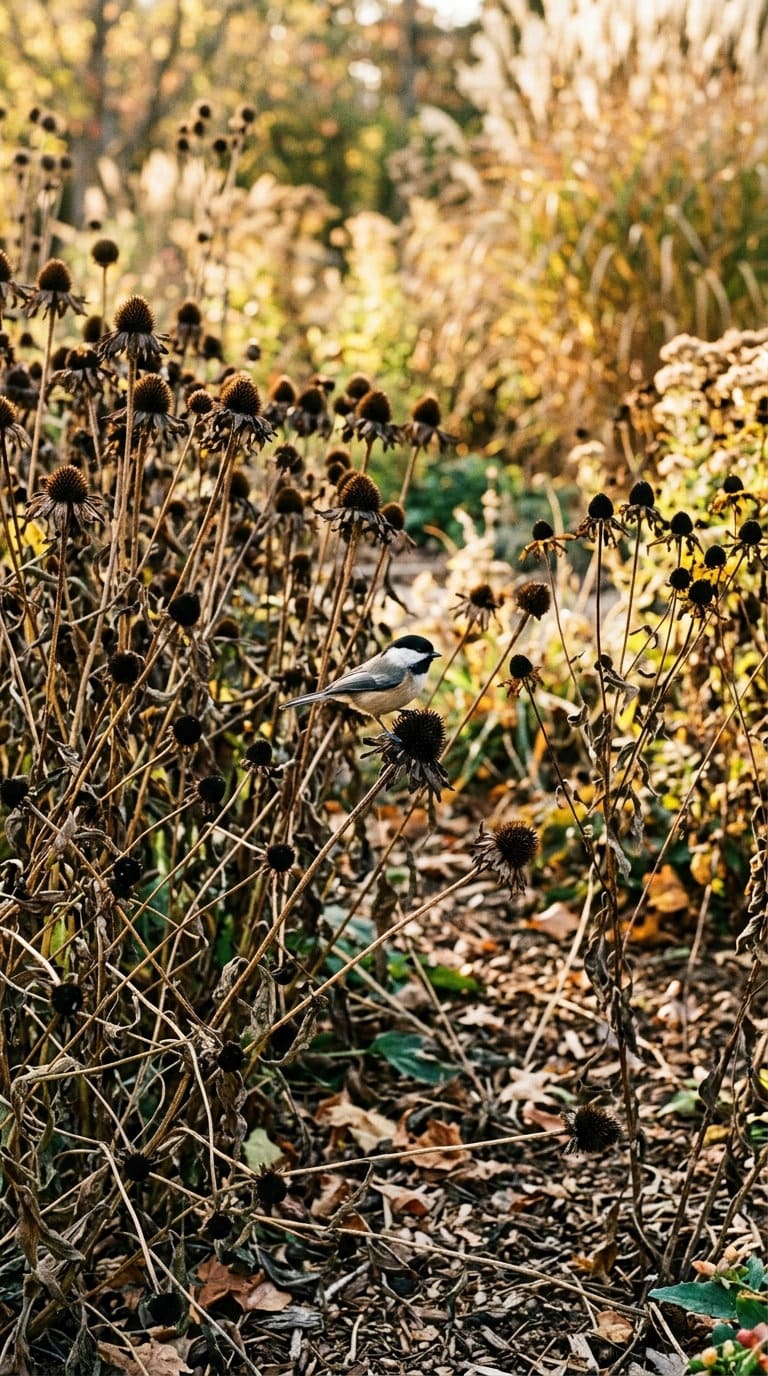
This is the mistake I see most often, and it’s the opposite of what feels productive. The instinct in September is to tidy everything up, but most perennials should stay standing until after the first hard freeze, not the first cool morning.
Per University of Missouri Extension, cutting herbaceous perennials back too early removes leaves the plant is still using to store energy in its crown and roots for next year. Cutting early can measurably weaken next spring’s growth.
There’s also a wildlife angle. Seed heads on coneflowers and black-eyed Susans feed birds through fall, and hollow stems from asters or bee balm are actual overwintering habitat for native bees.
Wait until the foliage is fully brown and collapsed before cutting anything back, usually well into October or later depending on your zone.
6. Clear diseased leaves and debris, but not everything
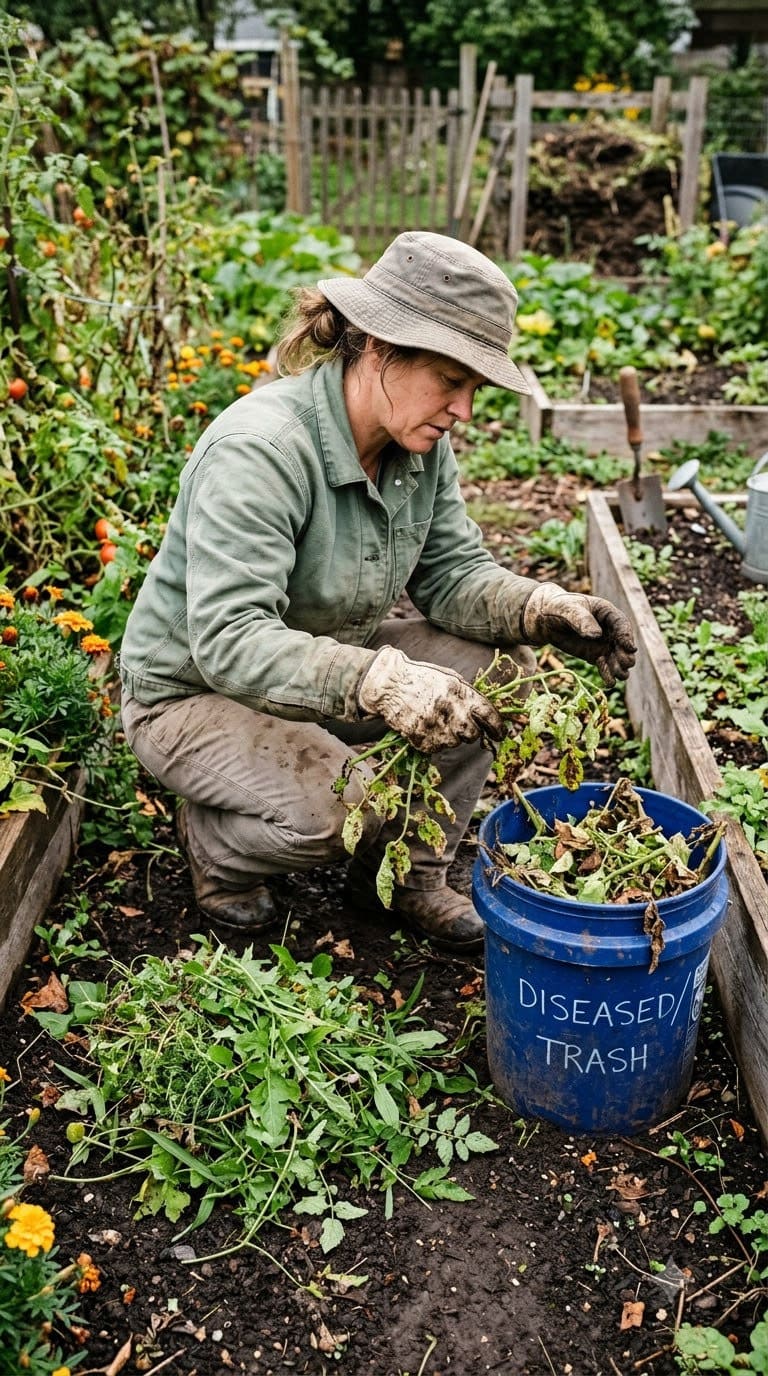
Fall cleanup matters, but it needs to be selective. Pull up spent annuals and vegetable plants that are done for the season, and get rid of anything showing disease, blight, powdery mildew, or insect damage.
Diseased material should go in the trash or a hot municipal compost pile, never your home compost bin, since a backyard pile rarely gets hot enough to kill fungal spores and overwintering pests.
Healthy plant debris is fine to compost. And leave some leaf litter in garden beds if you can stand it, since it’s free winter mulch and habitat for beneficial insects, just rake excess off the lawn so it doesn’t smother the grass.
Don’t have a compost setup yet, this is a reasonable weekend to build one. A cheap pallet or bin build handles a season’s worth of healthy debris without spending much.
7. Test your soil before winter, not in spring
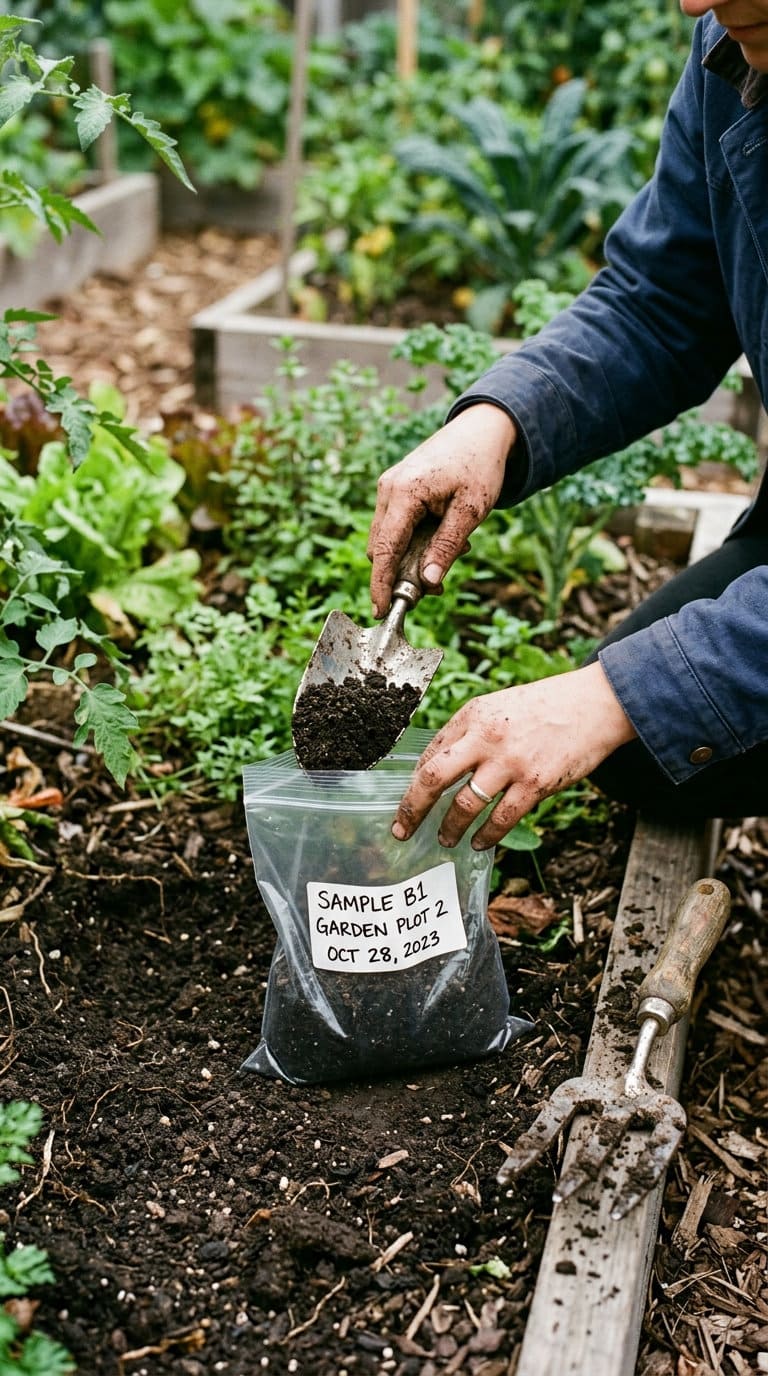
September is a better time to soil test than spring, because you get the results back in time to actually add amendments (lime, sulfur, compost) that need months to break down and adjust pH before next year’s planting.
Most state university extension offices run this for a small fee, usually somewhere between $10 and $25, and mail back a report with specific recommendations for your soil, not generic advice. Pull a sample from 4 to 6 inches deep, from several spots in the same bed, mixed together.
Skipping this step is the reason so many “why won’t my tomatoes grow” questions have no real answer, because nobody actually checked the pH or the phosphorus levels underneath the plant.
8. Bring tender potted plants inside before it’s too late
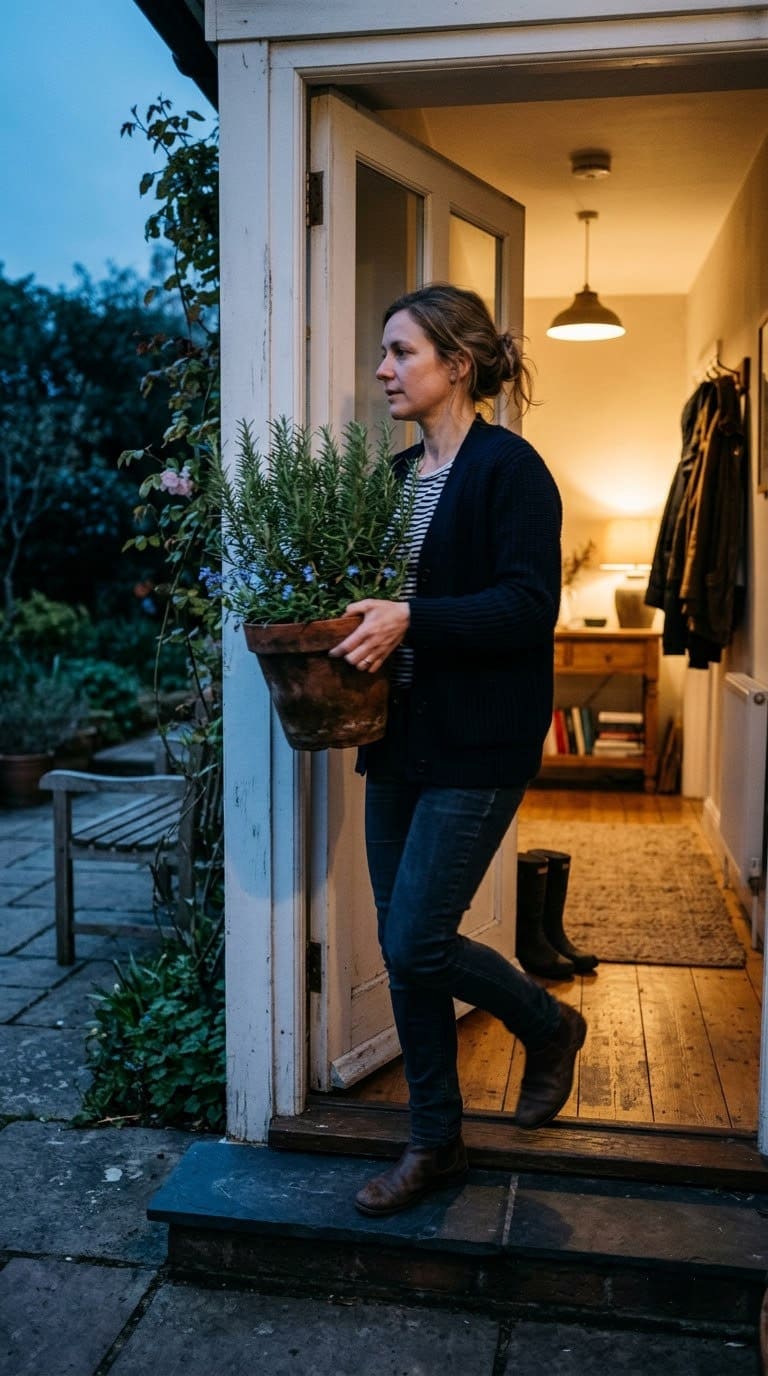
Most houseplants that spent summer outside start showing stress once nighttime temperatures dip into the 50s. According to University of Missouri Extension, plants should come indoors before nighttime temperatures drop below 50 to 60°F, not after the first frost warning.
Check your local overnight forecast starting in early September and don’t wait for a cold-snap headline to remind you. I learned this the hard way with a rosemary plant that barely survived a surprise 38-degree night because I put off bringing it in for two weeks longer than I should have.
Before bringing anything in, inspect the pot for hitchhiking pests, hose the foliage off, and let it dry before it comes through the door, or you’ll spend winter fighting fungus gnats indoors instead of outside where they belong.
9. Harvest winter squash at the right moment, not early
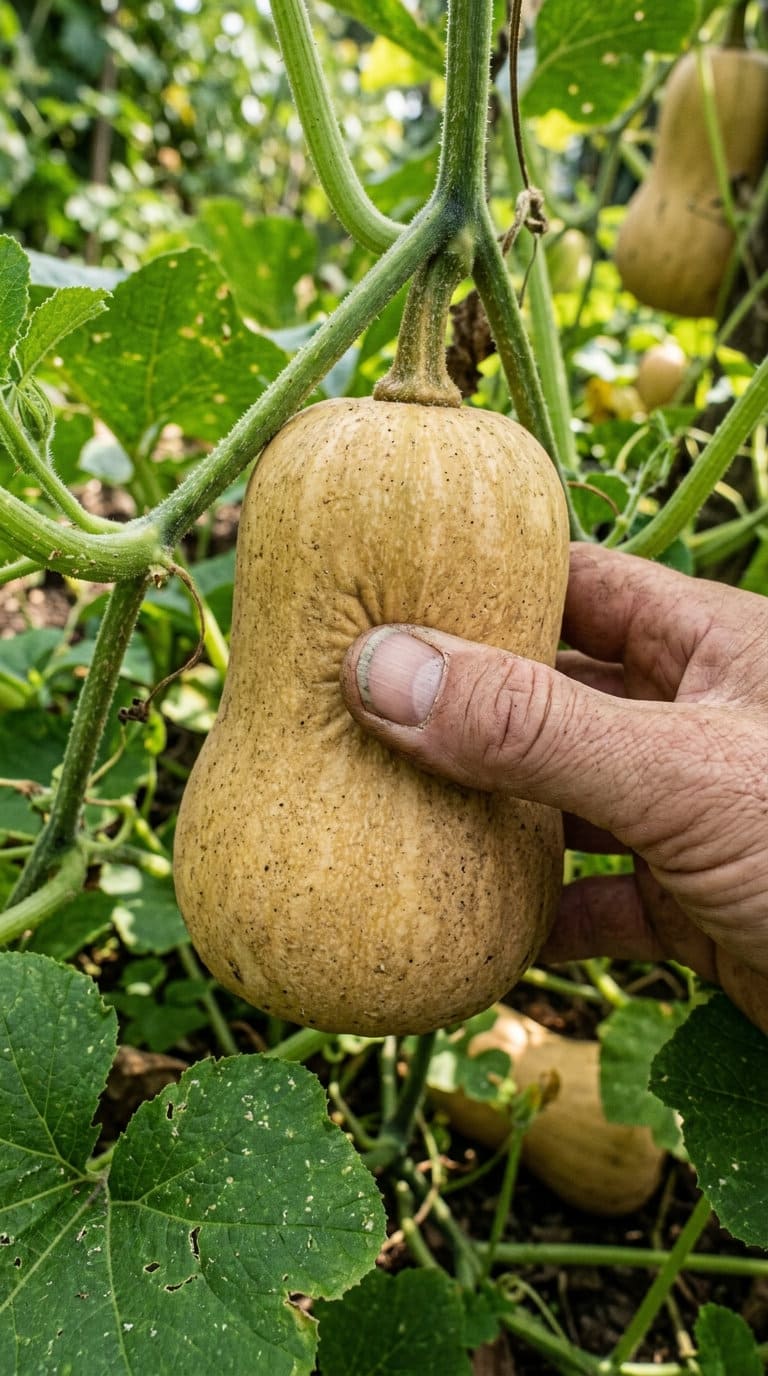
Winter squash (butternut, acorn, spaghetti) is one of the few crops where picking too early actively hurts flavor and storage life. The real readiness test, per University of Missouri Extension, is pressing a thumbnail into the rind. If it resists and doesn’t puncture easily, the squash is ready.
Cut the stem with about 2 inches of stem left attached, not flush to the fruit, since a bare cut spot is where rot usually starts in storage.
Cure them somewhere warm and dry for about a week to 10 days before moving them to a cool, dark spot, which noticeably extends how long they’ll keep, often 2 to 3 months longer than an uncured squash.
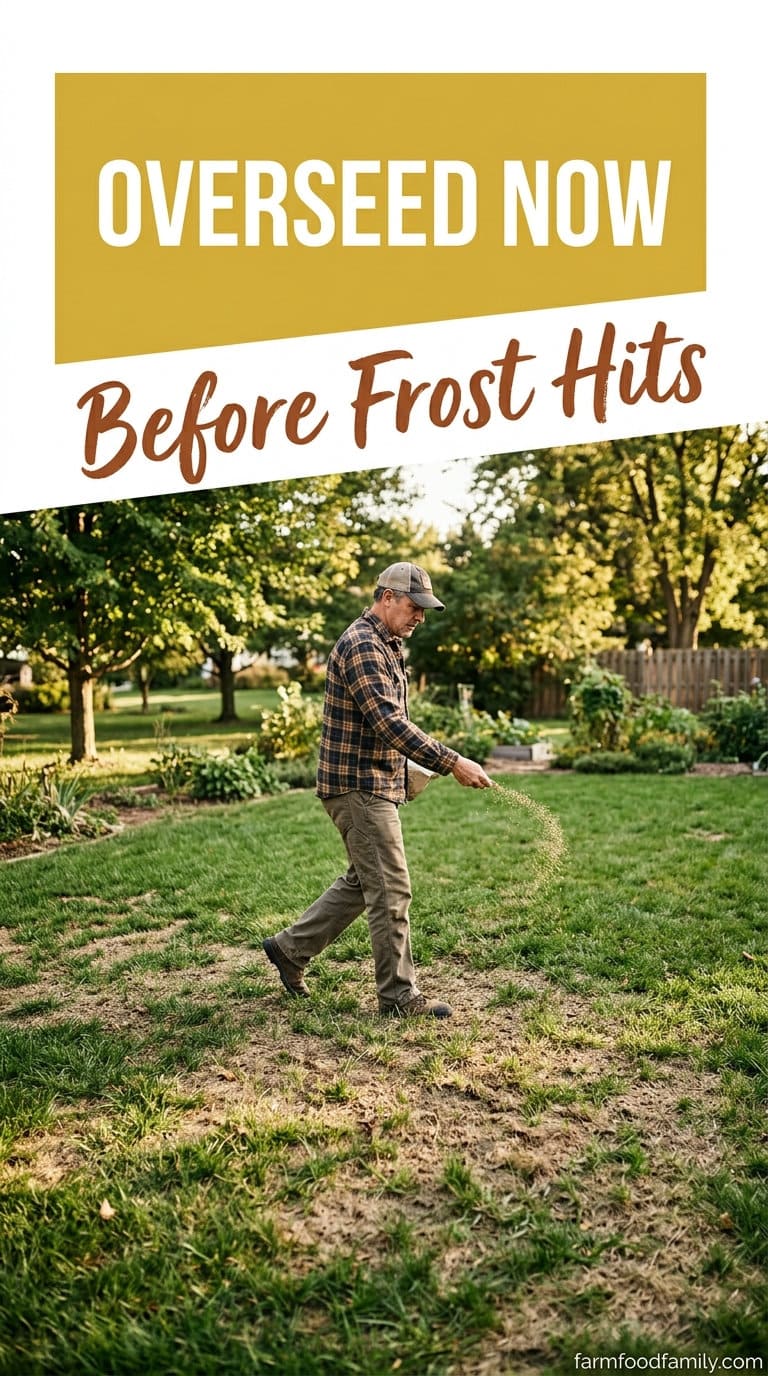
10. Overseed your cool-season lawn mid-September
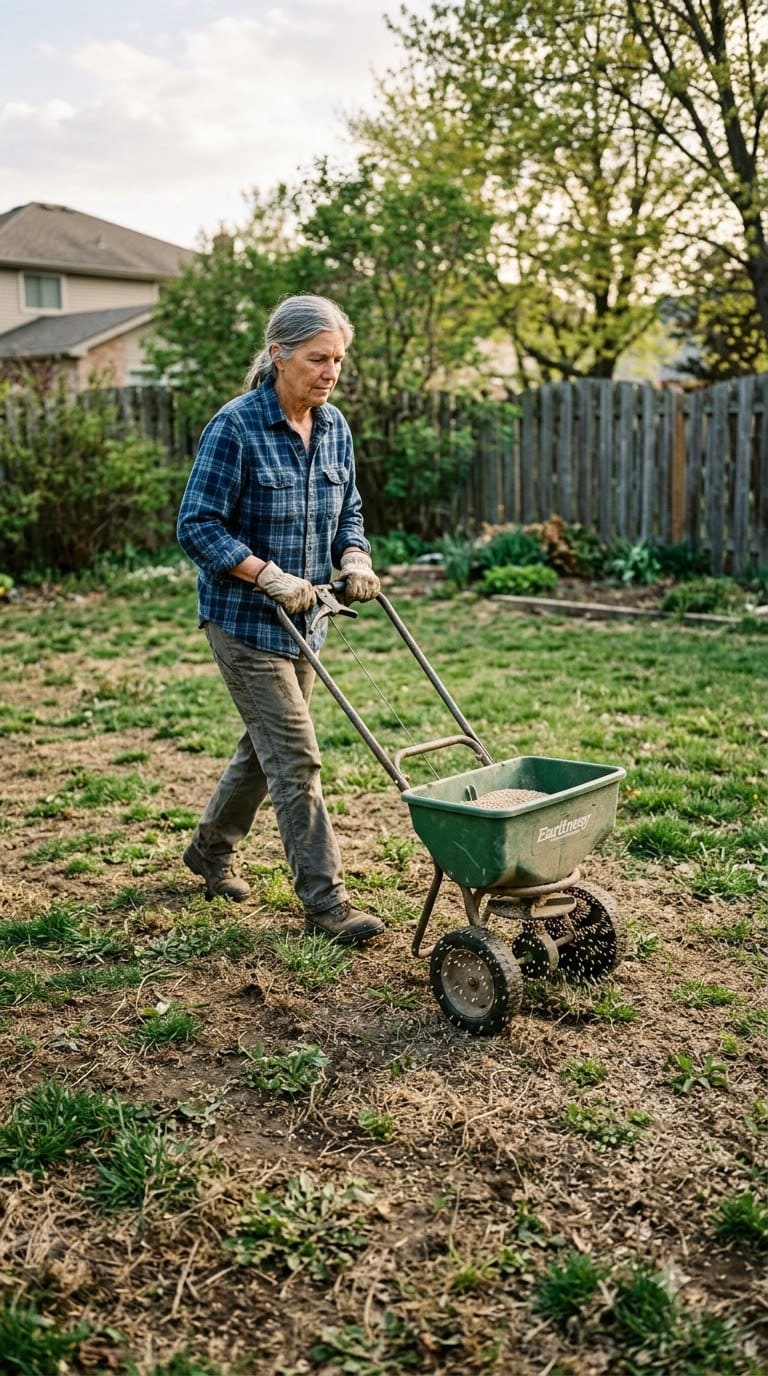
If you have a cool-season lawn (fescue, bluegrass, ryegrass), mid-September is close to the ideal window, warm enough soil for fast germination, cooler air so new seedlings don’t fry.
Use roughly 4 to 6 pounds of pure live seed per 1,000 square feet for overseeding thin spots, a real seeding rate from University of Missouri Extension rather than a guess. Rake lightly to get seed-to-soil contact, then water lightly 2 to 3 times a day until it germinates, not one heavy soak.
Hold off on any weed killer for about 4 to 6 weeks after seeding, since most pre-emergents will kill your new grass right alongside the weeds.
11. Plant spring bulbs once soil has cooled, but before it freezes
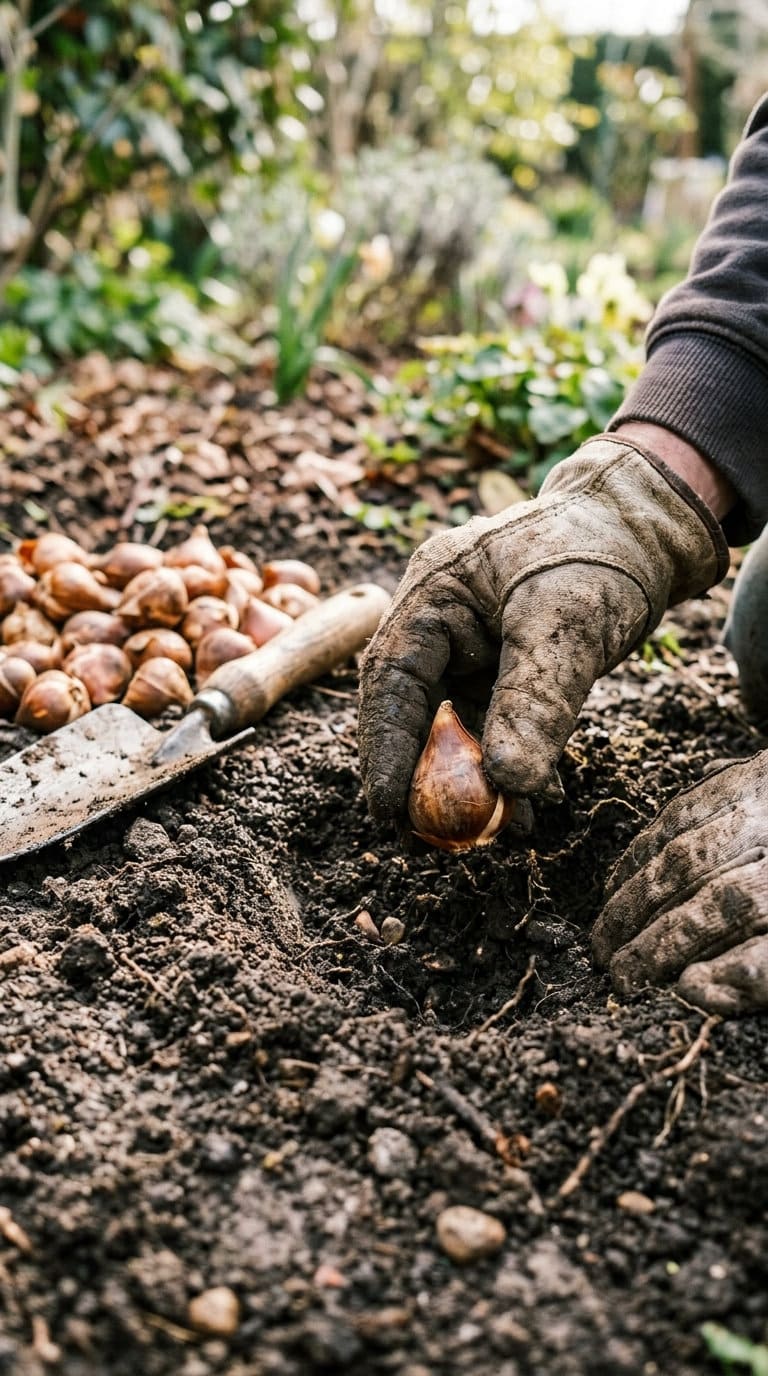
Tulips, daffodils, and crocus all need a real cold period to bloom properly, so planting them too early in still-warm soil can cause rot before winter even sets in.
Wait until soil temperatures drop into the 50s, generally once nighttime air temps are consistently in the 40s, and plant before the ground actually freezes solid. That window is usually mid-fall depending on zone, later than most of the other tasks on this list.
Plant at roughly 2 to 3 times the bulb’s height in depth, pointed end up, and mix in a bit of bone meal or bulb fertilizer at planting time since bulbs won’t get another feeding chance before spring.
If squirrels have dug up bulbs before, a few genuinely effective deterrents are worth setting up the same day you plant, not after the first hole shows up.
12. Clean pots, check your tools, and set up cold protection if you’ll need it

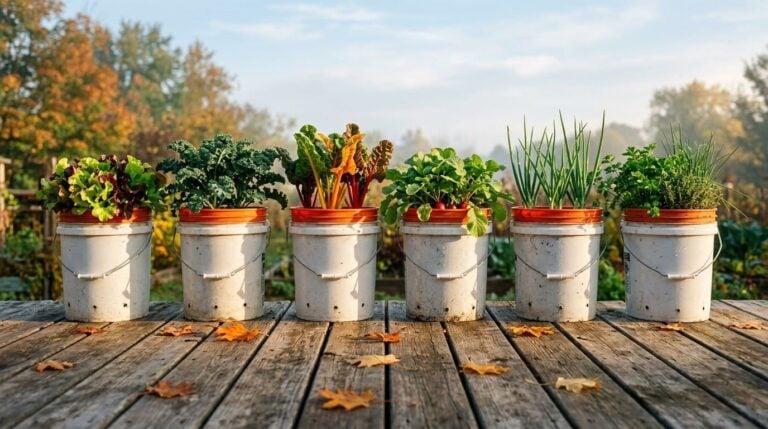
Empty terra cotta and ceramic pots crack over winter if they hold water and freeze, so stack them somewhere dry or bring them into a garage or shed.
Clean and oil metal tool blades before they sit unused all winter, a $5 can of oil is a lot cheaper than replacing a rusted-out pruner in spring. Sharpen anything that took a beating this season while you’re at it.
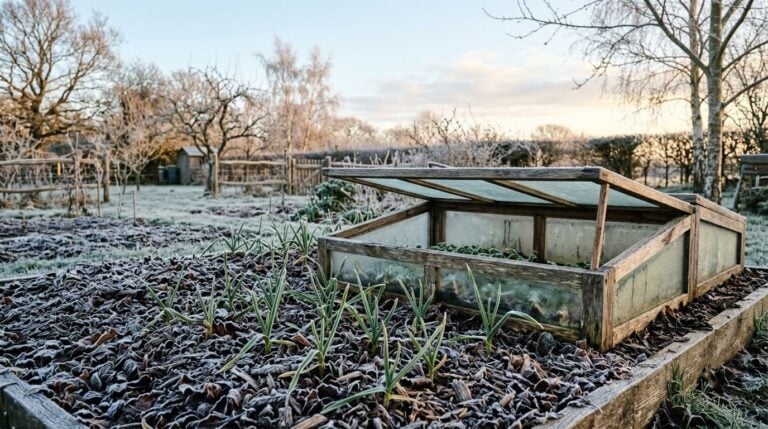
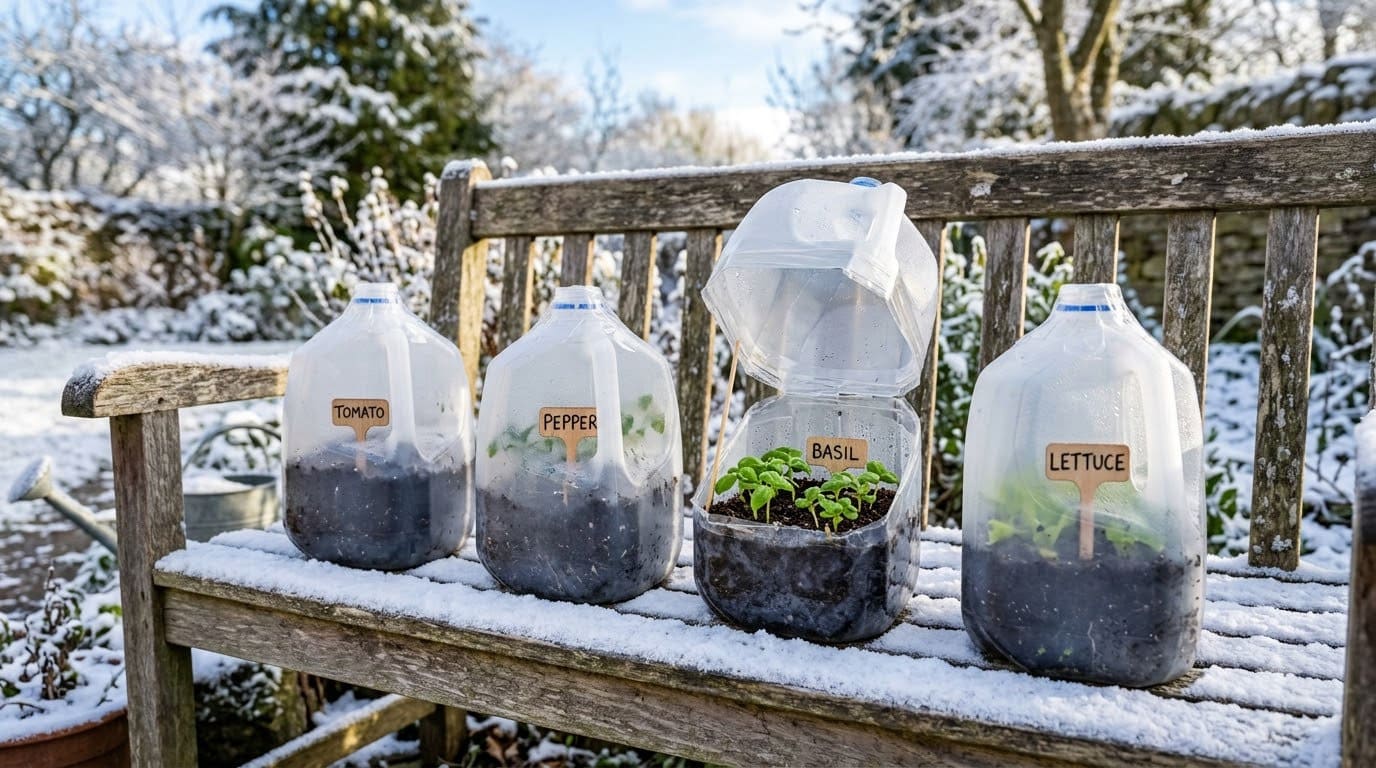
If your zone’s average first frost is early and you still have crops you’re not ready to give up on, this is the week to set up a cold frame, hoop house, or a simple frost cloth over row covers, not the night frost is actually forecast. Scrambling to build one at 9 pm when a freeze warning drops is how corners get cut and plants still end up damaged. A simple cold frame or mini greenhouse setup can be assembled in an afternoon if you’re starting from nothing.
This is also a good week to plant garlic if your zone hasn’t hit that window yet, the timing and spacing matter more than people think for bulb size next summer.
The September mistake almost everyone makes
Honestly, the biggest mistake isn’t skipping a task on this list. It’s doing the tasks in the wrong order.
People cut their perennials back the same weekend they should be dividing them, which leaves nothing to actually divide. Or they fertilize right before a cold snap because it “felt productive,” and then wonder why aphids showed up in October.
The pattern I keep seeing, both in my own yard and in gardening forums, is that September rewards patience more than effort. The soil test takes ten minutes to start and doesn’t need to be done today, but tomato-picking absolutely does, since one hard frost ends that job permanently.
If you only have an hour this weekend, spend it on tasks 1, 2, and 5 (harvest, stop fertilizing, don’t cut back yet). Everything else has a longer runway. And if you’re not sure your actual first frost date, your local extension office can tell you the real average for your zip code, it’s usually a fast phone call or a quick search on their site.
What actually counts as “before first frost”?
There’s no single national date. Your average first frost date depends entirely on your USDA hardiness zone and can vary by a full 6 to 8 weeks between, say, Minnesota and Georgia.
NOAA and most state extension offices publish a 50% probability first-frost date for local counties, meaning the actual date could land a week or two earlier or later in any given year. Treat it as a planning target, not a guarantee.
The table below shows how differently the same 12-task list needs to be scheduled depending on zone.
| USDA Zone | Typical avg. first frost | Task 3 (cover crop) window | Task 8 (houseplants indoors) |
|---|---|---|---|
| Zone 4-5 (e.g. Minnesota, upstate NY) | Late September | Early-to-mid August | Early September |
| Zone 6 (e.g. Kentucky, southern Ohio) | Mid-October | Late August-early September | Mid-September |
| Zone 7 (e.g. Virginia, Oklahoma) | Late October-early November | Mid-September | Late September |
| Zone 8-9 (e.g. coastal Carolina, north Texas) | Mid-to-late November | Early-to-mid October | Mid-October |
Should I fertilize before winter?
No, not with nitrogen. Stop nitrogen feeding roughly 3 to 4 weeks before your zone’s average first frost, per task 2 above.
A low-nitrogen, phosphorus-and-potassium-leaning “winterizer” fertilizer is a different story for lawns specifically, and can be applied closer to dormancy since it supports root development rather than pushing top growth.
Is it okay to cut my perennials back now?
Not yet, in most cases. Wait until the foliage has fully browned and collapsed after your first hard freeze, per University of Missouri Extension and per Clemson Cooperative Extension’s Zack Snipes, who recommends clearing raised-bed edges with a string trimmer only once the growing season is genuinely over, not while plants are still green.
Diseased plants are the one exception. Pull and discard those right away, regardless of how green they still look, since leaving diseased material in the bed just gives the problem more time to spread and overwinter.
Related Posts
- Special Frost Protection for Special Plants
- Fall Perennials for a Splendid Array of Flowers
- No-Cost or Low-Cost Garden Tools
Products We Recommend
This post contains affiliate links. We may earn a commission on qualifying purchases at no extra cost to you.
Soil Test Kit, 140 Tests (pH, Nitrogen, Phosphorus, Potassium & Ammonia)
At-home soil test kit for a quick read on pH and fertility between full extension-office soil tests, task 7 (4.0 stars, 512 ratings, "1K+ bought in past month", live-verified in stock).
Shop Now
SUNPRO Reusable Floating Row Cover / Frost Cloth, 10ft x 30ft
Lightweight breathable frost blanket for the cold-frame/row-cover setup in task 12 (4.3 stars, 1,620 ratings, Amazon's Choice, live-verified in stock).
Shop Now
Fiskars SoftGrip Bypass Pruning Shears, 5/8" Cut Capacity
Bypass pruners for the eventual perennial cutback in task 5 and the tool cleanup/sharpening in task 12 (4.6 stars, 7,020 ratings, Amazon's Choice, live-verified in stock).
Shop NowNever miss an update — choose FarmFoodFamily as your preferred source on Google.
How it works: Tap the button below to open Google's settings page, then check the box next to FarmFoodFamily.
Tap the checkbox to turn it blue — that's how you know it's set.