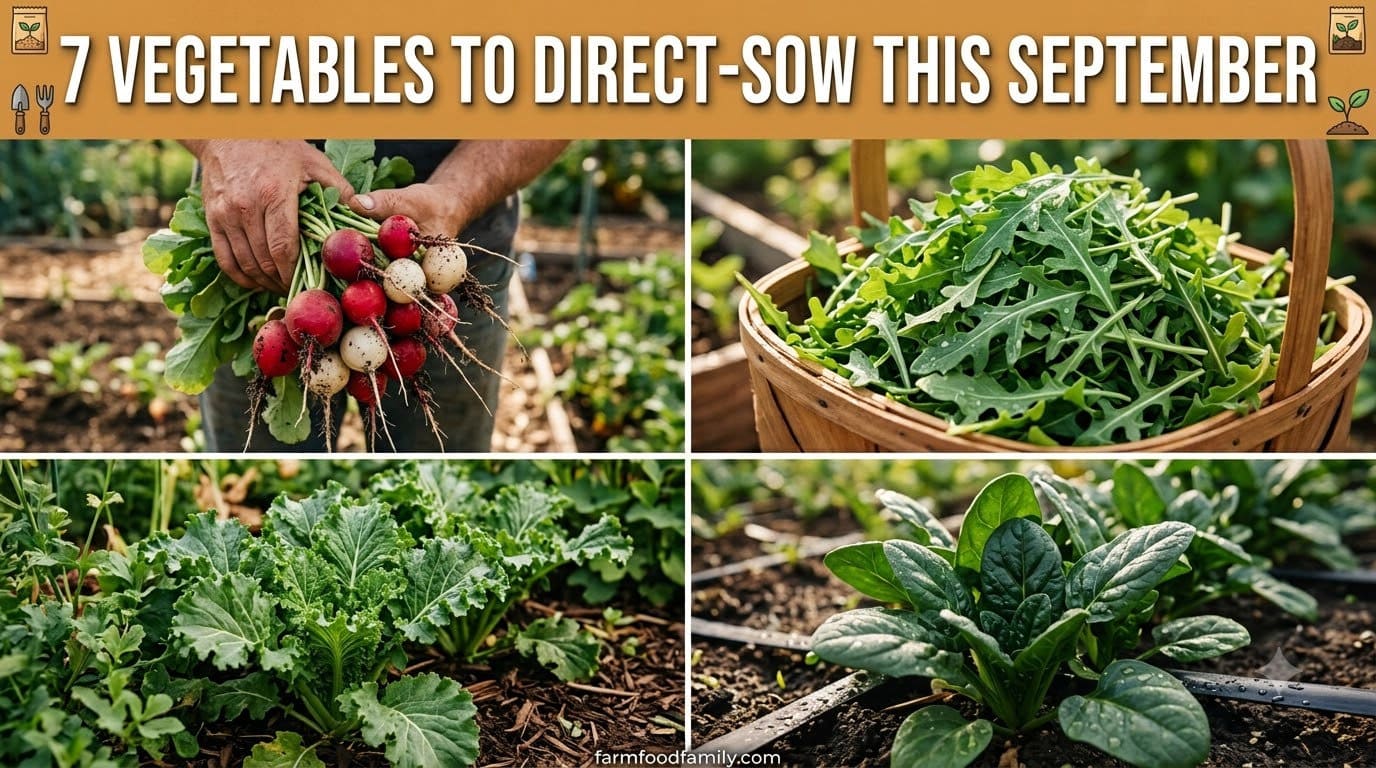
7 Last-Call Vegetables You Can Still Direct-Sow in September for a Fast Fall Harvest
September isn’t too late to plant from seed, but three of these seven only work if your first frost lands in October or later, so the real question is which ones you can still pull off where you live.

Never miss an update — choose FarmFoodFamily as your preferred source on Google.
How it works: Tap the button below to open Google’s settings page, then check the box next to FarmFoodFamily.
Tap the checkbox to turn it blue — that’s how you know it’s set.
I almost gave up on my garden entirely last September. Tomatoes were done, the squash had powdery mildew, and I figured that was just it until next spring.
Then a neighbor pointed out her radishes were already up from a seed packet she’d tossed in two weeks earlier, and I realized I’d been treating September like the off-season when it’s actually a second planting window most people just skip.
Below are the 7 vegetables worth direct-sowing right now, with real days-to-maturity numbers, frost tolerance, and the honest zone-by-zone math on whether you can actually pull each one off before your first hard freeze.
Quick Answer
Yes, you can still direct-sow vegetables in September, but which of the 7 (radish, arugula, mustard greens, spinach, leaf lettuce, turnip, kale) actually finish depends on your first frost date, not on the calendar month alone.
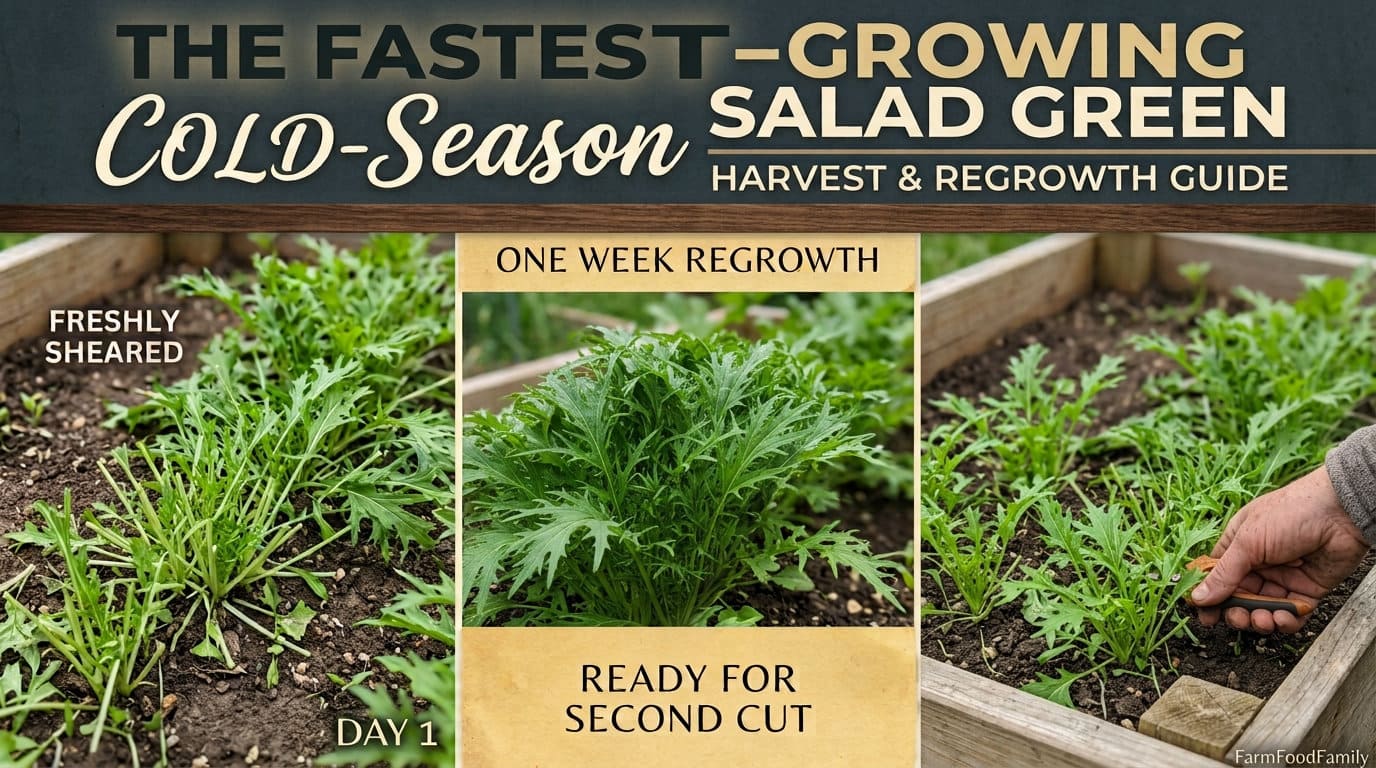
Fast crops like radish (25-30 days) and arugula (20-40 days) work almost everywhere in zones 5 and warmer, with real room to spare before frost.
Slower crops like kale (55-75 days) and turnip (40-60 days) need a frost date in mid-October or later to fully mature, per Cornell Cooperative Extension’s last-planting-date chart, which lists July 31 as the safe cutoff for kale against an October 1 frost in upstate New York.
Answer 4 quick questions and get matched to the exact fix for your yard — drainage, budget, layout, or something else entirely.
Take the Free QuizIf your frost hits earlier than that, you can still direct-sow the slower crops in September, just plan on harvesting baby-leaf greens instead of a full head or root, since baby greens are ready in roughly half the listed days to maturity and tolerate the compressed timeline fine.
How Do I Know If I’m Actually Too Late to Direct-Sow?
Count backward from your average first fall frost date, not from today’s calendar date. Cornell Cooperative Extension’s Warren County Master Gardener Program lays out the method directly: “count back that number of days from the frost date and add on the number of days the seeds will need to germinate.” Add the crop’s days-to-maturity, plus roughly 7 to 14 extra days for fall’s shorter daylight and cooler soil slowing everything down, and see if that lands before or after your frost date.
Your frost tolerance matters just as much as the math. Cornell’s Warren County guide splits crops into light-frost survivors (28-32°F), which includes early-stage peas and cauliflower, and hard-freeze survivors (25-28°F), which includes kale, lettuce, and spinach. A frost date on the calendar isn’t a hard stop for the hardier crops in this list, it’s closer to when growth slows down, not when the plant dies.
1. Radish
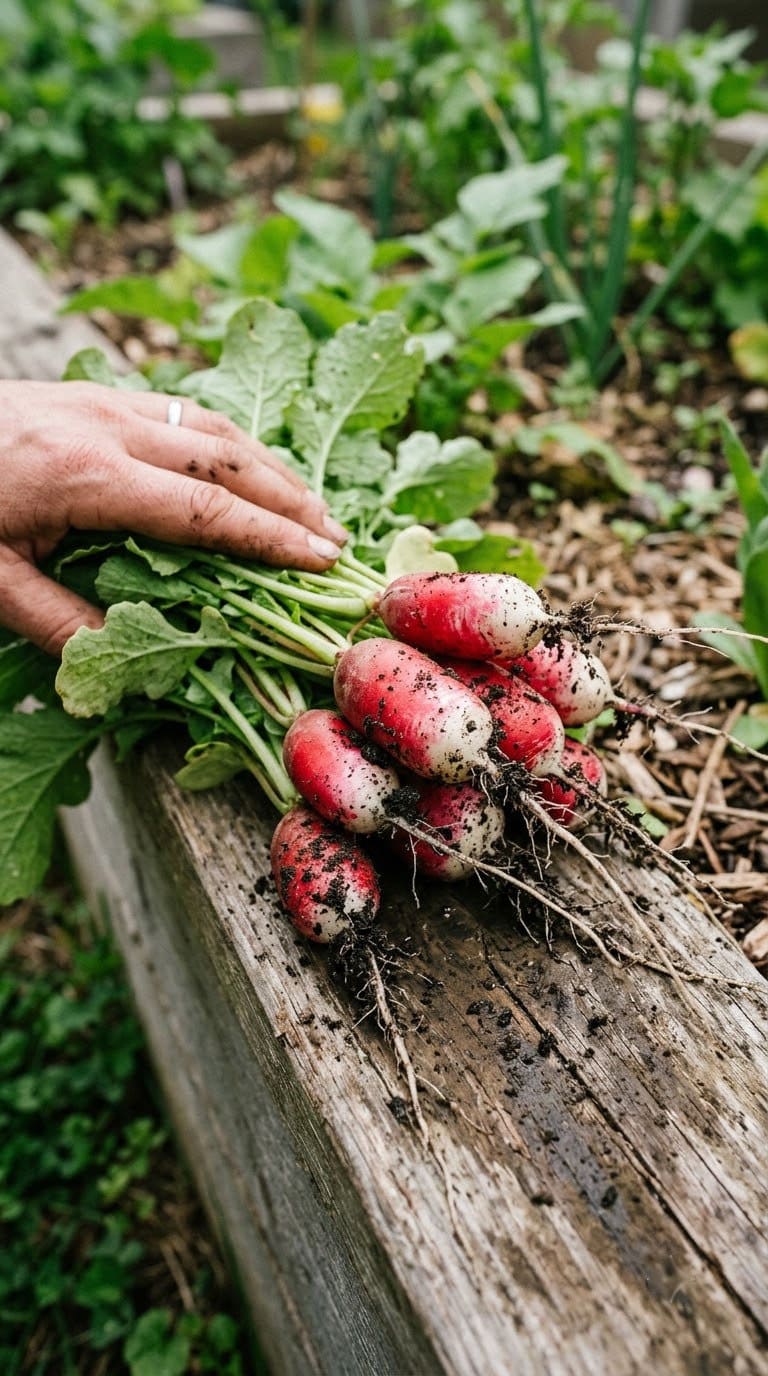
Days to maturity: 25-30 days, the fastest root vegetable you can plant.
Frost tolerance: light frost, down to about 28°F.
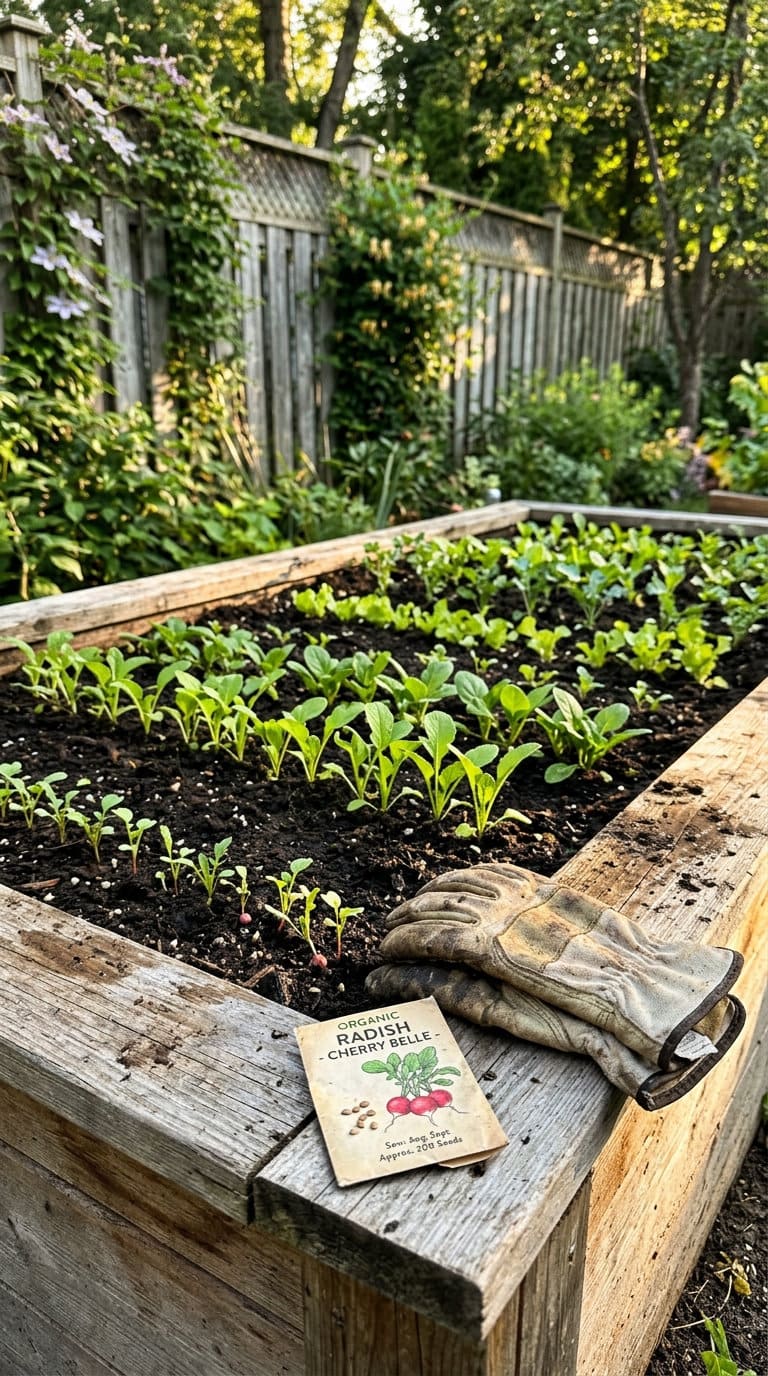
Spacing and technique: sow seeds ½ inch deep, 1 inch apart in rows 6 inches apart, then thin to 2-3 inches once the seedlings show their first true leaves. Radishes hate being transplanted, so this has to be a direct sow.
Radish is the one crop on this list where waiting until mid-September is often fine, not just tolerated. NC State Extension’s Pender County Center specifically recommends sowing radish “every few weeks through mid-October” for continuous harvests.
Most yard problems trace back to one specific, fixable cause. Find yours in 4 quick questions.
Take the Free Quiz
Buys roughly 4-8°F of frost protection for lettuce and spinach once nights turn cold, stretches the harvest window past the "official" frost date
Shop NowThis post contains affiliate links. We may earn a commission on qualifying purchases at no extra cost to you.
If your average frost lands around October 15, you’ve got room to sow through late September and still pull full-size roots. Succession sow every 10 to 14 days for a rolling harvest instead of 40 radishes ready on the same afternoon.
2. Arugula
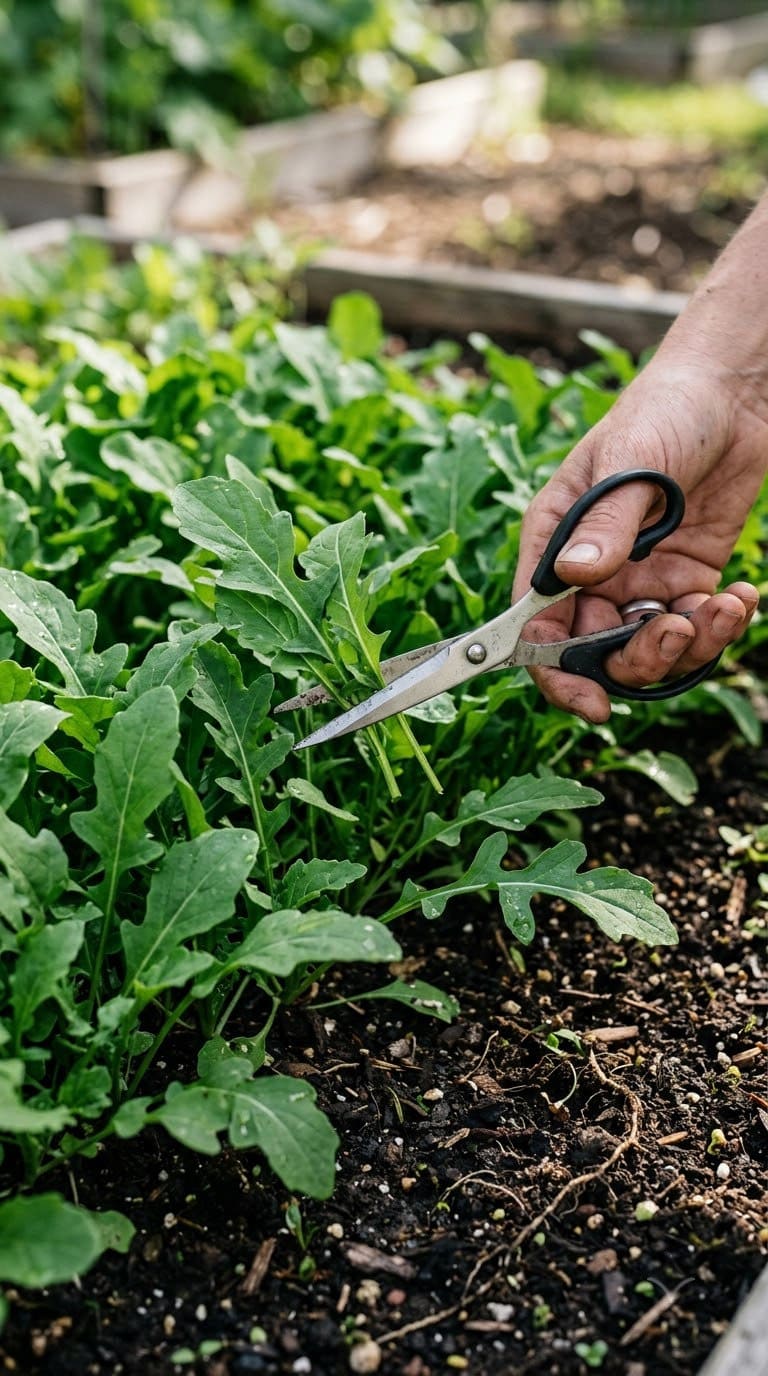
Days to maturity: 20-40 days depending on whether you’re harvesting baby leaves or full-size, with baby leaf ready in as little as 21 days.
Frost tolerance: down to roughly 22°F, one of the hardiest greens here.
Spacing and technique: broadcast-sow seeds thinly over a prepped bed and rake in lightly, or sow in rows ¼ inch deep and thin to 4 inches. Arugula bolts fast in heat but September’s cooling temperatures actually work in its favor.
This is genuinely one of the safest bets on the whole list. Even in a colder zone with a late-September frost, you’ll get at least one or two cuttings of baby arugula before growth stops, and a light frost afterward tends to sweeten the peppery bite instead of ruining it.
3. Mustard Greens
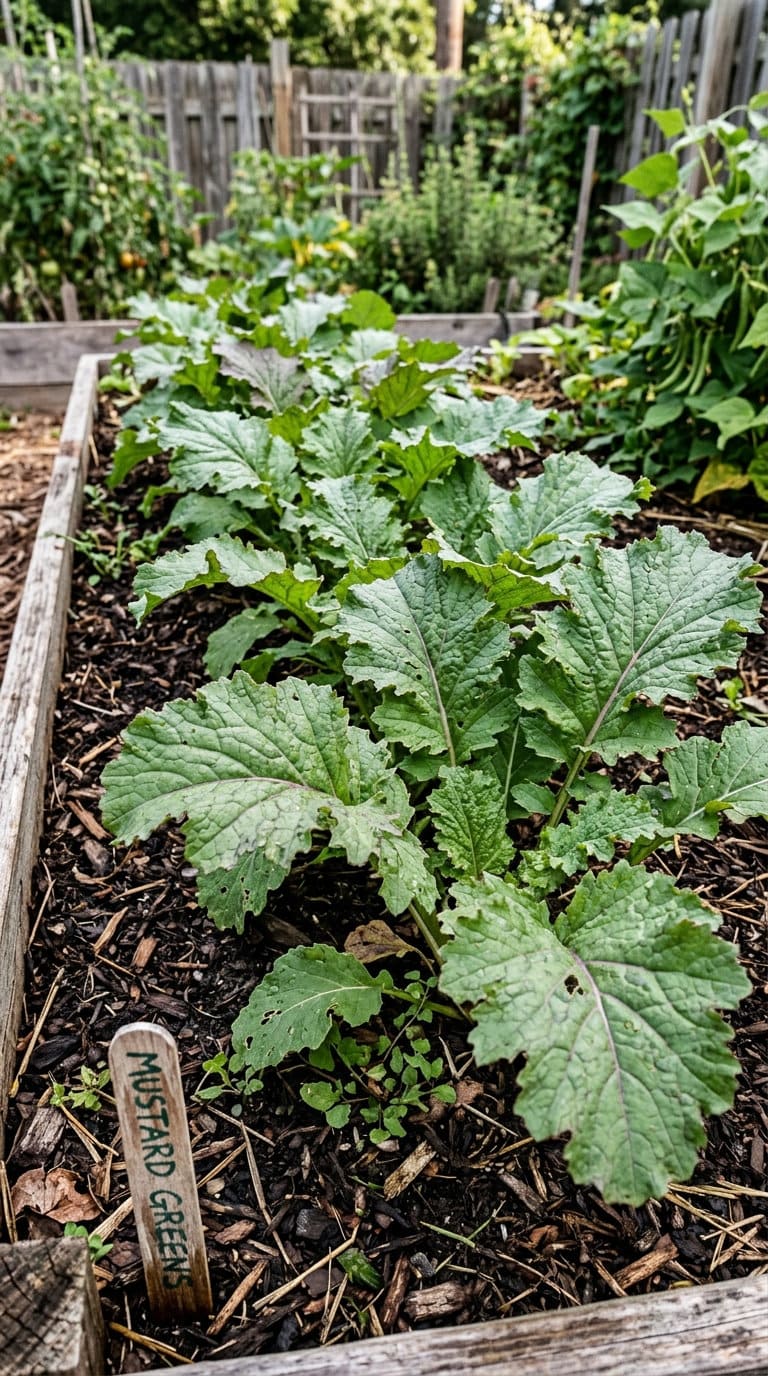
Days to maturity: 30-40 days.
Frost tolerance: into the mid-20s°F, and the flavor actually mellows and sweetens after a light frost hits it, similar to kale.
Spacing and technique: sow ¼ to ½ inch deep, rows 12 inches apart, thin to 6-8 inches for full heads or leave crowded for a cut-and-come-again baby green harvest.
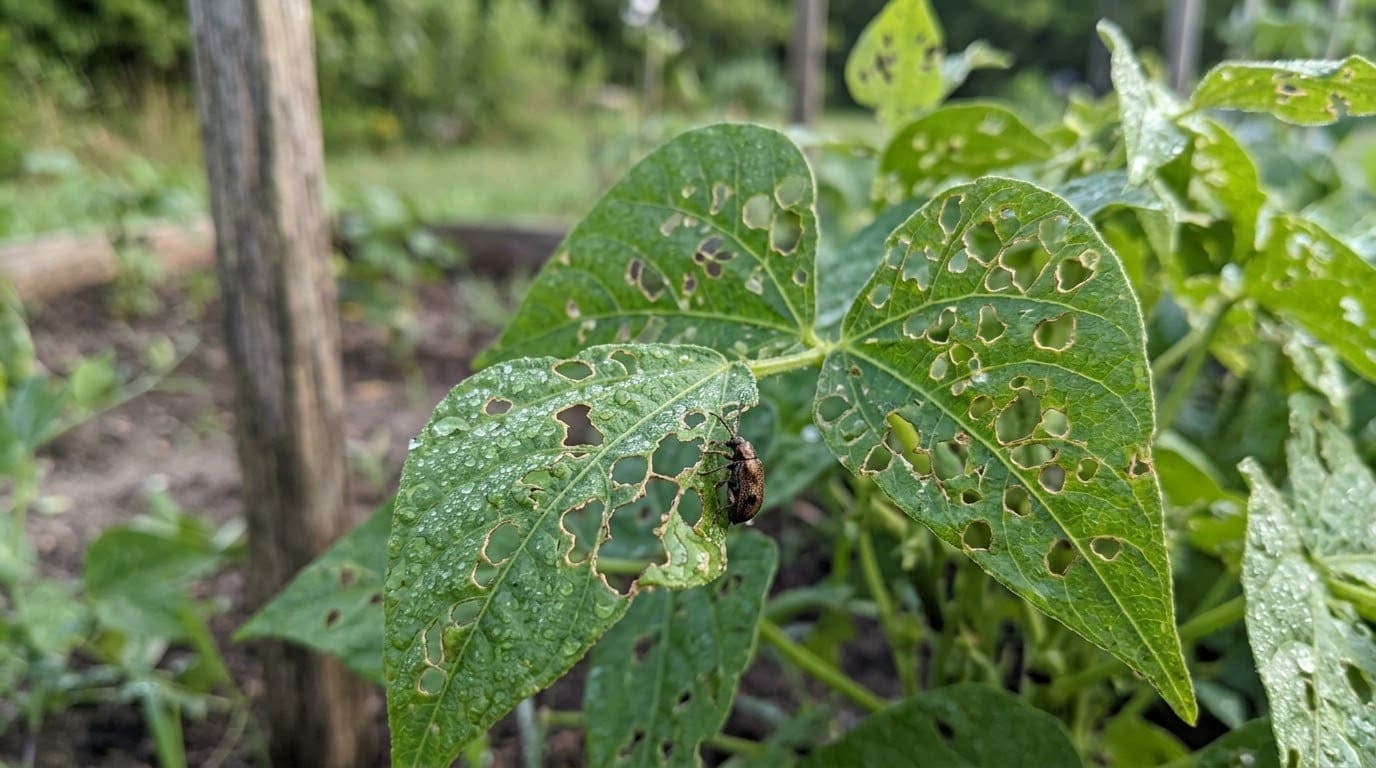
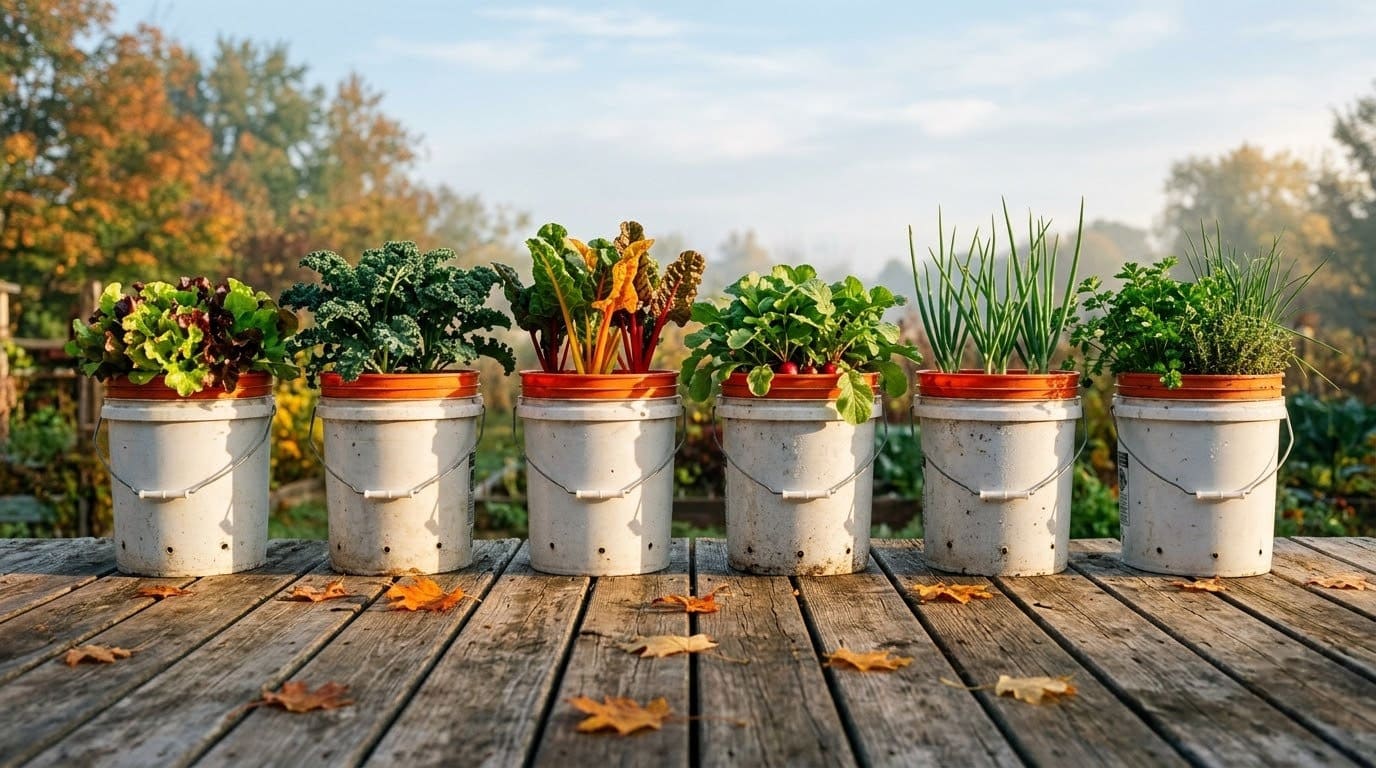
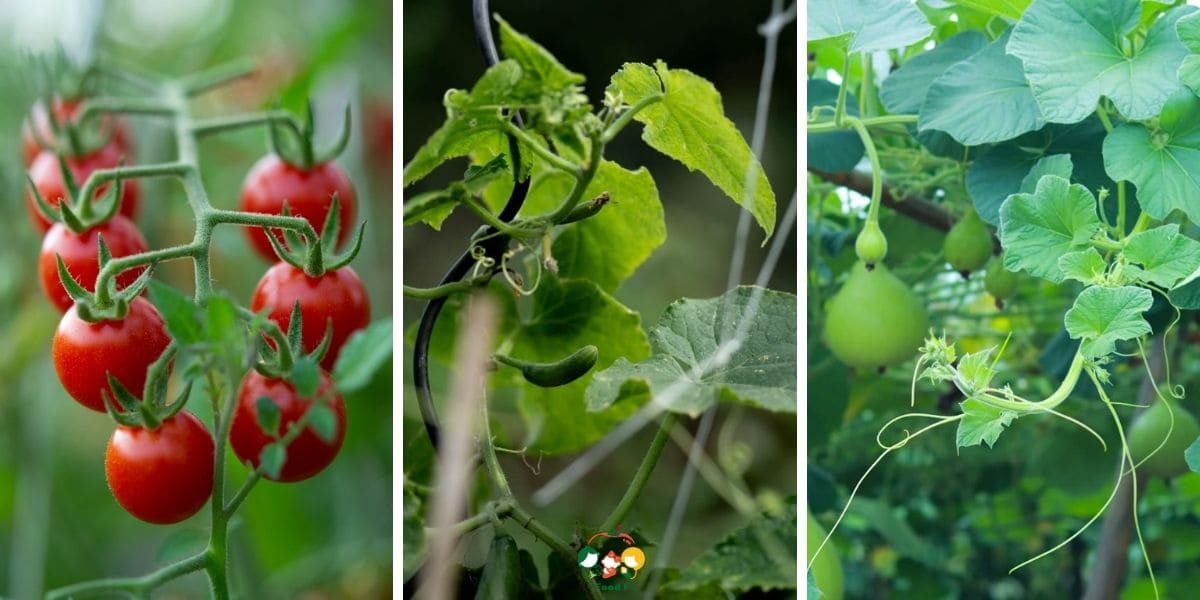
Mustard greens grow fast enough that they’re a real September option almost everywhere in zone 6 and warmer, and the frost-tolerance means you’re not racing the calendar the way you are with turnip or kale. If you’ve never grown it, treat it like a spicier, faster spinach.
The average homeowner spends $616/year on yard fixes that don't address the real problem. Find out what yours actually is — before you spend another dollar.
Take the Free Quiz4. Spinach
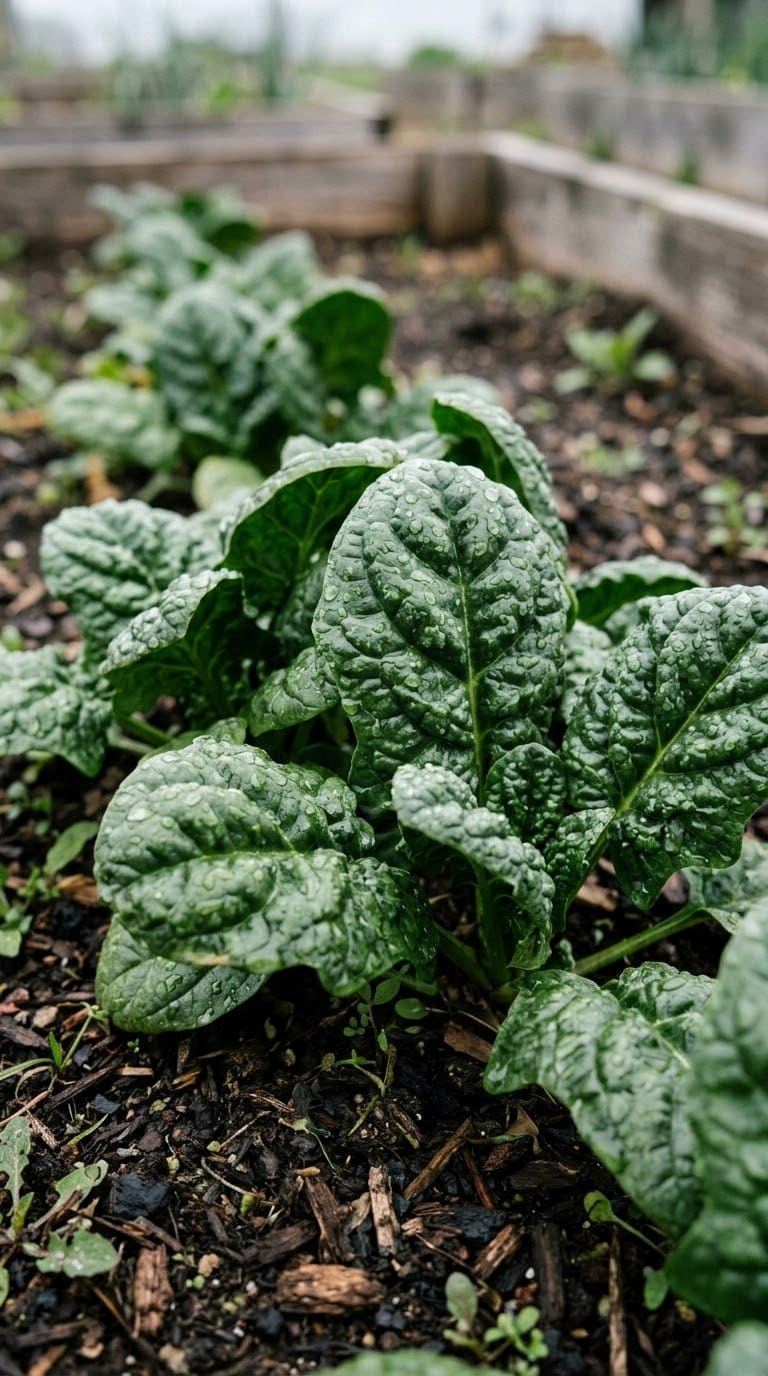
Days to maturity: 40-50 days for full-size leaves, roughly 25-30 days for baby spinach.
Frost tolerance: into the high 20s and can survive brief dips into the low 20s once established, and cold weather genuinely improves the flavor by triggering the plant to produce more sugars.
Spacing and technique: sow seeds ½ inch deep, 2 inches apart, thin to 4-6 inches. Spinach seed germinates poorly in warm soil, so early-to-mid September, once soil temperatures start dropping, is actually a better window than late August in a lot of climates.
Because spinach is slower than the greens above it on this list, whether you get a full harvest or just a handful of baby-leaf cuttings depends heavily on your frost date. Growing spinach covers the germination-temperature issue in more depth if your first attempt failed to sprout in late-summer heat.
5. Leaf Lettuce
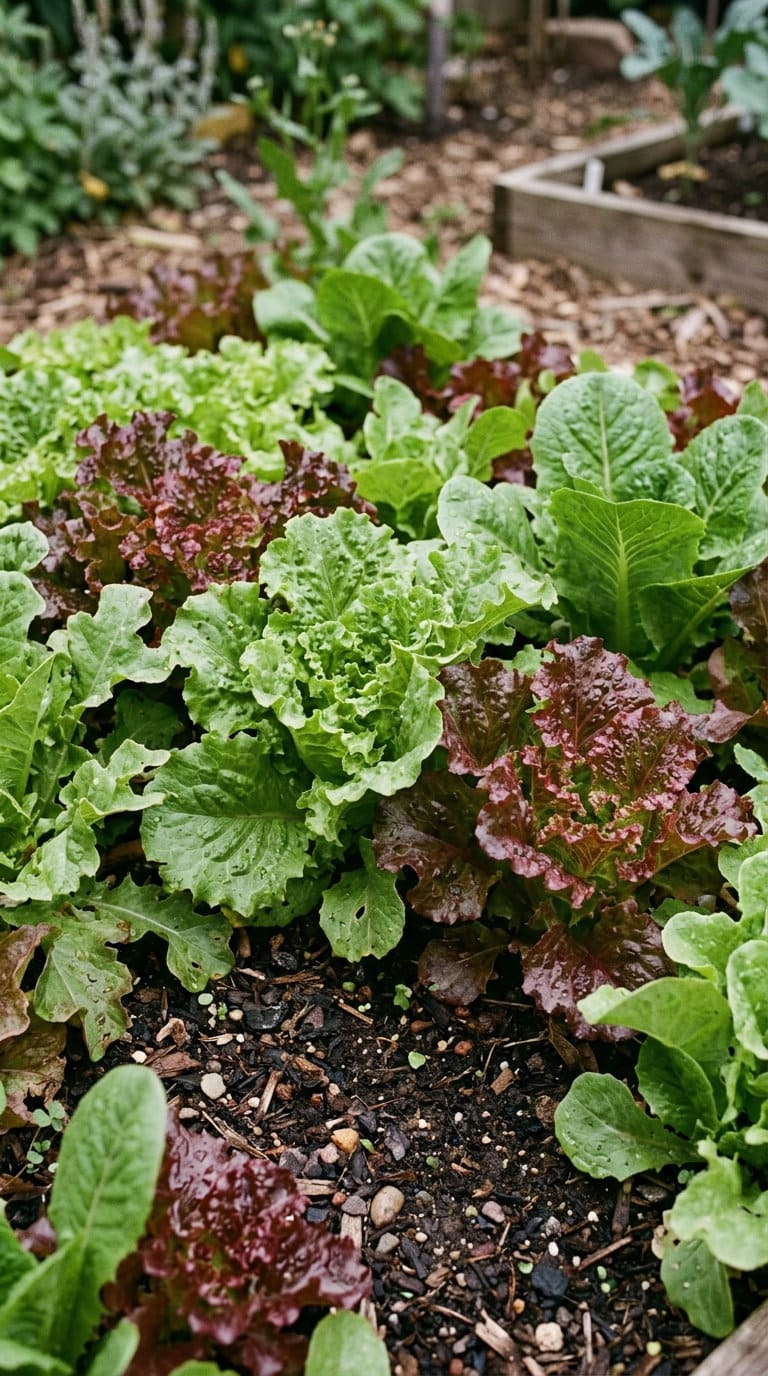
Days to maturity: 40-68 days for full heads, but baby-leaf cut-and-come-again lettuce is ready in about 25-30 days.
Frost tolerance: moderate, into the upper 20s°F, and lettuce actually prefers the cooler temperatures and shorter days of fall over the heat-stress and bolting risk of summer.
Spacing and technique: scatter-sow seeds on the surface and press in lightly (lettuce needs light to germinate, don’t bury it), thin to 6-8 inches for heads or leave dense for repeated baby-leaf cuts.
If you’ve struggled with bitter, bolted summer lettuce, September sowing solves that problem outright. How to grow lettuce so it keeps producing has the full cut-and-come-again technique if you want repeat harvests off one sowing instead of pulling whole heads.
6. Turnip
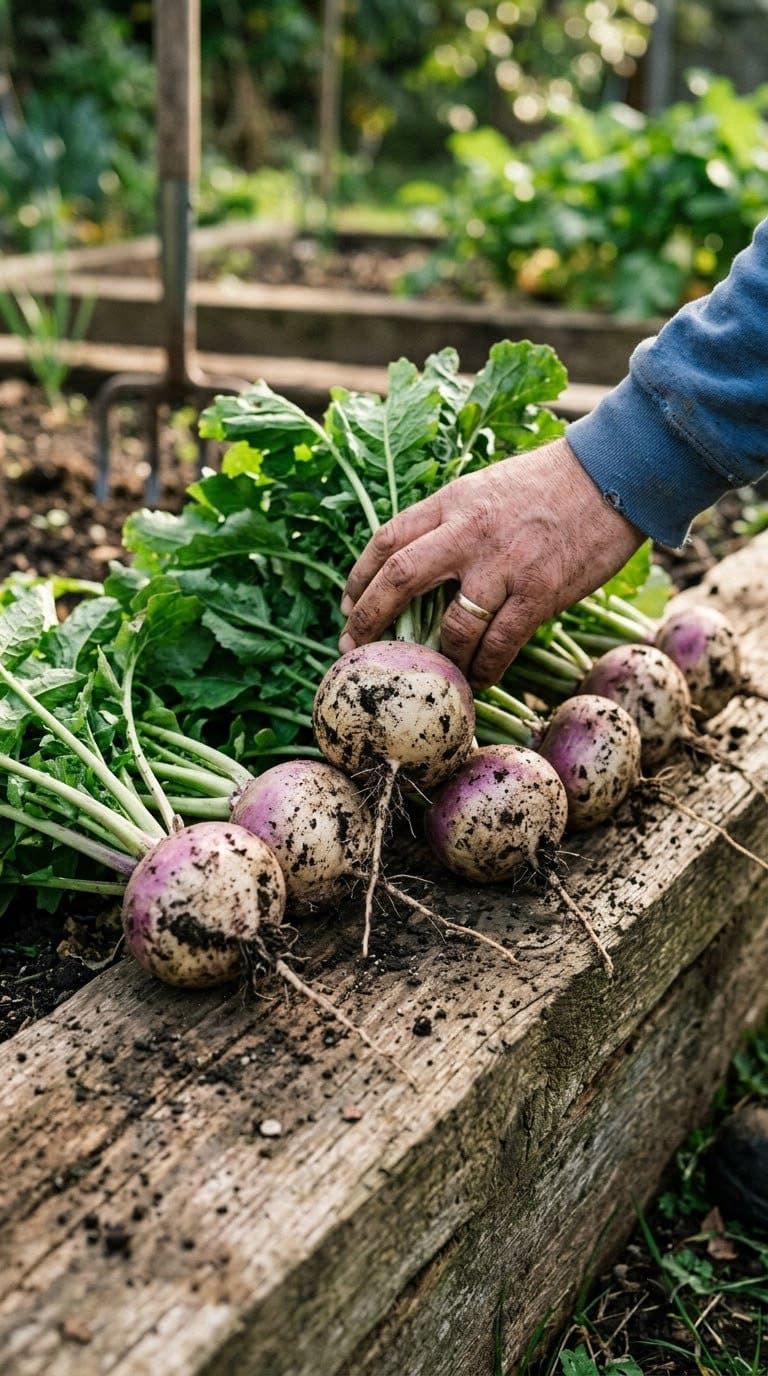
Days to maturity: 40-60 days for full-size roots, but the greens alone are ready in about 30 days and are entirely edible on their own.
Frost tolerance: hard freeze, and turnip roots genuinely sweeten after a frost the same way parsnips do.
Spacing and technique: sow ½ inch deep, 1 inch apart, thin to 3-4 inches for roots (eat the thinnings as greens rather than composting them).
Turnip is the honest “it depends” crop on this list. Cornell’s Tioga County chart lists August 10 as the last safe sowing date for a full root harvest against an October 1 frost, so if your frost hits early or mid-October, a September sowing is genuinely marginal for roots. But since the greens mature in half the time, you can still plant turnip in September specifically for the greens and treat any roots that do size up as a bonus.
7. Kale
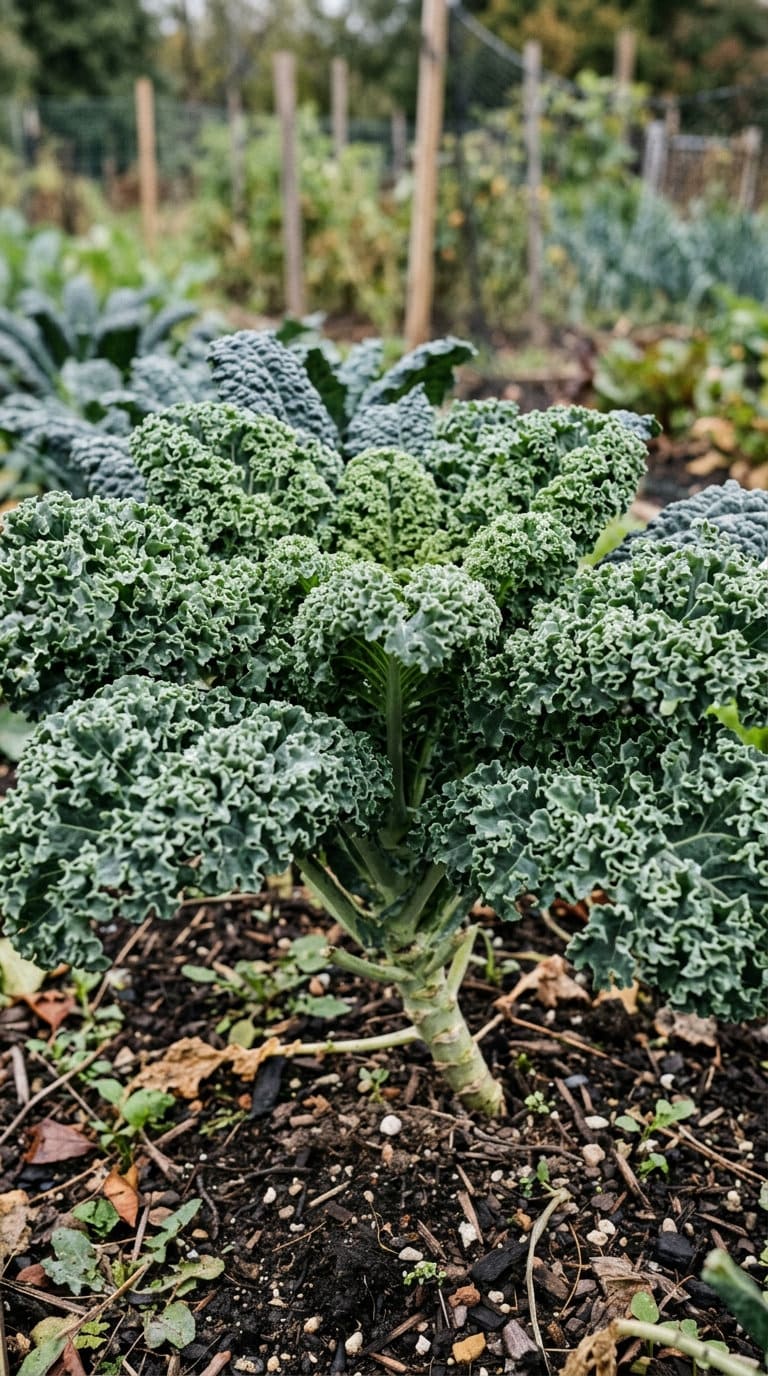
Days to maturity: 55-75 days for full-size leaves, about 25-30 days for baby kale.
Frost tolerance: the hardiest crop on this list, surviving well into the low 20s°F and, in mild-winter zones, overwintering entirely.
Spacing and technique: sow ½ inch deep, 12-18 inches apart for mature plants, or thicker for a cut-and-come-again baby leaf bed.
Kale is the crop where zone matters most. Against Cornell’s Ithaca-area frost date of October 1, kale’s last safe sowing for a full harvest was July 31, well before September.
If you’re in zone 7 or warmer with a frost that doesn’t show up until late October or November, September kale for full-size leaves is realistic. If you’re colder than that, plant it for baby kale instead, or accept that this one’s better started in August next year.
How the 7 Compare
| Vegetable | Days to Maturity | Frost Tolerance | Latest Safe September Sow (if frost is Oct 15+) |
|---|---|---|---|
| Radish | 25-30 days | Light frost (28°F) | Late September |
| Arugula | 20-40 days | ~22°F | Late September |
| Mustard greens | 30-40 days | Mid-20s°F | Mid-September |
| Spinach | 40-50 days | High-to-low 20s°F | Early-mid September |
| Leaf lettuce | 40-68 days (25-30 baby) | Upper 20s°F | Early September (full) / mid-Sept (baby) |
| Turnip | 40-60 days (30 greens) | Hard freeze | Early September (roots) / mid-Sept (greens only) |
| Kale | 55-75 days (25-30 baby) | Low 20s°F | Zone 7+ only for full leaves, baby kale anywhere |
What I Learned Planting Too Late Two Years in a Row
The first year I tried a fall garden, I planted everything, including kale and turnips, in the third week of September because that’s when I finally had a free Saturday. My frost that year showed up October 28, which sounds late enough, but the kale never got past baby-leaf size and the turnip roots stayed pencil-thin. Nothing died, they just ran out of runway.
The second year I actually did the math first, counted back from my average frost date, and moved the slow crops (kale, turnip, spinach) to the first week of September instead of the third. Same seed packets, same garden bed, and I got real turnip roots and full kale leaves that time. The fast stuff, radish and arugula, I genuinely didn’t need to rush, I sowed a round of radish on September 22 that year and it still finished fine before frost.
The thing nobody tells you is that “direct-sow in fall” advice online almost always means the whole category, when really only about half of a typical fall list is still realistic once you’re actually into September. Checking each crop’s own math instead of trusting a generic “sow in fall” label is the difference between a real harvest and a bed full of baby greens you didn’t plan for.
Frequently Asked Questions
Is it too late to plant a fall vegetable garden in September? No, but not everything on a typical fall-crop list still works. Fast crops like radish and arugula are genuinely fine through most of September in zone 5 and warmer. Slower crops like kale and turnip need your first frost to land in mid-October or later for a full harvest, otherwise plan on a baby-greens harvest instead.
What’s the fastest vegetable I can direct-sow right now? Radish, at 25-30 days to maturity, is the fastest root, and baby-leaf arugula at around 21 days is the fastest green. Both tolerate light frost, so a September sowing has real room to finish even in cooler zones.
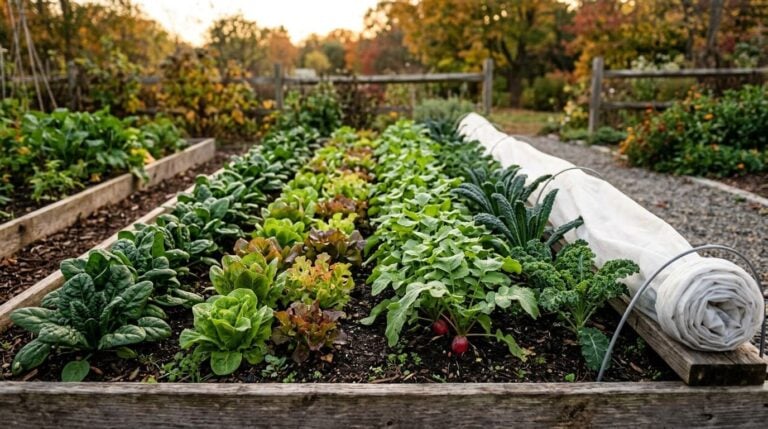
Do I need row cover to direct-sow vegetables in September? Not for germination, but it helps once nights get cold, especially for the less frost-hardy crops like lettuce and spinach. A lightweight floating row cover buys roughly 4-8°F of frost protection, which can be the difference between a killed-off crop and one that keeps producing another two or three weeks.
Why did my turnips or kale stay small when I planted them in September? Most likely they ran out of days before your first hard freeze. Both are slower crops (kale 55-75 days, turnip 40-60 days for full roots), and Cornell Cooperative Extension’s own last-planting-date chart puts their safe cutoff in late July for an early-October frost. If you planted in mid-to-late September, you were likely growing them for greens rather than a full harvest, whether you planned it that way or not.
Should I add extra days to the seed packet’s days-to-maturity number for a fall crop? Yes. Add roughly 7 to 14 days to whatever the packet says, since cooler soil and shorter daylight slow growth down in fall compared to the same seed sown in spring. This is the single biggest reason fall-garden timing estimates run short for people who just use the spring number.
Getting the Timing Right
Before you sow anything, prepping the soil properly matters more in fall than people expect, since you’re often working ground that just finished feeding a full summer crop of tomatoes or squash. A quick pass of compost and a check on how to fertilize the bed for the new planting gives these fast-growing crops the nutrients to actually hit their days-to-maturity number instead of stalling out.
If you’re working with a small footprint, how you lay out a vegetable garden affects how many of these 7 you can realistically fit in before frost, since the fast crops (radish, arugula, mustard) are the ones worth squeezing into odd corners and the slower ones (kale, turnip) need a committed spot from day one. And once the cold nights actually arrive, protecting your harvest from frost covers the row-cover and cold-frame options that stretch every one of these crops another few weeks past their “official” frost tolerance.
Related Posts
- 30+ Genius Garden Hacks No One Tells You About
- 25+ Easy & Inexpensive Waist-High Raised Garden Bed Ideas & Plans
- 24 Best Plants That Repel Deer and Rabbits
Products We Recommend
This post contains affiliate links. We may earn a commission on qualifying purchases at no extra cost to you.
Agfabric Floating Row Cover, 10'x50', 1.2oz
Buys roughly 4-8°F of frost protection for lettuce and spinach once nights turn cold, stretches the harvest window past the "official" frost date
Shop Now
Stainless Steel Soil Thermometer by SmartChoice, 127mm stem
Checks actual soil temperature before sowing, useful since spinach and lettuce germinate poorly once soil is still warm from summer
Shop Now
Drawpro 12-Hole Digger Seed Spreader, 7-piece set
Presses evenly spaced holes for radish, arugula, and mustard rows so you're not thinning out half the row by hand
Shop NowNever miss an update — choose FarmFoodFamily as your preferred source on Google.
How it works: Tap the button below to open Google's settings page, then check the box next to FarmFoodFamily.
Tap the checkbox to turn it blue — that's how you know it's set.