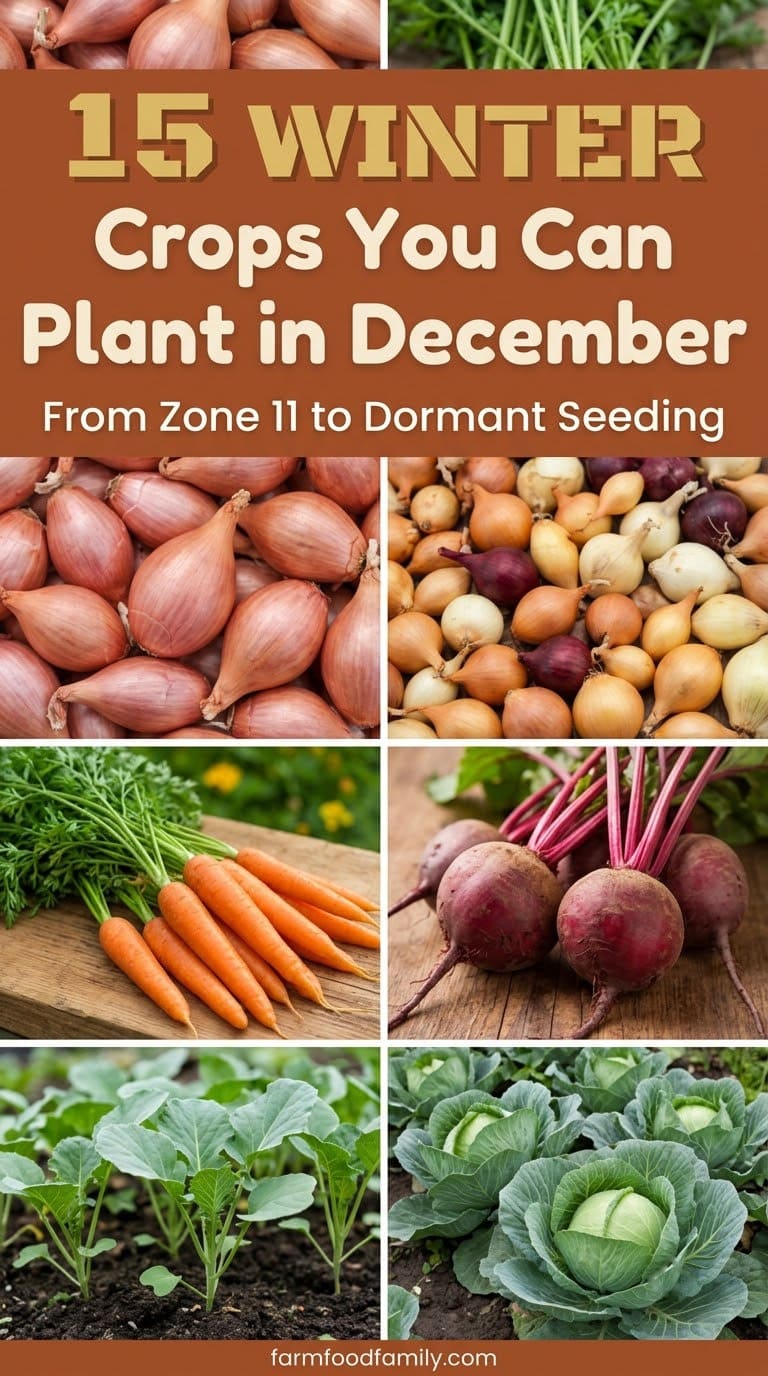
15 Surprising Vegetables You Can Still Plant in December (By USDA Zone)
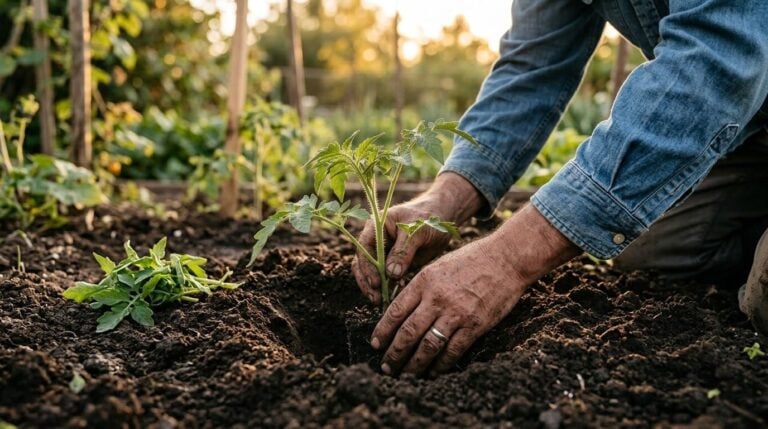
Many vegetables can still go in the ground in December if your zone is warm or you plant them to sleep until spring.

Never miss an update — choose FarmFoodFamily as your preferred source on Google.
How it works: Tap the button below to open Google’s settings page, then check the box next to FarmFoodFamily.
Tap the checkbox to turn it blue — that’s how you know it’s set.
Most gardening advice says December is for planning. That’s true for a lot of us. It isn’t true for everyone.
If you garden in Zone 10 or 11, you can still sow greens and roots. If you garden in a colder zone, you have a different trick: planting seed that sleeps through winter.
The sources don’t always agree, so we sorted what they say. We pulled from a university fall-seeding guide, the USDA zone map and several gardening sites. Here’s the honest zone-by-zone answer.
Quick Answer
In Zones 10 and 11, you can still direct-sow lettuce, spinach, carrots, beets and radishes in December, and set out broccoli, kale and cabbage transplants. In Zone 11 you can add arugula, mustard and scallions.
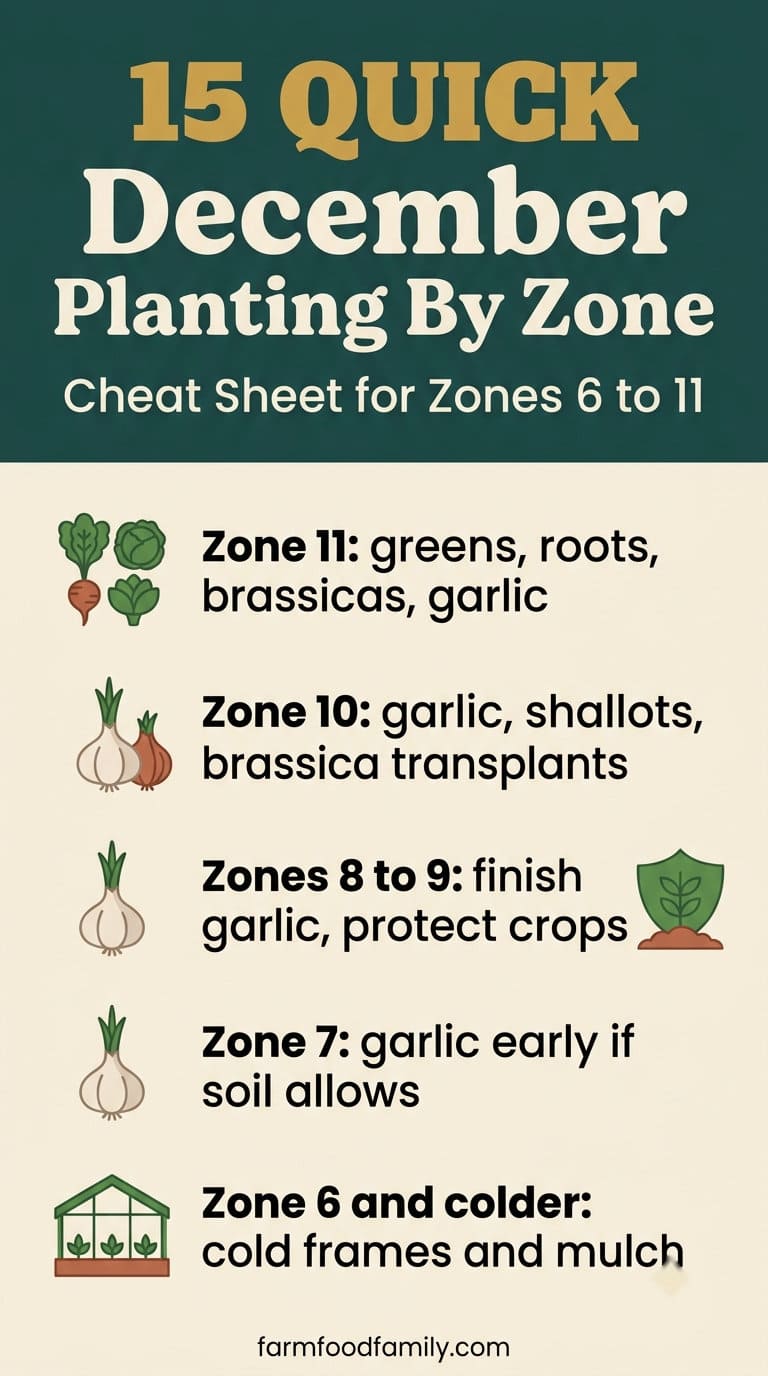
In Zones 8 and 9, finish your garlic and shallots, then protect what’s already growing. New sowings are mostly a gamble unless you cover them.
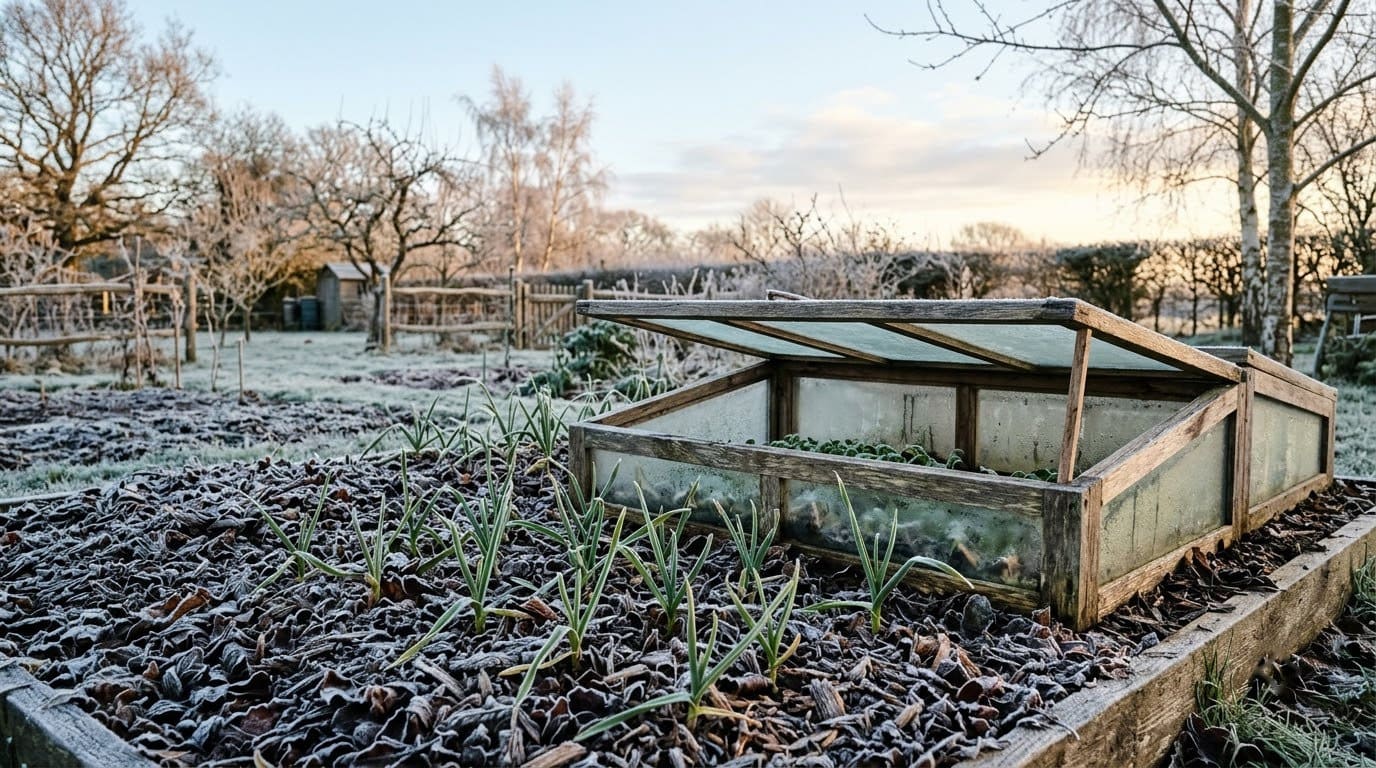
In Zone 7, plant garlic early only if the soil is workable. In Zones 6 and colder, focus on protection and planning. Row covers, cold frames and thick mulch matter more than seed.
Answer 4 quick questions and get matched to the exact fix for your yard — drainage, budget, layout, or something else entirely.
Take the Free QuizEverywhere else, you can try dormant seeding. That means sowing hardy seed just before the ground freezes, mulching it deeply, and letting it sprout in spring. Expect some failures, so keep a spare packet for a spring re-sow and check your local forecast first.
Does Your Zone Decide What You Can Plant in December?
Your zone is a starting point, not a verdict. The USDA Plant Hardiness Zone Map shows how cold winter gets, using average yearly low temperatures. It doesn’t tell you whether your soil is frozen this week.
That’s why “workable soil” matters. Nicole Burke at Gardenary defines it as soil where you can dig into the top 3 or 4 inches. If you can’t, wait or use a cold frame.
Here’s how December breaks down by zone. The December guide at Harvest to Table gives the clearest picture, and we’ve used it as the backbone of this table.
| Zone | Annual low | What Albert says to do in December |
|---|---|---|
| 11 | Above 40°F | Direct-sow greens and roots, transplant brassicas, plant garlic and shallots |
| 10 | 30°F | Garlic and shallots early, greens and roots in mild areas, brassica transplants |
| 9 | 20°F | Finish garlic and shallots, protect winter greens, avoid new sowings unless protected |
| 8 | 10°F | Garlic and shallots early in the month, mulch and cover |
| 7 | 0°F | Protect crops, plant garlic early if soil allows |
| 6 and colder | Below 0°F | Cold frames or row covers, mostly planning |
Notice the Zone 9 line. Not everyone agrees on it.
| Zone 9 question | What the sources say |
|---|---|
| Can you sow new crops? | Albert says avoid new sowings unless protected |
| Which crops work? | Taste of Home lists beets, broccoli, cabbage, carrots, kale, onions and radishes for Zones 9 and 10 |
| What about colder zones? | Taste of Home says no December planting in Zones 3 to 8 |
The gap makes sense. A mild Zone 9 winter and a freezing one are very different.
Check your forecast. Then ask your county extension office for its planting calendar.
Most yard problems trace back to one specific, fixable cause. Find yours in 4 quick questions.
Take the Free Quiz
Thicker frost cloth for cold nights. Drape it over hoops or hardy greens and root beds.
Shop NowThis post contains affiliate links. We may earn a commission on qualifying purchases at no extra cost to you.
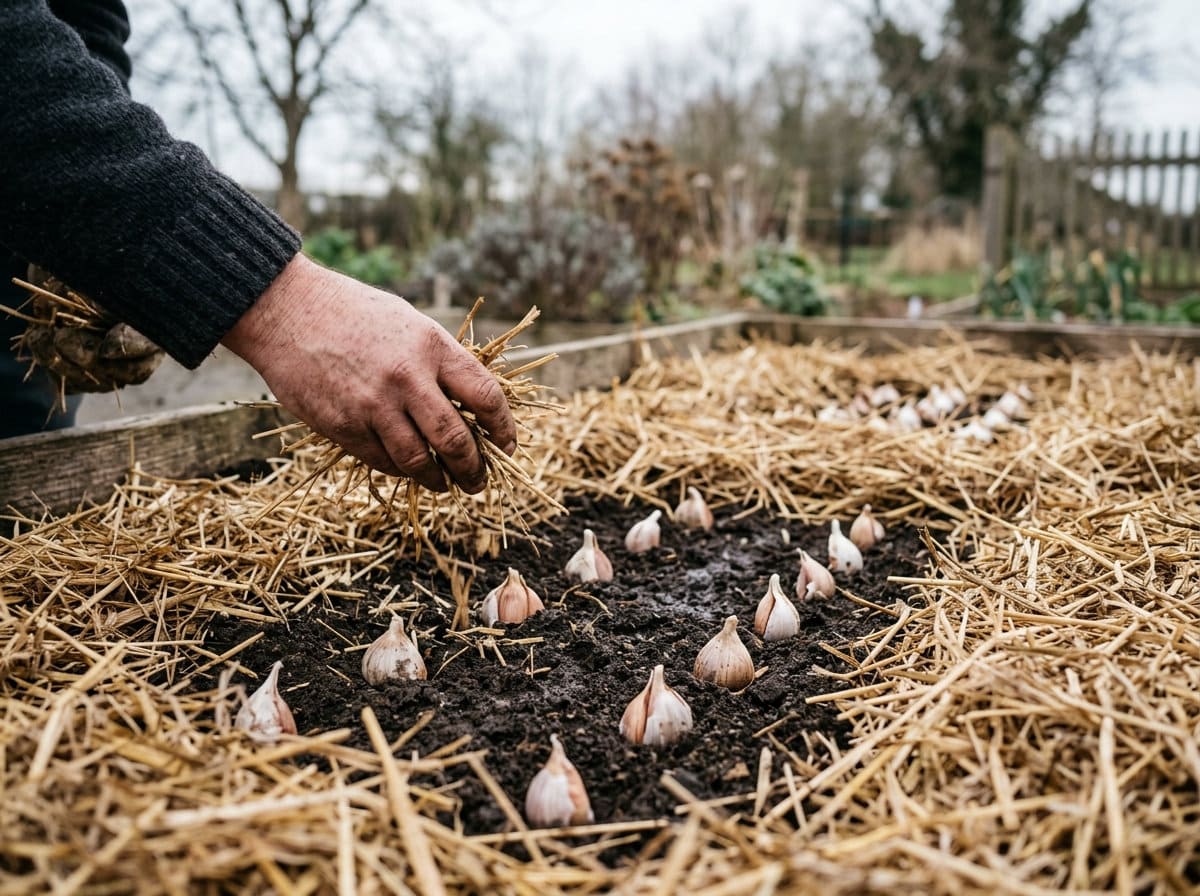
1. Garlic
Garlic is the most flexible December crop, but timing matters. Zones 8 to 10 can plant from October through December, and sometimes January, according to Epic Gardening’s late-garlic guide.
The warning is real. In Zones 6 and 7, mid-November is the usual latest limit, and Zones 4 and 5 are too late by December. Late plantings may root poorly and make smaller bulbs.
In Zones 11 and 12, pre-chill hardneck garlic or choose softneck, then plant in late December or January. Add extra mulch for late plantings. We’d rather plant a smaller bed on time than a big one late.
Our garlic planting guide covers cloves, depth and spacing.
2. Shallots
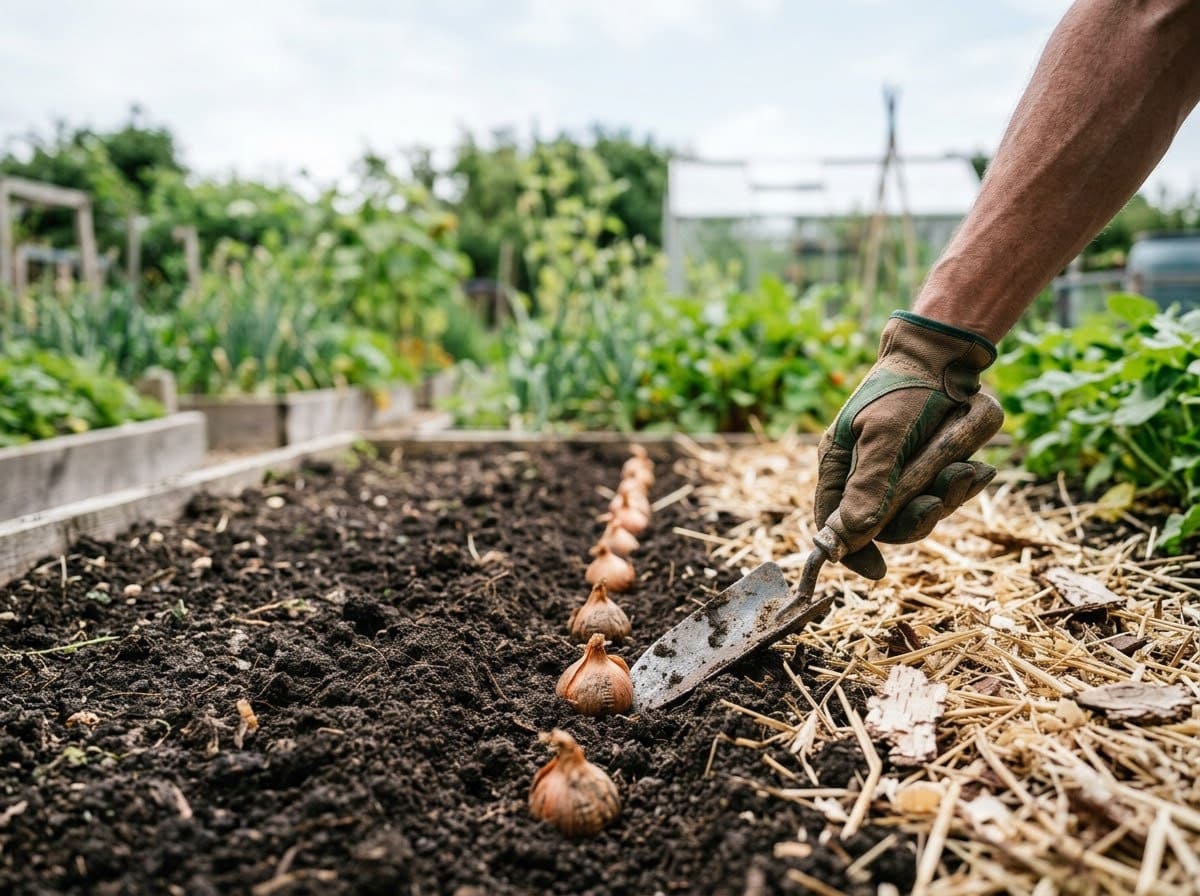
Shallots follow the garlic schedule. They suit Zones 8 to 11. Plant them early in the month in Zones 8 and 10, and finish up in Zone 9.
Each bulb multiplies into a cluster, so a few go a long way. Mulch lightly and water if the soil is dry.
They make a handy partner for garlic. Plant them in the same bed on the same day, and rotate the bed next year.
3. Onions
Onions suit the mildest December gardens. They work from seed and from sets in Zones 9 and 10. That same December list adds a useful twist: plant bulbs, skip the watering and leave them to hibernate over winter.
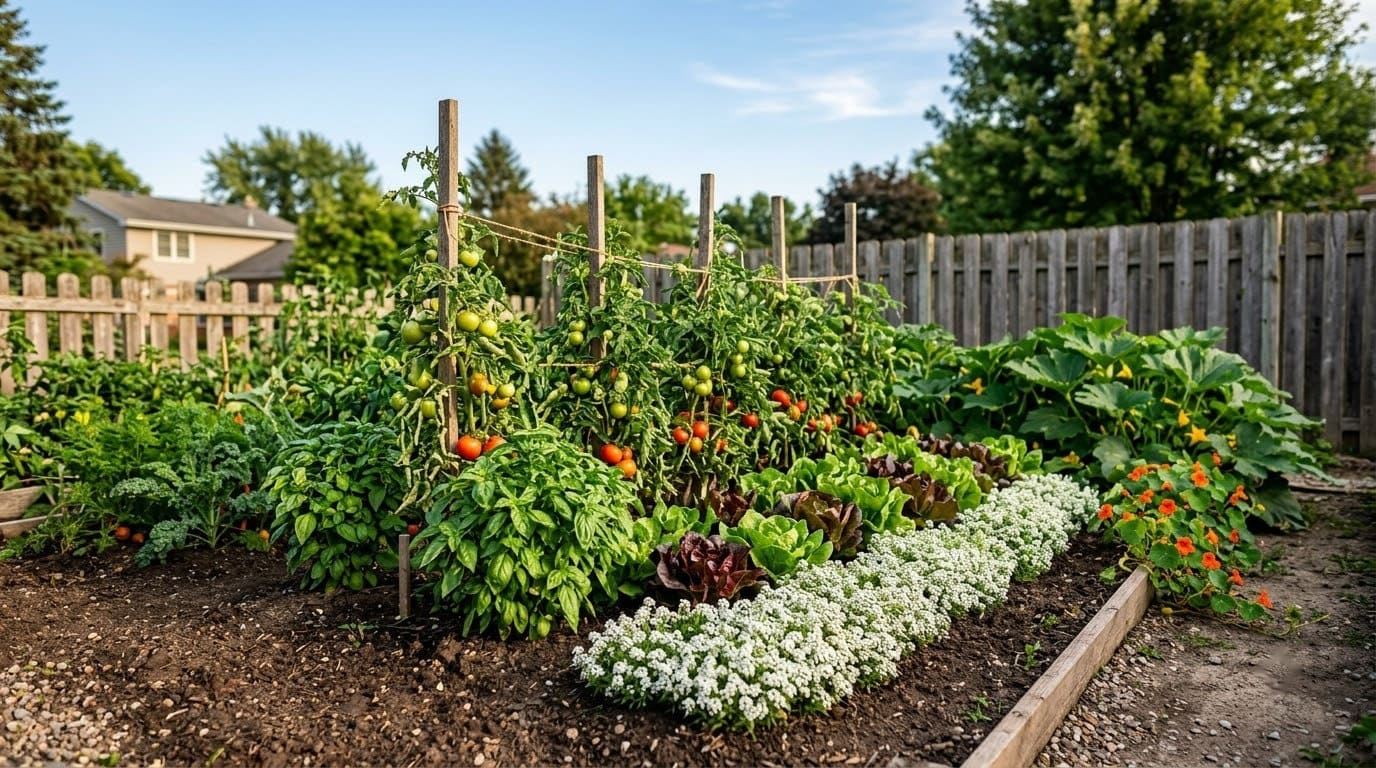
In cold zones, fall seeding of onions can work. Seed onions and scallions are among the best fall-seeded crops in the University of Saskatchewan’s fall seeding guide. Sow thicker than the packet says.
The average homeowner spends $616/year on yard fixes that don't address the real problem. Find out what yours actually is — before you spend another dollar.
Take the Free Quiz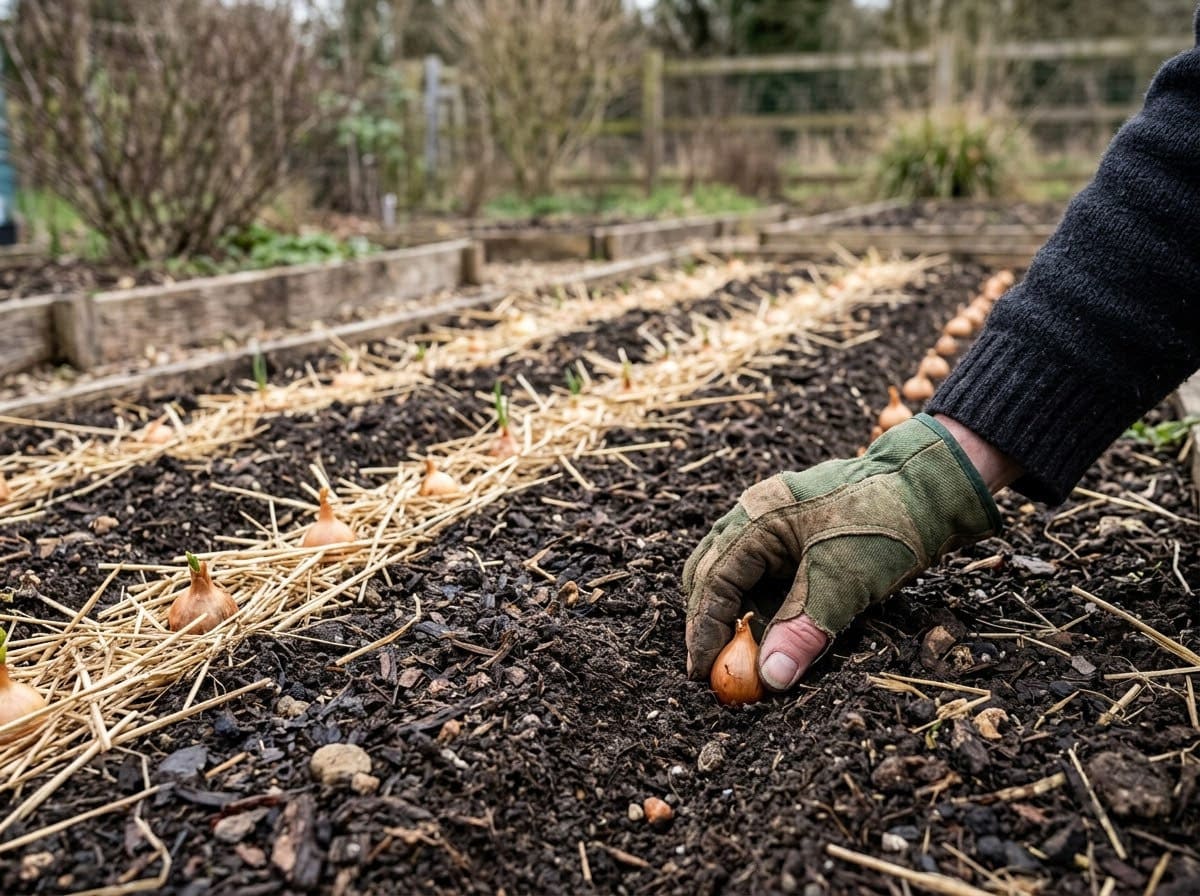
4. Scallions
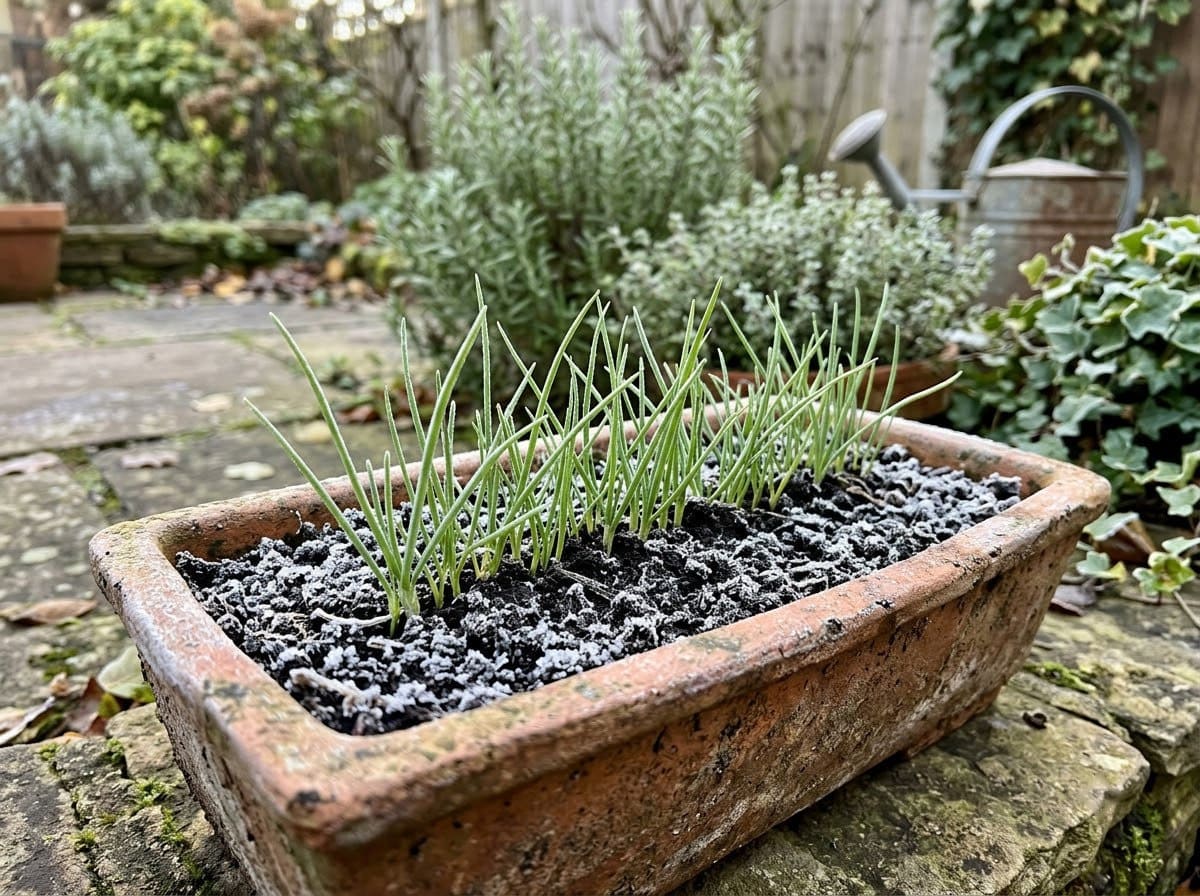
Scallions are small, cheap and quick. In Zone 11 you can direct-sow them in December.
They also do well when seeded in fall. In cold climates the seed rests over winter, then comes up in spring. That gives you an early crop for almost no cost.
Sow in a narrow band so you can pull a few at a time. Our guide to growing herbs in containers works for scallions too if you’re short on space.
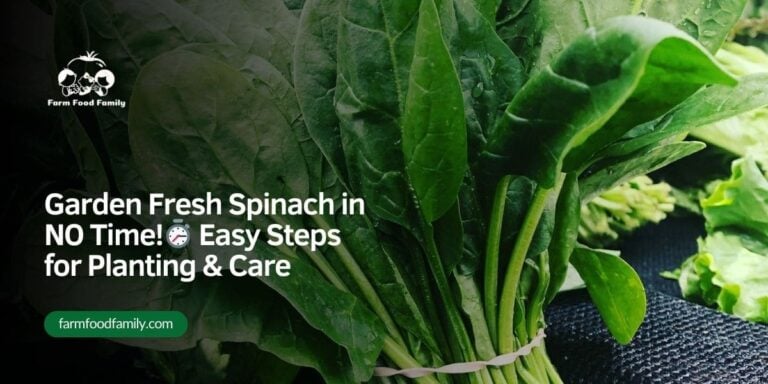
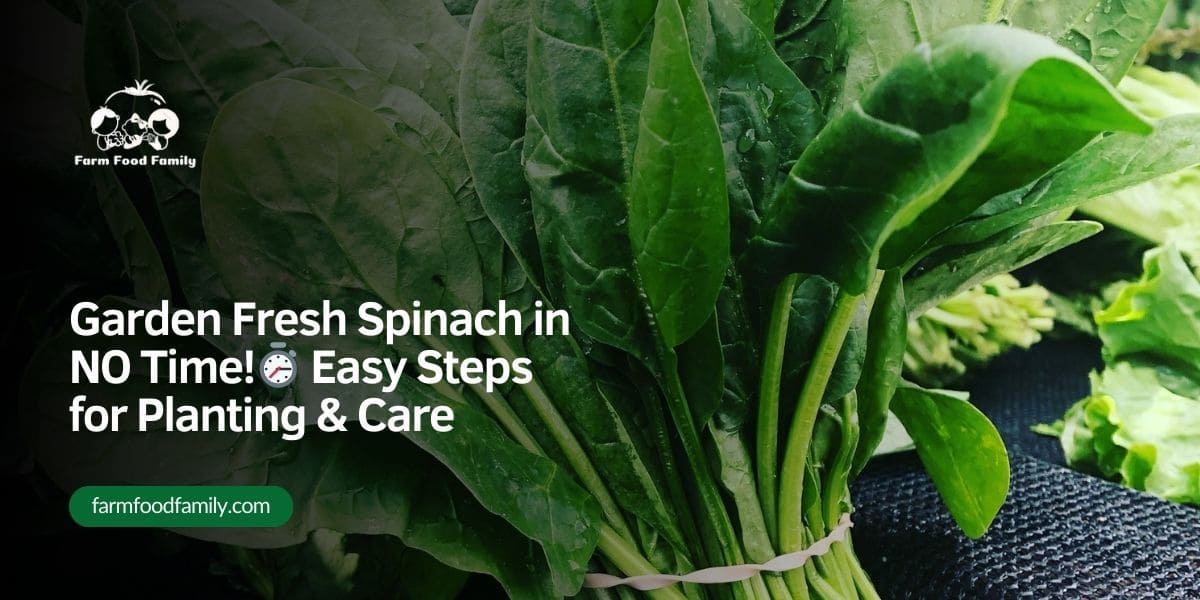
5. Spinach
Spinach is the classic dormant-seeding crop. Sow it in fall, just before the ground freezes. In Zone 11, direct sowing works in December.
In cold zones, the seed waits through winter and sprouts when the soil warms. Sow more thickly than usual to make up for seed that doesn’t survive.
There’s a gamble. A warm spell can trigger sprouting, and a hard frost then kills the seedlings. Hold back some seed for a spring re-sow.
Our spinach guide has variety tips and sowing dates.
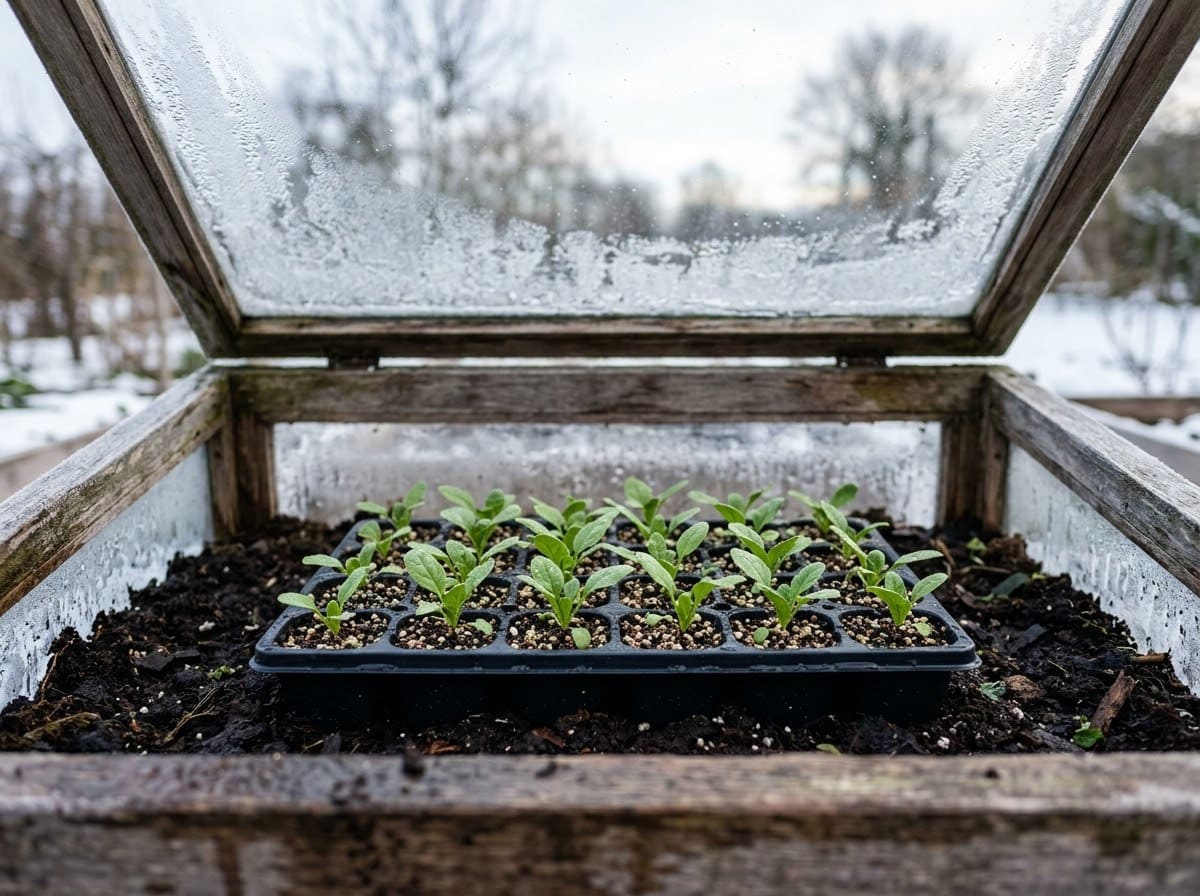
6. Lettuce
Lettuce has two December paths. In Zone 11, you can direct-sow it. In colder zones, it can go in as dormant seed.
Lettuce and other greens are good fall-seeded crops, though they may turn bitter.
Pick a cold-tolerant type and expect a slower harvest.
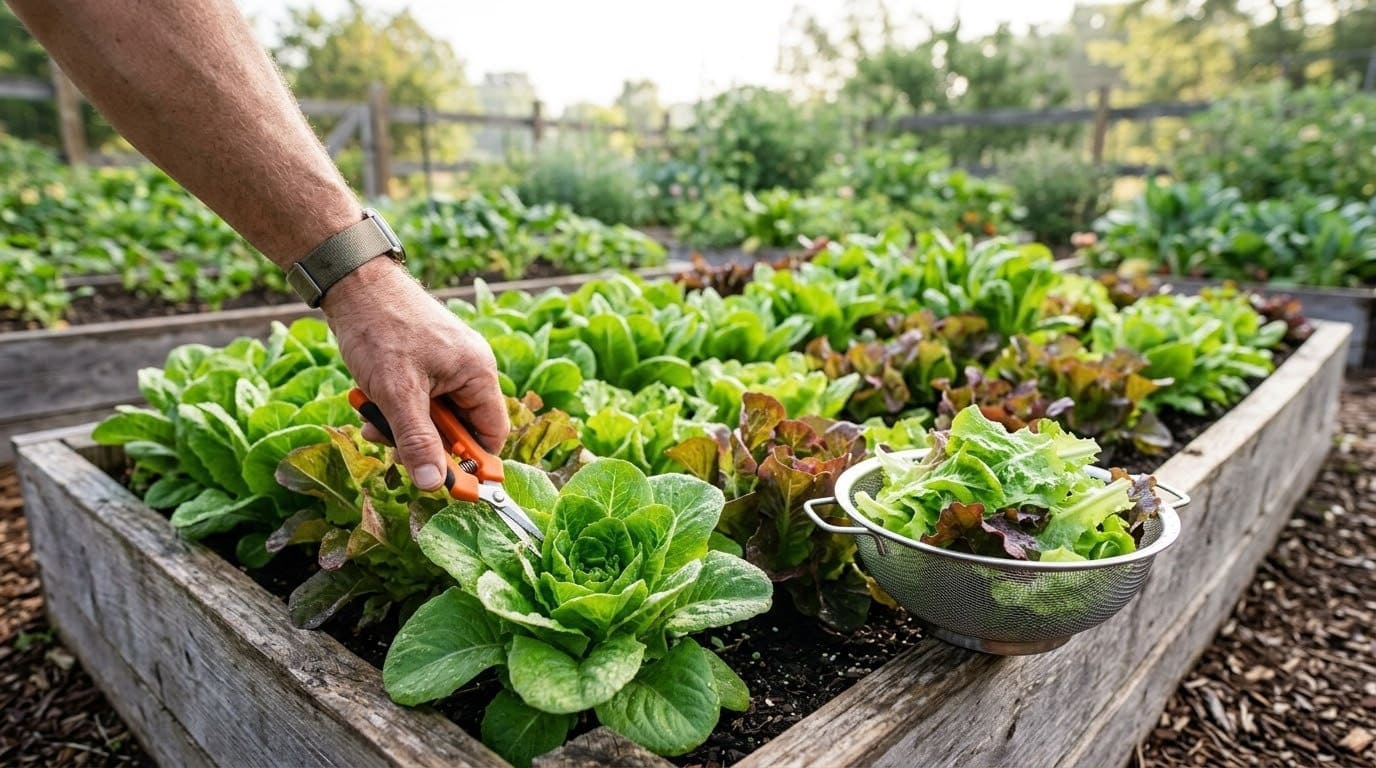
For anyone in a mild zone, lettuce in a cold frame is a pleasant winter project. Our guide to cut-and-come-again lettuce shows how to harvest it.
7. Kale
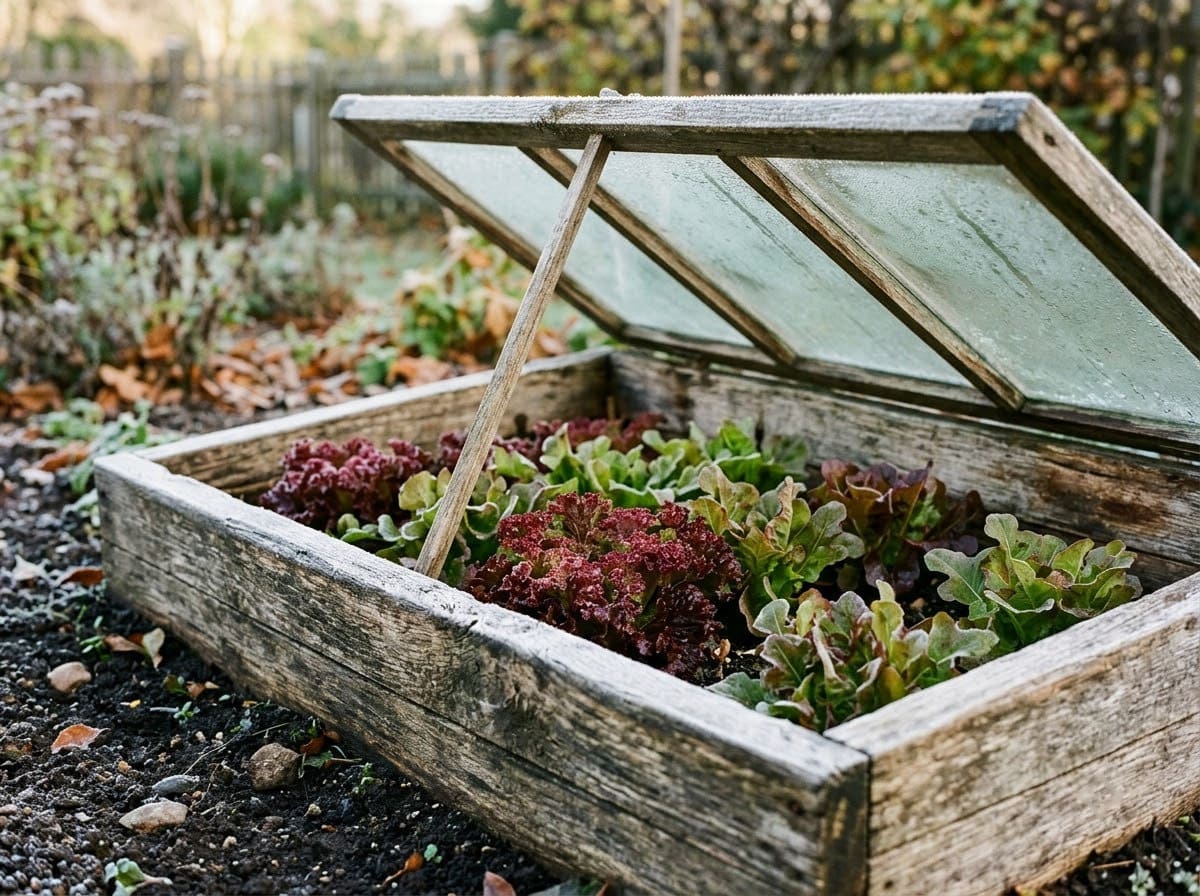
Kale handles winter better than almost any green. Set out transplants in Zones 9 to 11 in December.
Transplants give you a head start because kale seed grows slowly in short, cool days. Set them in a sunny spot and mulch around the base. Water when the soil dries.
If a hard freeze threatens, cover the bed with frost cloth. Cold frames and frost cloth suit all the brassicas. Kale tends to bounce back, so don’t panic over a frosty leaf.
8. Arugula
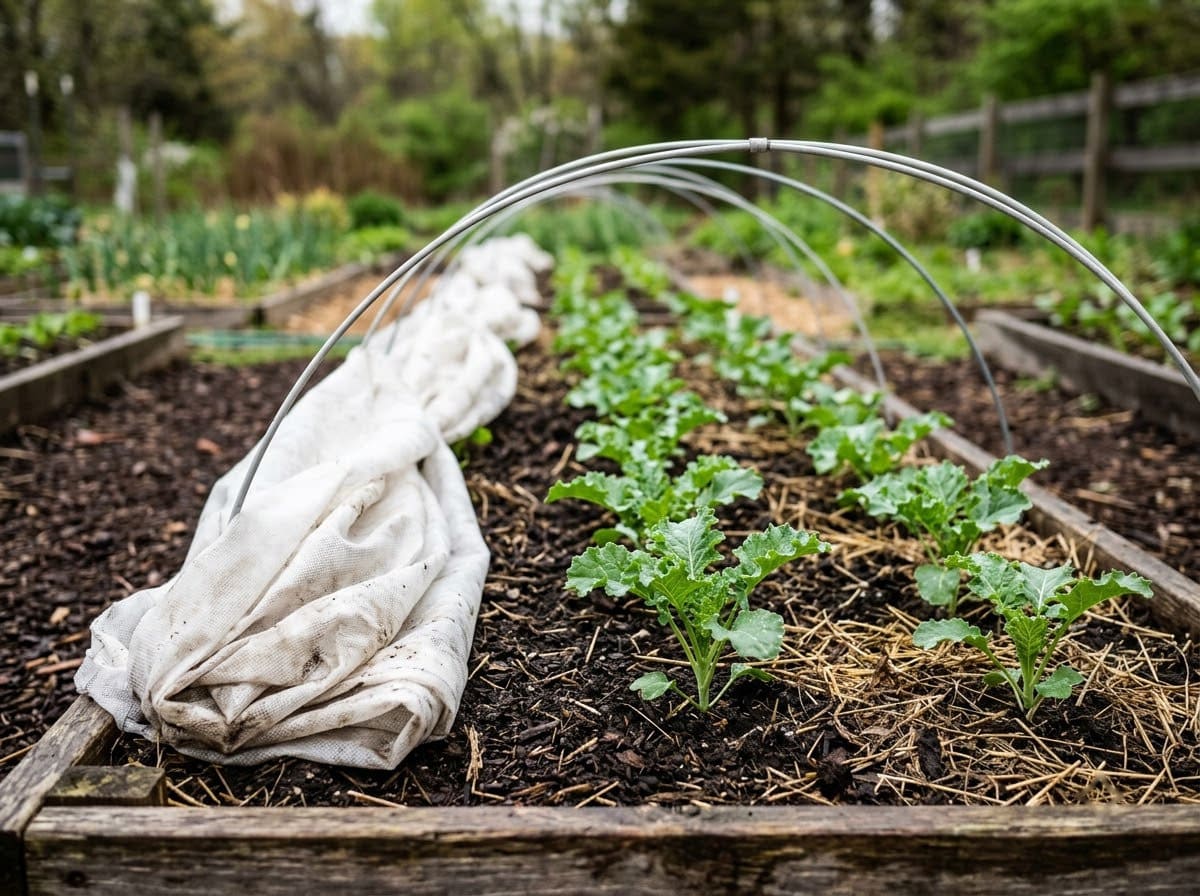
Arugula is a Zone 11 December crop. Sow it with lettuce, spinach, mustard and Asian greens.
It’s peppery, fast and happy in cool soil. Sow thinly and cover lightly. Keep the bed evenly moist until it sprouts.
In colder zones, treat arugula as an experiment. Sow a small test patch in a cold frame, or hold the seed for early spring. A single packet goes a long way.
9. Mustard and Asian Greens
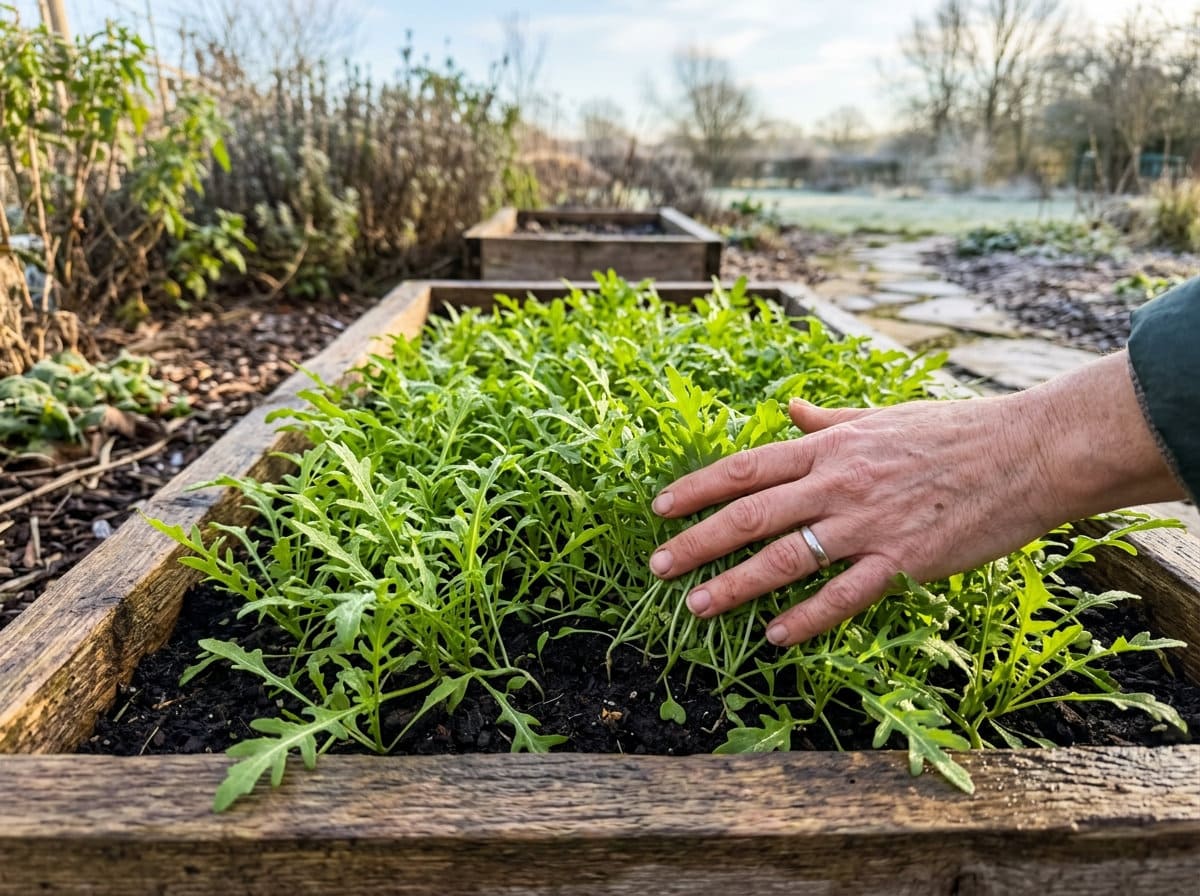
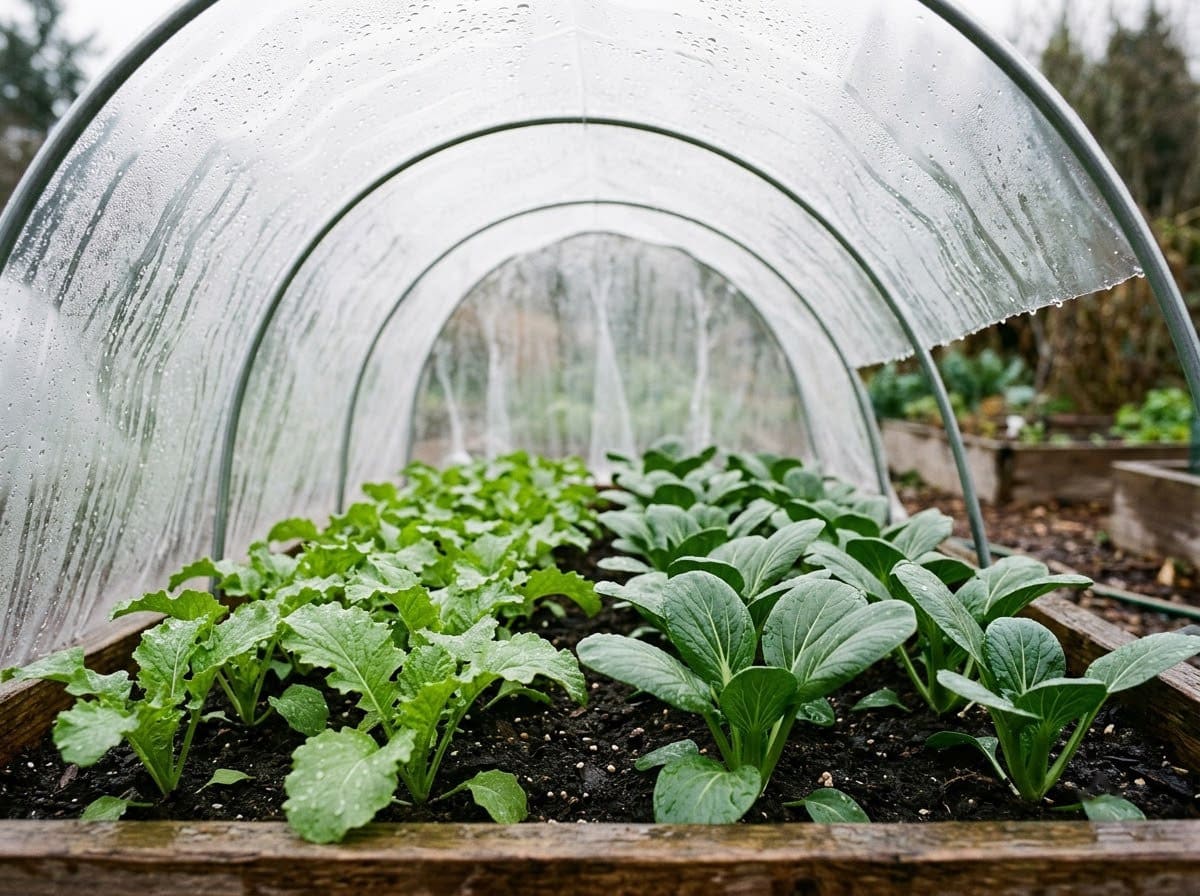
Mustard and Asian greens are a Zone 11 December crop. That includes bok choy, mizuna and similar leafy crops.
They sprout quickly and tolerate cool weather. Sow in rows and thin the seedlings. Cut leaves young for the best texture.
If you garden in Zone 9 or 10, a cold frame or low tunnel makes them a safer bet. The extra protection keeps the soil warm enough for steady growth. Add a fabric layer on the coldest nights.
10. Carrots
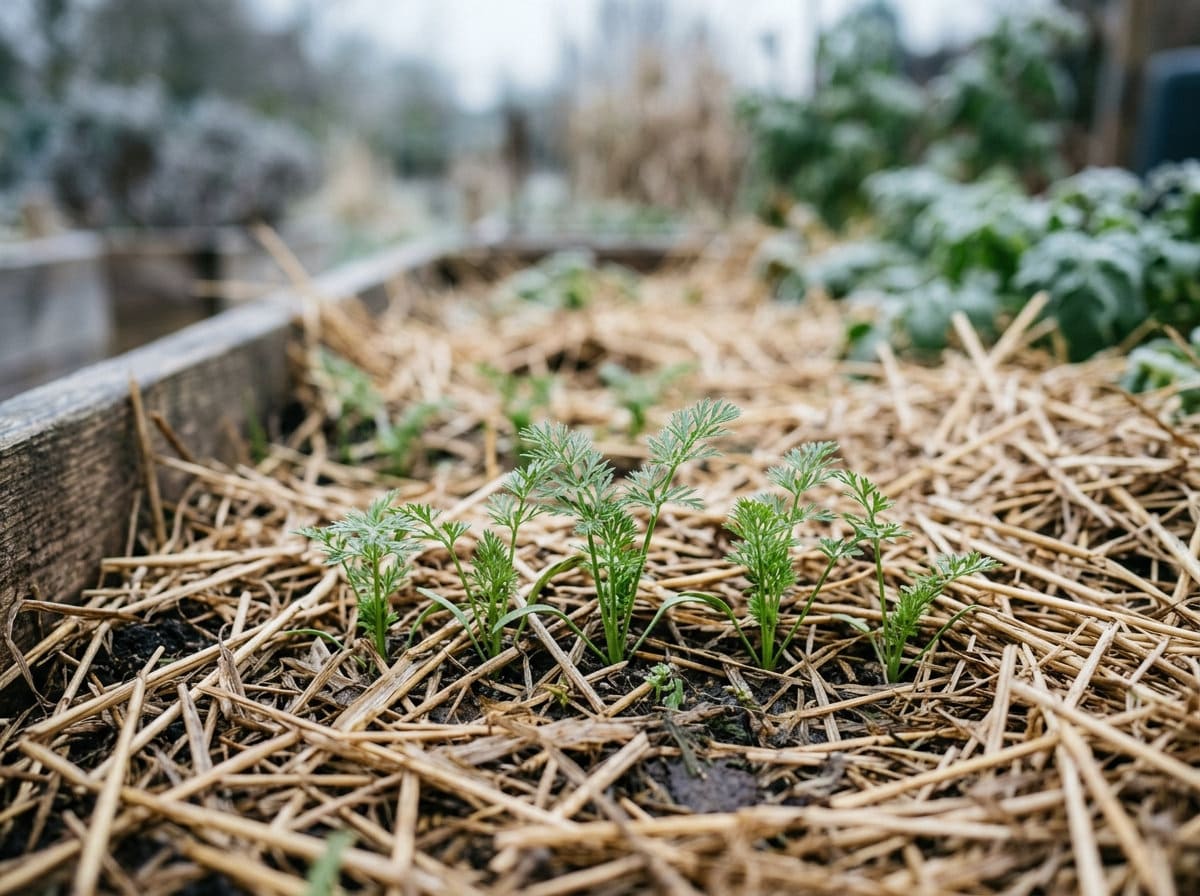
Carrots are a December crop for warm zones and a dormant crop for cold ones. Sow them in Zone 11, and in mild areas of Zone 10.
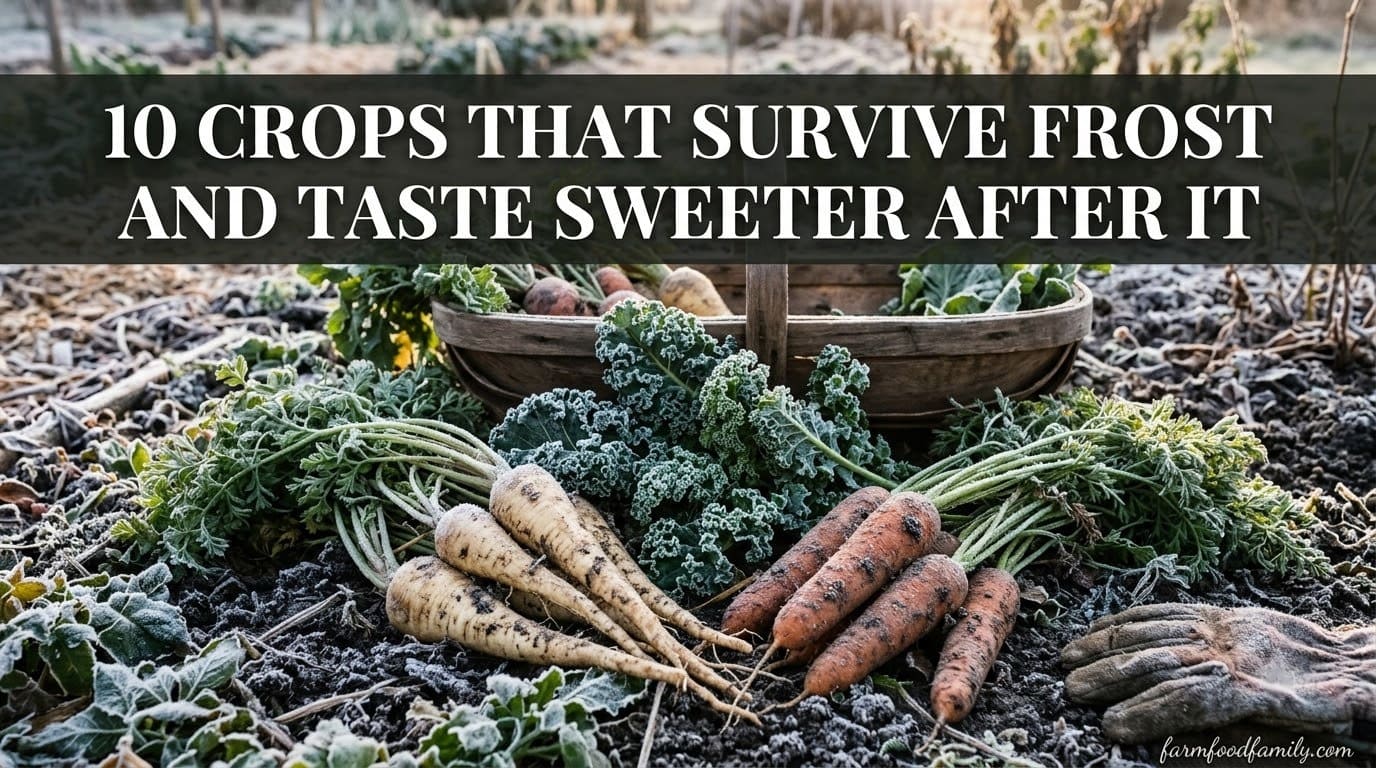
In cold zones, treat carrots as a fall-seeded crop. Sow thickly and mulch deeply. Straw or leaves work, at least 6 inches (15 centimeters) deep.
Carrots sown in warm zones are slow in short days, so be patient. Our list of vegetables that grow underground covers other roots.
11. Beets
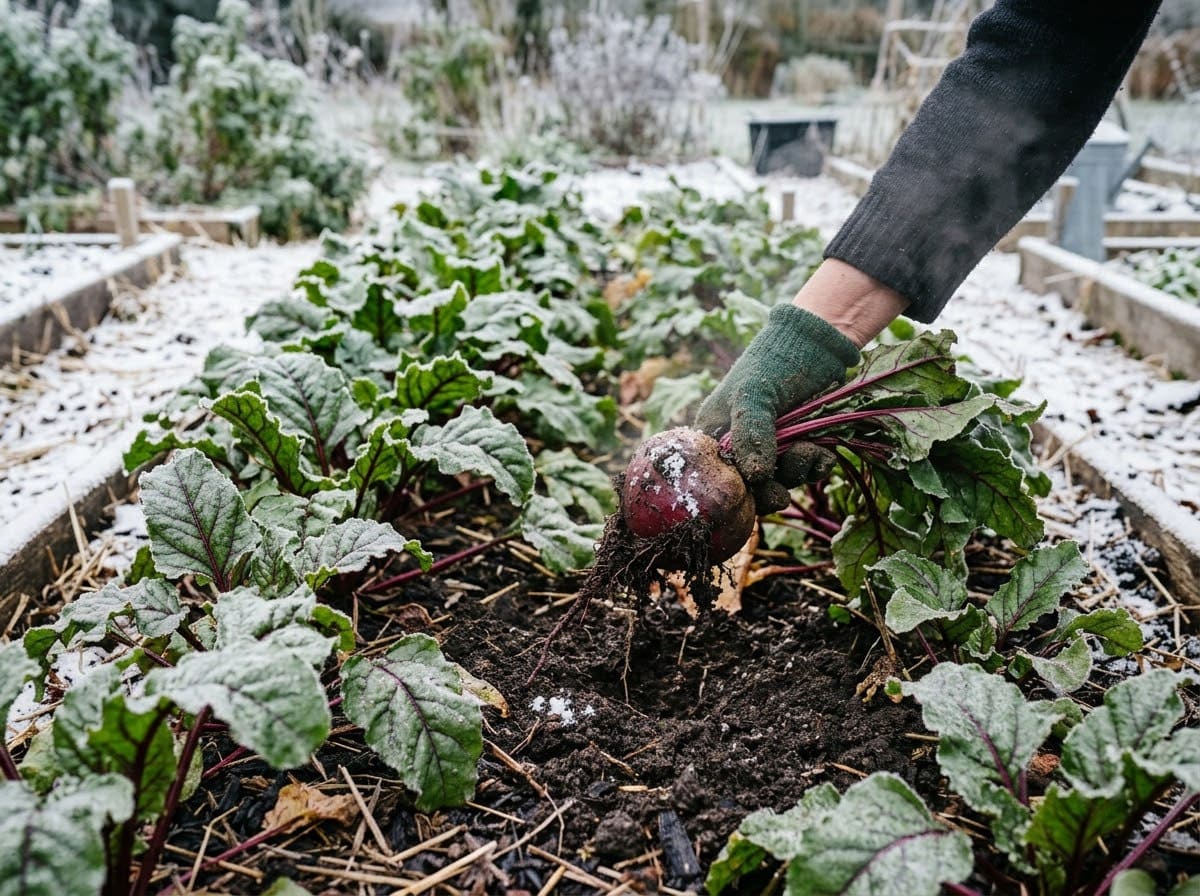
Beets share the carrot schedule. Sow them in Zone 11, and harvest them in Zone 9.
The seed is large and easy to handle. Sow it where the soil drains well. Thin seedlings when they come up, and eat the thinnings as greens.
In Zone 9, December is for harvesting beets, not sowing them. So if your beets are already growing, mulch them and keep picking.
12. Radishes
Radishes are the quick win. Sow them in Zone 11, and harvest them in Zone 9.
They’re also among the best fall-seeded crops. Sow thickly, mulch and wait. They’re quick to come up once the soil warms.
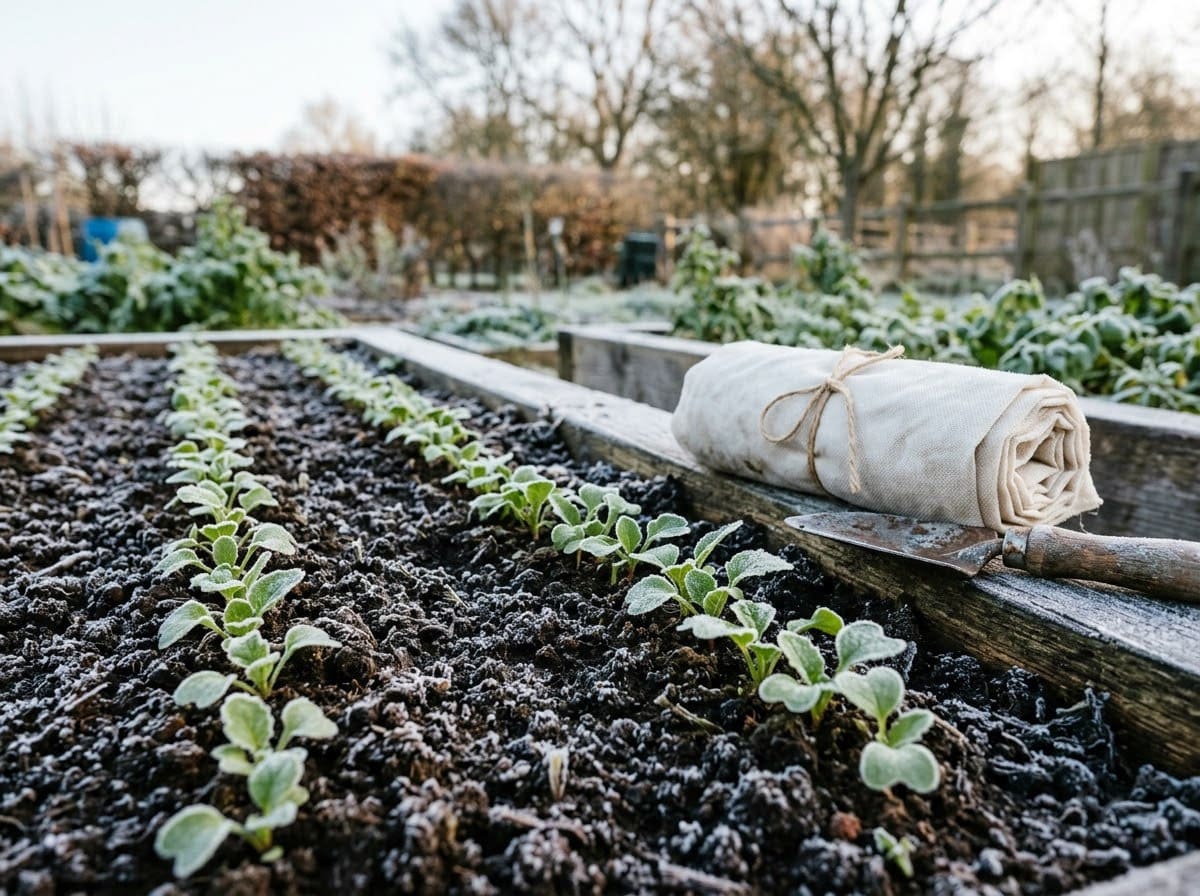
In mild zones, sow a short row every couple of weeks. Cover young seedlings with fabric when a hard freeze is forecast. They don’t need much space.
13. Broccoli
Broccoli works best from transplants in December, in Zones 9 to 11.
Broccoli, cabbage and cauliflower can succeed from fall-sown seed if they have protection. In practice, a transplant under a cover gives you far better odds.
Plant in rich soil and water in well. Use a cold frame or frost cloth. Expect a long wait, because broccoli grows slowly in cold, short days.
14. Cabbage
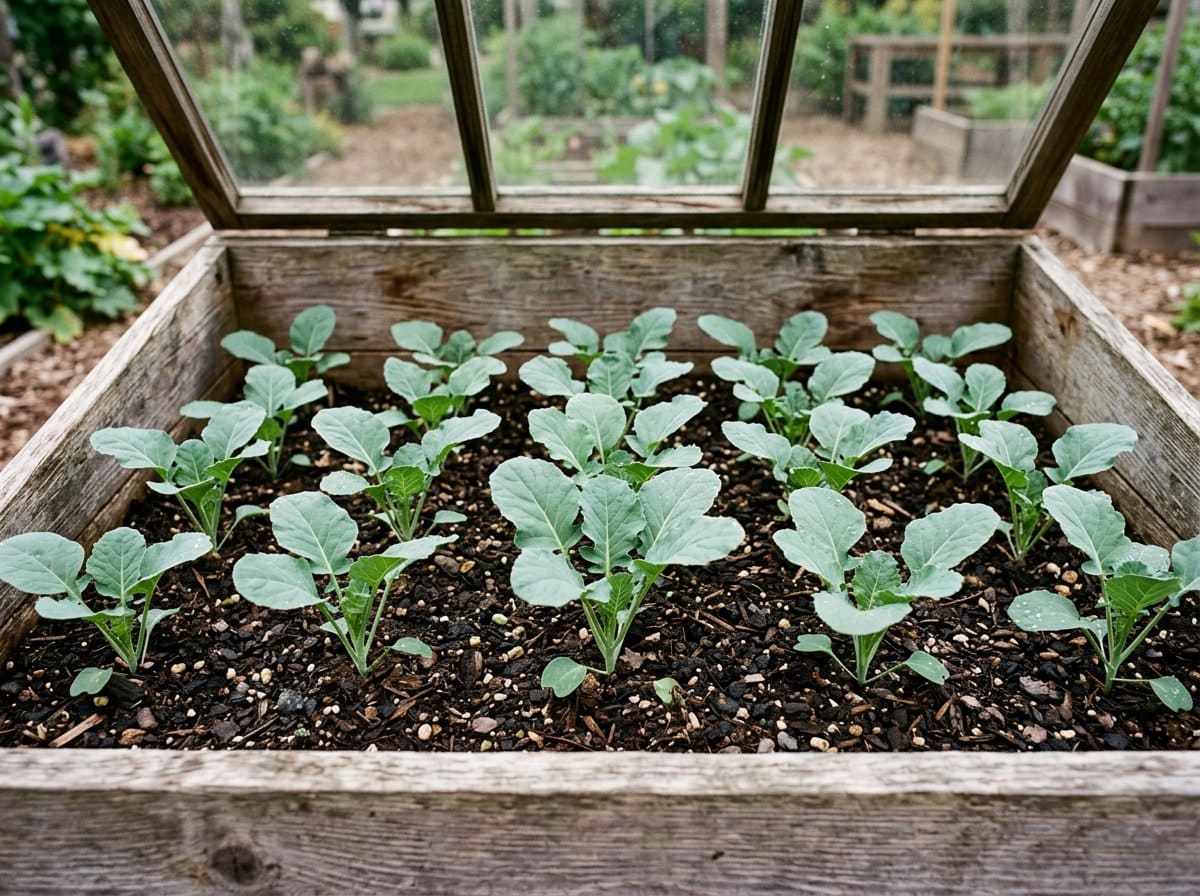
Cabbage is a tough, patient crop. Set out transplants in Zones 9 to 11.
Set transplants in fertile soil and firm the soil around them. Mulch to hold moisture and steady the temperature. Cover on frosty nights, especially for young plants.
Cabbage grows slowly in winter, so think of it as a long-term crop. It fits the same bed as broccoli. Try our raised bed guide if drainage is a problem.
15. Swiss Chard and Hardy Herbs
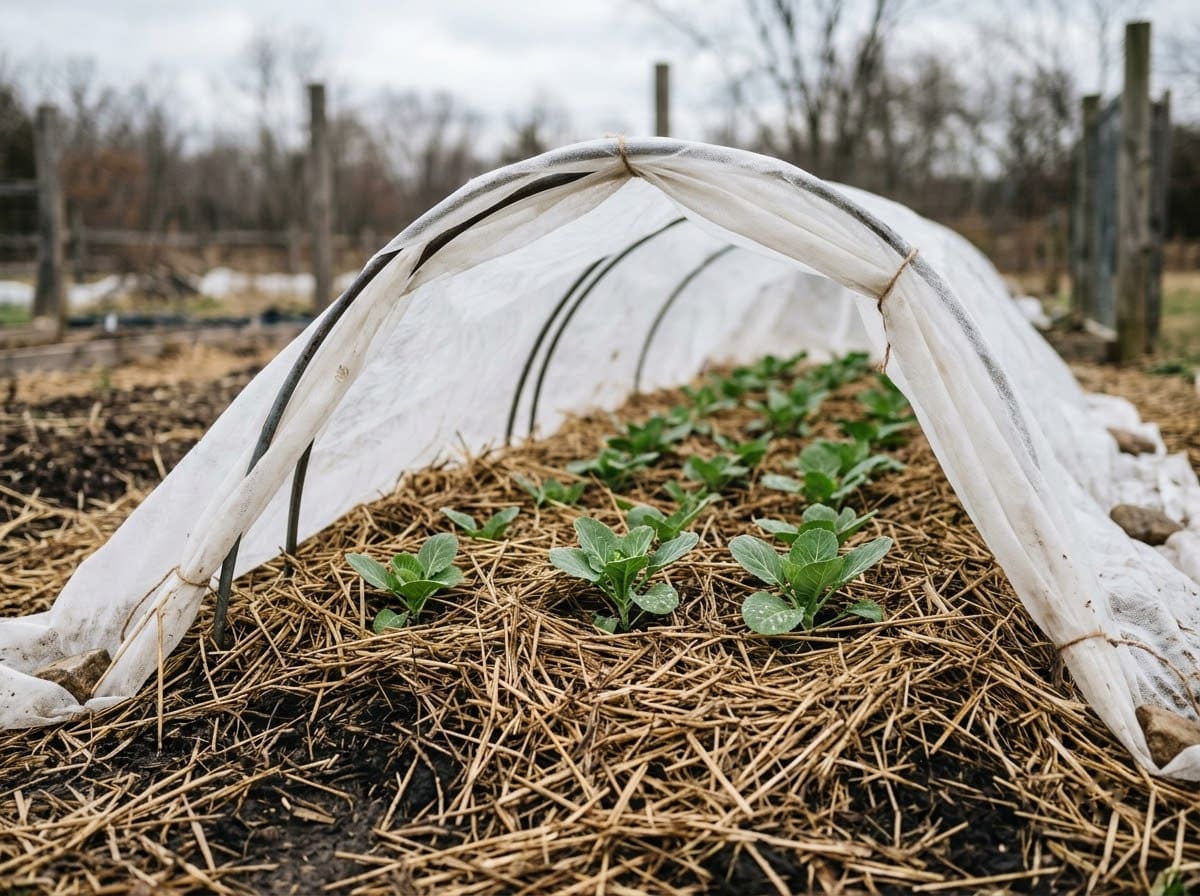
Swiss chard, cilantro, dill, parsley and chives all suit a December planting. They go in by seed, apart from chives. You can skip the watering and leave them to hibernate over winter.
That idea works in places where the ground is workable but cold. The seeds lie dormant until it warms enough to sprout. In warmer areas they sprout during winter.
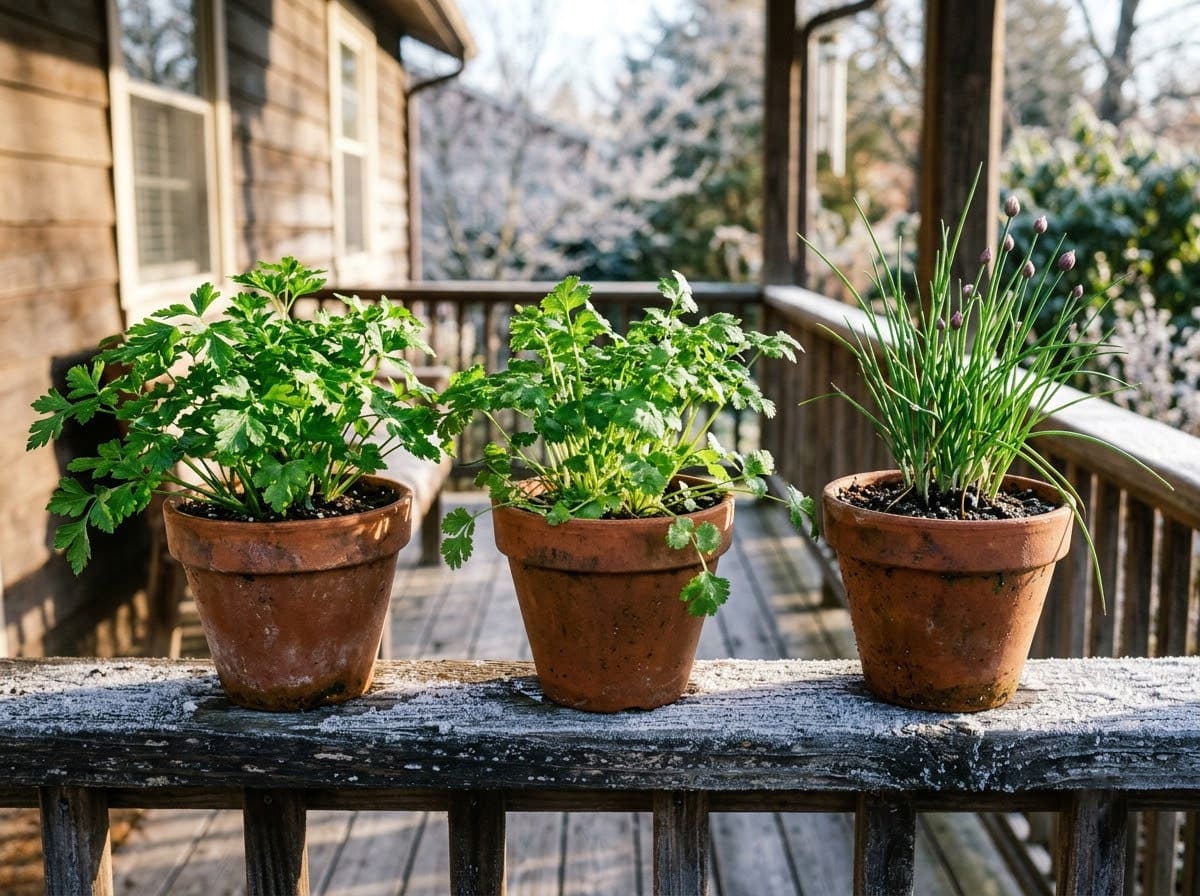
Pots are a good backup. You can move a pot of parsley or chives to a sheltered spot when a hard freeze arrives. Our winter garden tips have more ways to protect small plantings.
What Is Dormant Seeding, and Does It Work?
Dormant seeding means sowing seed late in the year so it sleeps until spring. The Saskatchewan guide says to sow just before the ground freezes. Watch the forecast and don’t start too early.
Sow more thickly than the packet says. That raises your odds.
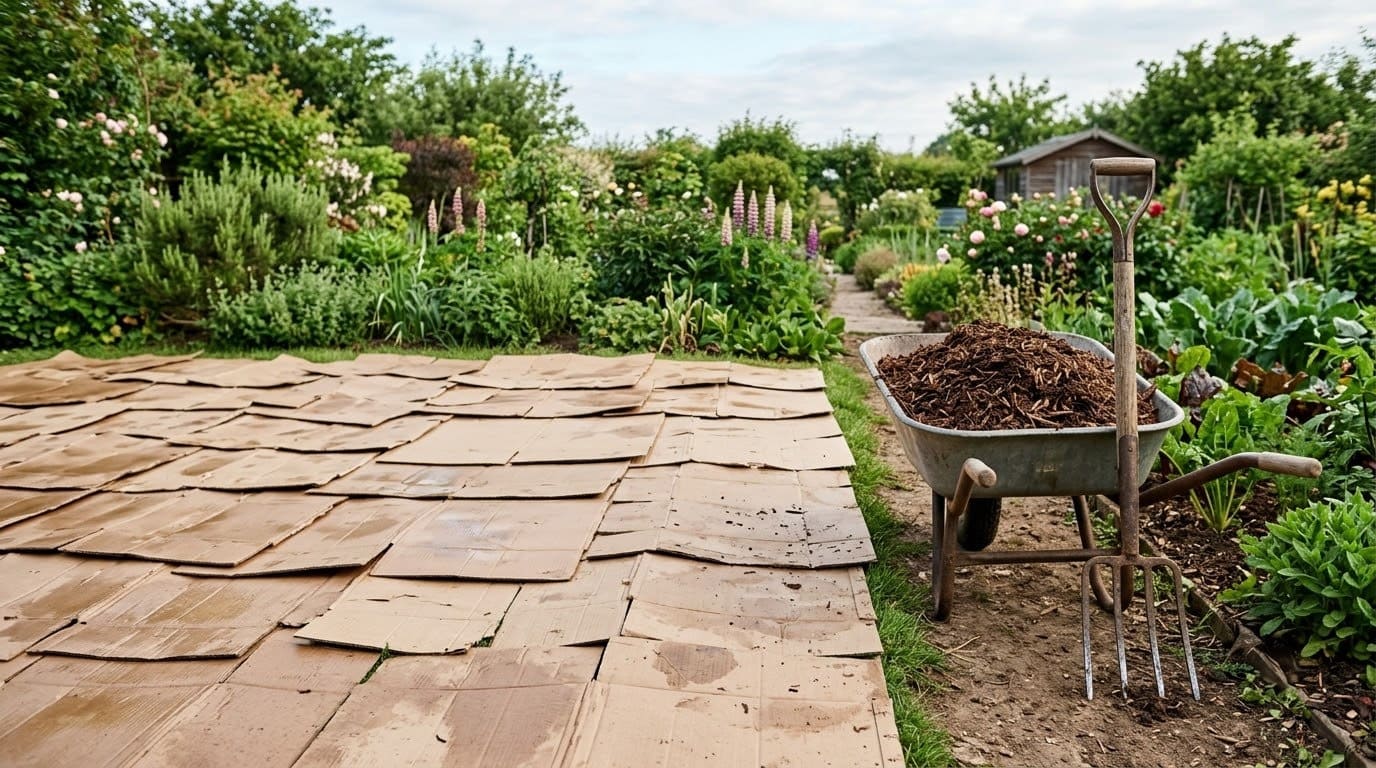
Then cover the bed with at least 6 inches (15 centimeters) of mulch. Straw or leaves work, and leaves need burlap to hold them down.
The guide lists seed onions and scallions, radishes, lettuce and greens, spinach, turnips, parsnips, rutabagas and carrots as the best fall-seeded crops. Cabbage, broccoli and cauliflower may work with protection.
Is it worth it? There are risks. A warm spring followed by frost can kill seedlings, and greens may turn bitter.
But the cost is a packet of seed, and the reward is an extra-early crop.
What Should You Do in Zones 7 and Colder?
Don’t fight the calendar. In Zone 7, plant garlic only if the soil is workable. Zones 6 and 7 are usually past the latest planting limit by December.
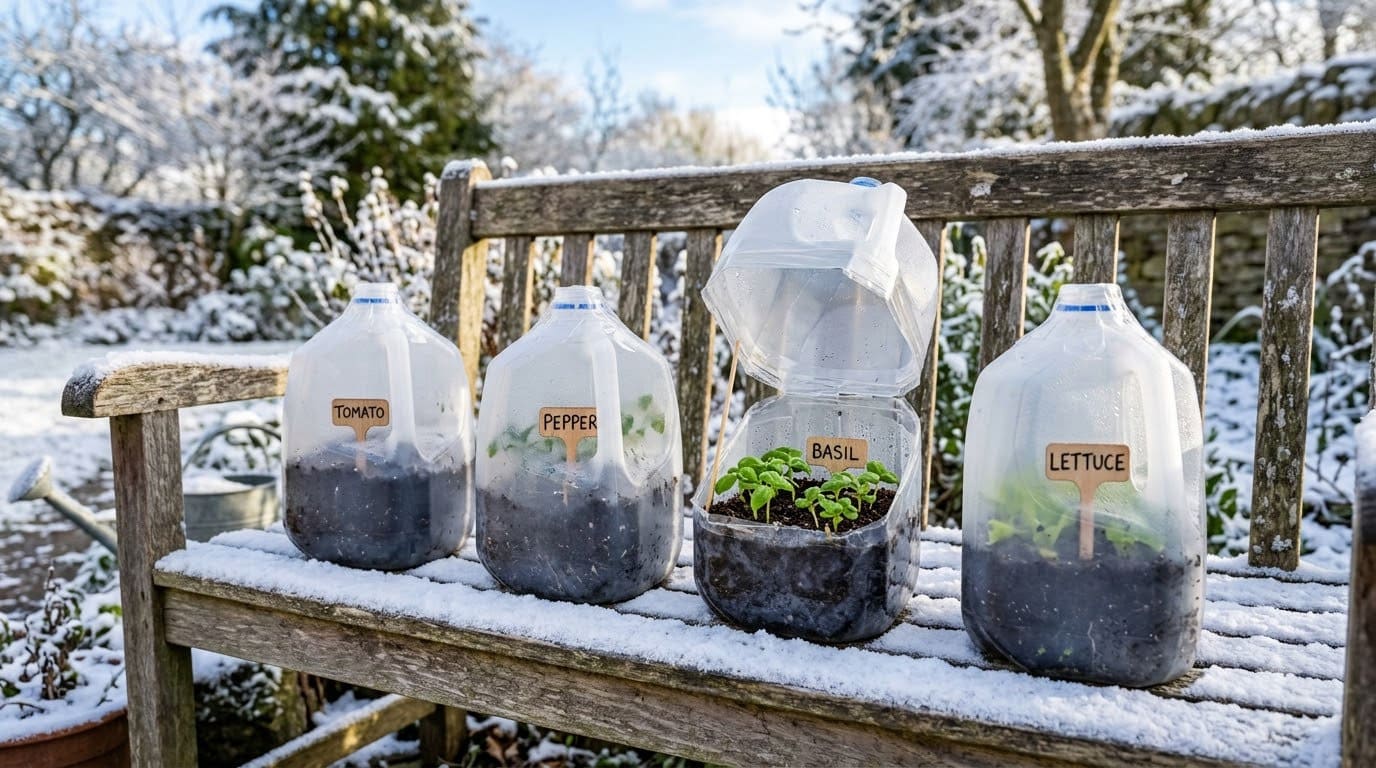
Spend the month protecting what you have. Mulch beds heavily and use row covers or cold frames for overwintering crops. In Zones 4 and 3, cold frames or hoop houses are worth the effort.
Planning is productive too. Order seed, sketch next year’s beds and clean your tools. Our guide to vegetables that can grow indoors helps if you want something green on the windowsill.
How Much Does December Planting Cost?
December planting costs very little. Most of it is seed, mulch and a bit of fabric.
| Budget tier | What you get | Best for |
|---|---|---|
| DIY-cheap | Seed packets, leaf or straw mulch, old sheets for frost | Dormant seeding, garlic, shallots |
| Moderate | Transplants, frost cloth, hoops | Zones 9 to 11 brassicas and greens |
| Bigger investment | A cold frame or low tunnel | Zones 6 to 10 winter harvests |
What We Learned the Hard Way
The mistake most people make is sowing too early. Dormant seed planted during a warm spell can sprout and freeze. Wait until the ground is about to freeze.
Another trap is trusting a single “plant now” list. Different guides give different answers for Zone 9. Compare them, then check your own forecast.
And don’t skip mulch. Late-planted garlic needs more protection. Seeded beds need a thick layer, so don’t be shy.
If there’s one thing worth doing differently, it’s keeping a few seeds back. Dormant sowing fails sometimes, and a spring re-sow saves the bed.
December Planting Checklist
- Early December: Plant garlic and shallots in Zones 8 to 11 if you haven’t already.
- Mid December: Transplant broccoli, kale and cabbage in Zones 10 and 11. Direct-sow greens and roots in Zone 11.
- Before the ground freezes: Dormant-sow spinach, radishes, carrots and lettuce in cold zones, and mulch deeply.
- All month: Cover tender crops on frosty nights, and check that cold frames aren’t overheating.
Frequently Asked Questions
Can you plant vegetables in December?
Yes, in the right places. In Zones 10 and 11 you can sow and transplant a good range of cool-season crops. In colder zones, garlic and dormant seeding are your best options.
What can I plant in December in Zone 8 or 9?
Garlic and shallots early in the month, plus protected transplants of kale, broccoli and cabbage. Albert advises avoiding new sowings in Zone 9 unless they are protected.
Is it too late to plant garlic in December?
In Zones 8 to 10, no. Epic Gardening says you can plant through December and sometimes January. In Zones 6 and 7 it’s usually too late.
What is dormant seeding?
It means sowing seed just before the ground freezes so it sprouts in spring. Spinach, radishes, lettuce and carrots all work well.
Which December vegetables are best for beginners?
Garlic, radishes and spinach. They’re forgiving, inexpensive and well suited to mulch and a bit of cover.
Products We Recommend
This post contains affiliate links. We may earn a commission on qualifying purchases at no extra cost to you.
KLEWEE 10 x 50 ft Frost Cloth, 1.5 oz/yd² Heavyweight Row Cover
Thicker frost cloth for cold nights. Drape it over hoops or hardy greens and root beds.
Shop Now
Miory Raised Garden Bed with PE Cover, 4 x 2.5 x 1 ft
Galvanized raised bed with a zippered mini-greenhouse cover that works like a cold frame for greens and herbs.
Shop Now
Stainless Steel Soil Thermometer, 5 in Stem Dial
Checks whether the soil is workable and cool enough before you sow seed or mulch garlic.
Shop NowNever miss an update — choose FarmFoodFamily as your preferred source on Google.
How it works: Tap the button below to open Google's settings page, then check the box next to FarmFoodFamily.
Tap the checkbox to turn it blue — that's how you know it's set.