5 Unstoppable Cool-Season Salad Greens That Thrive When Everything Else Is Dying Back
These five greens actually get sweeter as the thermometer drops, so the trick isn’t rushing to harvest before frost, it’s knowing which ones can shrug off a hard freeze and which ones fold at the first light one.

Never miss an update — choose FarmFoodFamily as your preferred source on Google.
How it works: Tap the button below to open Google’s settings page, then check the box next to FarmFoodFamily.
Tap the checkbox to turn it blue — that’s how you know it’s set.
Quick Answer: Five greens keep producing after your tomatoes and basil are done: mache, claytonia, tatsoi, land cress, and mizuna. They rank from toughest to least tough. Claytonia and mache shrug off temperatures near 0 degrees Fahrenheit, tatsoi and land cress hold on to about 10 degrees, and mizuna is the first to fold once it drops below 25 degrees.
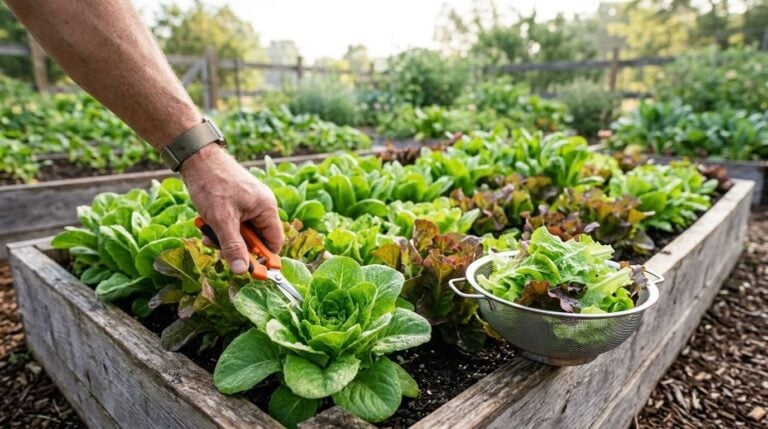
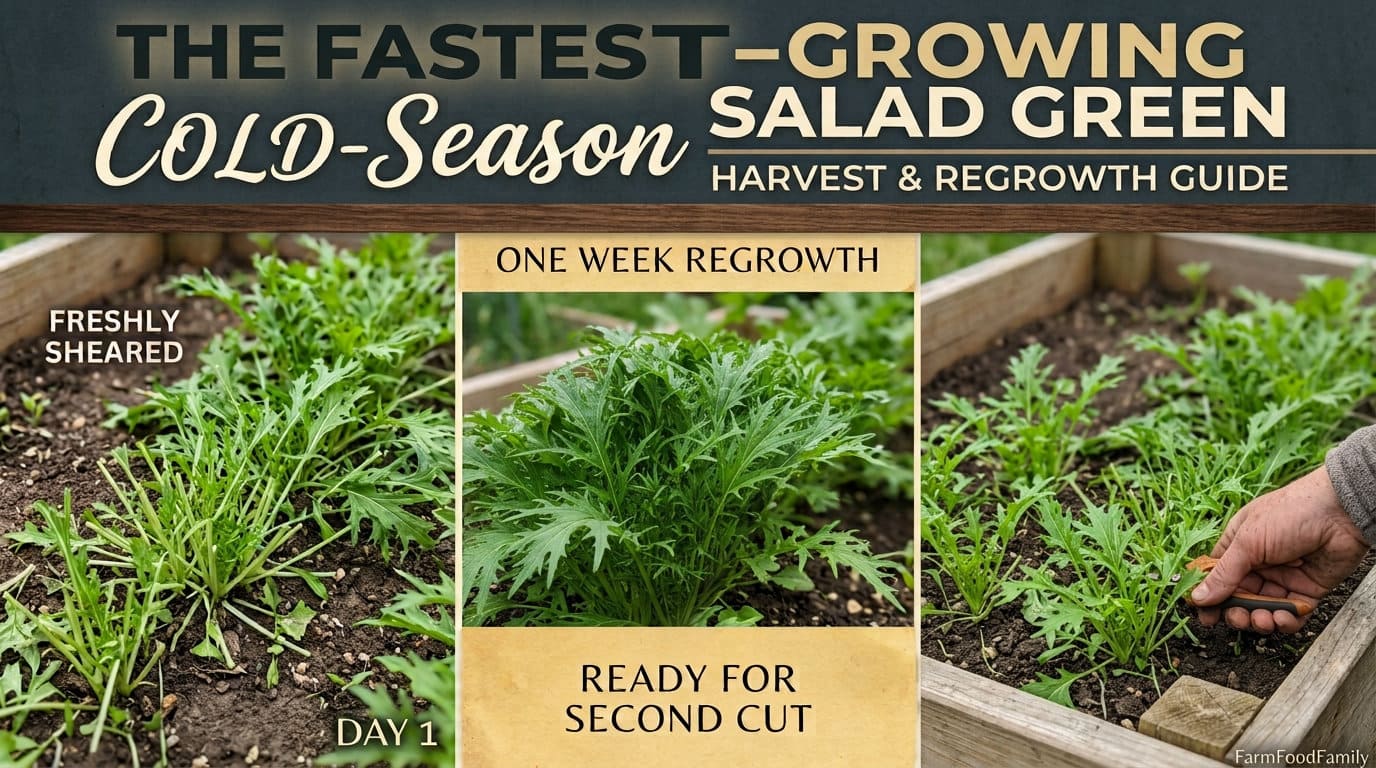
All five actually taste better after a real frost, not despite it. Cold pushes the plant to convert stored starch into simple sugars, which work like a natural antifreeze in the leaf cells, and that shift is what reads as sweeter, less bitter flavor on your fork. Cut them the right way and they keep coming back. Shear the leaves down to about an inch above the crown once they reach 6 to 10 inches tall, according to University of Maryland Extension, and a healthy patch regrows for a second cut in roughly 2 to 3 weeks.
By late October, most of a home garden looks pretty rough. The tomato vines are blackened, the basil turned to mush after the first light frost, and the raised vegetable garden bed that was overflowing in July now has three sad pepper plants and a lot of empty space.
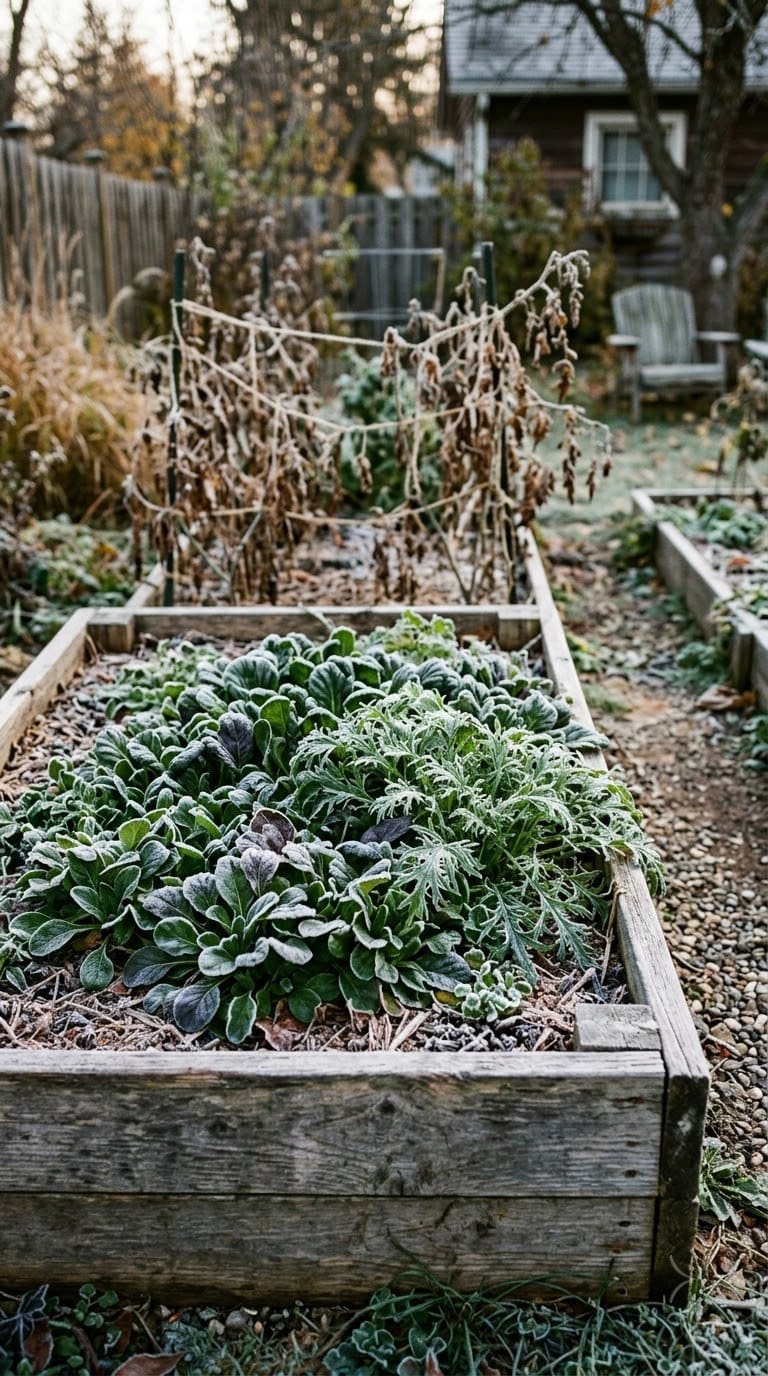
That’s exactly when these five greens get going. They’re not cold-tolerant in the vague “should be fine into November” sense most seed packets use. They’re genuinely built for freezing weather, and a few of them taste noticeably better once they’ve been hit by frost a couple of times.
This isn’t a sowing-timing guide, that ground is covered elsewhere on this site. This is about which greens are worth planting for cold-season production specifically, ranked by how much cold they can actually take, and how to keep cutting from the same plants for weeks instead of harvesting once and starting over.
Which cool-season greens are the most cold-hardy?
Cold hardiness isn’t one number, it’s a range, and the gap between the toughest and the least tough green on this list is real. According to Pam Dawling, a market farmer at Twin Oaks Community in Virginia and author of Sustainable Market Farming, her own hoophouse trial data puts claytonia and mache at the top of the pack.
Answer 4 quick questions and get matched to the exact fix for your yard — drainage, budget, layout, or something else entirely.
Take the Free QuizMizuna, by comparison, is the first to check out.
| Green | Cold hardiness | Days to first cut | Flavor note |
|---|---|---|---|
| Claytonia (miner’s lettuce) | ~0 to 5°F, hardiest of the five | 40-50 days | Mild, slightly juicy, barely changes with frost |
| Mache (corn salad) | 0°F | 50-60 days | Nutty, naturally sweet, gets noticeably sweeter after frost |
| Tatsoi | 10°F | 45 days | Mild mustard bite that softens after cold |
| Land cress (upland cress) | 10°F | 50-60 days | Peppery like watercress, cold makes it less harsh |
| Mizuna | 25°F unprotected, colder with rowcover | 30-40 days | Feathery, mild peppery kick, least changed by frost |
A quick honest note on claytonia: some seed catalogs cite it surviving down to -30°F or colder. Dawling’s own source lists that figure too, but flags it with “I have no personal experience of this,” and that’s a fair caveat to pass along rather than repeat as settled fact. The safer planning number, corroborated across multiple growers, is 0 to 5°F.
Why does frost actually make these greens taste sweeter?
This isn’t a folk myth. When temperatures drop, the plant converts starch it’s stored in its leaves into simple sugars like glucose and sucrose. Those sugars work like a natural antifreeze, lowering the freezing point of the fluid inside the plant’s cells so ice crystals don’t rupture them.
The side effect is flavor. More sugar reads as sweeter and less bitter on your tongue, which is why a mache leaf pulled in November tastes noticeably different from the same plant in September. UMD Extension backs this up in general terms: cool-season crops “benefit from frost which increases the sugar content and flavor.”
It’s most obvious in mache, tatsoi, and land cress. Mizuna barely changes, honestly, its peppery bite is more about mustard-family chemistry than sugar content, and claytonia’s flavor was already so mild there isn’t much room for it to shift.
1. Mache (corn salad)
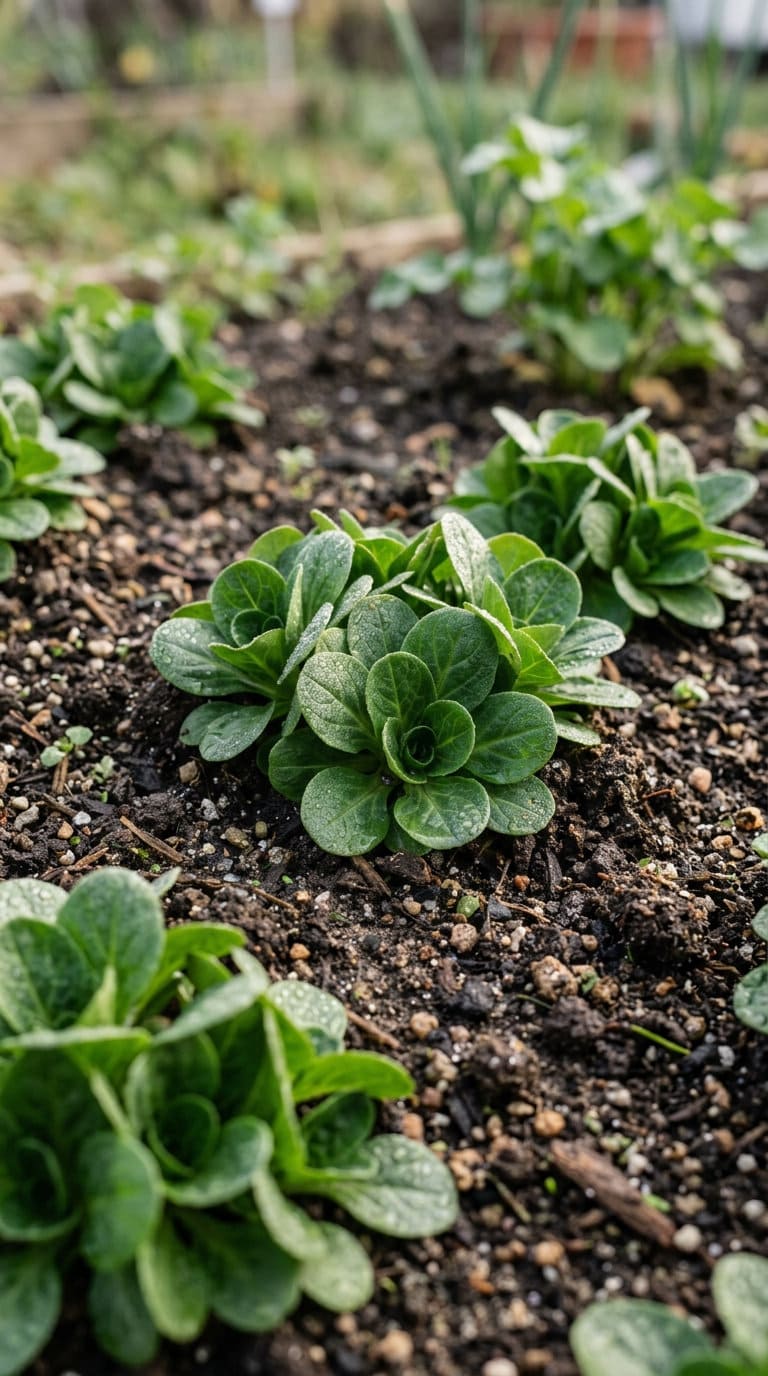
Mache grows in tight, low rosettes of small, spoon-shaped leaves, and it’s genuinely one of the toughest salad greens you can put in the ground. Dawling’s trial data has it surviving down to 0°F without any cover at all, which puts it ahead of tatsoi and land cress by a real margin.
Most yard problems trace back to one specific, fixable cause. Find yours in 4 quick questions.
Take the Free Quiz
Floating row cover fabric, buys tatsoi, land cress, and mizuna a few extra degrees of hardiness margin once nights start dipping toward their limit.
Shop NowThis post contains affiliate links. We may earn a commission on qualifying purchases at no extra cost to you.
The flavor payoff is the whole reason to grow it. Raw mache in September tastes fine, kind of grassy and mild. Mache that’s been through two or three frosts tastes genuinely nutty and sweet, closer to a mild butter lettuce than anything in the mustard family.
Sow it thickly, about a quarter inch deep, since individual plants are small and you want density. It takes 50-60 days to reach harvestable size, slower than most of the greens on this list, so get it in the ground by early September in most zones if you want a real fall crop.
Because the rosettes stay low and tight, cut-and-come-again shearing works less well here than with mizuna or tatsoi. Instead, harvest by pulling whole small rosettes as you need them, leaving the rest of the patch to keep growing, which also works fine as a de facto thinning pass.
2. Claytonia (miner’s lettuce)
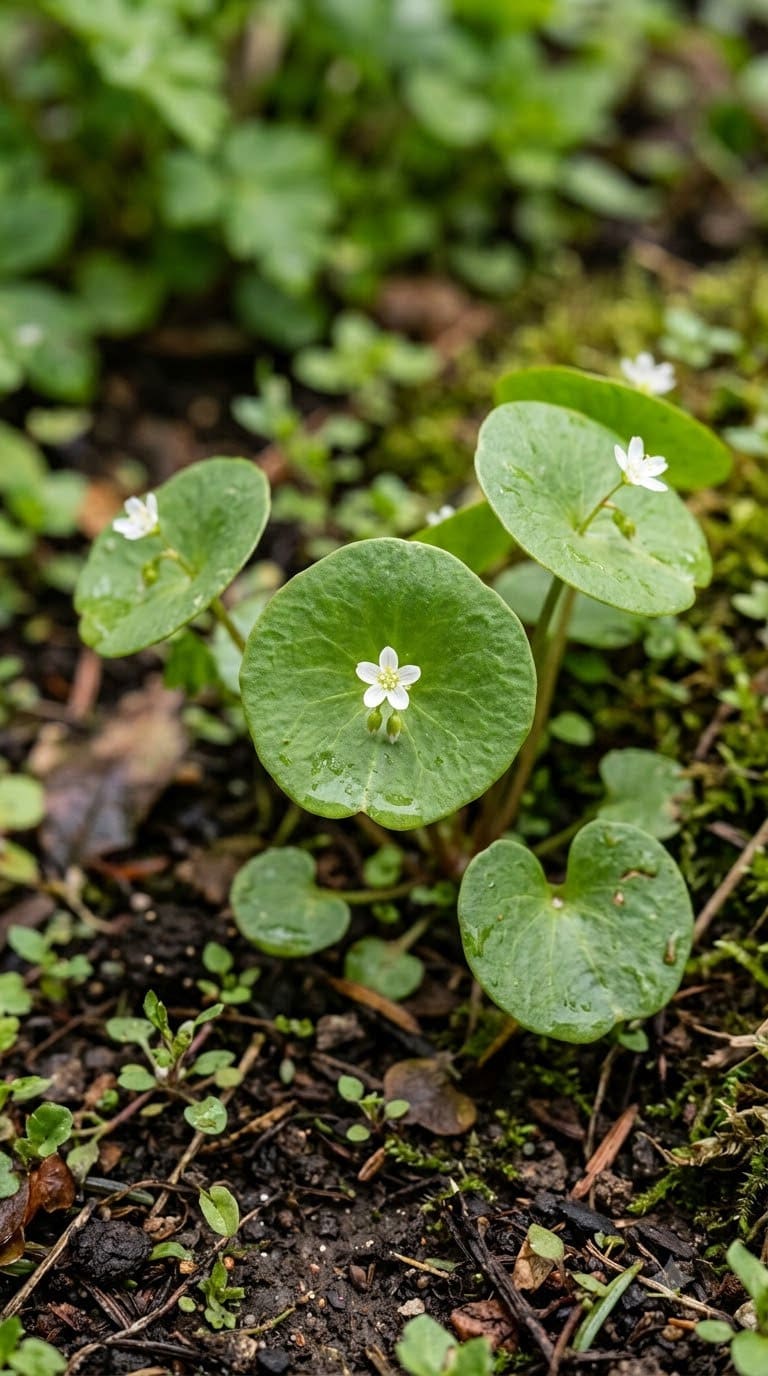
Claytonia is the hardiest green on this list, full stop, and it looks nothing like a typical salad green. The leaves are round, almost heart-shaped, with a small white flower poking up through the center of each one, mild and a little succulent, almost like a cross between spinach and a mild lettuce.
It’s genuinely tough. Multiple growers corroborate survival at 0 to 5°F unprotected, and it’s one of the few greens that can keep producing all winter in a cold frame or unheated hoophouse in a Zone 6-7 climate.
Direct-sow it in early fall, about a quarter inch deep, and expect 40-50 days to a first real harvest. It self-seeds readily if you let a few plants flower and go to seed, which means a patch you plant once can come back on its own the following fall, honestly one of the lowest-maintenance greens in this whole list.
Harvest by snipping outer leaves and letting the center keep producing, the same cut-and-come-again logic UMD Extension describes for leafy greens generally, just on a smaller, gentler scale than shearing a full rosette.
3. Tatsoi
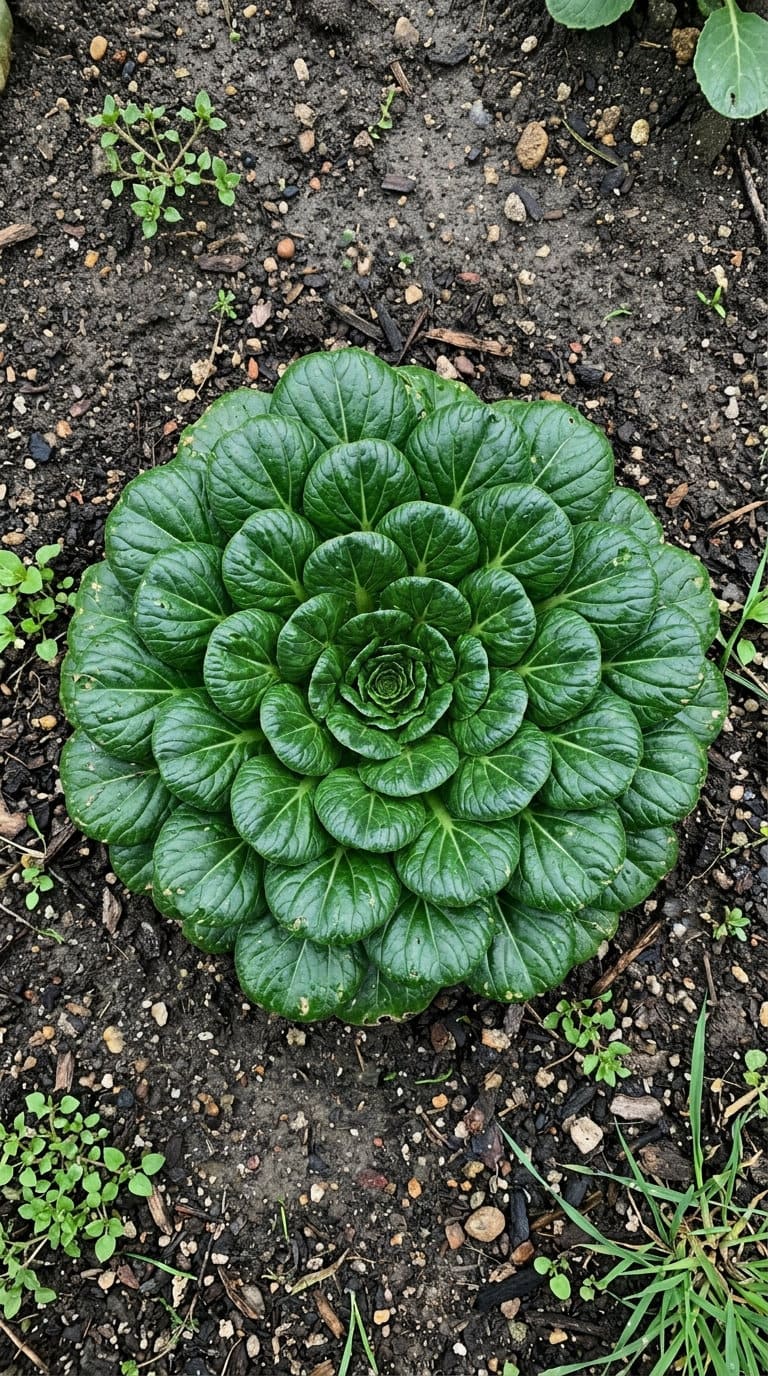
Tatsoi forms a dense, dark green rosette that’s almost architectural, the leaves fan out flat and low to the ground in a near-perfect circle. It’s an Asian brassica, related to bok choy, with a mild mustard flavor that mellows out considerably after a real frost.
Dawling’s data specifies tatsoi’s cold-hardiness at 10°F, a real number, not a vague “should survive light frost” claim. That puts it solidly mid-pack on this list, tougher than mizuna but not in claytonia or mache’s league.
The average homeowner spends $616/year on yard fixes that don't address the real problem. Find out what yours actually is — before you spend another dollar.
Take the Free QuizIt’s fast, too, ready for a first cut in about 45 days from sowing. This is the green where cut-and-come-again technique really shines: shear the outer leaves down to about an inch above the crown once the rosette hits 6-10 inches across, following UMD Extension’s own shearing technique, and you’ll get a second full cut in 2-3 weeks if the weather stays above freezing during the day.
In a cold frame or under row cover, a single planting can realistically produce 3-4 cuts before winter really shuts things down.
4. Land cress (upland cress)
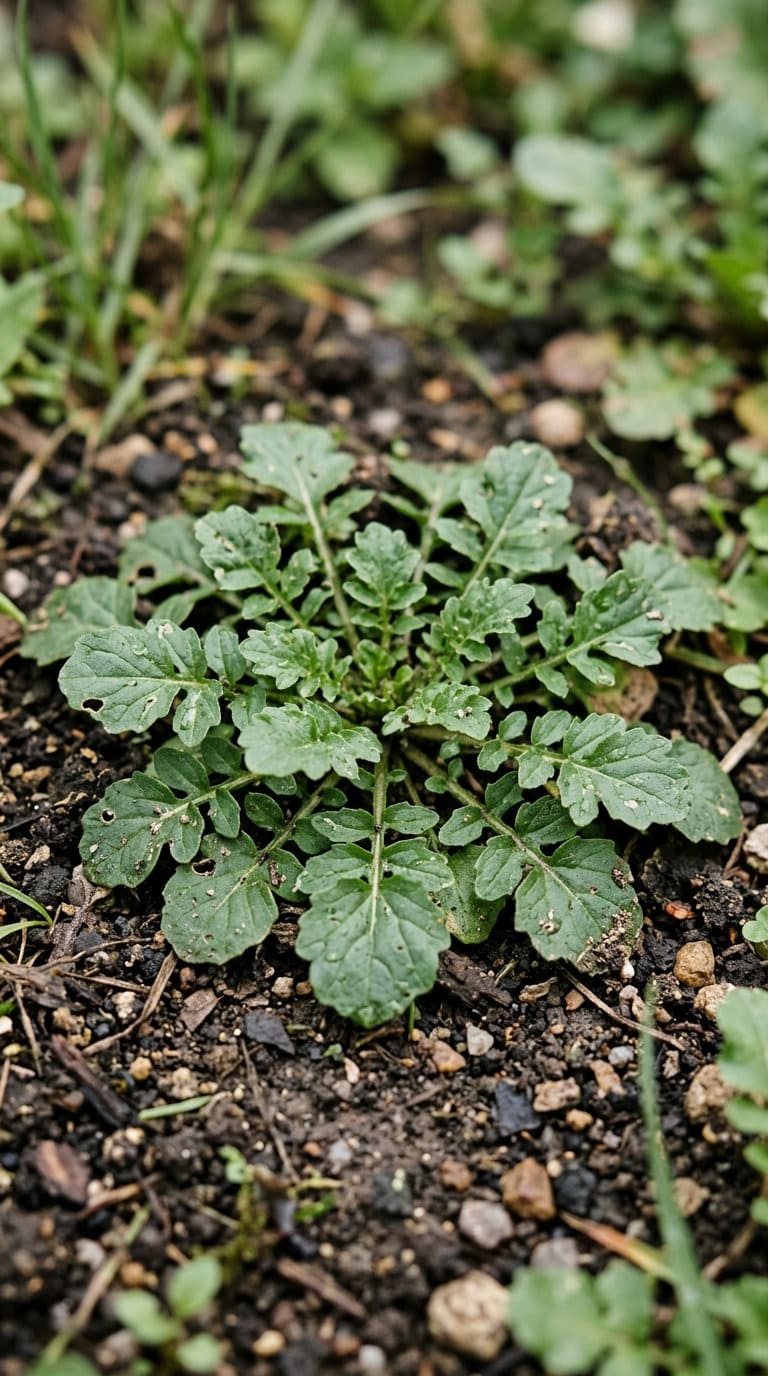
Land cress is the one most people have never grown on purpose, which is honestly a shame, because it’s basically a hardier, garden-friendly stand-in for watercress. The leaves are small, deep green, and lobed, with a real peppery bite that’s closer to arugula than anything mild.
It holds up to about 10°F, the same range as tatsoi, and multiple seed-company growing guides independently put its unprotected survival closer to 14°F, which is roughly consistent once you account for microclimate differences between one backyard and the next. Either way, it’s solidly cold-hardy, not a marginal crop that needs babying.
Sow it in late summer to early fall for a 50-60 day fall crop. It bolts fast in heat, so don’t bother trying it as a spring or summer green, fall and winter are genuinely its season. Harvest with the same shear-to-the-crown method as tatsoi, and expect the peppery bite to soften noticeably after the first hard frost, similar to what happens with arugula but with a cress family plant that tolerates cold better than arugula does.
5. Mizuna
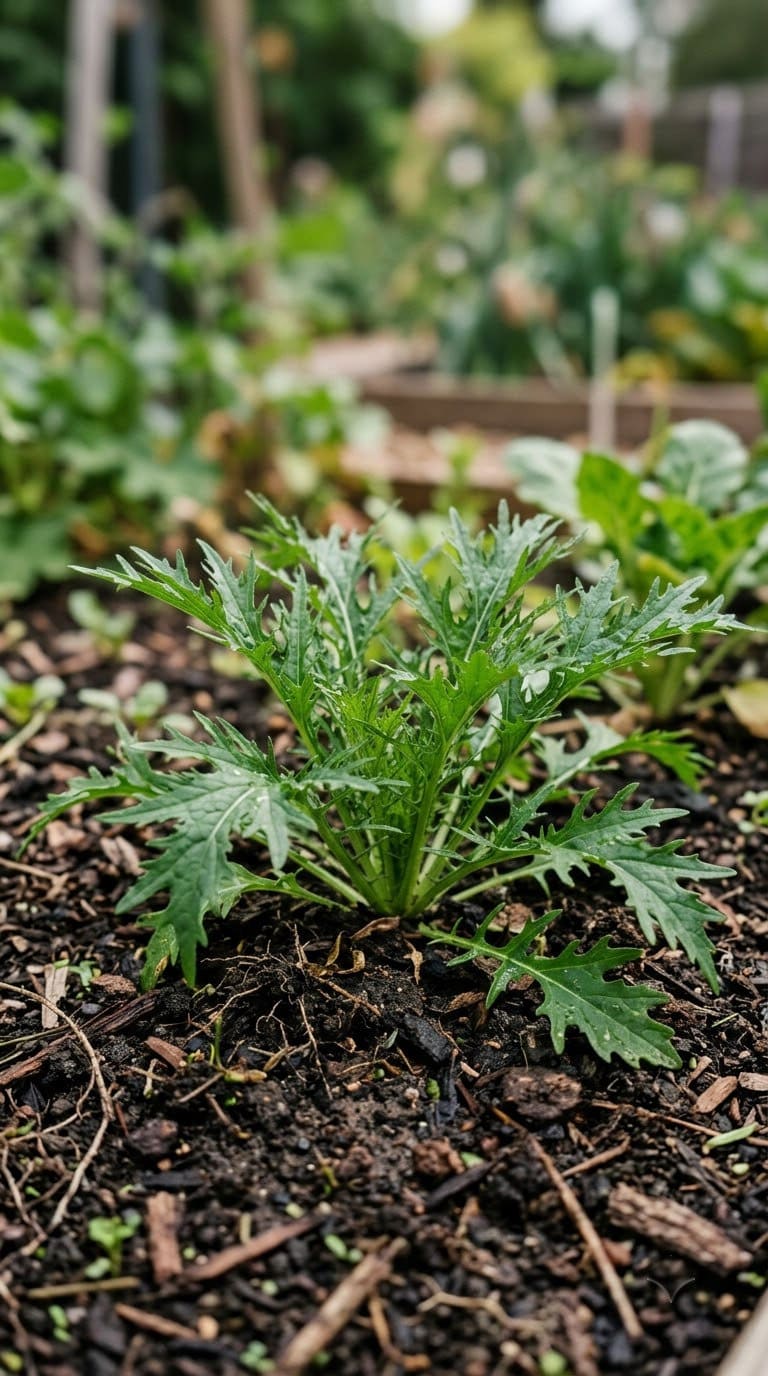
Mizuna is the least cold-hardy green on this list, and that’s worth saying plainly rather than burying it. Dawling groups it with other mustards and Asian greens surviving to roughly 25°F unprotected, a real gap compared to claytonia’s 0-5°F. Under row cover or in a hoophouse, growers have reported it surviving well below that, but the honest planning number for an uncovered garden bed is 25°F.
What mizuna gives up in cold tolerance, it makes back in speed and regrowth. It’s ready for a first light cut in as little as 30 days, the fastest on this list by a wide margin, and its feathery, deeply serrated leaves regrow aggressively after shearing.
This is the green to grow if you want cut-and-come-again salads on a fast rotation rather than a single deep-winter crop. Shear it the same way as tatsoi, an inch above the crown at 6-10 inches tall, and you can realistically get 3-4 cuttings from one sowing before a hard freeze finally slows it down.
Once temperatures reliably drop below 25°F without protection, pull row cover over it or accept that this particular planting is done for the season.
What we learned the hard way
The mistake most people make with cold-hardy greens is treating “cold-hardy” as one category instead of a real spectrum. We planted mizuna and claytonia in the same unprotected bed one October, figured they’d both make it through, and lost the mizuna to a mid-20s night that the claytonia barely noticed. That gap between 25°F and 0°F isn’t small, it’s the difference between “done for the season” and “still going in January.”
The other thing nobody tells you: cut-and-come-again only works if you actually cut correctly. Shearing too low, down into the crown itself instead of an inch above it, kills the regrowth point and the plant just stops. We did this exact thing to a tatsoi patch the first year, cut it flush with the soil because it looked tidier, and got zero regrowth from a planting that should’ve given three or four more cuts.
And honestly, the frost-sweetening thing surprised us the first time it actually happened. Mache pulled in September tasted fine but forgettable. The same variety, same bed, after two real frosts in November, tasted genuinely different, sweeter, almost buttery.
If you’ve never tasted a green before and after a hard freeze side by side, it’s worth doing once just to believe it.
One more real caveat: none of these greens like being smothered. If you’re layering mulch around a cold-hardy green patch for extra insulation, keep it off the crowns themselves, piled mulch that stays wet against the base of the plant causes rot faster than the cold ever would.
Do you need a cold frame or row cover for these greens?
Not always, but it extends the harvest window meaningfully. Claytonia and mache genuinely don’t need protection down to their stated hardiness limits in most home gardens.
Tatsoi, land cress, and especially mizuna benefit from a simple cold frame or floating row cover once nights start dipping toward their limit, since even a few degrees of buffer can be the difference between a green that survives and one that doesn’t.
If you’re already dealing with an early cold snap, the same frost-protection basics that save your last tomatoes apply here too, just less urgently since these greens can take a lot more than a tomato plant ever could.
How do I get my soil ready for a fall salad bed?
These greens aren’t heavy feeders, but they do want loose, well-draining soil since a lot of them (claytonia especially) sit low and don’t like standing water around the crown. If your existing beds are compacted from a summer of vegetables, work in some compost before sowing, the same soil prep basics that apply to any fall planting.
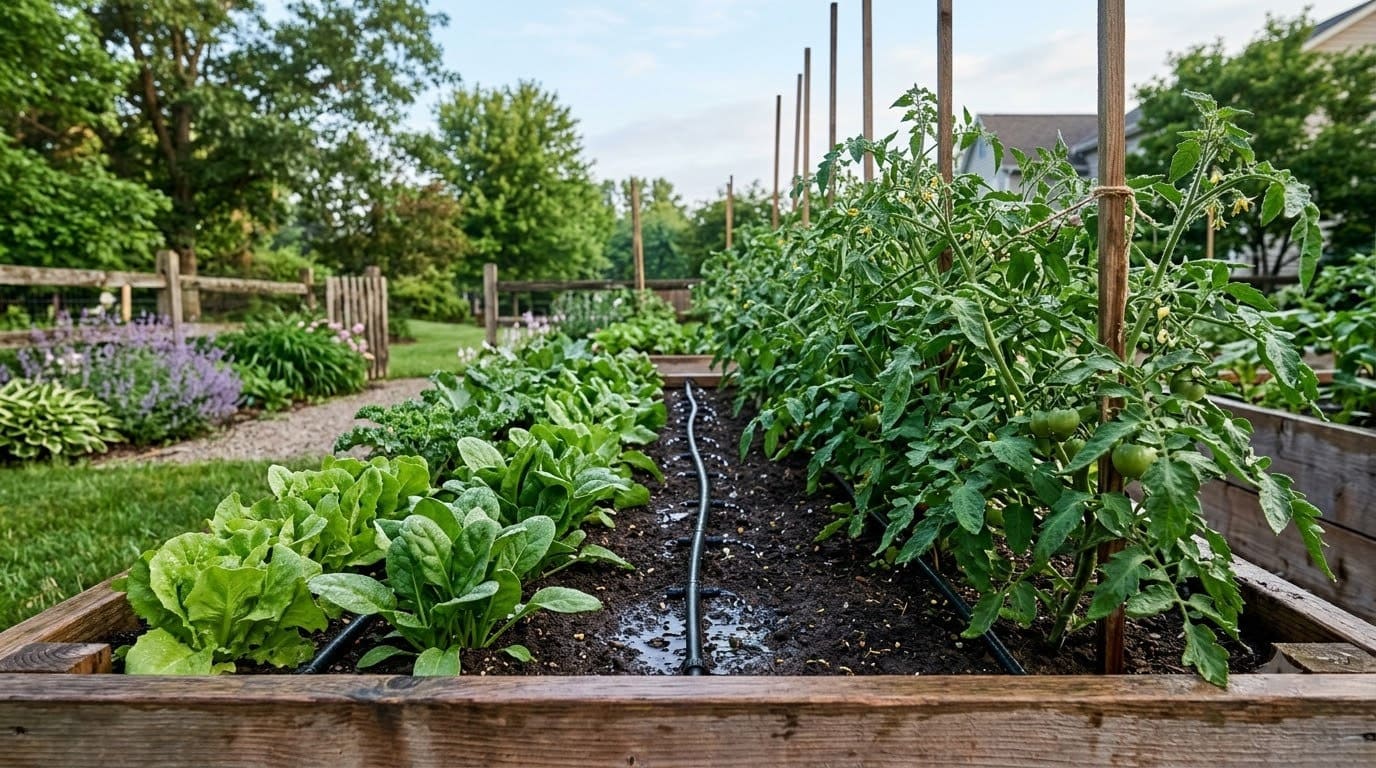
A dedicated salad garden bed, even a small one, makes cut-and-come-again harvesting a lot easier to manage than scattering these five greens throughout a mixed vegetable bed, mostly because you can shear a whole section at once instead of hunting for individual plants.
FAQs
Can I grow all five of these in the same bed? Yes, and it’s a smart way to spread out your cold-hardiness margin. Plant mizuna and land cress where you can throw row cover over them easily, and put claytonia and mache in the spots most exposed to wind and cold, since they can handle it without help.
Do I need to replant these every year? Mostly, yes, though claytonia is the exception. It self-seeds readily if you let a few plants flower in spring, so a patch you plant once often comes back on its own the following fall without you doing anything.
Will these greens survive a hard freeze without any protection? Claytonia and mache genuinely can, down to around 0°F per Dawling’s trial data. Tatsoi and land cress hold to about 10°F.
Mizuna is the one that needs help, either row cover or acceptance that a hard freeze below 25°F likely ends that planting.
What’s the difference between cut-and-come-again and a one-time harvest? Cut-and-come-again means shearing leaves down to about an inch above the crown instead of pulling the whole plant, so it regrows for another harvest in 2-3 weeks. A one-time harvest, like pulling a whole claytonia rosette, ends that plant’s production, which is why claytonia and mache work better as a “harvest as needed from a dense patch” crop than a repeat-shear crop.
Related Posts
- How to Grow Lettuce and Harvest It So It Keeps Growing
- Fall Garden Cleanup Checklist
- Special Frost Protection for Special Plants
Products We Recommend
This post contains affiliate links. We may earn a commission on qualifying purchases at no extra cost to you.
HEKIWAY 10ft x 40ft Frost Cloth, 1.5 oz/yd²
Floating row cover fabric, buys tatsoi, land cress, and mizuna a few extra degrees of hardiness margin once nights start dipping toward their limit.
Shop Now
Fiskars 6" Steel Micro-Tip Pruning Scissors
Precision snips sized right for shearing salad greens an inch above the crown without crushing the regrowth point, the exact cut-and-come-again technique this article covers.
Shop Now
Zenport SH3212A Garden Cold Frame Greenhouse Cloche
A compact cold frame that extends the harvest window on mizuna and land cress well past their unprotected hardiness limit, roll-up zippered panel for easy access.
Shop NowNever miss an update — choose FarmFoodFamily as your preferred source on Google.
How it works: Tap the button below to open Google's settings page, then check the box next to FarmFoodFamily.
Tap the checkbox to turn it blue — that's how you know it's set.