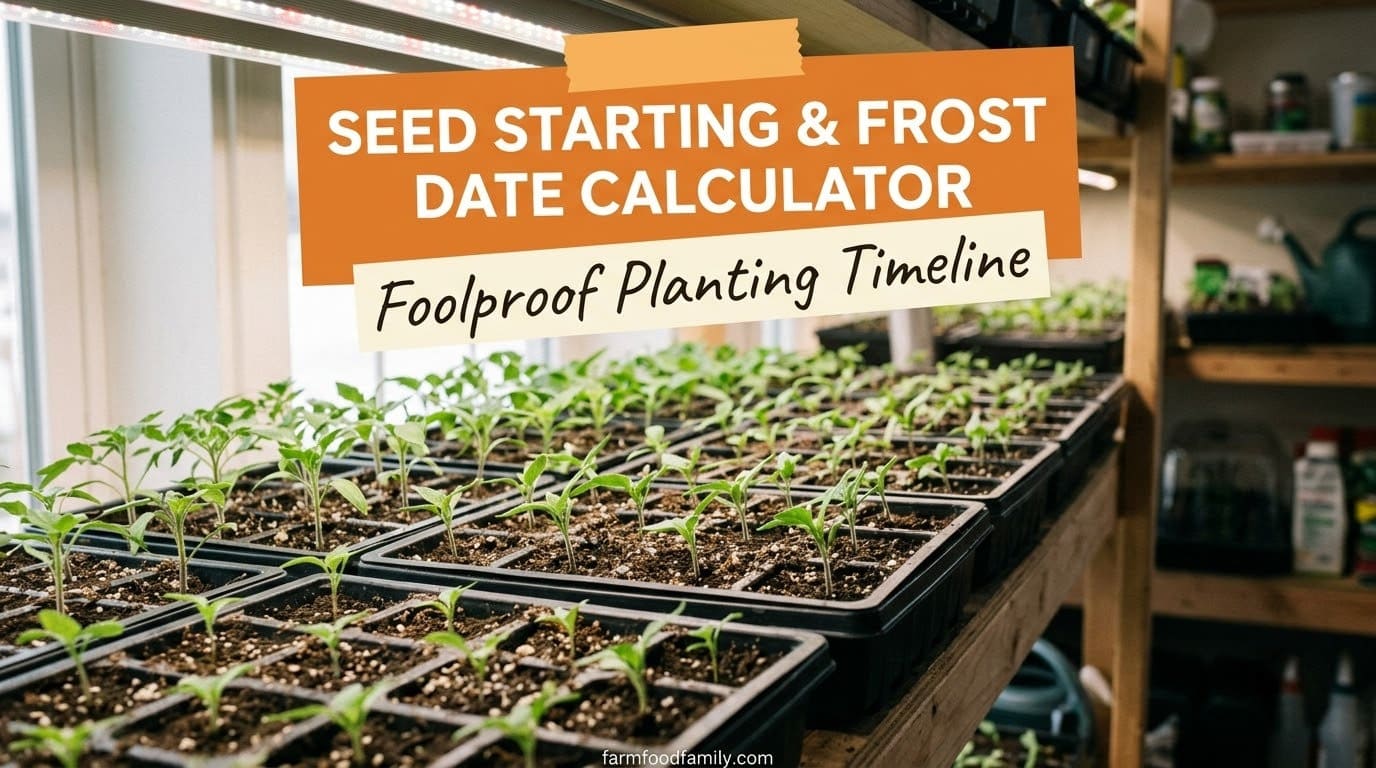
Seed Starting & Frost Date Calculator: Foolproof Planting Timeline
Find out exactly when to start seeds indoors, move them outside, and plant your fall crops, all built around your own frost dates instead of a generic zone chart.

Never miss an update — choose FarmFoodFamily as your preferred source on Google.
How it works: Tap the button below to open Google’s settings page, then check the box next to FarmFoodFamily.
Tap the checkbox to turn it blue — that’s how you know it’s set.
Seed Starting & Frost Date Calculator
Enter your local frost dates once, then add every crop you’re planting to get sourced seed-starting, transplant, hardening-off, and fall-planting dates.
Your Planting Schedule
| Crop | Season | Start seeds indoors | Transplant / direct sow | Harden off starting |
|---|
Indoor-start and transplant timing sourced from UNH Extension’s vegetable planting guide, cross-checked against Cornell Cooperative Extension, Utah State University Extension, and Clemson HGIC. Soil temperature minimums are an industry-standard consensus drawn from multiple extension sources. Hardening-off period follows Oregon State, University of Maryland, and Clemson Extension guidance (7-14 days). Fall planting dates use the days-to-maturity method plus a standard 14-day “fall factor” to account for slower late-season growth, an industry-standard convention, not a single official figure. Your frost dates are averages, not guarantees, and your own yard’s low spots or wall-sheltered corners can run several degrees colder than your area’s official station reading.
Quick Answer
A seed starting calculator works backward from your last spring frost date to tell you when to start seeds indoors, when to transplant or direct sow outdoors, and when to begin hardening off young seedlings. Cold-hardy crops like broccoli and kale can go outside 2 to 4 weeks before your last frost, while tender crops like tomatoes and peppers need to wait 1 to 2 weeks after it. Frost date alone isn’t the whole story. Warm-season crops like beans, corn, and squash also need soil that has warmed to at least 60°F, which often happens later than the frost date itself. Hardening off, gradually exposing seedlings to outdoor conditions, takes 7 to 10 days and shouldn’t be skipped. For a fall garden, count backward from your first fall frost using each crop’s days to maturity plus a 2-week buffer for slower late-season growth.
Why a Single Frost Date Isn’t Enough
Most planting calculators give you one date and stop there. Type in a location, get a last frost date, done.
That single date hides a real range. Frost dates published by NOAA actually come with a probability, and the commonly cited “average” date is really just a 50 percent chance, a coin flip on whether frost will occur after it.
This calculator handles that differently. It gives you a risk buffer you control, so a cautious gardener and an aggressive one can both plan around the same base frost date without either one getting bad advice.
It also does something almost no competing tool does: it checks soil temperature requirements, not just frost timing, for crops that need genuinely warm soil to germinate well.
| Crop group | Outdoor timing | Example crops | Min. soil temp |
|---|---|---|---|
| Frost-hardy | 2-4 weeks before last frost | Kale, broccoli, spinach, onions | 40°F |
| Semi-hardy | Around last frost date | Beets, carrots, chard | 50-60°F |
| Tender | 1-2 weeks after last frost | Tomatoes, basil, peppers | 60-65°F |
| Warm-soil sensitive | 1-2+ weeks after last frost | Beans, corn, squash, cucumbers | 60-70°F |
How This Calculator Works
Step 1: Enter your frost dates. Your last spring frost date and first fall frost date come from NOAA climate data, usually easiest to find through your local extension office or a frost date lookup tool. These are the two anchor points everything else is calculated from.
Answer 4 quick questions and get matched to the exact fix for your yard — drainage, budget, layout, or something else entirely.
Take the Free QuizStep 2: Each crop applies its own offset. Cold-hardy crops like kale and cabbage get planted before your last frost, since a light frost won’t hurt them. Tender crops like tomatoes and basil get planted after it, since even a light frost can kill them outright.
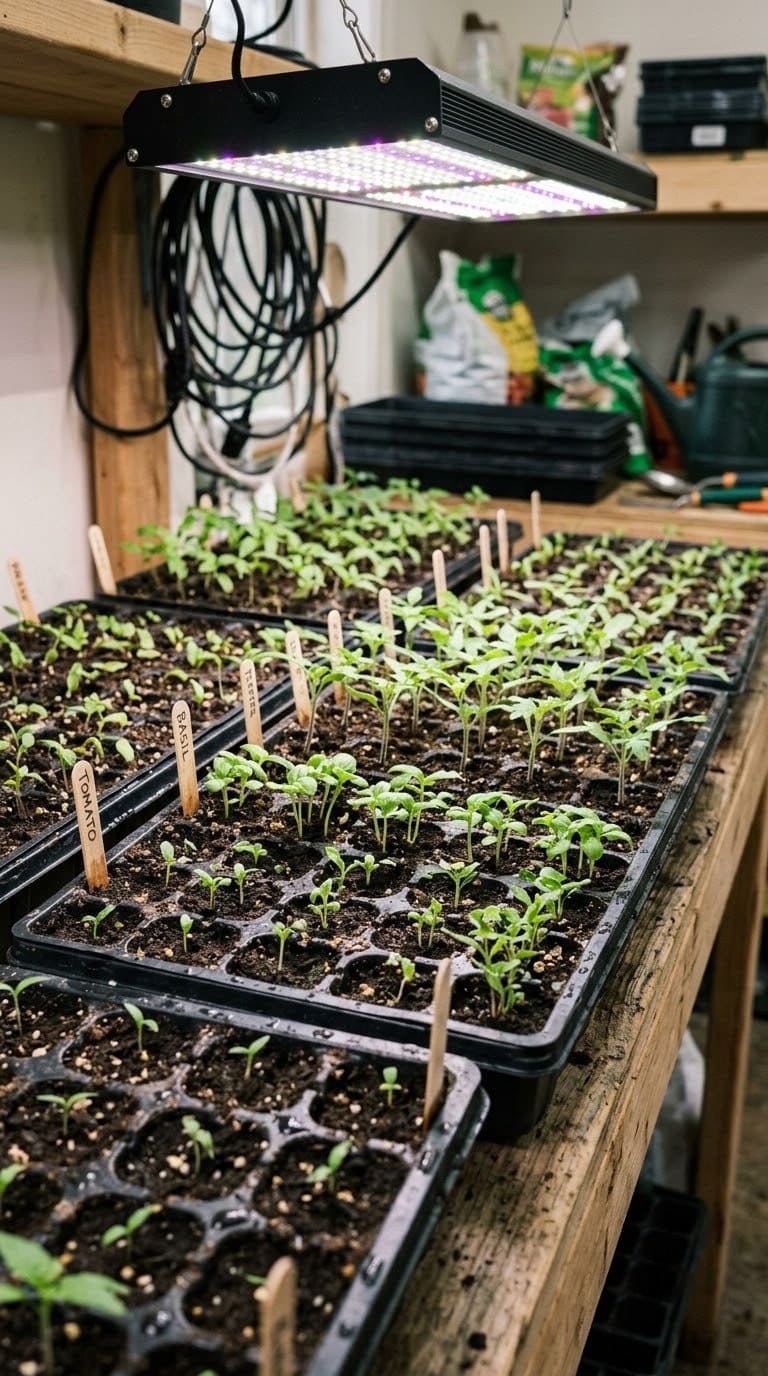
Step 3: Indoor seed-starting date works backward from the outdoor date. A tomato that goes outside 1 to 2 weeks after your last frost needs to start indoors 6 to 8 weeks before that outdoor date, not before your frost date itself. Getting this order right is where a lot of at-home planning goes wrong.
Step 4: Hardening off gets its own countdown. Seedlings started indoors need 7 to 10 days of gradually increasing outdoor exposure before they’re ready for a permanent move outside. This calculator counts backward from your transplant date automatically.
Frost Date vs. Hardiness Zone: They’re Not the Same Thing
These two numbers get mixed up constantly, and mixing them up leads to real planning mistakes. Your USDA hardiness zone is based on the coldest winter temperature your area typically sees.
That number tells you whether a perennial plant will survive winter where you live. It says nothing about when your last spring frost happens or how long your growing season runs.
Frost dates come from a different measurement, the actual historical timing of freezing temperatures in spring and fall. Two towns in the same hardiness zone can have last frost dates weeks apart, especially at different elevations.
Some retail planting charts sell “zone-based” planting calendars that quietly substitute your hardiness zone for a real frost date. Treat those as a rough starting point only, not a substitute for your area’s actual frost data.
Most yard problems trace back to one specific, fixable cause. Find yours in 4 quick questions.
Take the Free Quiz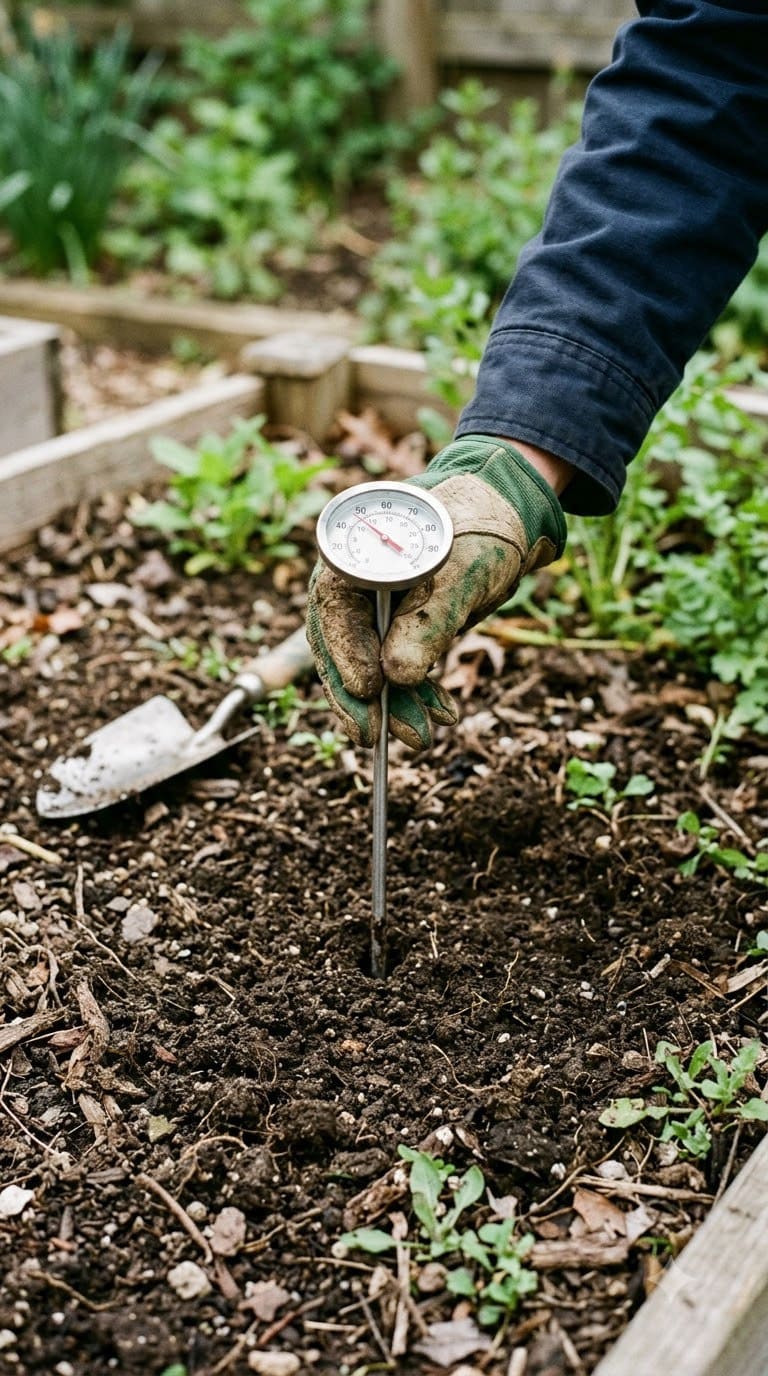
Why Does Soil Temperature Matter More Than the Calendar?
Frost-free air doesn’t mean the soil is ready. This is the single biggest gap in most seed-starting calculators, and it causes real, avoidable failures.
Beans, corn, and squash family crops need soil at least 60°F to germinate reliably. Cucumbers, melons, and pumpkins want it even warmer, closer to 70°F.
Soil this deep in the ground warms slower than the air above it, sometimes by weeks. Planting these crops the day after your last frost, when soil is still cold from winter, often means poor germination or rot rather than a head start.
A basic soil thermometer, pushed 1 to 2 inches into the ground and read in the morning, tells you what the calendar can’t. This calculator flags every crop with a real soil-temperature requirement so you know when to check before you plant.
Hardening Off: The Step People Skip
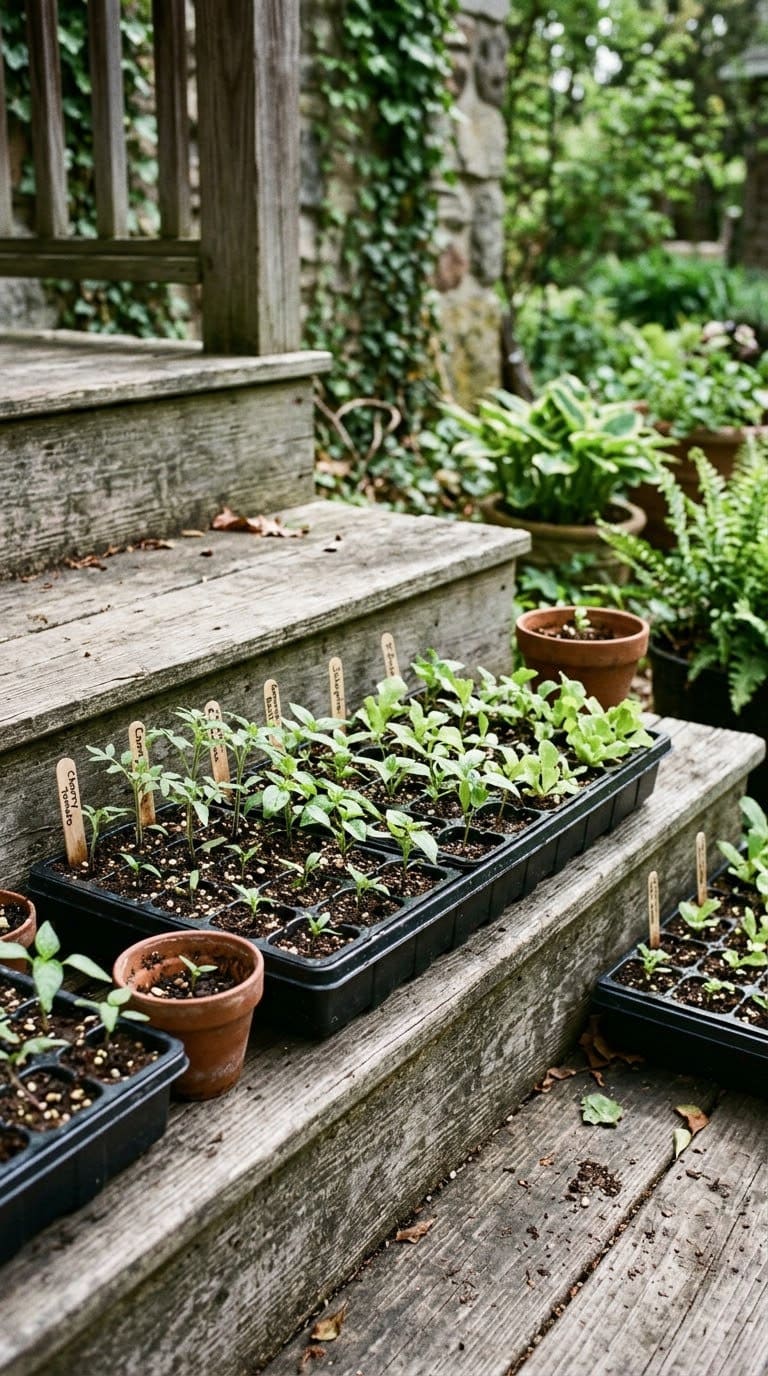
Seedlings grown indoors have never felt real wind, direct sun, or temperature swings. Moving them straight from a windowsill to the garden shocks them, and shocked seedlings grow slower and produce less.
Hardening off fixes that gradually. Set seedlings outside in a sheltered, partly shaded spot for a couple of hours on day one, then increase both sun exposure and time outdoors a little each day.
By the end of 7 to 10 days, most seedlings can handle a full day outside and, if nights are staying above 50°F, a night or two outdoors before their final transplant. Skipping this step is one of the most common reasons transplants stall out for a week or two after planting instead of taking off.

Cucumbers and melons are a notable exception worth knowing. These two are more sensitive to cold-stress during hardening than most crops, so keep their overnight exposure limited until temperatures are reliably above 50°F.
Planning a Fall Garden
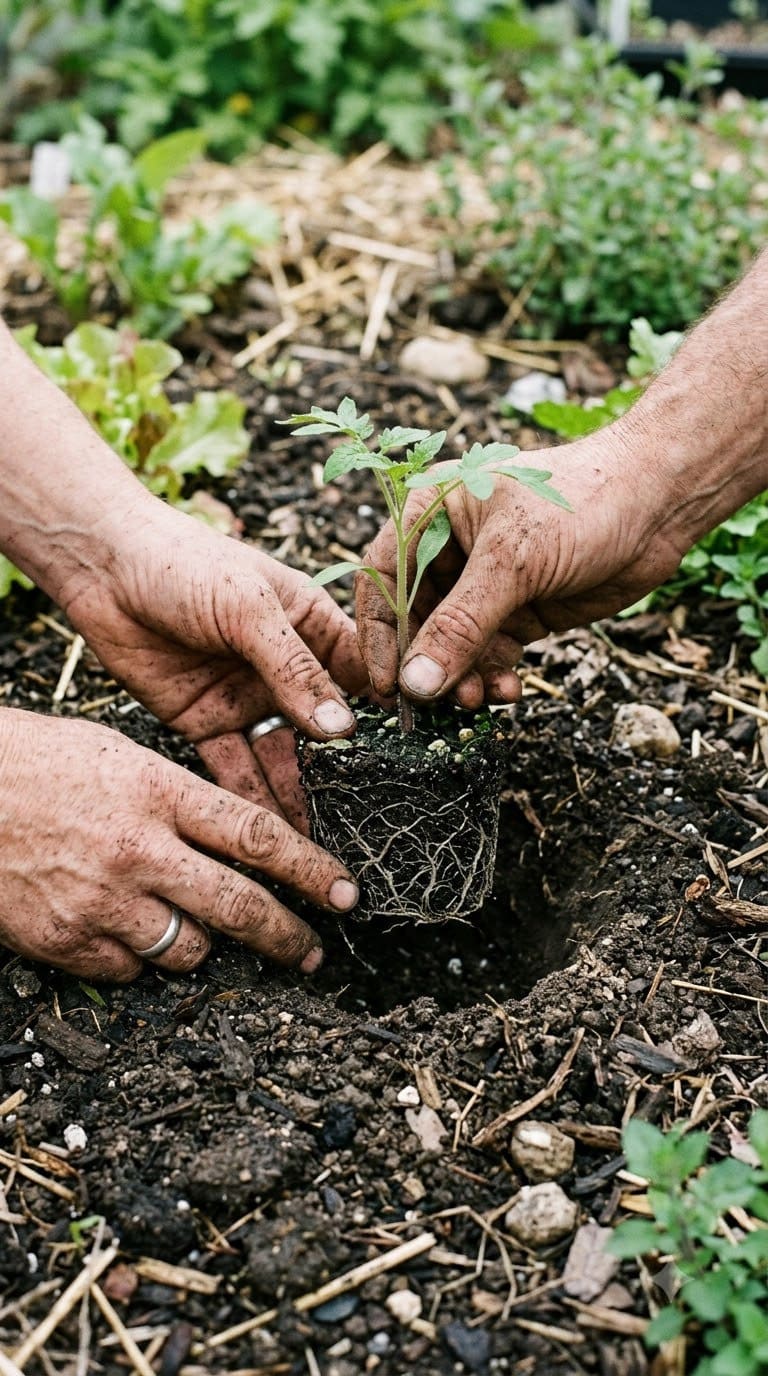
Most home gardens stop at one planting in spring. That leaves a second harvest window sitting unused, since many crops can grow a fall round in the same space.
The math works backward from your first fall frost instead of forward from your last spring frost. Take a crop’s days to maturity, add roughly 14 days to account for slower growth as daylight shortens, and count that total back from your first fall frost date.
Tender crops need one more adjustment. Since they’ll die at the first real frost rather than just slowing down, add another 14 days of buffer so they finish well before that date instead of right up against it.
The average homeowner spends $616/year on yard fixes that don't address the real problem. Find out what yours actually is — before you spend another dollar.
Take the Free QuizFast-maturing crops are the easiest fall win. Radishes, lettuce, and spinach mature quickly enough that most climates can fit a full fall round in without much planning.
Common Mistakes Worth Avoiding
Starting seeds too early is more common than starting too late, and it’s usually the more damaging mistake. Seedlings that sit too long indoors get leggy, root-bound, and stressed well before it’s safe to move them outside.
Transplanting into cold soil happens when a gardener trusts the frost date alone for a warm-season crop. The plant survives the frost risk but stalls out in soil that’s still too cold to support real root growth.
Skipping hardening off entirely leads to transplant shock. Plants that go straight from a warm windowsill to full sun and wind often show sunscald, wilting, or several days of stunted growth before recovering, if they recover at all.
Ignoring your yard’s own microclimate can throw off even a well-researched frost date. Low spots collect cold air and can run several degrees colder overnight than the official reading for your area, and a spot next to a north-facing wall stays colder longer into spring than an open, sun-exposed bed.
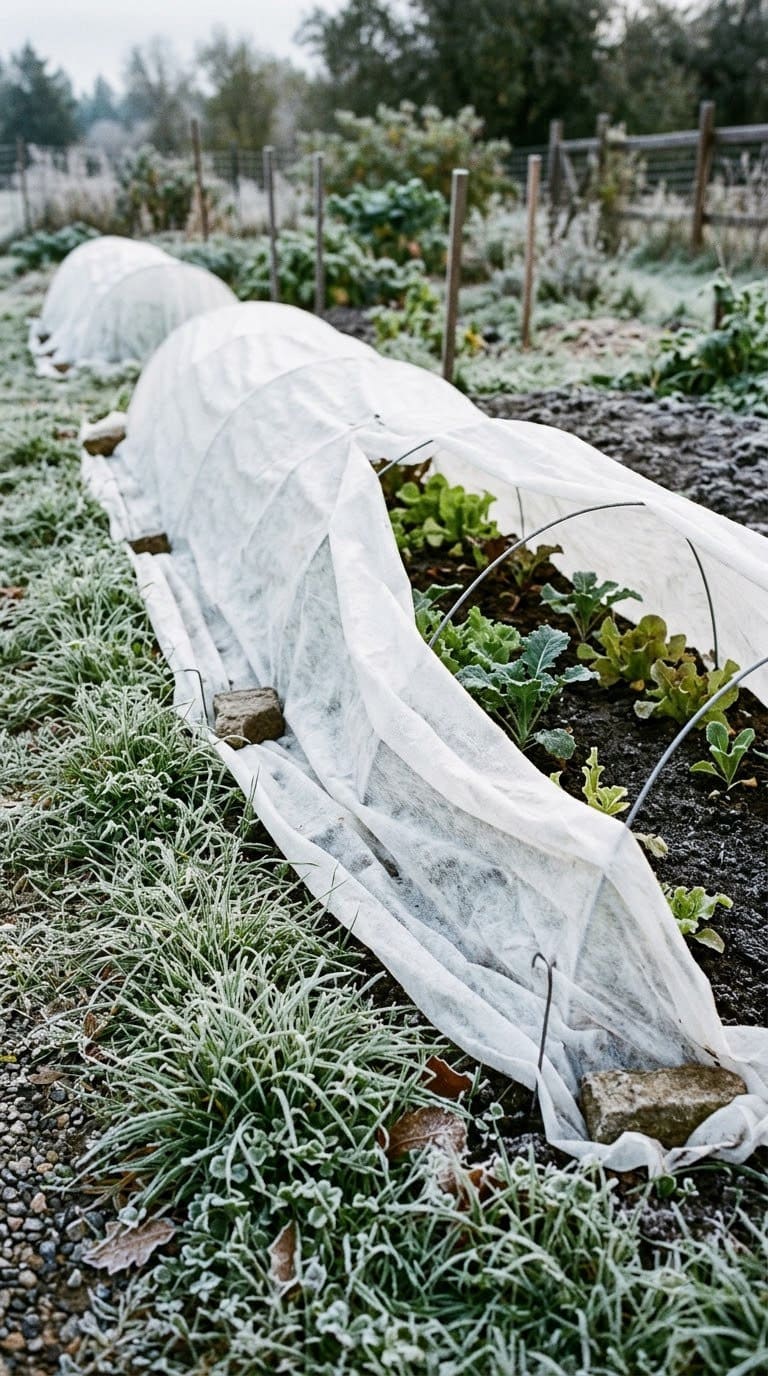
When Frost Shows Up Anyway
Even careful timing doesn’t eliminate risk entirely. An unexpected late frost can still catch a garden that’s already planted.
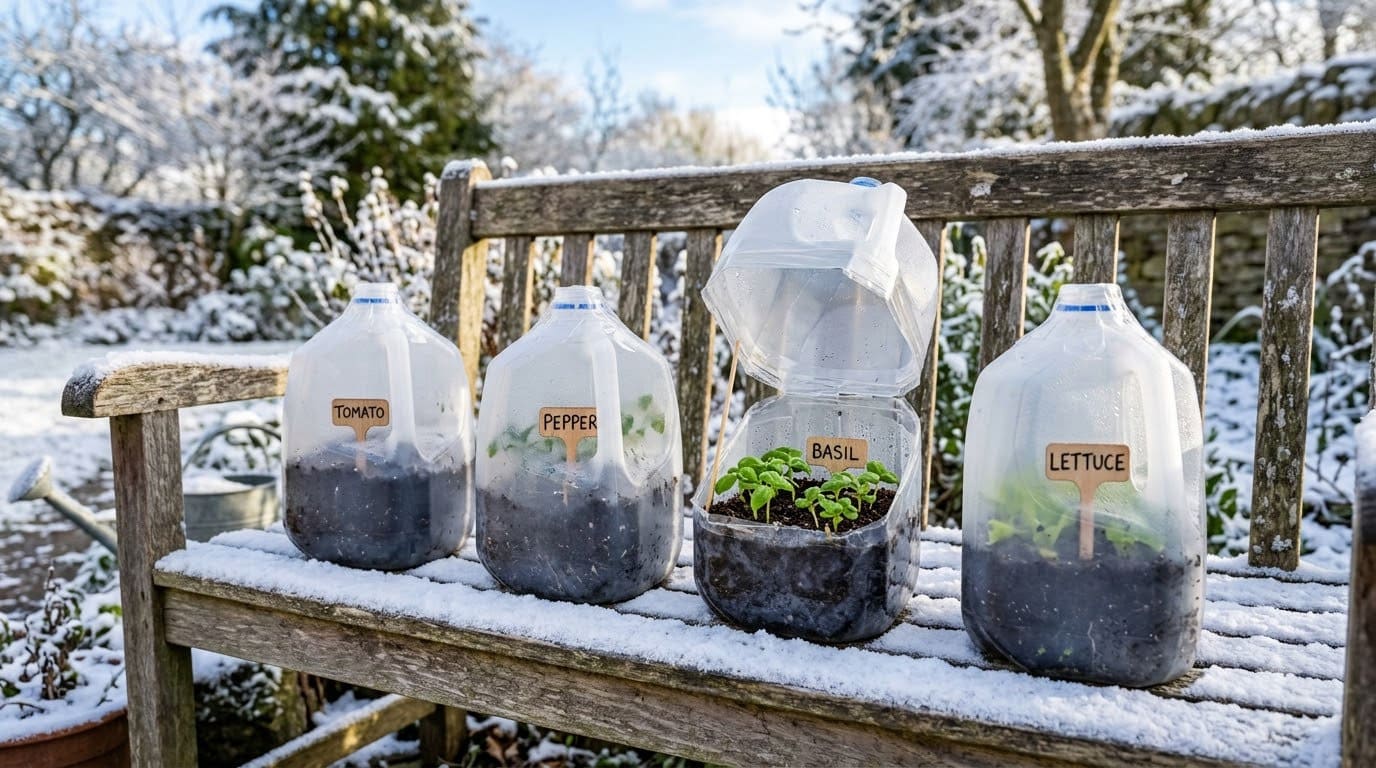
Protecting your harvest from frost with row covers is one of the most effective last-minute defenses, often raising the temperature under the cover by several degrees on a cold night.
For particularly valuable or tender plants, special frost protection methods go a step further with more durable covers built to handle repeated use through an unpredictable spring.
If you’re regularly fighting frost timing, portable greenhouses and cold frames can extend your growing season on both ends without needing a full permanent structure.
Getting Your Seedlings Ready
Good timing only helps if the seedlings themselves are strong enough to transplant well. Indoor timing for starting seeds covers how to work backward from your frost date at the seed-tray level, the same logic this calculator automates for you.
Once your planting dates are set, our full planting guide is a useful next stop for variety-specific advice as you shop for seeds.
And if you’re still finalizing where everything will go once it’s in the ground, vegetable garden layout planning pairs naturally with the schedule this calculator gives you.
Frequently Asked Questions
When should I start seeds indoors? It depends on the crop and your last frost date. Tomatoes typically start 6 to 8 weeks before your last frost, peppers 8 to 10 weeks, and quick crops like lettuce closer to 5 to 6 weeks. This calculator gives you an exact date once you enter your frost dates.
What’s the difference between a frost date and a hardiness zone? A hardiness zone measures your area’s coldest winter temperature and tells you whether a perennial will survive there. A frost date is the typical timing of the last spring freeze or first fall freeze, which is what actually determines when it’s safe to plant annual vegetables.
Can I plant before my last frost date? Yes, for cold-hardy crops like broccoli, cabbage, kale, and spinach, which tolerate light frost and often do better planted a few weeks before your last frost than waiting until after it.
Why do tomatoes need warm soil, not just frost-free air? Roots grow poorly in cold soil even when there’s no frost risk to the leaves above ground. Tomatoes and other warm-season crops need soil around 60°F or warmer to establish well, which can lag behind your last frost date by a week or two.
How long does hardening off take? Most guidance recommends 7 to 10 days of gradually increasing outdoor exposure before a permanent transplant. Skipping this step is a common reason seedlings stall after they’re moved outside.
Can I grow a fall garden in addition to a spring one? Yes, for many crops. Count backward from your first fall frost using the crop’s days to maturity plus about 14 days for slower fall growth, and add another 14 days of buffer for frost-tender crops.
Is my hardiness zone frost date accurate for my whole yard? Not exactly. Low spots, areas near walls, and low-lying corners of your own property can run several degrees colder than your area’s official frost date, so treat the calculated date as a starting point, not an absolute guarantee.
What happens if I plant too early? Frost-sensitive crops planted before the risk has passed can be damaged or killed outright. Even crops that survive a light frost often stall in cold soil, so earlier isn’t always better even when frost isn’t the direct risk.
Glossary
Days to maturity: The typical number of days from transplant (or direct seeding) until a crop is ready for first harvest, used to calculate fall planting dates.
First fall frost date: The average date in autumn when temperatures first drop to or below 32°F, marking the typical end of the frost-free growing season.
Frost-hardy: Describes crops that can tolerate light frost without significant damage, typically cool-season vegetables like kale, broccoli, and spinach.
Hardening off: The process of gradually acclimating indoor-grown seedlings to outdoor sun, wind, and temperature before a permanent transplant.
Last spring frost date: The average date in spring after which temperatures are no longer expected to drop to or below 32°F.
Soil temperature gating: Delaying planting of a crop until soil, not just air, has reached a minimum temperature needed for reliable germination.
Tender (frost-sensitive): Describes crops that are damaged or killed by even a light frost, typically warm-season vegetables like tomatoes, peppers, and squash.
Sources & References
- UNH Extension: Growing Vegetables, When to Plant Your Vegetable Garden
- University of Maryland Extension: Hardening Vegetable Seedlings for the Home Garden
- NC State Extension: Interpreting Freeze/Frost Probabilities from NOAA’s National Centers for Environmental Information
Never miss an update — choose FarmFoodFamily as your preferred source on Google.
How it works: Tap the button below to open Google's settings page, then check the box next to FarmFoodFamily.
Tap the checkbox to turn it blue — that's how you know it's set.