9 Smart Vegetables That Are Cheaper to Grow Than Buy
Nine vegetables can repay your seed money in one season if you skip the cheap crops that hog bed space.

Never miss an update — choose FarmFoodFamily as your preferred source on Google.
How it works: Tap the button below to open Google’s settings page, then check the box next to FarmFoodFamily.
Tap the checkbox to turn it blue — that’s how you know it’s set.
Most “grow your own and save a fortune” posts skip the math. They tell you tomatoes are free money and never mention the soil, the pots, or the plants that died in July. We wanted real numbers instead.
So we pulled prices and yields from extension tables, a peer-reviewed study and a county garden trial. The answer isn’t “grow everything.” It’s “grow the right nine things.”
Some of these will surprise you. A few popular picks only pay off if you choose the pricey varieties. And we’ll show you which crops lose money so you don’t waste a season on them.
Quick Answer
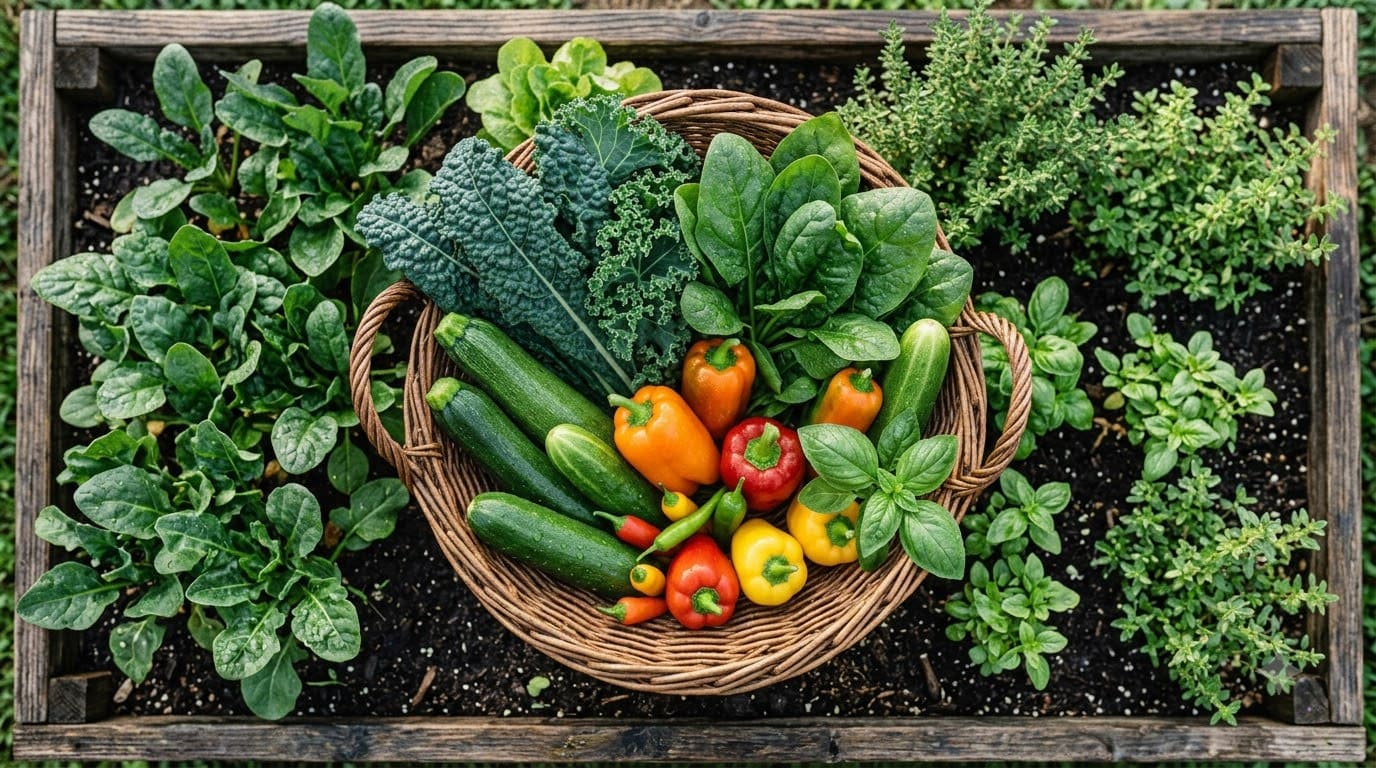
Grow what costs the most per pound at the store, gives you many pickings from one plant, and starts producing fast. Spinach, summer squash, kale, lettuce, cucumbers, bush beans, herbs, specialty peppers and cherry tomatoes all fit that rule.
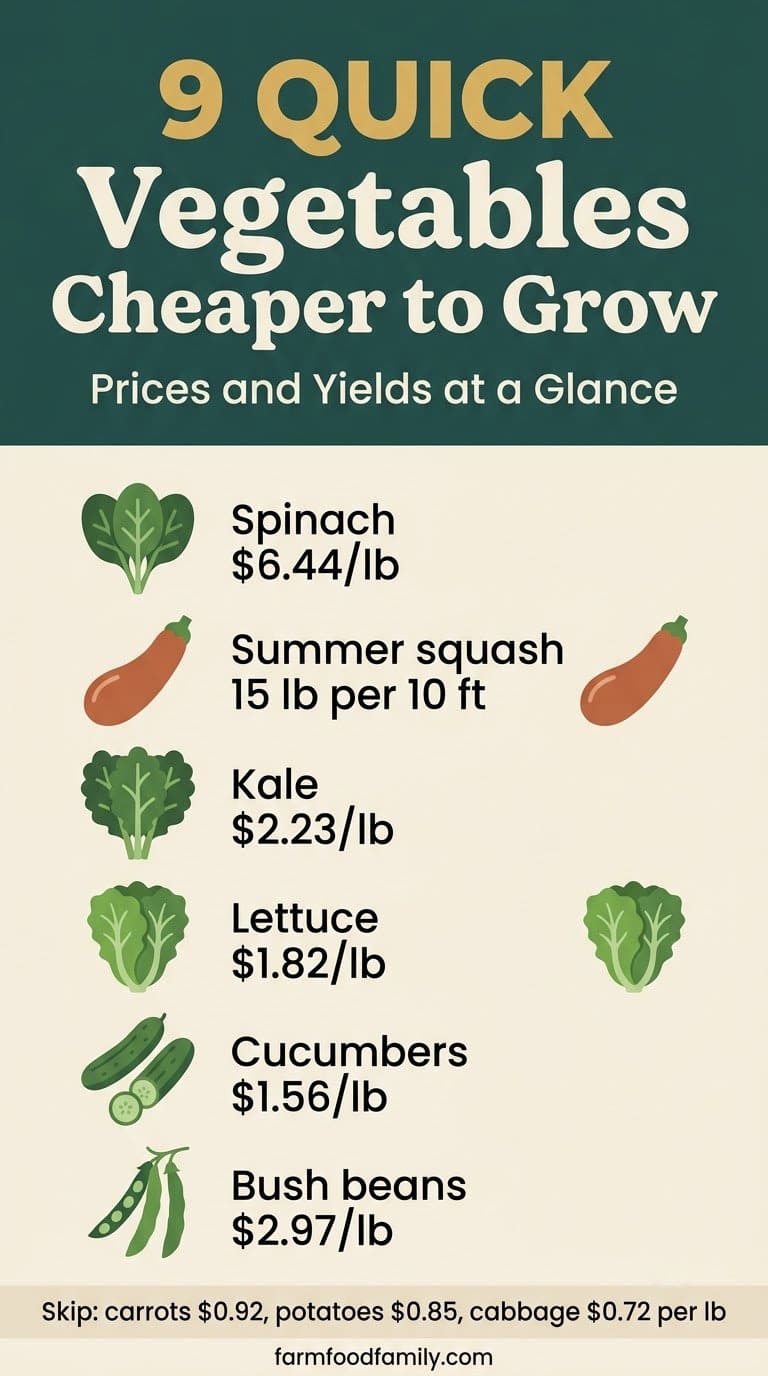
Cheap storage crops flip the math. According to UF/IFAS Extension’s 2025 price table, carrots sell near $0.92 a pound, potatoes near $0.85, and cabbage near $0.72. Those crops hold a garden row for months and return pennies.
Start small, since seed-company estimates from Burpee suggest a handful of plants can repay a $10 to $15 seed order within one season. But your first year costs more once you add soil, pots and supports. Think of it as a swap of a little time for pricey greens and herbs.
Answer 4 quick questions and get matched to the exact fix for your yard — drainage, budget, layout, or something else entirely.
Take the Free QuizPick crops you already eat each week, because food nobody eats saves nothing.
How Do You Pick Vegetables That Actually Save Money?
Run every crop through four quick tests. If it passes three, plant it. If it passes two or fewer, buy it at the store and use the bed for something better.
- Is it pricey per pound at your store? Spinach and herbs are. Cabbage and potatoes aren’t.
- Do you pick it again and again? Kale, lettuce, cucumbers and squash keep giving.
- Does it make food within about two months? Fast crops repay your costs sooner.
- Is it low drama? Skip anything that needs spraying, staking and babysitting every week.
Here’s how our nine stack up. Store prices come from the 2025 Southeast table linked above. The “value per 10-foot row” column is our own math (yield times price).
| Crop | Avg. store price per lb | Yield per 10-ft row | Value per 10-ft row | Difficulty |
|---|---|---|---|---|
| Spinach | $6.44 | 4 lb | about $25.76 | Easy (cool season) |
| Summer squash | $1.77 | 15 lb | about $26.55 | Easy |
| Kale | $2.23 | 7.5 lb | about $16.73 | Easy |
| Lettuce | $1.82 | 7.5 lb | about $13.65 | Easy |
| Cucumbers | $1.56 | 10 lb | about $15.60 | Easy to medium |
| Bush beans | $2.97 | 4.5 lb | about $13.37 | Easy |
| Herbs | Not in table | Varies | Varies | Easy |
| Specialty peppers | $1.07 (green bell) | 5 lb | about $5.35 | Medium |
| Cherry and heirloom tomatoes | $1.67 (standard) | Varies | Varies | Medium |
Notice the last three. Herbs have no price in that table, and peppers and tomatoes only win if you grow pricier types. We’ll explain each below, and we’ll tell you where we’d bet our own bed space.
Which 9 Vegetables Are Cheaper to Grow Than Buy?
Here they are, ranked roughly from biggest savings to most conditional.
1. Spinach
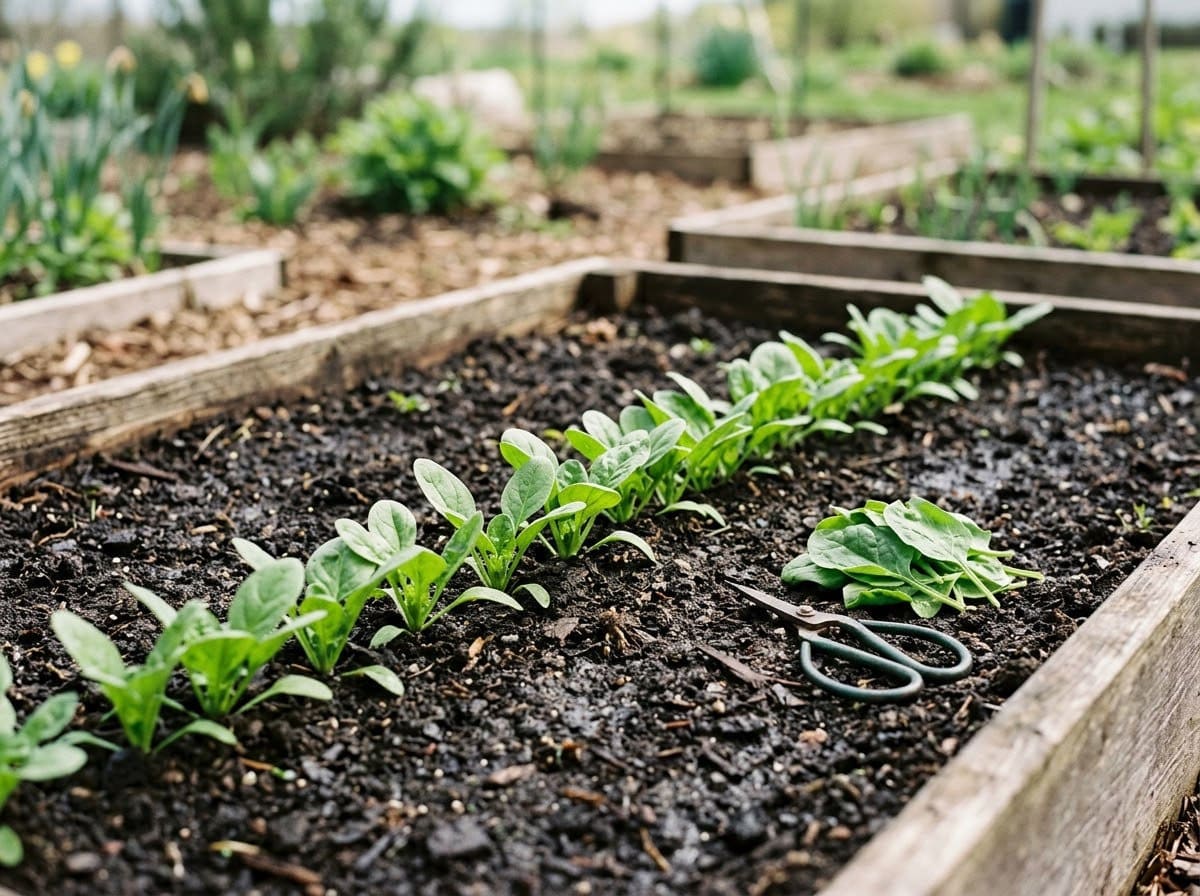
Spinach tops the price table at $6.44 a pound, the highest of 35 crops listed. A 10-foot row holds 20 to 60 plants and yields about 4 pounds, or roughly $25.76 of spinach by our math.
Each plant gives only 0.1 to 0.2 pounds, so you grow spinach by the row, not the plant. Sow thick, then thin to about 3 inches apart. Snip the outer leaves and the center keeps pushing out more.
Most yard problems trace back to one specific, fixable cause. Find yours in 4 quick questions.
Take the Free Quiz
Thick nonwoven fabric pots with reinforced handles. A cheap way to grow peppers, tomatoes and herbs on a patio or balcony.
Shop NowThis post contains affiliate links. We may earn a commission on qualifying purchases at no extra cost to you.
It bolts in heat, so plant in early spring and again in fall. A packed bag of baby spinach costs far more than a seed packet, which is why it’s our top pick. Our spinach growing guide covers timing and varieties.
2. Summer Squash and Zucchini
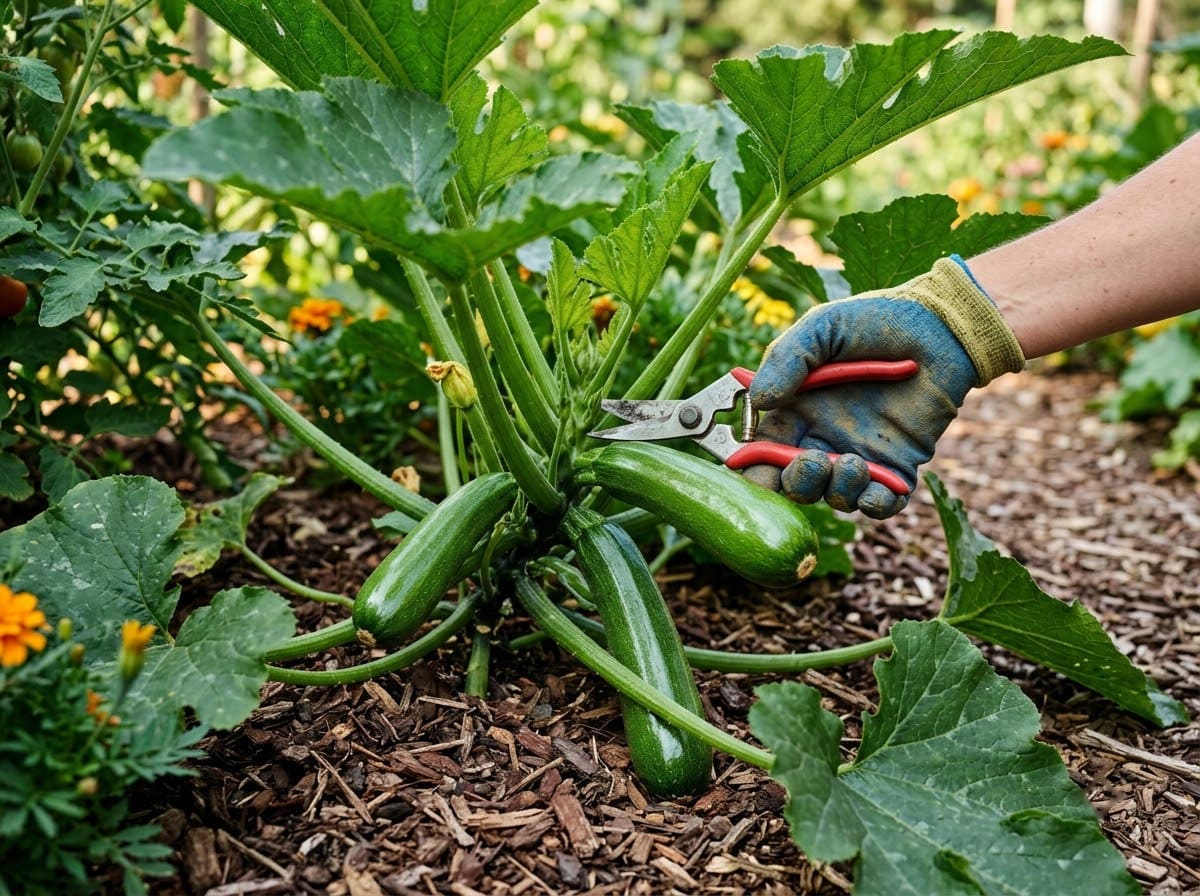
Summer squash is the volume champion. A 10-foot row gives about 15 pounds at $1.77 a pound, which works out to about $26.55 a row. That’s one of the best dollar values among the crops we checked.
A county demonstration garden shows how big one plant can get. Extension Director Les Harrison valued one lemon squash plant at $65.25 at $2.25 a pound. After roughly $5 of bed expense, the net was $60.25 per plant.
Here’s the catch. You don’t need many plants. Two or three zucchini plants will bury a family, so resist the urge to plant six.
Pick fruit at 6 to 8 inches long and check daily in midsummer. Squash also pairs well with idea 5 below, since cucumbers can climb a trellis next to a sprawling squash bed.
3. Kale
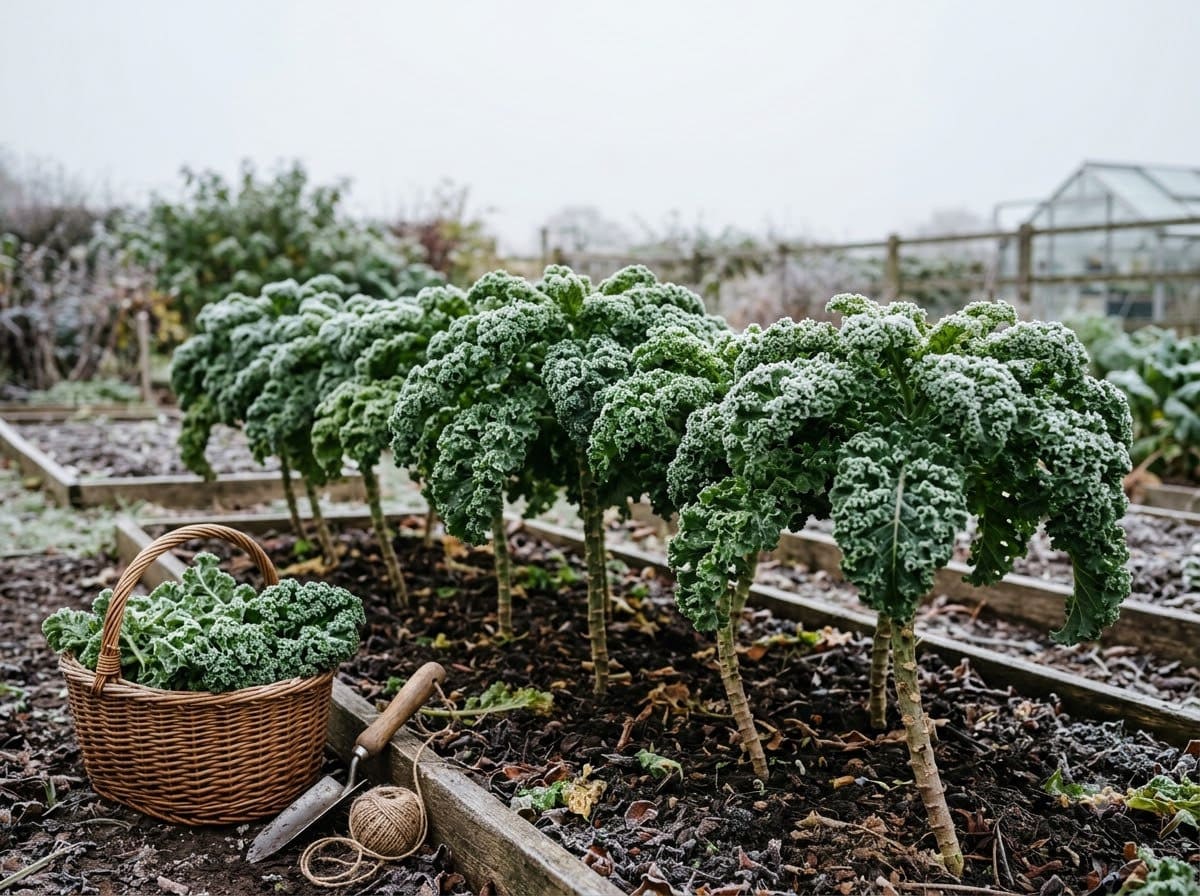
Kale gives you months of leaves from one planting. A row yields about 7.5 pounds at $2.23 a pound, so it’s worth about $16.73. Plan for 9 to 10 plants per 10 feet, each giving around 0.8 pounds over time.
Harvest the lower, older leaves and leave the growing tip alone. The plant keeps making new leaves from the top. And it shrugs off light frost, so you can pick well into fall.
Compare that to a bunch at the store that wilts in your fridge in a week. You cut only what tonight’s dinner needs. Nothing goes to waste, and that’s part of the savings.
4. Lettuce and Salad Greens
Lettuce is one of the safest bets, and the research agrees. A peer-reviewed UK study found the biggest savings came from high-priced crops like lettuce, cucumber and runner beans. Lettuce sells for about $1.82 a pound, with about 7.5 pounds per 10-foot row.
The average homeowner spends $616/year on yard fixes that don't address the real problem. Find out what yours actually is — before you spend another dollar.
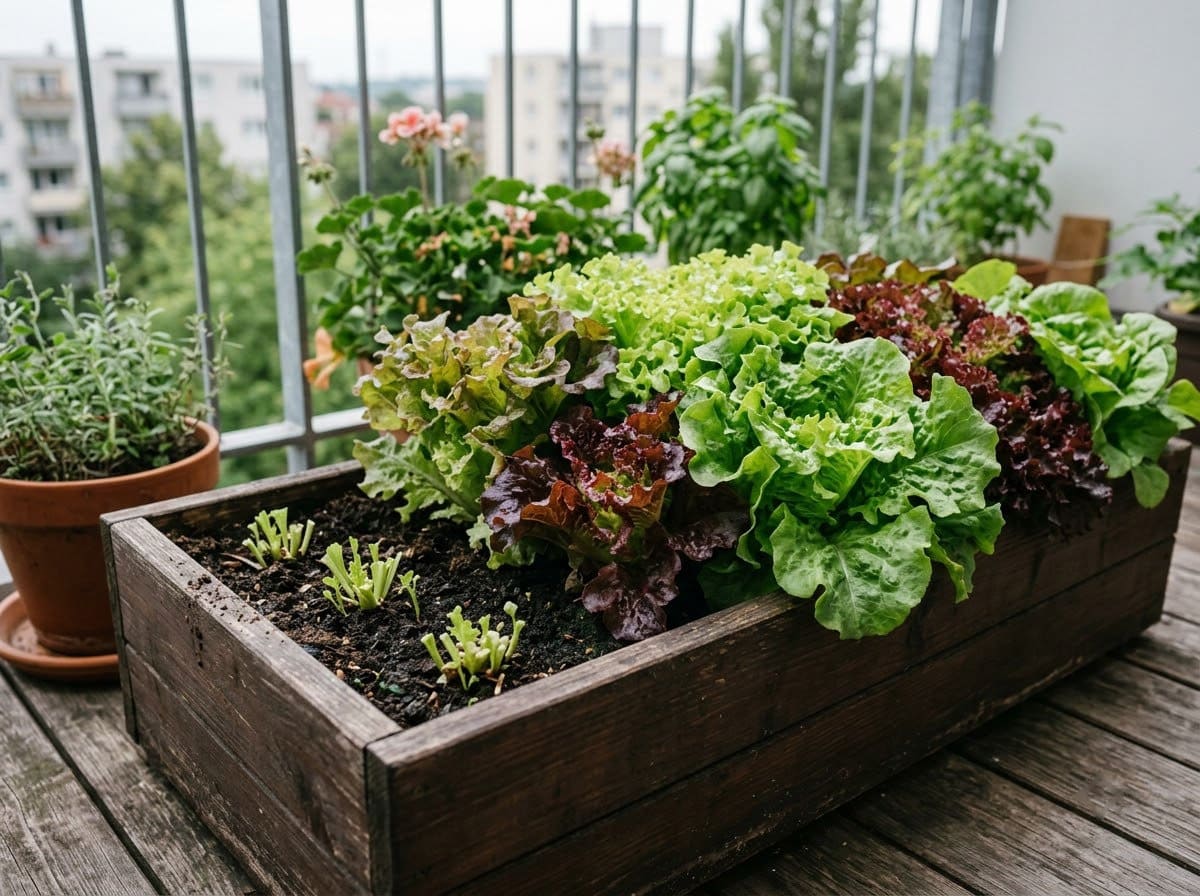
Take the Free QuizGrow loose-leaf types and cut them an inch above the soil. They regrow for several cuttings. Sow a short row every two weeks so you never face a glut followed by a gap.
Lettuce does fine in a 12-inch pot on a balcony. If you want the full routine, our guides on harvesting lettuce so it keeps growing and building a salad garden walk through it.
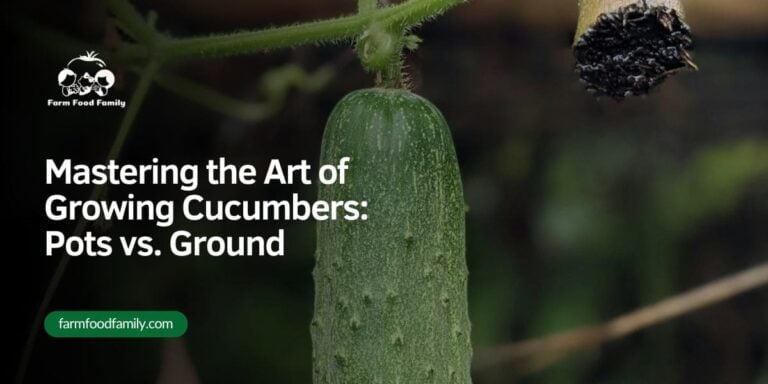
5. Cucumbers
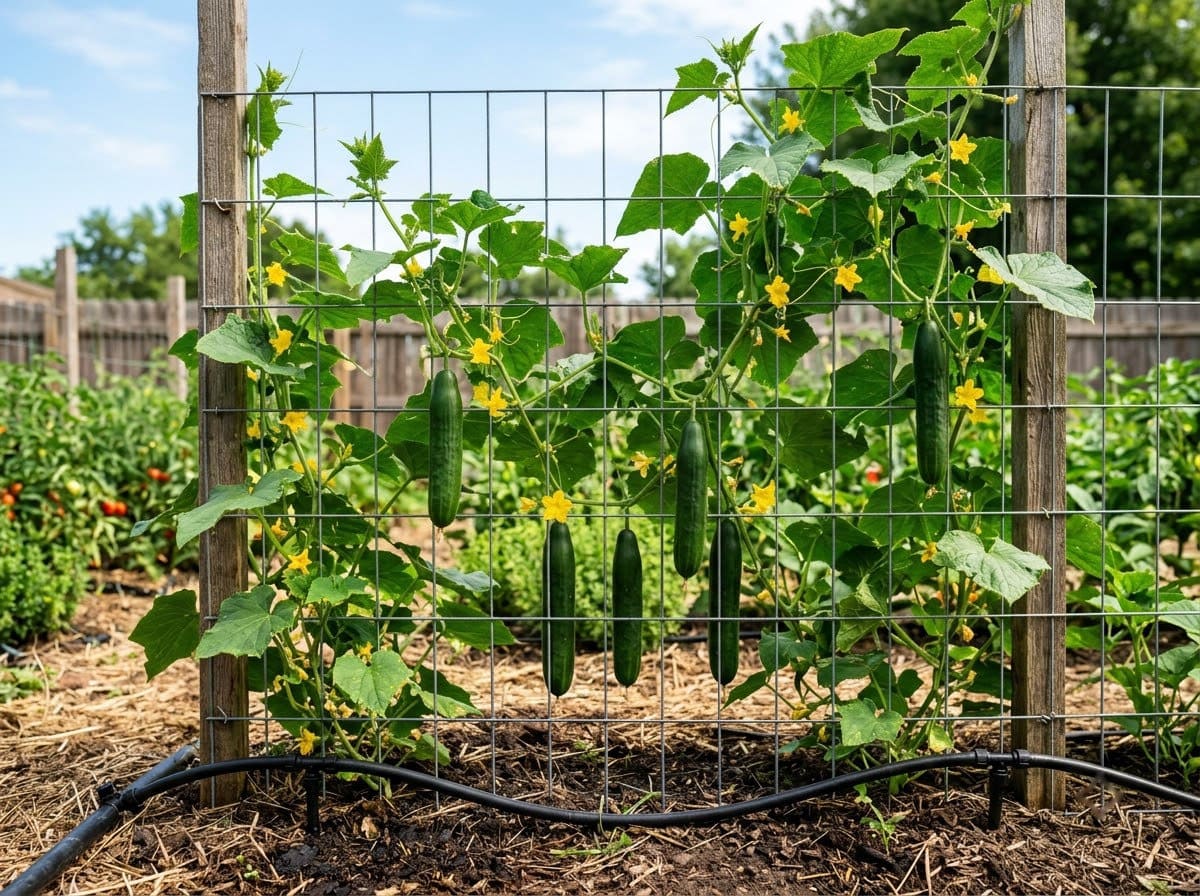
One cucumber plant can fill a fruit bowl all summer. A row gives about 10 pounds at $1.56 a pound, roughly $15.60. Seed-company estimates run 10 to 20 fruits per plant at about 89 cents each, which we treat as a ceiling, not a promise.
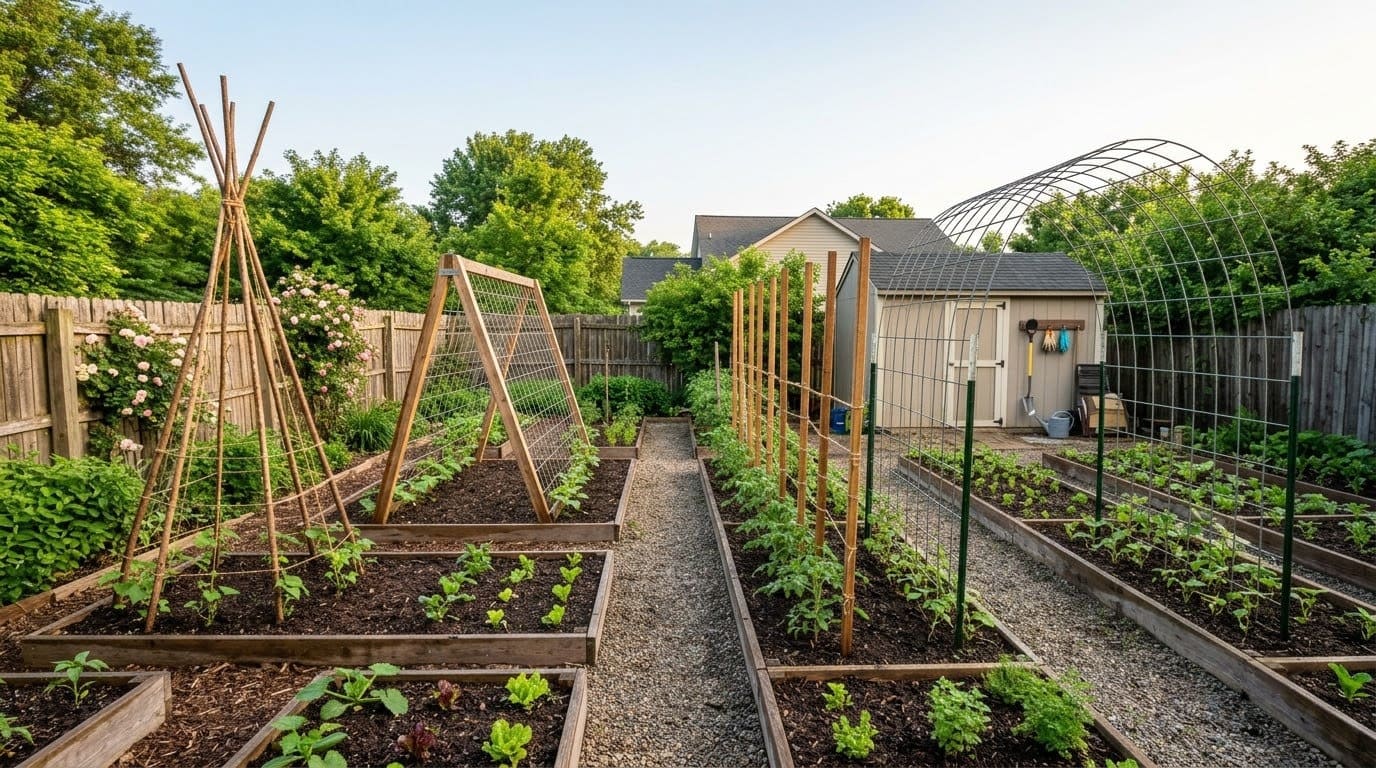
Train vines up a trellis or cattle panel. A trellis uses a small patch of ground and keeps fruit clean and straight. Pick them small, around 6 to 8 inches for slicers, to keep the plant producing.
Cucumbers are a top saver in the UK data too. Just give them steady water, because uneven watering makes bitter fruit.
6. Bush Beans and Pole Beans
Beans are the sleeper pick. A row of bush beans gives 4.5 pounds at $2.97 a pound, about $13.37. But each plant gives just 0.1 to 0.2 pounds, so you need 30 to 60 plants per row to see that return.
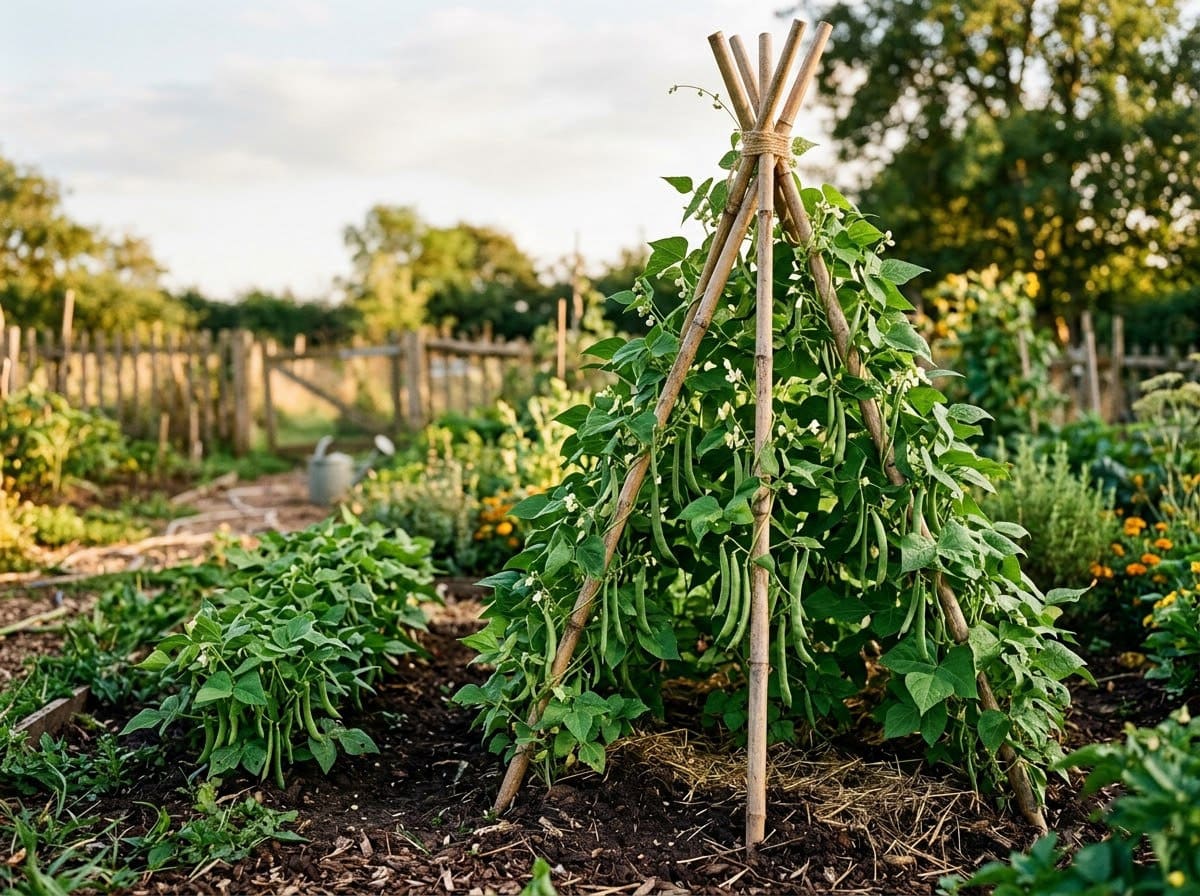
That’s why pole beans are the smarter money play. They climb, so a 6-foot teepee of canes gives you far more pods per square foot. Runner beans, a pole type, were among the biggest savers in the UK study.
Pick every two or three days. Beans left on the vine tell the plant to stop. Direct-sow after the soil warms, since beans hate being transplanted.
7. Fresh Herbs (and Green Onions)
Herbs are where the grocery markup hurts most. You buy a small plastic pack, use two tablespoons, and the rest goes slimy. A single basil or parsley plant gives you cuttings for months.
We couldn’t find a solid per-pound price for herbs in the extension sources, so we won’t invent one. Check the price of one fresh-herb pack at your own store and count how many you buy each month. That’s your real savings number.
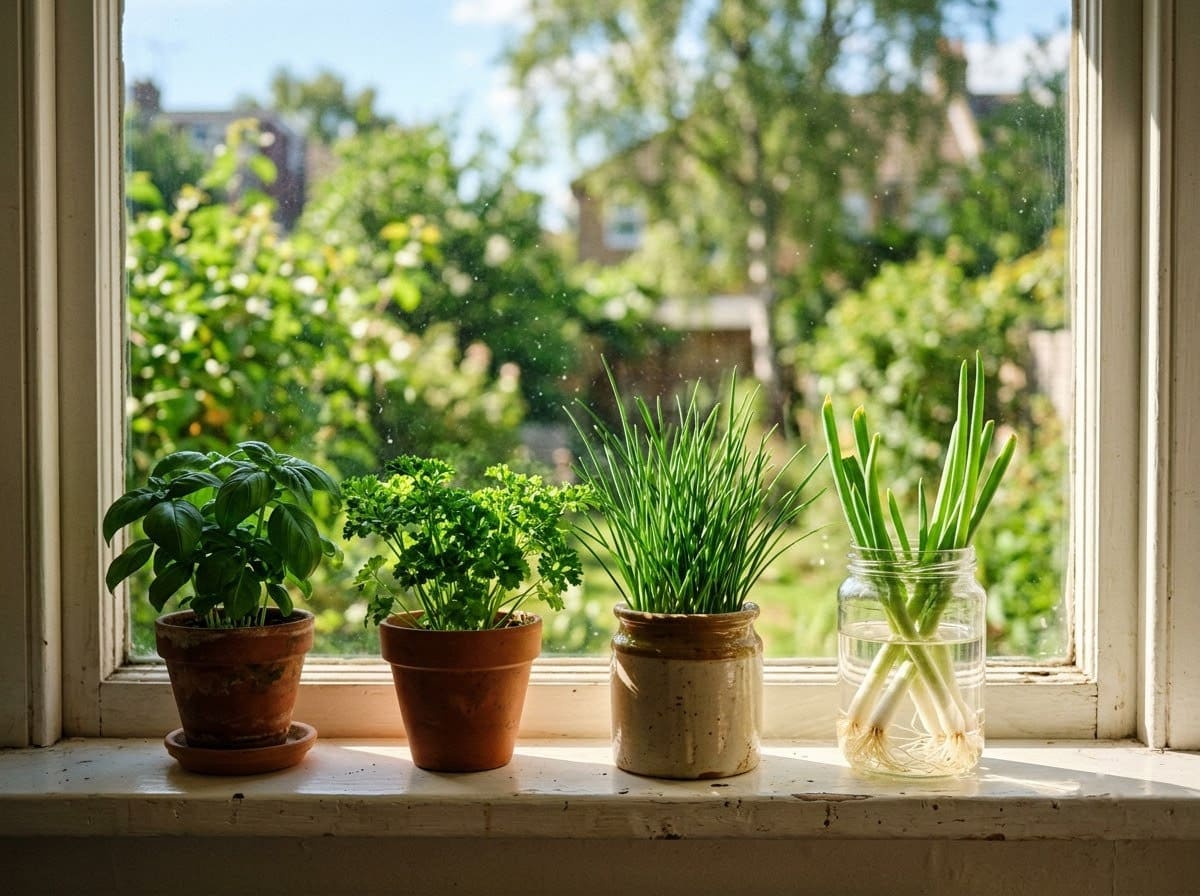
Start with basil, parsley, chives and mint. Grow mint in its own pot because it spreads fast. Basil loves heat, so see our basil growing guide and the container herb garden ideas if you only have a windowsill or balcony.
Green onions are the cheapest trick of all. Drop the white root ends in a glass of water and they sprout new green tops in about a week. Change the water every couple of days.
8. Specialty Peppers
Here’s where we have to be honest. Plain green bell peppers sell for about $1.07 a pound, which is cheap. The UK study even found peppers lost money against the cheapest supermarket versions.
But specialty peppers flip it. In the county trial, one Giant Marconi pepper plant produced 10.5 pounds, worth a $42.25 net at $4.50 a pound. A Mesilla pepper made 10.12 pounds for a $40.50 net.
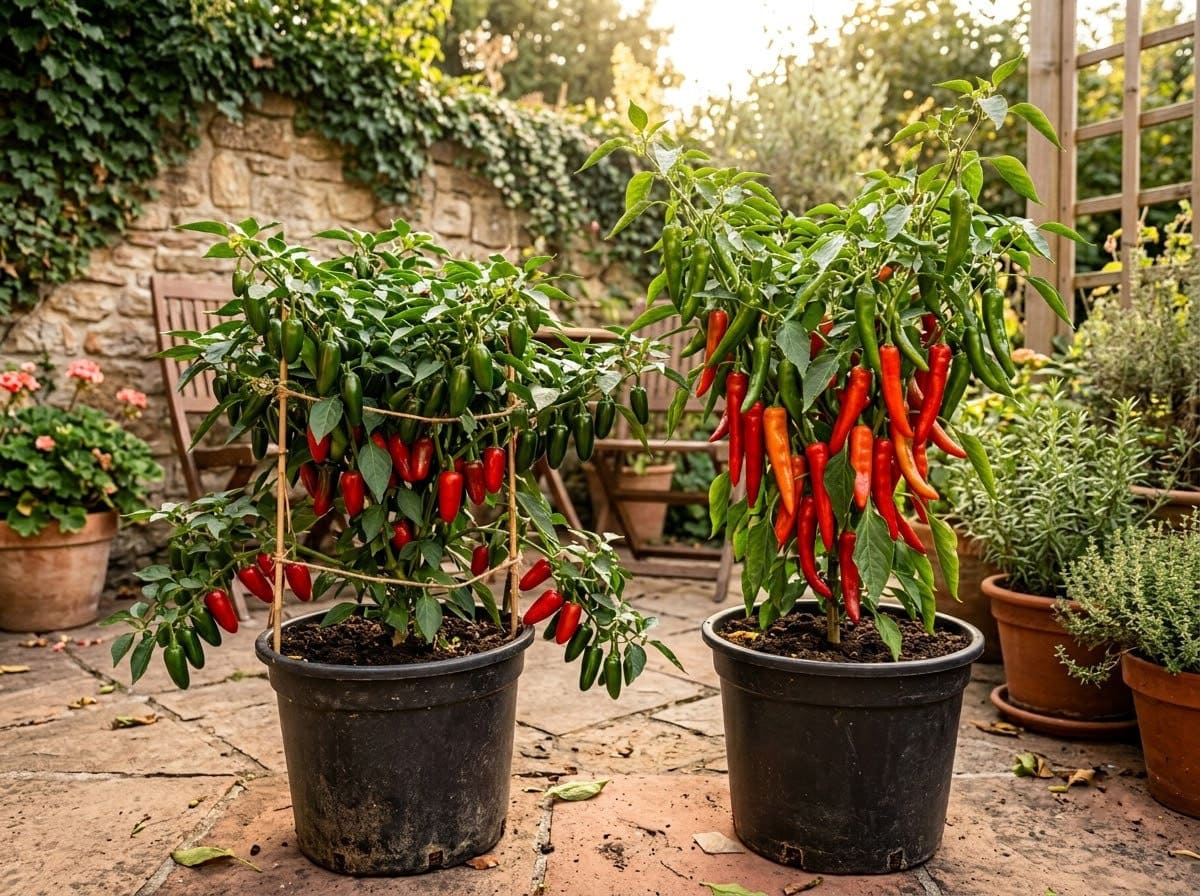
So grow what the store charges extra for: jalapeños, poblanos, long sweet frying peppers and colorful minis. Skip plain green bells. Seed-company estimates put a jalapeño plant at 4 to 10 pounds at about $3 a pound.
Use a 5-gallon container if you’re short on ground. Peppers sulk in cold soil, so wait until nights stay warm.
9. Cherry and Heirloom Tomatoes
Tomatoes are the most hyped crop on this list, and the least certain. Standard tomatoes sell for only $1.67 a pound, and the UK study found tomatoes lost money against cheap supermarket ones.
Seed-company numbers look rosier, with slicer tomatoes yielding 10 to 30 pounds a plant. Cherry tomatoes come in lower, around 1 to 4 pounds, but they usually sell for more per pound. Those are vendor estimates, so treat them as a best case.
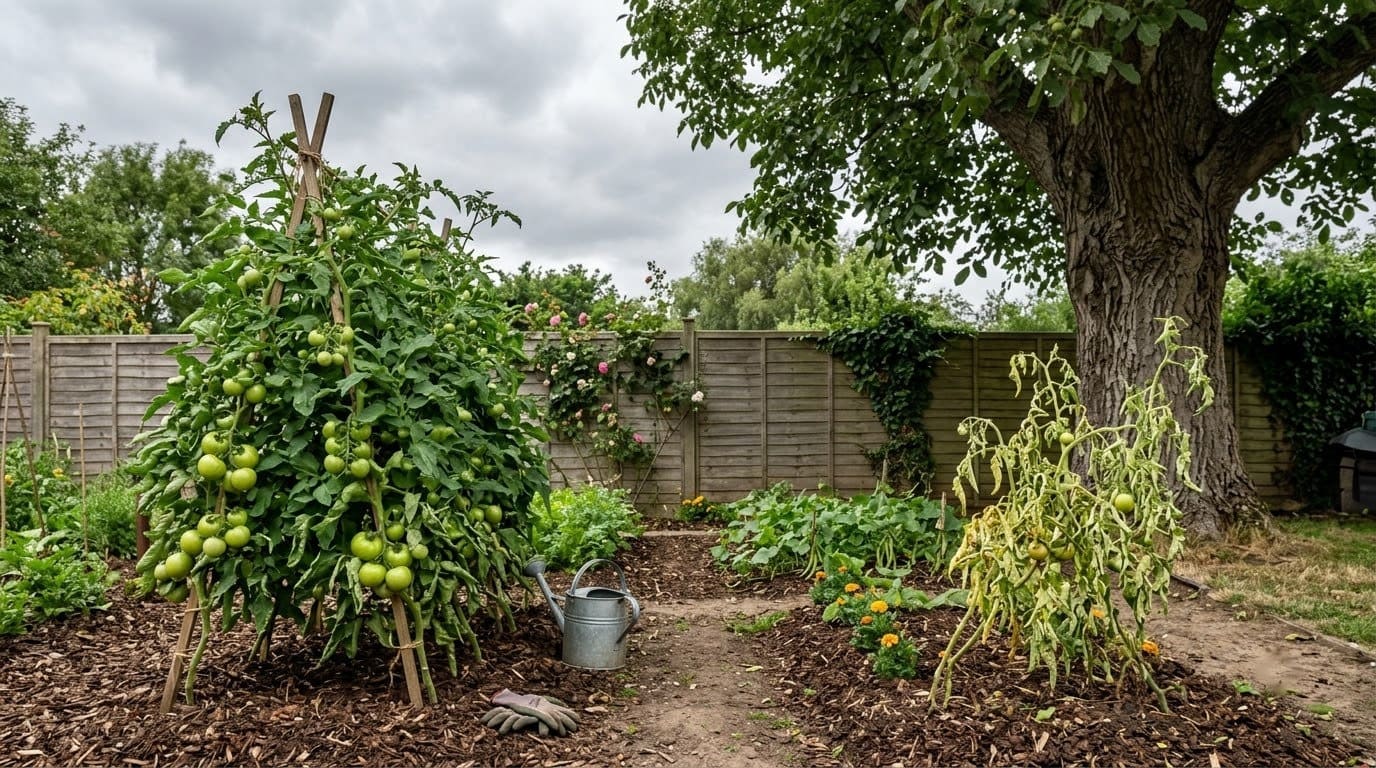
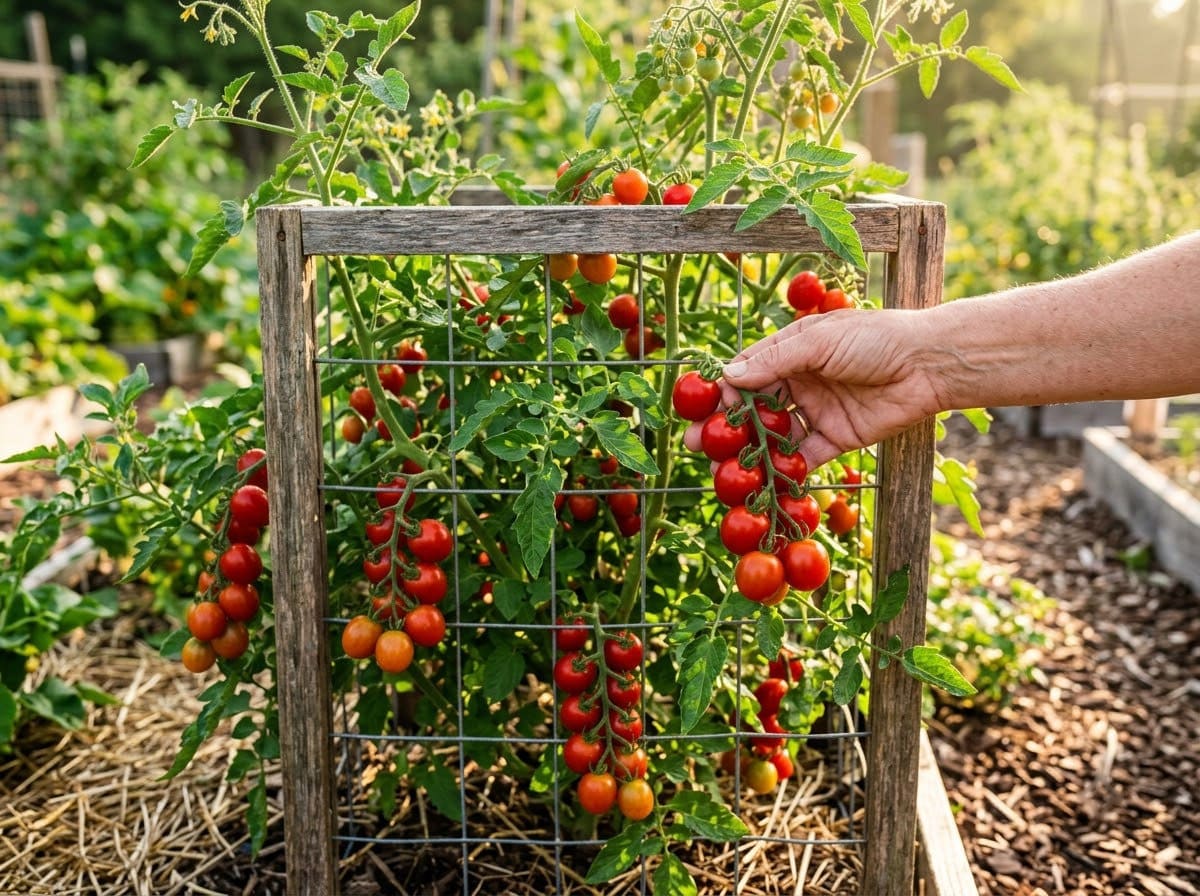
Here’s our rule: grow tomatoes only if you want cherry, grape or heirloom types. Those cost much more at the store than a standard slicer. Plan on a cage or stake, deep watering, and about $5 a plant in bed costs.
If you love tomatoes, grow them for flavor and count any savings as a bonus. Our tomato growing guide covers varieties and support.
Which Vegetables Cost More to Grow Than Buy?
These are the crops that look thrifty but usually aren’t. They sell cheap, and they sit in your bed for most of the season. Here’s how they stack up.
| Crop | Avg. store price per lb | Yield per 10-ft row | Value per 10-ft row | Verdict |
|---|---|---|---|---|
| Carrots | $0.92 | 10 lb | about $9.20 | Skip unless you want fresh flavor |
| Potatoes | $0.85 | 15 lb | about $12.75 | Skip, holds the row for months |
| Cabbage | $0.72 | 12 lb | about $8.64 | Skip |
| Sweet corn | $0.73 | 12 lb | about $8.76 | Skip, needs a big block to pollinate |
| Bulb onions | $1.03 | 10 lb | about $10.30 | Skip |
Potatoes look decent per row. But a row of lettuce or spinach turns over two or three times in the same months. Per bed-month, the leafy crops win by a mile.
The UK study found the same pattern with peas. Home-grown peas cost about £4.00 per kilogram to produce, against £3.96 for organic peas at the store. If you’re curious about root crops anyway, our list of vegetables that grow underground shows the easiest ones.
Why Do Studies Disagree About Savings?
You’ll see wildly different numbers online. That’s because yields and prices vary by climate, variety and who’s selling the story.
| Question | Extension table | Seed company |
|---|---|---|
| Summer squash yield per plant | 1.5 to 3 lb | 3 to 9 lb (zucchini) |
| Pepper yield per plant | 0.4 to 0.6 lb (green) | 4 to 10 lb (jalapeño) |
| Tone on savings | Saving money is possible but challenging | Every crop in its table counts as a saver |
The extension numbers are conservative averages for typical gardens. The seed-company numbers are best-case yields from healthy plants in good conditions. Neither is wrong, but your garden will land somewhere in between.
One more thing most posts leave out. The UK study left out start-up costs and your working time, and so did the county trial. Pay yourself even a small hourly wage and the savings shrink fast, so treat gardening as a hobby that also trims the grocery bill.
How Much Does It Cost to Start a Money-Saving Garden?
Your first year is the expensive one. Soil, containers, supports and seeds all show up at once. After that, seeds and supports get reused and costs drop.
Here’s how the budget tiers break down.
| Budget tier | What you get | Best for |
|---|---|---|
| DIY-cheap | Seeds, green onion scraps, recycled buckets, a few pots, homemade compost | Renters, balconies, test runs |
| Moderate | One raised bed or a few fabric grow bags, bagged soil, a trellis | Beginners with a small yard |
| Bigger investment | Several raised beds, drip irrigation, fencing | Families who eat a lot of produce |
The county trial counted roughly $5 per plant in bed expense, which is a helpful rule of thumb. A small six-plant example put seed costs at $10 to $15. Making your own soil boosters helps too, and our garden compost guide shows how.
Want more ways to cut costs? Our roundup of cheap gardening ideas has plenty. And if you need to start plants from scratch, see how to start seeds outside.
What We Learned the Hard Way
The mistake most people make is buying a whole garden’s worth of supplies before growing a single plant. You see the cart total, then the harvest, and the math never recovers. Start with seeds and containers you already have.
Another trap is planting everything the same week. Six zucchini plants and ten lettuce heads all ripen together, then it’s too much to eat. Stagger your sowings by two weeks and plant fewer of the big producers.
And don’t ignore pests. Squash bugs and aphids can wipe out a plant that was supposed to pay you back. Check leaf undersides twice a week, and see our guide to the worst garden pests before you lose a crop.
If there’s one thing worth doing differently, it’s tracking your harvest. Weigh what you pick for one season. Then you’ll know your own savings number instead of guessing from a blog.
Can You Start With a $20 First-Season Plan?
Yes, if you keep it small. We can’t promise your exact total, since seed and soil prices vary, so treat $20 as a target to aim for.
- Weekend 1: Pick three crops from this list that you already eat. Write down their store prices.
- Weekend 2: Sow spinach or lettuce in a pot or short row, and start basil on a windowsill.
- Weekend 3: Sow two squash or cucumber seeds. Put up a simple trellis from scrap wood or bamboo.
- Weekend 4: Sow beans in a teepee. Start your second lettuce sowing.
- Weekend 5 and on: Harvest, weigh, and re-sow greens every two weeks.
Frequently Asked Questions
Is it really cheaper to grow your own vegetables?
It can be, if you pick the right crops. Studies show high-priced, fast crops like lettuce, spinach and cucumbers save the most. Cheap crops like potatoes, carrots and cabbage usually cost more to grow than to buy.
How much money can a small garden save in a year?
It depends on what you grow and how well it does. A small six-plant example suggests $80 to $165 of net savings a season, but that’s a seed-company estimate. Extension researchers call saving money challenging, so expect a smaller number in your first year.
Do I have to count my time?
Most studies don’t. Count your hours and many home gardens break even or lose money. Treat your time as part of the hobby, not a cost.
What are the best money-saving vegetables for a balcony?
Lettuce, spinach, herbs, green onions and specialty peppers all do well in pots. Our list of vegetables you can grow in pots has more options for tight spaces.
What should I grow first?
Start with leafy greens and herbs. They’re fast, forgiving and cost the most per pound at the store. Add squash or cucumbers once you have a trellis.
Products We Recommend
This post contains affiliate links. We may earn a commission on qualifying purchases at no extra cost to you.
JERIA 12-Pack 5 Gallon Grow Bags
Thick nonwoven fabric pots with reinforced handles. A cheap way to grow peppers, tomatoes and herbs on a patio or balcony.
Shop Now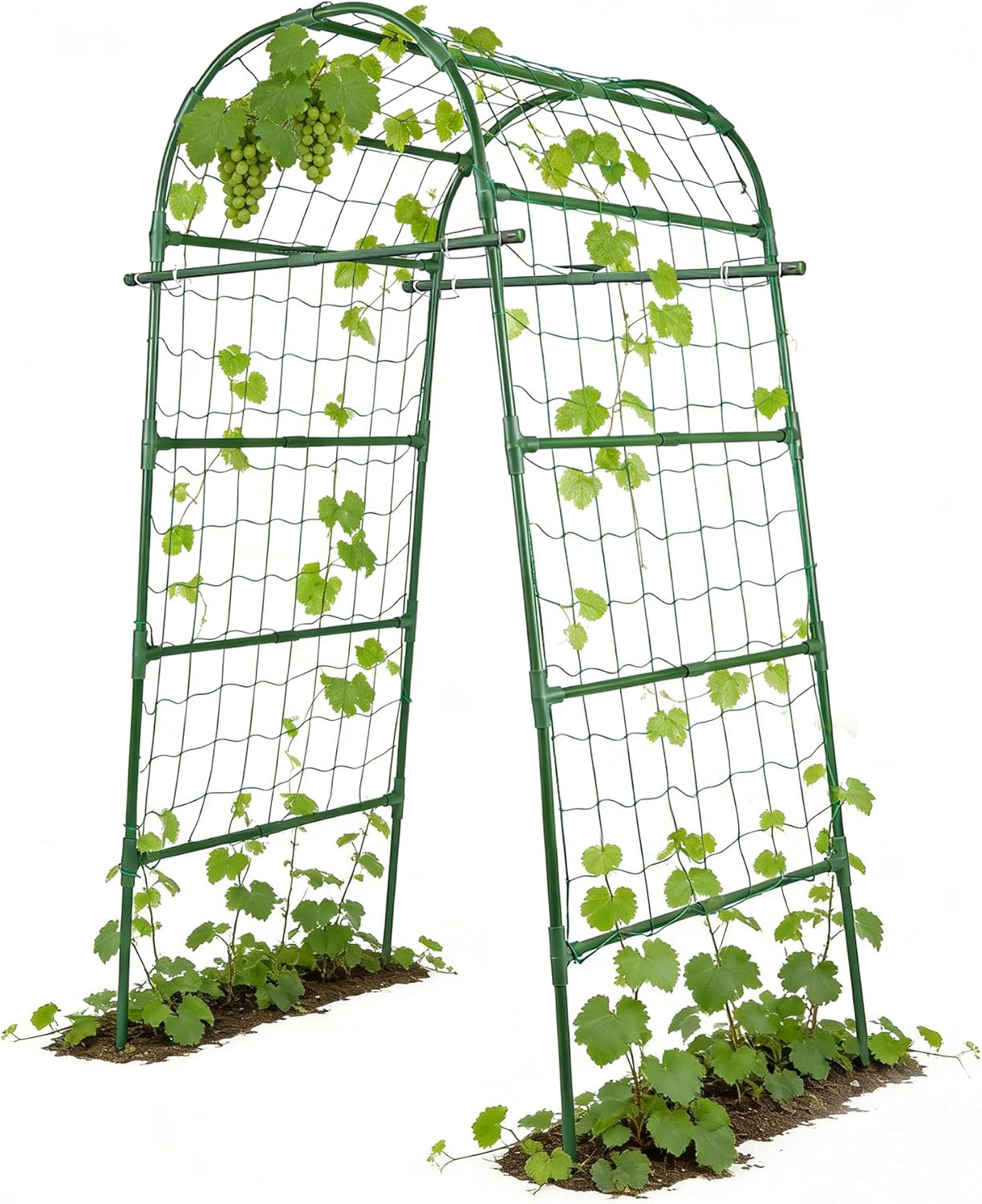
Garden Arch Trellis, 7 Ft Tall Cucumber Trellis
Metal arch that supports cucumbers, beans and squash vines upward in a raised bed.
Shop Now
BlumWay Seed Starter Tray with Grow Light, Humidity Dome (2 Pack, 80 Cells)
Starts seeds indoors so you skip pricey transplants. Includes a vented dome and adjustable light.
Shop NowNever miss an update — choose FarmFoodFamily as your preferred source on Google.
How it works: Tap the button below to open Google's settings page, then check the box next to FarmFoodFamily.
Tap the checkbox to turn it blue — that's how you know it's set.