10 Clever Vegetables You Can Still Plant in October (By USDA Zone)
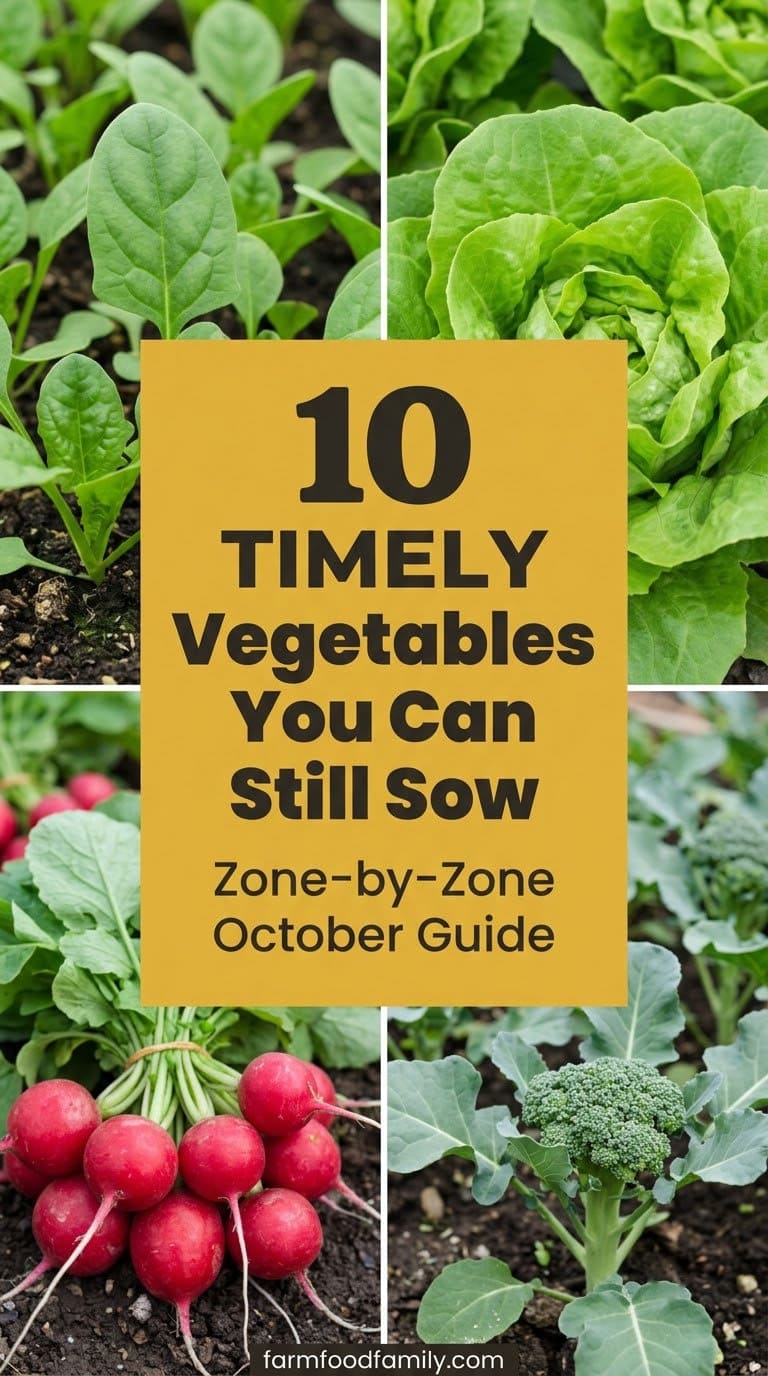
October is the last big planting window for fall vegetables, and these 10 crops fit it if you match them to your zone and your first frost.

Never miss an update — choose FarmFoodFamily as your preferred source on Google.
How it works: Tap the button below to open Google’s settings page, then check the box next to FarmFoodFamily.
Tap the checkbox to turn it blue — that’s how you know it’s set.
October is a strange month in the garden. The tomatoes are tired, but the soil is still warm.
That warm soil is your advantage. Many cool-season crops sprout fast now and then sit happily through cold weather.
But the right crop depends on where you live. A Zone 10 gardener can sow carrots this week.
A Zone 4 gardener should plant garlic and put the seed packets away. Here’s the honest zone-by-zone answer.
Quick Answer
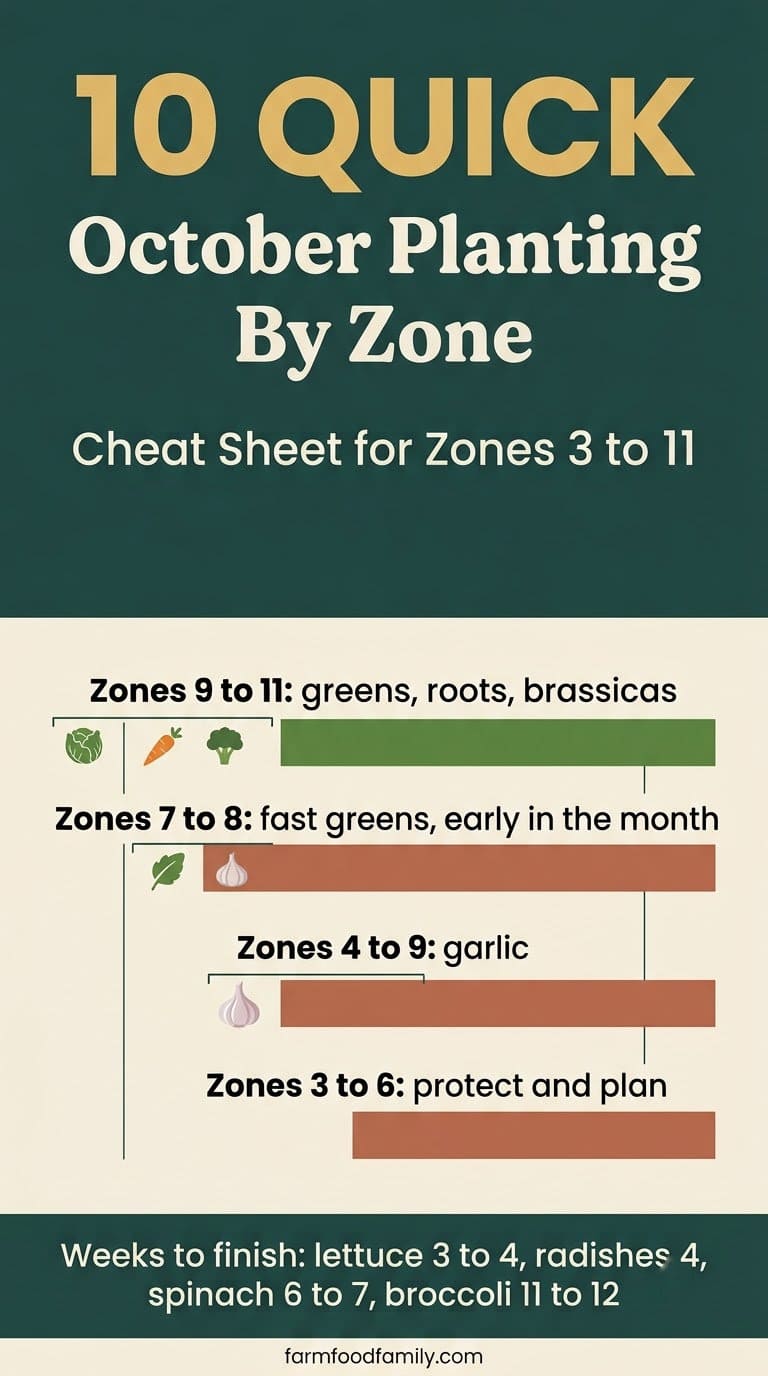
In Zones 9 to 11, October is wide open. You can direct-sow spinach, lettuce, arugula, radishes, carrots and beets, and set out broccoli, cabbage and kale transplants. Peas work too, and fava beans suit Zones 10 and 11.
In Zones 7 and 8, sow fast crops early in the month. Think spinach, lettuce, radishes and Asian greens, with row cover ready.
Answer 4 quick questions and get matched to the exact fix for your yard — drainage, budget, layout, or something else entirely.
Take the Free QuizIn Zone 6, most new sowings are too late. In Zones 3 to 5, outdoor sowing is over. Cold frames and mulch take over from here.
Garlic is the exception for cold zones. You can plant it from October into early November in Zones 4 to 9, before the ground freezes.
Count the days your crop needs before your first frost, then plant only what will finish. Sow small batches every week or two, and keep row cover on hand for the first frosty night.
Does Your USDA Zone Decide What You Can Plant in October?
Partly. The USDA Plant Hardiness Zone Map shows how cold winter gets, based on average yearly lows. It doesn’t show how many frost-free weeks you have left.
That gap explains why sources disagree.
Emily Estep at Epic Gardening lists spinach for Zones 2 to 11. That’s the range where the plant can grow at some point in the year. It doesn’t promise that an October sowing will finish in Zone 3.
Stephen Albert’s October guide at Harvest to Table is more practical. It tells you what to do in each zone this month.
Most yard problems trace back to one specific, fixable cause. Find yours in 4 quick questions.
Take the Free Quiz
Lightweight frost cloth to drape over spinach, lettuce and brassicas on the first frosty nights.
Shop NowThis post contains affiliate links. We may earn a commission on qualifying purchases at no extra cost to you.
| Zone | Annual low | What Albert says to do in October |
|---|---|---|
| 11 | Above 40°F | Direct-sow greens and roots, plant brassica transplants, sow peas and fava beans |
| 10 | 30°F | Direct-sow greens and roots, plant brassica transplants, sow peas, fava beans and herbs |
| 9 | 20°F | Direct-sow spinach, lettuce, arugula, radishes, carrots, beets, and plant brassicas and peas early |
| 8 | 10°F | Sow fast greens and peas early, transplant hardy brassicas, add row covers |
| 7 | 0°F | Limit sowing to early October, use row covers or cold frames |
| 6 | -10°F | Avoid most new sowings, protect what’s growing |
| 5 | -20°F | Frost protection and cleanup, mulch heavily |
| 4 | -30°F | End outdoor sowing, protect overwintering crops |
| 3 | -40°F | Winter protection only |
Here’s where the sources clash on one question.
| Can Zone 6 sow spinach in October? | Source says |
|---|---|
| Harvest to Table | Avoid most new sowings |
| Gardening Channel | Spinach listed for Zones 3 to 9, with fleece protection |
| Epic Gardening | Spinach listed for Zones 2 to 11 |
The fix is simple. Treat the zone ranges as “can survive” and Albert’s list as “will probably finish.” Then check your own frost date with your county extension office.
Will It Finish Before Frost?
This is the question that matters most. Count the weeks until your first frost, then compare them with the days your crop needs.
The days below come from Epic Gardening’s table. The weeks column is our own math, rounded.
| Crop | Days to maturity | About how many weeks |
|---|---|---|
| Lettuce | 20 to 30 | 3 to 4 |
| Radishes | 24 to 30 | 4 |
| Bok choy | 30 | 4 to 5 |
| Spinach | 40 to 50 | 6 to 7 |
| Kale | 50 to 80 | 7 to 11 |
| Beets | 50 to 70 | 7 to 10 |
| Carrots | 57 to 65 | 8 to 9 |
| Peas | About 60 | 9 |
| Broccoli | About 80 | 11 to 12 |
| Garlic | About 240 | Harvest next spring |
Most of these crops cope with cold well. Epic Gardening says they generally survive until temperatures stay below 20°F. Growth slows a lot before that, though.
Daylight matters too. Albert’s winter-growing guide says crops should be near maturity before day length drops below 10 hours. After that, growth crawls.
Our take: use the weeks column as a cut-off. If a crop needs more weeks than you have, buy transplants or pick a faster crop. Don’t hope for a warm November.
1. Garlic
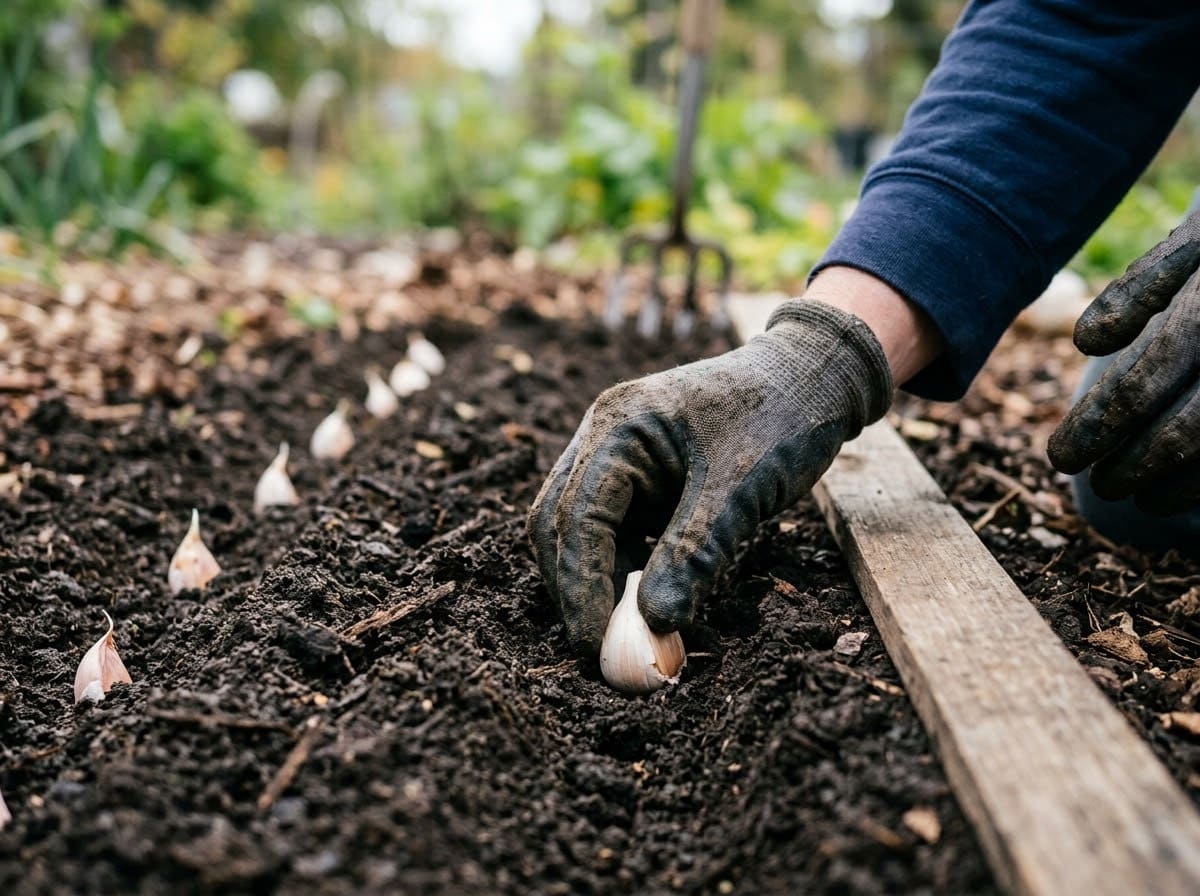
Garlic is the one October crop that works across most cold zones. It takes about 240 days, so October isn’t late for it. It’s right on time, and you’ll harvest next spring.
Iowa State Extension’s Aaron Steil gives a clear recipe for the Midwest. Plant from October to early November. Set large cloves 1 to 1.5 inches deep, pointed side up, and 3 to 5 inches apart.
The average homeowner spends $616/year on yard fixes that don't address the real problem. Find out what yours actually is — before you spend another dollar.
Take the Free QuizSpace rows 18 to 24 inches apart in well-drained, fertile soil. Mulch in November with 4 to 6 inches of weed-free straw.
If you only plant one thing this month, make it garlic. It costs little and asks for almost no care over winter. Our garlic planting guide covers picking cloves.
2. Spinach
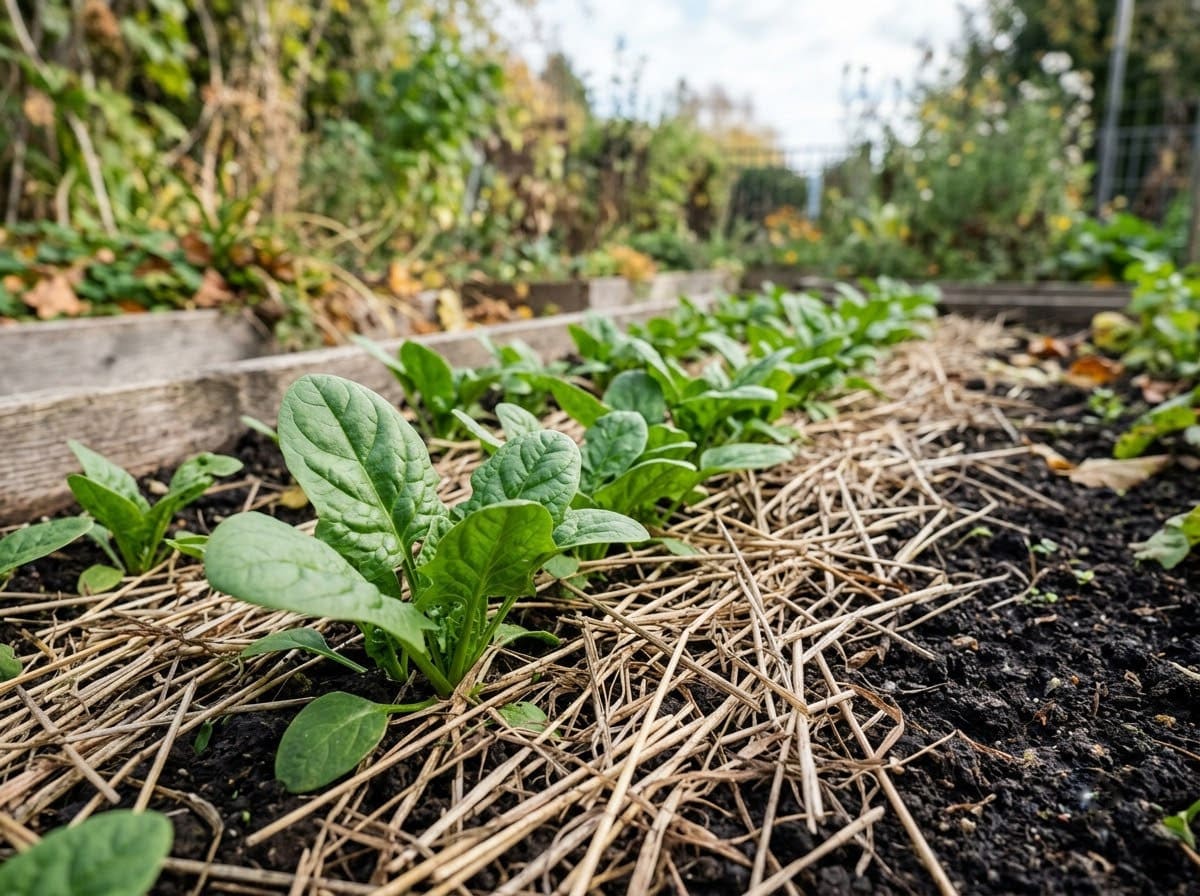
Spinach tops many October lists, and for good reason. It needs 40 to 50 days, and it survives much of winter in many places. It struggles when temperatures fall below 20°F.
Direct sow it in Zones 7 to 11. In Zone 7, sow early in the month. Bentley Seeds adds a handy tip: mulch young spinach to protect it through the first frosts.
We’d treat spinach as your insurance crop. Sow a small batch every one to two weeks. If a hard freeze wipes out one batch, the next one is already coming.
Pick outer leaves and leave the center. Our spinach guide covers varieties.
3. Lettuce
Lettuce is quick and forgiving. It needs 20 to 30 days and handles cold down to about 20°F. Sow it outdoors in Zones 7 to 11.
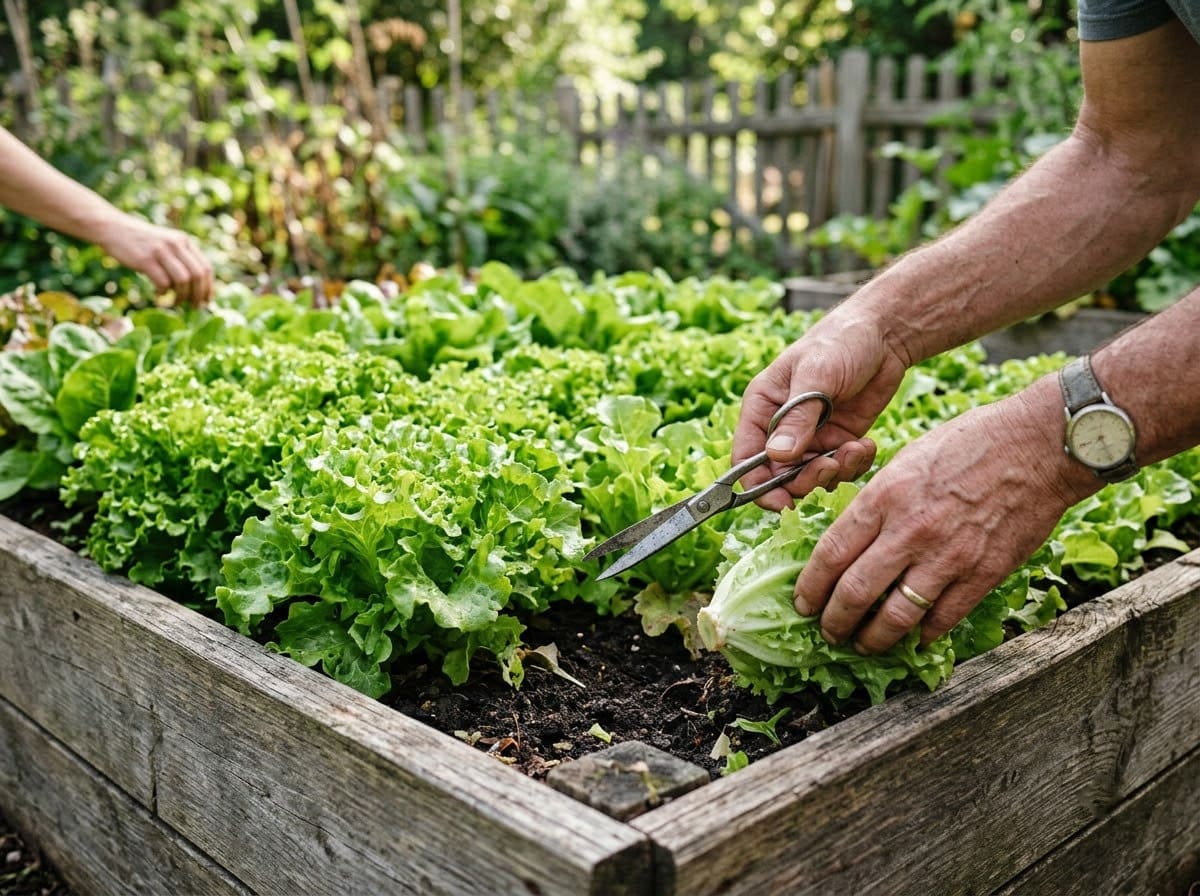
Choose loose-leaf or romaine types. You can harvest leaves at any size, so you don’t have to wait for full heads. That makes lettuce the best use of a short window.
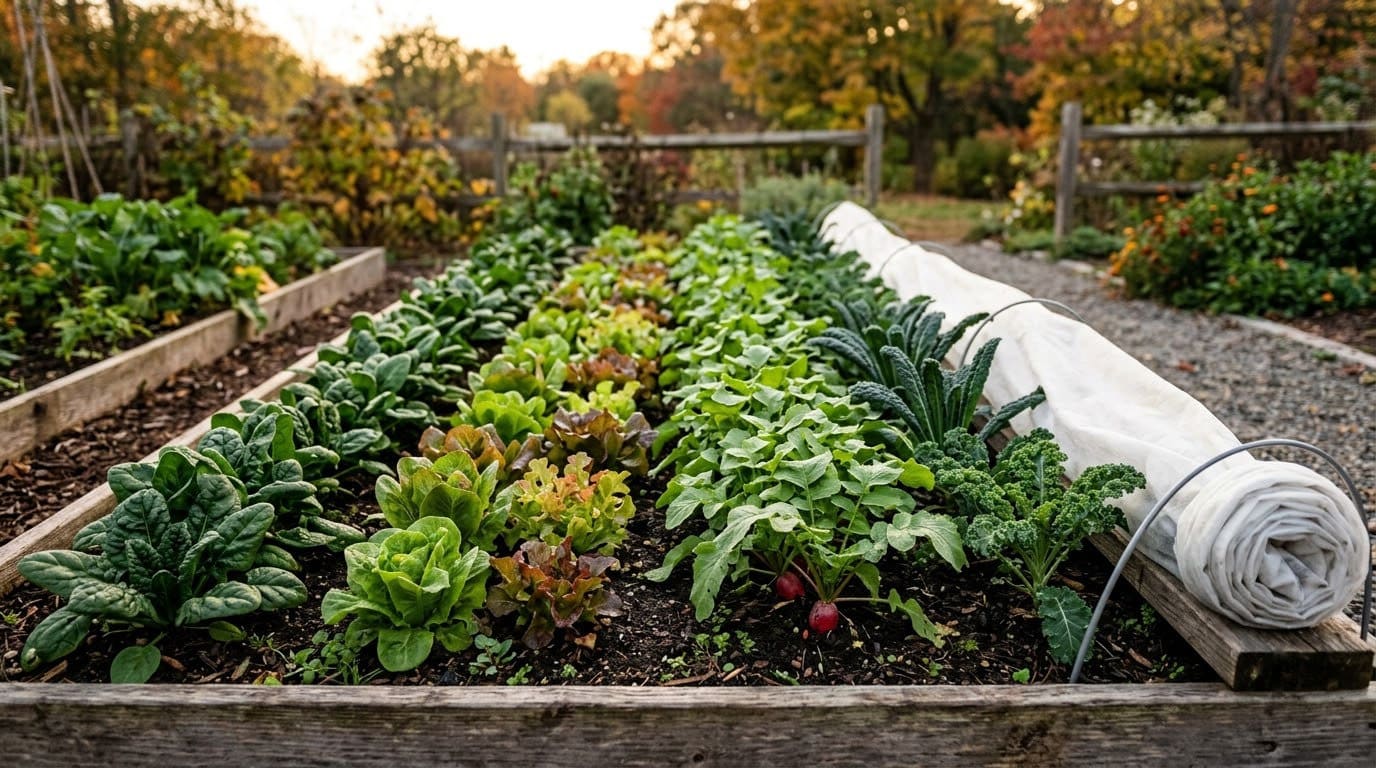
Sow thinly and keep the soil moist. Cool fall weather suits lettuce well. In Zones 7 and 8, have row cover or a cold frame ready.
Our guide to cut-and-come-again lettuce shows how to harvest.
4. Radishes
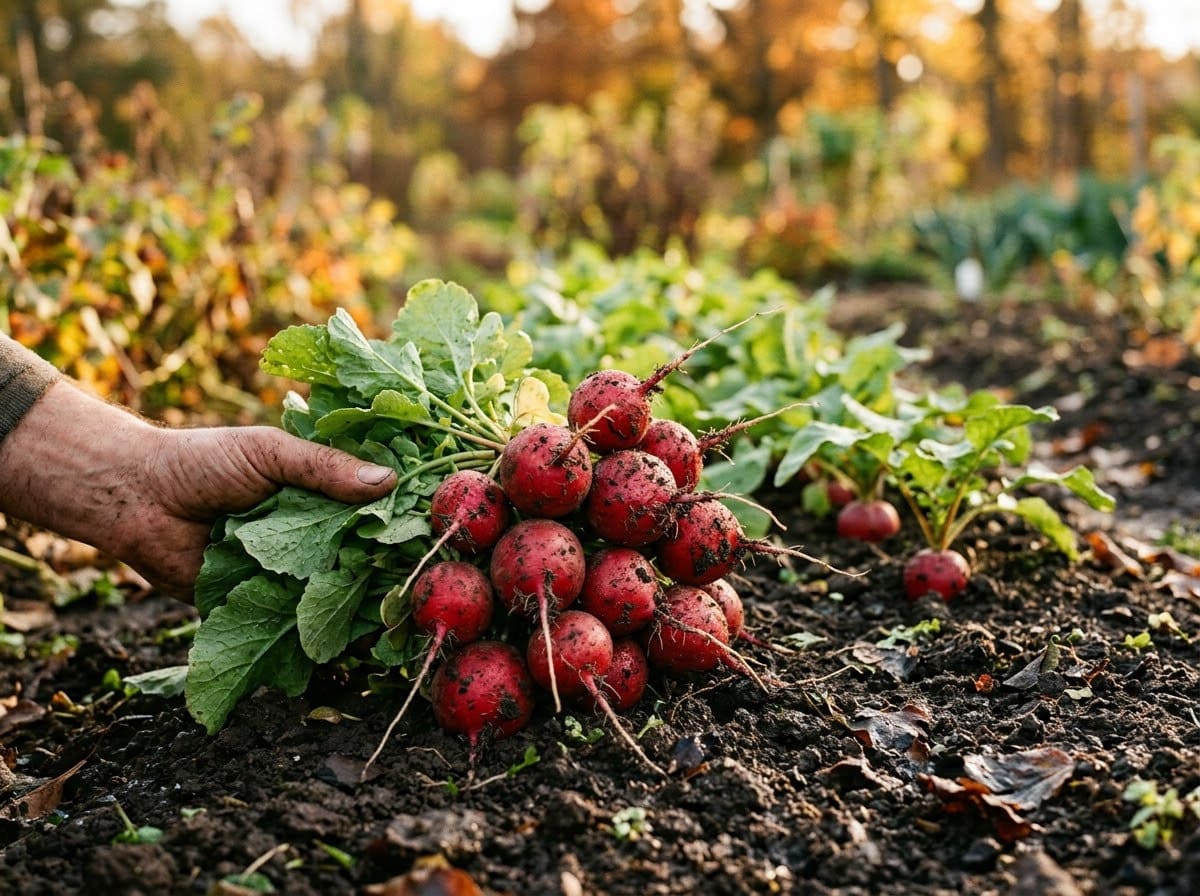
Radishes are the fastest root crop you can sow now. Count on 24 to 35 days, depending on variety and weather. They survive down to about 20°F.
They suit Zones 7 to 11, and Zone 8 should sow them early in the month. Sow a short row and repeat every week or so. That way you aren’t swamped with 40 radishes at once.
Here’s a trick we like. Treat the first radish row as a test. If it sizes up well, your soil and timing are good for slower roots like carrots and beets.
Cover with fabric if a hard frost is forecast.
5. Kale
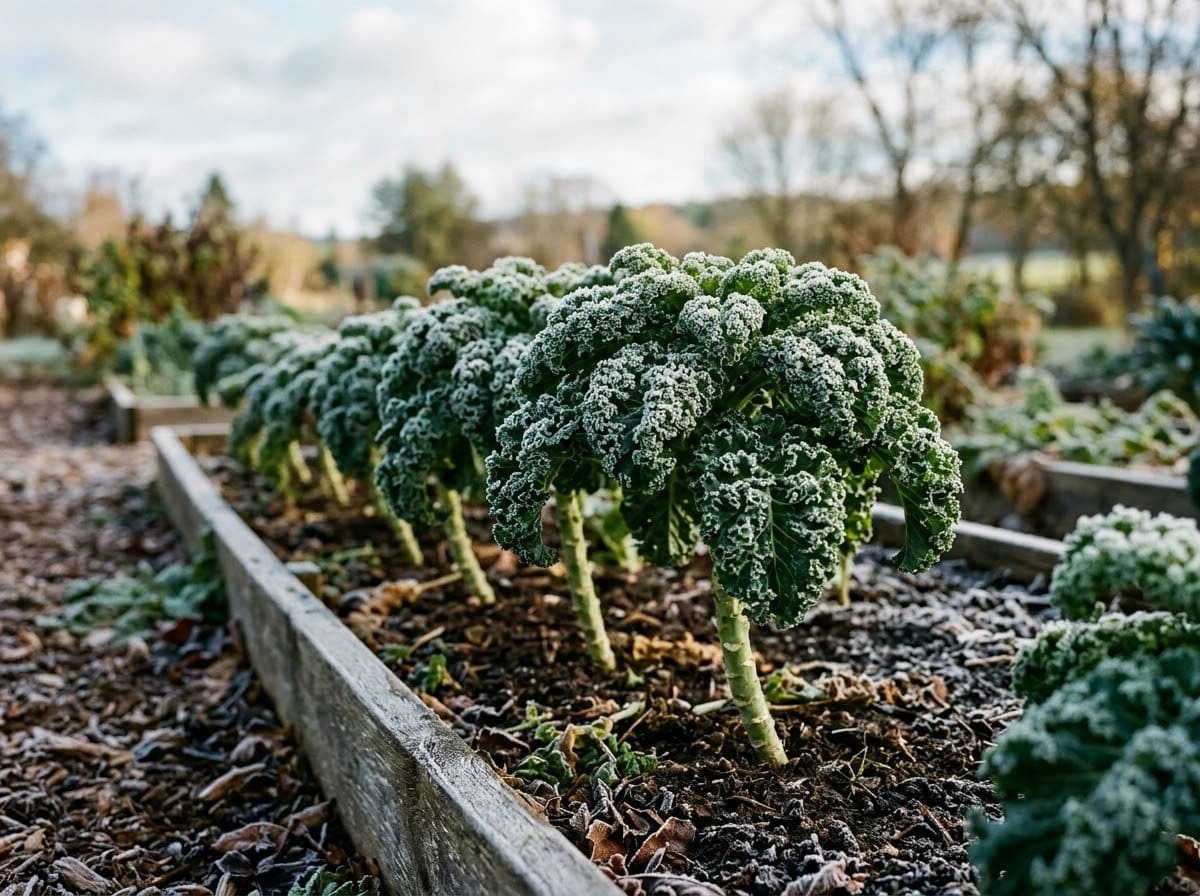
Kale is the safe bet for almost any zone. It needs 50 to 80 days and gets sweeter after frost. It’s hardy to about 20°F.
Transplants are the smart move in Zones 10 and 11, and in any zone once the month is half over. They save you several weeks over seed. In colder zones, sow early or buy starts and plant them right away.
Pick the lower leaves and leave the top. The plant keeps growing in cool weather. Mulch around the base if the nights turn cold.
We’d rank kale as the best “low drama” crop on this list. If you’re nervous about frost timing, start here.
6. Carrots
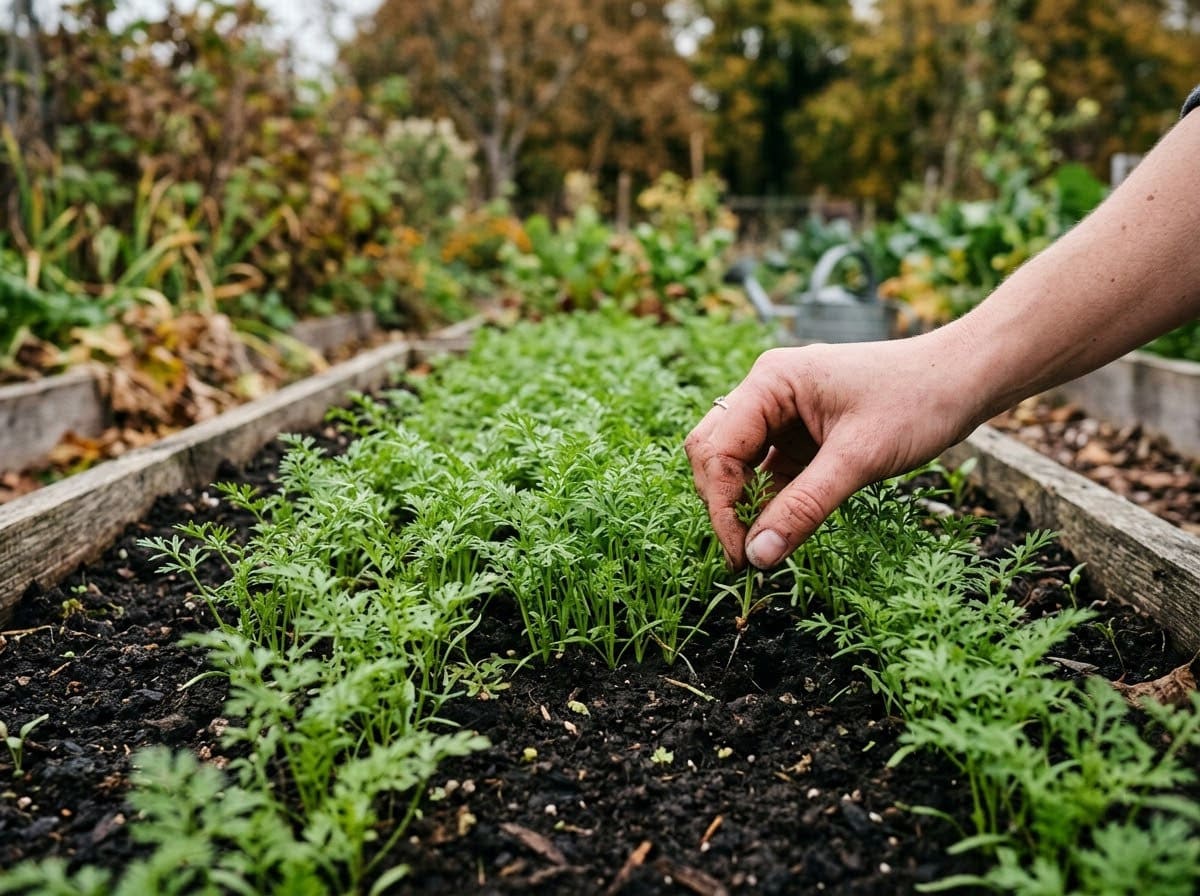
Carrots reward patience. They need 57 to 65 days and can overwinter with a mulch cover. Direct sow them in Zones 9 to 11 this month.
Nine weeks is a long time. In colder zones, you’d need that much mild weather, and that’s a stretch. We’d call a Zone 7 or 8 carrot sowing in October a gamble, not a plan.
Keep the soil surface moist until the seed sprouts. Thin seedlings as they grow. Our list of vegetables that grow underground has more root ideas.
7. Beets
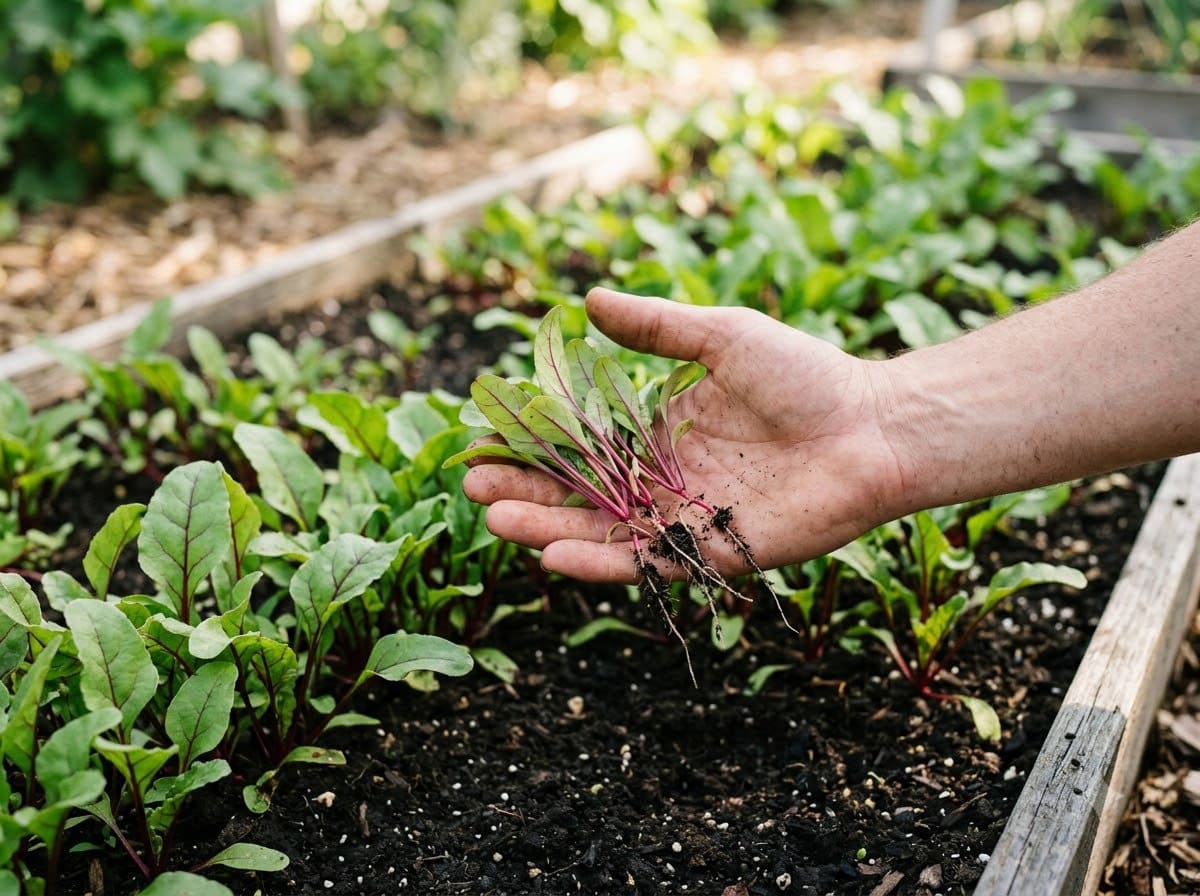
Beets are another warm-zone root. They need 50 to 70 days, and the Zone 9 to 11 window is where they work best. A second list agrees, and puts beets in Zones 9 and up.
In colder zones, the window has already closed. Save your seed for spring.
You can eat the thinnings as greens, which makes beets a two-for-one crop. Sow a few seeds every couple of weeks while the weather allows. Mulch lightly to keep the soil from drying out.
8. Peas
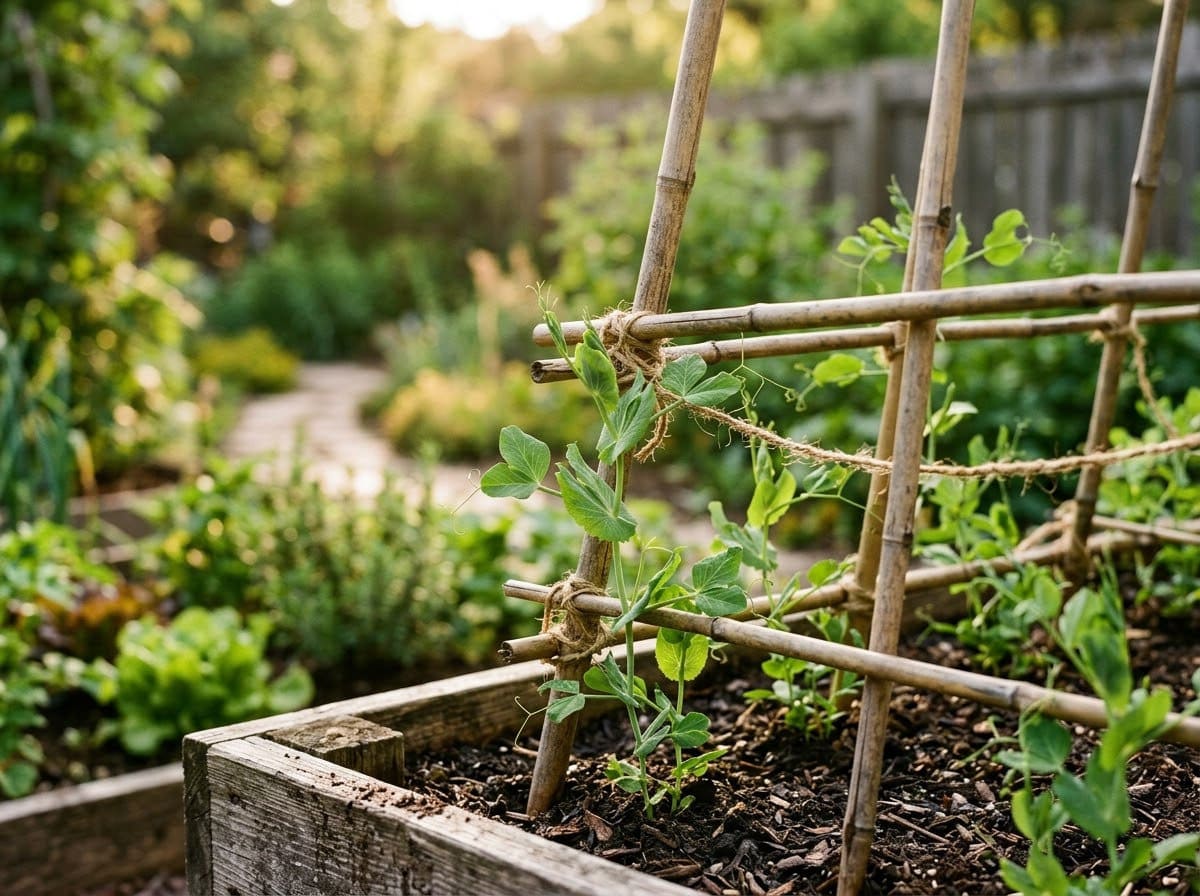
Peas like cool, damp weather. They need about 60 days, so plant them 6 to 8 weeks before frost. Timing is everything with this crop.
In Zones 8 to 11, sow at the start of October. In Zones 10 and 11, add fava beans. In Zone 8, the window shrinks fast after the first week.
Fall peas also face fewer pest problems than spring ones. That’s a nice bonus.
Give vines a trellis from day one. Our raised bed guide helps with drainage, which peas need.
9. Broccoli
Broccoli needs time, so use transplants. It takes about 80 days, so plant early in October, in warm zones only. A hard freeze kills the crown.
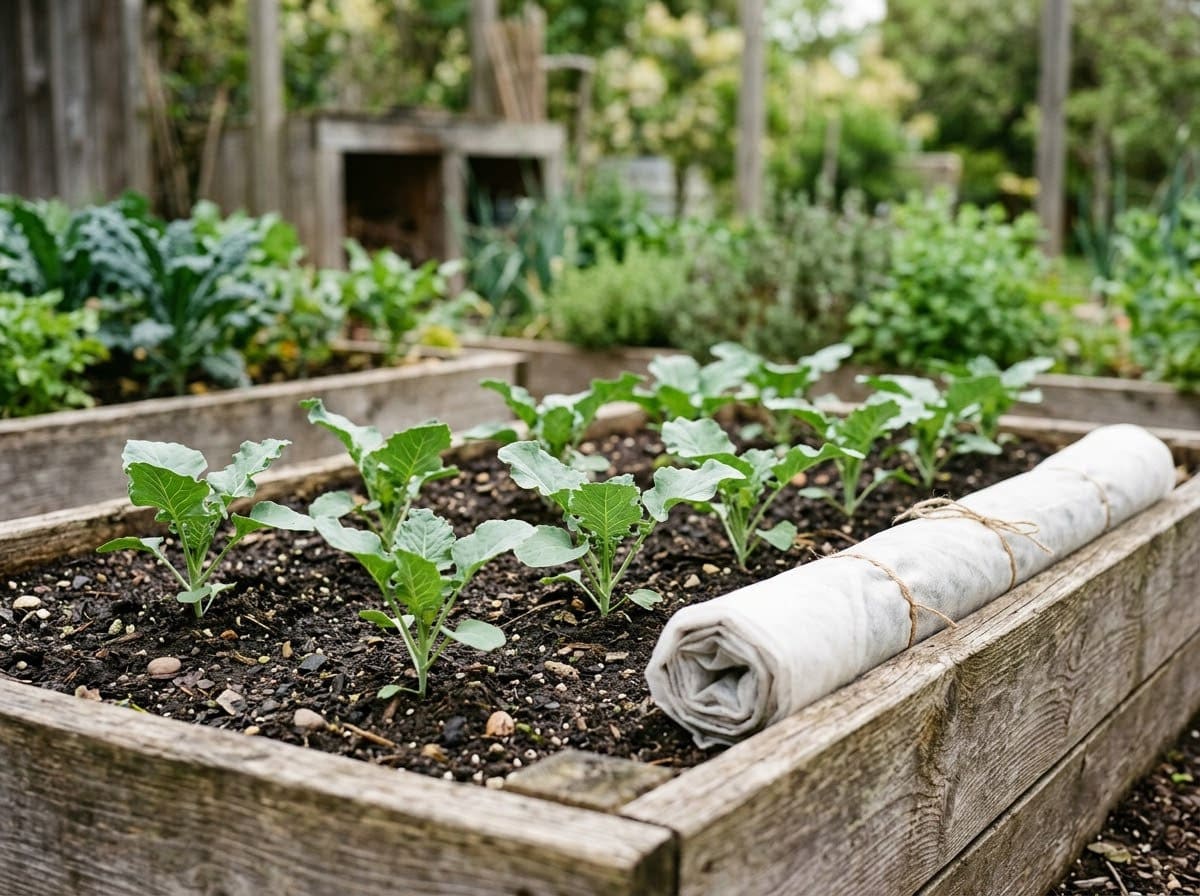
Set out brassica transplants in Zones 9 to 11, and hardy ones early in the month in Zone 8. Cabbage, cauliflower and kale follow the same rules. Cauliflower needs 8 or more hours of sun a day.
Here’s our rule of thumb. Count back 12 weeks from your first frost. If today is after that date, pick a faster crop.
Set transplants in rich soil and cover on frosty nights. Cold frames help cauliflower in particular. Expect a long wait, but a big payoff.
10. Bok Choy and Asian Greens
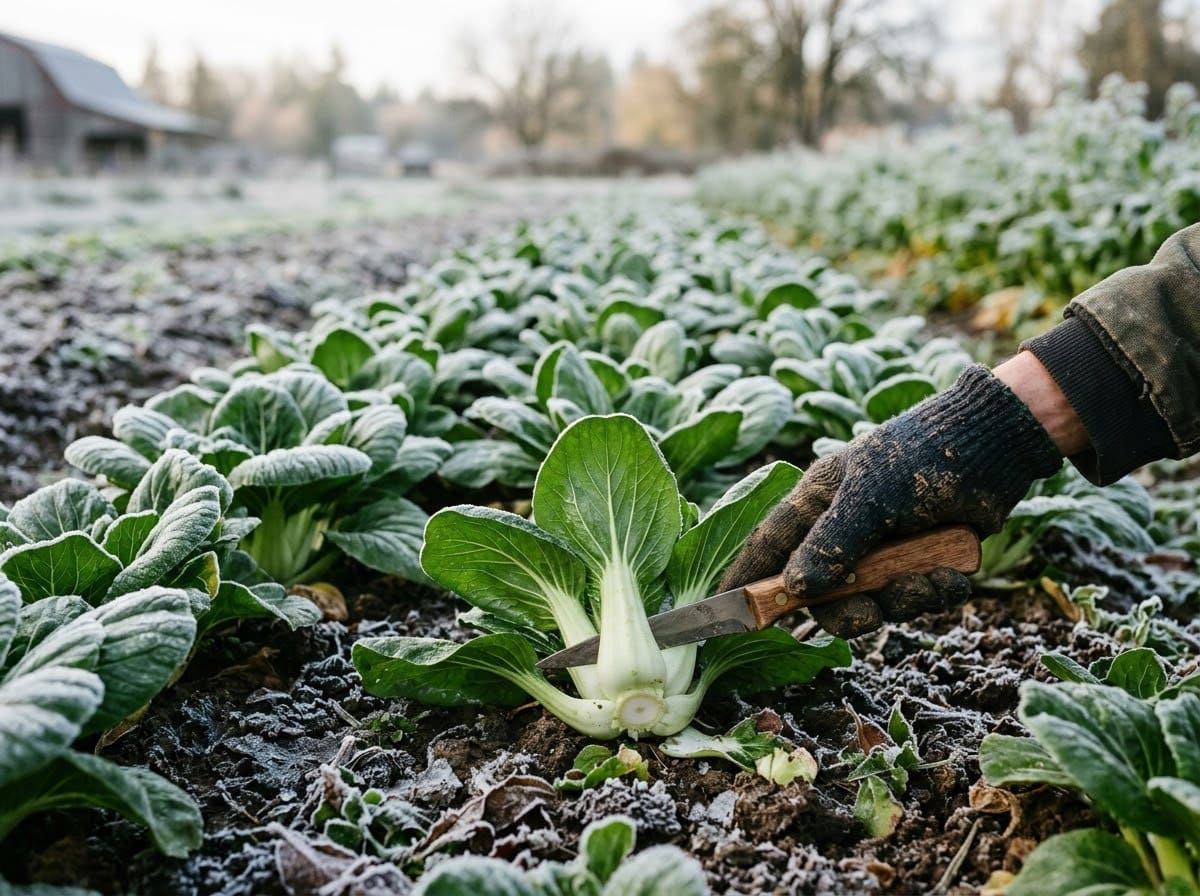
Bok choy is quick and tolerant. It needs about 30 days and survives overnight frosts. Sow it in early October in Zone 8, and directly in Zone 11.
Sow in a sunny or lightly shaded spot and keep the soil damp. Cut leaves young for the best texture.
In Zones 7 and 8, a low tunnel gives you extra weeks. Our guide to the fall salad garden shows how to mix bok choy with lettuce and other greens.
For a quick win, sow bok choy alongside your radishes. Both are ready in about a month.
How Do You Protect October Plantings?
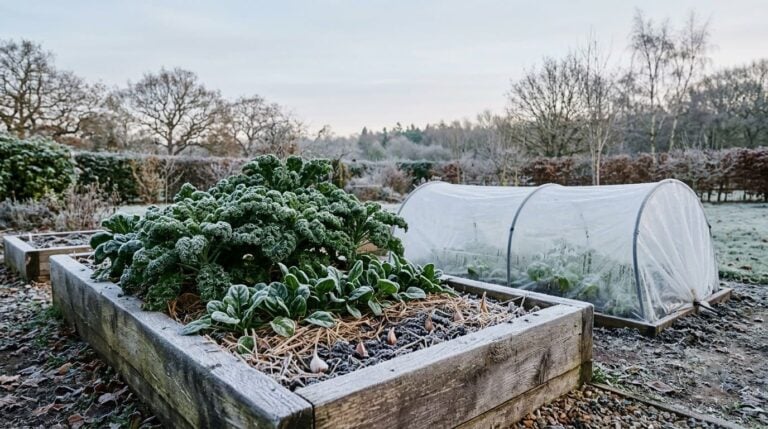
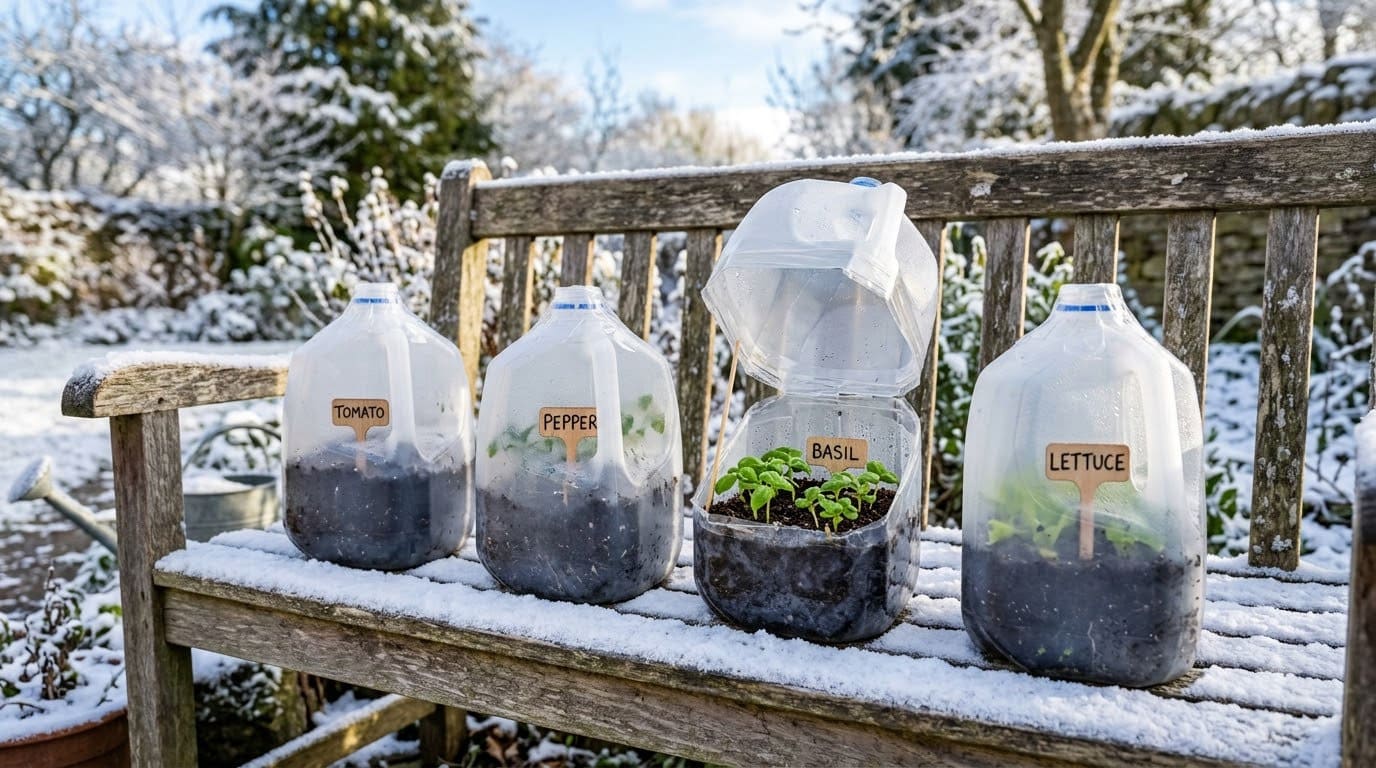
Cover is cheap insurance. A cold frame with clear plastic can run 10 to 15°F warmer than the air outside.
Light row cover on its own adds little. Use it as an inner layer under plastic, or by itself for a mild frost. It also protects crops from frost damage on the first cool nights.
Venting matters. Vent on sunny days above 45°F and close up before sunset. During extreme cold below 15°F, don’t vent unless the sun is strong.
Mulch helps too. Spread straw or shredded leaves around young spinach, carrots and garlic.
It holds moisture and softens temperature swings. Our winter garden tips have more budget protection ideas.
What Else Can You Plant in October?
These didn’t make the top 10, but they’re worth a look.
| Crop | What to know |
|---|---|
| Arugula | About 30 days, tolerates frost, direct-sow in Zones 9 to 11 |
| Turnips | 30 to 60 days, survive to about 15°F, and fall-planted roots reportedly taste better |
| Swiss chard | 50 to 60 days, cold-tolerant |
| Cabbage | 60 to 90 days, handles frost as a mature plant |
| Onions | Zones 5 to 10, mulch in cooler zones |
| Fava beans | Zones 10 and 11 in October |
| Cilantro and parsley | Zone 10 in October |
What Should You Do in Zones 3 to 6?
Don’t force it. In Zone 6, most new sowings are too late. In Zone 4, outdoor sowing is over.
Spend the month protecting and harvesting. Mulch beds, harvest roots and greens before hard freezes, and set up cold frames or row covers.
And plant garlic. It’s the one crop that works for cold zones in October, because it roots in fall and grows in spring. Our fall garden cleanup checklist helps you tidy beds first.
How Much Does October Planting Cost?
October planting is cheap. You mostly need seed, a few transplants and some mulch.
| Budget tier | What you get | Best for |
|---|---|---|
| DIY-cheap | Seed packets, garlic cloves, leaf or straw mulch, old sheets for frost | Zones 3 to 11, garlic and fast greens |
| Moderate | Transplants, fabric row cover, hoops | Zones 7 to 10 brassicas and peas |
| Bigger investment | A cold frame or low tunnel | Zones 5 to 8 extended harvests |
What We Learned the Hard Way
The mistake most people make is trusting a zone range and ignoring the calendar. A plant can be hardy to your zone and still not finish before cold arrives. Do the weeks math first.
Another trap is sowing everything on one day. Radishes and lettuce come ready together, and then it’s too much and then nothing. Sow small amounts every week or two.
And watch the weather. A warm spell makes seedlings grow fast and tender, and a hard frost can hit them hard. Keep row cover handy and use it.
If there’s one thing worth doing differently, it’s to write your sowing dates on a tag. Next year you’ll know exactly what worked.
What Does an October Planting Plan Look Like?
Here’s an easy rhythm for the month.
- Week 1: Check your first frost date. Sow lettuce, spinach, radishes and Asian greens in Zones 7 to 11, and set out brassica transplants.
- Week 2: Sow peas and fava beans where they fit. Sow beets and carrots in Zones 9 to 11.
- Week 3: Plant garlic in cold zones. Sow another round of radishes and lettuce.
- Week 4: Mulch garlic and root beds. Set up row covers or a cold frame before the first frost.
Frequently Asked Questions
Can you plant vegetables in October?
Yes. In Zones 9 to 11 you can sow a wide range of crops.
In Zones 7 and 8, sow fast crops early in the month. In colder zones, plant garlic.
What is the best vegetable to plant in October?
Garlic works in the widest range of zones. For quick results, lettuce, spinach and radishes are hard to beat.
Is October too late to plant in Zone 6?
For most crops, yes. Most new sowings in Zone 6 are too late. Garlic is the exception, and cold frames can extend existing crops.
How do I know if a crop will finish before frost?
Count the weeks until your first frost date, then compare that with the crop’s days to maturity. Lettuce and radishes need about four weeks. Broccoli needs more than eleven.
Should I sow in rows or blocks in fall?
Either works. Sow fast crops like radishes and lettuce in short rows so you can repeat them every week or two. Succession planting every one to two weeks gives you staggered harvests.
Do I need to water in October?
Keep seeds and transplants evenly moist until they’re established. Cool weather slows evaporation, but dry fall spells still happen. Mulch cuts down on how often you need to water.
Where do I find my USDA zone?
Use the USDA Plant Hardiness Zone Map and enter your ZIP code. Remember that zones show winter lows, not frost dates.
Products We Recommend
This post contains affiliate links. We may earn a commission on qualifying purchases at no extra cost to you.
Agfabric 10 x 50 ft Floating Row Cover Frost Blanket (1.2 oz)
Lightweight frost cloth to drape over spinach, lettuce and brassicas on the first frosty nights.
Shop Now
Kikhope Trellis Netting, 3 Packs, 5 x 15 ft
Heavy-duty polyester netting that gives pea vines something to climb in a raised bed.
Shop Now
Jardineer Long Handle Bulb Planter Tool
Digs uniform planting holes for garlic cloves and transplants without bending.
Shop NowNever miss an update — choose FarmFoodFamily as your preferred source on Google.
How it works: Tap the button below to open Google's settings page, then check the box next to FarmFoodFamily.
Tap the checkbox to turn it blue — that's how you know it's set.