20+ Stunning Rectangle Pool With Tanning Ledge Ideas for Luxury (Real Furniture Cost)
Most tanning ledge articles show you the finished photo and stop. Nobody mentions that purpose-built ledge furniture typically runs $1,000 to $2,500, and it’s one of the most commonly regretted purchases pool owners make, or that the shallow water on a ledge runs noticeably warmer than the rest of the pool from sitting in direct…


Never miss an update — choose FarmFoodFamily as your preferred source on Google.
How it works: Tap the button below to open Google's settings page, then check the box next to FarmFoodFamily.
Tap the checkbox to turn it blue — that's how you know it's set.
Most tanning ledge articles show you the finished photo and stop. Nobody mentions that purpose-built ledge furniture typically runs $1,000 to $2,500, and it’s one of the most commonly regretted purchases pool owners make, or that the shallow water on a ledge runs noticeably warmer than the rest of the pool from sitting in direct sun all day. This one covers both the design ideas and that honest reality.
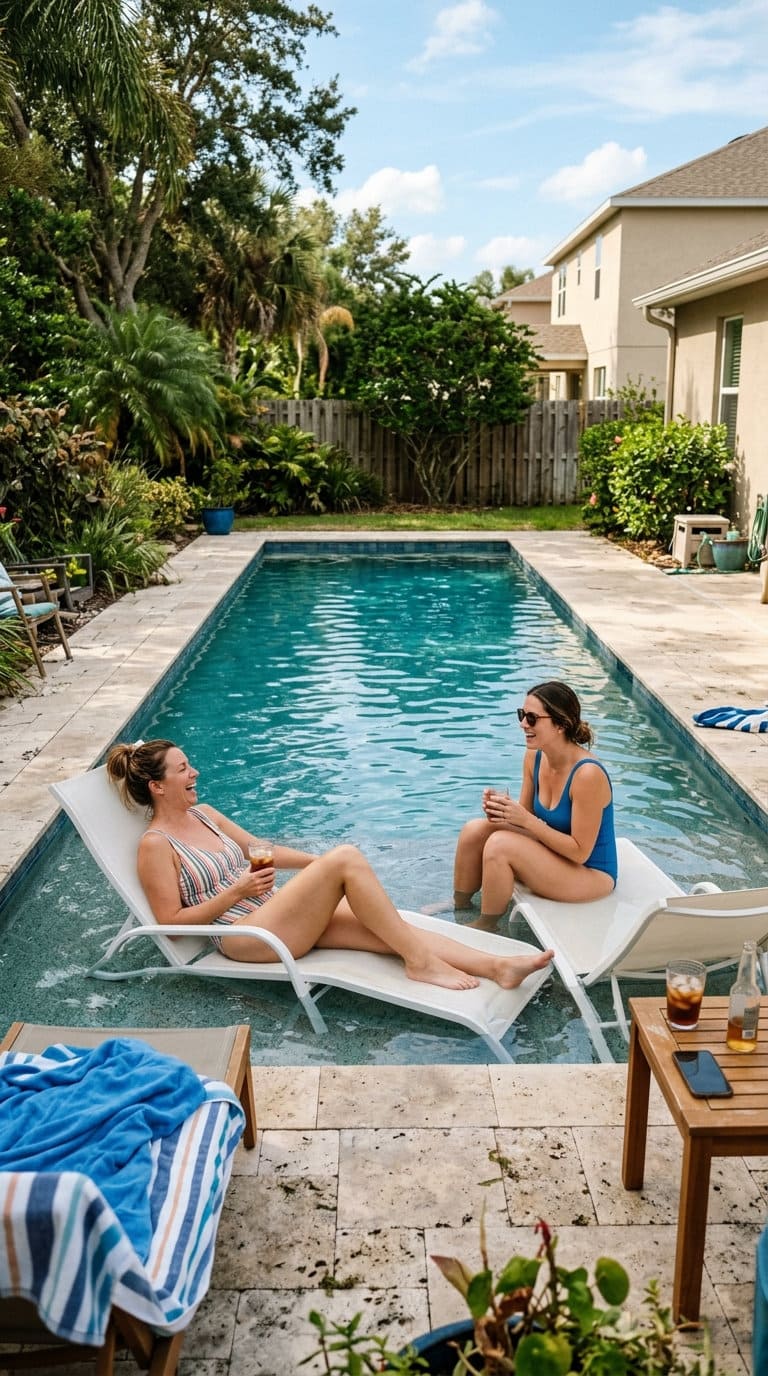
Rectangle Pool with Tanning Ledge Ideas
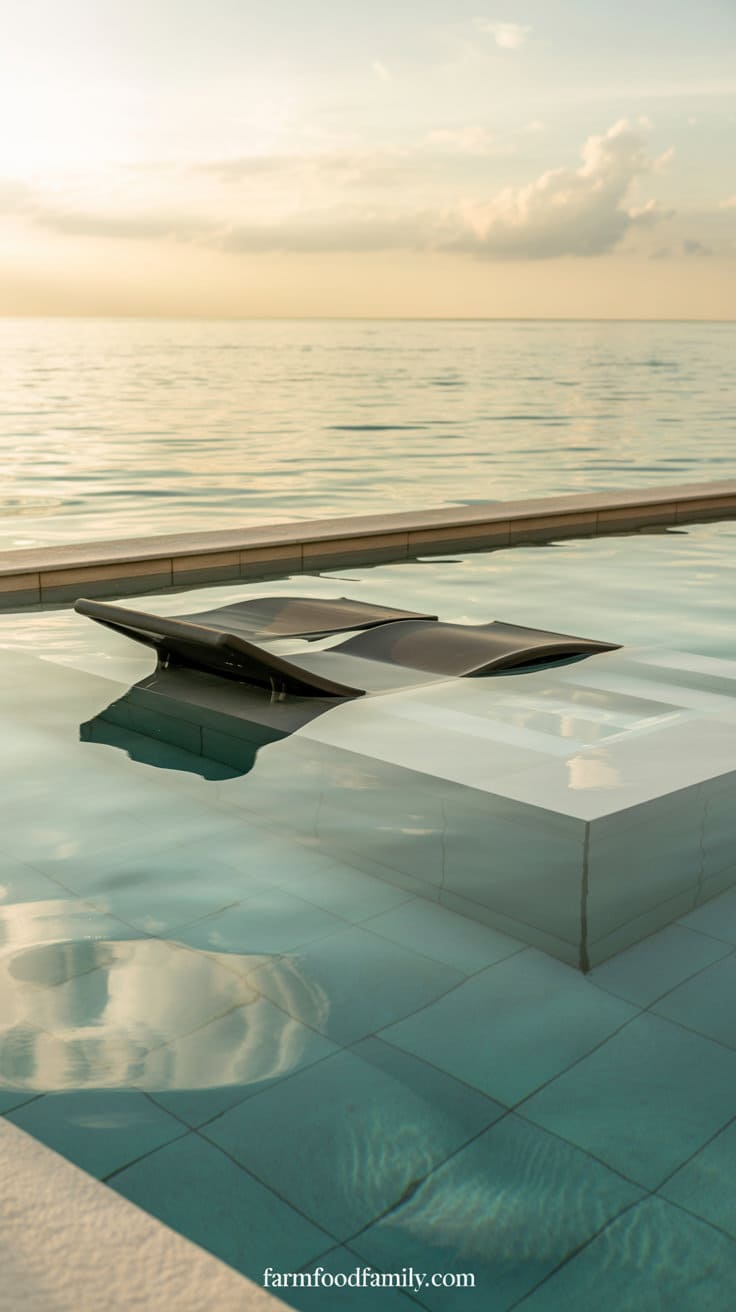
1. Minimalist Pool with Full-Width Ledge and Sun Shelf Loungers
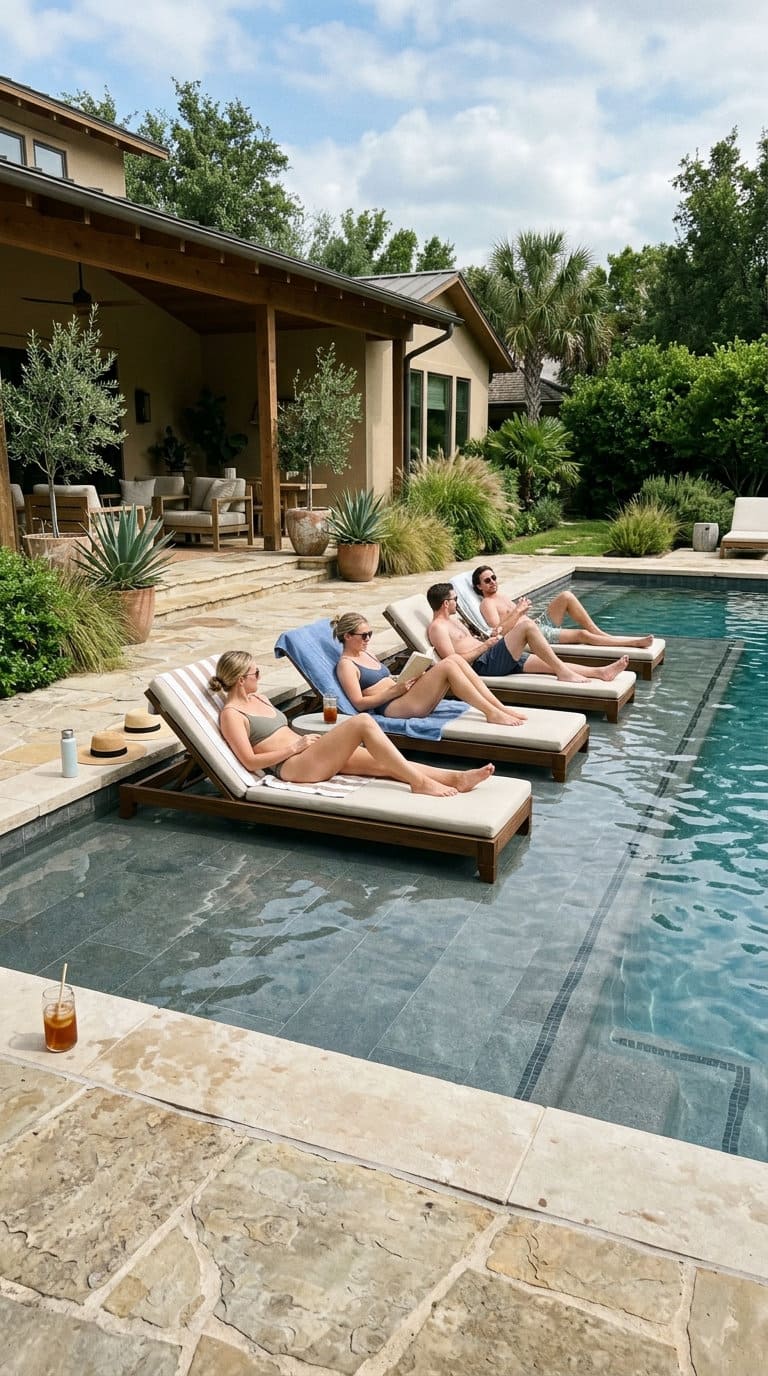
A ledge running the entire width of the pool keeps the design simple and lets multiple loungers sit side by side without crowding.
It’s the most straightforward layout to build and, per real owner reports, one of the most consistently used once furniture is actually chosen to match the ledge’s depth rather than bought after the fact.
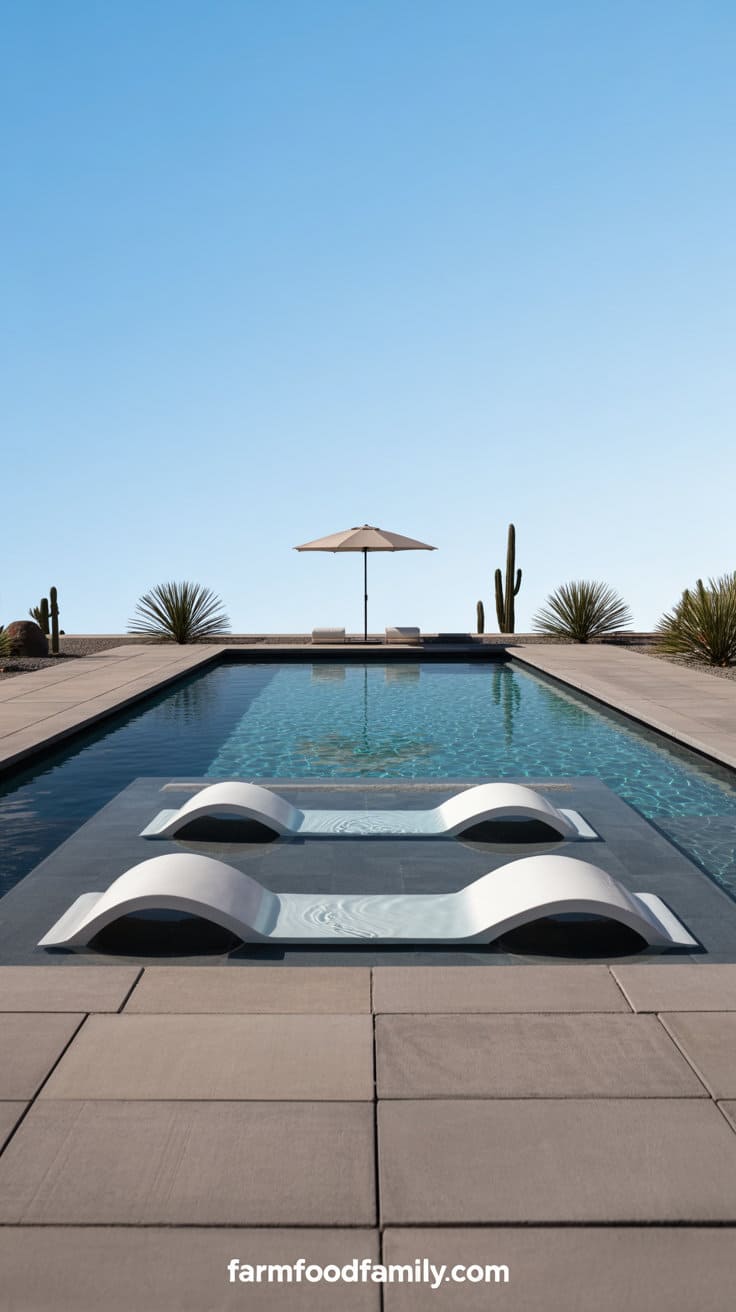
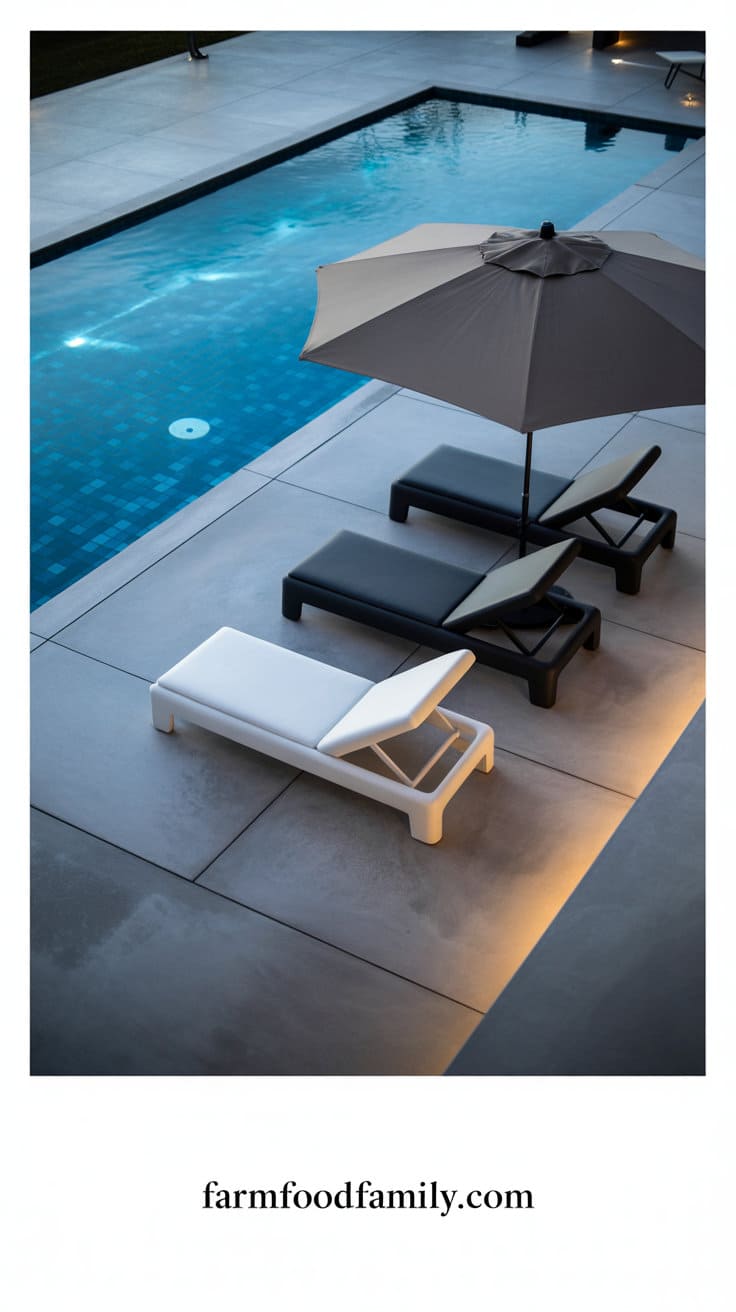
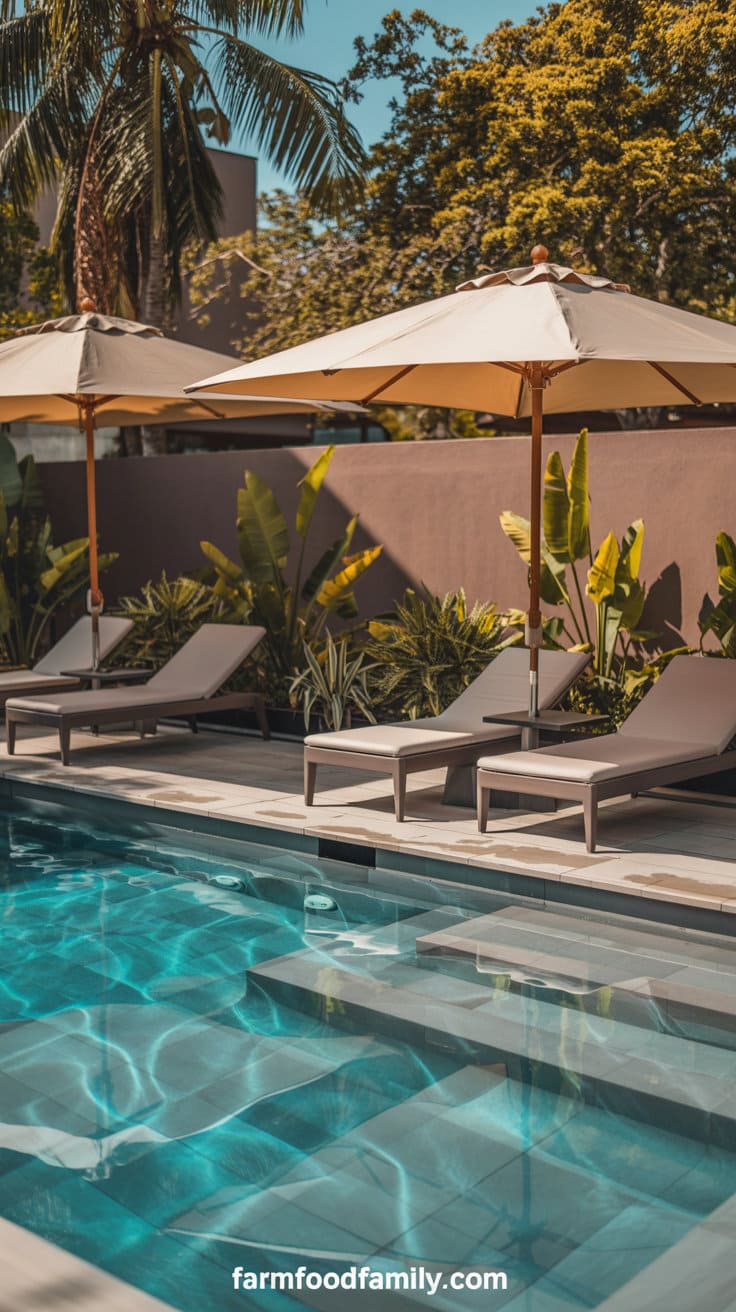
A clean, modern concept starts with a full-width tanning ledge spanning the shallow end of the rectangle pool.
This design allows you to place a few curved in-pool loungers along the ledge, creating a clean area for sunbathing or lounging while half submerged in water.
For a tranquil, modern atmosphere, surround the pool with large-format concrete pavers and minimalist planting such as decorative grasses or cacti.
Answer 4 quick questions and get matched to the exact fix for your yard — drainage, budget, layout, or something else entirely.
Take the Free QuizConsider installing a single, low umbrella mount in the center of the ledge to provide shade without disrupting the sleek lines.


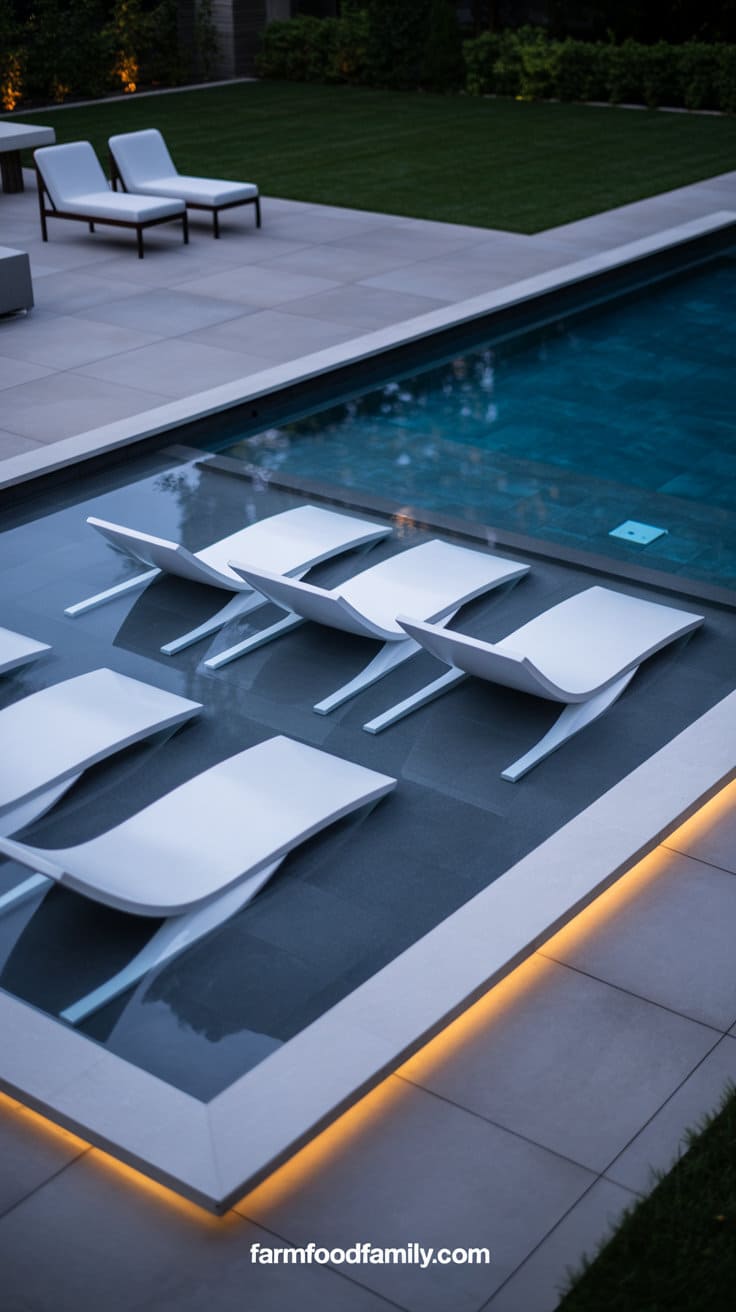
Subtle LED lights embedded beneath the tanning ledge give the water a soft, glowing edge at night. The pool’s symmetry and the ledge’s practical elegance strike a balance between usefulness and modern luxury that you won’t regret going for.
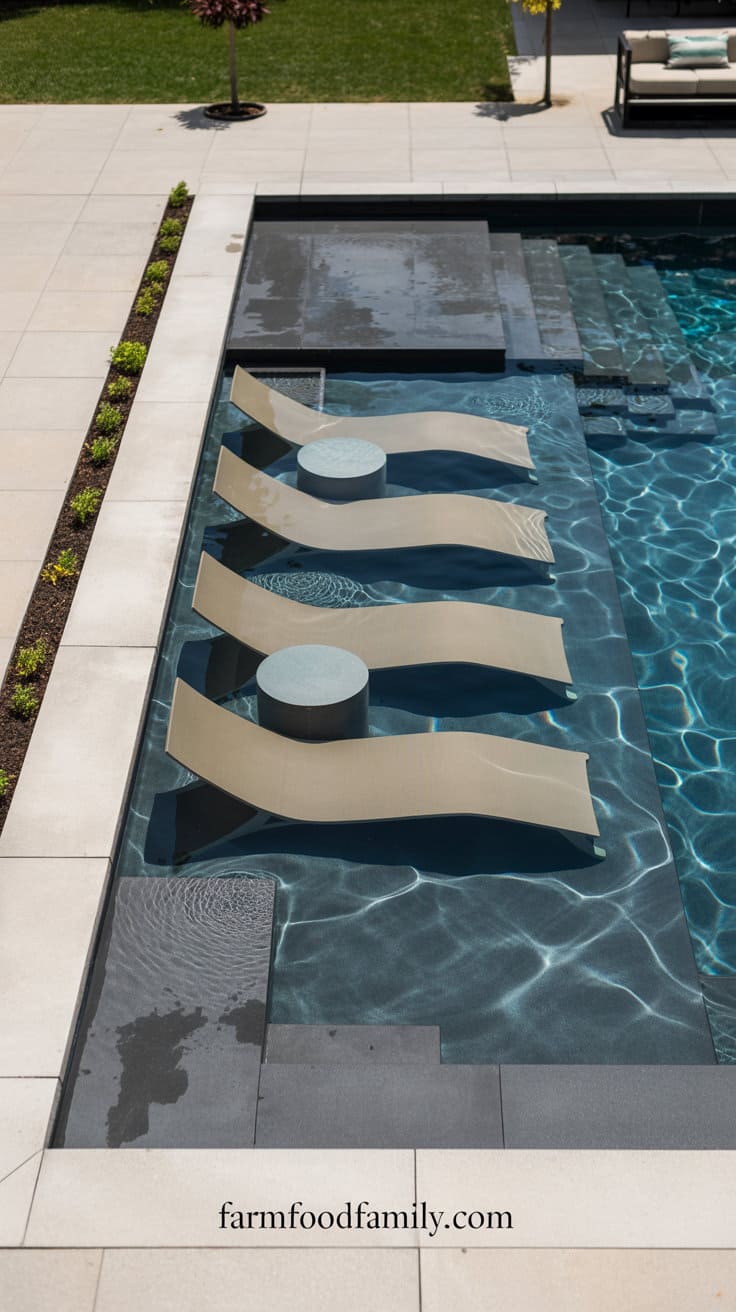
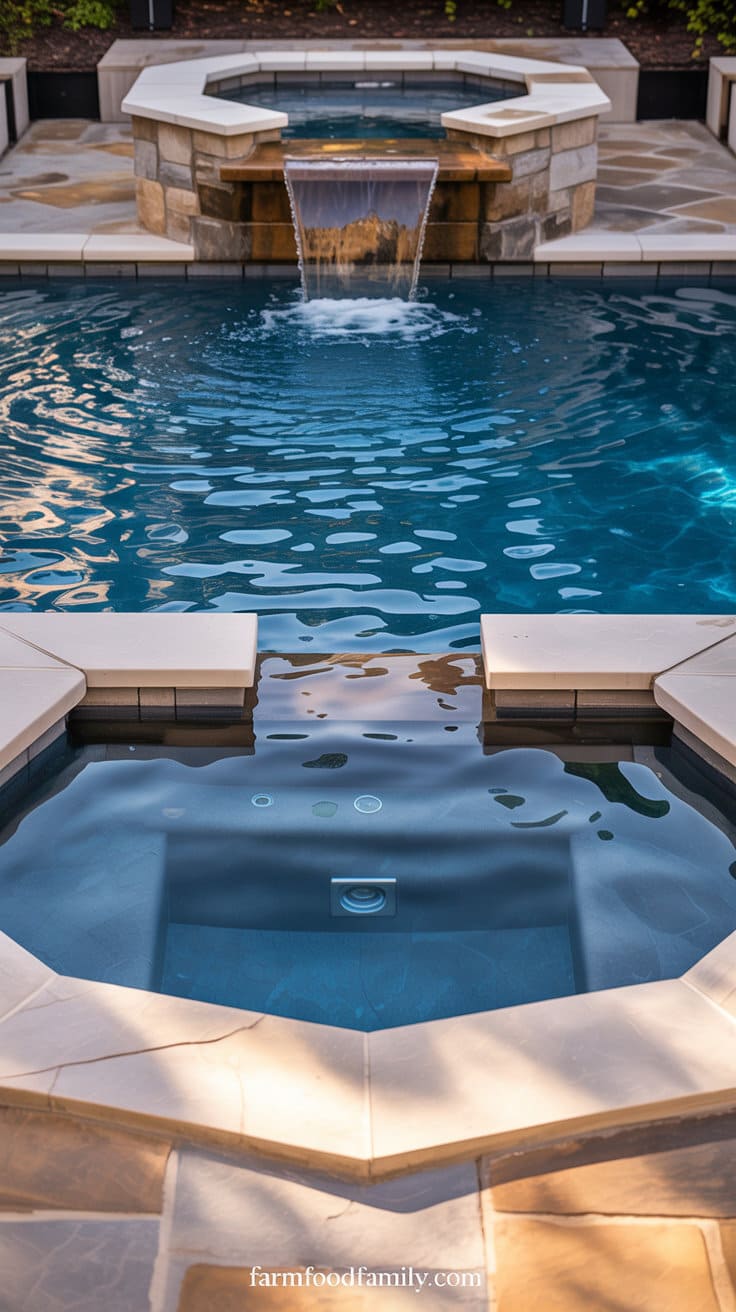
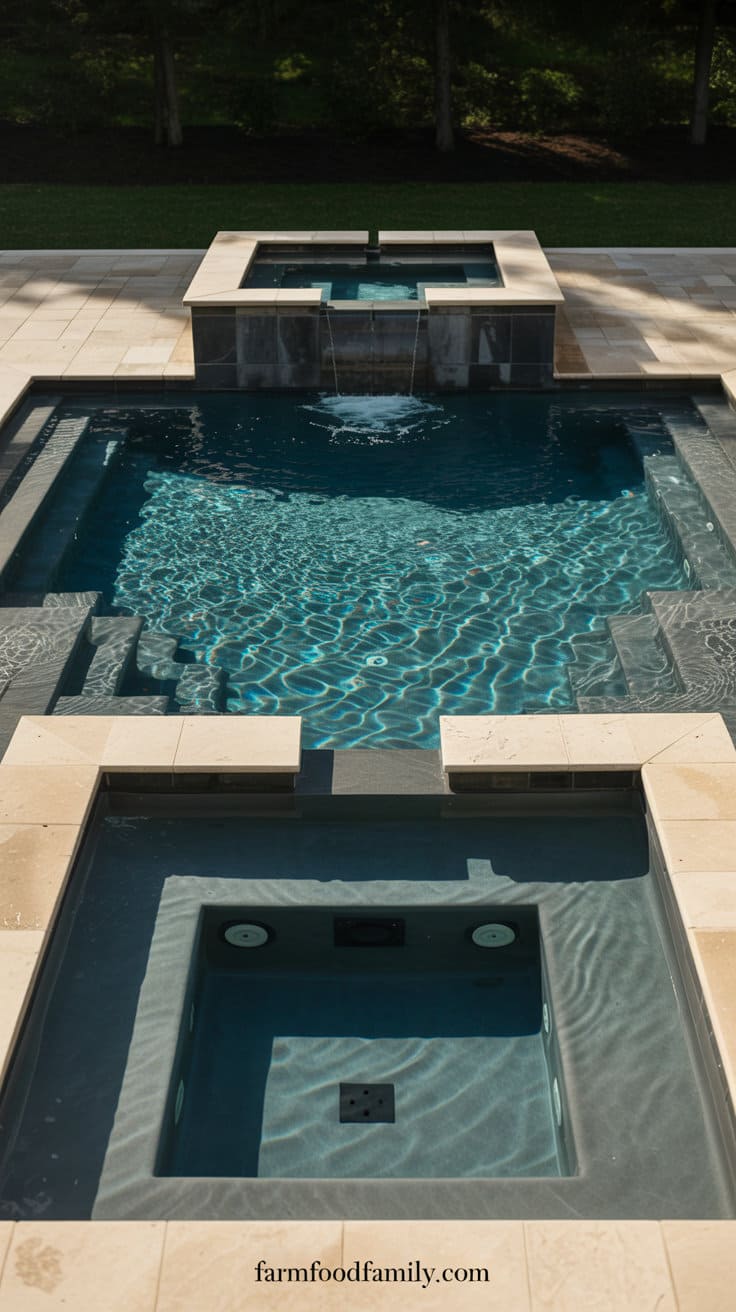
2. Rectangular Pool with Elevated Spillover Spa and Integrated Tanning Ledge
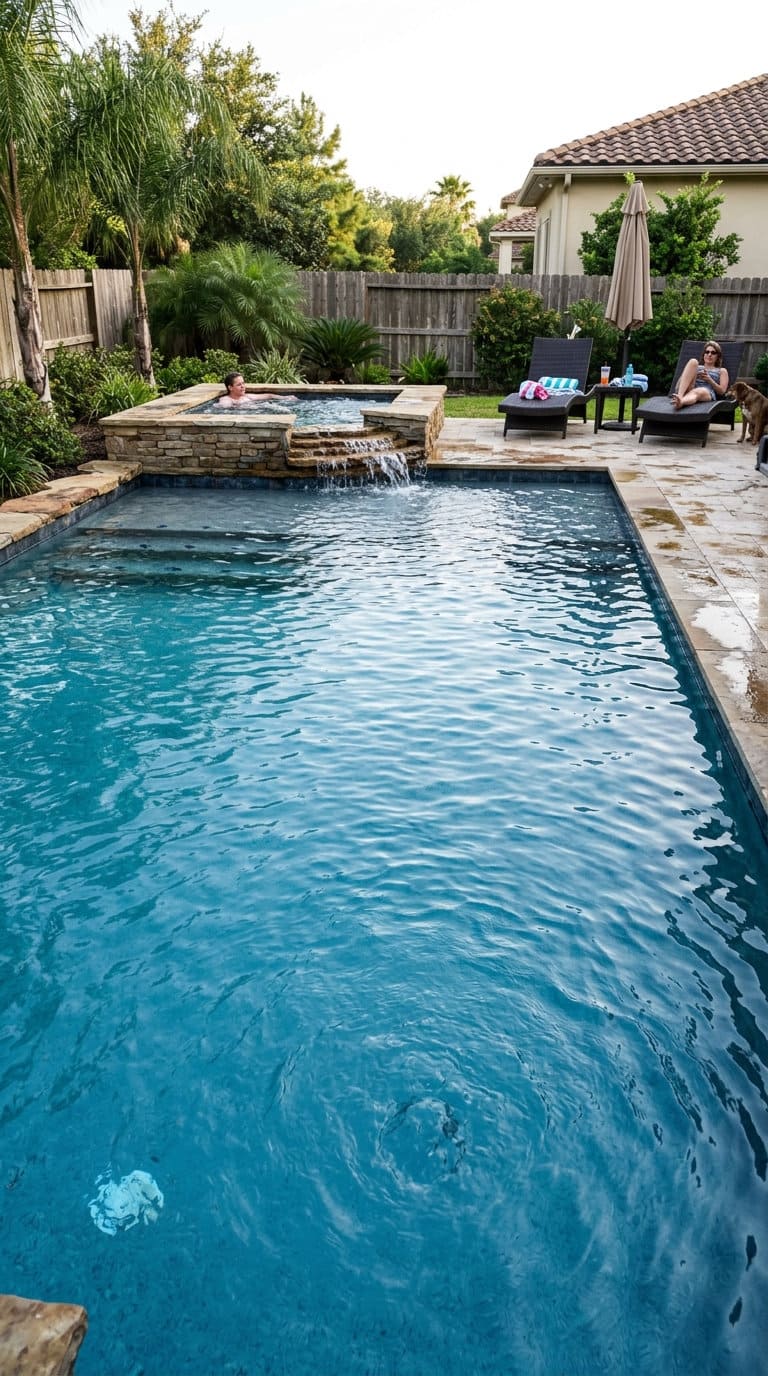
Raising the spa above the ledge and letting it spill over into the shallow water creates a genuine focal point and gives the spillover water somewhere useful to go rather than just circulating back to a pump.
Keep the spillover aimed away from any furniture zone, otherwise loungers end up sitting in a stronger current than intended.
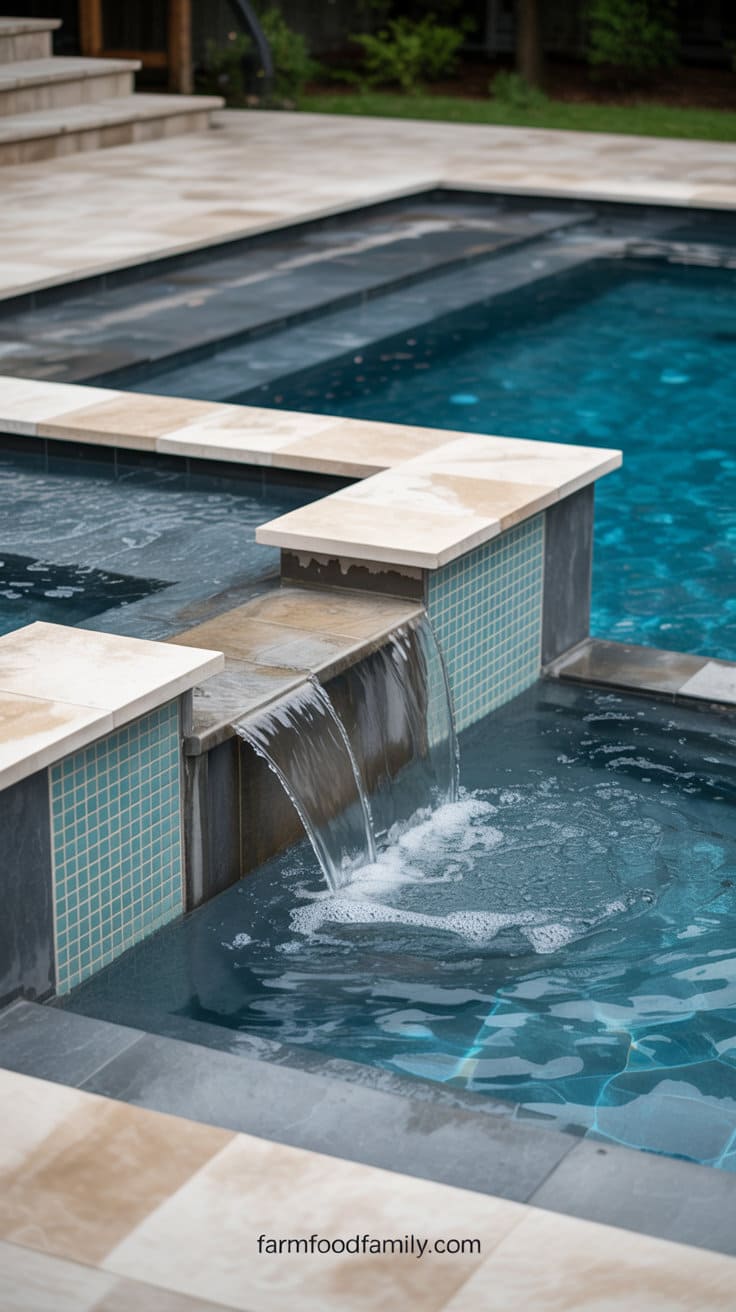
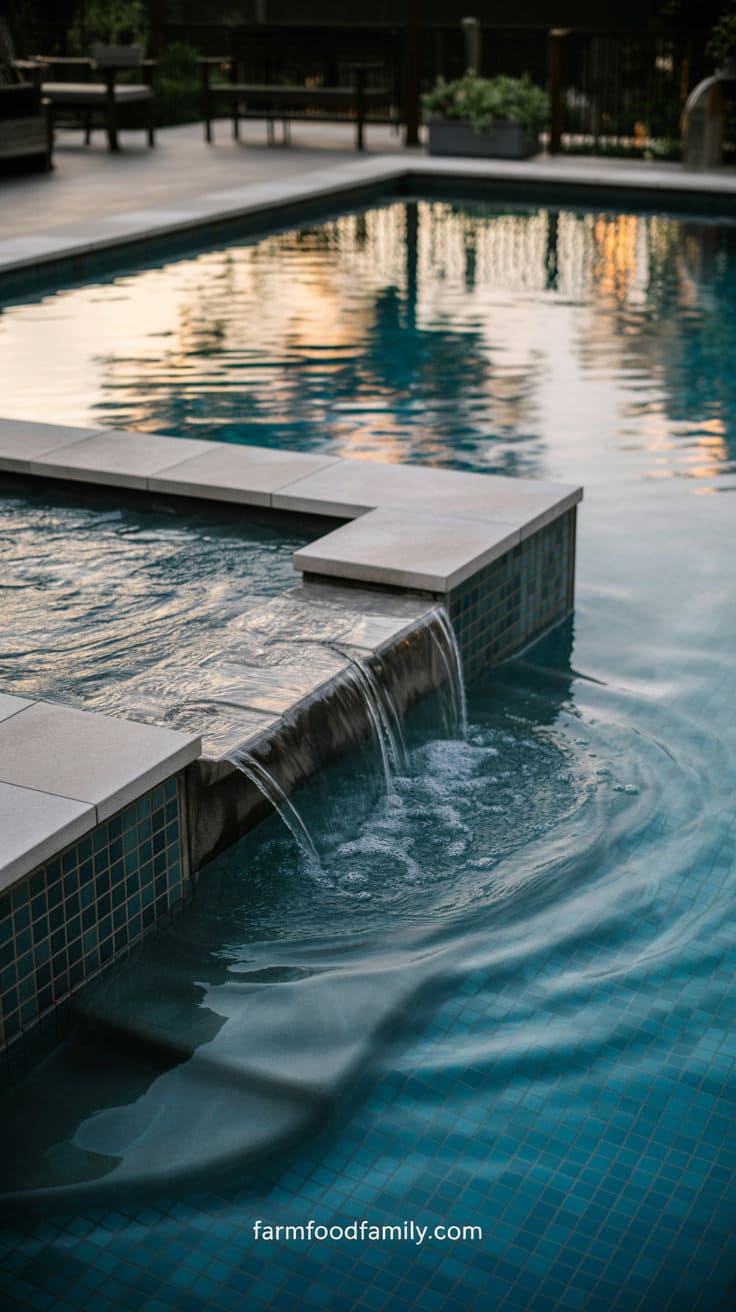
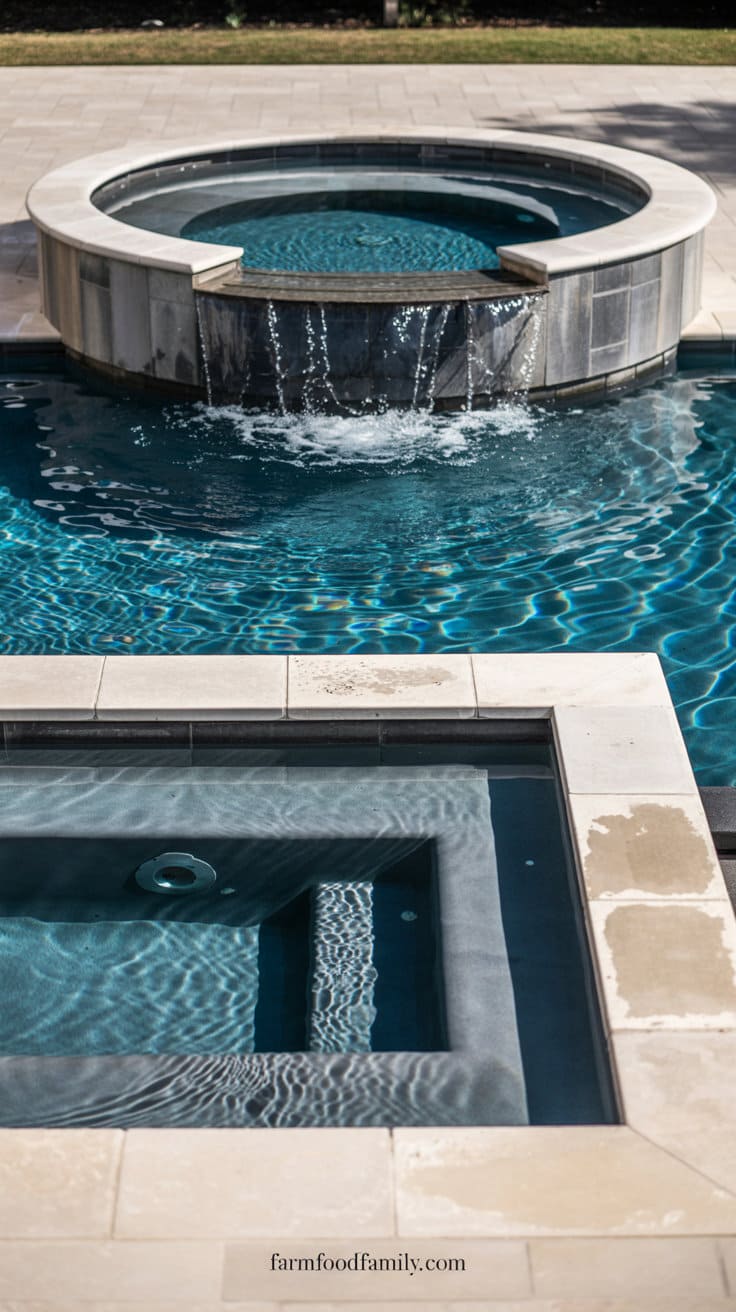
Add depth and layering to your backyard retreat with a rectangular pool that incorporates both a tanning ledge and a raised spa with a waterfall spillover.
The spa sits elevated at one end of the pool and overflows into the tanning ledge, which then gently transitions into the swimming area.
This multi-tiered design creates soothing sounds and visual interest while offering three distinct zones in one footprint.
Most yard problems trace back to one specific, fixable cause. Find yours in 4 quick questions.
Take the Free QuizChoose neutral-toned travertine for the deck and spa surround, and tile the tanning ledge with an aqua mosaic to distinguish the area without overwhelming the palette.
Having a contrast of relaxation in the cool pool to the steamy spa will make it a luxurious relaxation station at home.
This setup allows bathers to alternate between a warm soak, sunbathing, and swimming, making it ideal for both therapeutic and leisurely purposes.
3. Tanning Ledge with Built-In Umbrella Sleeves and Tropical Landscaping
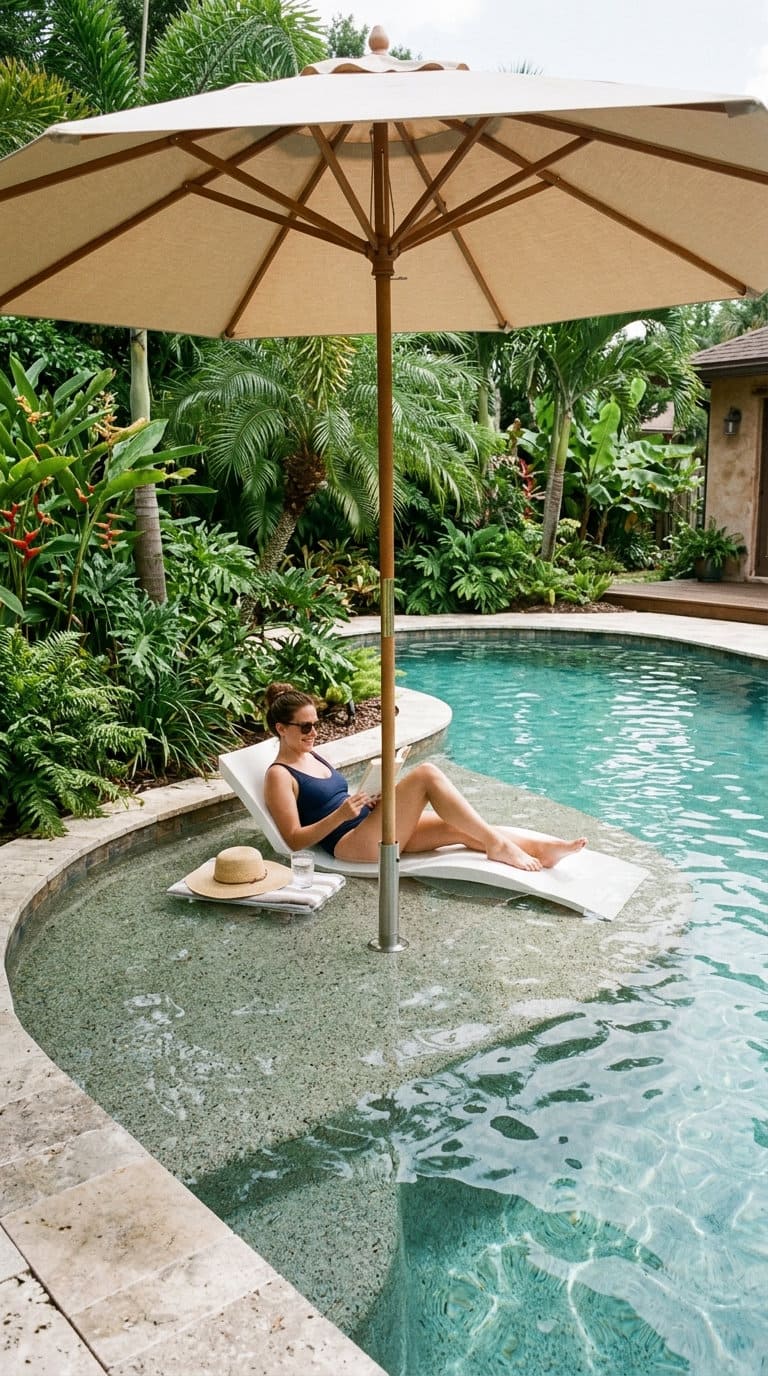
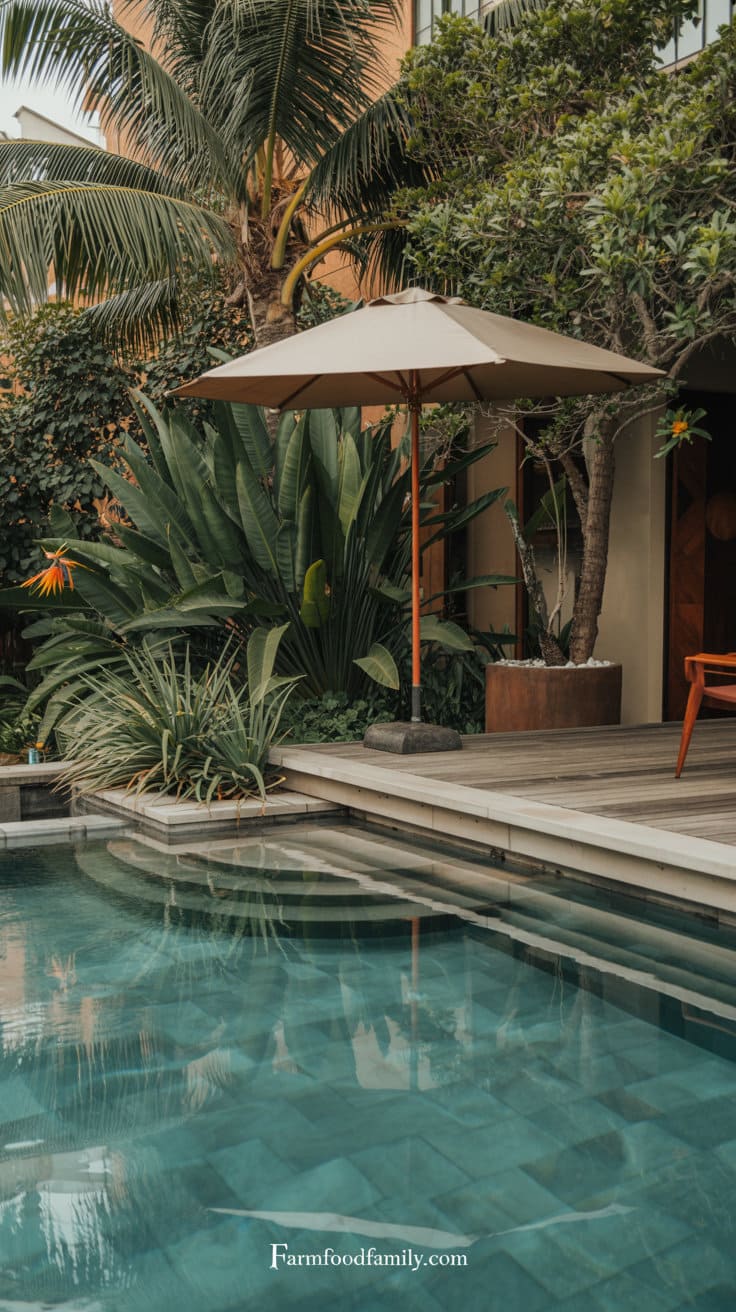
An umbrella sleeve built directly into the ledge, a small tube set into the concrete that a market umbrella slides into, is a cheap detail with an outsized payoff, and it came up repeatedly and specifically in real owner discussion as one of the additions people wished they’d added from the start. Pair it with tropical planting nearby and the ledge reads as a real destination, not just a shallow step.
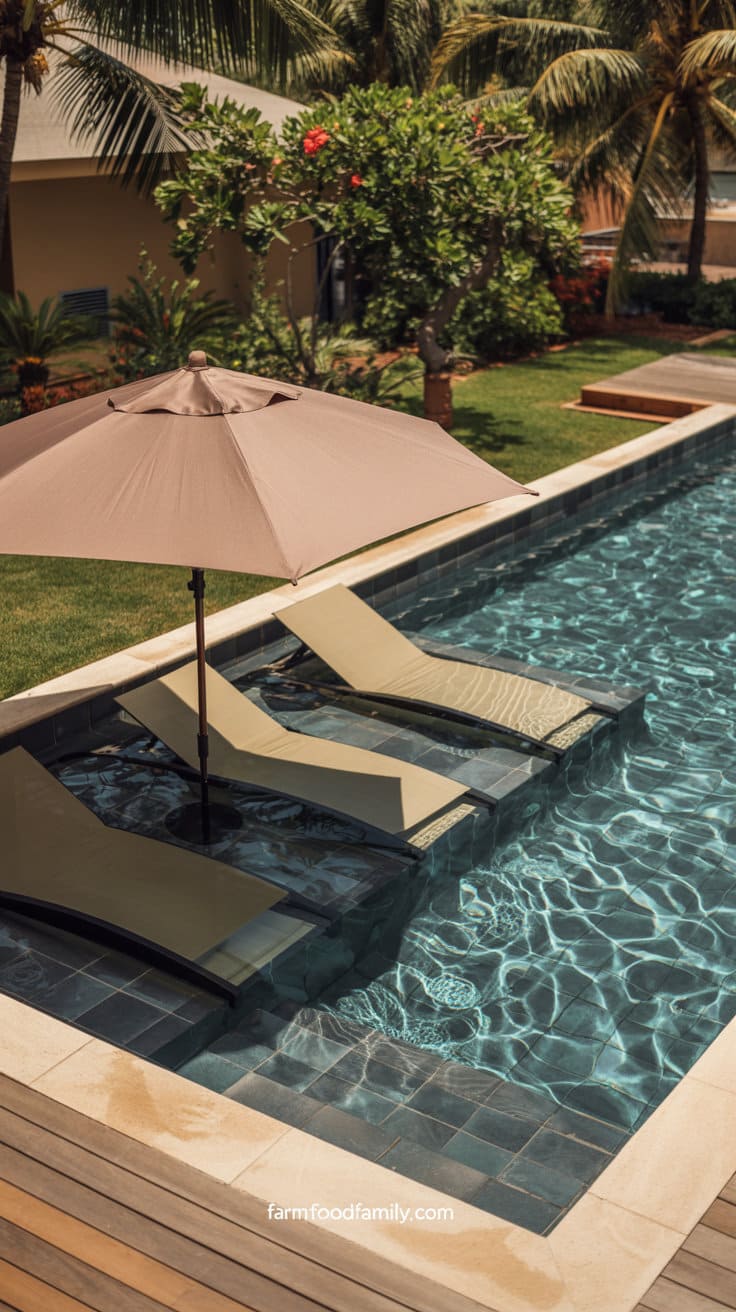
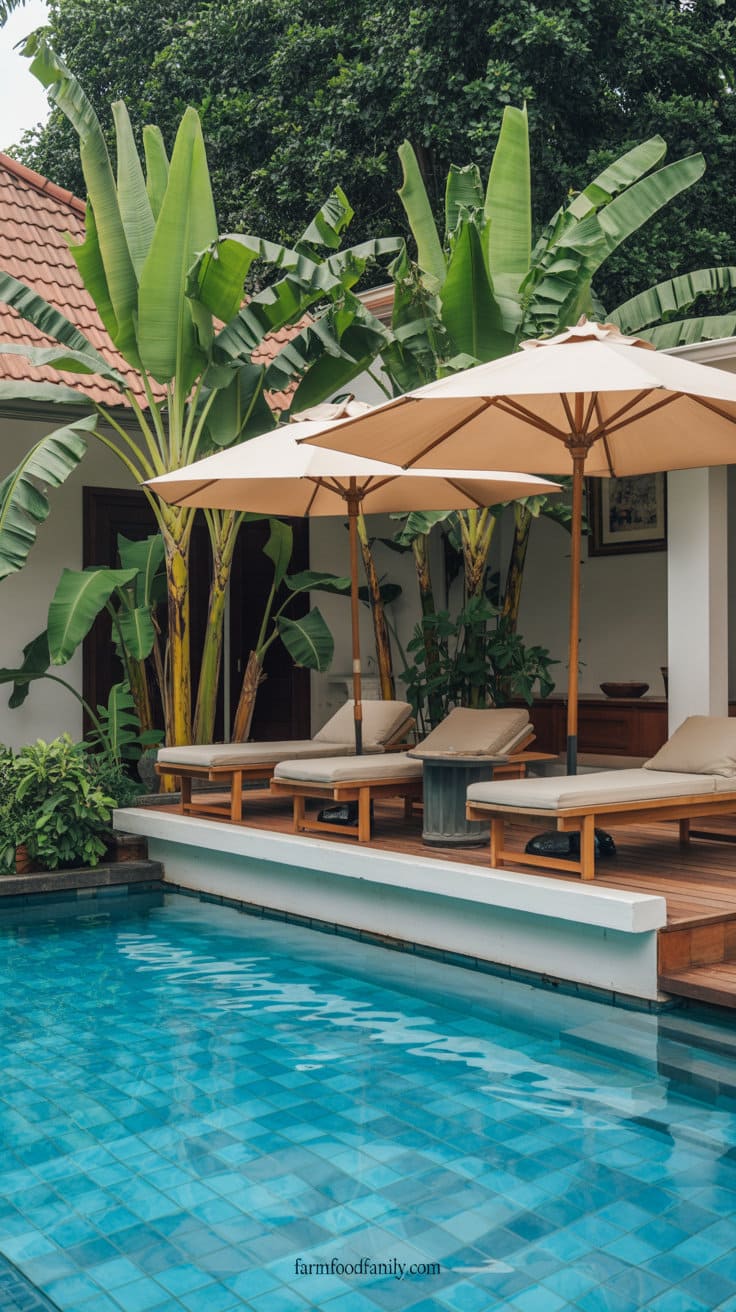
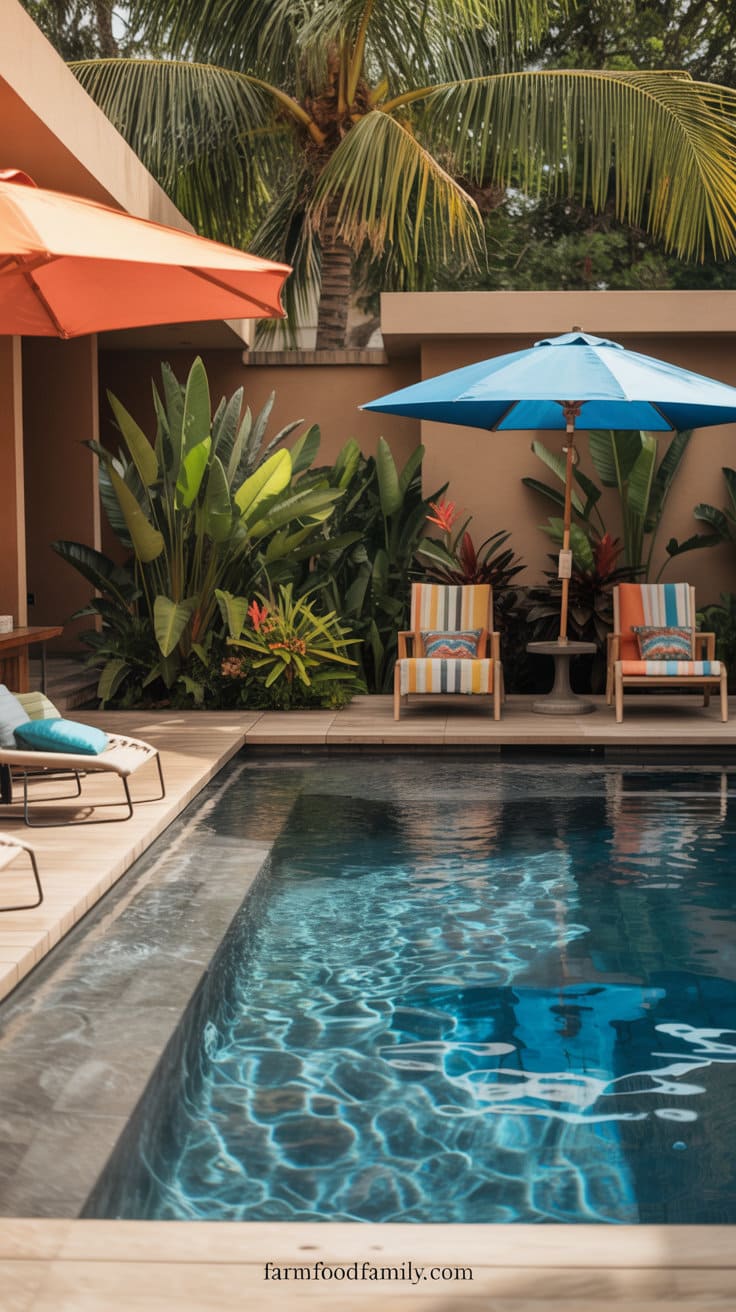
Incorporate a rectangular pool with a sunbathing ledge complete with built-in umbrella sleeves for a vacation-inspired atmosphere.
These allow you to place one or two umbrellas right on the ledge, shading the loungers and creating a breezy, resort-style lounging area.
Add lush tropical landscaping around the pool perimeter, such as banana trees, hibiscus, or bird of paradise, to soften the rectangle’s lines.
To enhance the tropical appearance, use light-toned, sand-colored pool plaster as well as warm wood decking or teak accents.
Having tropical decor around your pool, including umbrella sleeves, will make you feel like you’re on vacation in the tropics.
The combination of simple shade access, shallow water lounging, and lush vibes produces a peaceful atmosphere ideal for sun-soaked afternoons.

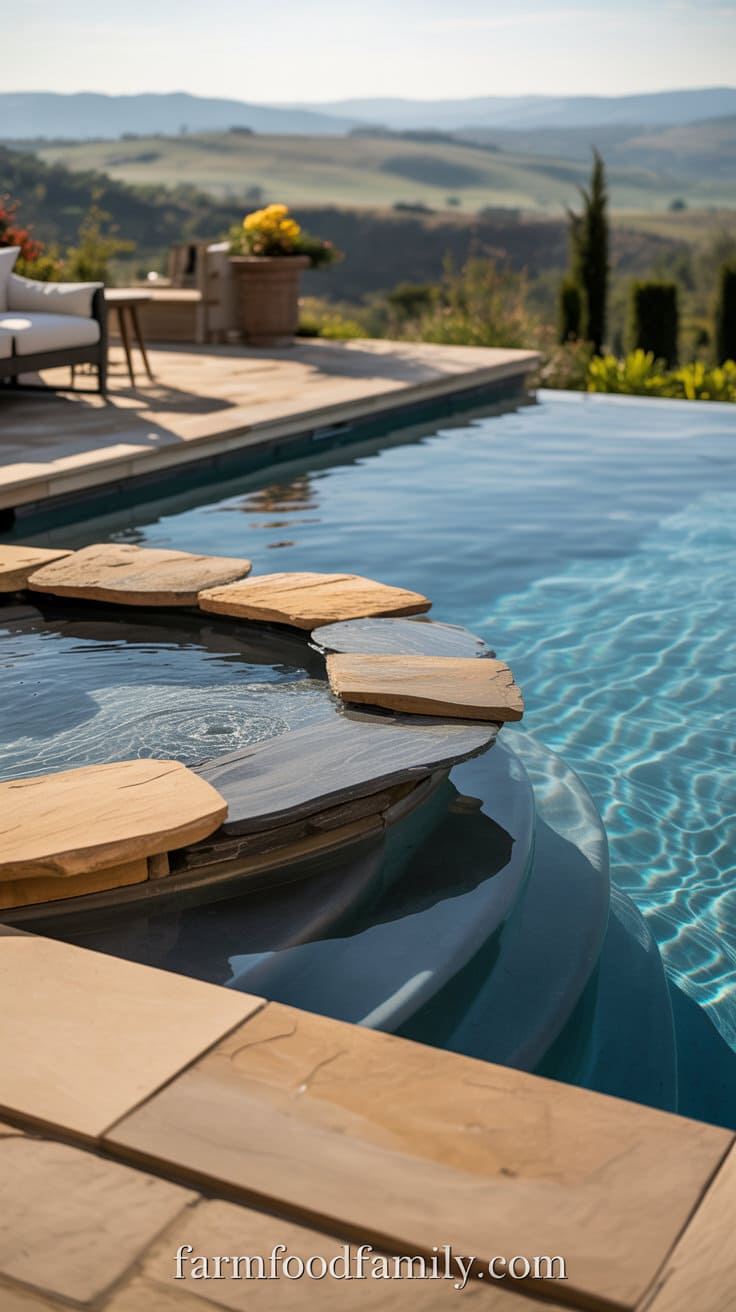
4. Natural Stone Tanning Ledge with Infinity-Edge Design
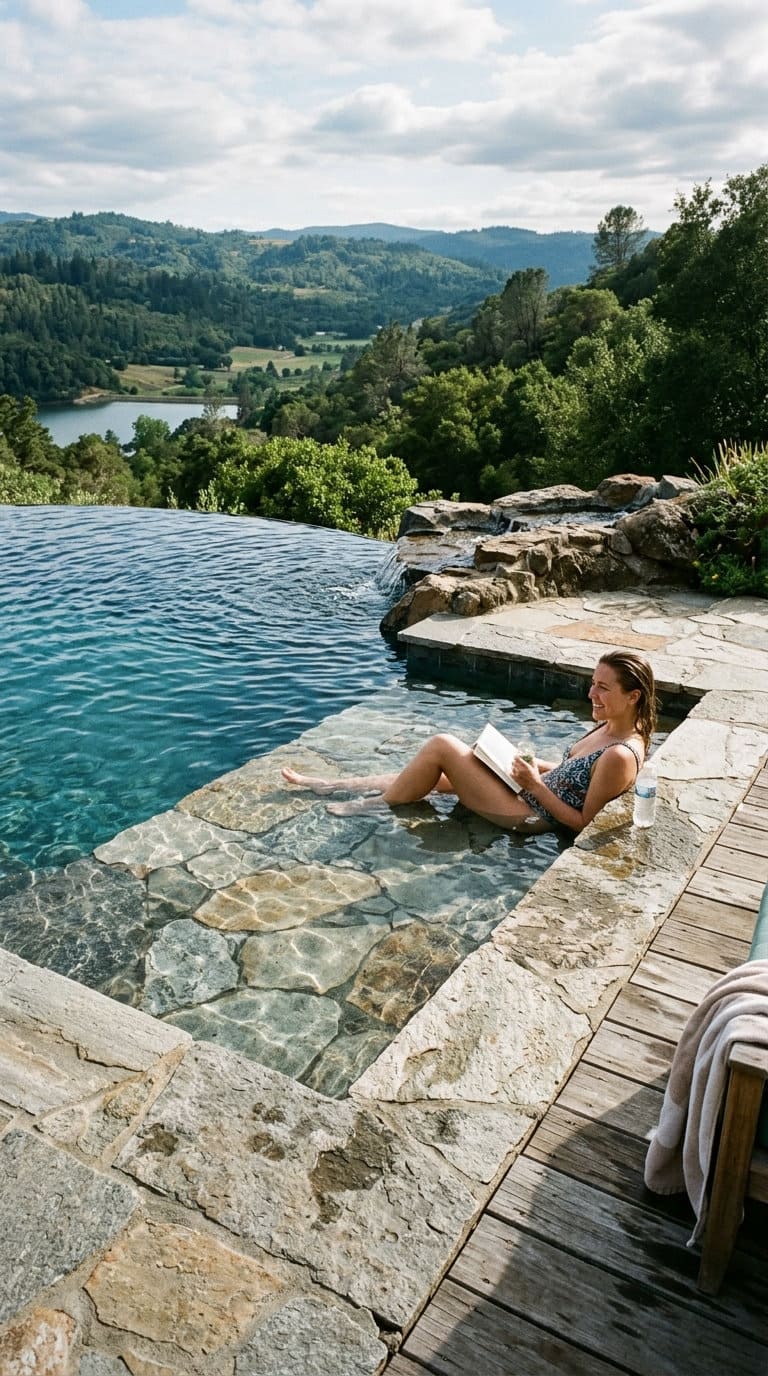
Natural stone coping around an infinity-edge pool with an integrated ledge trades some of the crisp geometric look of a standard rectangle for a softer, more organic feel.
The average homeowner spends $616/year on yard fixes that don't address the real problem. Find out what yours actually is — before you spend another dollar.
Take the Free QuizIt’s a bigger structural undertaking than the other ideas here and benefits from a builder specifically experienced with infinity-edge engineering, not a general pool contractor learning the technique on your project.
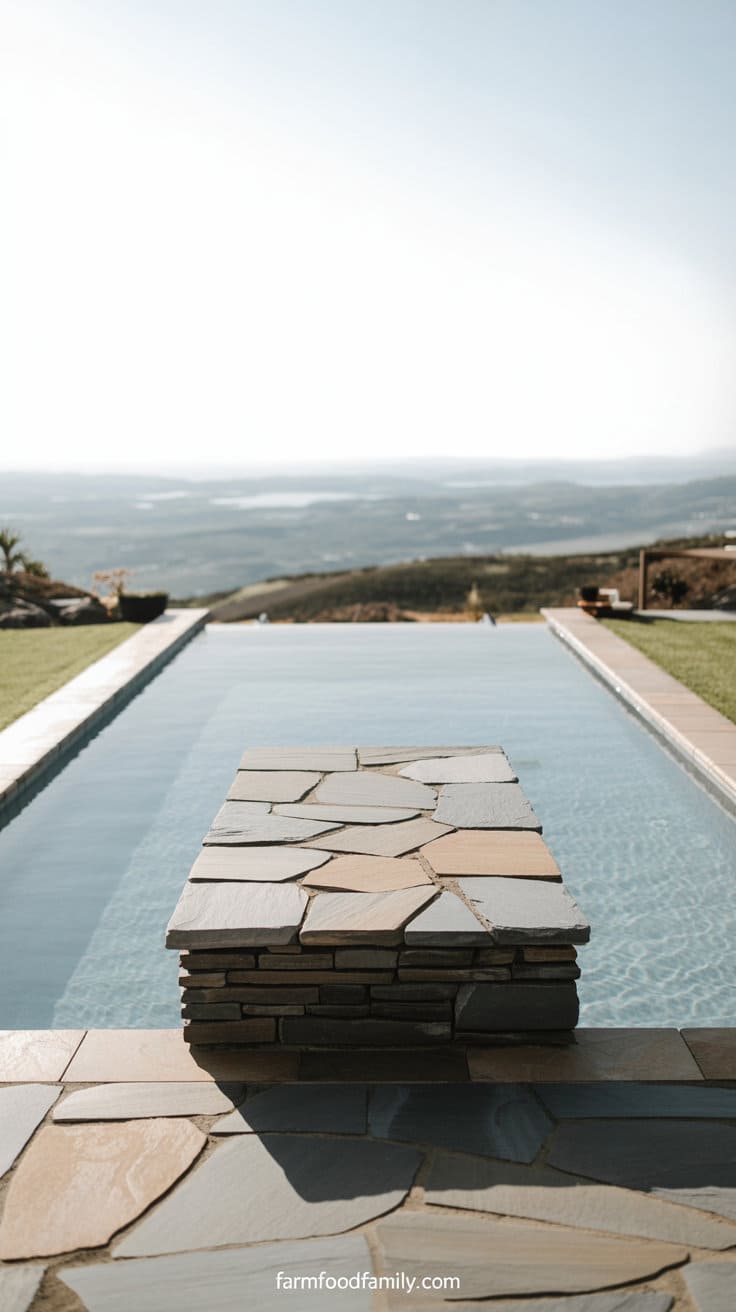
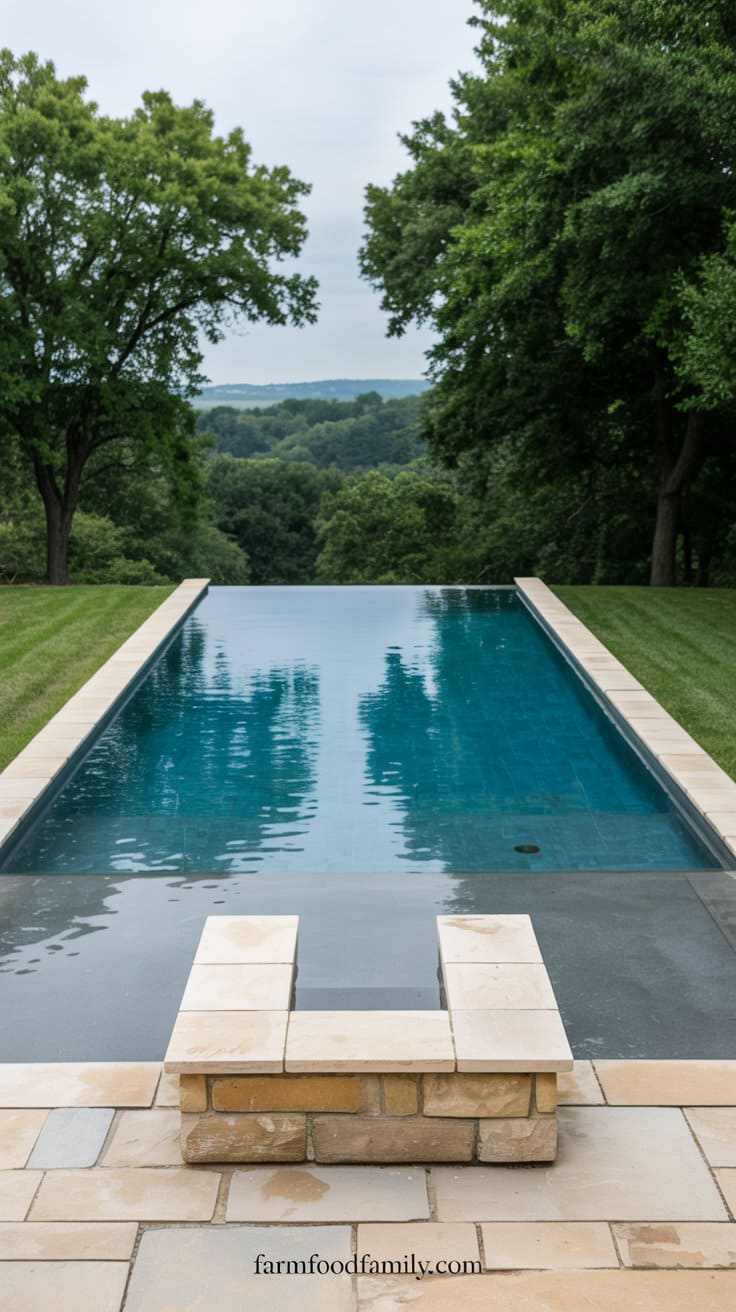
Elevate your pool’s elegance by designing a rectangular shape with a natural stone tanning ledge and a vanishing edge on one side.
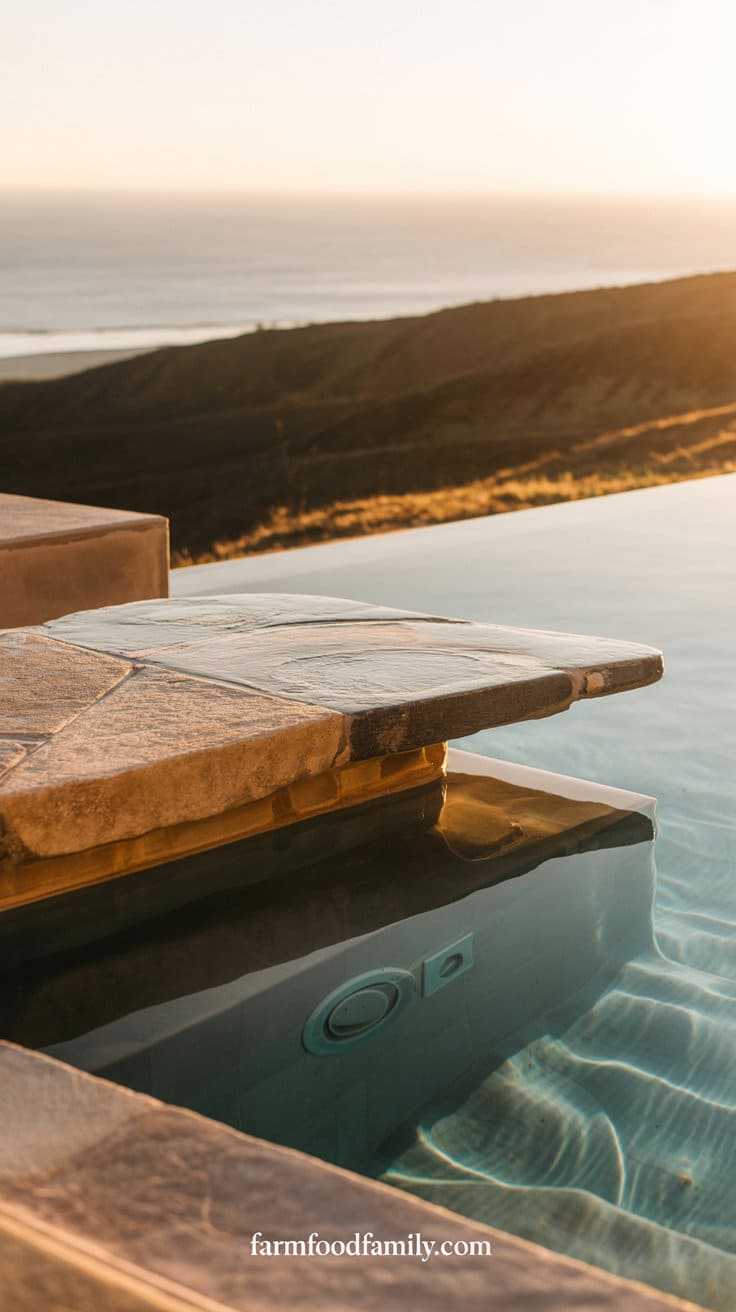
The ledge can be surfaced with flagstone or tumbled limestone for a rustic texture that contrasts beautifully with the water’s smooth reflection.
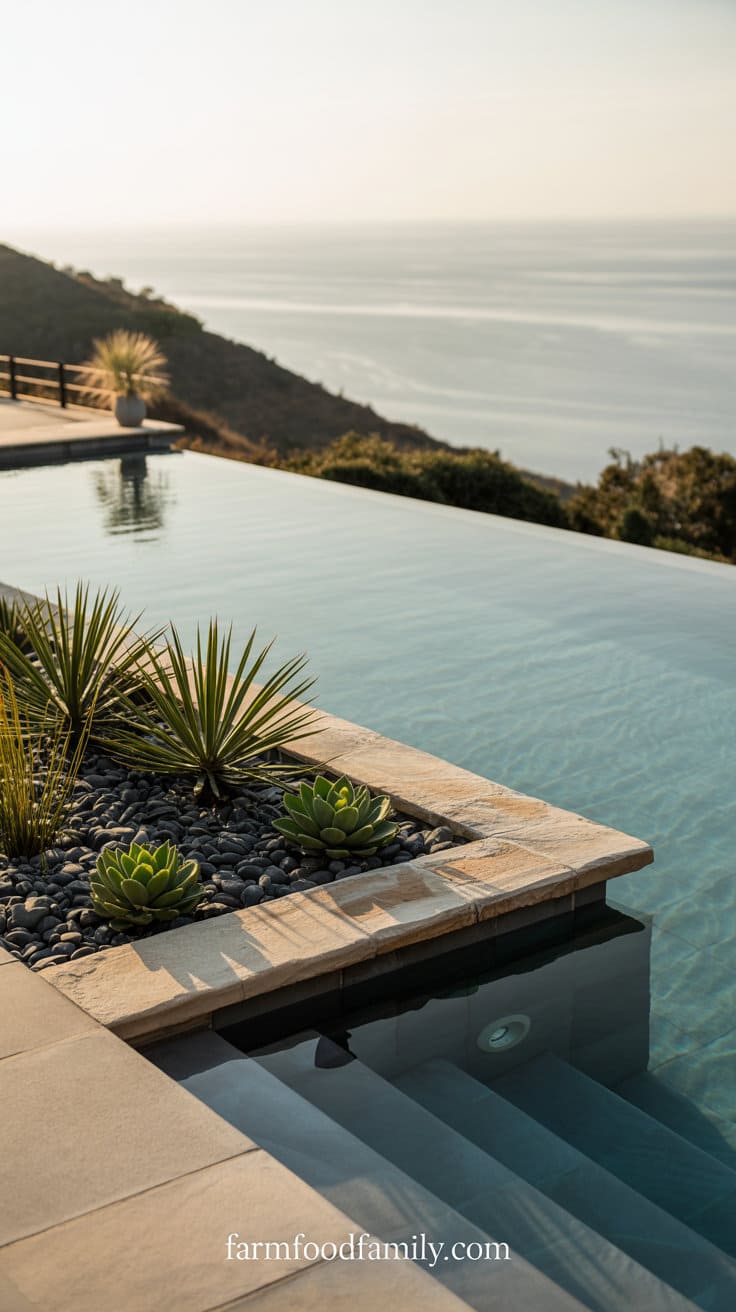
The infinity edge creates the illusion of the pool spilling into the surrounding landscape which is ideal for properties with a view.
Position the tanning ledge at the opposite end to maintain calm water flow and allow users to fully appreciate the scenery.
This design evokes the tranquility of a luxury spa and is perfect for homeowners who want a serene and stylish retreat.
5. A built-in umbrella sleeve, on any ledge design
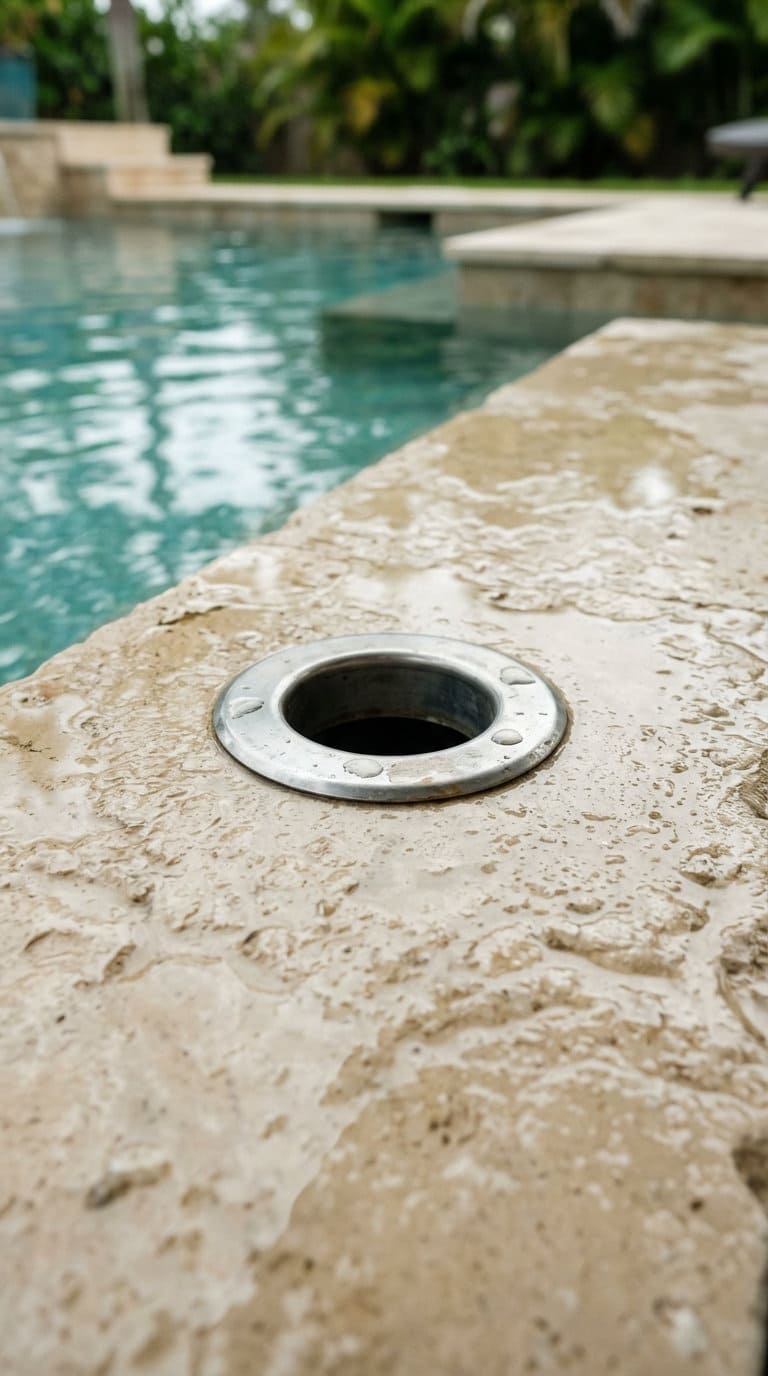
Beyond idea 3 specifically, an umbrella sleeve is worth adding to almost any ledge layout regardless of style, real owners single it out repeatedly as a small addition with a real, specifically-praised payoff, especially in hot climates where the ledge would otherwise be unusable during peak sun hours.
6. An integrated bubbler or return jet
Aaron Lehner, co-founder and CEO of The Premier Pool Co., points to circulation as a real design consideration most people skip: shallow ledge water “heats up faster than the rest of the pool, sometimes by a few degrees” from direct sun exposure, which also speeds up chlorine consumption in that zone. A bubbler or aimed return jet helps on two fronts, “the moving water helps a lot” with keeping debris from settling and the water from stagnating.
7. A budget-furniture-friendly shallow design
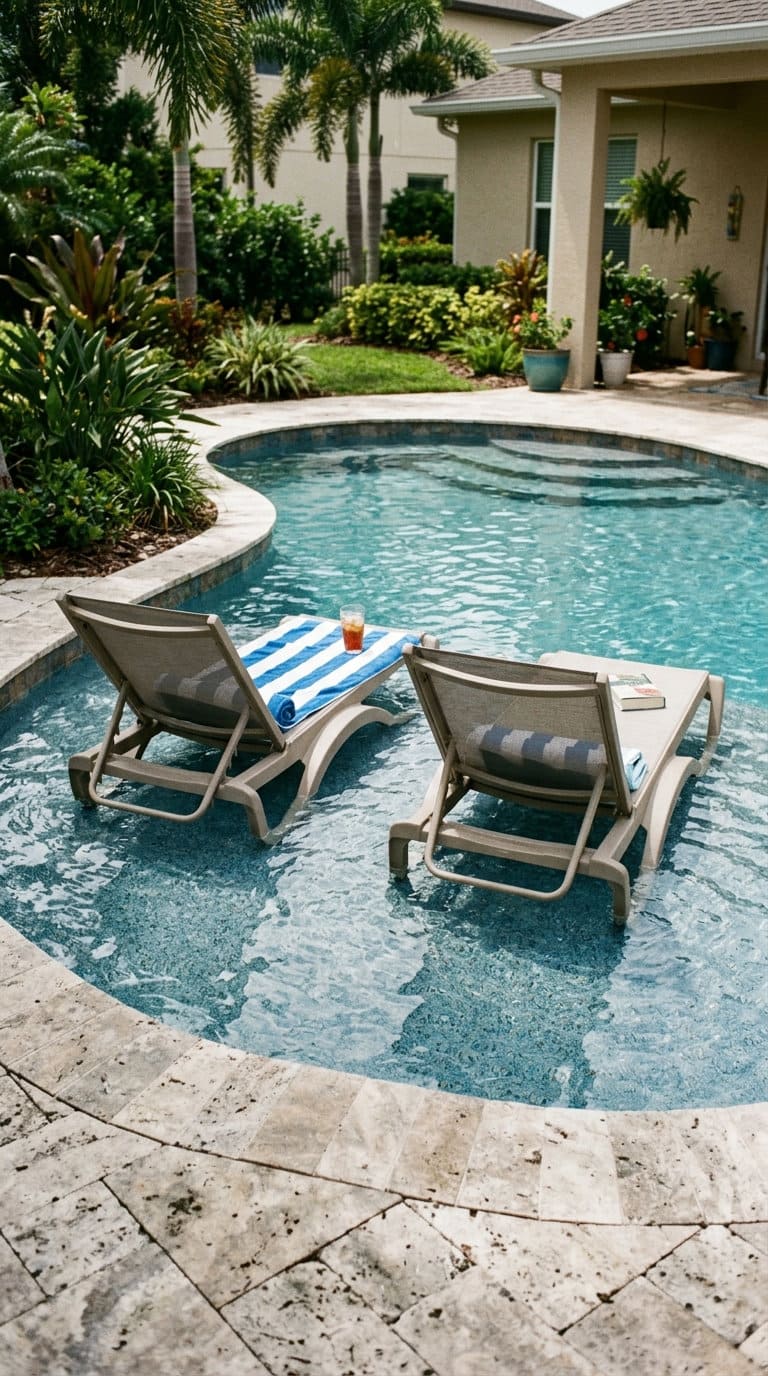
Instead of defaulting to a generic depth and shopping for furniture afterward, pick your ledge furniture first and build the depth around it. Nine inches is the depth repeatedly cited by real owners as the sweet spot for popular commercial loungers, six inches suits a beach feel and small kids but won’t fit most floating loungers, and some owners go 12 to 14 inches specifically for heavier furniture and report it as their most-used pool feature. Sizing to your actual furniture choice, not a default number, is the single biggest factor in whether a ledge gets used.
8. Retrofit consideration for an existing pool
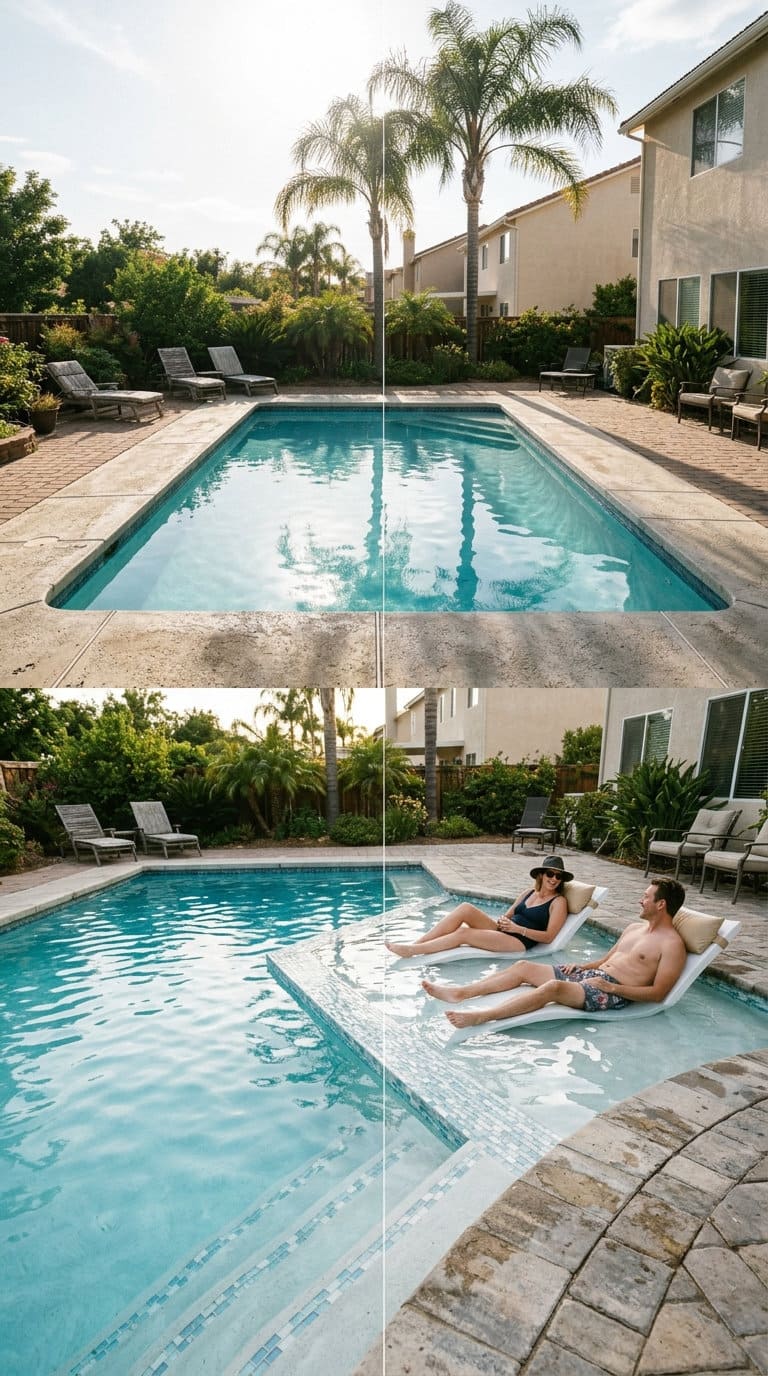
If you already have a pool and are considering adding a ledge later rather than building one in from the start, budget for it being a genuinely bigger project than it sounds: retrofitting a tanning ledge into an existing pool typically runs $8,000 to $20,000 and takes several weeks of pool downtime, since it usually means breaking into and reshaping part of the existing shell. Worth knowing before you assume it’s a simple add-on.
The furniture question
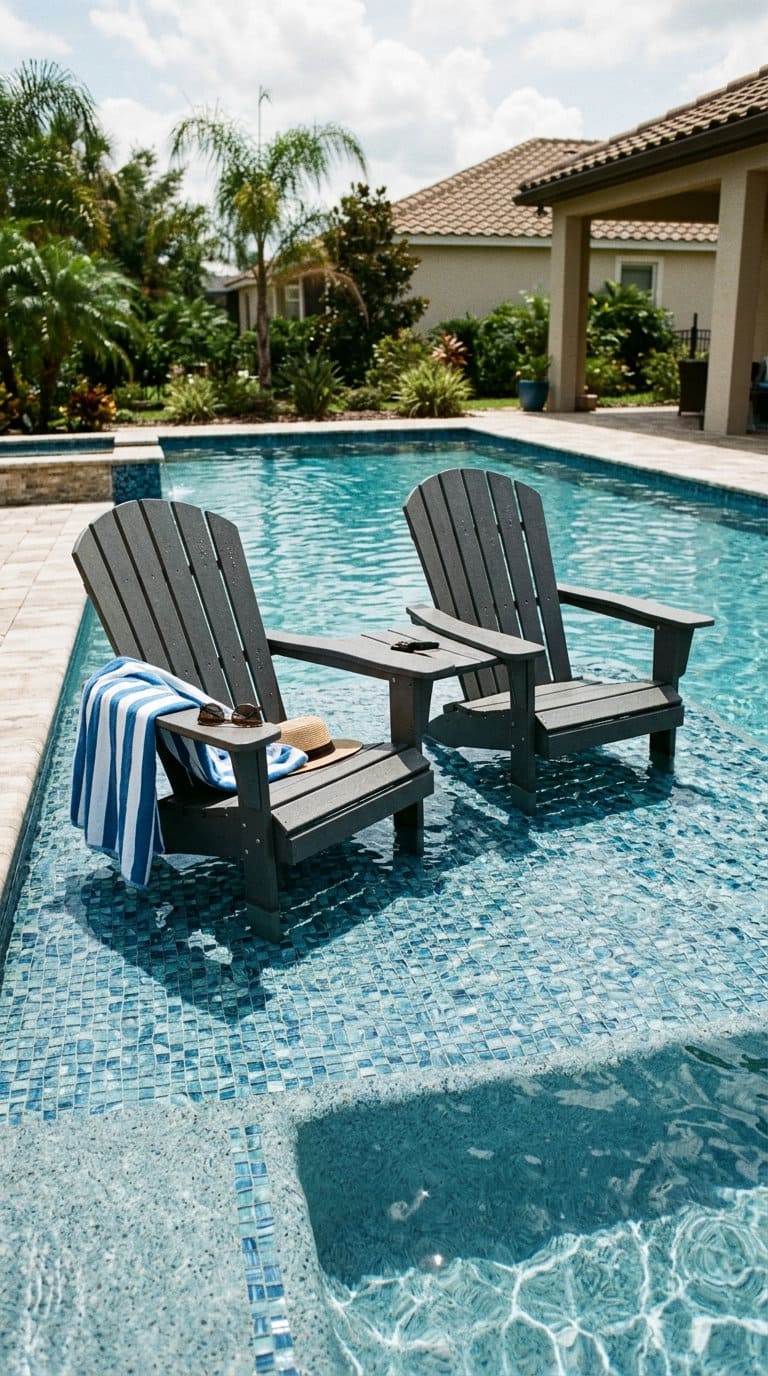
Here’s the part most “tanning ledge ideas” content skips entirely. Aaron Lehner puts a real number on it: “budget tip: plan for at least one or two purpose-built ledge loungers… you should budget $1,000 to $2,500 for furnishings on top of construction costs.” That’s not a small add-on, and real owner discussion backs up that it’s often a disappointing one.
One blunt real assessment: “you’ll never use the furniture in the pool… it’s expensive and uncomfortable and only looks good in the pictures.” Another, more specific: purpose-built loungers “are so uncomfortable I sit off them for maybe 20 minutes a year. Also they don’t tell you they need to be filled with water” to keep them weighted down underwater.
The good news is there’s a real, repeatedly recommended cheaper path. Basic HDPE resin chairs, the kind sold under multiple brand names at a fraction of premium lounger prices, get consistently recommended as functionally identical to expensive purpose-built versions. Simple plastic chairs rated for pool use work fine for a lot of owners too, and buying used ledge loungers off-season is a real, common way to skip the premium price entirely. Lehner’s own framing is worth keeping in mind either way: regrets tend to come from poor design decisions, wrong placement, wrong sizing, not from the tanning ledge feature itself.
Depth, temperature, and circulation
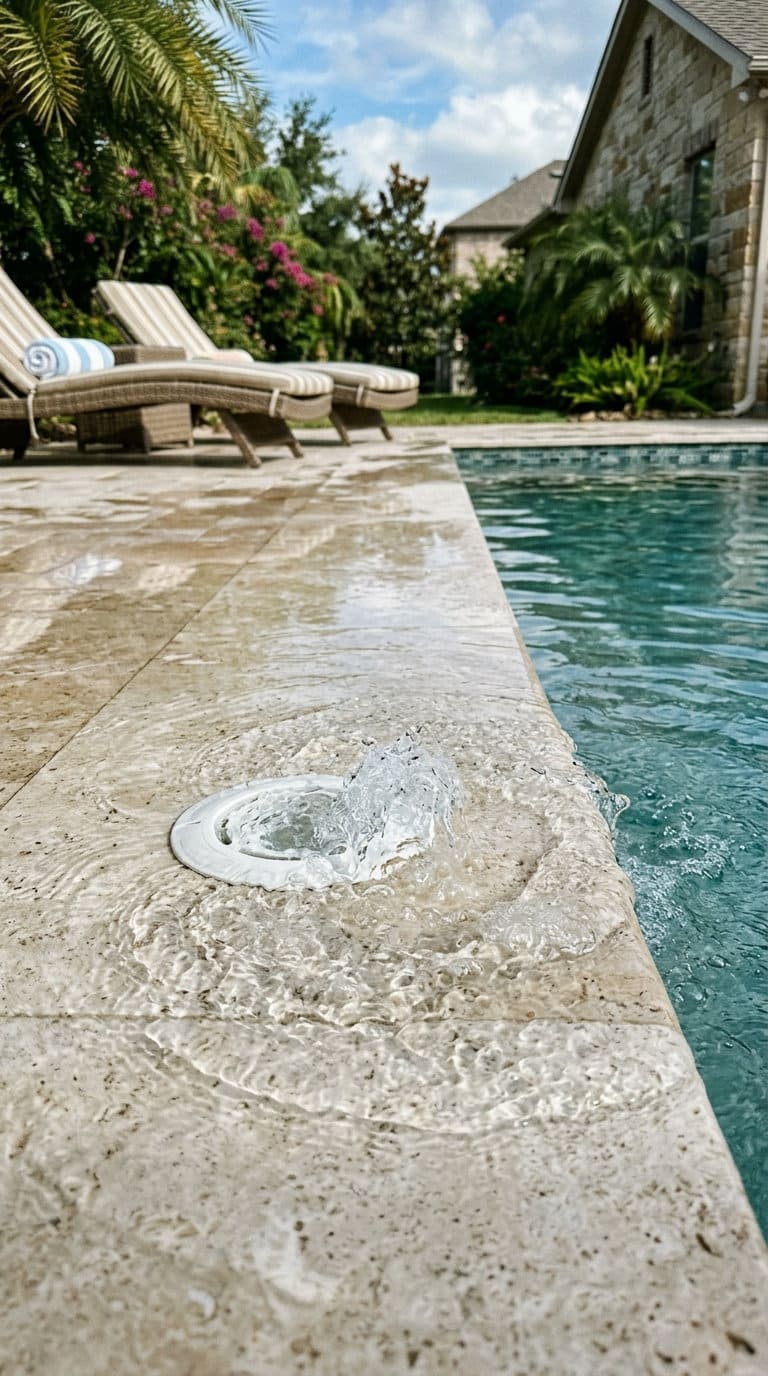
Depth is the decision that determines almost everything else about how a ledge actually gets used. Marcus Sheridan, co-founder of River Pools, recommends a general range of 9 to 12 inches for the ledge structure itself. Real owner reports narrow that down further depending on furniture: 9 inches fits most popular commercial loungers well, 6 inches suits small kids and a beach-entry feel but excludes most floating furniture, and 12 to 14 inches works for owners who plan on heavy furniture use and want the ledge to feel more like a shallow pool than a shelf.
Temperature and circulation matter more than most first-time pool owners expect. Because a shallow ledge sits in direct sun with less water volume to absorb heat, it runs warmer than the rest of the pool, sometimes by a few degrees, which also means chlorine breaks down faster there and needs more frequent monitoring.
An aimed return jet or a small bubbler fixes both problems at once, keeping water moving so it doesn’t overheat or collect debris, and it’s worth specifying at the design stage rather than adding as an afterthought once the ledge already feels stagnant.
FAQ
How deep should a tanning ledge be? Marcus Sheridan of River Pools recommends a general range of 9 to 12 inches. Real owners narrow that further by furniture choice: 9 inches suits most popular commercial loungers, 6 inches works for small kids and a beach feel but excludes floating furniture, and 12 to 14 inches suits owners planning heavy furniture use.
Is tanning ledge furniture worth the cost? It depends on what you buy. Aaron Lehner of The Premier Pool Co. recommends budgeting $1,000 to $2,500 for purpose-built loungers, but many real owners report regretting that expense and switching to basic HDPE resin chairs or simple plastic pool chairs at a fraction of the price with no meaningful difference in comfort.
Can I add a tanning ledge to an existing pool? Yes, but budget for it as a real project, not a quick add-on. Retrofitting a ledge into an existing pool typically costs $8,000 to $20,000 and takes several weeks of downtime, since it usually requires reshaping part of the existing pool shell.
Integrating a tanning ledge into a rectangular pool opens up a world of design possibilities that blend style, comfort, and function. Whether you’re seeking a modern vibe or a natural and simplistic one, the tanning ledge can be tailored to suit your aesthetic and lifestyle.
With thoughtful touches and creative planning, your rectangular pool becomes more than a place to swim as it transforms into a full sensory destination for leisure, play, and luxury. If this list helped, leave a comment below and share it with family and friends!
Never miss an update — choose FarmFoodFamily as your preferred source on Google.
How it works: Tap the button below to open Google's settings page, then check the box next to FarmFoodFamily.
Tap the checkbox to turn it blue — that's how you know it's set.