16 Smart Tricks to Organize Your Home, Room by Room
You can organize a whole home in small weekend steps, as long as you sort first, store by zone and keep cleaners, medicine and food safe.

Never miss an update — choose FarmFoodFamily as your preferred source on Google.
How it works: Tap the button below to open Google's settings page, then check the box next to FarmFoodFamily.
Tap the checkbox to turn it blue — that's how you know it's set.
You can organize a whole home in small weekend steps, as long as you sort first, store by zone and keep cleaners, medicine and food safe.
Products We Recommend
This post contains affiliate links. We may earn a commission on qualifying purchases at no extra cost to you.

Vtopmart 8 Pack Clear Storage Bins with Lid Set for Pantry Organizer
Clear lidded bins for the zoned pantry. Sort first, measure the shelf, then buy one matching set.
Shop Now
DEKAVA Under Sink Organizer 2 Pack, 2 Tier Sliding Cabinet Basket
A pull-out two-tier basket for the under-sink reset. Add a child safety latch to the cabinet door.
Shop Now
2 Pack Refrigerator Thermometer, Classic Large Dial
Two dial thermometers for the fridge and freezer. They show the real temperature, since few fridges do.
Shop NowThe best way to organize a home is one zone at a time. Empty the space, sort what you own, and buy containers last.
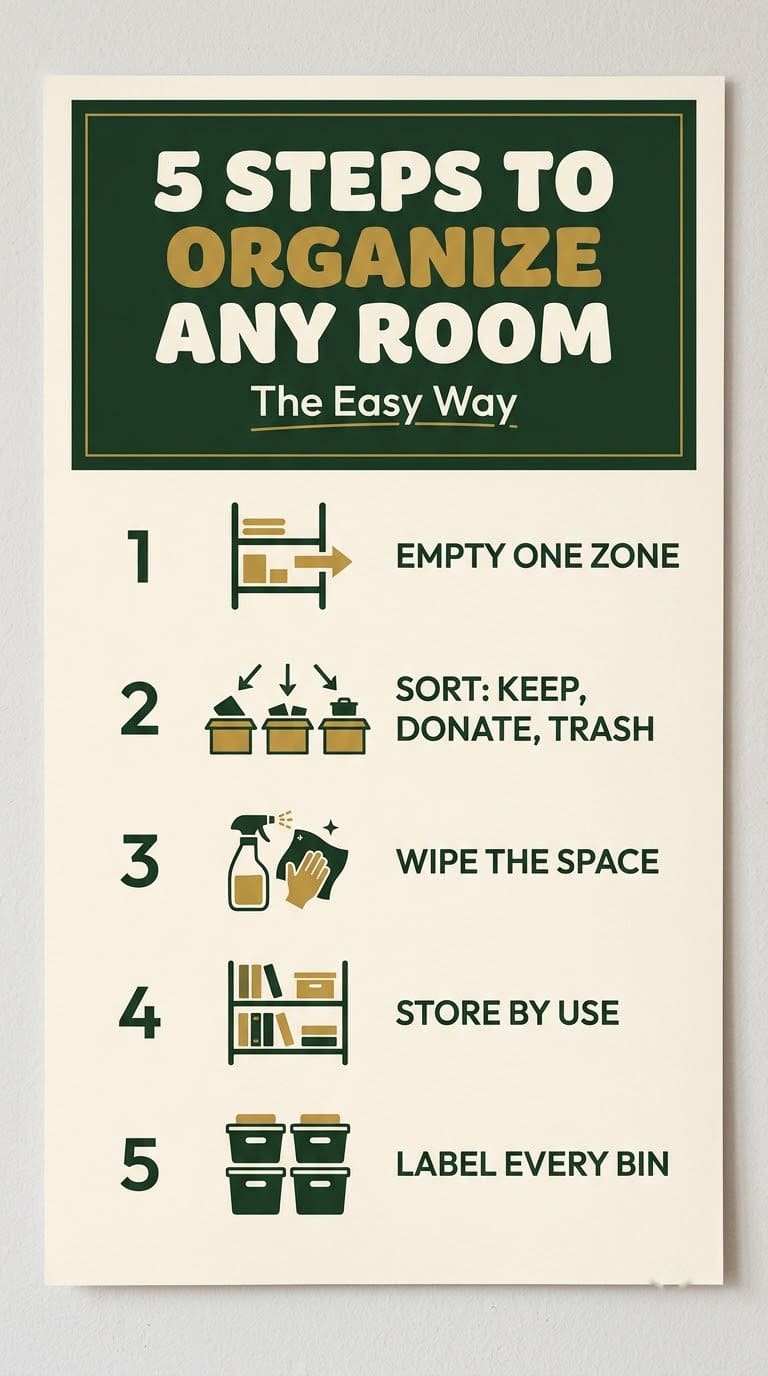
Then store things where you use them, at eye level and within reach. Label every single bin, so the whole family can put things back where they belong.
Safety and paperwork matter too, so check the rules before you toss or stash anything. Poison Control says to keep cleaners in their original containers and never store food and cleaners together. The IRS says to keep most tax records for 3 years.
This guide gives 16 tricks sorted by room, with the steps, a pairing, a watch-out and our verdict on each. It also has a weekly routine, cost tiers and common mistakes, so you can finish one room this weekend.
What Is Wrong With a 50-Tip List of Home Organizing Ideas?
Most lists show 50 photos and nothing else. They don’t say where to start, what to throw away or how to keep it neat after the photo shoot.
We cut the list to 16 tricks and put them in the order you would do them. Each one has a short plan, a risk to avoid and our honest verdict. Then we added a system to make the results last.
How Do You Start Organizing a Home?
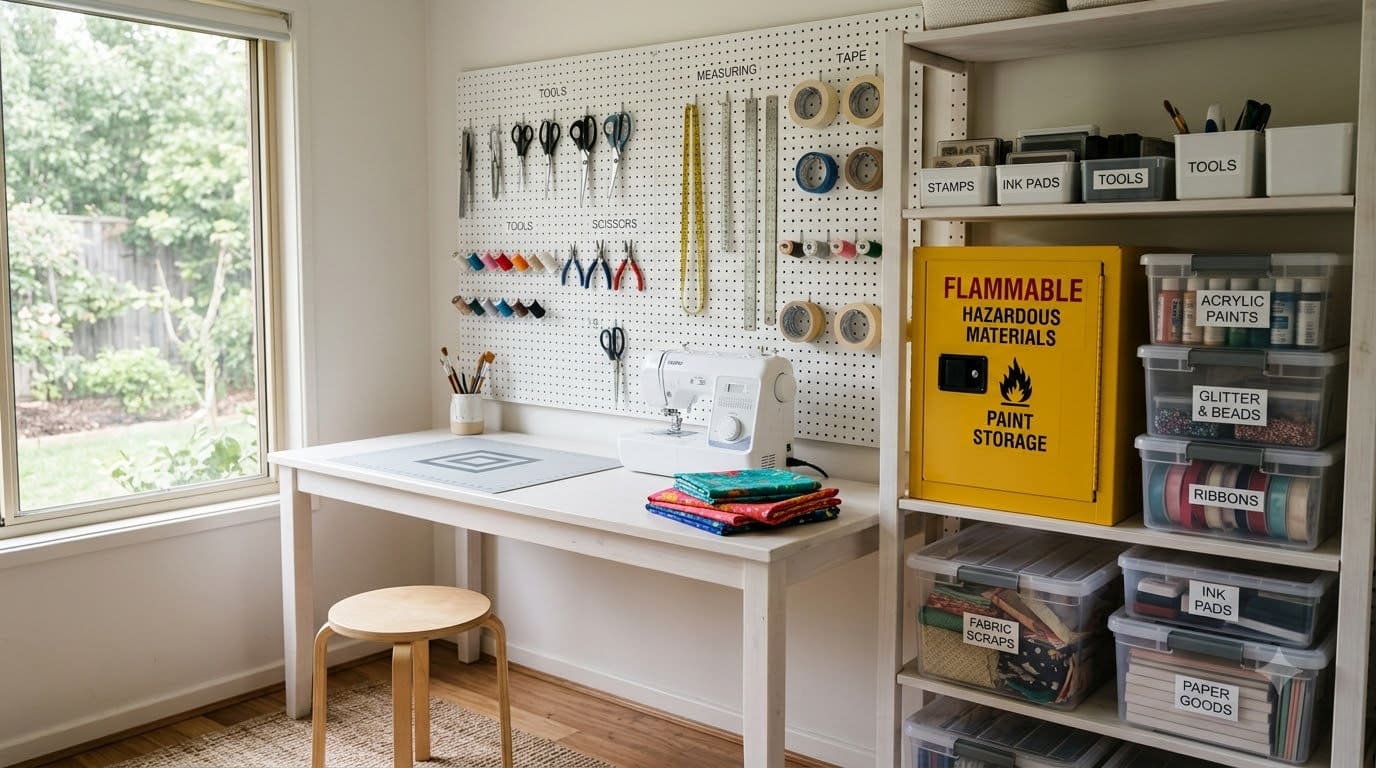
Start small and use the same three steps in every room. The goal is to touch each item once and decide.


Steps:
- Empty one drawer, shelf or zone onto a table.
- Sort into keep, donate, trash and “not sure.”
- Wipe the space, then put back only what you use.
Put the “not sure” pile in a box and write a date on it. If you haven’t opened it in three months, donate it. That rule ends most arguments with yourself.
| Step | What to do | Time |
|---|---|---|
| Empty | Pull everything out of one zone | 10 minutes |
| Sort | Keep, donate, trash, not sure | 20 minutes |
| Clean | Wipe the shelf or drawer | 5 minutes |
| Store | Put back by use, in bins | 15 minutes |
Our rule: never buy a bin before you sort. You can’t measure what you haven’t cut down yet.
Entryway and Mudroom Tricks
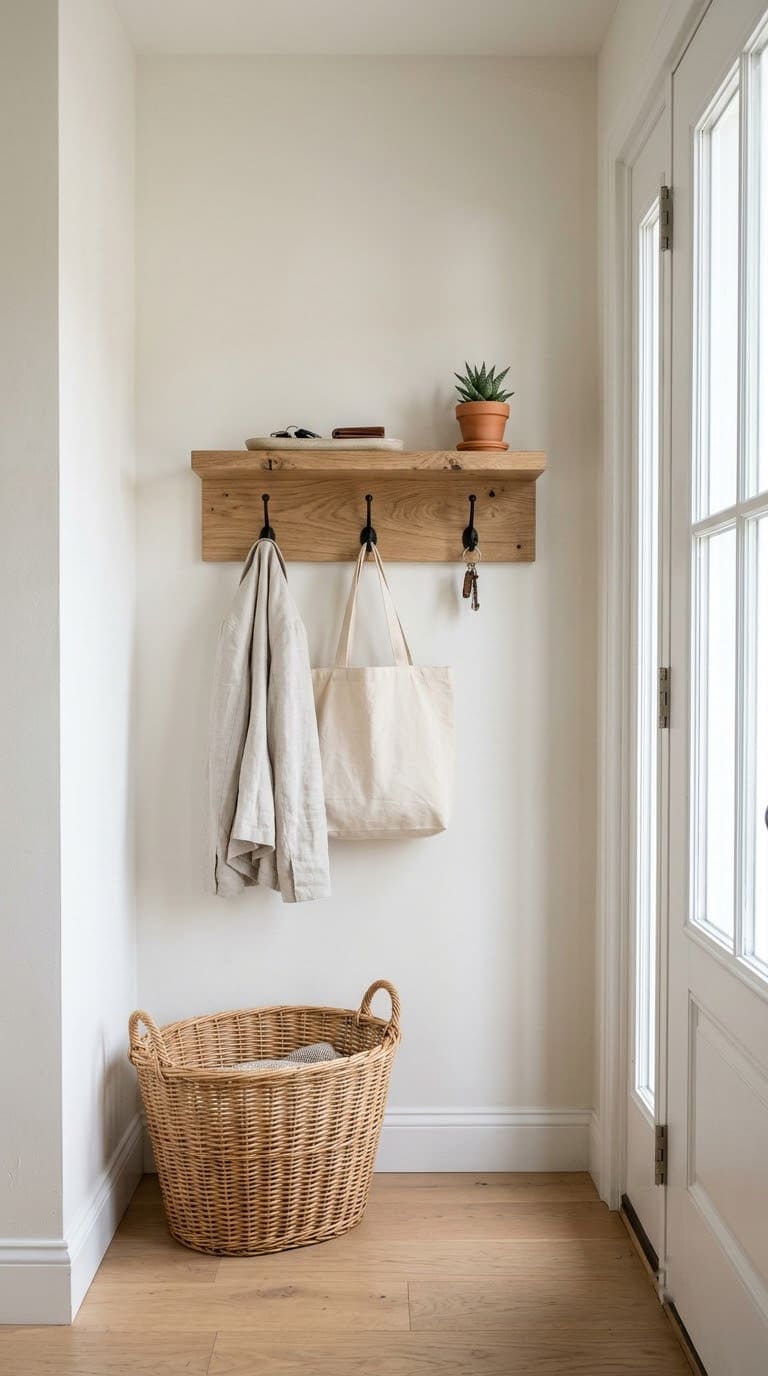
1. A One-Basket Drop Zone
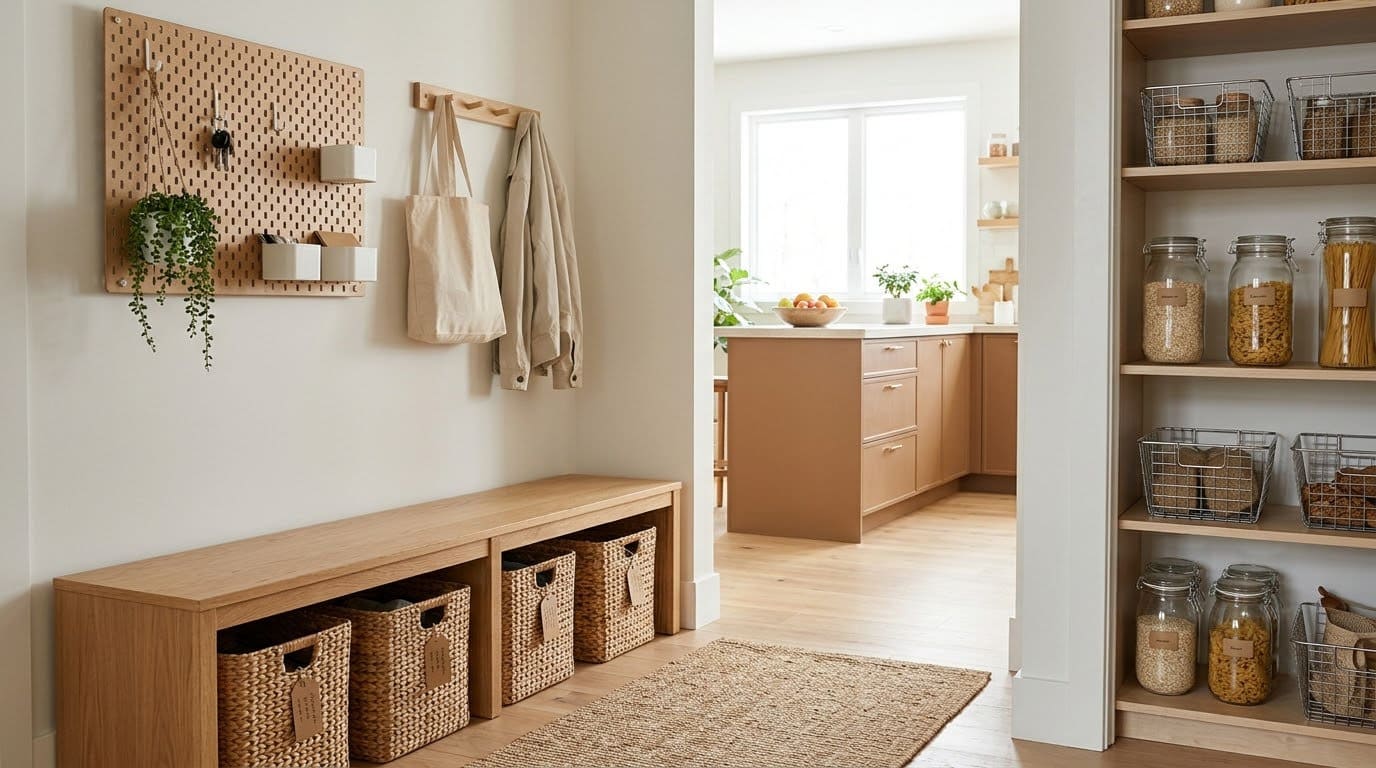
Pick one spot by the door for keys, mail and bags. Use a wall shelf, a tray and three hooks. Give each person one hook and one basket.
Pair with: a wall mirror and a small bench.
But watch out: a drop zone fills up fast. Empty the mail basket every night, or it becomes a pile.
Our take: our top pick for the first project. It stops clutter at the door, so it never reaches the kitchen.
2. A Vertical Mudroom
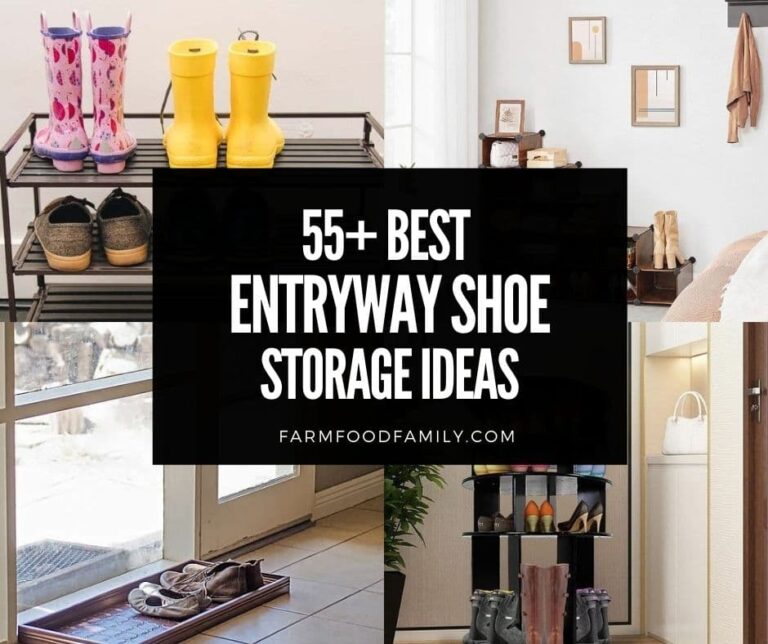
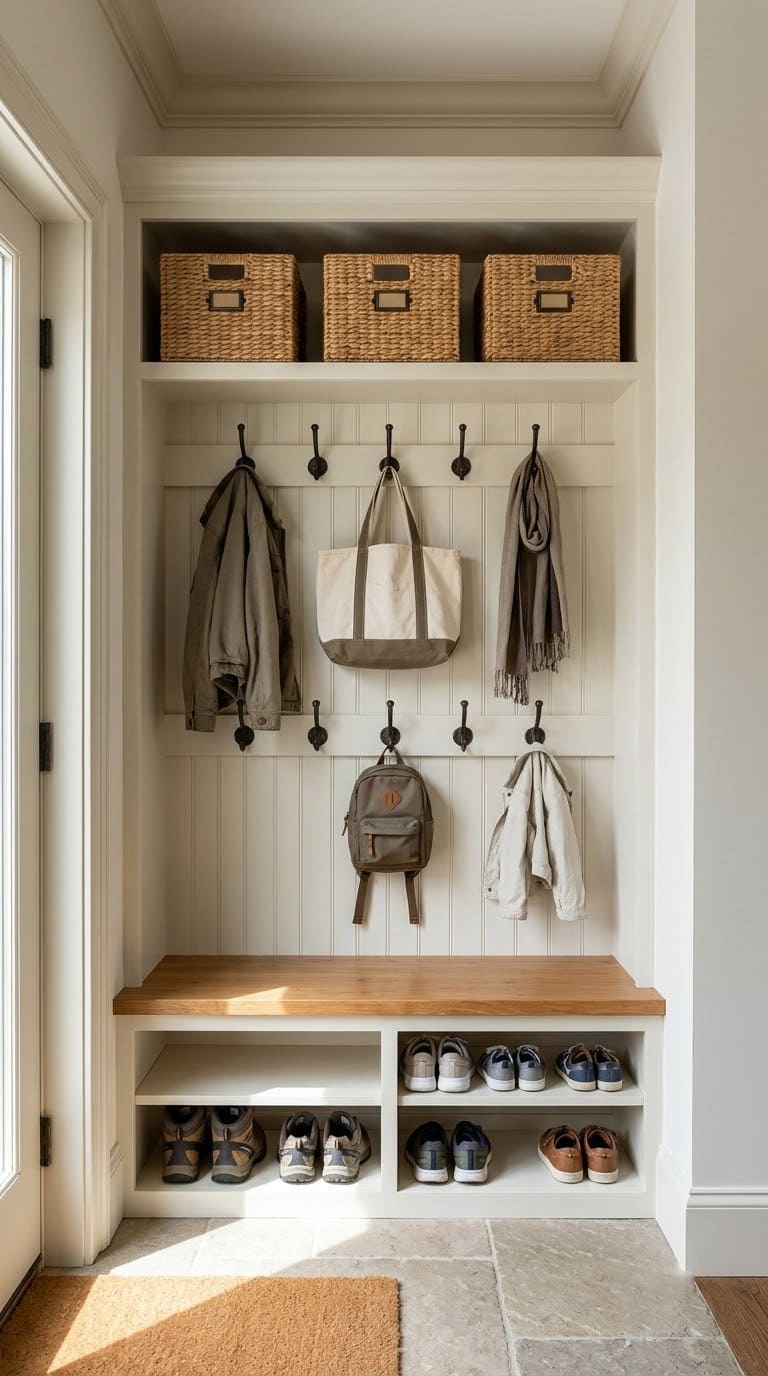
Use the wall, not the floor. Mount a long board with hooks at two heights, one for adults and one for kids. Add a shoe shelf below and a row of baskets above.
Clear lidded bins for the zoned pantry. Sort first, measure the shelf, then buy one matching set.
Shop NowThis post contains affiliate links. We may earn a commission on qualifying purchases at no extra cost to you.
Pair with: a boot tray for wet weather.
Watch out: hooks too high make kids drop coats on the floor. Mount the low row at the height of your child’s shoulder.
Our take: a great fit for small entries. It uses height and keeps the floor clear for shoes.
3. A Shoe Limit
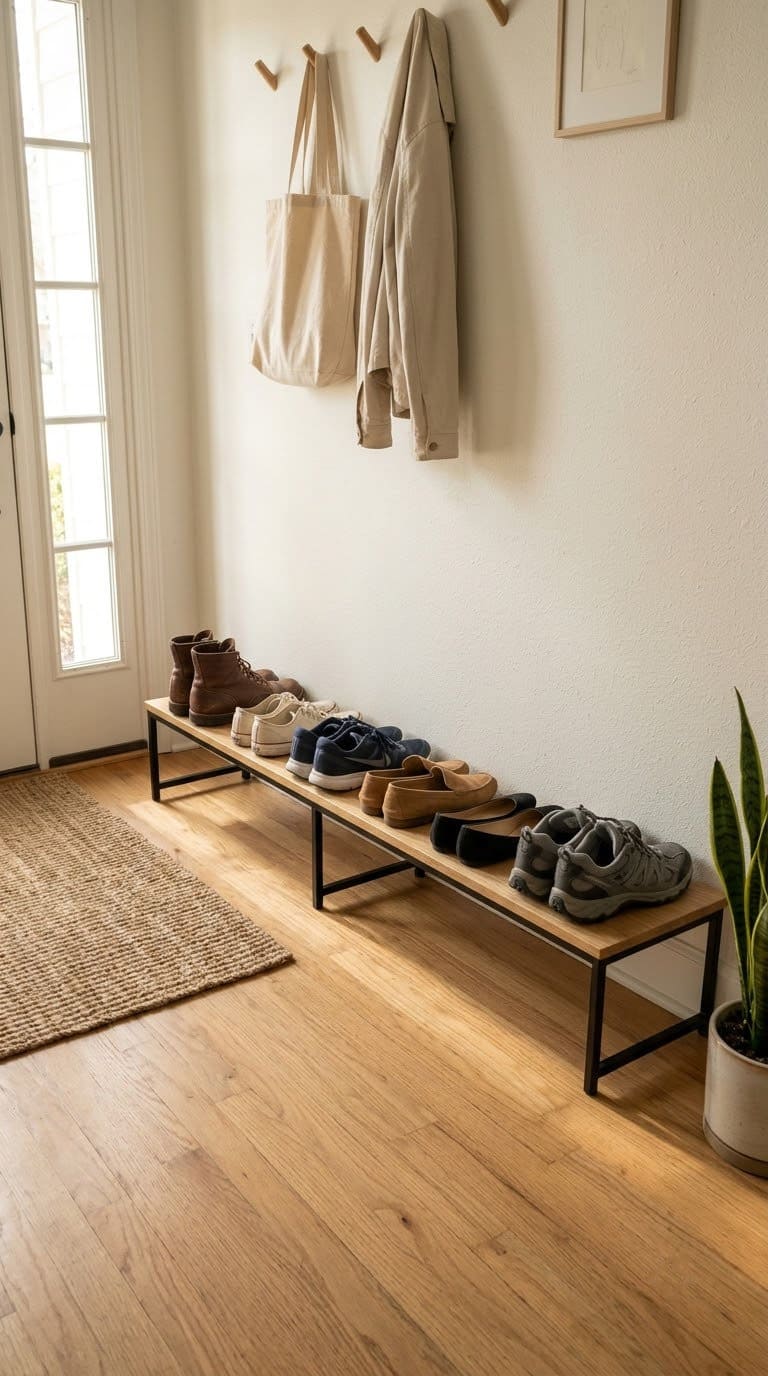
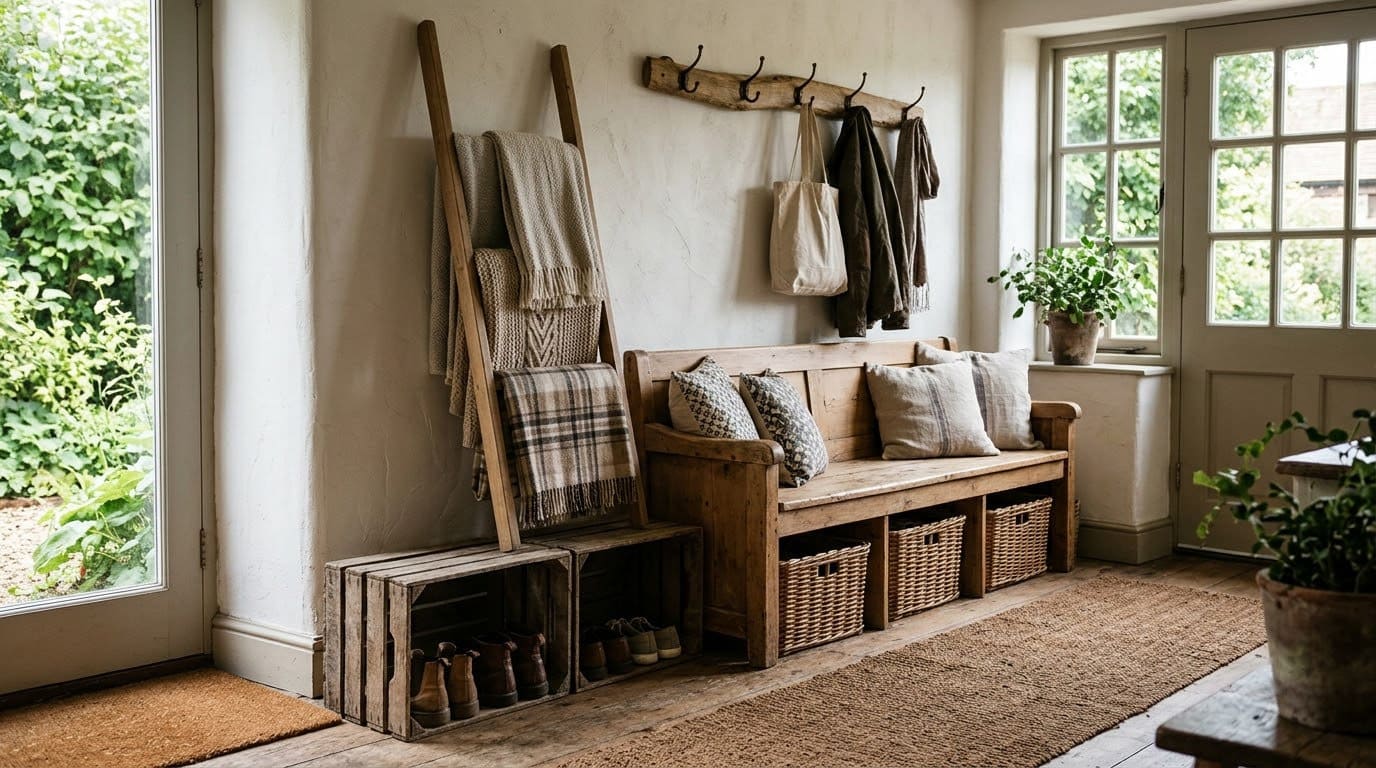
Set a rule of two or three pairs per person at the door. Store the rest in the closet. Use a low rack or stacking trays.
Pair with: a small basket for dog leashes and umbrellas.
Watch out: a rack that’s too small invites piles. Count your pairs first, then buy the rack.
Our take: a rule works better than a bigger rack. The limit forces a choice.
Kitchen Tricks
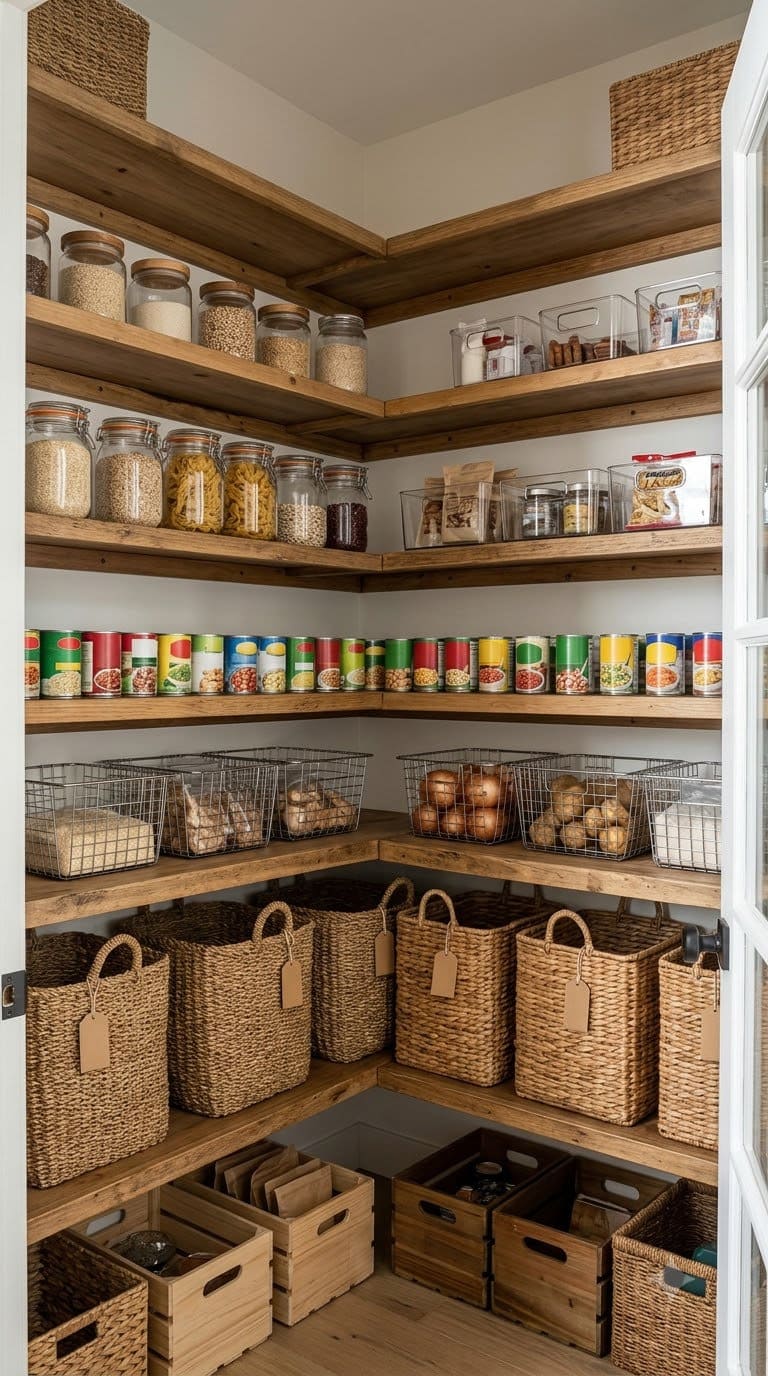
4. A Zoned Pantry
Group food by how you use it, not by brand. Make zones for breakfast, baking, snacks, cans and kid-friendly foods. Put the daily items at eye level.


Pair with: clear bins and a label maker.
But watch out: decanting everything takes time. Only decant items you open often, like flour, rice and cereal.
Our take: zones save more time than pretty jars. For shelving help, see our guide to pantry shelving ideas.
5. A Fridge That Works
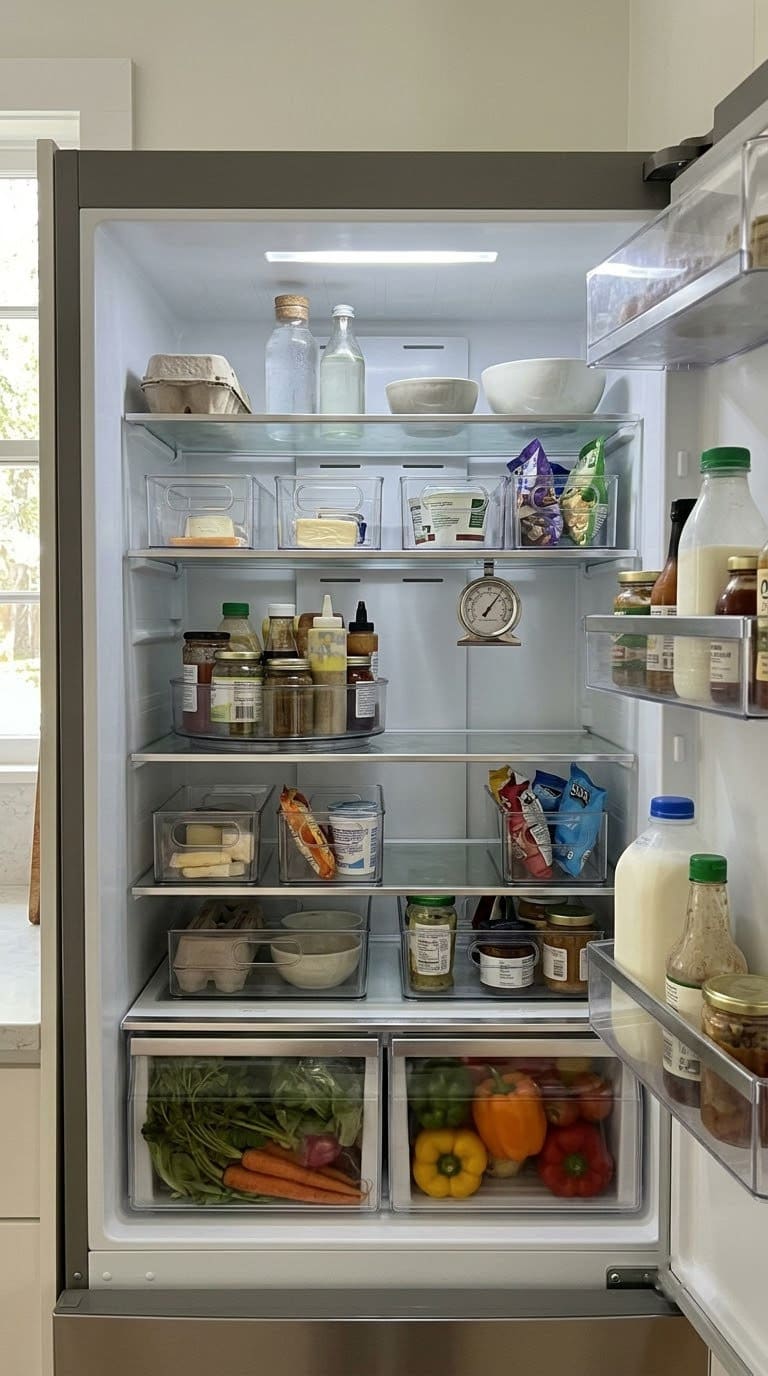
Give each shelf a job. Use the top shelf for leftovers and drinks, the middle for dairy and the bottom for raw meat in a tray. Keep a thermometer inside.
Pair with: clear bins for snacks and a lazy Susan for sauces.
Watch out: a packed fridge warms up. The FDA says to keep the refrigerator at 40°F or below and the freezer at 0°F. Use a freestanding thermometer to check, since few fridges show the real temperature.
Our take: a fridge map is worth an hour. It cuts waste and keeps raw meat away from ready foods.
6. An Under-Sink Reset
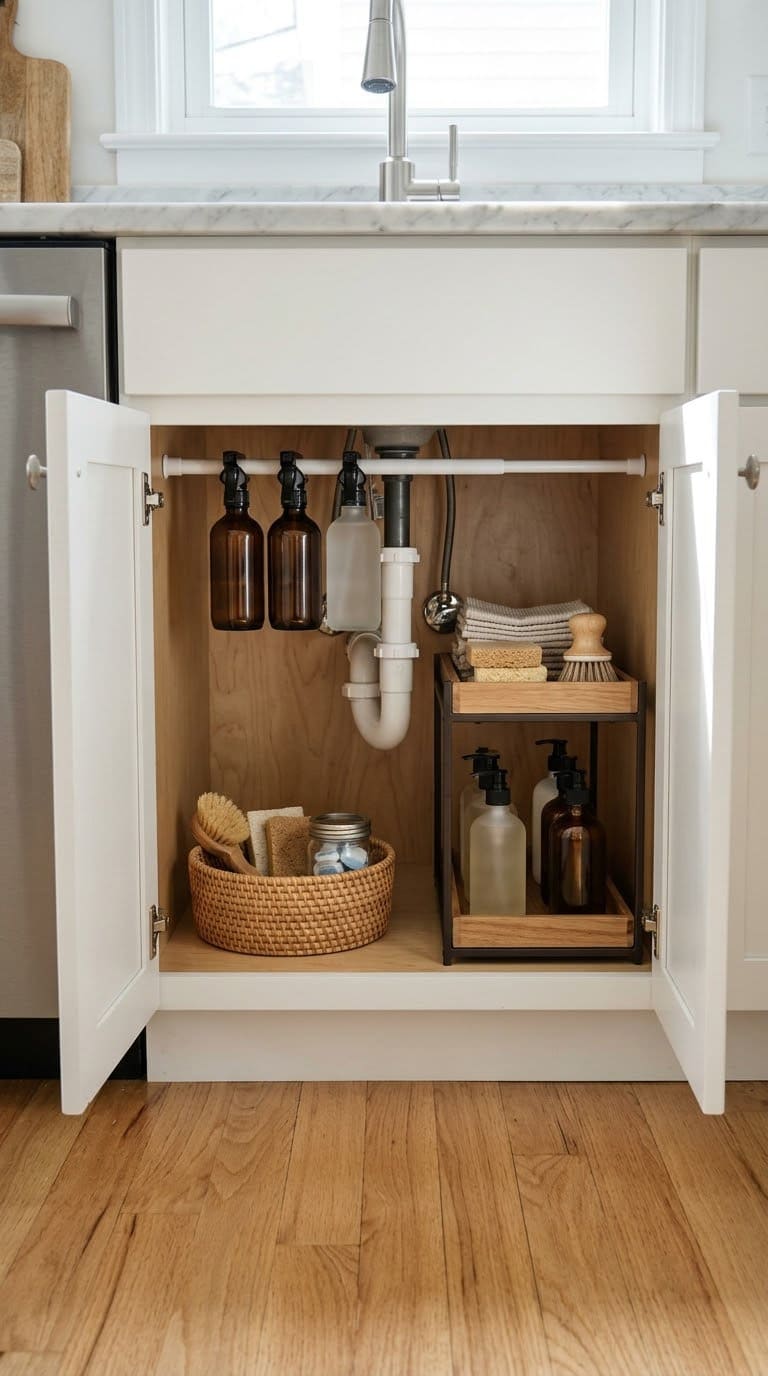
Pull everything out and toss dried bottles and rusty cans. Add a tension rod for spray bottles and a two-tier shelf around the pipes. Keep all cleaners in their original bottles.
Pair with: a small bin for sponges and gloves.
But watch out: this is where kids reach first. Add child safety latches to cabinets that hold harmful products. If you have a crawling infant, store them above floor level.
Our take: the best five-dollar fix on this list. Add a latch before you add a shelf.
7. Drawer Dividers and Spice Rows
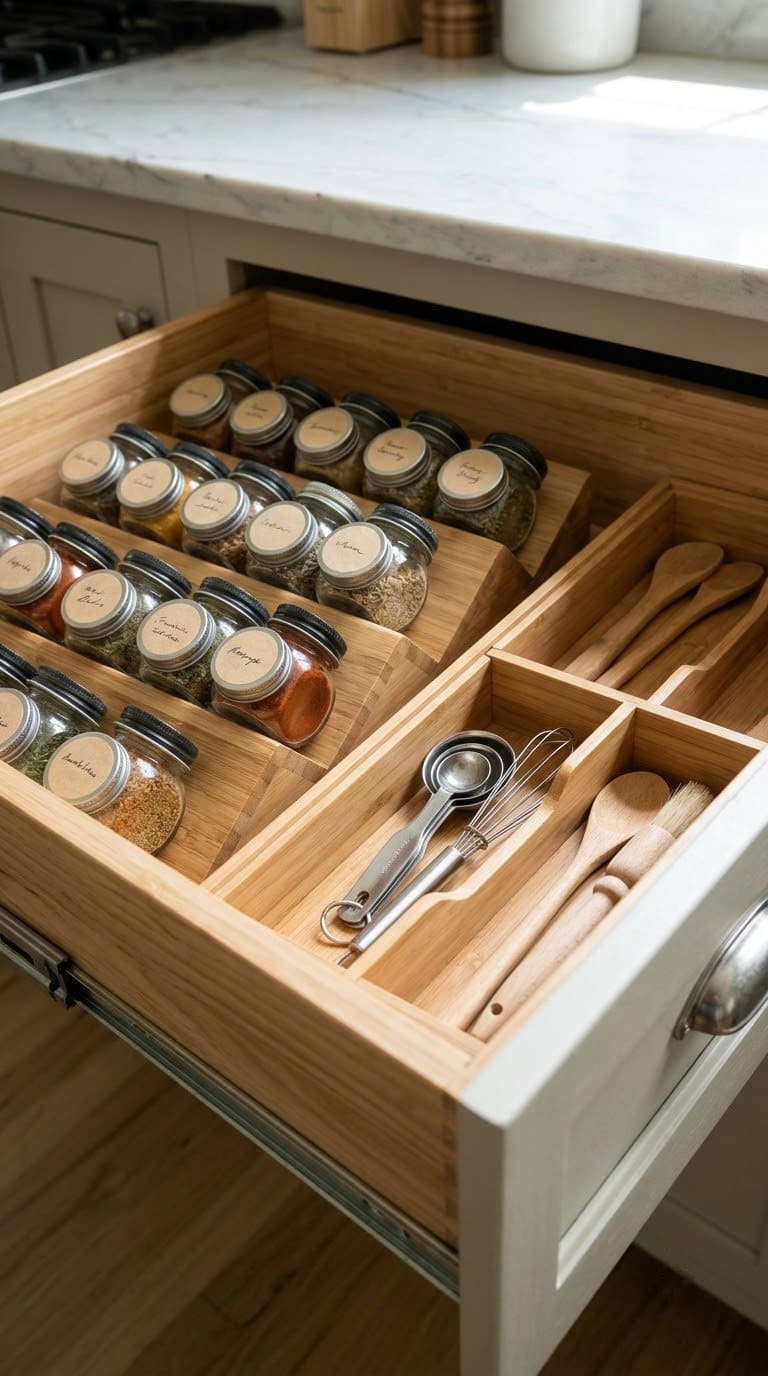
Pick one drawer for each job. Use dividers for utensils, a tray for knives and a shallow tray for spices. Lay spice jars flat, with labels on the lids.
Pair with: a small bin for tools you use once a year.
Watch out: deep dividers waste space. Measure the drawer and choose trays that fit snugly.
Our take: our favorite fix for a cluttered kitchen. You can see the whole drawer in one glance.
Bedroom and Closet Tricks
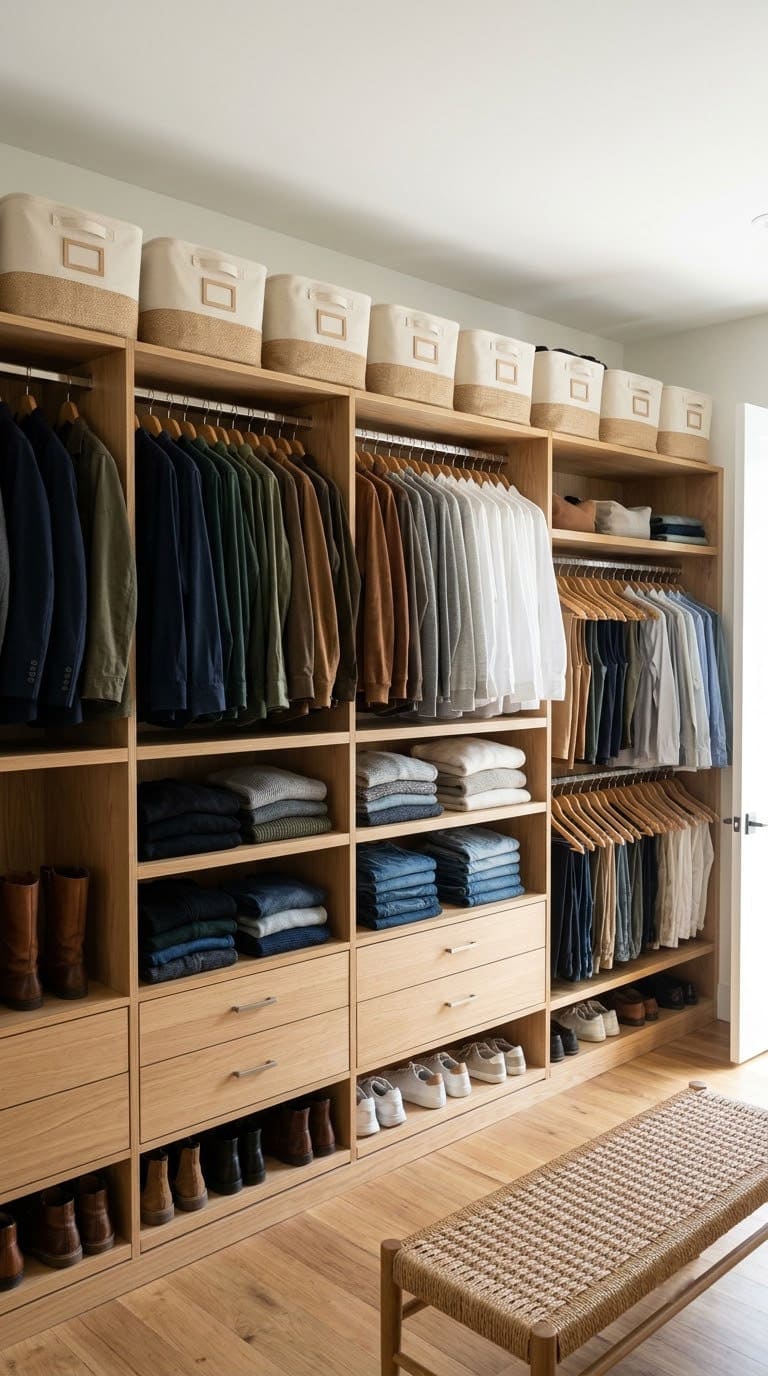
8. A Closet in Zones
Hang tops, pants and dresses in separate zones. Sort each zone by color. Put off-season items in labeled bins on the top shelf.
Pair with: slim matching hangers.
But watch out: the closet is a trap for “someday” clothes. Turn all hangers backward, and flip a hanger when you wear the piece. After a season, donate whatever is still backward.
Our take: the hanger test shows the truth with no guilt. For more ideas, see our low-cost closet organization ideas.
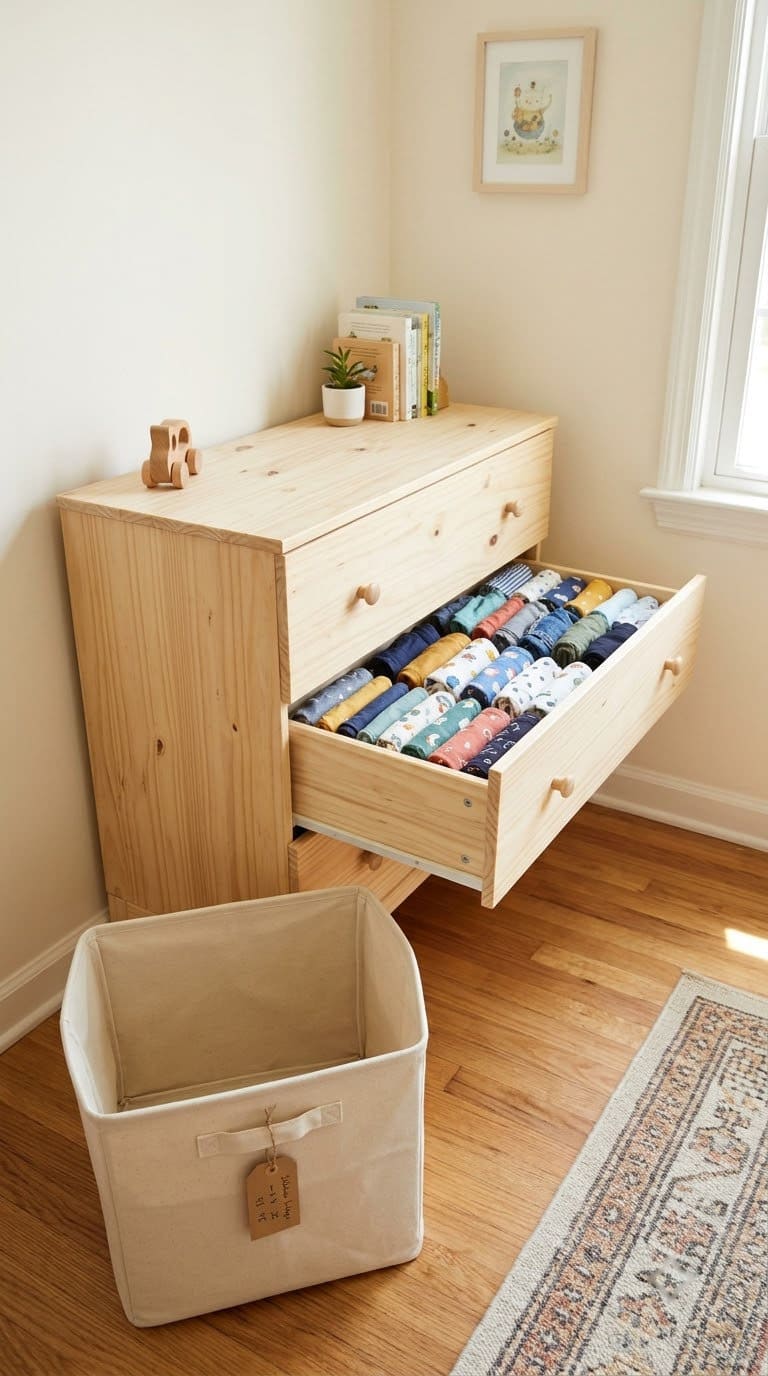
9. A Kids’ Clothes Rotation
Keep only the current size and season in the dresser. Store the next size in a labeled bin. Use a basket for outgrown clothes and empty it each month.
Pair with: a hanging shelf for outfits.
Watch out: too many clothes make mornings hard. Keep seven outfits in reach and rotate the rest.
Our take: a lifesaver for fast-growing kids. A monthly check takes five minutes.
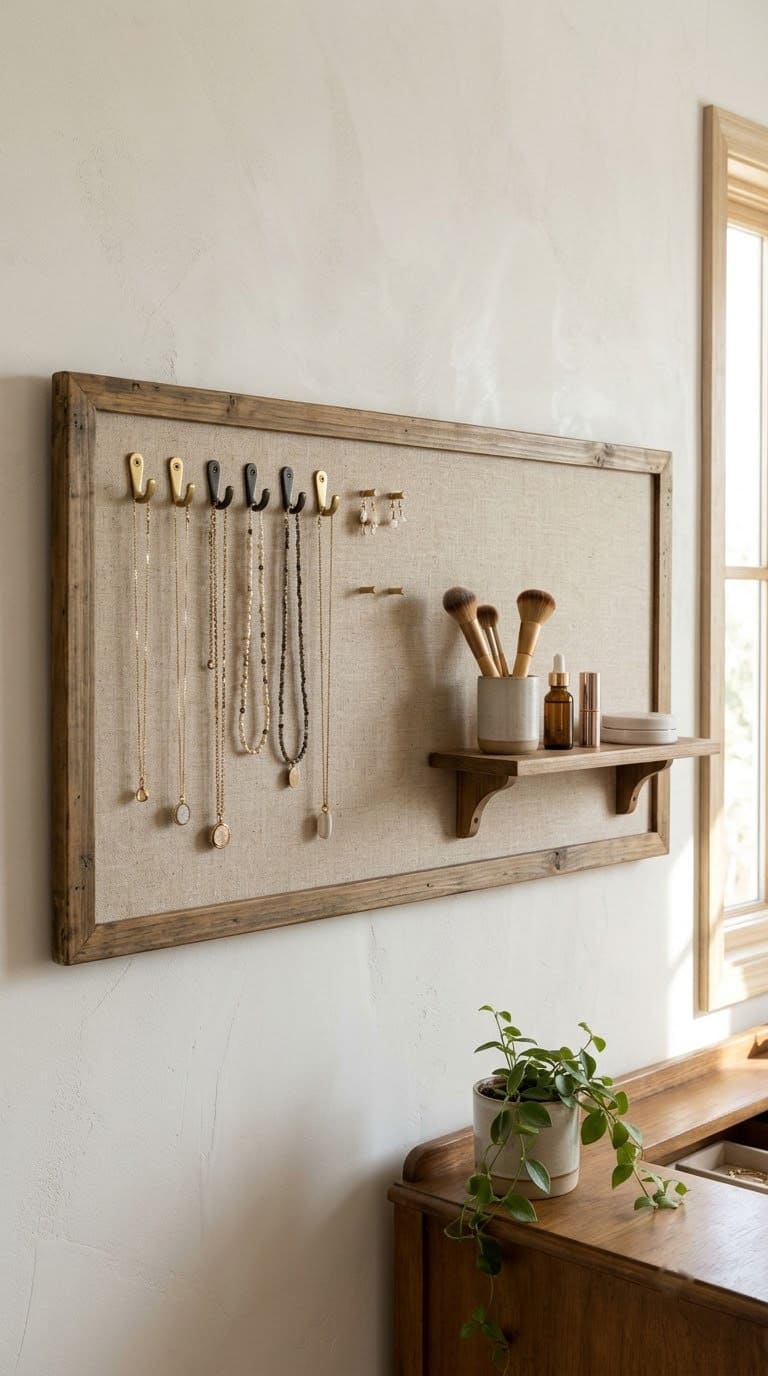
10. A Wall Board for Jewelry and Makeup
Hang a small board or a mirror with hooks for necklaces and earrings. Use a magnetic strip for metal tools. Keep makeup in a shallow tray by size.
Pair with: a small catch dish for rings.
Watch out: old makeup breeds germs. Throw out any product that has changed in smell or texture.
Our take: it turns a messy dresser into a tidy corner. The wall holds what the drawer can’t.
Bathroom, Laundry and Cleaning Tricks
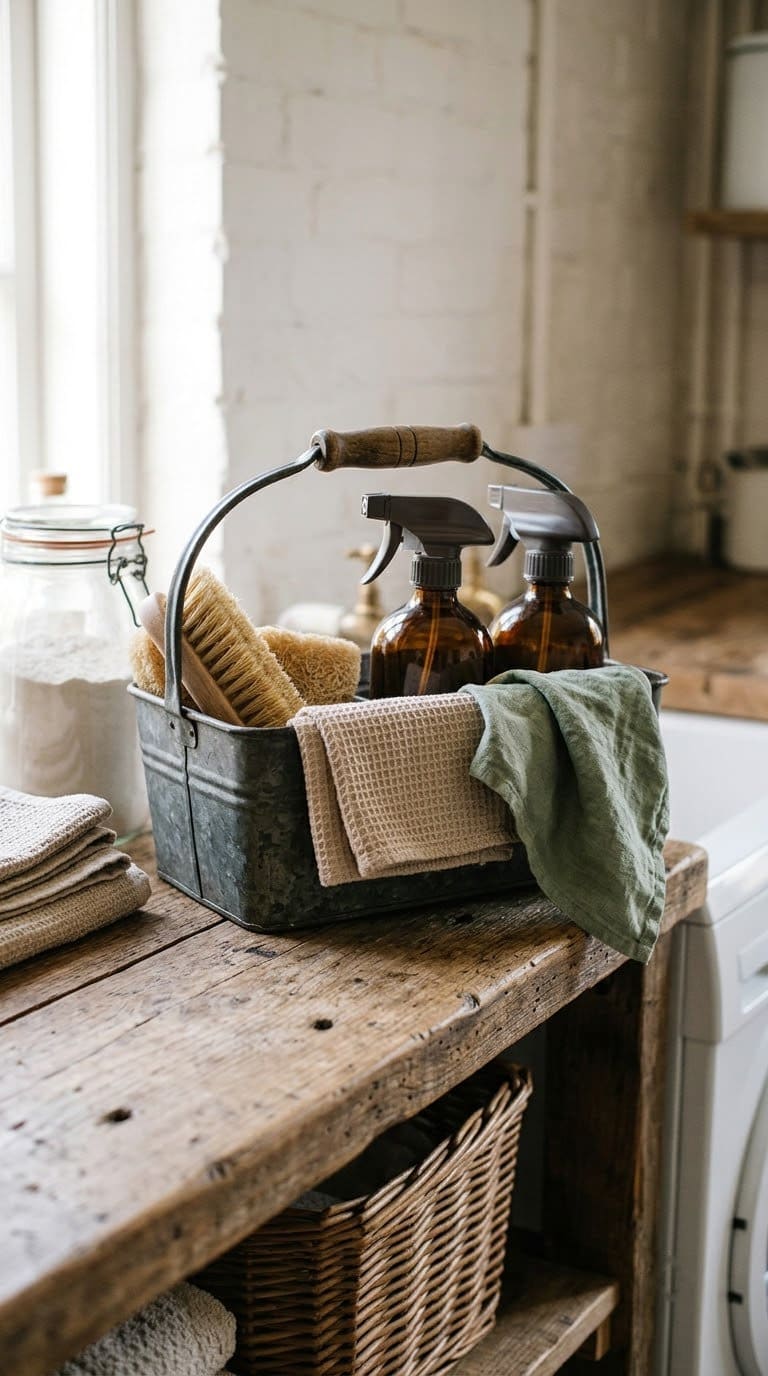
11. A Cleaning Caddy
Put your daily cleaners in a handled caddy. Keep a glass spray, a multipurpose spray, a brush and a cloth. Store the rest in one closet on a high shelf.
Pair with: a hook on the back of the door for rags.
But watch out: never mix products. Keep them in their original containers, and never pour a cleaner into a cup or soda bottle.
Our take: a caddy keeps you from walking around with armfuls. It also makes a ten-minute clean easy.
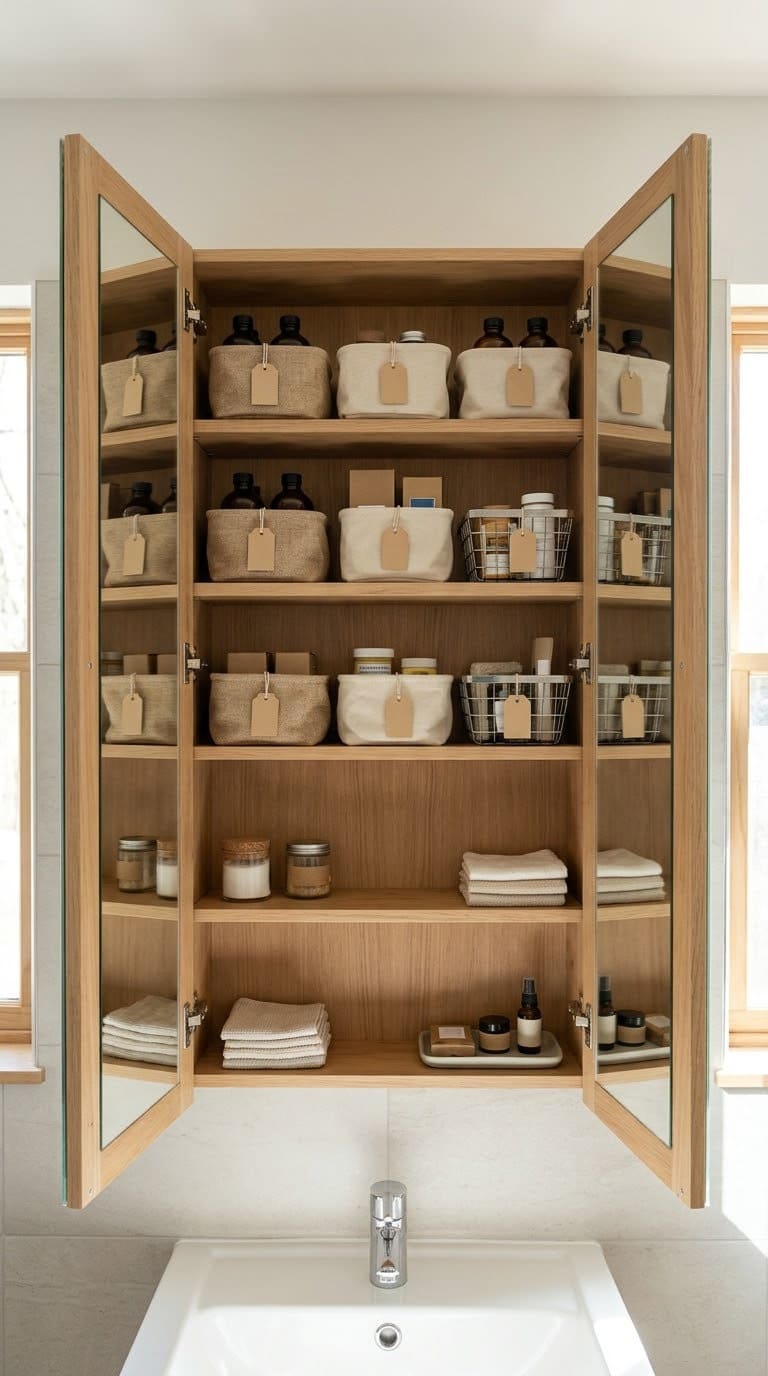
12. A Cleaned-Out Medicine Cabinet
Take out every bottle and check dates. Group by use, like cold, first aid and daily vitamins. Put prescriptions on a high shelf, away from kids.
Pair with: a small lockbox for strong drugs.
Watch out: keep medicines in their original containers, out of reach and out of sight. Skip counters and bedside tables, and clean out the cabinet often.
Our take: do this twice a year. Tie it to the clock change so you remember.
13. A Sorting Hamper System
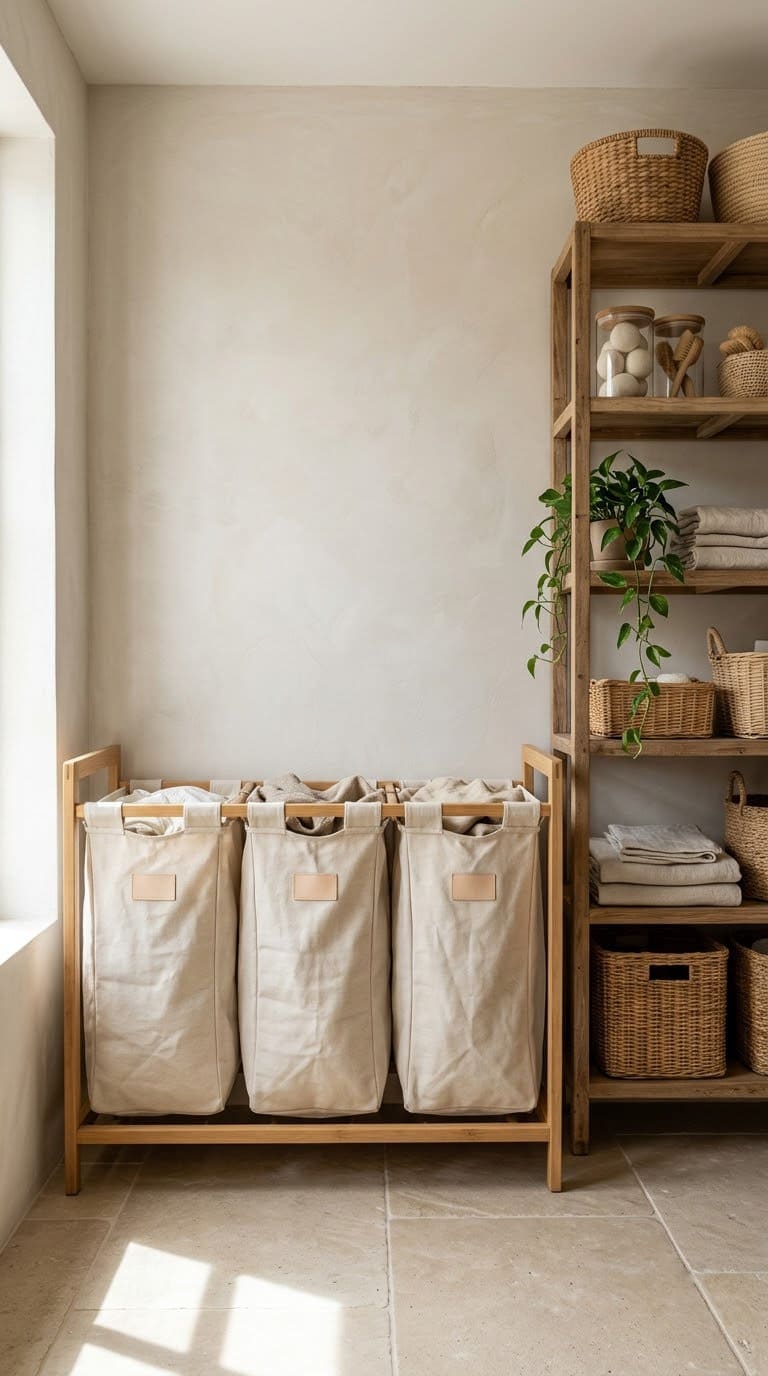
Use a three-section hamper for lights, darks and delicates. Label each bag. Wash a section when it’s full, so laundry never piles up.
Pair with: a shelf of baskets above the machine.
Watch out: a hamper that’s too far from the closet gets ignored. Put it where people undress.
Our take: sorting at the hamper saves a step on wash day. It also stops red socks from ruining white sheets.
Paper, Office and Garage Tricks
14. A Family Command Center
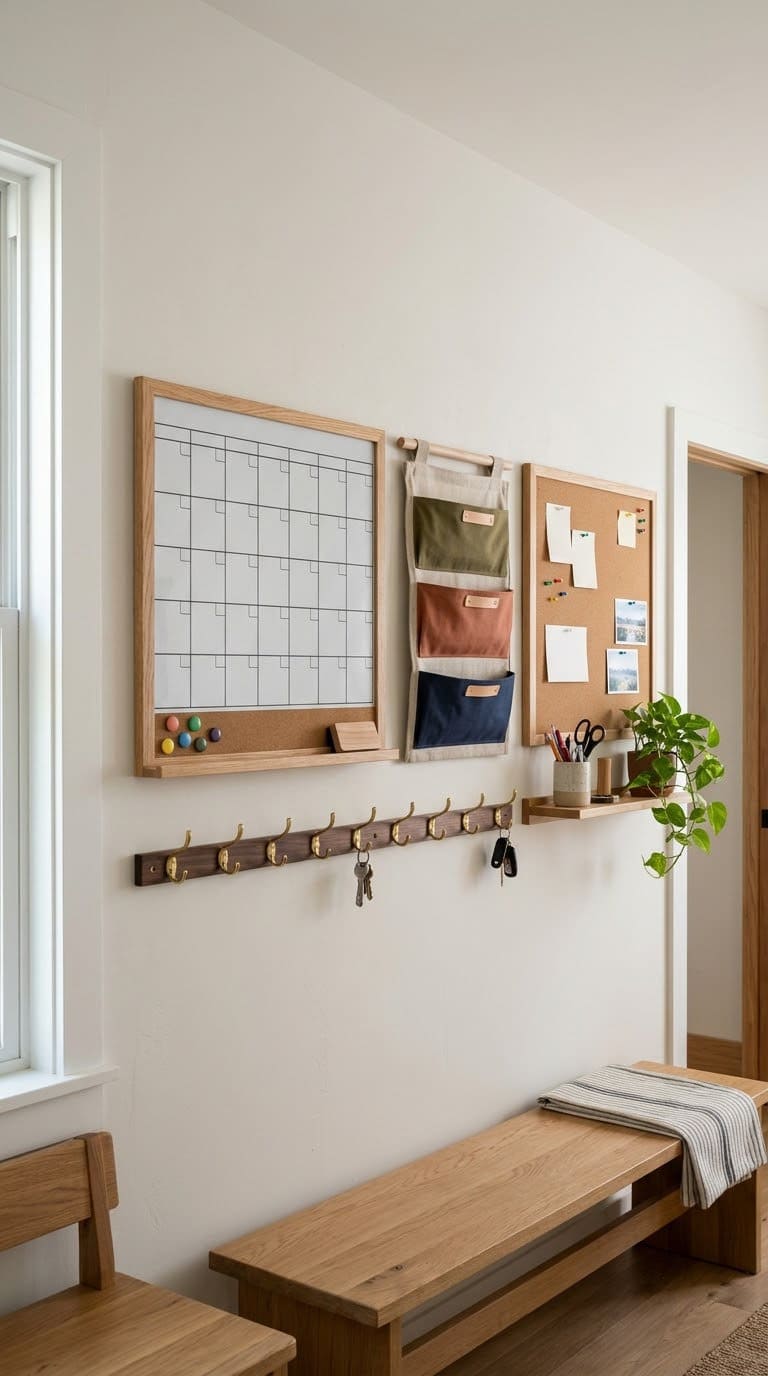
Hang a wall board with a calendar, a hook for keys and a pocket for school forms. Add a pen on a string. Use one color per person.
Pair with: a small bulletin board for invitations.
But watch out: a command center collects old paper. Clear it every Sunday night.
Our take: a great hub for a family with kids. One glance tells you the week.
15. A Paper System With Dates
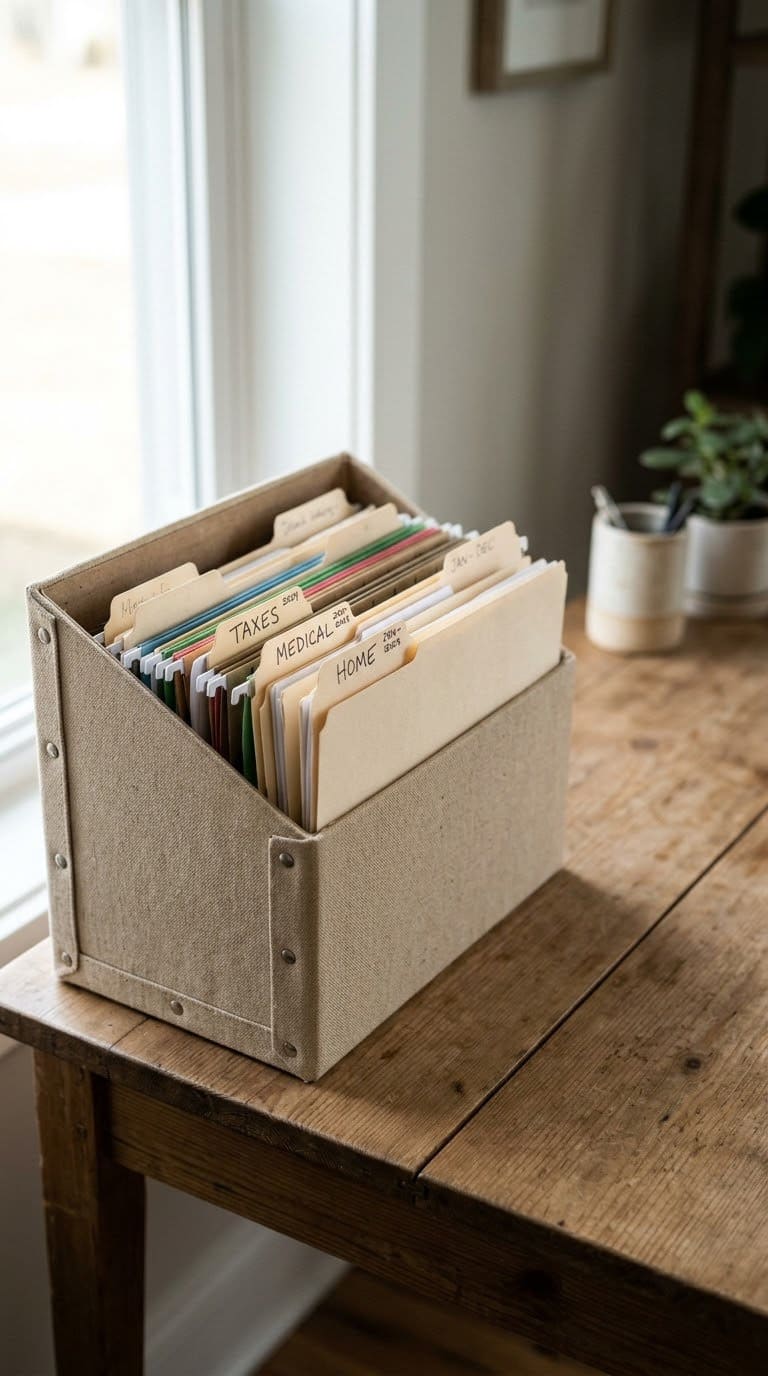
Make three piles: act on now, file and shred. Keep a small file box with folders for taxes, medical, home and cars. Date each folder.
Pair with: a shredder or a shred box.
Watch out: don’t toss tax records early. The default is to keep records for 3 years. It also says to keep employment tax records for at least 4 years, and records tied to some claims for longer.
Our take: a simple box beats a fancy cabinet. If you aren’t sure how long to keep a document, ask a tax pro.
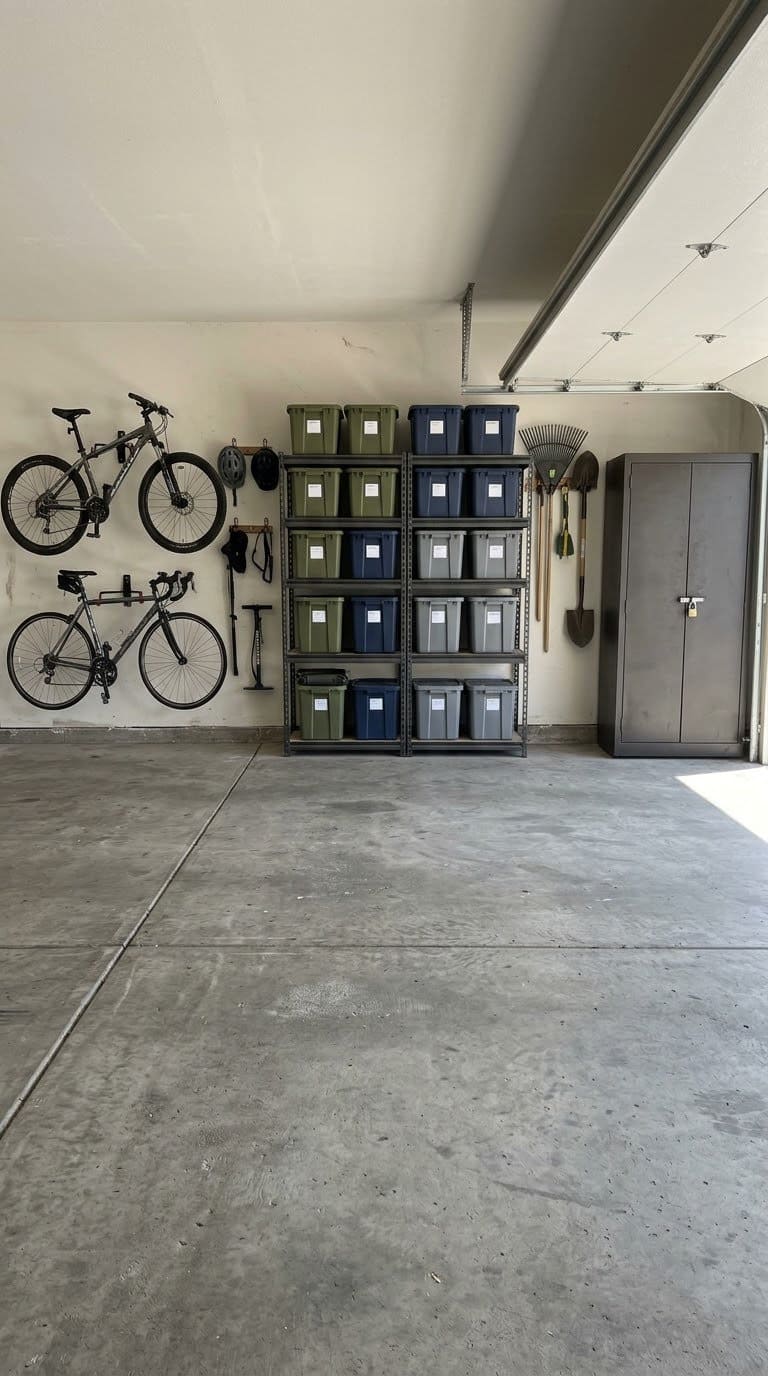
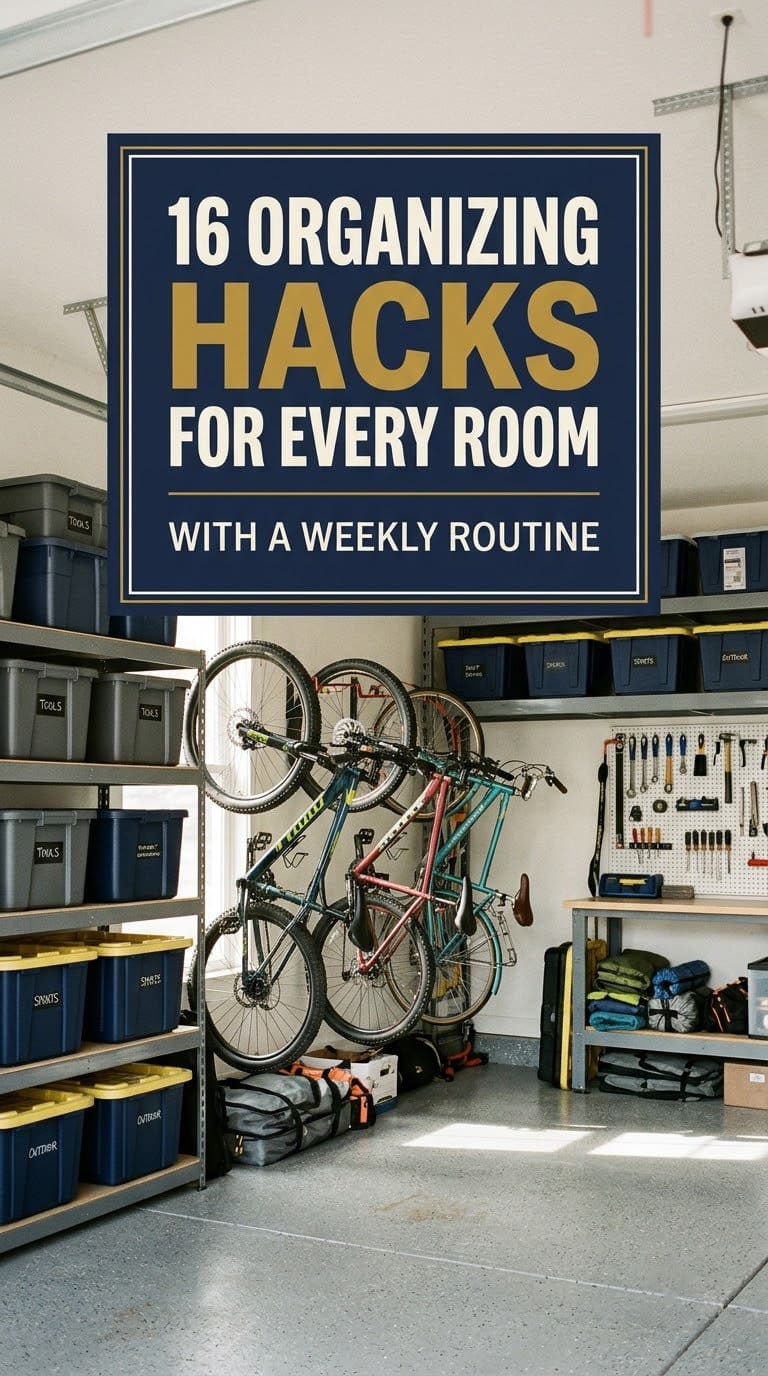
16. Garage Zones
Divide the garage into zones for tools, sports, garden and seasonal items. Hang bikes and ladders on the wall. Put heavy items low and light ones high.
Pair with: shelves with labeled bins.
But watch out: pesticides, gasoline and paints belong in a locked area. Keep them out of reach and out of sight.
Our take: a garage is the last room to do, and the first to get messy. For more help, see our guide to turning a cluttered garage into a functional space.
What Containers Should You Buy?
Buy containers after the sort, and match each one to a job. Measure the shelf or drawer first, then write the numbers on your phone. Take the list to the store.
| Container | Best for | Watch out |
|---|---|---|
| Clear bins with lids | Pantry, closet shelves, garage | Stacked lids can slide, so use grippy liners |
| Open woven baskets | Entryway, towels, toys | They hide clutter, so label the front |
| Drawer dividers | Kitchen, bathroom, desk | Pick adjustable ones that fit your drawer |
| Wall hooks and rails | Mudroom, kitchen, garage | Check studs before you hang heavy loads |
| Turntables | Fridge, cabinets, sauces | Skip them in narrow shelves |
| Label maker or tape | Every bin | Write the contents, not a vague word like “misc” |
Our rule: buy one matching set per room. Mixed bins look messy even when they are full and neat.
In What Order Should You Organize the Rooms?
Start with the room that causes the most daily stress. For most homes, that is the entryway or the kitchen. Then move to bedrooms, bathrooms, paper and the garage.
Work in short sessions, and stop when the timer rings. A zone you finish counts more than a room you half empty. Take a “before” photo, so you can see your progress on days when it feels slow.
What Is a Weekly Routine That Keeps It Tidy?
A system fails without a routine. Pick 15 minutes a day and one job a day.
| Day | Job | Time |
|---|---|---|
| Monday | Clear the drop zone and the mail | 10 minutes |
| Tuesday | Wipe the fridge shelf and toss old food | 10 minutes |
| Wednesday | Reset the kids’ clothes basket | 10 minutes |
| Thursday | Sort the laundry baskets | 10 minutes |
| Friday | Clear the command center | 10 minutes |
| Weekend | One zone from this list | 1 to 2 hours |
Our rule: follow a one-in, one-out habit. When you bring home a new item, remove an old one.
What Will It Cost, and How Long Will It Take?
Prices vary by store and region, so use these tiers.
| Tier | What it covers | Typical time |
|---|---|---|
| Free to cheap | Sorting, hooks, baskets, labels | A day per room |
| One weekend | Pantry zones, closet bins, command center | 1 to 2 days |
| Bigger project | Garage shelves, built-in closet, mudroom bench | A few weekends |
Start with the free tier. Buy storage only after you know what you have.
Common Mistakes to Avoid
Buying bins first. Sort, then measure, then shop.
Doing the whole house in one day. Finish one zone. A small win keeps you going.
Storing cleaners with food. Never store them together.
Tossing tax papers too soon. Keep records for the full time period, and check the rules.
Skipping the routine. A weekly 15 minutes beats a yearly marathon.
FAQ
Where should I start organizing my home? Start with the entryway or one drawer. A small win builds momentum.
How do I keep my home organized? Use a weekly routine and a one-in, one-out rule.
How long should I keep tax records? Keep most records for 3 years. Some need longer, so check the IRS guidance.
How cold should my fridge be? At 40°F or below, with the freezer at 0°F.
Where should I store cleaning supplies? In their original containers, away from food, with latches on low cabinets.
Related Posts
- Clever Ways to Clear Clutter and Reclaim Space
- How to Keep a Family Home Neat and Tidy
- Smart Ways to Create More Storage Space in Your Home
Never miss an update — choose FarmFoodFamily as your preferred source on Google.
How it works: Tap the button below to open Google's settings page, then check the box next to FarmFoodFamily.
Tap the checkbox to turn it blue — that's how you know it's set.