10+ Real Ways to Organize and Store Medication Safely
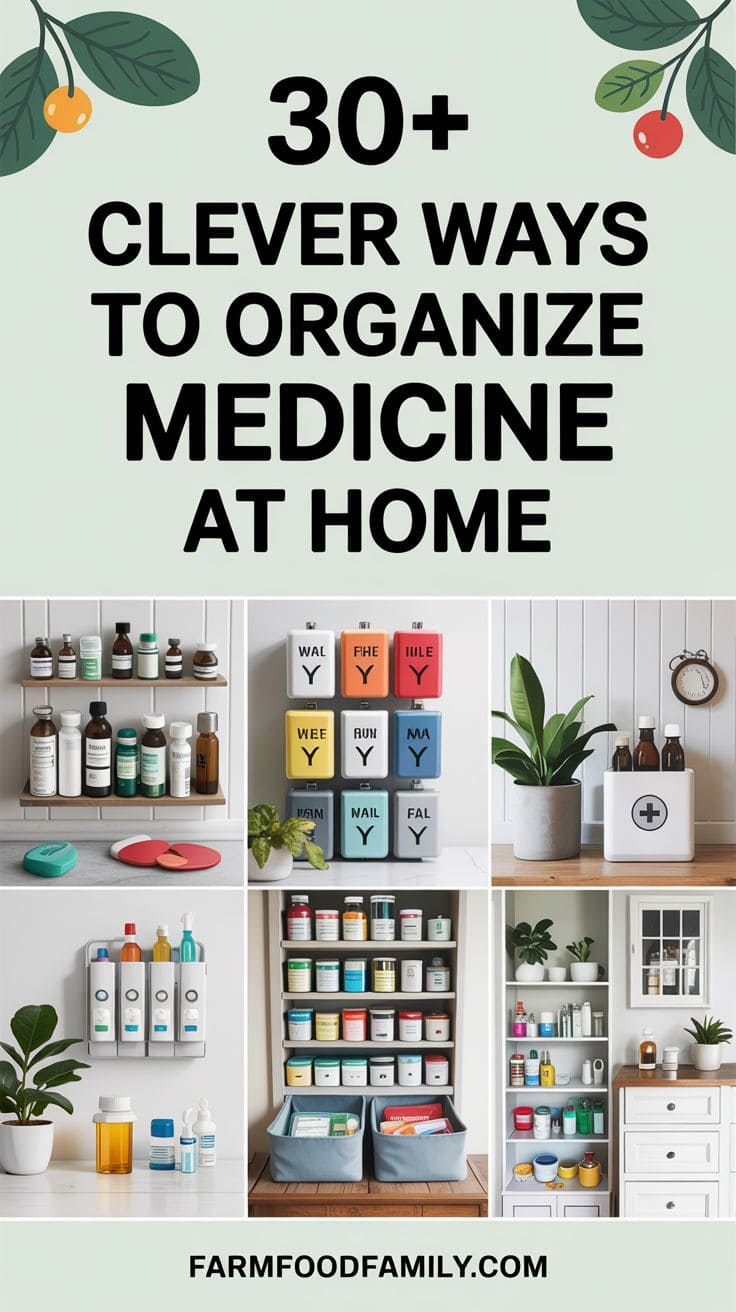
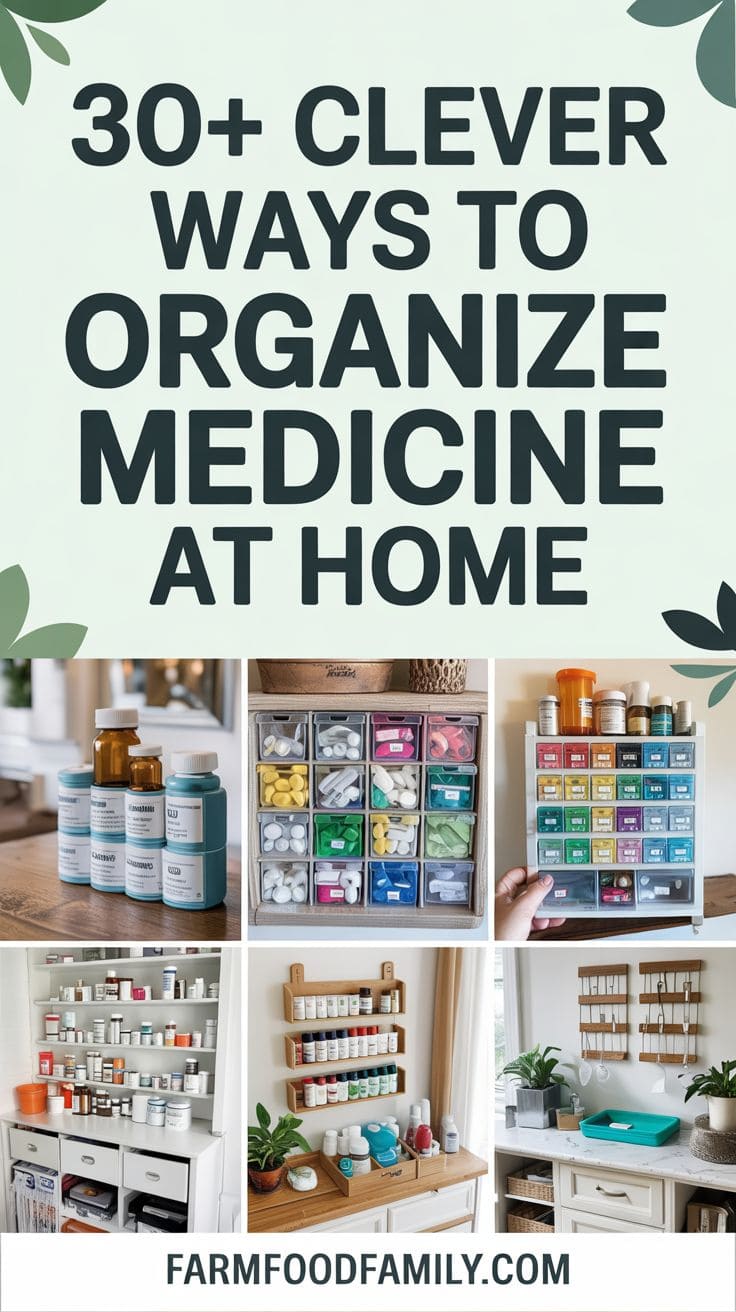
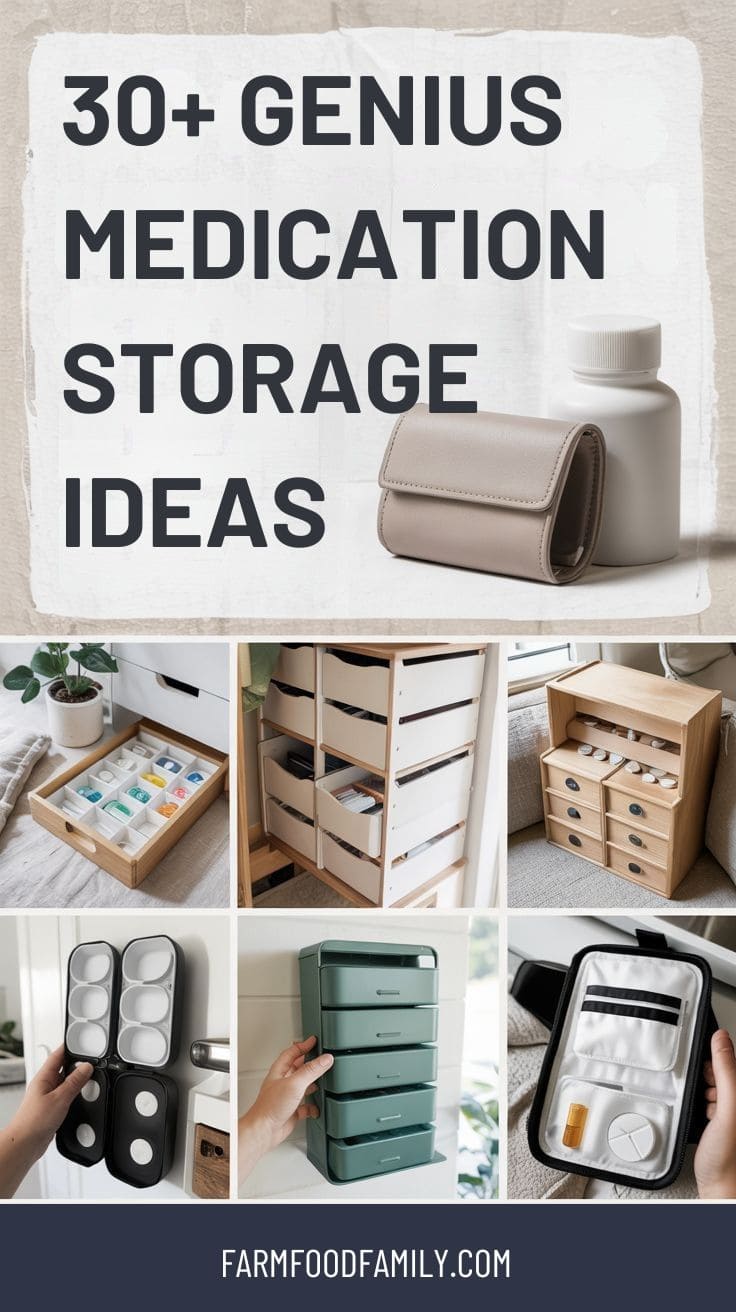
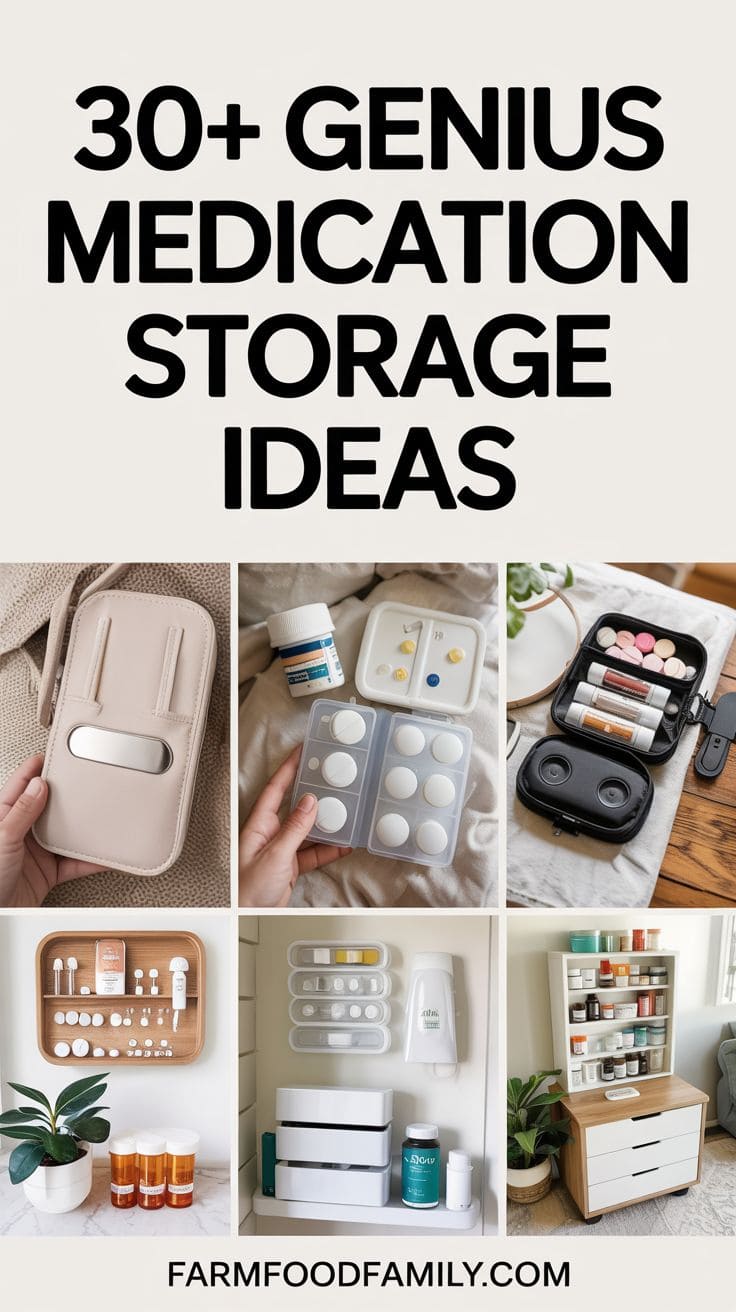
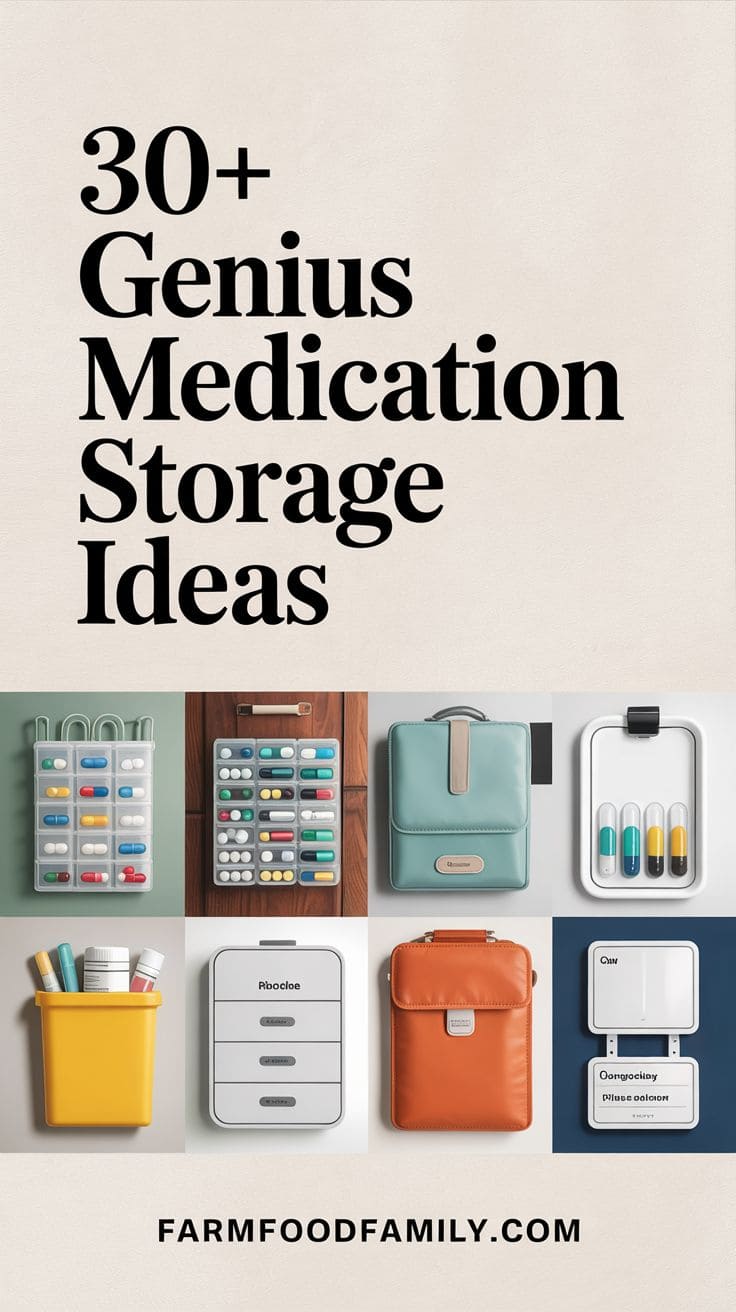
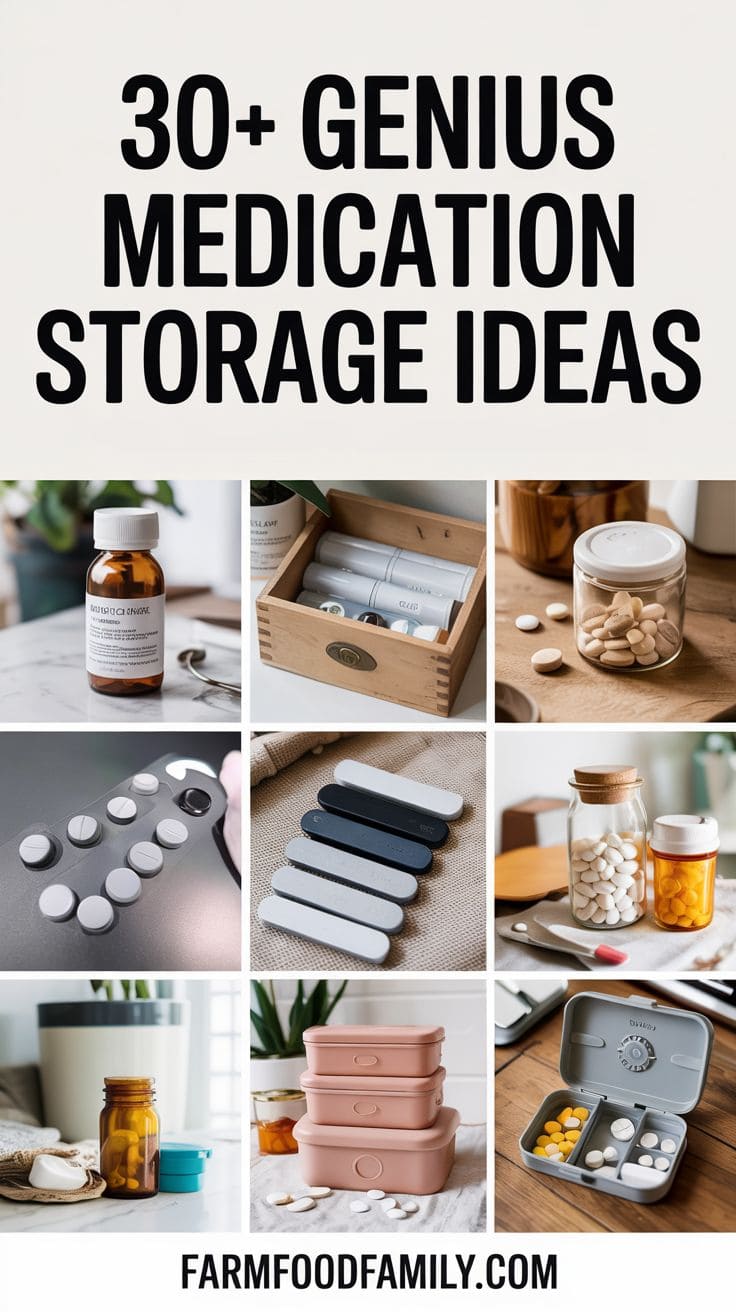
Organizing medication properly ensures that everything is easy to find while maintaining a clutter-free and functional space. Whether you have a collection of essentials or manage multiple medications, creating a storage system tailored to your needs can make a difference. A well-thought-out storage solution helps keep prescriptions, vitamins, and over-the-counter medicines neatly arranged, making daily…

Never miss an update — choose FarmFoodFamily as your preferred source on Google.
How it works: Tap the button below to open Google’s settings page, then check the box next to FarmFoodFamily.
Tap the checkbox to turn it blue — that’s how you know it’s set.
Organizing medication properly ensures that everything is easy to find while maintaining a clutter-free and functional space. Whether you have a collection of essentials or manage multiple medications, creating a storage system tailored to your needs can make a difference.
A well-thought-out storage solution helps keep prescriptions, vitamins, and over-the-counter medicines neatly arranged, making daily routines smoother and reducing the risk of misplaced or expired medications. Here are medication storage ideas to help keep your meds in one place!
Where not to store medication
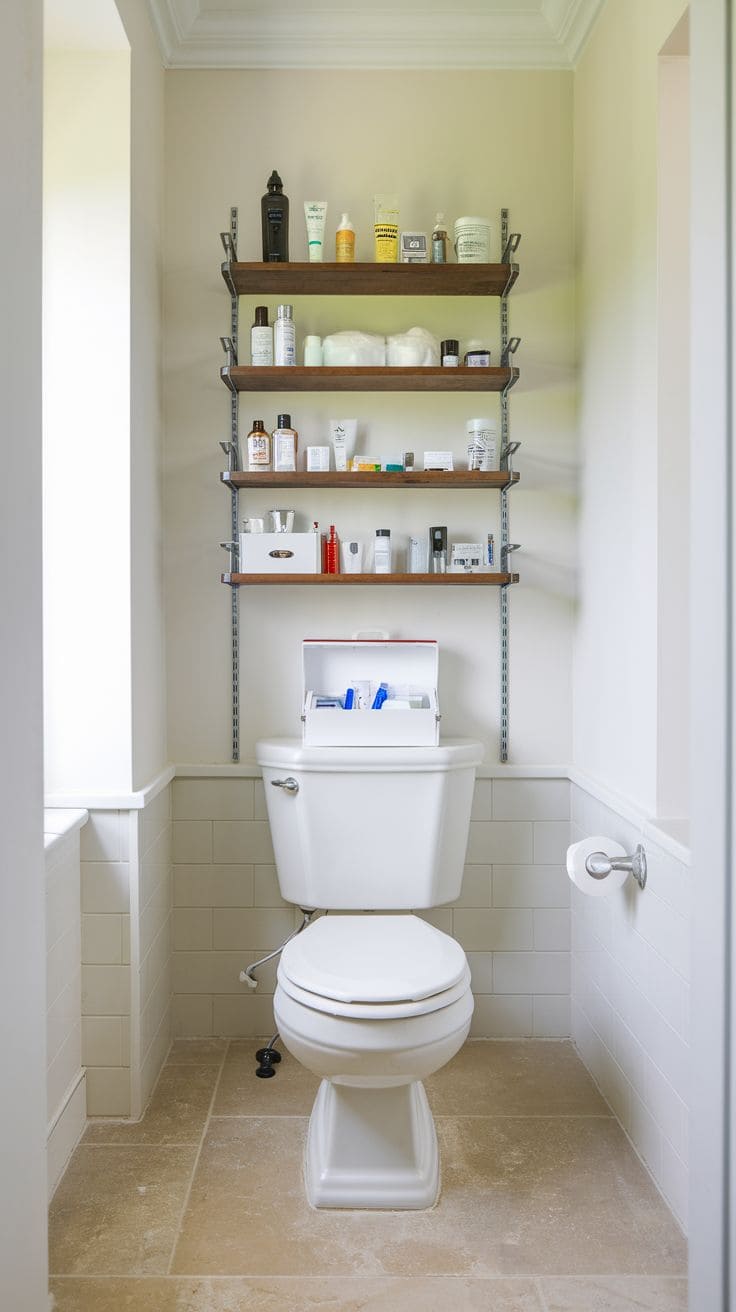
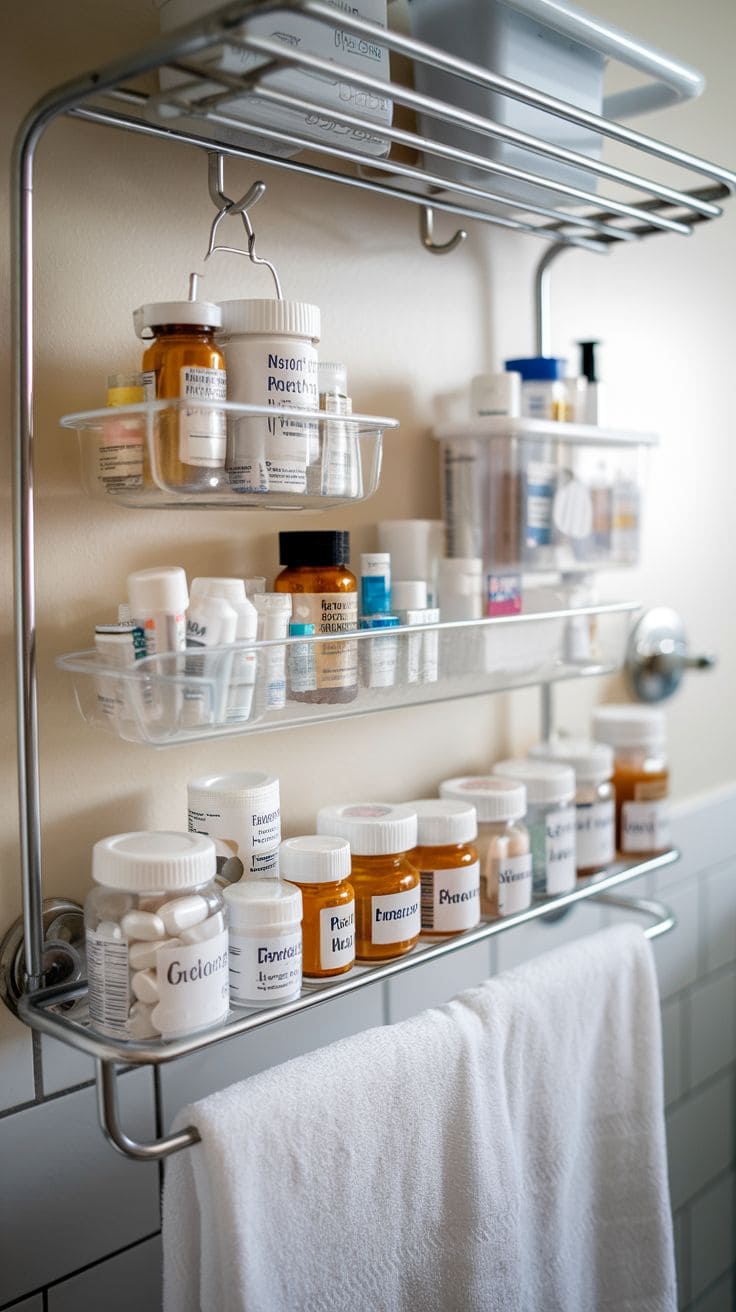
Skip the bathroom, even though it’s the obvious first choice. Lisa Heiken, PharmD, a pharmacy manager at OSF St. Joseph Medical Center, points out that bathrooms tend to run high on humidity, and humidity is exactly what breaks down medication over time.
Medications that need refrigeration, like insulin, are especially vulnerable to heat. Most medication actually keeps best in a cool, dry place, roughly 59-86°F, away from direct sunlight, think a bedroom closet or a kitchen cabinet away from the stove, not the space right above a shower.
Budget-wise, most of the ideas below are realistically a $10-30 spend, stackable bins, drawer dividers, a basic pill organizer. A locking cabinet is the one higher-cost item on this list, worth the extra spend if kids or pets are in the house.

10 medication storage ideas
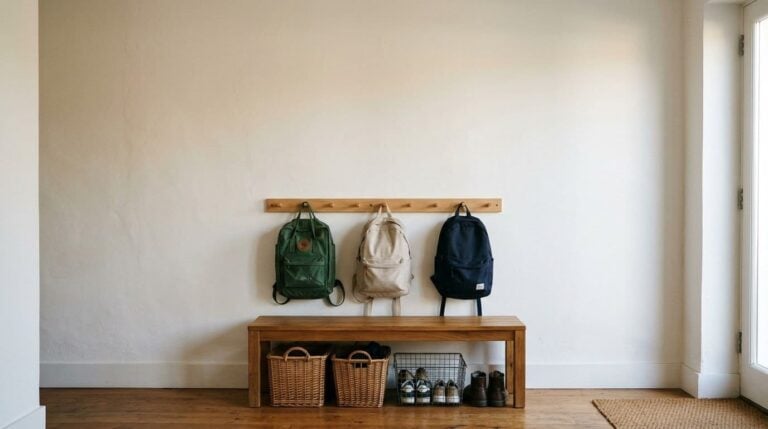
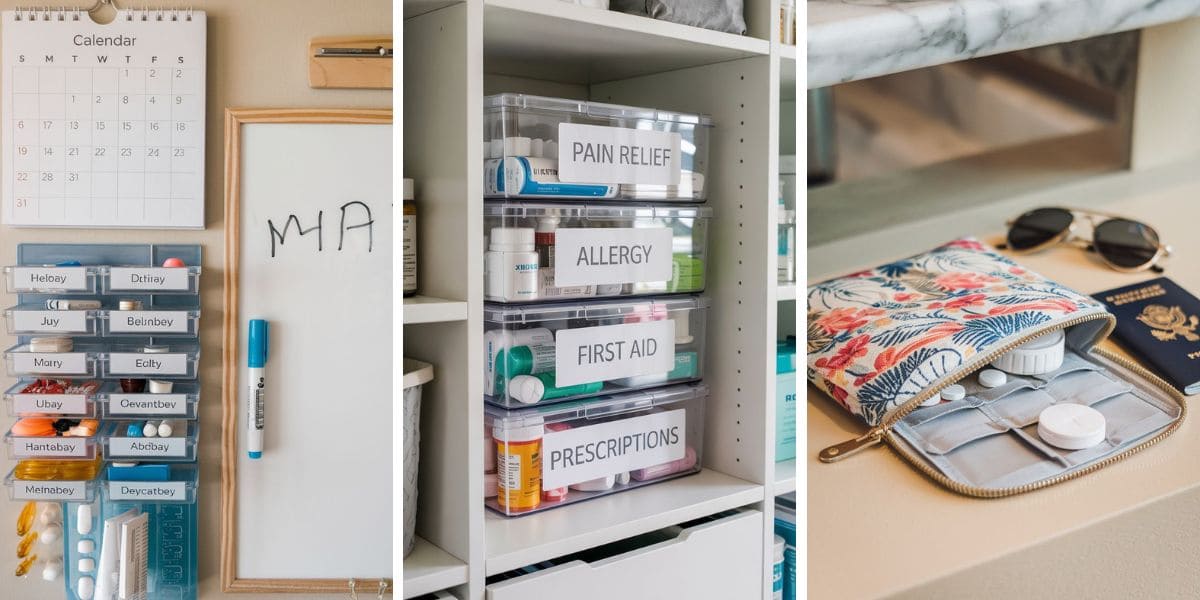
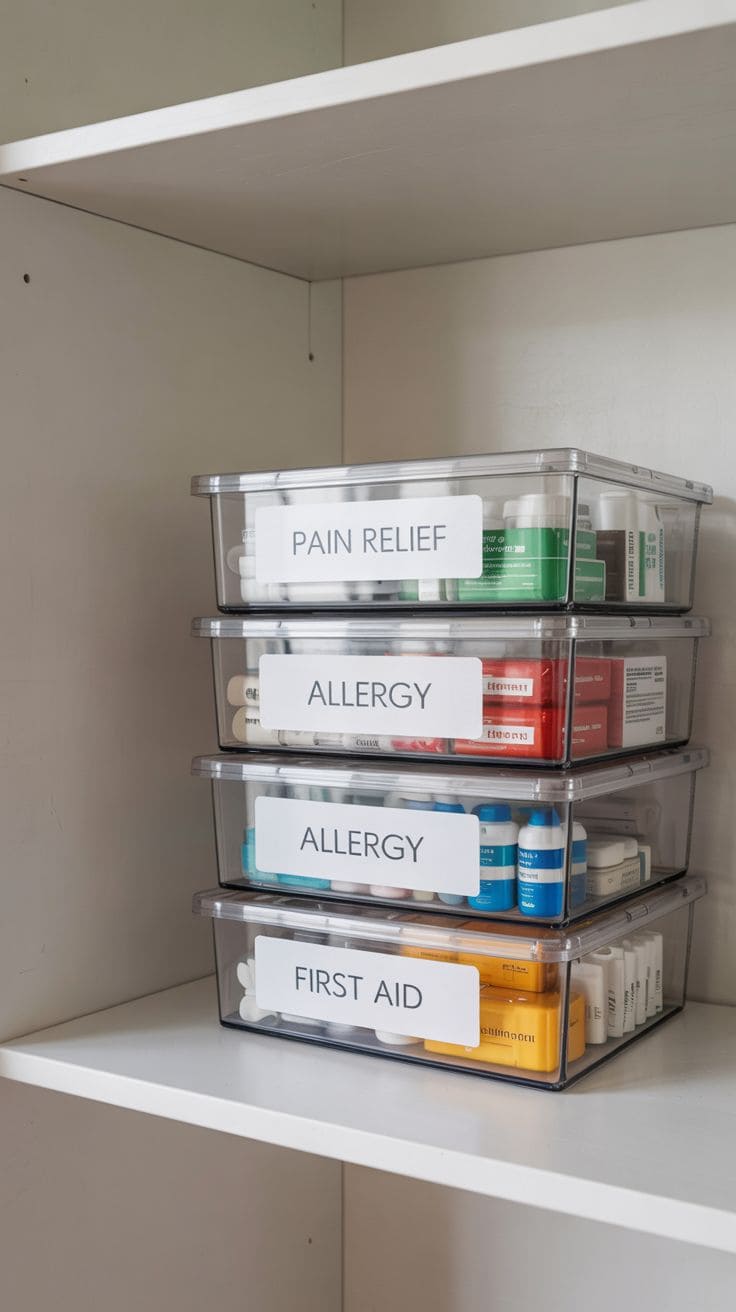
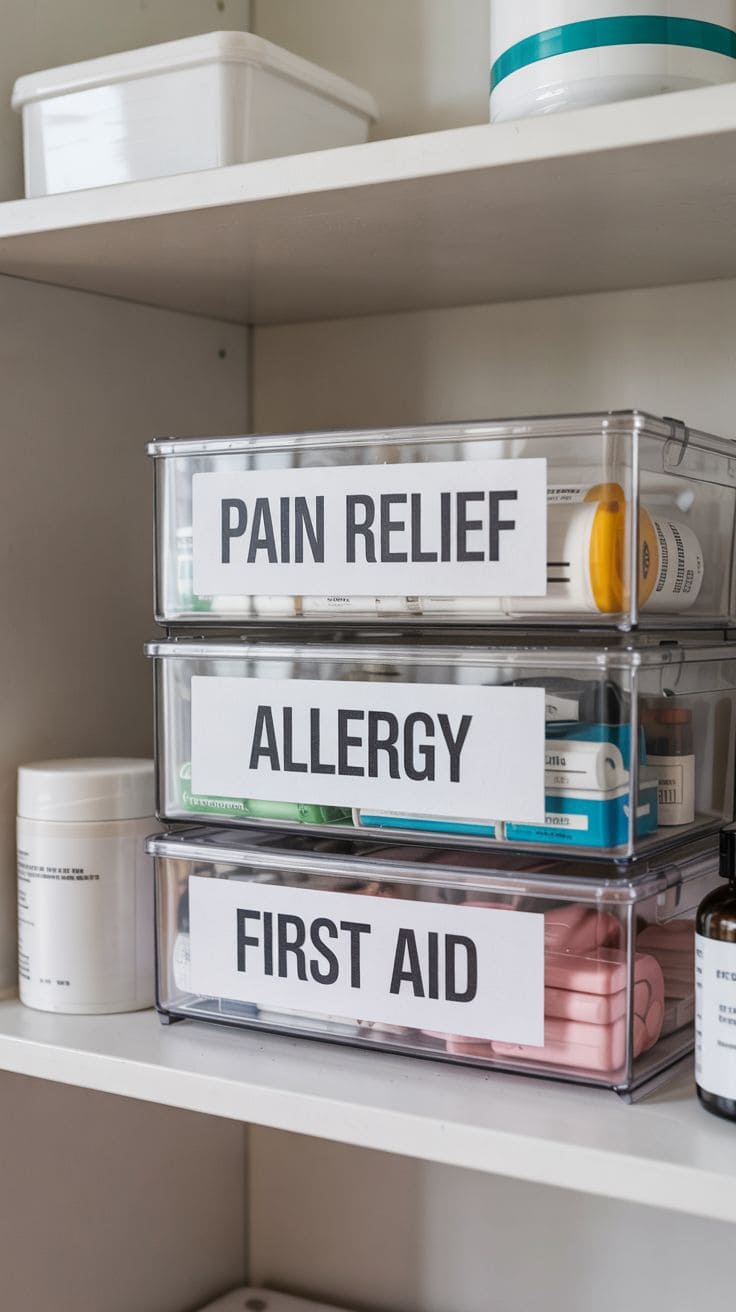
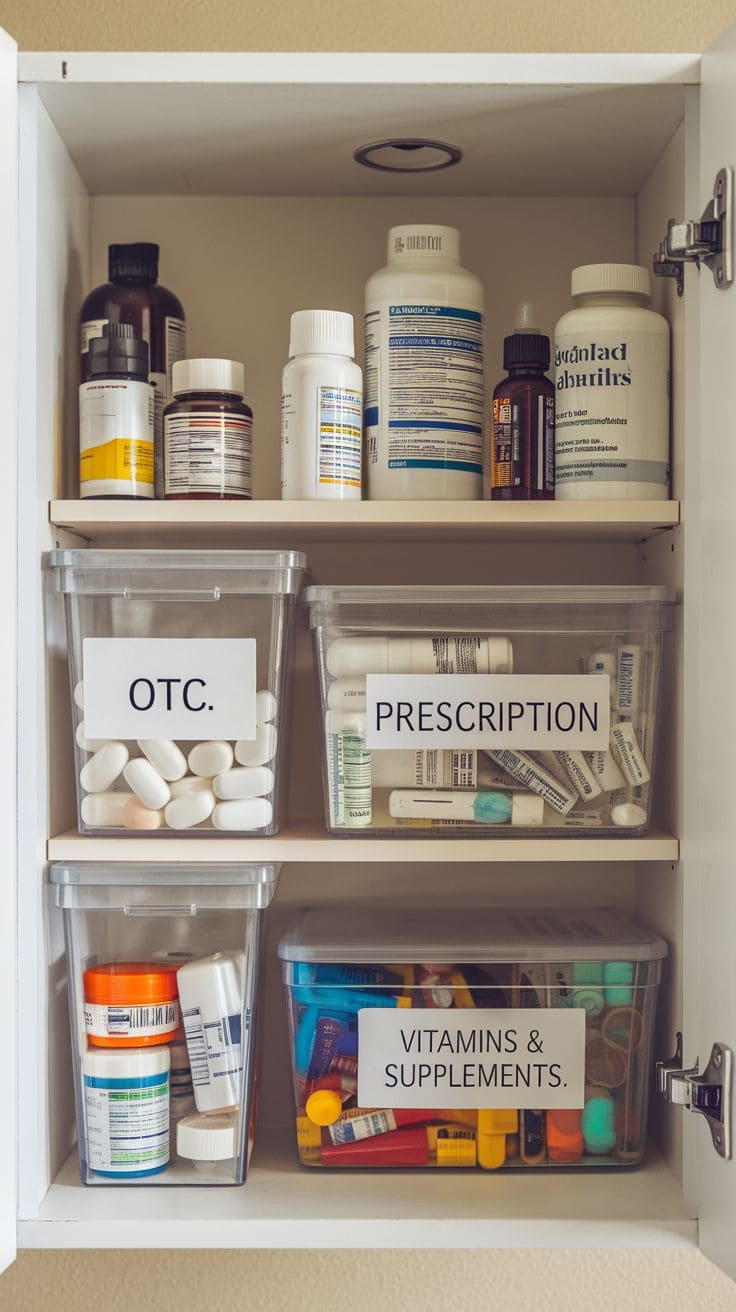
1. Stackable Bins with Labels for Easy Organization
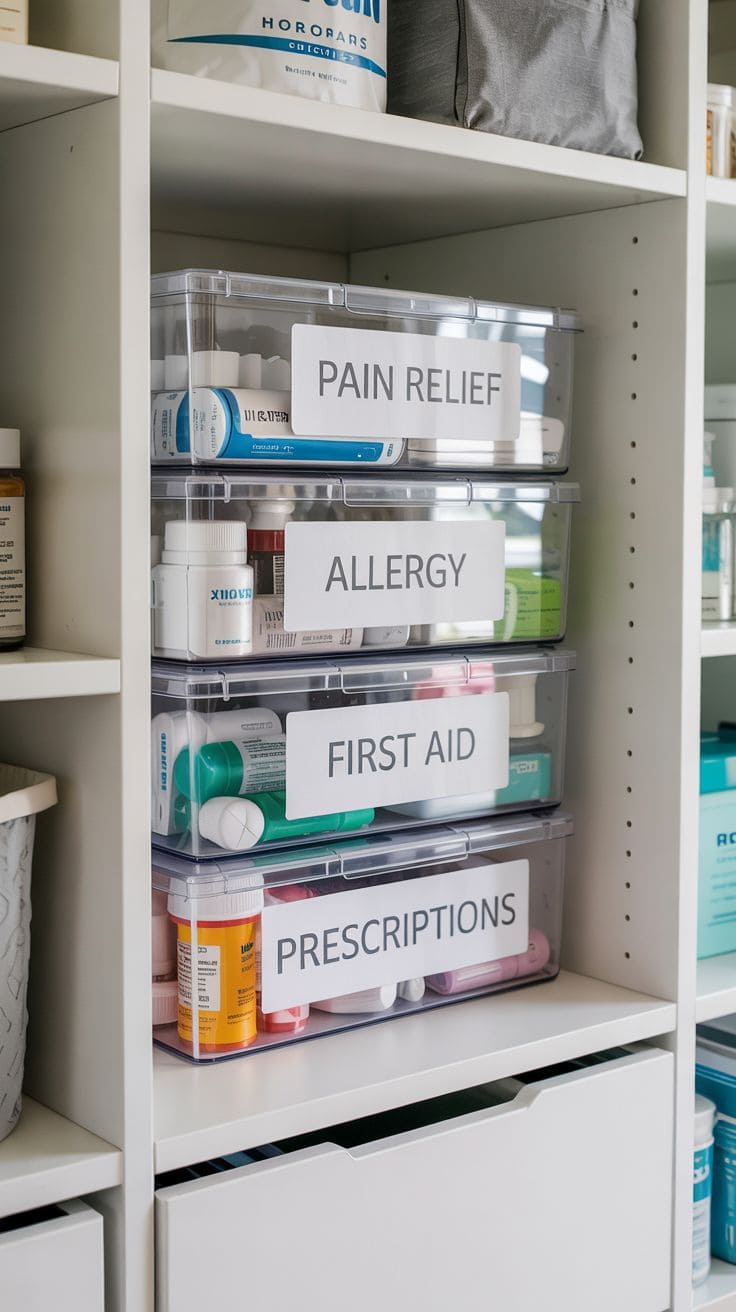
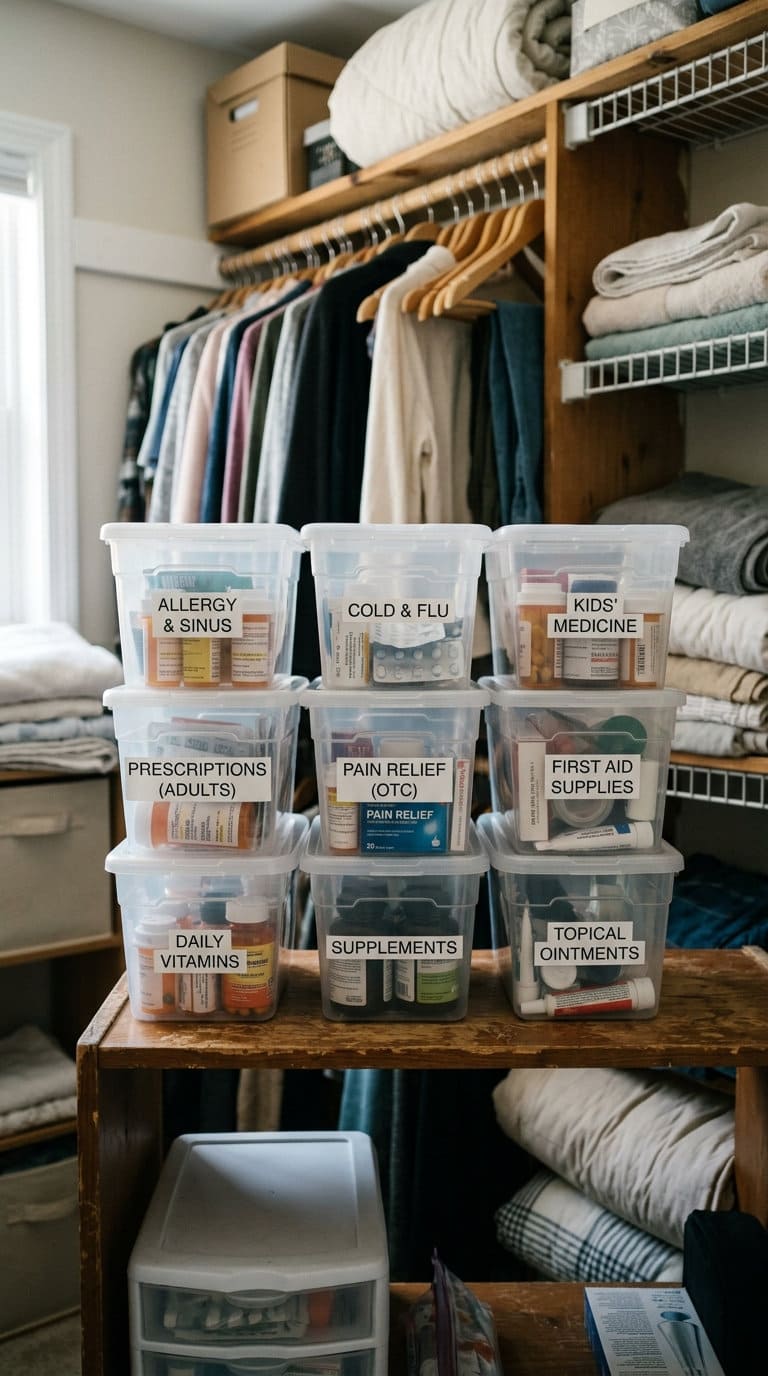
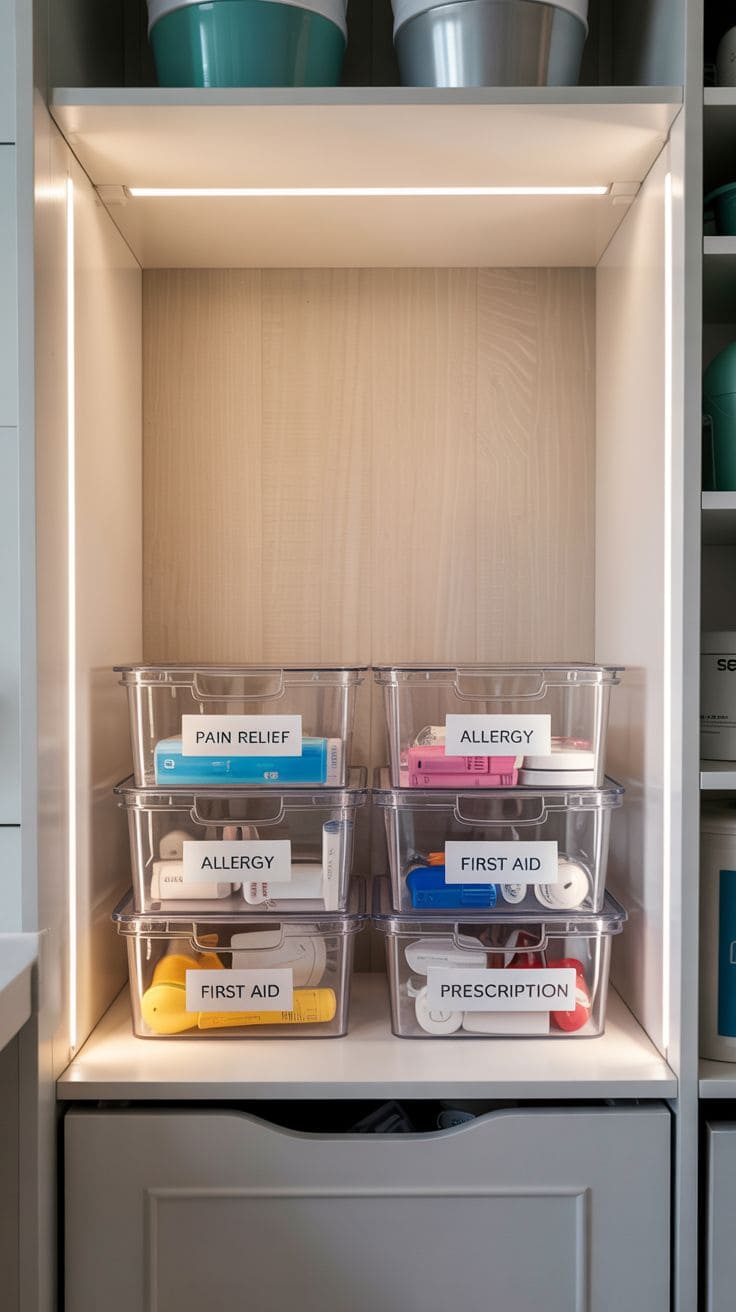
Medication may be conveniently and compactly stored in stackable bins, which also keep everything neatly organized by category.
Medications are always accessible when stored in clear or opaque bins with clearly marked compartments.
To keep your room clutter-free, you can hide these containers inside a closet, cupboard, or deep drawer.
Choosing stackable containers with lids for further efficiency keeps the medication dust-free while keeping a neat look.
Bins placed on a designated shelf, if room permits, optimize storage and guarantee that prescription meds are always accessible when needed.
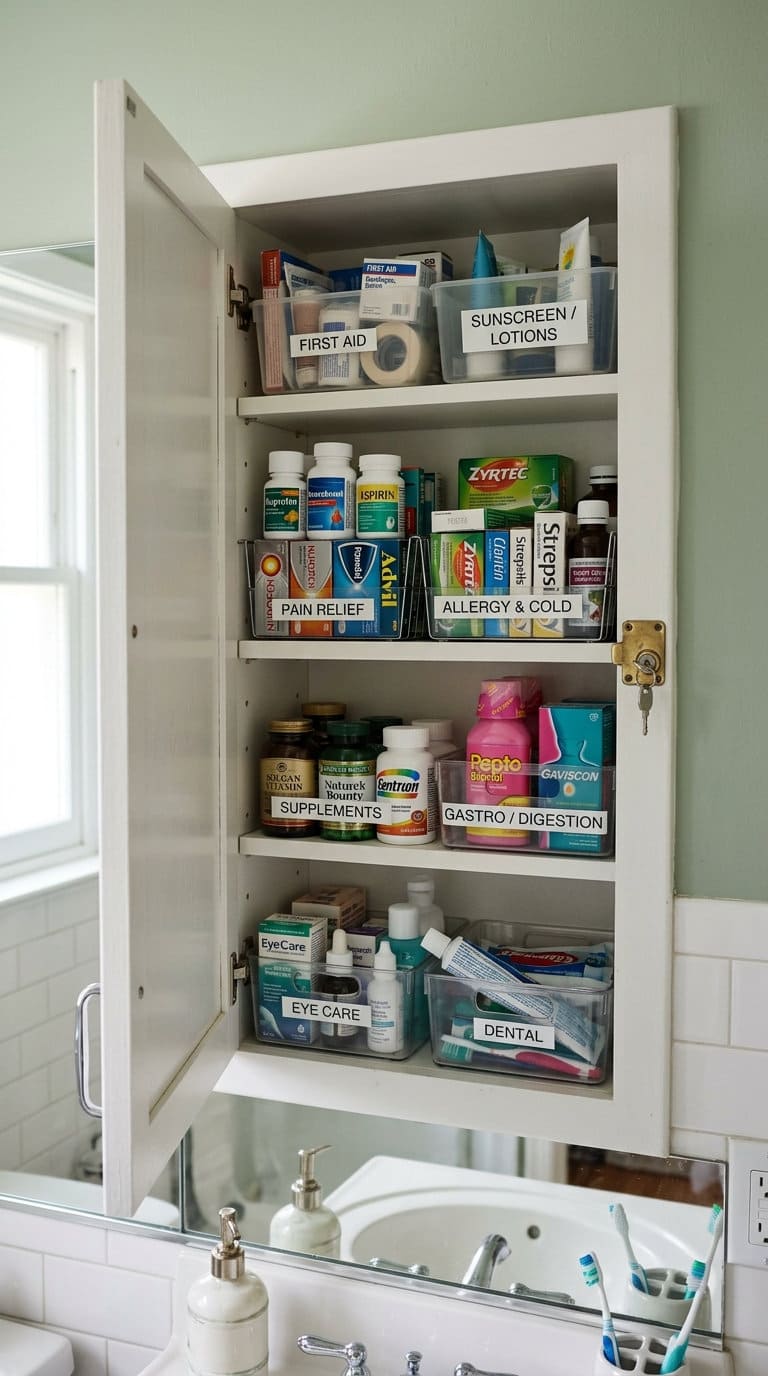
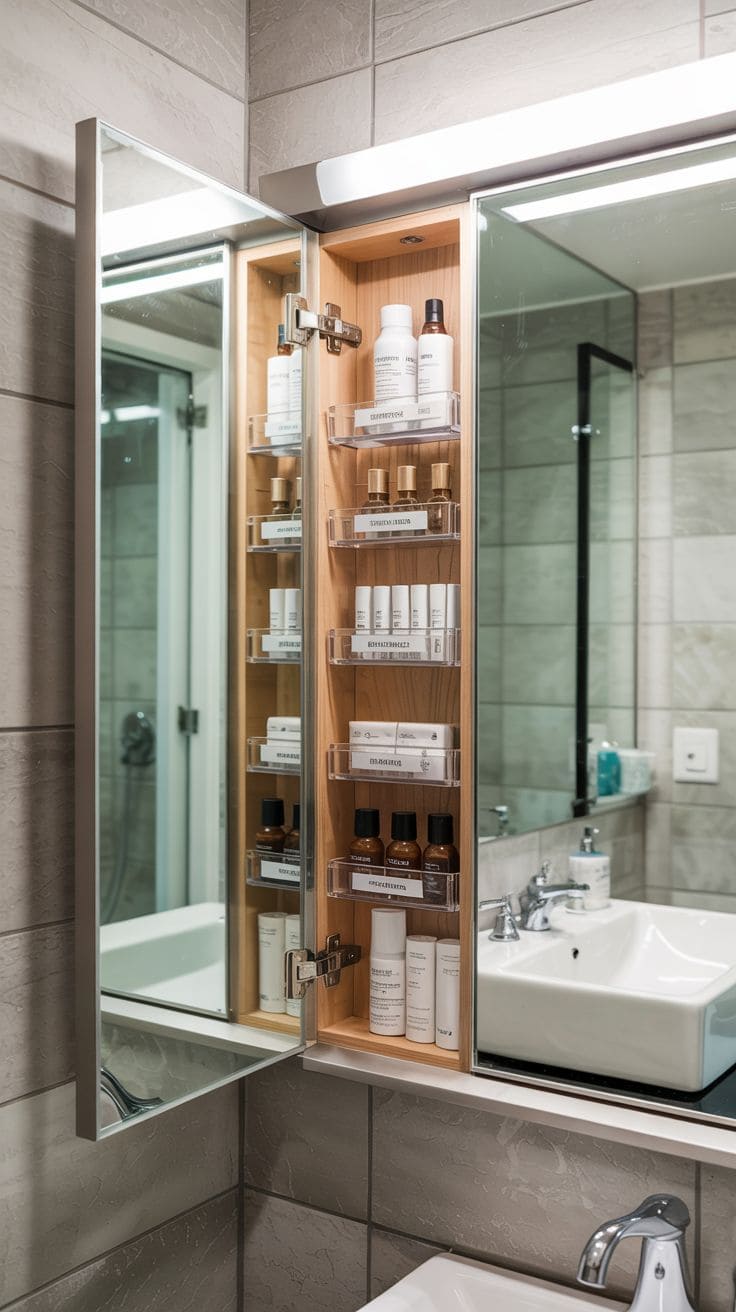
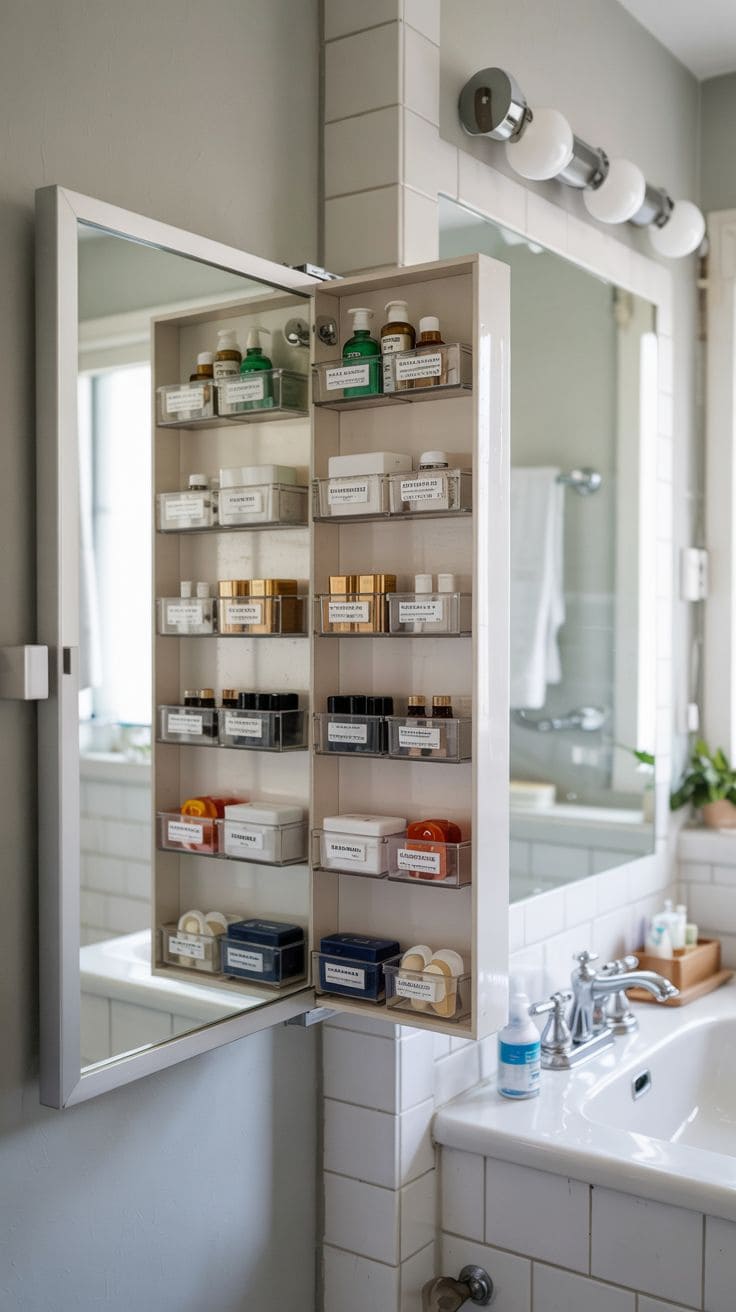
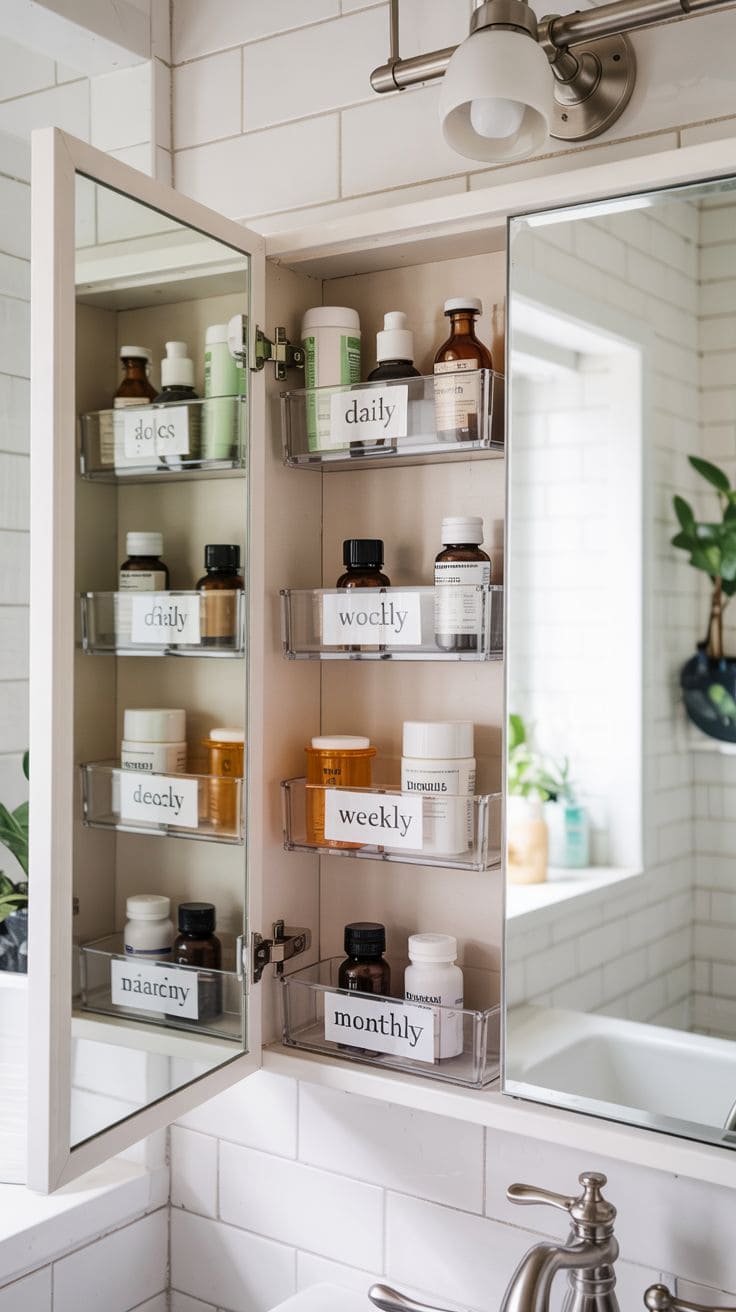
2. A Specialized Medicine Cabinet for a Stylish Appearance
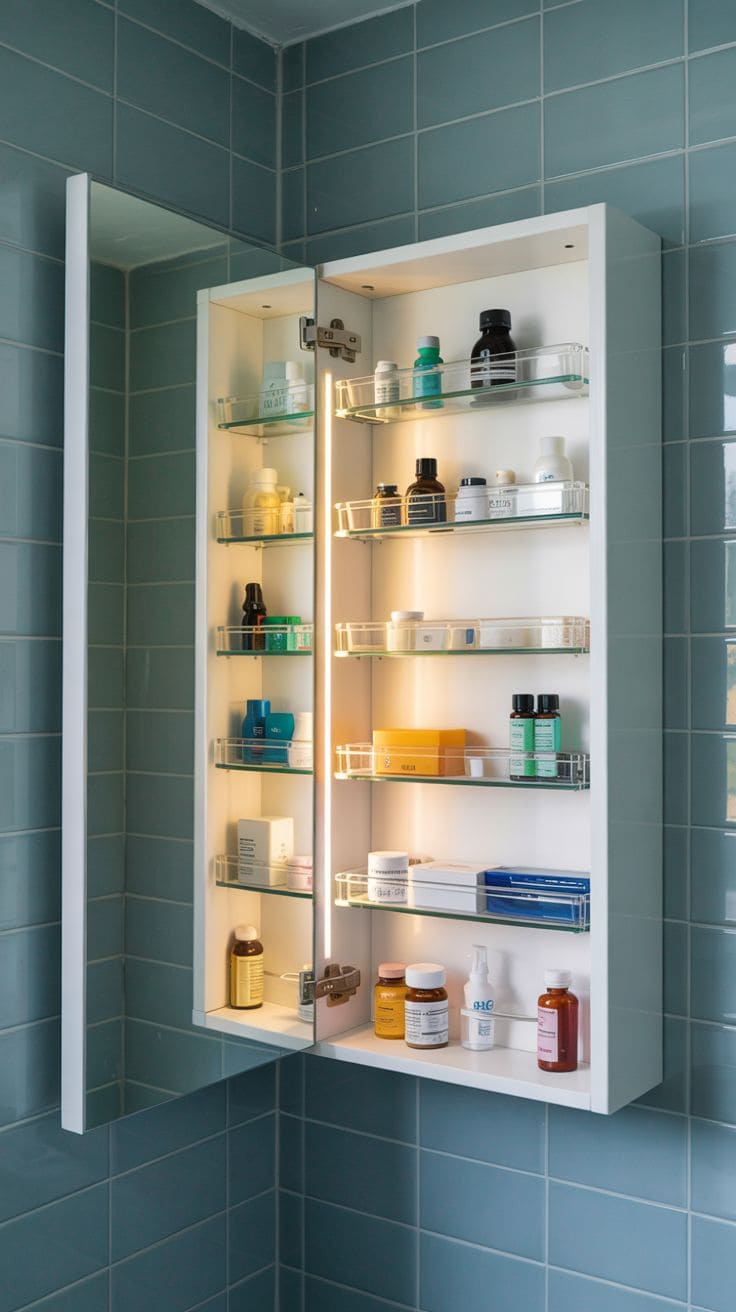
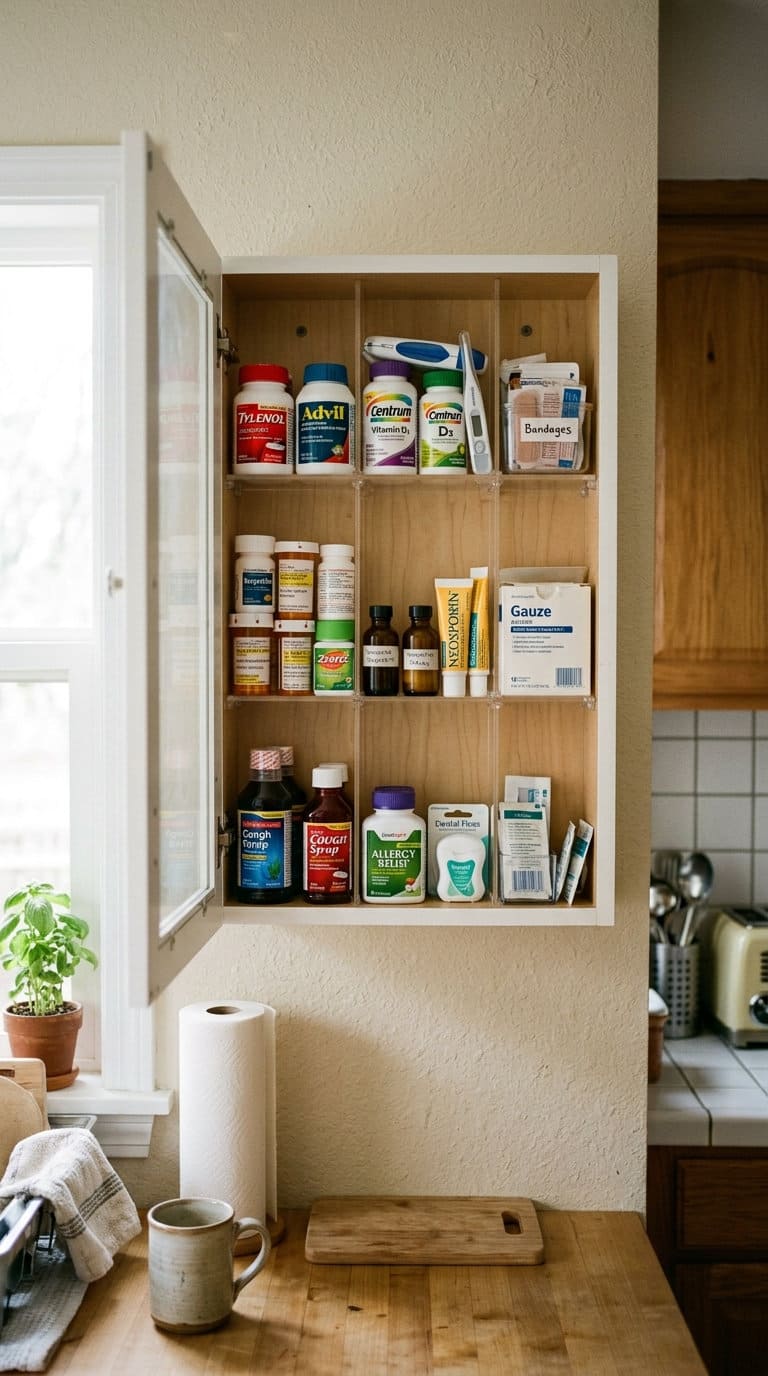
For people who like a clean, simple aesthetic, a dedicated medicine cabinet makes a great storage option.
Sorting the medications by type or usage frequency is simple when there are several shelves.
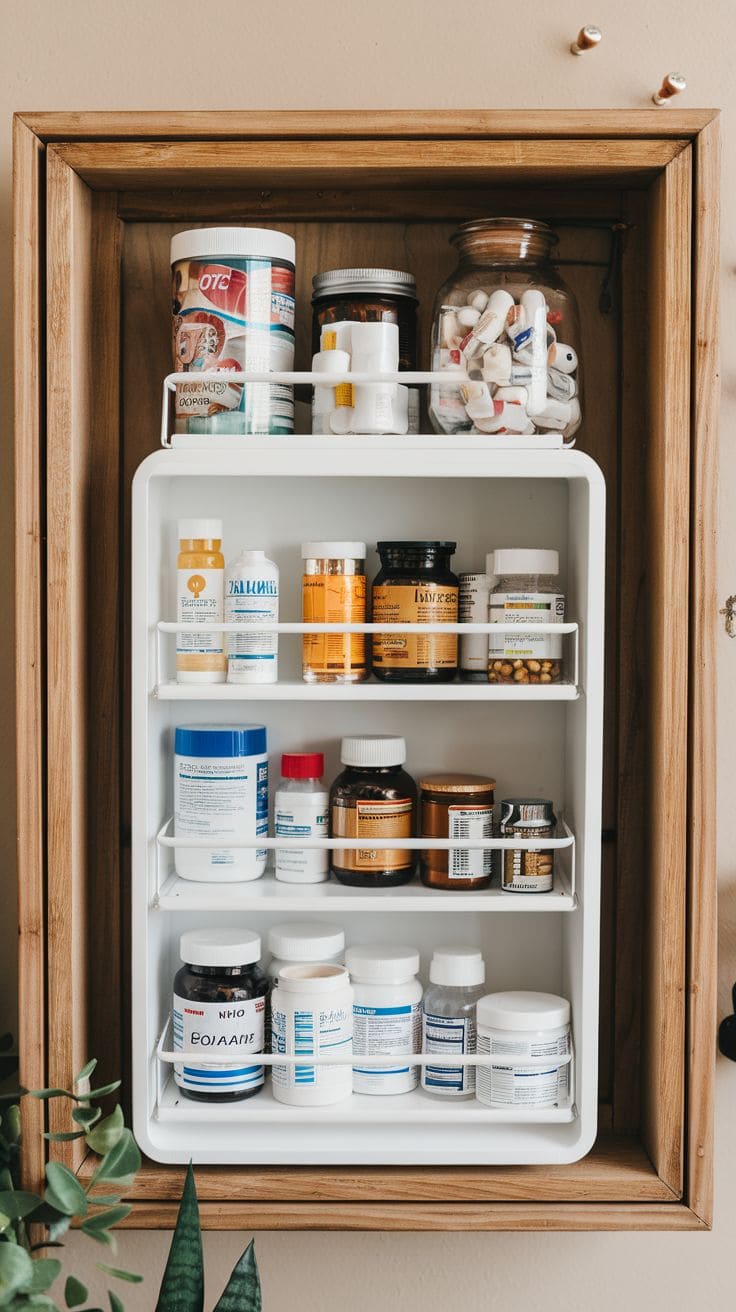
Recessed or wall-mounted cabinets are a great way to keep the medicine out of sight while yet keeping them accessible in restrooms, closets, or even kitchens.

A genuine locking wall-mounted cabinet with a dual-lock system, the real fix for the childproofing idea above, not just a high shelf.
Shop NowThis post contains affiliate links. We may earn a commission on qualifying purchases at no extra cost to you.
Using tiny bins or acrylic dividers inside the cabinet helps keep things organized by keeping bottles and boxes from getting mixed up.
The storage option can blend in with the room without attracting attention to itself by choosing a design that goes well with the surrounding décor.
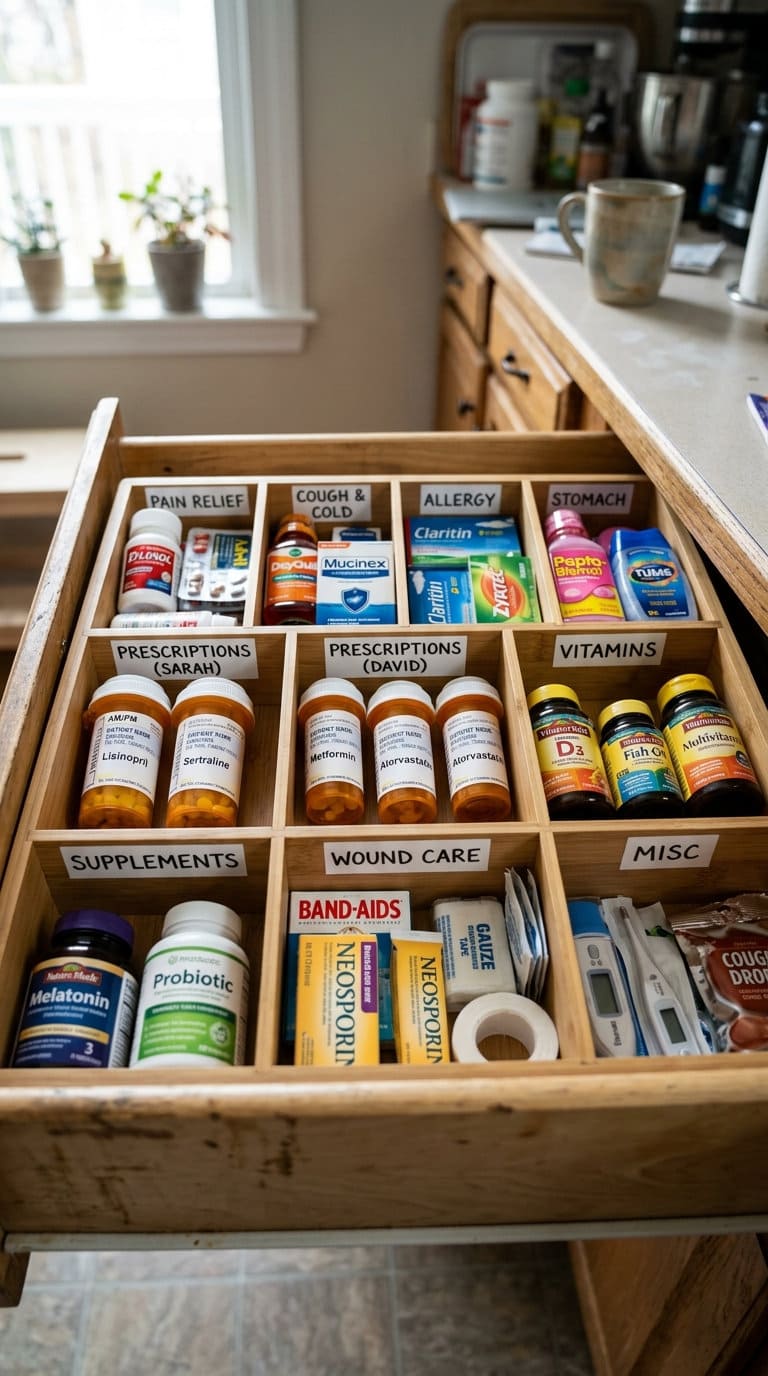
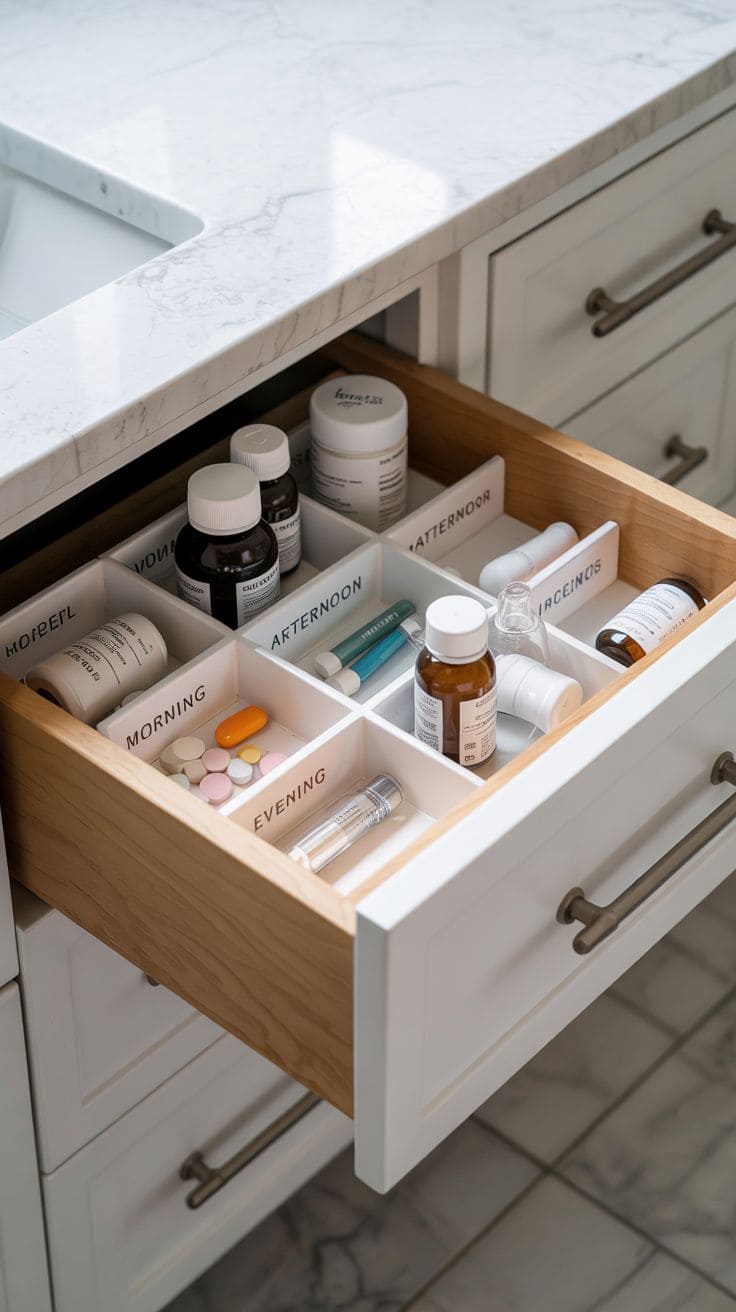
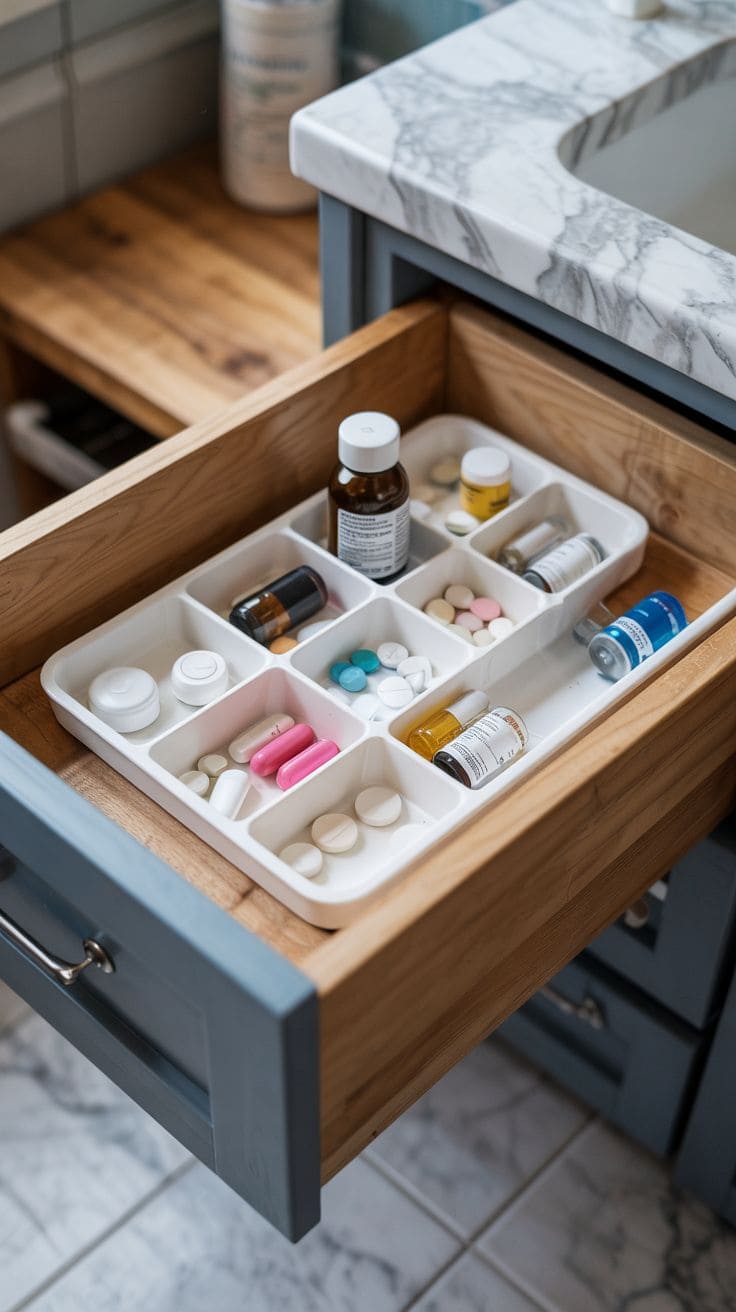
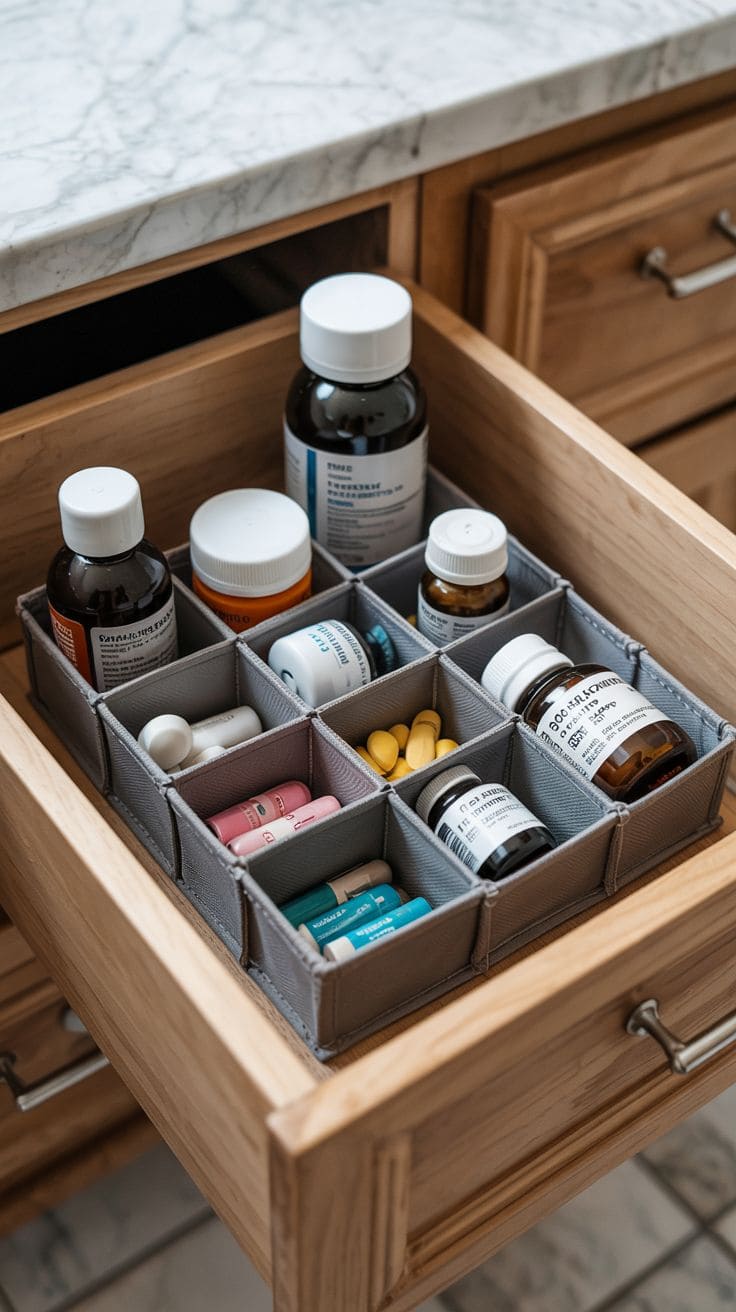
3. Drawer Organizer for Quick Access
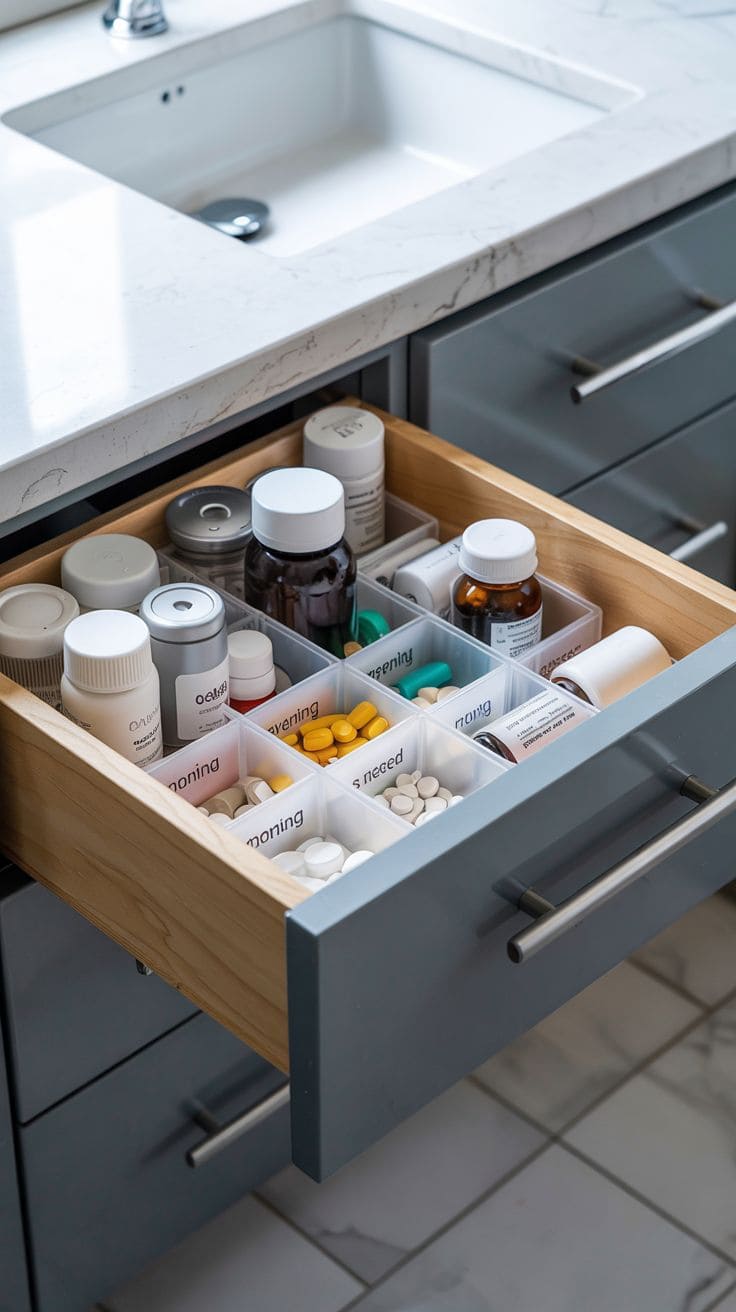
Keeping everything accessible while storing prescriptions is possible with shallow drawers equipped with movable organizers.
Keeping distinct sections for various medications reduces clutter and facilitates finding certain bottles or blister packs.
This technique is particularly helpful for people who want a neat and discrete storage option like a bathroom vanity, kitchen drawer, or nightstand.
Labeling every area makes regular taking of medication simple and effective while also streamlining the system.
Choosing a drawer organizer with soft-close dividers prevents bottles from moving or rolling when the drawer is opened, giving the drawer a more polished appearance.
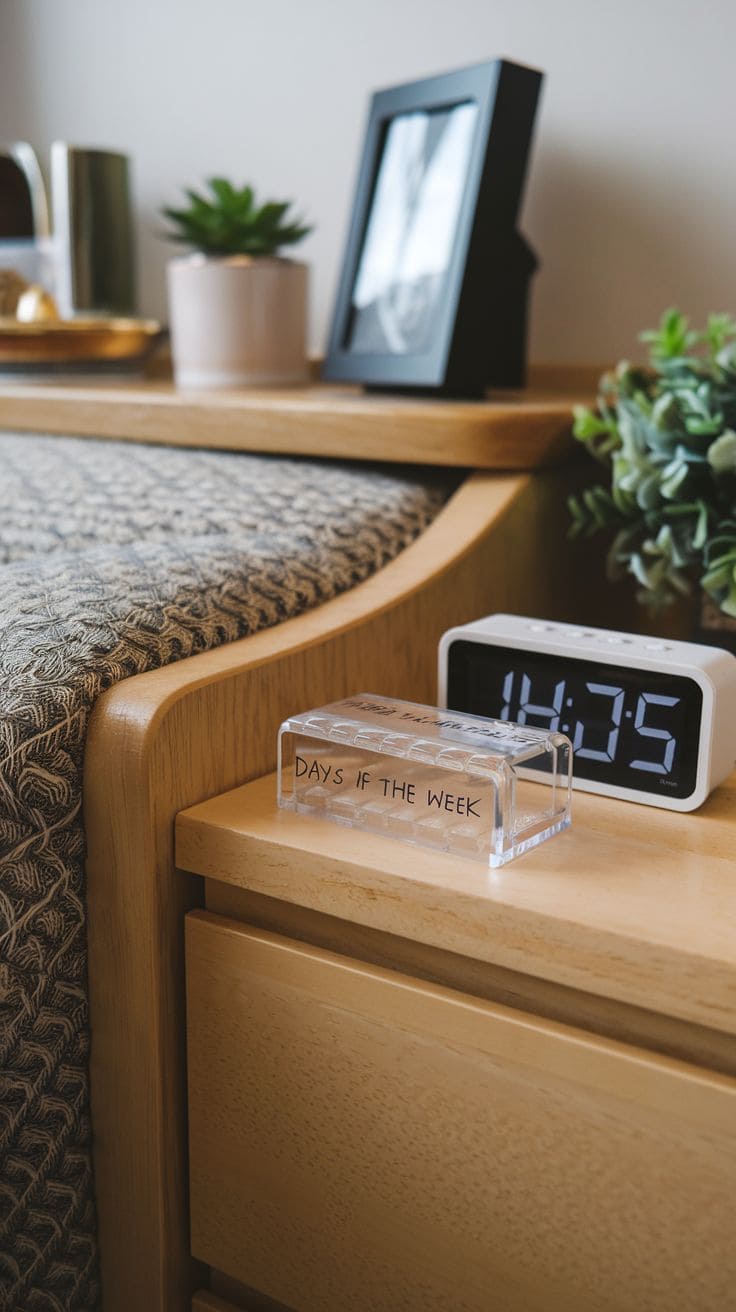
4. Pill Organizer for Everyday Convenience
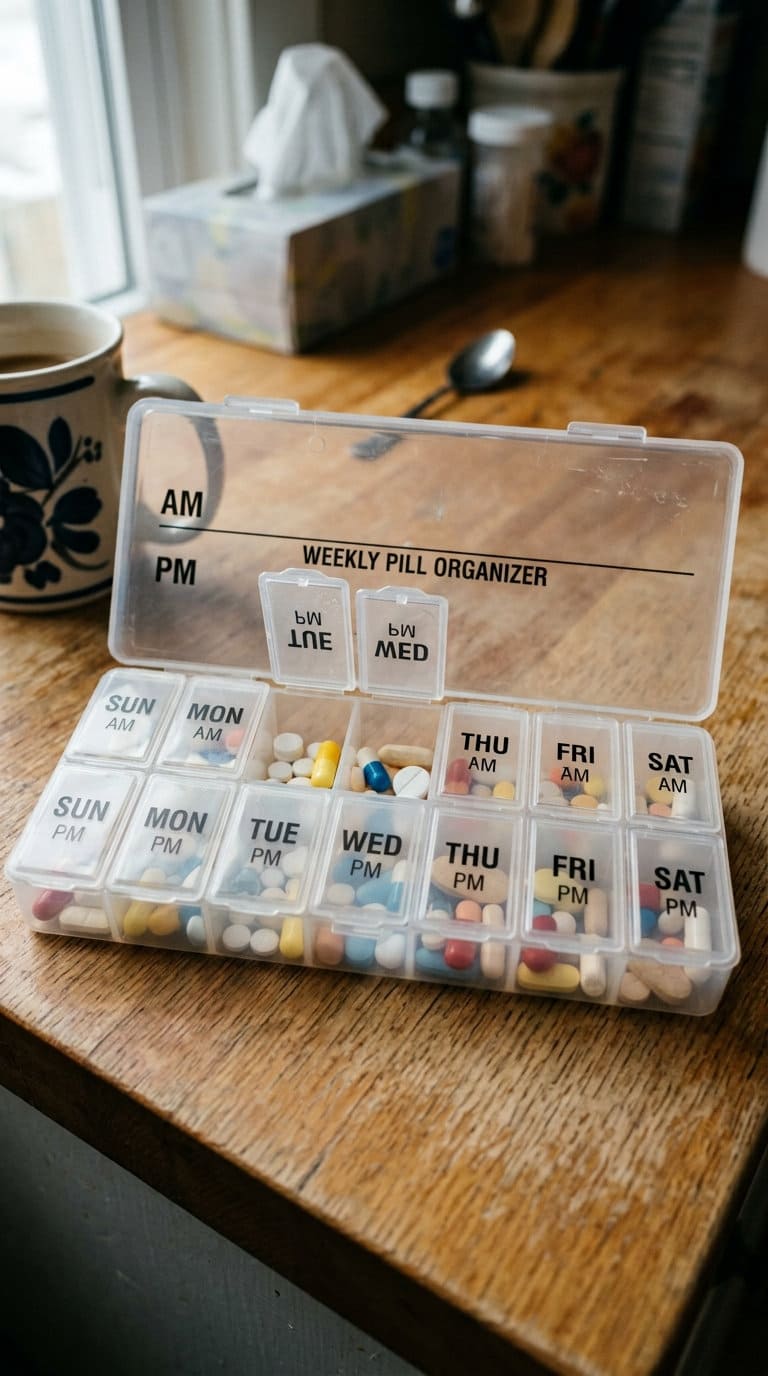
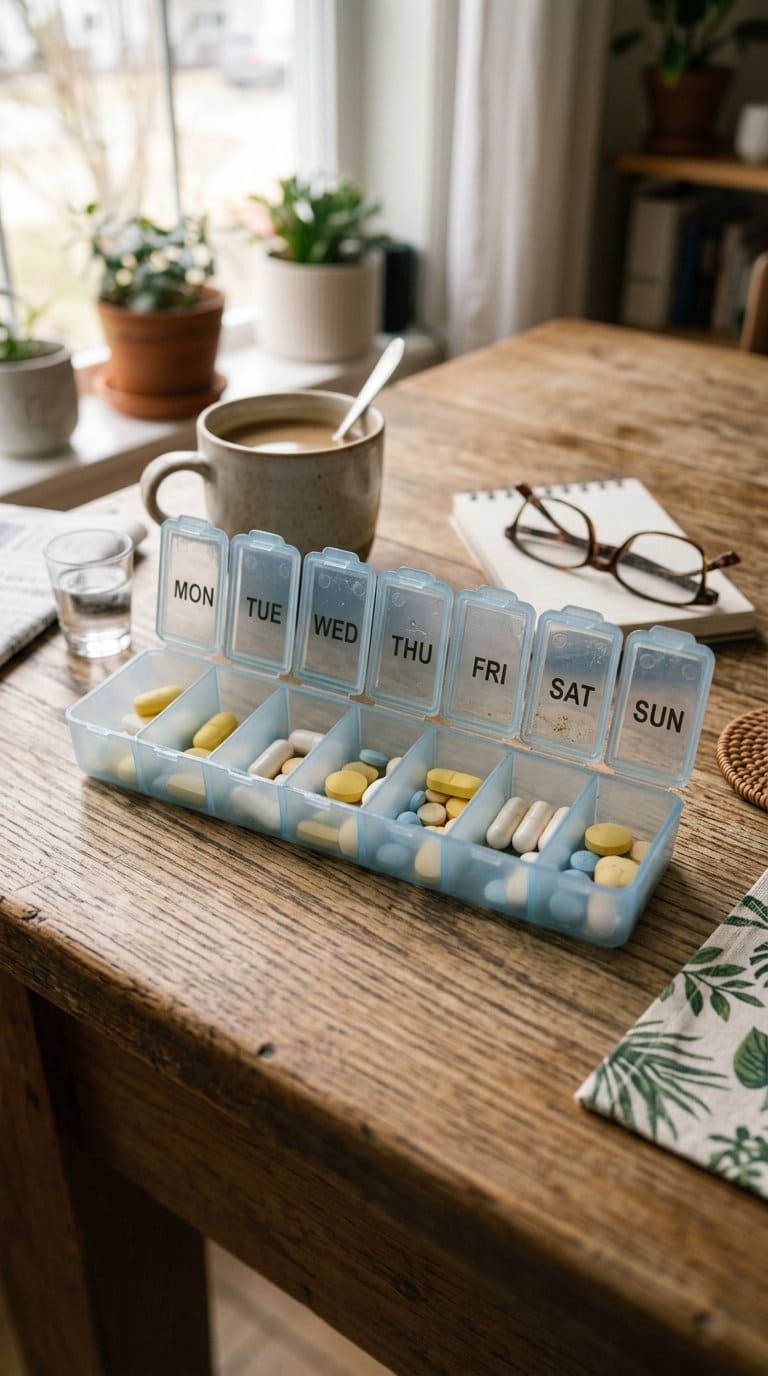
One of the best methods to handle and store daily prescriptions while making sure that doses are not forgotten is with a labeled daily pill organizer.


These organizers make it simple to plan and monitor medicine intake because they have compartments for each day of the week.
In order to enable accurate scheduling without having to open several bottles every day, some versions even feature morning, afternoon, and evening divisions.
Keeping the organizer in a regular location helps to ensure that taking medications on time is a daily habit.
Selecting a pill organizer with a snap-lock lid for increased convenience keeps prescription meds safe from spillage and avoids unintentional confusion.
This approach is particularly helpful for people who need to keep their storage space clear while managing several medicines.
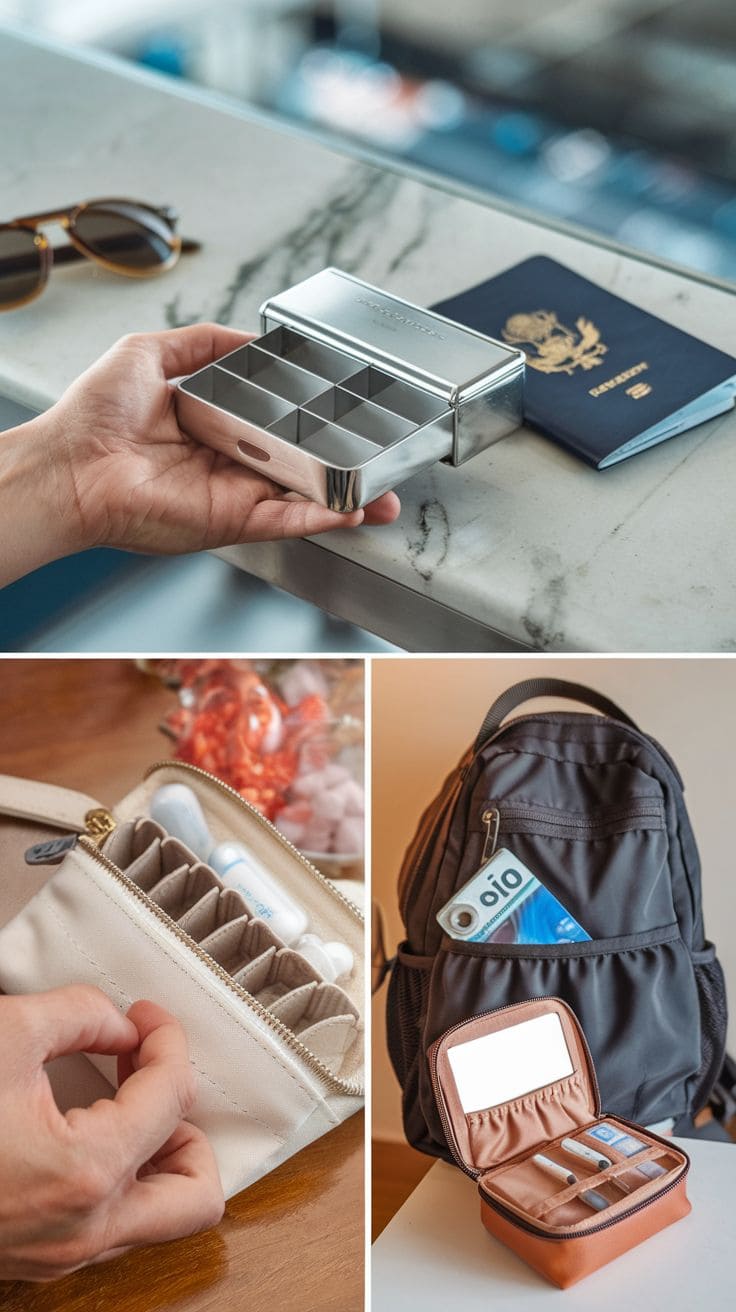
5. Handy Travel Pill Case for Use While Traveling
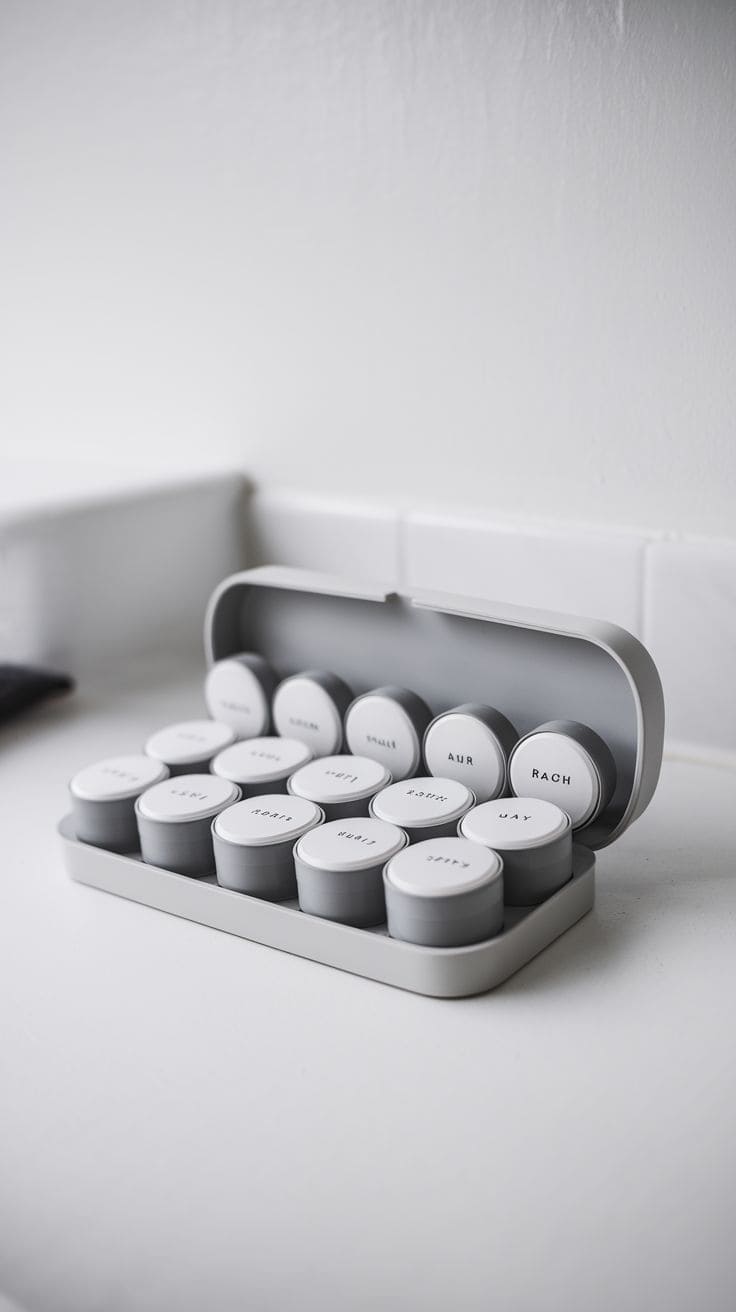
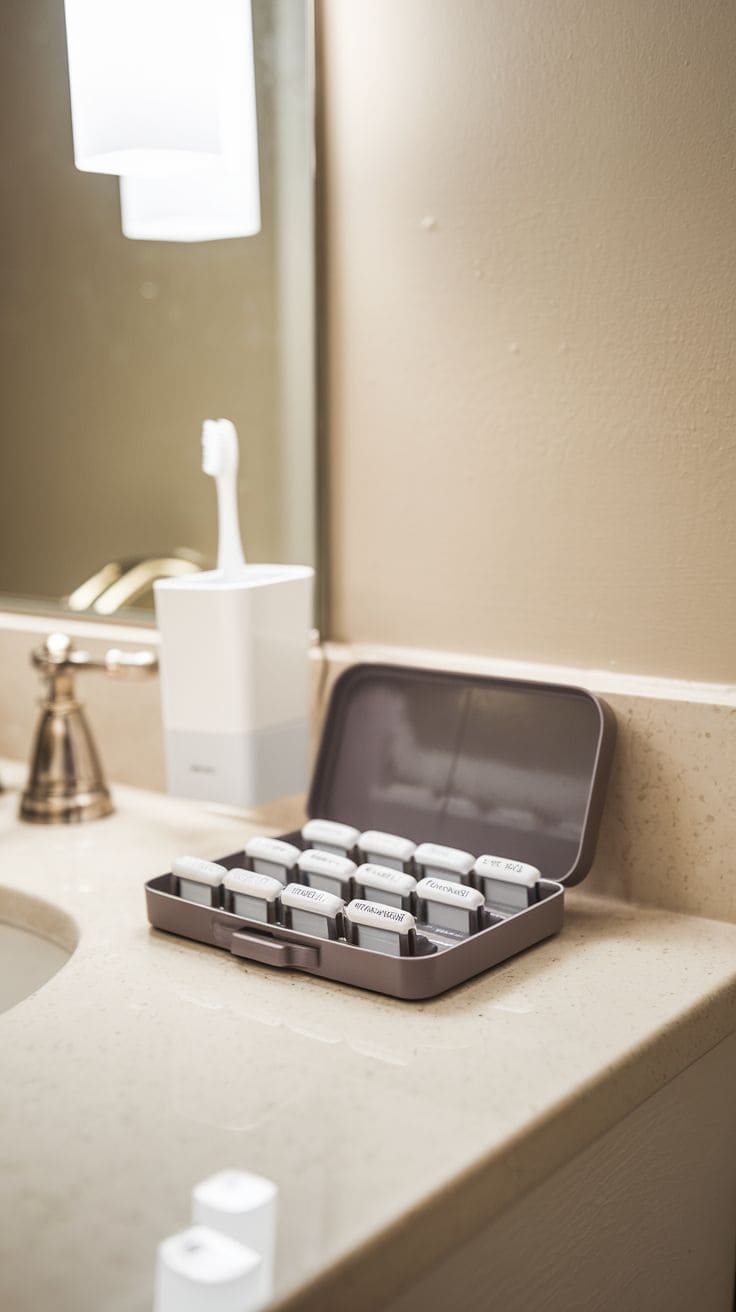
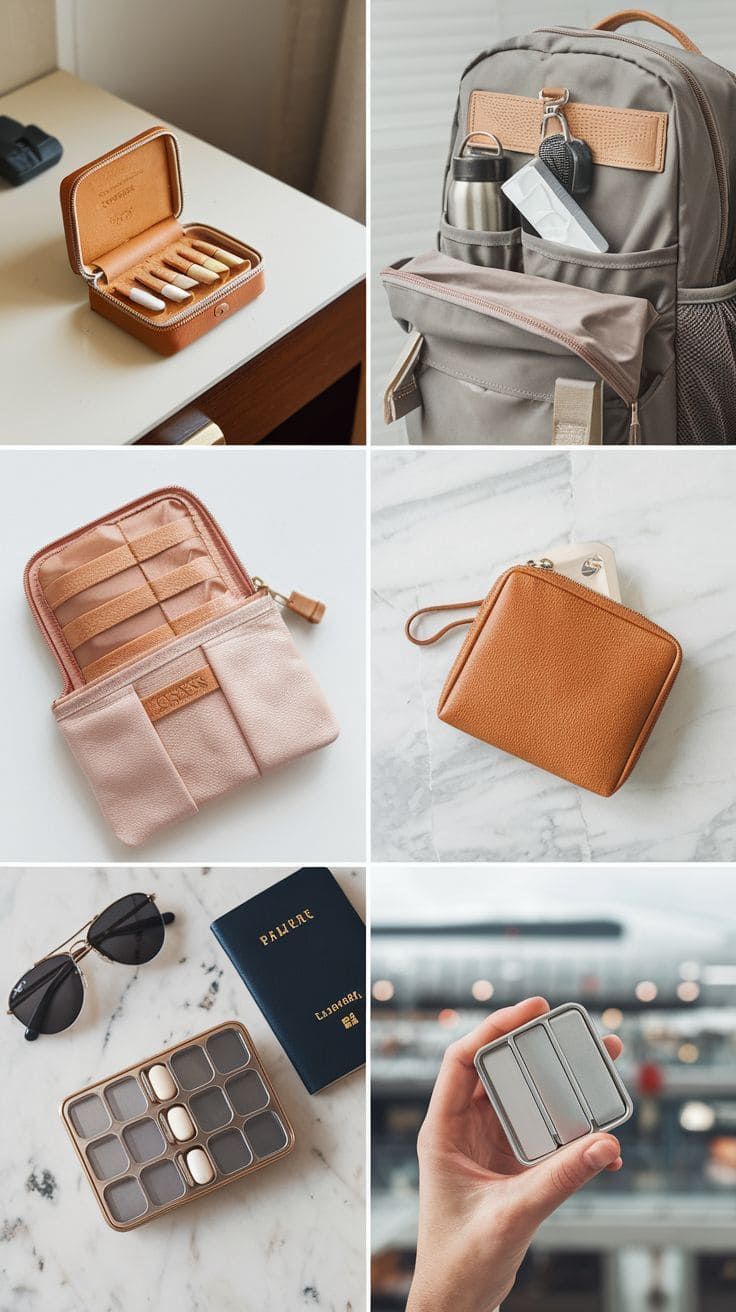
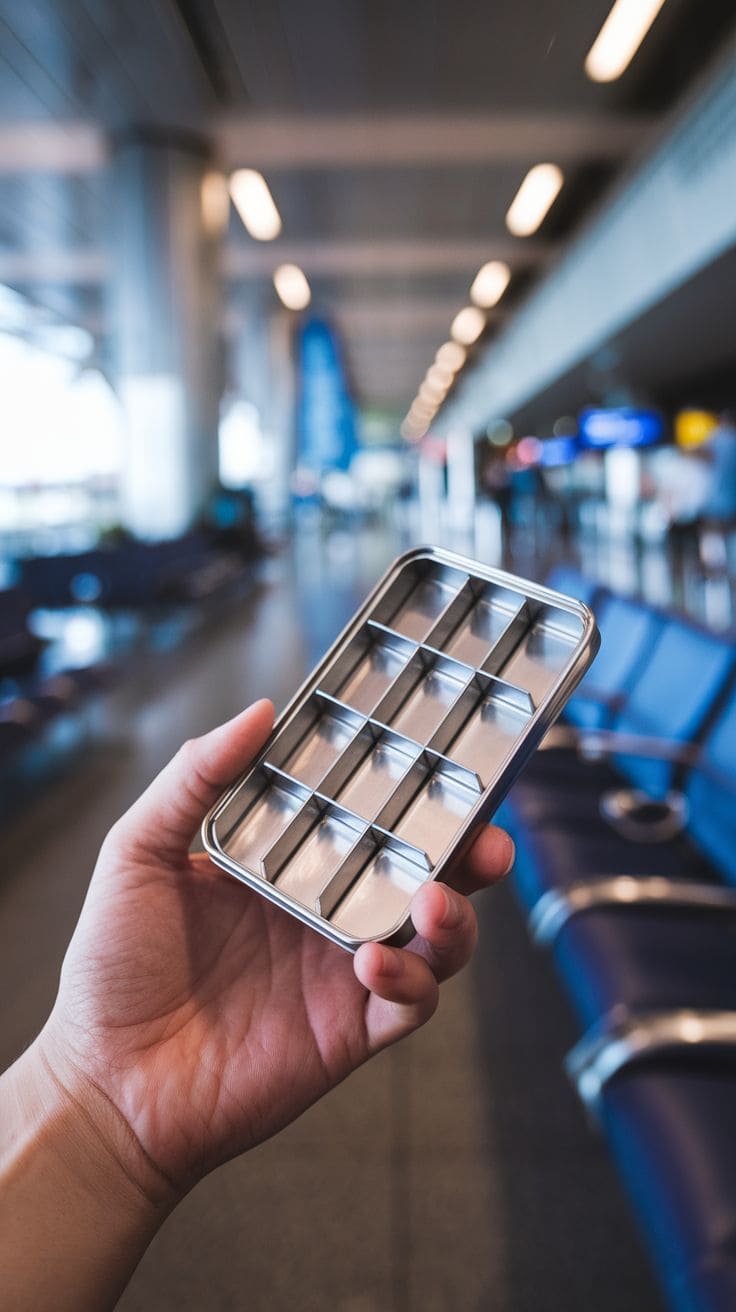
For discretely transporting medications when traveling, commuting, or doing errands, a compact, portable pill box is ideal.
These small bags are available in a variety of styles, ranging from elegant leather pouches with several pockets to basic snap-close containers.
They take up very little room and are convenient to have in a pocket, backpack, or purse.
Choosing a model with distinct areas for various medicines adds utility by ensuring organization and avoiding pill mixing.
In order to preserve the potency of medications in humid environments, some travel cases even have integrated moisture absorbers.
For people who need to take their meds throughout the day, this storage option is perfect because it keeps their setup neat, fashionable, and portable.
6. Medication and schedule station
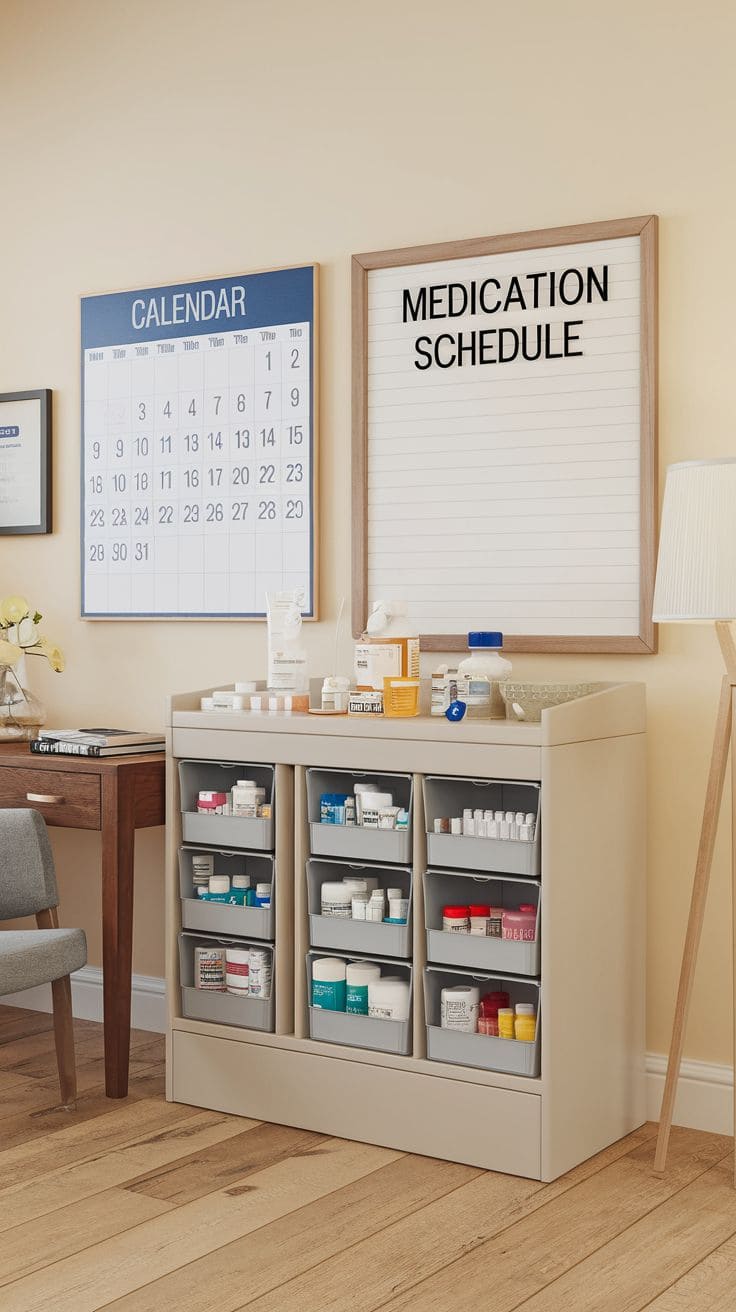
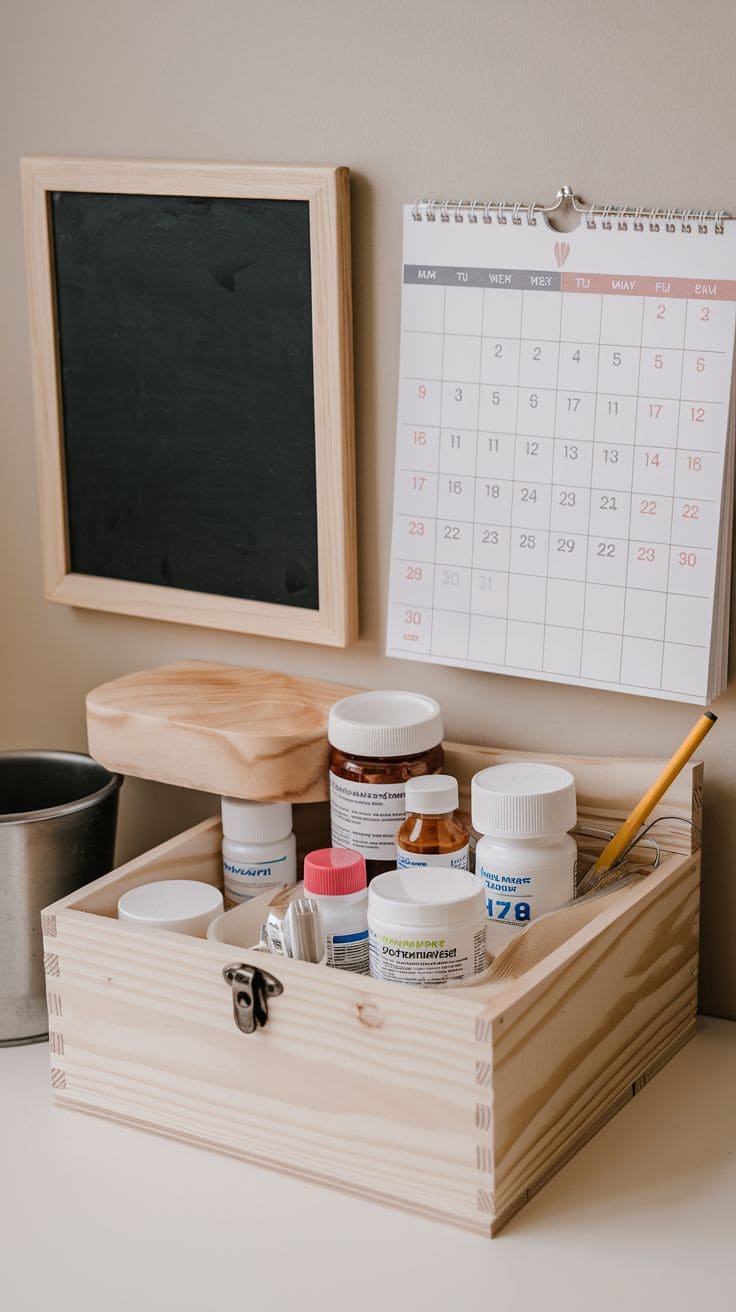
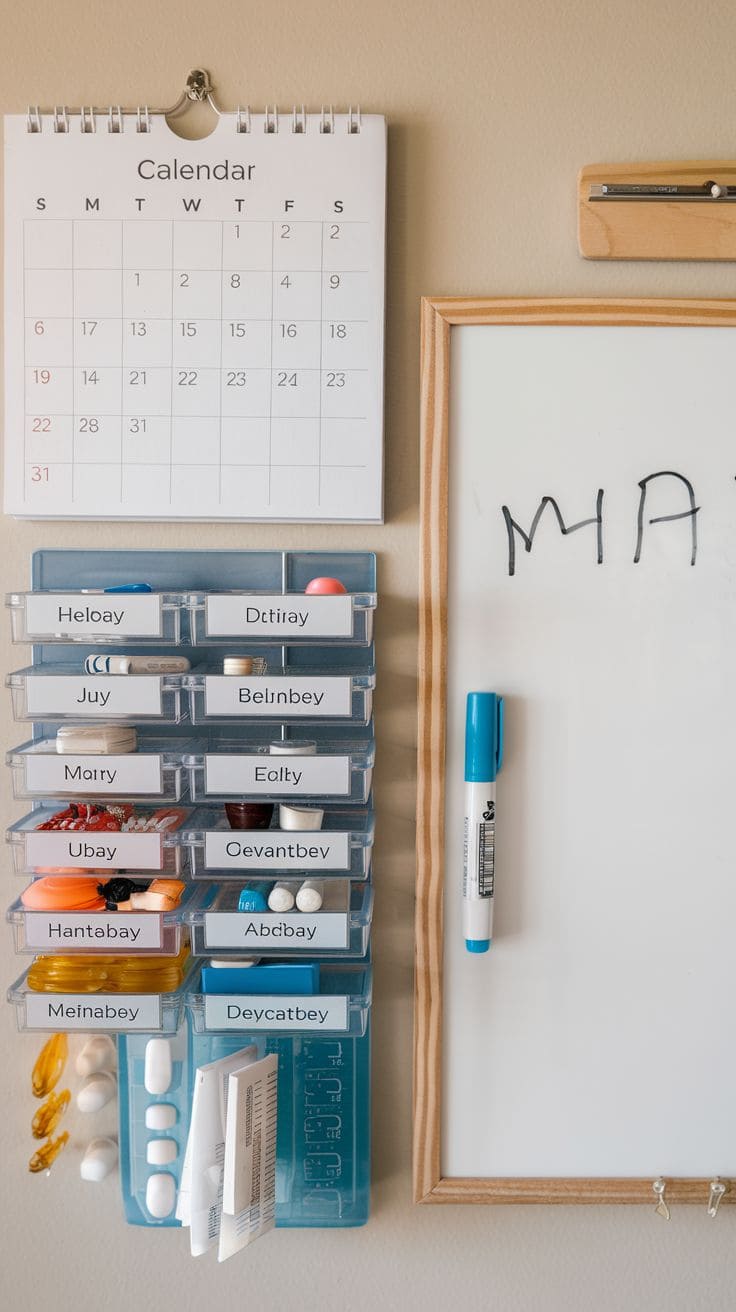
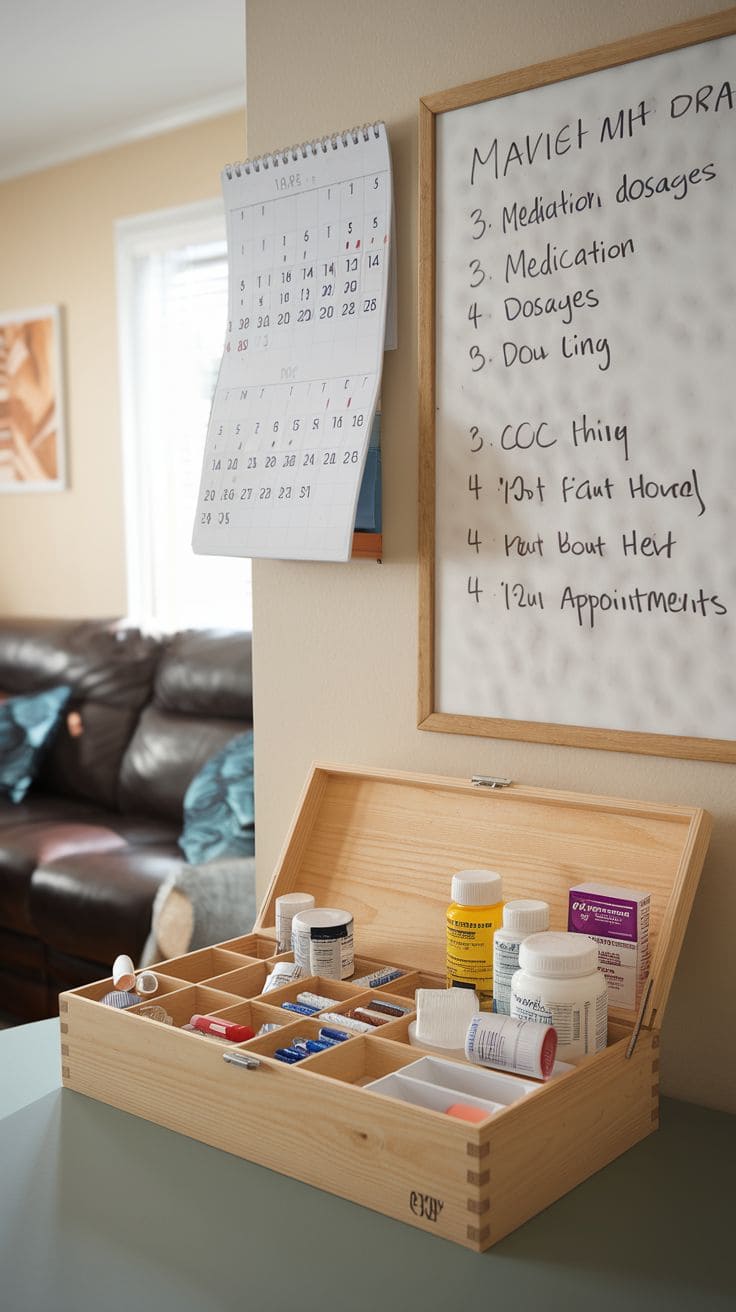
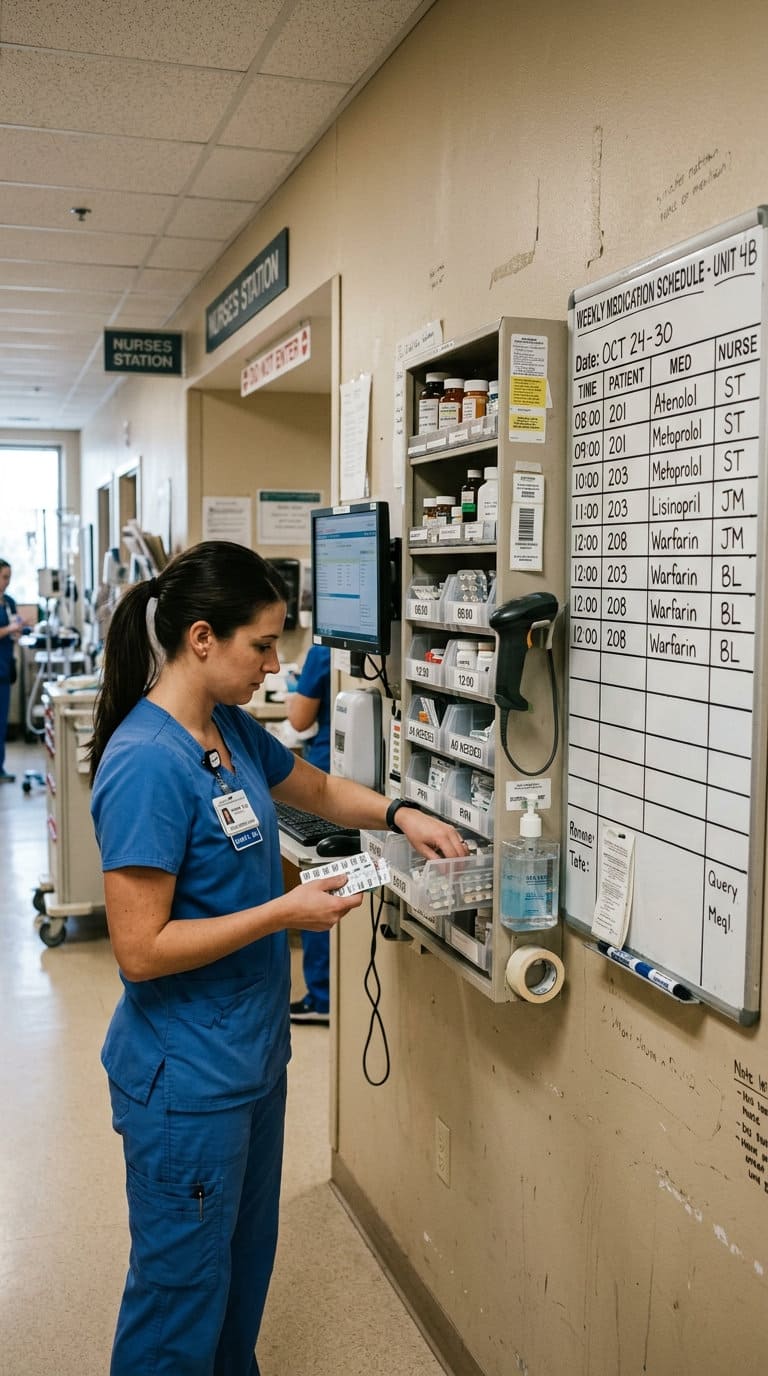
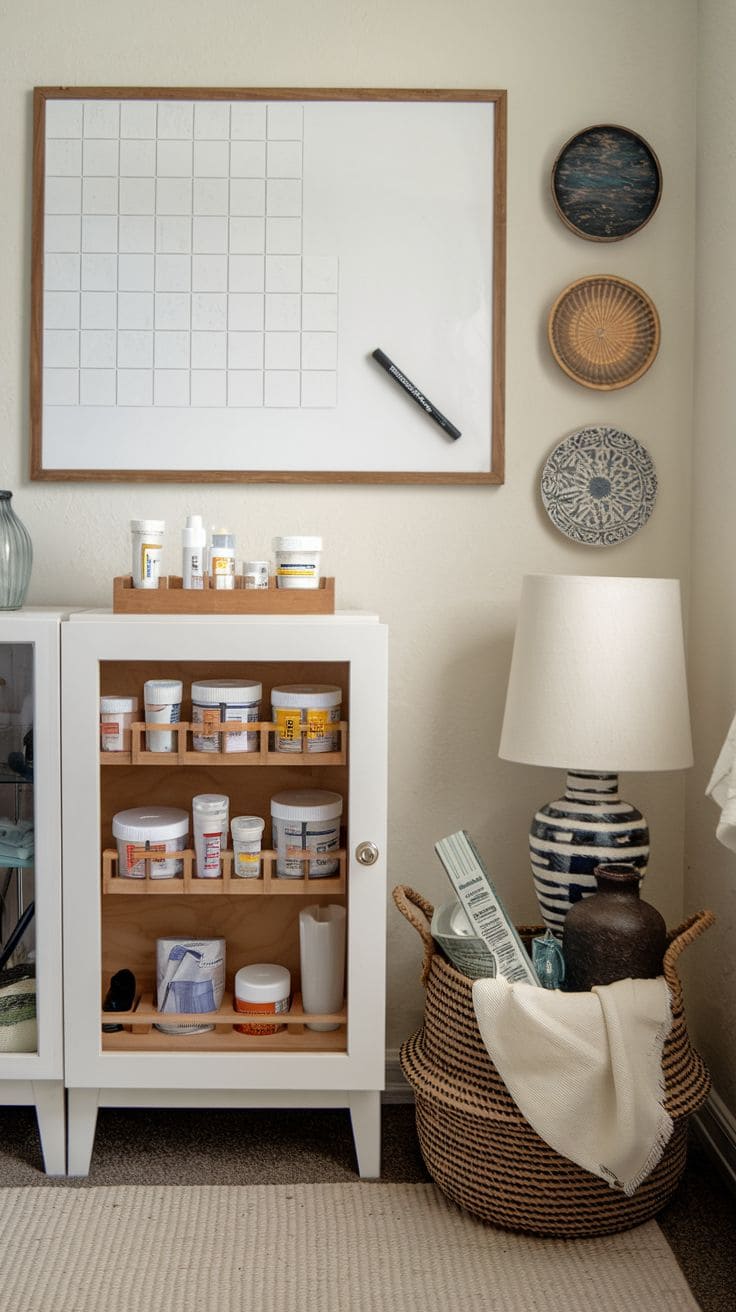
A dedicated station, a small shelf, tray, or wall-mounted organizer paired with a visible schedule or checklist, works well for households managing multiple medications across different people or times of day.
Pairing the physical storage with a written or whiteboard schedule cuts down on the “did I already take this” uncertainty that’s common with multiple daily medications, and it’s especially useful for households caring for an aging family member with several prescriptions.
7. Over-the-Counter & Prescription Separation
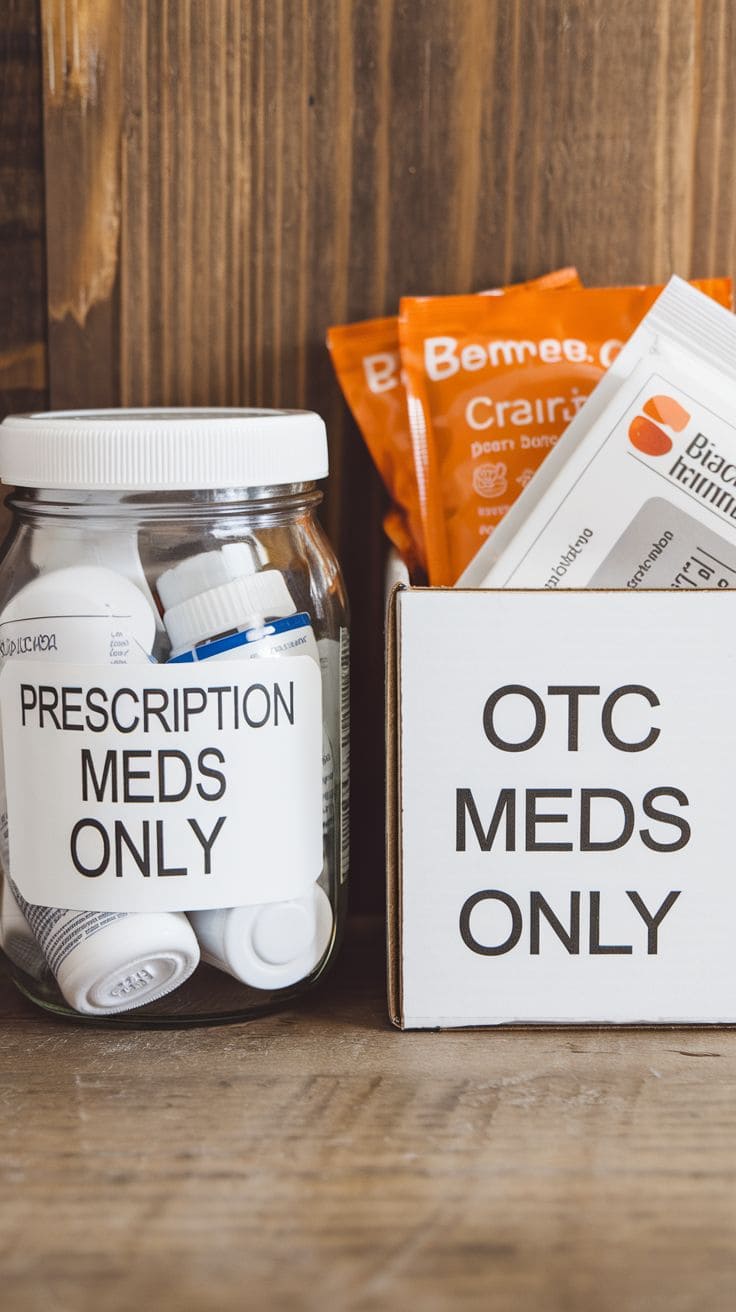
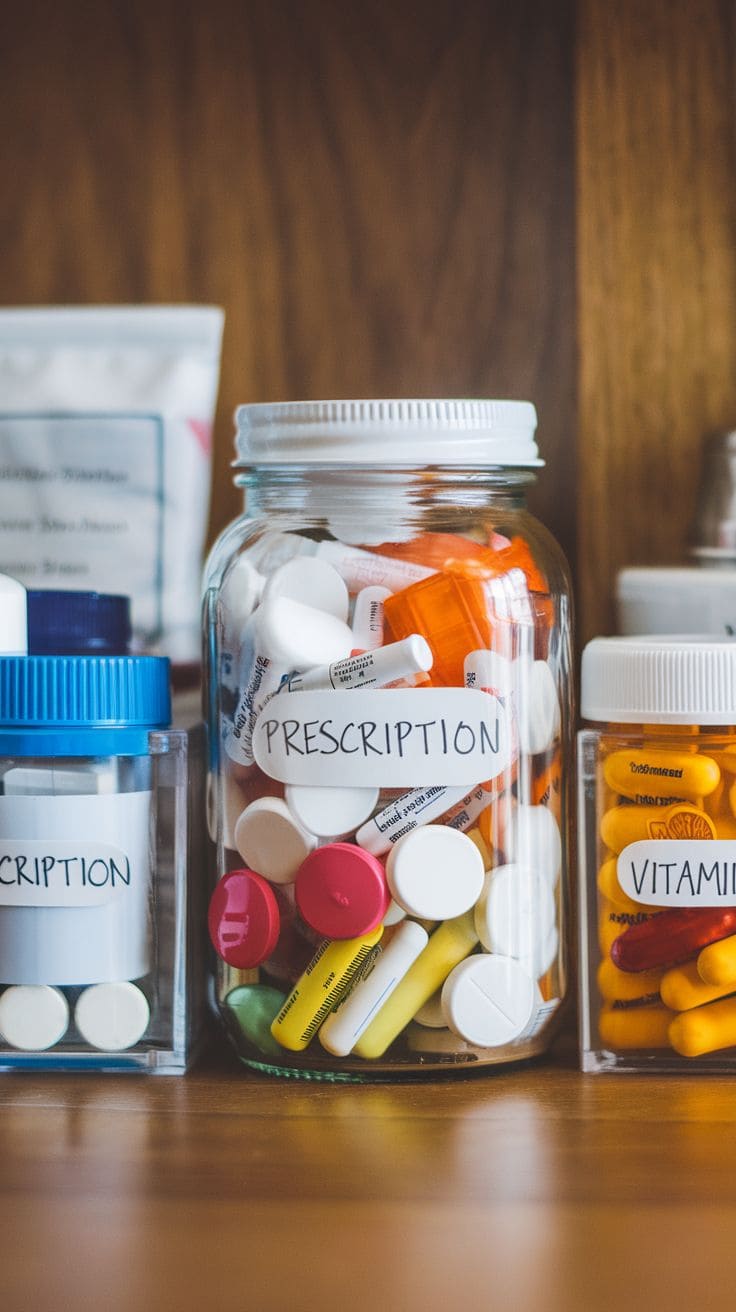
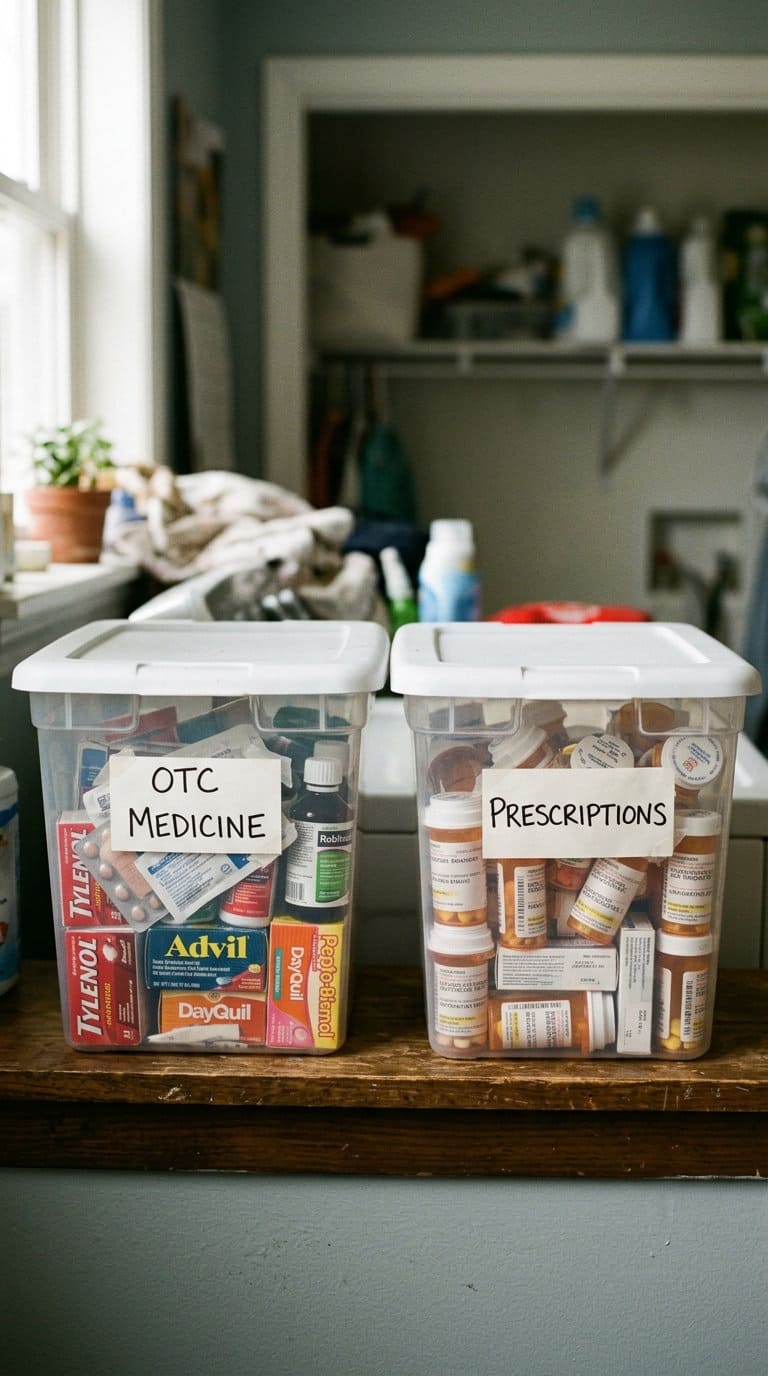
Keeping over-the-counter medications and prescriptions in clearly separate zones, even just two labeled bins side by side, cuts down on confusion, especially in a household where multiple people share the same storage space.
This also makes it easier to keep track of which prescriptions need refilling, since they’re not buried among cold medicine and pain relievers.
8. Childproof Locking Systems
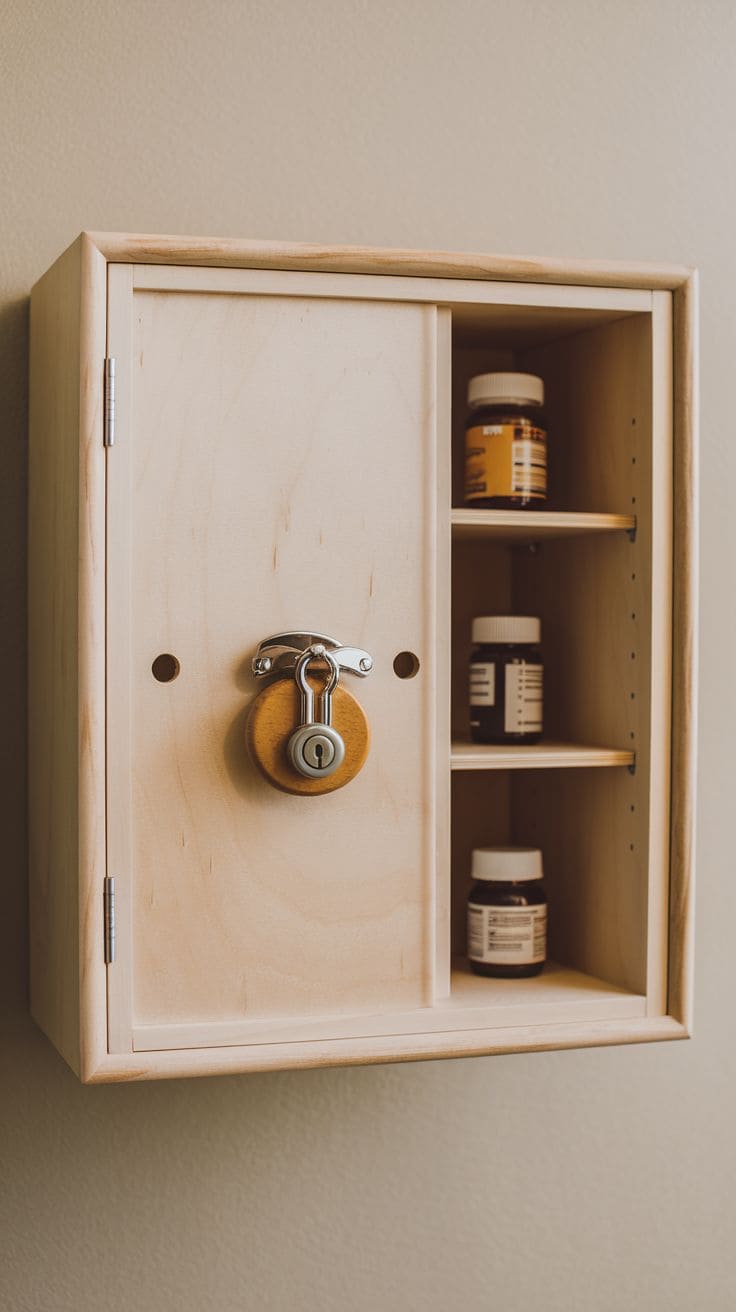
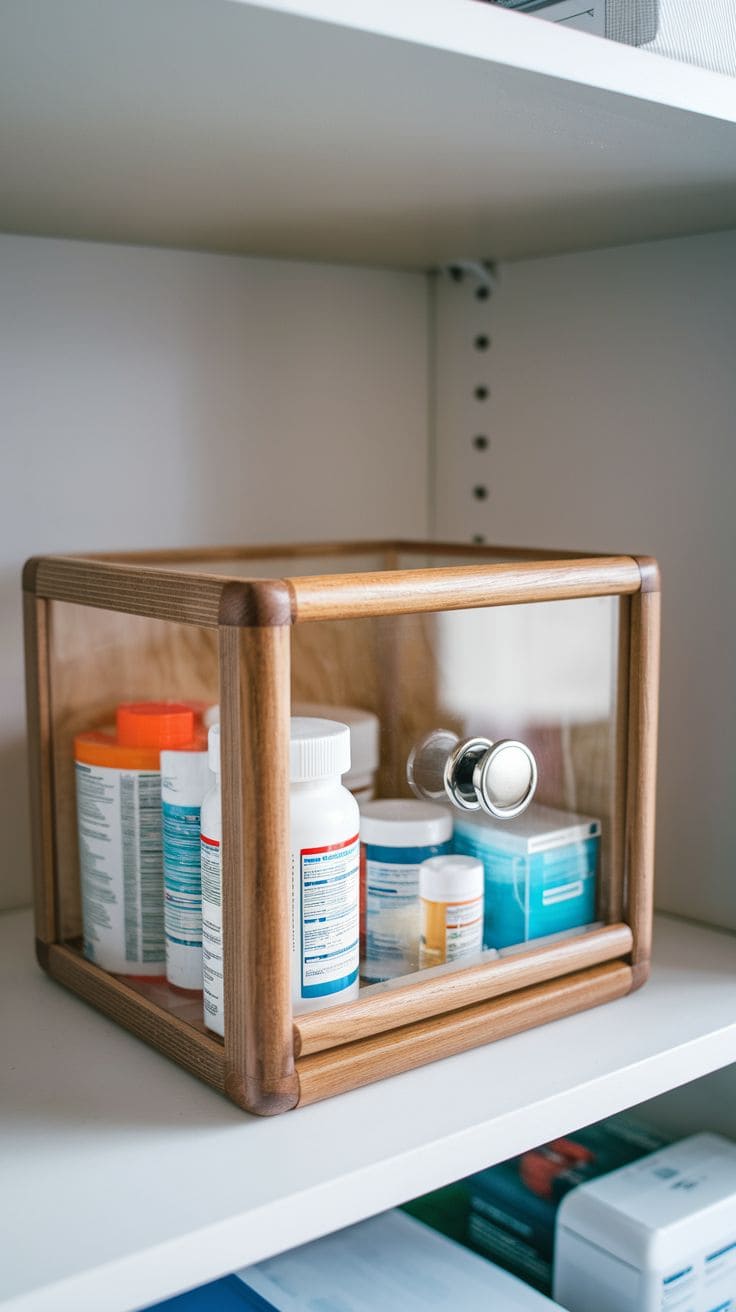
This is the single most important idea on this list if there are kids or grandkids in the house, and it’s worth getting right, not just adding a lock as an afterthought.
Per the CDC’s Up and Away campaign, locked storage is 3.2 times more effective at preventing access than child-resistant caps alone, and one study found a high shelf alone prevents access in only 72% of cases, while a locked cabinet brings that up to 98%.
That gap matters: more than half of pediatric medication poisonings involve a drug an adult had already taken out of its original child-resistant packaging, transferred to a pill organizer, left on a nightstand, or set out for the day.
Roughly 100 young children are brought to U.S. emergency rooms every single day after getting into medicine left within reach.
A genuinely locked box or cabinet, not just a high shelf, is the real fix, and every household with young kids in or visiting the home should have the Poison Control number saved: (800) 222-1222, reachable 24/7.
9. A cool, dry storage spot instead of the bathroom
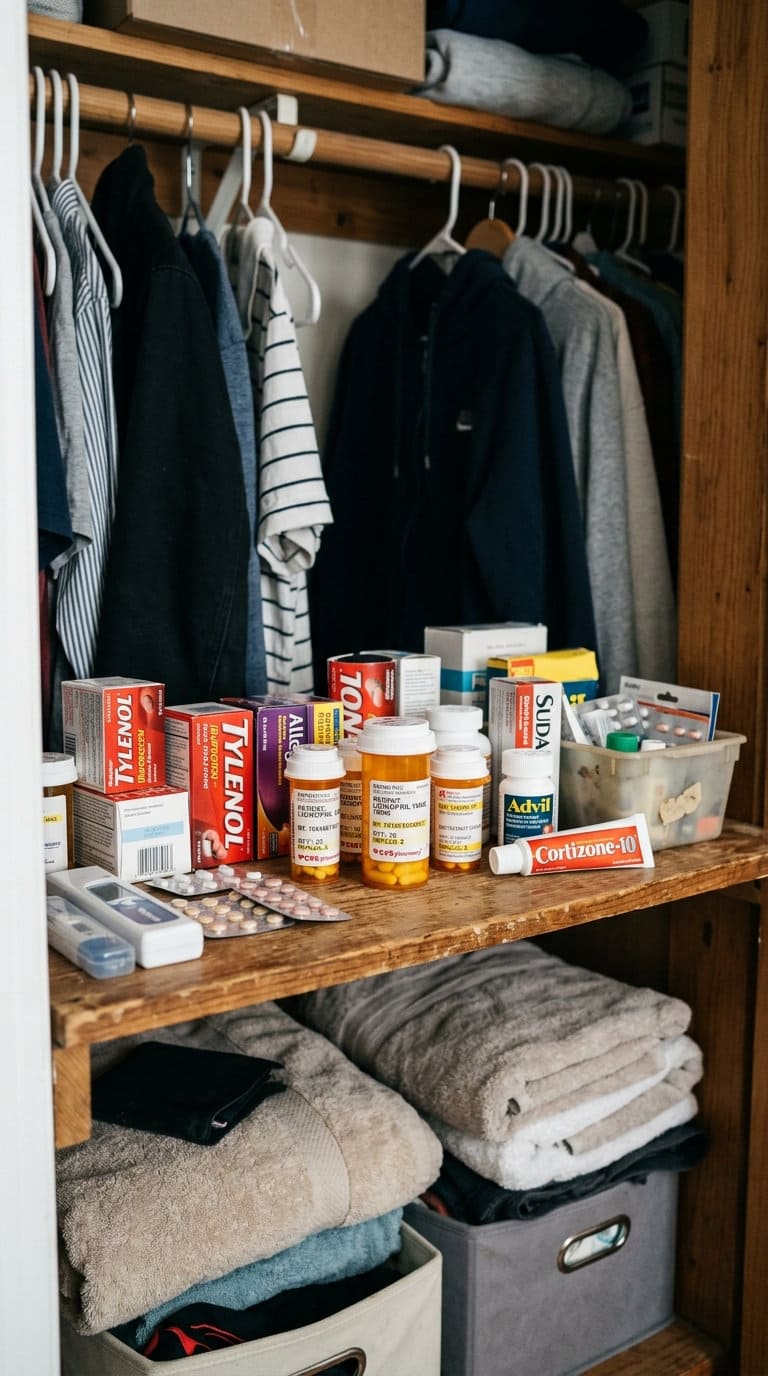
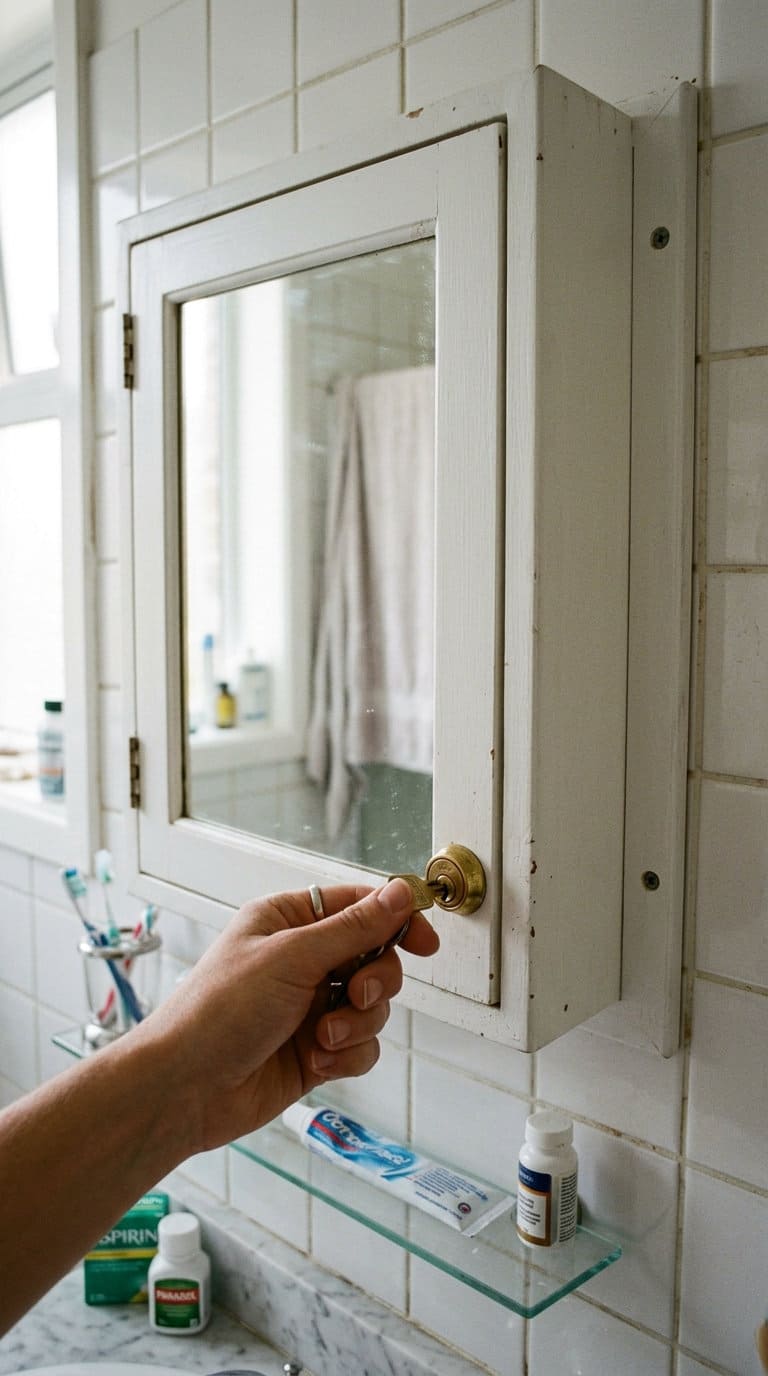
Rather than defaulting to the bathroom medicine cabinet, pick a cool, dry spot away from moisture and direct sunlight, a bedroom closet shelf, a kitchen cabinet away from the stove and dishwasher, or a hallway linen closet all work better than a space that fills with steam every time someone showers.
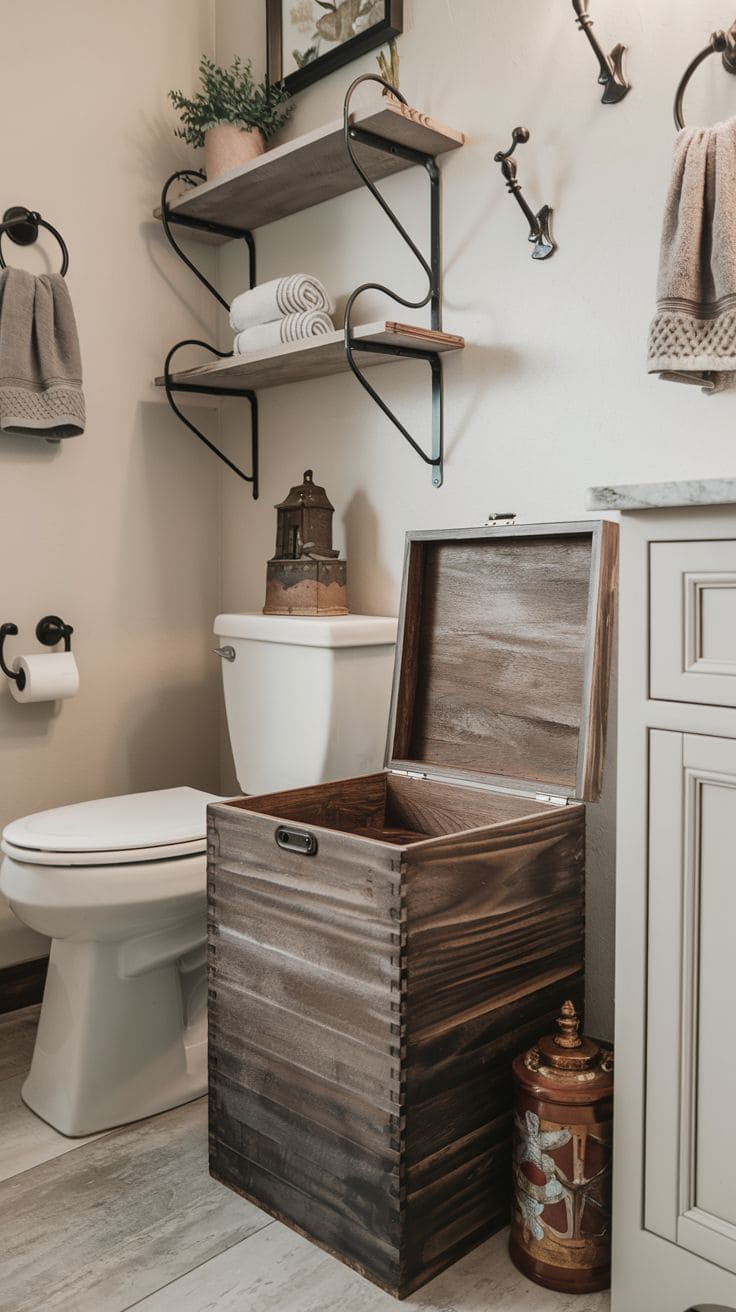
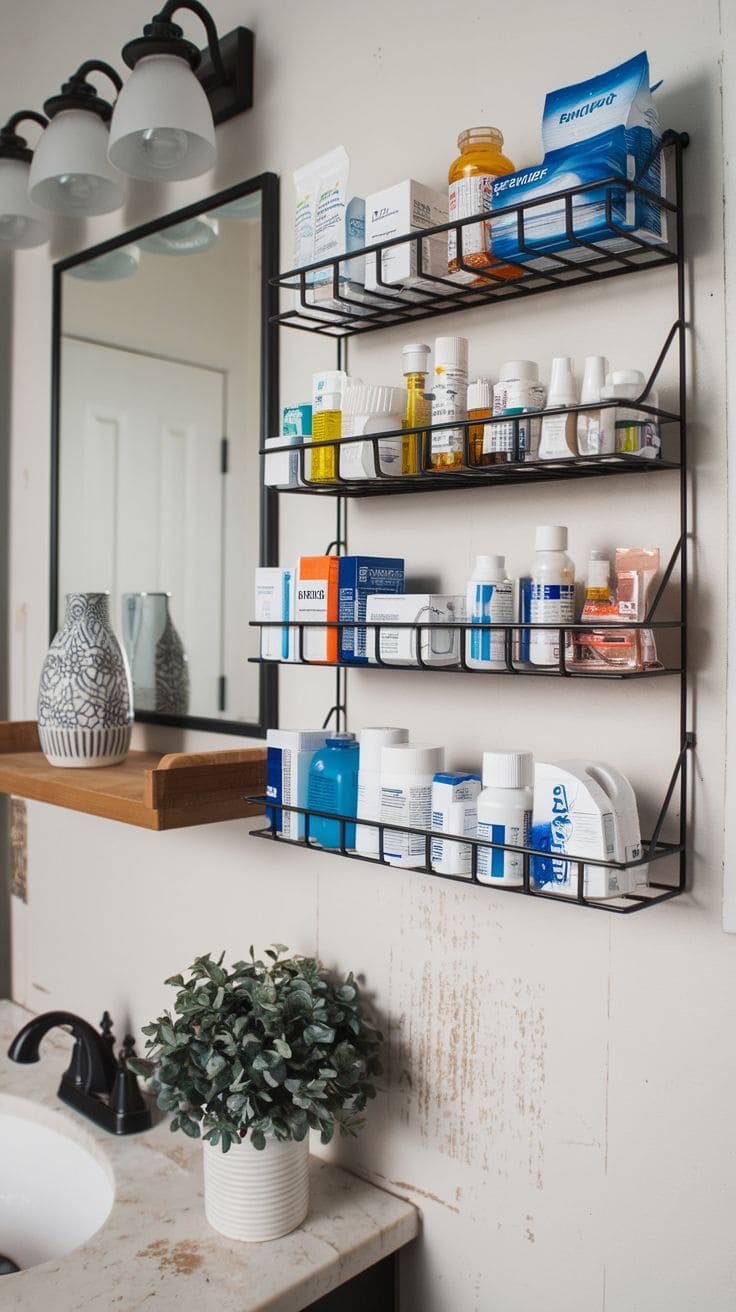
If you do want a bathroom option, keep it in a cabinet mounted well away from the shower or tub, and consider a small moisture-absorbing packet inside for extra protection.
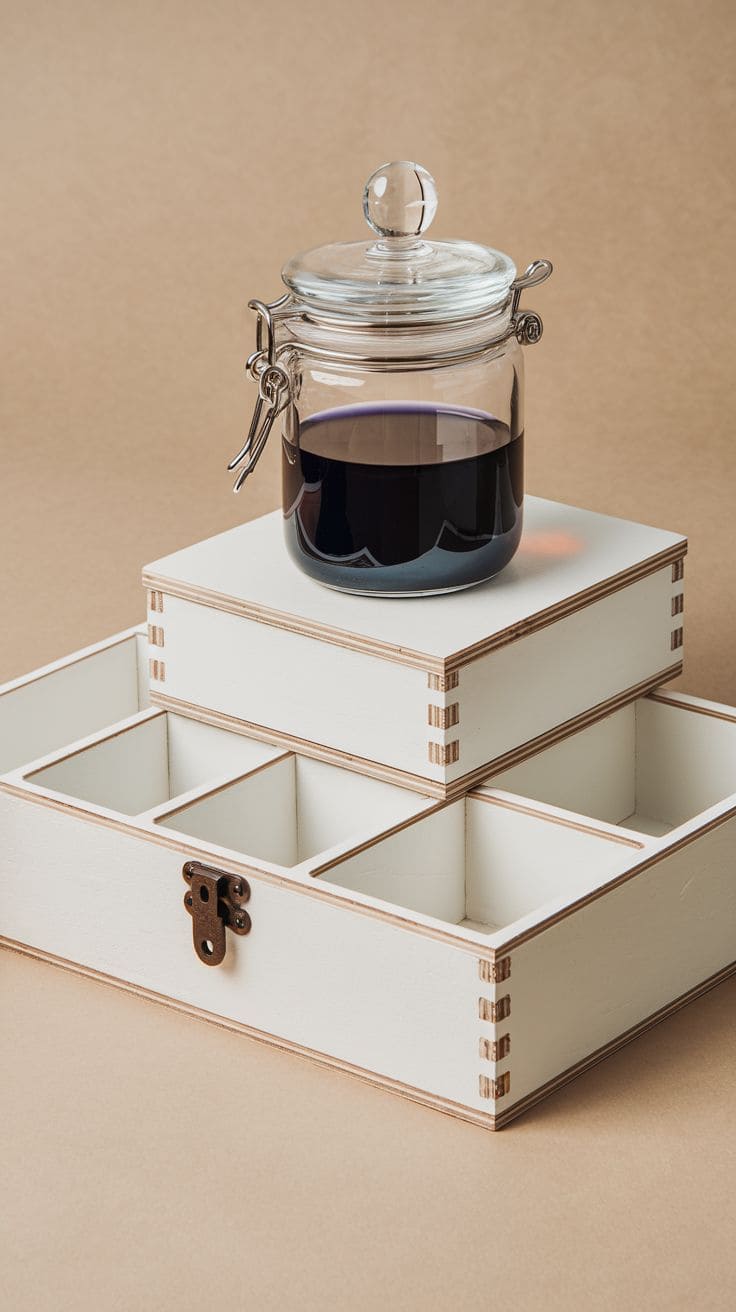
10. A decorative lockbox for a discreet, secure look
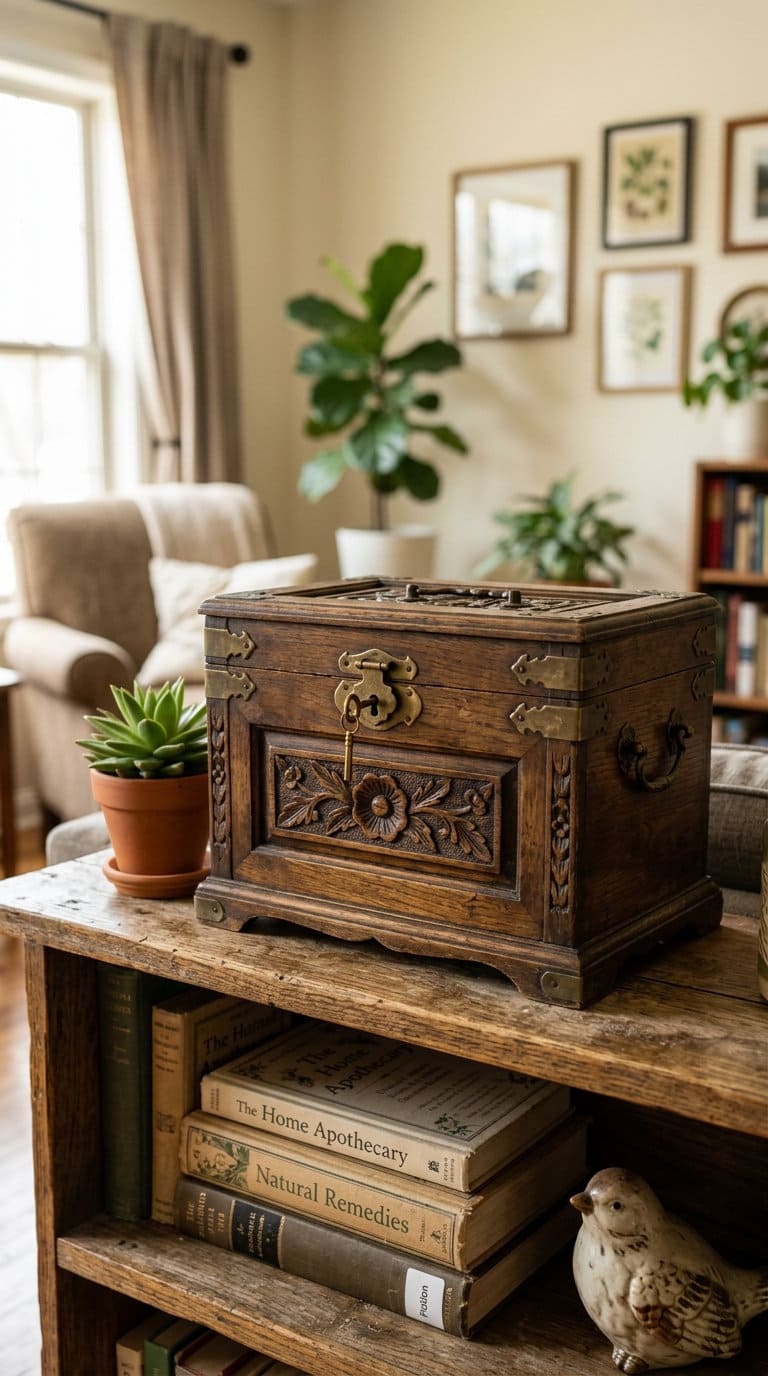
For anyone who wants medication storage that doesn’t look clinical, a decorative lockbox, styled to look like a small chest or decorative box, keeps things secure without announcing what’s inside.
This works especially well in a shared or multi-generational household where you want medication out of sight from guests or kids without sacrificing the room’s look.
11. Bathroom Storage Upgrade
Disposing of old or unused medication
Don’t let expired or unused medication pile up, it’s a real risk sitting in a drawer, both for accidental ingestion and misuse. A take-back program is the best first option: the DEA runs a National Prescription Drug Take Back Day, and many local pharmacies and law enforcement offices have year-round drop boxes.
If a take-back option isn’t available, the FDA recommends mixing the medication with something undesirable, used coffee grounds, dirt, or cat litter, sealing it in a bag, and throwing it in the trash, with personal information scratched off any packaging before disposal.
A small number of medications are dangerous enough that the FDA specifically recommends flushing them if no take-back option is available, that’s a real, official exception, not a myth, so it’s worth checking the FDA’s flush list if you’re unsure about a specific medication.
FAQs about medication storage
Why shouldn’t I store medication in the bathroom?
Bathrooms run humid, especially near a shower or tub, and that humidity breaks down medication over time, per Lisa Heiken, PharmD. A cool, dry spot away from moisture, like a bedroom closet or kitchen cabinet, keeps medication effective longer.
How do I dispose of expired medication safely?
Use a take-back program first, a local pharmacy drop box or the DEA’s National Prescription Drug Take Back Day. If neither is available, mix the medication with something undesirable like coffee grounds or cat litter, seal it in a bag, and throw it away, scratching out personal information on any packaging first.
What’s the most effective way to keep medication away from kids?
A genuinely locked cabinet or box, not just a high shelf. Locked storage is 3.2 times more effective than child-resistant caps alone, and a high shelf by itself only prevents access in about 72% of cases compared to 98% for locked storage, per CDC data.
Can medication go in a pill organizer instead of its original bottle?
For daily-use medication, yes, that’s what pill organizers are designed for. Just keep the original labeled bottles somewhere secure too, rather than throwing them out, since more than half of pediatric poisoning cases involve medication that had already been moved out of its original child-resistant packaging into something less secure.
An organized medication storage system enhances convenience, minimizes clutter, and ensures that everything is easy to find when needed. Thoughtful storage not only keeps medications in order but also contributes to a more harmonious and stress-free environment.
Whether stored in a discreet decorative box, neatly arranged in labeled drawers, or organized with stackable bins, the right approach creates a seamless and functional system. If these ideas helped you, leave your thoughts in a comment below and share the article with your friends!
Products We Recommend
This post contains affiliate links. We may earn a commission on qualifying purchases at no extra cost to you.
AdirMed Locking Medicine Cabinet, Dual Lock
A genuine locking wall-mounted cabinet with a dual-lock system, the real fix for the childproofing idea above, not just a high shelf.
Shop Now
Amazon Basic Care 7-Day AM/PM Pill Organizer
A weekly pill organizer with separate morning and evening compartments, matching the scheduling approach in idea #4 above.
Shop Now
Travel Pill Organizer, 7 Compartments, Moisture-Proof
A compact travel case with separated, moisture-proof compartments, matching idea #5 above.
Shop NowNever miss an update — choose FarmFoodFamily as your preferred source on Google.
How it works: Tap the button below to open Google's settings page, then check the box next to FarmFoodFamily.
Tap the checkbox to turn it blue — that's how you know it's set.