5 Feng Shui Kitchen Rules You Should Know for Better Health and Abundance
Feng shui treats the kitchen as the household’s real wealth center, not the living room or the front door, because it’s the one place where fire, water, food, and daily habit all collide, and a couple of these rules turn out to be protecting your actual safety, not just your luck.

Never miss an update — choose FarmFoodFamily as your preferred source on Google.
How it works: Tap the button below to open Google’s settings page, then check the box next to FarmFoodFamily.
Tap the checkbox to turn it blue — that’s how you know it’s set.
Zoë Vita James, a feng shui consultant and co-host of the podcast “Feng Shui: The Real Thing,” treats the kitchen’s core elements, the stove specifically, as the single most consequential feature in the whole home for health and abundance.
Here are the five rules that matter most, paired with the real fire and food safety facts that back several of them up beyond symbolism.
1. Cook from the commanding position
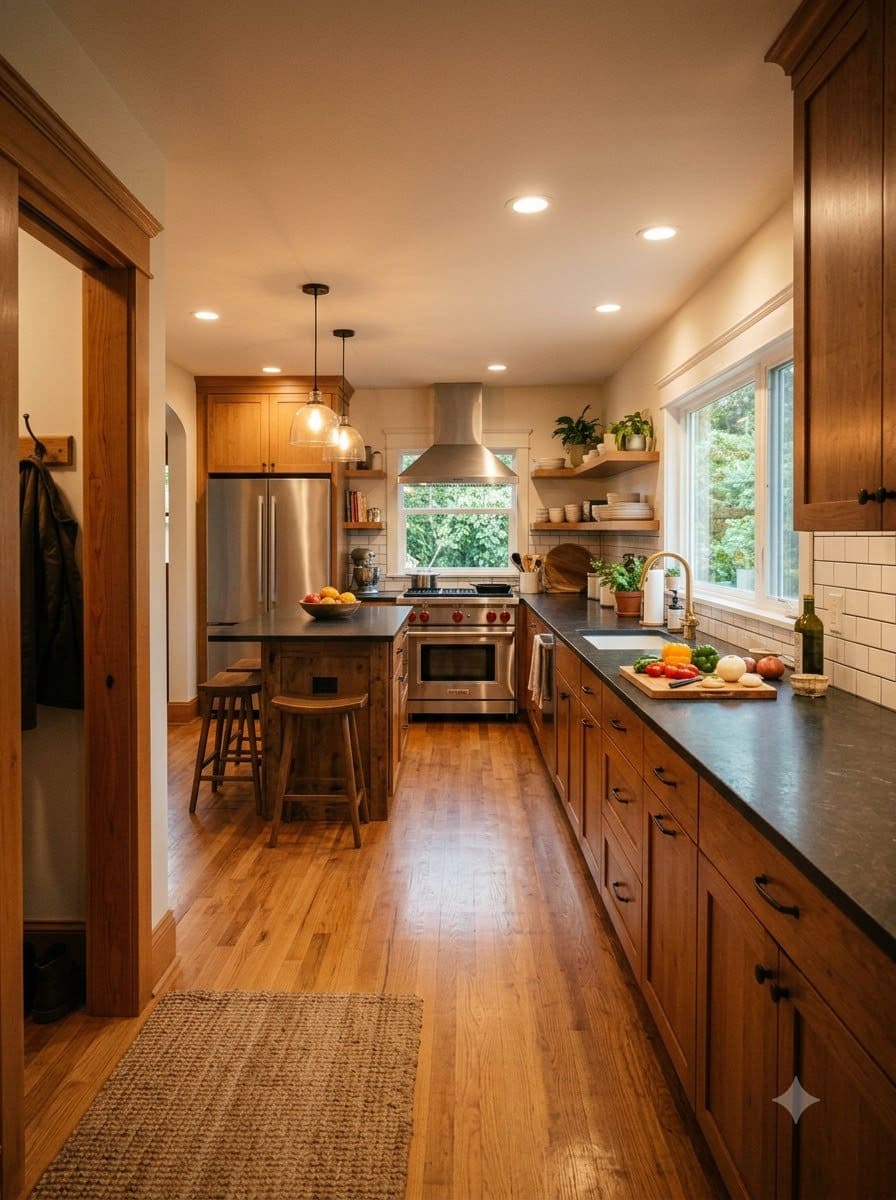
The stove should be positioned so the cook can see the kitchen doorway while cooking, without standing directly in line with it, the same “commanding position” logic applied to beds and desks elsewhere in feng shui.
A cook with their back to the door is thought to be caught off guard energetically, unable to sense what’s entering the space.
If your layout genuinely doesn’t allow repositioning the stove (a common reality in a fixed kitchen), the traditional workaround is a small mirror positioned to reflect the doorway, giving the cook visual awareness of the entrance without a full renovation.



Our awkward kitchen layout ideas guide has real solutions for kitchens where the stove position can’t easily change.
2. Keep real distance between the stove and the sink
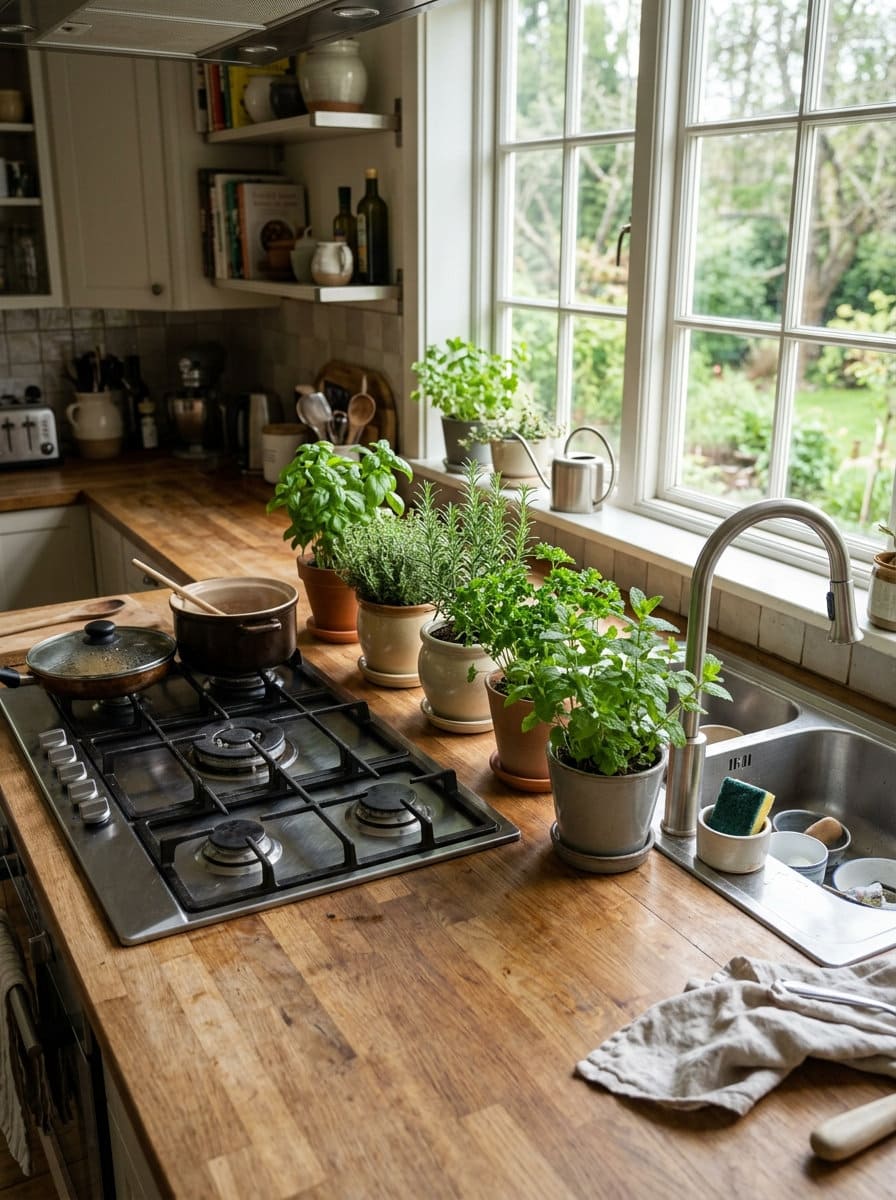
Fire and water are considered clashing, contradictory elements in feng shui, and a stove placed too close to a sink is thought to create ongoing energetic friction in the room, the same principle covered in this project’s backyard pool and koi pond guides, just scaled down to countertop distance.
The standard remedy in tight kitchens where distance isn’t possible: a run of live herb plants between the two, the wood element is thought to mediate the fire-water conflict.
There’s a real practical reason for keeping distance too, separate from symbolism: a stove positioned directly under or beside a window, in particular, exposes an open flame to drafts, which can destabilize a gas burner’s flame and increase the real risk of nearby curtains, papers, or other flammable material catching.
“Energy blowing away” and “an open flame near a draft” point toward the same practical fix, keep the cooking surface away from a direct draft path, for different reasons.
3. Is kitchen fire safety actually a feng shui concern?
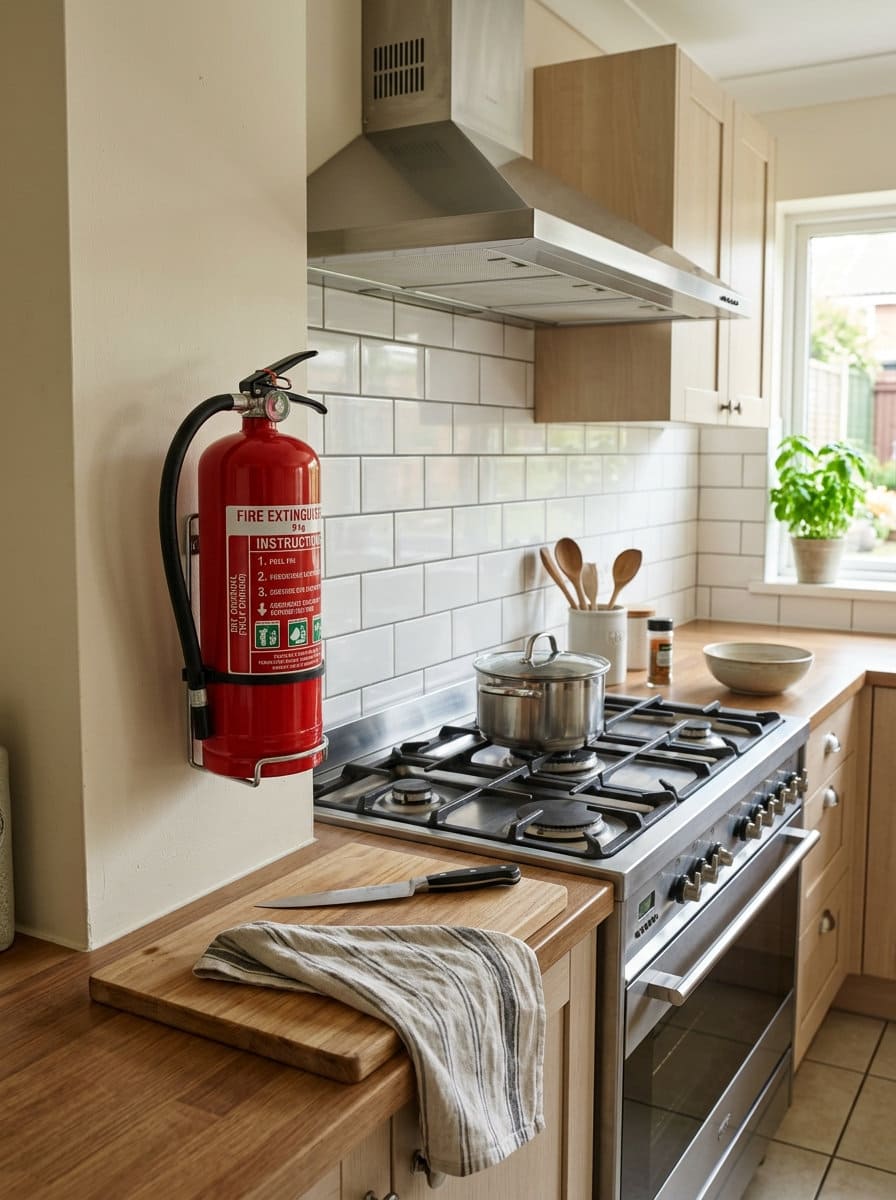
This is the layer every feng shui kitchen guide checked for this piece leaves out entirely, and it’s the part with the highest real stakes in the room.
Cooking is the National Fire Protection Association (NFPA)‘s #1 cause of home fires, responsible for an estimated 44-51% of residential fires, roughly 470 deaths, and around 4,150 injuries every year in the U.S. Unattended cooking is the single leading cause, and frying specifically is involved in nearly 60% of cooking fires.
Feng shui’s instinct to treat the stove as the room’s most powerful, most carefully-placed object isn’t wrong, it’s just missing the modern safety layer: never leave the stove unattended while something is frying, keep a proper fire extinguisher rated for kitchen fires within reach (not buried in a cabinet), and make sure smoke detectors near the kitchen are tested regularly. This is the single highest-leverage thing on this entire list, feng shui or not.

Directly addresses rule #3's real, highest-stakes safety gap
Shop NowThis post contains affiliate links. We may earn a commission on qualifying purchases at no extra cost to you.
4. Keep the fridge and pantry genuinely clean, not just “spoiled qi”-free
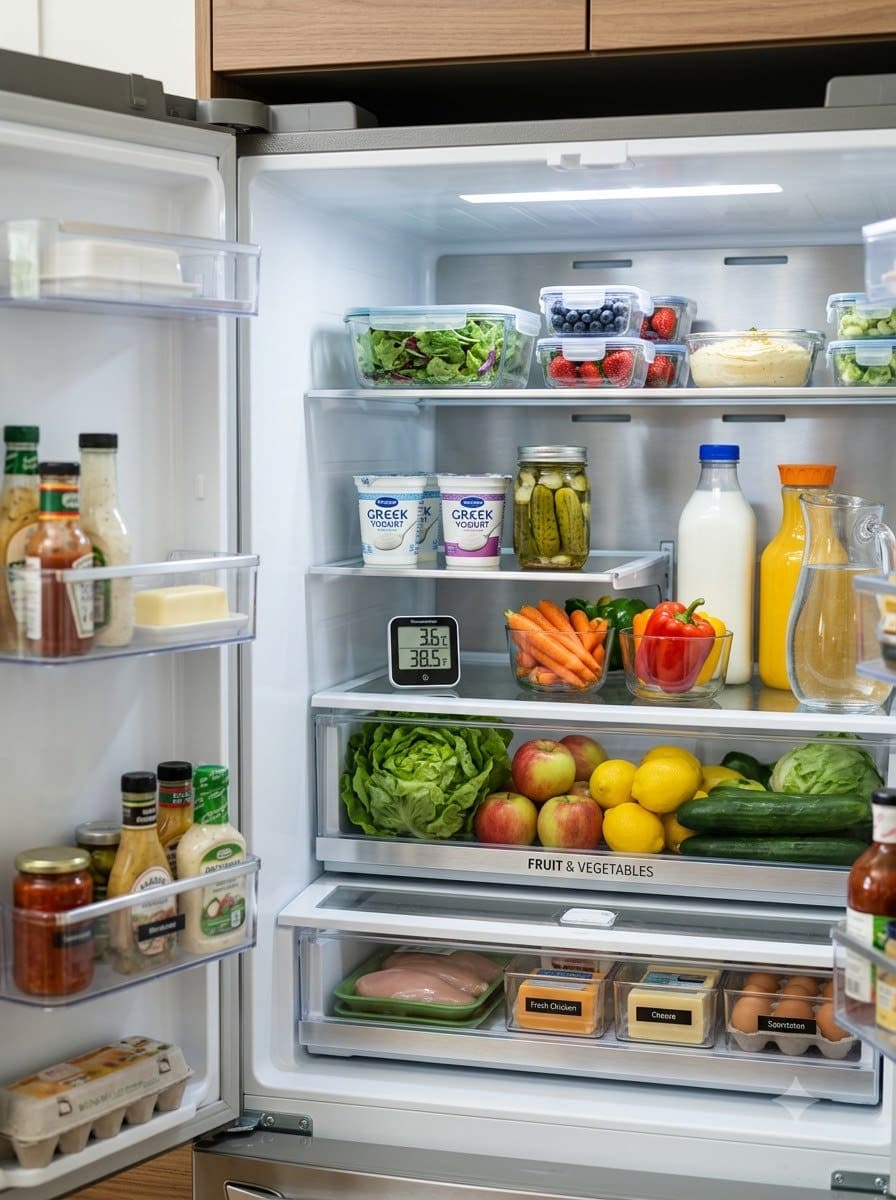
An expired, cluttered refrigerator or a disorganized pantry is treated in feng shui as literally representing spoiled or stagnant energy in the household’s wealth and health, the fix offered is usually a symbolic one: clear out expired food, keep shelves tidy, sometimes even place a clear quartz crystal inside to “amplify nourishment.”
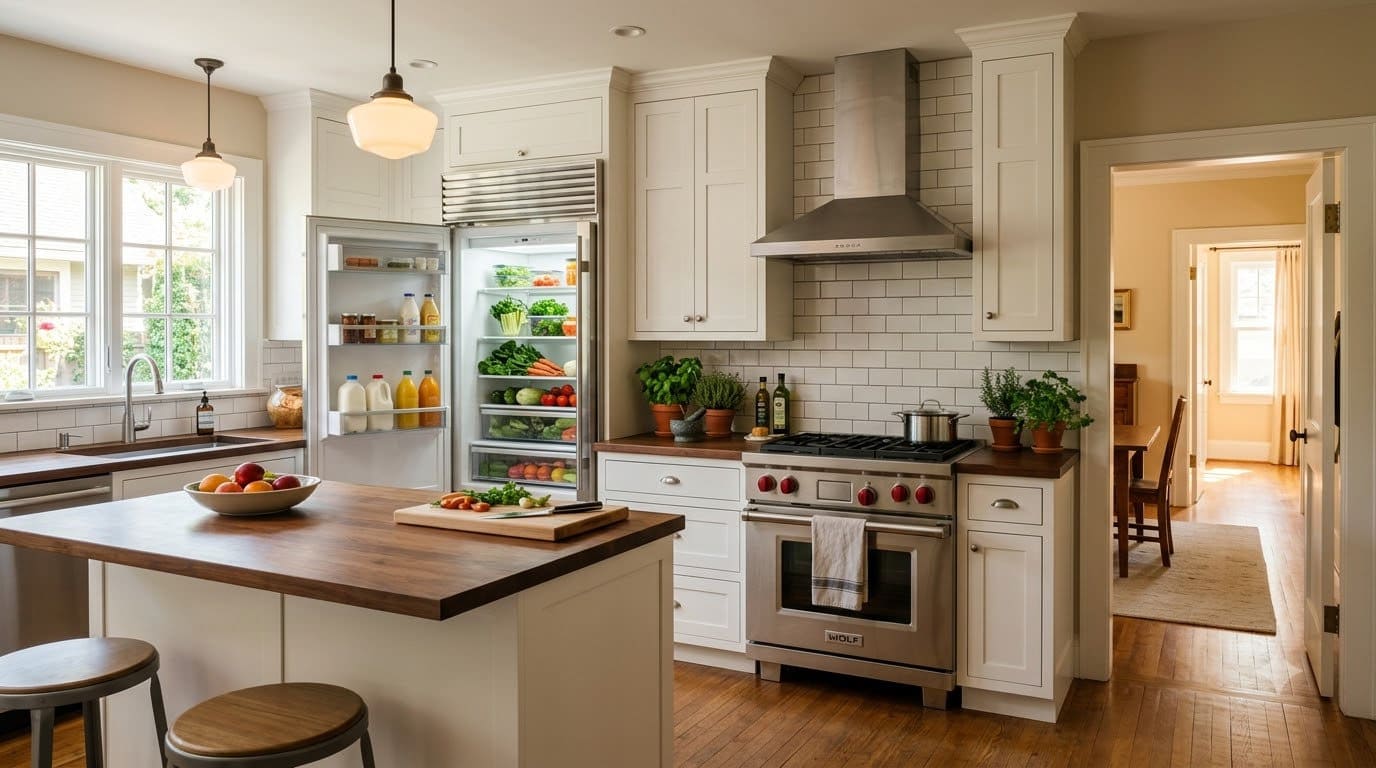
There’s a real, checkable number behind the vague “no expired food” advice: the FDA recommends keeping your refrigerator at 40°F or below (freezer at 0°F or below), since bacteria multiply fastest in the 40-140°F “Danger Zone,” some doubling in as little as 20 minutes. Food left above 40°F for more than two hours should be discarded regardless of how it looks or smells.
An inexpensive appliance thermometer, since most fridge dials don’t show actual temperature, is a five-dollar fix that makes “keep it clean” an actual, measurable habit instead of a vague intention.
Our pantry shelving ideas and refrigerator brands to avoid guides go deeper into both the organization and appliance side of this rule.
5. Choose colors and materials that support the room’s real function
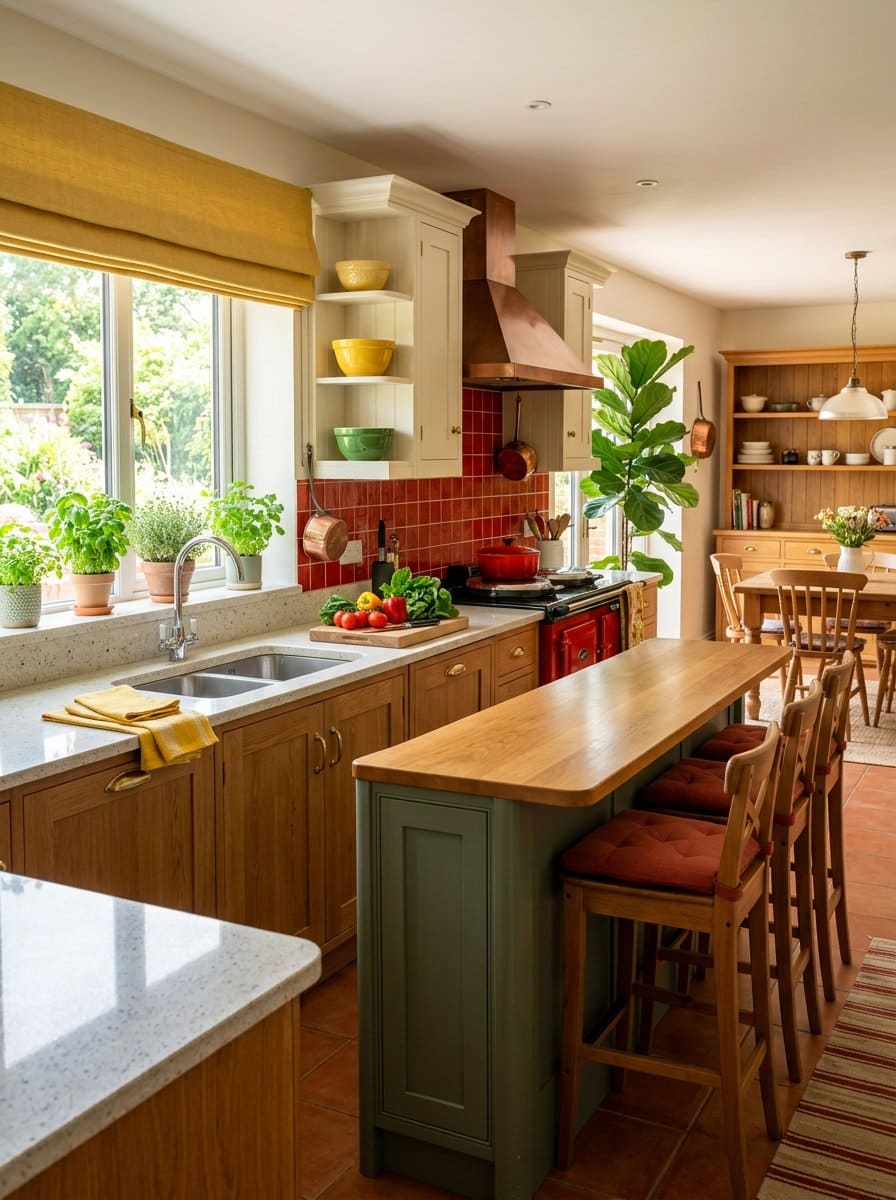
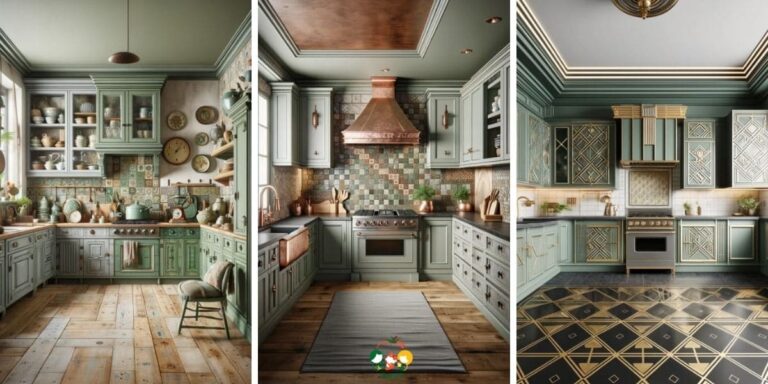
Light red, yellow, and green tones are the classic feng shui kitchen color recommendation, representing the fire, earth, and wood elements respectively, meant to bring fresh, active energy to a space built around cooking and nourishment.
Black accents in moderation are thought to bring the water element’s wealth association, but an excess of black (or any single color) is considered to tip the room out of balance rather than enhance it.
Beyond the color choice, material matters just as much in a room that sees this much daily wear: durable countertops and backsplashes near the stove aren’t just a practical kitchen decision, they support the same “well-maintained, cared-for” energy feng shui associates with the room’s wealth symbolism, a chipped, worn cooking surface reads as neglect either way you look at it.
The 5 rules at a glance
| Rule | Real-world backing | Fastest fix |
|---|---|---|
| Commanding position at the stove | Same logic as bed/desk placement | Mirror angled to reflect the doorway if repositioning isn’t possible |
| Distance between stove and sink | Draft near an open flame is a real fire risk | Live herb plants as a buffer if space is tight |
| Fire safety | NFPA: cooking causes 44-51% of home fires, ~470 deaths/year | Never leave frying food unattended; keep an extinguisher within reach |
| Clean fridge and pantry | FDA: keep fridge at 40°F or below, “Danger Zone” bacteria doubles in 20 min | A $5 appliance thermometer, don’t trust the dial |
| Colors and materials | Durable surfaces read as cared-for, not just aesthetic | Light red/yellow/green tones, black in moderation |
What we learned the hard way
The fire-safety layer is the one people assume is separate from “feng shui” advice, when it’s really the modern, higher-stakes version of the exact same instinct: treat the stove with real respect and attention.

Skipping a kitchen fire extinguisher because “nothing’s ever happened” is the same mistake as ignoring a stove’s commanding-position rule for years, until the one time it matters.
The refrigerator temperature check is the other thing almost nobody actually does. Most people assume their fridge is cold enough because the dial says “4” or “cold,” without ever confirming the actual internal temperature with a real thermometer, the $40°F rule only works if you’re actually measuring against it.
FAQs
My stove can’t be repositioned to see the door. What can I do? A small mirror angled to reflect the doorway from the cooking position is the standard feng shui workaround, and it solves the practical “can’t see who’s entering” concern too, not just the symbolic one.
Is it really that big a deal if my stove is near a window? It’s more of a real fire-safety consideration than most feng shui guides let on: drafts can affect a gas flame’s stability, and curtains near an open flame are a genuine hazard. If you can’t move the stove, keep flammable materials well clear of the window and flame.
How do I know if my fridge is actually at a safe temperature? Use a separate appliance thermometer, don’t rely on the dial setting. The FDA’s threshold is 40°F or below; anything above that for an extended period is a real food-safety risk, not just a feng shui one.
Do I need to avoid black entirely in my kitchen? No, feng shui treats black in moderation as a wealth-supporting accent (the water element). The concern is an entire kitchen dominated by one color, including black, tipping the room’s balance, not the color itself.
Related reading on farmfoodfamily.com: for full kitchen design inspiration once these fundamentals are in place, see our sage green kitchen ideas, two-tone kitchen ideas, and kitchen corner cabinet ideas.
Related Posts
- Awkward Kitchen Layout Ideas
- Pantry Shelving Ideas
- Refrigerator Brands to Avoid
- Sage Green Kitchen Ideas
- Kitchen Corner Cabinet Ideas
- Narrow Pantry Ideas
Products We Recommend
This post contains affiliate links. We may earn a commission on qualifying purchases at no extra cost to you.
First Alert Kitchen Fire Extinguisher
Directly addresses rule #3's real, highest-stakes safety gap
Shop Now
TempPro Digital Refrigerator Thermometer (2-Pack)
Makes rule #4's FDA 40°F guidance an actual measurable habit
Shop Now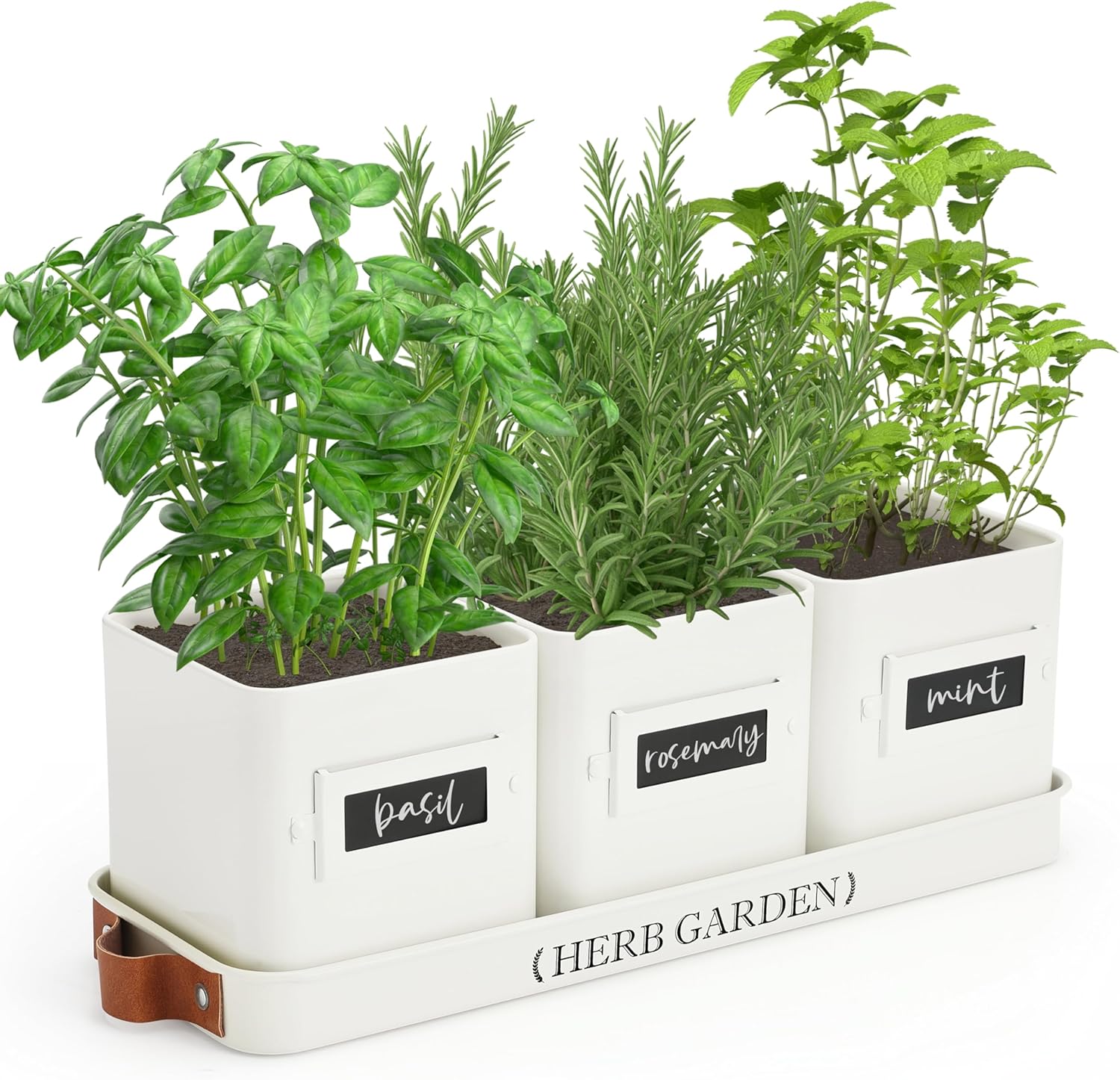
PERFNIQUE Farmhouse Indoor Herb Garden Planter Set
Covers rule #2's stove-sink buffer remedy with living herbs
Shop NowNever miss an update — choose FarmFoodFamily as your preferred source on Google.
How it works: Tap the button below to open Google's settings page, then check the box next to FarmFoodFamily.
Tap the checkbox to turn it blue — that's how you know it's set.