The Best Feng Shui Spot for a Japanese Maple, and Where Not to Plant One
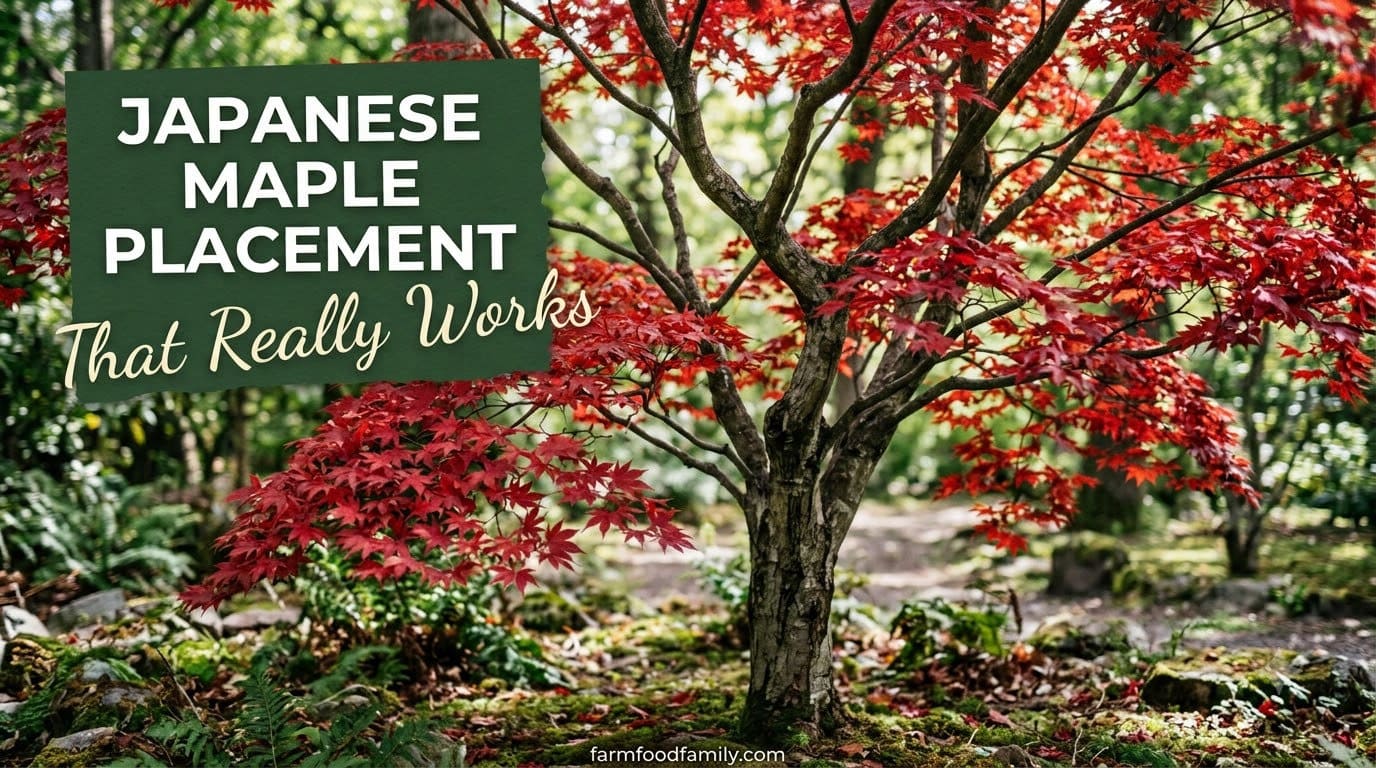
A Japanese maple’s whole feng shui reputation rests on its wood element and its color, but the real placement mistakes that kill or scorch one have nothing to do with compass direction.

Never miss an update — choose FarmFoodFamily as your preferred source on Google.
How it works: Tap the button below to open Google’s settings page, then check the box next to FarmFoodFamily.
Tap the checkbox to turn it blue — that’s how you know it’s set.
Jo Lambell, founder of the UK plant retailer Beards & Daisies and author of “The Unkillables,” treats a Japanese maple’s seasonal color change as one of the most direct ways a tree can visibly “draw good energy” toward a home, the tree’s whole feng shui value comes from being seen, not tucked in a back corner.
Here’s where that placement actually works best, and the real horticultural facts, root distance, sun exposure, and one toxicity caveat, that most feng shui tree guides never mention.
The best spot: east or southeast, off to the side of the entrance
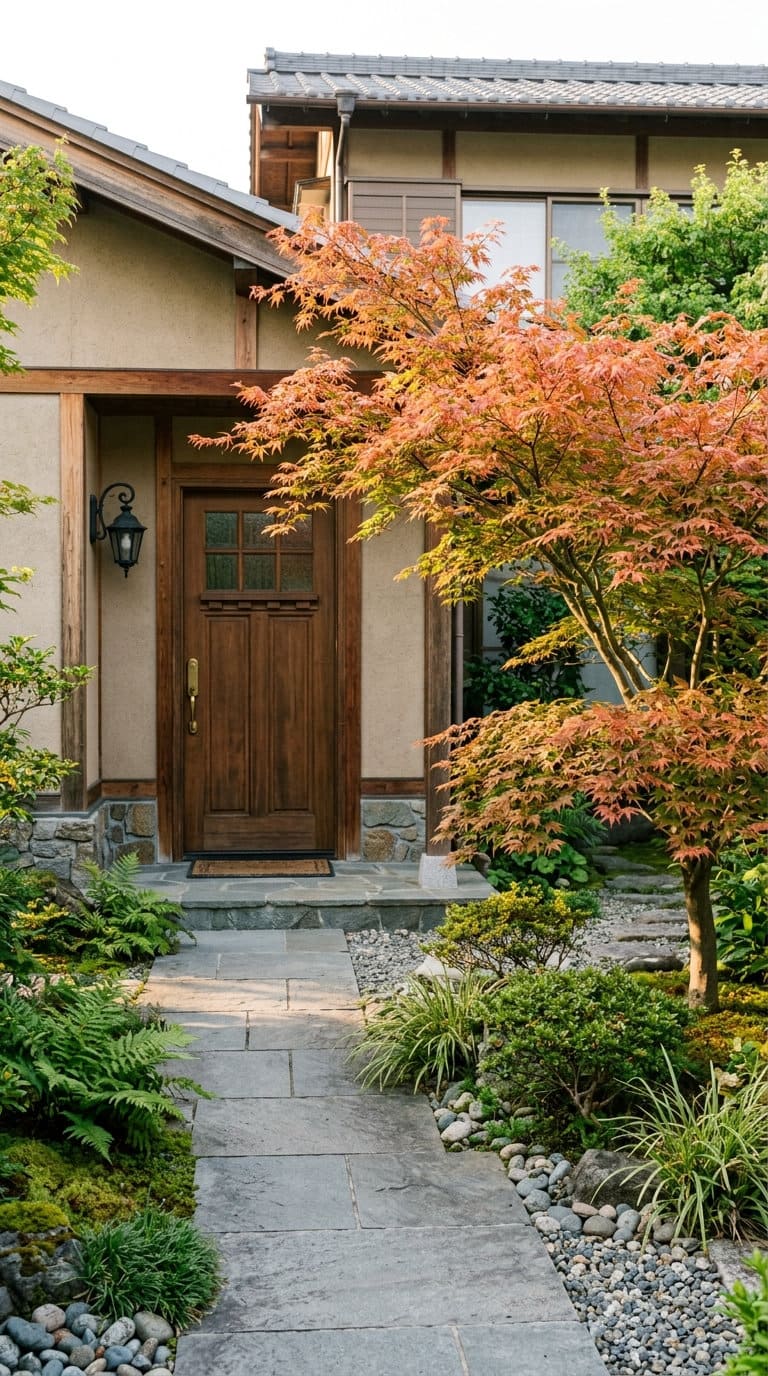
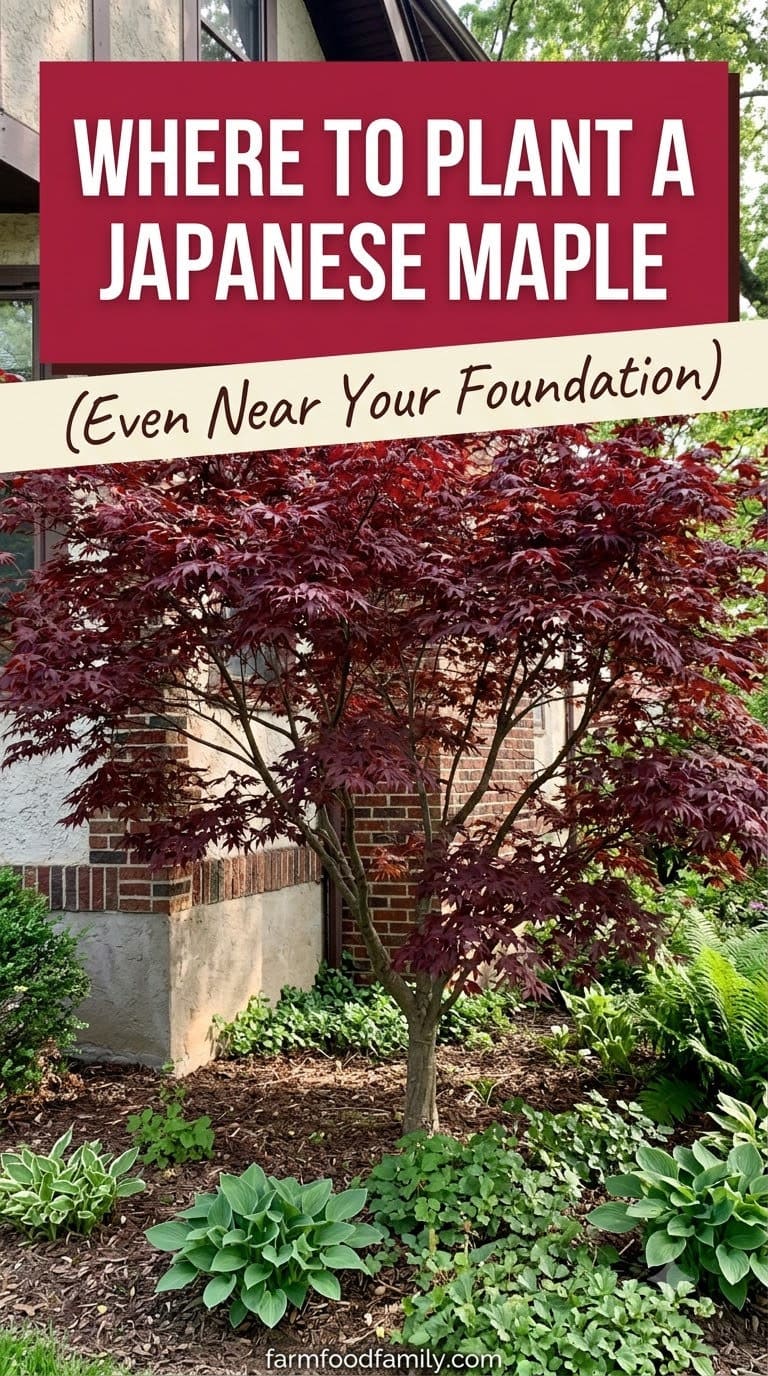
Japanese maples are tied to the wood element in feng shui, and wood is associated with growth, health, and family harmony, so the traditional guidance places one in the east or southeast section of a yard.
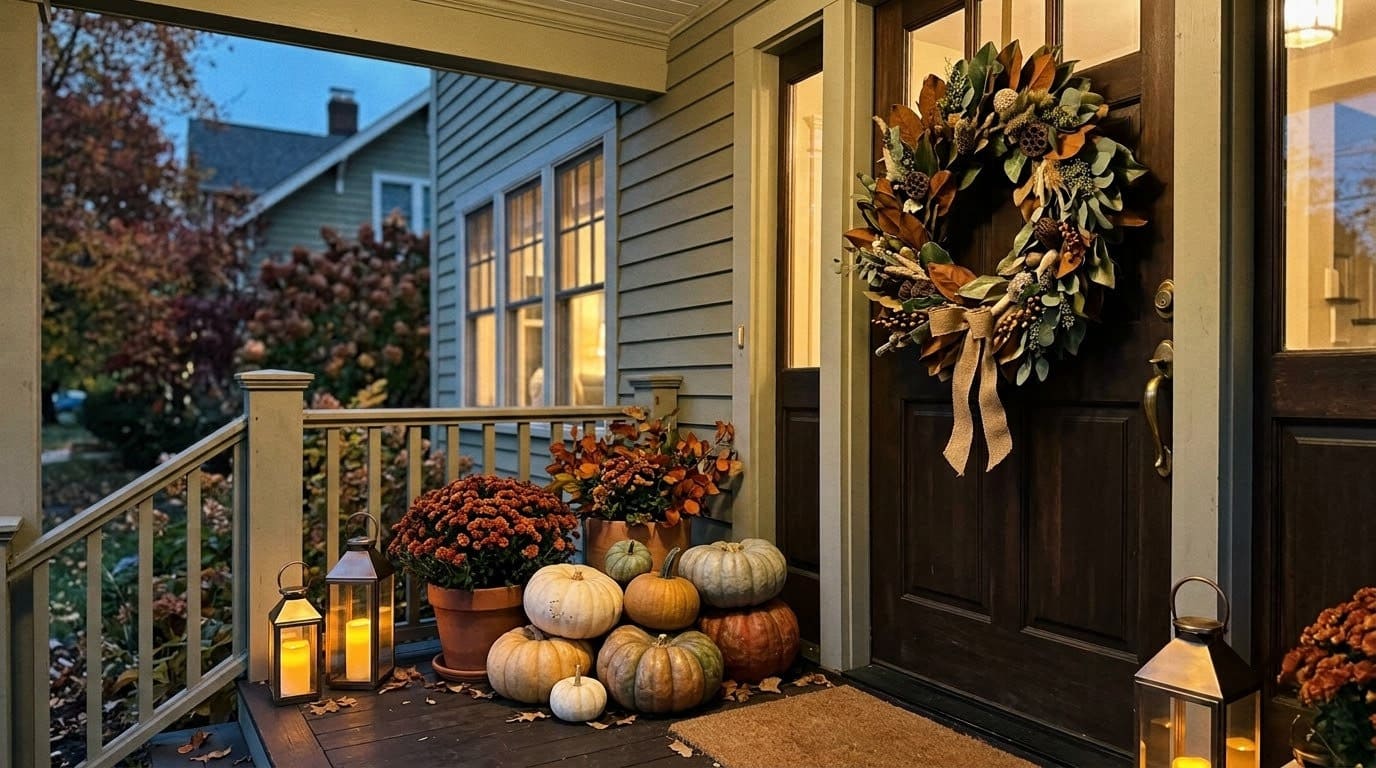
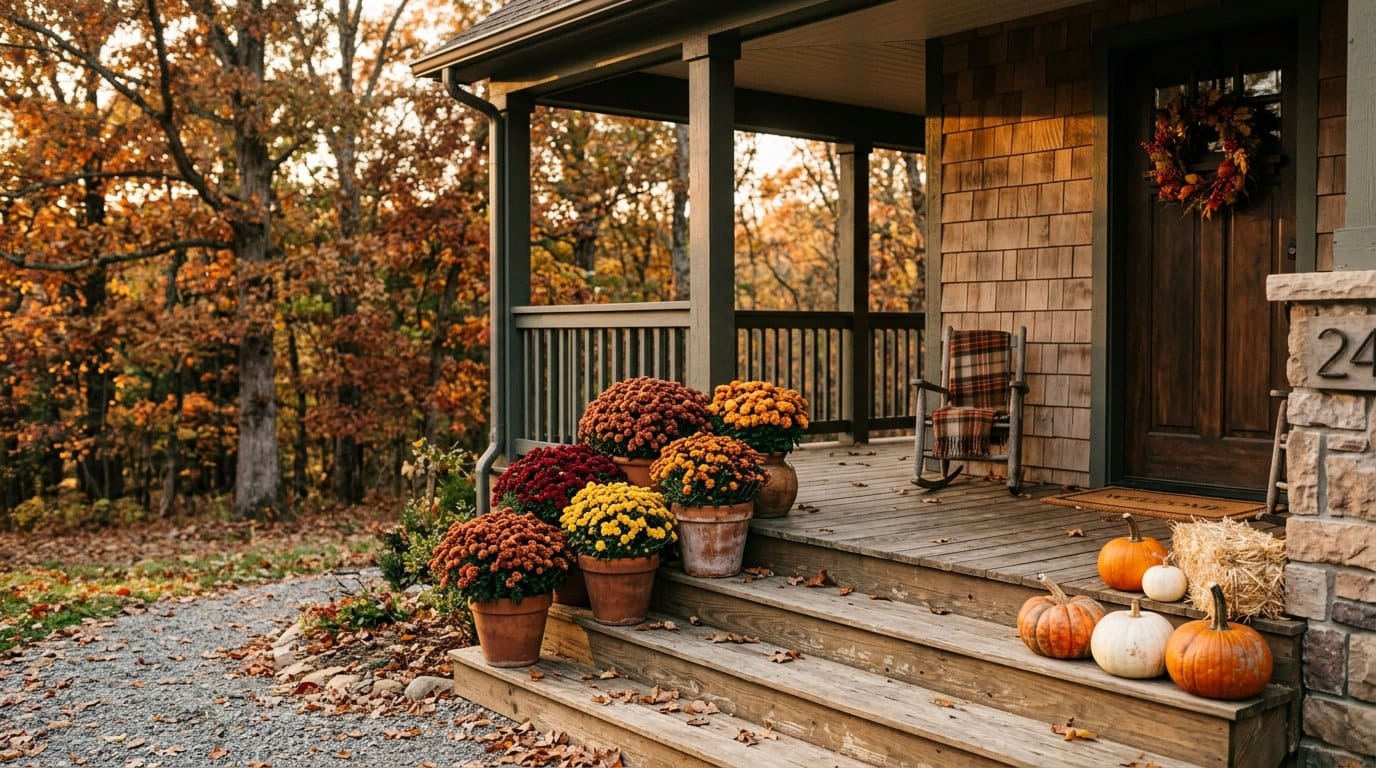
Positioned off to the side of a front entrance rather than dead-center, a Japanese maple’s seasonal color shift, green in summer, red or orange in fall, is meant to be a visible, changing marker of “good energy” moving toward the house rather than a static, unchanging feature.
South is a secondary option some sources cite as well, tied to fame and recognition, a reasonable fit for a tree whose vivid color is meant to be noticed and admired.
Where not to plant it: directly in line with the front door
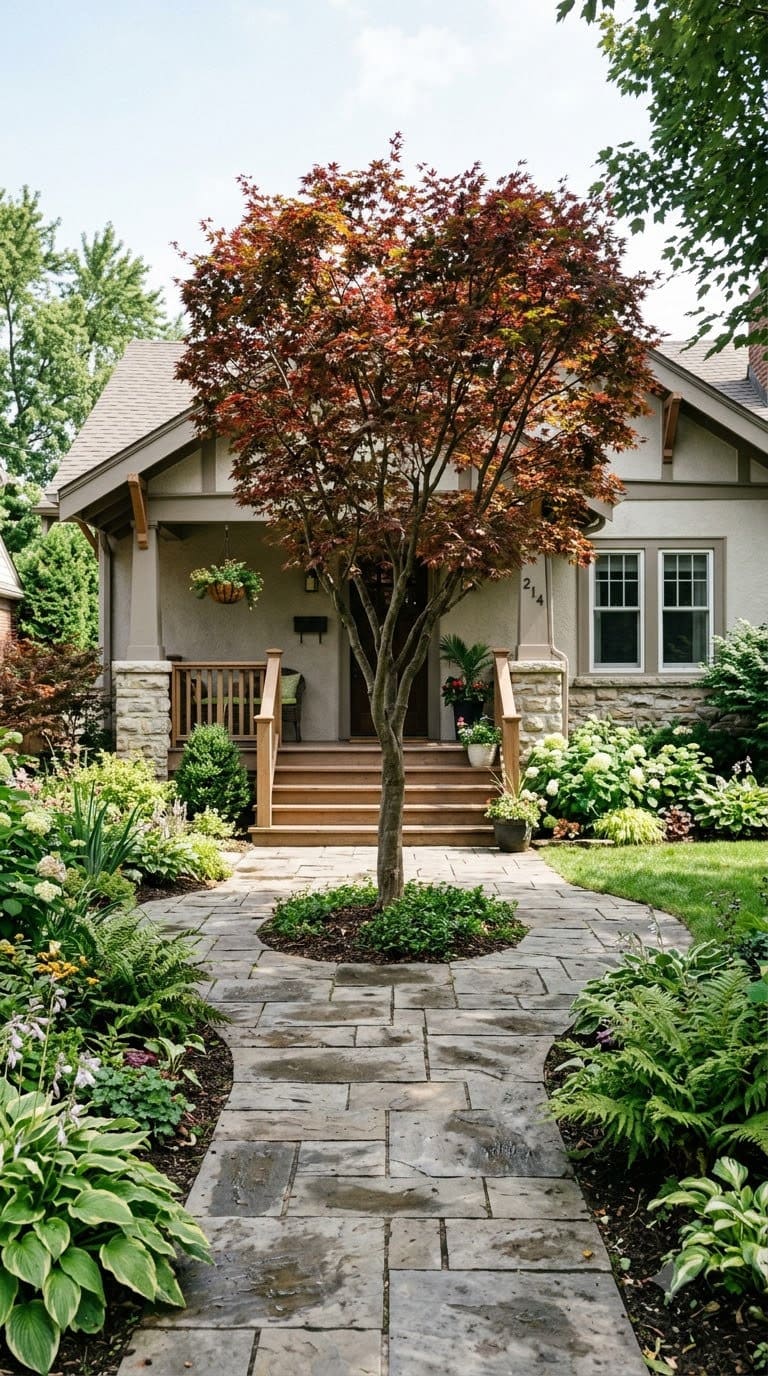
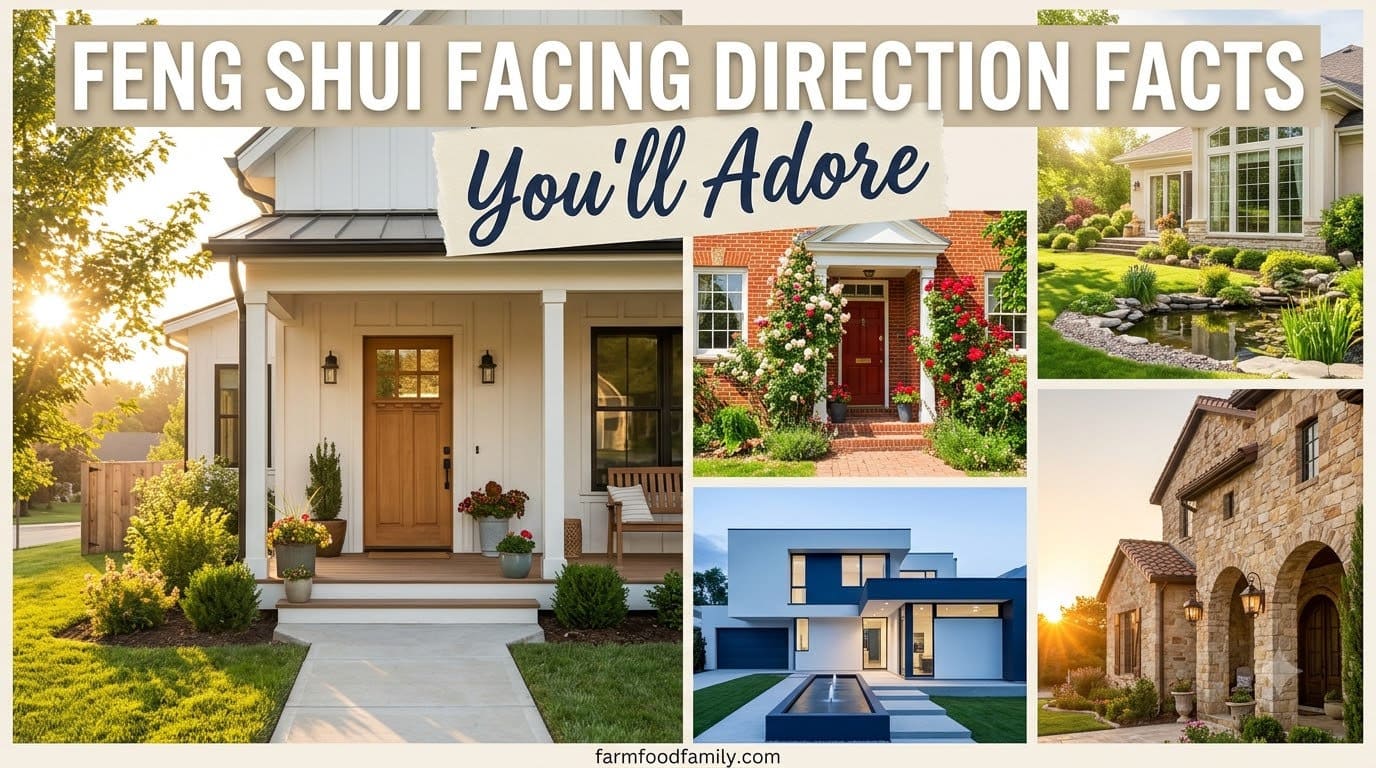
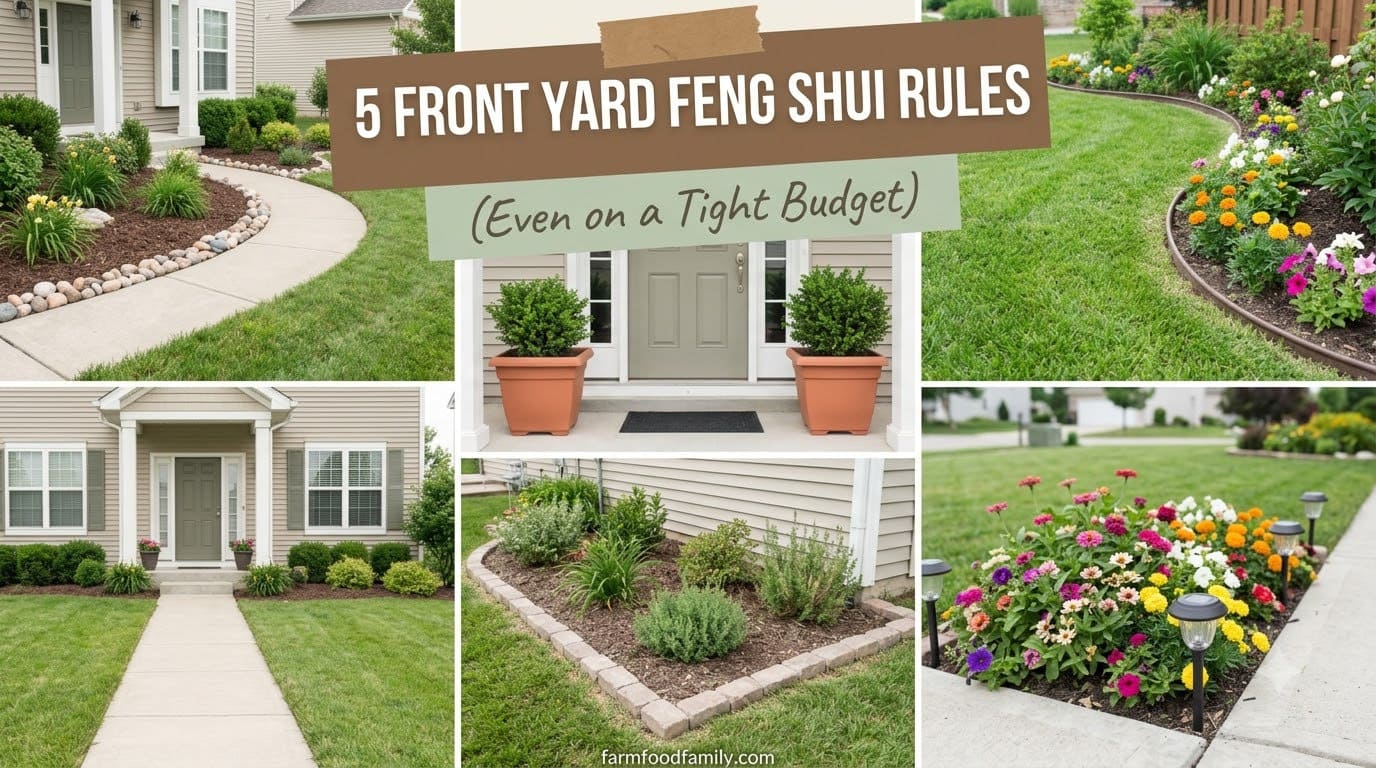
A single tree planted dead-center in front of a door, or directly in the sightline between the street and the entrance, is treated as a feng shui “poison arrow,” the same blocking-energy concern covered elsewhere in this project’s driveway and garden pathway guides.
Answer 4 quick questions and get matched to the exact fix for your yard — drainage, budget, layout, or something else entirely.
Take the Free QuizA Japanese maple planted straight-on is thought to obstruct incoming energy rather than frame and welcome it. If a tree is already planted in this exact spot and moving it isn’t realistic, flanking it with additional plantings on both sides of the entrance, so it reads as part of a grouping rather than a single centered obstruction, is the standard feng shui remedy.
The real root-distance question no feng shui guide answers
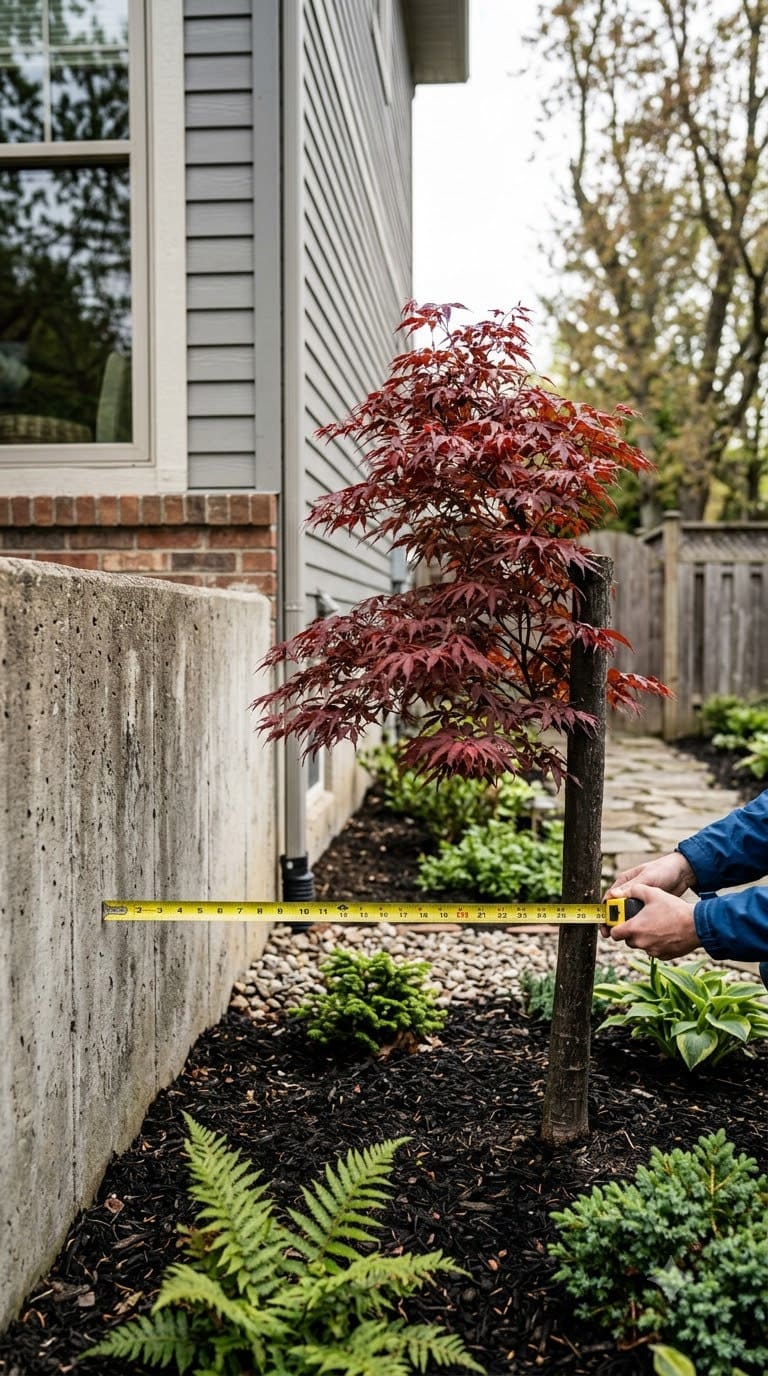
This is the gap in every source checked for this piece. Japanese maples have a genuinely shallow, non-aggressive, fibrous root system that typically stays within the top 24 to 36 inches of soil, a real structural advantage over aggressive-rooted trees like willows or silver maples.
For a smaller, dwarf, or weeping cultivar, a planting distance of roughly 6 feet from a foundation, measured from trunk to wall, is generally considered safe. Larger, upright-growing cultivars need more room, a reasonable rule of thumb is leaving space roughly equal to the tree’s expected mature spread.
If your home has an older rubble-stone foundation or existing settling cracks, doubling that distance is the more cautious call, since fine root hairs can still work into an already-compromised gap over time even on a naturally well-behaved tree.
The sun exposure fact that determines whether the color actually holds
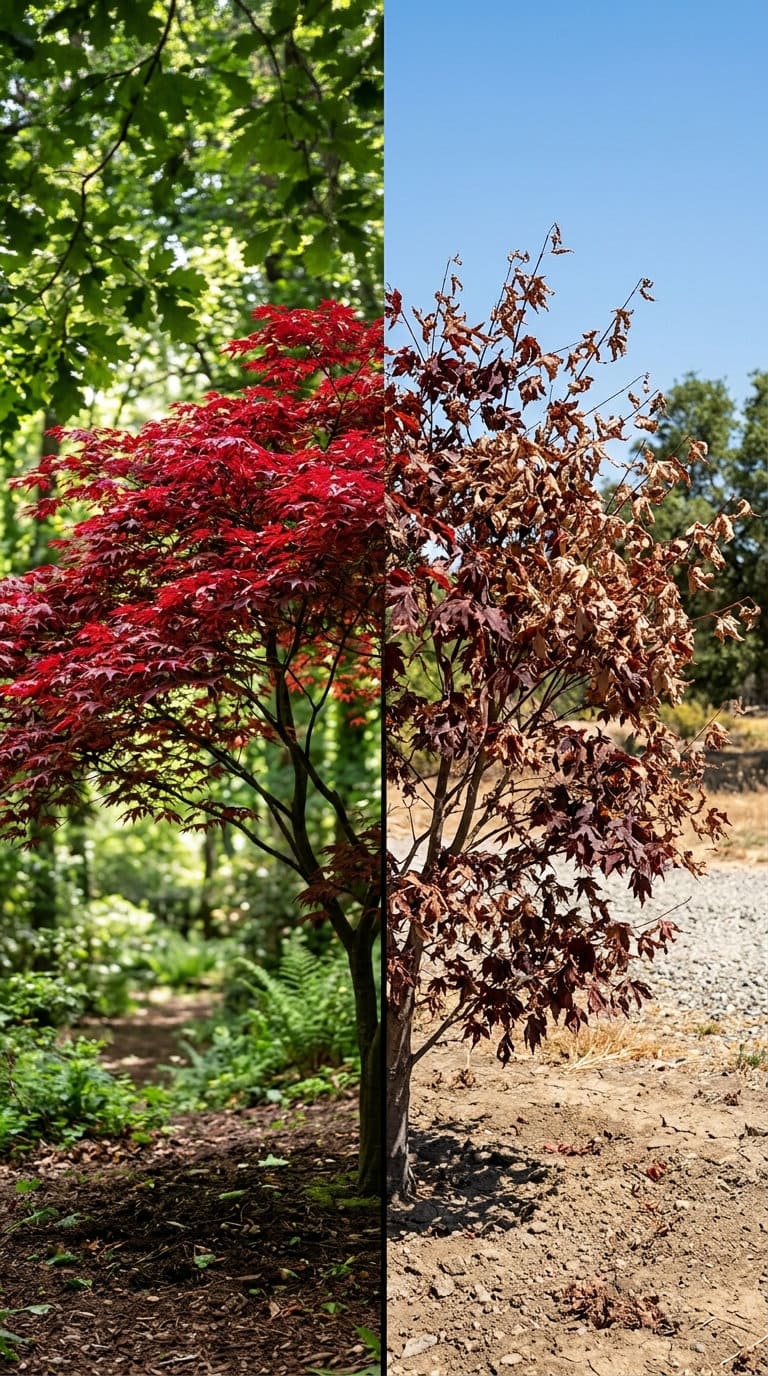
Feng shui wants a Japanese maple visible and color-changing, but harsh, direct afternoon sun is the single most common reason a maple’s prized red or purple foliage scorches, bleaches, or drops early instead of holding its color through the season, especially for red-leaved cultivars in hotter climates.
Filtered or dappled light, morning sun with afternoon shade, or the light shade under a taller canopy tree, is the real growing condition that lets the color feng shui is asking for actually show up reliably.
A maple planted in full, exposed afternoon sun purely to maximize visibility from the street often ends up with the opposite of the intended effect by midsummer.
Most yard problems trace back to one specific, fixable cause. Find yours in 4 quick questions.
Take the Free Quiz
A real, live Japanese Red Maple sapling ready for the placement guidance in this article, 3.7 stars/343 ratings
Shop NowThis post contains affiliate links. We may earn a commission on qualifying purchases at no extra cost to you.
The one toxicity fact worth knowing if you keep horses
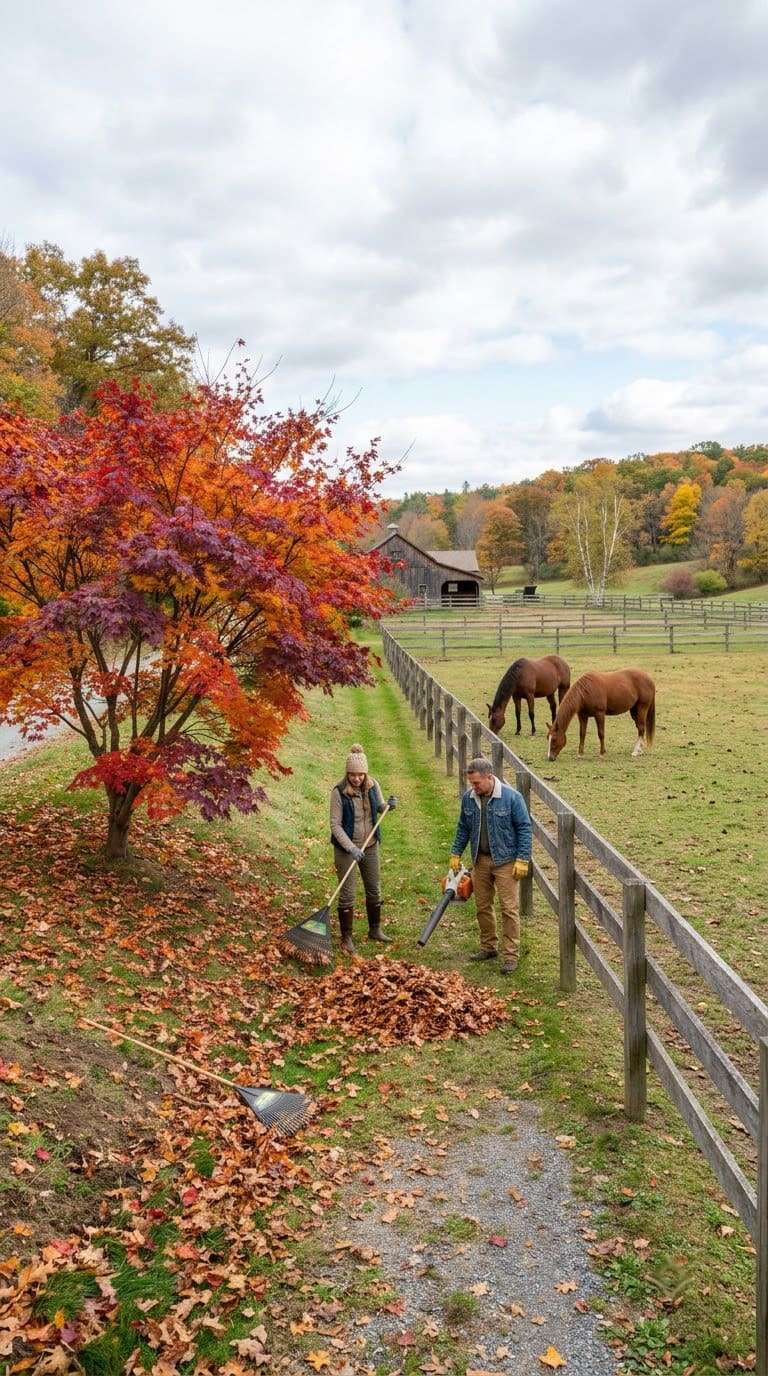
This is genuinely a niche concern, but a real one worth naming rather than skipping. Fresh Japanese maple leaves aren’t the acute danger, but wilted or dried maple leaves and bark (most extensively documented in red maple, a close relative) are confirmed toxic to horses, causing severe hemolytic anemia, with clinical signs appearing within 18 hours to 5 days of ingestion, and toxicity persisting in fallen, wilting leaves for roughly 30 days.
If a maple is planted anywhere near a paddock or pasture, keeping fallen leaves cleared, especially after a storm drops branches, is a real precaution worth taking regardless of the compass direction the tree is planted in.
Japanese maple feng shui at a glance
| Factor | Feng shui guidance | Real-world backing |
|---|---|---|
| Direction | East or southeast (wood element); south as a secondary option | Traditional bagua association |
| Entrance placement | Off to the side, never dead-center | Poison-arrow blocking concern |
| Foundation distance | Not addressed in feng shui sources | 6+ feet for dwarf cultivars; mature spread for larger ones |
| Sun exposure | Wants visibility and color | Filtered/dappled light preserves red foliage color best |
| Hardiness | Not addressed in feng shui sources | USDA zones 5-9 for most cultivars |
| Horse safety | Not addressed in feng shui sources | Wilted leaves toxic, hemolytic anemia risk |
What we learned the hard way
The full-sun placement is the mistake that shows up almost every summer. A homeowner who plants a red-leaved Japanese maple in an exposed, south-facing spot purely to maximize street visibility for the feng shui “visible good energy” effect often watches the same leaves scorch and drop by August, the opposite of the intended result, and a genuinely avoidable one with a little shade planning up front.
The foundation-distance assumption is the other thing people get wrong, in the opposite direction from most trees. Because Japanese maples have a reputation as one of the safer trees to plant near a house, some homeowners skip checking their own foundation’s condition entirely, when an older or already-cracked foundation is exactly the case where even a well-behaved root system is worth giving extra distance.
FAQs
Is a Japanese maple always bad feng shui if it’s already planted near my front door? Only if it’s directly centered in the sightline. Flanking it with additional plantings on both sides so it reads as part of a grouping rather than a single centered tree resolves the concern without removing it.
How close can I really plant a Japanese maple to my house? Roughly 6 feet from the foundation for a dwarf or weeping cultivar, more for a larger upright variety, based on its expected mature spread. Double that distance if your foundation is older or already has settling cracks.
Why did my red Japanese maple’s leaves turn brown and drop early? Most likely harsh, direct afternoon sun, especially in a hot climate. Filtered light or afternoon shade preserves color and leaf health far better than full, exposed sun.
Do I need to worry about Japanese maple leaves if I have horses? Only if wilted or fallen leaves are accessible to them. Keep fallen leaves and branches cleared from paddocks and pastures, especially after storms, since wilted leaves remain toxic for about 30 days.
Related reading on farmfoodfamily.com: for more on maple varieties and identification, see our types of maple trees guide, and for a full garden layout built around this same aesthetic, see our zen garden designs guide.
The average homeowner spends $616/year on yard fixes that don't address the real problem. Find out what yours actually is — before you spend another dollar.
Take the Free QuizRelated Posts
Products We Recommend
This post contains affiliate links. We may earn a commission on qualifying purchases at no extra cost to you.
Japanese Red Maple Live Plant (1-2 ft, 3" pot)
A real, live Japanese Red Maple sapling ready for the placement guidance in this article, 3.7 stars/343 ratings
Shop Now
Down To Earth Organic Acid Mix Fertilizer (4-3-6, 5 lb)
Covers the acidic soil amendment Japanese maples need to thrive, 4.6 stars/3,261 ratings
Shop Now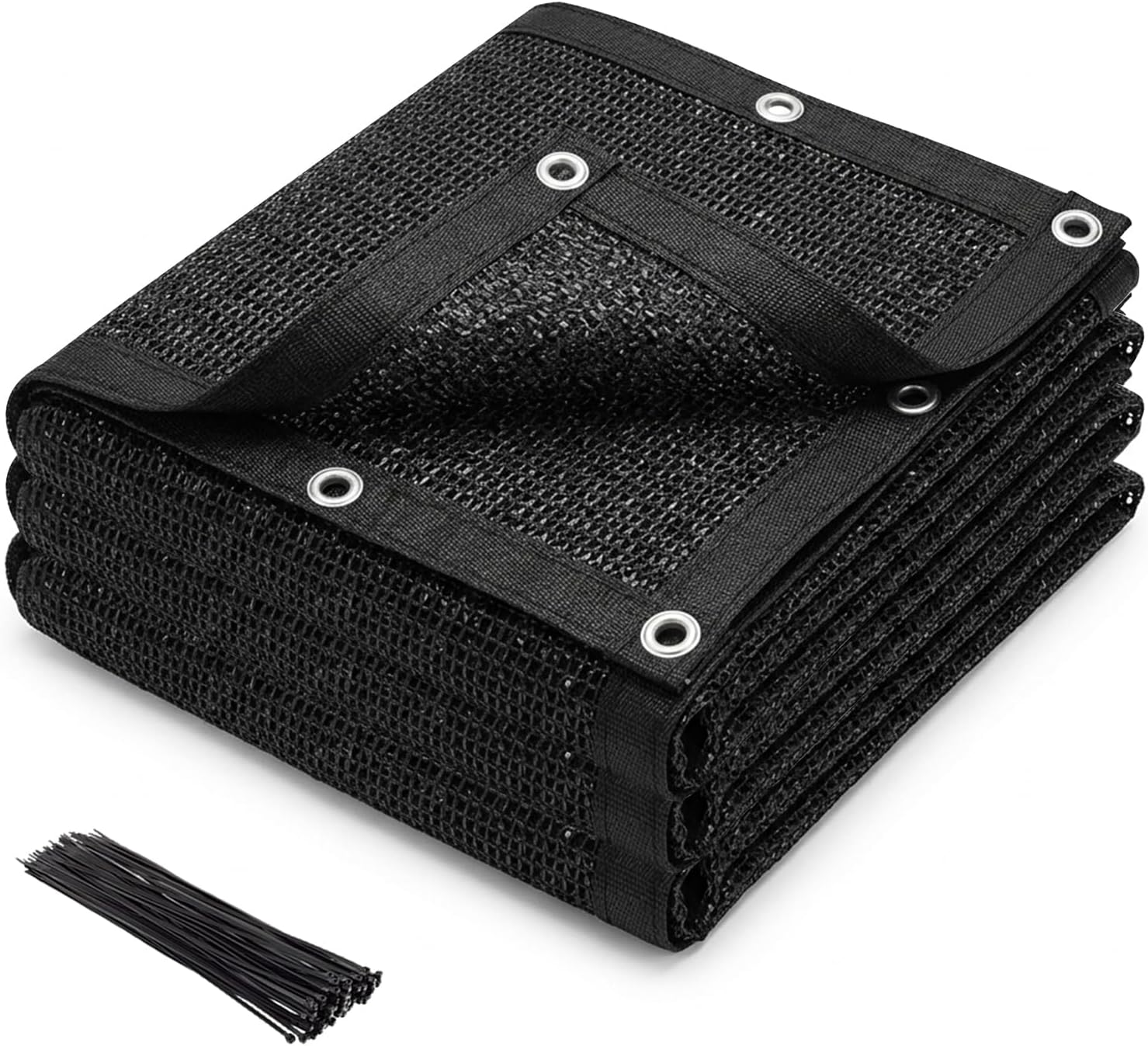
Tilvex 40% Garden Shade Cloth (8x10 ft)
Covers the filtered-light fix for preserving red foliage color in hot, exposed spots, 4.0 stars/122 ratings
Shop NowNever miss an update — choose FarmFoodFamily as your preferred source on Google.
How it works: Tap the button below to open Google's settings page, then check the box next to FarmFoodFamily.
Tap the checkbox to turn it blue — that's how you know it's set.