How to Dry Your Hair Without Causing Unnecessary Damage
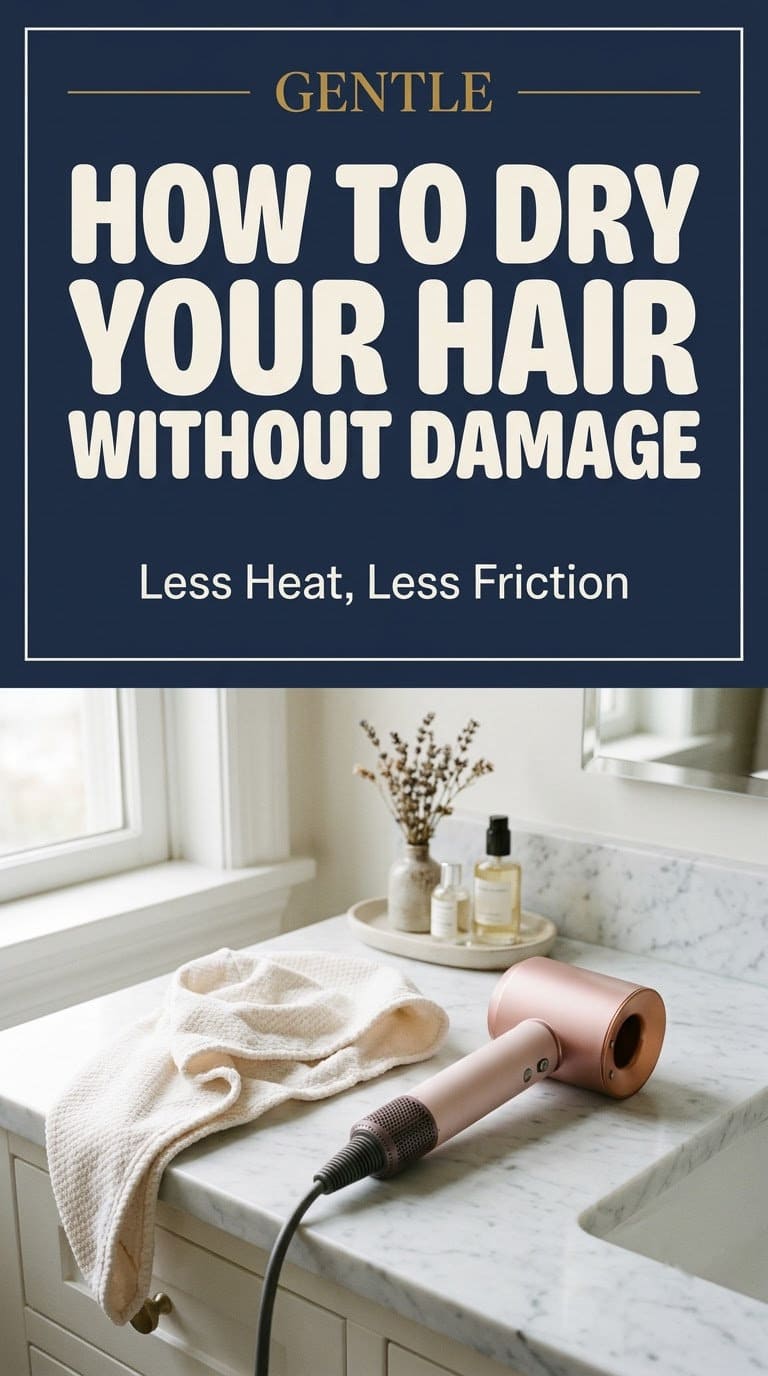
Hair is most fragile when wet, so the gentlest routine uses less heat, less friction, and less time wet. Air-drying and blow-drying can both work if the technique is right.

Never miss an update — choose FarmFoodFamily as your preferred source on Google.
How it works: Tap the button below to open Google's settings page, then check the box next to FarmFoodFamily.
Tap the checkbox to turn it blue — that's how you know it's set.
Hair is most fragile when wet, so the gentlest routine uses less heat, less friction, and less time wet. Air-drying and blow-drying can both work if the technique is right.
To dry your hair with less damage, handle it gently, use less heat, and keep drying time short. Wet hair is more fragile, so squeeze out extra water and wrap it in a soft towel instead of rubbing. Technique matters more than choosing between air-drying and blow-drying.
The American Academy of Dermatology advises using the lowest heat setting, letting hair air dry when possible, and combing with a wide-tooth comb. Keep the dryer moving, and finish on a cool setting if you need it.
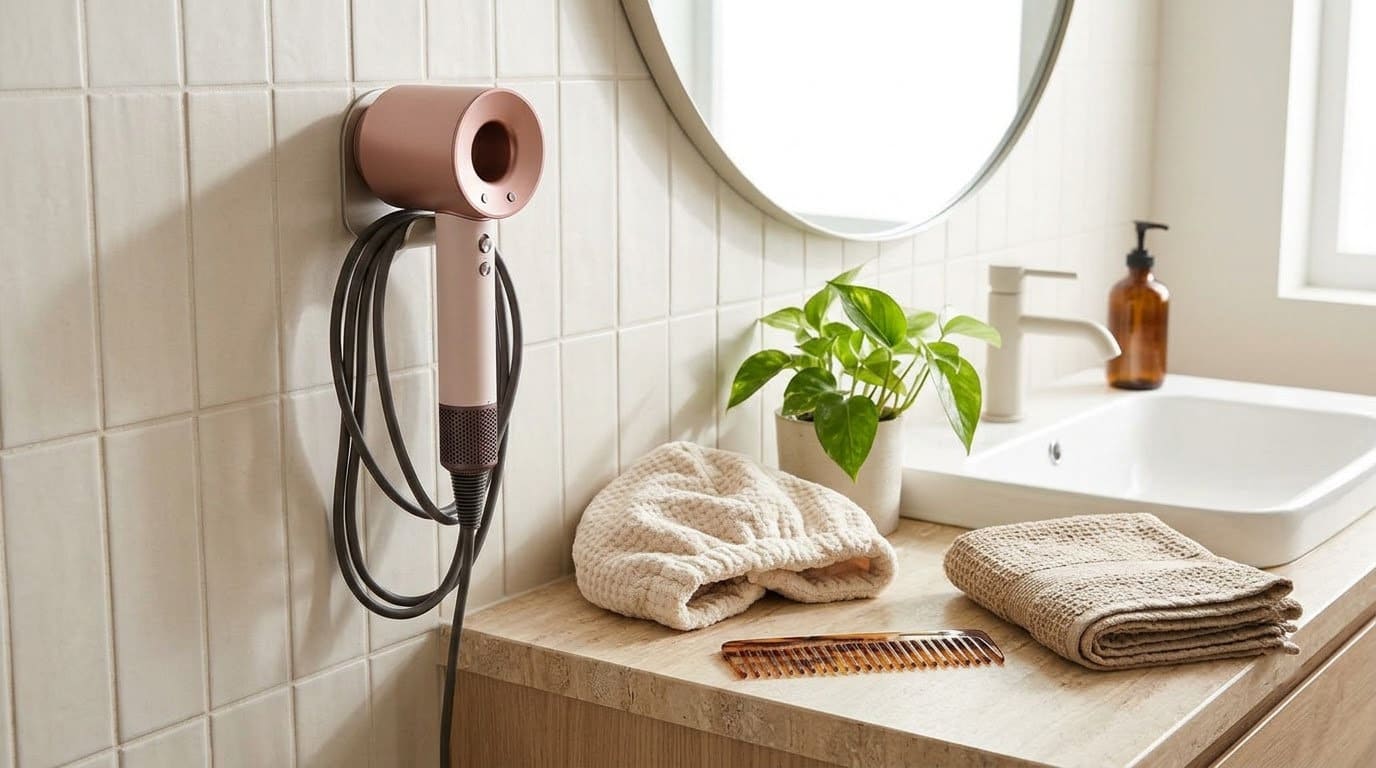
Keep dryers away from water. The Consumer Product Safety Commission and UL advise unplugging a hair dryer when you are not using it, and never placing it where it can fall into a tub or sink.
If you notice persistent breakage, sudden hair loss, or scalp pain, see a dermatologist instead of blaming your drying habits.
Why drying technique matters
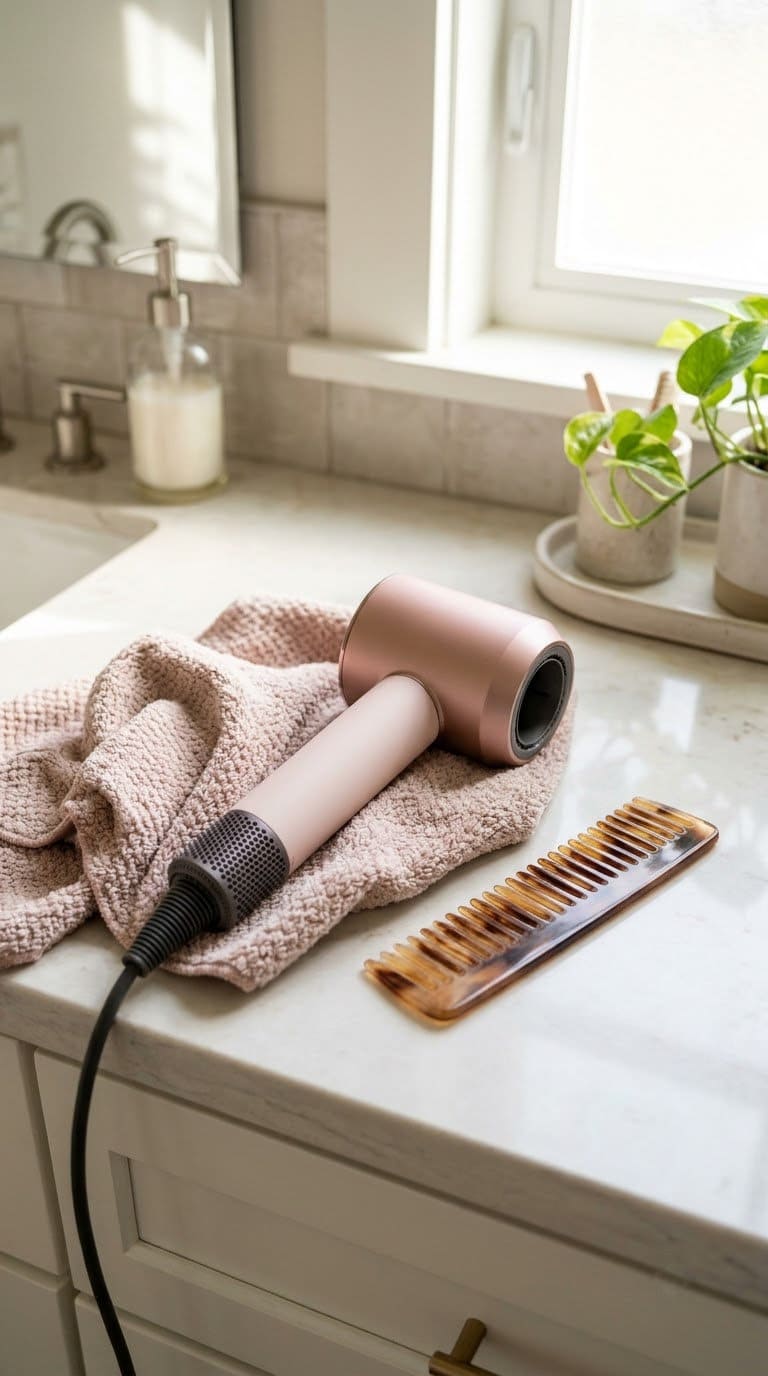
The way you dry your hair day after day can quietly determine how much breakage and split ends you end up dealing with over time. Some people wrap their hair in a towel and let it dry on its own schedule, while others reach for a hair dryer to speed things up before heading to work or turning in for the night. Neither method is better by default. What matters most is the heat level and how long you apply it. Wet hair also happens to be more fragile than dry hair, since moisture temporarily changes its structure and makes it easier to stretch or snap. Below are practical ways to ease the strain on your hair, whichever drying method you lean toward.
Understand what makes hair vulnerable
Why wet hair needs gentle handling
Water softens the hair shaft temporarily and reduces its elasticity, which is exactly why brushing, twisting, or tugging at wet hair raises the odds of breakage. Frizz is a temporary cosmetic effect. Split ends and snapped strands are actual structural damage. Friction (hair rubbing against towels, combs, or itself) and tensile stress (the pulling force of detangling) are two of the most common everyday causes of that structural damage.
How heat can contribute to damage
Too much heat can strip moisture from the hair fiber, which over time contributes to brittleness and breakage. Hair that’s chemically treated, bleached, fine, or already weakened tends to feel this effect more acutely. Occasional heat isn’t a reason to panic. Dermatology guidance generally points toward lower heat settings and less frequent use rather than cutting out heat altogether.


Prepare hair before drying
Before you reach for any tool, gently squeeze out excess water rather than rubbing vigorously. Wrapping hair in a soft towel or microfiber wrap absorbs moisture without the friction that comes from scrubbing. The less damp your hair is to start, the less heat you’ll need to apply later, and letting hair partially air-dry when your schedule allows can further cut down on heat exposure.
When it’s time to detangle, a wide-tooth comb works best. Start at the ends and work your way up gradually instead of forcing a path through knots from the root. Heat-protection products can reduce some damage, but they’re only one layer of defense, and they won’t save hair from excessive heat.
Choosing between air-drying and blow-drying
When air-drying may be appropriate
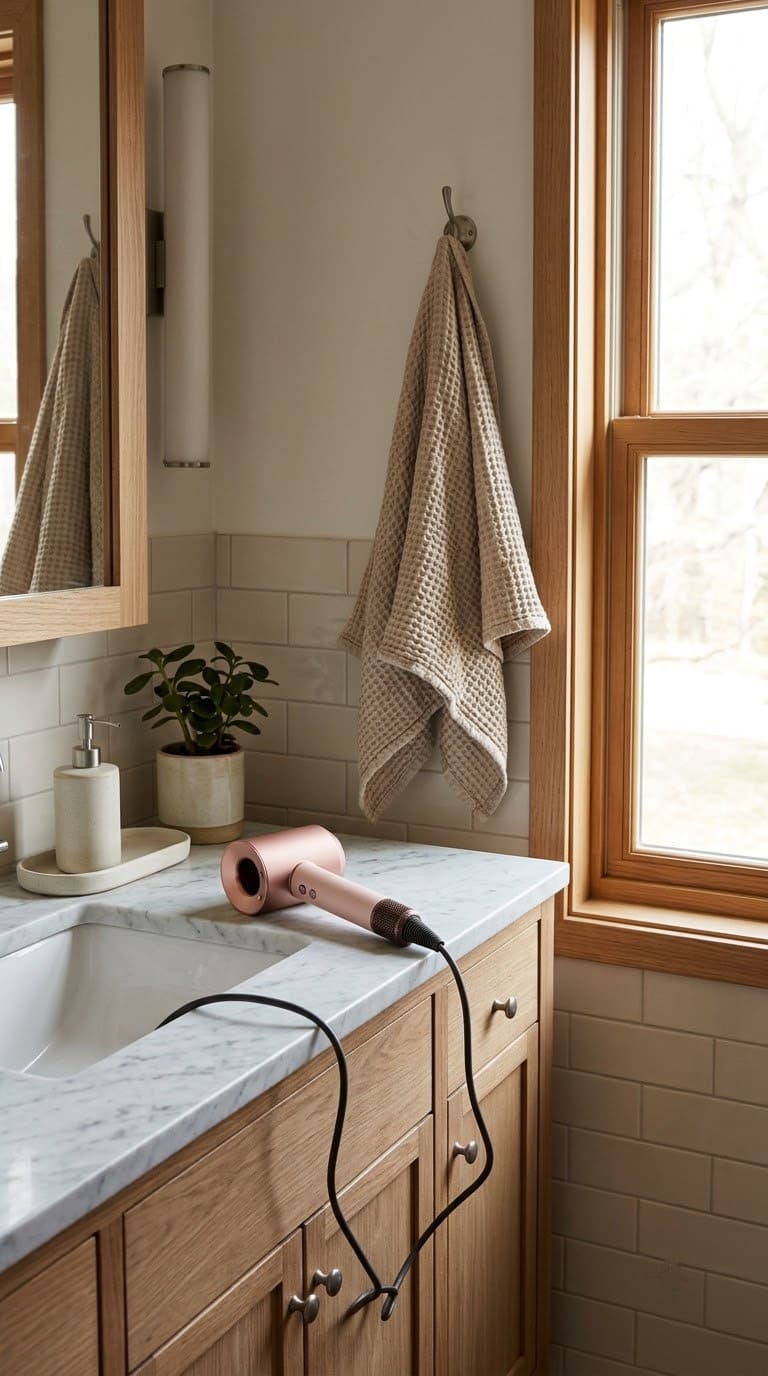
Air-drying skips direct heat entirely, but staying wet for extended periods isn’t without its own drawbacks. Prolonged dampness can increase fragility and create friction against pillowcases or clothing, and it may even contribute to scalp discomfort. If you wash your hair at night, a practical compromise is to towel-dry gently, let it air-dry partway, and finish off with cool or low heat if you need it dry before bed.
When controlled blow-drying may be useful
A controlled drying process can shorten the time hair spends wet, which carries its own set of benefits. Favor low or medium heat over the highest setting, keep the airflow roughly six inches from your hair as some dermatology guidance suggests, and keep the tool moving instead of lingering over one section. Aim for steady, even drying. Speed and maximum heat don’t help.
A low-damage drying routine
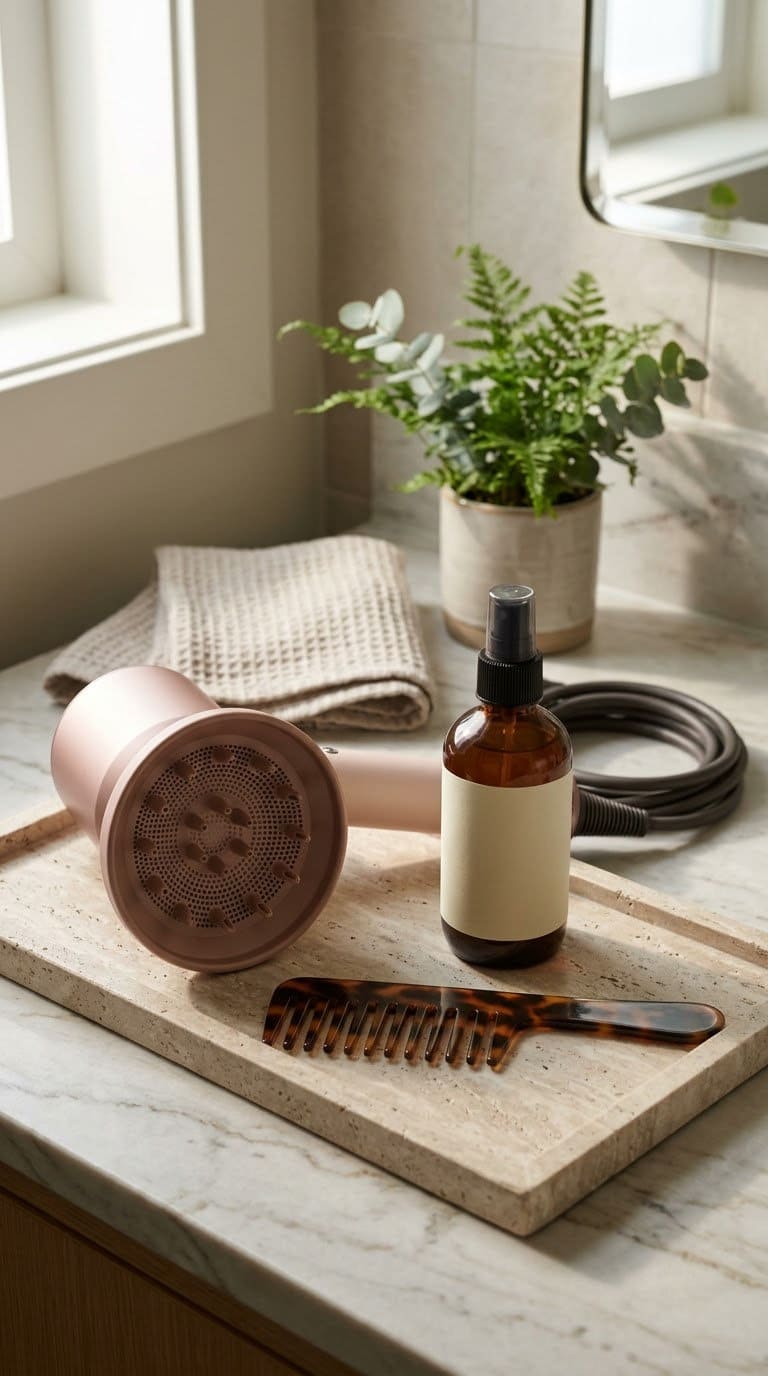
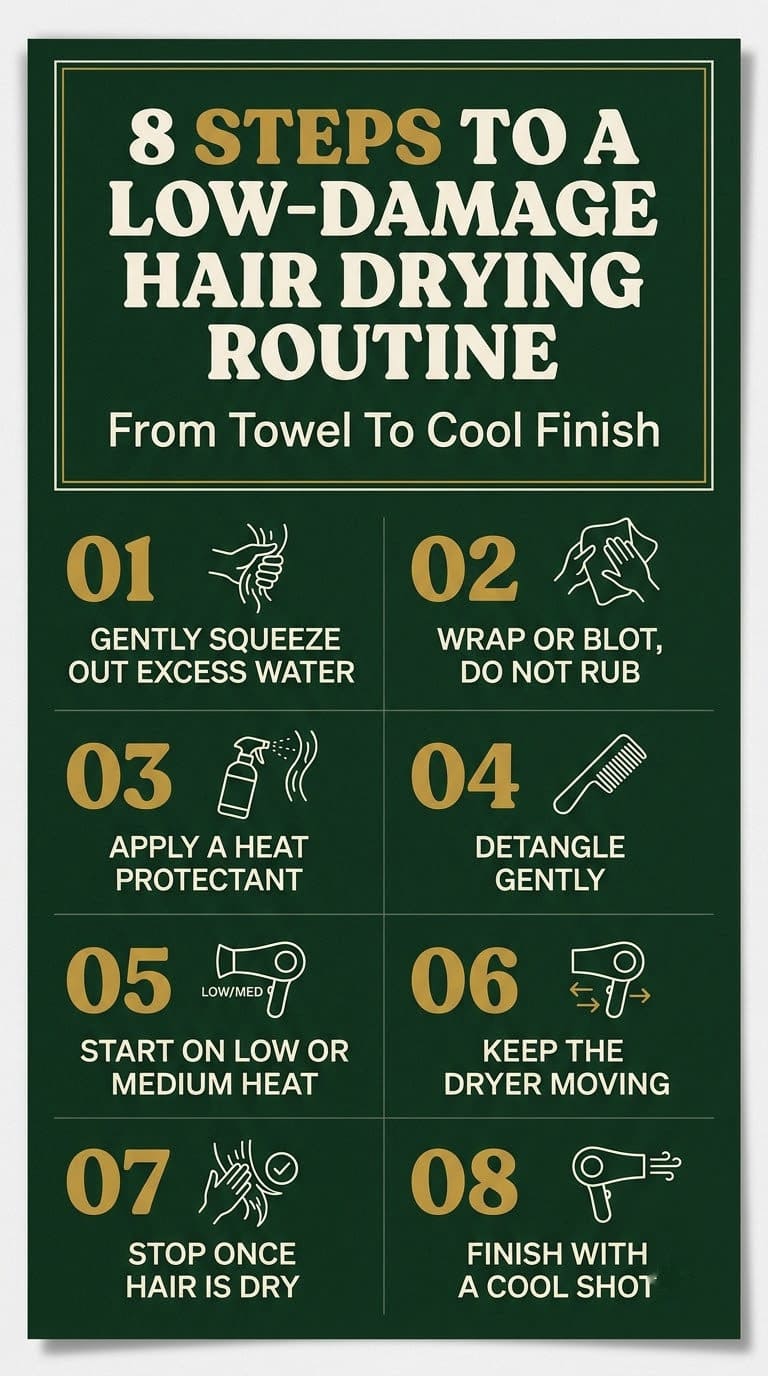
- Gently squeeze out excess water.
- Wrap or blot hair instead of rubbing it aggressively.
- Apply a suitable heat protectant if using direct heat.
- Allow hair to partially air-dry when possible.
- Begin with a low or medium temperature.
- Keep airflow moving and avoid prolonged contact with one area.
- Use a cool setting near the end if it improves comfort or helps finish styling.
- Stop once hair is dry rather than reheating it for extra styling.
A rushed five-minute routine on high heat puts more cumulative stress on your hair than a slower, lower-heat version that takes a few extra minutes. It can feel less efficient in the moment. But gentler habits, kept up consistently, beat any “perfect” method.
Adjust the routine to hair type and condition
Fine or fragile hair tends to do better with lower heat and shorter drying sessions, along with skipping aggressive brushing while wet. Watch for increased breakage or rough texture as a signal to ease up even further.
Thick, curly, or textured hair often benefits from sectioning to avoid repeated heat passes over the same strands, and indirect airflow or a diffuser can help preserve the natural curl pattern. No single technique works for every curl type, so some trial and error is normal.
Color-treated or chemically processed hair is generally more vulnerable to heat, so cutting back on total exposure and spacing out hot-tool use can help a lot. If damage is persistent or severe, talk to a licensed stylist or dermatologist.
Common mistakes to avoid
- Using the highest heat setting by default
- Holding heat in one place for too long
- Rubbing wet hair aggressively with a rough towel
- Brushing forcefully from the roots downward
- Repeatedly drying already-dry sections
- Going to bed with soaking-wet hair
- Ignoring burning smells, unusual noise, or overheating
- Treating heat-protection products as permission for unlimited heat
Honestly, most of it comes down to two things: the lowest effective heat, and no pulling on wet hair.
Electrical and bathroom safety
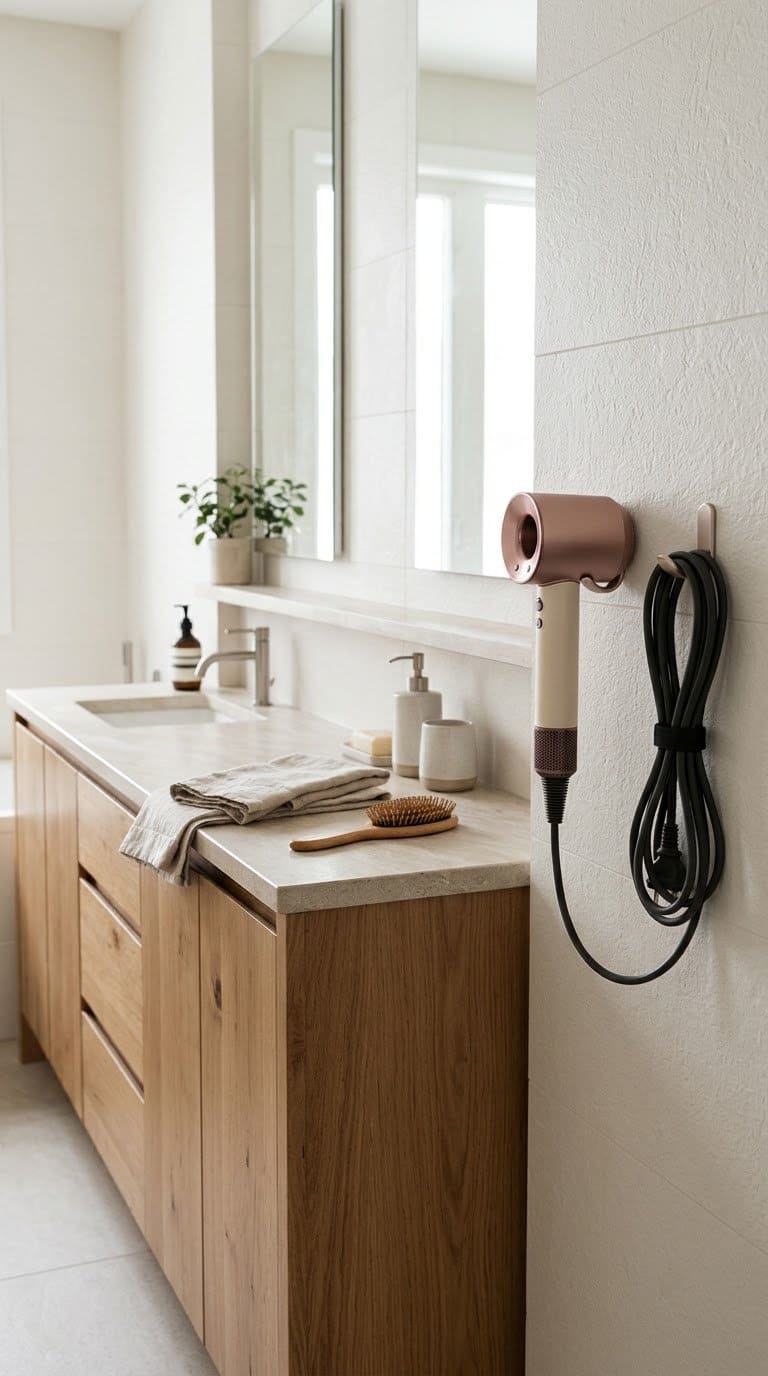
Keep a hair dryer well away from sinks, bathtubs, and standing water. Choose a hair dryer with built-in immersion protection and follow the manufacturer’s instructions closely. Never use a dryer with a frayed cord, damaged plug, burning smell, or any sign of overheating.
A safety interrupter lowers the risk of shock, but it doesn’t make deliberate contact with water safe. The U.S. Consumer Product Safety Commission advises unplugging a hair dryer after use and storing it somewhere it can dry out safely.
When hair or scalp problems need professional advice
Persistent breakage, sudden hair loss, scalp pain, sores, severe itching, or unexplained changes shouldn’t automatically be chalked up to your drying habits. These symptoms call for a conversation with a dermatologist. Adjusting your drying routine may reduce mechanical damage, but it can’t diagnose or treat an underlying medical condition.
Start with one small change
Healthy drying comes down to less heat, less friction, less pulling, and less time wet. You don’t need a rigid, all-or-nothing routine. Air-dry, blow-dry, or mix both, and pick whatever fits your hair and your schedule. Look at your current routine, make one or two lower-stress changes, and see how your hair responds over the next few weeks.
Hair drying FAQs
Is it better to air-dry or blow-dry hair?
Neither method is inherently better. What matters is the heat level, how long you apply it, and your technique. A practical compromise is to towel-dry gently, let hair air-dry partway, and finish with cool or low heat if needed.
Why is wet hair more fragile?
Water softens the hair shaft temporarily and reduces its elasticity. That makes wet hair easier to stretch or snap, which is why brushing, twisting, or tugging at it raises the odds of breakage.
What heat setting should I use to blow-dry my hair?
Favor low or medium heat over the highest setting. Keep the tool moving instead of lingering over one section, and use a cool setting near the end if it helps.


How far should I hold the hair dryer from my hair?
Keep the airflow roughly six inches from your hair, and keep the dryer moving. The goal is steady, even drying, not speed or maximum heat.
Is it bad to go to bed with wet hair?
Prolonged dampness can increase fragility, create friction against pillowcases, and may contribute to scalp discomfort. If you wash your hair at night, towel-dry gently, air-dry partway, and finish with cool or low heat.
Is it safe to use a hair dryer near the sink?
Keep powered drying tools well away from sinks, bathtubs, and standing water. Unplug the dryer after use, store it where it can dry out safely, and never use one with a frayed cord, damaged plug, burning smell, or signs of overheating.
Never miss an update — choose FarmFoodFamily as your preferred source on Google.
How it works: Tap the button below to open Google's settings page, then check the box next to FarmFoodFamily.
Tap the checkbox to turn it blue — that's how you know it's set.