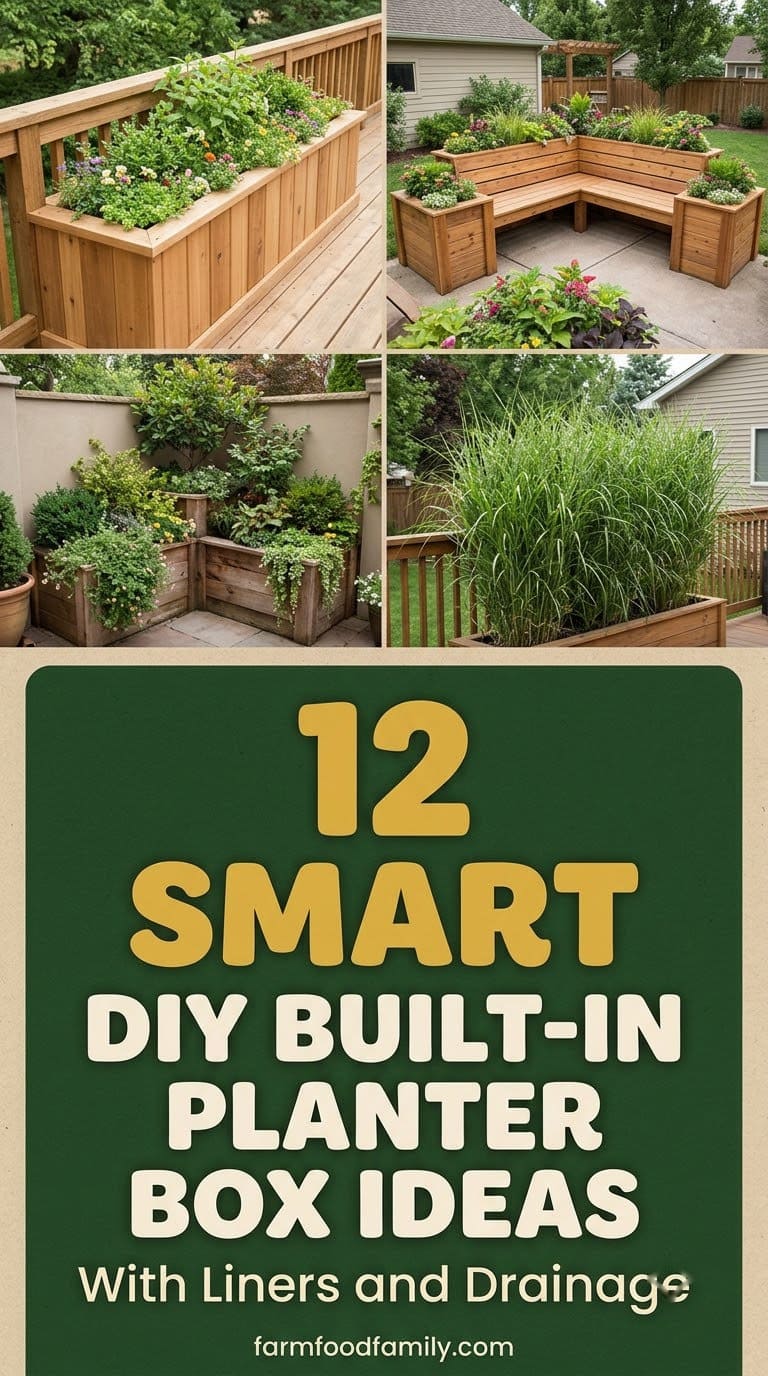
12 Smart DIY Built-In Planter Box Ideas (With Liners, Drainage and Weight Tips)
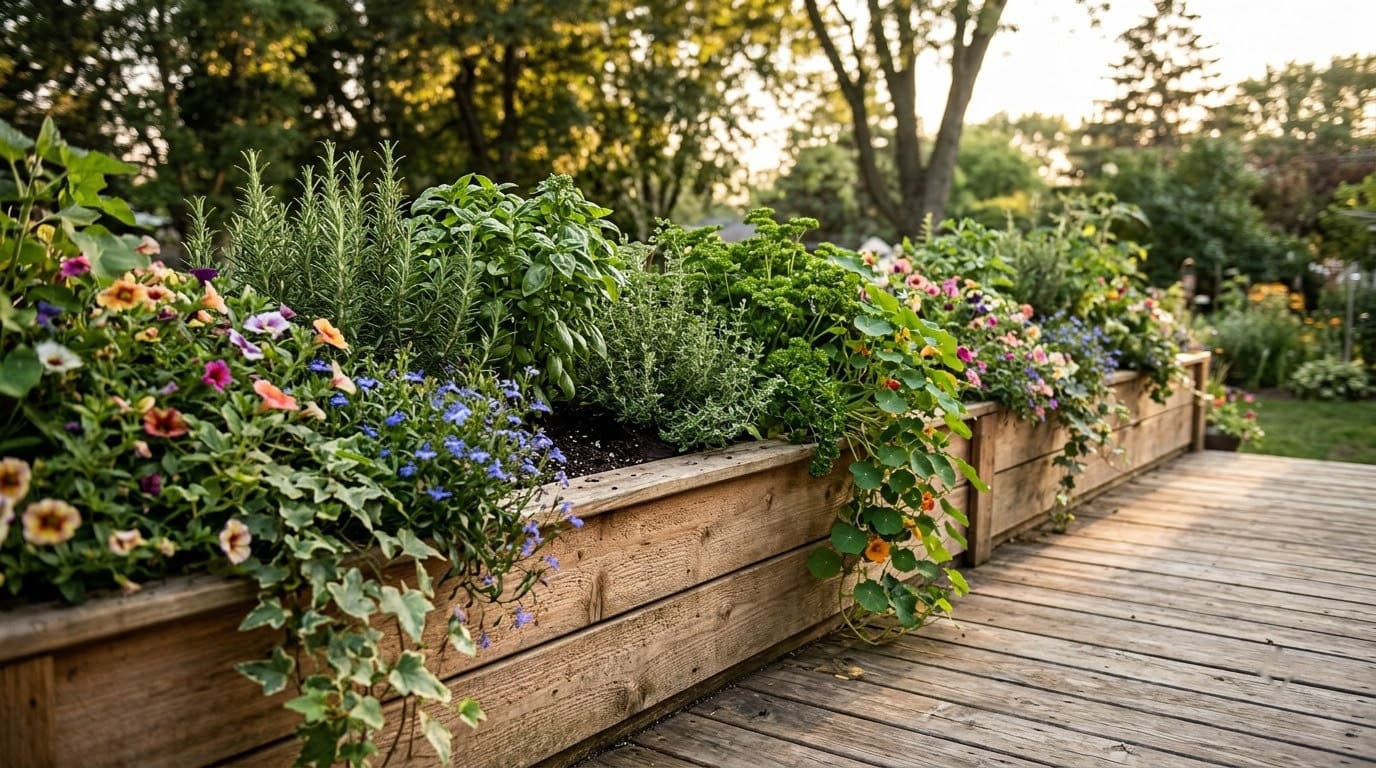
A built-in planter adds color to a deck or patio for years, as long as the frame is strong, the soil can drain and the wood stays dry.

Never miss an update — choose FarmFoodFamily as your preferred source on Google.
How it works: Tap the button below to open Google's settings page, then check the box next to FarmFoodFamily.
Tap the checkbox to turn it blue — that's how you know it's set.
A built-in planter adds color to a deck or patio for years, as long as the frame is strong, the soil can drain and the wood stays dry.
Products We Recommend
This post contains affiliate links. We may earn a commission on qualifying purchases at no extra cost to you.


A built-in planter is a fixed box that becomes part of a deck, bench, wall or patio. Unlike a pot, you can’t just carry it away if something goes wrong.
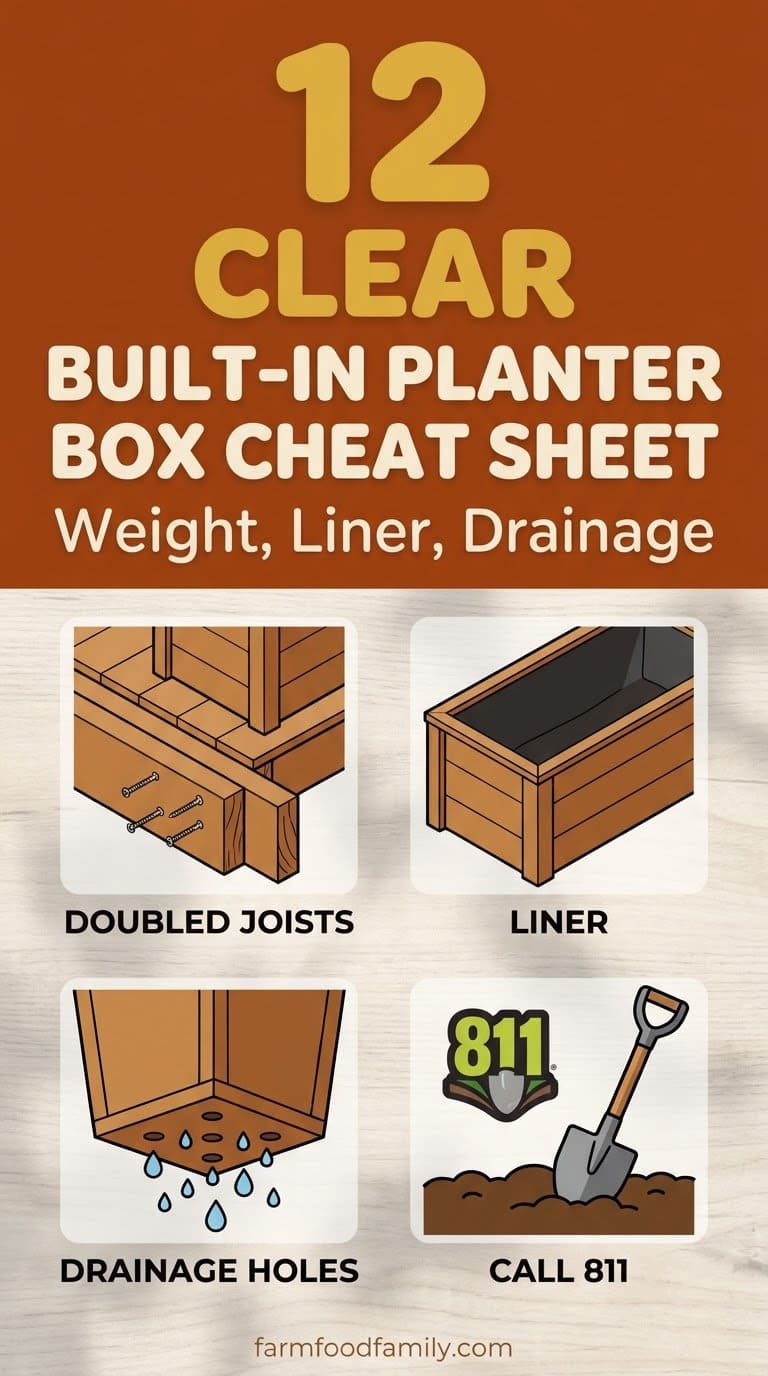
It needs three things to last. It needs a liner, drainage holes and a frame that can carry wet soil.
The weight surprises people. A trade article from Journal of Light Construction says a contained garden can add a few hundred pounds once watered. It advises doubling the joists under the planter.
Answer 4 quick questions and get matched to the exact fix for your yard — drainage, budget, layout, or something else entirely.
Take the Free QuizFill the box with a soilless mix, not backyard dirt. Backyard soil is too dense for a container, and it drains poorly in a box.
And call 811 before you dig for any footing. Below are 12 built-in ideas, a weight table, wood-safety tips, a step-by-step build and a short permit guide for walls.
How Much Does a Built-In Planter Weigh?
More than most people expect. The University of Maryland Extension says a 20-inch container filled with moist potting mix and plants can weigh 100 pounds. A built-in box is usually much bigger than that.
The same extension page says garden soil weighs about 75 pounds per cubic foot. That is a heavy case, since containers should use lighter soilless mix. But it shows the upper limit of what a planter might carry.
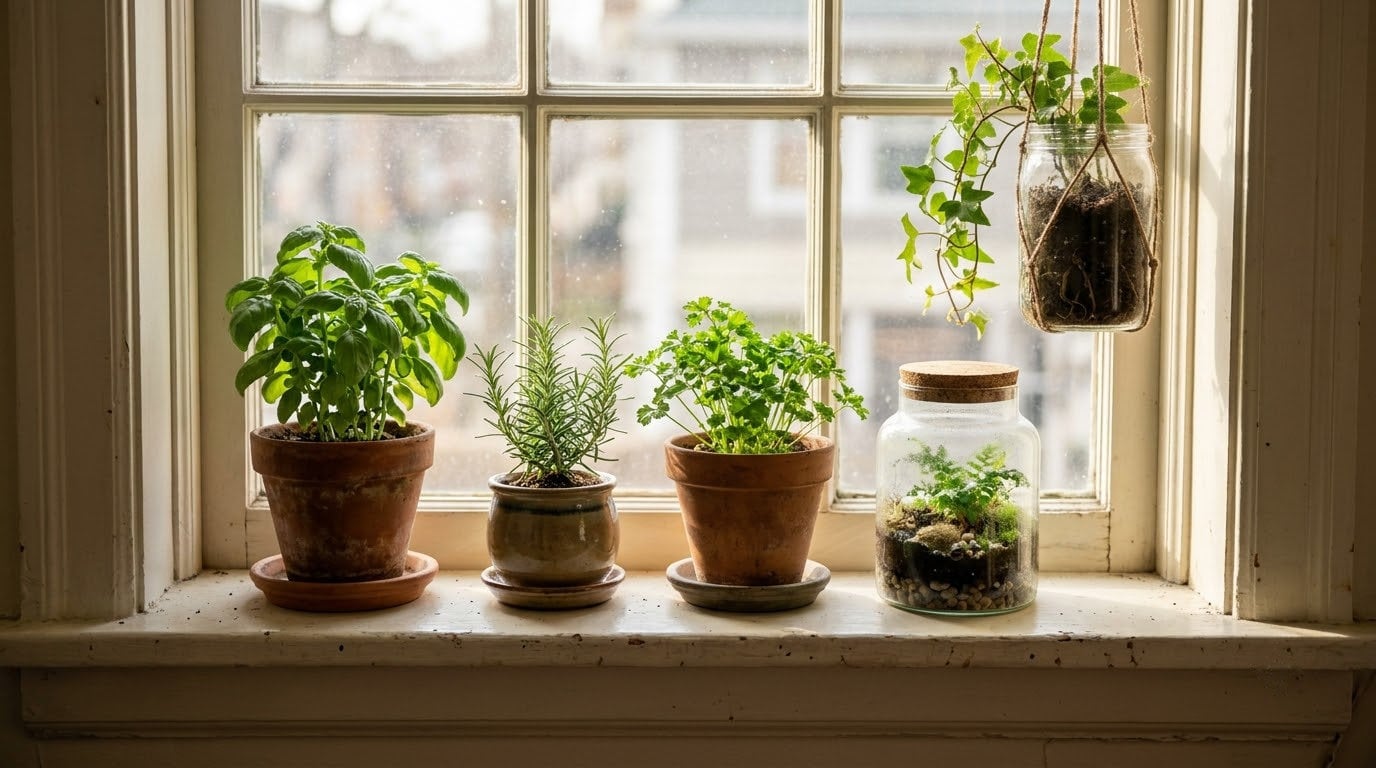

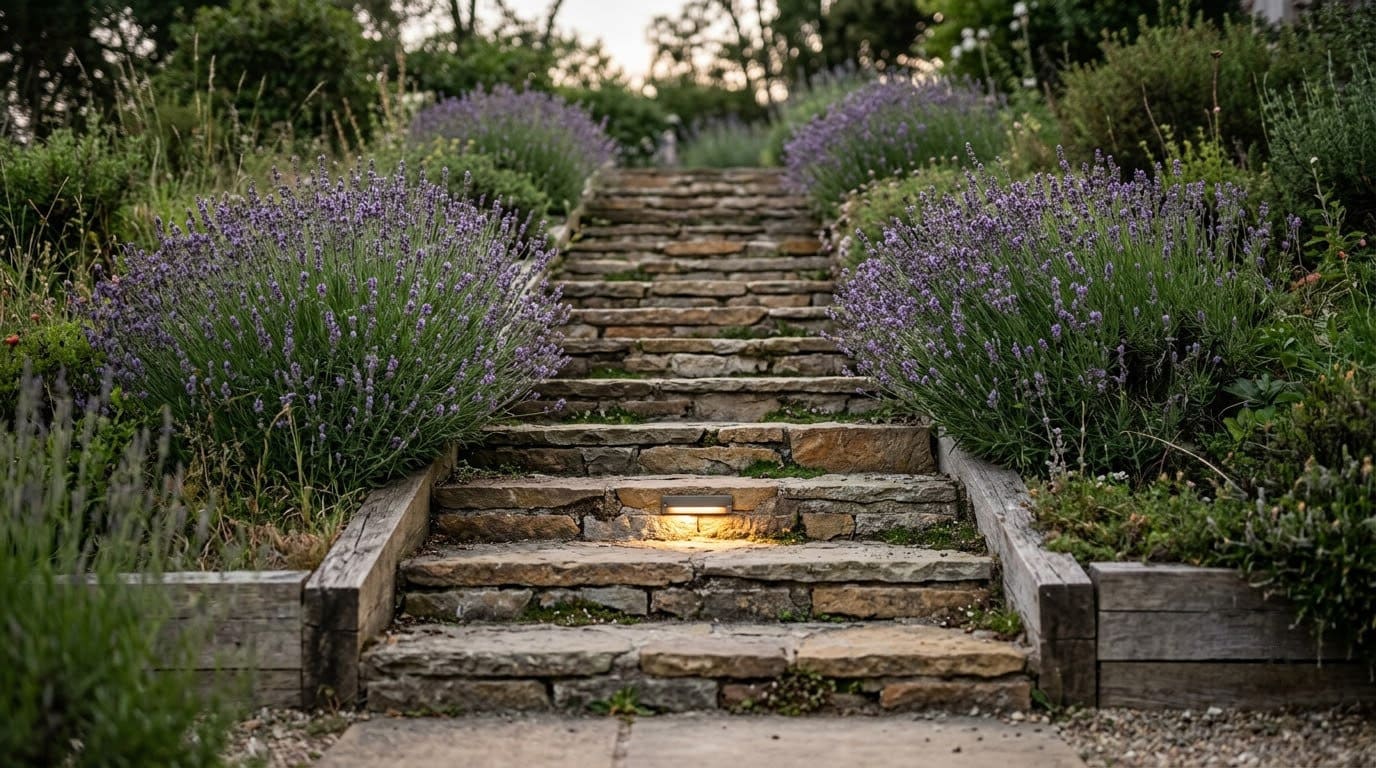
This table uses that 75 pound figure. It is our own arithmetic, so treat it as a worst-case guide and not a rating.
Most yard problems trace back to one specific, fixable cause. Find yours in 4 quick questions.
Take the Free Quiz| Planter size (inside) | Volume | Weight at 75 lb per cubic foot |
|---|---|---|
| 2 ft by 2 ft by 1 ft | 4 cubic feet | About 300 pounds |
| 4 ft by 1 ft by 1 ft | 4 cubic feet | About 300 pounds |
| 4 ft by 2 ft by 1 ft | 8 cubic feet | About 600 pounds |
| 6 ft by 2 ft by 1 ft | 12 cubic feet | About 900 pounds |
Plants and water add more. A soilless mix is lighter than garden soil, but the trade article still calls for extra joists. So plan for the heavy case and check what your deck can hold.
On a deck, ask a builder or an engineer about the load. We don’t have a sourced deck rating to give you. On the ground, the weight matters less, but the base still needs to be level and well drained.
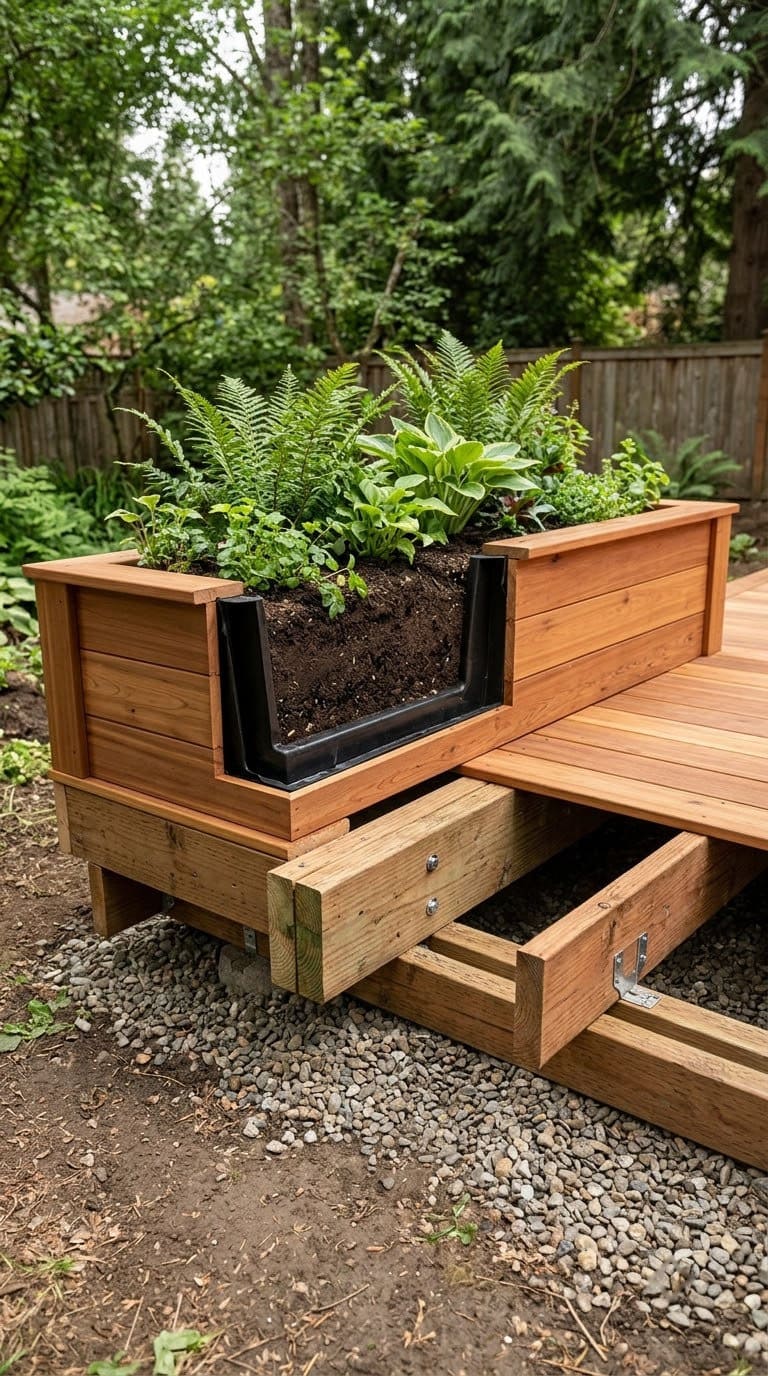
What Is the Best Liner for a Built-In Planter?
A liner keeps the wood away from wet soil. The trade article says that helps stop rot and insect problems. For edibles, a liner also means you don’t have to worry about lumber treatments leaching into the soil.
The article lists three options. A rubber membrane is one, and drop-in metal liners made from copper or galvanized steel are another.
The metal liners can be hard to find. The authors prefer plastic containers that drop into a wood frame because they are quick, reliable and fairly cheap.
That last idea is the easiest to build. You buy the liner first and make the frame to fit. The article says the liner size sets the dimensions of the whole planter.
If you use a plastic liner, the box looks like a built-in but the liner does the real work. You can lift the liner out later to fix the frame.

Self-watering container that drops into a wood frame
Shop NowThis post contains affiliate links. We may earn a commission on qualifying purchases at no extra cost to you.
Which Wood Is Safe for a Planter?
It depends on what you grow. The same university has guidance for raised beds that also applies here. It lists decay-resistant woods such as cedar, black locust, redwood and certain oaks.
It also says to avoid older wood treatments such as CCA, creosote and penta. CCA has not been sold for residential use since 2004.
The average homeowner spends $616/year on yard fixes that don't address the real problem. Find out what yours actually is — before you spend another dollar.
Take the Free QuizIf you use treated wood, the extension suggests a heavy plastic liner between the wood and the soil. Water must still be able to drain.
The trade article builds its frame from pressure-treated 2-by lumber. It joins the pieces with stainless steel screws and adds 3/4-inch pressure-treated plywood on the outside. Then it screws the planter to the joists.
For ornamental plants, a treated frame with a liner is fine. For herbs and vegetables, we lean toward a liner every time. That’s our own call, based on the extension advice.
How Do You Get Drainage Right?
Every planter needs holes. The University of Maryland Extension says all containers need adequate holes or slits to drain excess water, so roots don’t drown and rot. That applies to a built-in box as well.
The trade article adds a second point: make sure the liner and the planter both have drainage holes. A liner with no holes traps water, and the wood around it stays wet.
Plan where the water goes. On a deck, the extension suggests saucers, and it says to empty them often so water doesn’t breed mosquitoes or cause root rot.



On a patio, a bed of gravel under the box lets water escape. That gravel tip is ours and not from the sources.
Use the right mix too. The trade article recommends a soilless mix of peat moss, composted pink bark or coir, vermiculite, and sand or perlite. It says regular backyard dirt tends to drain poorly in a container.
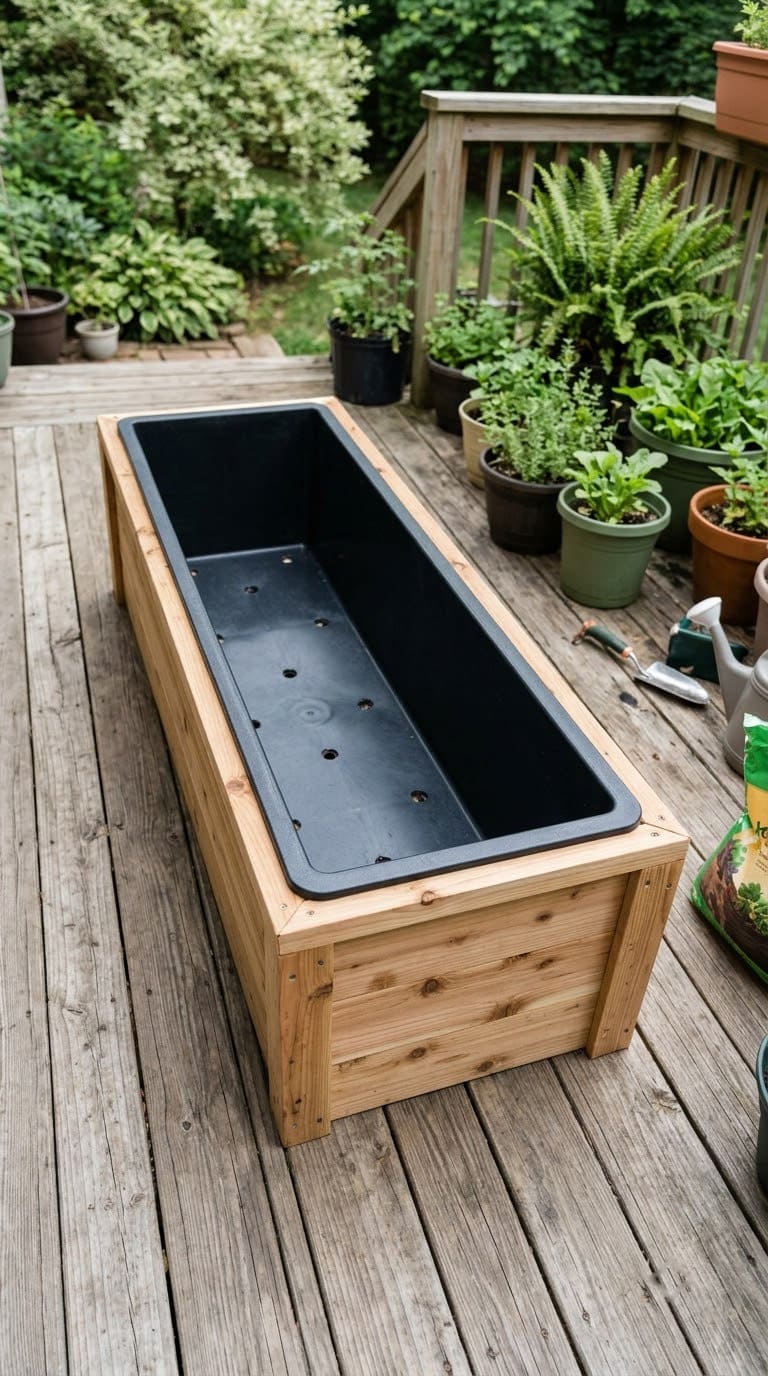
How Do You Build a Simple Drop-In Planter?
The trade article describes an easy method. Follow the same order and you avoid most mistakes. The steps below sum up that article, and our notes are marked as ours.
Buy the liners first, because the liner size sets the size of the frame. Add the width of the decking you plan to use for the outside.
Build the frame from pressure-treated 2-by lumber and join it with stainless steel screws. Fix 3/4-inch pressure-treated plywood to the outside for stability and a place to attach trim.
Screw the finished planter to the joists you doubled. Then drop in the liner, check the drainage holes and fill with a soilless mix.
Our own note: dry-fit the liner before you attach the trim. A liner that snags on a screw is a problem you want to find early.
How Do You Water a Built-In Planter?
Planters dry out fast in summer. The trade article says container plantings can need a drink almost daily in the heat. Its answer is drip irrigation on a timer, with the tubing run behind or under the planter.
A self-watering liner is another route. The article used self-watering containers and dropped them into the frame. A reservoir spreads the water out so you don’t need to visit every day.
Whatever you pick, keep the drainage open. A planter that waters well but can’t drain will rot its roots. The extension makes the same point about every container.
Do You Need a Permit or a Utility Check?
Check before you dig. Michigan State University Extension says professional excavators and do-it-yourself owners should both call 811.
The call gets underground utility lines marked before digging begins. The FCC named 811 the national Call Before You Dig number in 2005.
That includes footings for a bench or a wall planter. Even a small hole can hit a line.
Walls need extra care. Carroll County, Maryland, requires a building permit for a retaining wall taller than 4 feet, and it says engineered plans may be required. Its inspections cover the backfill, the geo-grid and the drainage system.
Other towns set different limits. Call your building department before you build a tall wall planter. We don’t recommend building one without a local answer.

Source: sanfranvic.com

Source: kendinyapsana.com

Source: pinterest.com

Source: brittanystager.com

Source: brokohan.com

Source: pinterest.com

Source: groundswelldesigngroup.com

Source: gobeyondthegrid.com

Source: diy50.com

Source: smallbackyardlandscaping.com

Source: katrinaleechambers.com


Source: Etsy

Source: bhg.com

Source: sarahakwisombe.com

Source: manmadediy.com

Source: homeimprovementpages.com.au

Source: homedit.com

Source: conceptlandscape.tumblr.com

Source: decorandthedog.net

Source: weeklytechnology.com

Source: ahigo.net

Source: gardeners.com


Source: gardengurus.co.uk


Source: diyprojects.ideas2live4.com

Source: bdphotography.com

Source: dwellingdecor.com

Source: weeklytechnology.com

Source: palletwoodprojects.com

Source: 1001gardens.org
12 DIY Built-In Planter Box Ideas
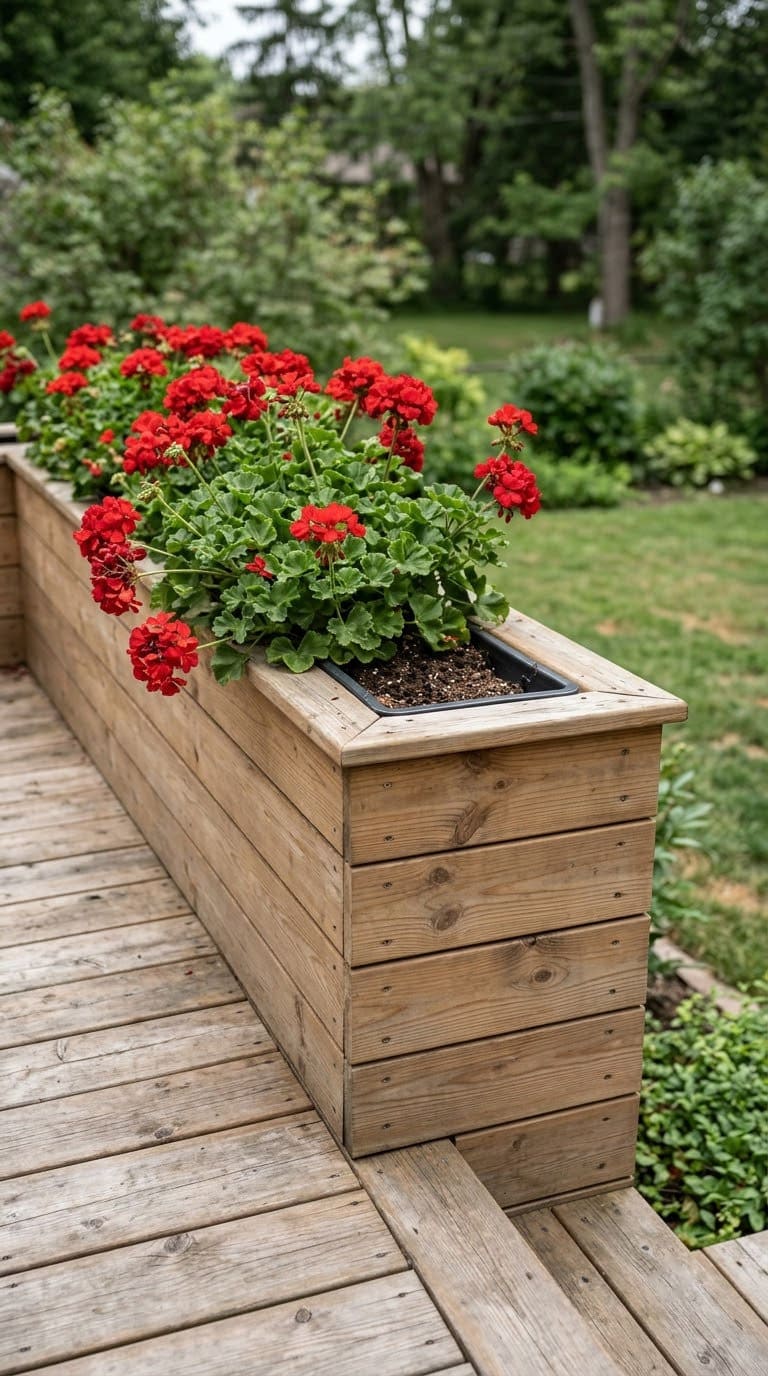
1. Deck-Edge Planter Around a Drop-In Liner
Build a frame around a plastic liner and attach it to the deck edge. The trade article used pressure-treated 2-by lumber, stainless screws and plywood, then dressed the outside to match the deck. Screw it to the joists.
Double the joists below it. Cover the plywood with matching decking boards. A drop-in liner makes later repairs easy.
2. Planter and Bench Combo
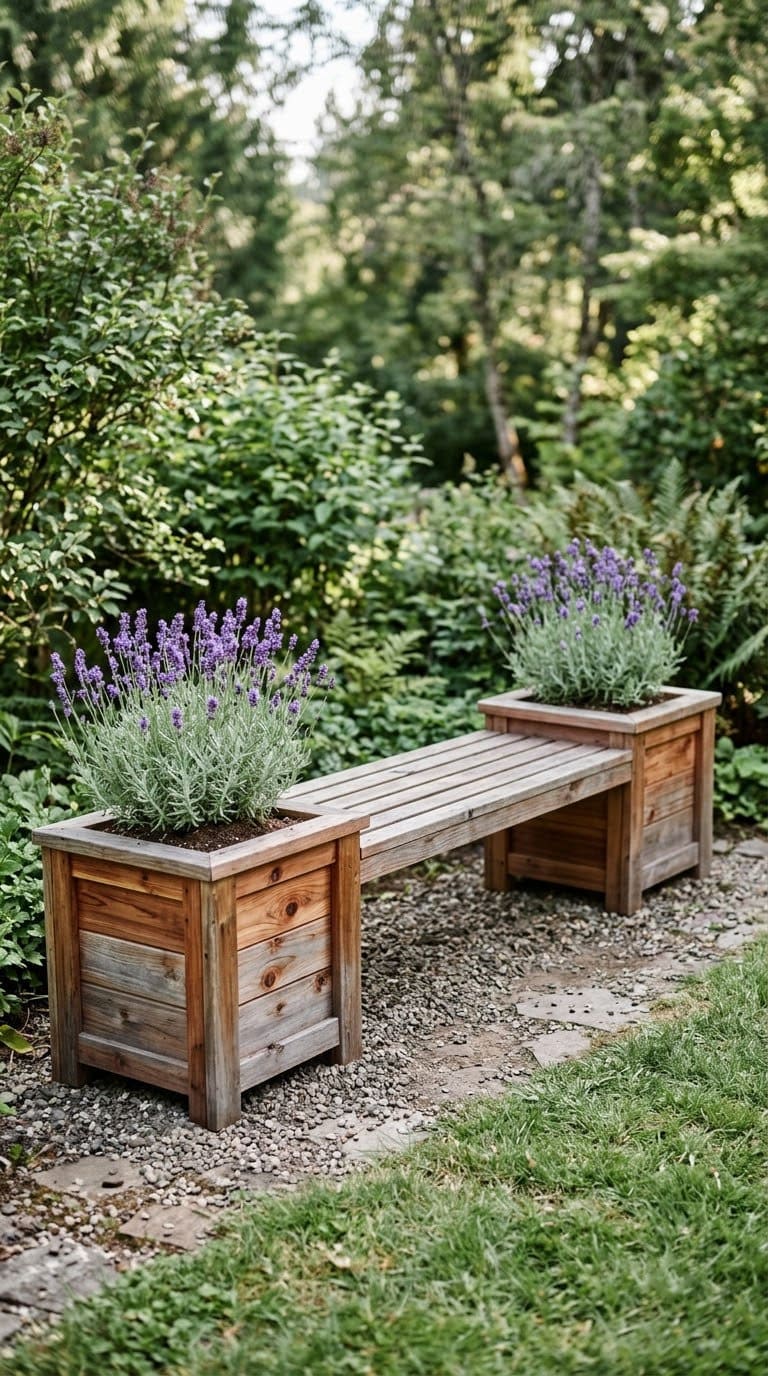
Join a planter to the end of a bench so the plants frame the seat. The two boxes share a frame. Keep the bench seat clear of the soil.
Build the seat from rot-resistant boards. Our outdoor DIY bench ideas show seat heights and leg styles.
3. Corner Planter on a Patio
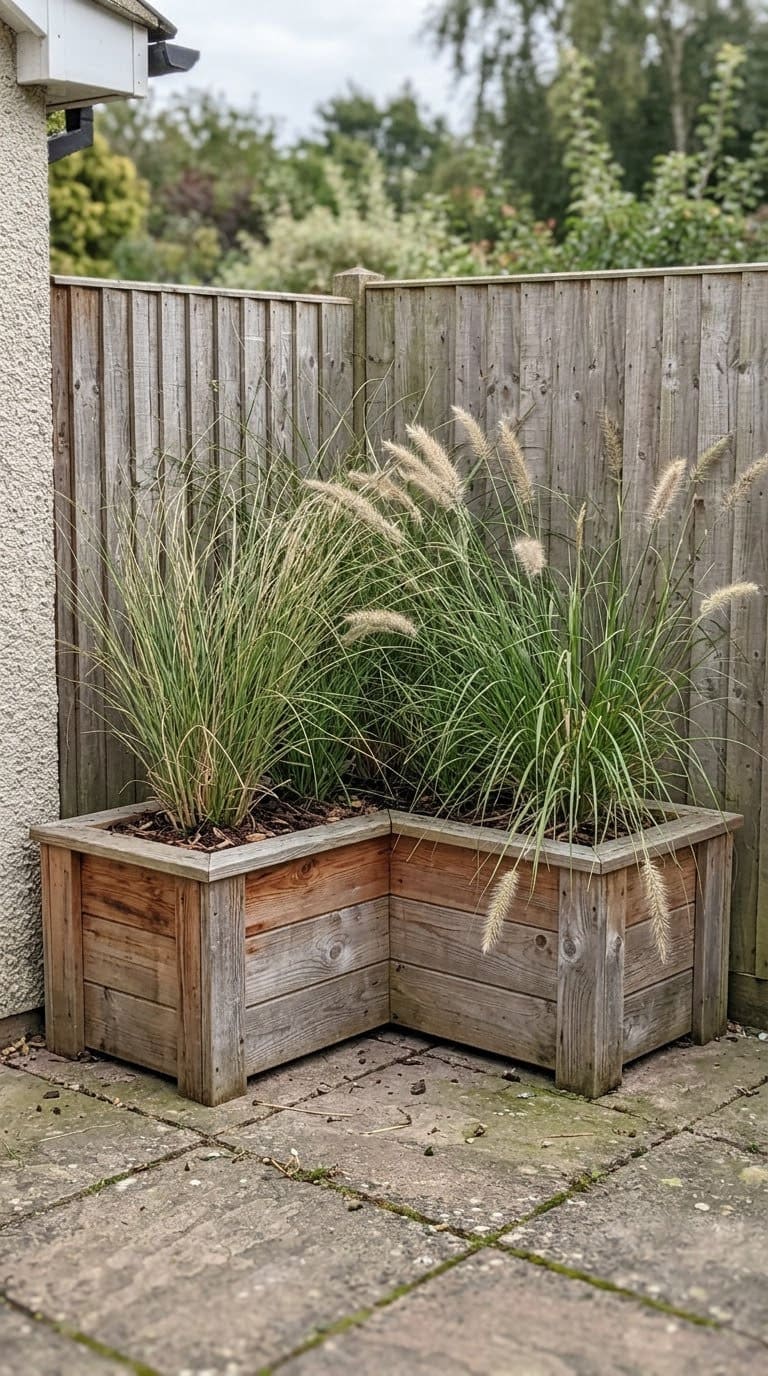
A triangle or L-shaped box fills a dead corner. It adds height and hides the joint where two walls meet. Make it from stacked boards on a level gravel base.
Keep the box a few inches off the house wall so air can move. This spacing is our advice and not a sourced figure. Add drainage holes and a liner.
4. Privacy Planter With Tall Grasses
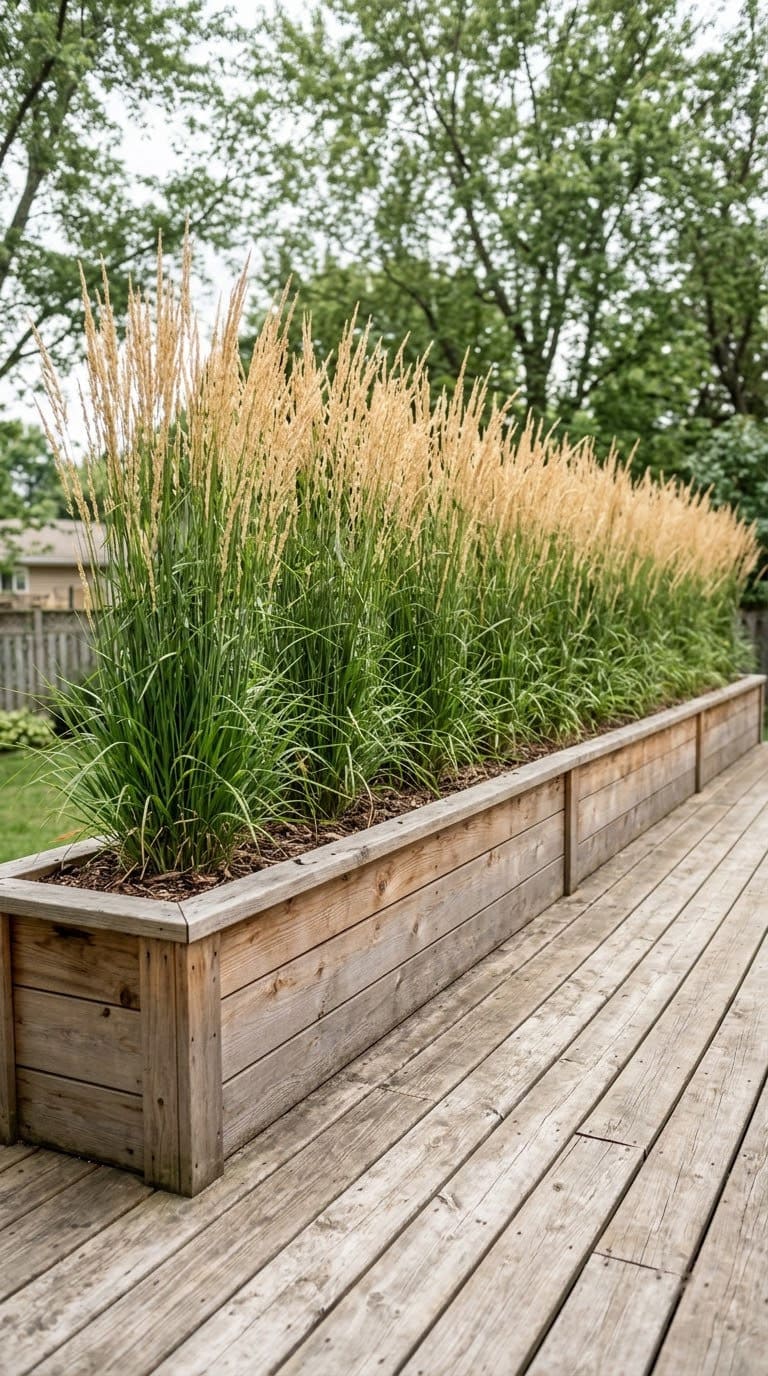
The trade article says large planters with tall plants like ornamental grasses or shrubs can create privacy. They can also hide utility boxes and storage areas. Place a long box along the side of a deck.
Pick plants that handle wind. Make the planter deep enough for the roots. Add drip irrigation, since big plants drink a lot.
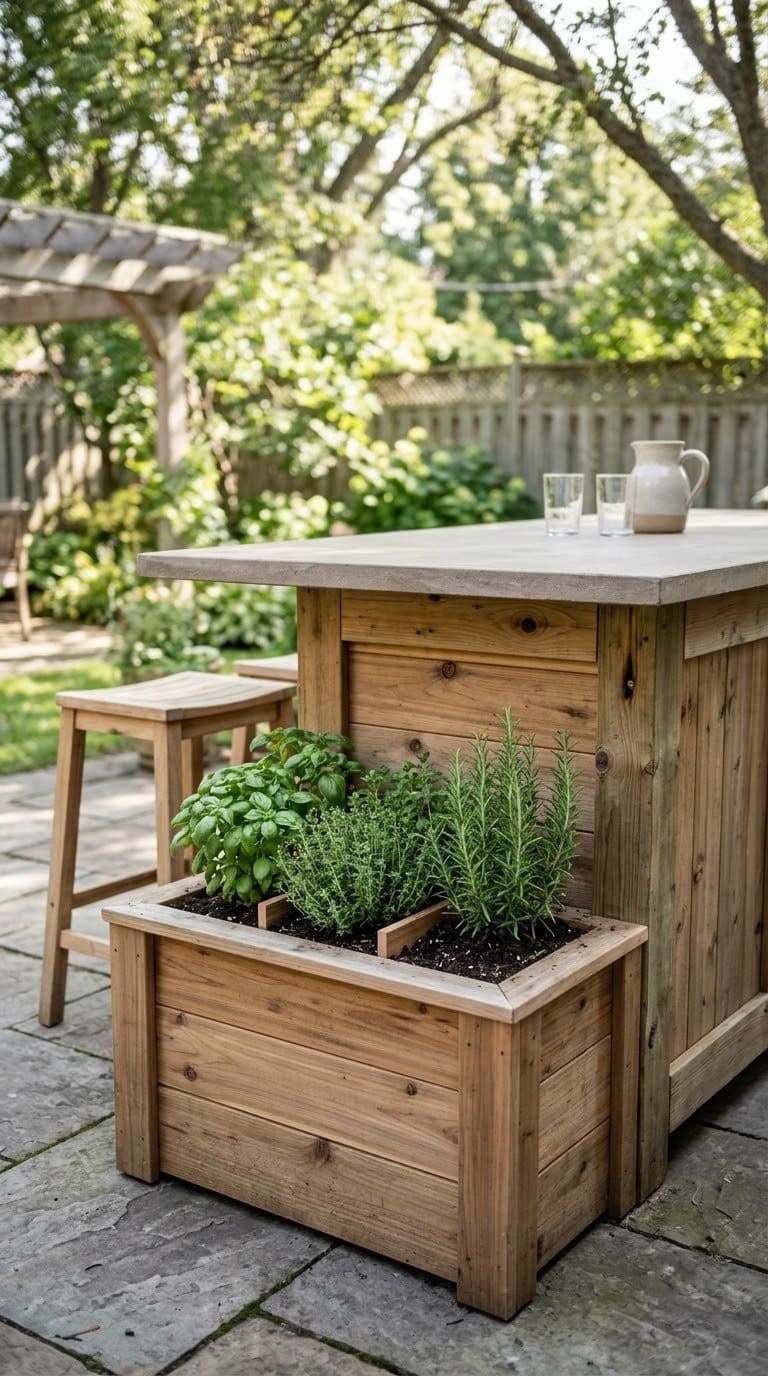
5. Herb Planter by the Outdoor Kitchen
The same trade article says a planter of fresh herbs or tomatoes suits an outdoor kitchen. Build a small box near the grill or bar. The cook can snip herbs without leaving the work area.
Use a liner for edible plants, as the article advises. Our DIY outdoor bar ideas have layouts that fit a herb box.
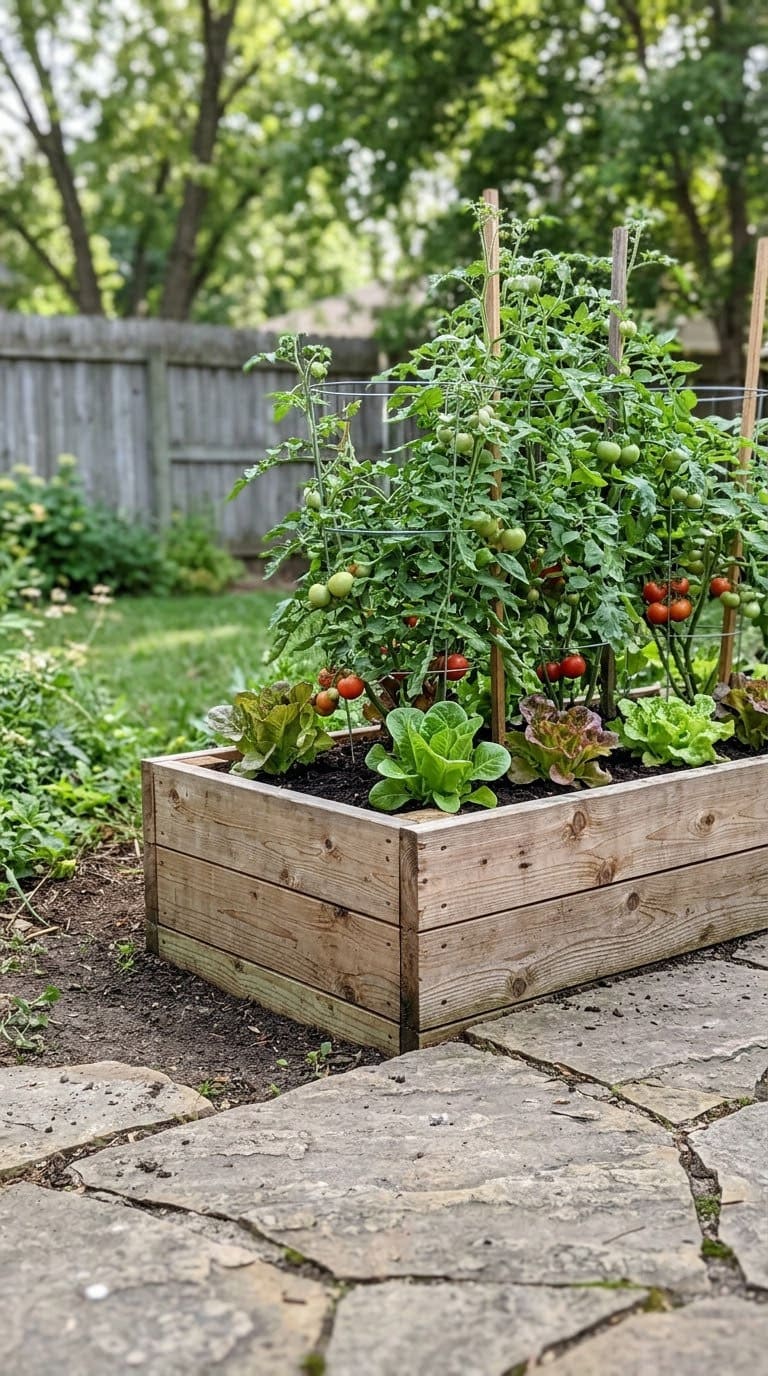
6. Raised Vegetable Bed at the Patio Edge
Build a deeper box at the patio edge for tomatoes and greens. Use a liner and decay-resistant wood, as the University of Maryland advice suggests. Fill it with a mix made for containers.
Reach matters. Keep the box narrow enough to tend from one side. Our raised vegetable garden bed guide covers bed sizes in more depth.
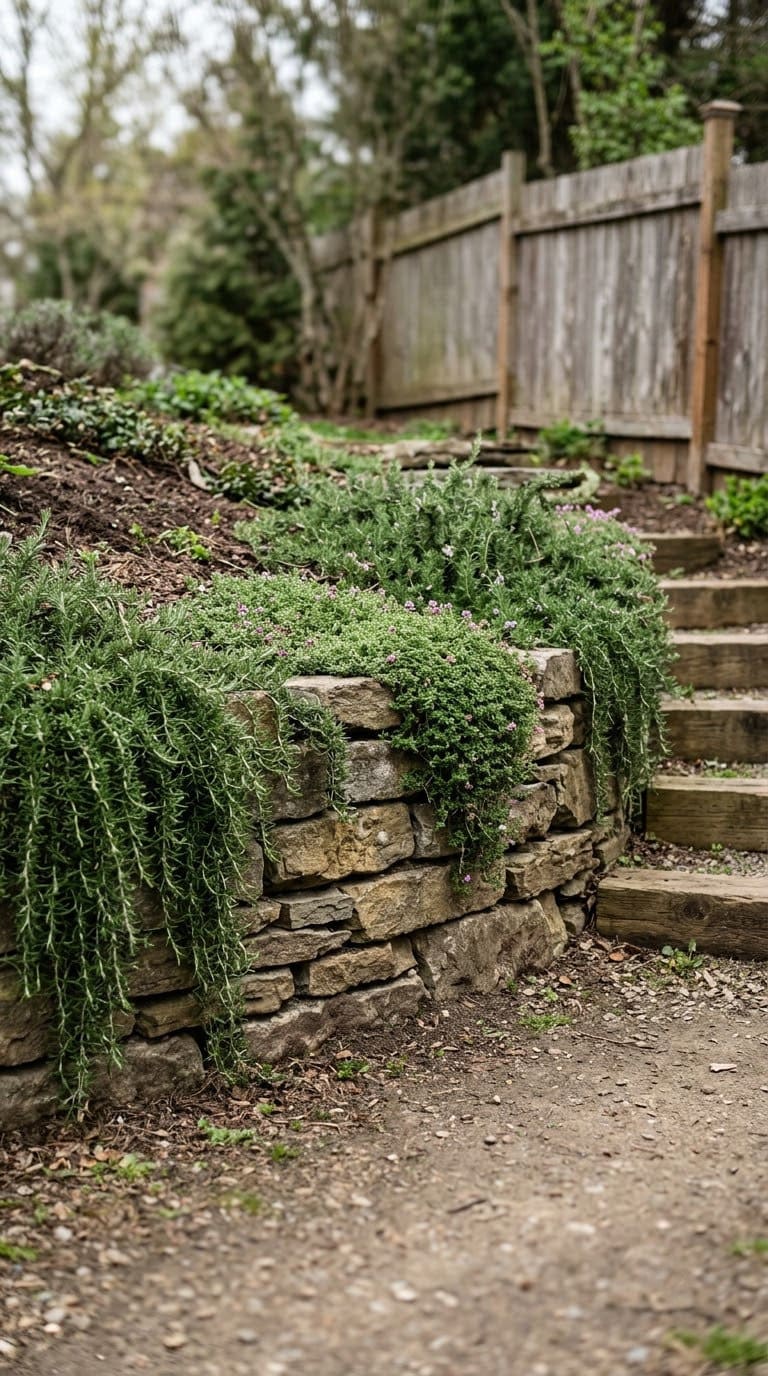
7. Retaining Wall Planter
Make a low wall that holds soil and plants. A wall under 4 feet is simpler, but check your local permit rules first. Carroll County asks for a permit above 4 feet.
Plan the drainage behind the wall. The county inspects the backfill and drainage system. Our retaining wall ideas for sloped backyards explain more.
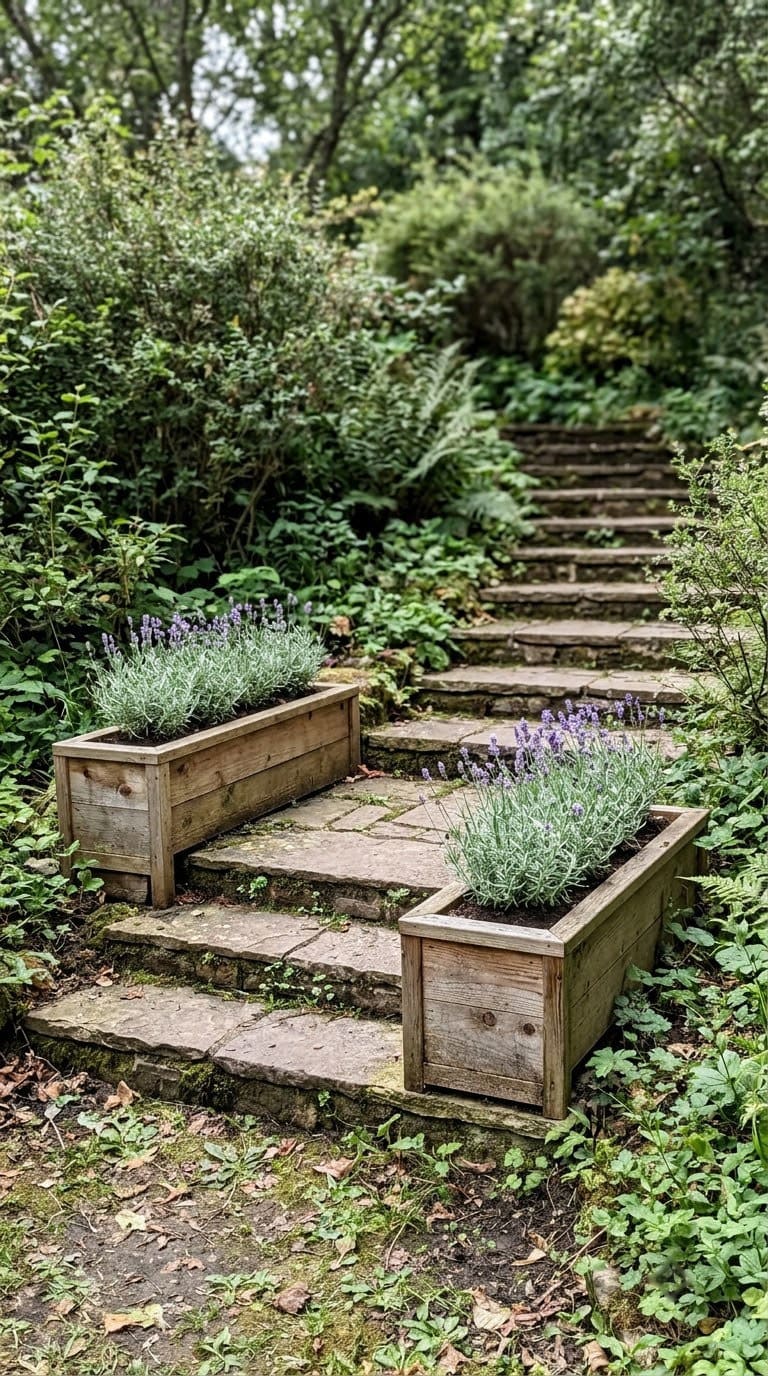
8. Stair-Side Planters
Build matching boxes beside a set of steps. They frame the entrance and soften hard edges. Keep the boxes clear of the walking path.
Make sure the plants don’t spill onto the treads. Our garden step and stair ideas page covers riser and tread sizes.
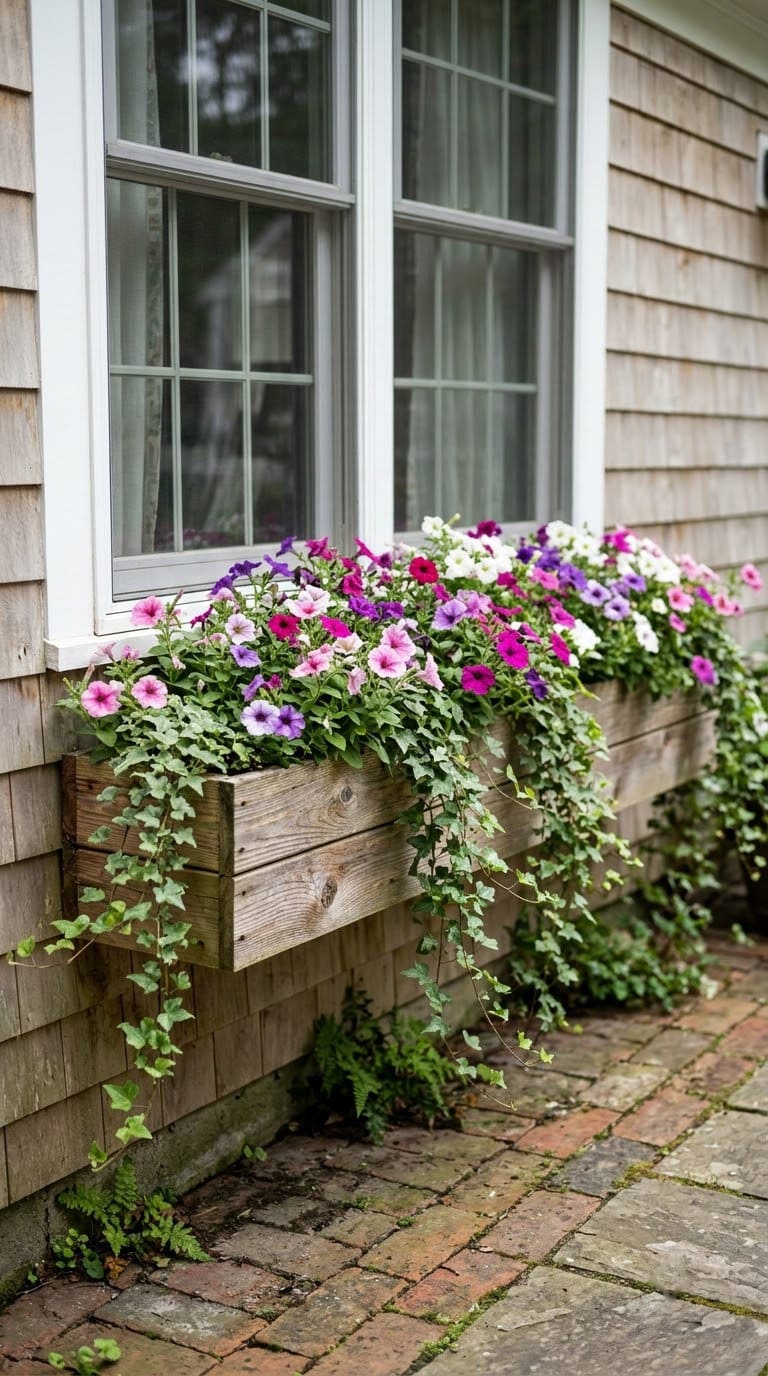
9. Planter Below a Window
Build a box under a ground-floor window for a flower display. Keep the soil level below the siding. Use a liner so moisture stays away from the wall.
The box should leave a gap behind it for airflow. That tip is ours. See our window box planter ideas for plant picks.
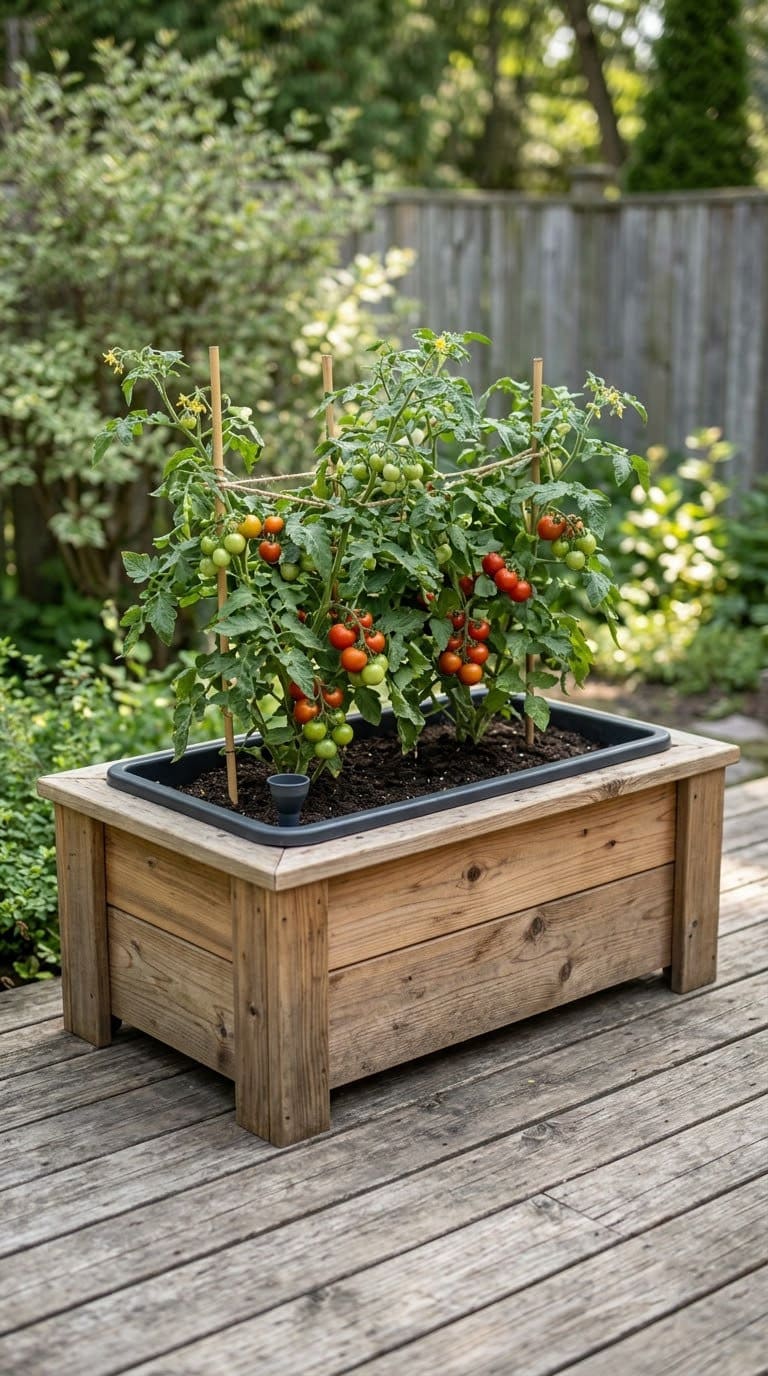
10. Self-Watering Drop-In Planter
The trade article dropped self-watering containers into a wood frame. The frame hides the plastic and matches the deck. The reservoir cuts the daily watering that plants need in summer.
Check the container size before you build. The liner decides the frame size. Add an overflow route for heavy rain.
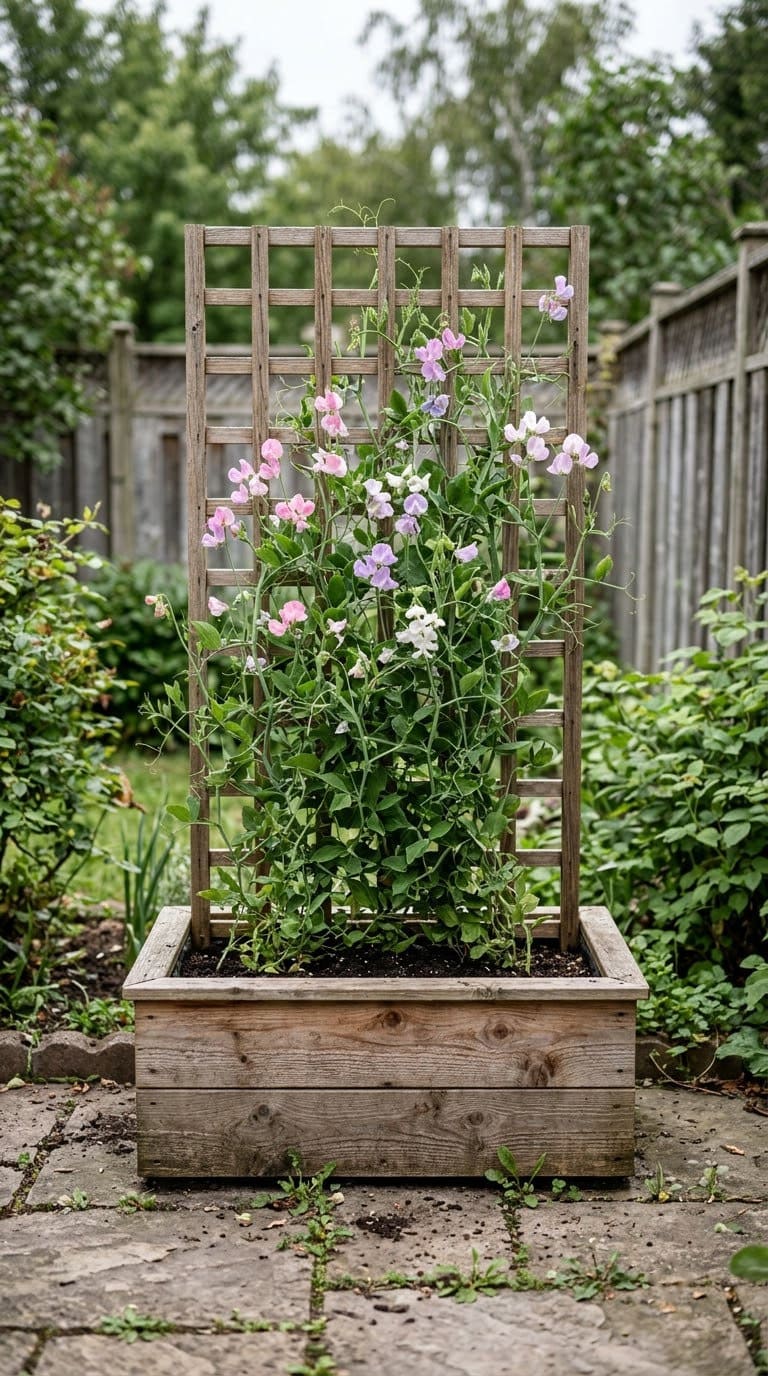
11. Planter With a Built-In Trellis
Attach a trellis panel to the back of a planter box for climbing flowers or beans. The box holds the roots and the panel gives the vines a path. Fix the trellis to the frame with long screws.
Wind can pull a tall trellis loose. Anchor the planter well. Our upcycled trellis ideas have more on anchoring.
12. Planter-Lined Walkway
Run a row of low boxes along a garden path. The row guides guests to the door. Use the same wood and finish for every box.
Leave enough room to walk and carry a tray. Plant low herbs or flowers that won’t brush legs. Our garden path ideas show layouts.
Common Mistakes to Avoid
The biggest mistake is ignoring weight. The trade article says a watered planter can add a few hundred pounds, so it advises doubling the joists. Check the load before you build on a deck.
The second is skipping the liner or the holes. The extension says every container needs drainage holes, and the trade article says the liner needs them too.
The third is using backyard dirt. The extension says soil at about 75 pounds per cubic foot is too dense for a container. Use a soilless mix.
The fourth is digging without a call. Both pros and homeowners should call 811 before they dig.
If you only do one thing, plan the weight and drainage before you pick a style.
Frequently Asked Questions
How much weight can a deck hold with a planter?
We don’t have a sourced deck rating. The trade article says a watered planter can add a few hundred pounds and advises doubling the joists under it. Ask a builder or engineer.
What soil should you use in a built-in planter?
A soilless mix. The trade article suggests a blend of peat moss, composted bark or coir, vermiculite, and sand or perlite. Backyard dirt drains poorly in a container.
Is treated wood safe for a vegetable planter?
The extension says to avoid old treatments such as CCA, creosote and penta. If you use treated wood, put a heavy plastic liner between it and the soil. Decay-resistant woods such as cedar are another option.
Do built-in planters need drainage holes?
Yes. The extension says all containers need adequate holes or slits to drain excess water, and the liner needs holes too.
Do you need a permit for a planter wall?
Many places do for walls over a set height. Carroll County, Maryland, requires a permit above 4 feet. Check your own building department.
Never miss an update — choose FarmFoodFamily as your preferred source on Google.
How it works: Tap the button below to open Google's settings page, then check the box next to FarmFoodFamily.
Tap the checkbox to turn it blue — that's how you know it's set.