20+ Stunning Driveway Apron Ideas to Transform Your Home’s Entry
A driveway apron isn’t just the transitional patch between the street and your driveway, it’s the one part of your home’s exterior you probably don’t fully own the design rights to. Most style guides skip that entirely and jump straight to “cobblestone or brick?” I get why. Material choice is the fun part. But if…

Never miss an update — choose FarmFoodFamily as your preferred source on Google.
How it works: Tap the button below to open Google’s settings page, then check the box next to FarmFoodFamily.
Tap the checkbox to turn it blue — that’s how you know it’s set.
A driveway apron isn’t just the transitional patch between the street and your driveway, it’s the one part of your home’s exterior you probably don’t fully own the design rights to. Most style guides skip that entirely and jump straight to “cobblestone or brick?”
I get why. Material choice is the fun part. But if you pick a material your city won’t approve, or pour it thinner than your local code requires, you’re looking at a redo, not just a redecorate.
Before You Pick a Material: What Actually Governs Your Apron
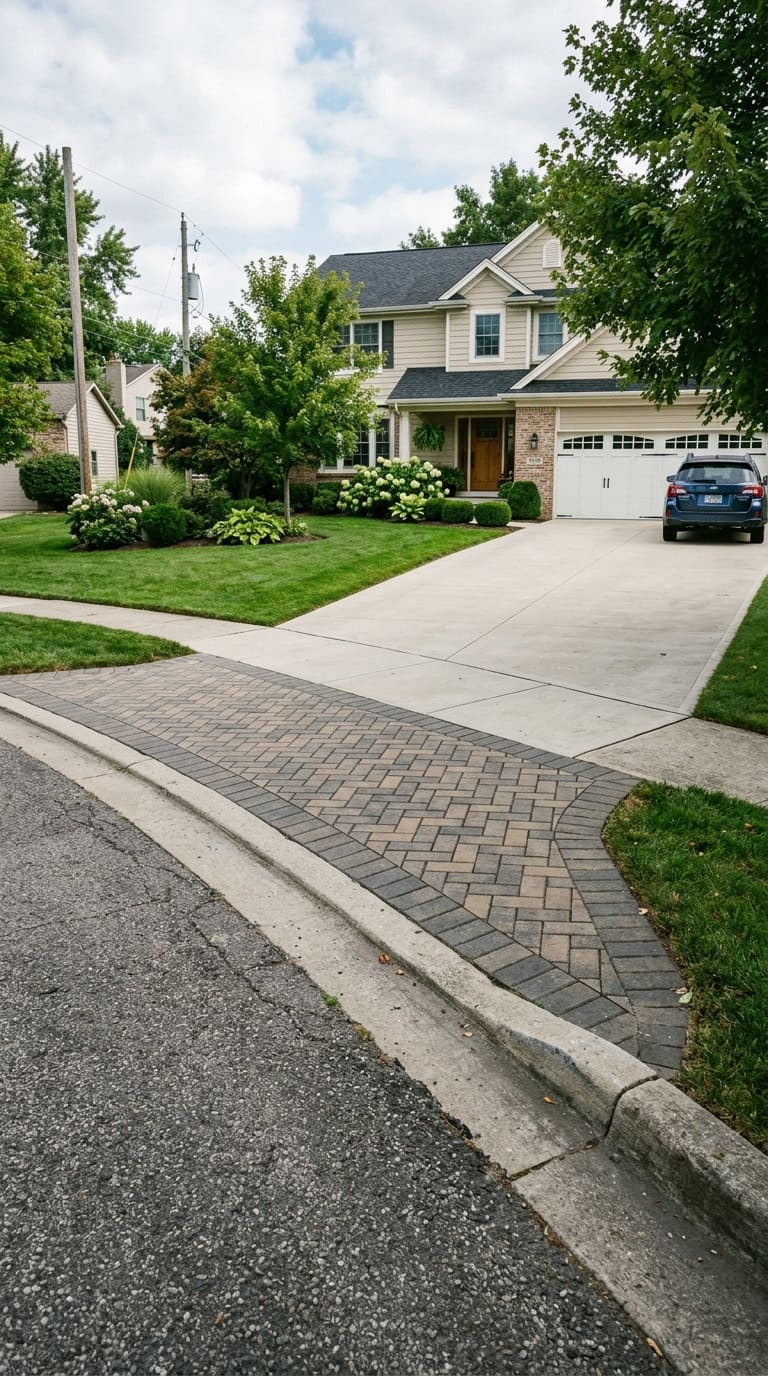
Almost no driveway apron article mentions this part: the apron typically sits inside the public right-of-way, the strip of land your city or county owns even though it looks like part of your property. That changes what you’re actually allowed to do with it.
Permits are common, and skipping one is a real risk, not a technicality. A homeowner on r/Concrete asking for feedback on their own apron repair plan got this reply from another builder: “In some towns they will require a permit. Make sure you check before starting work.” That’s not an edge case, it’s standard advice in DIY concrete communities. Unpermitted right-of-way work can mean a fine or, worse, being told to tear it out and redo it to code.
Thickness and reinforcement aren’t just a style choice either. According to American Concrete Institute guideline ACI 330R-08, a typical residential driveway slab runs about 4 inches, but the apron section specifically, where turning vehicles concentrate the most weight and stress, commonly needs 5 to 6 inches, sometimes more in freeze-thaw climates. Many municipal standards go further: New York State’s DOT specification for concrete driveway aprons calls for a 6-inch minimum, as one real example of how specific and non-negotiable these numbers can get. Your city’s number may be different, but it exists, and it isn’t up to your personal taste.
If a public sidewalk crosses your apron, there’s an accessibility rule too. U.S. Access Board guidance calls for the sidewalk to stay flat and continuous across a driveway crossing, generally under a 2% side slope, rather than tilting down into the driveway’s grade. If your apron design would force the sidewalk to dip, that’s a real problem, not just an aesthetic one.
Answer 4 quick questions and get matched to the exact fix for your yard — drainage, budget, layout, or something else entirely.
Take the Free QuizPractically, this means: call your local public works or engineering department before you fall in love with a material. Ask three questions, do I need a permit, what’s the required thickness for my zone, and does a sidewalk cross my apron. Then use the ideas below to figure out what you actually want, now that you know what you’re actually allowed to have.
Materials
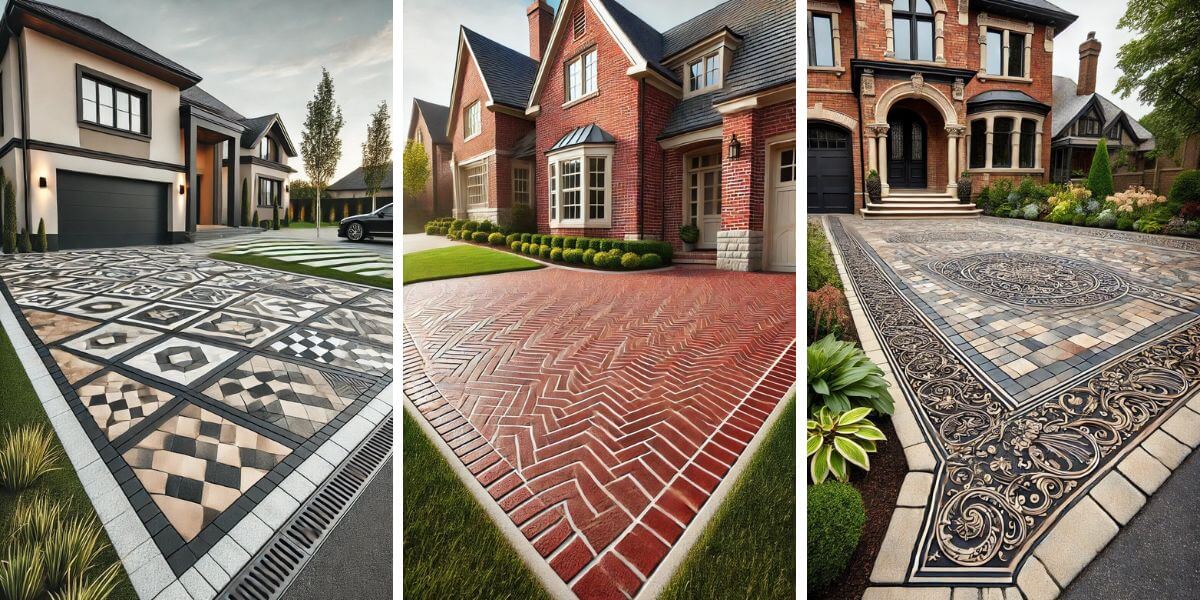
1. Cobblestone Apron for Classic Beauty
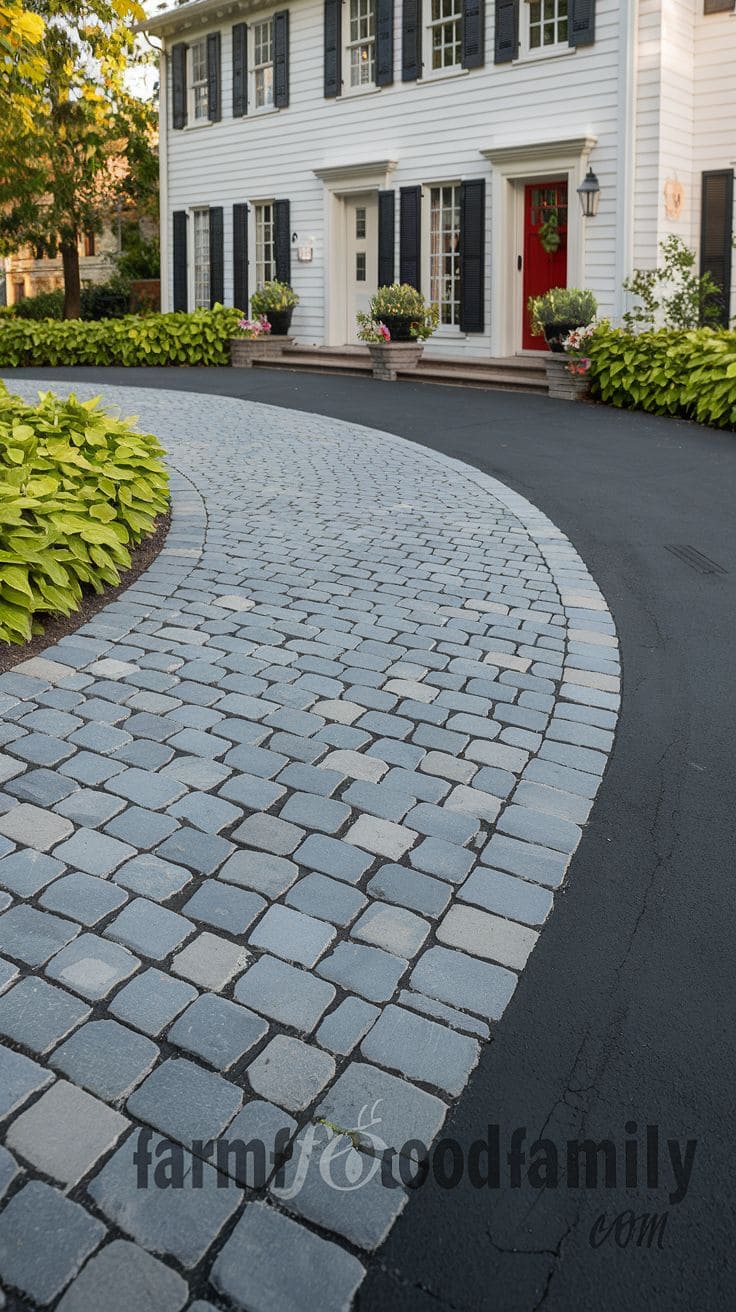
A cobblestone apron adds real texture and a sense of permanence most other materials can’t match. Choose gray or charcoal stones for a cooler tone, or tan and buff for something warmer.
It pairs well against asphalt, concrete, or gravel driveways, creating a visual break at exactly the point where the street becomes your property. Cobblestone also holds up well under regular vehicle weight once properly set, which matters since this is the highest-stress section of pavement on your whole property.
Budget: high, cobblestone is one of the pricier apron materials, and confirming it meets your municipality’s thickness/base requirements before installing saves you from a costly redo.
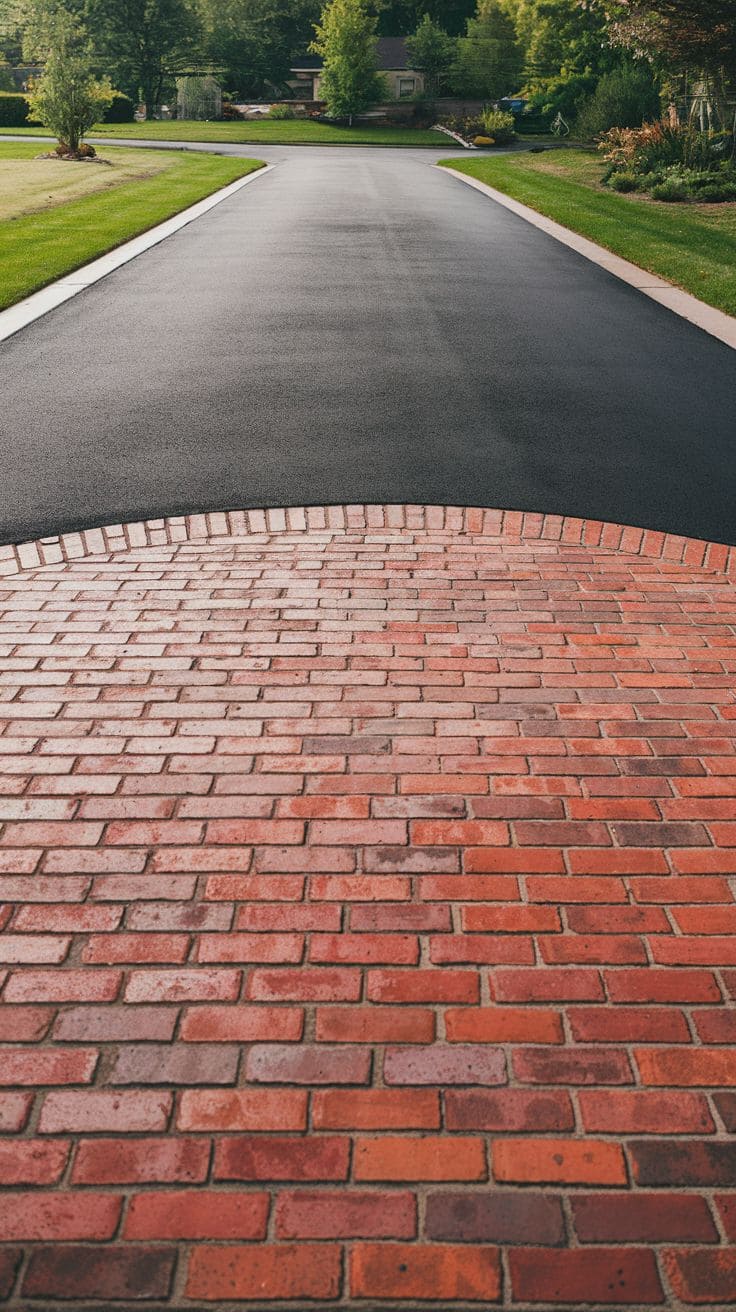
2. Brick Apron for Coziness and Timeless Charm
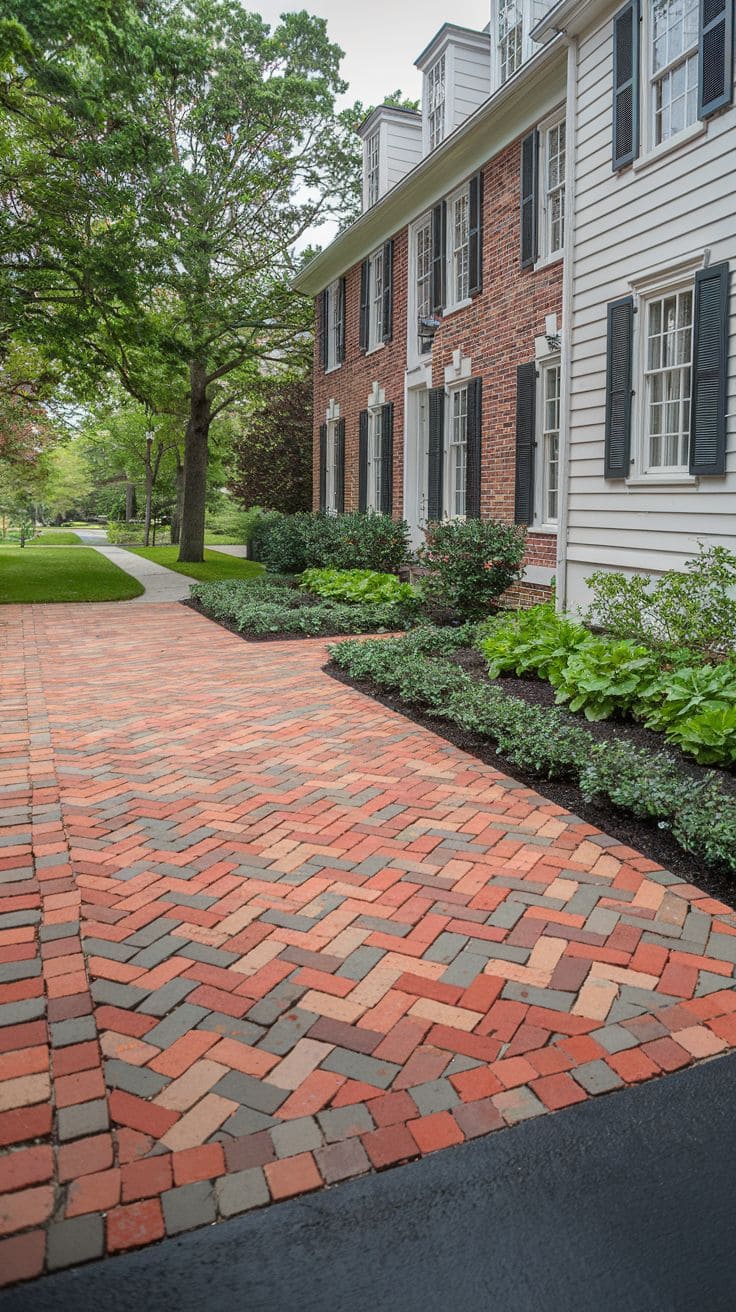
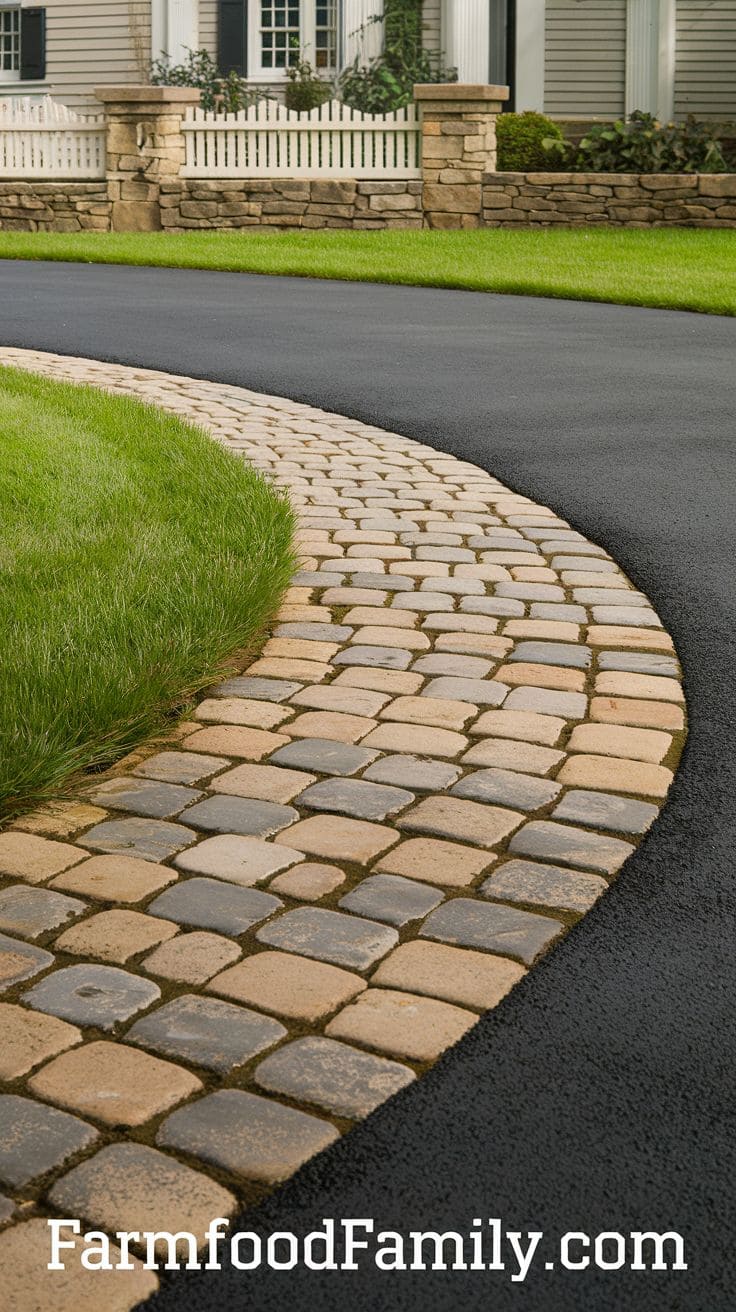
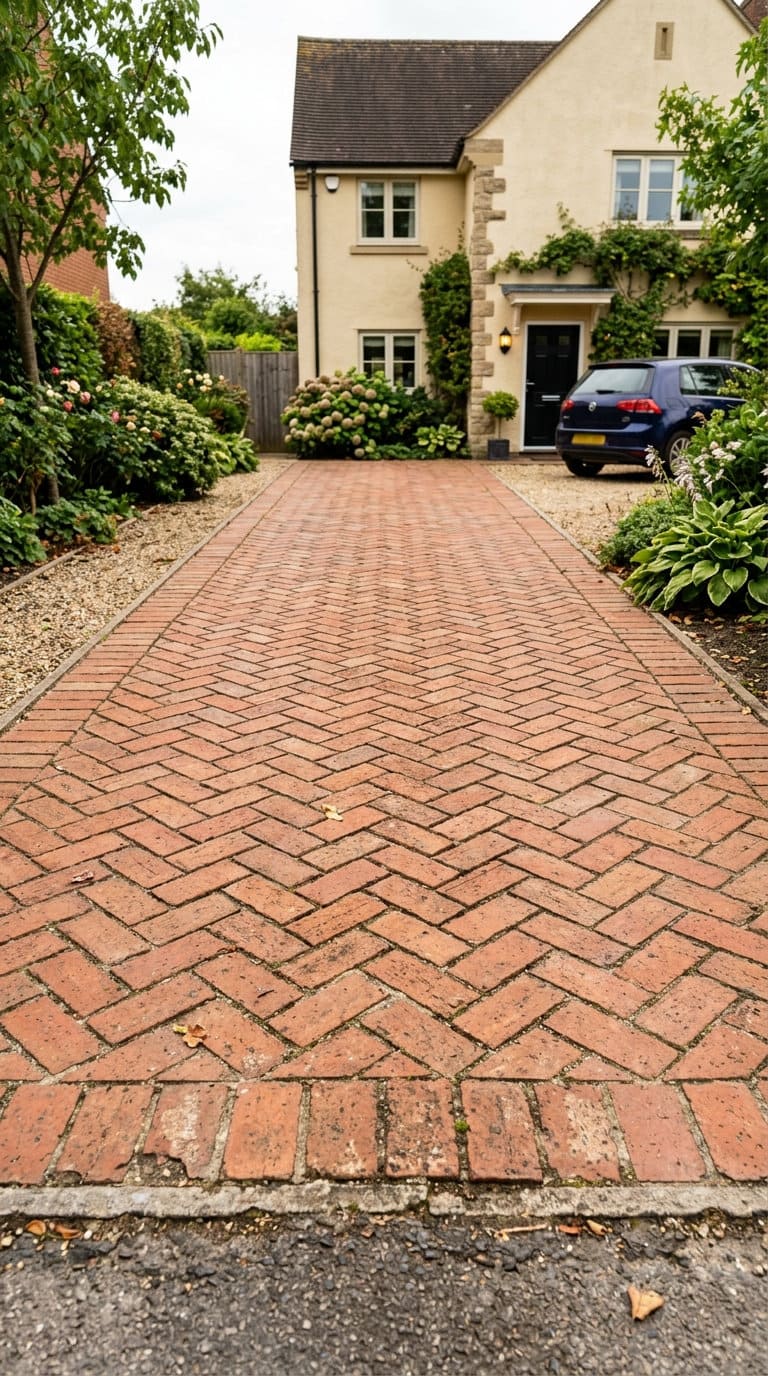
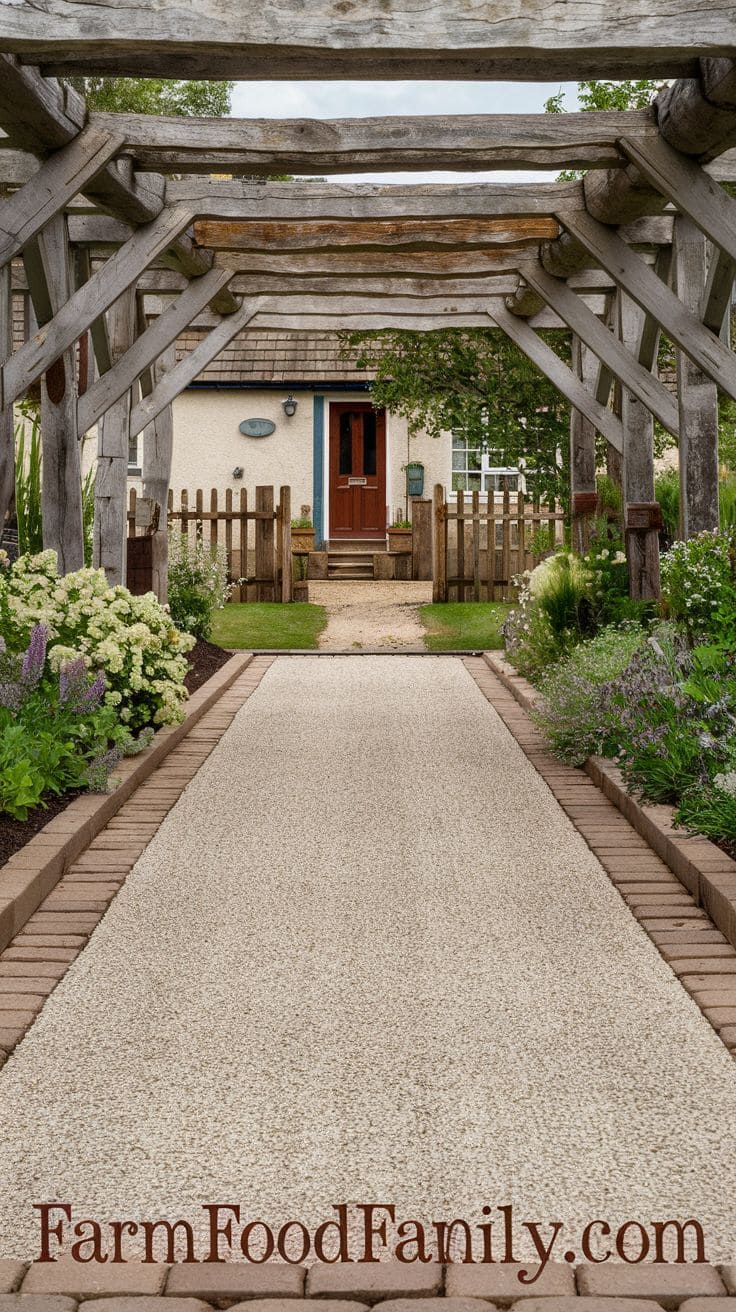
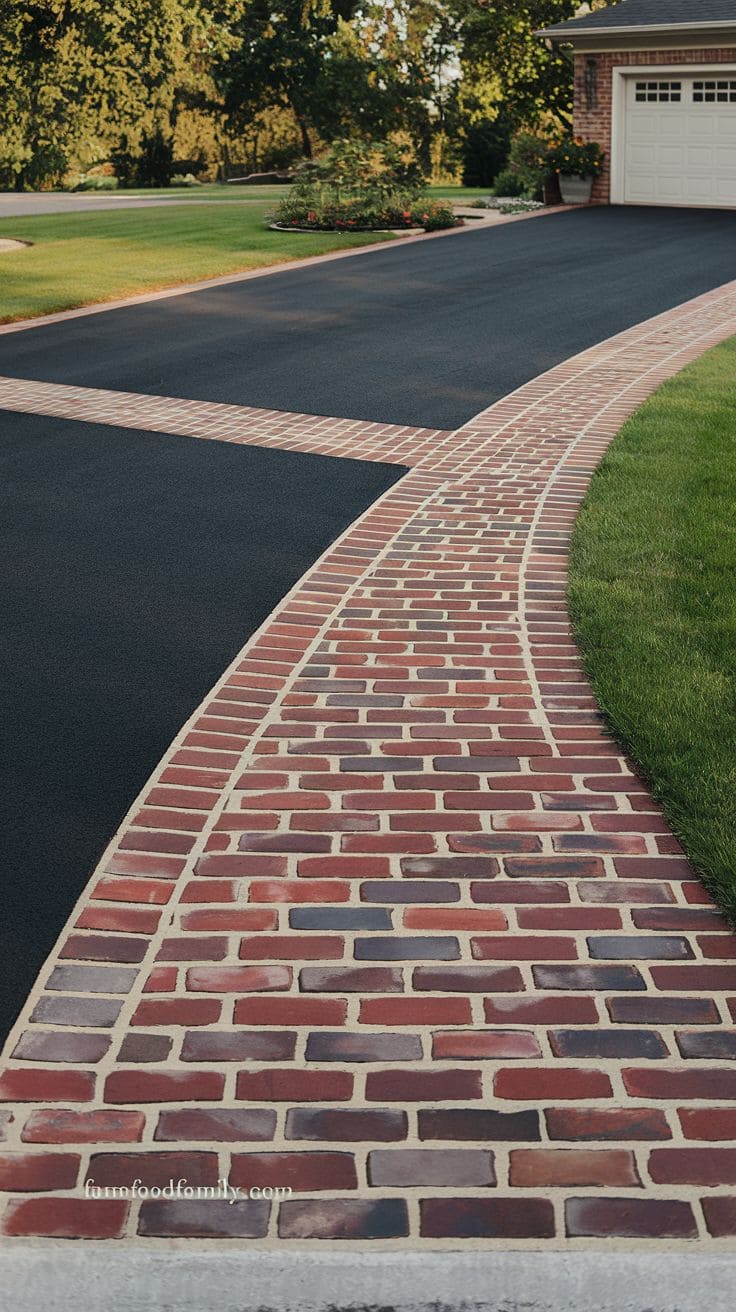
Brick brings warmth and a slightly historic feel, whether you go bold red, orange, or a more muted taupe. It can be laid in several patterns (herringbone, running bond, basketweave), giving you real design flexibility within one material.
It pairs naturally with brick elements elsewhere on your home’s exterior or garden edging, tying the whole front-of-house look together. Properly sealed brick holds up well to weather and regular use.
Budget: moderate to high depending on pattern complexity, herringbone takes more labor than a simple running bond.
Most yard problems trace back to one specific, fixable cause. Find yours in 4 quick questions.
Take the Free Quiz
A DIY-friendly, flexible asphalt crack filler that stays pliable through hot and cold weather, useful for sealing minor apron/driveway cracks before they widen under vehicle weight.
Shop NowThis post contains affiliate links. We may earn a commission on qualifying purchases at no extra cost to you.
3. Concrete Paver Apron with a Contemporary, Modular Look
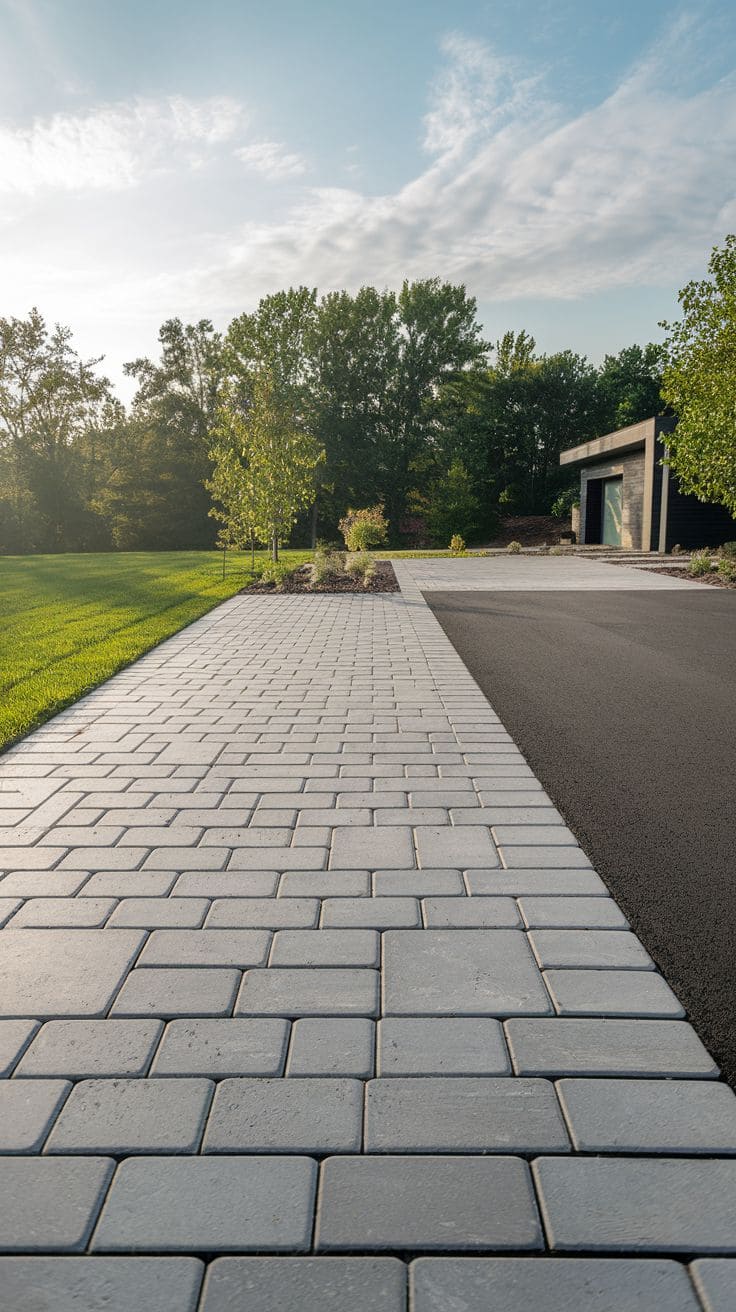
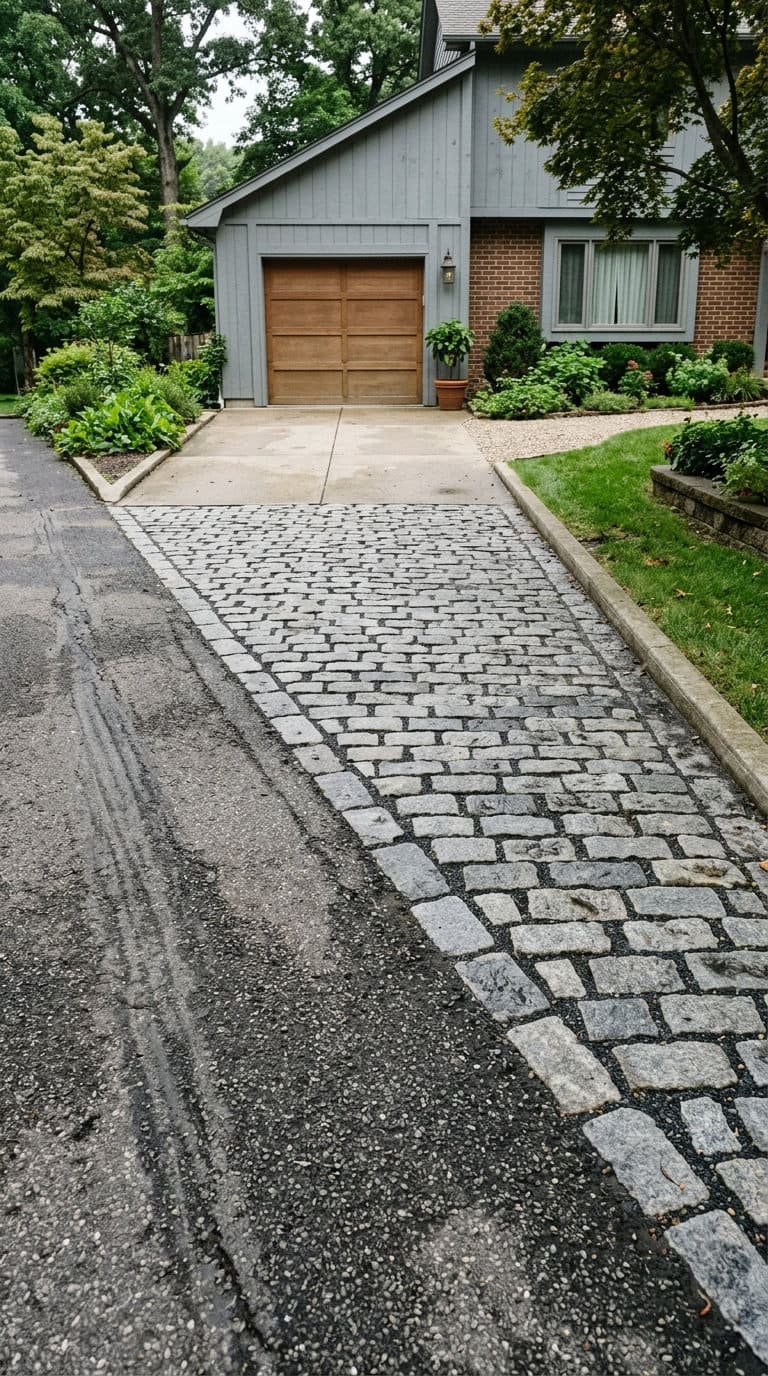
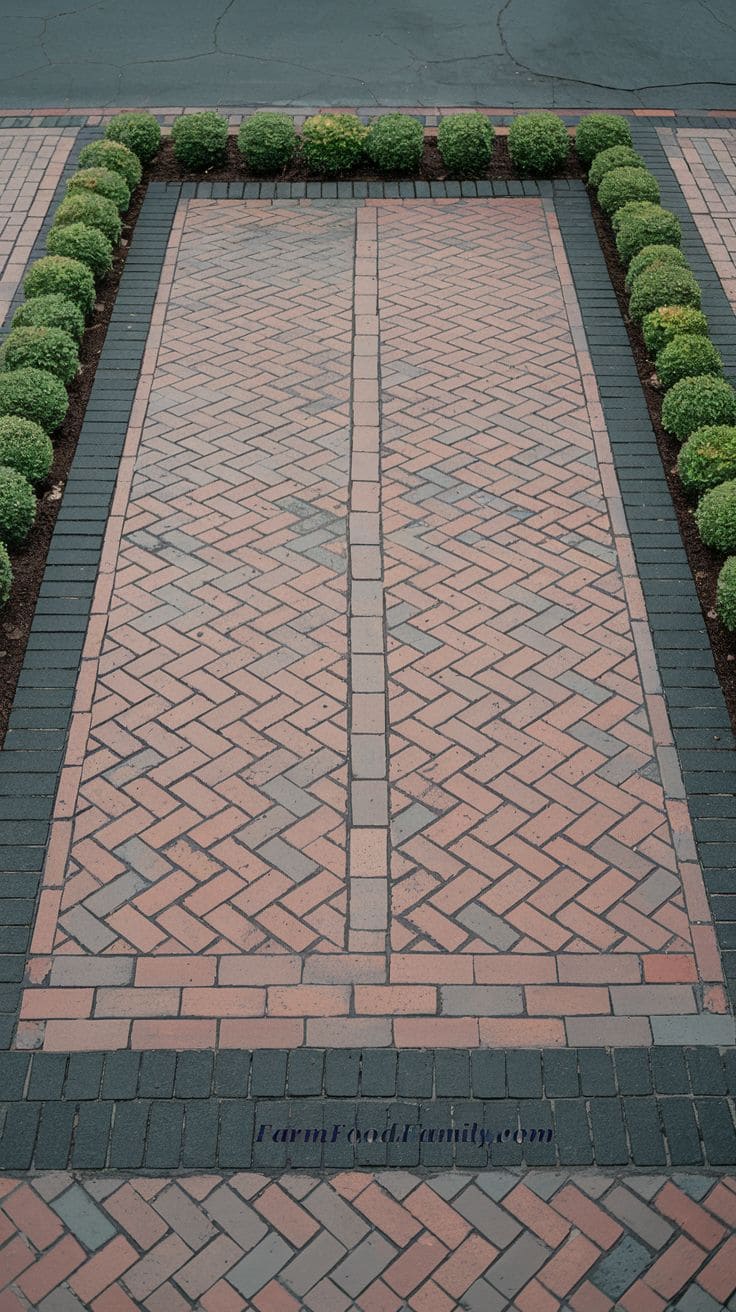
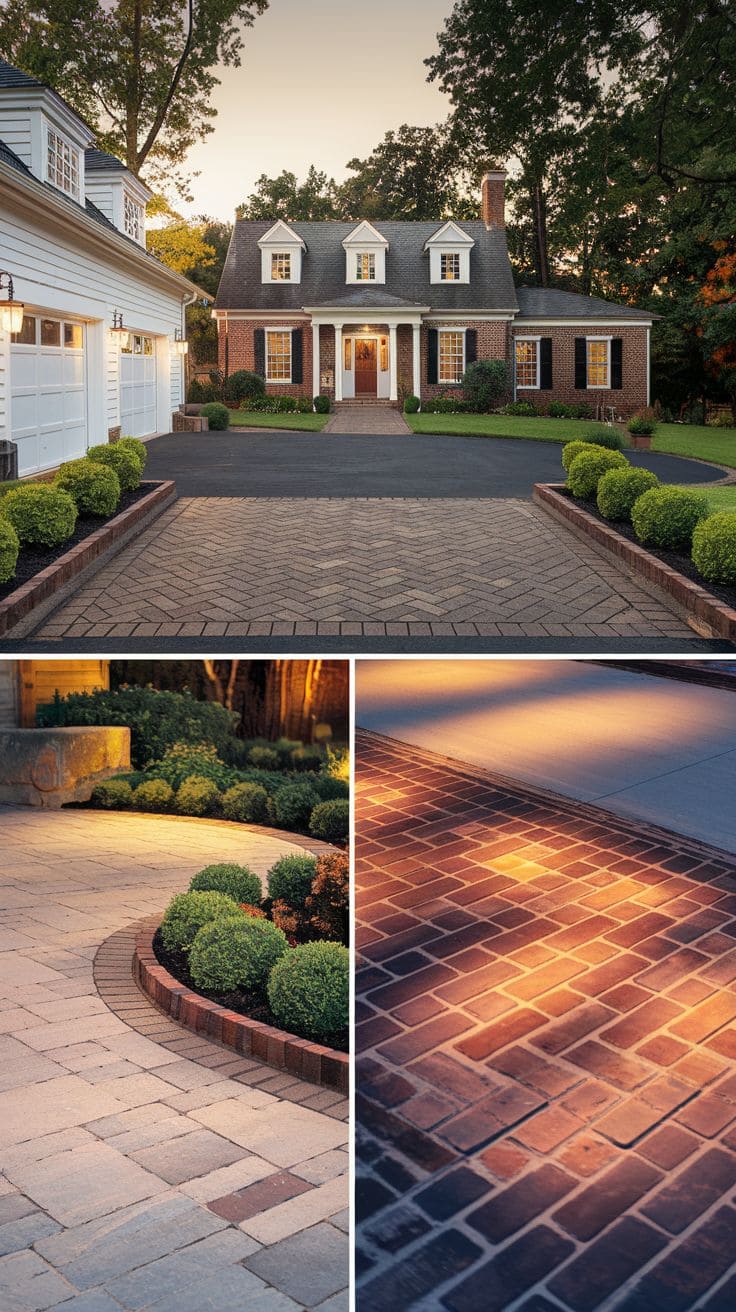
Concrete pavers give you a clean, modern look, monotone charcoal for minimalist appeal, or mixed neutral tones for more visual depth. They’re usually laid in straight lines or grid patterns for a polished, structured appearance.
Pavers read as stone or slate at a glance but install more uniformly and predictably, and adding a paver apron to an existing asphalt or concrete driveway is a real value-add without a full driveway replacement.
Budget: moderate, generally less than natural stone, more than plain poured concrete or asphalt.
4. Gravel Apron with a Gentle, Country Touch
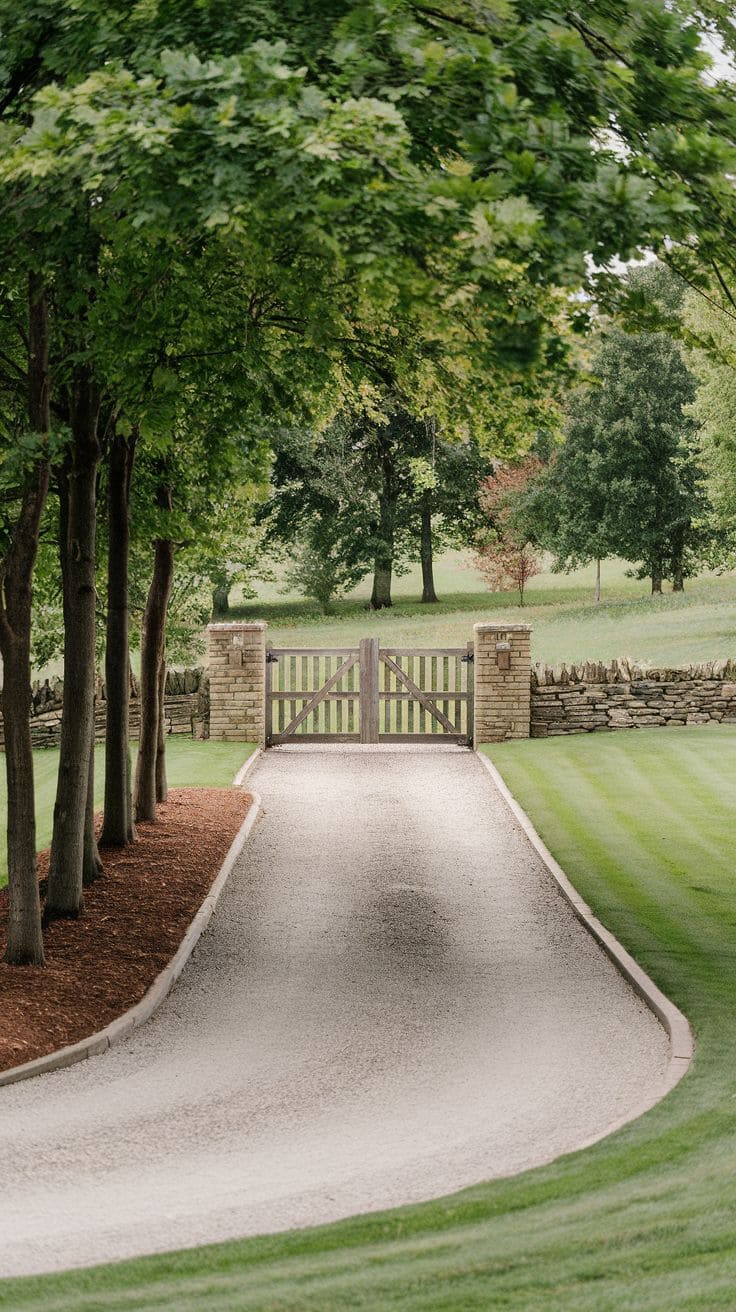
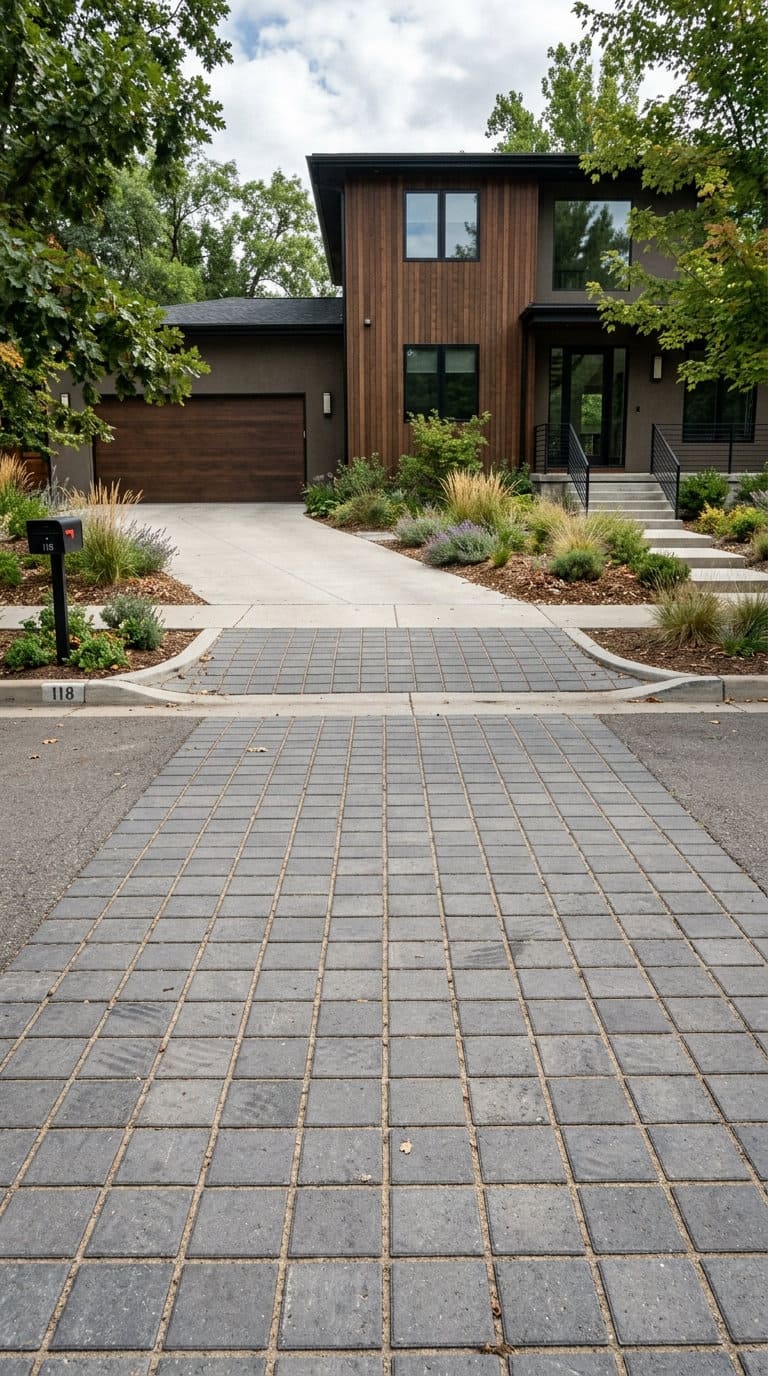
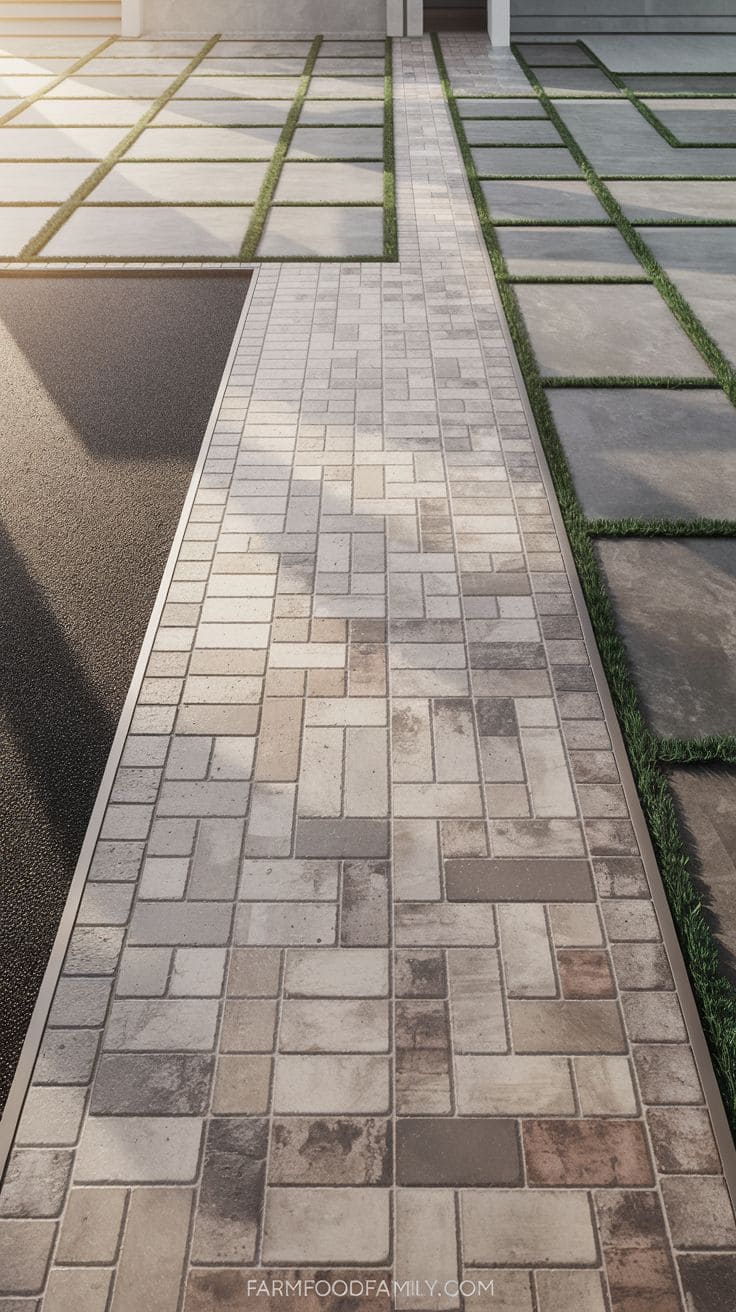
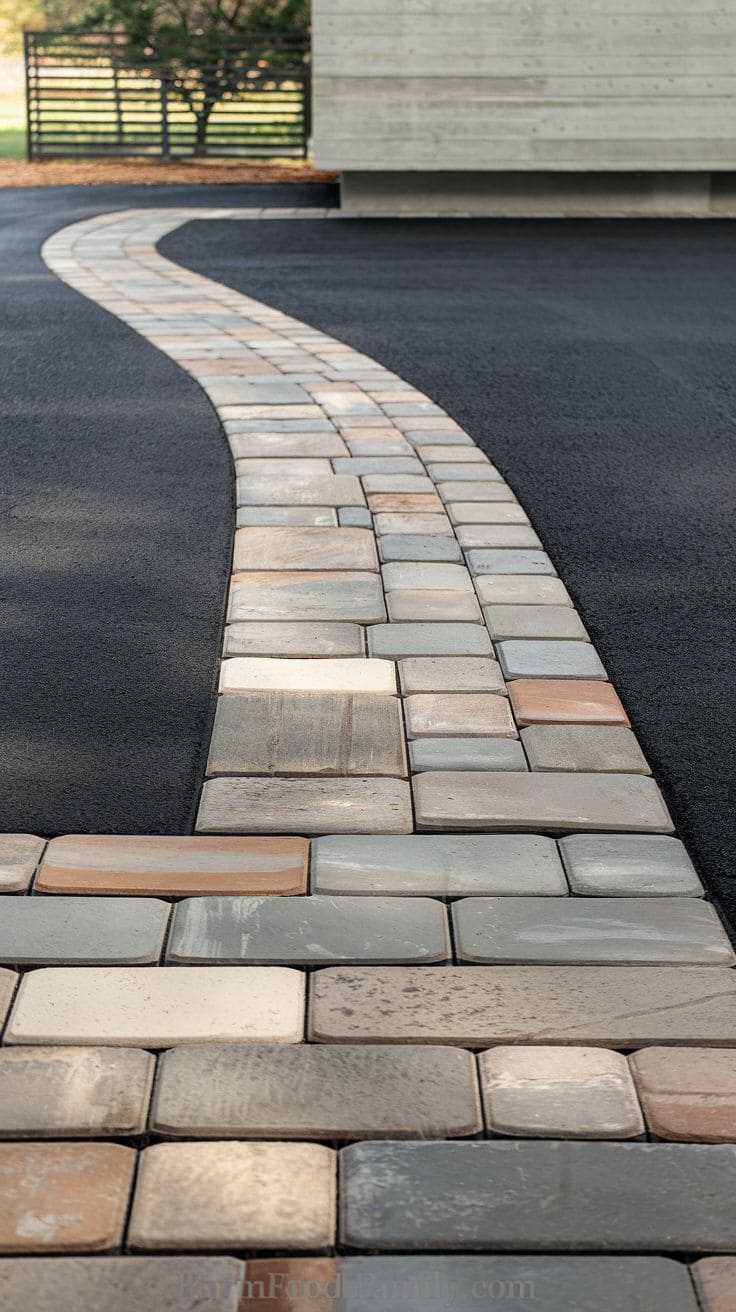
Gravel is the cheapest, most rustic-feeling option here, and it drains well, which helps prevent puddling right where you walk and drive most. But here’s the catch almost nobody mentions: many municipalities specifically require a hard, permanent surface for the apron section because it’s public right-of-way, and loose gravel doesn’t meet that standard in a lot of jurisdictions.
Confirm with your local public works department before committing to gravel here, even if the rest of your driveway is gravel. This is exactly the kind of thing the permit conversation from the section above is meant to catch before you’ve already bought the material.
Budget: low if approved, but factor in the real possibility you’ll need a different, code-compliant material for the apron specifically even if gravel works for the rest of your driveway.
5. Asphalt with Contrasting Apron for Neat Contrast
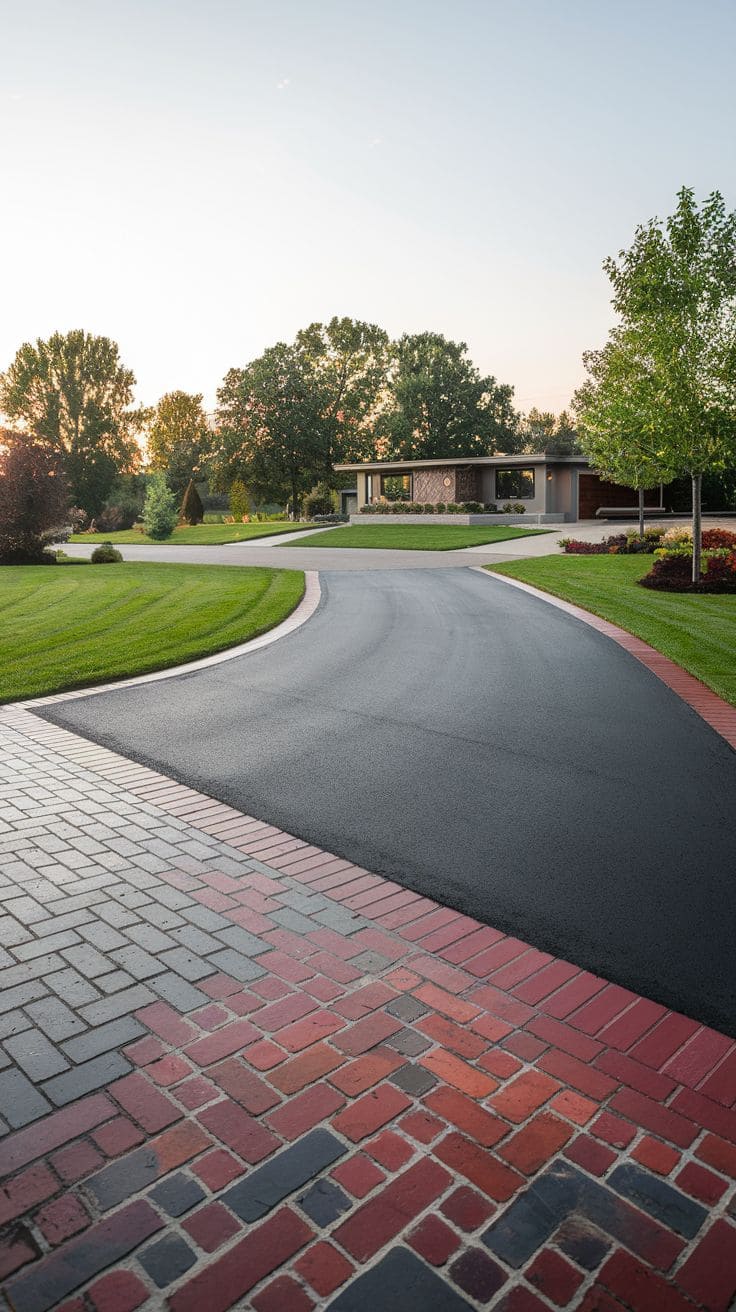
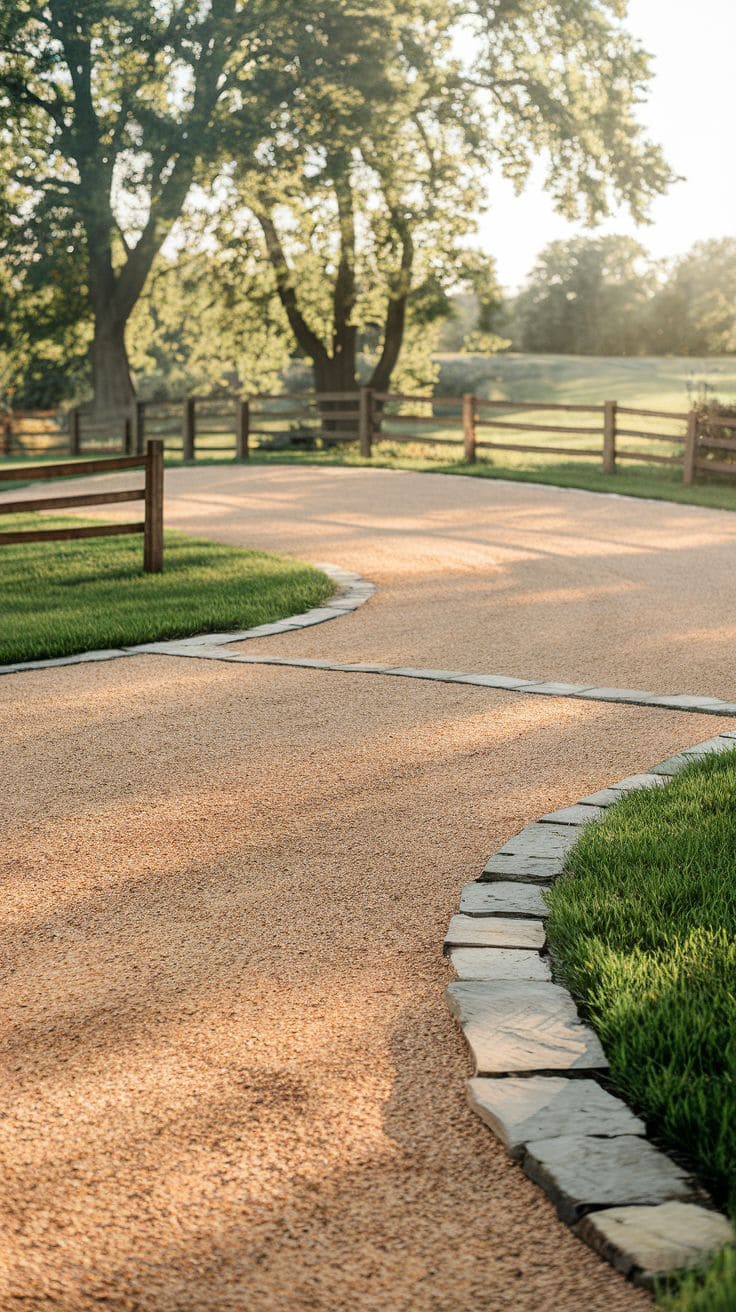
If your driveway is already asphalt, a contrasting apron in a different material creates instant visual definition. The dark, uniform asphalt surface makes a lighter-toned apron stand out clearly, marking the transition from public street to private driveway.
A thin contrasting band or a larger rectangular apron section both work, the choice mostly comes down to how bold a statement you want at the entry point.

Budget: low to moderate, since you’re typically only replacing the apron section, not the whole driveway.
The average homeowner spends $616/year on yard fixes that don't address the real problem. Find out what yours actually is — before you spend another dollar.
Take the Free Quiz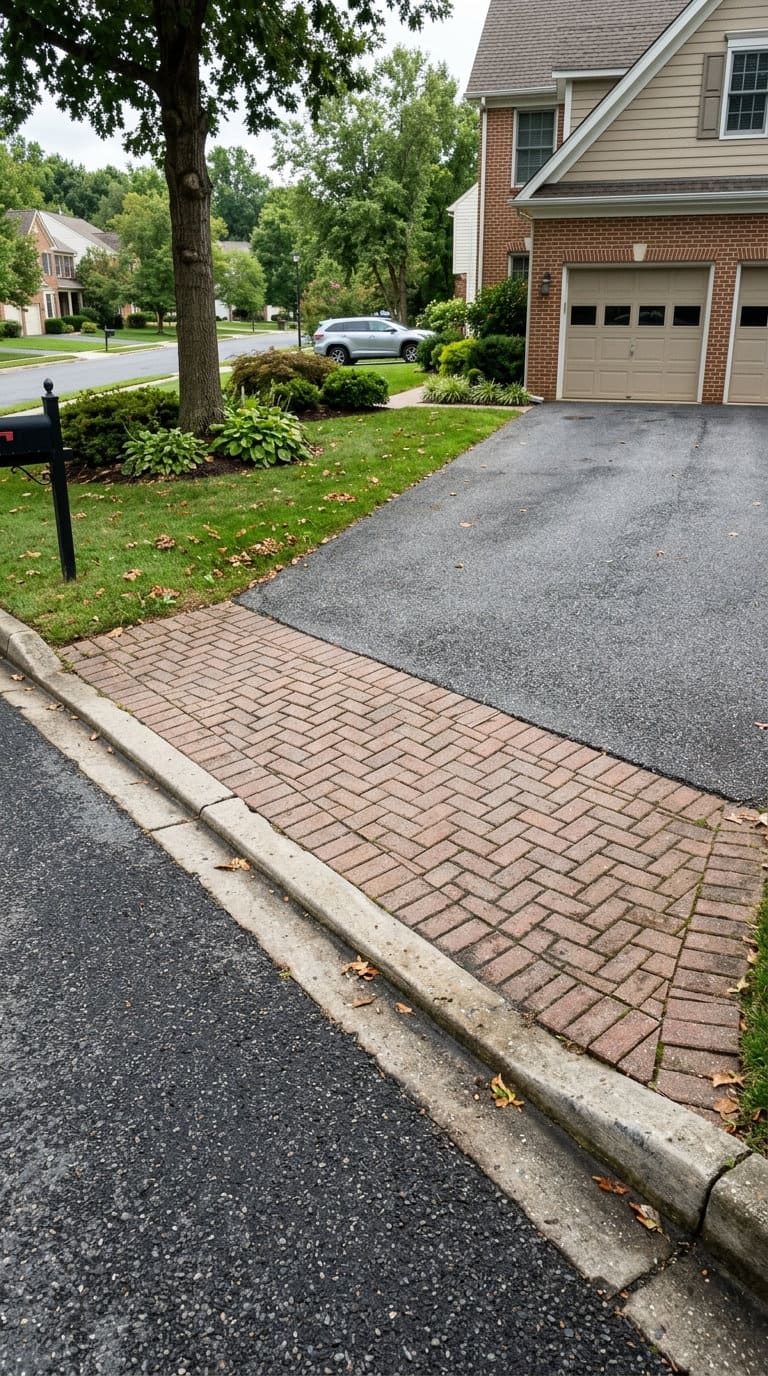
6. Stamped Concrete Apron
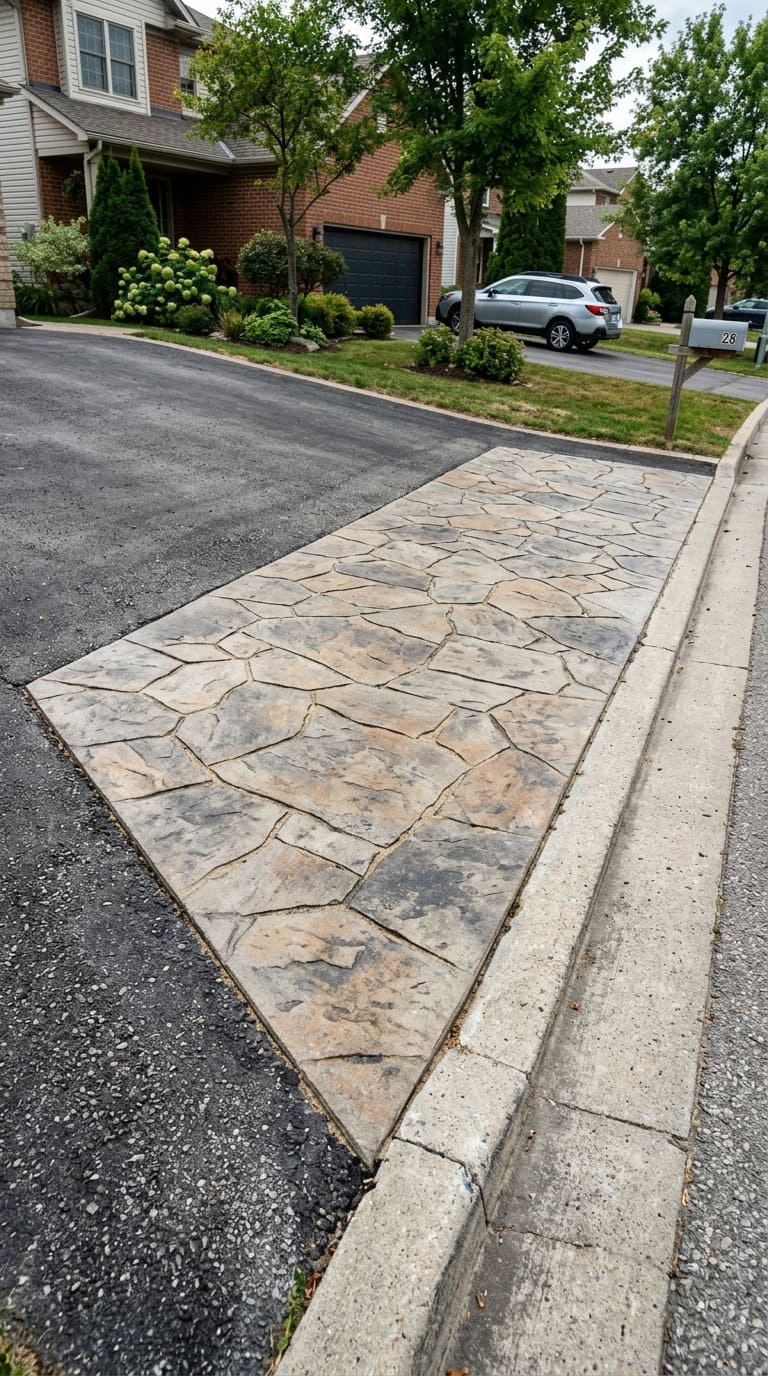
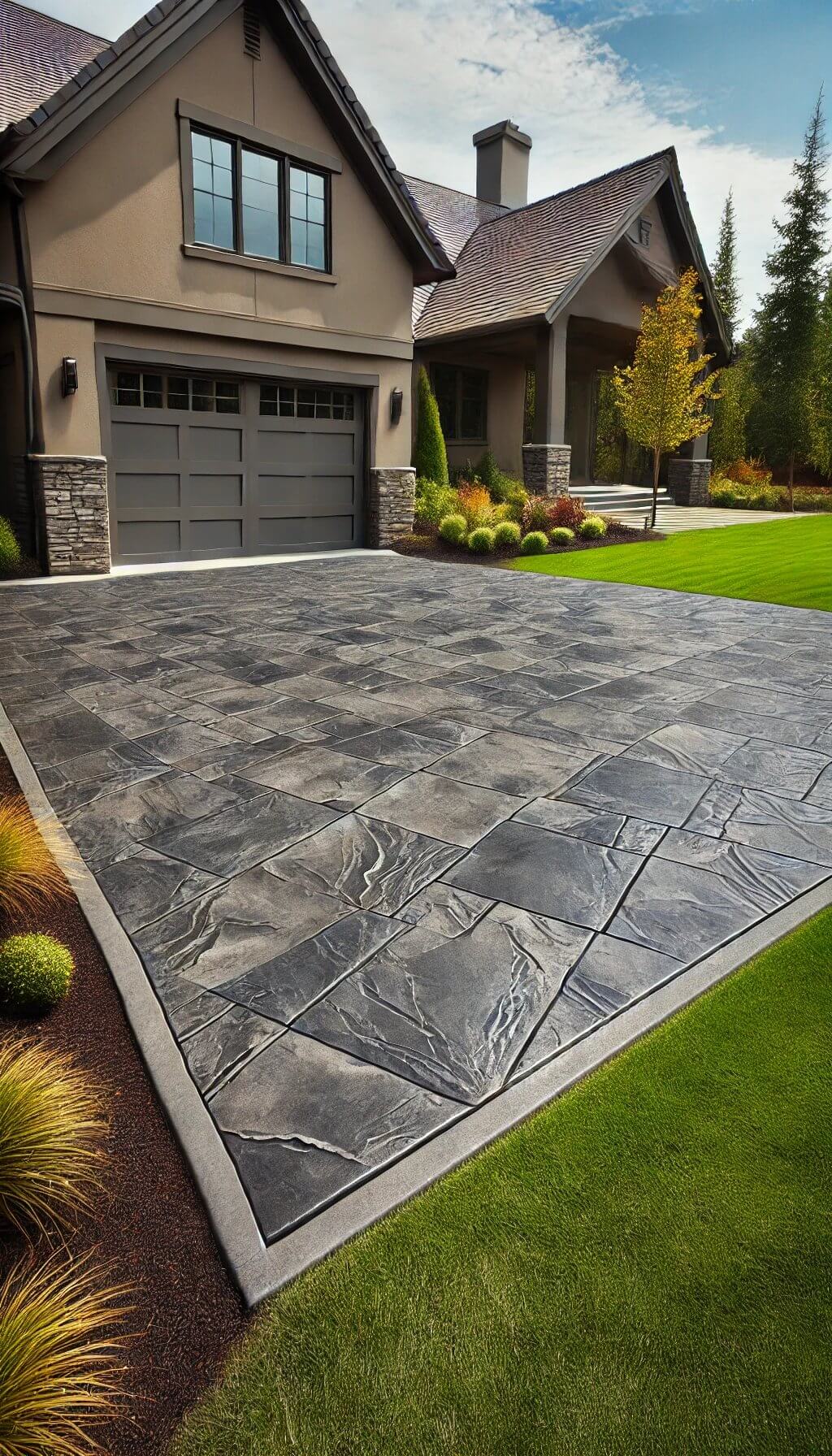
Stamped concrete gives you the visual texture of stone, brick, or slate at a lower material cost than the real thing, since it’s poured and textured as one continuous slab rather than individual units. That single-slab construction also means fewer joints for weeds or shifting to exploit over time.
Because it’s a single pour, getting the base and thickness right matters even more than with individual pavers, a poorly prepped base under a stamped slab cracks as one large piece rather than a few individual units. If you’re weighing stamped concrete against your driveway’s existing material, concrete driveway ideas has more design options for the driveway itself, not just the apron.
Budget: moderate, less than natural stone or brick, more than plain concrete or asphalt, and it needs a professional concrete contractor experienced with stamping, not a general handyman.
Design Techniques
7. Color Contrast Detailing
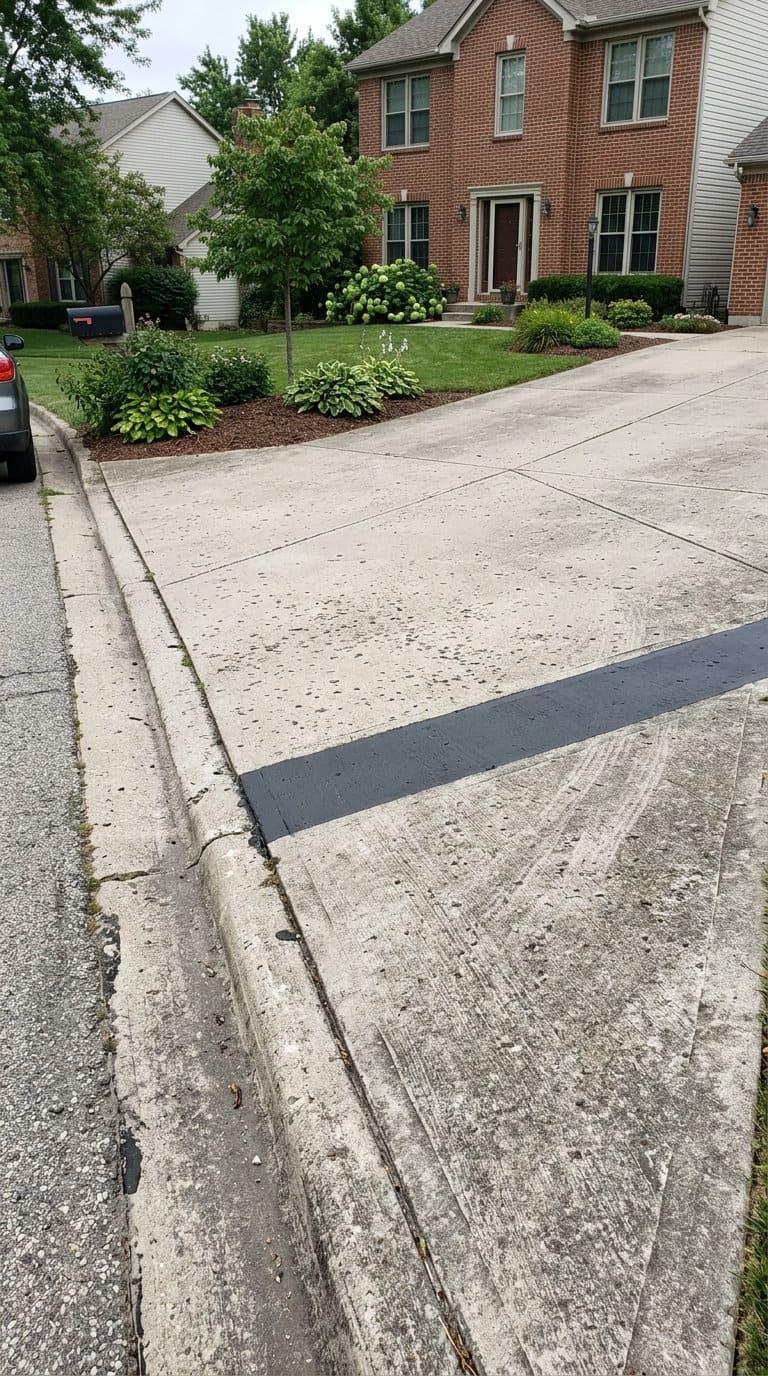
Instead of choosing one uniform material, use a contrasting color or material band right at the property line, where the public right-of-way ends and your driveway begins. This visually marks the transition your permit paperwork already legally defines, which is a nice bit of form matching function.
A single accent row of a different-colored brick or paver, even just 12 to 18 inches wide, is enough to create the effect without a major material investment.
Budget: low, this is an accent detail added to whatever base material you’ve already chosen, not a separate project.
8. Patterned Apron Designs
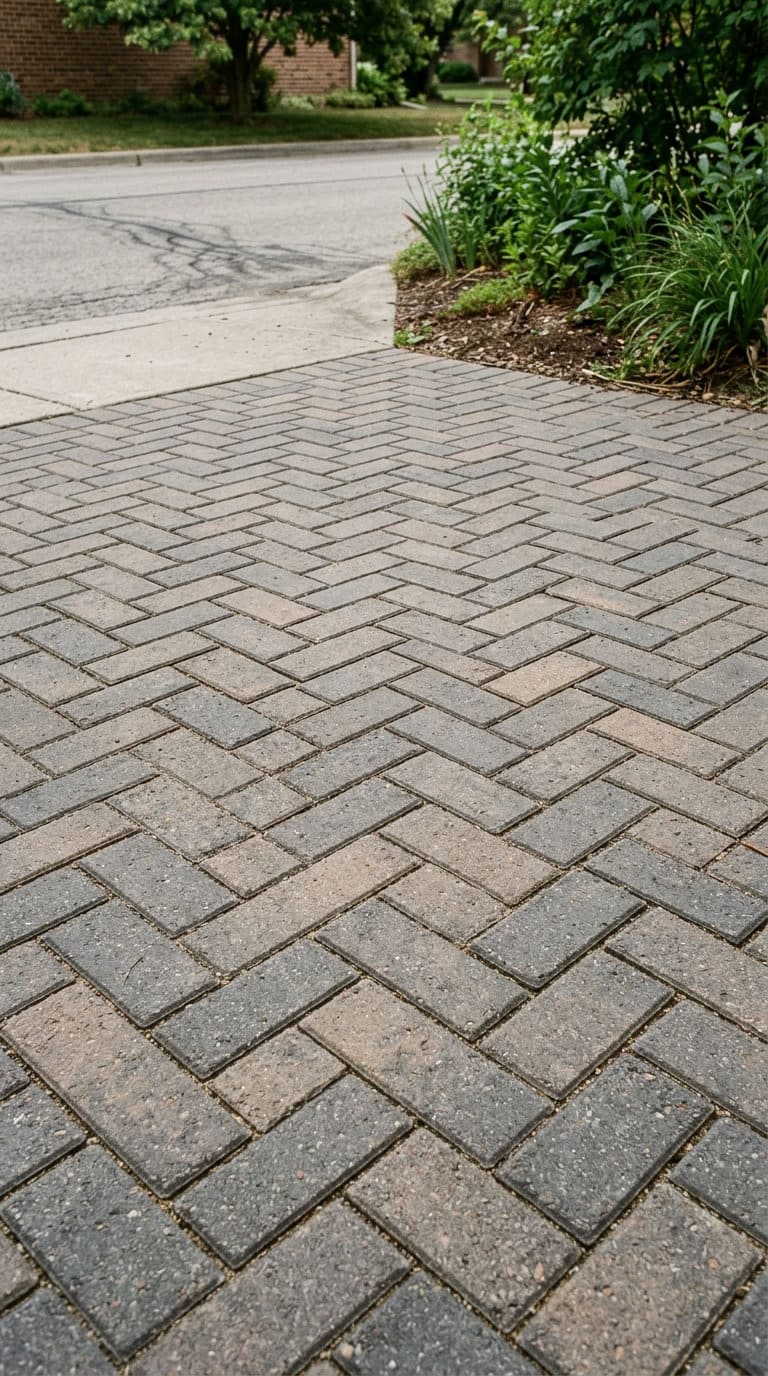
Herringbone, basketweave, running bond, or a radial fan pattern radiating from the street, pattern choice changes how a material reads without changing the material itself. A basic paver apron in a herringbone layout looks meaningfully more considered than the same pavers in a plain grid.
Complex patterns cost more in labor even when the material cost is identical, factor that into your budget conversation with a contractor, not just the per-square-foot material price.
Budget: material cost stays the same, labor cost rises with pattern complexity, ask for a labor-only quote comparison before committing to an elaborate pattern.
9. Borders and Edging
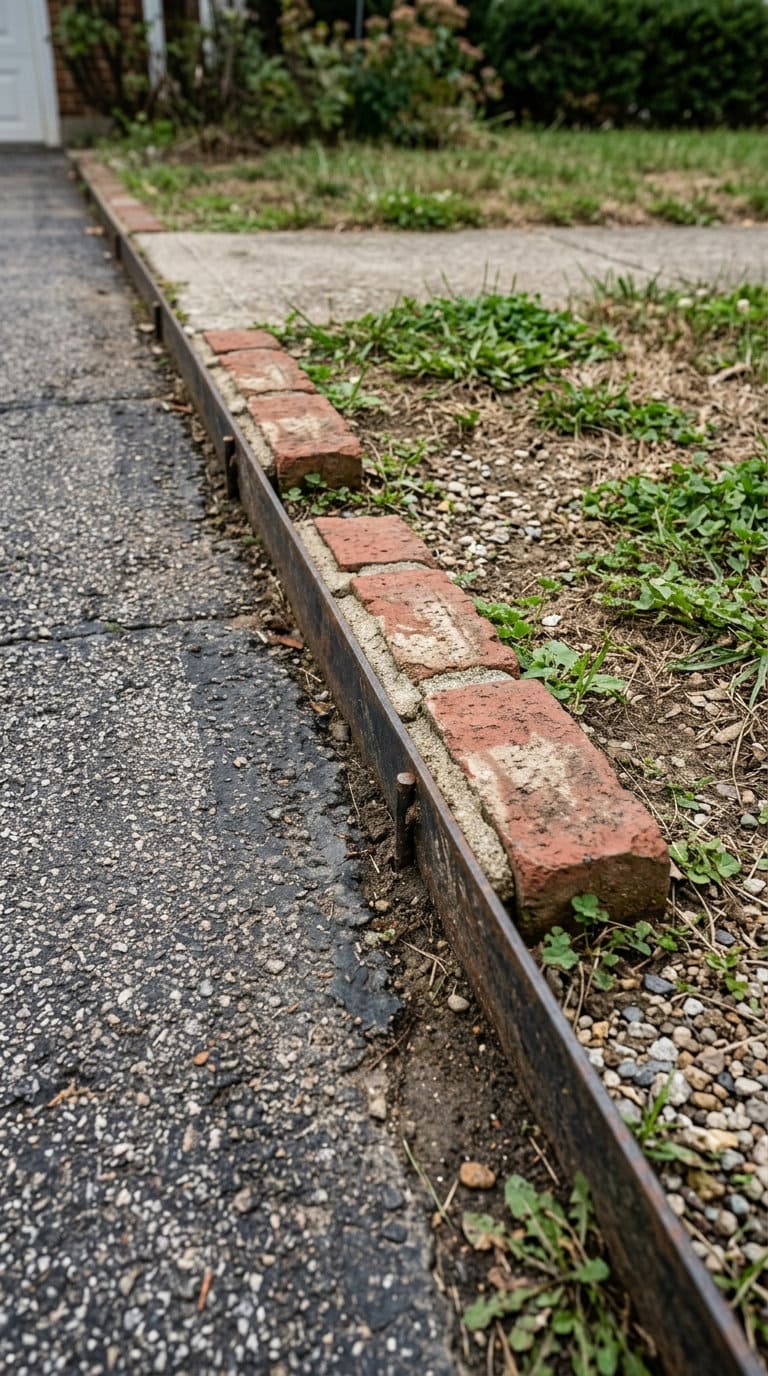
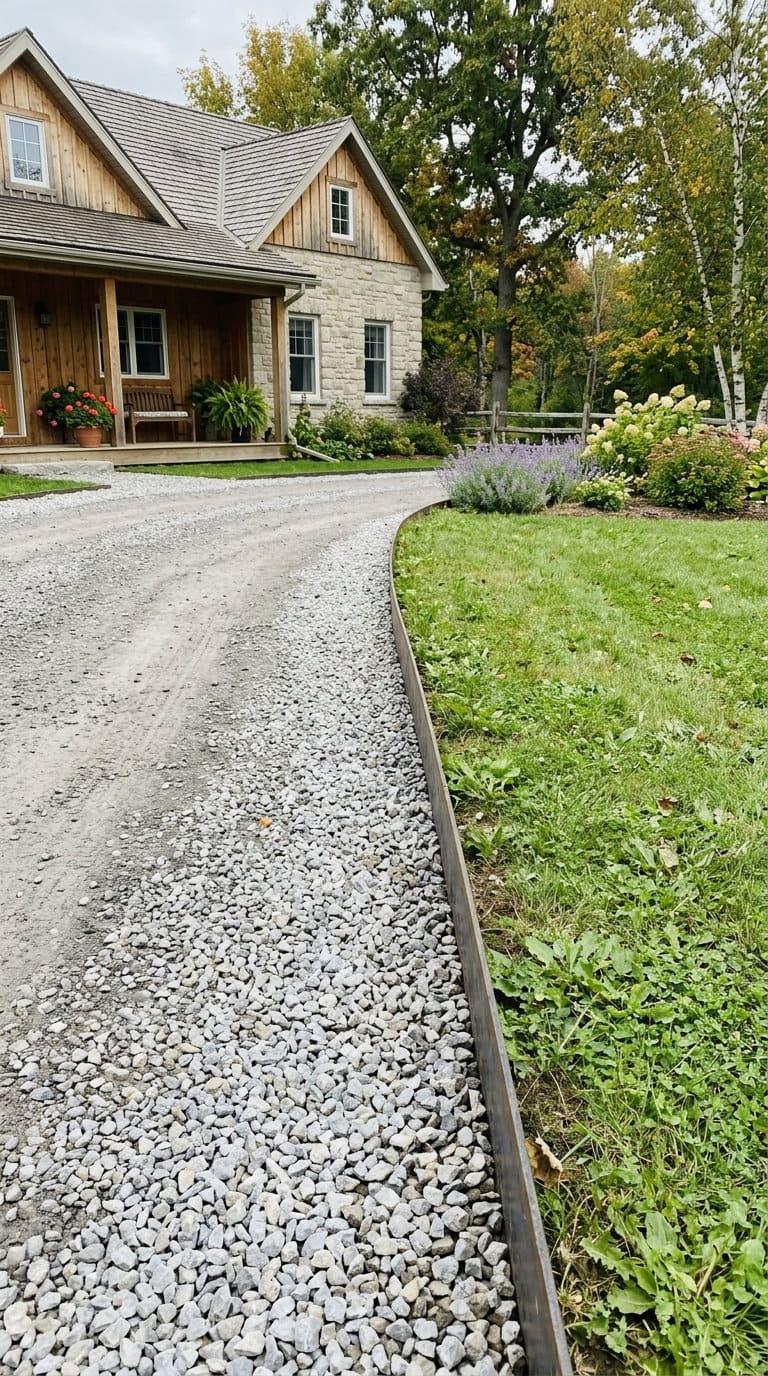
A defined border, whether it’s a contrasting brick row, a metal edge restraint, or a low stone curb, keeps loose materials like gravel or pea stone contained and gives even solid materials like concrete a more finished, intentional look.
This matters most for the gravel apron idea above, if your municipality does allow gravel, a solid edging system is what keeps it from migrating into the street or your lawn over a single season. For more edging material options and installation approaches, driveway edging ideas covers the topic in more depth than an apron-specific article has room for.
Budget: low, edging is one of the cheaper add-ons on this list relative to its visual and functional impact.
10. Integrated Landscaping Around the Apron
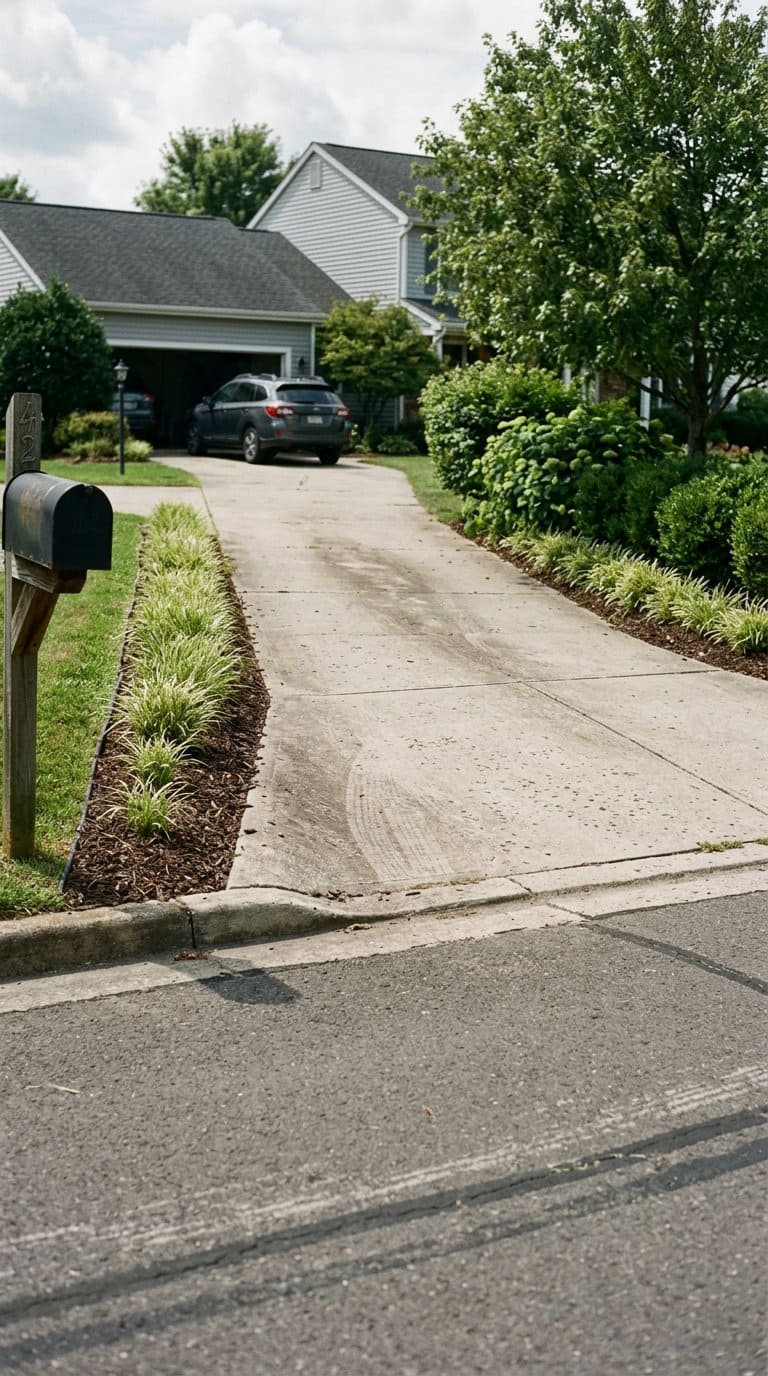
Low plantings, ornamental grasses, or a narrow mulch bed flanking the apron soften the transition between hardscape and yard, especially useful since the apron itself is a purely functional, code-governed surface with limited room for personal style.
Keep plantings low and set back from the immediate edge, anything overhanging the apron becomes a sightline hazard for cars backing out, and possibly a code issue of its own depending on your local visibility-triangle requirements at driveway entrances.
Budget: low to moderate depending on plant choices, this is one of the easiest ideas to add well after the apron itself is finished.
11. Lighting Features Along the Apron
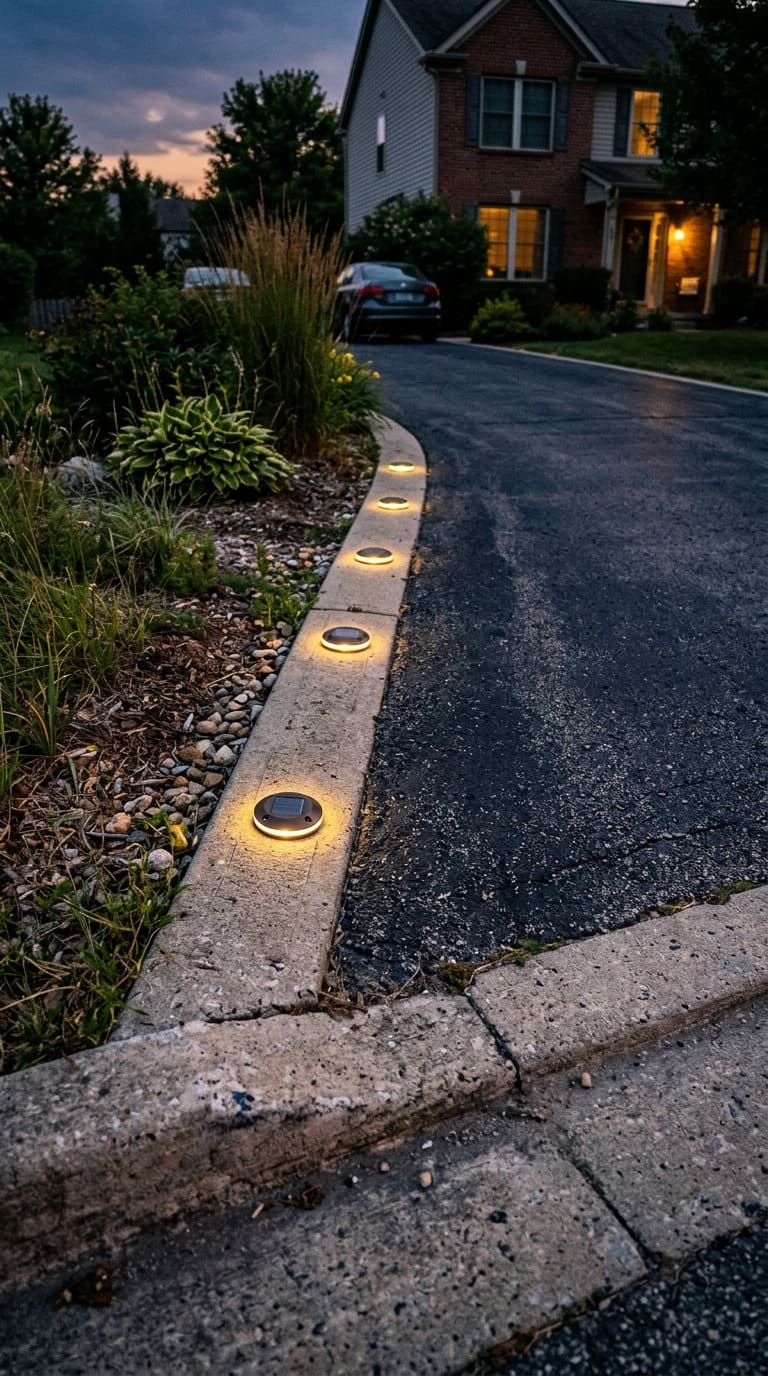
Low-profile solar or low-voltage path lights along the apron’s edges improve nighttime visibility for both pedestrians and drivers pulling in, genuinely useful rather than purely decorative here, since the apron is where street and driveway sightlines cross.
Keep fixtures low-profile and set back slightly from the actual driving surface, anything protruding into the apron itself is a real hazard for a car’s tires or undercarriage. For broader fixture and placement ideas beyond the apron itself, backyard lighting ideas covers techniques like uplighting that extend the same look further into the yard.
Budget: low, solar path lights are one of the most affordable additions on this entire list and need no wiring.
Stylistic Themes
12. Modern Minimalist Apron
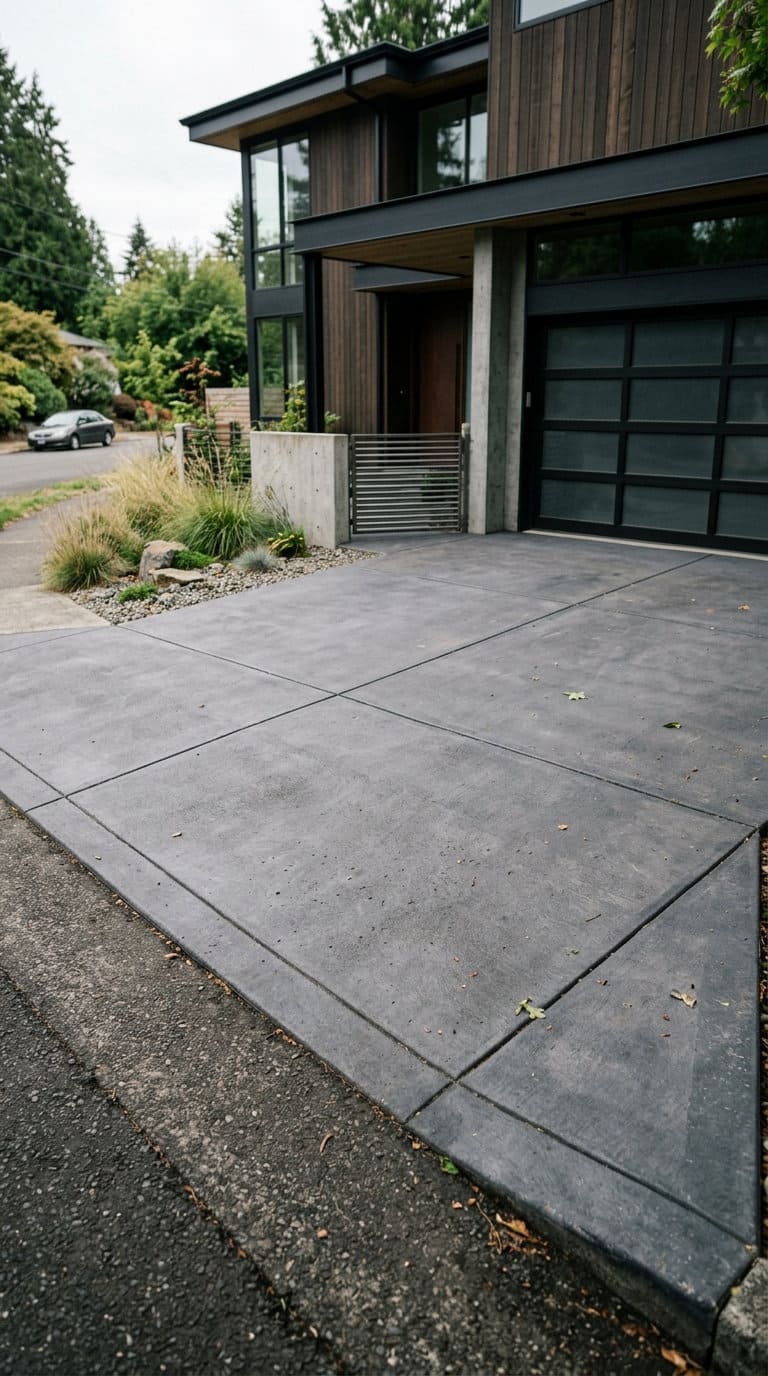
A single monotone material, sharp clean lines, and zero applied pattern, this is the least fussy option and it ages well precisely because there’s nothing trendy to date. Smooth charcoal concrete or matte-finish pavers in one consistent tone both work.
Skip contrasting borders and accent bands entirely here, the minimalism is the point, and adding detailing back in undercuts it.
Budget: low to moderate, minimalist designs are often cheaper than heavily patterned ones since labor stays simple.
13. Rustic Charm Apron
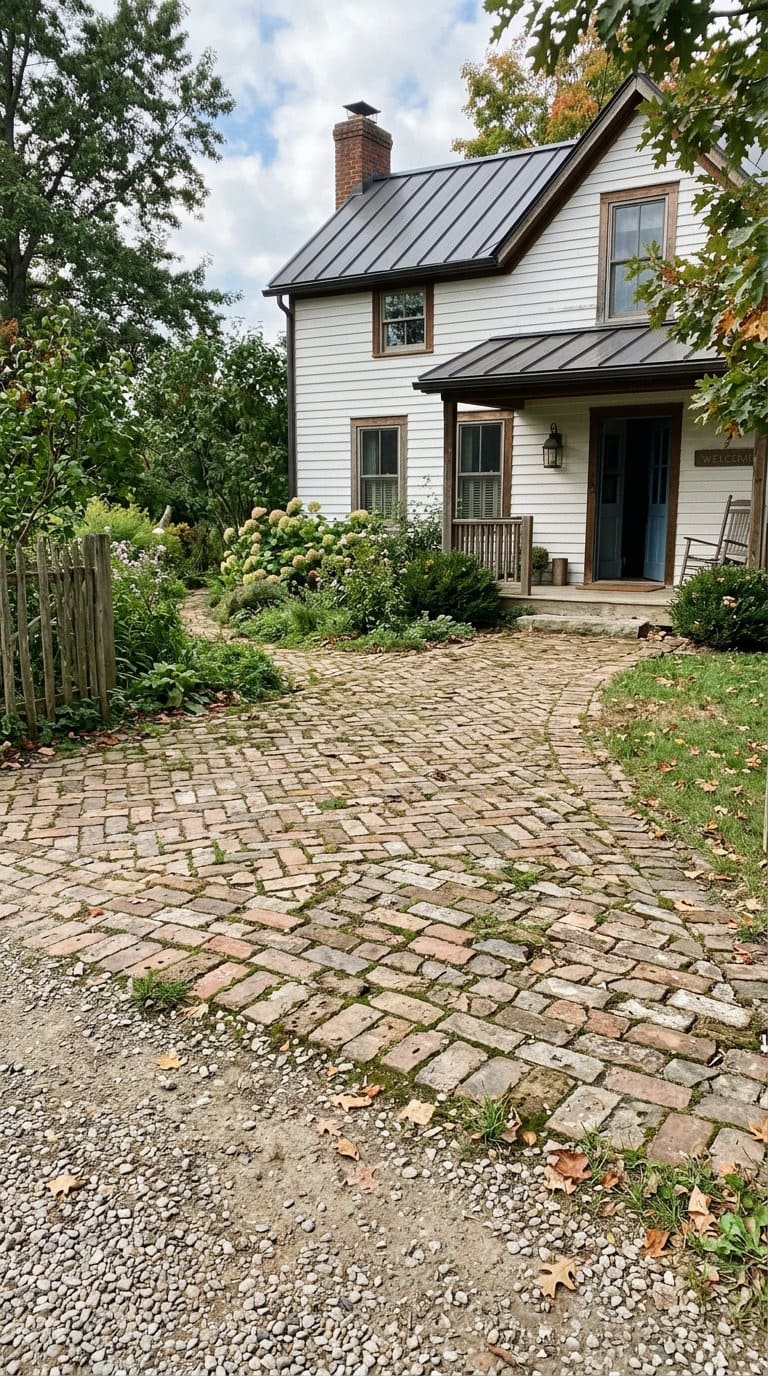
Reclaimed brick, tumbled cobblestone, or worn-look pavers lean into an intentionally imperfect, lived-in aesthetic that suits farmhouse and cottage-style homes especially well. The slight irregularity in tumbled or reclaimed material is the feature, not a flaw to correct.
This pairs naturally with the gravel driveway edging or rustic landscaping ideas already on this site if your broader yard leans the same direction.
Budget: moderate, reclaimed material sometimes costs more than new due to sourcing and handling, don’t assume “rustic” automatically means “cheap.”
14. Eclectic Artistry Apron
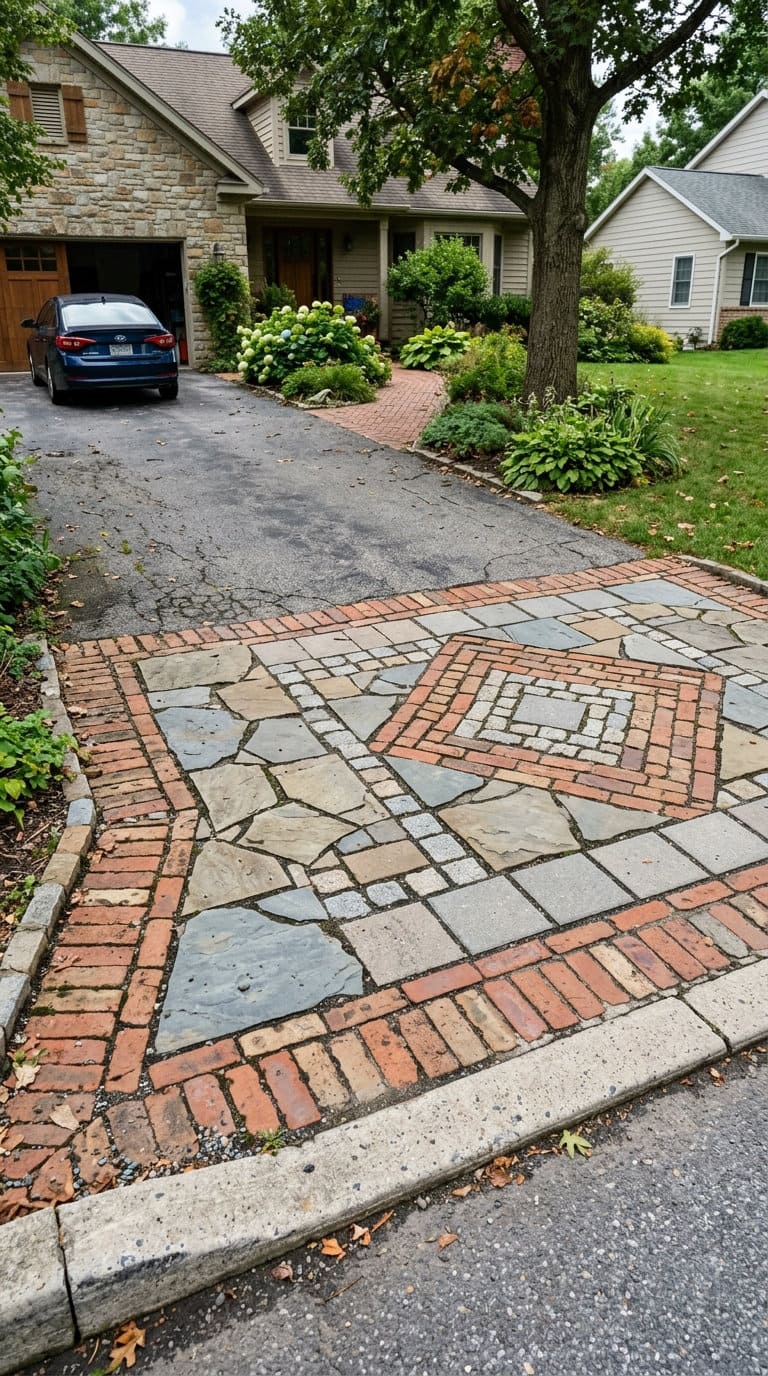
Mixed materials, varied colors, and an intentionally unmatched pattern (mosaic-style stone, mixed brick and paver sections) reads as personal and creative rather than chaotic, when it’s planned rather than improvised on the fly.
Sketch the layout before ordering material, an eclectic look that reads as “designed” versus “leftover materials” is almost entirely about deliberate planning, not the materials themselves.
Budget: variable, can be genuinely cheap if you’re using leftover or reclaimed material from other projects, or expensive if sourcing a specific curated mix.
15. Coastal Vibes Apron
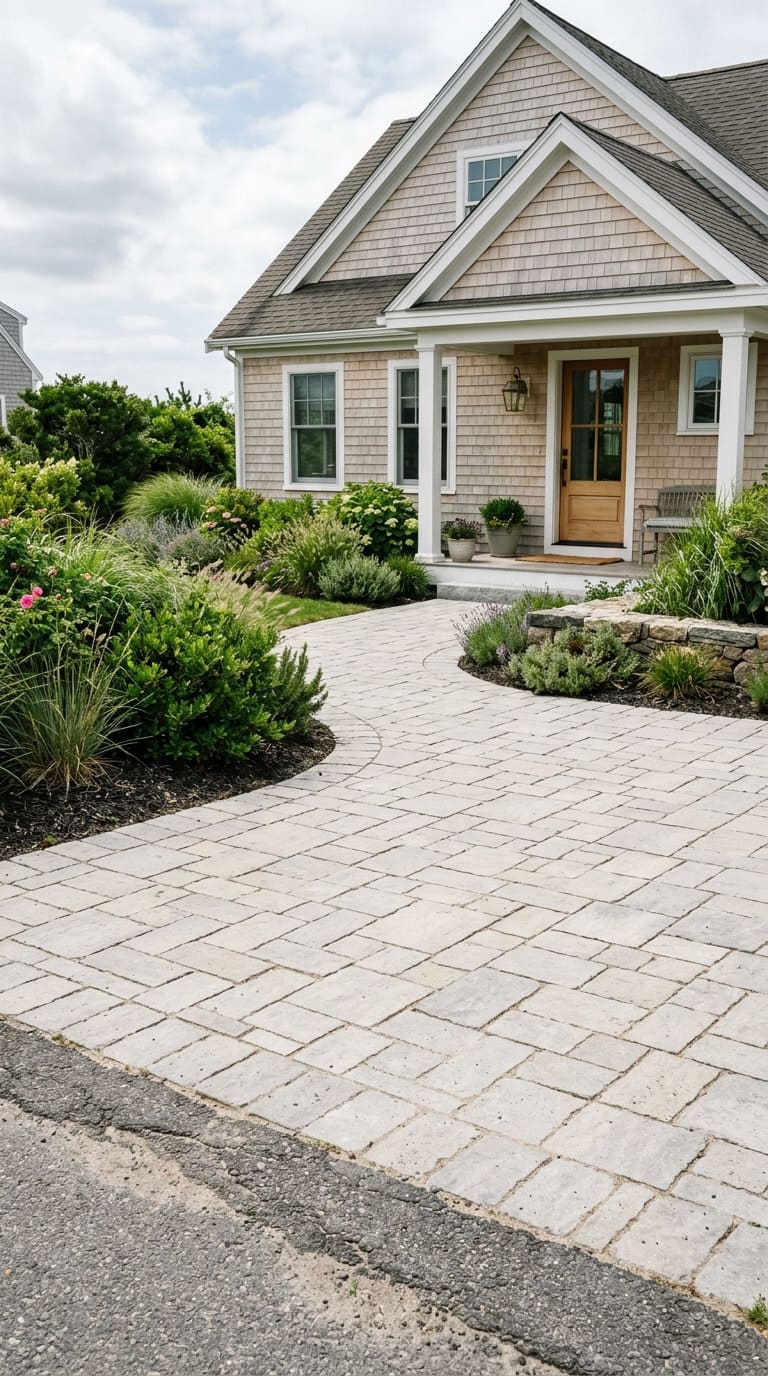
Light-toned materials, whitewashed brick, pale gray pavers, tumbled shell-toned stone, evoke a coastal feel and also happen to be practical in hot climates since light colors absorb less heat than dark asphalt or charcoal pavers.
Pair with light-colored, salt-tolerant landscaping if you’re actually in a coastal environment, since standard plantings often struggle with salt air and sandy soil near the shore.
Budget: moderate, light-toned pavers and whitewashed brick often cost a bit more than standard-tone equivalents.
16. Victorian Elegance Apron
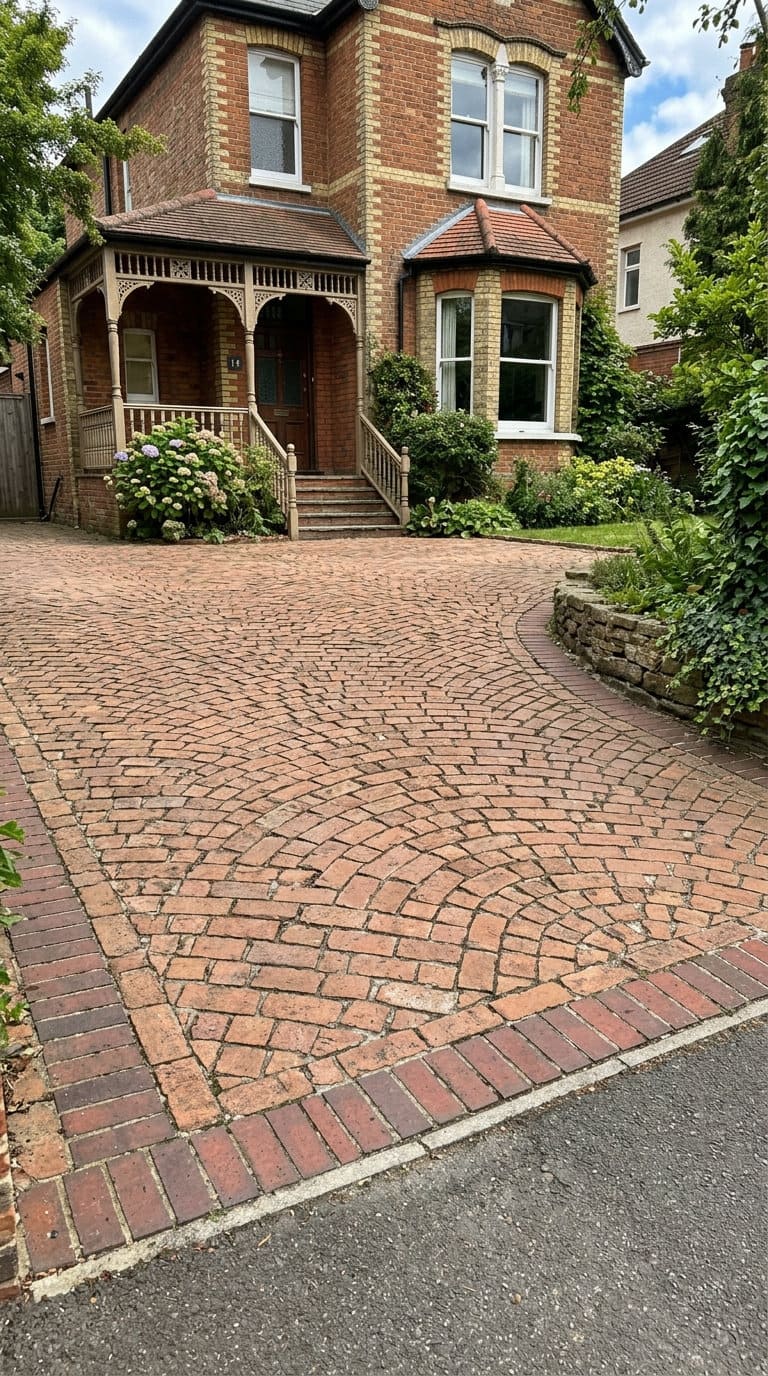
Detailed patterned brick or cobblestone in a fan or basketweave layout, sometimes bordered with a contrasting soldier-course edge, suits older homes with genuine period architecture far better than a modern minimalist apron would.
This is one of the more labor-intensive options on the list, the detail is the whole appeal, so budget for skilled masonry labor specifically, not just material cost.
Budget: high, both material and labor costs run higher here than any other idea on this list.
Putting It Together
Sixteen real ideas, but the actual first decision isn’t cobblestone versus brick, it’s a phone call to your local public works department. Know your permit requirement, your required thickness, and whether a sidewalk crosses your apron before you fall in love with a look, then pick freely from everything above.
The apron is a small section of pavement, but it’s the first thing anyone sees when they turn into your driveway. Worth getting the boring engineering part right so the fun design part actually gets to stay.
FAQs
Do I need a permit to replace my driveway apron?
Often, yes. The apron typically sits within the public right-of-way even though it looks like part of your driveway, and many municipalities require a permit for any work there. A homeowner on r/Concrete was told directly: “In some towns they will require a permit. Make sure you check before starting work.” Call your local public works or engineering department before starting.
How thick should a driveway apron be?
Thicker than a standard driveway slab. According to American Concrete Institute guideline ACI 330R-08, a typical residential driveway runs about 4 inches, but the apron section specifically often needs 5 to 6 inches because it absorbs more concentrated stress from turning vehicles. Some municipal standards require 6 inches minimum, check your local specification since it varies.
Can I use gravel for a driveway apron?
Maybe, but check first. Many municipalities require a hard, permanent surface for the apron section specifically because it’s public right-of-way, and loose gravel doesn’t meet that standard in a lot of jurisdictions, even if gravel is fine for the rest of your driveway. Confirm with your local public works department before buying material.
What happens if a sidewalk crosses my driveway apron?
U.S. Access Board accessibility guidance calls for the sidewalk to remain flat and continuous across the crossing, generally with a side slope under 2%, rather than tilting down into the driveway’s grade. If your apron design would force the sidewalk to dip or tilt, that’s worth flagging with your local engineering department before installation.
What’s the cheapest driveway apron material?
Gravel is the cheapest material cost, if your municipality approves it for right-of-way use. Among code-compliant hard-surface options, a simple asphalt-with-contrast approach or a basic concrete paver grid tend to run less than natural stone, brick, or stamped concrete.
Products We Recommend
This post contains affiliate links. We may earn a commission on qualifying purchases at no extra cost to you.
Bluestar Flexible Asphalt Crack Filler
A DIY-friendly, flexible asphalt crack filler that stays pliable through hot and cold weather, useful for sealing minor apron/driveway cracks before they widen under vehicle weight.
Shop Now
Dimex 1856-48C EasyFlex Aluminum Paver Edging Kit
A 48-foot construction-grade aluminum edging kit that holds paver, brick, or stone apron borders firmly in place, directly relevant to the Borders and Edging idea above.
Shop Now
LETMY Solar Pathway Lights Outdoor (8-Pack)
Waterproof, auto on/off solar path lights suited to lining a driveway apron's edge for nighttime visibility, the low-voltage-free option matching the Lighting Features idea above.
Shop NowNever miss an update — choose FarmFoodFamily as your preferred source on Google.
How it works: Tap the button below to open Google's settings page, then check the box next to FarmFoodFamily.
Tap the checkbox to turn it blue — that's how you know it's set.