24 Storybook Cottagecore House Ideas for Every Room (and the Garden Too)
A whole-house guide to cottagecore that actually covers the bathroom, the porch, and the garden, not just the bedroom you’ve already seen forty Pinterest boards about.

Never miss an update — choose FarmFoodFamily as your preferred source on Google.
How it works: Tap the button below to open Google’s settings page, then check the box next to FarmFoodFamily.
Tap the checkbox to turn it blue — that’s how you know it’s set.
I spent a weekend in September going down a genuine rabbit hole on this after realizing almost every “cottagecore house” article out there is really a cottagecore bedroom article wearing a bigger headline. Quilts, one clawfoot tub, a herb pot on the windowsill, done.
If you already want the deep dive on the bedroom specifically, our cottagecore bedroom ideas guide covers that ground properly. This one is for the rest of the house: the kitchen, the bathroom, the hallway nobody plans for, the porch, and the actual garden outside the window.
Cottagecore vs. farmhouse: the confusion, resolved
People mix these up constantly, and honestly it’s an easy mistake. Both use wood, both use neutral-ish palettes, both photograph well with a mason jar in frame. But they come from different places.
Farmhouse design grew out of practical 19th and early 20th century American working farms, clean lines, white shiplap, a kind of restrained utility. Cottagecore is newer and more romantic.
Elizabeth Crafton, owner and principal designer of Lilabeth Interiors in Cherry Hill, New Jersey, describes it as “the grown-up version…of what shabby chic was,” calling it “this vintage look. It’s this flea market find. It’s this return to nature.”



That’s the tell: farmhouse is disciplined, cottagecore is a little messy on purpose. If your farmhouse living room has one accent color and a gallery wall of black-and-white prints, cottagecore wants florals, mismatched vintage finds, and a lot more texture.
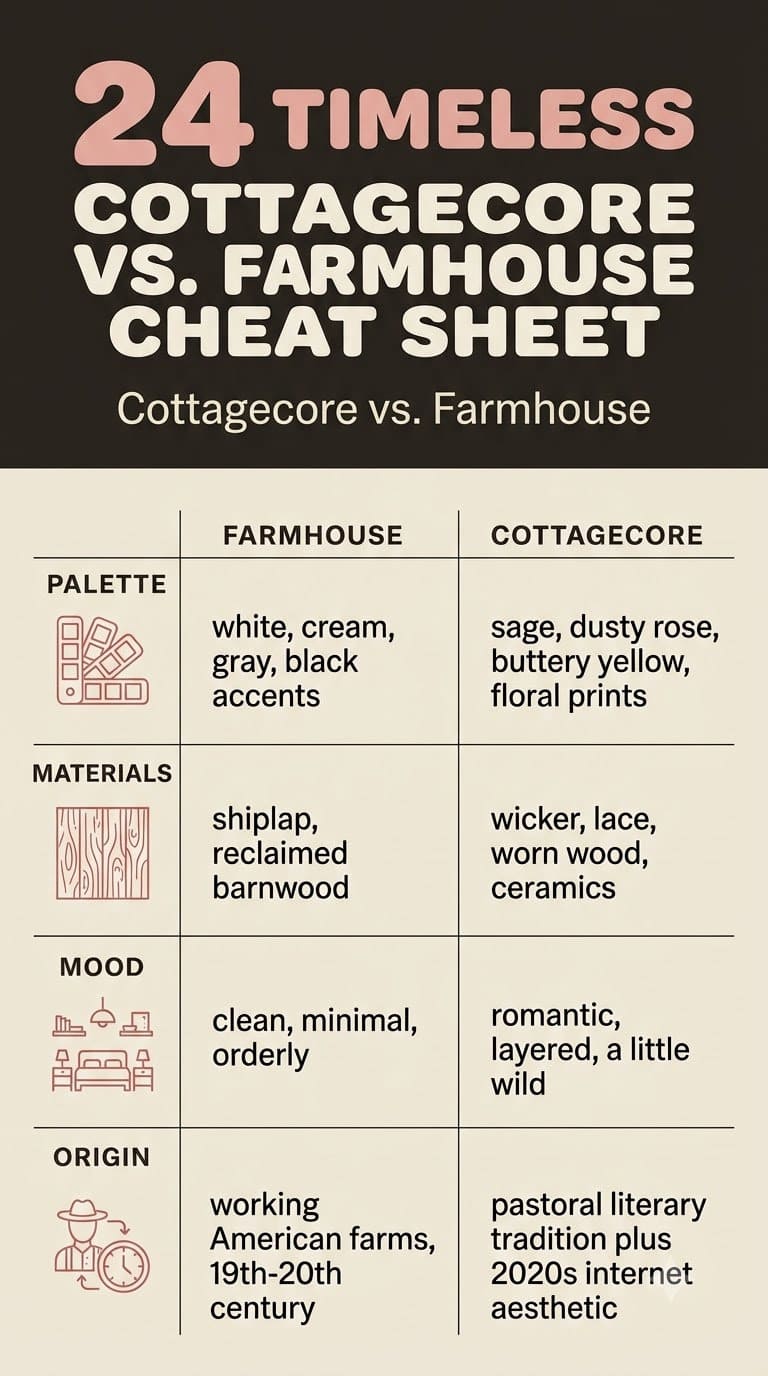
Quick comparison:
| Farmhouse | Cottagecore | |
|---|---|---|
| Palette | White, cream, gray, black accents | Sage, dusty rose, buttery yellow, floral prints |
| Materials | Shiplap, reclaimed barnwood | Wicker, lace, worn wood, ceramics |
| Mood | Clean, minimal, orderly | Romantic, layered, a little wild |
| Origin | Working American farms, 19th-20th century | Pastoral literary tradition + 2020s internet aesthetic |
It’s not just a TikTok trend (the real history is 2,300 years old)
I’ll be honest, I assumed cottagecore was invented on Tumblr around 2018 and blew up during 2020 lockdowns when everyone suddenly wanted to bake bread and play Animal Crossing.
That part’s true. But journalist Angelica Frey, writing for JSTOR Daily, traces the same impulse back to the Greek poet Theocritus in the 3rd century BCE, who wrote pastoral poetry for stressed-out city dwellers in Alexandria who wanted an escapist fantasy of simple country life.
Marie Antoinette basically did a cottagecore renovation in the 1780s, building an ornamental farm at Versailles called the hameau so she could play at peasant life. The 19th century Arts and Crafts movement pushed the same idea against industrialization, handmade goods over factory output.
So no, this isn’t a fad that showed up out of nowhere. It’s the latest version of something people have wanted for a couple thousand years: a believable escape from the city.
Renter-friendly, first
About a third of these ideas assume you can paint walls and swap fixtures. If you’re renting, skip straight to anything tagged Renter-safe below, and know that layering (rugs, textiles, plants, removable wallpaper) gets you 80% of the look without touching a single lease clause.
Living room
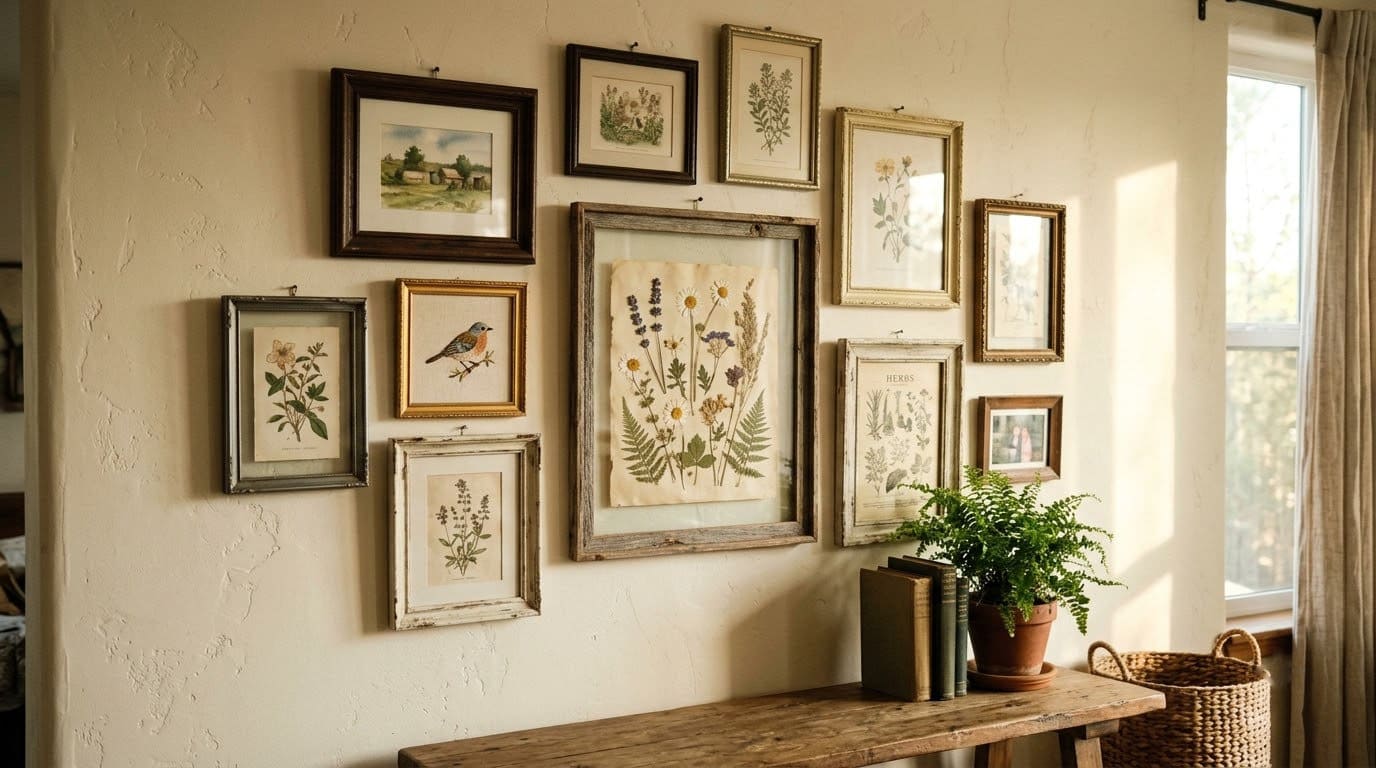
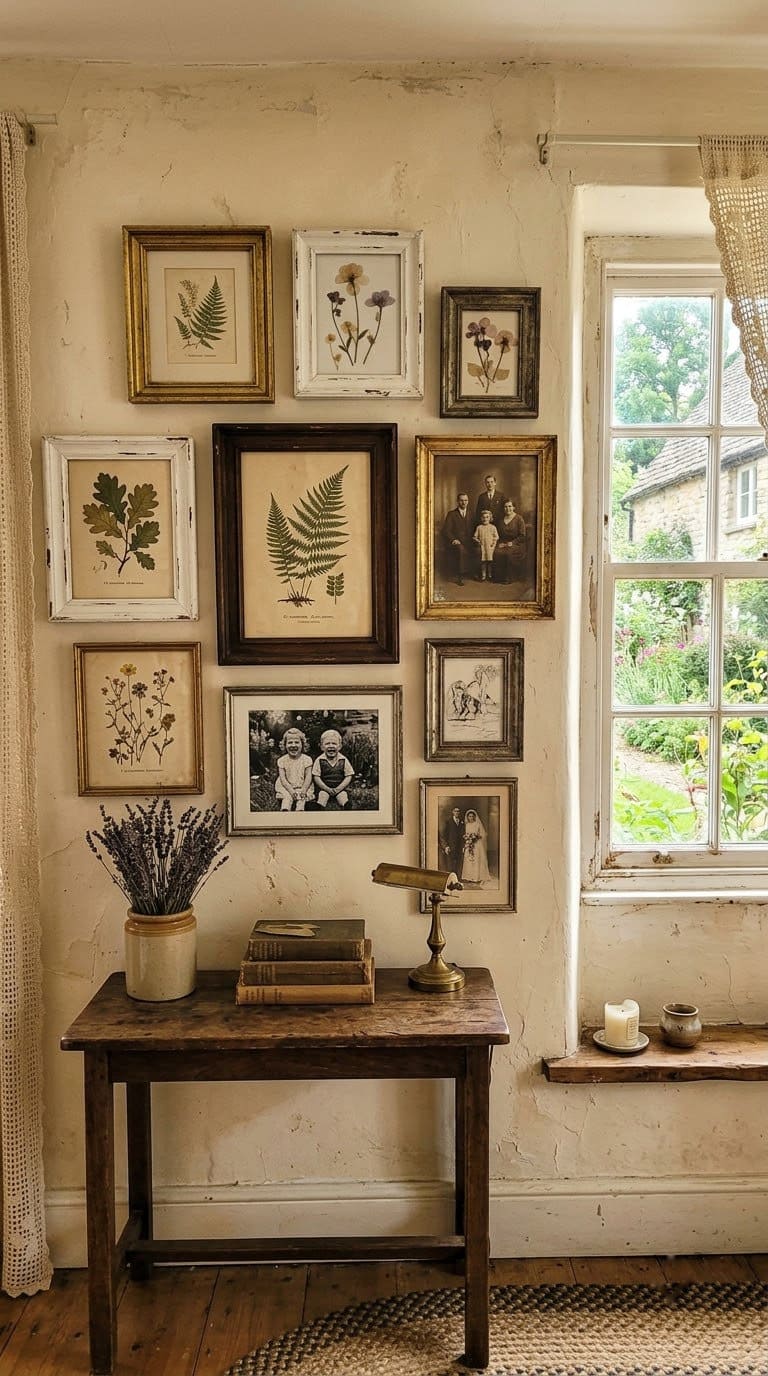
1. A wall of mismatched vintage frames
Don’t buy a matching gallery-wall kit. Go to estate sales, thrift stores, or your grandmother’s attic and pull frames that don’t match on purpose, gold leaf next to chipped white paint next to dark wood.

Instant kitchen or bathroom window swap, fully renter-safe
Shop NowThis post contains affiliate links. We may earn a commission on qualifying purchases at no extra cost to you.
Group them loosely around a center point rather than in a grid. Fill them with botanical prints, pressed flowers, or actual old family photos. The common mistake is spacing everything too evenly, real collected-over-time walls have tighter clusters in some spots and breathing room in others, so lay the frames on the floor first and shuffle them until the gaps look accidental.
Budget version: raid a thrift store’s frame bin for a couple dollars each and repaint the cheap gold plastic ones with a matte spray paint. Splurge version: actual antique frames with real gilt wood, which run $30-80 each but hold their value and look genuinely different from the mass-produced reproductions. Cost tag: Cheap DIY (Renter-safe with removable hooks).
2. An overstuffed reading nook by the window
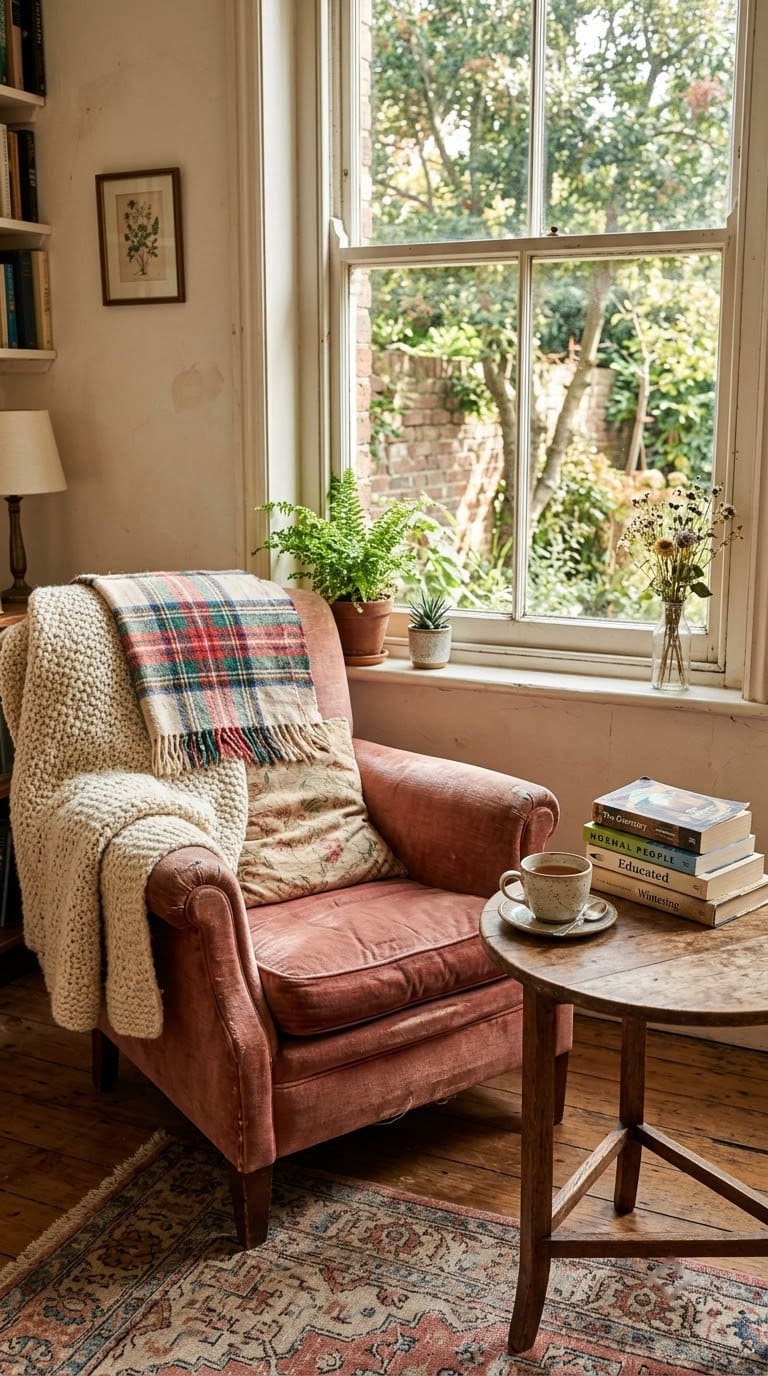
Cottagecore lives and dies on texture. Pull a slipper chair or a worn armchair toward the brightest window, pile on two throws in different textures (a chunky knit, a thin woven one), and add a small side table just big enough for a teacup and a stack of paperbacks.
Skip the matching furniture set entirely, matching furniture sets are honestly kind of boring in a room that’s supposed to feel collected over time.
A mistake worth avoiding: don’t push the chair flush against the wall under the window, angle it about 30 degrees so it reads as a considered spot rather than furniture parked wherever there was room.
Budget version: a secondhand armchair from a local resale shop, reupholstery isn’t required if the fabric is just worn, not torn. Splurge version: a proper reupholster job in a linen or velvet, which runs a few hundred dollars but turns a $40 estate-sale find into a piece that’ll outlast a store-bought one. Cost tag: Moderate (secondhand chair, new throws).
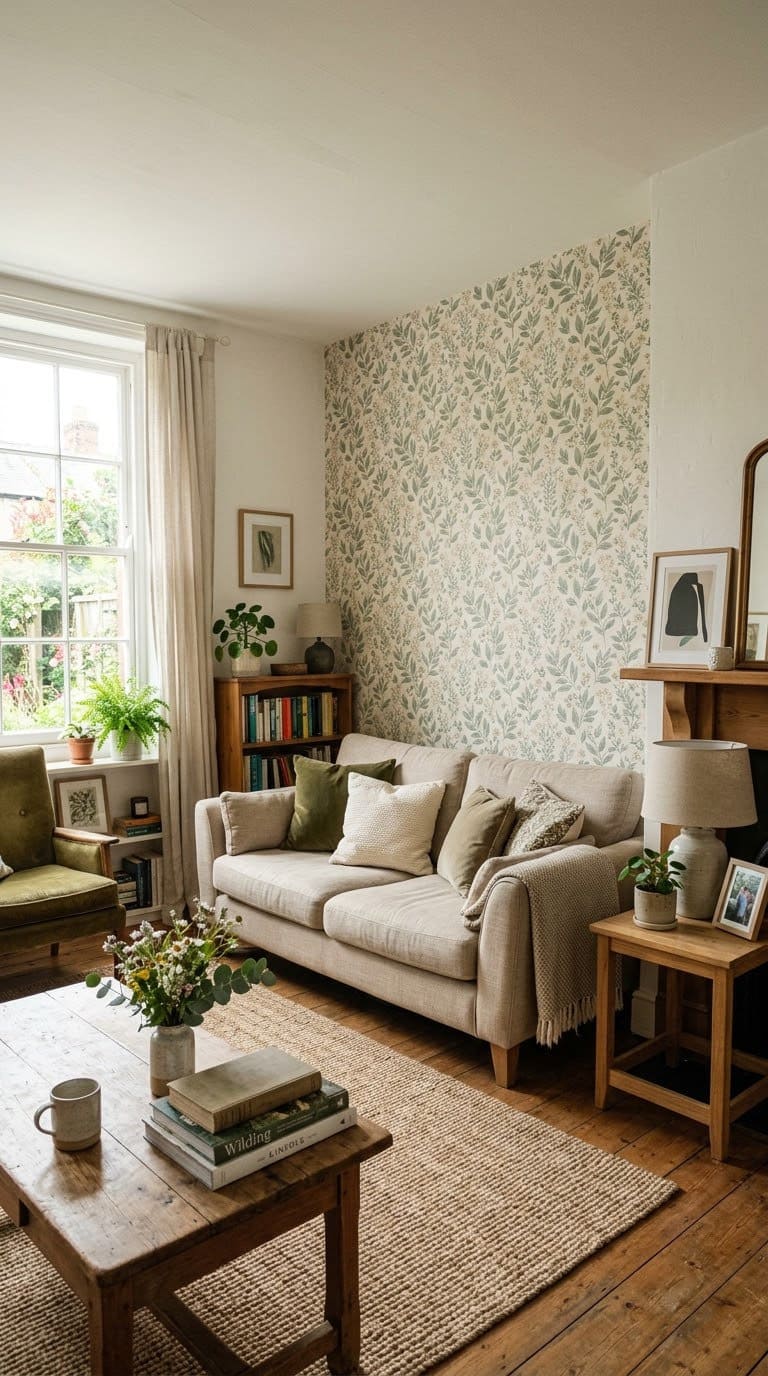
3. Botanical wallpaper on one accent wall only
A full room of floral wallpaper reads costume-party, not cozy. One wall, ideally the one behind a sofa or fireplace, keeps it from overwhelming a small space. Removable, peel-and-stick versions exist now and hold up fine for a couple of years, which matters if you’re renting.
The technique nuance that actually matters: prep the wall with a light sanding and a clean, dust-free surface first, peel-and-stick paper that goes up over dusty or glossy paint is the number one reason it bubbles or peels within months, not a defect in the product itself.

Budget version: peel-and-stick runs $30-50 per roll and needs zero tools beyond a smoothing card. Splurge version: traditional pasted wallpaper looks marginally richer in person and lasts decades, but it’s a real commitment you can’t undo at move-out. Cost tag: Moderate. Renter-safe (peel-and-stick only).
4. Open shelves stacked with mismatched ceramics
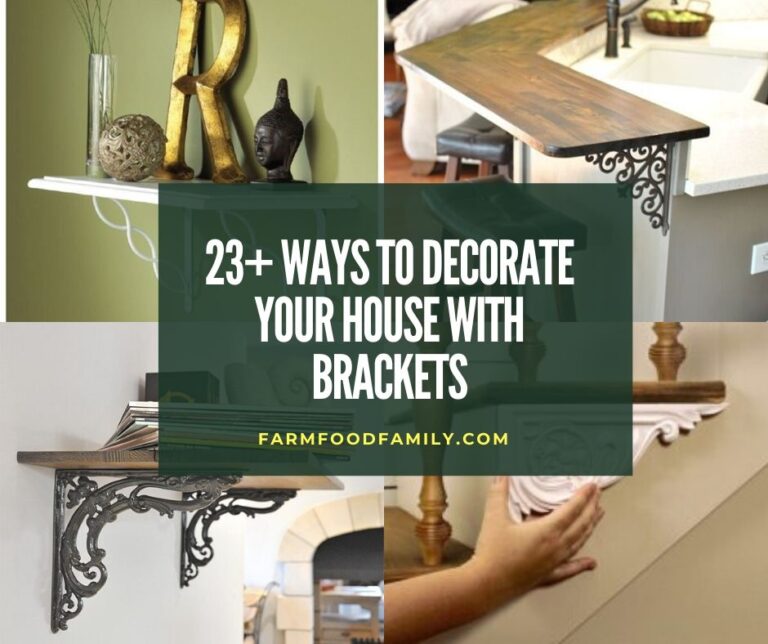
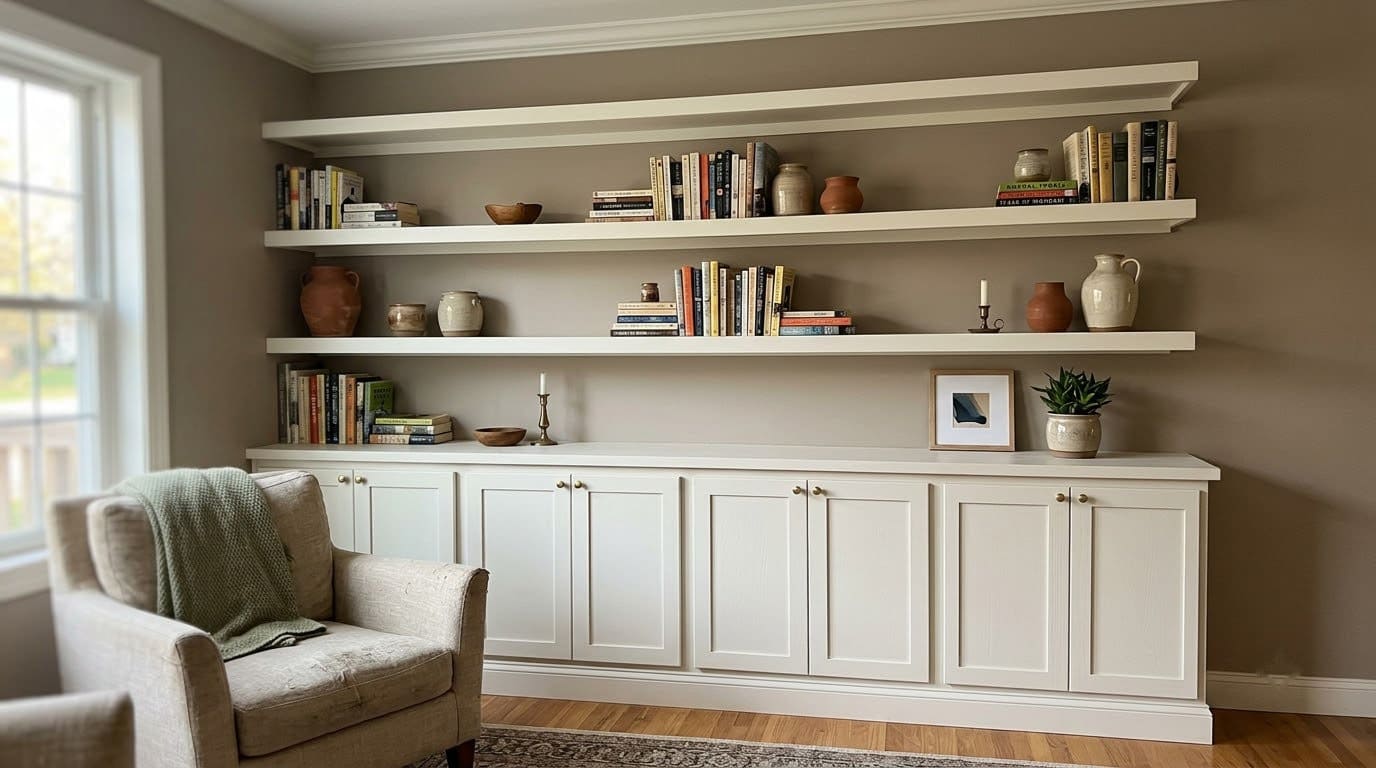
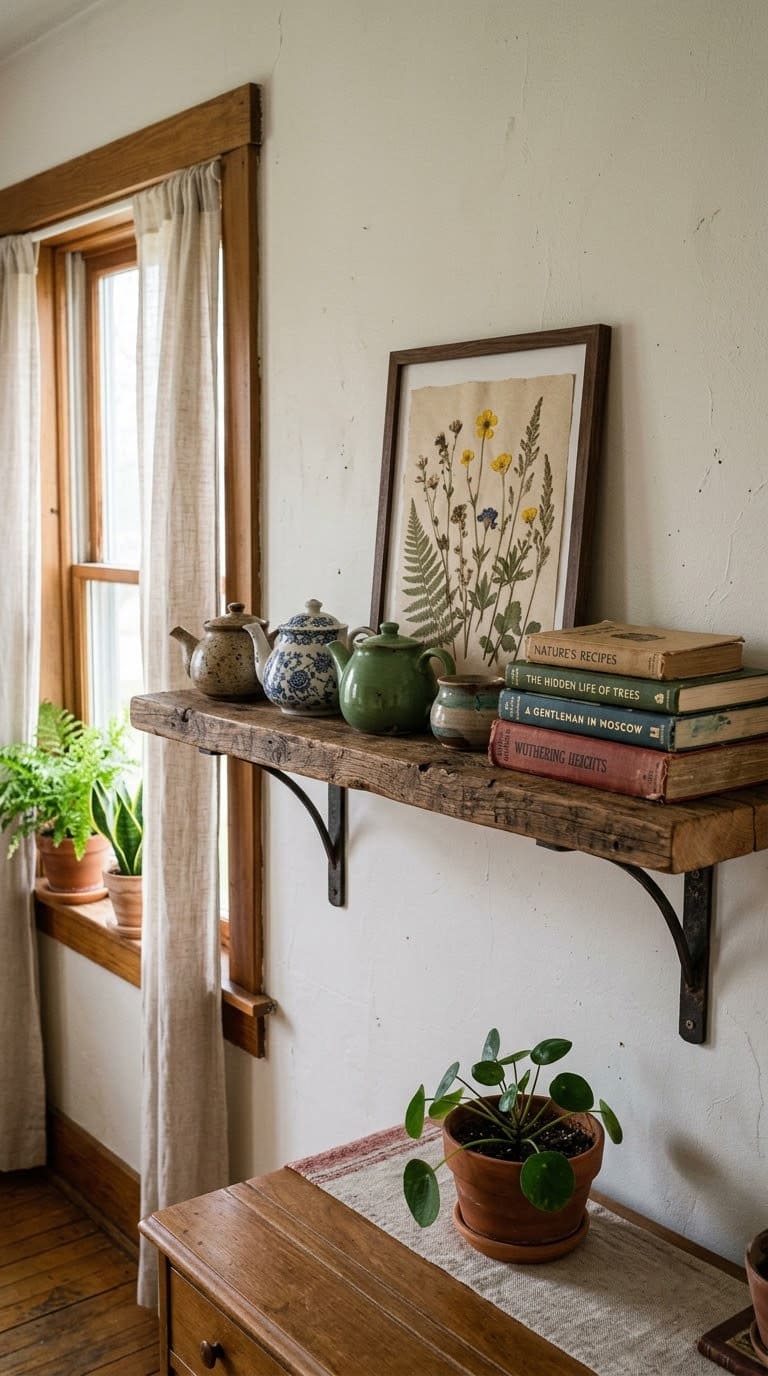
Skip built-in cabinets with doors. Open wood shelving, even a single reclaimed board on brackets, lets you display chipped teapots, a pressed-flower frame, and a stack of hardcovers without hiding any of it.
The slight imperfection of mismatched pieces is the actual point, don’t hunt for a matching set. Common mistake: overloading one shelf edge to edge, which just looks cluttered instead of curated, leave visible negative space between groupings of two or three items.
Budget version: a single pine board from a hardware store cut to length and a $15 set of iron brackets. Splurge version: a genuinely reclaimed barnwood plank with visible saw marks and nail holes, which costs more but does more of the visual work on its own.
Kitchen
5. Open shelving instead of upper cabinets
This is the single biggest kitchen swap for the look. Remove (or just leave empty) a run of upper cabinets and replace with two or three reclaimed wood shelves. Store everyday dishes, a jar of dried herbs, and one or two vintage pitchers there instead of behind closed doors.
Common mistake: doing this near the stove without a plan for grease, open shelving above a cooktop needs more frequent dish-washing since everything on it is exposed to cooking splatter, so keep it to a wall that isn’t directly over the burners if you can.
Budget version: leave the existing cabinet boxes in place and just remove the doors, save the hinges in case you sell the house. Splurge version: a full cabinet-to-shelf conversion with new floating brackets and fresh paint on the wall behind, which is real carpentry work, not a weekend project.
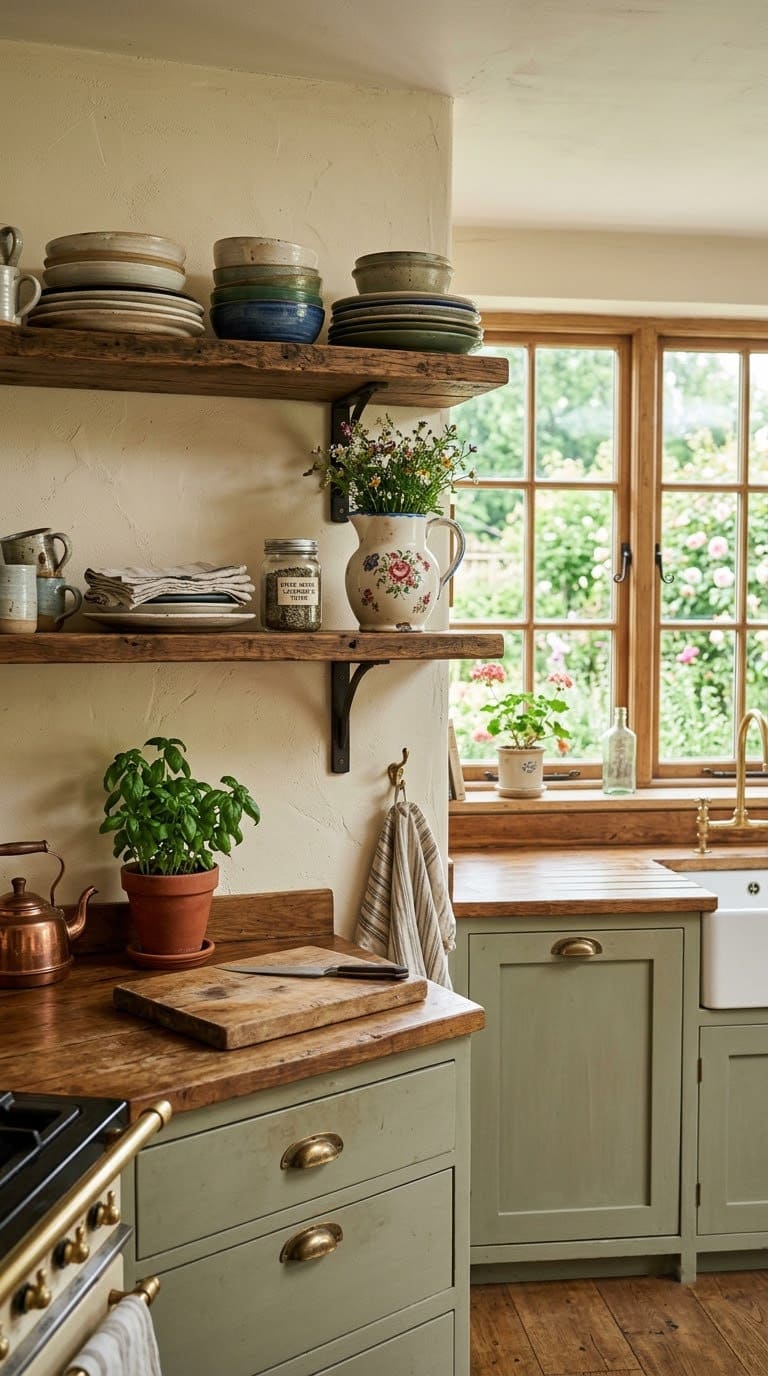
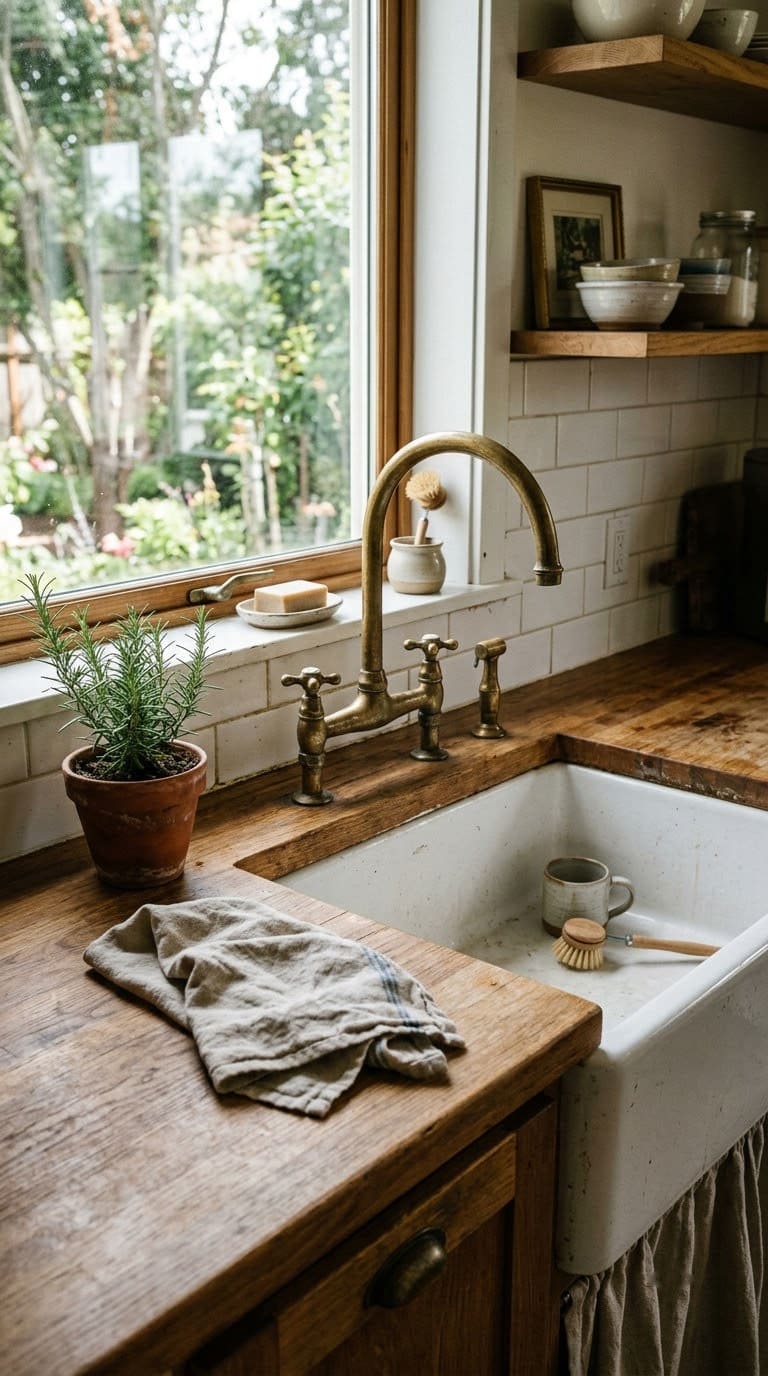
6. A farmhouse sink with a gooseneck faucet
A deep, apron-front farmhouse sink is one of the few genuinely shared elements between cottagecore and farmhouse kitchens, and it earns its keep because it’s actually useful for washing garden vegetables or big stockpots.
Pair it with a simple gooseneck faucet in an aged brass or matte black finish rather than chrome, which reads too modern for the rest of the room. This is a real plumbing job, not a weekend swap, an apron-front sink usually needs new cabinet framing to support its weight and exposed front panel, so budget for a plumber’s time even if you’re comfortable with basic DIY.
Budget version: a fireclay or cast-iron reproduction sink starts around $300-500. Splurge version: a genuine antique soapstone or original farmhouse sink, which can run well over $1,000 once you factor in resealing and fitting it to modern plumbing.
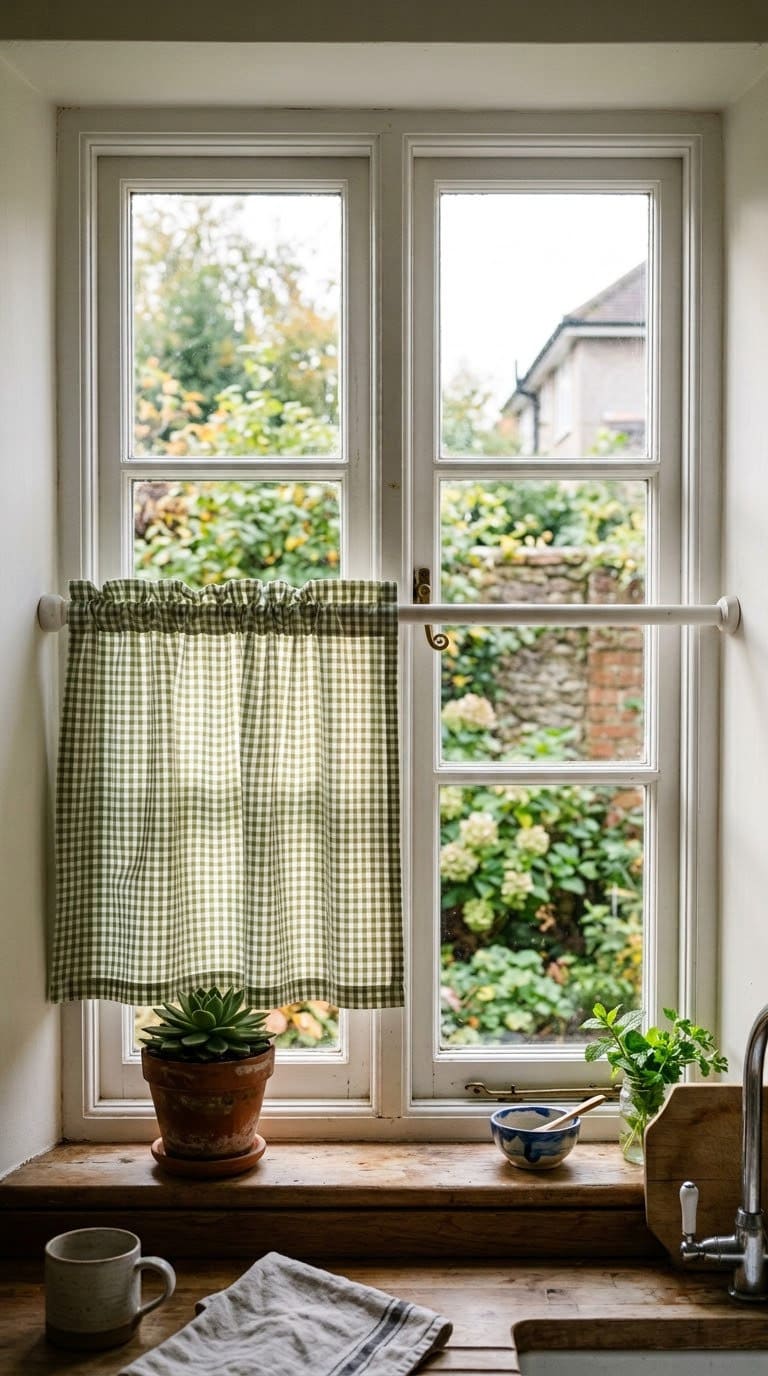
7. Gingham or floral cafe curtains instead of blinds
Swap vertical blinds for a short gingham or small-floral cafe curtain on a simple tension rod, covering just the lower half of the window. It’s cheap, it’s fully renter-safe since nothing gets drilled, and it does more for the mood of a kitchen than almost anything else on this list.
Common mistake: hanging the rod too close to the glass, leave an inch or two of clearance so the fabric can billow slightly instead of lying flat against the window like a stuck-on decal.
Budget version: a pre-made cotton cafe curtain panel for under $20. Splurge version: have a set custom-sewn in a heavier linen-cotton blend that drapes better and doesn’t yellow from sun exposure as fast as cheap synthetic blends do. Cost tag: Cheap DIY. Renter-safe.
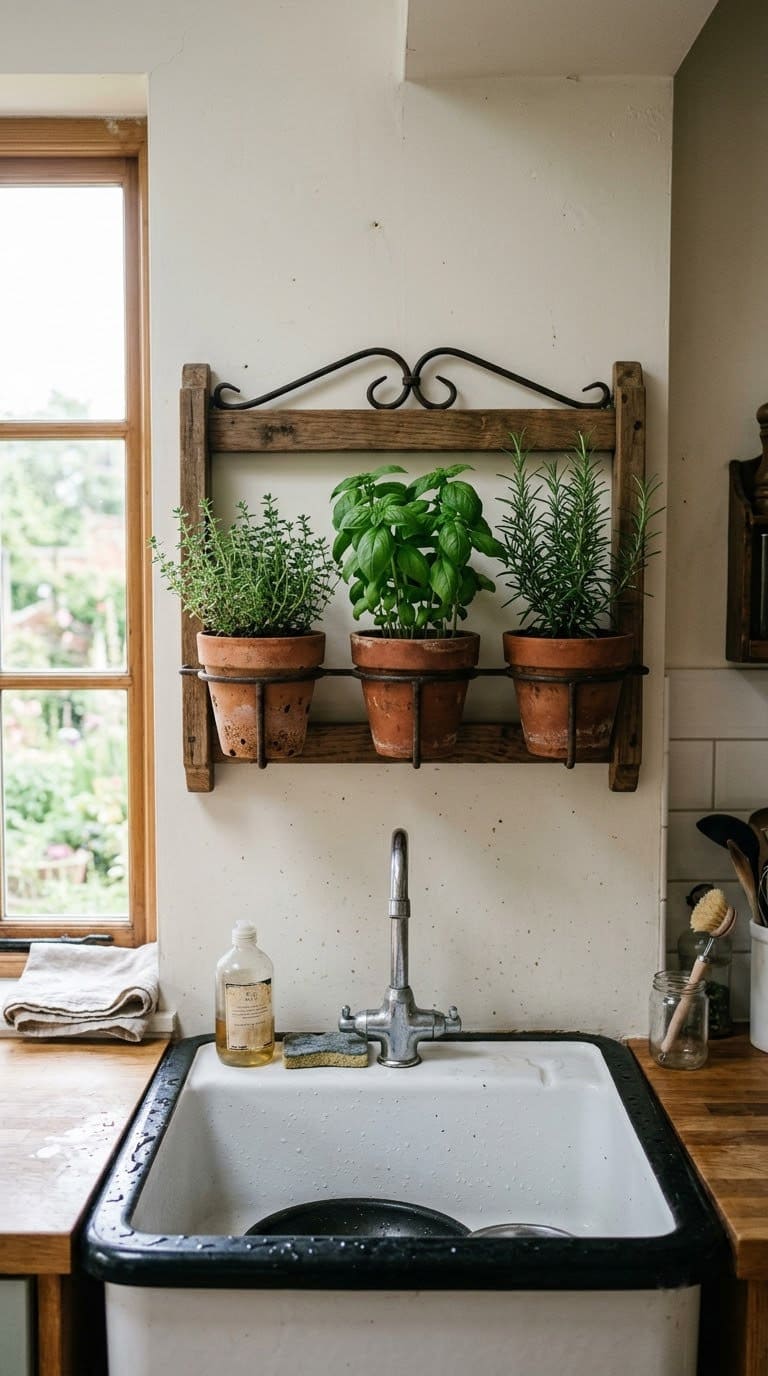
8. A hanging herb garden above the sink or window
Small terracotta pots on a simple wall-mounted rack, or even just a windowsill row, put fresh thyme, basil, and rosemary within arm’s reach. It’s decor and it’s dinner. Snip what you need and the pot refills itself over a season, which is a nice bit of quiet satisfaction if you’ve never grown anything before.
Common mistake: overwatering basil specifically, it wants the top inch of soil to dry out between waterings, and a saggy basil plant is almost always drowning, not thirsty.
Budget version: unglazed terracotta pots at a couple dollars each and cuttings from a friend’s plant instead of buying starts. Splurge version: a proper glazed wall-mounted planter system with a drip tray, which looks tidier over the sink but costs several times as much as loose pots.
Bathroom
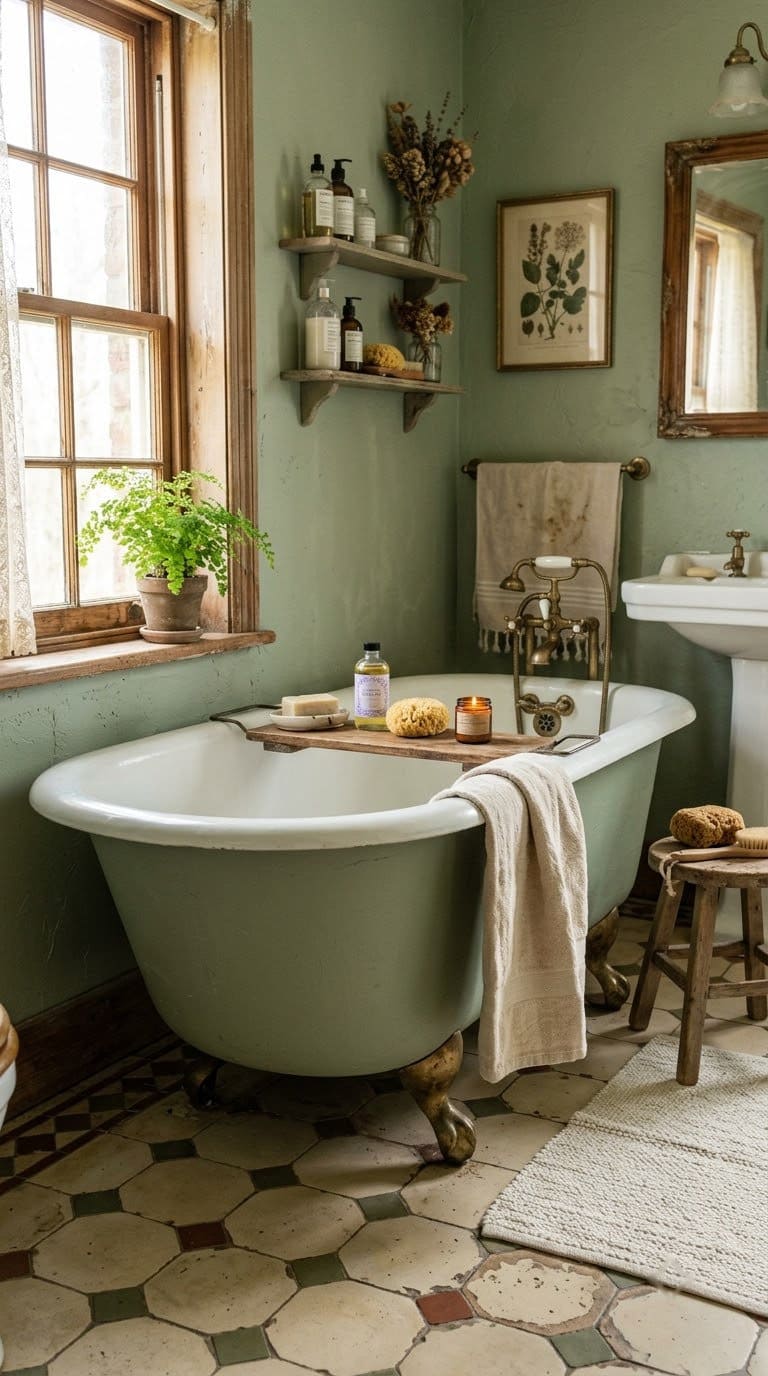
9. A clawfoot or slipper tub as the centerpiece
If your bathroom layout allows it, nothing signals cottagecore faster than an old-style clawfoot or slipper tub. You don’t need an antique original, reproduction versions in cast iron or acrylic exist at every price point. Paint the exterior a soft sage or leave it white and let the shape do the work.
Common mistake: not checking floor weight capacity before installing a real cast-iron tub, a full one can weigh close to 500 pounds with water and a person in it, which is fine on a slab foundation but worth confirming with a contractor on an older upper-floor bathroom.
Budget version: an acrylic reproduction, which is a fraction of the weight and cost of cast iron and still gets the silhouette right. Splurge version: a genuine restored antique cast-iron tub, heavier, colder to the touch until the water’s been running a minute, and usually the single most expensive item in a cottagecore bathroom remodel.
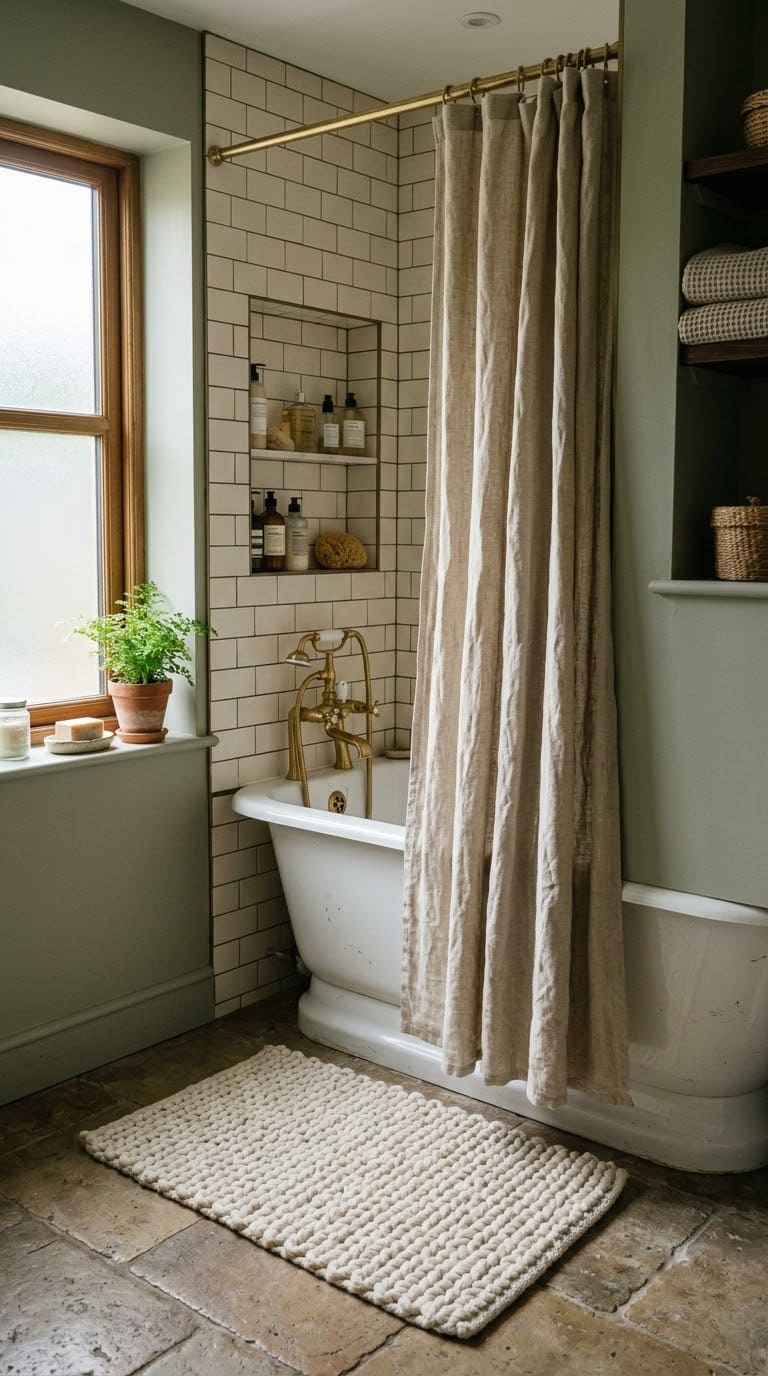
10. Linen shower curtains and woven bath mats
Skip vinyl. A heavyweight linen or cotton shower curtain and a chunky woven bath mat swap out the plastic-and-chrome bathroom feel for something that looks more like a farmhouse guest room.
Both are fully renter-safe since they’re just textiles you bring with you. Common mistake: skipping a plastic liner behind the linen curtain, cotton and linen aren’t waterproof on their own, so you still need a basic liner or the fabric one will mildew fast.
Budget version: a cotton curtain and a separate $8 liner from any home store. Splurge version: a heavier Belgian linen curtain with a built-in water-resistant weave, pricier but skips the visible liner altogether. Cost tag: Cheap. Renter-safe.
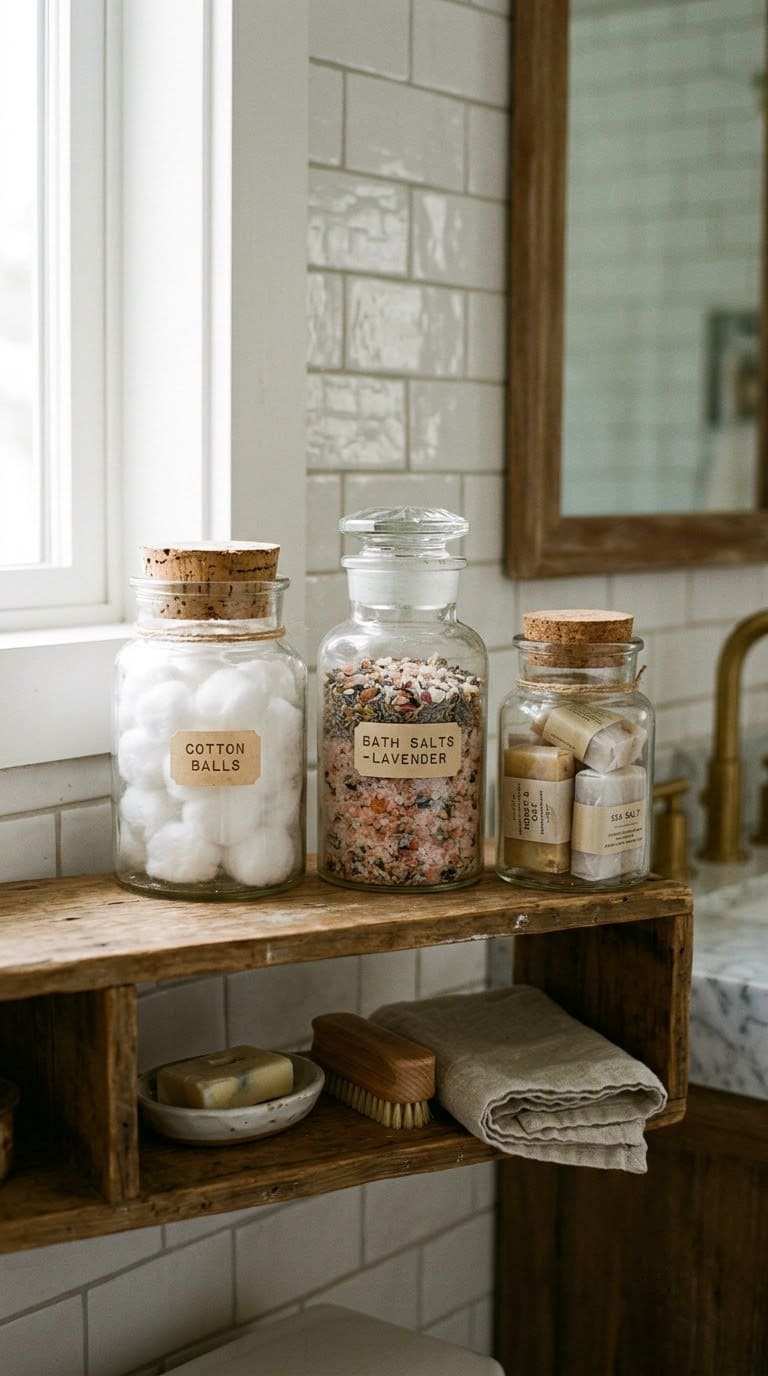
11. Vintage glass apothecary jars for bathroom storage
Cotton balls, bath salts, and spare soap look like clutter in plastic bins and look intentional in old glass apothecary jars. Thrift stores are full of these for a few dollars each.
Line three or four up on an open shelf or the back of the toilet tank. Common mistake: storing bath salts or anything with essential oils in a jar with a metal lid, the oils can corrode cheap metal over time, glass or cork lids hold up better long-term.
Budget version: repurposed spice jars or old candle jars with the labels soaked off. Splurge version: real vintage pharmacy jars with etched glass labels, which run more but genuinely look different from anything mass-produced today.
Entryway, nooks, and workspace
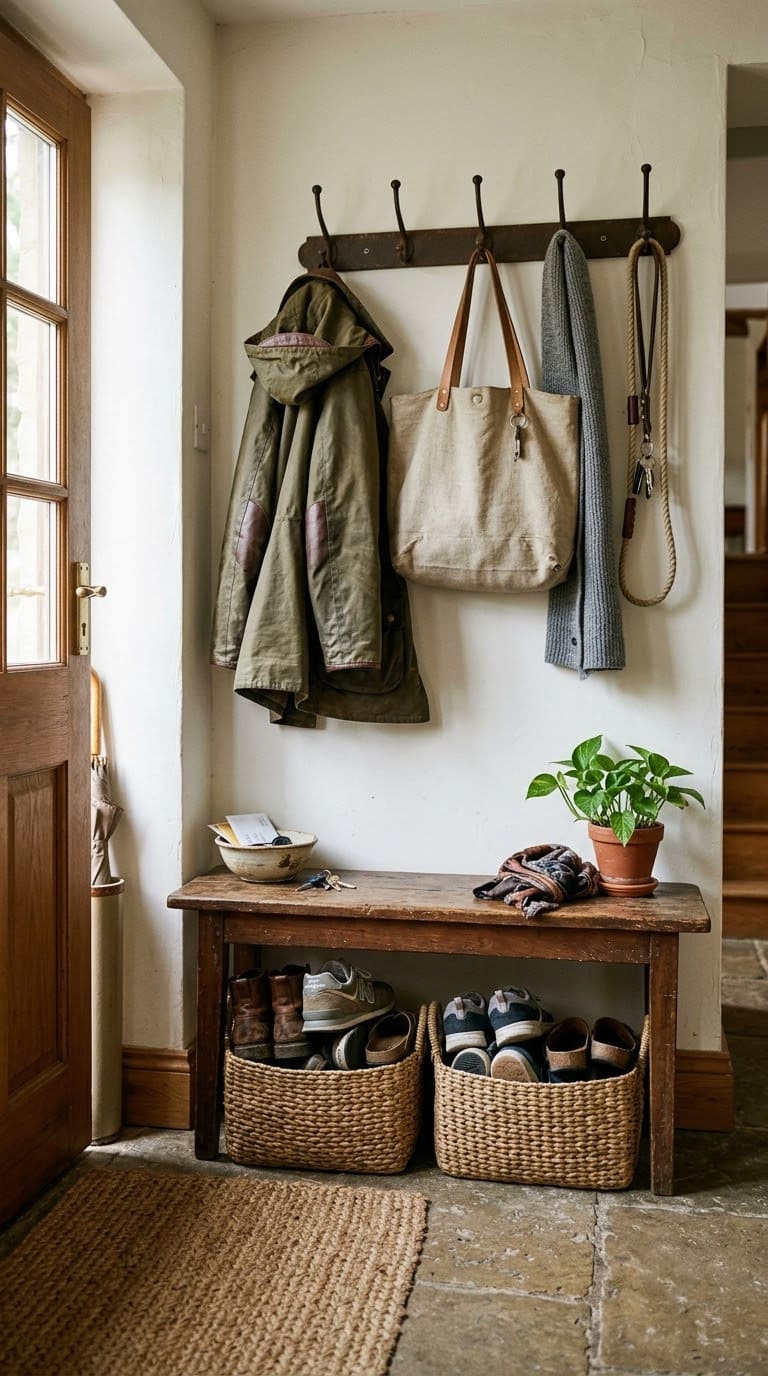
12. A mudroom bench with woven baskets underneath
A simple wood bench (even a repurposed one) with two or three woven baskets tucked underneath handles shoe storage without a single piece of hardware store plastic in sight.
Add a row of wall hooks above for coats and bags. Common mistake: buying baskets that are too tall for the space under the bench, measure the clearance first, a basket that doesn’t slide freely just becomes a stubbed-toe hazard.
Budget version: an old bench from a curbside find or thrift store, sanded and left as-is or given one coat of wax. Splurge version: a built-in mudroom bench with matching cubbies, real carpentry, but it solves the shoe-clutter problem far more permanently than baskets ever will.
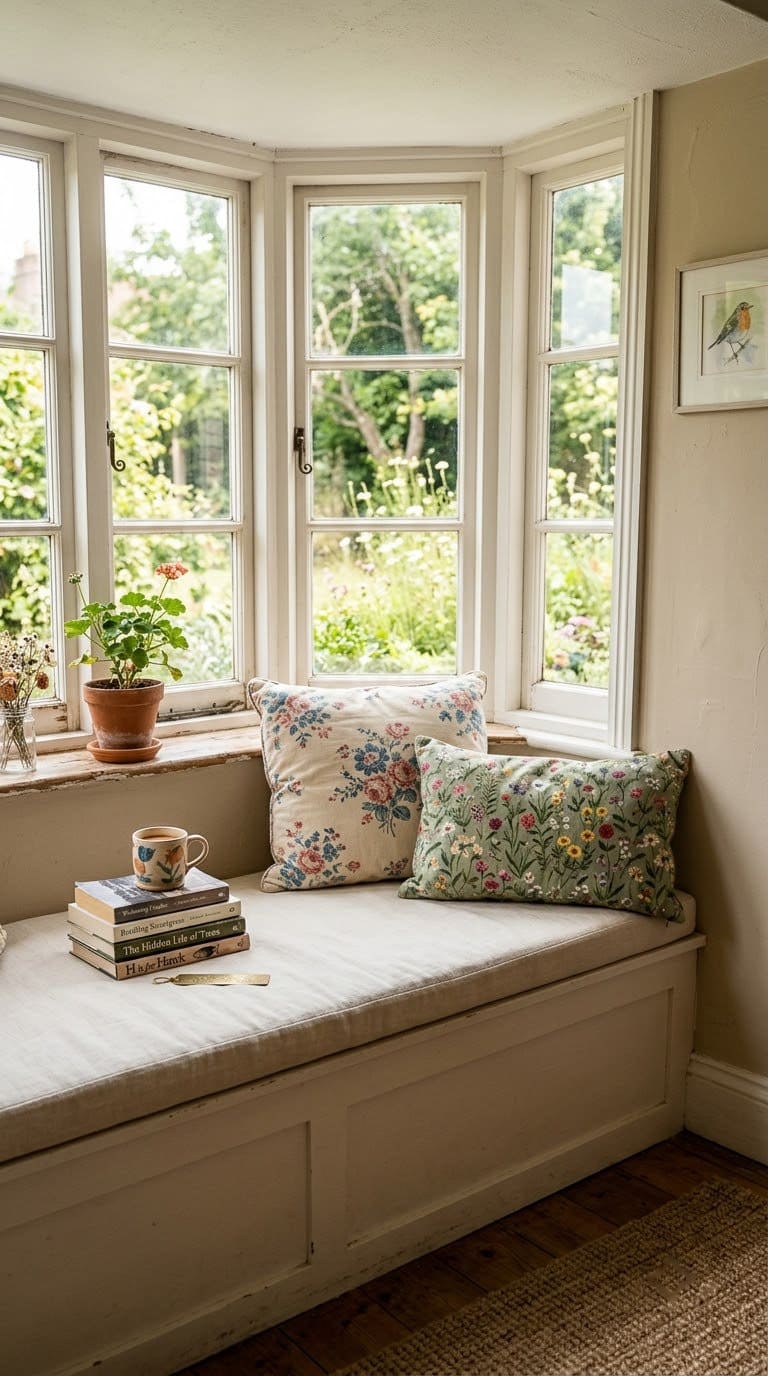
13. A window seat cut into an odd corner
Every older house has one weird nook, under a staircase, in a bay window, at the end of a hallway. Build or buy a simple bench cushion for it, layer two throw pillows in different florals, and it becomes the reading spot everyone actually fights over.
Common mistake: measuring the nook once and ordering a cushion online without accounting for baseboard trim eating into the width, measure twice and account for at least half an inch of clearance on each side.
Budget version: a foam cushion insert cut to size and a thrifted fabric cover. Splurge version: a custom-upholstered cushion that wraps the exact contour of the nook, which looks noticeably more finished but costs several times more than a DIY version.
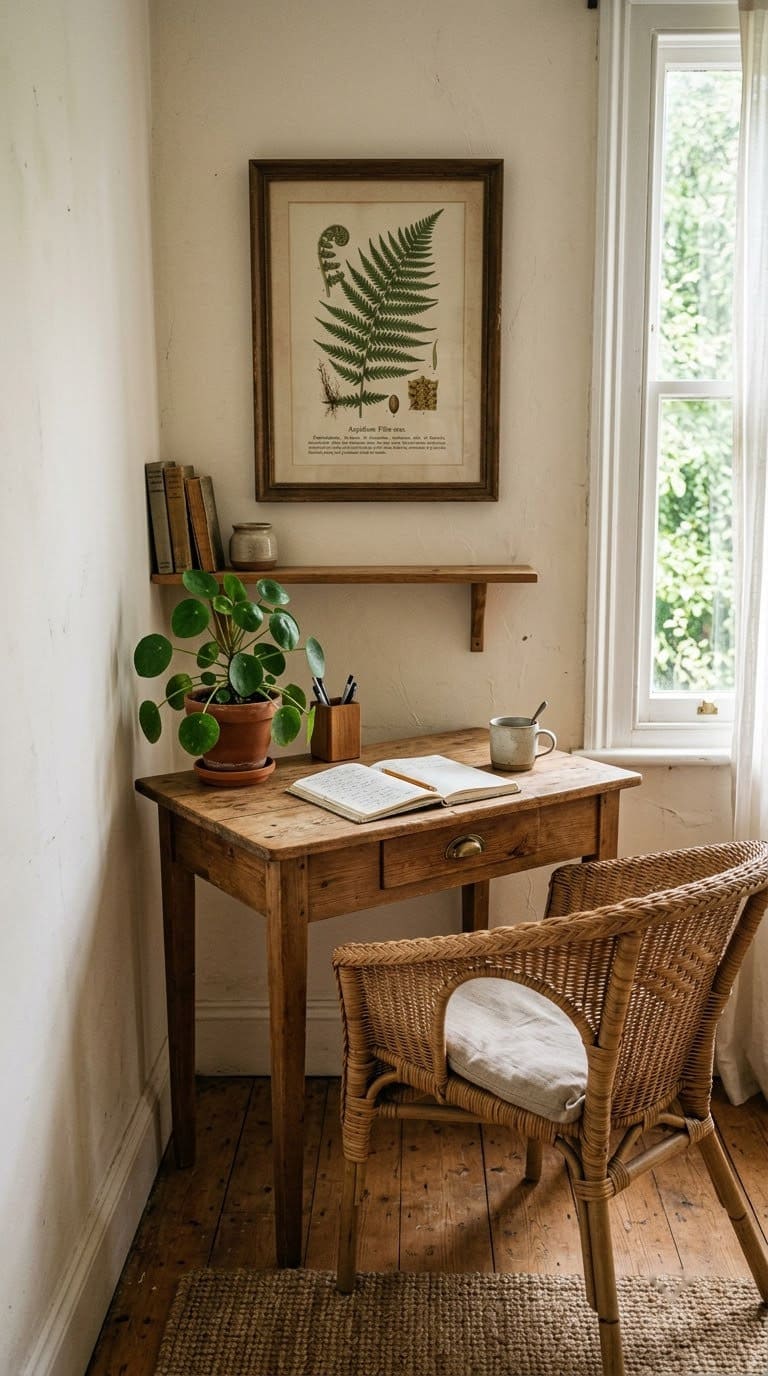
14. A cottagecore home office corner
Work-from-home doesn’t have to mean a sterile desk setup. A small wood writing desk, a woven chair, a single potted plant, and real paper on the wall (a botanical print, a handwritten recipe framed) turns a corner of a bedroom or living room into somewhere you’d actually want to sit for eight hours.
Common mistake: picking a desk that looks charming but is too shallow for a laptop and a notebook side by side, aim for at least 24 inches of depth or you’ll be pushing things off the edge constantly.
Budget version: a secondhand writing desk and a $40 woven-back chair from a discount furniture store. Splurge version: a genuine antique writing desk with a fold-down front and small drawers, which adds real storage the cheap versions don’t have.
Bedroom (the short version)
The bedroom is where cottagecore usually gets its full spotlight, quilts, canopy beds, pressed botanical art, layered vintage linens. Rather than repeat all of that here, two quick ideas:
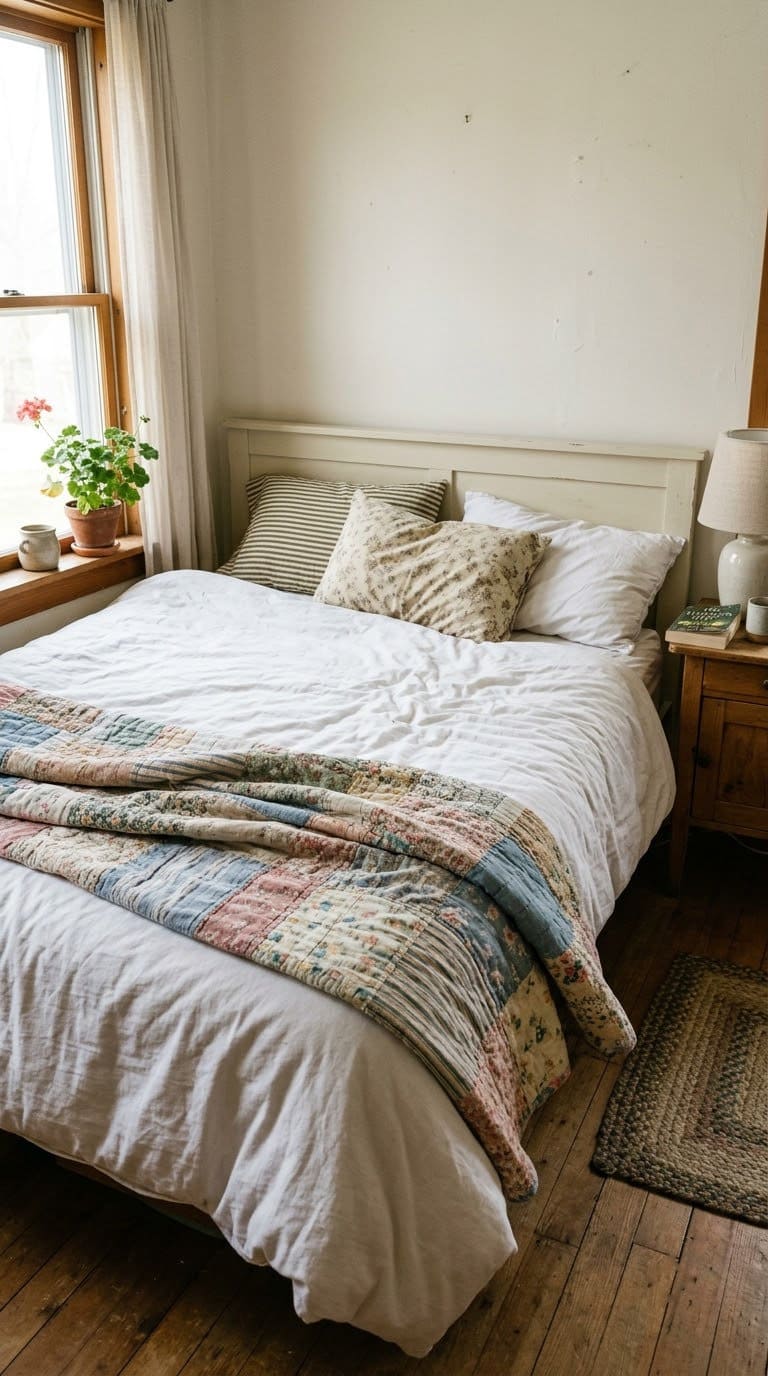
15. Layered vintage-style quilts over a plain duvet
Even a modern, plain white duvet looks cottagecore instantly once you layer a real (or reproduction) patchwork quilt folded across the foot of the bed.
Common mistake: draping the quilt full-length over the whole bed, which just hides the duvet underneath and reads as one flat layer instead of two, fold it to about a third of the bed’s length so both textures show.
Budget version: a machine-quilted reproduction from a home store, usually under $60. Splurge version: an actual hand-stitched vintage quilt, which shows real wear and construction detail a machine-made version can’t fake, but can run several hundred dollars depending on age and condition.
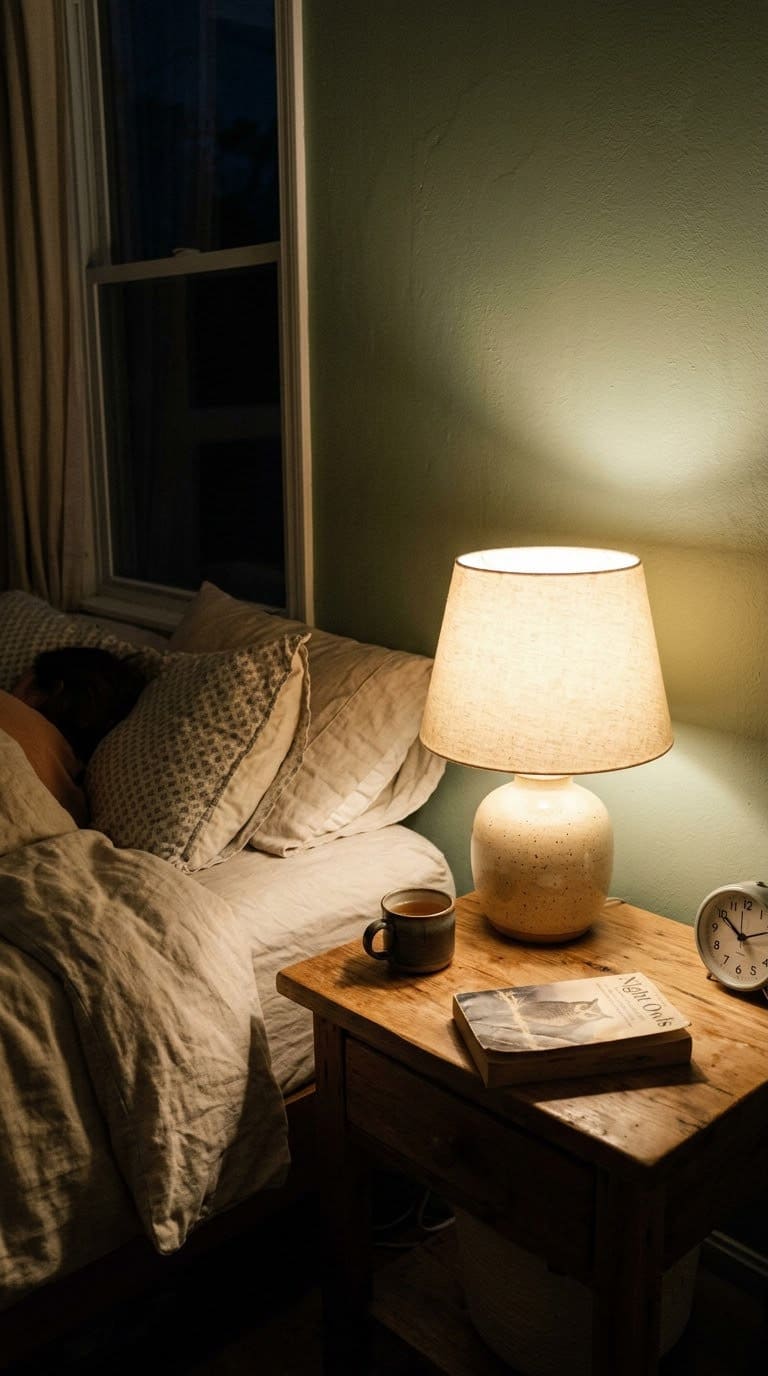
16. A small reading lamp with a fabric shade, not overhead lighting
Skip the ceiling fixture as your main light source. A single warm-toned lamp with a fabric or ribbed glass shade on a nightstand does more for the mood in five minutes than any overhead fixture will.
Common mistake: using a cool-white or daylight bulb in a warm fixture, it undoes the whole effect instantly, stick to a warm 2700K bulb.
Budget version: a secondhand ceramic lamp base with a new $15 fabric shade. Splurge version: an actual antique oil-lamp-style fixture rewired for electricity, which costs more but has a genuinely different silhouette than anything sold new.
For the full room-by-room breakdown, canopy options, and about a dozen more bedroom-specific ideas, see our dedicated cottagecore bedroom ideas guide.
Porch, entrance, and exterior facade
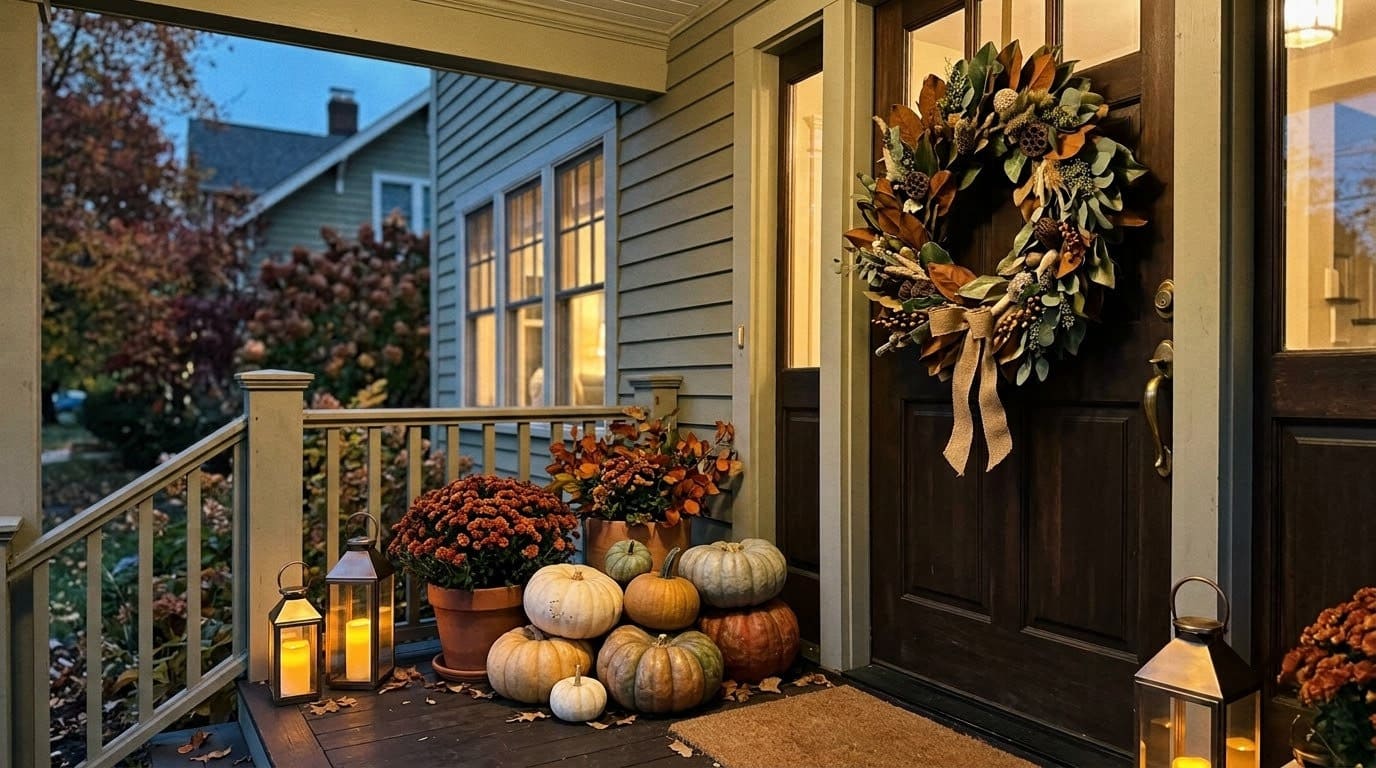
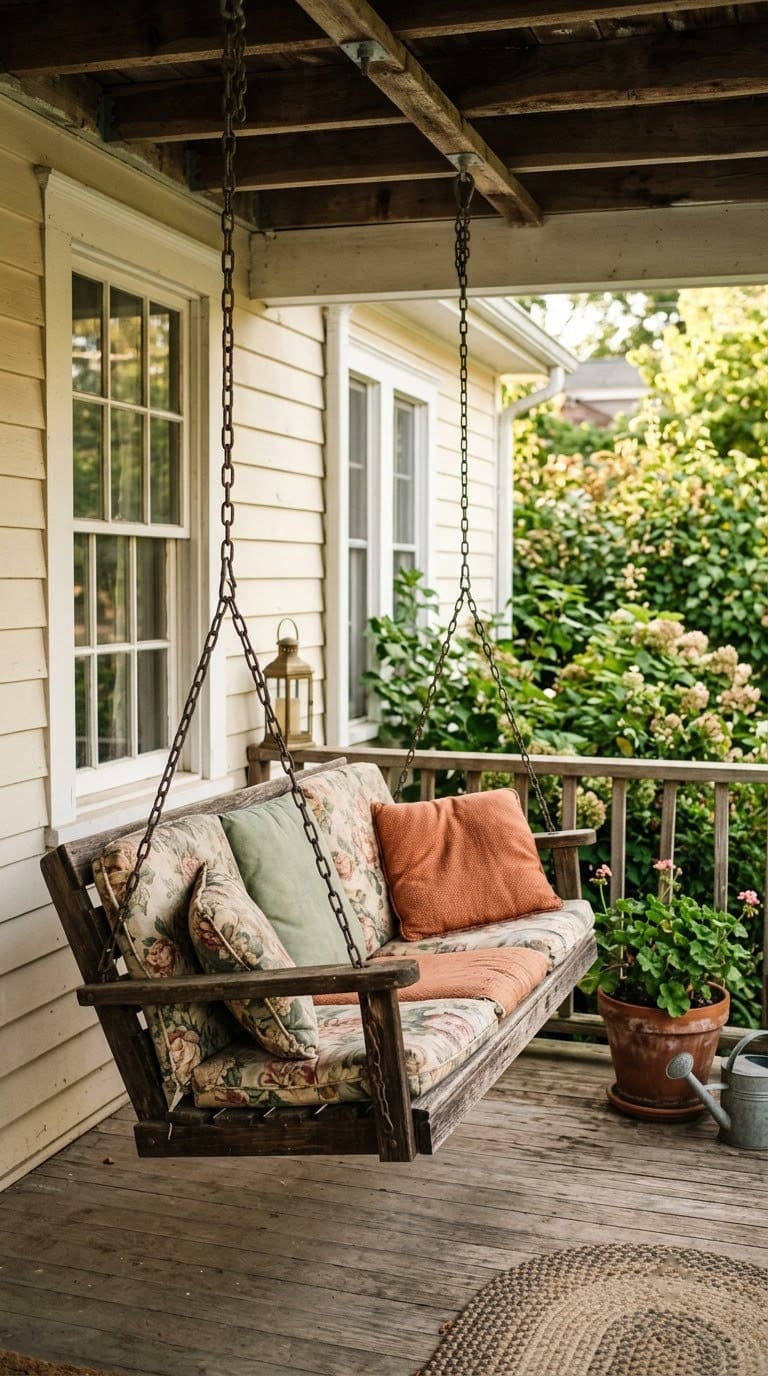
17. A wraparound or partial porch with a swing
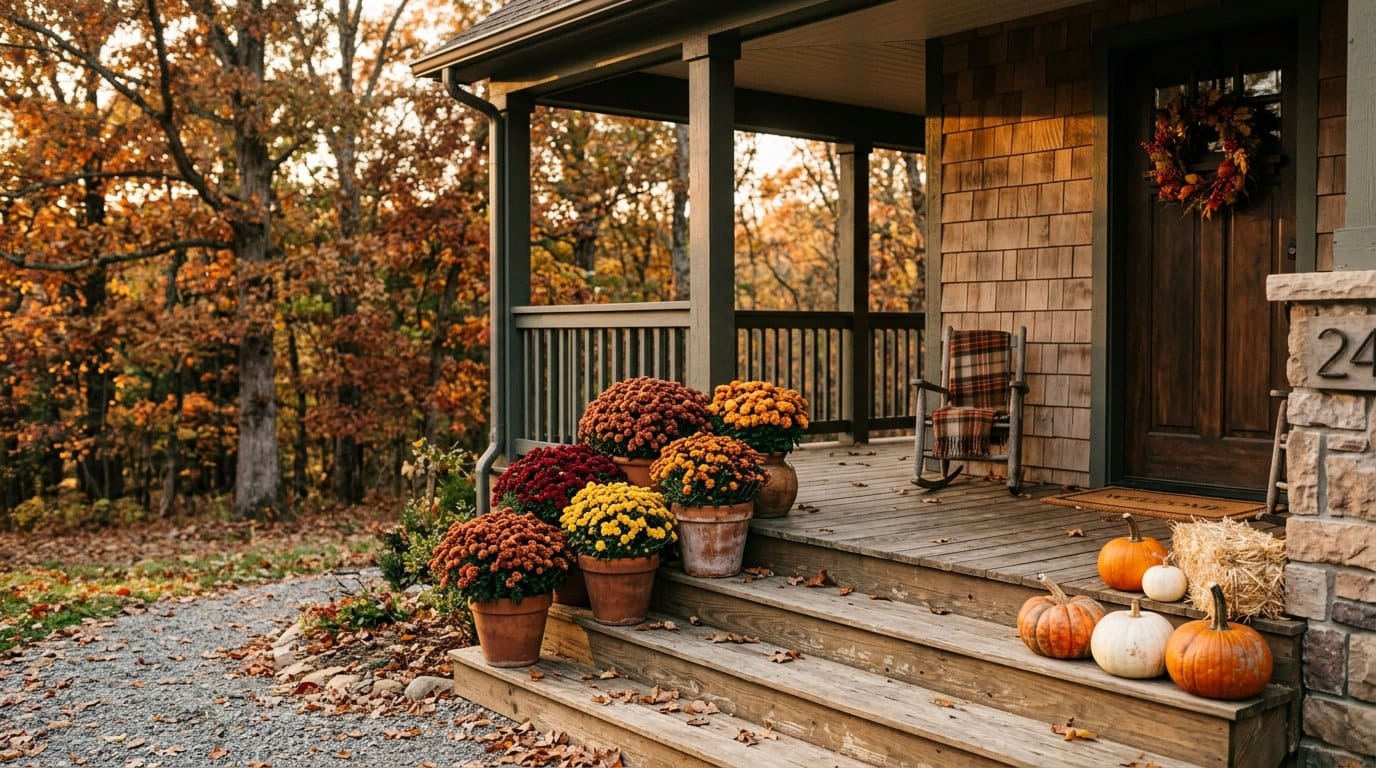
If your house has a porch at all, this is the highest-impact exterior move on the list. A simple wood porch swing, hung from the ceiling joists (not a freestanding frame, which reads more suburban patio than cottage), paired with a couple of mismatched outdoor cushions.
Common mistake, and a genuinely dangerous one: hanging a swing from joists that weren’t sized to carry the load, a full swing with two adults can put several hundred pounds of dynamic (swinging) force on the mounting point, which is more than a static weight rating suggests. Have a contractor confirm the joists and use proper rated eye bolts, not just deck screws, before anyone sits down.
Budget version: a basic wood-slat swing kit under $150 plus your own chain and hardware. Splurge version: a cushioned porch swing bed, wider and deeper, built to actually nap in, not just sit on.
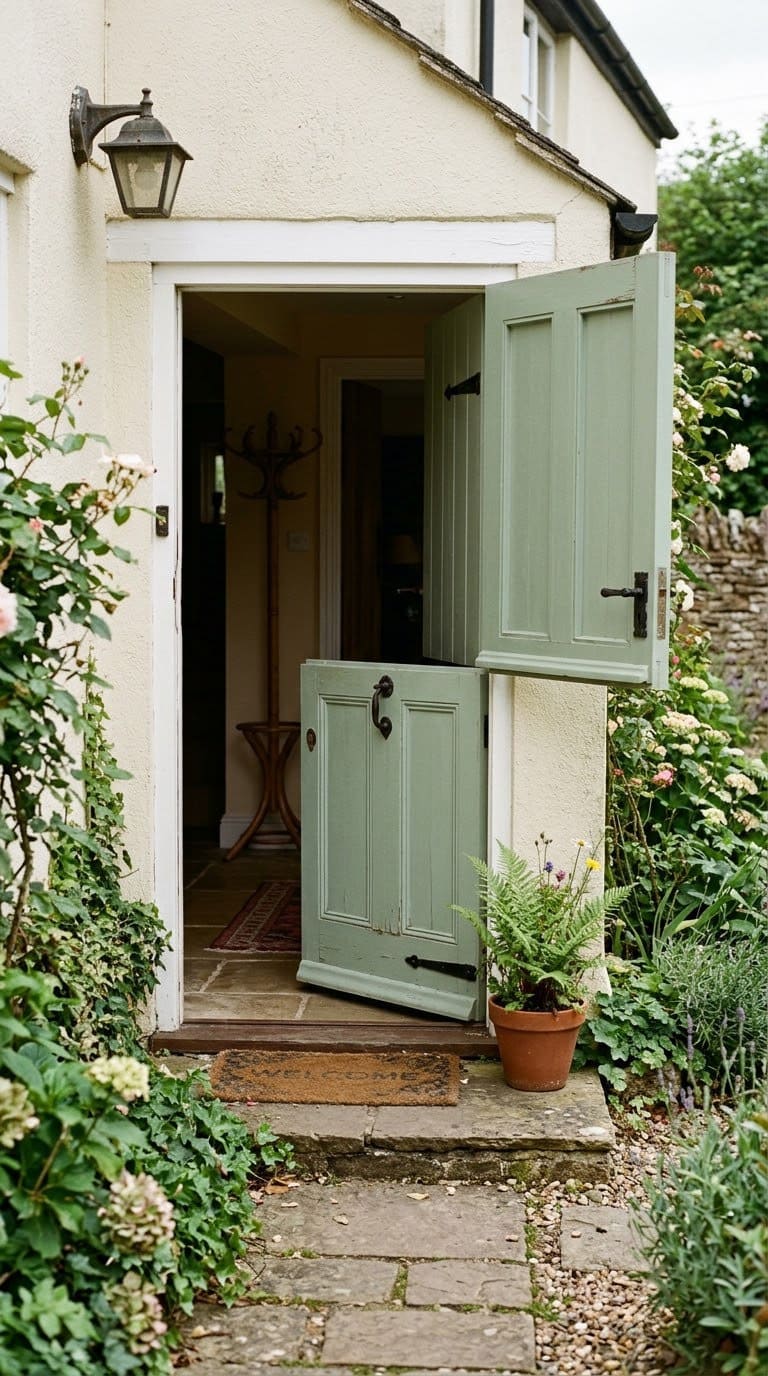
18. A dutch door at the front or kitchen entrance
Splitting a front or side door horizontally so the top half can open independently is a genuine period detail, not just decor. It lets in air and light while keeping small kids or pets contained, which is a real functional upside, not only a look.
Common mistake: assuming any existing door opening can take a dutch door without changes, the horizontal split needs extra internal framing and hardware most standard doors don’t have, so this is usually a full door replacement, not a retrofit.
Budget version: a mid-range fiberglass dutch door, which mimics the look without the maintenance a real wood one needs. Splurge version: solid wood with a proper weather-sealed astragal between the two halves, better insulated but pricier and needs occasional resealing.
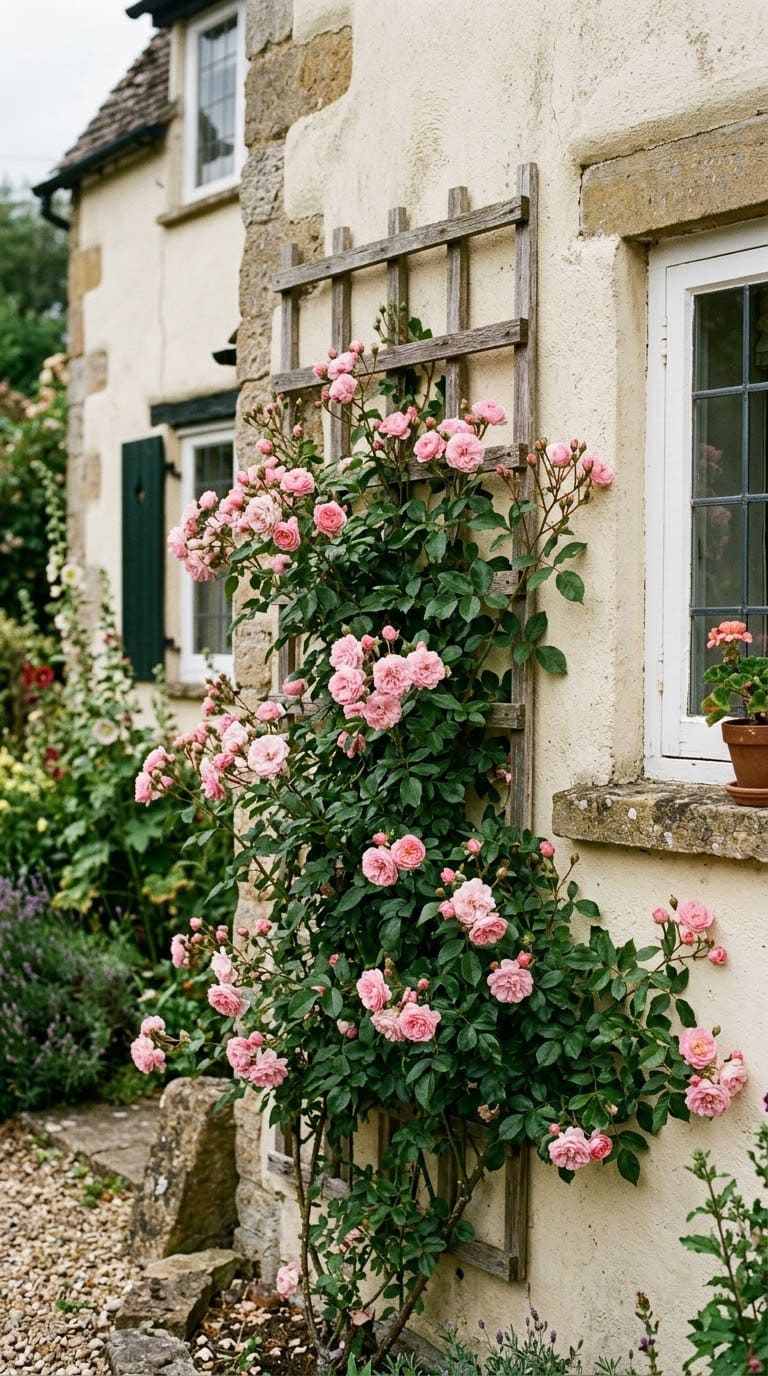
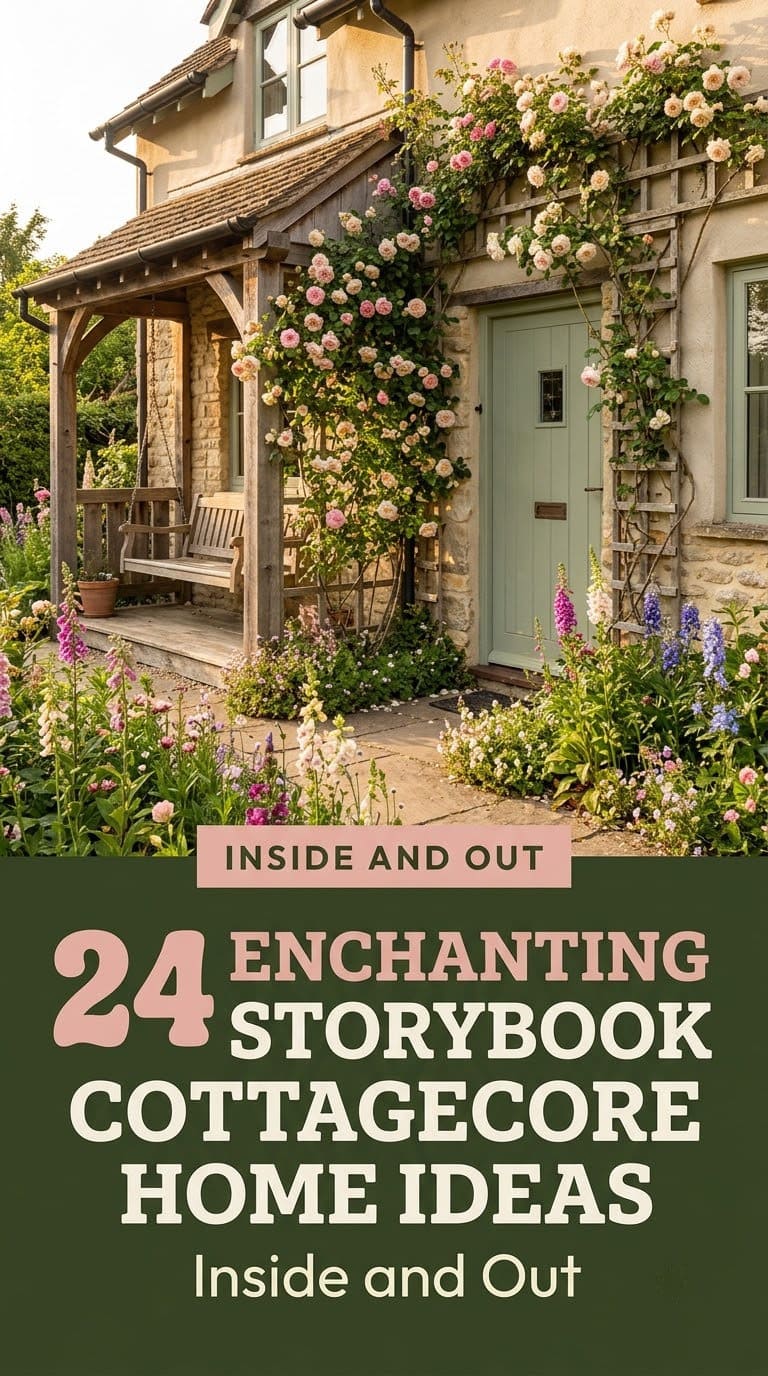
19. Climbing vines or a rose trellis on the facade
Climbing roses, clematis, or even fast-growing annual vines like morning glory trained up a simple trellis against the front wall soften a plain facade more than almost anything else you could do to the outside of the house.
Give it a season or two to actually fill in, this isn’t an instant fix. But it’s worth the wait, a bare facade with one full season of climbing roses looks like a completely different house.
Common mistake: mounting the trellis flush against the wall, which traps moisture behind the vine and can lead to paint damage or wood rot over a few seasons, leave a couple inches of standoff space so air can circulate.
Budget version: annual vines like morning glory, which fill in fast in one season but need replanting every year. Splurge version: an established climbing rose from a nursery in a 3-5 gallon container, which costs more upfront but skips a couple years of waiting for a young plant to mature.
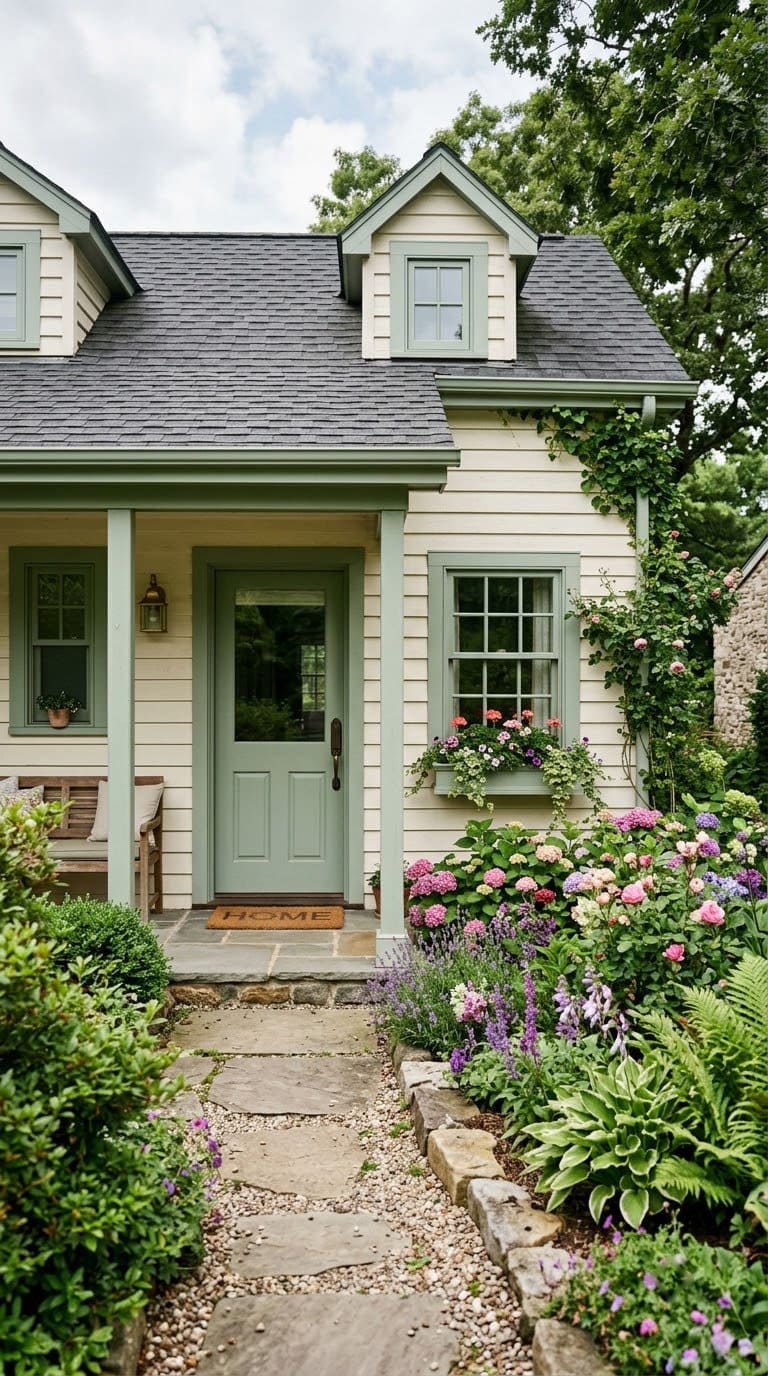
20. Soft, unexpected exterior paint colors
This is where the HOA question comes up most. Sage green, dusty blue, or a warm cream on the exterior trim or front door reads cottagecore instantly, but if you live in a community with a homeowners association, check your CC&R documents before you buy paint.
Many HOAs keep a pre-approved color list specifically to control exactly this kind of choice. If your desired color isn’t on the approved list, most HOA architectural review boards will still consider a written request with paint swatches attached, it’s usually not an outright ban, just a process you have to go through first.
Common mistake: painting a large test swatch directly on the facade before getting sign-off, if the board rejects it you’ve now got a visible patch to repaint over, test on a scrap board or a small hidden spot instead.
Budget version: a quart of quality exterior paint on the front door alone, the single highest-impact, lowest-cost color change on this whole list. Splurge version: a full facade repaint in a custom-mixed sage or dusty blue, which needs a professional for anything beyond a single story and proper primer for previously dark-colored siding.
The cottage garden
If you want more aesthetic-garden inspiration beyond the cottagecore-specific angle here, our aesthetic garden ideas roundup covers a wider range of styles. And if budget is the real obstacle, not the design, our cheap gardening ideas guide has genuinely useful hacks that apply directly to several ideas below.
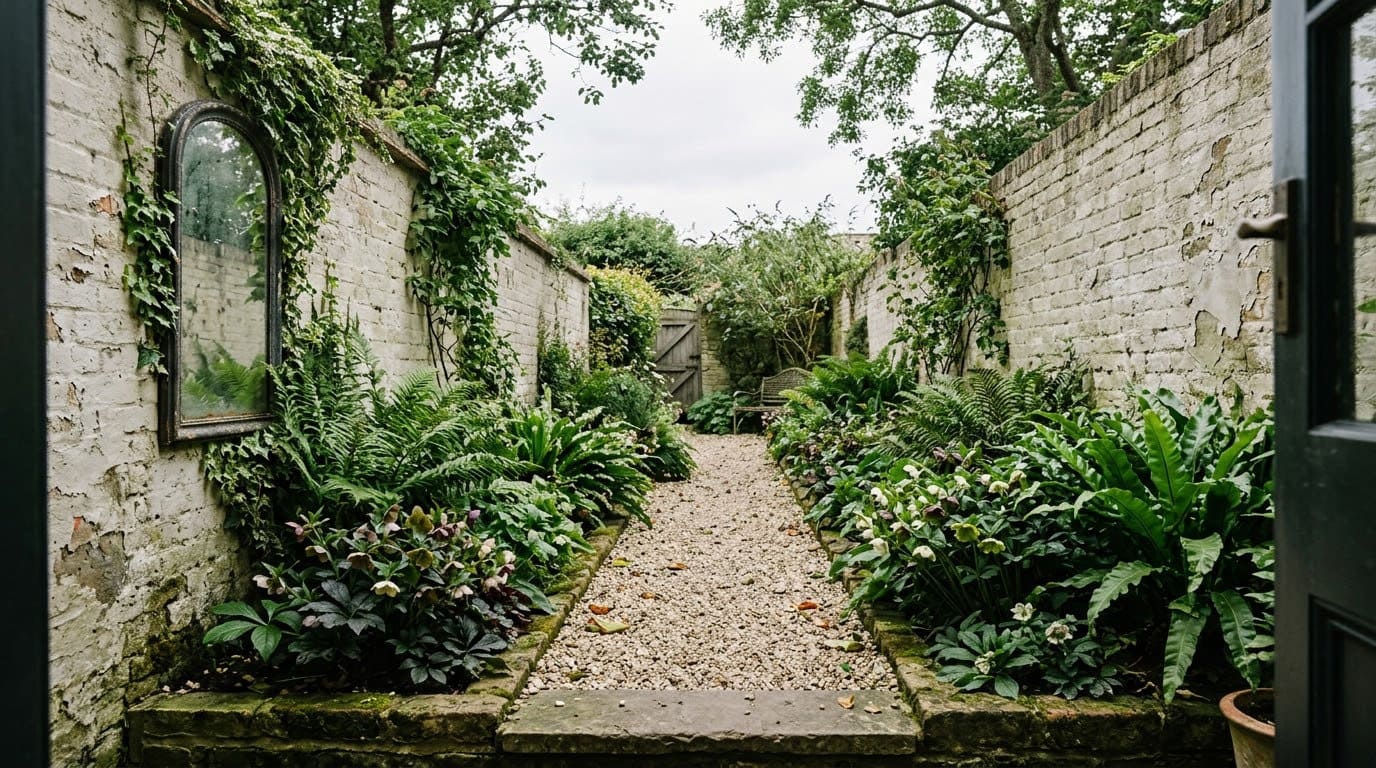
21. An informal, curving garden path
Skip straight lines entirely. David Salman, founder and chief horticulturist at High Country Gardens, recommends “an informal layout of curving paths” as the actual backbone of a cottage garden design, with benches, birdbaths, and low fencing used to break the space into smaller, more intimate sections rather than one open lawn.
Common mistake: making the curves too tight or too frequent, which reads as fussy rather than natural, aim for one or two gentle bends rather than a zigzag.
Budget version: crushed gravel or mulch over compacted soil, edged simply with a spade-cut line. Splurge version: reclaimed brick or natural stone pavers set in a proper sand base, which drains better and holds up to foot traffic for decades instead of needing regular gravel top-ups.
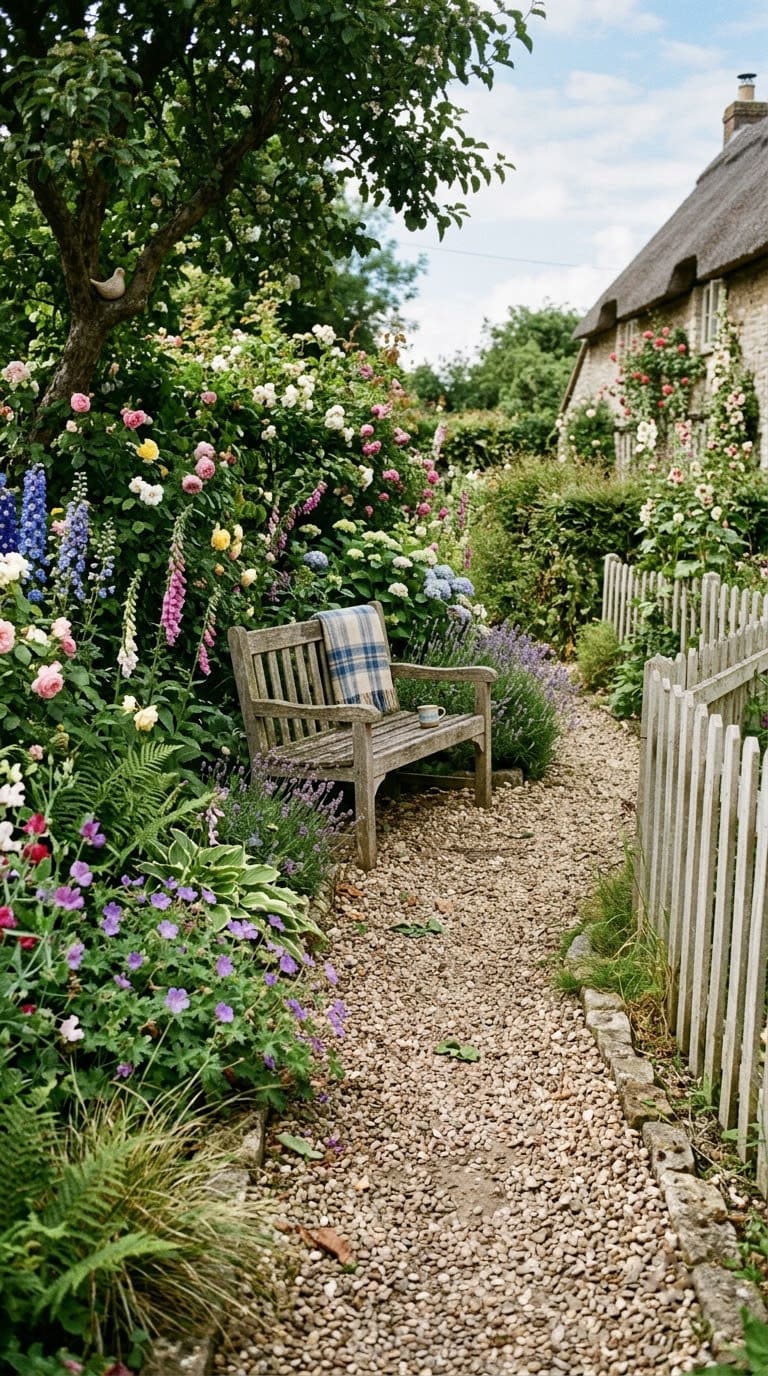
22. Layered planting by height, not by color-blocking
The classic cottage-garden look isn’t random, it’s tall plants toward the back or middle of a bed, medium plants in front of those, and low, spilling plants at the very edge.
Salman notes tall growers “help create the look of barely controlled abundance” when placed in the middle of a bed rather than only along the back. Include a few self-seeding annuals (cosmos, poppies, nasturtiums) so the bed fills in a little differently and a little more wildly each year.
Common mistake: letting self-seeders completely take over without any editing, they need a spring thinning pass or they’ll crowd out the perennials you actually wanted to keep.
Budget version: start most of the bed from seed packets, a few dollars each, and be patient through one thin first season. Splurge version: buy the tall “bones” of the bed (a few established perennials) as nursery starts and fill in the rest from seed, which gets you a fuller look in year one instead of year two or three.

23. A kitchen garden bed near the back door
Practical and pretty: a raised bed or simple in-ground plot right outside the kitchen door for tomatoes, herbs, and cut flowers together in the same bed, rather than a separate ornamental garden and a separate vegetable plot. This is the actual historical cottage-garden model, food and flowers mixed, not zoned apart.
Common mistake: planting tomatoes and flowers so tightly together that neither gets enough airflow, which invites fungal issues in a humid summer, leave real spacing even when the look you want is “abundant.”
Budget version: an in-ground plot, no lumber required, just amended soil. Splurge version: a cedar raised bed with a proper soil mix, which drains better and looks more finished right next to a back door where people actually see it up close.
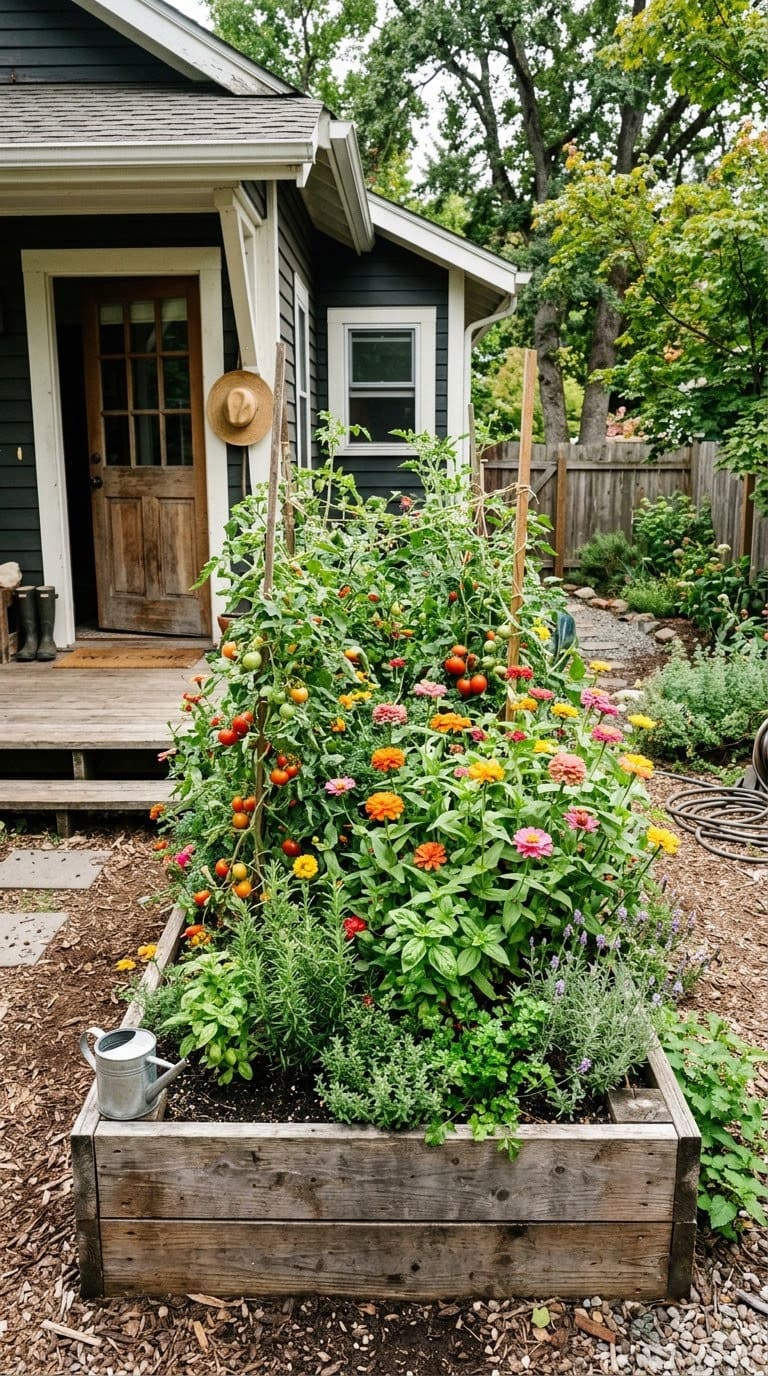
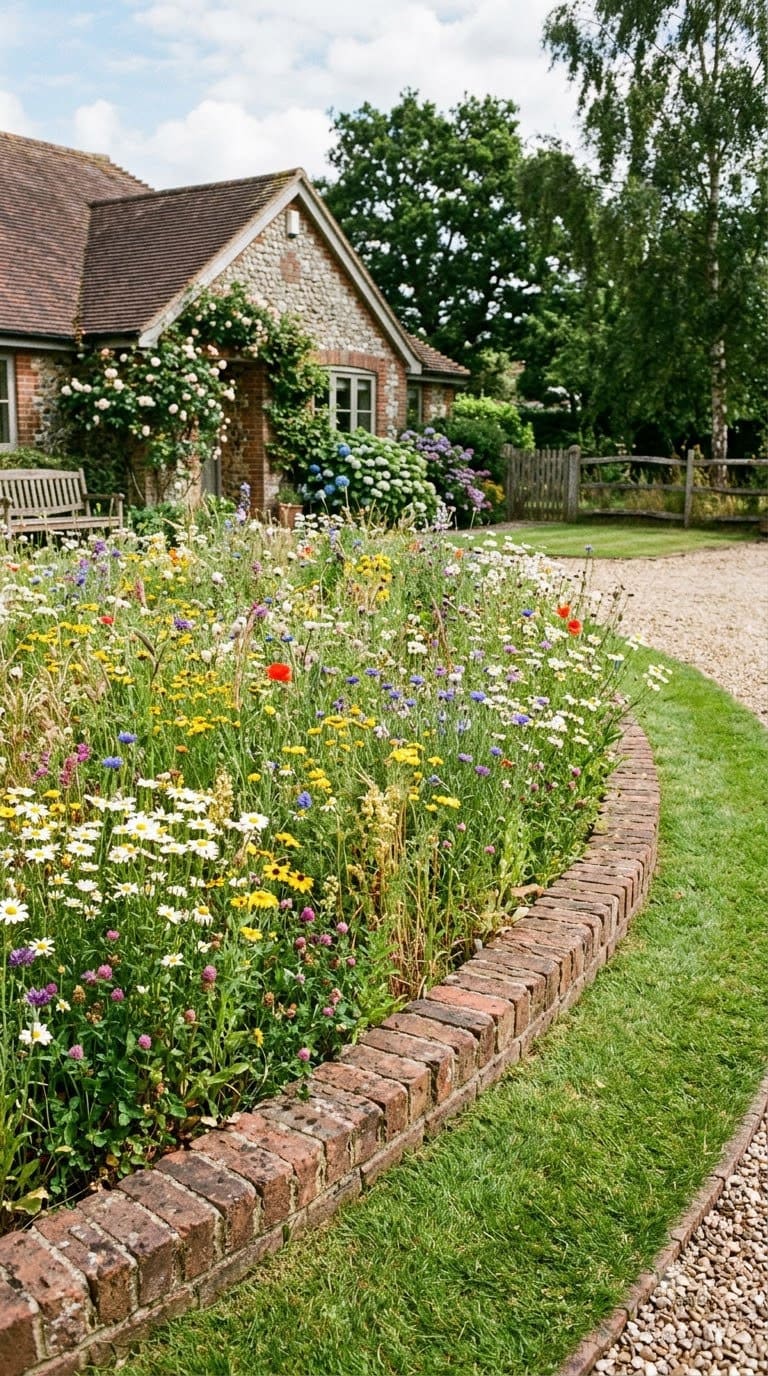
24. Wildflower or meadow-style plantings, framed with a visible edge
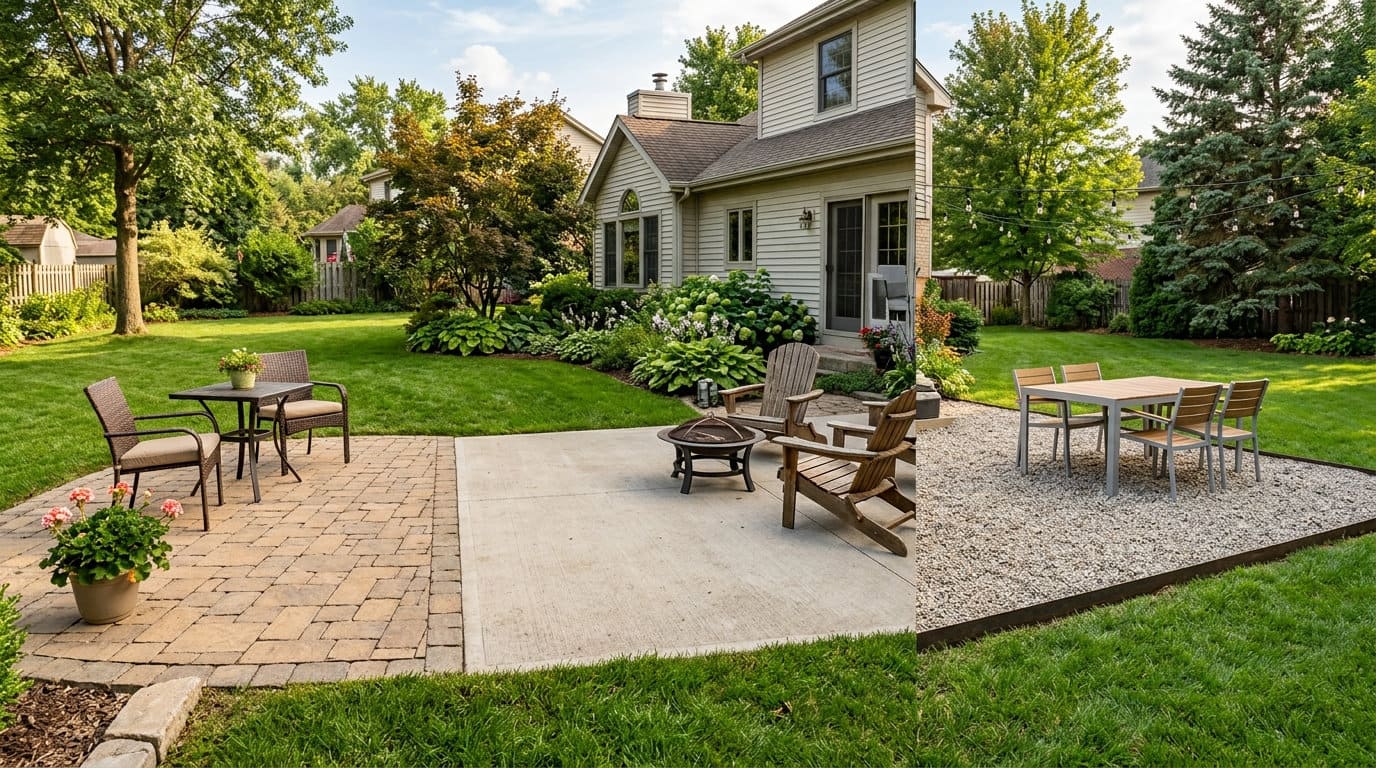
Here’s the honest tradeoff: a true unedged wildflower meadow look reads as neglect to a lot of neighbors and, more importantly, to a lot of HOAs. The fix isn’t giving up on the look, it’s adding a visible border, brick edging, a low picket, a mowed strip around the bed, so the wild planting inside reads as an intentional design choice rather than an unmowed lawn.
Some states have started limiting how much an HOA can restrict native or drought-tolerant plantings tied to water-efficient landscaping ordinances, so it’s worth checking your state’s current rules alongside your own CC&Rs before you commit to tearing out turf.
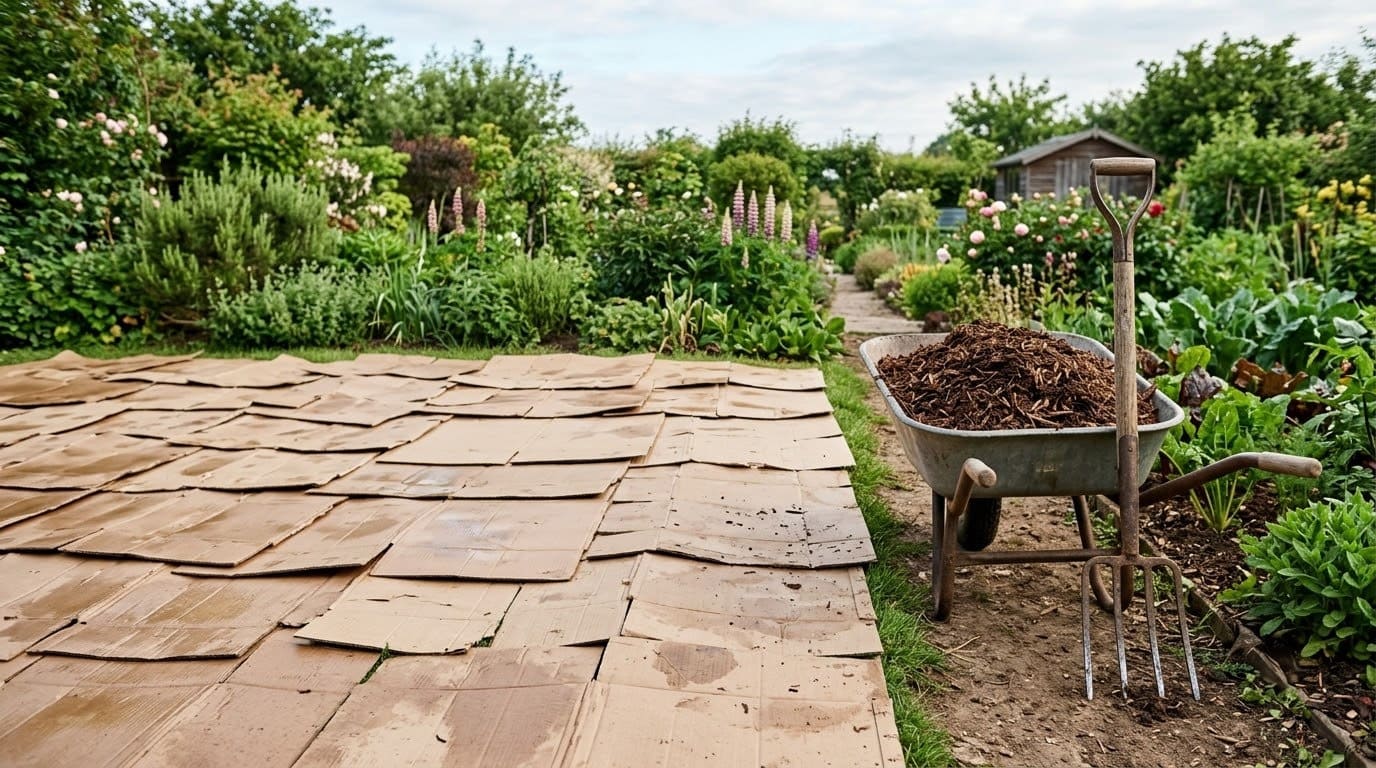
Common mistake: scattering wildflower seed straight onto existing turf, which mostly fails, the grass outcompetes the seedlings, you need to actually strip or smother the sod first for decent germination.
Budget version: a single seed packet mix over a small, newly prepped bed, letting it expand year over year as it self-seeds. Splurge version: professionally installed plugs (young started plants rather than seed), which flower the first year instead of needing a full season to establish.
Full-house commitment vs. accent-only: which is right for you
You don’t have to do all 24 of these to get the effect, and honestly, doing all of them in one house risks tipping into costume territory.
If you’re renting or on a tight budget, pick three or four renter-safe ideas (cafe curtains, a quilt, open shelving with your existing dishes, a window-seat cushion) and let those carry the whole aesthetic.
If you own the house and you’re going for the full commitment, the exterior and garden ideas are where the real transformation happens, they’re also the ones most likely to need HOA sign-off or a season of patience while plants fill in.
There’s no wrong answer here. A cottagecore living room corner in an otherwise normal apartment still reads as cottagecore. It doesn’t need to be the whole house to work. And honestly, the accent-only version is usually the one that ages better, since you’re not stuck living inside a theme.
What we learned the hard way: the gap between the Pinterest board and the actual house
Here’s what nobody tells you upfront. The Pinterest version of cottagecore is a single, perfectly lit frame. The lived-in version is a whole house, and a whole house has budget limits, an HOA, and a landlord, and none of those show up in the mood board.
The renter-budget problem is the one I hear about most, and it’s also the one people give up on too early. If there’s one thing worth doing differently, it’s starting with textiles, not paint.
A quilt, a set of cafe curtains, and open shelving with dishes you already own gets you most of the aesthetic for maybe $150 total, no lease violation, no security deposit risk.
The mistake most people make is starting with the biggest, most permanent idea on their list (a wallpaper wall, a repainted door) instead of the cheapest reversible one. Flip that order and the whole project gets a lot less intimidating.
The cottagecore-versus-farmhouse confusion trips up almost everyone at some point, and honestly, I don’t think that’s a knock on anyone’s taste, the two styles really do share a lot of surface DNA (wood, neutral bones, a mason jar somewhere).
Elizabeth Crafton’s framing stuck with me here: cottagecore is the “flea market find,” farmhouse is the disciplined, edited version of the same rural inspiration. If you catch yourself buying matching everything, that’s farmhouse instinct pulling you off course.
And then there’s the HOA question, which is the one that actually stops projects cold instead of just confusing people. Nobody wants to spend a whole Saturday planting a wildflower bed and then get a letter about it two weeks later.
The fix that actually works, from everything in the research here, isn’t skipping the look, it’s framing it: an edged border reads as “garden,” an unedged one reads as “neglected lot,” to a board that’s scanning fast.
Same logic applies to paint. A board that has to say no to an unapproved color in writing is more work for them than approving a swatch request, so most of the friction is procedural, not a hard wall.
If I’m honest about the source of most of this article’s confusion, it’s that cottagecore gets marketed like a finished look you buy in one trip, when the real thing (per Angelica Frey’s research into where this aesthetic actually comes from) has always been about a slow, layered relationship with a place, not a checkout cart.
Take that with a grain of salt if you’ve got a deadline and a budget, sometimes you do just need to buy the curtains and call it done for now. But the projects that hold up over a few years are the ones people kept adding to slowly, not the ones finished in a weekend.
FAQ
Is cottagecore just a TikTok trend that will fade?
Not really, no. The current wave is definitely social-media-driven, but the underlying desire for an idealized, simple country escape goes back to ancient pastoral poetry and shows up again in Marie Antoinette’s 18th century hameau and the 19th century Arts and Crafts movement. The name is new. The impulse behind it isn’t.
What’s the actual difference between cottagecore and farmhouse style?
Farmhouse is clean, minimal, and neutral, it’s about restrained utility. Cottagecore is romantic, layered, and a little imperfect on purpose, leaning into florals, vintage finds, and texture rather than a single accent color.
Can my HOA stop me from doing a wildflower garden or a sage-green front door?
Maybe, depending on your specific CC&Rs. HOAs commonly maintain pre-approved exterior paint lists and can push back on an unedged wildflower or meadow look. Framing a wild planting with a clear border and submitting an architectural review request with paint swatches attached solves most of this without giving up the look entirely. Some states now limit HOA authority over drought-tolerant or native plantings, so check your state’s current rules too.
I’m renting. Can I actually do this?
Yes, more than you’d think. Textiles (curtains, quilts, throws, bath mats), open shelving with your existing dishes, peel-and-stick wallpaper on one wall, and potted plants get you most of the way there with zero permanent changes.
Related posts
- Goblincore Bedroom Ideas
- Lake House Backyard Ideas
- Cheap Landscaping Ideas That’ll Make Your Yard Look Luxe
Products We Recommend
This post contains affiliate links. We may earn a commission on qualifying purchases at no extra cost to you.
FANQ Gingham Cafe Curtains, cotton/linen, green and yellow
Instant kitchen or bathroom window swap, fully renter-safe
Shop Now
Crow Canyon Home Enamelware Starter Set, 16-piece, vintage white/blue
Mismatched-on-purpose look for open shelving
Shop Now
Burpee Wildflower Pollinator Seed Mix, 18 varieties, 25,000 seeds
For a framed cottage-garden bed
Shop NowNever miss an update — choose FarmFoodFamily as your preferred source on Google.
How it works: Tap the button below to open Google's settings page, then check the box next to FarmFoodFamily.
Tap the checkbox to turn it blue — that's how you know it's set.