15 Hardy Vegetables You Can Still Plant in November (By USDA Zone)
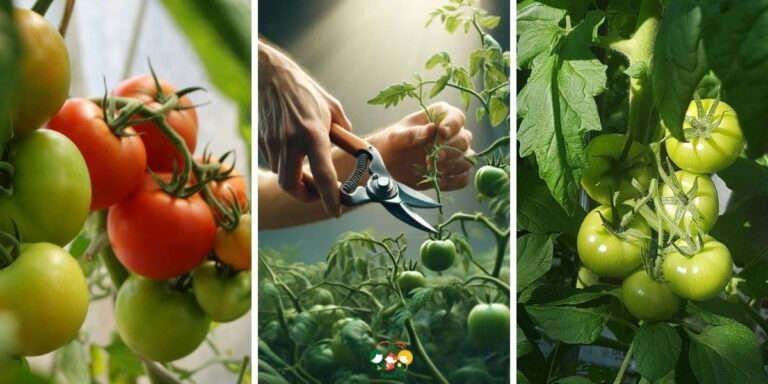
November isn’t too late for 15 hardy vegetables if you match each to your zone, frost date and some cover.

Never miss an update — choose FarmFoodFamily as your preferred source on Google.
How it works: Tap the button below to open Google’s settings page, then check the box next to FarmFoodFamily.
Tap the checkbox to turn it blue — that’s how you know it’s set.
November feels like the end of the garden year. For a lot of us, it’s actually a second start.
The catch is that “your zone” doesn’t tell the whole story. A Zone 9 gardener can sow carrots outdoors this month. A Zone 5 gardener needs garlic and a cold frame.
So we sorted 15 vegetables by the zones where sources say they work. We pulled from university extension sheets and three well-known gardening sites. Where they disagree, we tell you.
Quick Answer
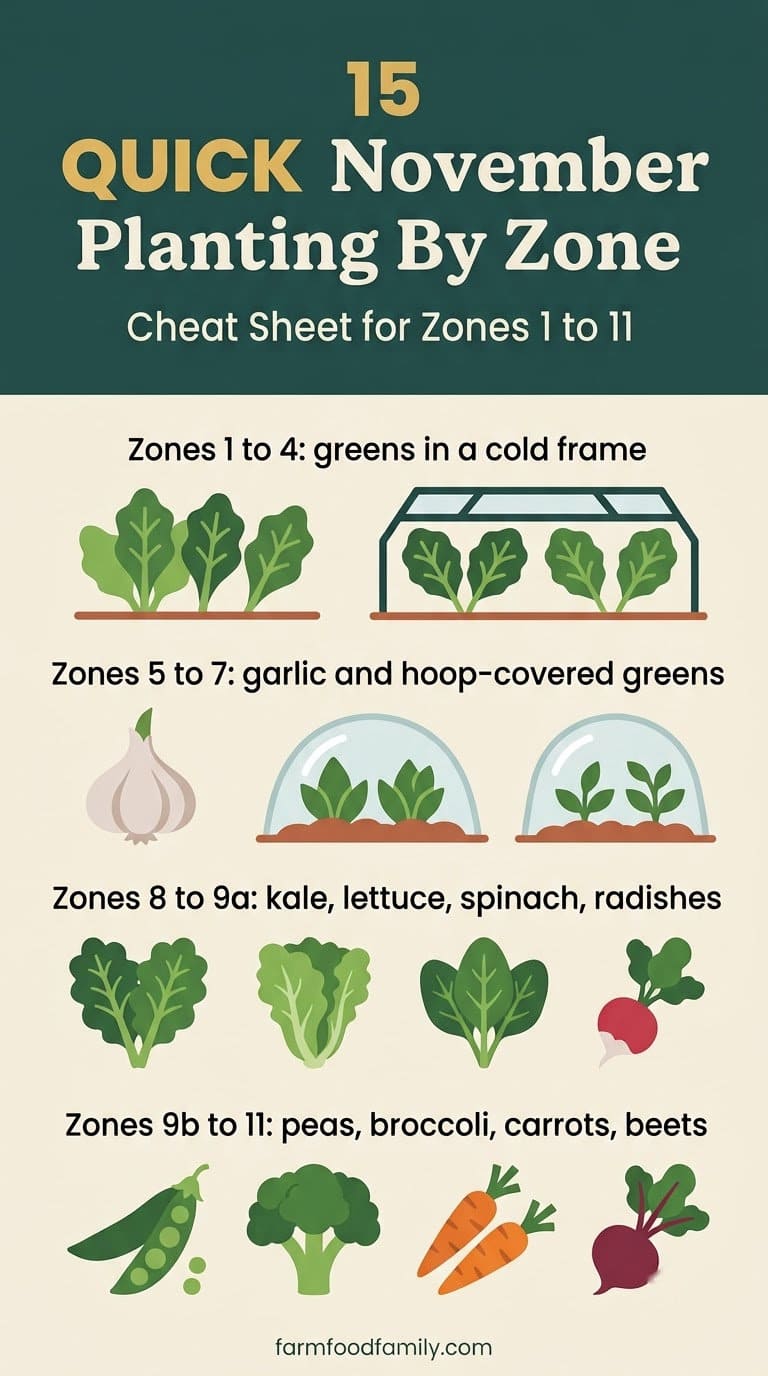
In Zones 8 to 11, you can still direct-sow kale, spinach, lettuce, radishes, carrots, beets and turnips in November. Plant onion sets, cabbage and broccoli transplants as well. Zones 9b to 11 add peas.
In Zones 5 to 7, garlic is your best November crop, plus hardy greens under a cold frame or hoops. In Zones 1 to 4, stick to greens in a cold frame and indoor herbs. Garlic is the one crop that works across the widest range, from Zone 5 up through Zone 10.
Your USDA zone only tells you winter lows. Your first frost date and short winter daylight decide how fast things grow.
Answer 4 quick questions and get matched to the exact fix for your yard — drainage, budget, layout, or something else entirely.
Take the Free QuizPlant now and protect with row cover. Expect slow growth until spring, and treat any harvest before then as a bonus. Check your own first frost date with your county extension office before you sow.
Does Your USDA Zone Decide What You Can Plant?
Partly. The USDA Plant Hardiness Zone Map shows the average annual extreme minimum winter temperature in 10-degree zones. That’s useful for perennials, but it doesn’t predict when your first fall frost hits.
So use two numbers. Your zone tells you how cold winter gets. Your first frost date tells you how many growing weeks you have left.
Daylight matters too.
Gardeners who run winter tunnels, like Stephen Albert at Harvest to Table, use a simple rule: crops need to reach near-maturity before day length drops below 10 hours. After that, growth crawls. In November, many crops are holding steady, not growing fast.
Here’s the big picture, based on the zone-by-zone November guide from the same site.
| Zone group | What still works in November | How to do it |
|---|---|---|
| Zones 1 to 4 | Greens in a cold frame | Only if daytime temps stay near 50°F |
| Zones 5 to 7 | Garlic, Asian greens, hardy leafy crops | Garlic in the ground, greens under hoops or in a cold frame |
| Zones 8 to 9a | Kale, lettuce, spinach, radishes, beets, turnips, onion sets, cabbage | Open garden, with row covers ready for frost |
| Zones 9b to 11 | Almost all cool-season crops, plus peas and broccoli transplants | Open garden, keep succession sowing |
And here’s every crop on our list at a glance. The days to harvest come from Botanical Interests, and they vary with your weather.
Most yard problems trace back to one specific, fixable cause. Find yours in 4 quick questions.
Take the Free Quiz
Lightweight frost cloth that drapes over hoops or directly on hardy greens and root crops on freezing nights.
Shop NowThis post contains affiliate links. We may earn a commission on qualifying purchases at no extra cost to you.
| Crop | Zones that work | Plant as | Time to harvest |
|---|---|---|---|
| Garlic | 5 to 10 | Cloves | 8+ months (spring) |
| Spinach | 7 to 11 (5 to 6 under cover) | Seed | Under a month (baby) |
| Kale | 8 to 11 | Seed | 21 days (baby) |
| Lettuce | 8 to 11 (5 to 7 under cover) | Seed | Varies |
| Radishes | 8 to 11 | Seed | About 30 days |
| Carrots | 8 to 11 | Seed | 2+ months |
| Beets | 8 to 11 | Seed | About 2 months |
| Turnips | 8 to 11 | Seed | Within 2 months |
| Onion sets and bunching onions | 8 to 11 (any zone under cover) | Sets or seed | Varies |
| Broccoli | 8 to 11 | Transplants | About 12 weeks |
| Cabbage | 8 to 11 | Seed or transplants | Varies |
| Asian greens and mustard | 8 to 11 (5 to 7 under cover) | Seed | Bok choy just under 2 months |
| Peas | 9b to 11 | Seed | Varies |
| Fava beans | 8 to 11 | Seed | Spring |
| Parsley and cilantro | 8 to 11 (indoors anywhere) | Seed | Varies |
1. Garlic
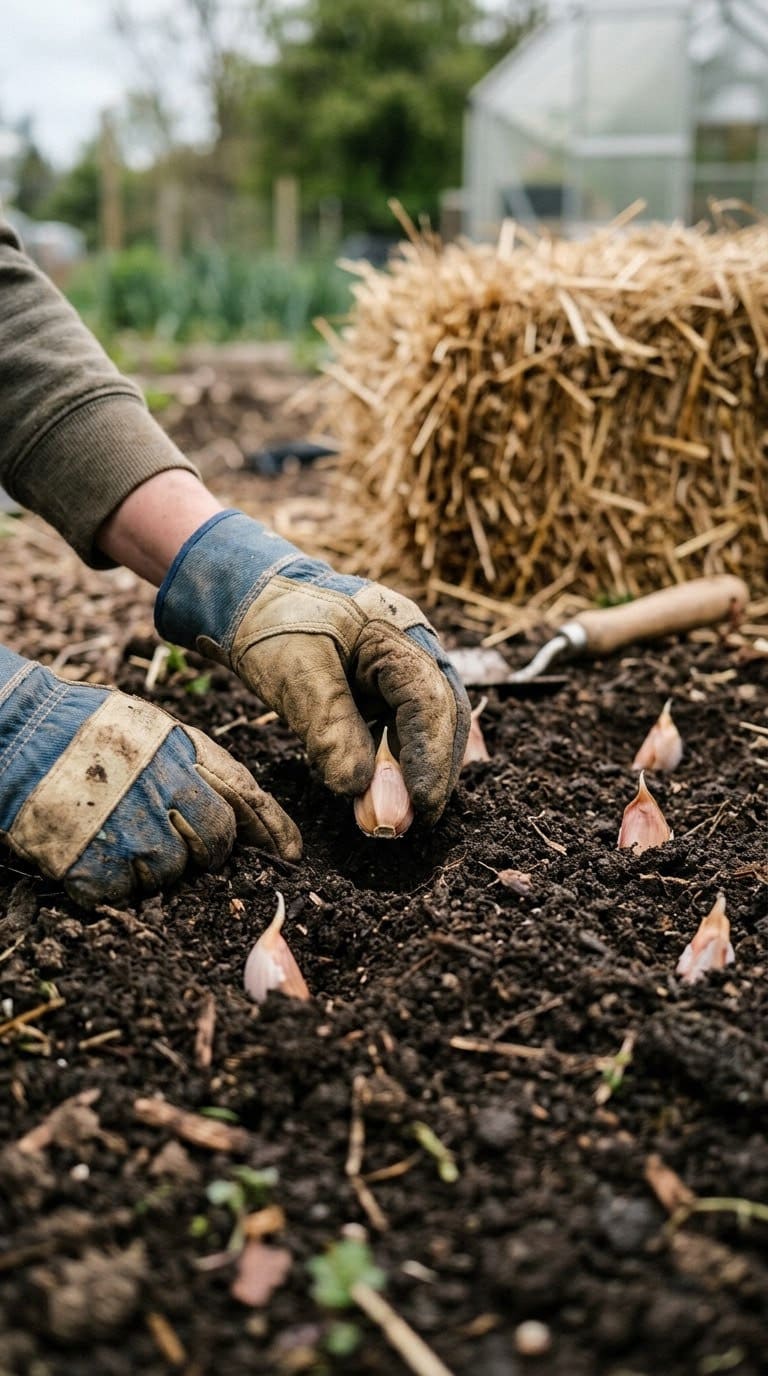
Garlic is the November star for colder zones. It’s the one crop that still goes in the ground in Zones 5 to 7. In Zones 8 and 9, aim to plant about two weeks before first frost.
Iowa State Extension gives the best how-to. Plant large cloves 1 to 1.5 inches deep, pointed side up, 3 to 5 inches apart in rows 18 to 24 inches apart. Use well-drained, fertile soil.
Mulch in November with 4 to 6 inches of weed-seed-free straw to prevent winter injury. In spring, pull the straw between the rows so the leaves can come up. Expect a harvest after 8 months or more.
Our take: garlic is the best return on effort in this whole list. It costs little, it needs no babying, and it’s the only crop that works in so many zones.
Our garlic planting guide shows how to pick and split bulbs.
2. Spinach
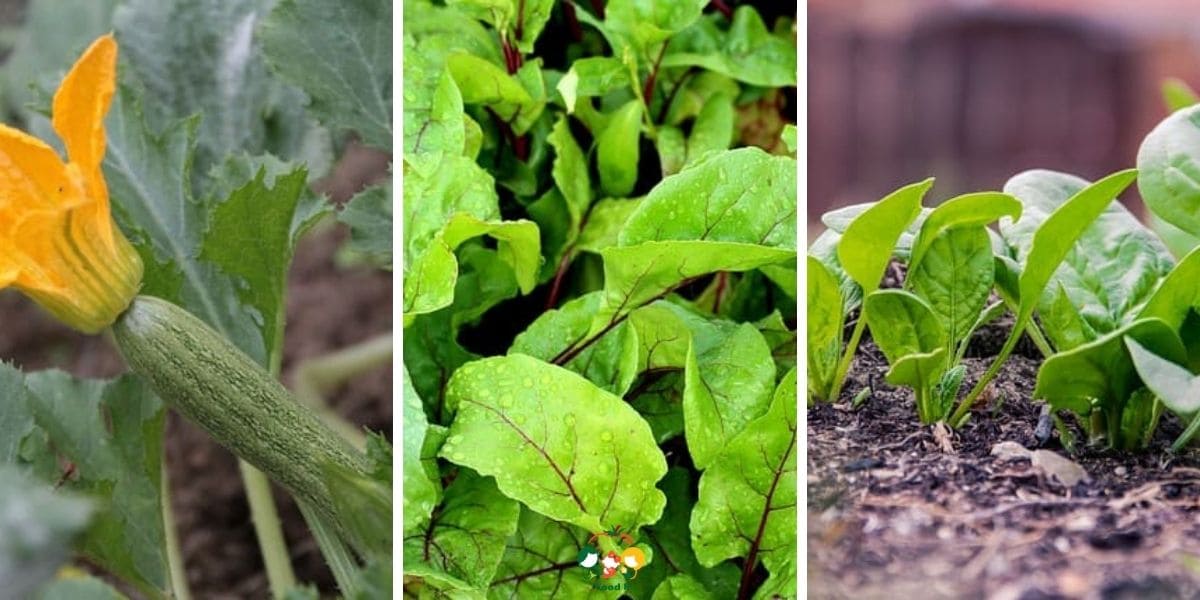
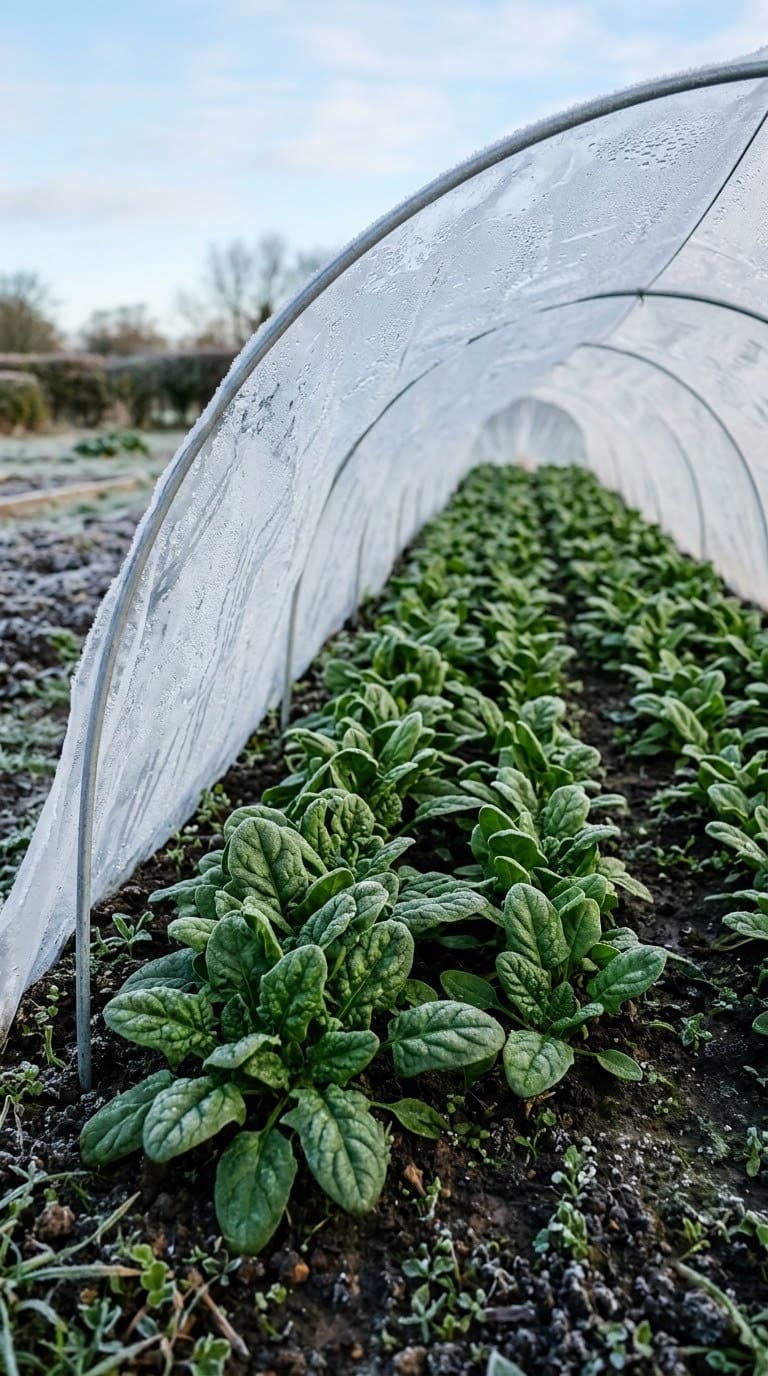
Spinach handles cold better than most greens. Direct sow it in Zones 7 and up, with frost cover for zones below 7. It can reach baby size in under a month.
Sow it in loose, well-drained soil and keep it moist until it sprouts. In Zones 5 and 6, plant it under hoops or in a cold frame.
Pick the outer leaves and let the center keep working. Our spinach guide covers varieties.
3. Kale
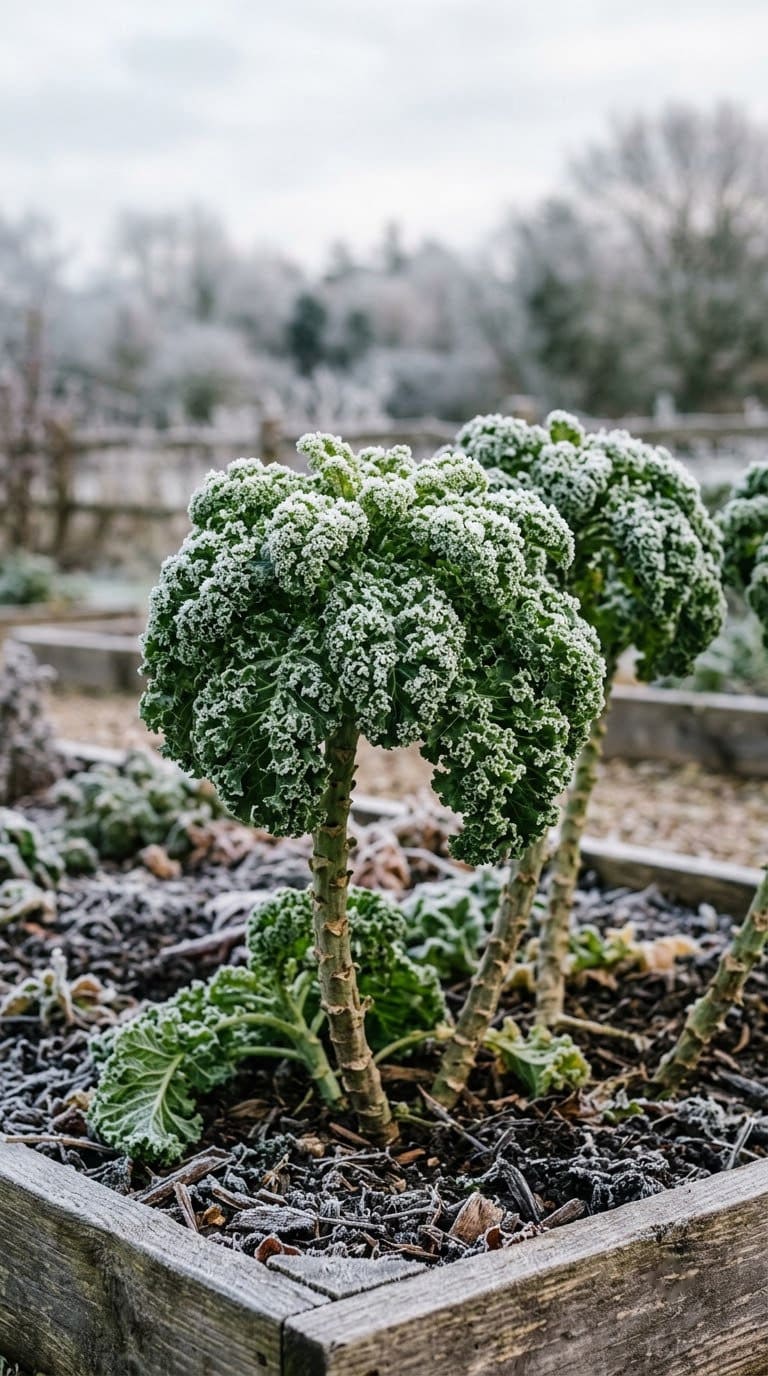
Kale is built for this. Sow it in Zones 8 and up before first frost, and expect baby leaves in about 21 days.
The average homeowner spends $616/year on yard fixes that don't address the real problem. Find out what yours actually is — before you spend another dollar.
Take the Free QuizDirect sow in a sunny bed. Thin seedlings to a few inches apart for baby leaves, or further for full plants. Many gardeners say a little frost sweetens kale, so cold nights are a plus.
In cooler zones, add frost cover. Kale is a safe pick for every zone from 8 to 11. Pick lower leaves first and the plant keeps growing.
4. Lettuce
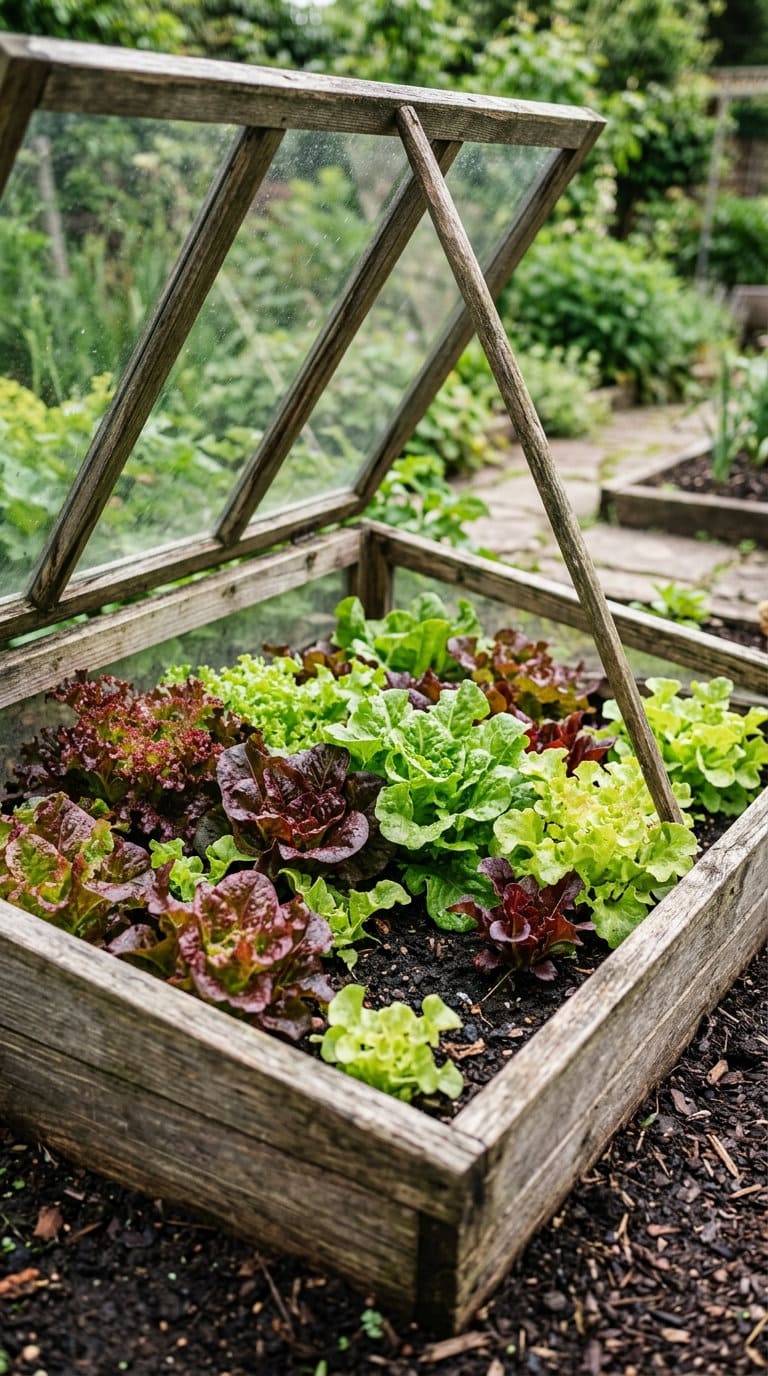
Lettuce works wherever frost holds off. Sow it outdoors where your first frost comes in December or later, which means Zones 8 to 11. In Zones 5 to 7, grow it in a cold frame.
Choose cold-tolerant types. Sow thinly and keep the soil damp. Cover beds with row cover on frosty nights and uncover on mild days.
Leaf types give the quickest harvest because you cut the outer leaves. Learn the harvest trick in our guide to cut-and-come-again lettuce.
5. Radishes
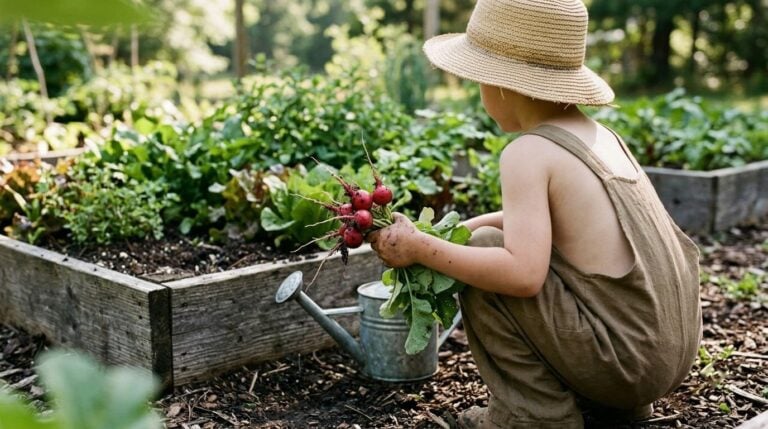
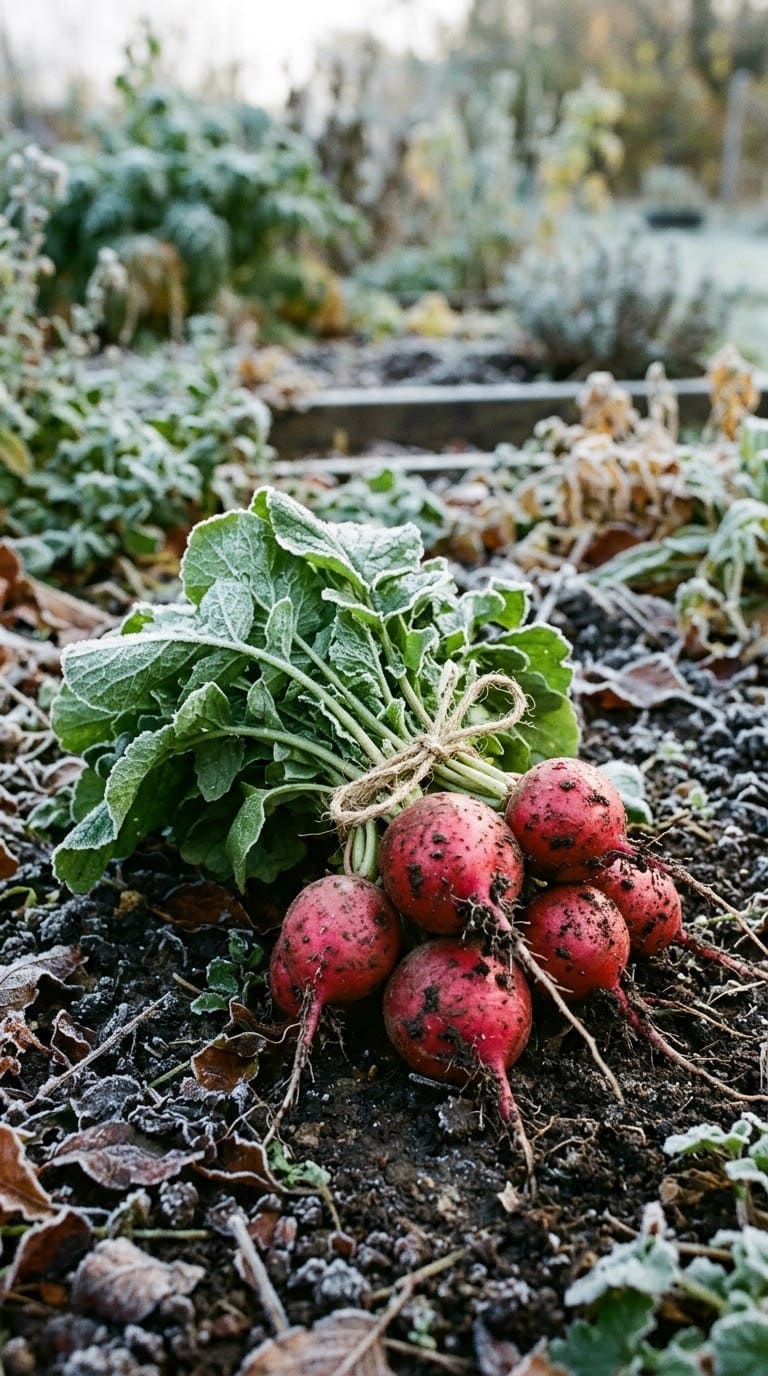
Radishes are the fastest root crop you can plant now. Sow about four weeks before first frost, and you’ll harvest in around 30 days.
That timing means radishes suit Zones 8 to 11, or any bed where frost is still a month off. Sow seed directly in the ground or a raised bed. Keep a frost cover handy if your timing is tight.
Radishes sit well beside slower roots. Sow a pinch with your carrots to mark the row, then pull the radishes before the carrots need the room.
6. Carrots
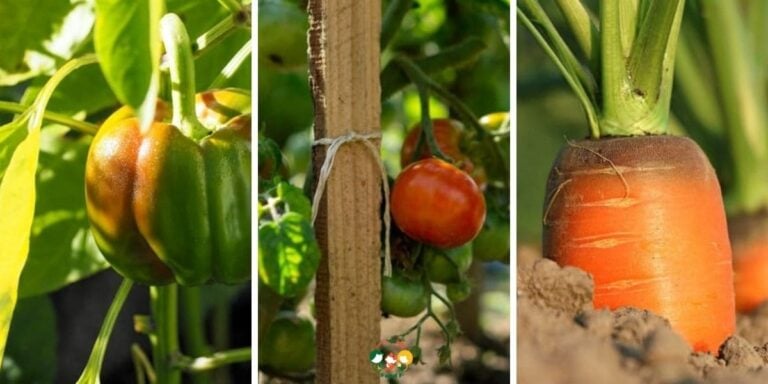
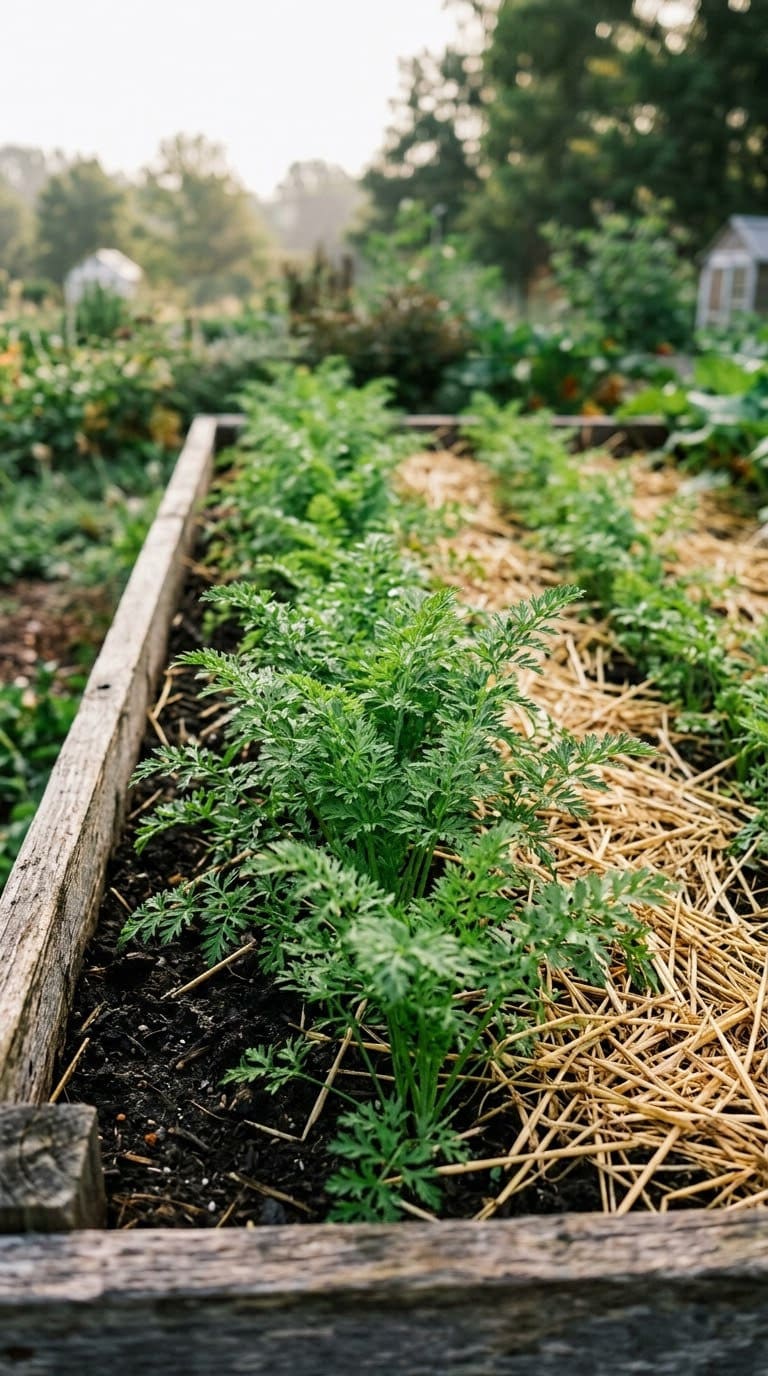
Carrots love the cold. Sow them if your first frost arrives in late November or later, and expect 2 or more months to harvest. That puts them in Zones 9b to 11 and the Lower South’s open garden.
Use loose, stone-free soil and keep the surface moist so seed doesn’t dry out. Cold snaps also help sweeten root crops.
Mulch the bed lightly to hold moisture and hold the soil temperature steady. Cover with fabric if a hard freeze threatens young seedlings. Our list of vegetables that grow underground has more root ideas.
7. Beets
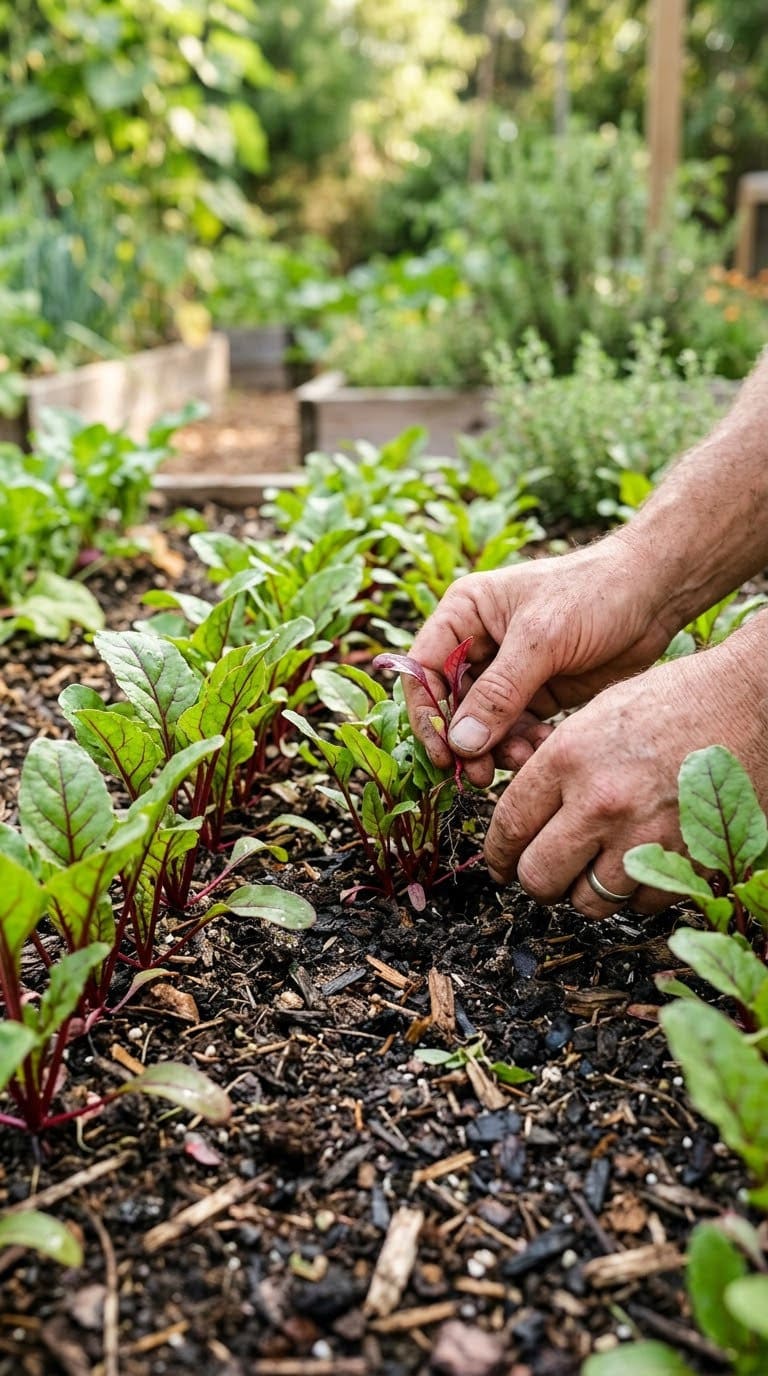
Beets are forgiving. Sow about six weeks before first frost, and expect harvest in around two months. In Zone 10 and up they grow year-round.
They suit Zones 8 to 11. Thin the seedlings as they grow. The leaves are edible too, so you get greens as well as roots.
Frost tolerance improves once the plants are established. Mulch lightly and keep the soil damp. Harvest the greens early and the roots later.
8. Turnips
Turnips are quick and cold-hardy. Sow them in early November in mild climates, and harvest within two months.
They suit Zones 8 to 11. Sow seed directly and thin as they grow. Eat the greens first and pull the roots when they’re small and tender.
Turnips also fit the “grow it once, eat it twice” idea. The tops go into soups and sautés, and the roots roast well. Cover with frost cloth if a hard freeze is forecast.
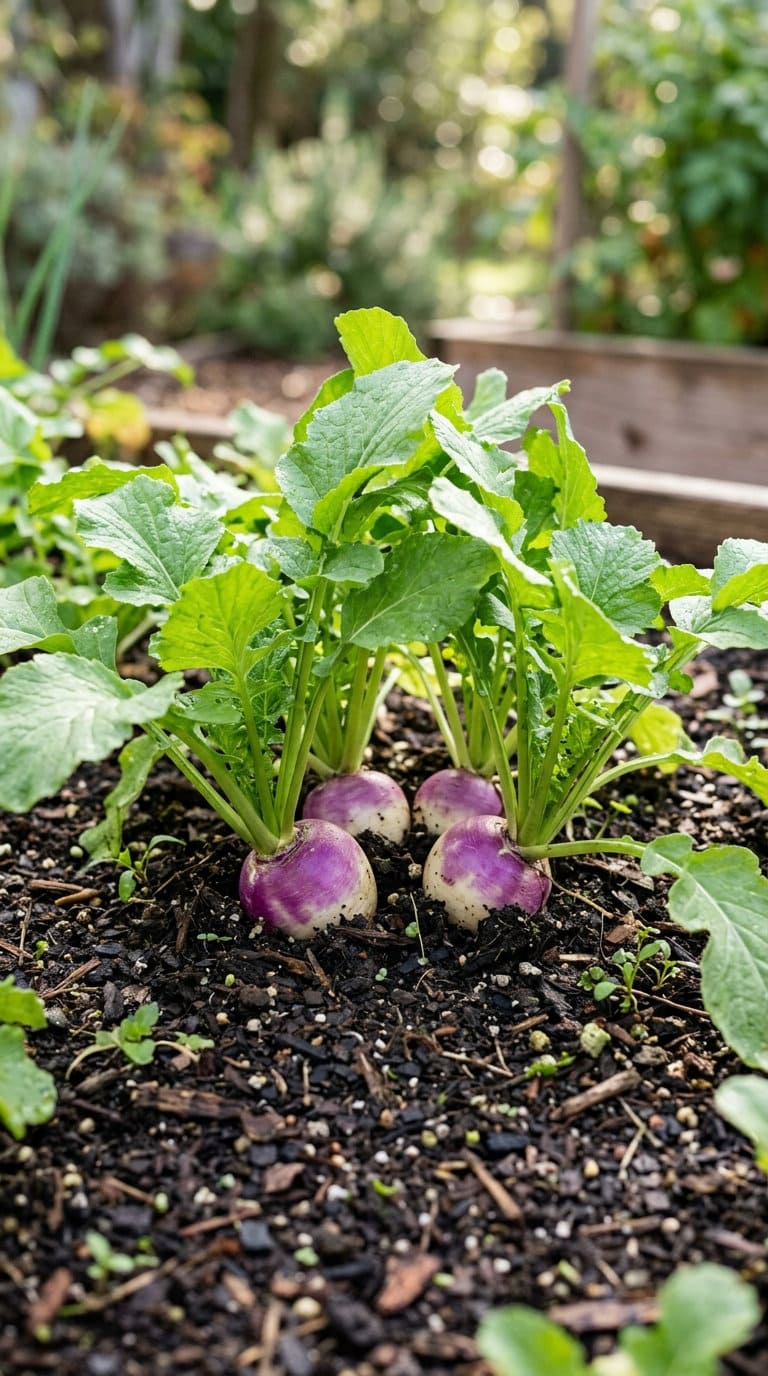
9. Onion Sets and Bunching Onions
Onions are among the easiest November plantings. Plant onion sets in Zones 8 to 9a, and green onions in Zones 9b to 11.
Bunching onions can go in at any zone, with frost cover or containers for Zones 7 and below. As Melissa Strauss at Epic Gardening points out, onions develop roots in fall and mature in spring.
Push sets into loose soil and water them in. Pull green onions as you need them. Containers let colder zones move plants to shelter when a hard freeze hits.
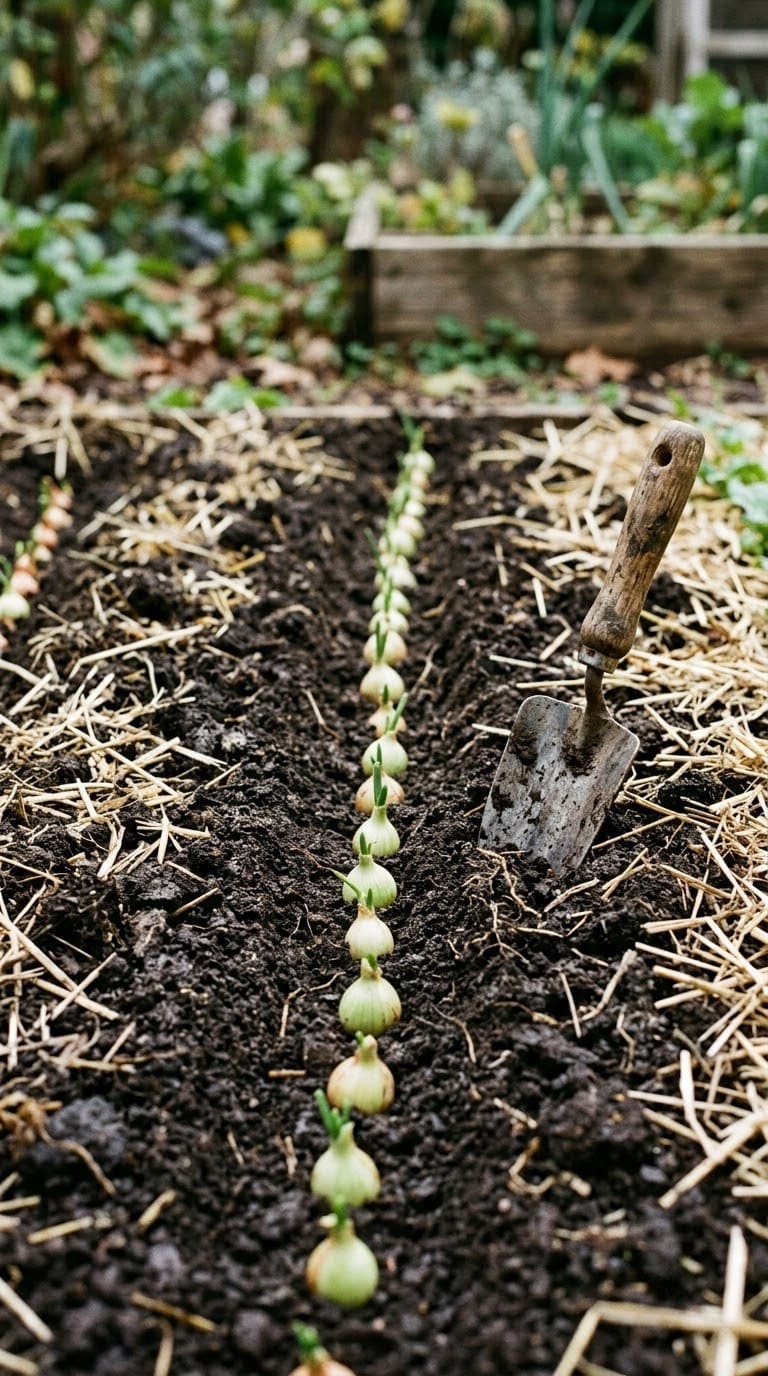
10. Broccoli
Broccoli takes patience, so buy transplants. Brassicas do best from nursery starts because seed “requires a while to get started.” Expect about 12 weeks to harvest.
Transplants suit Zones 9b to 11. Set them in rich soil and cover on frosty nights. In Florida, UF/IFAS Extension counts broccoli among the cool-season crops for November through March.
Established plants cope with cold better than seedlings do. Water deeply and keep the soil from drying out. In colder zones, treat broccoli as a container crop you can shelter.
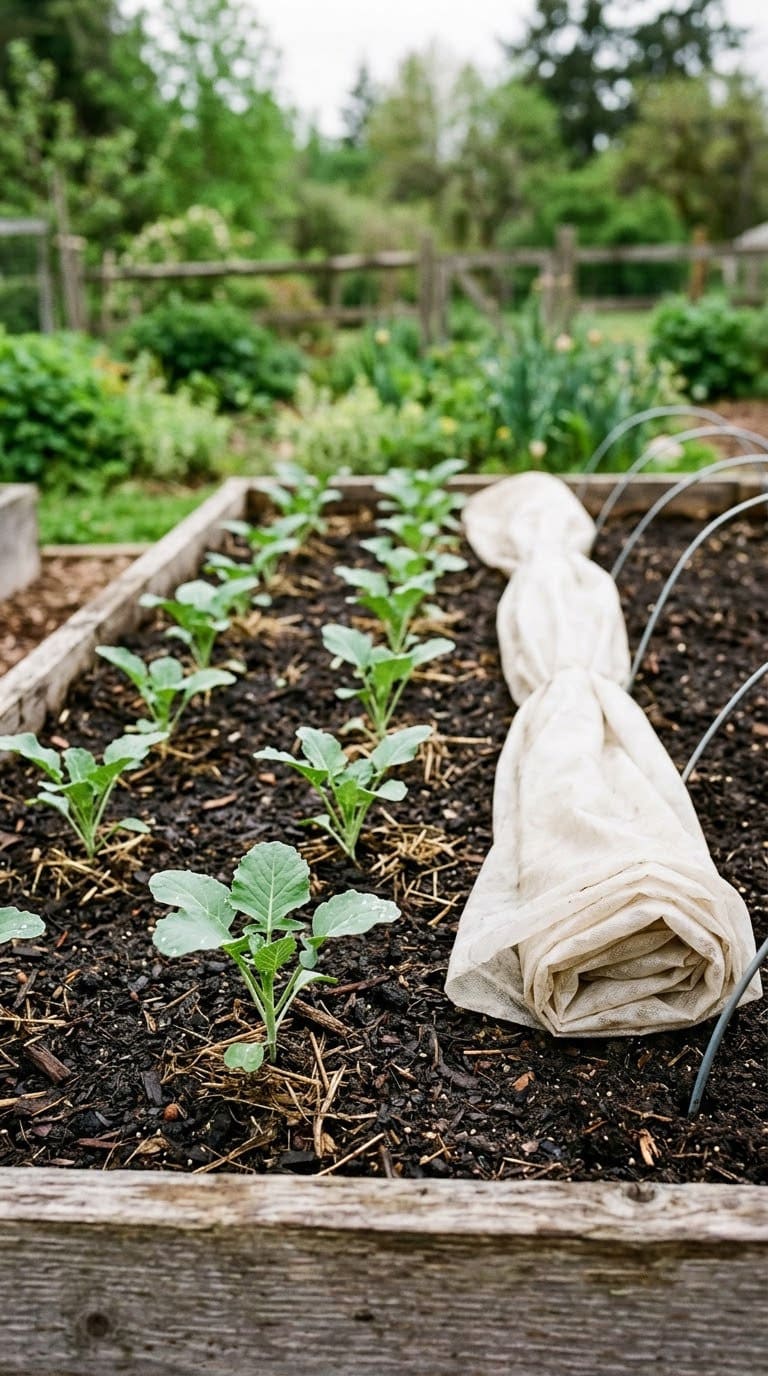
11. Cabbage
Cabbage is another cold-season workhorse. It suits Zones 8 to 11, planted from seed or transplants.
Transplants give a head start, especially as days shorten. Space them generously and feed the bed before planting. Cabbage tolerates cold well and sweetens with a little frost.
Watch for slugs and caterpillars on mild days. Row cover keeps cabbage moths off and holds in warmth at the same time. Plant a few every couple of weeks while the weather allows.
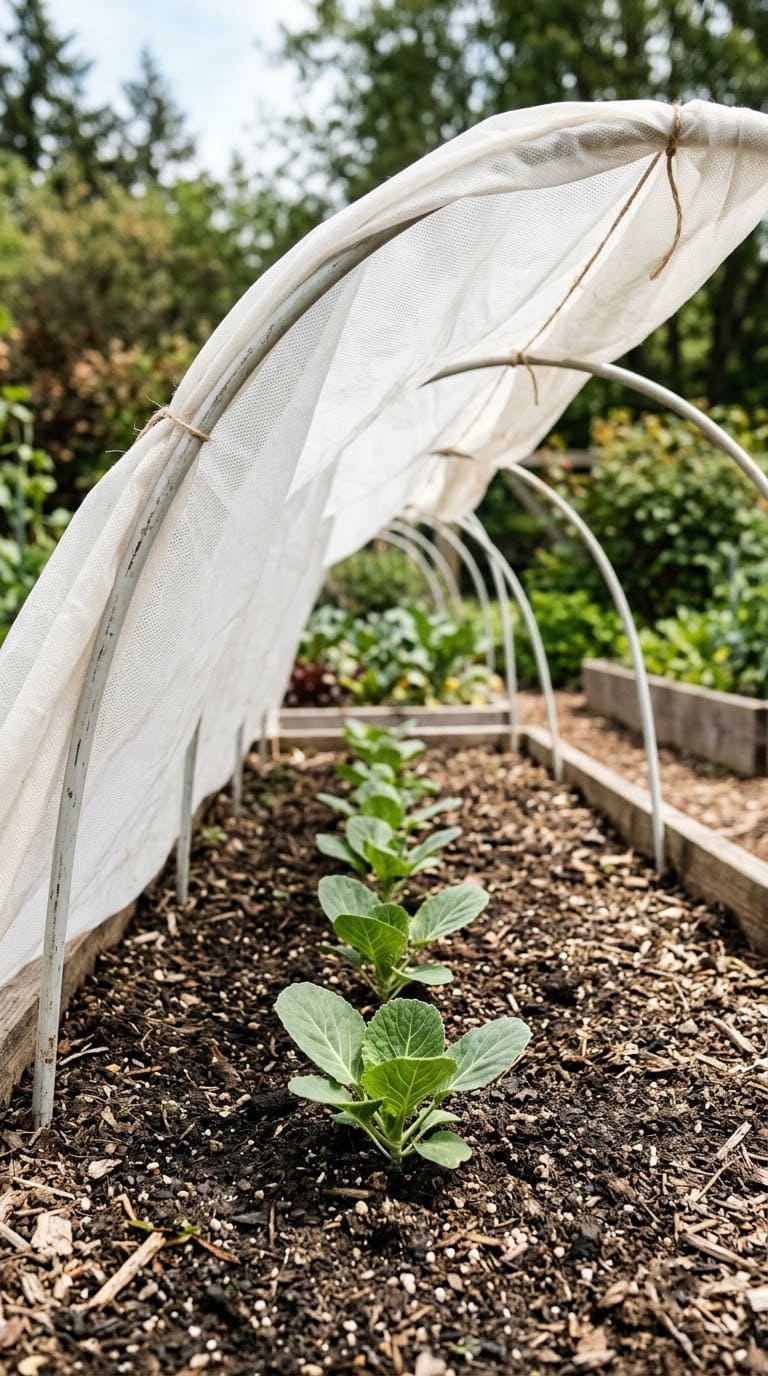
12. Asian Greens and Mustard
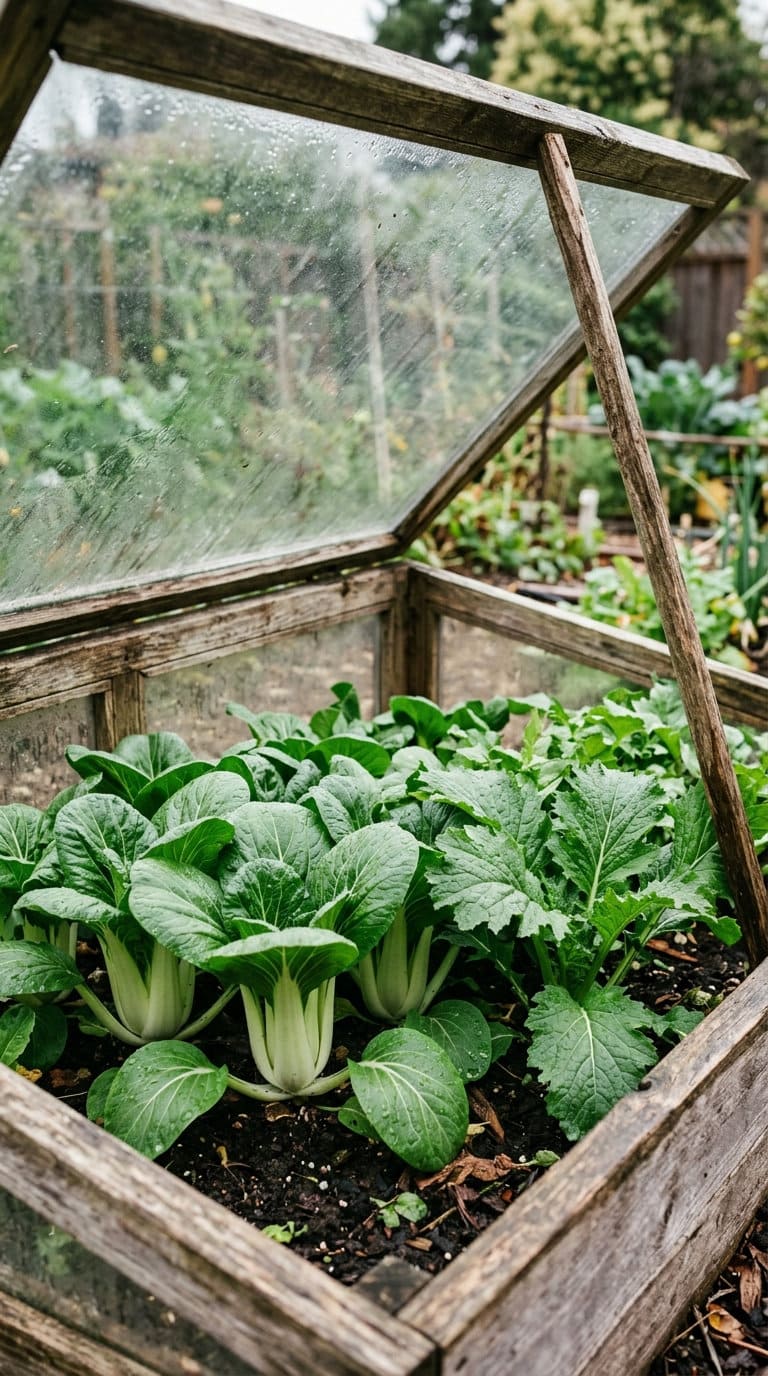
Bok choy, mizuna and mustard greens grow quickly in cool weather. Grow Asian greens in the open garden in Zones 8 to 11, and in cold frames in Zones 5 to 7.
Sow bok choy before first frost, with harvest in just under two months. Most leafy greens take under two months when daytime temperatures run in the 50s to 70s.
Cut baby leaves early if cold slows growth. Cover with a hoop and fabric when frost threatens. These greens also do well in a deep pot on a sunny patio.
13. Peas
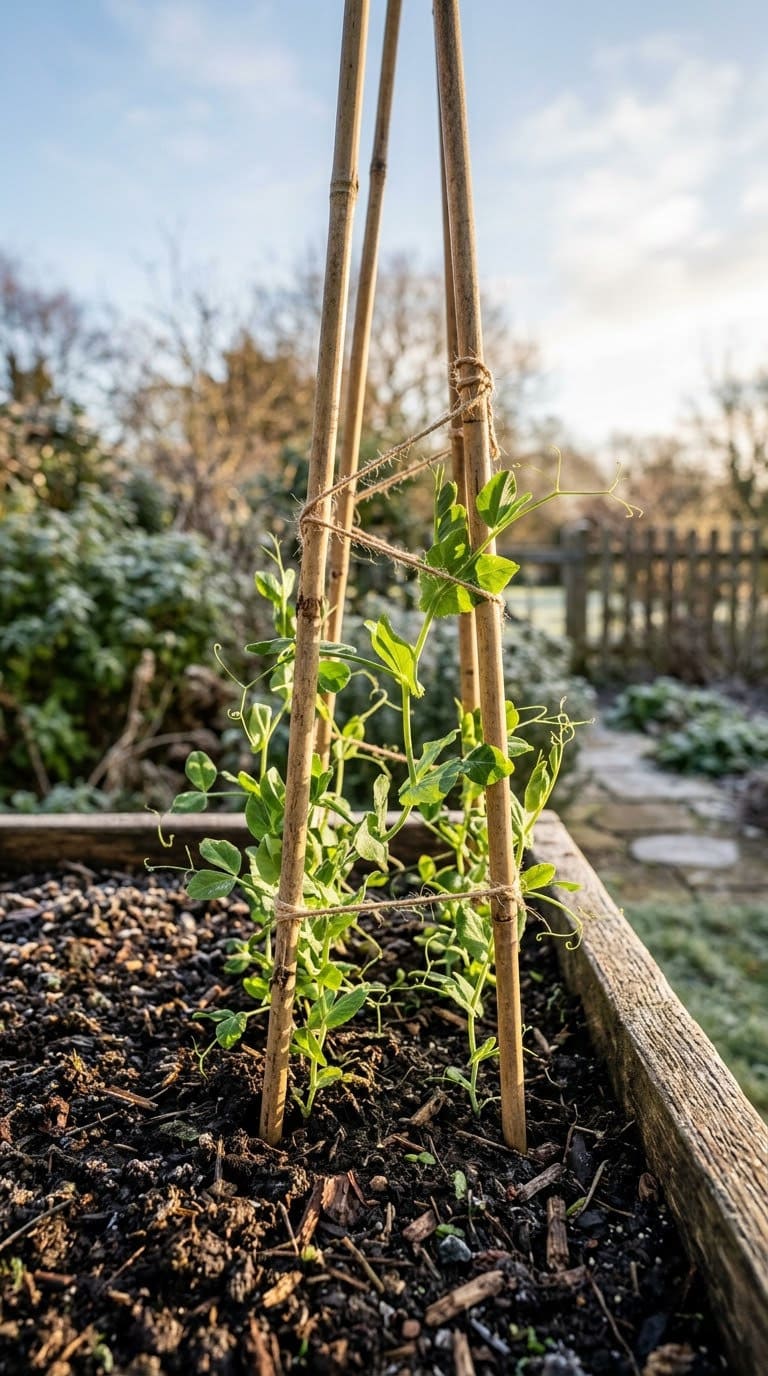
Peas belong in the warmest zones for a November sowing. Plant them in Zones 9b to 11, in well-drained soil.
Soak the seed overnight before direct sowing, and give the vines a trellis from the start. In Florida, peas are a November through March crop.
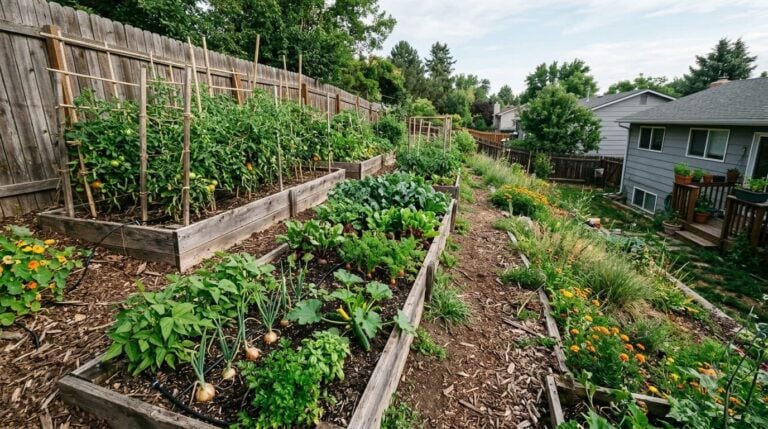
Peas dislike soggy soil, so a raised bed helps. Expect them to be slower in short days. Our raised bed guide shows how to build drainage into the bed.
14. Fava Beans
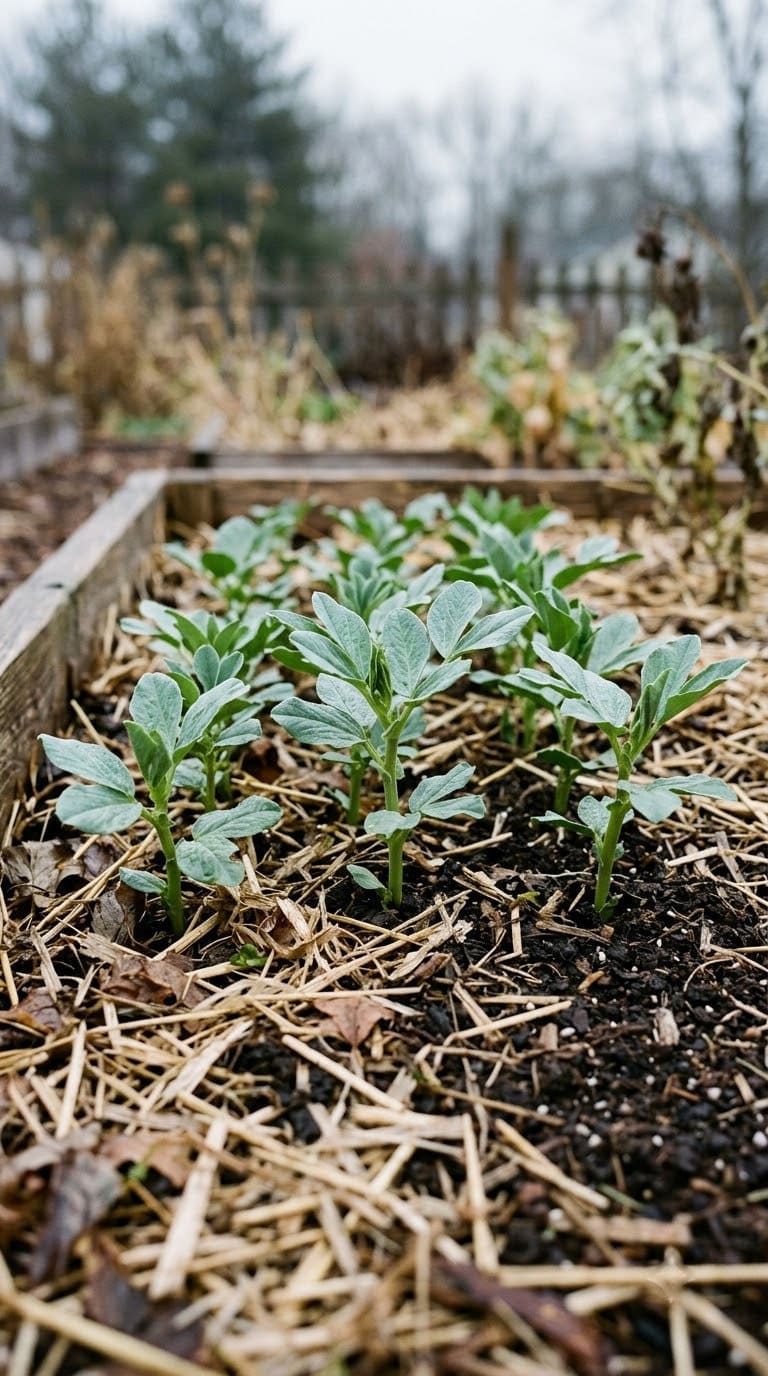
Fava beans (also called Windsor beans) are a cool-season legume. Plant them in Zones 8 and up before first frost, for a spring harvest.
Plant seed directly in the bed. Add extra protection if frost arrives early in November. The plants overwinter and then take off as the days lengthen.
They’re a good fit for gardeners who want something to eat in spring from a November sowing. Give them a sunny spot and support the stems.
15. Parsley and Cilantro
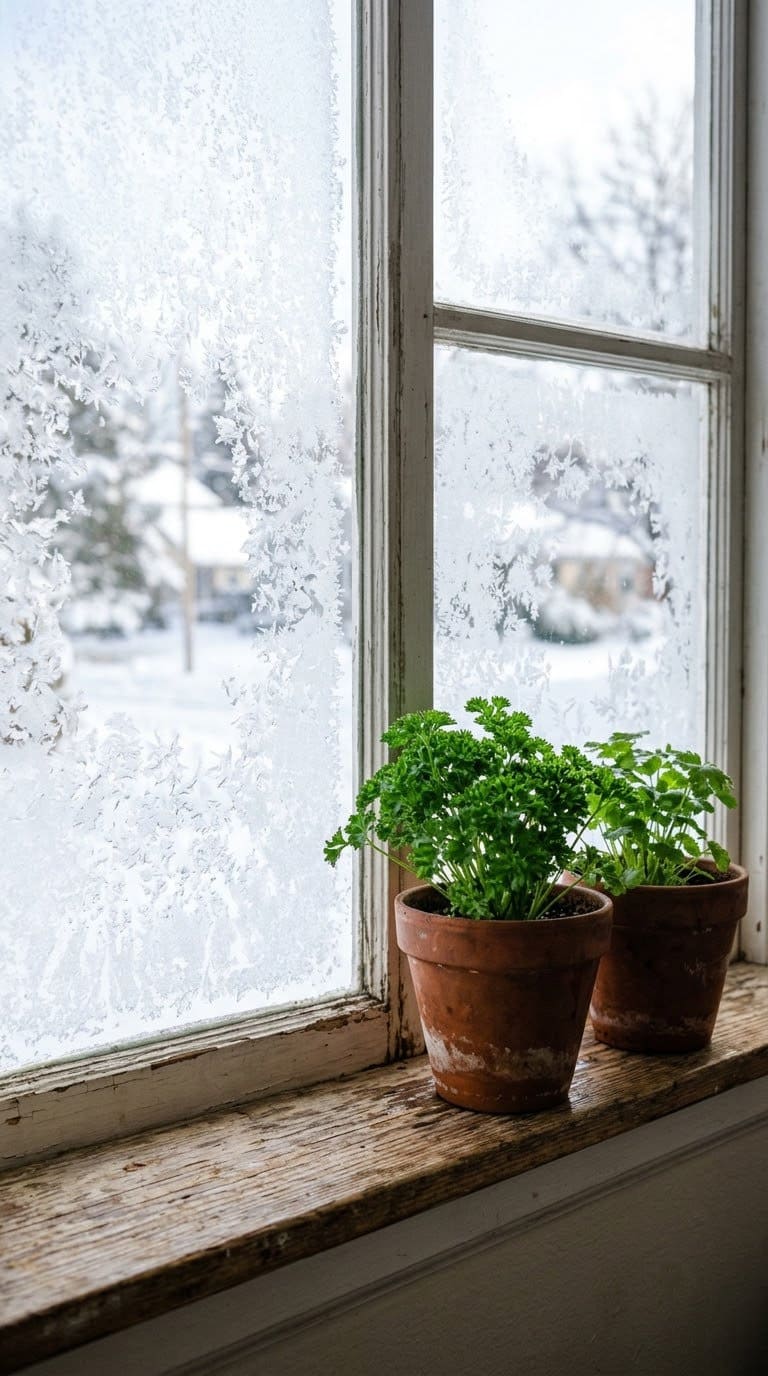
Cool-season herbs are the easy win. Parsley and cilantro can be sown in any zone, with an indoor option under grow lights for cold areas. Outdoors, parsley suits Zones 8 to 11, and cold frames in Zones 8 to 9a.
Sow in a pot by a sunny window if your garden is frozen. In the ground, cover with fabric when frost hits. Cilantro bolts in heat, so cold months suit it well.
Both herbs grow slowly in winter, so cut lightly. Our container herb garden ideas work for balconies and windowsills too.
What Should You Do in Zones 1 to 7?
Be honest about the limits. Outdoors, there isn’t much to plant in a frozen bed. Garlic is the exception in Zones 5 to 7.
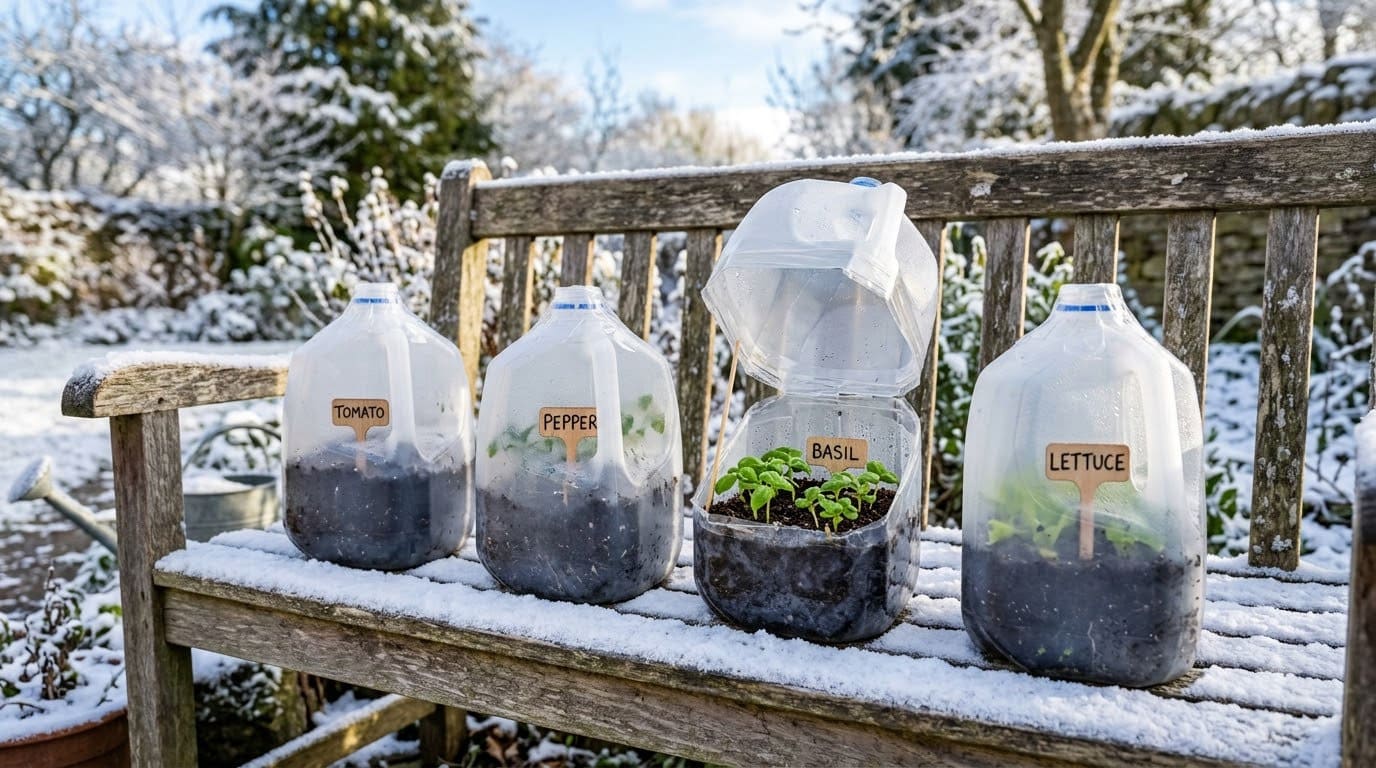
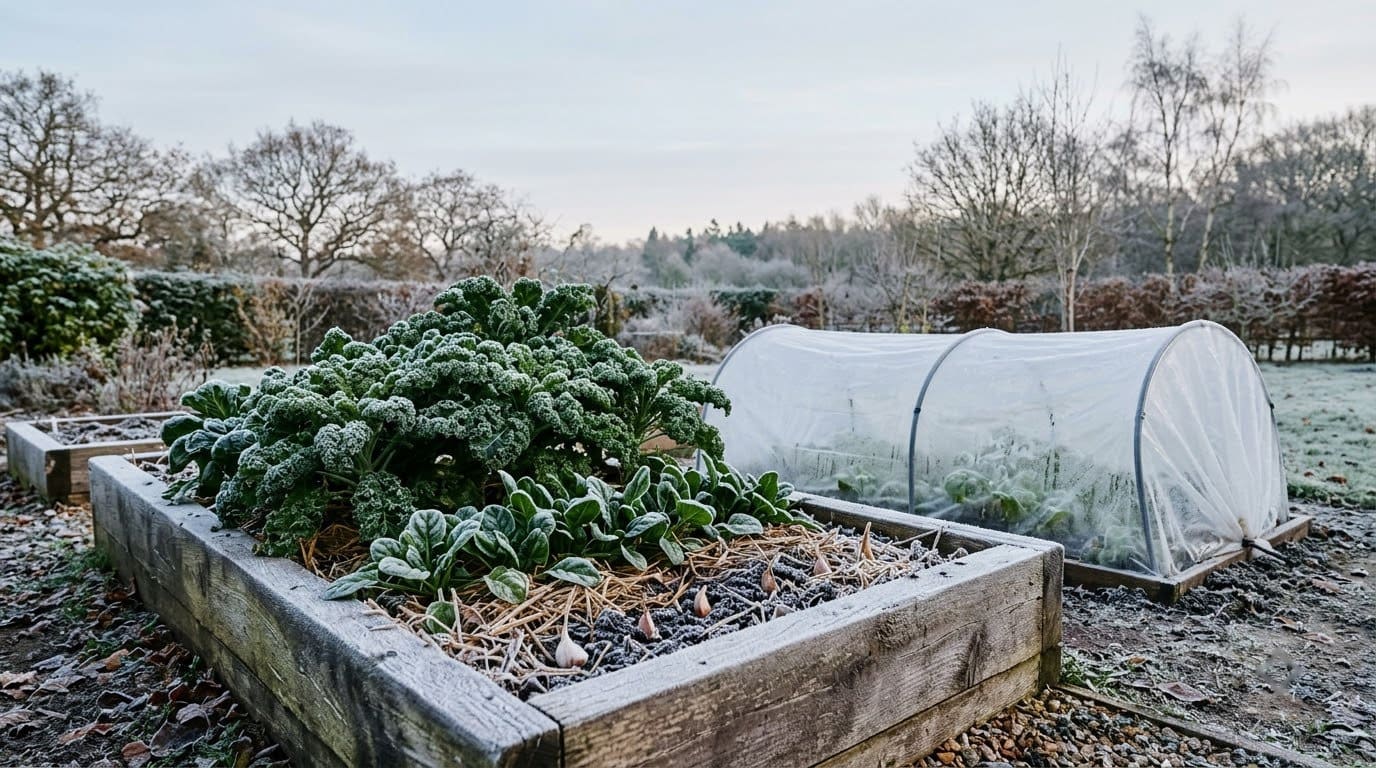
For everything else, use protection. Albert’s tests found that a cold frame with clear plastic ran 10 to 15°F warmer than outside. Row cover alone adds only a little, so use it as an inner layer.
Venting matters. Albert advises venting on sunny days above 45°F and closing up before sunset. In extreme cold below 15°F, avoid venting unless the sun is strong.
In Zones 1 to 4, the same guide suggests greens in a cold frame, but only if the daytime temperature stays near 50°F. Otherwise, move your growing indoors. Our guide to vegetables that can grow indoors has ideas.
How Much Does Late Planting Cost?
Late planting is cheap. Most of these crops need seed, a little mulch and some fabric.
| Budget tier | What you get | Best for |
|---|---|---|
| DIY-cheap | Seed, garlic cloves, straw or leaf mulch, old sheets for frost nights | Zones 8 to 11, garlic anywhere |
| Moderate | Fabric row cover, hoops, transplants | Zones 6 to 9 with hardy greens |
| Bigger investment | A cold frame or low tunnel with clear plastic | Zones 5 to 8 winter harvests |
Garlic is nearly free to winter over. A cold frame costs more but can feed you greens through the coldest months. Our winter garden tips have budget ideas.
What We Learned the Hard Way
The mistake most people make is reading their zone and stopping there. Zone 7 and zone 9 gardeners can see very different November weather. Check your own first frost date with your county extension office.
Another trap is mulching garlic too early. Iowa State’s timing is clear. Mulch in November, then move the straw between the rows in spring so the leaves can emerge.
And don’t ignore the 10-hour daylight rule. If your crop isn’t close to mature by then, it will mostly wait for spring.
That’s fine for garlic, fava beans and overwintered spinach. It’s a letdown for carrots you hoped to eat at Thanksgiving.
If there’s one thing worth doing differently, it’s to write your sow dates and frost dates on a tag. Next year you’ll know exactly what worked.
What Does a November Planting Checklist Look Like?
Here’s an easy order of work for the month.
- Week 1: Check your first frost date. Plant garlic, onion sets and any root seed that needs 4 to 6 weeks.
- Week 2: Set up hoops or a cold frame. Plant spinach, lettuce, kale and Asian greens.
- Week 3: Transplant broccoli and cabbage. Sow peas and fava beans in the warmest zones.
- Week 4: Mulch garlic and root beds. Sow a pot of parsley and cilantro by a sunny window. Keep fabric ready for frost nights.
Frequently Asked Questions
Can you plant vegetables in November?
Yes, in many zones. In Zones 8 to 11, you can sow a wide range of cool-season crops outdoors. In colder zones, garlic and cold-frame greens still work.
What can I plant in November in Zone 5, 6 or 7?
Garlic goes in the ground. Hardy greens, Asian greens and spinach can grow under hoops or in a cold frame. Plan on slow growth until spring.
What is the best vegetable to plant in November?
Garlic, because it works in the widest range of zones. In mild zones, kale, spinach and radishes are quick, easy wins.
Will frost kill my November seedlings?
Hardy crops like kale, spinach and garlic handle frost well. Tender seedlings may need row cover or a cold frame. Sweeter flavor in roots and greens is a bonus of cold nights.
Where do I find my USDA zone?
Use the USDA Plant Hardiness Zone Map and enter your ZIP code. Remember that zones show winter lows, not frost dates.
Products We Recommend
This post contains affiliate links. We may earn a commission on qualifying purchases at no extra cost to you.
Agfabric 10 x 50 ft Floating Row Cover Frost Blanket (1.2 oz)
Lightweight frost cloth that drapes over hoops or directly on hardy greens and root crops on freezing nights.
Shop Now
Garden Hoops Grow Tunnel, 6 Sets of 7 ft Fiberglass Hoops (30 pcs)
Bendable hoops that turn a raised bed into a low tunnel for row cover or plastic.
Shop Now
Stainless Steel Soil Thermometer, 5 in Stem Dial
Checks soil temperature before you sow seed or mulch garlic.
Shop NowNever miss an update — choose FarmFoodFamily as your preferred source on Google.
How it works: Tap the button below to open Google's settings page, then check the box next to FarmFoodFamily.
Tap the checkbox to turn it blue — that's how you know it's set.