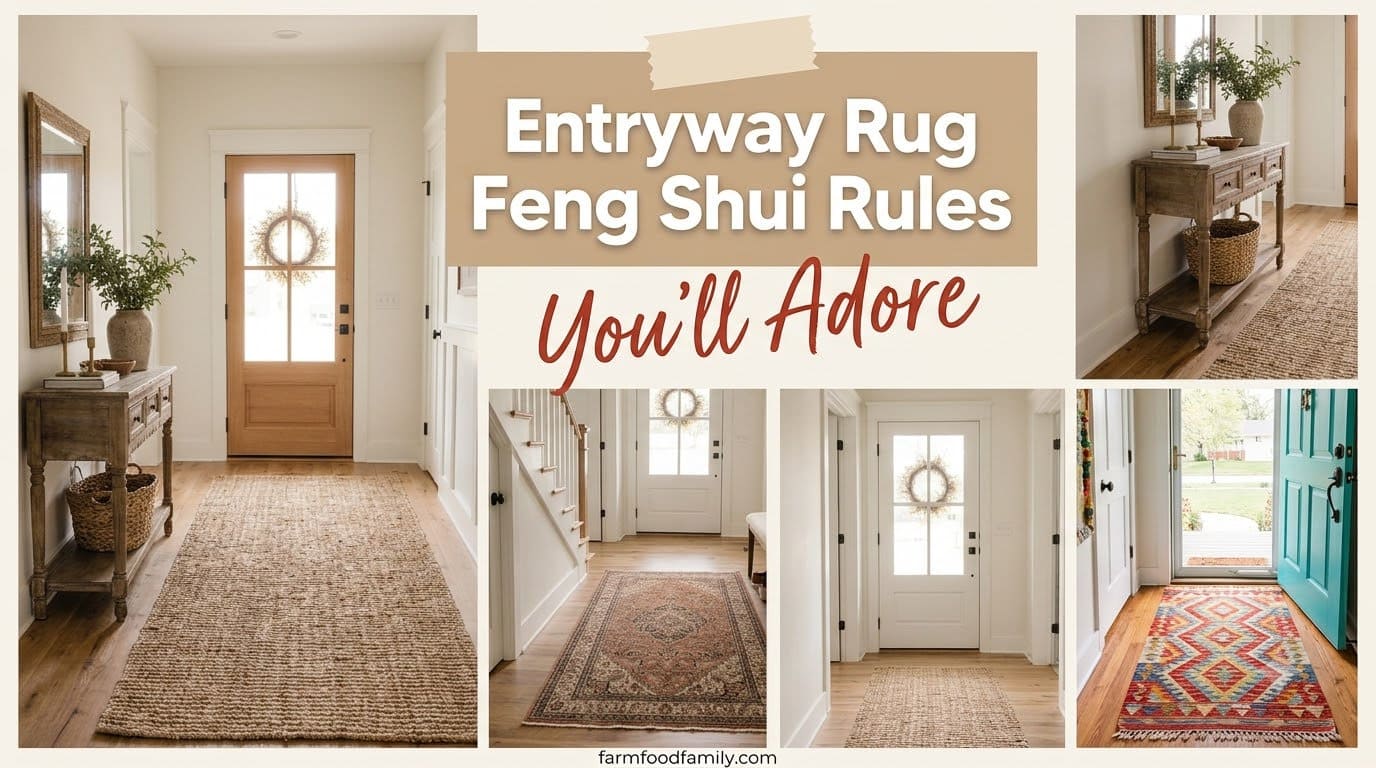
Entryway Rug Feng Shui: What Actually Matters, According to Real Experts and Real Fall Research
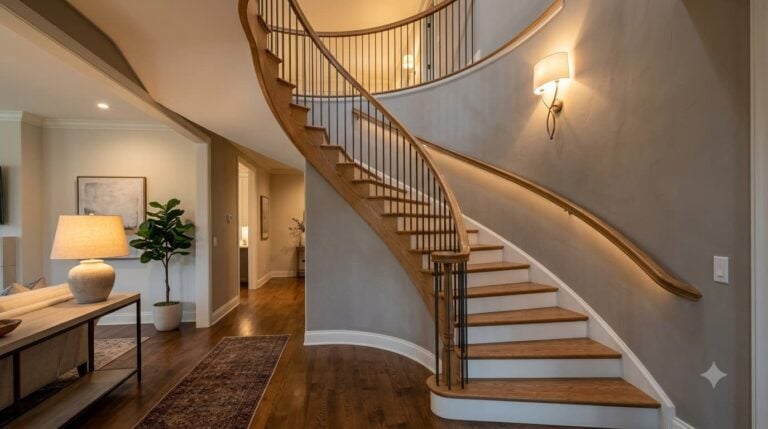
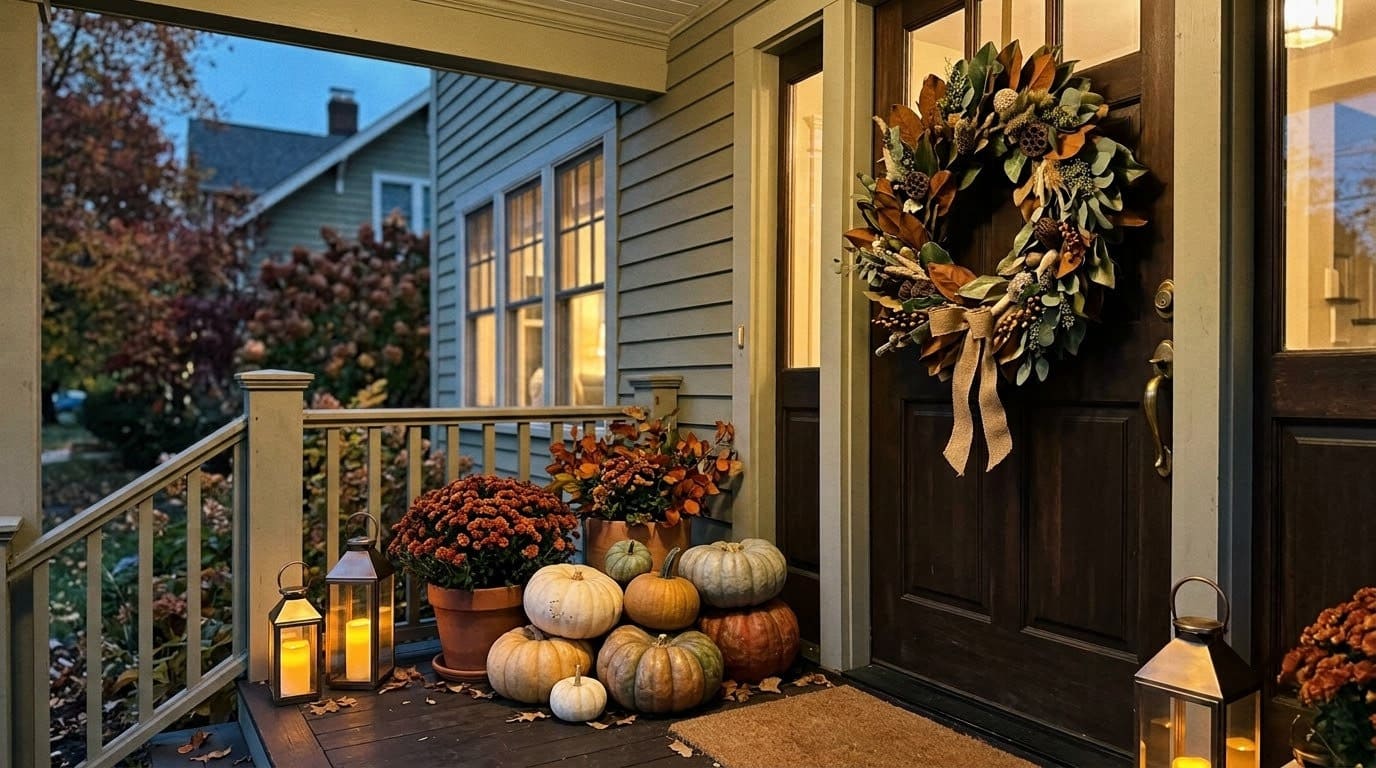
The entryway rug sits at the single busiest transition point in your entire home, feng shui treats it as an energy filter for everyone who steps on it, and real fall-injury data treats it as one of the most common places people actually get hurt.

Never miss an update — choose FarmFoodFamily as your preferred source on Google.
How it works: Tap the button below to open Google’s settings page, then check the box next to FarmFoodFamily.
Tap the checkbox to turn it blue — that’s how you know it’s set.
Anjie Cho, architect and Feng Shui educator, treats an entryway rug or runner as an active invitation, something that draws stable, nurturing qi into the home from the outside world rather than a purely decorative afterthought.
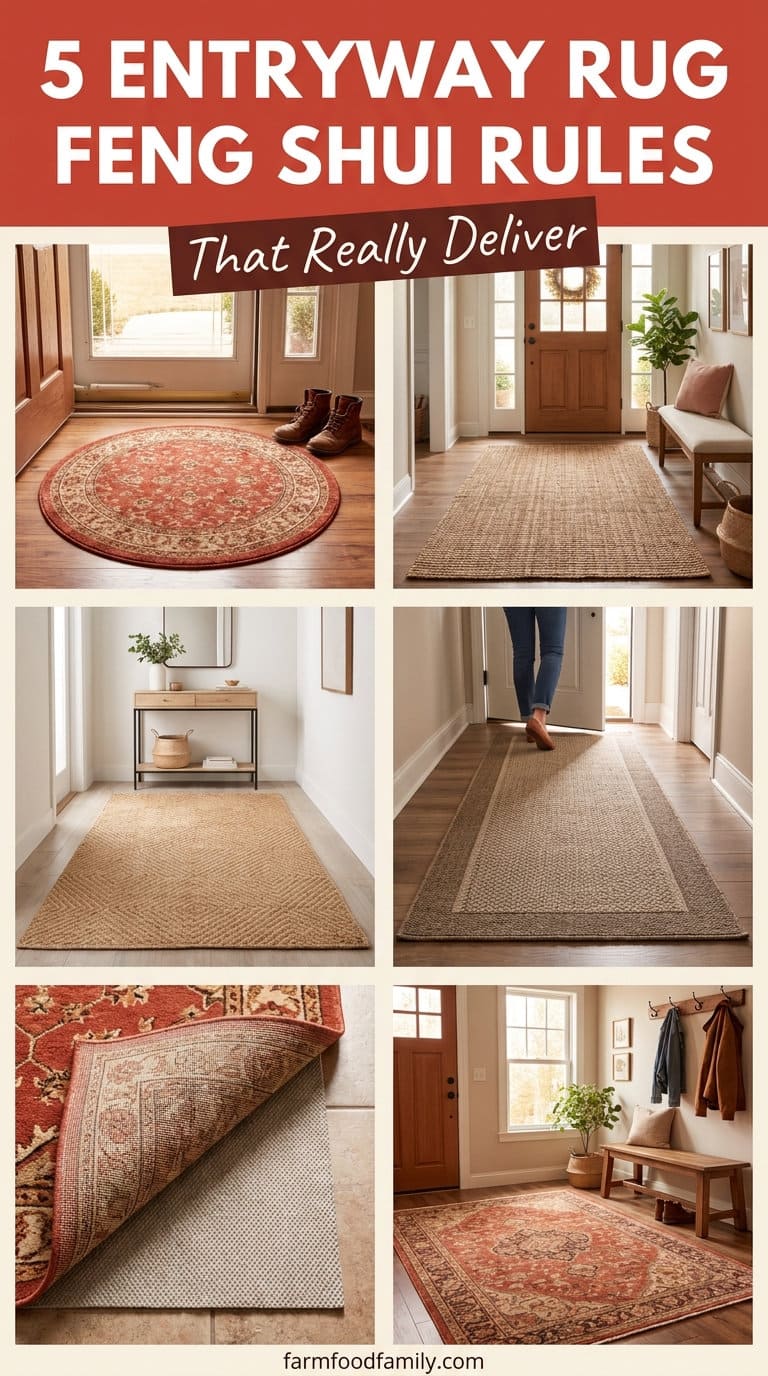
Here are the five rules that matter most, paired with the real fall-safety data that no feng shui rug guide currently mentions.
1. Match the color to warmth and intention, not just decor
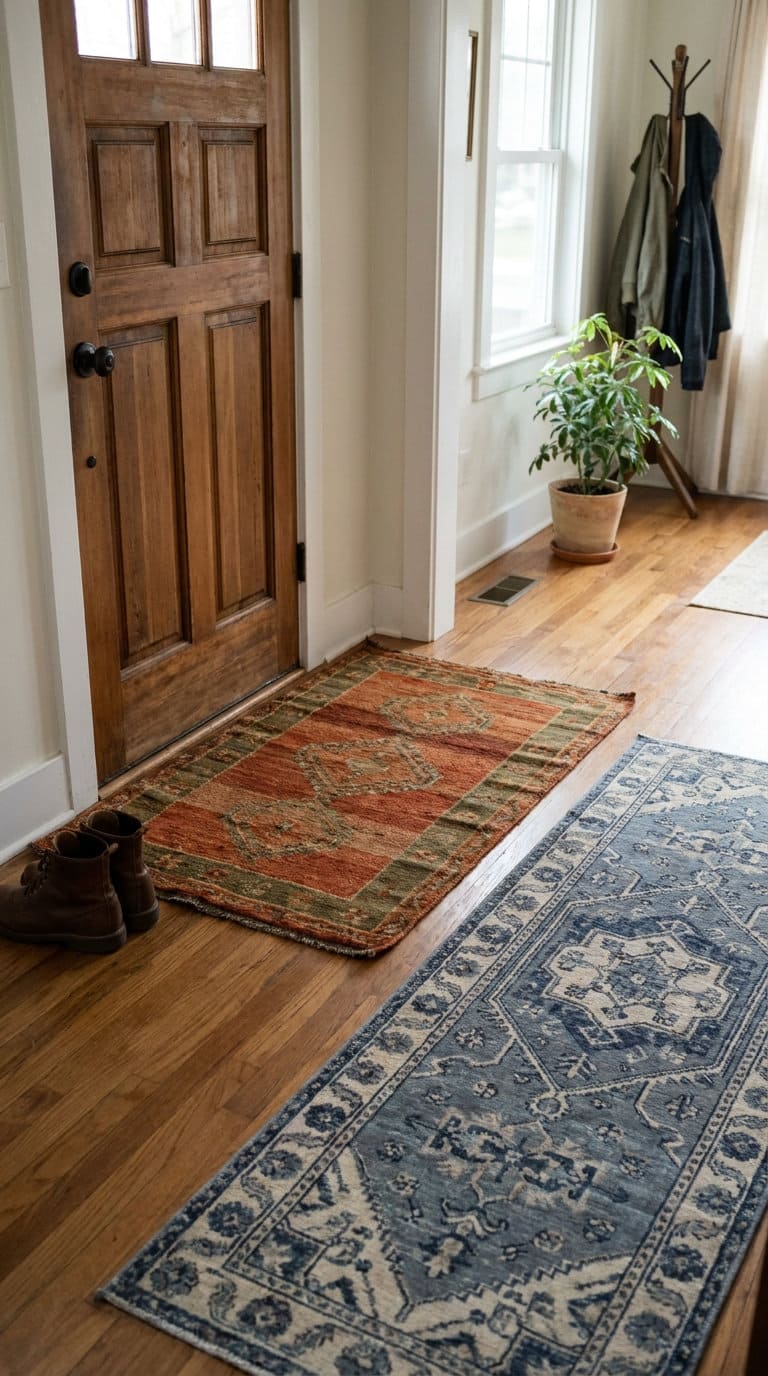
Bright, warm colors, reds, warm earth tones, are favored at the entrance to invite positive chi, while dark or cold colors are thought to feel uninviting or to block energy right at the threshold.
A more advanced version of this rule ties the color to your front door’s compass direction: north-facing entrances pair well with blues (water element), south-facing with reds (fire), and so on, though even without going that deep, warm over cold is the simple version worth following.
2. Choose round or oval over sharp corners
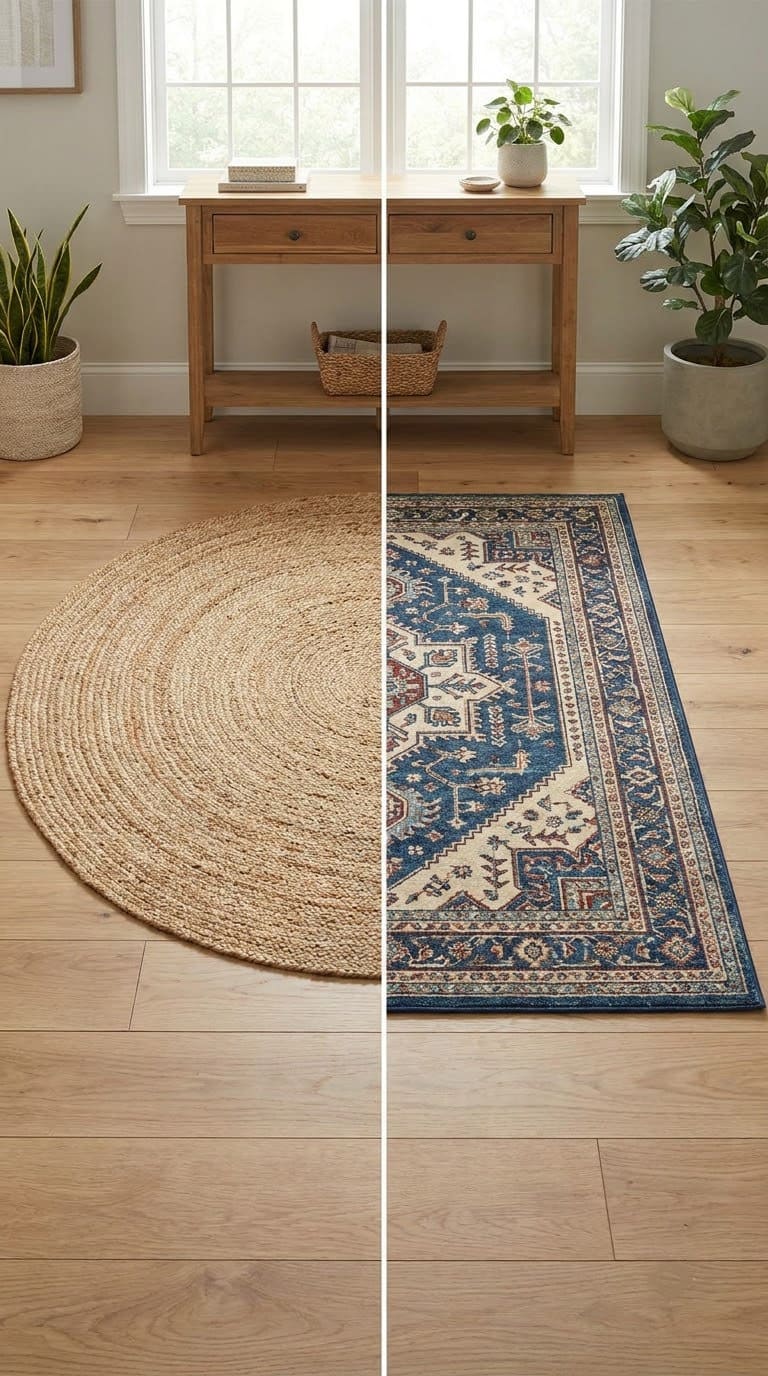
Round and oval rugs are favored because they let chi flow smoothly into the home without the interruption a sharp corner is thought to create, the same “poison arrow” logic covered in other feng shui rules for furniture and pathways.


A rectangular rug isn’t forbidden, it’s simply considered slightly less ideal than a shape with no corners at all.
Our entryway rug ideas gallery has real examples across both shapes if you want to compare how each looks in practice.
3. Size it to nearly the width of the door, placed directly in front
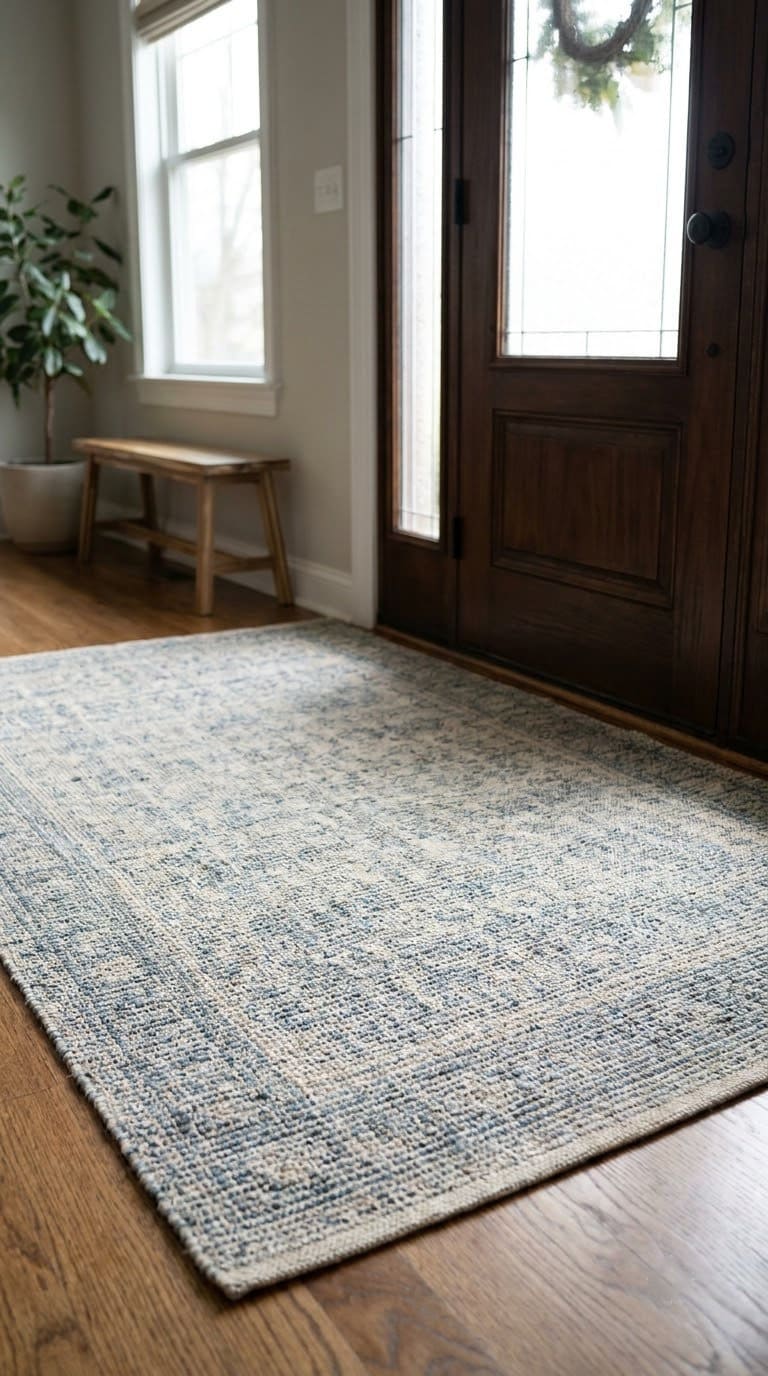
Marie Diamond, the feng shui master and author featured in “The Secret,” places the rug directly in front of the main door, functioning as an energy filter that positive chi passes through on its way inside.
Sizing it close to the full width of the entry door (rather than a narrow strip in the middle) is the standard guidance, so the “filter” actually catches the full width of foot traffic crossing the threshold, not just the center.
4. Keep it clean and in good condition, not worn or frayed
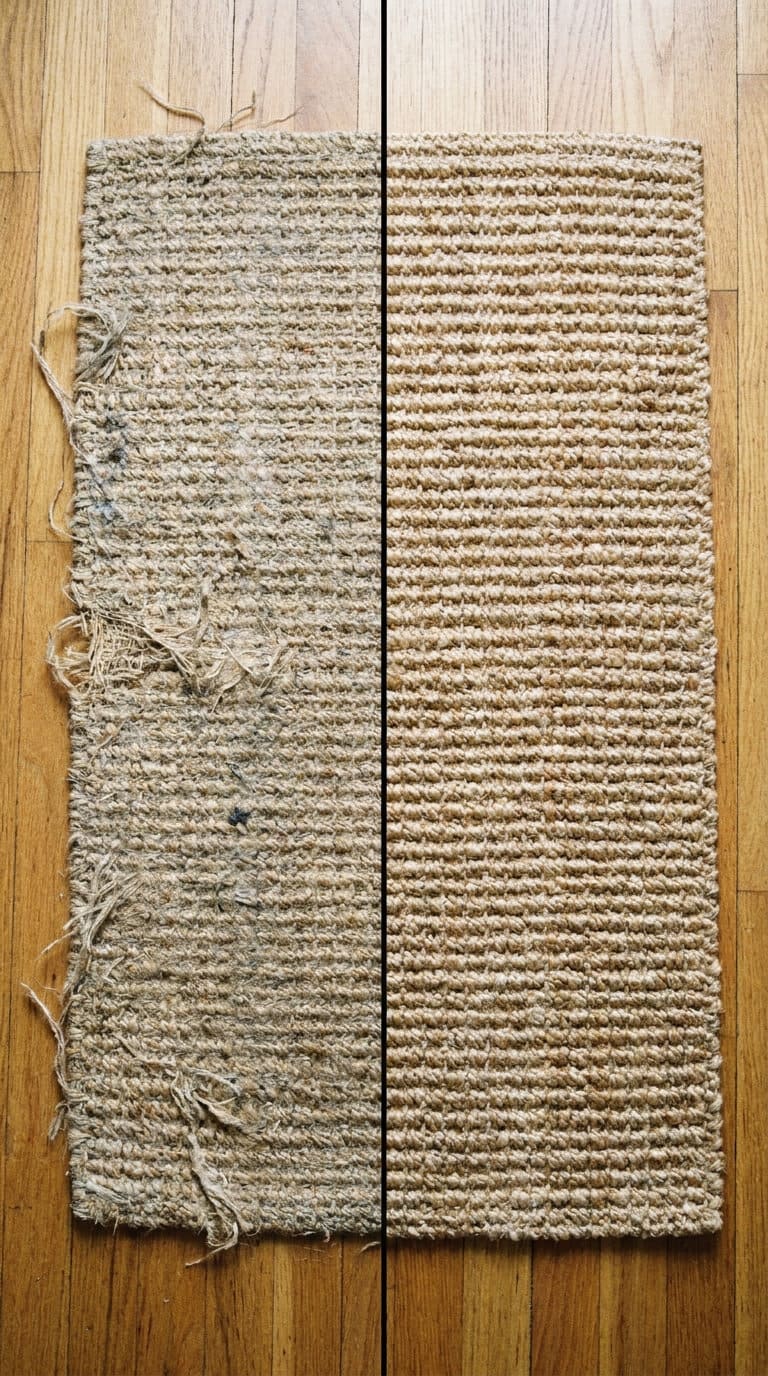
A stained, frayed, or visibly worn entryway rug is treated the same way a peeling front door or a cracked walkway is elsewhere in feng shui, a small, visible sign of neglect sitting at the first point of contact with your home.
Regular cleaning and replacing a rug once it’s genuinely worn out (not just lightly used) keeps the “welcoming” symbolism intact.
5. Is your entryway rug a real fall hazard, not just a feng shui detail?
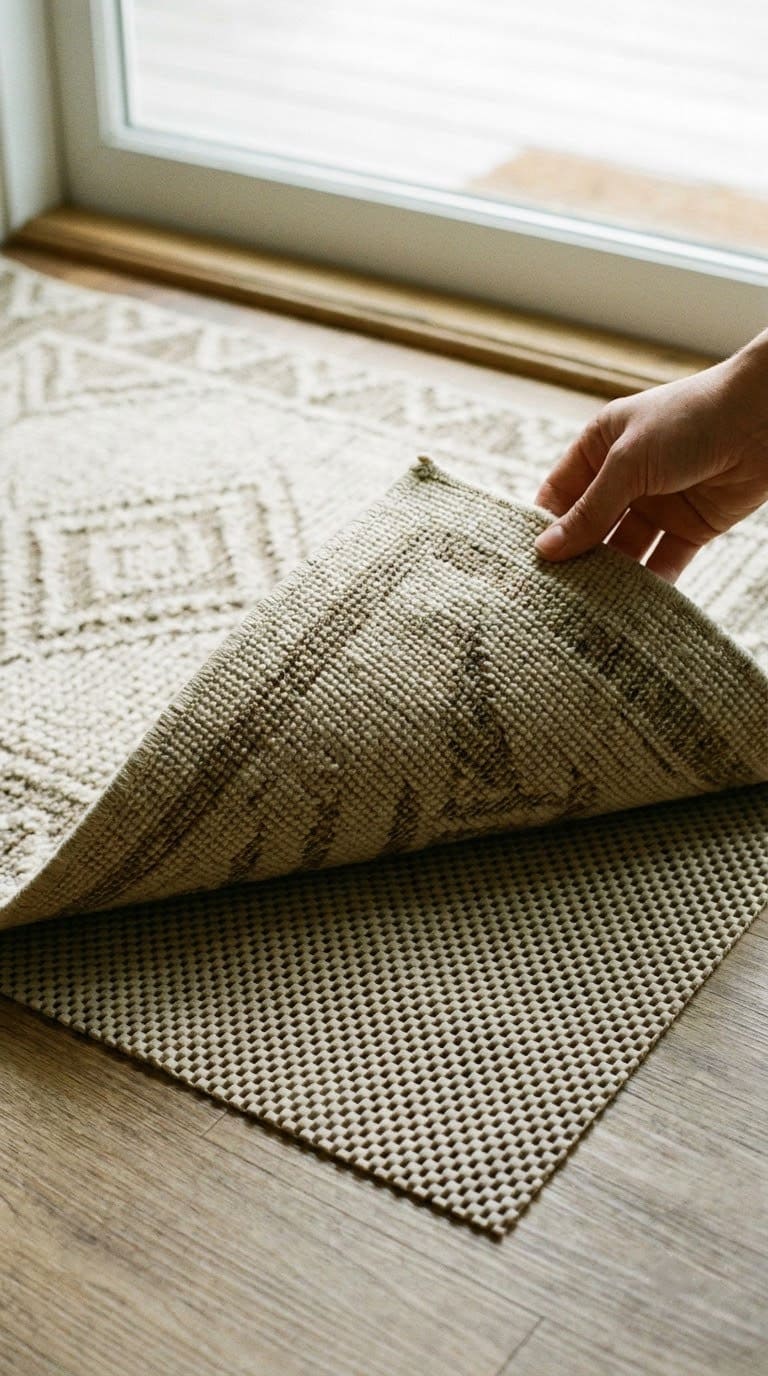
This is the gap in every source checked for this piece, and it’s the one with real, documented safety stakes.
Real injury-prevention research found loose throw rugs in nearly 78% of the older-adult homes studied, and curled carpet edges in more than 35%, mats, rugs, and carpet account for roughly 30% of all home falls, and an estimated 37,991 adults 65 and older are treated in U.S. emergency rooms annually for rug or carpet-related falls.

Covers rules #1, #2, and #5 at once: warm color, round shape, low pile, non-slip
Shop NowThis post contains affiliate links. We may earn a commission on qualifying purchases at no extra cost to you.
An entryway rug sits at exactly the highest-traffic, highest-risk spot for this: wet shoes, kids running in, someone carrying groceries, all crossing the same small rug multiple times a day.
High-pile or plush rugs are more likely to catch a foot mid-stride than low-pile options, and a rug without a non-slip pad underneath is one of the most preventable hazards in the whole list of feng shui entryway advice. A cheap, cut-to-size non-slip rug pad, or a rug sold with a built-in non-slip backing, solves this in minutes for a few dollars.
The 5 rules at a glance
| Rule | Real-world backing | Fastest fix |
|---|---|---|
| Warm color | Advanced version ties color to compass direction | Reds/warm earth tones over dark, cold colors |
| Round or oval shape | Same poison-arrow logic as furniture/pathways | Round rug if your entryway allows it |
| Sized to door width, placed in front | Catches full width of foot traffic | Avoid a narrow center strip |
| Clean, good condition | Worn rugs read as neglect | Replace once genuinely frayed or stained |
| Right pile height + secured | Rugs/carpet cause ~30% of home falls; ~37,991 ER visits/year for adults 65+ | Low pile + non-slip pad underneath |
What we learned the hard way
The non-slip pad is the fix people skip because it feels like an unnecessary extra step for something that “looks fine.” It’s genuinely the single cheapest, fastest safety upgrade on this entire list, and the one most likely to prevent an actual injury rather than just improve the room’s symbolic energy.
The worn-rug replacement is the other thing people put off. A rug that’s curling at the edges isn’t just a feng shui “neglect” signal, per the real research above, curled edges are specifically flagged as a documented tripping hazard, not a cosmetic one.
FAQs
Does the rug really need to match my front door’s compass direction? It’s the more advanced version of the color rule, not a requirement. Warm, inviting colors over dark or cold ones covers most of the practical benefit even without going into full directional matching.
Is a rectangular entryway rug automatically bad feng shui? No, it’s simply considered slightly less ideal than round or oval. If a rectangular shape fits your entryway better, it’s a reasonable choice, not a mistake.
How do I know if my rug is a real slip hazard? Check for curling edges, bunching, or sliding when stepped on, all documented risk factors in real fall research. If it moves at all underfoot, add a non-slip pad immediately regardless of how the rug looks otherwise.
How often should I replace an entryway rug? There’s no fixed timeline, replace it once it’s genuinely worn, frayed, curling at the edges, or visibly stained beyond cleaning, rather than on a set schedule.

Related reading on farmfoodfamily.com: for the surrounding entryway setup, see our entryway table ideas and foyer lighting ideas guides.
Related Posts
- 30+ Beautiful Entryway Rug Ideas and Designs
- Entryway Table Ideas
- Foyer Lighting Ideas
- Best Entryway Mirror Ideas
- Small Entryway Decor Ideas
- Awkward Entryway Ideas
Products We Recommend
This post contains affiliate links. We may earn a commission on qualifying purchases at no extra cost to you.
Tangsoo Red Round Washable Low-Pile Rug
Covers rules #1, #2, and #5 at once: warm color, round shape, low pile, non-slip
Shop Now
Gorilla Grip Non-Slip Rug Pad
Directly addresses rule #5's real fall-safety gap for any rug you already own
Shop Now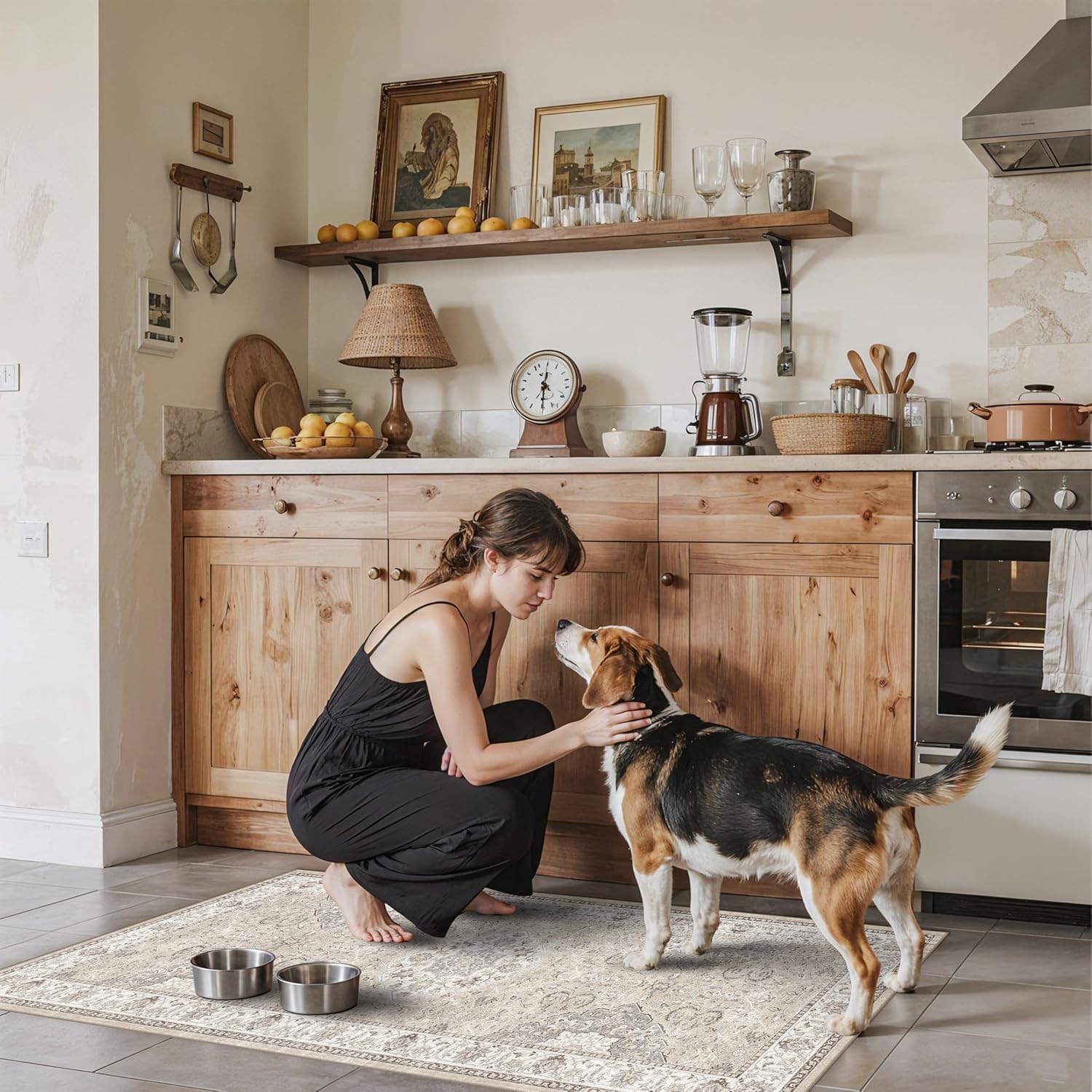
Washable Non-Slip Low-Pile Entryway Rug
Combines rule #4's easy-clean requirement with rule #5's lower-catch-risk pile height
Shop NowNever miss an update — choose FarmFoodFamily as your preferred source on Google.
How it works: Tap the button below to open Google's settings page, then check the box next to FarmFoodFamily.
Tap the checkbox to turn it blue — that's how you know it's set.