15 Fast-Growing Vegetables You Can Harvest In Under 30 Days
Fifteen crops can reach your plate in under a month, as long as you know which ones count as baby-stage and which ones don’t.

Never miss an update — choose FarmFoodFamily as your preferred source on Google.
How it works: Tap the button below to open Google’s settings page, then check the box next to FarmFoodFamily.
Tap the checkbox to turn it blue — that’s how you know it’s set.
You want food from your garden, and you want it soon. Plenty of posts promise vegetables in 20 days, then quietly mean something very different from what you picture.
So we checked the numbers against university extension sheets and seed-company guides. They don’t always agree. Some “21-day” crops took 45 days in an extension trial.
That doesn’t mean fast crops are a myth. It means you need the honest version. Here are 15 vegetables that can really reach harvest in under 30 days, plus the ones that only look fast.
Quick Answer
Most “under 30 days” vegetables are harvested young. Think microgreens, shoots, baby greens and radishes. They taste great, but they aren’t full-size plants.
Radishes are the one true root crop on the list. According to University of Delaware Extension, the Rover and D’Avignon varieties mature in 21 days. Baby greens like arugula, kale and pak choi can hit 21 days at best, per Southern Exposure Seed Exchange.

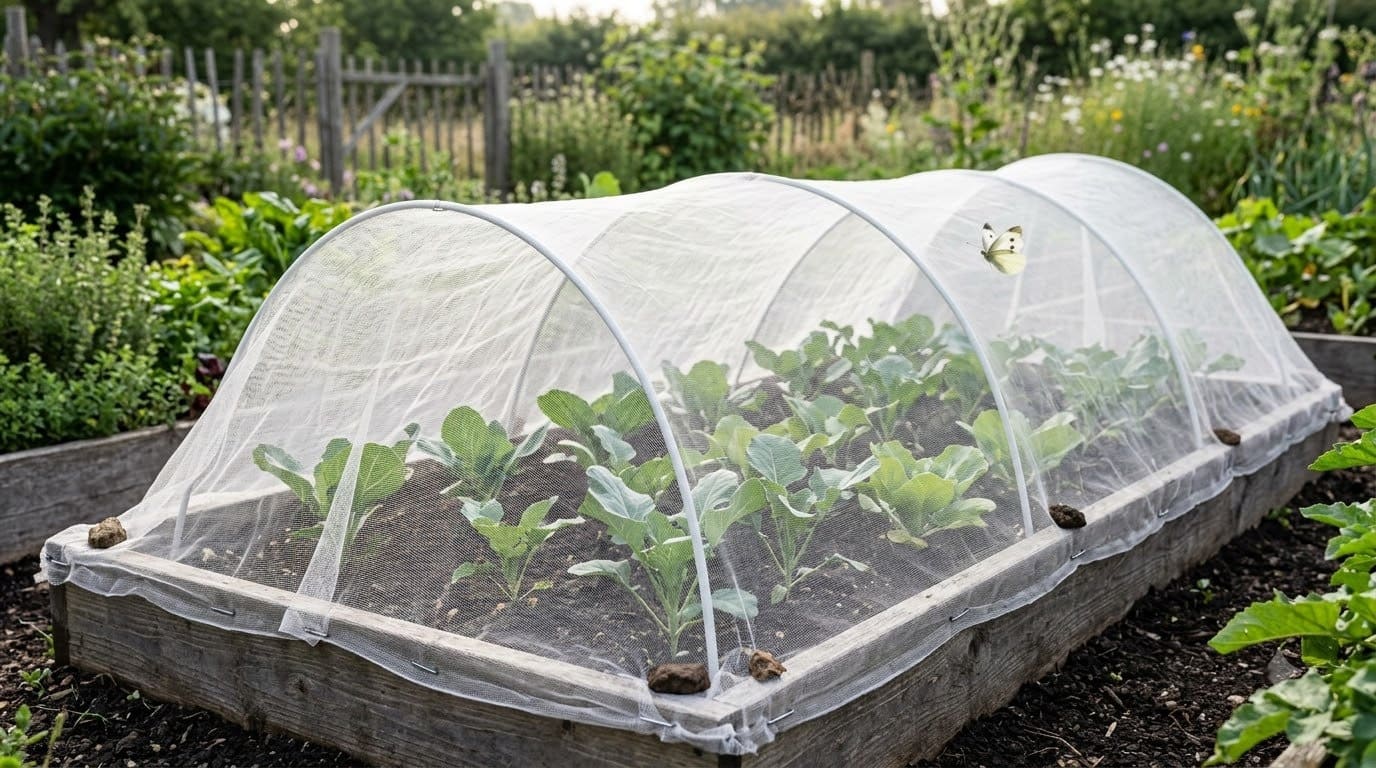
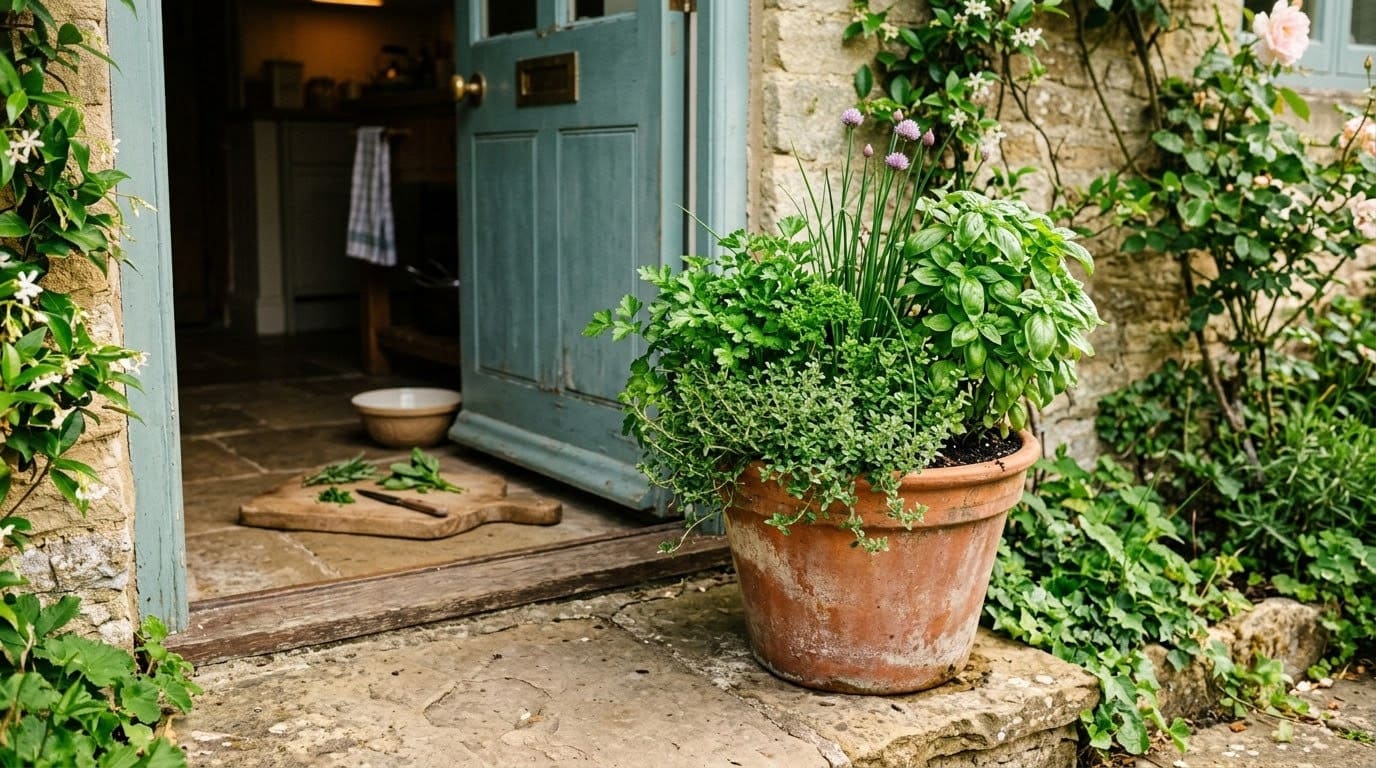
Microgreens and sprouts are the fastest of all, at 3 to 14 days. They need only a tray or a jar, a bright window and very little seed.
Answer 4 quick questions and get matched to the exact fix for your yard — drainage, budget, layout, or something else entirely.
Take the Free QuizExpect cool-season crops to slow down in short winter daylight. Add a week of cushion to any date you read online, because seed companies quote the best case. And plan to sow more every two weeks so the harvest never stops.
What Does “Under 30 Days” Really Mean?
It means days from sowing to a harvest you can eat. For leafy crops, that’s the baby stage, when leaves are about 3 to 5 inches tall. For radishes, it’s a full small root.
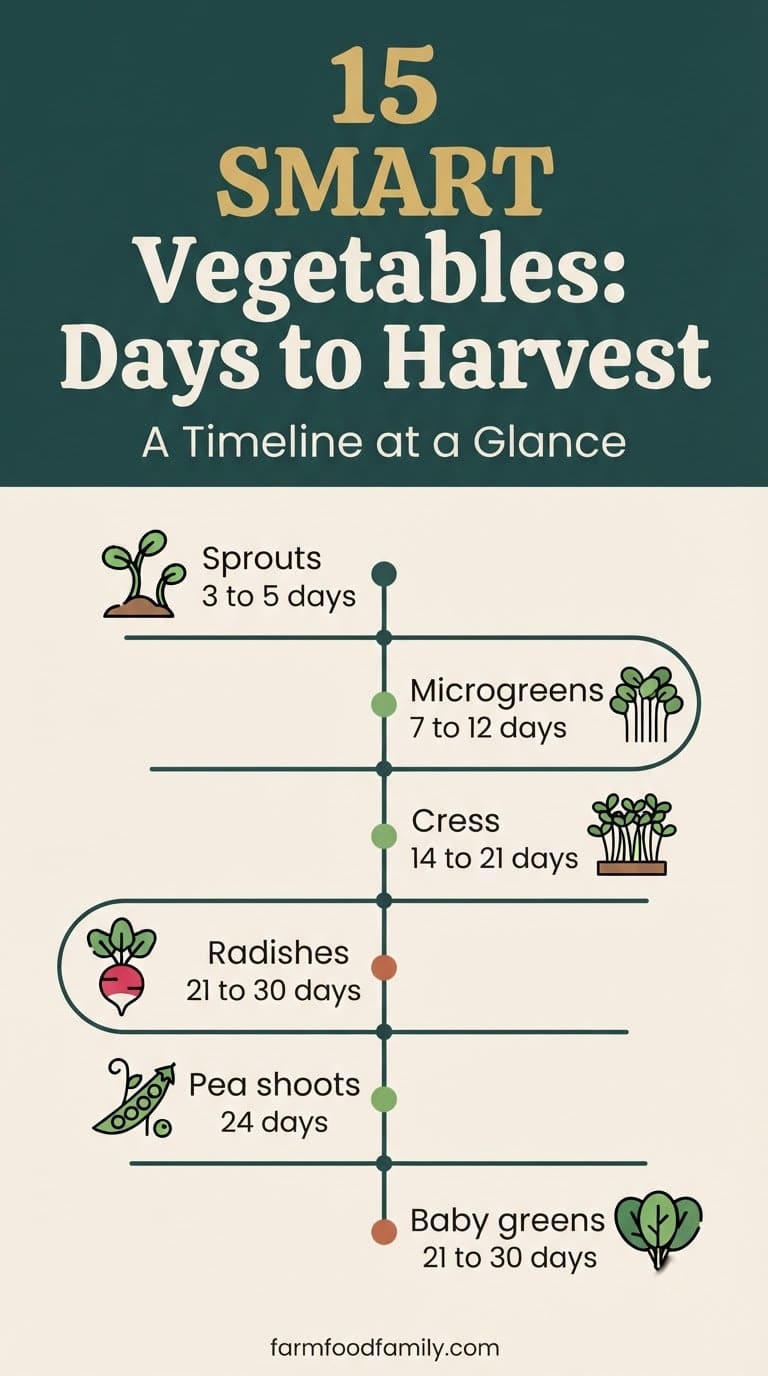
Here’s how our 15 sort by speed. The day counts come from the extension sheets and seed-company guides linked in the sections below.
| Group | Crops | Days to harvest |
|---|---|---|
| Ultra-fast | Sprouts, microgreens, sunflower shoots, beet and chard microgreens | 3 to 16 |
| Fast | Cress, green onions from scraps, herb microgreens | About 7 to 30 |
| Right on the line | Pea shoots, radishes, baby greens | 21 to 30 |
| Borderline | Baby chicory | 28 to 35 |
Different sources give different numbers for the same crop. Seed companies tend to quote the fastest case. Extension trials and horticulture writers run slower.
| Crop | Southern Exposure | Harvest to Table | University extension |
|---|---|---|---|
| Baby arugula | As little as 21 days | 30 to 40 days | 45 days (Ice-Bred, UMD) |
| Spinach | About 30 days | 35 to 45 days | Not listed |
| Baby kale | As little as 21 days | 40 to 50 days | Not listed |
| Baby lettuce | About 35 days | 30 to 45 days | 35 days (UMD) |
| Radish | Not listed | 20 to 30 days | 21 to 30 days (UD) |
The slower numbers come from Stephen Albert’s guide at Harvest to Table and from a University of Maryland Extension trial. Why the gap? Variety, season, soil warmth and how small you cut the leaves all change the clock.
Our approach: treat the fastest number as the best case. Add a week of cushion, and you’ll rarely be disappointed.
1. Radish and Brassica Microgreens
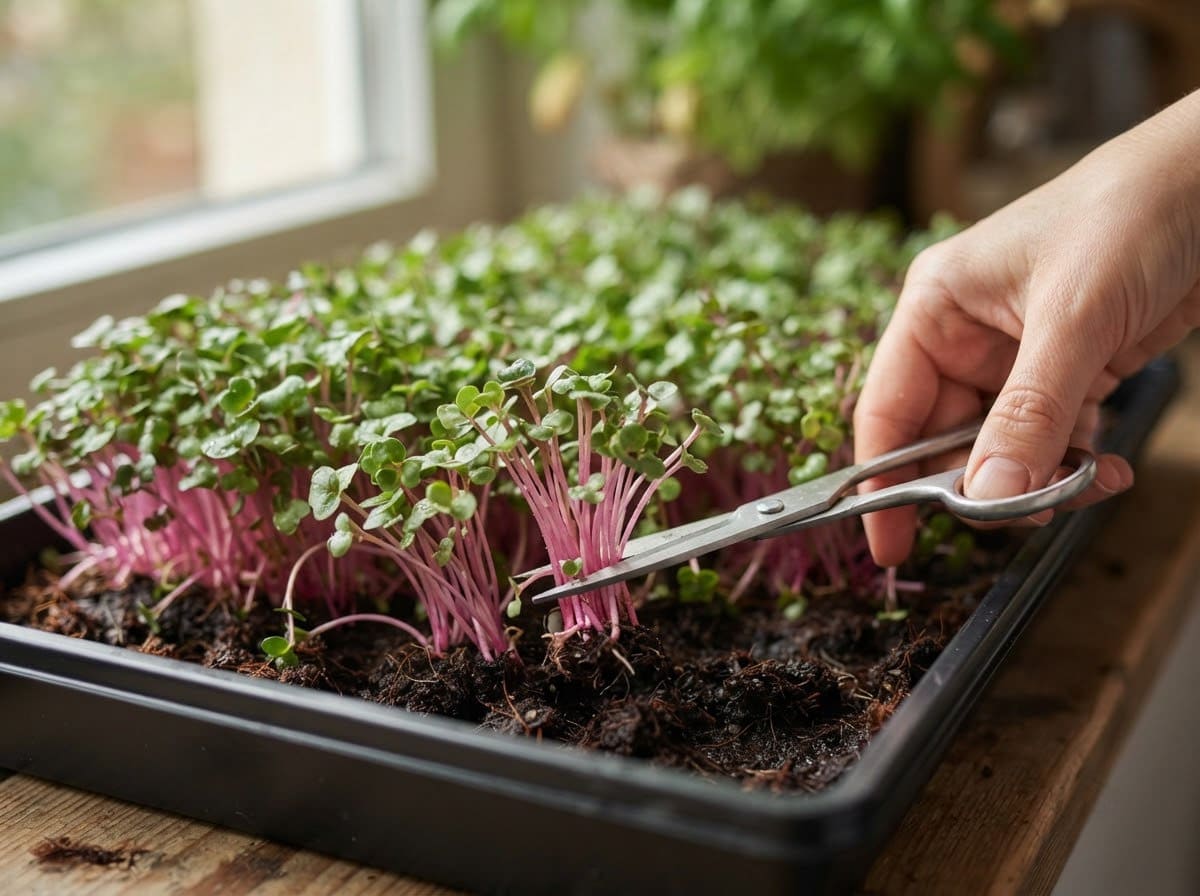
These are the speed champions of the soil world. Radish and other brassicas are ready in 7 to 12 days, per a seed company’s microgreens guide.
Most yard problems trace back to one specific, fixable cause. Find yours in 4 quick questions.
Take the Free Quiz
Standard-size trays for microgreens and shoots. Use a pack as bottom-watering base trays under trays with drainage.
Shop NowThis post contains affiliate links. We may earn a commission on qualifying purchases at no extra cost to you.
You need a shallow tray, a thin layer of potting mix and seed. Give the seedlings 12 to 16 hours of light a day after you uncover them. Keep the room between 60 and 75°F.
Water from the bottom to keep the leaves dry. Cut the dry canopy just above the soil with a clean blade. Mold is the main risk, so give the tray gentle airflow and never leave water standing.
In our view, this is the best first project on the list. It needs a few days and almost no skill.
2. Sprouts
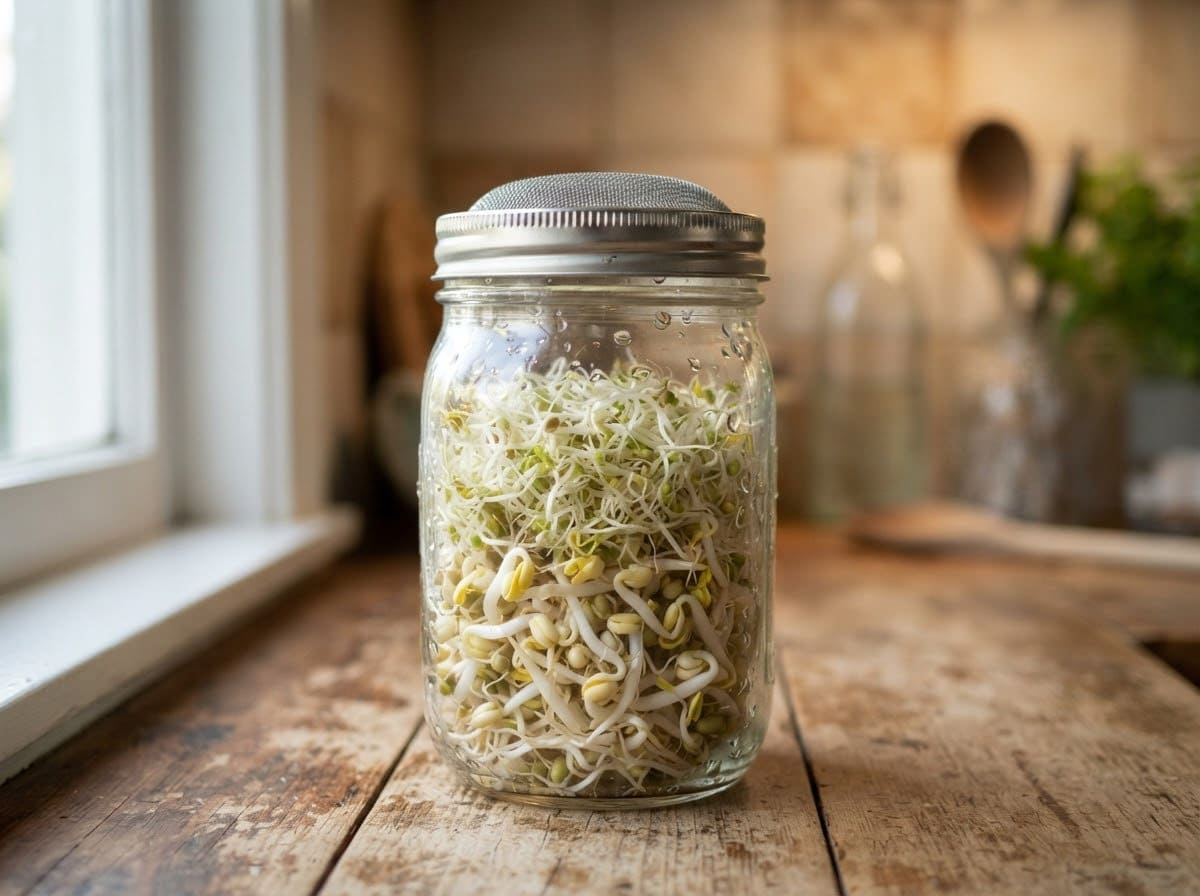
Sprouts are the fastest food you can grow. They’re ready in 3 to 5 days, at 2 to 3 inches long, according to the Almanac’s Robin Sweetser.
They need no soil and no light. A clean jar, a mesh lid and a rinse twice a day will do it. You eat the whole sprout.
Here’s the catch. Sprouts can carry bacteria, so buy seed from a source that tests for pathogens and keep your jars spotless. Our sprout growing guide covers the jar method step by step.
3. Sunflower Shoots
Sunflower shoots are bigger and crunchier than most microgreens. Large-seed shoots like sunflower and pea take 9 to 16 days.
They have a nutty taste and a satisfying snap. Soak the seed overnight, then sow it thickly on a tray of moist mix. Keep the tray covered for the first couple of days.
Harvest when the shoots are a few inches tall. Rinse off any loose hulls before you eat them. They pair well with the radish microgreens in idea 1.
The average homeowner spends $616/year on yard fixes that don't address the real problem. Find out what yours actually is — before you spend another dollar.
Take the Free Quiz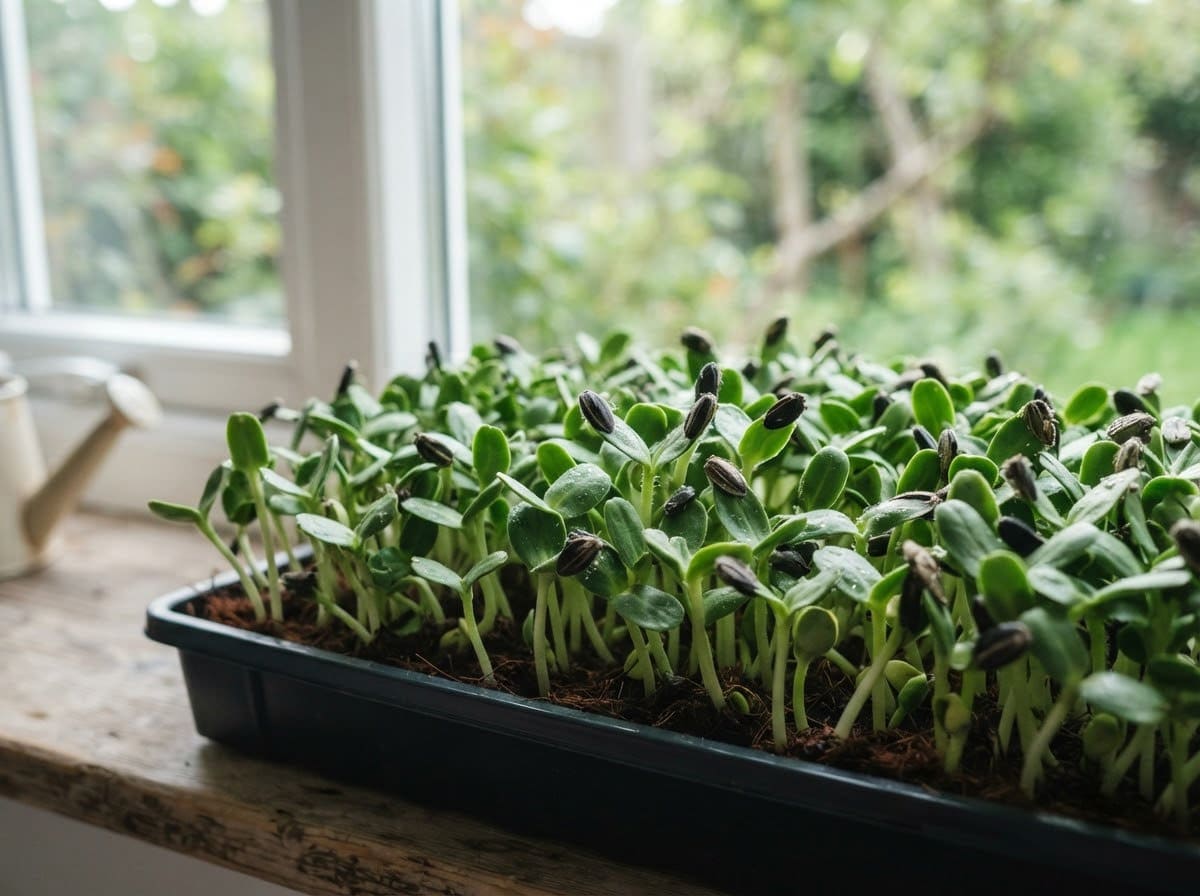
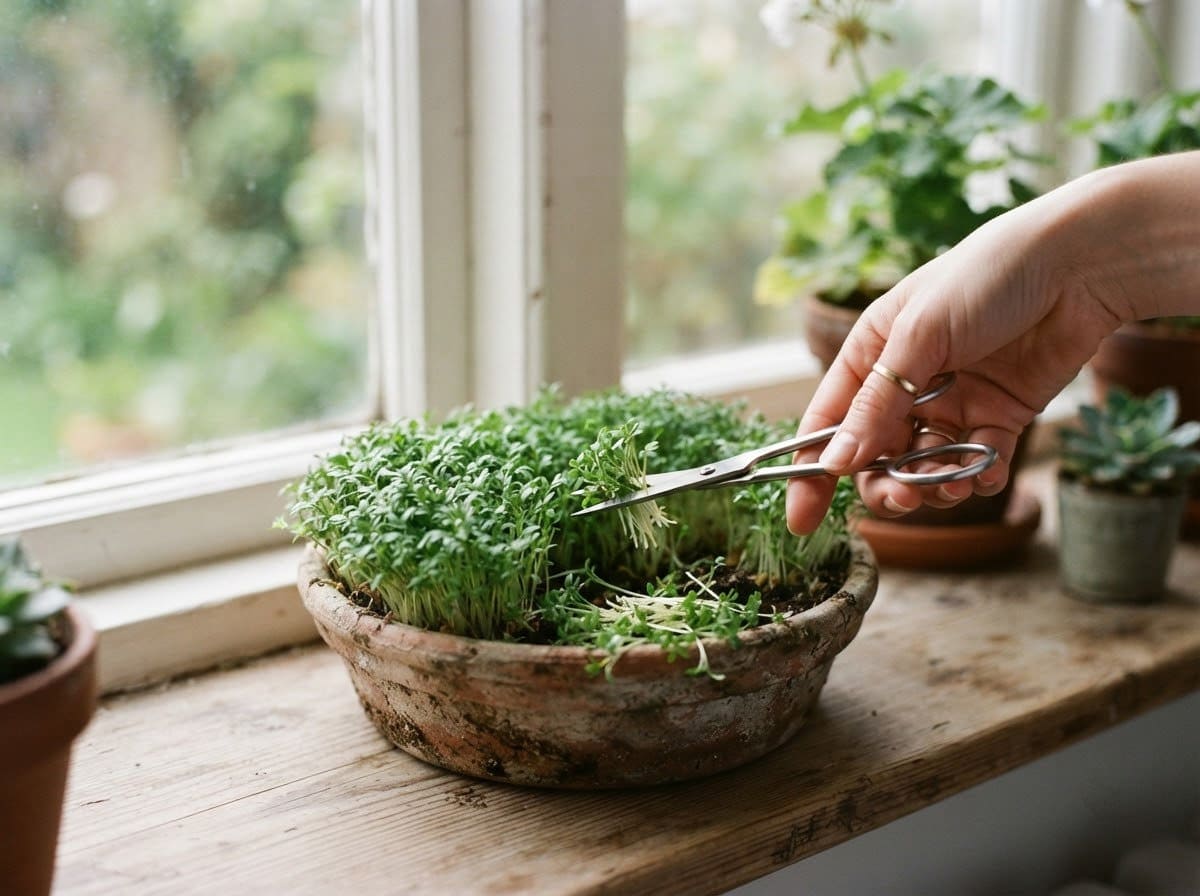
4. Garden Cress
Cress is peppery, fast and cheap. Garden cress is ready 14 to 21 days after sowing, as this cress guide explains.
Sow seed thickly, about 1/4 inch deep, in wide rows or a shallow pot. It germinates in soil around 65°F. Even at 45°F it sprouts in about 14 days.
Cress turns pungent and inedible in hot weather. Grow it in part shade, keep the roots moist and sow again every 10 to 14 days. You can even sprout it on a wet paper towel.
5. Pea Shoots
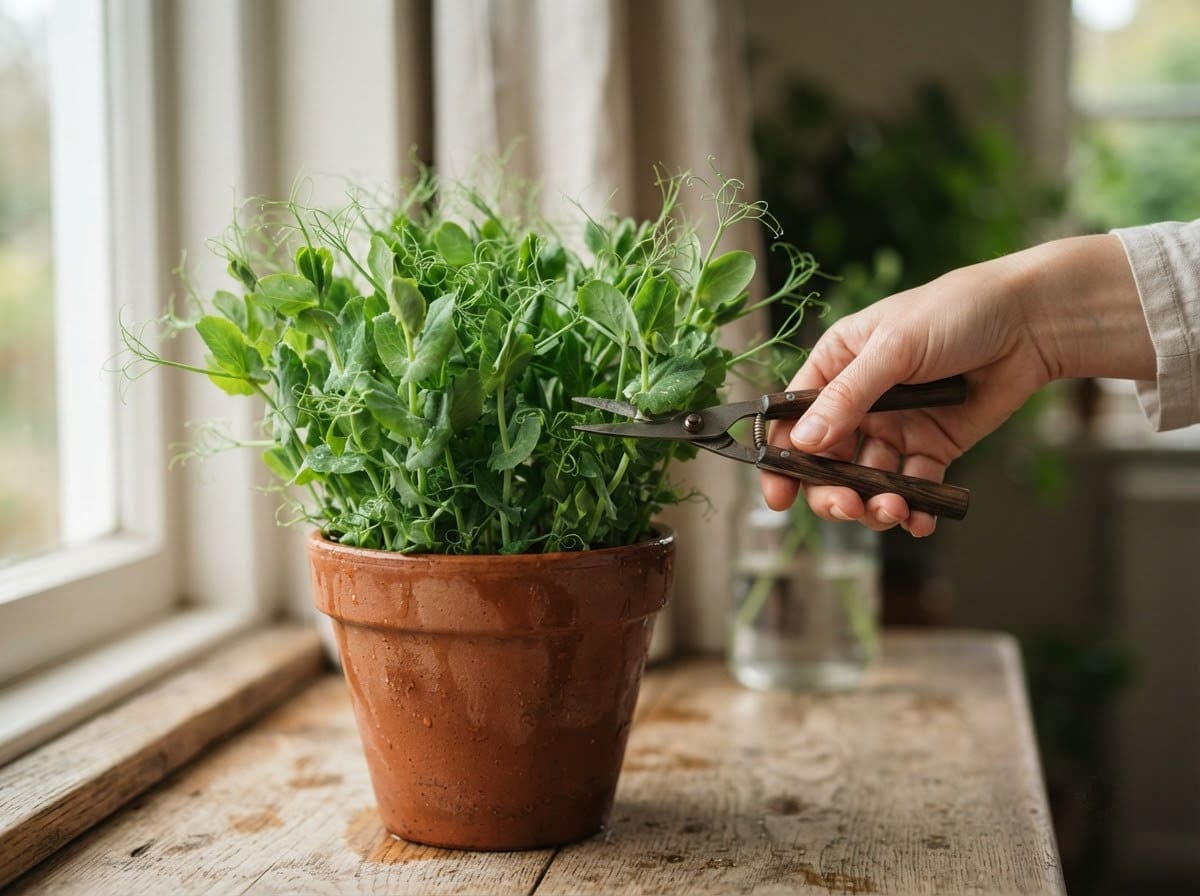
Pea shoots taste like sweet snap peas, and they’re fast. Extension specialist Gordon Johnson calls them a quick 24-day crop.
Shoots run 2 to 6 inches long, with 2 to 4 pairs of leaves and soft tendrils. Clip the top 2 to 6 inches. The plant regrows, and you can clip again every 3 to 4 weeks.
Use them within a couple of days, because they don’t store well. Toss them into stir-fries or salads right after cutting. A 12-inch pot holds plenty.
6. Beet and Chard Microgreens
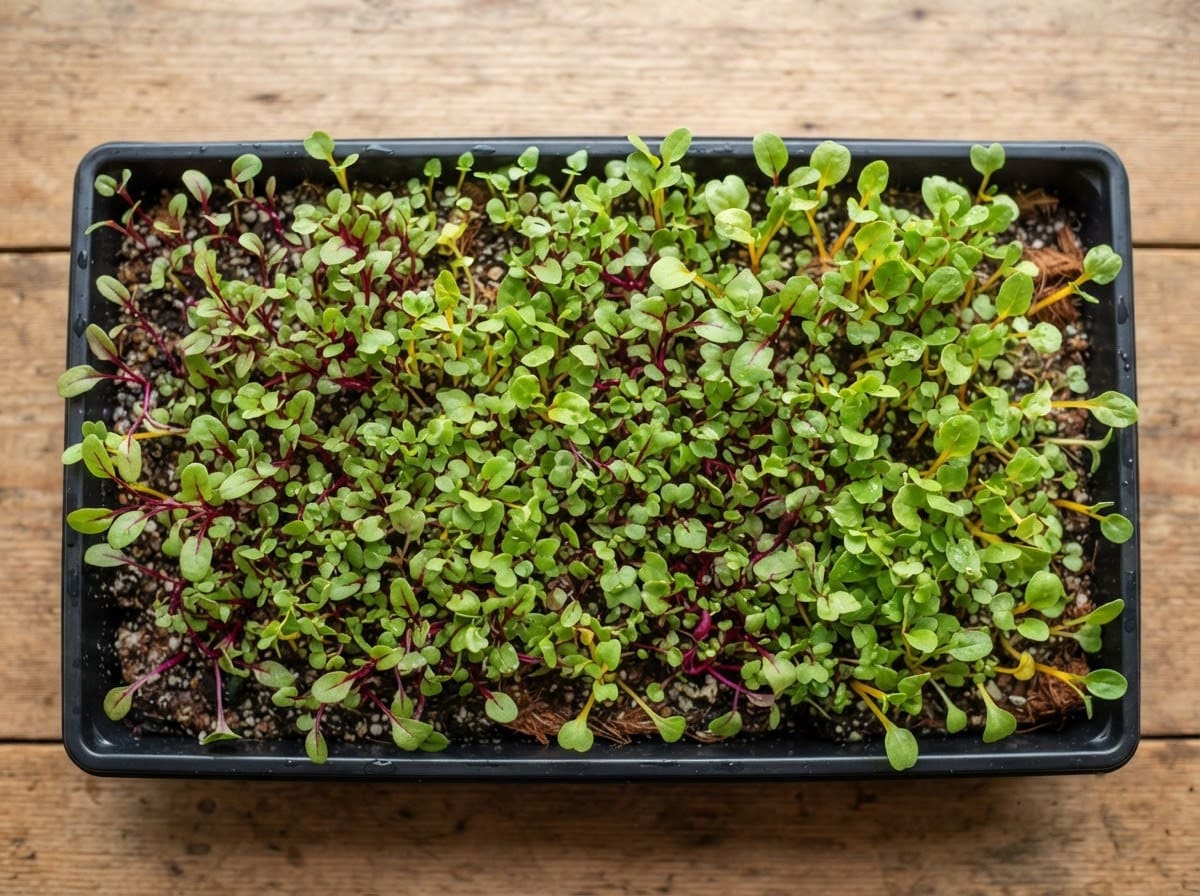
If you want color, grow these. Beet, chard and amaranth microgreens take 10 to 20 days.
The stems come in bright red, pink and yellow. They look beautiful on a plate and taste mildly earthy. Beet seed is actually a cluster of seeds, so sow it a bit thicker than you would radish.
They grow slower than brassicas, so give them a few extra days. Bottom-water the tray and keep the room at 60 to 75°F. Sow them next to idea 1’s radish tray to harvest two textures at once.
7. Herb Microgreens: Basil and Dill
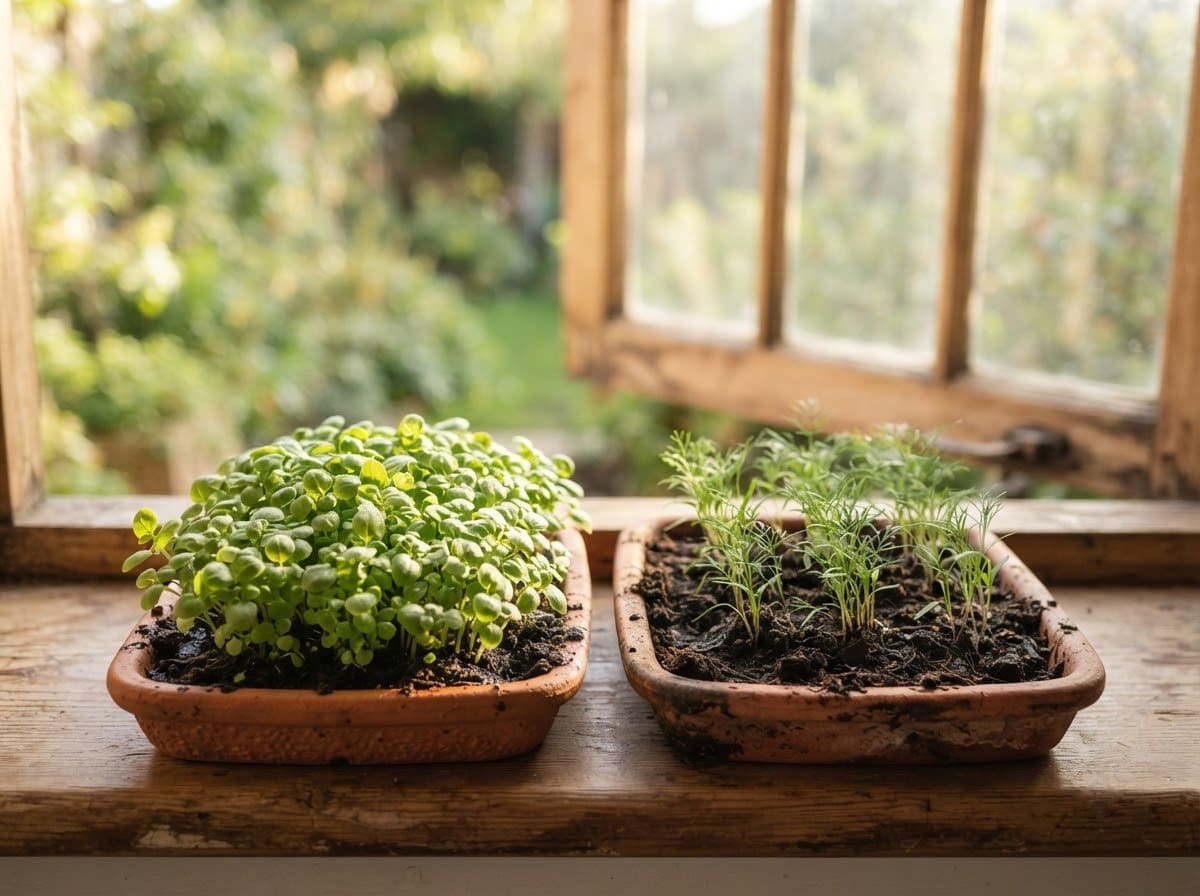
Herb microgreens are slower, but still fast. Basil, dill and fennel take 14 to 30 days, so only the faster ones land under the line.
Basil needs warmth to germinate well. Keep the tray near a bright window and a little warmer than your salad greens. Dill and fennel tolerate cooler rooms.
These pack big flavor into tiny leaves, so a small tray goes a long way. If you want full-size plants later, see our basil growing guide.
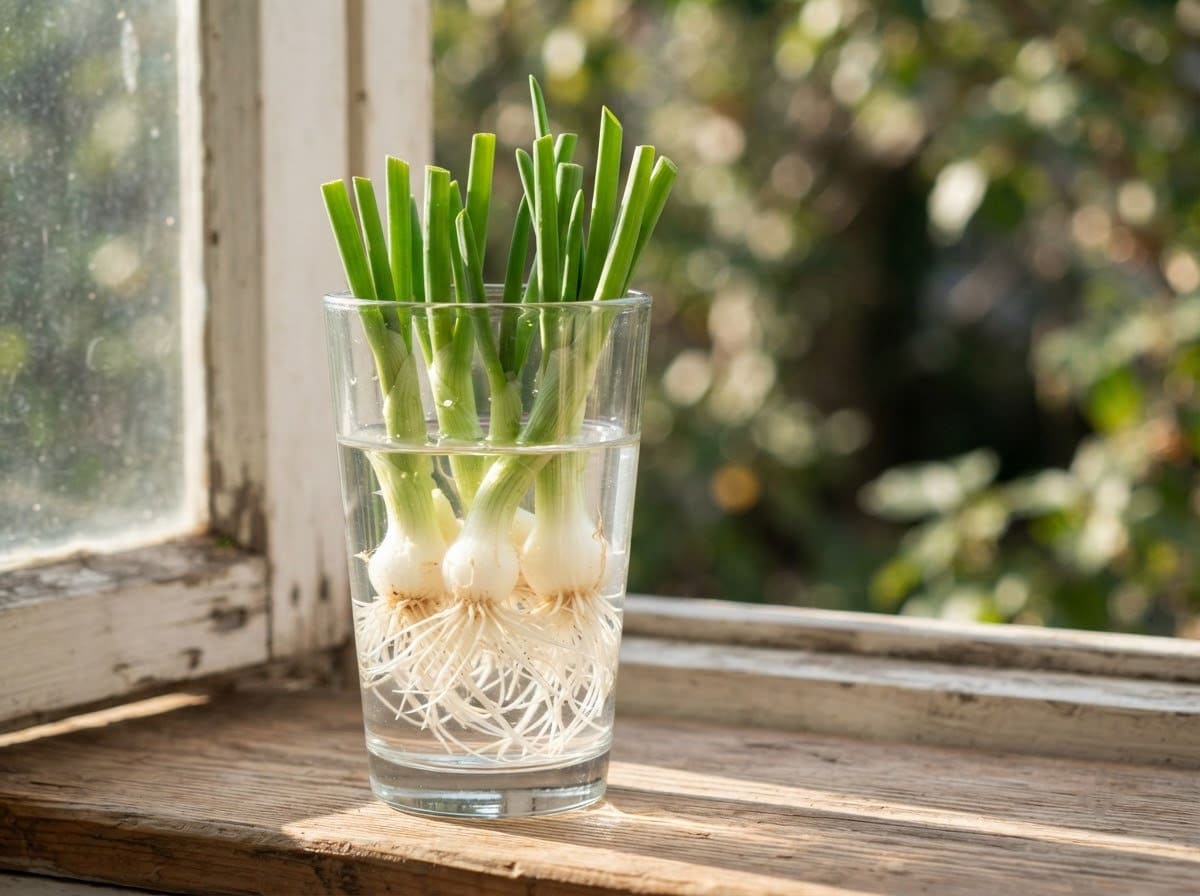
8. Green Onions Regrown From Scraps
This one isn’t from seed, but it’s the cheapest speed trick in the kitchen. New growth shows in 3 to 5 days, with usable shoots by the end of the first week, according to Epic Gardening.
Cut a 1.5 to 2 inch section of the white base, though 1 inch works. Stand it root-end down in a glass of water on a sunny sill. Change the water once or twice a day.
Cloudy water means bacteria, so rinse the roots and refresh it. Don’t submerge the cut tops.
A healthy base can regrow two to four times. Pieces with no roots at all won’t regrow.
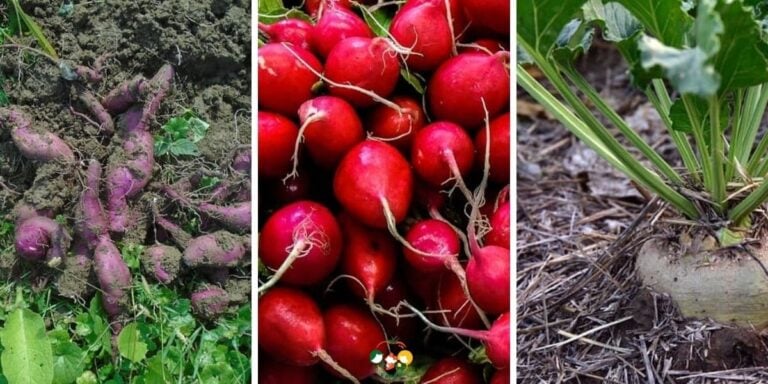
9. Radishes
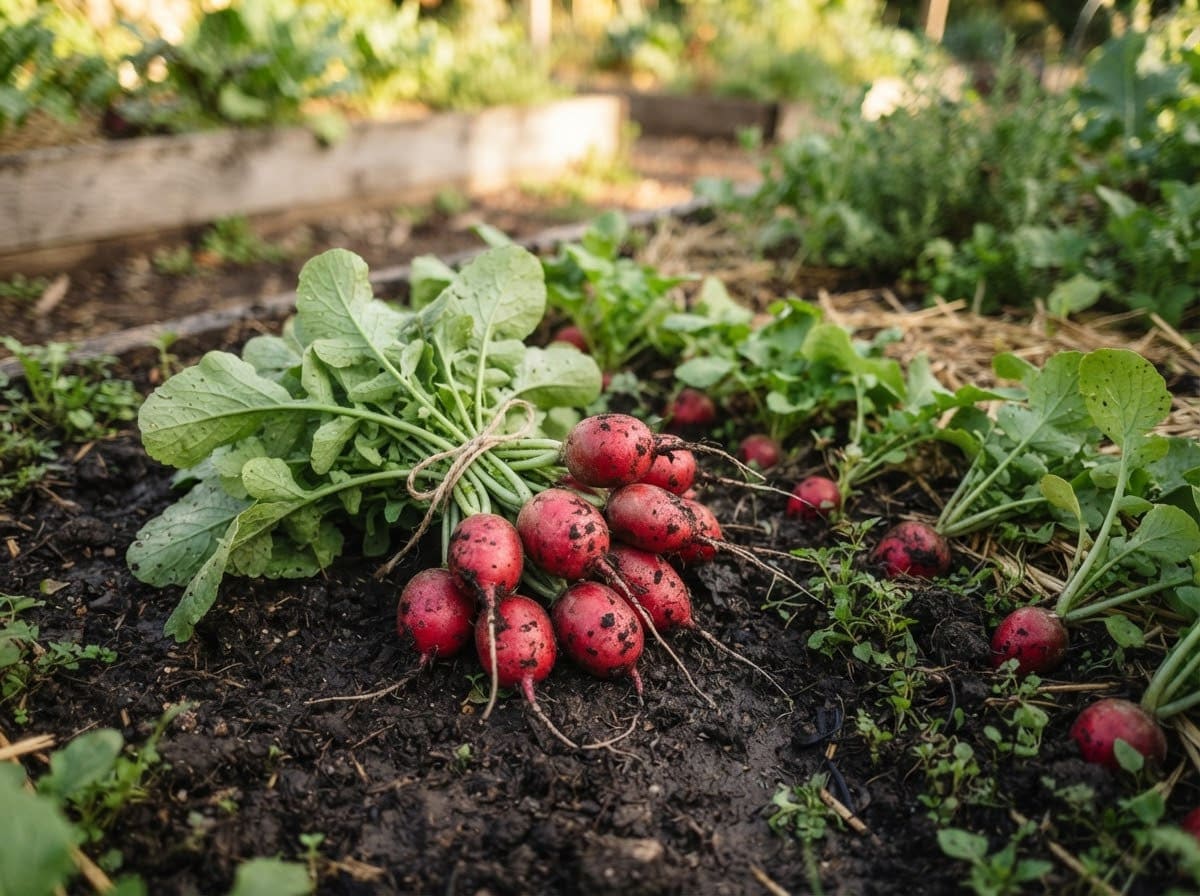
Radishes are the star here, because you get a real root. Rover and D’Avignon are ready in 21 days, Champion in 25 and White Icicle in 30.
Sow seed 1/2 inch deep and space plants about 3 inches apart in every direction. Aim for a soil pH of 6.0 to 7.0. In the Mid-Atlantic, the spring window runs mid-March to mid-April, with a fall window of mid-August to mid-September.
Radishes are a cool-season crop. In hot weather they turn woody and spicy, so sow early or late in the year.
Pests are rare. Sow a short row every week and you’ll always have a handful ready.
10. Baby Arugula
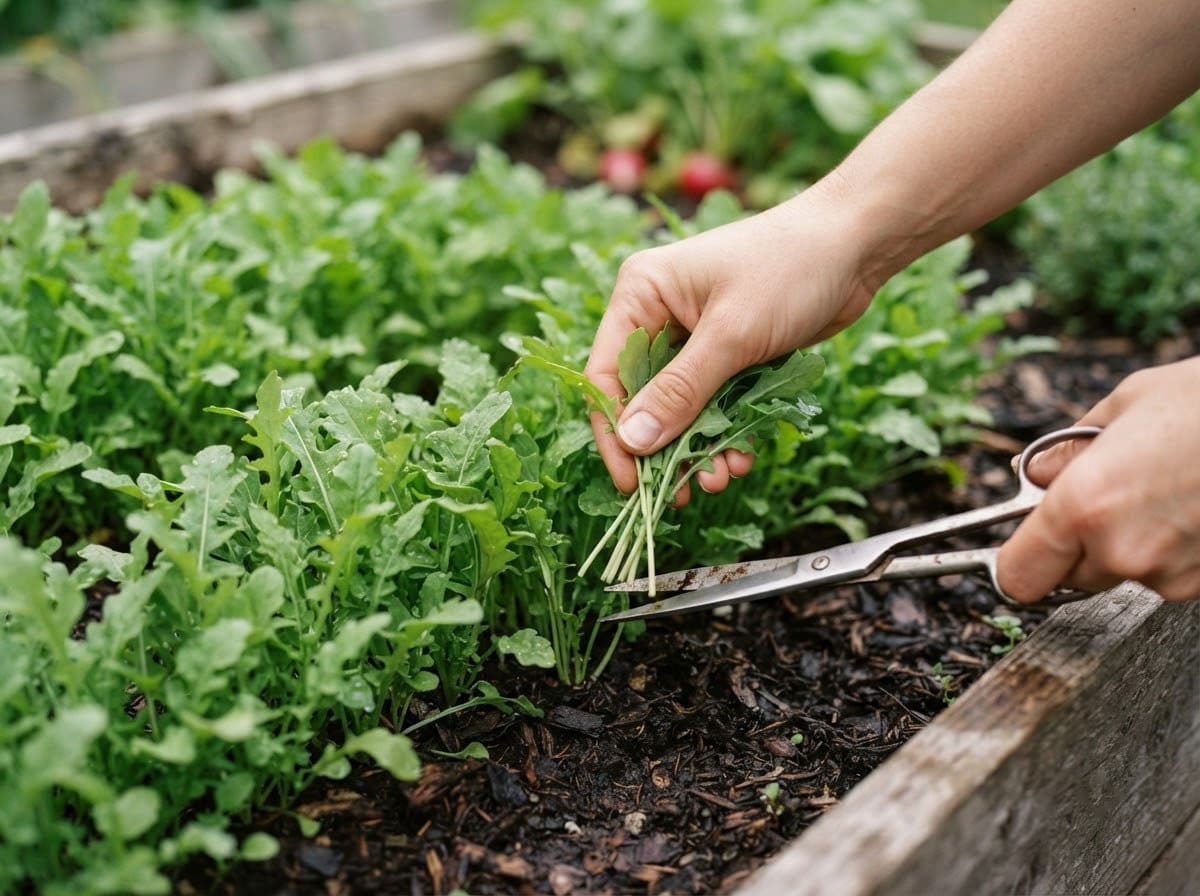
Arugula brings a peppery bite to salads in about three weeks. Baby arugula can be ready in as little as 21 days.
Our arugula growing guide covers the full-size plant. For baby leaves, sow thickly in a band and cut with scissors close to the soil. Take a small handful at a time and leave the rest.
Be realistic about timing. The Ice-Bred variety took 45 days in the Maryland trial, so cool weather and variety both matter. Sow more every two weeks for steady picking.
11. Baby Mizuna and Mustard Greens
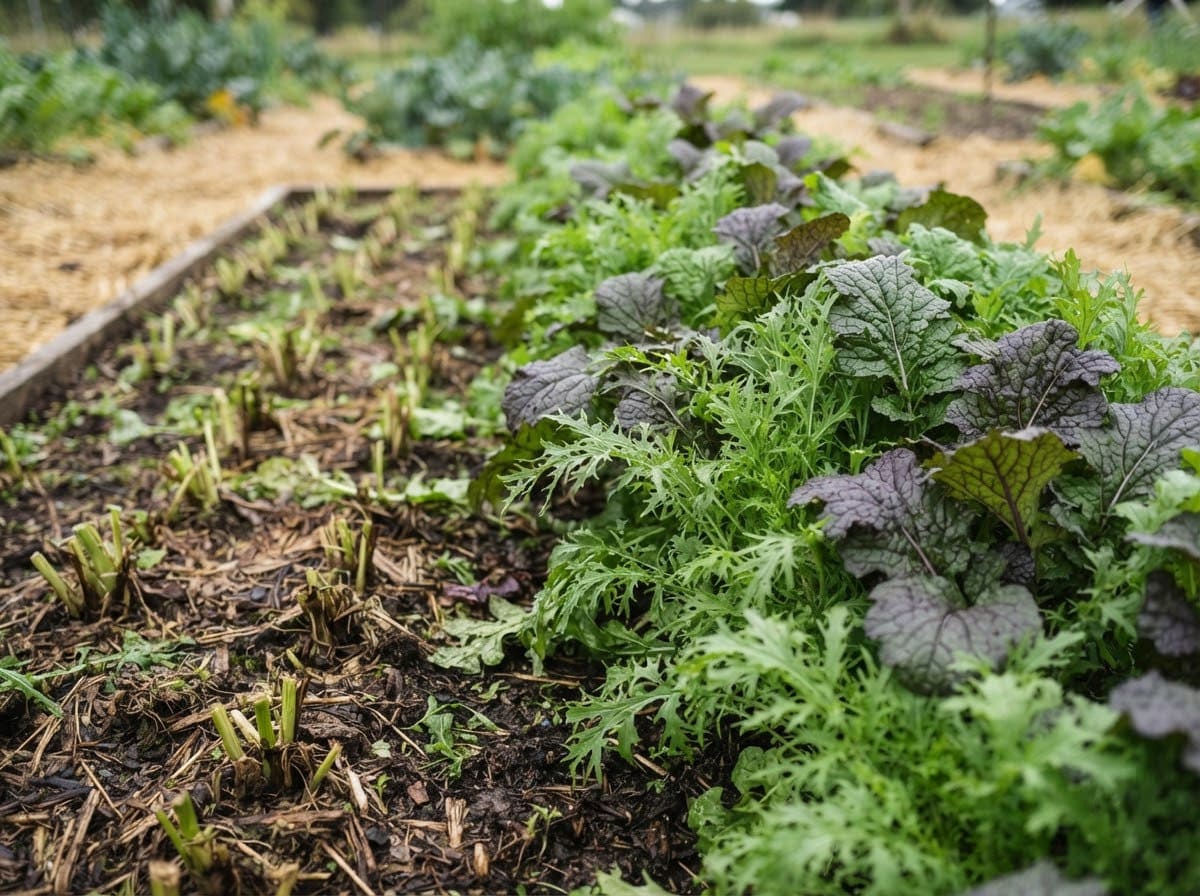
Mizuna has feathery, mild leaves that add texture to a salad mix. Mustard greens, including mizuna, can be ready in as little as 21 days.
Sow them in the same band as your arugula and cut them together. The mix looks pretty and tastes layered. Mustard types bring more heat than mizuna.
Short winter days slow them down, because less daylight means slower growth. Add a week or two in cold months.
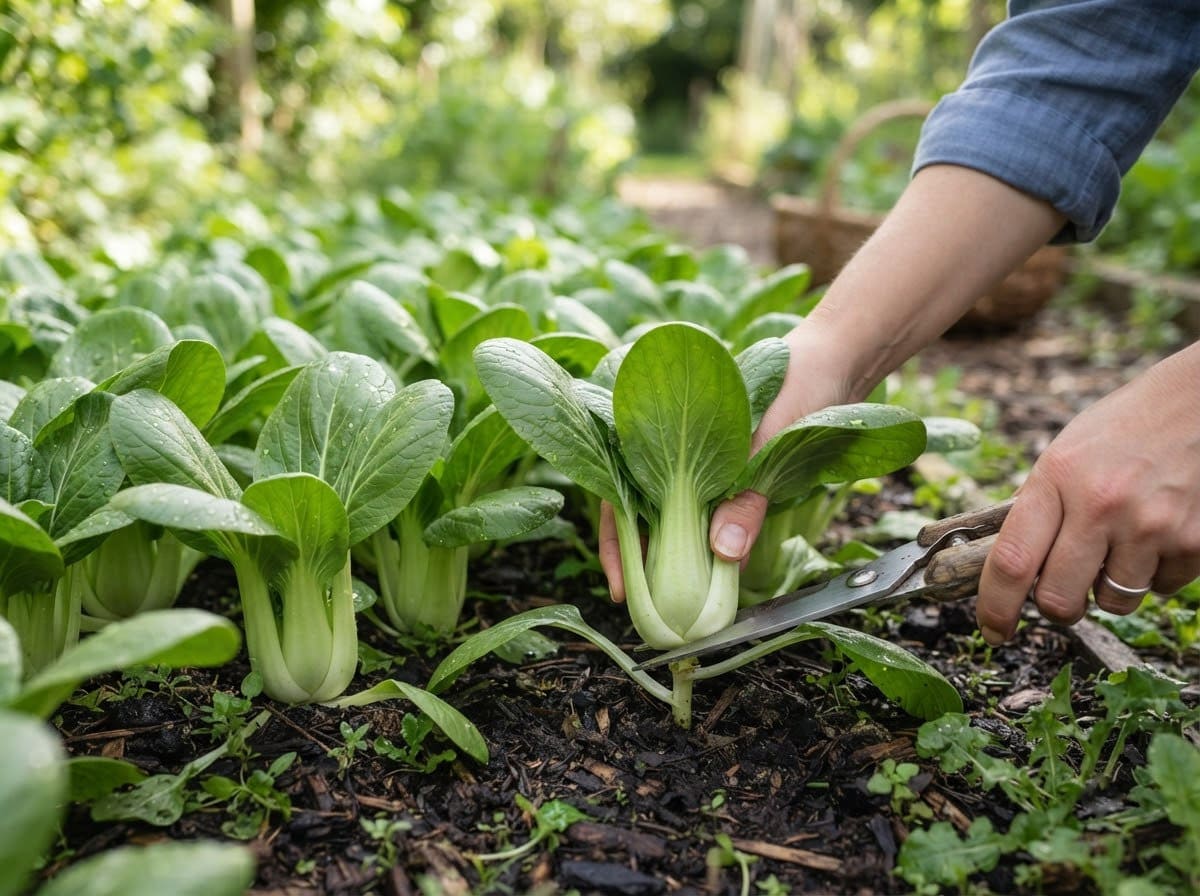
12. Baby Pak Choi
Pak choi gives you crisp white stems and glossy green leaves. Tokyo Bekana types can hit baby size in as little as 21 days.
Use scissors and cut about an inch above the soil. The plant often regrows for a second cut. Keep the soil evenly moist, since pak choi dislikes drying out.
Don’t expect full heads in 30 days. Mature bok choy takes 40 to 50 days. The baby leaves are the fast prize.
13. Baby Kale
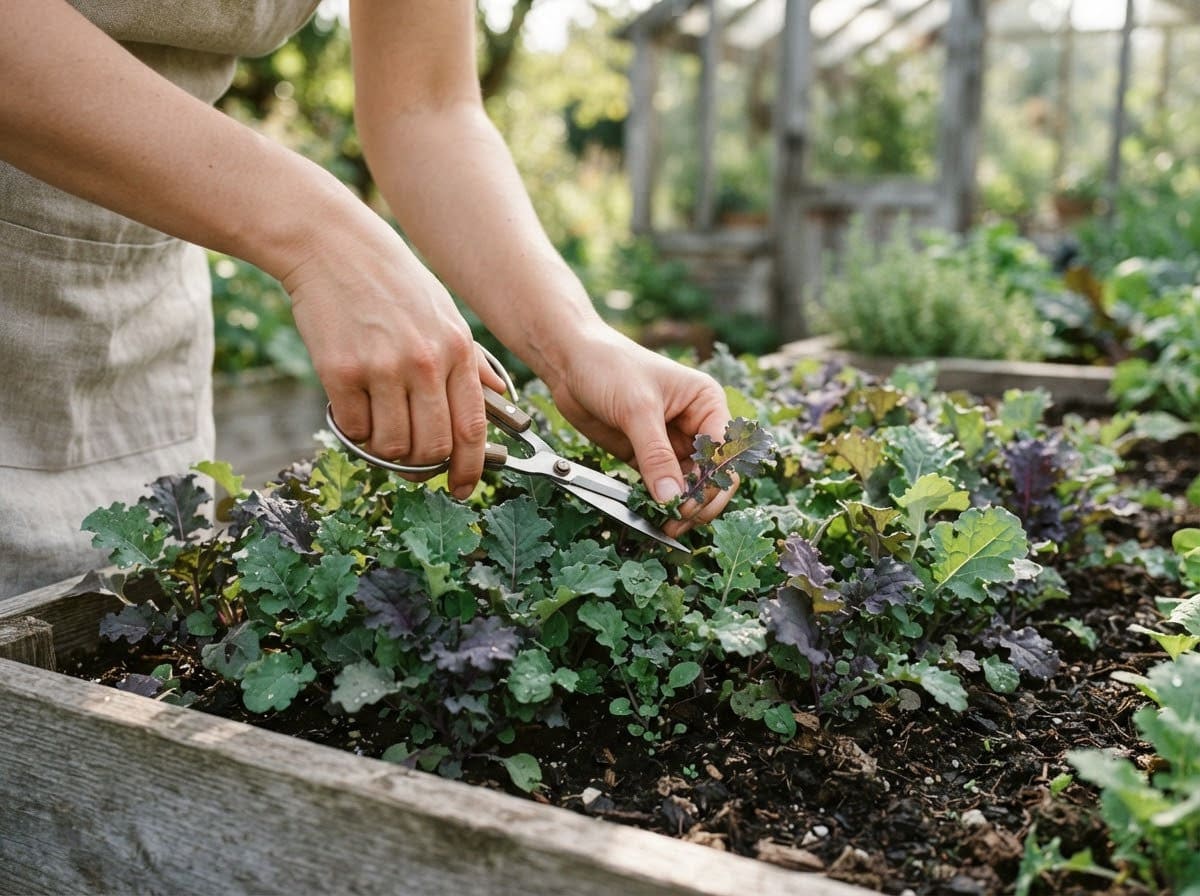
Baby kale is tender enough for salads. It can be ready in as little as 21 days.
Sow densely in a band and cut when the leaves are about 3 to 4 inches long. Cut-and-come-again works well, so leave the roots in the soil.
Be careful with the date. Some growers report 40 to 50 days for baby kale, so the fast end isn’t guaranteed. Treat 21 days as the best case and 35 to 40 as normal.
14. Baby Spinach
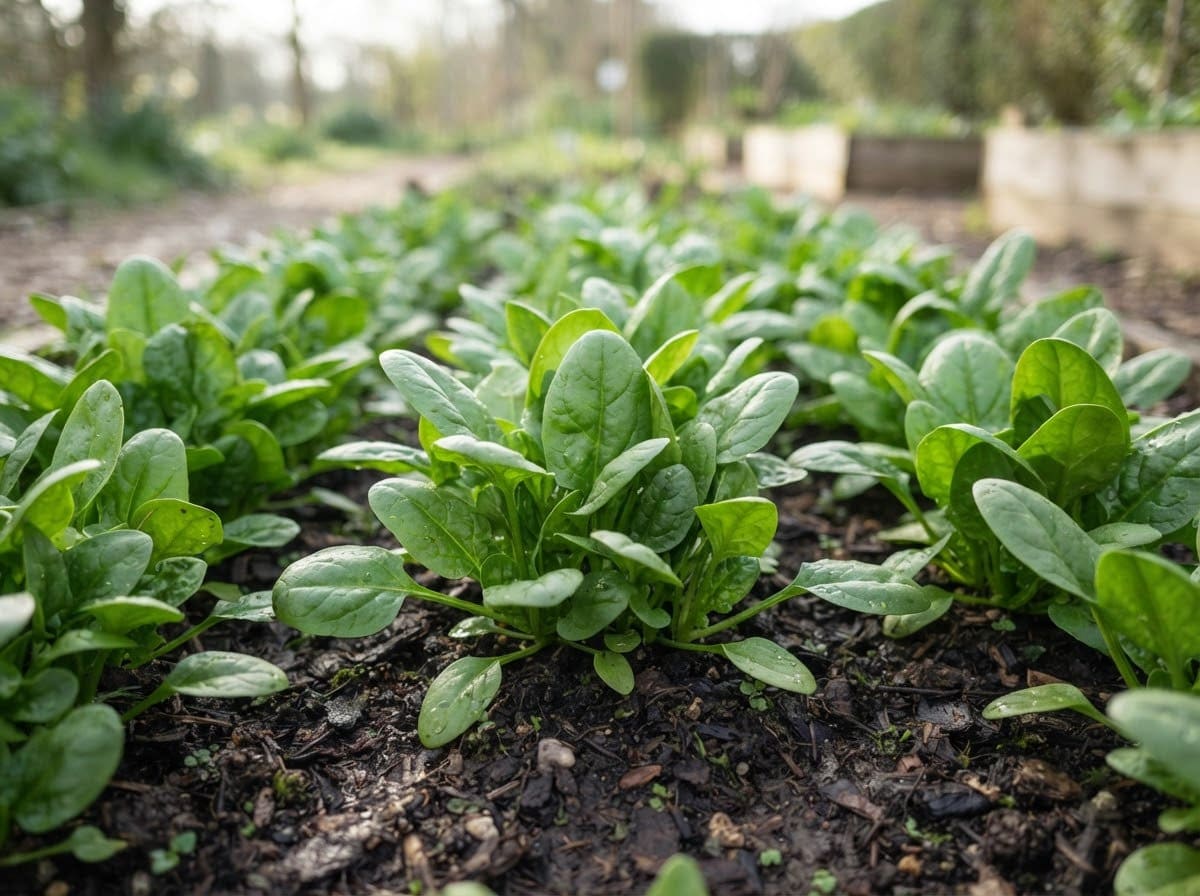
Spinach lands right at the edge. Baby spinach takes about 30 days in the best reports and 35 to 45 in the slower ones.
Spinach loves cool weather and bolts quickly in heat. Sow in early spring or fall and harvest while the leaves are small. Our spinach growing guide covers varieties and timing.
Spinach is a good partner for the quick crops above. Mix it into a salad bed and cut it last. By then your radishes and arugula are already on the table.
15. Baby Chicory (Right on the Line)
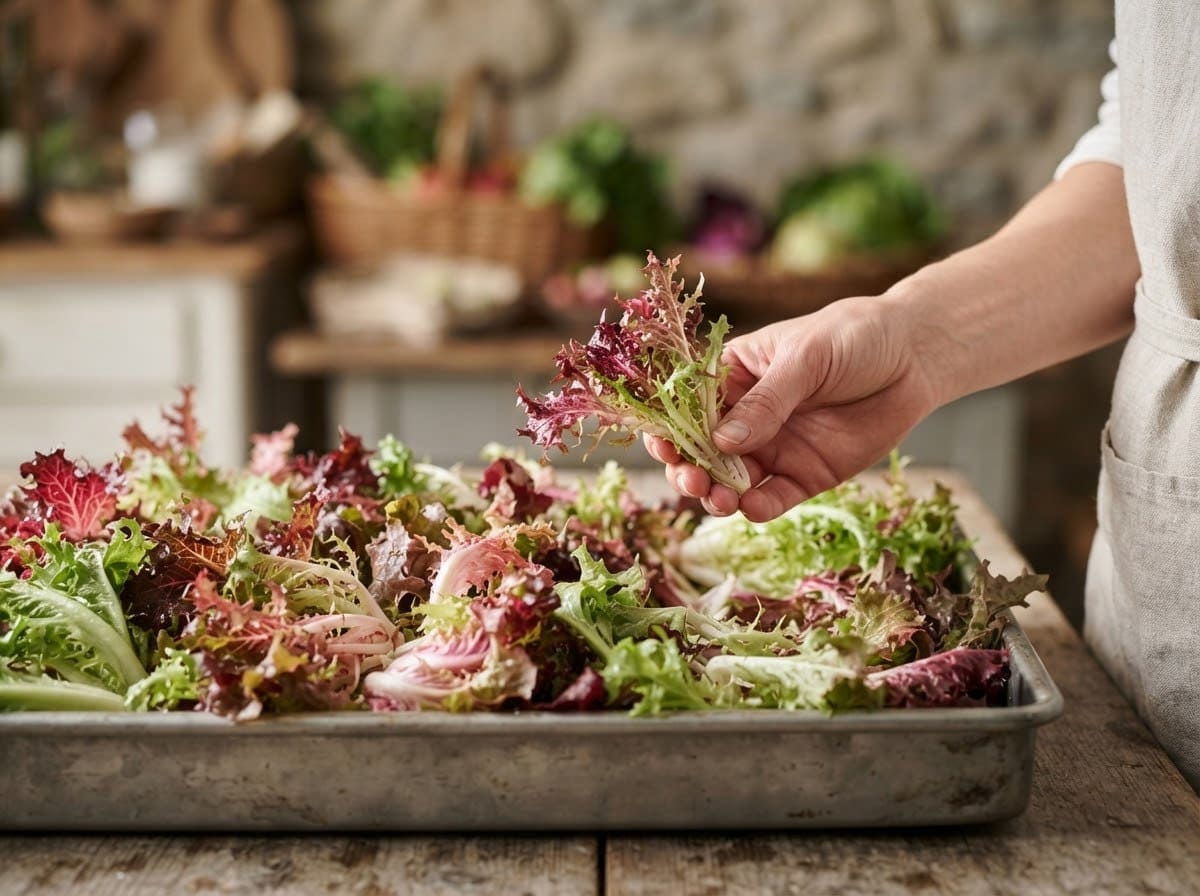
Chicory is the honest borderline pick. Baby chicory takes 28 to 35 days, so it only sometimes beats 30.
It adds a pleasant bitter edge that balances sweet lettuce and mild greens. Cut it young, when the leaves are small and tender. Older leaves turn more bitter.
If you want a safer sub-30 pick, stick with ideas 1 to 13. Chicory earns its spot for flavor, not speed. Mix a few leaves into a spring salad bowl.
Which Fast Crops Take Longer Than 30 Days?
A few popular “fast” vegetables miss the mark. They’re still quick, but they don’t belong on a 30-day list. Here’s where they land.
| Crop | Typical time |
|---|---|
| Baby lettuce | About 35 days |
| Leaf lettuce (loose leaf) | 30 to 45 days |
| Bok choy (mature) | 40 to 50 days |
| Bush beans | 50 to 60 days |
| Zucchini | 45 to 55 days |
Lettuce deserves a note. It’s the most famous quick crop, but extension trials show it needs about 35 days even at the baby stage. If you love it, cut-and-come-again lettuce is still one of the best crops you can grow.
What Do You Need to Get Started?
Fast crops are cheap to start. Most need seed, a container and a sunny spot. A few need a light, and that’s the biggest cost.
| Budget tier | What you get | Best for |
|---|---|---|
| DIY-cheap | Jars, recycled trays, scraps, seed, a sunny windowsill | Sprouts, green onions, cress, microgreens |
| Moderate | Proper trays, bagged mix, an LED grow light | Year-round microgreens and shoots |
| Bigger investment | Raised beds or a cold frame | Radishes and baby greens in volume |
Sprouts and microgreens carry food-safety risk if you rush the setup. Buy tested seed for sprouts, use clean tools, and keep water from pooling. Our guide to vegetables you can grow in pots helps if you’re short on space.
You can start the outdoor crops with direct sowing. Our tips on starting seeds outside cover soil temperature and depth.
What We Learned the Hard Way
The mistake most people make is sowing too thick in a tray and then watering from the top. That’s how mold creeps in. Bottom-water, add airflow and thin your sowing a bit.
Another trap is sowing radishes in the heat. They race to flower, and you get leaves and no root. Time them for spring and fall.
And don’t trust a single “21 days” claim. If a post gives no variety and no season, add two weeks to the estimate. If there’s one thing worth doing differently, it’s writing the sow date on a plant tag.
Finally, don’t skip succession sowing. A whole tray that matures on one day leaves you with too much and then nothing. Sow small amounts every week or two.
What Does a 30-Day Sowing Plan Look Like?
You can run all of this on a windowsill and a small bed. Here’s an easy rhythm.
- Day 1: Sow a radish row outdoors if the weather is cool. Add a band of baby arugula, mizuna and kale, plus a radish microgreen tray. Start green onion bases in water.
- Day 4: Start a jar of sprouts, a pot of cress and a pot of pea shoots.
- Day 10: Harvest the microgreens. Sow the next tray and a second radish row.
- Day 14: Take your first snips of cress, then sow more.
- Day 21: Harvest the first radishes and any baby greens that are ready. Re-sow every empty spot.
- Day 28: Harvest the pea shoots, which you sowed on day 4. Sow another round of everything.
Frequently Asked Questions
Can any vegetable go from seed to full size in 30 days?
Only radishes, and only the fastest varieties. Rover and D’Avignon are ready in 21 days. Most other 30-day crops are harvested young, as microgreens or baby leaves.
What is the fastest vegetable to grow?
Sprouts, at 3 to 5 days. Microgreens come next at roughly 7 to 14 days. Both are harvested very young, so they count as shoots, not full vegetables.
Do I need a grow light for microgreens?
A bright window works for many crops. Microgreens want 12 to 16 hours of consistent light after you uncover them, so a cheap LED light helps in dark months.
Are sprouts safe to eat?
Sprouts carry a higher bacteria risk than most produce. Buy seed from a source that tests for pathogens, and keep jars very clean and well rinsed.
Why does my radish only make leaves?
Heat is the usual cause. Radishes are a cool-season crop, so sow in spring or fall and keep the soil moist. Crowded plants also struggle, so space them about 3 inches apart.
Products We Recommend
This post contains affiliate links. We may earn a commission on qualifying purchases at no extra cost to you.
Handy Pantry 10-Pack 10 x 20 Inch Garden Growing Trays
Standard-size trays for microgreens and shoots. Use a pack as bottom-watering base trays under trays with drainage.
Shop Now
4 Pack Sprouting Jar Kit with Lids and Stands
Stainless steel mesh lids and stands for 32 oz wide-mouth jars. Makes rinsing and draining sprouts quick.
Shop Now
Barrina T5 Full Spectrum LED Grow Lights, 1 ft, 4 Pack
Plug-in, linkable light strips for a shelf or windowsill. Helps microgreens get 12 to 16 hours of light in dark months.
Shop NowNever miss an update — choose FarmFoodFamily as your preferred source on Google.
How it works: Tap the button below to open Google's settings page, then check the box next to FarmFoodFamily.
Tap the checkbox to turn it blue — that's how you know it's set.