22 Reliable Perennials for Nonstop Color From Spring to Frost (Zone-by-Zone Bloom Chart)
Most “all season perennial” lists just hand you 30 plant names and leave you to figure out the July and October gaps yourself, this one doesn’t.
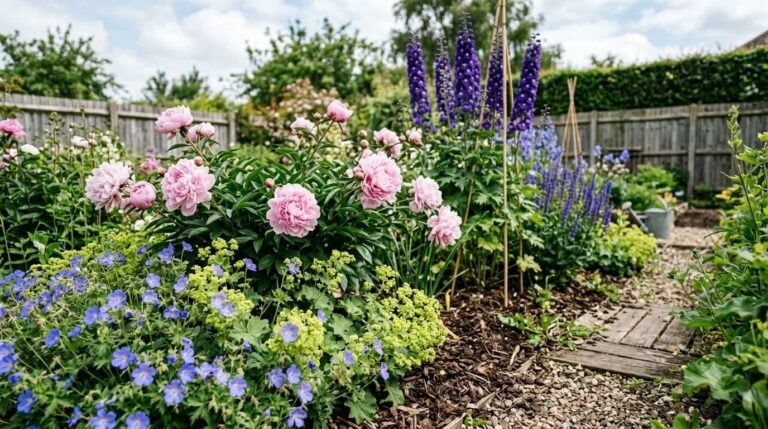
Most “all season perennial” lists just hand you 30 plant names and leave you to figure out the July and October gaps yourself, this one doesn’t.
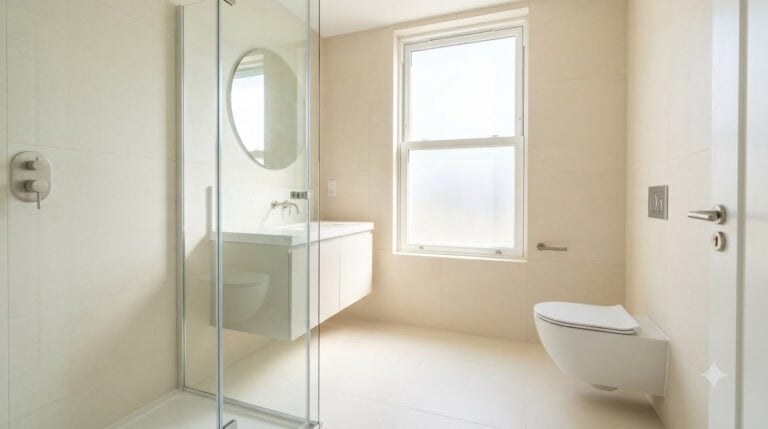
Twenty real ways to make a small bathroom feel bigger with tile, plus the slip-resistance ratings and waterproofing specs most tile galleries never mention.
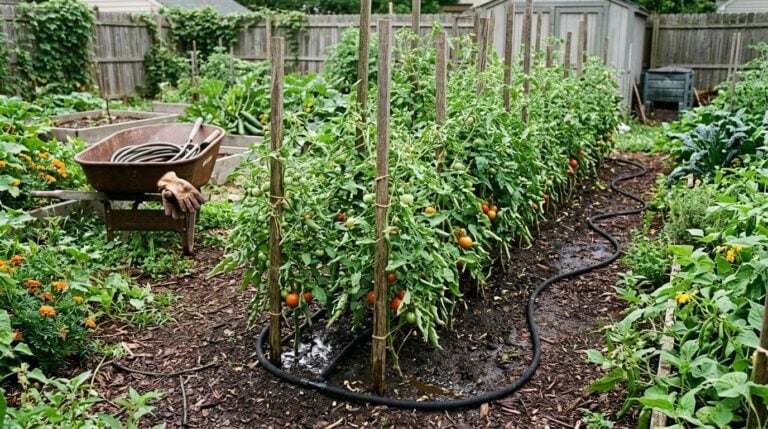
August makes or breaks a tomato harvest, and the difference usually comes down to water, nitrogen, and how fast you catch a spider mite before it wrecks a whole plant.

The living room is the one space in a home built entirely around gathering, feng shui treats getting its layout wrong as a real drag on how welcoming the room feels, and a couple of these rules turn out to be protecting your furniture and your neck, not just your energy.
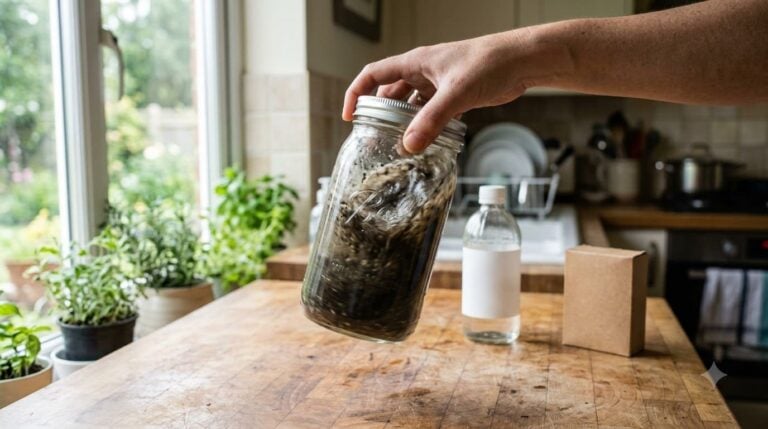
A real soil test tells you exactly what your garden needs, but you don’t need to mail off a sample to get a genuinely useful first read, a few kitchen staples and 48 hours will do.
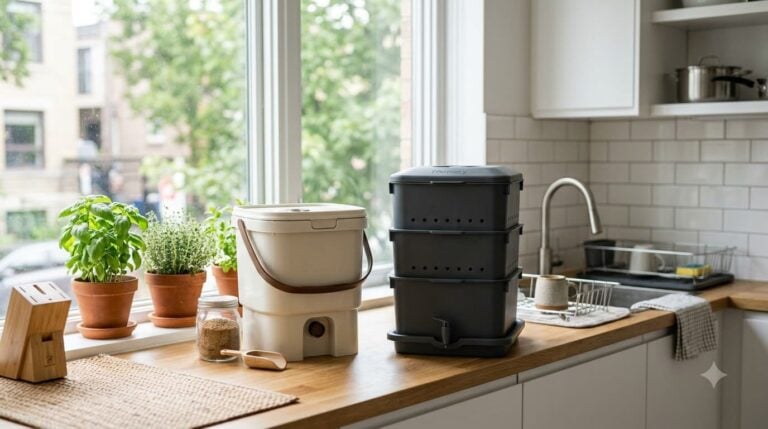
No yard doesn’t mean no composting, it just means picking the one method (bokashi, worms, or electric) that actually fits your space and budget instead of assuming it’s not possible at all.
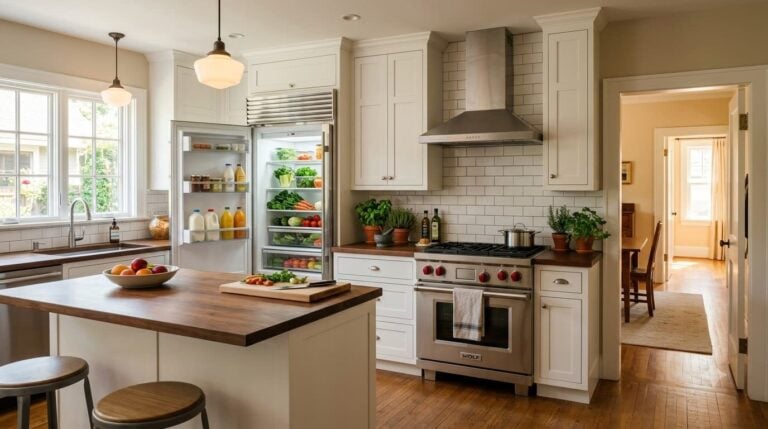
Feng shui treats the kitchen as the household’s real wealth center, not the living room or the front door, because it’s the one place where fire, water, food, and daily habit all collide, and a couple of these rules turn out to be protecting your actual safety, not just your luck.
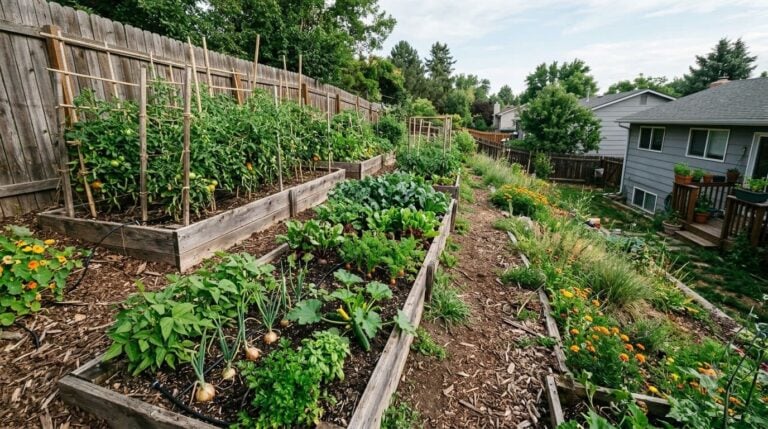
A slope will grow vegetables just fine, but only if you stop the water and the fertilizer from leaving before your plants get to use them.
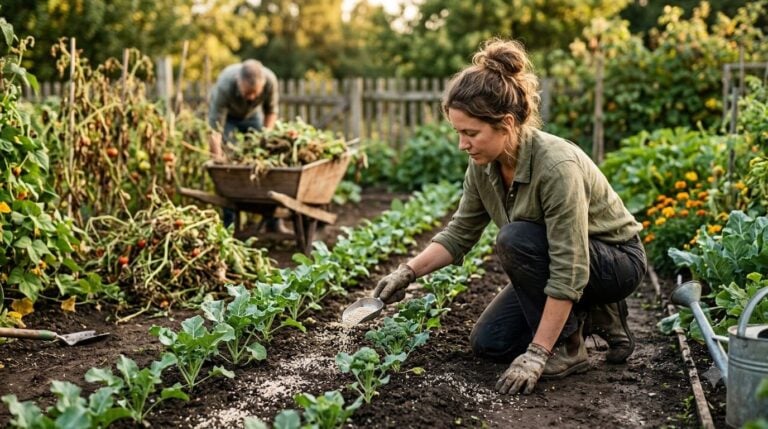
The fertilizer you applied back in May is mostly gone by August, and skipping a fresh feeding now is the quiet reason so many fall gardens underperform.
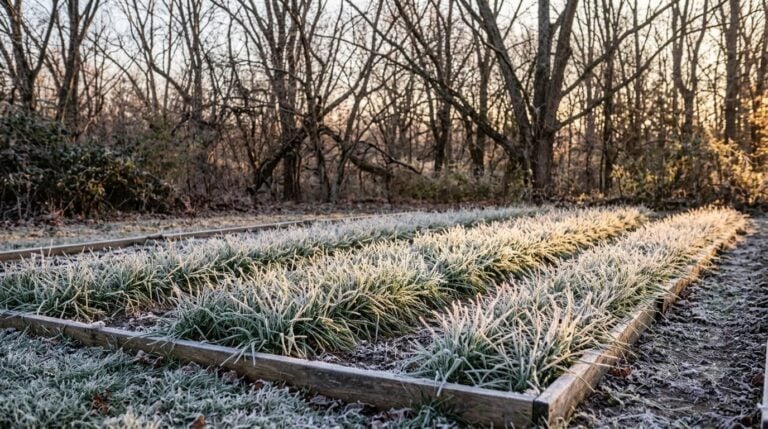
Your soil doesn’t need a bag of fertilizer in winter, it needs a cover crop, and skipping that one cheap step is why so many gardens start spring already behind.
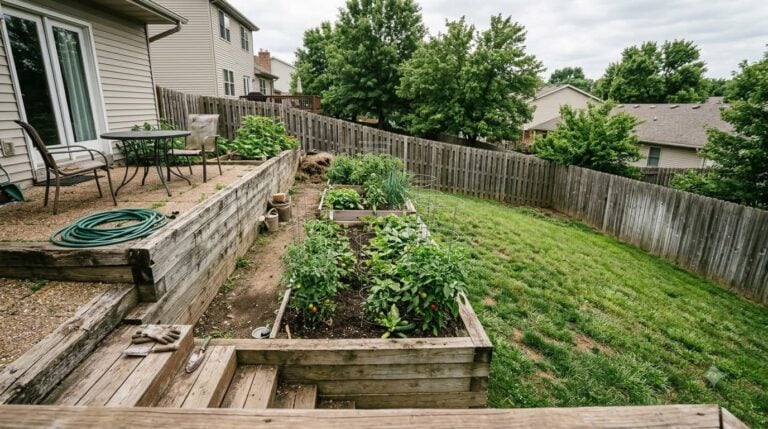
A slope forces you to design in layers instead of one flat lawn, and once you stop fighting the grade, it usually ends up being the most interesting backyard on the block.
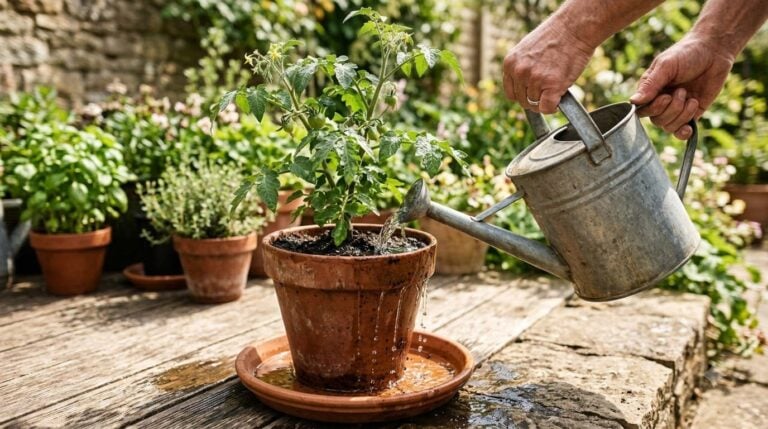
Potted plants burn through nutrients faster than garden beds because every watering washes some away, so a real container feeding schedule needs its own rhythm, not a borrowed one.
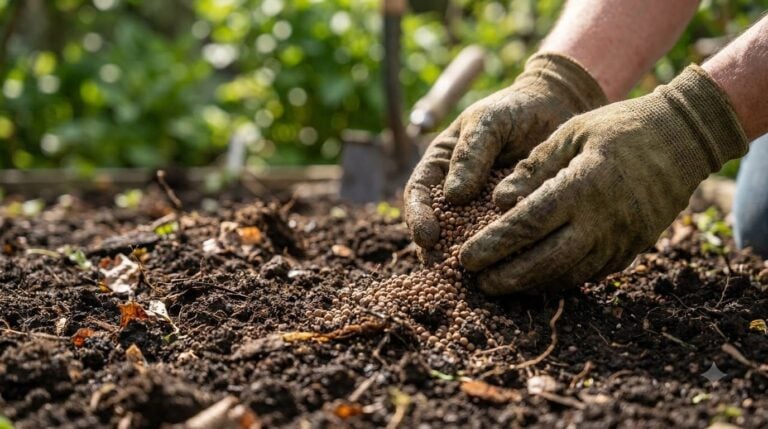
Organic fertilizer isn’t broken or fake if your plants look the same three weeks later, it’s just waiting on soil microbes to finish a job synthetic fertilizer skips entirely.
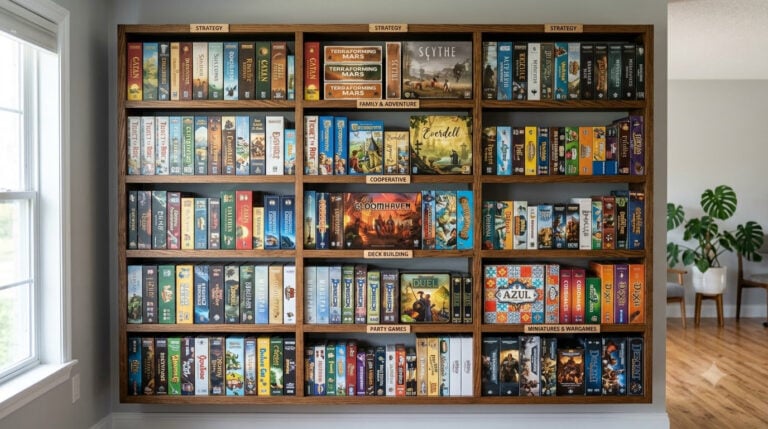
Twenty real ways to organize a board game collection, plus the shelf weight ratings and tip-over safety numbers most storage galleries never mention.
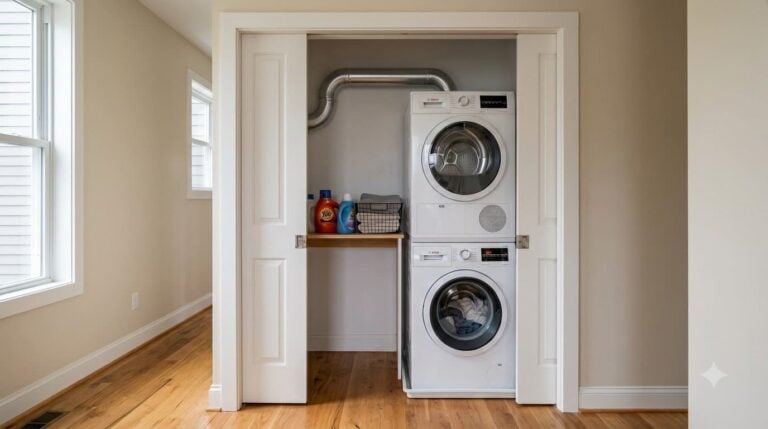
Twenty real ways to make a narrow, boxed-in, or oddly-shaped laundry room function, plus the vent code and clearance numbers most laundry room galleries never mention.
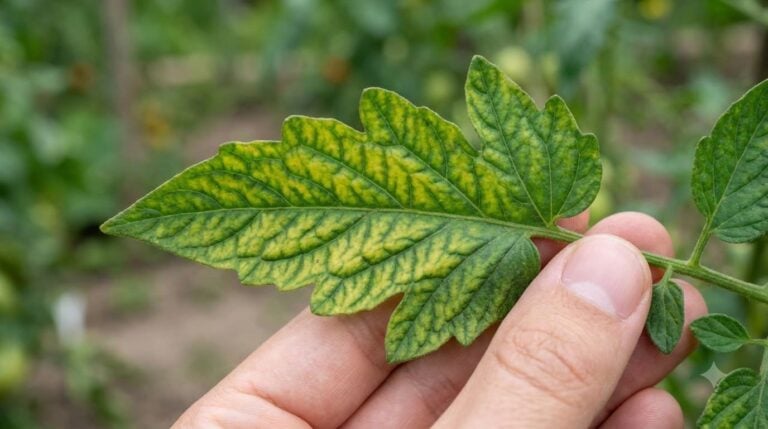
Plants signal nutrient trouble weeks before it looks serious, and the fastest way to read that signal is checking which leaves are affected first, not just what color they’ve turned.
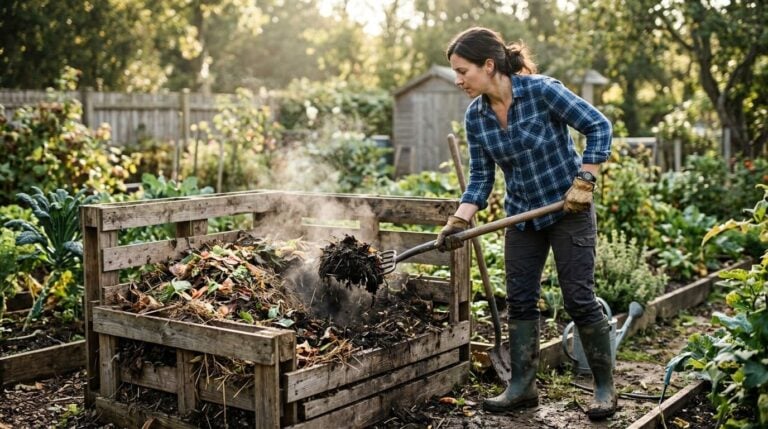
A stinking compost pile feels like a five-alarm problem, but the real fix is usually just adding the right dry material and turning the pile once, and you’ll notice a difference by tomorrow.
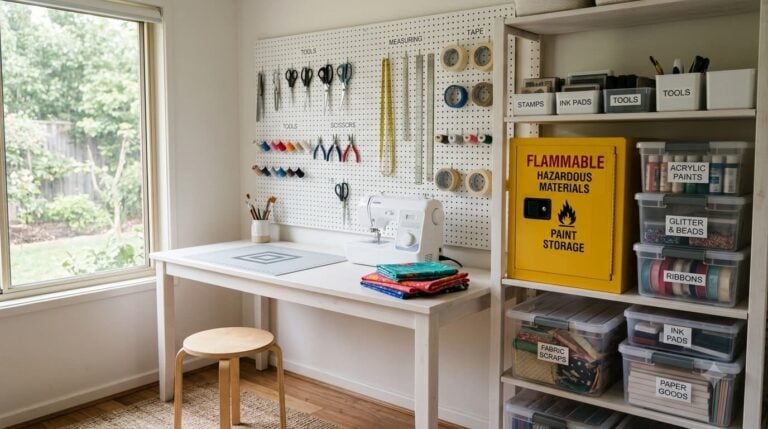
Twenty real ways to organize craft supplies, plus the flammable-storage rules and choking-hazard specs most craft room galleries never mention.
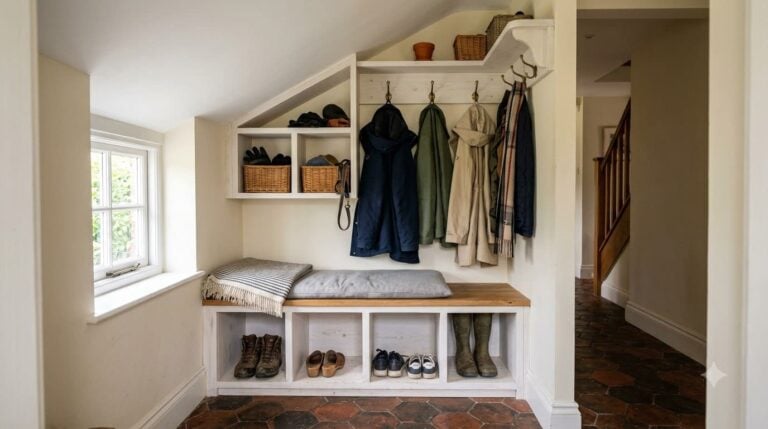
Twenty real ways to make a narrow, oddly-shaped, or too-small mudroom function, plus the real dimensions and moisture fixes most mudroom galleries skip.
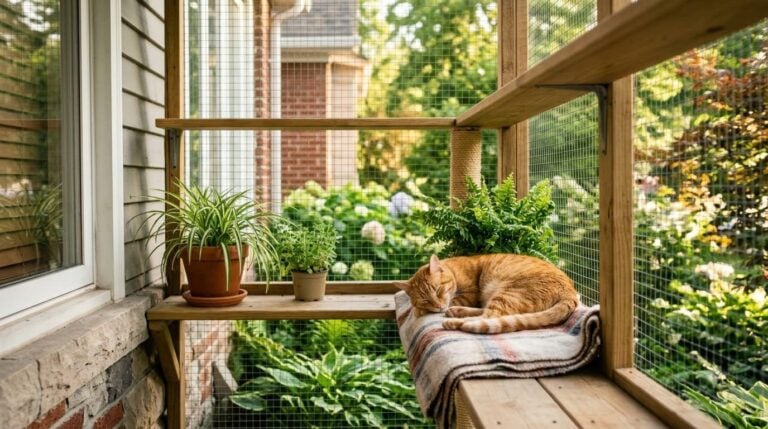
Twenty real ways to make your backyard safe and genuinely enjoyable for a cat, plus the toxic plants and fence specs most “cat-friendly yard” guides gloss over.
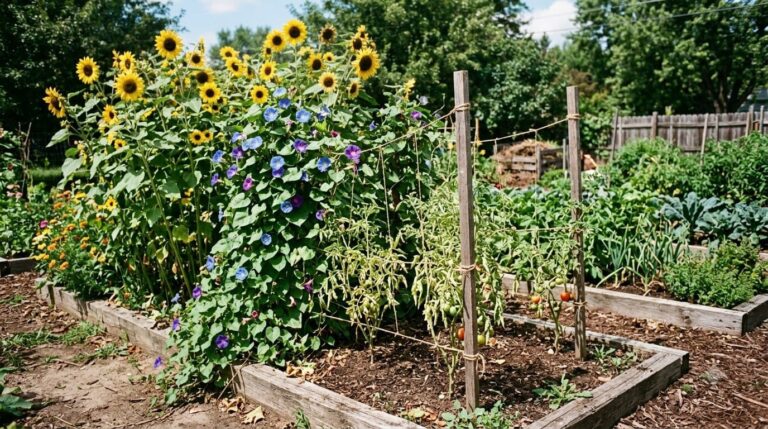
Flowers can genuinely help a vegetable garden, but these nine popular picks are the exceptions, quietly poisoning the soil, luring in disease-carrying insects, or swallowing the bed whole while you assume they’re doing you a favor.