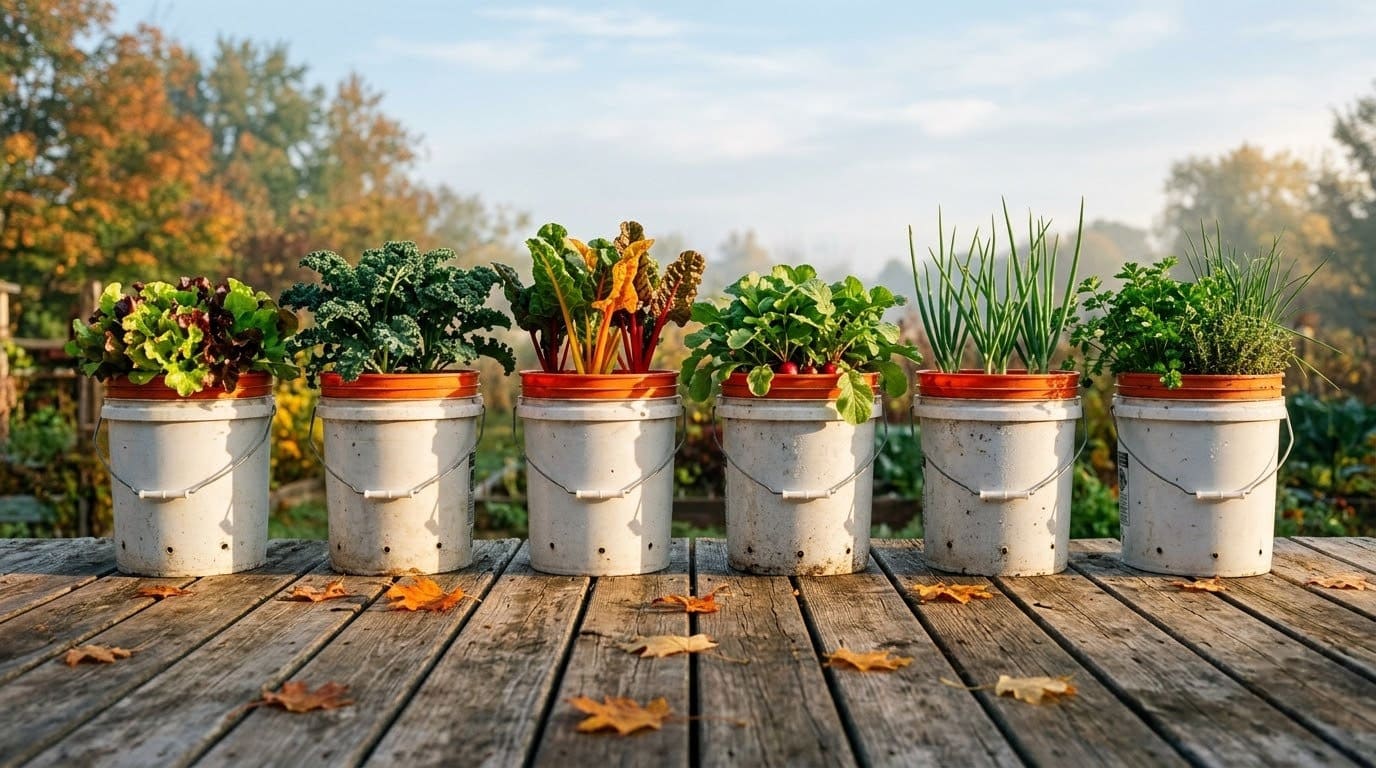
17 Hardy Fall Vegetables That Grow Well in 5-Gallon Buckets
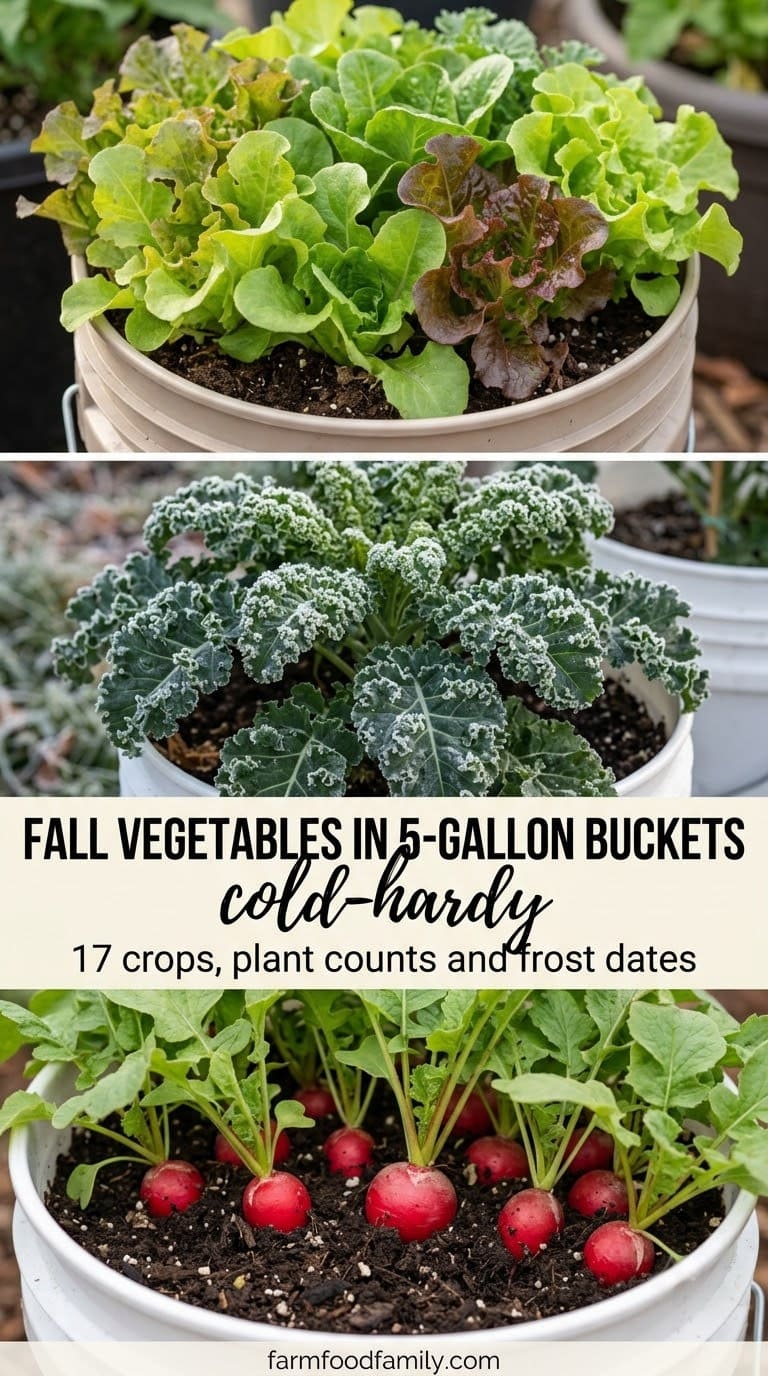
A food-grade bucket, a bag of potting mix, and one honest look at your first frost date will grow you salad and roots well into the cold, as long as you sow about two weeks earlier than feels necessary.

Never miss an update — choose FarmFoodFamily as your preferred source on Google.
How it works: Tap the button below to open Google’s settings page, then check the box next to FarmFoodFamily.
Tap the checkbox to turn it blue — that’s how you know it’s set.
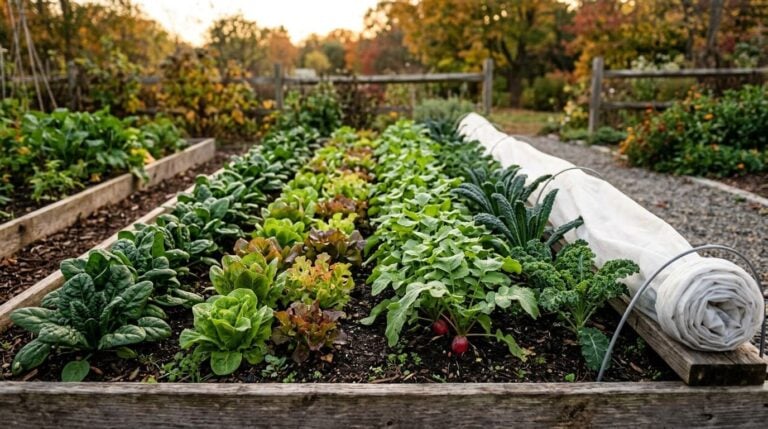
Fall is the easy season for bucket growing. The heat that cooked your summer pots is gone, the watering slows down, and most of the bugs quit.
Cold actually helps here. A light frost turns the starch in kale, carrots, and spinach into sugar, so the fall harvest tastes better than the same crop grown in July.
The catch is timing, and the plastic. Plant too late and short days stall everything before it sizes up. And grab the wrong bucket, and you’re growing food in a container that used to hold driveway sealer.
But none of that is hard to get right. You just have to decide it before you buy seed.
Quick Answer
Use a food-grade bucket marked with recycling code 2 (HDPE), and never one that held paint or chemicals. Drill four to six half-inch drainage holes and raise it off the ground on bricks. Fill it with about 0.6 cubic feet of potting mix, not garden soil.
The fastest fall crops are leafy greens, radishes, and baby turnips, ready in 30 to 45 days. Carrots, beets, and kohlrabi take 50 to 70. Garlic goes in now for a harvest next summer.
Answer 4 quick questions and get matched to the exact fix for your yard — drainage, budget, layout, or something else entirely.
Take the Free QuizGrow one kale or chard plant per bucket, 6 to 10 lettuce or spinach plants, or 12 to 15 radishes, carrots, or beets. Most of these shrug off a light frost near 28°F, and the greens get sweeter for it. It’s genuinely the low-effort season for a bucket.
To find your planting date, take your first frost date, subtract the days to maturity on the seed packet, then subtract another two weeks for shorter fall light. That last step is the one people skip.
How do you set up a 5-gallon bucket for vegetables?
Start with a food-safe bucket
Look for a recycling number 2 inside the triangle on the bottom, which means HDPE plastic. You also want a “food grade” or “meets FDA 21 CFR” note on the label.
A bucket that once stored food, or a new one sold for food storage, is the safe pick.
Skip any bucket that held paint, solvent, pool chemicals, or joint compound, no matter how well you scrub it. Those linings don’t fully release what soaked into them.
Restaurant kitchens and bakeries give away food-grade buckets for free if you ask. A new one runs about $4 to $7.
Drill enough drainage
One or two holes is the most common bucket-garden mistake. Water pools at the bottom, roots sit in it, and the plant slowly drowns.
Most yard problems trace back to one specific, fixable cause. Find yours in 4 quick questions.
Take the Free Quiz
Heavy-duty BPA-free plastic buckets with a comfortable handle, the right base for a fall bucket garden once you drill four to six drainage holes.
Shop NowThis post contains affiliate links. We may earn a commission on qualifying purchases at no extra cost to you.
Drill four to six holes in the base with a 3/8-inch or 1/2-inch bit. Add a few more around the sides about an inch up from the bottom.
Set the bucket on two bricks or a pot foot so water actually leaves. If it lives on a wood deck, put a saucer under it and empty the saucer after you water.
Use potting mix, not dirt
Garden soil packs down hard in a container and stops draining. You want a bagged potting or container mix.
Skip Richter, a horticulture agent with Texas A&M AgriLife Extension, describes the target blend as “a potting soil mix or container mix that has peat moss, compost or coconut core, mixed with something like perlite to help loosen it up and help make sure the internal drainage works really well.”
One 5-gallon bucket holds roughly 0.6 cubic feet. A standard 2-cubic-foot bag of mix fills three buckets with a little left over.
Water daily at first, then feed
A bucket dries from the top and the sides. Check it every day the first week by pushing a finger two inches into the mix. Water when that depth feels dry.
Container nutrients wash straight out the drainage holes with each watering, faster than any garden bed. Mix a slow-release vegetable fertilizer into the top few inches at planting.
Richter recommends slow-release over liquid feed because it won’t burn roots the way a heavy dose of soluble fertilizer can. For leafy crops you’re cutting again and again, add a diluted liquid feed every two to three weeks on top of that.
Give it the right light
Root crops and the broccoli family want a full 6 hours of direct sun. Leafy greens do fine on 4, which makes them the better choice for a balcony that only gets morning light.
The average homeowner spends $616/year on yard fixes that don't address the real problem. Find out what yours actually is — before you spend another dollar.
Take the Free QuizBuckets have one real advantage here. You can slide them into the sun or out of an early frost, which a raised bed will never do. Container growing in general trades a little yield for that kind of control.
When should you plant fall vegetables in buckets?
The planting-date math
Work backward from frost. University of Maryland Extension lays out the method.
Take your target harvest date, subtract the days to maturity from the seed packet, then subtract a “Short-Day Factor” of two weeks. That last two weeks accounts for the weaker light and cooler soil of autumn.
That two-week buffer matters most for crops that form a head or a pod, like broccoli and peas. It matters less for quick leaf and root crops. Miss it and your broccoli goes into winter as a stubby rosette.
Look up your first fall frost date by ZIP code first. In much of the northern US that is late September to mid-October. In the South it can be late November.
Worked example: radishes take about 28 days. Add the 14-day factor and you get 42 days. Count back 42 days from your frost date, and that’s your last sensible sowing for a full crop, though radishes are tough enough to push a week or two past it.
Which fall vegetables survive frost?
Not all cool-season crops handle cold equally. Maryland Extension and UNH Extension both sort them into tiers. UNH puts the light-frost line around 28°F: “Carrots, broccoli, cauliflower, lettuce, mustard greens and spinach can handle light frost without injury.”
Frost is not the enemy people think it is. As Maryland Extension notes, “frosts increase the sugar content and improve the flavor of many cool-season crops,” and that starch-to-sugar shift also makes the plant itself more cold-hardy.
| Cold tier | Handles | Vegetables |
|---|---|---|
| Very hardy | Repeated hard freeze, into the low 20s°F and lower | Kale, spinach, tatsoi, mustard greens, green onions, garlic |
| Hardy | Hard frost, high 20s°F | Broccoli, cabbage, kohlrabi, arugula, bok choy, turnips, radishes, lettuce (loose-leaf) |
| Half-hardy | Light frost near 28°F, damaged below | Carrots, beets, Swiss chard |
A row cover, an old bed sheet, or even an upturned laundry basket thrown over the bucket on a frost night buys you several more weeks. UNH notes that “covering plants with row covers or anything else breathable such as towels, blankets or sheets, can help keep them alive longer.” More cold-protection tactics are worth a look before the first cold snap.
The 17 fall vegetables
Leafy and Asian greens
1. Loose-leaf lettuce
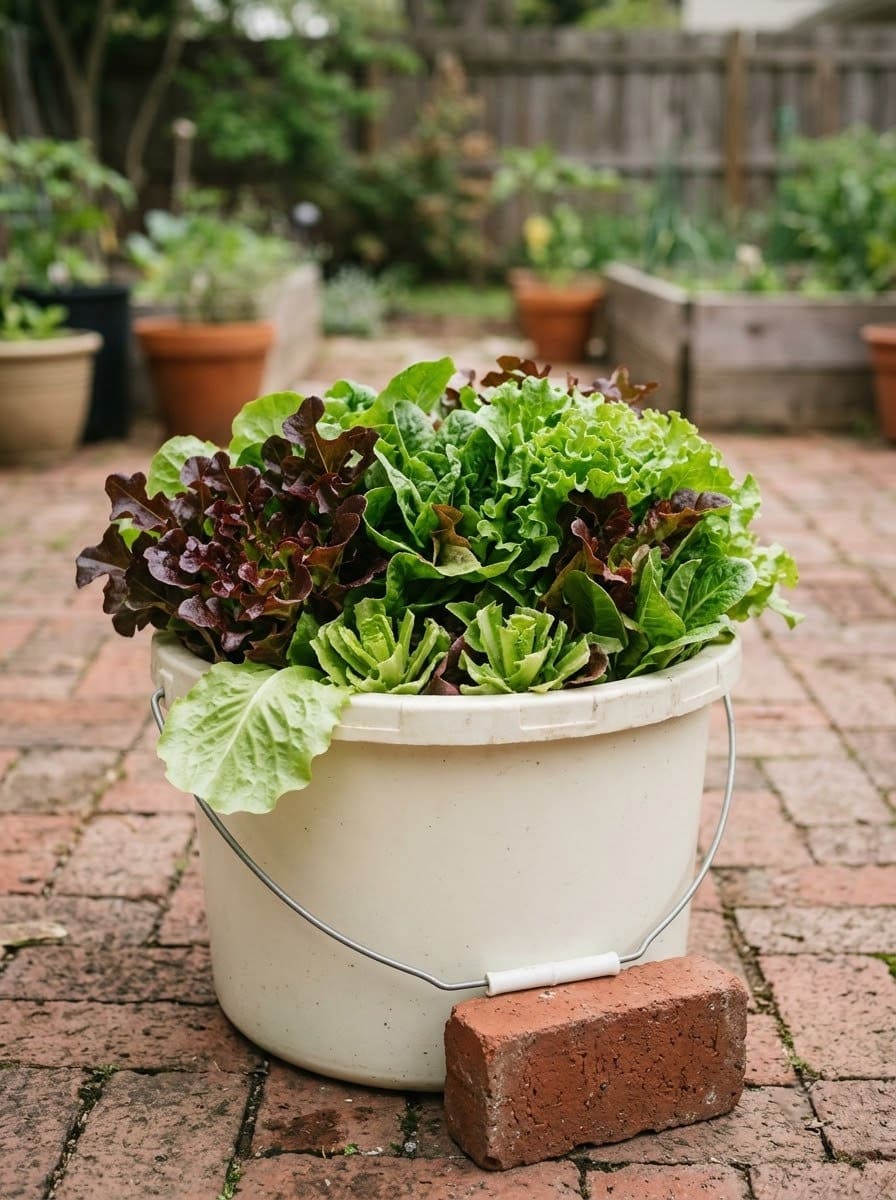
Plants per bucket: 6 to 10. Days to maturity: 25 to 50. Frost: hardy as loose-leaf, less so as a tight head.
Sow seed directly across the surface and thin to a hand’s width apart. Pick outer leaves and leave the center growing, which is the cut-and-come-again method that keeps one planting producing for weeks.
Try ‘Red Sails’, ‘Oakleaf’, or a salad-bowl blend. Skip crisphead types like iceberg, which need more time and space than a bucket gives.
Quick tip: start a second bucket two weeks after the first. Lettuce bolts and turns bitter fast once it peaks, so a rolling supply beats one big flush.
2. Spinach
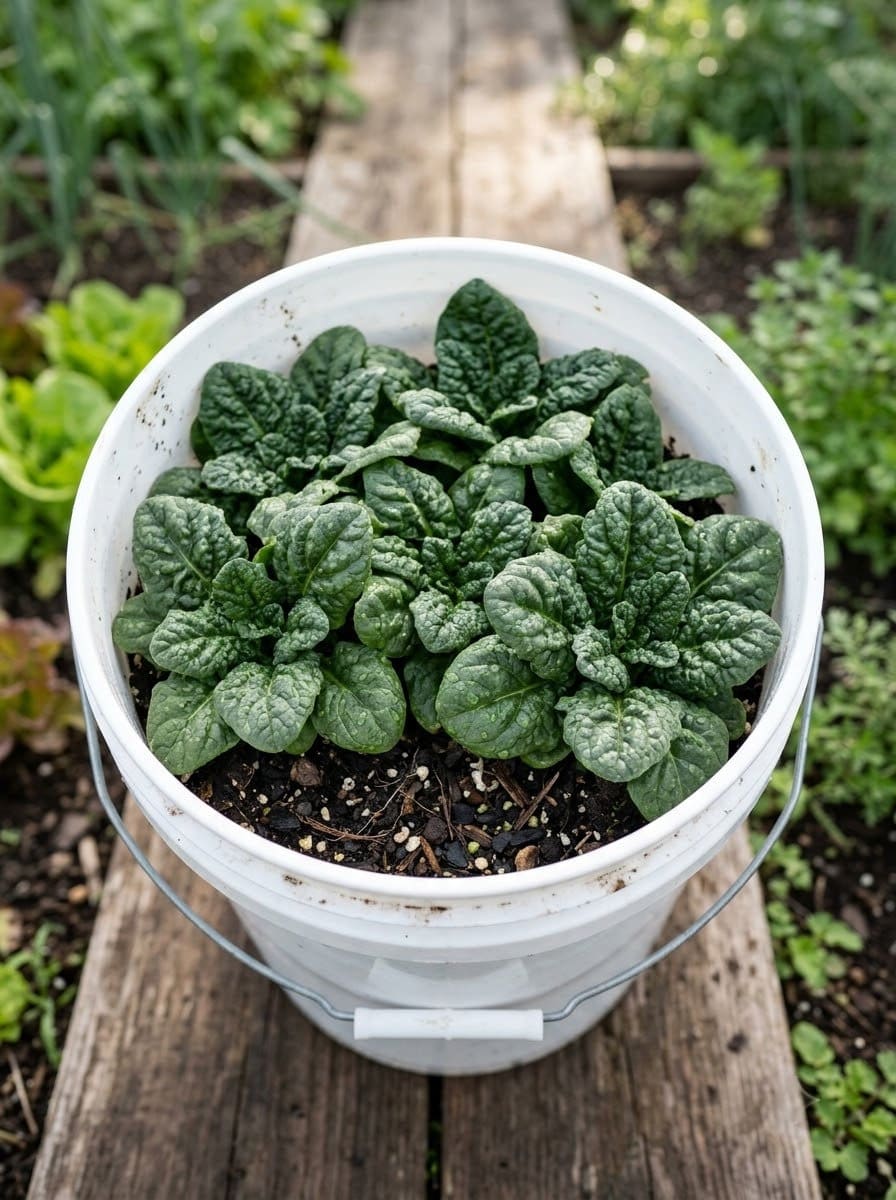
Plants per bucket: 6 to 8. Days to maturity: 35 to 45. Frost: very hardy, often overwinters under cover.
Spinach hates warm soil, so wait until nights drop into the 50s°F before sowing. Germination is patchy in anything warmer.
‘Bloomsdale’ is the classic savoy type. ‘Space’ and ‘Corvair’ are smoother and slower to bolt.
Quick tip: a fall sowing that gets too big to eat before hard cold will sit dormant under a row cover and take off again in early spring. Some of the best spinach is overwintered this way.
3. Kale
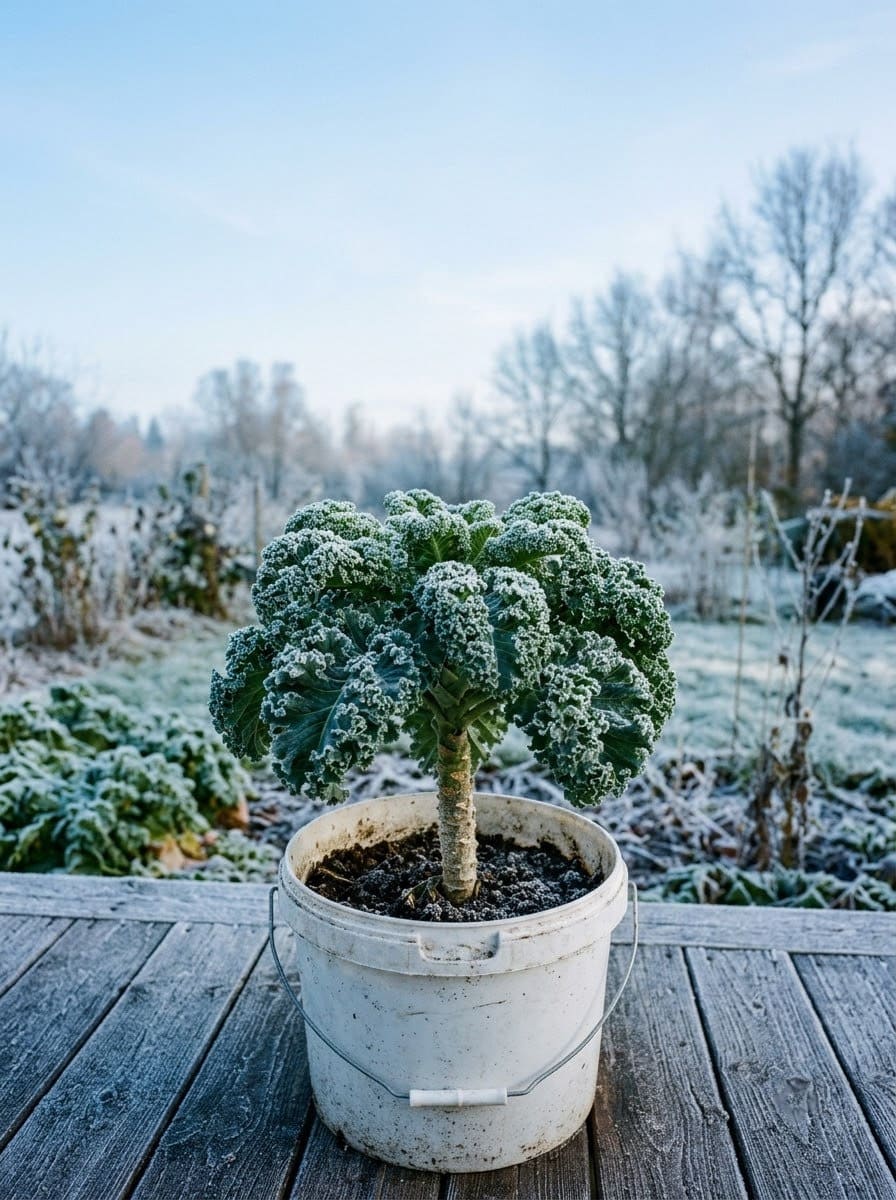
Plants per bucket: 1 to 2. Days to maturity: 25 baby, 55 to 60 full size. Frost: very hardy, sweetest after a freeze.
One kale plant will fill a bucket and feed a household through winter if you keep stripping the lower leaves and let the top keep growing. ‘Lacinato’ (dinosaur kale) and ‘Red Russian’ both take container life well.
Quick tip: wait to harvest heavily until after the first real frost. The flavor genuinely changes, from cabbage-bitter to mild and almost sweet, which is not marketing, it is the starch converting.
4. Swiss chard
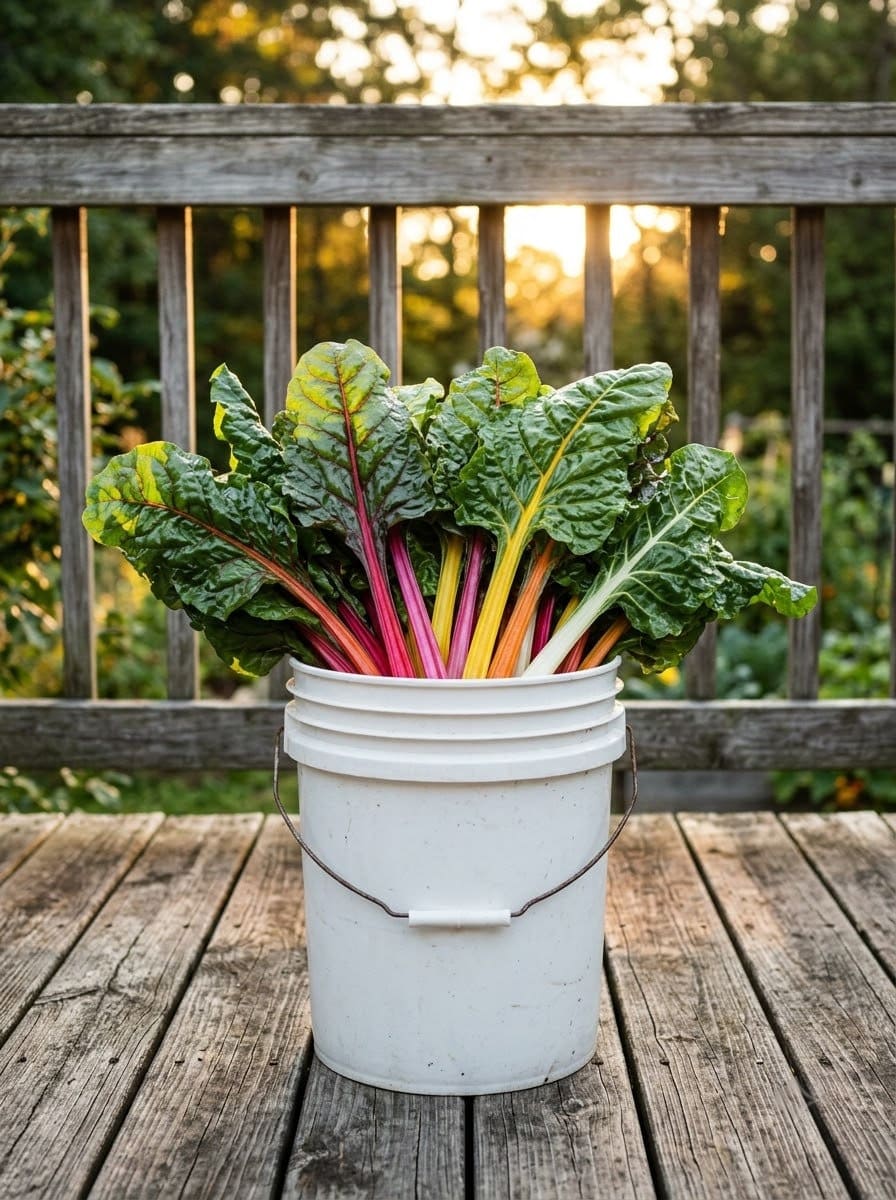
Plants per bucket: 1 to 2. Days to maturity: 50 to 60. Frost: half-hardy, protect below the mid-20s°F.
Chard is the workhorse. One or two plants give you leaves for months, cut outer-first like kale. ‘Bright Lights’ and ‘Fordhook Giant’ are the standards.
Quick tip: those colorful stems are shallow-rooted and thirsty. Chard is the crop most likely to wilt if you skip a day of watering, so put it in the bucket you walk past most.
5. Arugula
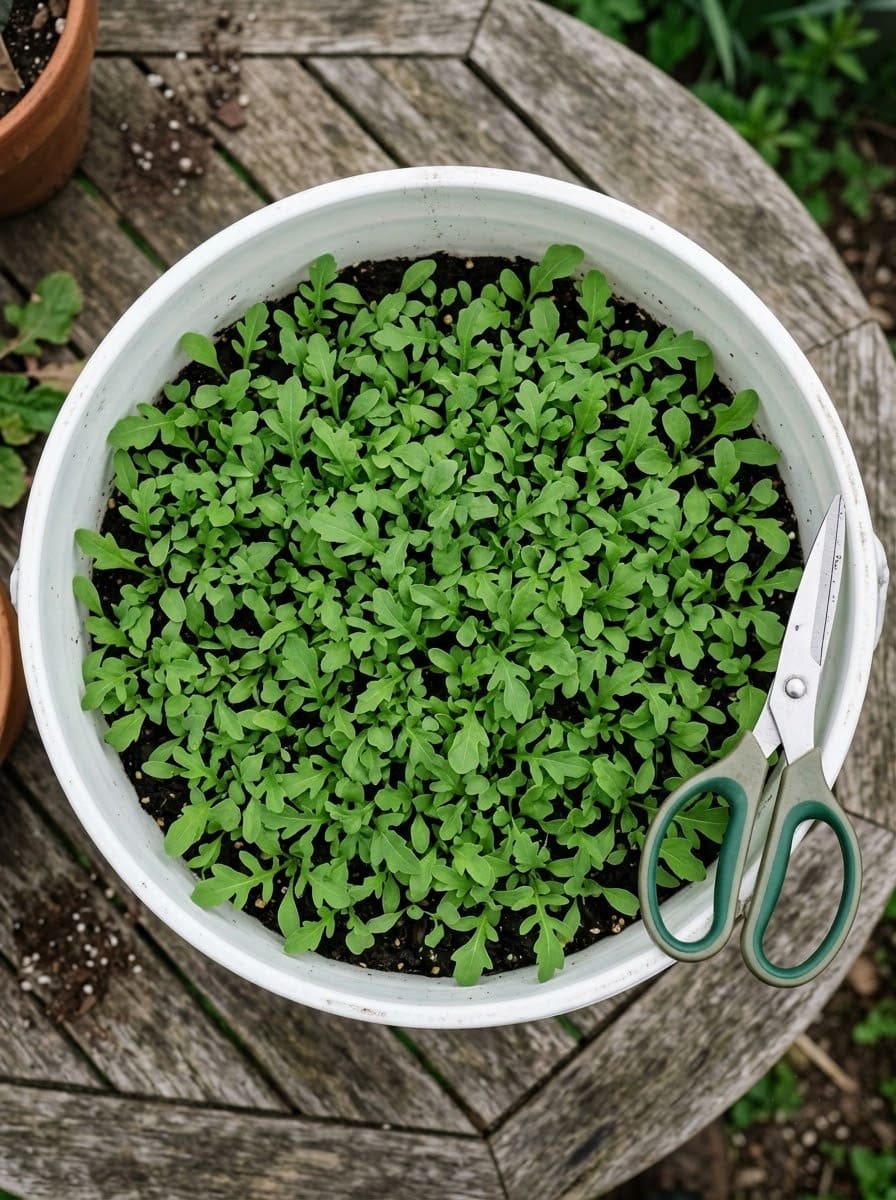
Plants per bucket: broadcast, no thinning. Days to maturity: 20 to 40. Frost: hardy.
Scatter seed thickly, water, and you have a cutting crop in three weeks. Shear it an inch above the mix and it regrows two or three times before it gets too peppery.
Quick tip: succession-sow a fresh patch every two weeks. Arugula is fast enough that you can keep three buckets on a rotation and never run out.
6. Mustard greens
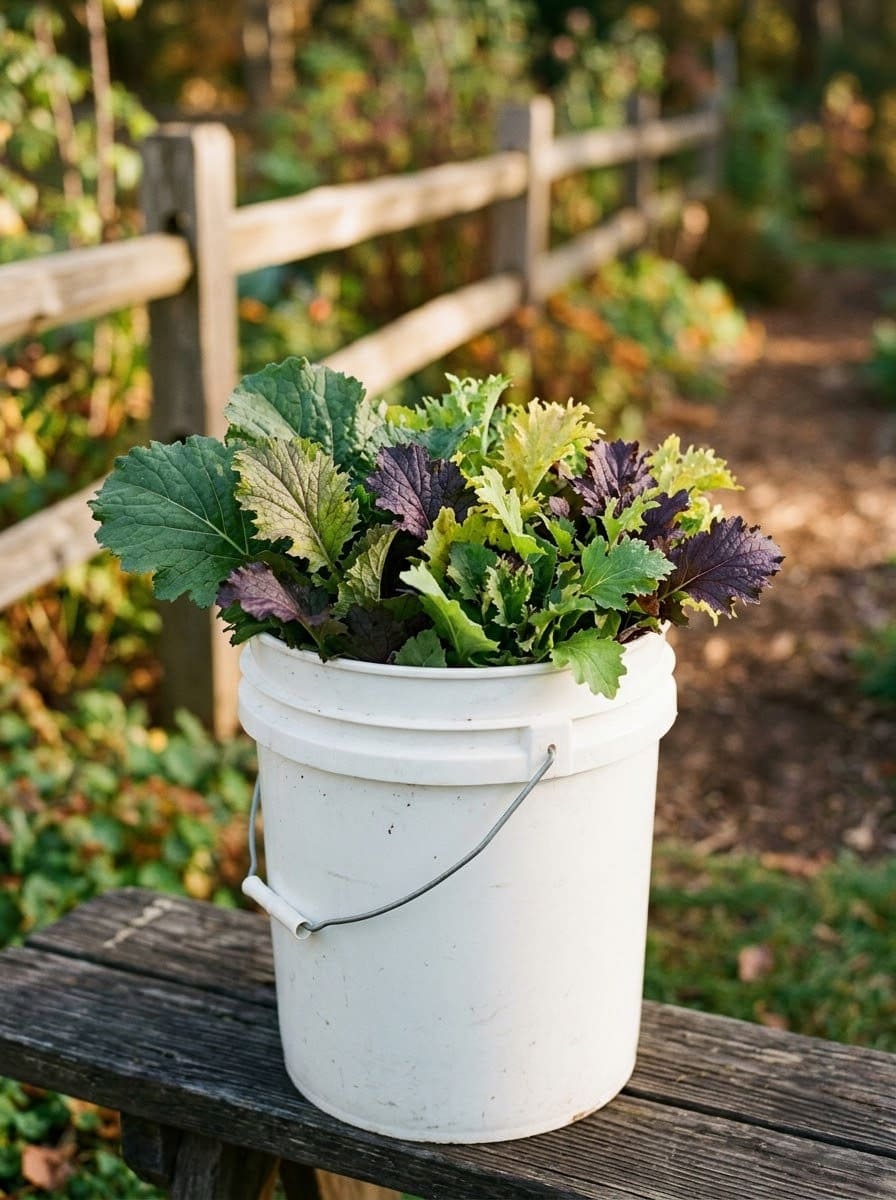
Plants per bucket: 4 to 6. Days to maturity: 40 to 50. Frost: hardy.
Mustard grows as fast as arugula but gets bigger, so give it room. Small leaves go in salad raw, large ones cook down like collards. ‘Green Wave’ and ‘Red Giant’ are reliable.
Quick tip: heat makes mustard punishingly hot. A fall crop grown into cool weather stays milder, so this is a vegetable that is genuinely better as a bucket crop in autumn than in spring.
7. Bok choy
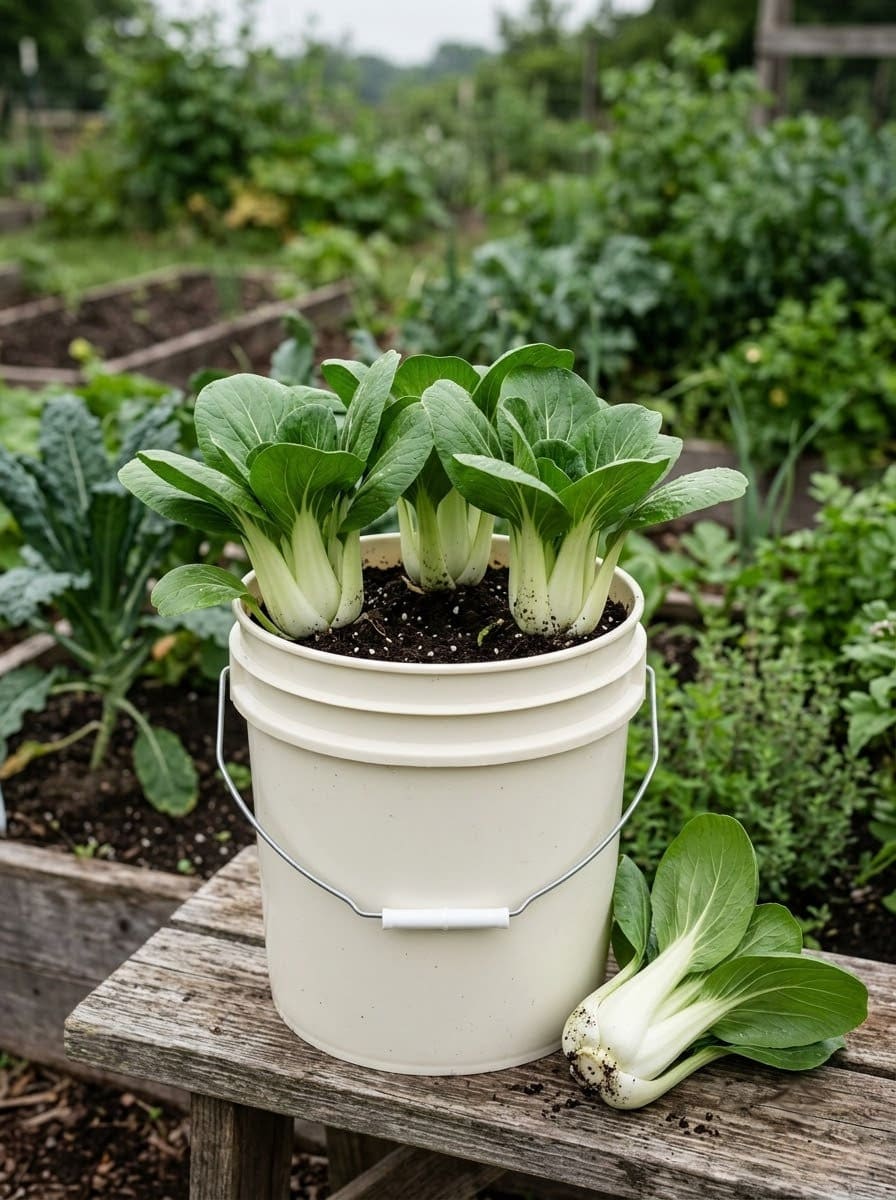
Plants per bucket: 2 to 4 baby, 1 to 2 full. Days to maturity: 30 to 45. Frost: hardy.
Baby bok choy is one of the best-value bucket crops, a whole plant in a month. Harvest the entire head with a knife at the base, or take outer stalks and let it keep going.
Quick tip: bok choy bolts the second it gets stressed by heat or dryness. Even, cool, steady moisture is the whole game, so a fall planting after the heat breaks is far more forgiving than an early one.
8. Tatsoi
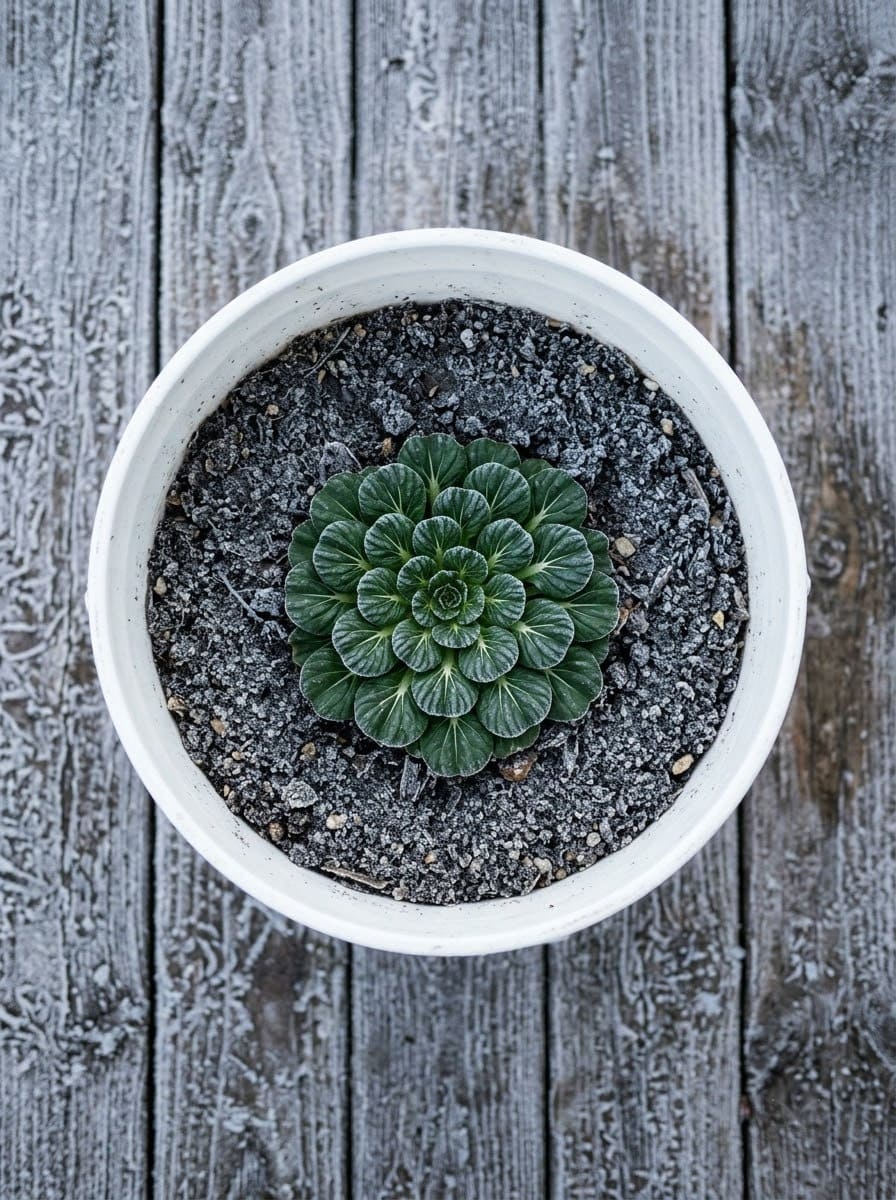
Plants per bucket: 3 to 4. Days to maturity: 40 to 45. Frost: very hardy, one of the last things standing.
Tatsoi forms a low rosette that hugs the mix, which helps it ride out cold that flattens taller greens. Maryland Extension lists it with the hardiest fall crops. It is mild, a little sweet, good raw or wilted.
Quick tip: because it stays short and wide, tatsoi is the crop to tuck around the edge of a bucket that has a taller plant like kale in the center. Two crops, one bucket.
Root crops
9. Radishes
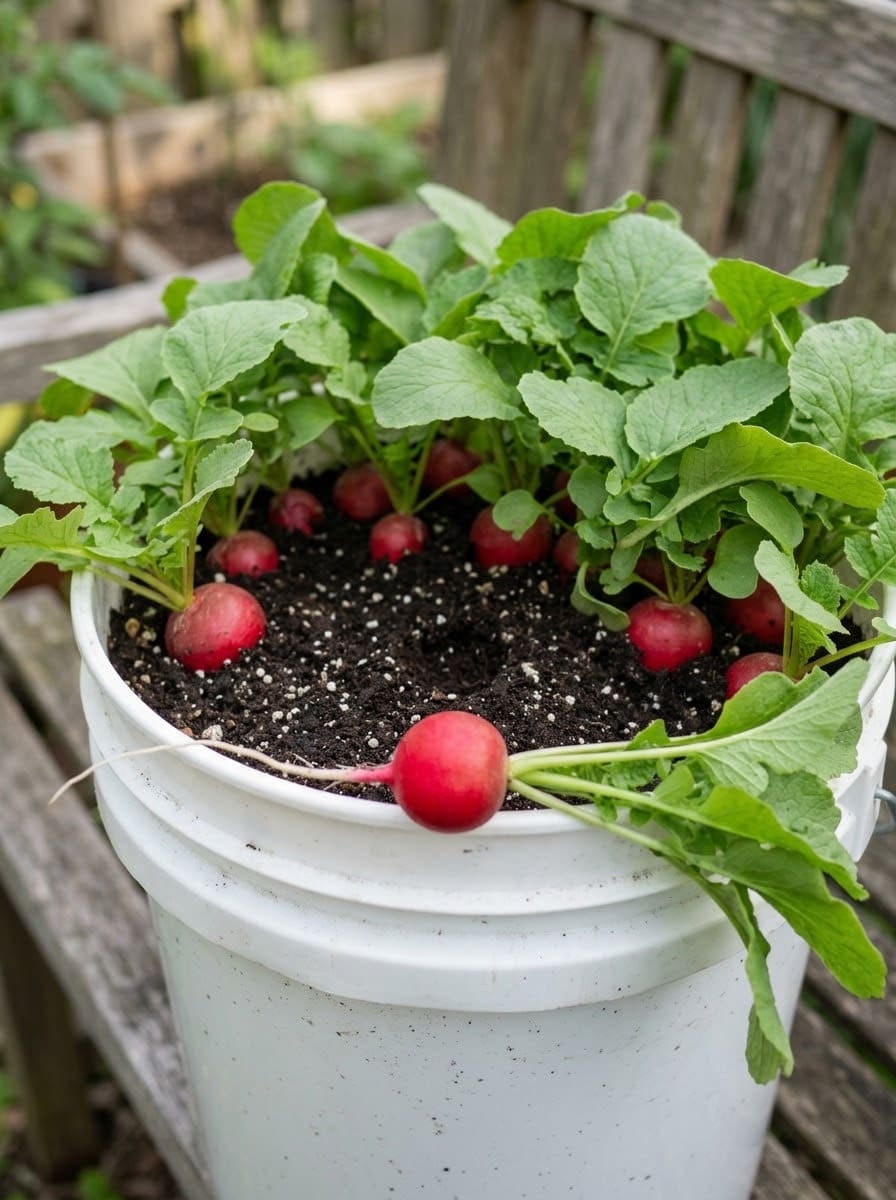
Plants per bucket: 15 to 20. Days to maturity: 25 to 30. Frost: hardy, the roots hold through a hard frost even after the tops flag.
Nothing else pays off this fast. Sow seed a half-inch deep and an inch apart, thin once, and pull in a month. ‘Cherry Belle’ and ‘French Breakfast’ are the go-to round types.
Quick tip: radishes turn woody and split if they sit past ready or dry out and then get watered hard. Pull the whole bucket within a week of them sizing up, then re-sow.
10. Carrots
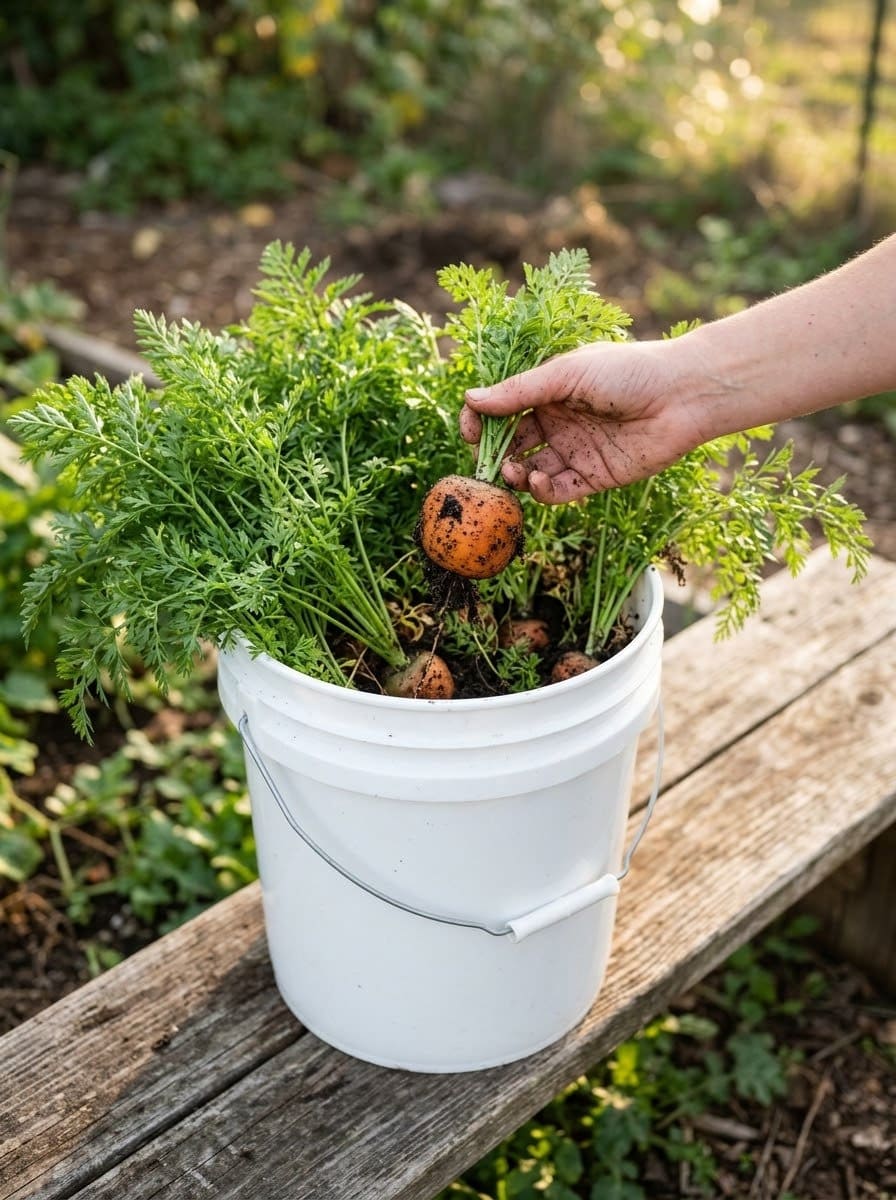
Plants per bucket: 12 to 15. Days to maturity: 50 to 75. Frost: half-hardy root, sweetest after frost.
Here is the fork-in-the-road detail most guides skip: a standard 8-inch carrot in a bucket that is only 12 inches deep grows crooked and split. Grow short varieties on purpose. ‘Paris Market’ is a 2-inch sphere, and ‘Little Finger’ and ‘Danvers Half-Long’ stay stubby.
Quick tip: carrot seed is tiny and slow, 2 to 3 weeks to sprout, and the mix must never crust over in that window. Cover the surface with a board or damp burlap until you see green, then pull it.
11. Beets
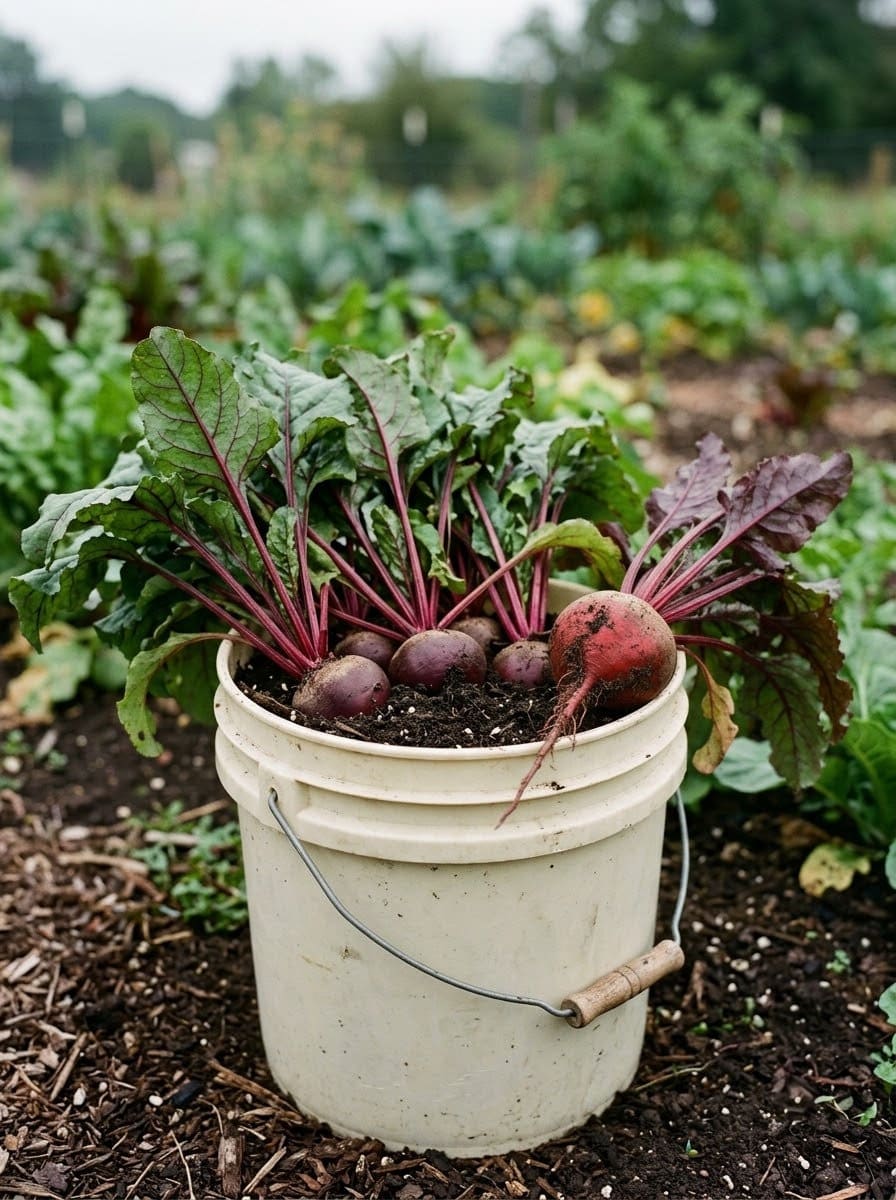
Plants per bucket: 10 to 15. Days to maturity: 50 to 65. Frost: half-hardy.
Every beet “seed” is a cluster that sprouts three or four plants, so thinning isn’t optional. Snip, don’t pull, the extras, and eat those thinnings as baby greens.
‘Detroit Dark Red’ is the standard. ‘Golden’ and ‘Chioggia’ are milder and don’t bleed.
Quick tip: beets give you two crops from one bucket, roots and greens. Take no more than a third of the leaves at a time or the root stops sizing up.
12. Turnips
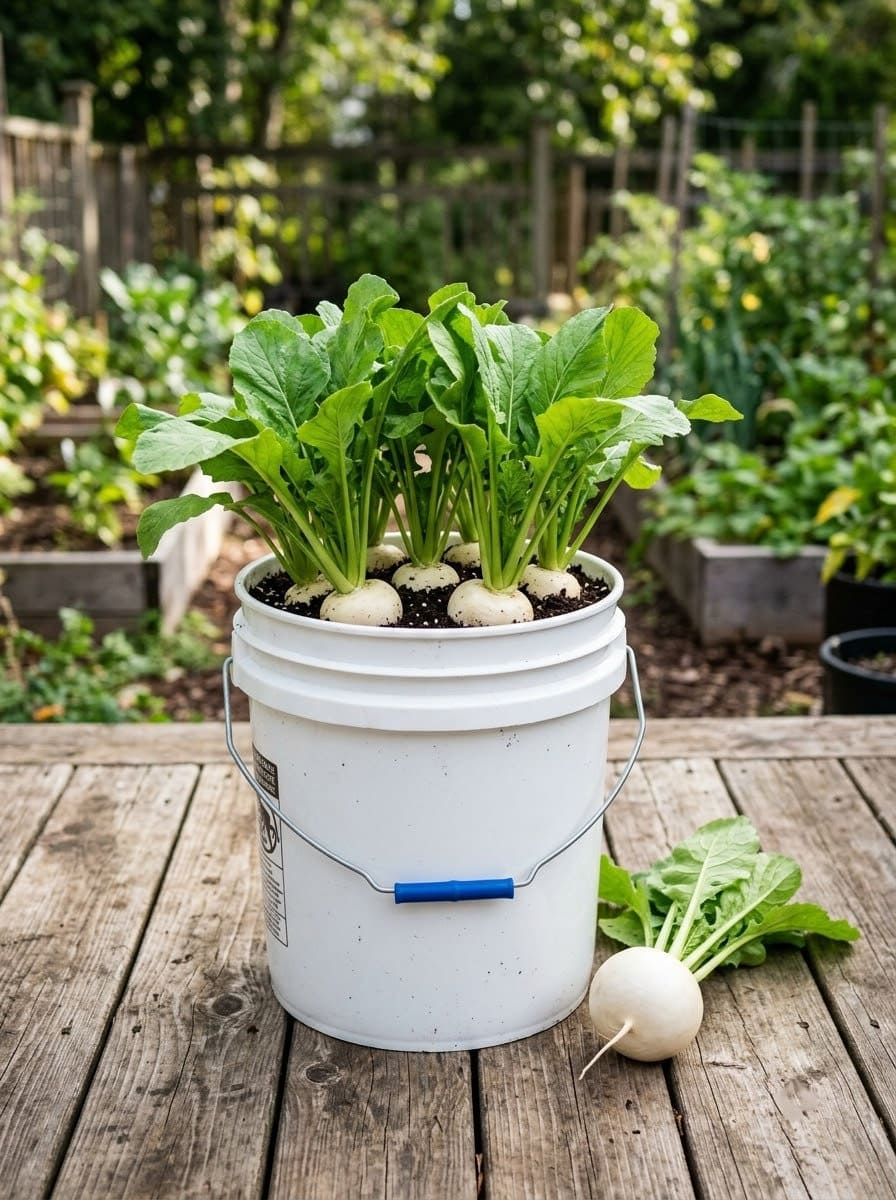
Plants per bucket: 8 to 12. Days to maturity: 40 to 55. Frost: hardy, roots and tops both.
Salad turnips like ‘Hakurei’ are a different vegetable from the big storage turnips people remember disliking. They are sweet and crisp raw at golf-ball size, ready in about six weeks.
Quick tip: pull turnips young. Left too long they turn pithy and hot, and the sweet-crisp window is only a week or two wide.
Alliums
13. Green onions
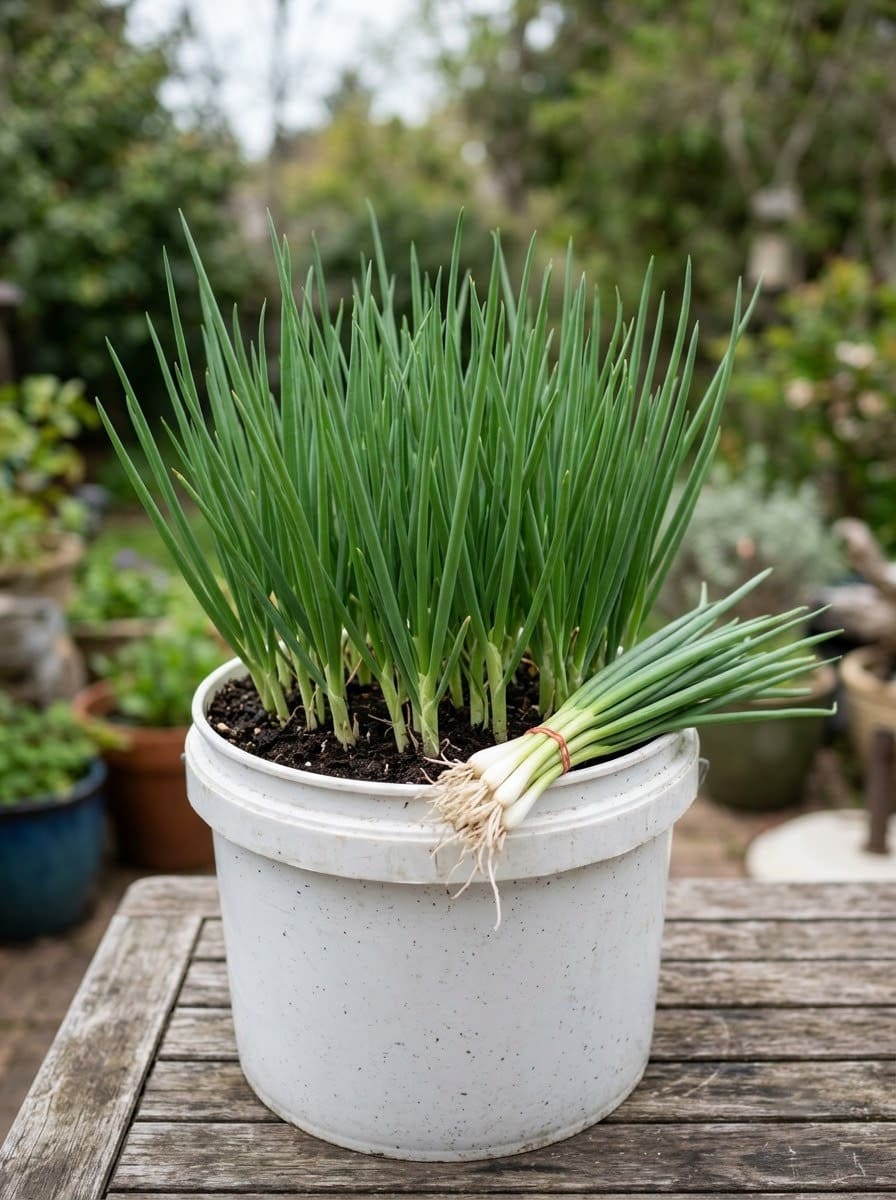
Plants per bucket: a dense clump, 40-plus. Days to maturity: 60 to 70 from seed, faster from sets. Frost: very hardy.
Sow thickly and never thin. Green onions don’t need space, they just need cutting. Snip what you want an inch above the mix and the same plants regrow.
Quick tip: save the root ends from store-bought green onions, push them into the bucket, and they regrow for free. A fall bucket of these will keep going through a mild winter and most of spring. Onions in general are slow, but the green ones are the shortcut.
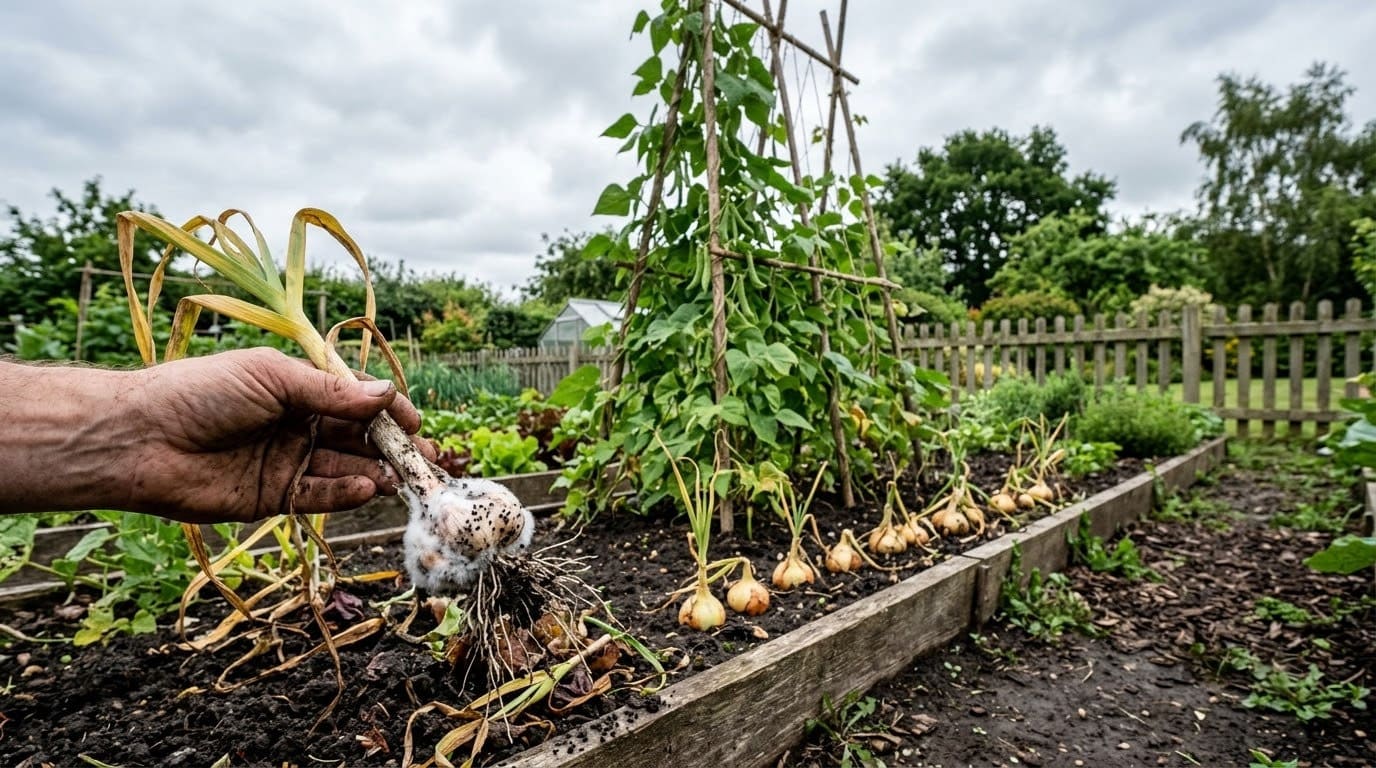
14. Garlic
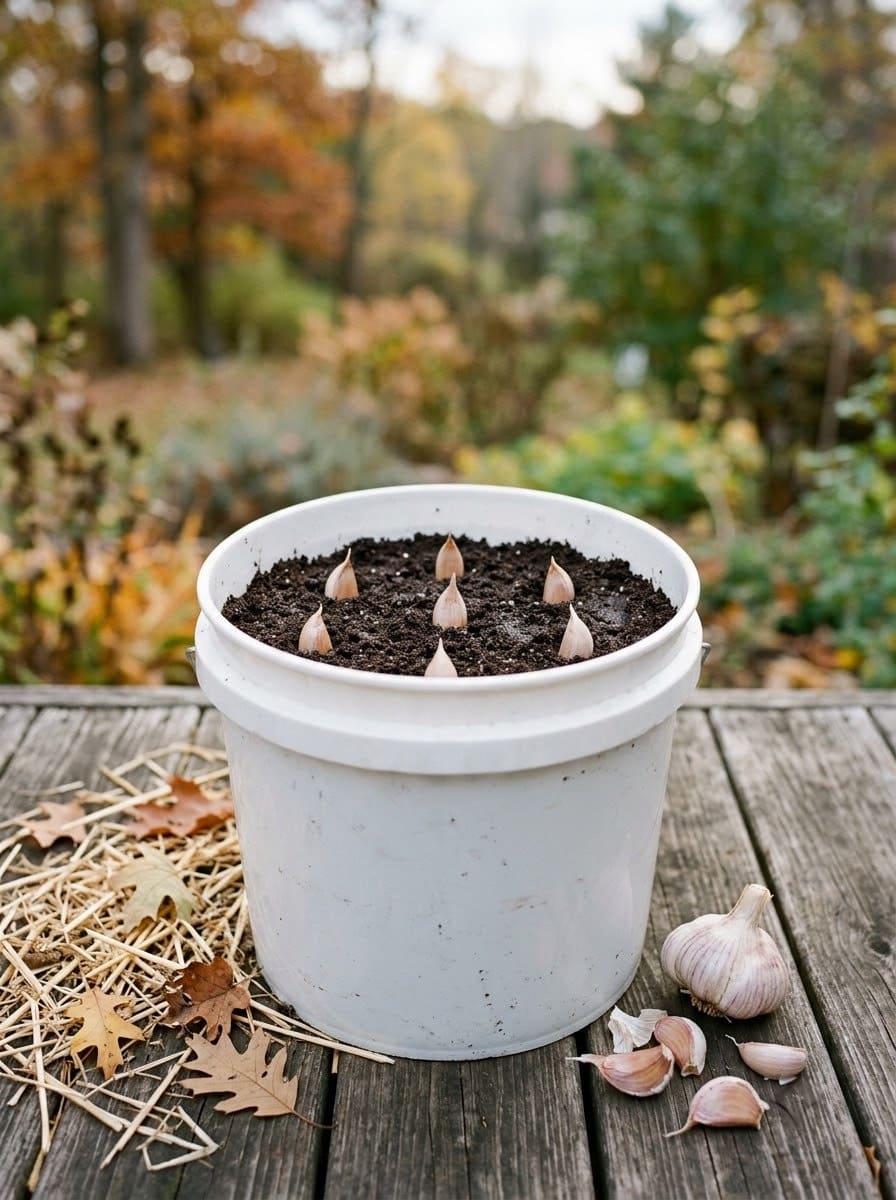
Cloves per bucket: 4 to 6. Days to maturity: about 240, planted fall, harvested summer. Frost: very hardy, needs the cold.
Garlic is the one crop here you plant in fall and forget until June. Break a bulb into cloves, push each one 2 inches deep and pointy-end up, and mulch the top. Hardneck types like ‘Music’ suit cold zones, softneck types suit mild ones.
Quick tip: buy seed garlic from a nursery, not a grocery bulb, which is often treated to resist sprouting and may carry disease. Plant it now and the bucket does its own thing all winter.
Brassica heads
15. Broccoli
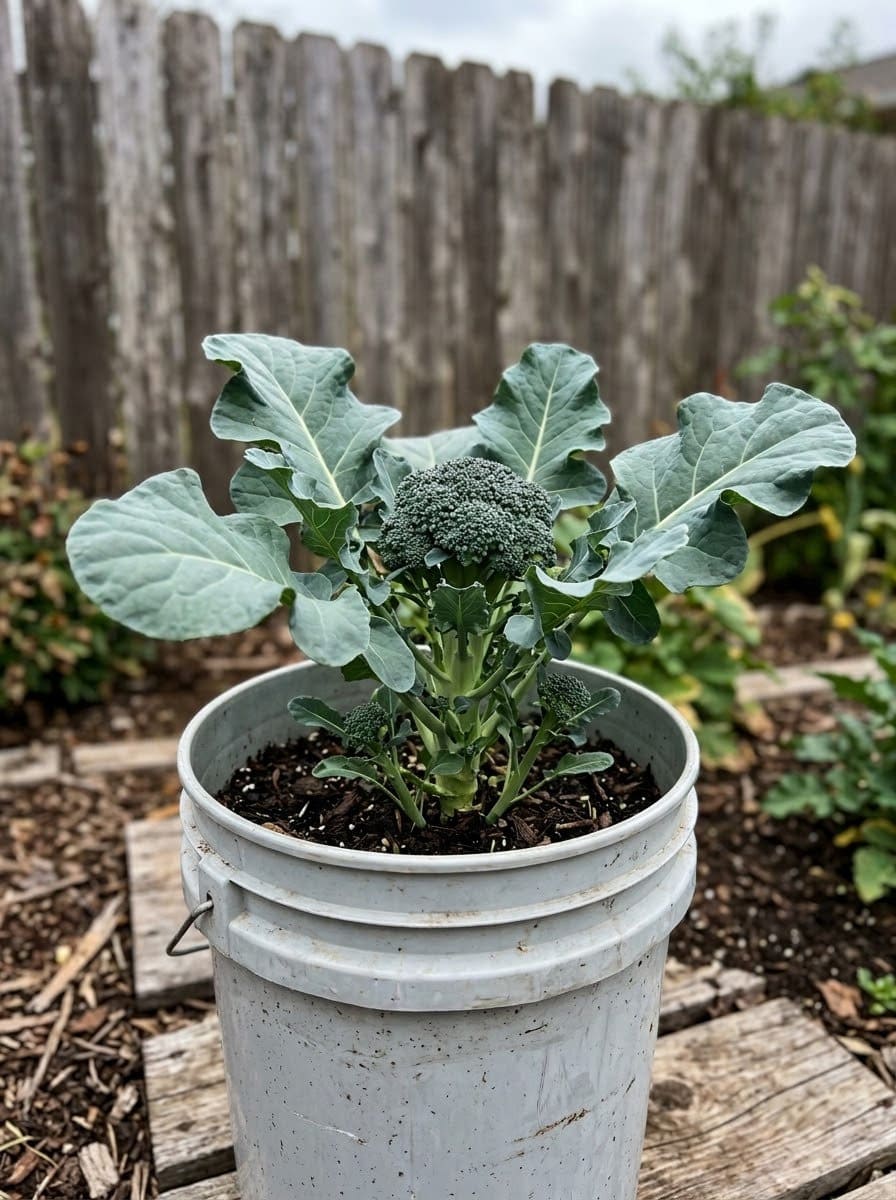
Plants per bucket: 1 standard, or 2 mini. Days to maturity: 50 to 70 from transplant. Frost: hardy.
Broccoli is where the two-week Short-Day Factor really bites, so start from a transplant, not seed, this late. Cut the main head while the beads are tight, then keep the plant for weeks of smaller side shoots.
Sprouting types like ‘Di Cicco’ and broccoli raab skip the big head entirely and just throw shoots, which suits a bucket better.
Quick tip: broccoli is a heavy feeder in a small container. This is the bucket that most needs that every-two-weeks liquid feed on top of the slow-release.
16. Kohlrabi
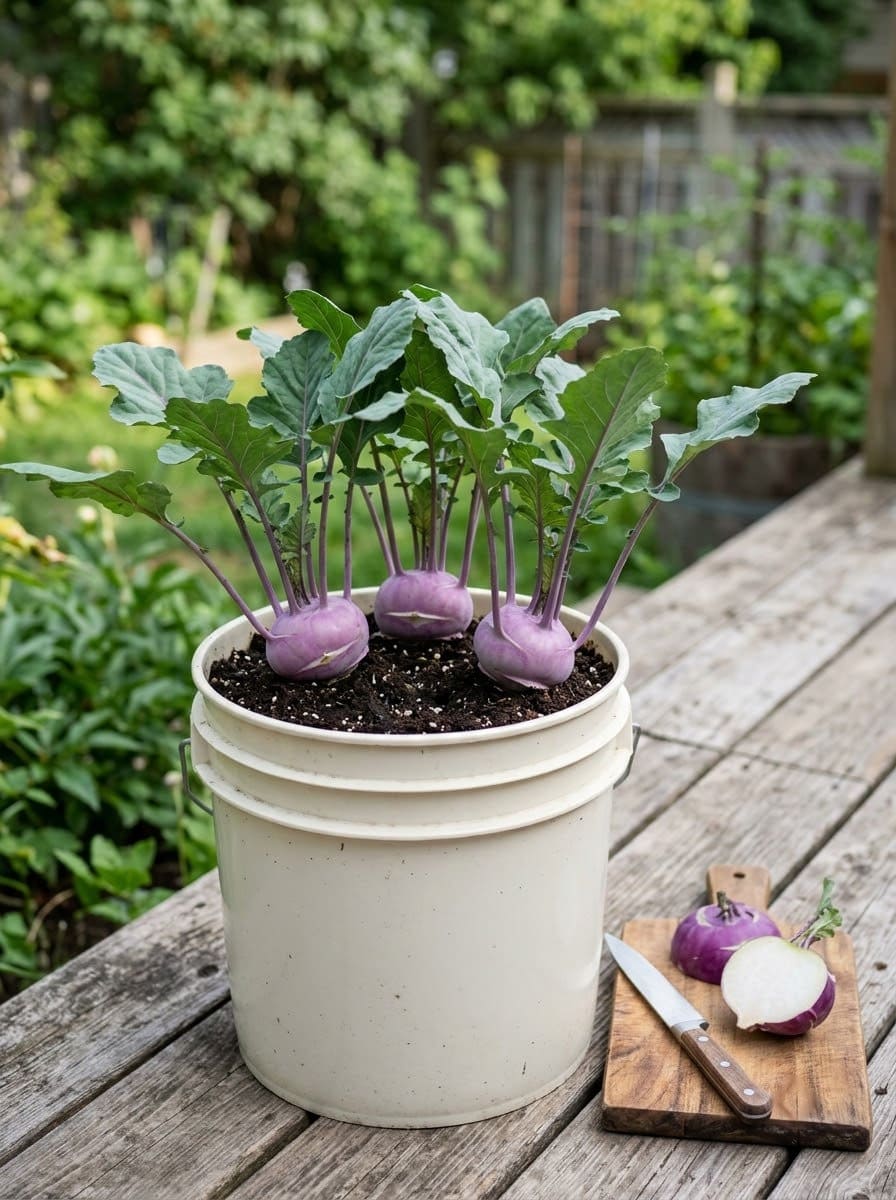
Plants per bucket: 2 to 3. Days to maturity: 45 to 60. Frost: hardy.
Kohlrabi is the easiest brassica to grow in a bucket because the part you eat is the swollen stem, sitting right on the surface, not a head that needs a long finish. ‘Purple Vienna’ and ‘Kolibri’ are quick.
Quick tip: harvest at 2 to 3 inches across, tennis-ball size at most. Bigger than that and it goes woody in the center no matter how well you grew it.
17. Napa cabbage
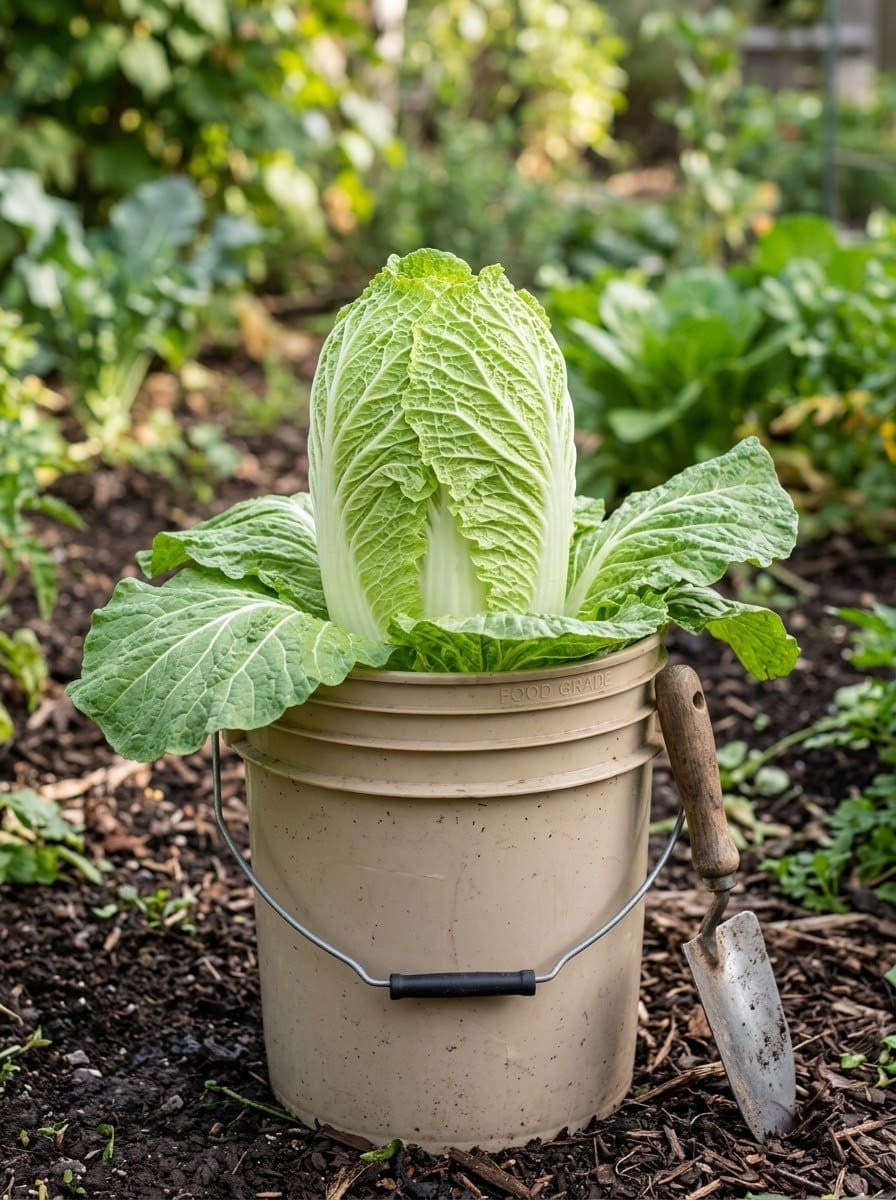
Plants per bucket: 1 standard, or 2 mini. Days to maturity: 50 to 70. Frost: hardy.
Napa forms its tall barrel-shaped head faster than a round green cabbage, so it fits the fall window better. ‘Bilko’ and mini types like ‘Minuet’ work in a single bucket.
Quick tip: napa needs steady water to head up without the leaf edges browning, a problem called tipburn. One deep watering a day beats several splashes, and mulch the surface to hold it.
Best fall bucket combinations
You don’t have to grow one crop per bucket. These groupings share water needs and harvest windows, so a bucket works as a unit.
| Bucket | What goes in | Spacing plan | Harvest window |
|---|---|---|---|
| Salad bucket | Loose-leaf lettuce center, arugula and tatsoi around the edge | 1 lettuce clump, edge broadcast | 3 to 6 weeks, cut-and-come-again |
| Braising-greens bucket | 1 kale plant center, mustard greens filling in | Kale center, 4 mustard around it | 4 weeks on, then months from the kale |
| Roots bucket | Radishes now, carrots between them | 15 radishes broadcast, carrots 1 inch apart | Radishes in 4 weeks, carrots fill the gap |
| Quick brassica bucket | 2 mini bok choy plus a ring of green onions | Bok choy center pair, onions around the rim | Bok choy in 5 weeks, onions ongoing |
| Overwinter bucket | 6 garlic cloves, spinach broadcast on top | Cloves 2 inches deep, spinach on the surface | Spinach in fall and spring, garlic next June |
What we’d do differently: real talk from growing these
Plant two weeks earlier than feels right. The Short-Day Factor is not a fudge number. The first fall we ran buckets we sowed on the “days to maturity” alone, and the broccoli and napa were still miniature when hard frost hit.
The quick greens were fine. Anything that has to form a head or a real root needs that buffer, so if the packet says 60 days, treat it as 74.
Drill more holes than you think, and get the bucket off the ground. A bucket flat on a patio seals its bottom holes against the concrete and holds water anyway. Two bricks under each one fixed more rot problems for us than any change to the watering routine.
Pick short carrots on purpose and don’t fight it. We wasted a whole bucket on ‘Danvers’ full-size the first year and pulled a tangle of forked, split roots. ‘Paris Market’ in the same bucket the next fall came out clean and round. The bucket depth is the constraint, so match the variety to it.
In a hard-winter zone, cluster the buckets and wrap them. A raised bed has the whole earth as a heat sink. A bucket has a few gallons of mix exposed on four sides, so it freezes solid days before the ground does.
Push the buckets together against a south wall, stuff straw or leaves in the gaps, and throw a row cover over the group. It’s the difference between harvesting kale in December and losing it in November.
For anything you want to carry through, overwintering container plants covers the same logic.
Frequently asked questions
What fall vegetables grow fastest in a bucket?
Radishes and arugula are ready in 25 to 30 days. Baby bok choy, tatsoi, mustard greens, and cut-and-come-again lettuce follow at 30 to 45 days. If you’re starting late, sow those and skip anything that forms a head.
Are 5-gallon buckets safe for growing food?
Yes, if the bucket is food-grade. Look for recycling code 2 (HDPE) and a “food grade” or “FDA 21 CFR” note on the label. Don’t use a bucket that stored paint, solvent, or pool chemicals, since those residues don’t fully wash out of the plastic.
How many drainage holes does a 5-gallon bucket need?
Four to six holes in the base, drilled with a 3/8-inch or 1/2-inch bit, plus a few around the sides an inch up from the bottom. Raise the bucket on bricks or feet so water can actually drain instead of pooling under a sealed bottom.
Can fall vegetables in buckets survive frost?
Most can survive a light frost near 28°F, and kale, spinach, tatsoi, green onions, and garlic take hard freezes into the low 20s°F. Carrots, beets, and Swiss chard are more tender and need a row cover or an old sheet on hard-frost nights.
How often do I water fall buckets?
Check daily the first week by pushing a finger two inches into the mix, and water when that depth is dry. Once plants establish and the weather cools, every two to three days is often enough. Chard and napa cabbage are the thirstiest and will tell you first.
How late can I plant fall vegetables in buckets?
Count back from your first frost date: subtract the days to maturity, then another two weeks for short fall light. That gives your last date for a full crop. Fast greens and radishes can push a week or two past it, especially with a cover, but head crops like broccoli cannot.
Related Posts
Products We Recommend
This post contains affiliate links. We may earn a commission on qualifying purchases at no extra cost to you.
United Solutions 5 Gallon Bucket, 3-Pack, White (BPA-free)
Heavy-duty BPA-free plastic buckets with a comfortable handle, the right base for a fall bucket garden once you drill four to six drainage holes.
Shop Now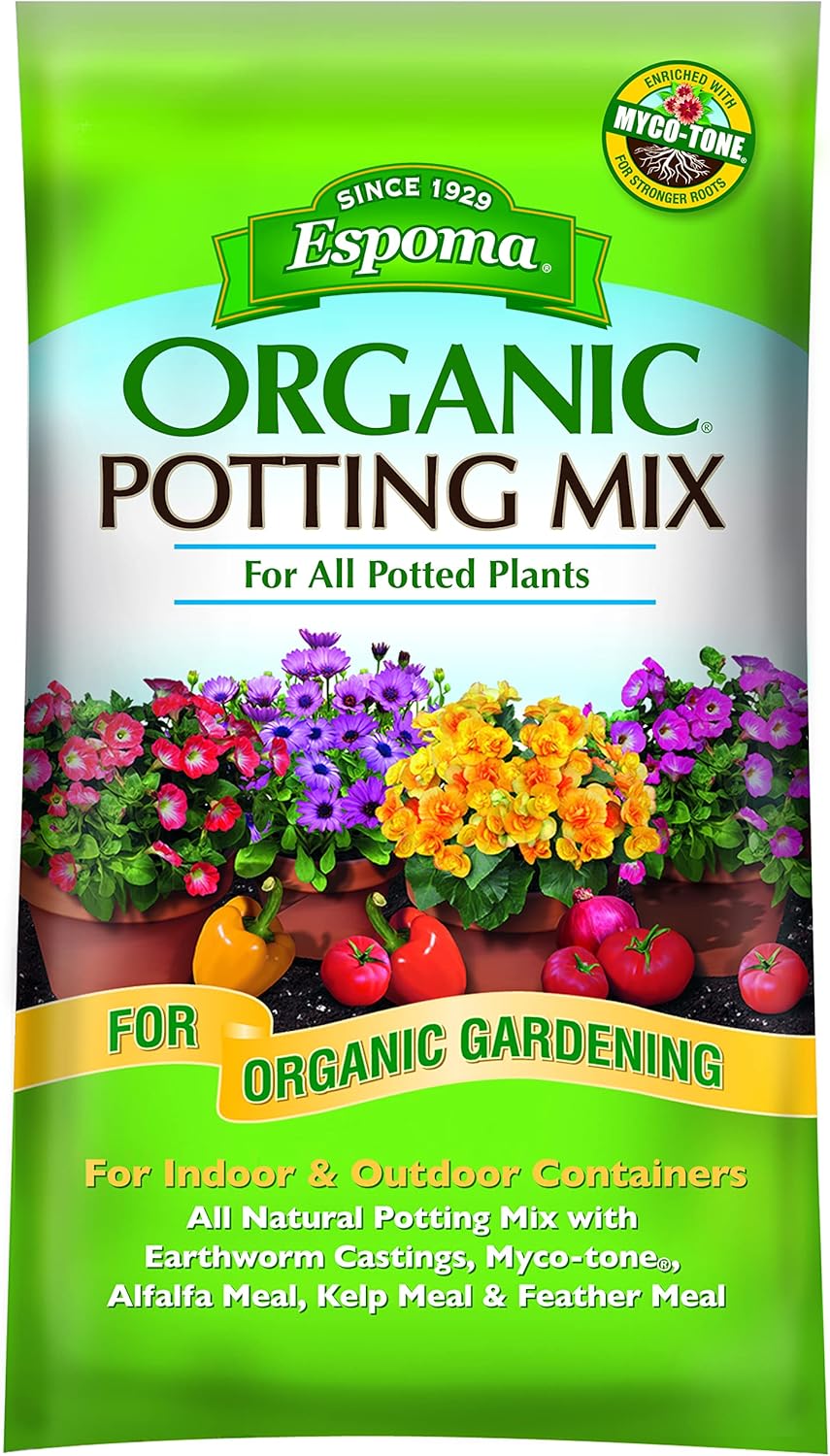
Espoma Organic Potting Soil Mix (2 cu ft)
All-natural potting mix for indoor and outdoor containers including vegetables, with the peat-and-perlite structure a bucket needs to keep draining. One bag fills about three buckets.
Shop Now
Agfabric Floating Row Cover, 10 ft x 50 ft, 1.2 oz
Lightweight breathable frost fabric to drape over a group of clustered buckets on hard-frost nights and stretch the harvest by weeks.
Shop NowNever miss an update — choose FarmFoodFamily as your preferred source on Google.
How it works: Tap the button below to open Google's settings page, then check the box next to FarmFoodFamily.
Tap the checkbox to turn it blue — that's how you know it's set.