8 Clever Vertical Pocket Planter Ideas That Actually Keep Plants Alive
Pocket planters turn a bare wall into a herb garden, as long as you plan for the weight of wet soil, the drainage and the sun the pockets will really get.

Never miss an update — choose FarmFoodFamily as your preferred source on Google.
How it works: Tap the button below to open Google's settings page, then check the box next to FarmFoodFamily.
Tap the checkbox to turn it blue — that's how you know it's set.
Pocket planters turn a bare wall into a herb garden, as long as you plan for the weight of wet soil, the drainage and the sun the pockets will really get.
Products We Recommend
This post contains affiliate links. We may earn a commission on qualifying purchases at no extra cost to you.

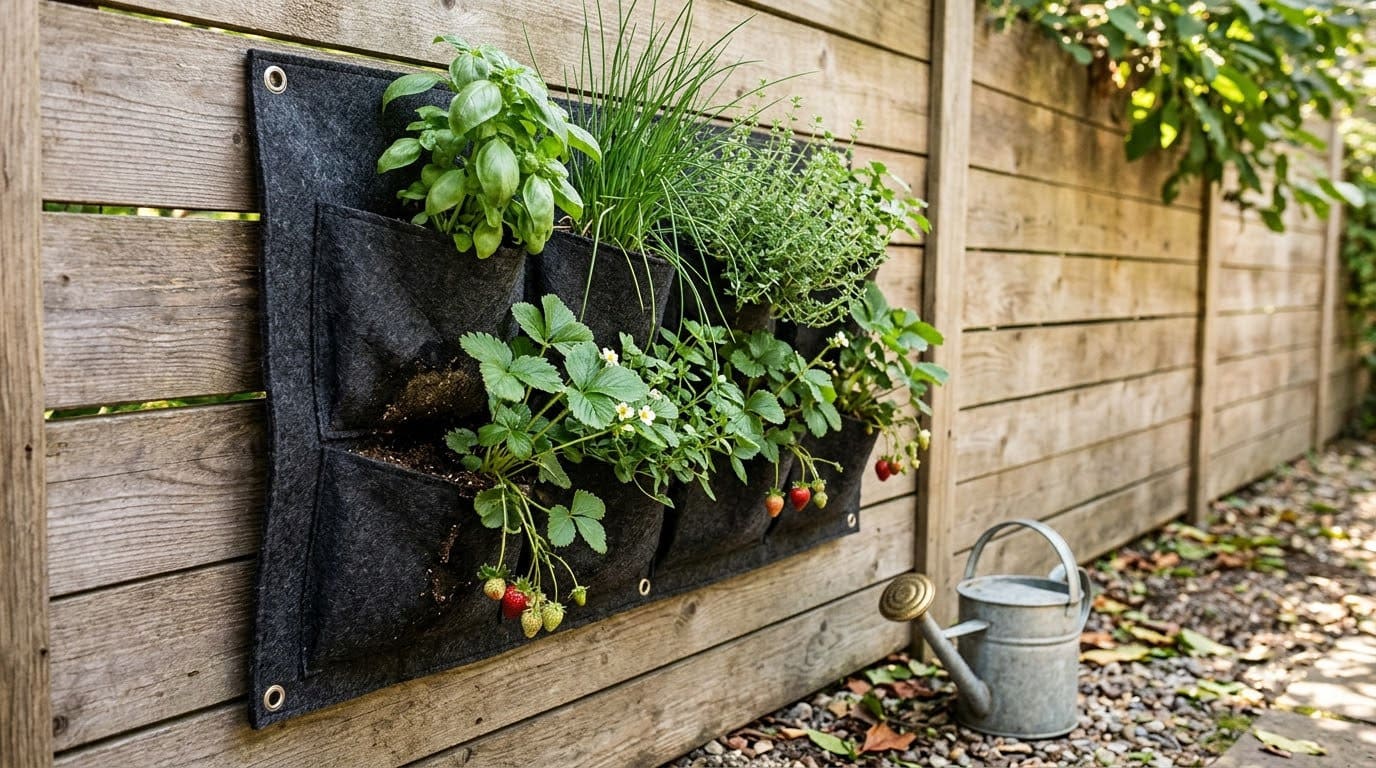
ZOENHOU 36-Pocket Felt Vertical Garden Planter, 2 Pack
Breathable felt pocket strips you can mount into studs or onto a wood backer.
Shop Now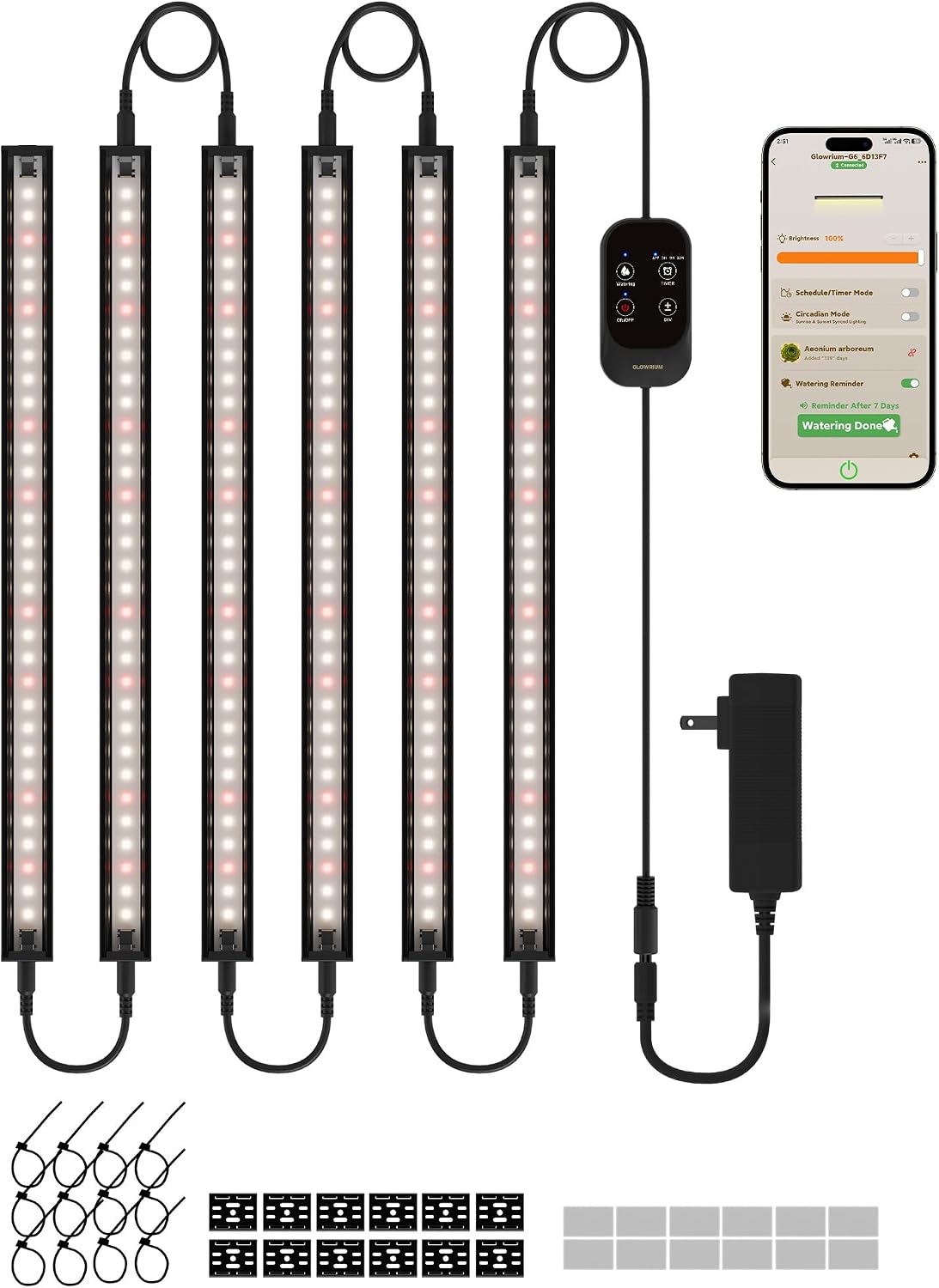
Full Spectrum LED Grow Light Bar
Supplemental light for herb pockets that get fewer than six hours of direct sun.
Shop Now
1 Liter Small Watering Can With Long Spout
A narrow spout reaches into pockets and lets you water slowly from the top.
Shop NowPocket planters look easy. A strip of fabric, some soil and a few herbs, and the wall is green.
Then the top row dries out, the bottom row stays soggy and the whole thing sags off its nail. Most failures come from the same three problems: weight, water and light.
These eight builds cover the fabric, the mounting and the plants, with the checks that keep a vertical garden alive past the first month.
Answer 4 quick questions and get matched to the exact fix for your yard — drainage, budget, layout, or something else entirely.
Take the Free QuizQuick Answer
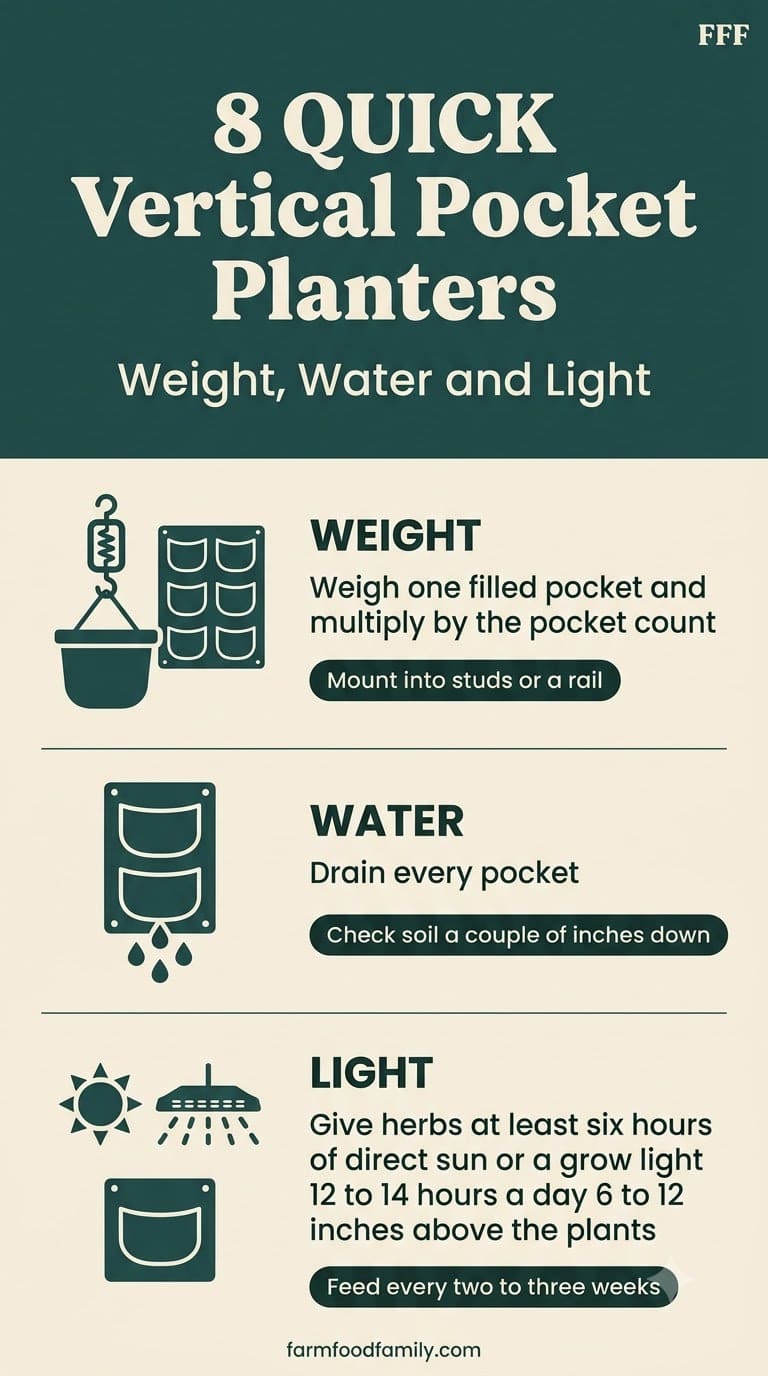
Plan for weight first. Wet soil is heavy, so mount the planter into studs or a solid rail, not into drywall alone. Weigh one filled pocket and multiply by the number of pockets.
Give every pocket a way to drain. Fabric felt drains freely, while plastic and lined pockets need holes. Water from the top and check the soil a couple of inches down before you water again.
Match the plants to the light. Most herbs need at least six hours of direct sun, or a grow light for 12 to 14 hours a day about 6 to 12 inches above the leaves.
Start with herbs and greens. They have shallow roots and give you a harvest in a small space, so they suit a pocket better than tomatoes or squash. Skip heavy feeders.
Which Build Fits You?
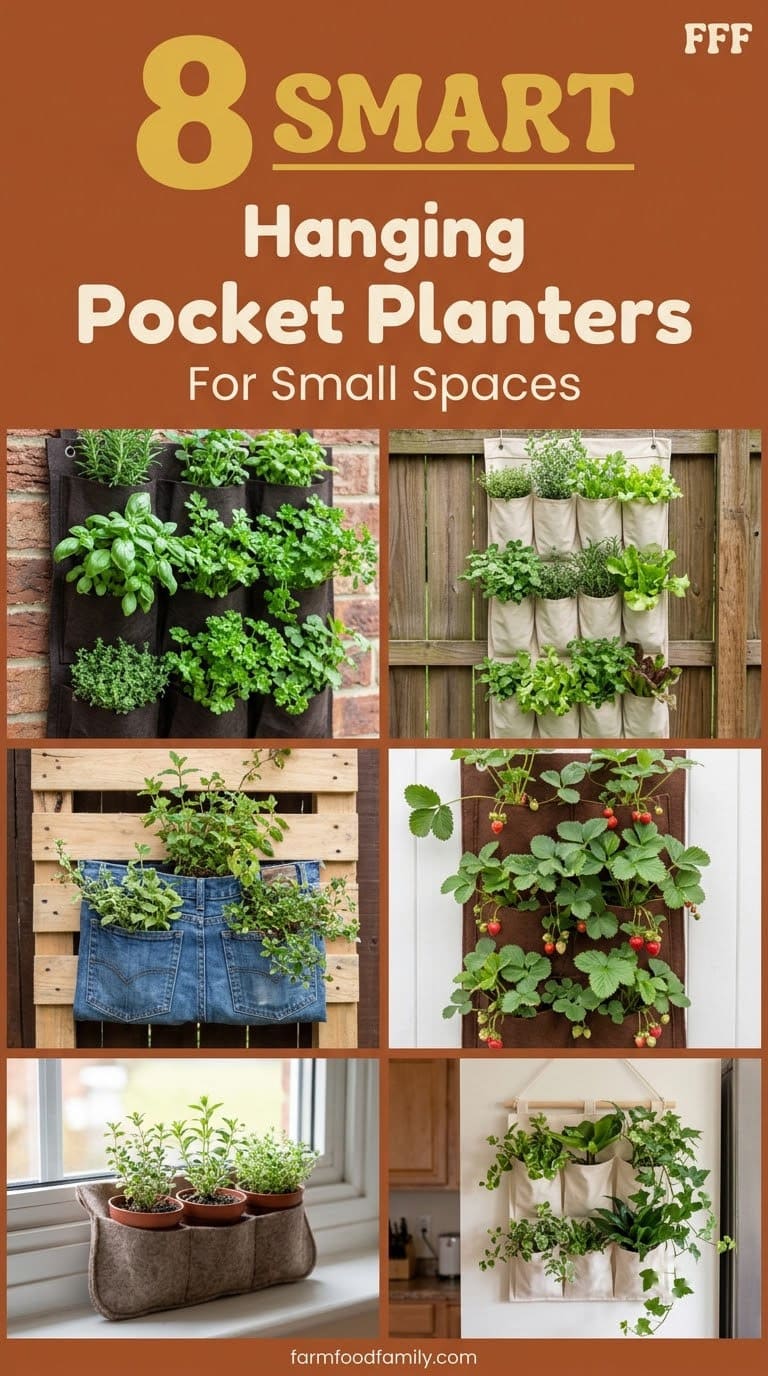
Pick by time, skill and where the planter will hang.
Most yard problems trace back to one specific, fixable cause. Find yours in 4 quick questions.
Take the Free Quiz| Build | Time | Skill | Budget tier | Best spot |
|---|---|---|---|---|
| 1. Shoe organizer herb wall | One hour | None | Lowest | Fence, shed or door |
| 2. Felt pocket wall | One afternoon | Beginner | Low | Sunny wall |
| 3. Recycled denim pockets | One afternoon | Beginner | Lowest | Indoor or covered wall |
| 4. Sewn canvas pocket planter | One weekend | Intermediate | Low | Balcony rail |
| 5. Air dry clay pockets | One weekend | Beginner | Low | Indoor, dry plants only |
| 6. Mini felt tabletop planter | One hour | None | Lowest | Windowsill |
| 7. Hanging fabric rail planter | One afternoon | Beginner | Low | Patio or porch |
| 8. Pocket strawberry wall | One afternoon | Beginner | Low to mid | Sunny wall |
Before You Build: Four Rules
These apply to every build. They take a few minutes and prevent most failures.
Rule 1: Know the weight
Epic Gardening’s plant wall guide, written by Katherine Rowe with a horticulture review by Sarah Jay, warns that wet soil quickly becomes heavy. It gives no weight figure, so measure your own.
Fill one pocket, water it and set it on a bathroom scale.
Say it reads 4 pounds. Then 12 pockets weigh about 48 pounds before the fabric itself. Those numbers are an example, not a standard.
Rule 2: Drain every pocket
Felt pockets drain freely, according to the same guide. Plastic, paper-lined or tightly woven pockets don’t.
Hunker writer Brynna Standen calls drainage holes in each shoe-organizer cup essential for preventing root rot. She also notes cloth pouches let air through, while a plastic-lined cup holds moisture in.
Rule 3: Check the light first
University of Illinois Extension educator Brittnay Haag says most herbs need at least six hours of direct sun. Without it, they turn leggy and spindly.
Breathable felt pocket strips you can mount into studs or onto a wood backer.
Shop NowThis post contains affiliate links. We may earn a commission on qualifying purchases at no extra cost to you.
Under fluorescent lights, she says to run them 12 to 14 hours a day, 6 to 12 inches above the plants. Rotate natural-light plants every few days so they grow evenly.
Rule 4: Pick shallow-rooted plants
Pockets are shallow. Herbs and salad greens have fibrous, shallow roots, so they fit.
The average homeowner spends $616/year on yard fixes that don't address the real problem. Find out what yours actually is — before you spend another dollar.
Take the Free QuizHaag recommends a pot at least 6 inches across with a drain hole.
A smaller pocket will work for a season but dries fast and limits roots.
The 8 Best Vertical Pocket Planter Ideas
1. The Shoe Organizer Herb Wall
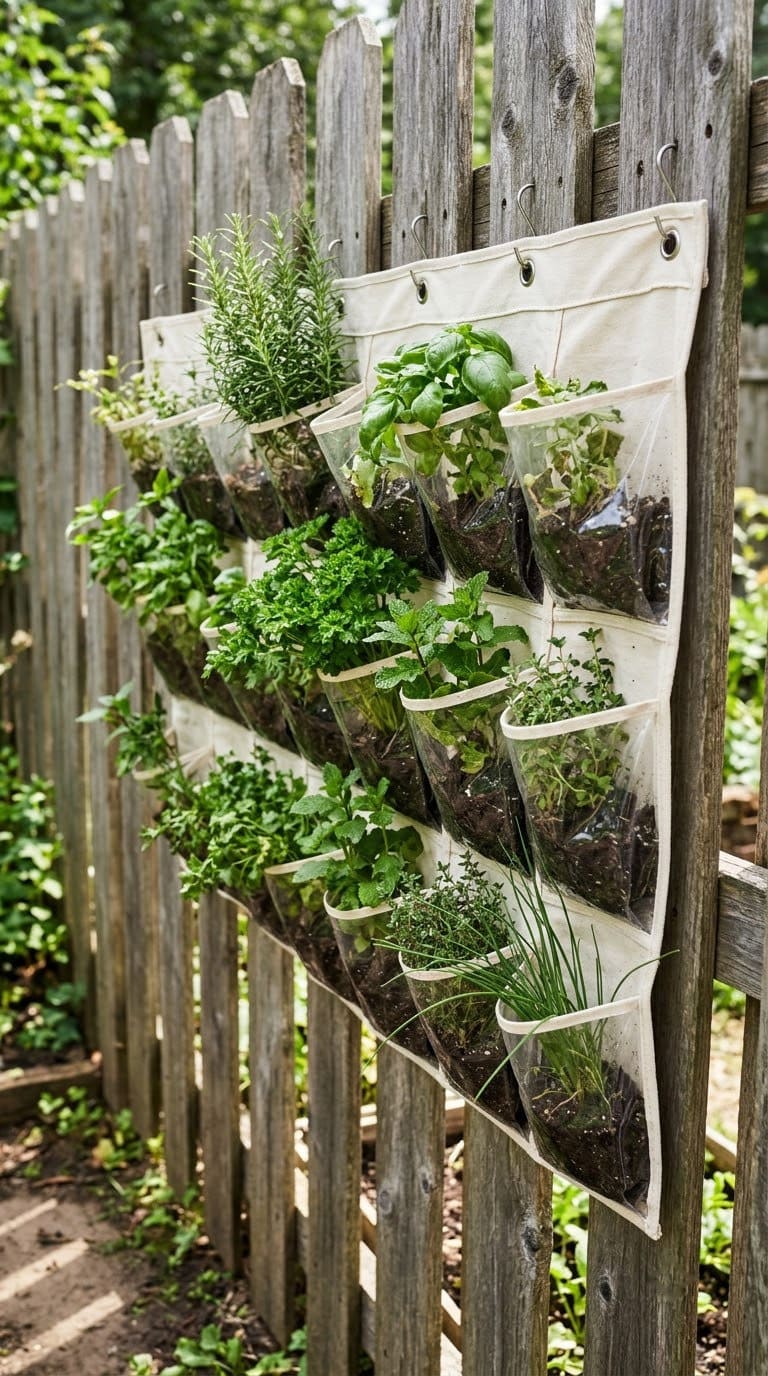
This is the fastest build. An over-the-door shoe organizer already has 12 or more pockets, and you can hang it today.
Poke drainage holes in the bottom of each pocket, since the fabric alone won’t drain. Fill each with potting mix and one plant. Standen’s version uses paper coffee cups inside the pockets, and she suggests reinforcing the fabric near the hooks with duct tape.
Hang the organizer from a sturdy rail on a fence or shed, with the bottom at least two feet off the ground. Fabric organizers aren’t made for outdoor use, so expect a season or two. For other hanging layouts, see the guide to hanging herb garden ideas.
Quick tip: put thirsty herbs like basil in the bottom pockets, where water collects, and drought-tolerant ones like thyme and rosemary near the top.
2. A Felt Pocket Wall
Felt pocket strips are the standard product for a reason. They drain, they breathe and they come with grommets.
The Epic Gardening guide says two or three plants usually fill a pocket. Mount the strip with its grommets into studs or a wooden rail. Water by hand or add a drip line, and adjust run time to keep runoff low.
Check the soil a couple of inches below the surface before you water. Feed about every two to three weeks in the growing season, and replace the potting mix about every two years. Combine upright and trailing plants so the wall fills in fast.
Quick tip: water a new felt wall slowly in two passes. The first pass wets the dry felt, and the second pass lets water soak into the soil instead of running off the front.
3. Recycled Denim Pockets
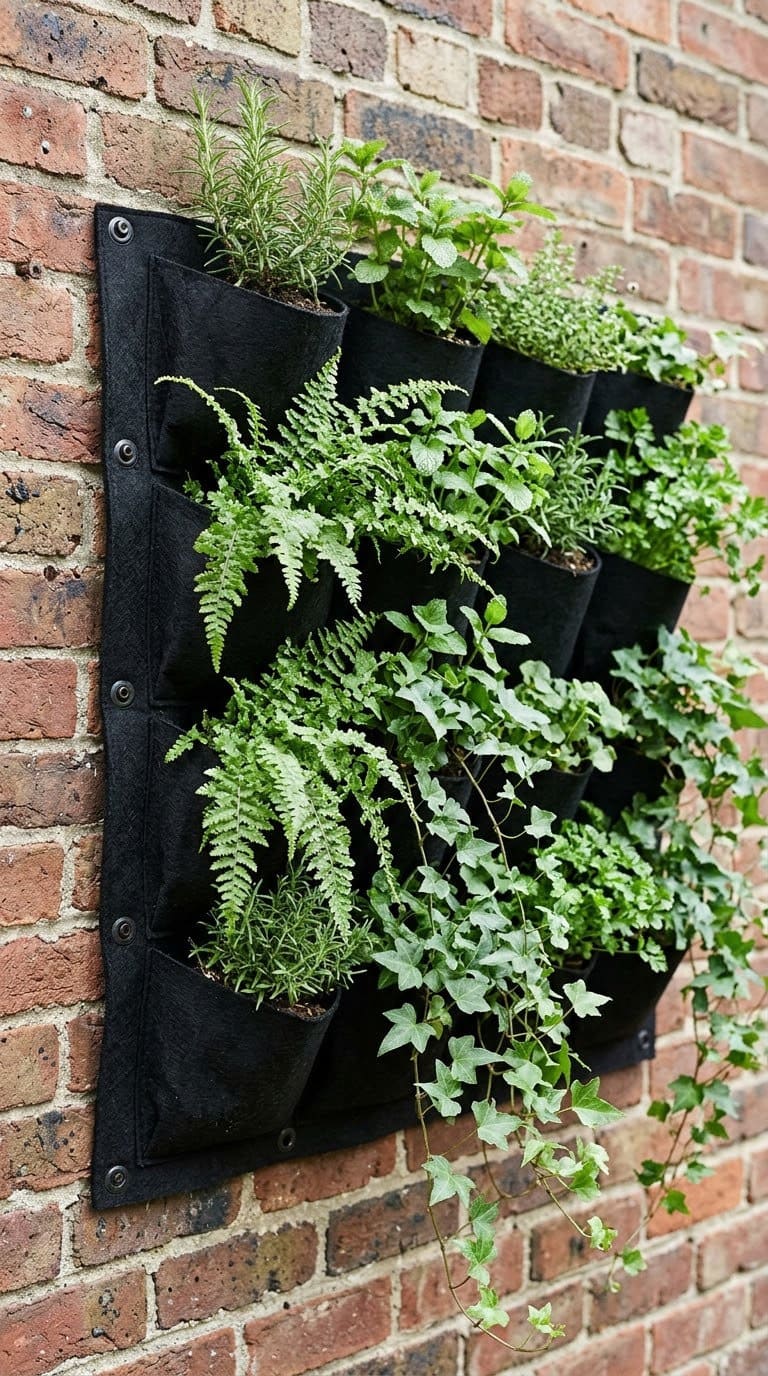
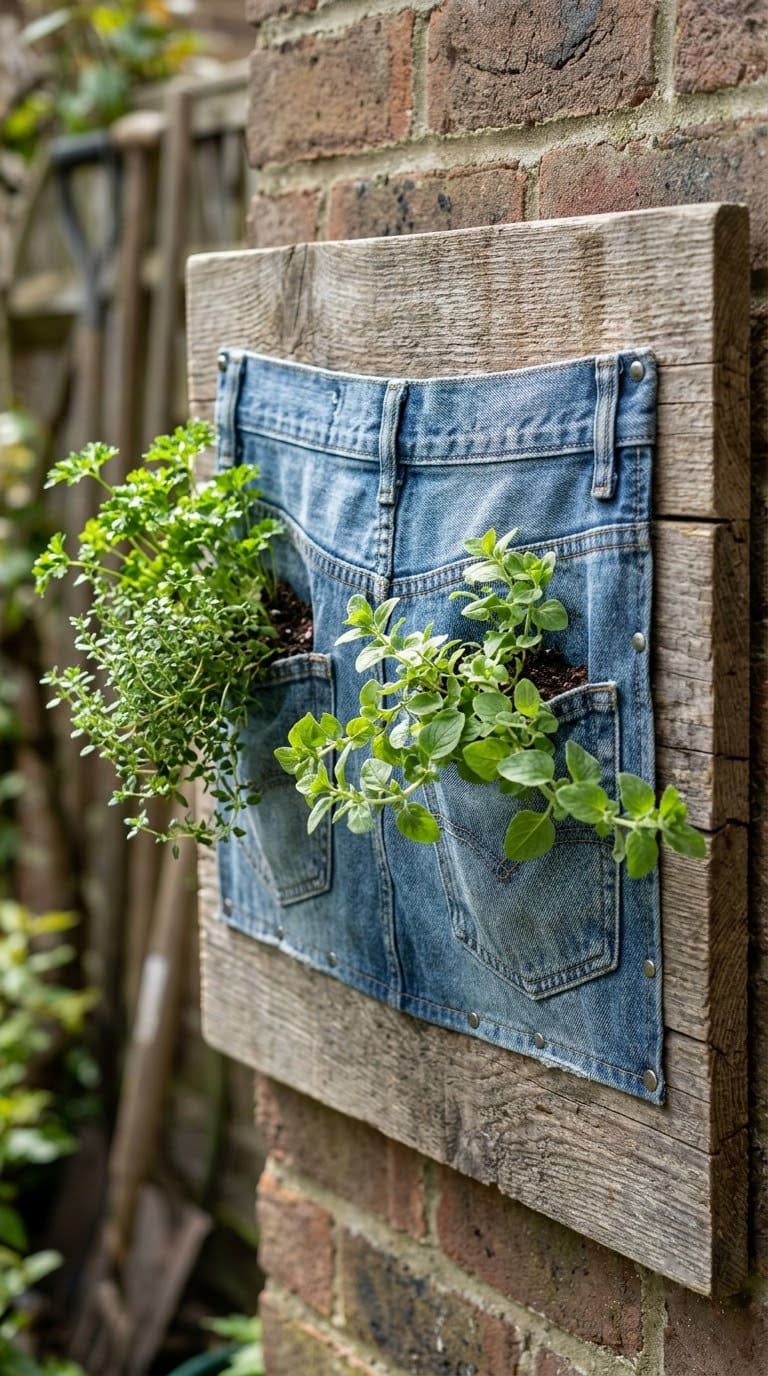
Old jeans give you ready-made pockets. The back pockets are the right size for small herbs.
Cut the jeans panel to include the pockets and staple or sew it to a wood board. Denim is woven and will drain slowly, so add a few small holes at the bottom of each pocket with an awl. Use it indoors or under cover, because wet denim stays damp and can mildew.
Keep pockets fairly small, one herb each. Our own tip: line the bottom of each pocket with a coffee filter so soil stays in while water drains.
Test one pocket first. Water it, wait ten minutes and see how much drains out. If it holds a puddle, widen the holes before you fill the rest.
4. A Sewn Canvas Pocket Planter
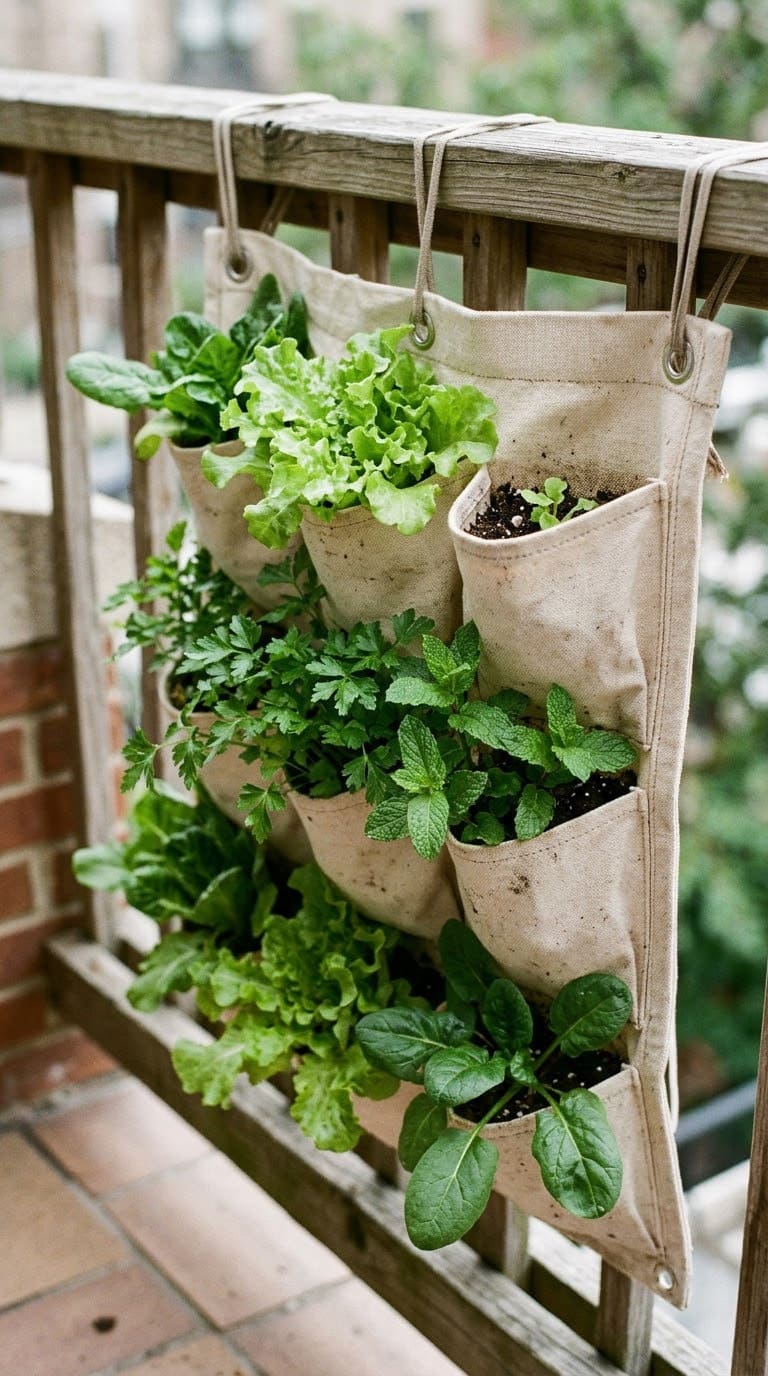
If you sew, you can make pockets sized exactly for your plants. That’s the main advantage over store-bought felt.
Use heavy canvas or outdoor fabric and double-stitch the seams, because wet soil pulls hard on thread. Make pockets about as wide as a 6-inch pot, as Haag’s guidance suggests, and leave the bottom seams open in spots for drainage. Add grommets along the top edge.
Quick tip: sew a strip of extra fabric along the top edge as reinforcement before you add the grommets. The top edge carries all the weight, so a doubled layer there helps stop tearing.
Hang it from a rail rather than a nail. A rail spreads the load along the whole top edge.
5. Air Dry Clay Pockets
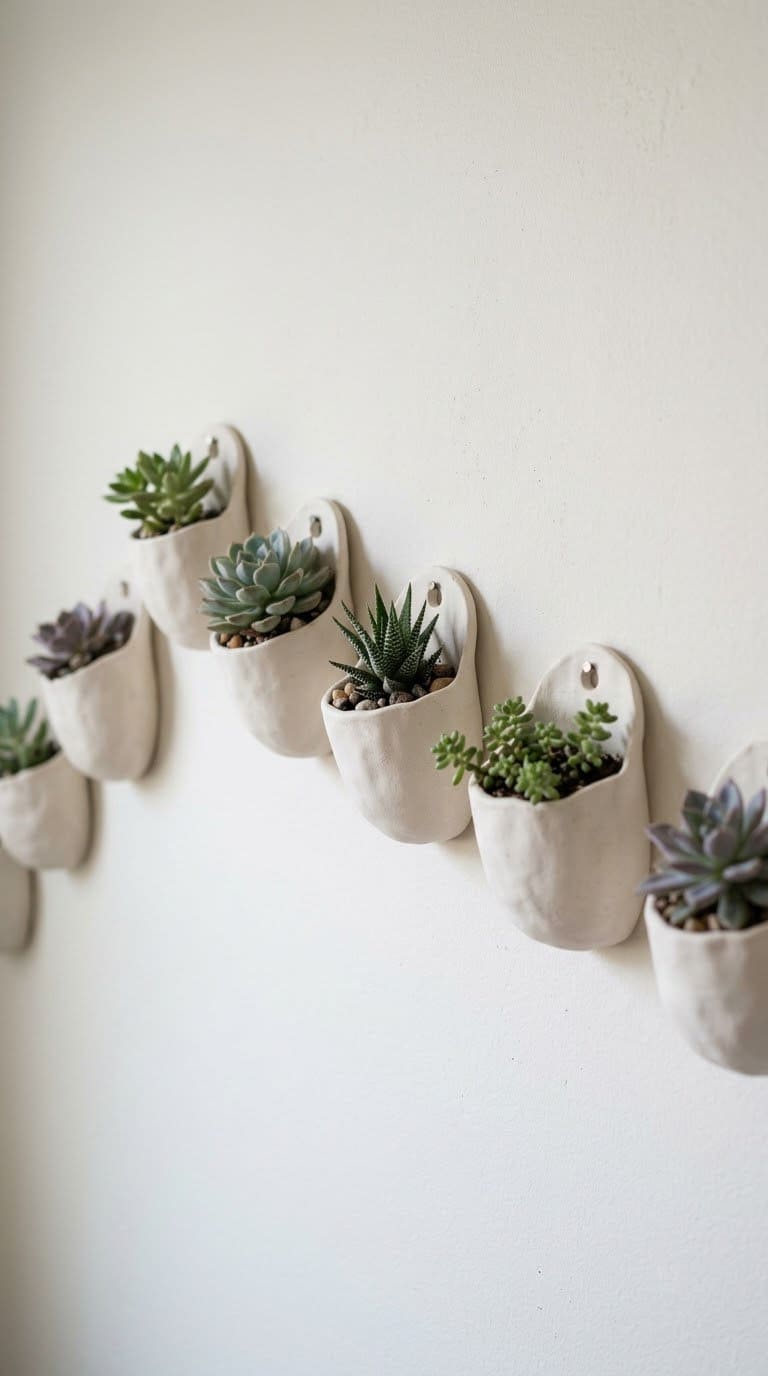
Clay pockets look beautiful on a wall. But air dry clay isn’t waterproof, so treat them as decor.
Use them for succulents or dried plants that need little water, and keep a plastic liner or a small nursery pot inside. Don’t plant directly in wet soil. Our own caution: unfired clay can soften and crumble when it stays wet.
Seal the outside with a clear acrylic sealer and test a small piece first. Mount the pockets with strong adhesive plus a screw so they don’t fall.
6. A Mini Felt Tabletop Planter
This small version fits on a windowsill. It holds three or four herbs.
Fold a strip of felt into pockets and stitch the edges.
The felt drains, so set the planter over a tray. Check light first, since a windowsill may not give six hours. If it falls short, use a grow light about 6 to 12 inches above the leaves, as Haag recommends.
Quick tip: pinch basil and chives from the top, as Haag advises for herbs, so plants stay compact. For more indoor ideas, see the guide to growing herbs in a container indoors.
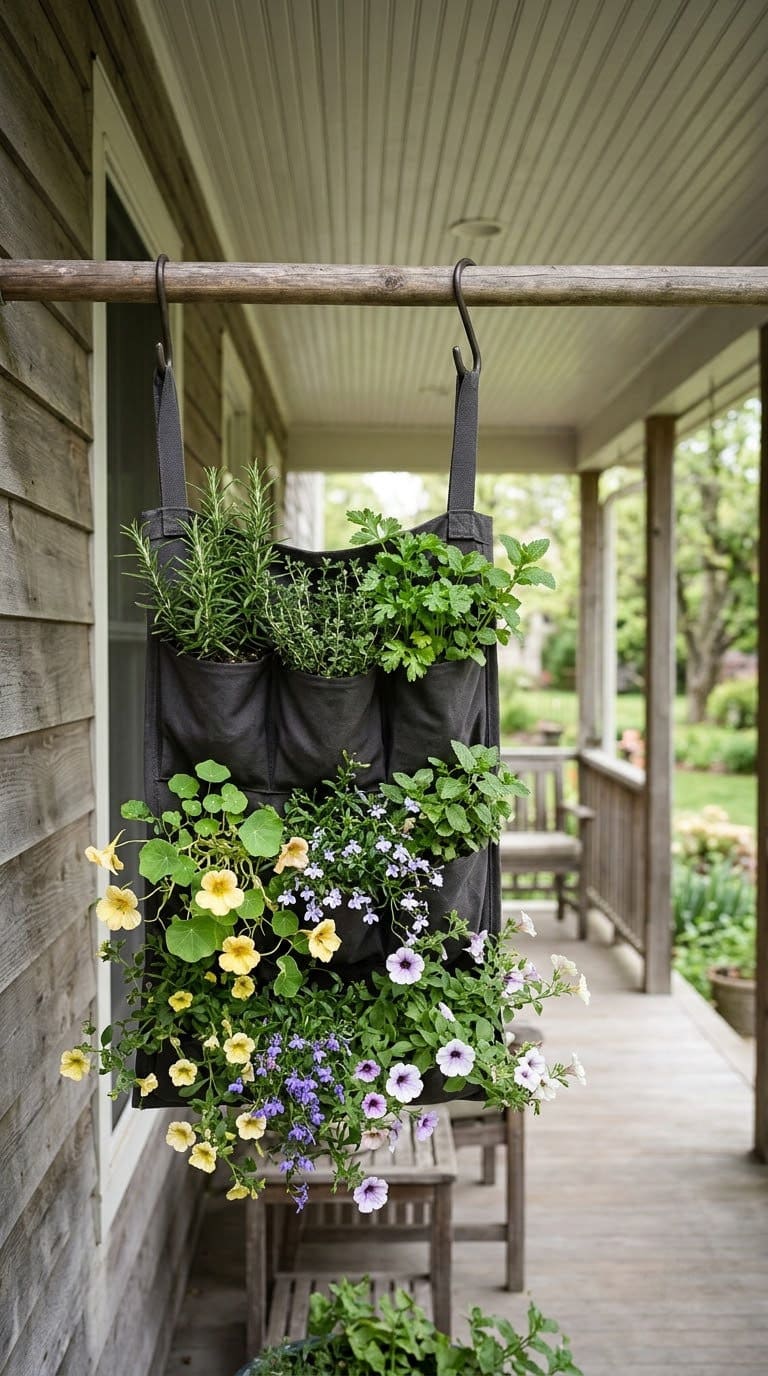
7. A Hanging Fabric Rail Planter
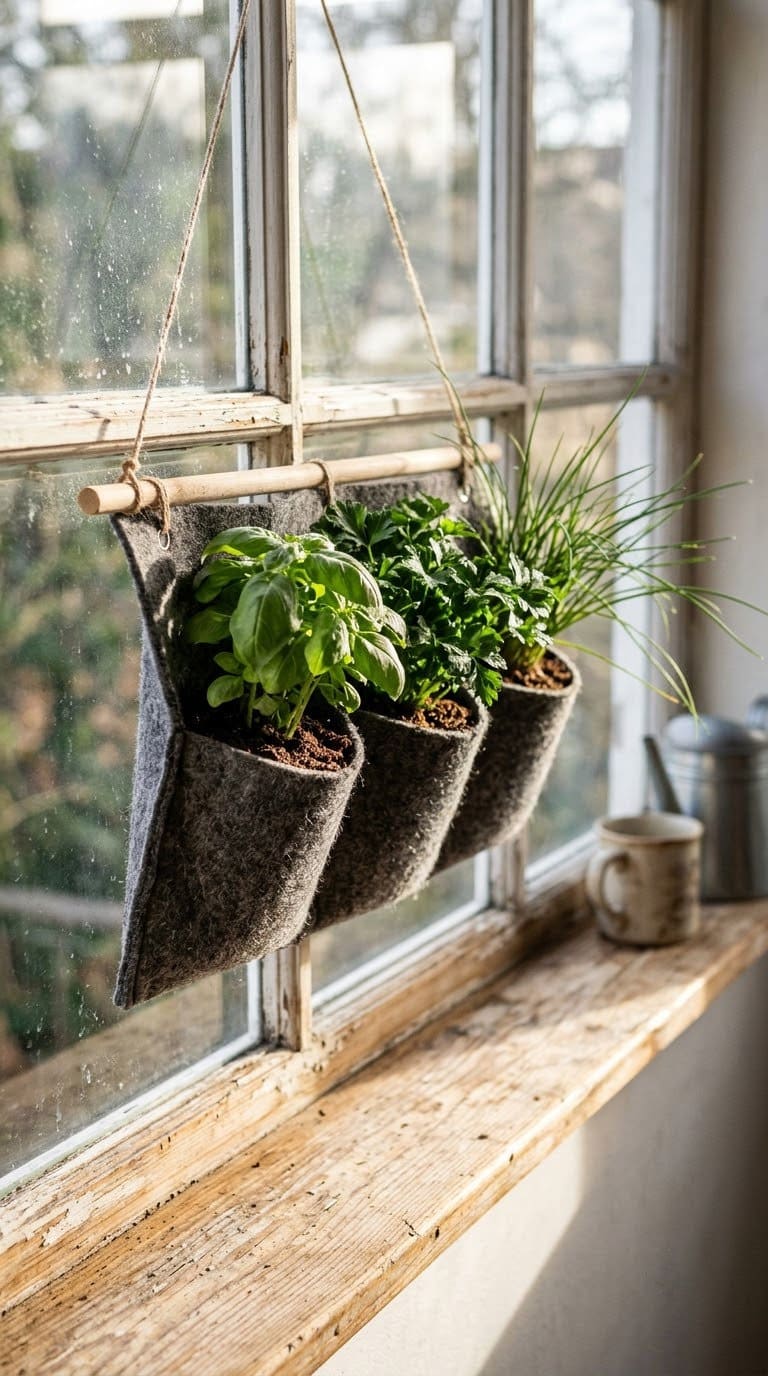
A rail planter hangs on a patio post or porch beam. It’s good where you can’t drill into a wall.
Use a strong pole or wooden bar and hang the fabric from loops. Keep it at an easy height for watering. Check the pole’s anchor points often, since loaded fabric pulls.
Water from the top and let the extra run down. The lowest pockets stay wettest.
Quick tip: put a drip tray or a row of gravel under the planter on a porch so runoff doesn’t stain the boards or pool near the wall.
8. A Pocket Strawberry Wall
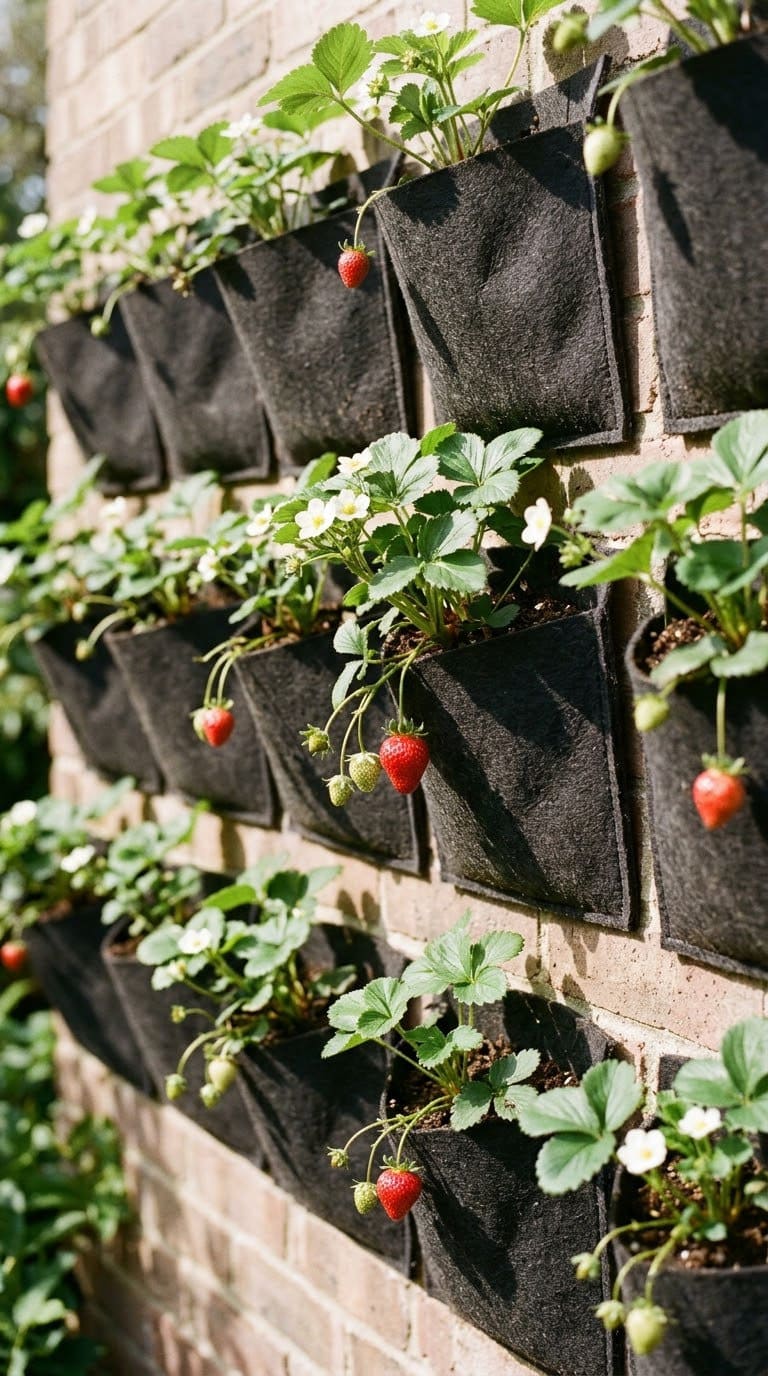
Strawberries trail well and give you something to pick. They need sun and consistent moisture.
Plant one crown per pocket and let the runners hang.
Put the planter where it gets full sun. Water the top pockets first and check the bottom ones too, since they get wet runoff. See the guide to growing a vertical strawberry garden.
How to Mount a Pocket Planter
The mounting decides whether the planter stays up. Pick the method that matches your wall.
Into studs. This is the strongest option for a wall indoors or on a house. Find the studs with a stud finder, mark them, then drive screws through the grommets or a wood backer board.
Onto a wood backer. Screw a board to the wall once, then staple or screw the fabric to the board. This spreads the load, and you can swap the fabric later without making new holes in the wall.
From a rail or fence. For a fence or porch, hang the planter from a rail with loops or hooks. Pick a rail that can carry the wet weight you measured, and check the hardware each season.
Leave a small gap behind the planter so air can move. Epic Gardening advises air space between the structure, the wall and the plants to reduce fungal problems.
Plan the Layout Before You Plant
Treat the wall like a grid. A little planning keeps the top and bottom rows from fighting each other.
Group plants by water need, not by looks. Thirsty herbs such as basil go low, where runoff collects. Drought-tolerant herbs such as thyme, oregano and rosemary go high, where the pockets dry first.
Alternate upright and trailing plants, as Epic Gardening suggests, so the wall looks full right away. Put the tallest plants in the top row so they don’t shade the others. Our own guideline is to leave one empty pocket in each row for a plant swap later.
Indoor or Outdoor: What Changes?
Where the planter hangs changes the care. Use this table to adjust.
| Factor | Indoor | Outdoor |
|---|---|---|
| Light | Often short, so plan on a grow light | Check how many hours of direct sun it gets |
| Water | Slower drying, so check soil depth | Faster drying in sun and wind |
| Drainage | Needs a tray or tub | Can drip freely, away from the wall |
| Fabric life | Lasts longer | Fabric degrades faster in sun and weather |
| Pests | Fewer, but watch mites | More exposure, check leaves often |
Hunker’s shoe organizer guide says the setup can hang inside or outside. For indoor setups, Standen removes the cups and waters them in the sink, then lets them drain for about half an hour before putting them back. That avoids dripping on the floor.
What to Plant in Pockets
Pick plants that handle small root space. This table groups the common choices.
| Plant type | Good fits | Light note |
|---|---|---|
| Culinary herbs | Basil, chives, parsley, thyme, oregano, sage, mint, rosemary | Most need six hours of direct sun |
| Salad greens | Leaf lettuce, arugula, spinach | Prefer cooler spots with some shade |
| Trailing plants | Strawberries, trailing ivy, creeping thyme | Match the sun to the plant |
| Succulents | Sedum, echeveria | Bright, dry spot, less water |
Haag lists chives, basil, sage, parsley, thyme, oregano, mint and rosemary as herbs that grow well indoors. Basil needs the most light, while mint tolerates less.
A Simple Watering Routine
Pockets dry out faster than ground soil. Most failures come from watering the wrong amount at the wrong place.
Water slowly from the top and let it work down. Check a couple of inches below the surface before you water again, as Epic Gardening advises. Remove spent leaves so air can move.
Feed every two weeks with a liquid fertilizer on the label dose. Haag warns that too much fertilizer cuts aroma and flavor.
Troubleshooting Common Problems
Most issues trace back to water, light or weight.
| Symptom | Likely cause | Fix |
|---|---|---|
| Top row wilting, bottom row soggy | Water runs down unevenly | Water the top slowly, add drip, or move thirsty plants down |
| Leggy, pale growth | Too little light | Move to a sunnier wall or add a grow light |
| Pocket seams pulling away | Too much weight | Reinforce stitching, add a rail, or spread the load |
| Mildew on the fabric | Poor airflow or constant damp | Leave a gap behind the planter and trim crowded plants |
| Aphids or mites | Drought-stressed plants | Water on schedule and check leaves weekly |
Epic Gardening lists aphids, scale and spider mites as pests that target drought-stressed plants. It also advises leaving some air space between the wall and the planter to cut fungal problems.
Cost Tiers at a Glance
Costs vary, so think in tiers.
| Tier | Builds |
|---|---|
| Lowest | Shoe organizer wall, denim pockets, mini felt planter |
| Low | Felt pocket wall, sewn canvas planter, rail planter, clay pockets |
| Low to mid | Strawberry wall with a drip line and a grow light |
Soil is the real recurring cost. Pockets hold little, so expect to refill and replace mix on a schedule, as Epic Gardening suggests every two years.
Common Mistakes to Avoid
Skipping the weight check tops the list. Wet soil can pull a planter off a wall.
Planting thirsty and drought-loving herbs in the same row is another. Put them in different rows.
Forgetting drainage causes root rot, which Standen calls the main risk with cups that lack holes. And hanging a planter in shade gives you leggy plants that never fill out.
FAQ
Do pocket planters need drainage?
Yes. Felt drains freely, but cups, plastic and tightly woven fabric need holes. Standen calls drainage holes essential for preventing root rot.
What are the best plants for pocket planters?
Herbs and salad greens. They have shallow roots and give you a harvest in a small space.
How much sun do herbs need?
Most herbs need at least six hours of direct sun. Under fluorescent lights, run them 12 to 14 hours a day, 6 to 12 inches above the plants.
How often should I water a pocket planter?
When the soil is dry a couple of inches below the surface. Pockets dry faster than ground soil, so check often.
How heavy is a pocket planter?
It depends on the pockets. Weigh one filled, watered pocket and multiply by the number of pockets.
Related Posts
Never miss an update — choose FarmFoodFamily as your preferred source on Google.
How it works: Tap the button below to open Google's settings page, then check the box next to FarmFoodFamily.
Tap the checkbox to turn it blue — that's how you know it's set.