15 Genius DIY PVC Pipe Planter and Garden Ideas
PVC pipe turns into planters, towers, tunnels, and drip lines for a few dollars, as long as you shade it from sun and think twice before growing food in it.

Never miss an update — choose FarmFoodFamily as your preferred source on Google.
How it works: Tap the button below to open Google's settings page, then check the box next to FarmFoodFamily.
Tap the checkbox to turn it blue — that's how you know it's set.
PVC pipe turns into planters, towers, tunnels, and drip lines for a few dollars, as long as you shade it from sun and think twice before growing food in it.
Products We Recommend
This post contains affiliate links. We may earn a commission on qualifying purchases at no extra cost to you.

KATA 8PCS Hole Saw Kit 1" to 2-1/8"
Hole saws that cut PVC, including the 1-1/2 inch size for tower planting holes
Shop Now
Bates PVC Pipe Cutter, Cuts up to 1-5/8"
Ratchet cutter for clean cuts on hoop and trellis pipe
Shop Now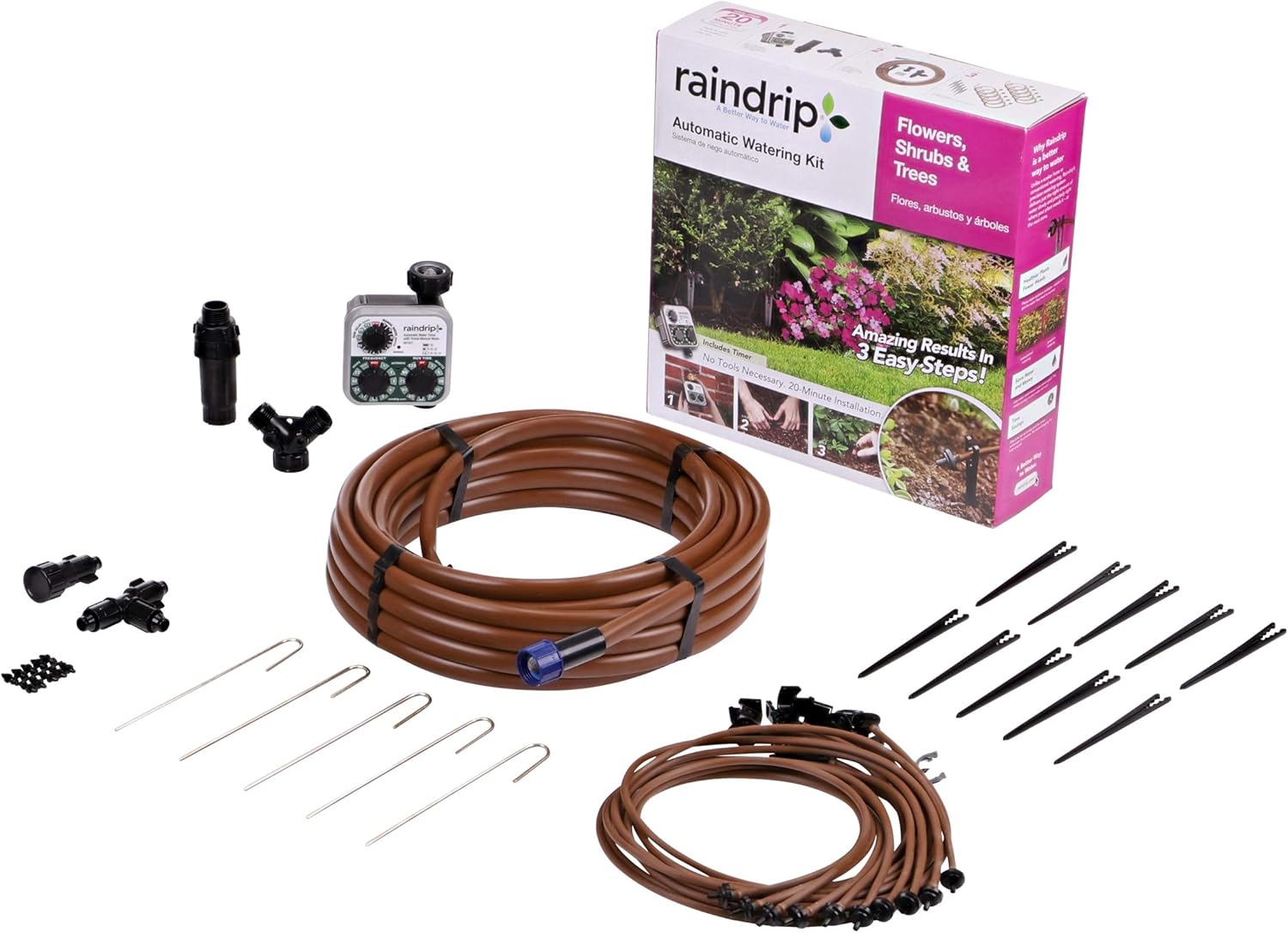
Raindrip Automatic Drip Irrigation Watering Kit with Timer
Starter drip kit with timer and drippers for up to ten plants
Shop NowPVC pipe is cheap, light, and easy to cut with a hand saw. That makes it a favorite for garden projects. But it also comes with questions about sun damage and food safety.
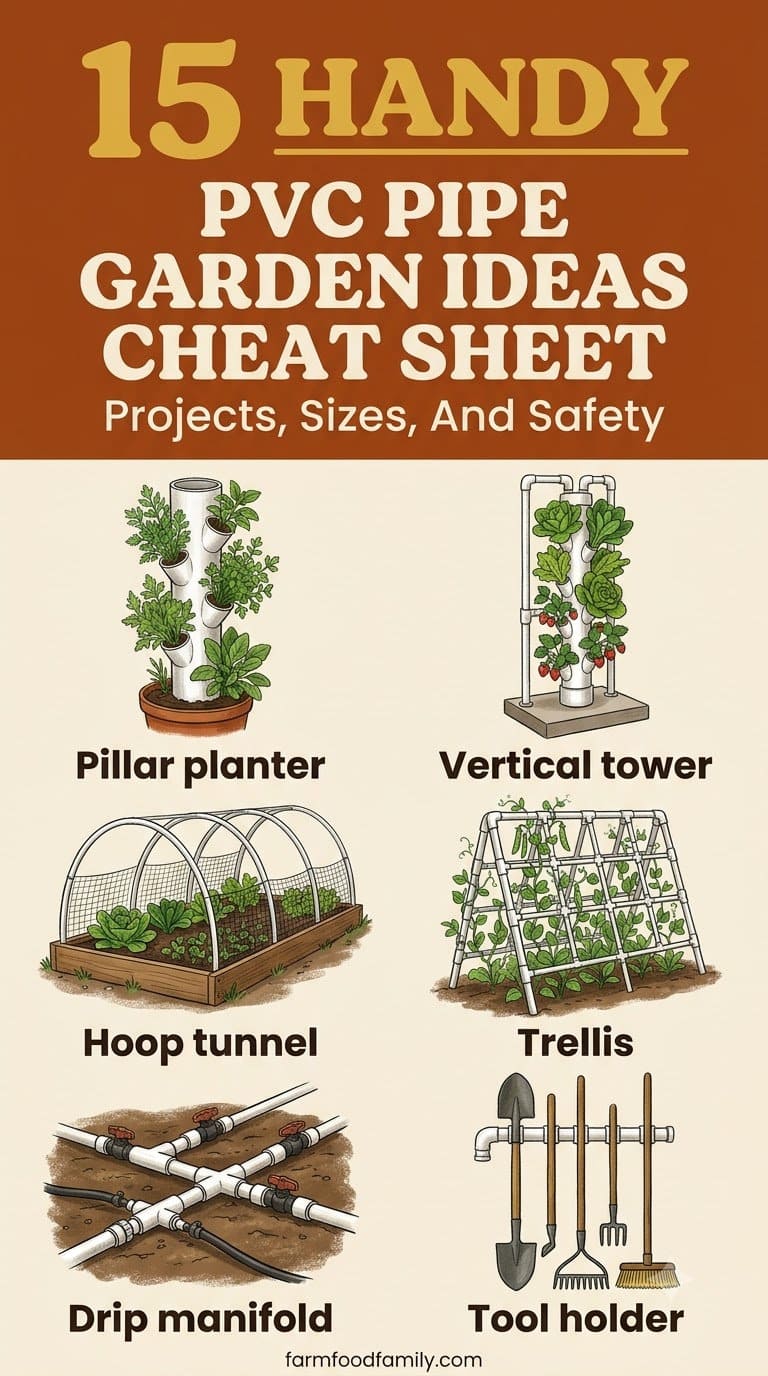
This guide covers 15 projects. Eight are planters, and seven are garden builds like tunnels, trellises, and drip lines.
For each one, you’ll see sizes, steps, and a plain call on whether it suits food crops. Where we couldn’t find a source, we say so.
Answer 4 quick questions and get matched to the exact fix for your yard — drainage, budget, layout, or something else entirely.
Take the Free QuizQuick Answer
Use PVC for ornamental planters, supports, and irrigation first, since those never put food in contact with the plastic. Paint the pipe or shade it, because plastics break down in UV light. Drill drainage holes in every planter, using at least four small holes.
For food crops, be careful. Ask Extension says non-food-grade containers are generally considered safe for vegetables if they were never used for inedible items. That answer wasn’t about PVC pipe, and we found no extension study on it.
Our cautious rule is to grow flowers and succulents in bare PVC. For herbs and strawberries, add a food-safe liner or choose a pot made of HDPE plastic.
PVC works best where food never touches it. Hoops, trellises, and drip manifolds are all safe bets, and they save the most money too. Start there if you’re unsure.
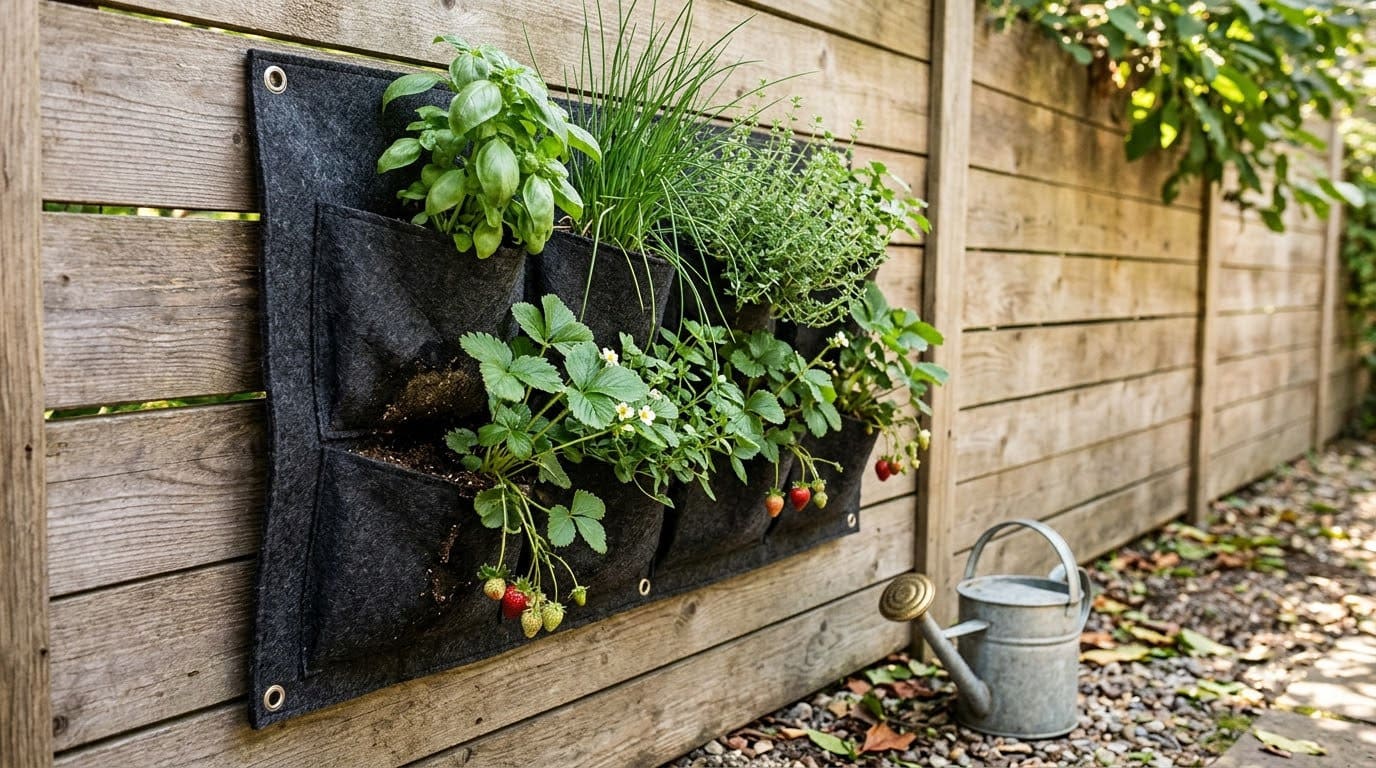

Which PVC Project Fits Your Skill and Budget?
This table is our planning guide. The edible column reflects the cautious approach above, not a tested rule.
Most yard problems trace back to one specific, fixable cause. Find yours in 4 quick questions.
Take the Free Quiz| Project | Difficulty | Cost tier | Food crops? |
|---|---|---|---|
| Pillar planter | Easy | Low | Flowers only |
| Elbow and fitting pots | Easy | Low | Succulents |
| Cut-ring succulent pots | Easy | Free to low | Succulents |
| Half-pipe fence rail | Medium | Low | Flowers, or lined for herbs |
| Vertical tower | Medium | Low to medium | Lined only |
| Hoop tunnel | Easy | Low | Covers only, no soil contact |
| Drip manifold | Medium | Medium | Water line only |
| Trellis | Easy | Low | Climbing vines above the soil |
Is PVC Pipe Safe for a Garden?
Here’s the honest answer. We searched for an extension study on PVC pipe leaching into soil or vegetables and didn’t find one. So we won’t claim it’s safe or unsafe.
What we did find is a Cooperative Extension answer on Ask Extension dated April 11, 2022. It says vegetables in non-food-grade containers are “generally considered safe as long as the containers have not previously been used for inedible items.”
The same answer adds that plastics break down when exposed to UV radiation. It advises shielding containers from light and picking UV-resistant plastics. It names HDPE as a common food-safe plastic with some UV resistance.
Standard PVC pipe isn’t sold as a food product. So for tower planters with edible crops, use a liner or pick another container. Never reuse pipe that carried chemicals or sewage.
What Do You Need for Cutting and Joining PVC?
Most projects need a hand saw or miter saw, a drill, and sandpaper. Sand every cut edge so it doesn’t snag hands or roots. Wear eye protection when you cut or drill.
If you glue joints, read the can label on the primer and cement. Work outdoors or in a ventilated space. That’s general practice, so follow the directions on your own product.
Hole saws that cut PVC, including the 1-1/2 inch size for tower planting holes
Shop NowThis post contains affiliate links. We may earn a commission on qualifying purchases at no extra cost to you.
Paint helps with sun. Use a spray paint made for plastic. Pick a light color, since dark pipe heats up in full sun and can warm the soil inside too.
Drill drainage holes in anything that holds soil. A 1/4-inch bit works well for small pots. Drill at least four holes in the base, as a rule of thumb.
The average homeowner spends $616/year on yard fixes that don't address the real problem. Find out what yours actually is — before you spend another dollar.
Take the Free Quiz15 Genius DIY PVC Pipe Planter and Garden Ideas
1. Modern Pillar Planter
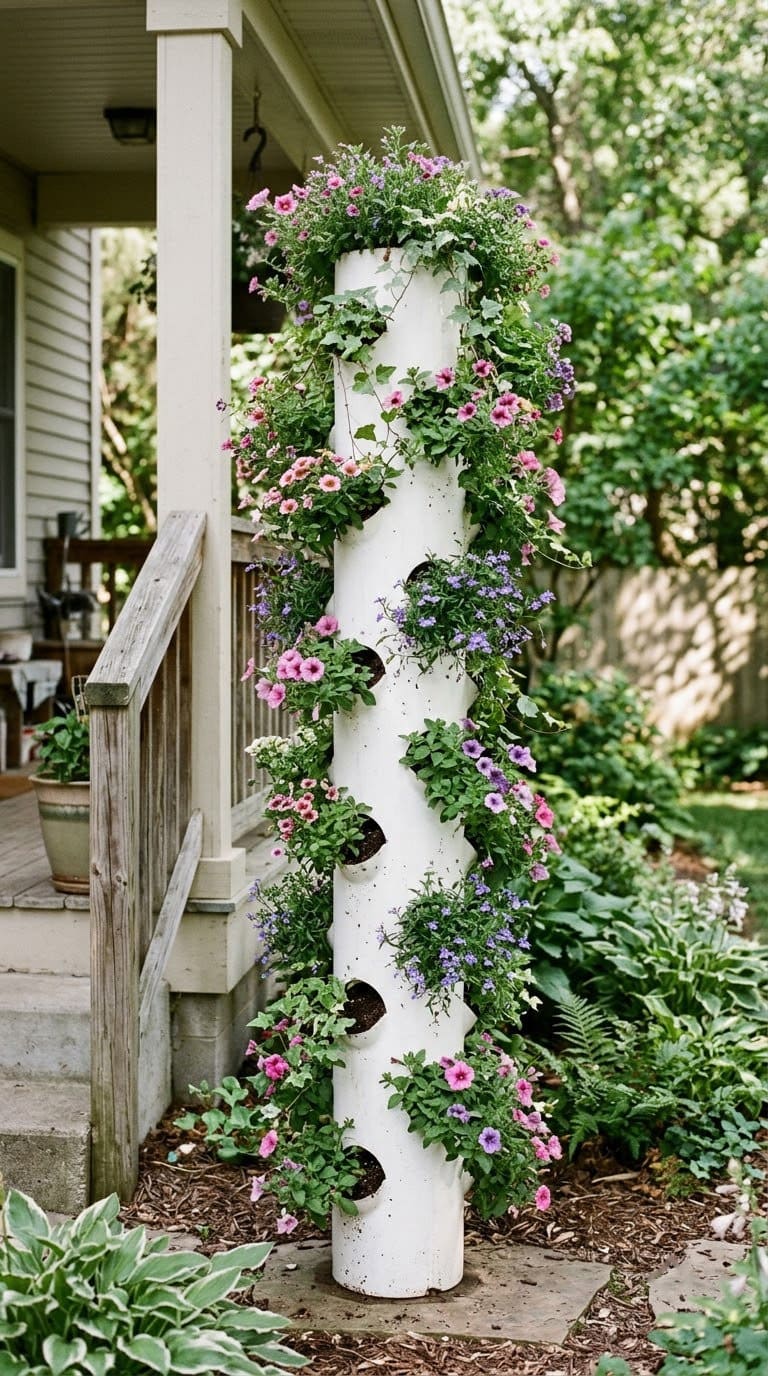
Cut a wide pipe, like 8 inches across, into a 24- to 30-inch pillar. Cap the bottom and drill drainage holes. Sand the top edge until smooth.
Paint it matte white or soft gray. Fill it with potting mix and plant a spiller, like trailing petunias, at the edge.
Those sizes are our own design suggestion. Set the pillar on a flat paver so it doesn’t tip.
Cost tier: low. Pairs well with idea 3’s cut-ring pots for a group display.
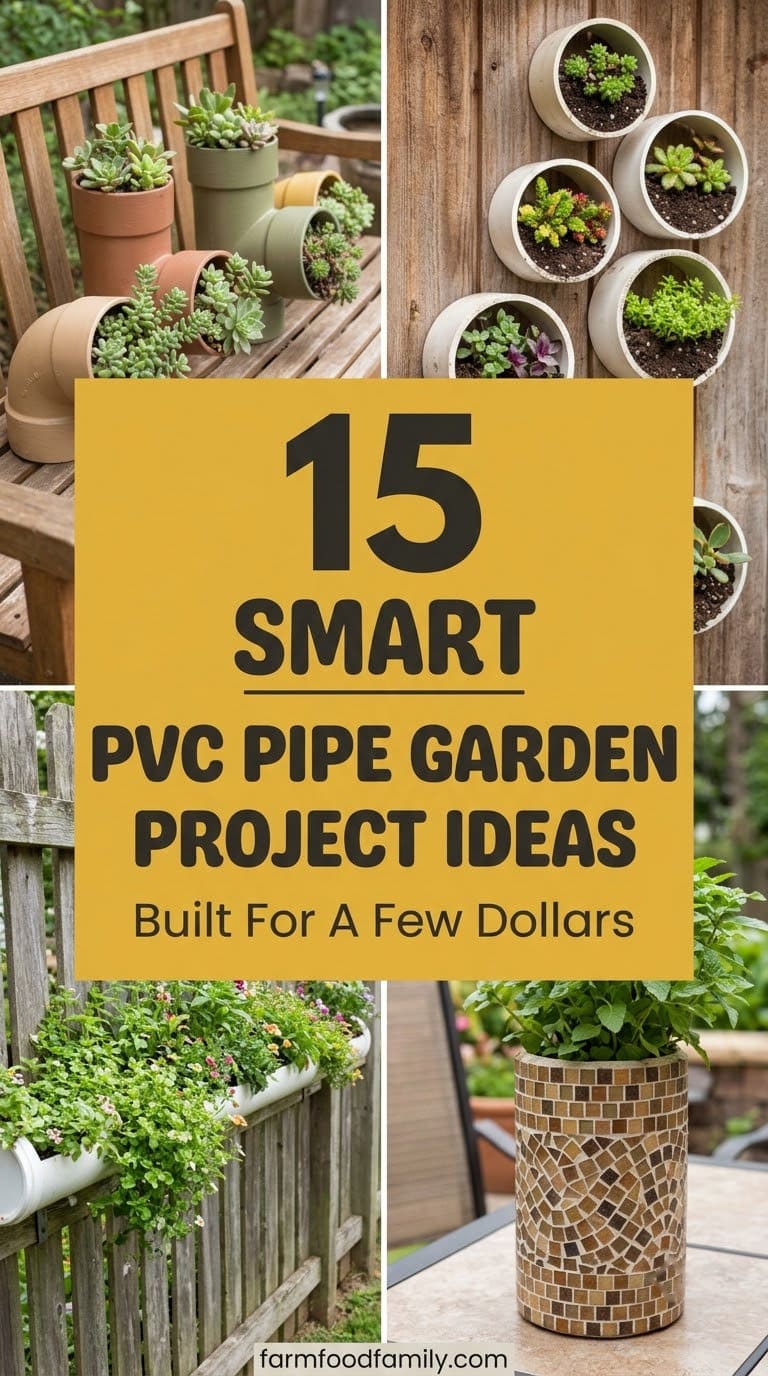
2. Elbow and Fitting Planters
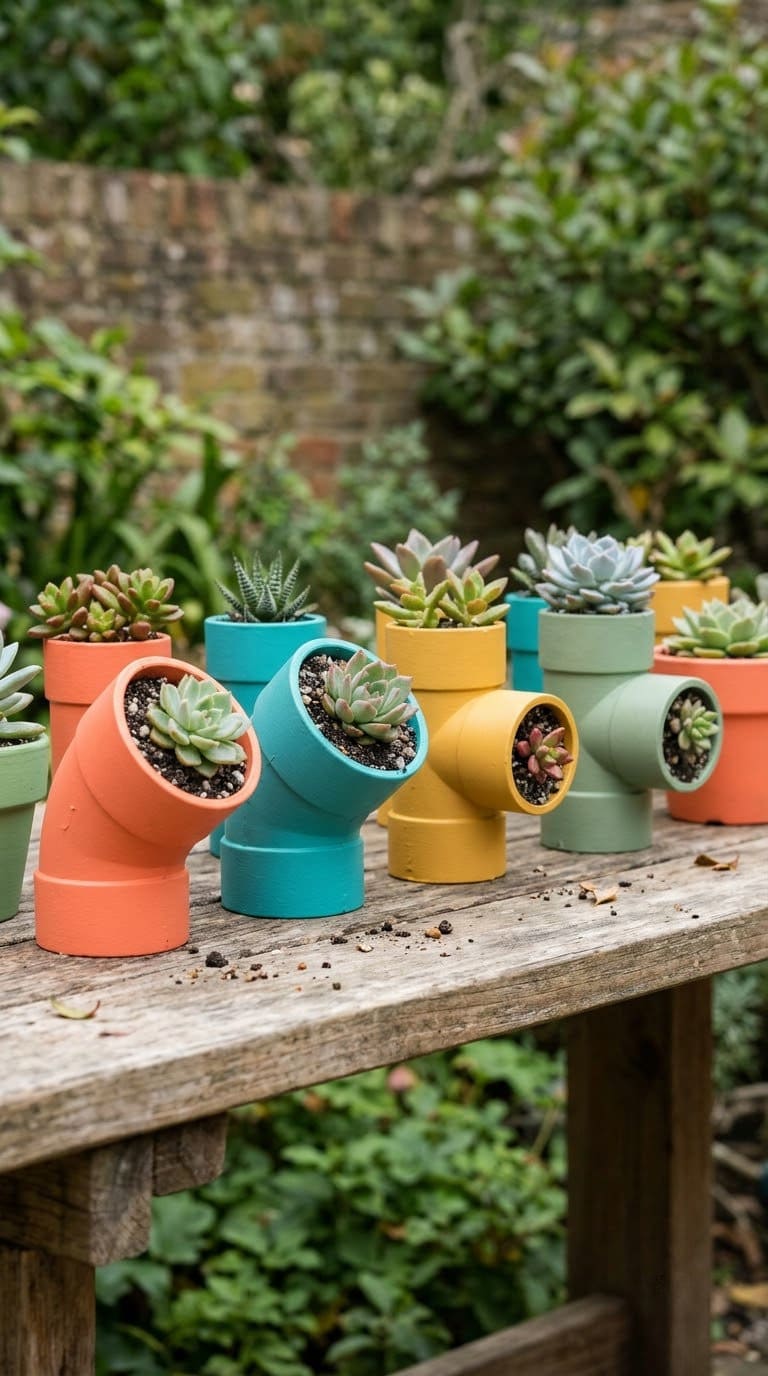
Plumbing fittings make quirky pots. A 3-inch elbow stood on end holds one succulent. A tee can hold two.
Cap the bottom opening and drill small drainage holes. Fill with cactus mix and add a small plant.
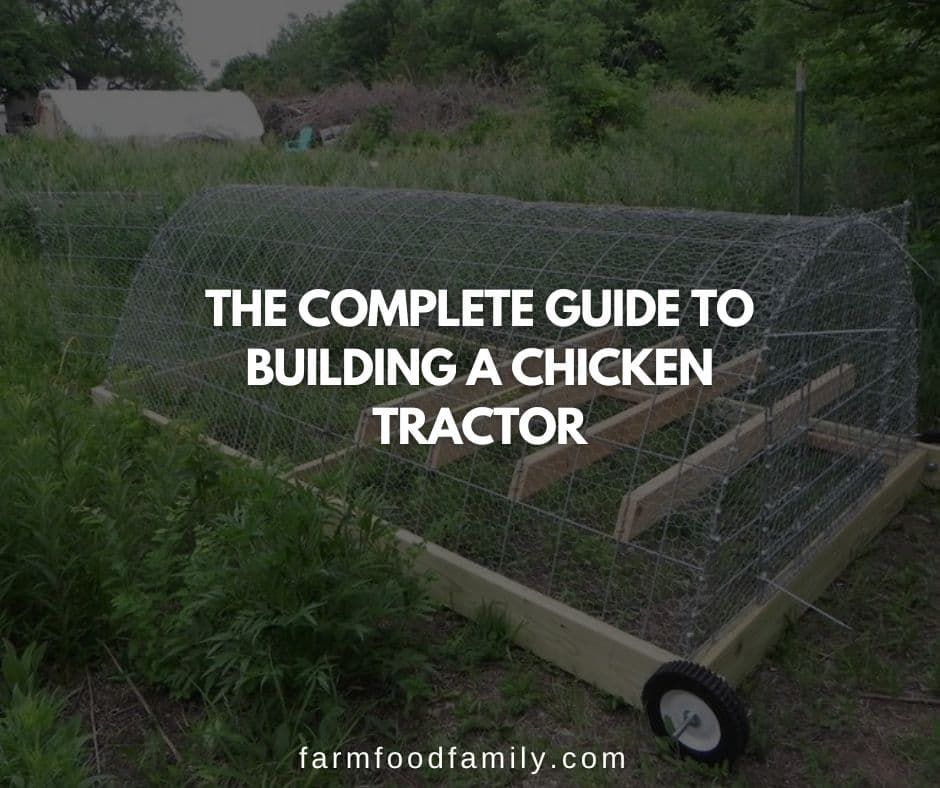

Group several in different colors on a shelf. They look like modern sculptures. Keep them to succulents and flowers.
Cost tier: low. Hardware stores sell fittings for a few dollars each.
3. Cut-Ring Succulent Pots
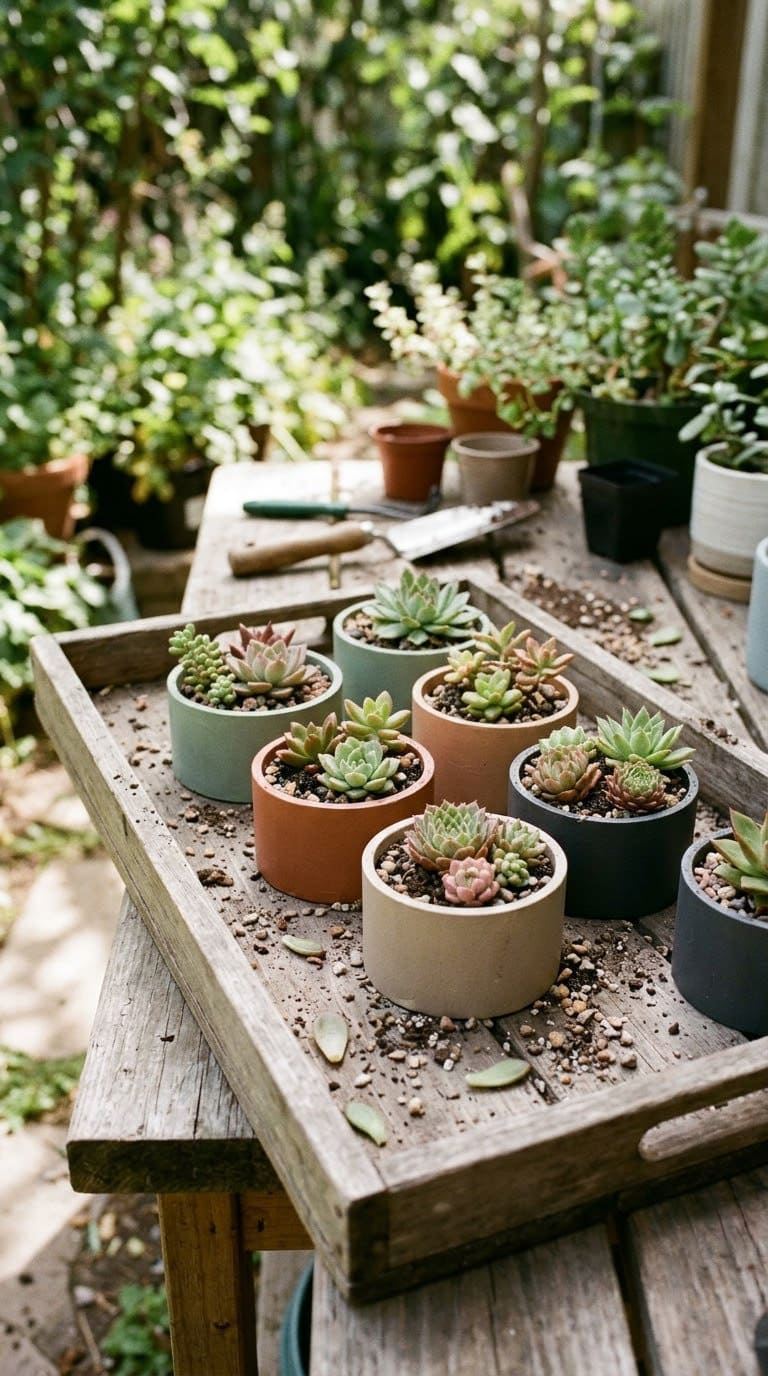
Cut a 4-inch pipe into rings about 4 to 6 inches tall. Sand the edges. Glue each ring to a small PVC cap or a flat wood disk.
Drill drainage holes through the base. Paint the outside. Fill with cactus mix and plant.
Line the rings up on a tray for an easy portable garden. This is our own simple design, with no specific source.
Cost tier: free to low. Use scrap pipe from a plumbing job.
4. Half-Pipe Fence Rail Planter
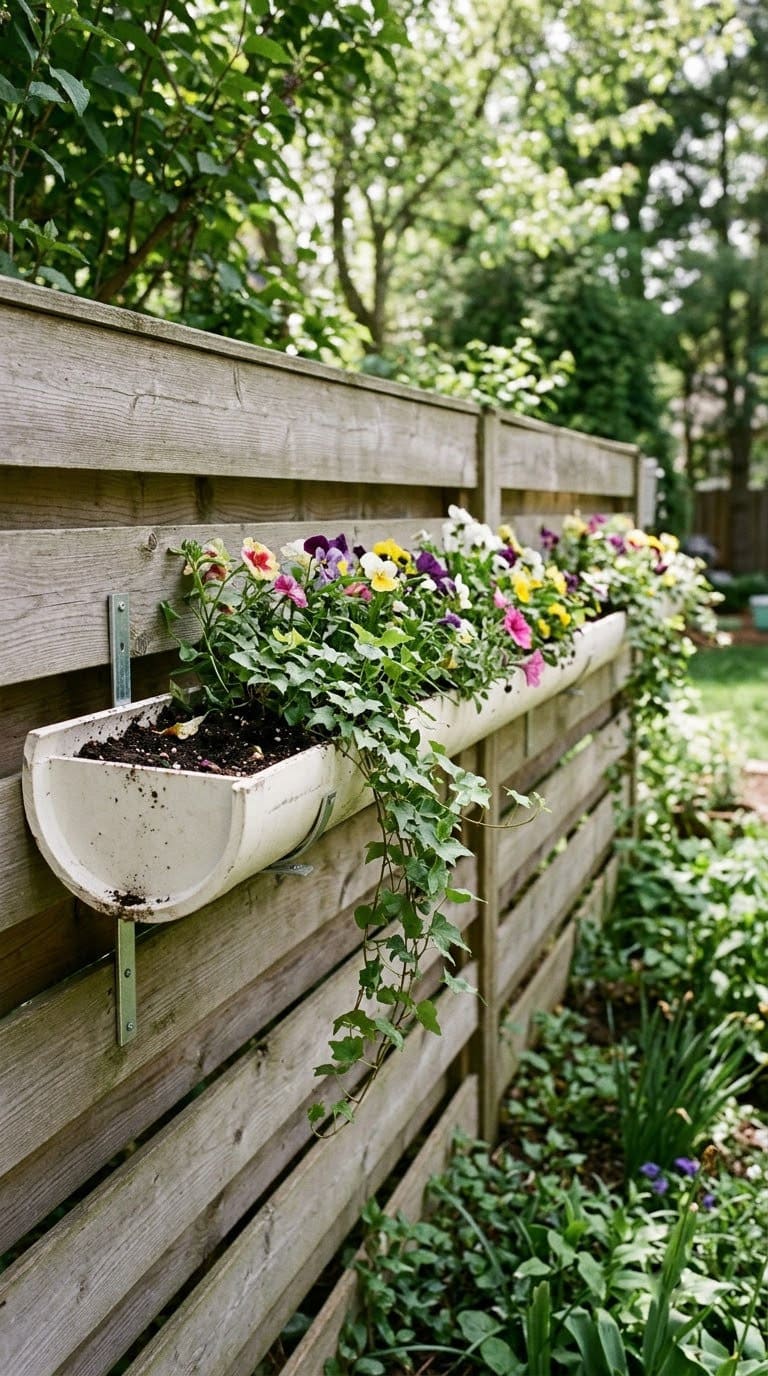
Cut a 4-inch pipe in half lengthwise, then cap both ends. It becomes a long, shallow trough. Drill drainage holes every 6 inches along the bottom.
Mount it to a fence with two or three pipe brackets. Fill it with light potting mix and shallow-rooted flowers like alyssum.
Water often, since small troughs dry out fast. Skip food crops unless you add a liner.
Cost tier: low. Our vertical garden ideas have more wall-mount options.
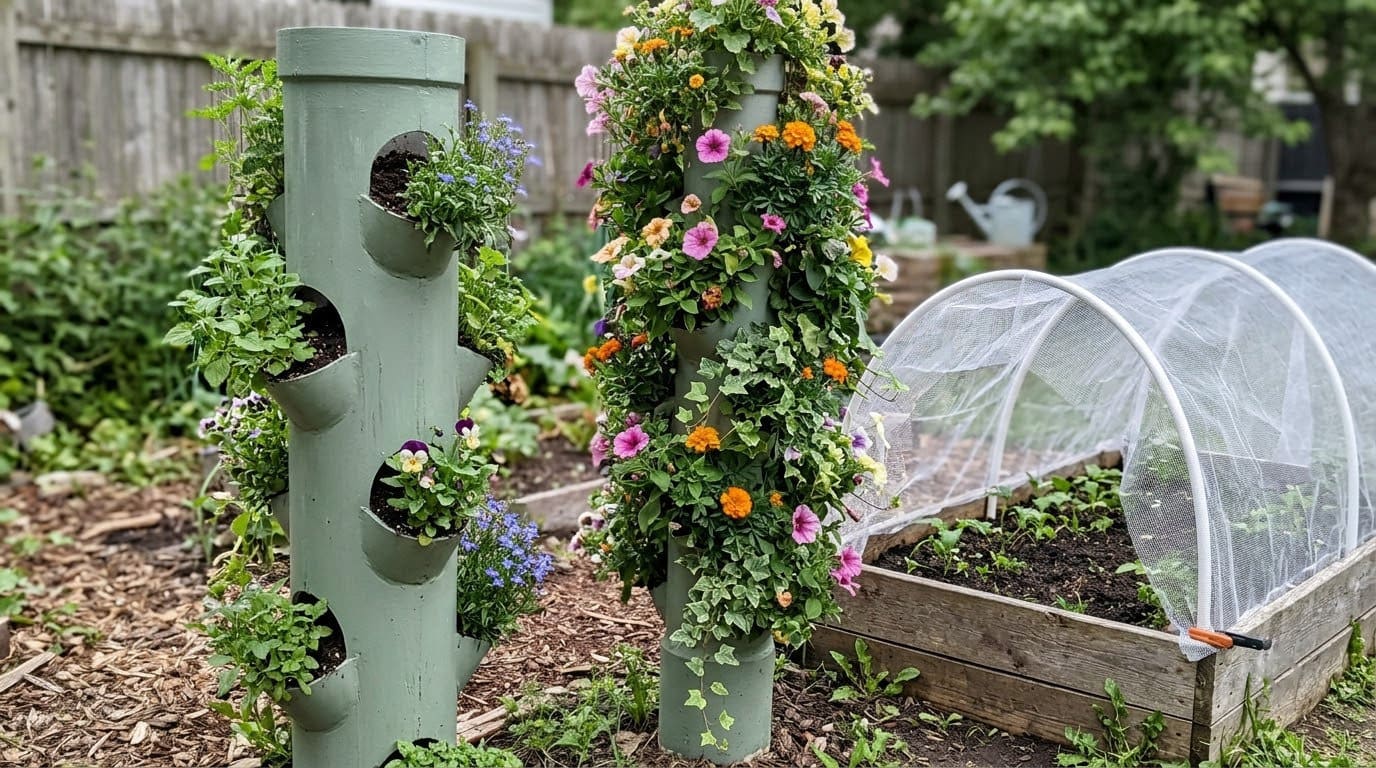
5. Vertical Flower Tower
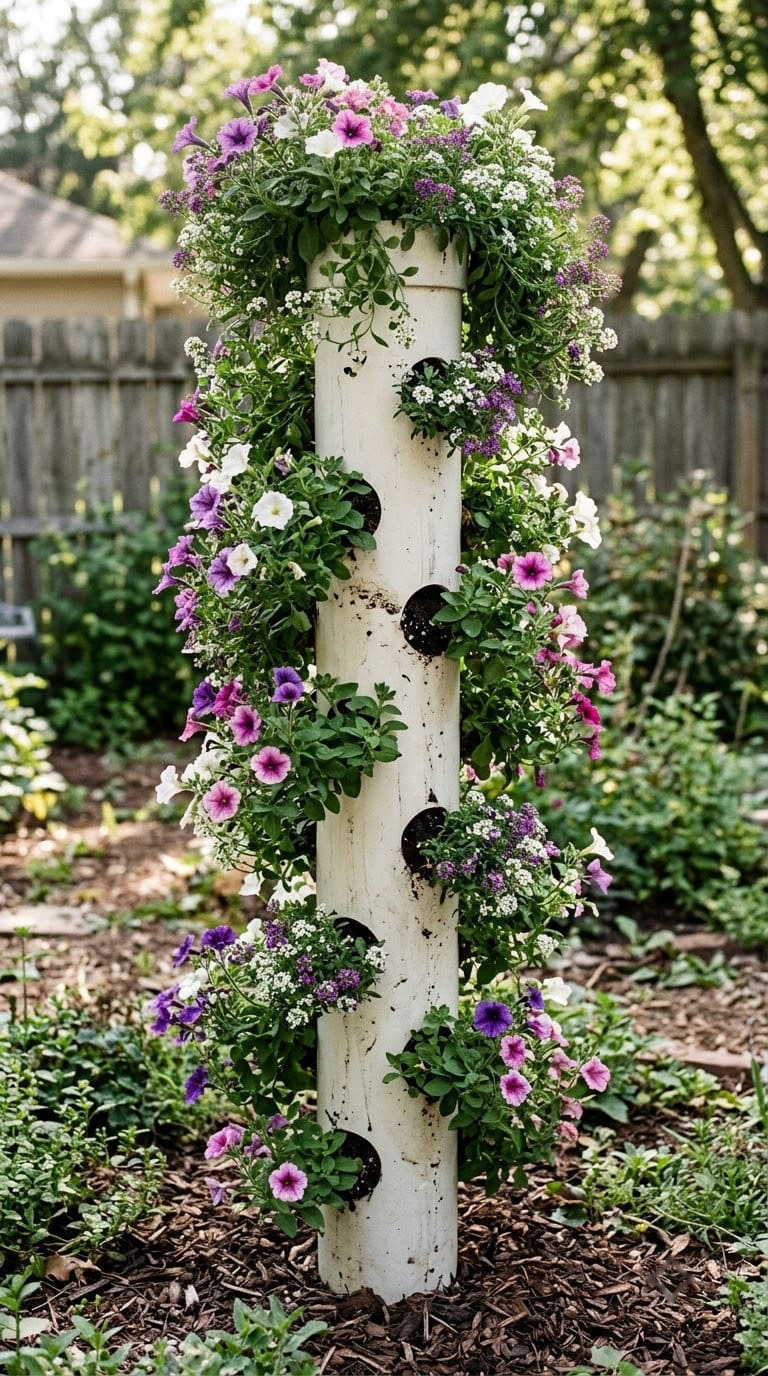
Use the tower build from The Homestead Survival. The Homestead Survival cuts PVC pipe 4 to 8 inches across to your chosen height. It drills 1-1/2 inch holes with a hole saw on three sides.
Space the holes 6 to 8 inches apart vertically. Drill 1/8-inch holes in the end cap for drainage. Set a separate 1-inch pipe about 4 inches longer than the main pipe in the center.
Drill 1/8- to 1/4-inch holes in that center pipe. Fill the main pipe with soil around it. Plant through the side holes and stuff straw in to hold the plants.
Cost tier: low to medium. Fill with flowers first. Idea 6 shows the edible version.
6. Strawberry Tower With a Liner
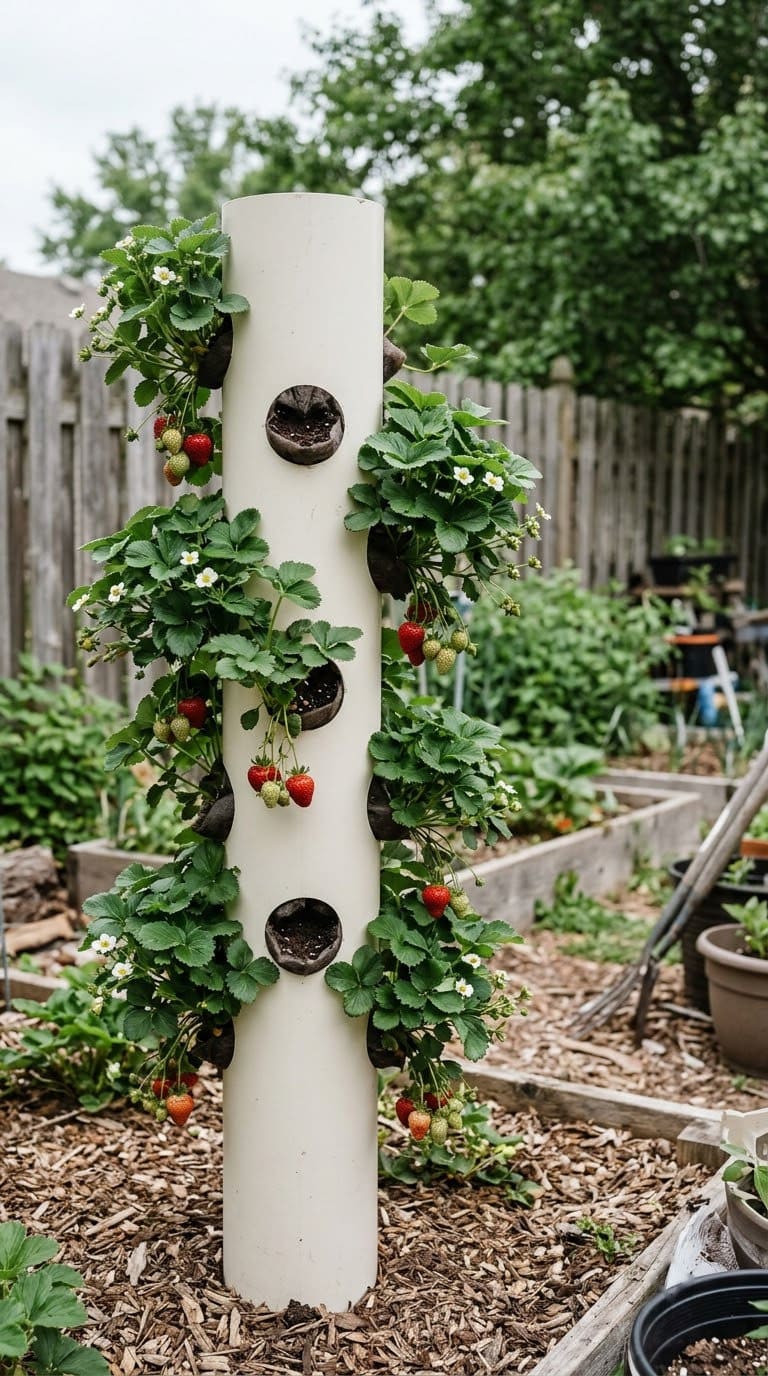
The build matches idea 5. The source says to water from the top until the soil is moist.
Then fill the center pipe with water, let it soak in, and repeat. This removes air pockets from dry soil.
For edibles, we suggest lining the inside with a food-safe liner before filling. Use an HDPE pot or bag instead of bare PVC if you prefer. This is our cautious advice, not a sourced rule.
The page doesn’t give a plant count or soil mix. Use a loose potting mix and space plants by the holes. For a more detailed tower, see our guide to growing a vertical strawberry garden.
Cost tier: medium. Pairs with idea 12’s drip line.
7. Mosaic-Wrapped Flower Holder
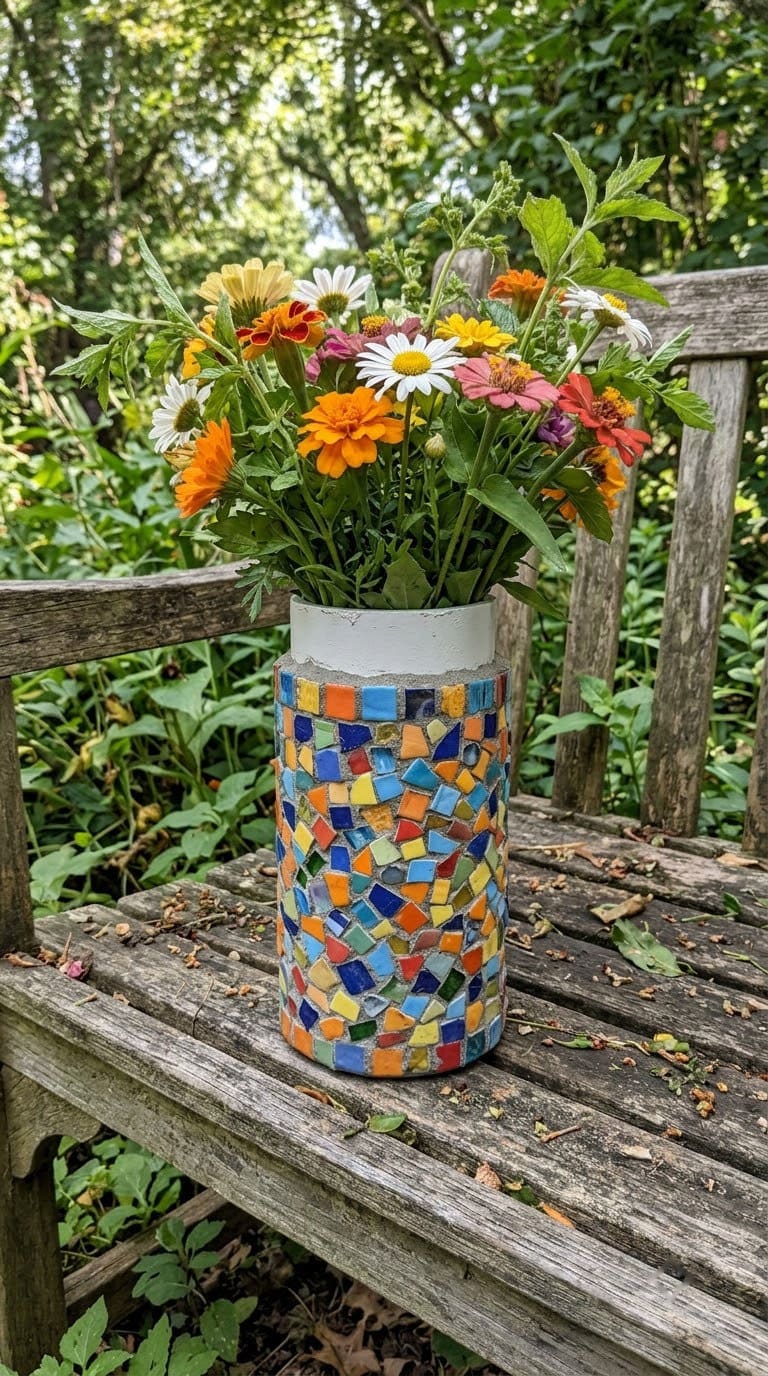
Cut a 6-inch pipe section about 8 inches tall. Cap the bottom. Glue small tiles or glass pieces to the outside in a pattern.
Grout the gaps and wipe clean. Let it dry fully before use. This holds a vase of cut flowers or a small plant pot inside.
The tile also hides the plain pipe, so sun yellowing doesn’t show. Our own idea, no source.
Cost tier: low. Great for a patio table.
8. Wall-Mounted Pipe Pocket Planters
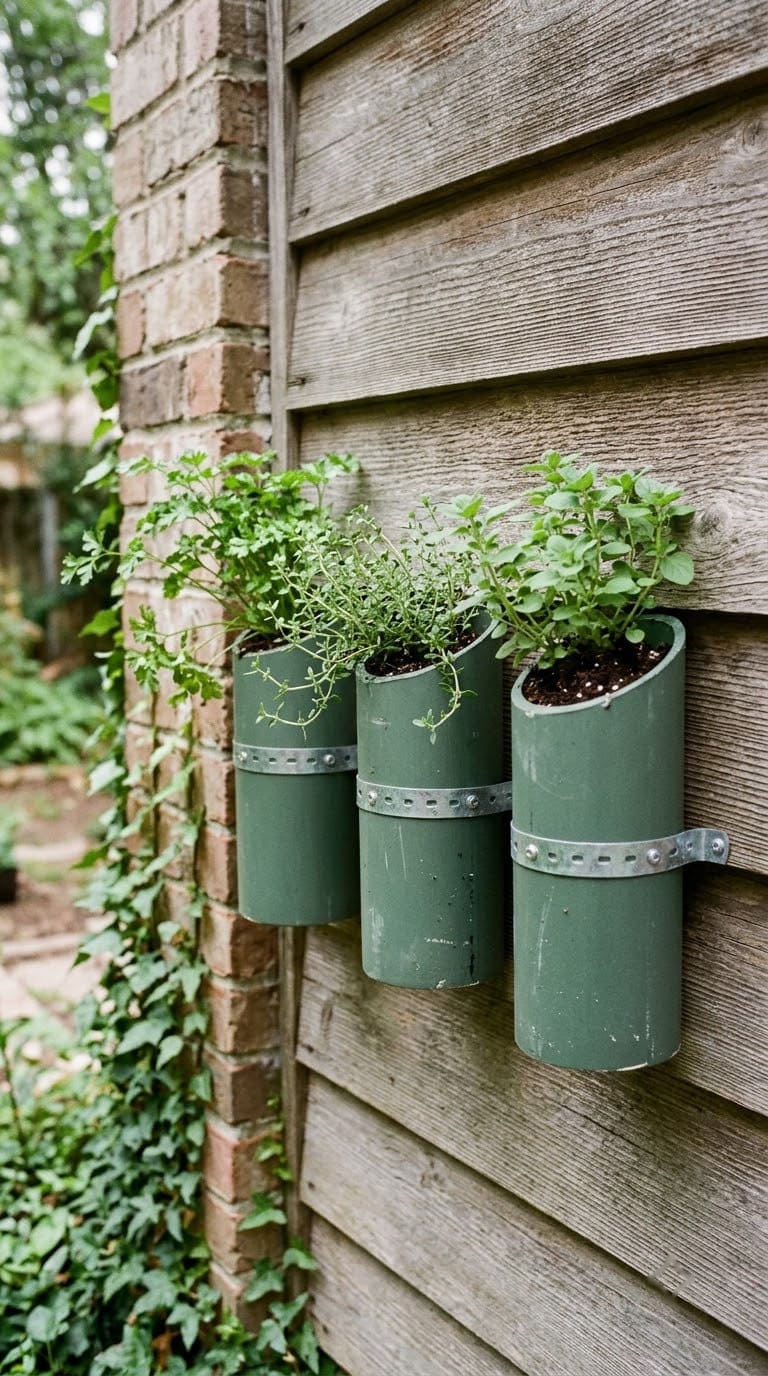
Cut 4-inch pipe into 6-inch tubes. Attach each to a board or wall with a pipe strap. Slip a small pot inside each tube.
The pot sits inside, so soil never touches the PVC. That’s a good compromise for herbs. Lift the pots out to water.
Mount them in a grid. Our container herb garden guide covers which herbs share a spot.
Cost tier: low. A neat fix for renters, since straps unscrew cleanly.
9. Low Hoop Tunnel for a Raised Bed
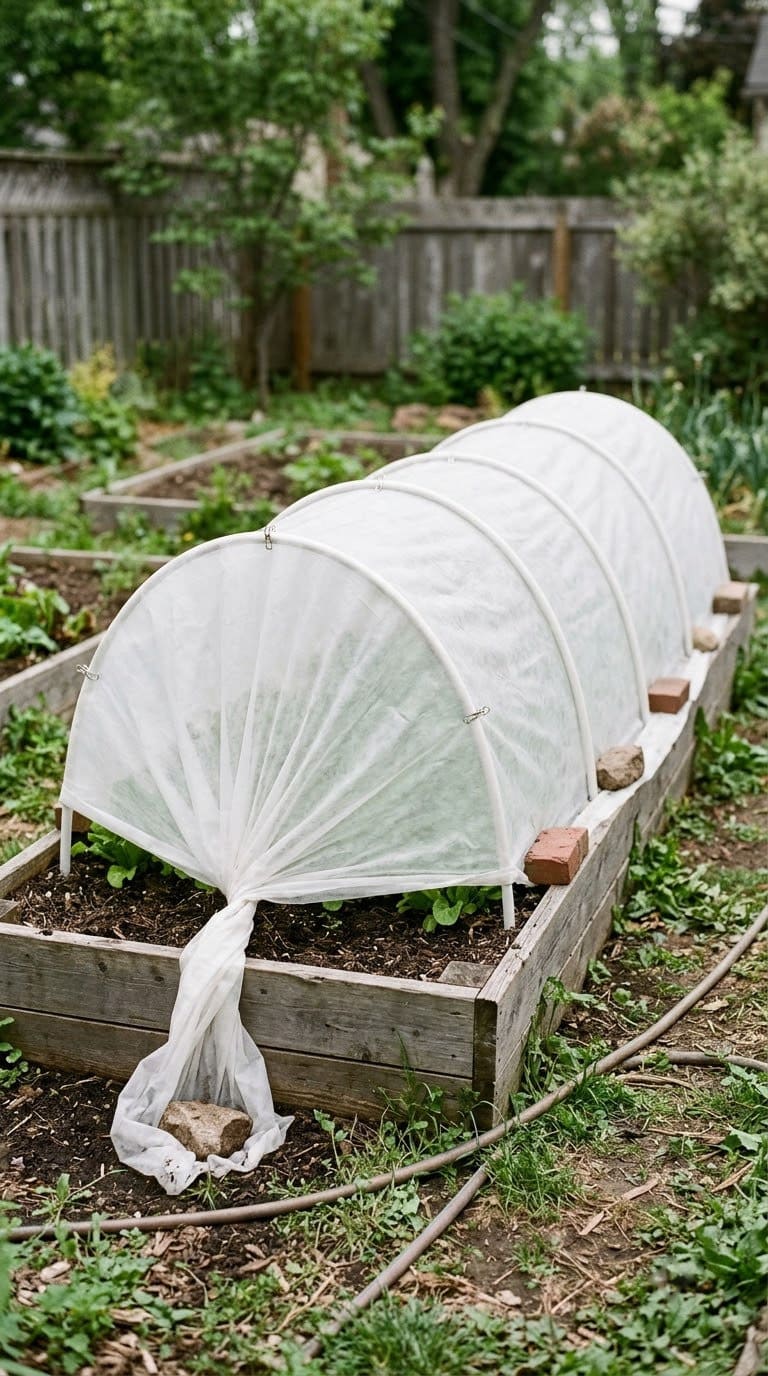
Savvy Gardening author Niki Jabbour uses half-inch PVC conduit, sold in ten-foot lengths. It bends over a bed to make a quick hoop. Space hoops three to four feet apart.
She drives a one-foot rebar stake into the soil, then slips the hoop end over it. She finds this more stable than pushing PVC into the soil. Snap clamps hold the cover tight in gusts.
Weigh down the bottom edges with weights that won’t tear fabric. Heavy covers block about half the sunlight, so don’t leave them on more than a day or two in the growing season. Add a center support in snowy areas.
Cost tier: low. Pairs with idea 10’s bird cage cover.
10. Bird and Pest Cage Cover
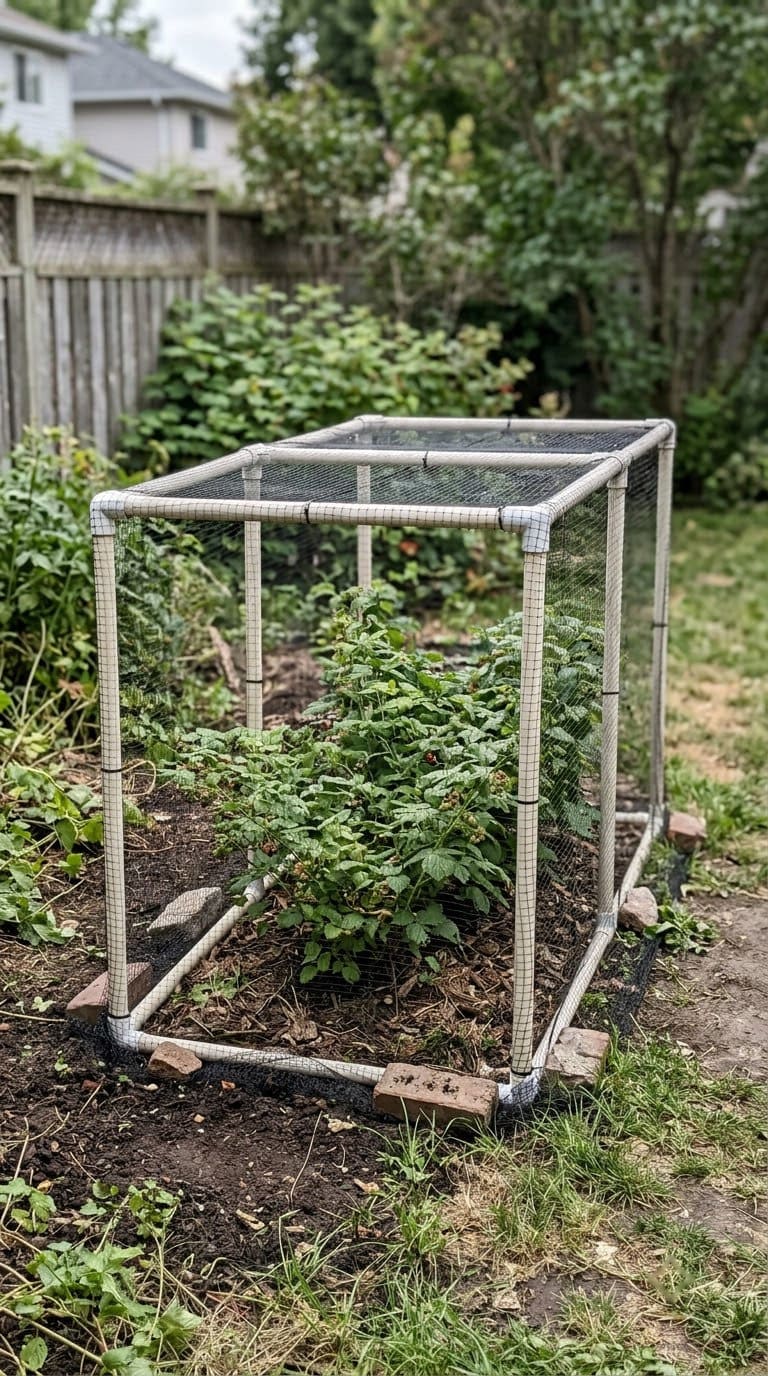
For birds and pests, build a box frame from PVC pipe and corner fittings. Drape netting over it and clip it down. Make it tall enough to reach into.
A height of 24 to 36 inches suits most beds. That’s our own suggestion, not a sourced figure.
We cover a full build in our PVC pipe garden cover guide, so use that for cut lists.
Cost tier: low to medium.
11. PVC Pea and Bean Trellis
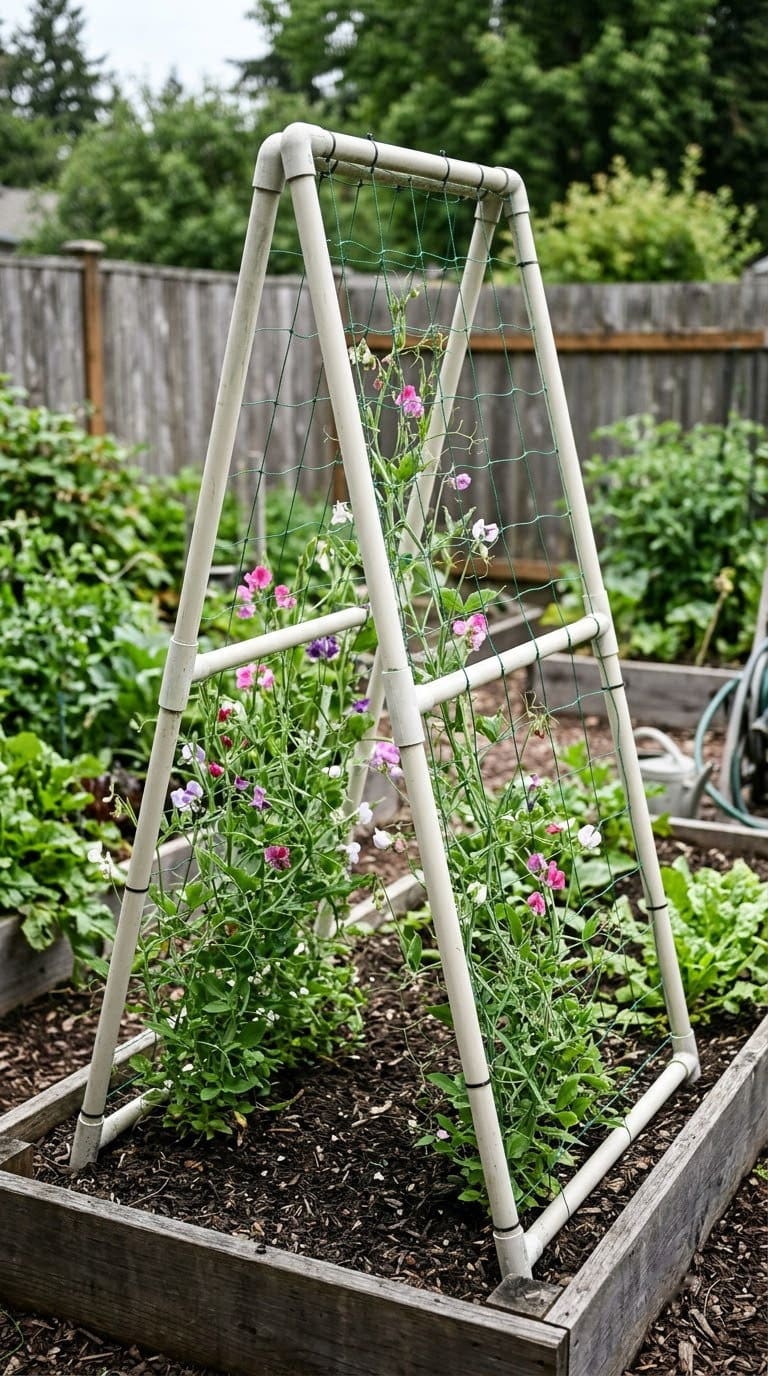
Build a flat frame from two upright pipes and a top crossbar with T fittings. Stretch string or garden netting across it. Set the legs in rebar stakes, as in idea 9.
Make the frame about 5 feet tall and 4 feet wide. Those sizes are our own suggestion. Sweet peas and beans will climb the netting.
PVC doesn’t rot, so the frame lasts for years. Take it down in winter if heavy snow is common.
Cost tier: low. See our raised vegetable garden bed guide for places to mount it.
12. Drip Irrigation Manifold
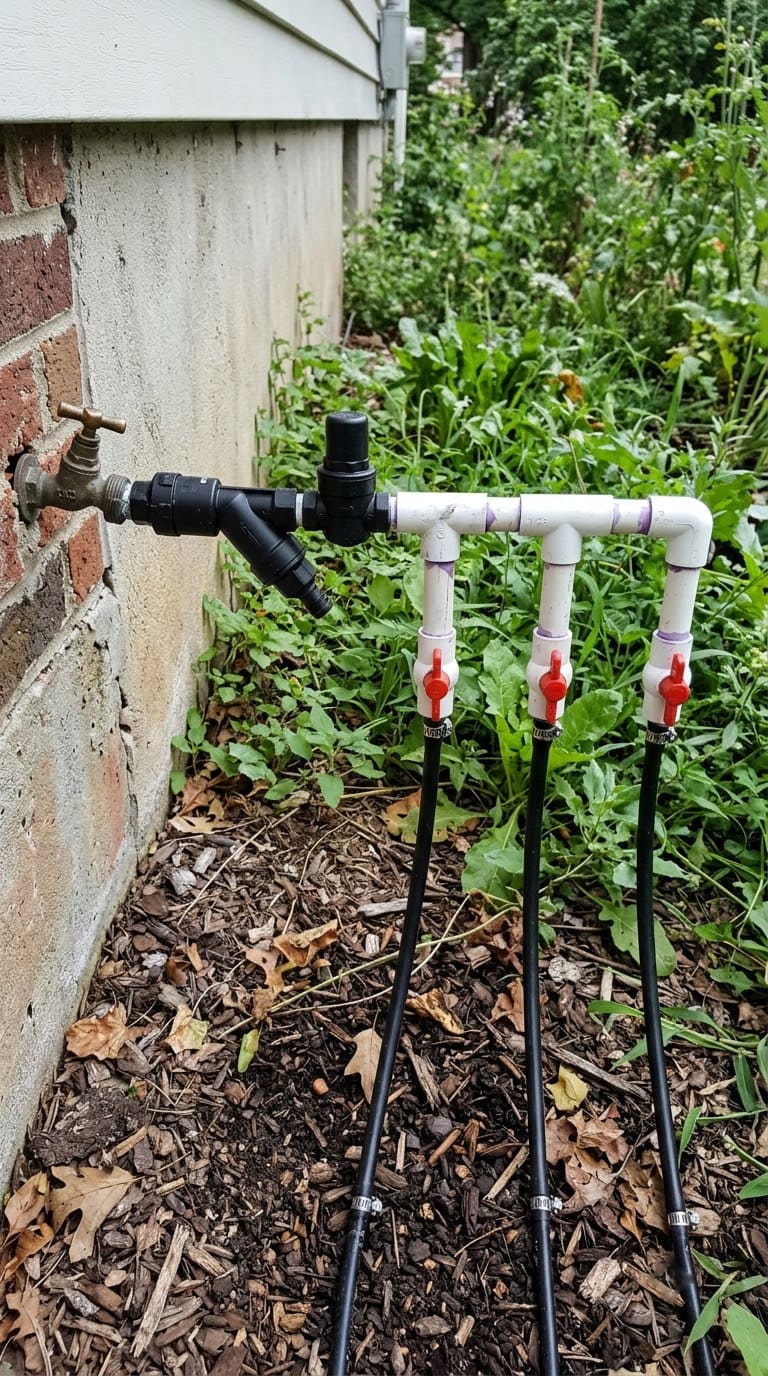
PVC works well as a buried or fixed main line for drip irrigation. Clemson Cooperative Extension lists the parts. You need a timer on the spigot, then a pressure regulator and a filter on its outlet side.
Clemson gives 25 psi for soaker hose and drip emitters, and 10 to 12 psi for drip tape. A filter is recommended for city water and a must for well water.
For annual vegetables, Clemson gives emitter spacing of 6 to 10 inches in sandy soil and 8 to 12 inches in clay. Cap the ends and cover lines with mulch.
Cost tier: medium. Idea 6’s tower can share the line.
13. Tool and Stake Holder
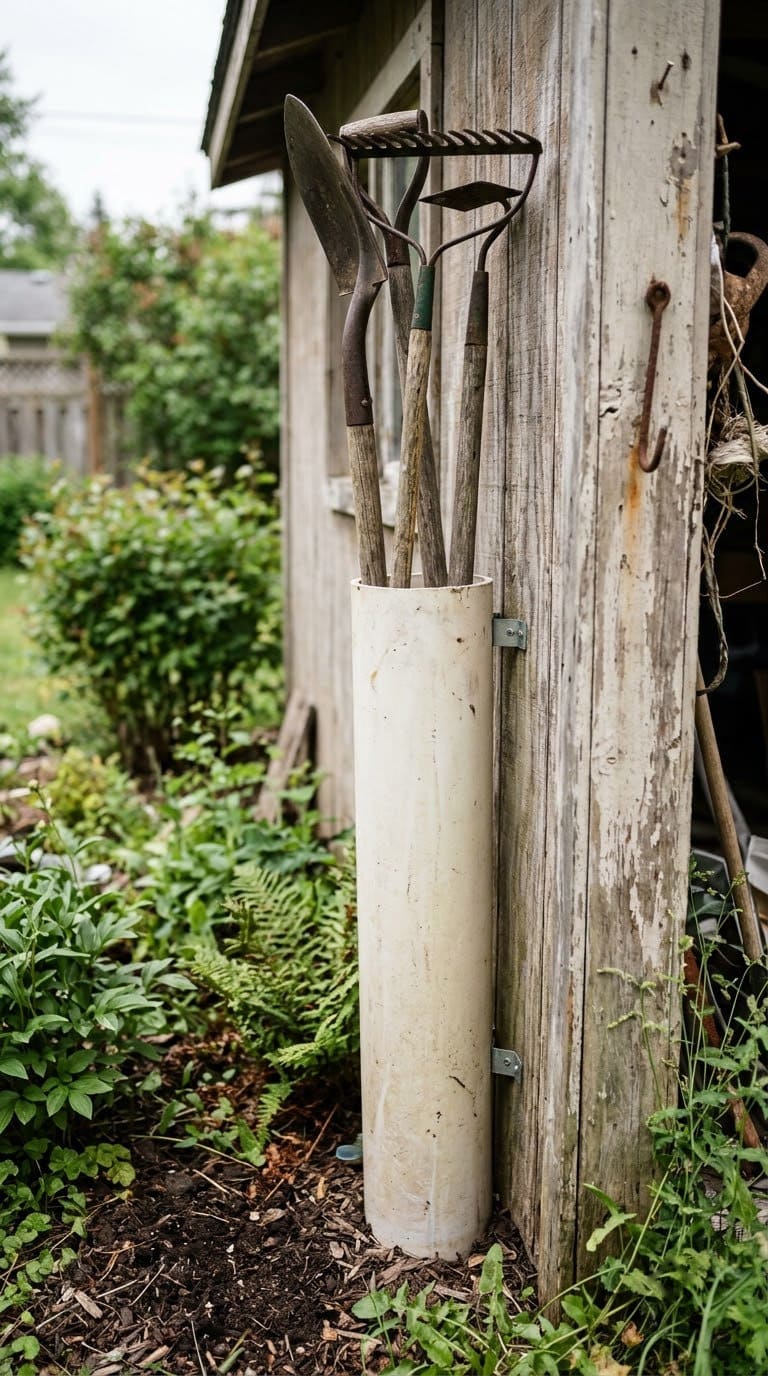
Mount a 6-inch pipe vertically, about 24 inches long, on a shed wall. Cap the bottom and drill a drainage hole. Slide in long-handled tools.
Add a smaller pipe beside it for stakes and plant labels. It keeps tools dry and tidy. Our related guide on PVC pipe storage covers more.
Those sizes are our own suggestion.
Cost tier: free to low.
14. Seedling Cloche Hoops
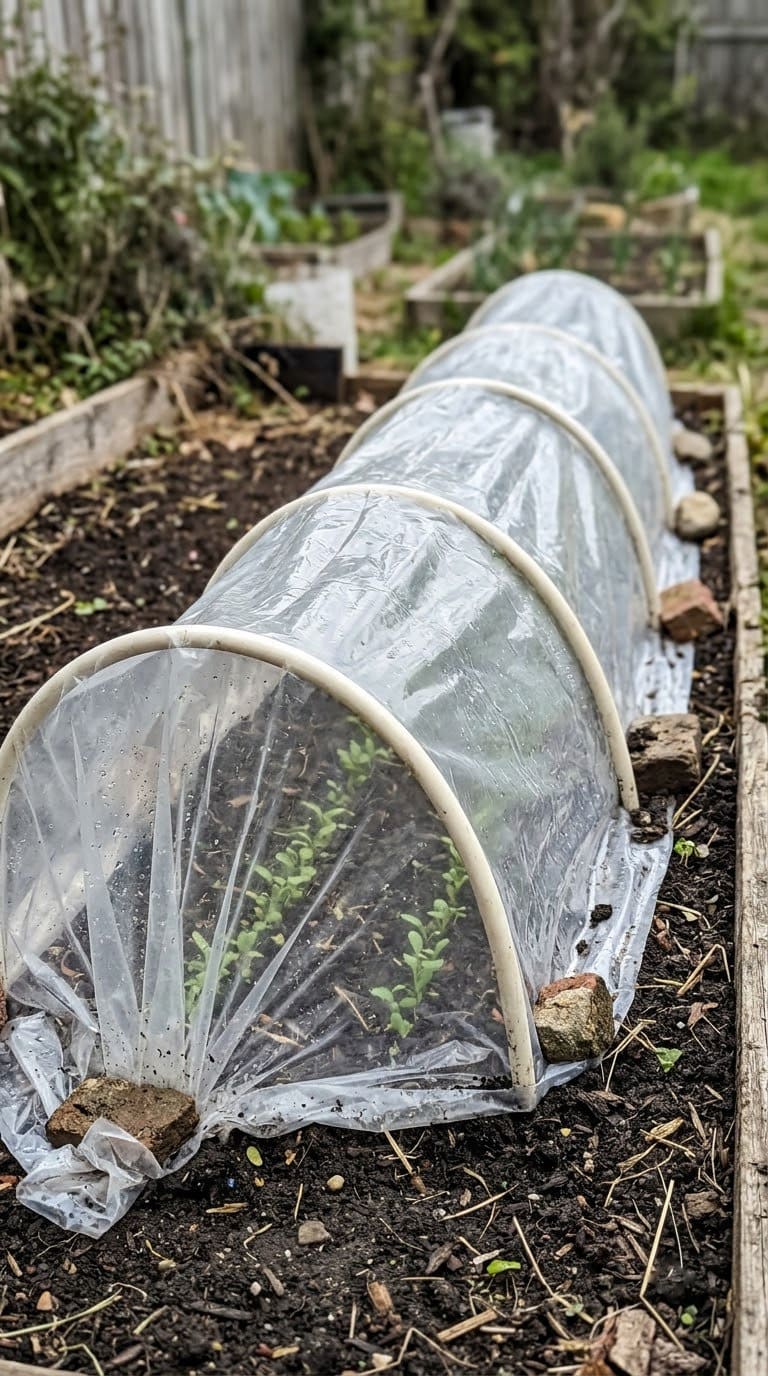
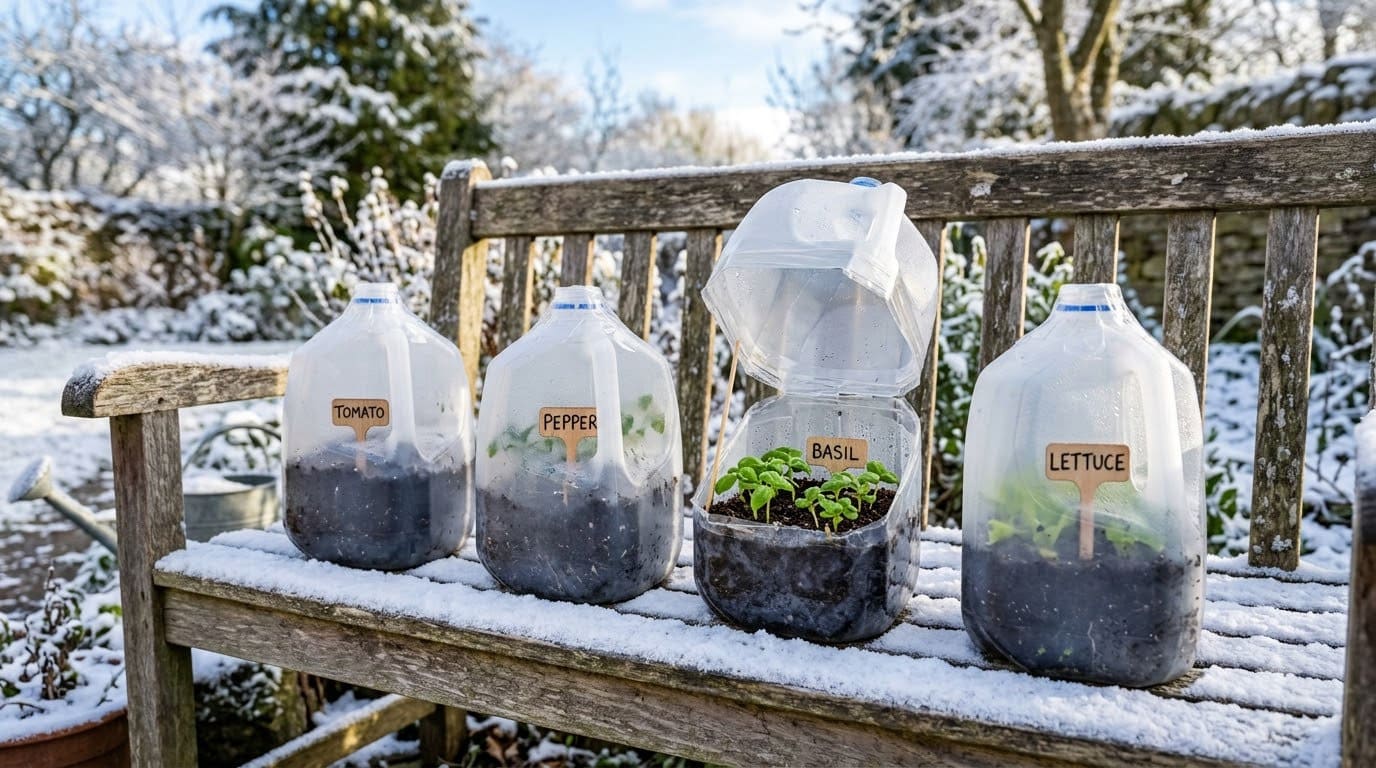
Scale idea 9 down for seedlings. Use half-inch pipe cut to short arches, about 18 inches tall. Cover with clear plastic or fabric.
Vent on warm days so seedlings don’t cook. Open the ends or lift the cover. This is general practice, not a sourced figure.
Remove the cover as seedlings fill out. Store the hoops flat for next year.
Cost tier: low.
15. Painted Garden Border Stakes
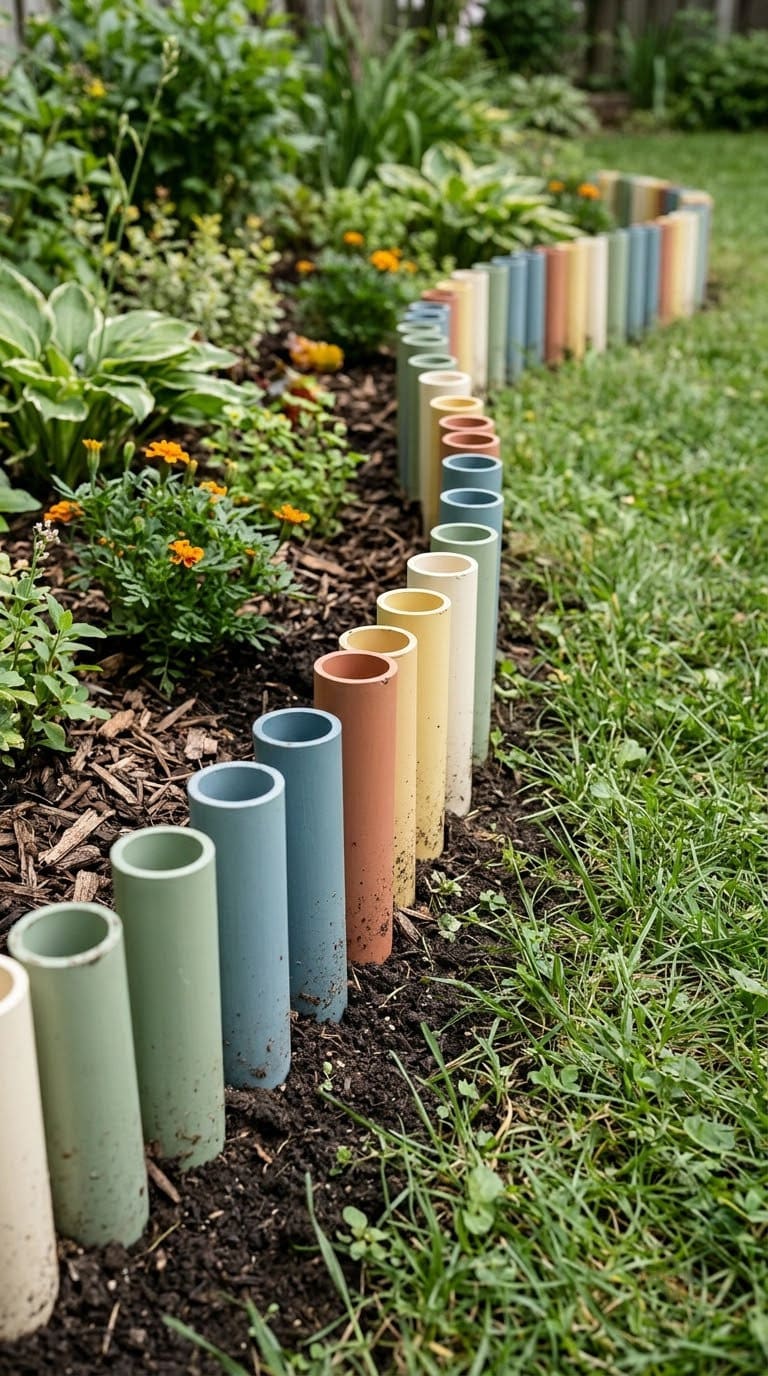
Cut 12-inch pieces of pipe. Paint them in a repeating pattern. Push them into the soil 4 inches deep along a bed edge.
Space them side by side to make a clean border. They keep mulch in and mowers out. Cap the tops so rain doesn’t fill them.
Check the border each spring for sun damage. Replace any that turn brittle.
Cost tier: free to low. Our flower pot ideas pair well with a painted border.
How Do You Protect PVC From Sun and Winter?
Sun is the main enemy. Ask Extension warns that plastics break down in UV light, so paint the pipe with a plastic-safe spray and choose a light color. Repaint when the finish chalks or fades.
Cold is the second. PVC gets stiff and can crack on a freezing day, so avoid hard knocks when you move it. Store hoops and trellis frames flat in a shed over winter if you can.
Snow load matters too. Niki Jabbour had to add a center support to her PVC hoops to keep them from collapsing under heavy snow. In snowy areas, remove covers before storms.
Check joints each spring. A cracked fitting or a loose strap fails fast with wet soil on top. Replace it before you plant.
What Does a Weekend Build Plan Look Like?
Start with the cheap, fast wins on Saturday morning. Cut and paint the cut-ring pots, the pillar planter, and the fitting pots. Let the paint dry while you work on the next step.
On Saturday afternoon, set up the hoop tunnel or trellis. These need only cut pipe, rebar stakes, and clips. Water the soil first so stakes go in easily.
On Sunday, tackle the longer builds. That means the vertical tower and the drip manifold. Both take more drilling and testing.
Finish by testing the drip line for leaks with the water running. Then plant. This order keeps the paint dry and the messy jobs for last.
Common Mistakes to Avoid
Leaving PVC in direct sun unpainted is the first one. Ask Extension says plastics break down when exposed to UV radiation, so shade or paint the pipe.
Skipping drainage holes is the second. A pipe planter holds water like a cup, and roots can rot.
Pushing hoops straight into soil is the third. Niki Jabbour finds hoops are more stable over a rebar stake.
Running drip lines without a filter or regulator is the fourth. Clemson recommends both.
FAQ
Is PVC pipe safe for growing vegetables?
We found no extension study on PVC pipe specifically. Ask Extension says non-food-grade containers are generally considered safe if never used for inedible items, but that answer wasn’t about PVC. Use a liner or another container for food.
Do I need to paint PVC pipe?
Painting or shading helps. Plastics break down under UV radiation, per Ask Extension.
What size PVC works for a strawberry tower?
The Homestead Survival uses pipe 4 to 8 inches across with 1-1/2 inch planting holes spaced 6 to 8 inches apart.
Can I use PVC for drip irrigation?
Yes. Clemson lists PVC as a distribution line for permanent setups, with a filter and pressure regulator at the spigot.
How far apart should hoops be?
Niki Jabbour spaces hoops three to four feet apart for a mini tunnel.
Never miss an update — choose FarmFoodFamily as your preferred source on Google.
How it works: Tap the button below to open Google's settings page, then check the box next to FarmFoodFamily.
Tap the checkbox to turn it blue — that's how you know it's set.