I Fertilized and My Plant Wilted: The Real Fertilizer Burn Fix
Fertilizer burn looks like your plant is dying, but most of the time it recovers within a couple weeks, as long as you flush it instead of watering less out of fear.

Fertilizer burn looks like your plant is dying, but most of the time it recovers within a couple weeks, as long as you flush it instead of watering less out of fear.

Blueberries need acidic soil and shallow-root breathing room, and these six common garden neighbors quietly work against both.

Twenty real ways to disguise your garden hose, plus the actual freeze, sun, and kinking damage most “hide your hose” guides never mention.

Two healthy-looking vegetables can both stall out from a fight over nitrogen you’ll never actually see happening underground, and the fix usually costs less than the fertilizer you already bought.
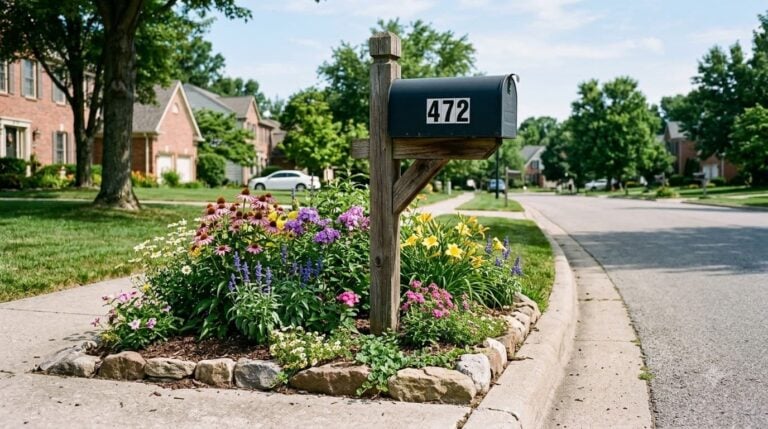
A well-planted mailbox bed turns a boring curbside post into real curb appeal, as long as you keep the plants low, thornless, and clear of the mail carrier’s reach.
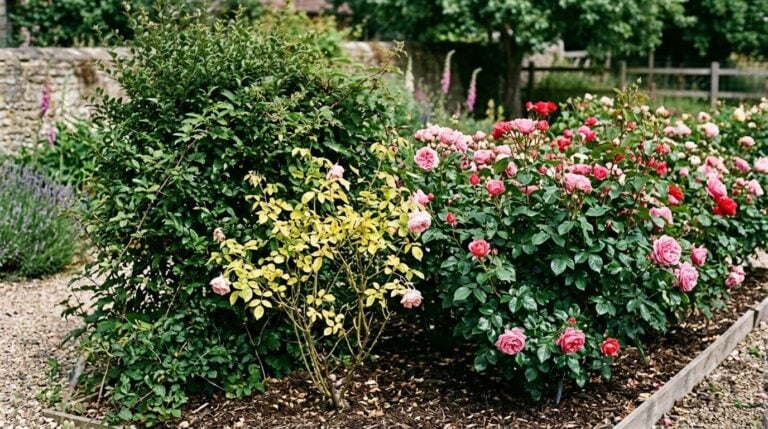
The wrong neighbor can quietly starve, poison, or infect a healthy rose bush within a season, so knowing which 8 plants to keep away is cheaper than replacing the rose.
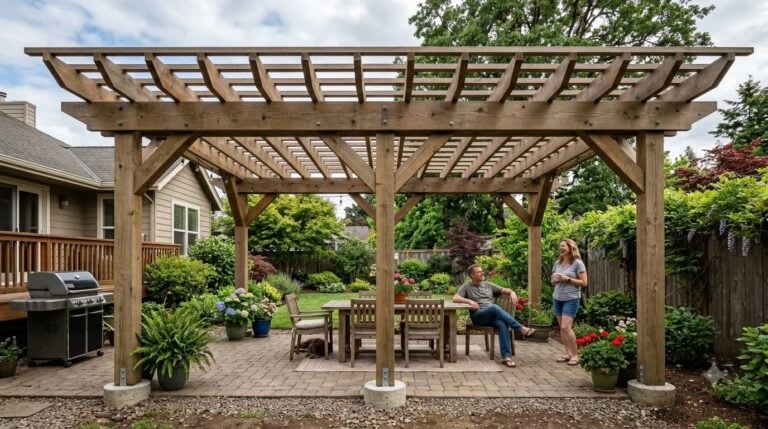
A pergola can turn a flat backyard into a real outdoor room, as long as you get the footing depth and beam span right before you fall in love with a roof style.

A rug under a dining table can anchor the room and protect your floors, as long as you size it right and accept that daily chair-scooting is the real tradeoff, not spills.

A closet is one of the few spaces in a home that’s almost entirely hidden, feng shui treats what you can’t see as just as important as what you can, and a couple of these rules turn out to be protecting your clothes from something more concrete than stagnant energy.

A real fertilizing schedule can double your harvest, but only if you time it to your soil and your containers instead of a generic bag label.

Feng shui treats the bedroom as the one room where mistakes compound every single night, and a couple of the “energetic” reasons behind these mistakes turn out to have a real, checkable explanation once you look past the symbolism.

A dining room is one of the few rooms in the house built entirely around nourishment and connection, feng shui treats getting it wrong as a real drain on both, and in a couple of these rules, so does actual injury data.
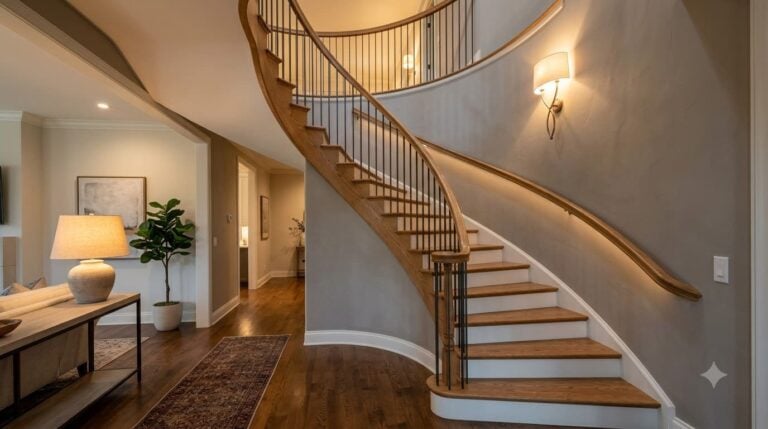
A staircase is the one structure in your home that literally moves energy, and people, between floors, feng shui treats it as high-stakes for a reason, and in a few of these rules, so does the actual building code.

The short answer: match the chime’s material to the compass direction you’re activating, hang it where it can move and sound freely without hitting anyone, and pick the softest material that still gets the job done, your neighbors and your HOA both have a vote in this one.

The short answer: a tiered or gently cascading fountain with visible, audible, continuously moving water, placed near the entrance with water flowing toward the house, but the type you choose matters almost as much as where you put it.
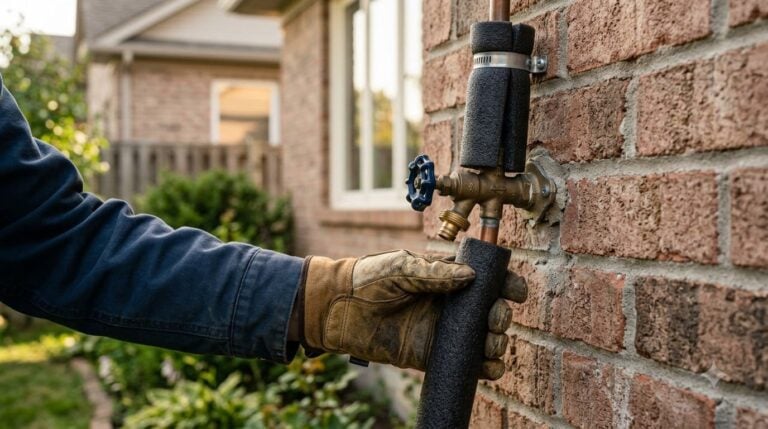
A simple seasonal routine — not a big renovation budget — is what actually keeps your HVAC, plumbing, and insulation from turning into a five-figure emergency.

Your driveway is the single widest, longest channel of energy leading straight to your house, feng shui treats it as a river of chi, and getting the shape, slope, and surface wrong can mean actual drainage and safety problems too, not just bad luck.
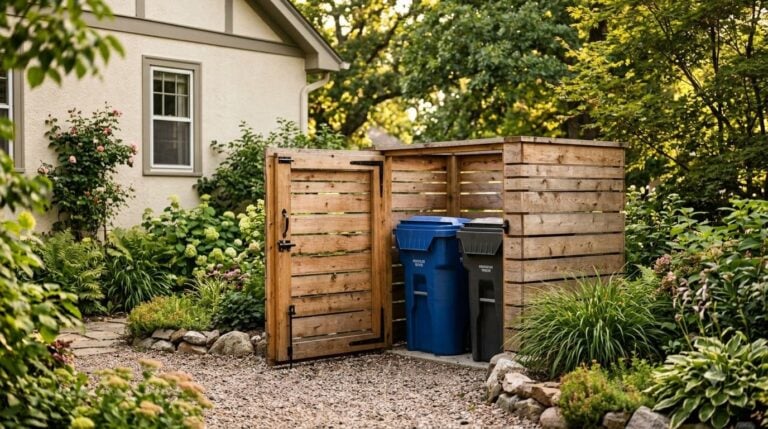
Twenty real ways to disguise your garbage bins, plus the actual dimensions, wildlife-proofing, and HOA rules most “hide your trash cans” guides skip entirely.
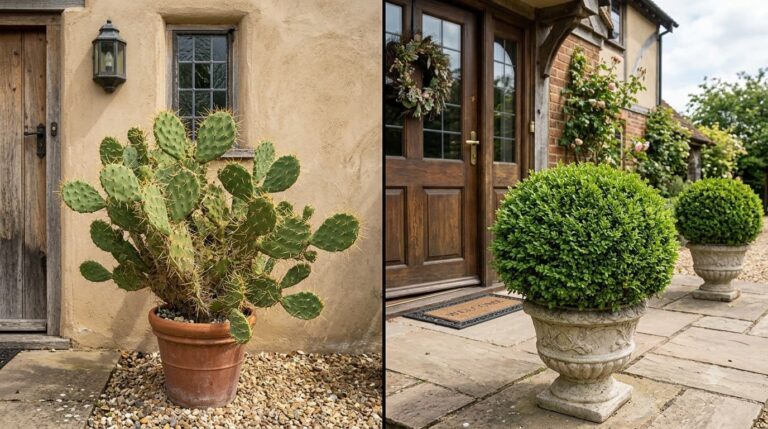
Your front door is the “mouth of chi” in feng shui, the point where energy enters your home, and the wrong plant sitting right next to it isn’t just bad symbolism, in a few of these cases it’s a genuine safety problem too.
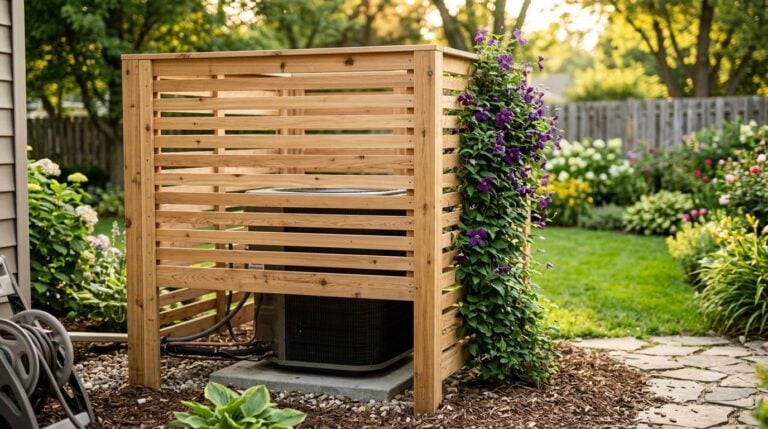
Twenty real ways to disguise that ugly condenser, plus the actual clearance numbers most “hide your AC” guides never bother to give you.

The short answer: southeast or east, visible from the house, angled so the water appears to flow toward you, not away, but the placement rule is only half the story once real fish and real water depth are involved.