10 Best Pruning Shears: Razor-Sharp Picks for Every Job
The best pruning shears depend on your hands and your branches, so we sorted ten popular picks by the job each one does best.
Welcome to our blog’s advice on growing plants. Here you’ll find tips to green your thumb, whether you’re new to gardening or want to take your skills up a notch.
We dish practical guidance from planting to harvest. Learn how to start seeds, deal with pests safely, and reap abundant veggies and blooms.
Our farming experts break information down into simple steps. Follow their instructions to grow thriving container or raised bed gardens that fit your space.
Stop by regularly as we add new posts to help your garden thrive! We want to see you succeed at urban farming right at home.
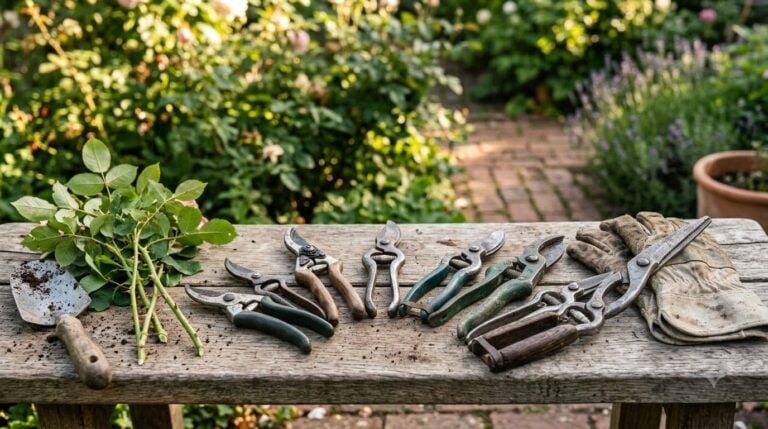
The best pruning shears depend on your hands and your branches, so we sorted ten popular picks by the job each one does best.

Burying pennies under your hydrangea is a popular one-dollar trick, but the real color-changing element is aluminum, not copper, so the penny itself does essentially nothing.
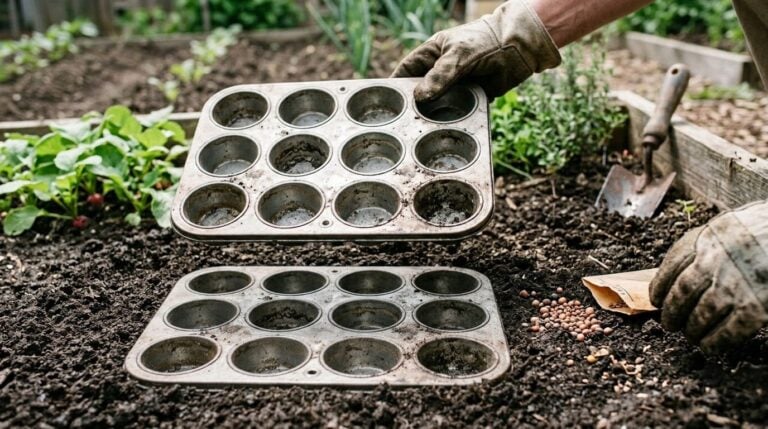
An old muffin tin turns messy, guesswork seed spacing into a clean, even grid in seconds, as long as you know which crops its spacing actually fits.
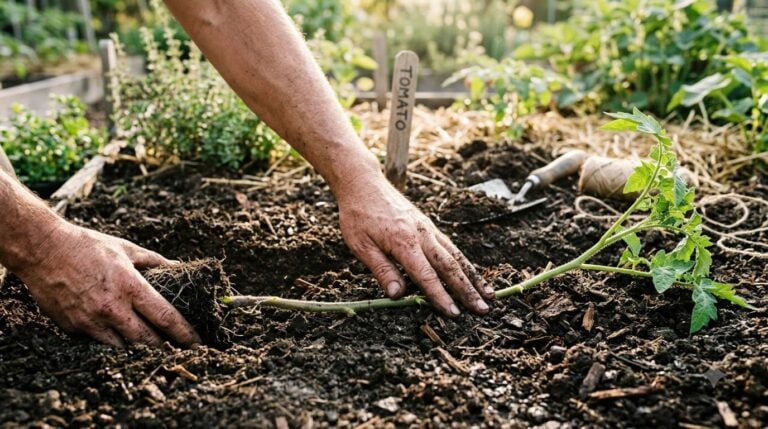
Trench planting turns a tall, leggy tomato transplant into a sturdy plant by laying the stem sideways so it grows roots along its length.
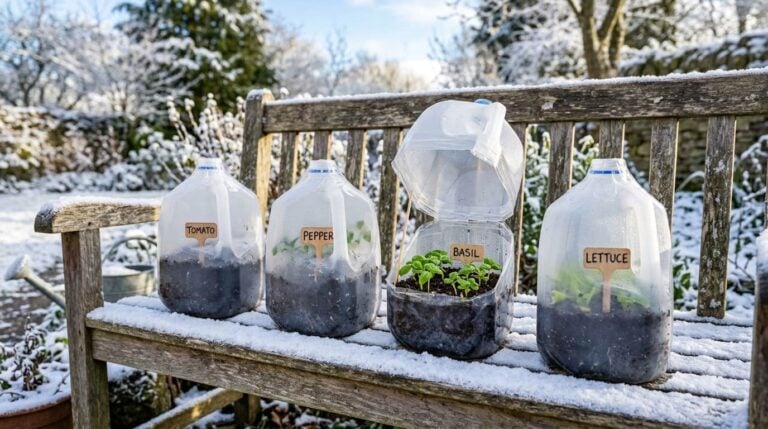
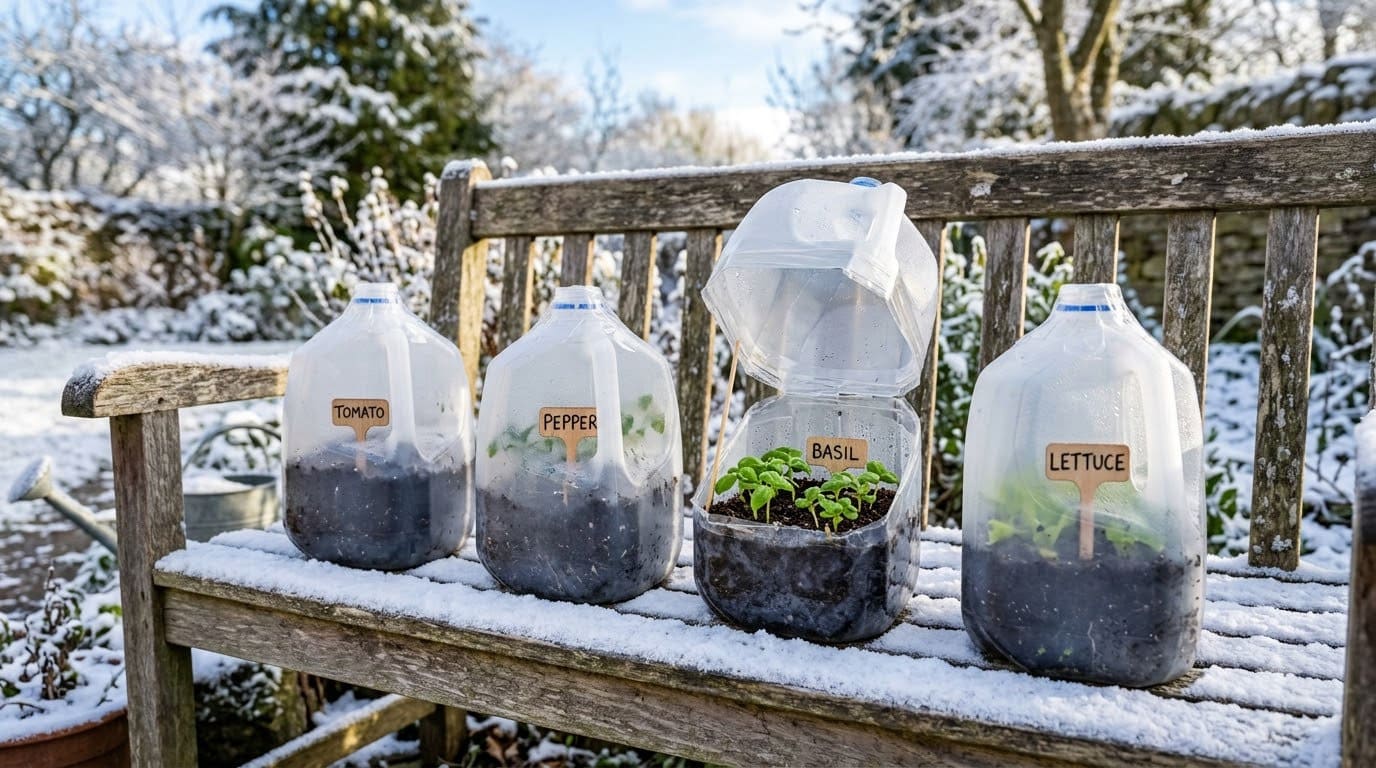
A recycled milk jug can start your seeds outdoors all winter with no lights or heat mats, but the timing and the seed choice decide whether it works.

A few checks before you pull the cord can catch old fuel, a loose part, or a dirty filter while the mower is still off.

Overwatered and underwatered plants wilt the same way. Skip the leaves at first and check the soil, the weight, the roots, and the drainage.
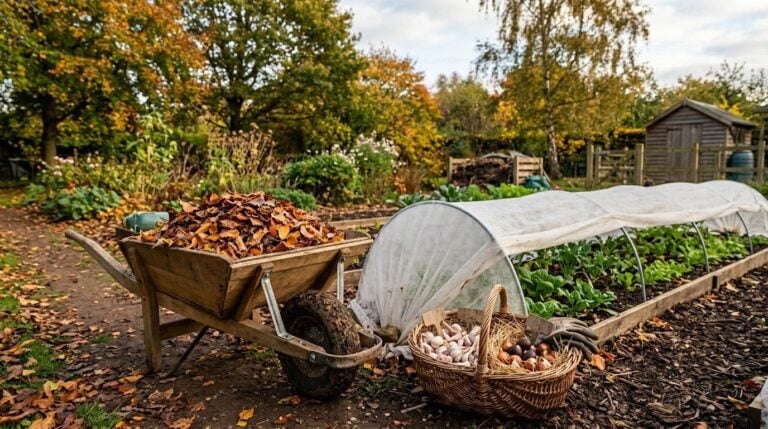
October’s garden jobs change with your region, from planting garlic in the north to sowing greens in the desert, so match each one to your first frost and not to the calendar.
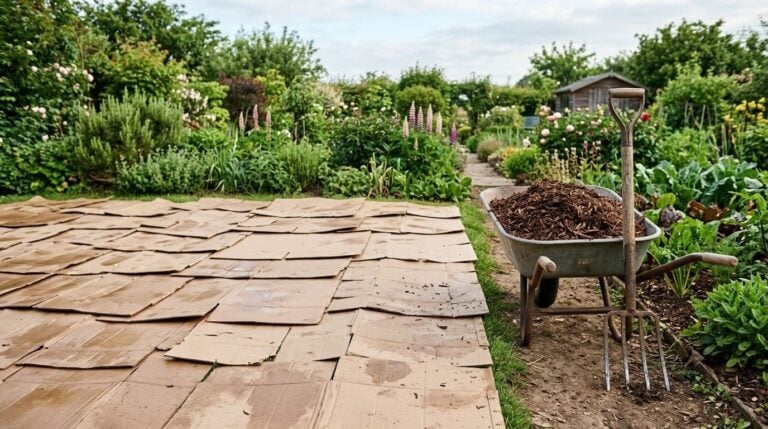
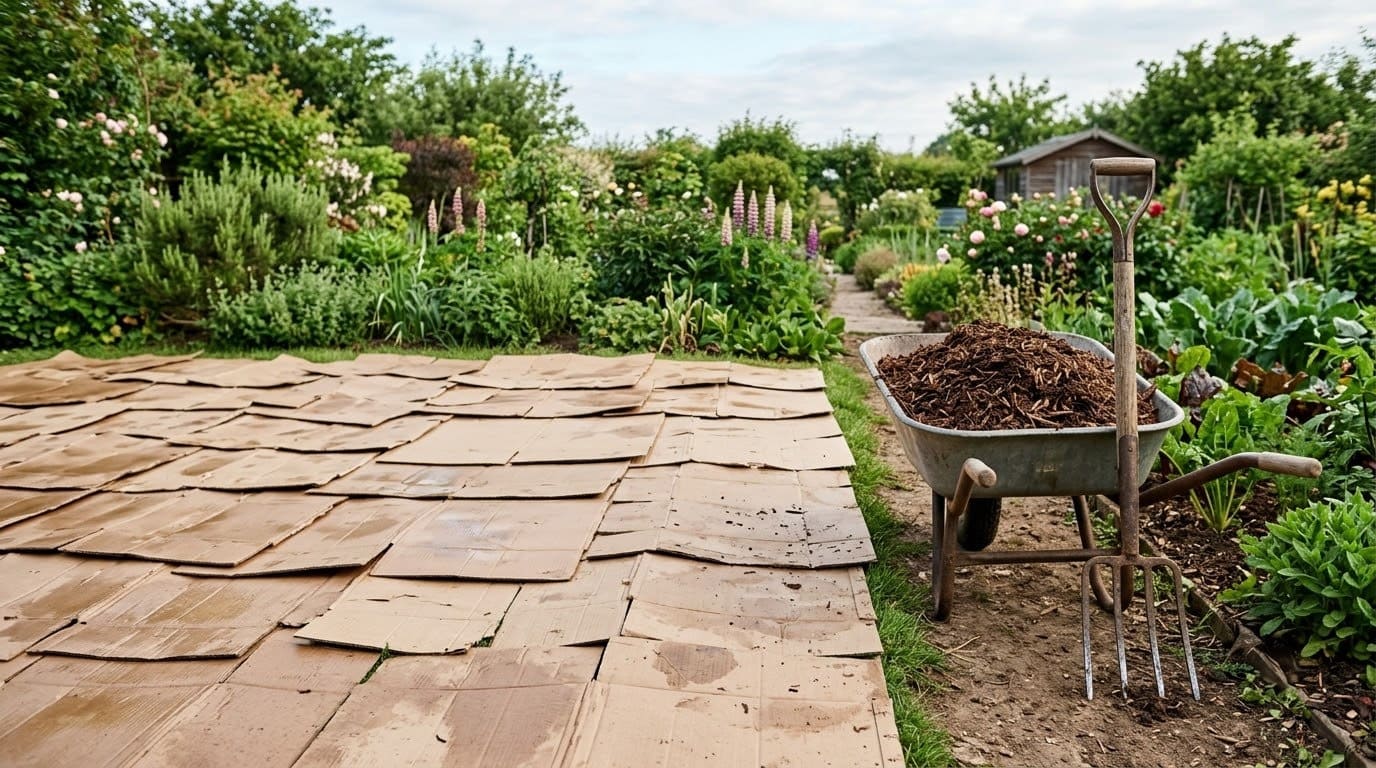
Cardboard smothers grass and weeds by blocking their light, as long as you overlap the sheets, bury them under thick mulch, and skip the weeds that just grow around it.
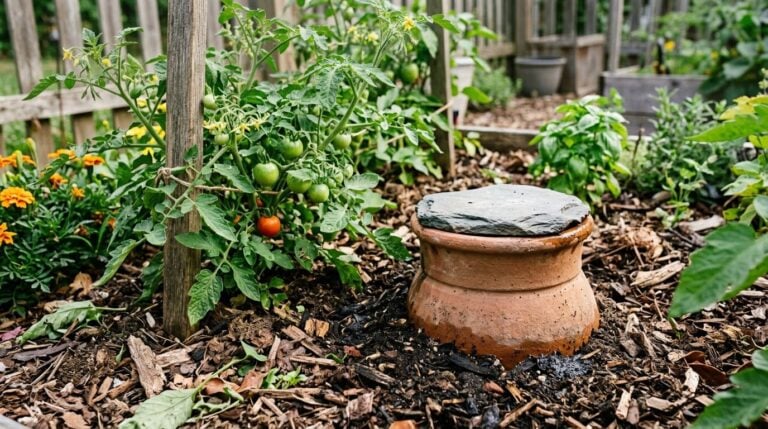
An olla pot waters your plants from underground for about the price of two small clay pots, if your pots really seep and your soil isn’t heavy clay.
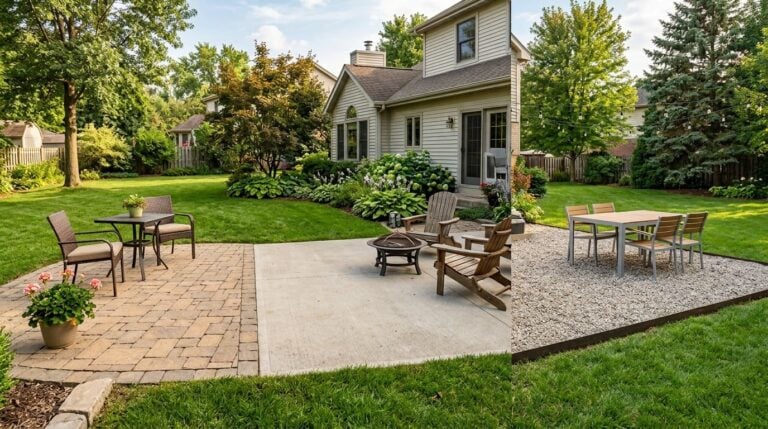
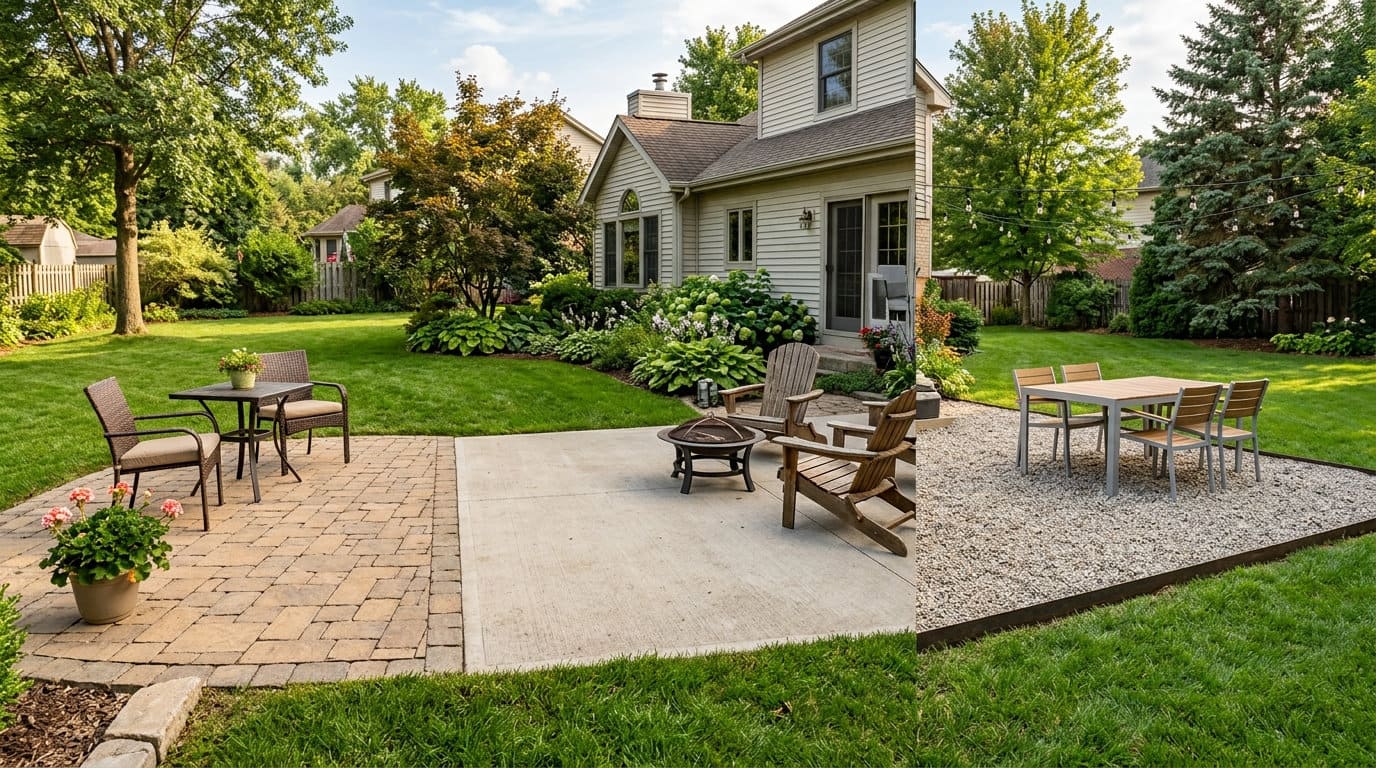
There’s a clear answer for cost, lifespan, and repair on all three surfaces in one table, but the catch is that the base underneath decides more of that outcome than the surface you actually pick.
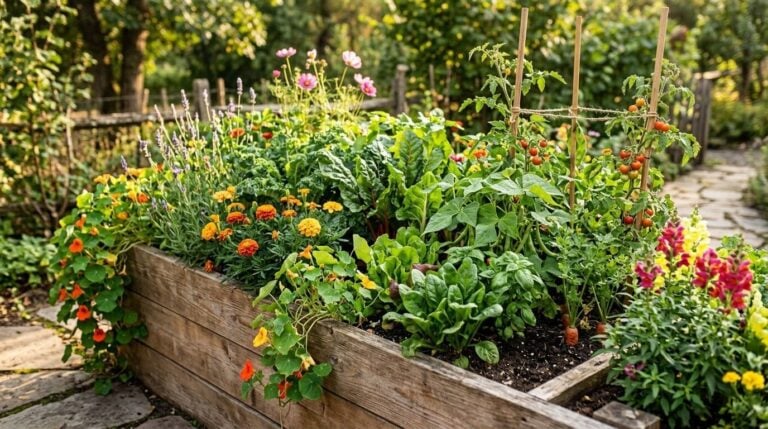
Hugelkultur fills your raised bed with free logs and yard waste instead of bagged soil, as long as you know it needs a nitrogen boost and a top-off every few years.
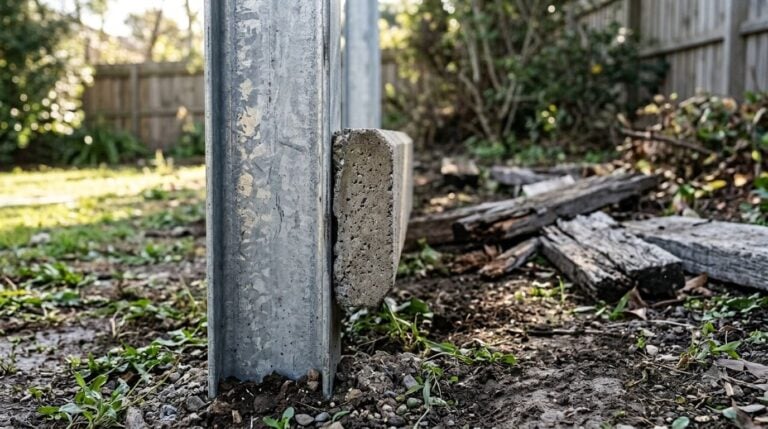
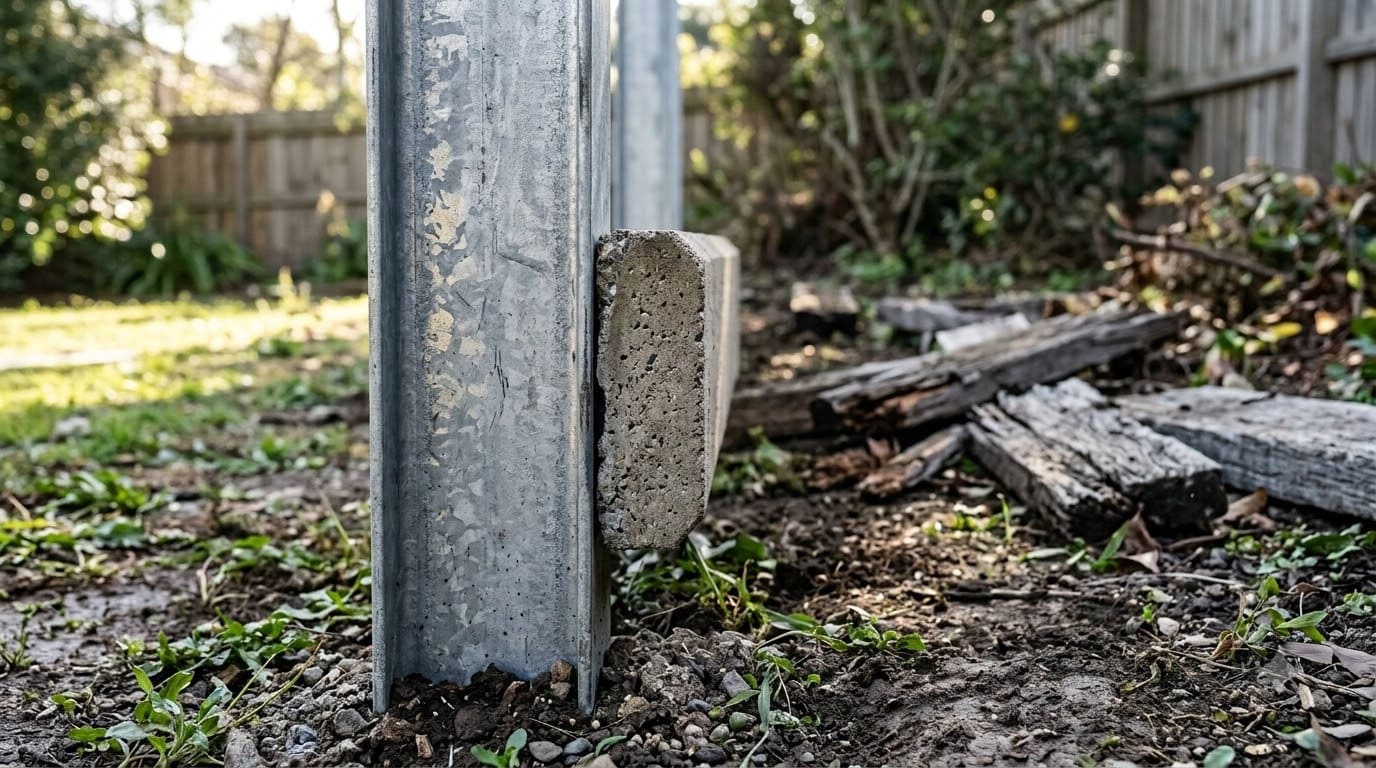
We pulled out a rotten timber sleeper wall last spring and rebuilt it in concrete and galvanised steel. One wet season later, nothing has warped and no corner has gone soft.

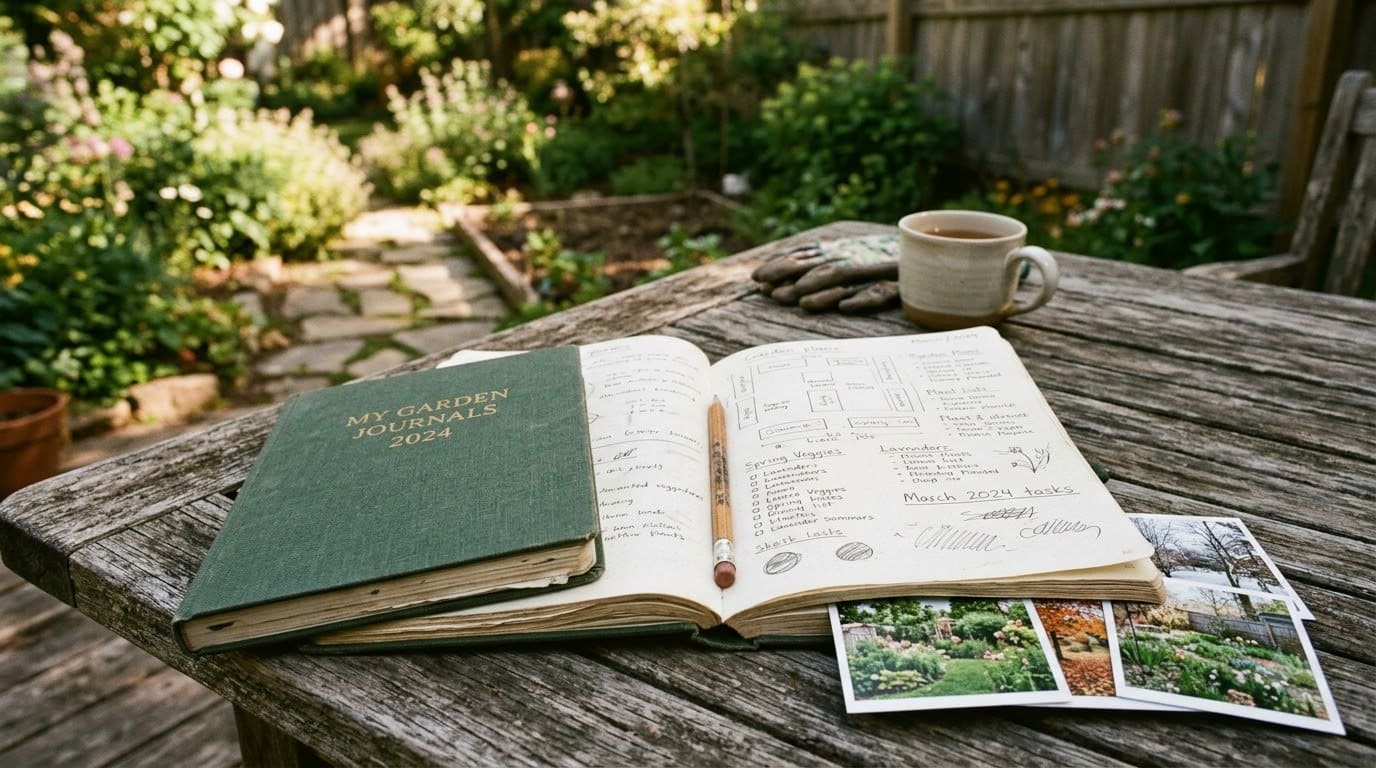
There’s one calendar here, with a simple shift for your zone built in, but the catch is that a fixed date is wrong the moment you’re not standing in a moderate climate, so the plants themselves matter more than the month on the page.

There’s a locked list of what to actually ask before you hire, with what a good answer sounds like, but the catch is that the questions about money and paperwork matter more than the ones about plants.
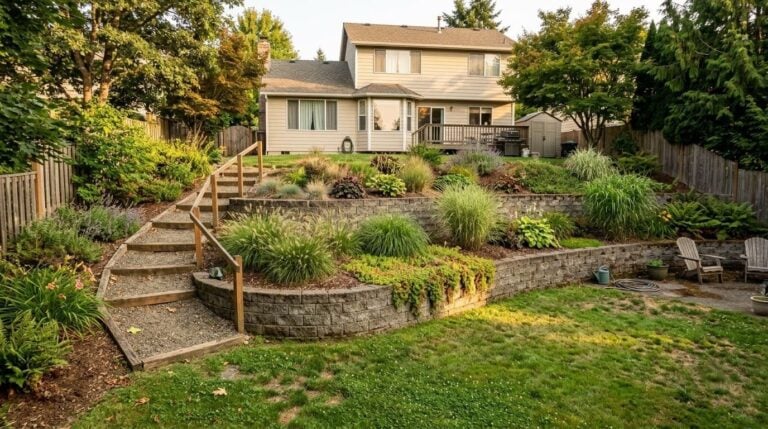
There’s a clear way to read your slope and pick an approach that fits the grade and the budget, but the catch nobody tells you is that water always comes from the top, and if you plant before you divert it, you plant twice.

There’s a real number for every way a designer charges and every drawing they hand you, but the catch most people miss is that a walk-around consultation is not a plan, and the plan a contractor can actually bid from costs more than the sketch you’re probably picturing.

You can get a clear per-foot price for each of the four common wall materials, but the two things that actually move your quote are the 4-foot height line and the drainage you never see once the job is done.

A path border does two jobs at once. It releases scent every time you brush past, and it gives bees a strip of food they can work all season, so they nest nearby instead of just passing through.

Straw mulch is the cheapest thing you can do for a strawberry bed, and it does three jobs at once. But a layer that is too deep or too damp turns into a slug motel, so the trick is all in how you lay it.
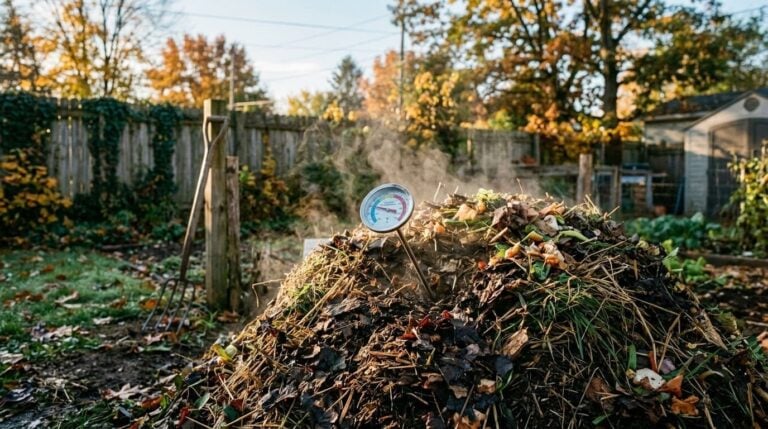
A cold pile takes a year and does nothing to weed seeds or disease. A hot pile is warm to the touch in two days, done in three weeks, and comes down to four things you set before you build it.