Why Fire Pit Smoke Keeps Blowing in Your Face: The Actual Science (Plus 6 Fixes That Work)
It’s not bad luck and it’s not the wind changing on you. A forest fire scientist explains the physics, and here’s exactly how to stop it.
Welcome to our blog’s advice on growing plants. Here you’ll find tips to green your thumb, whether you’re new to gardening or want to take your skills up a notch.
We dish practical guidance from planting to harvest. Learn how to start seeds, deal with pests safely, and reap abundant veggies and blooms.
Our farming experts break information down into simple steps. Follow their instructions to grow thriving container or raised bed gardens that fit your space.
Stop by regularly as we add new posts to help your garden thrive! We want to see you succeed at urban farming right at home.

It’s not bad luck and it’s not the wind changing on you. A forest fire scientist explains the physics, and here’s exactly how to stop it.
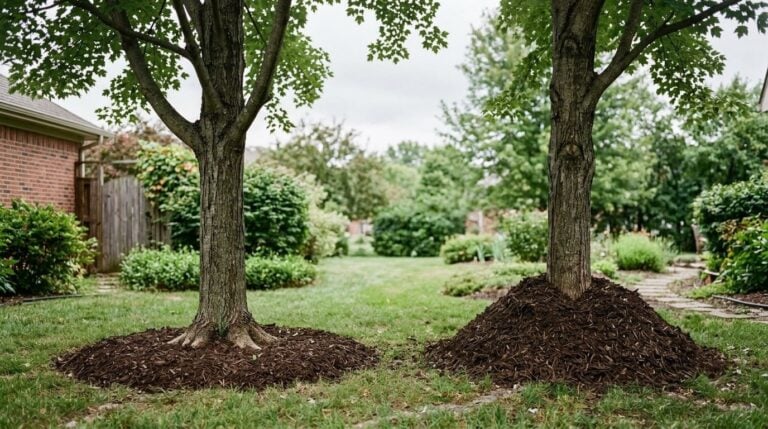
A tidy ring of mulch protects a tree, but pile it against the trunk or over the root flare and you start a slow decline that the canopy won’t show for years.
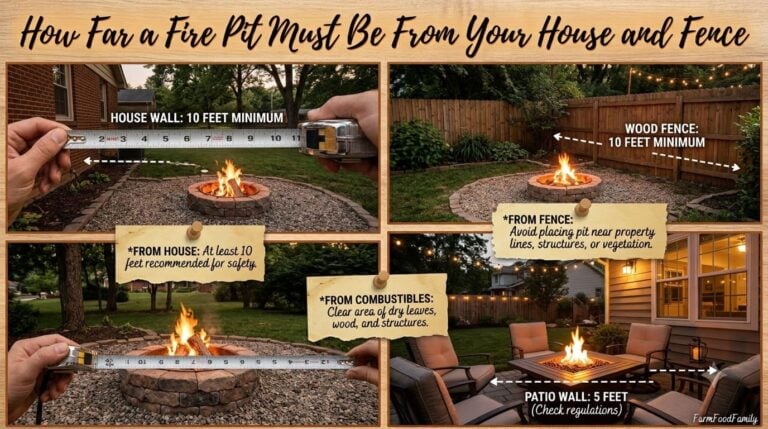
A fire pit built too close to your house or fence isn’t just a fine waiting to happen. It’s a real ember risk, and the safe distance depends on more than one number you saw on Pinterest.
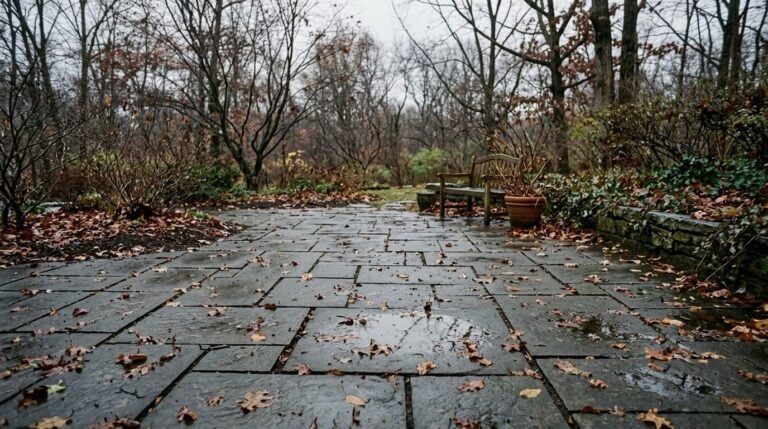
Refilling patio joints in the fall closes the gap that freeze-thaw pries open all winter, as long as you catch it before overnight lows hit freezing and the repair products stop curing.
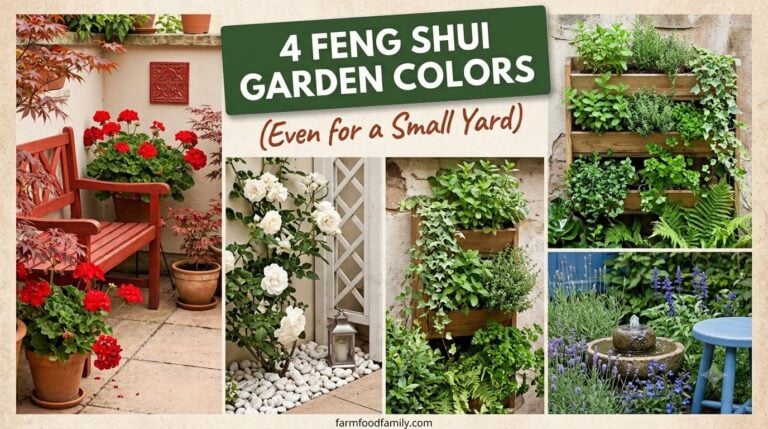
Your garden already has the wood element covered, that’s what all the actual plants are, these are the 4 accent colors feng shui says to add on top, and each one has a real, checkable fact behind it that has nothing to do with chi.
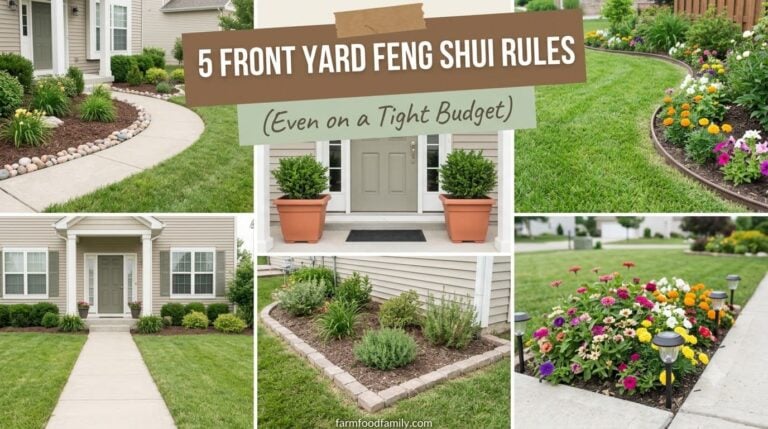
Your front yard is the first thing chi, and every visitor, encounters, and a couple of the “energy” reasons behind these rules turn out to have real acoustic science and resale data standing right behind them.

Each of these seven plants has a specific bagua placement and a genuine outdoor-hardiness or safety fact worth knowing, since a wealth plant that dies in the first frost isn’t bringing anyone good luck.
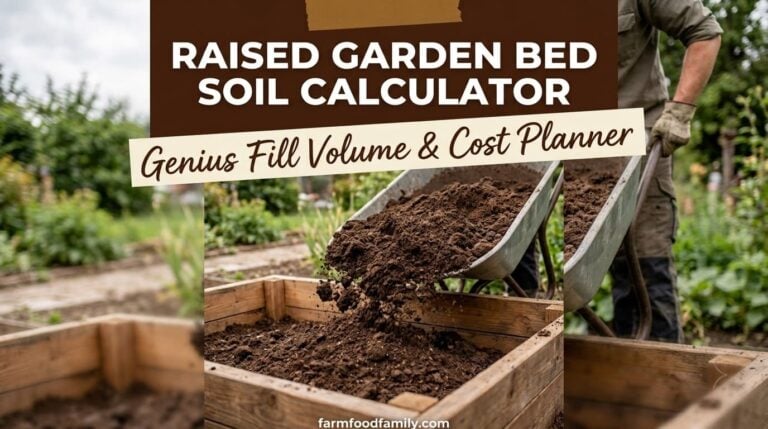
Find out exactly how much soil to buy, which mix to use, and whether bags or bulk delivery saves you more, before you fill a single bed.
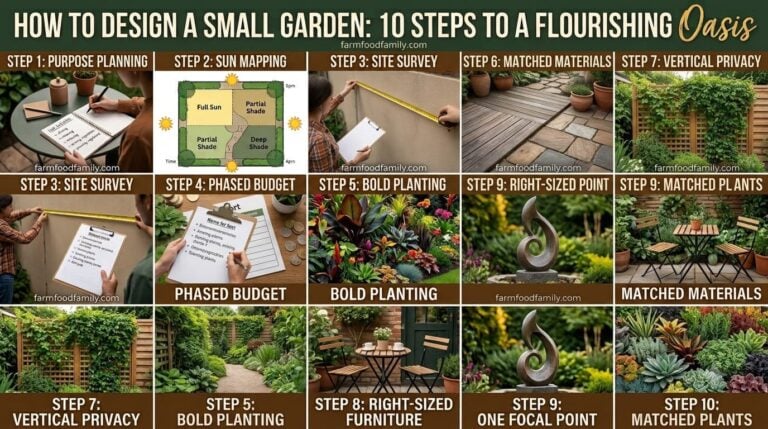
A small garden doesn’t need more square footage to feel finished, it needs these 10 steps done in order, the same sequence professional designers actually follow.
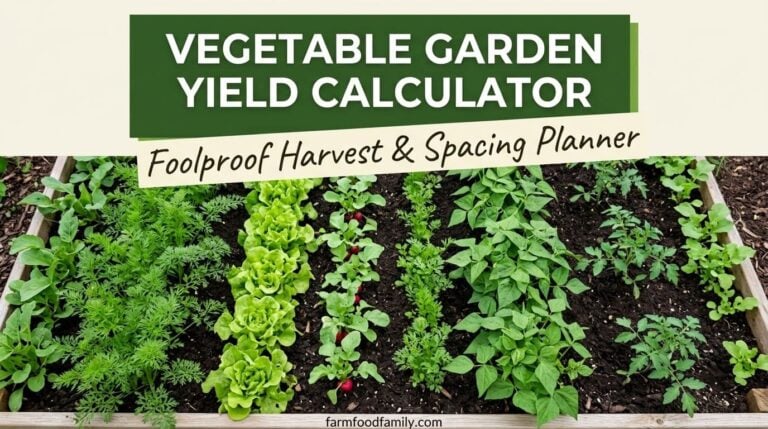
Find out exactly how many plants to grow and how much food they’ll actually produce, before you buy a single seed packet.
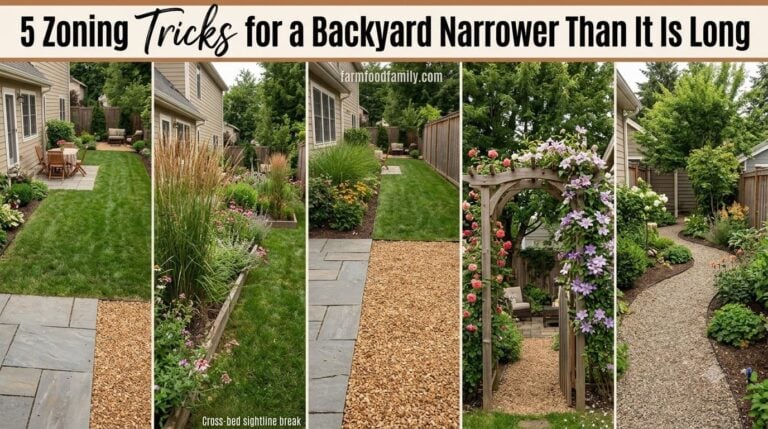
A backyard that’s narrower than it is long doesn’t need more width, it needs to stop reading as one long stretch, and zoning is the fastest way to do that.
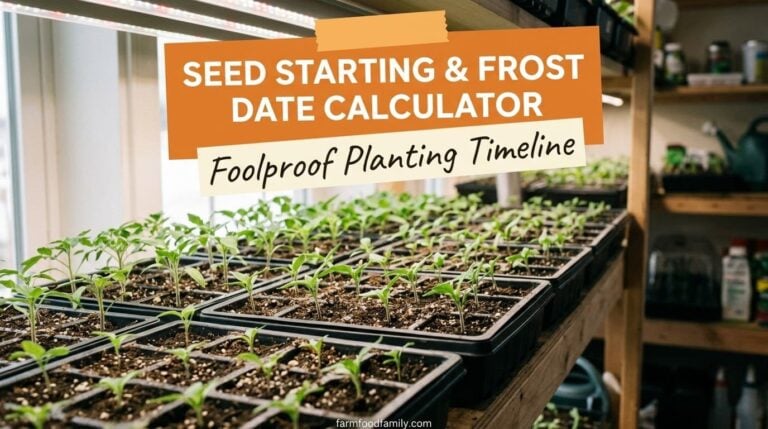
Find out exactly when to start seeds indoors, move them outside, and plant your fall crops, all built around your own frost dates instead of a generic zone chart.
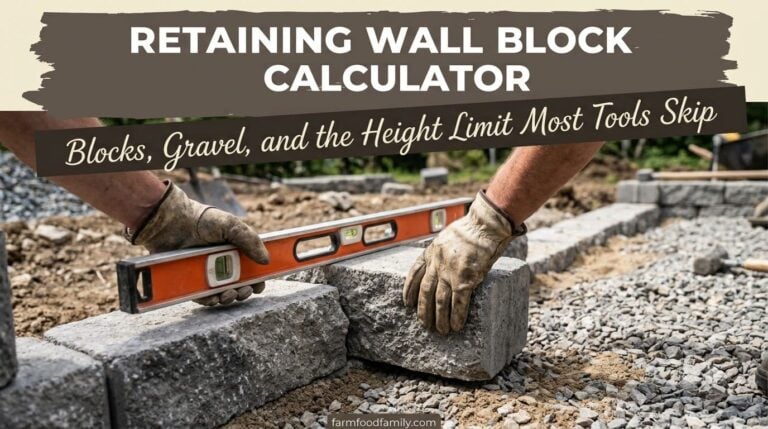
Enter your wall length and height. Get exact blocks, base and drainage gravel, plus a warning if your wall crosses the height where DIY gravity walls typically need an engineer.
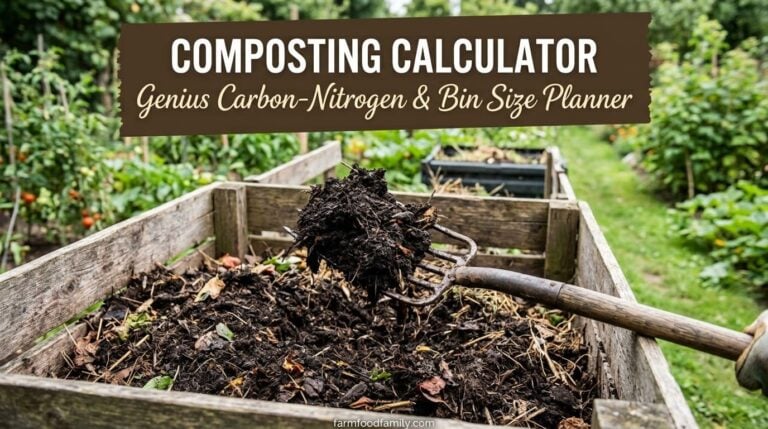
Find out your pile’s real carbon-to-nitrogen ratio, whether it’s too wet or too dry, and how much finished compost you’ll actually get, using the same formula composting scientists use.
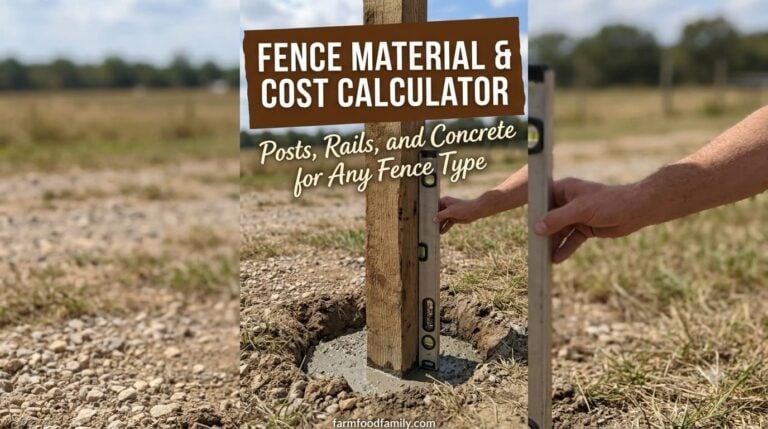
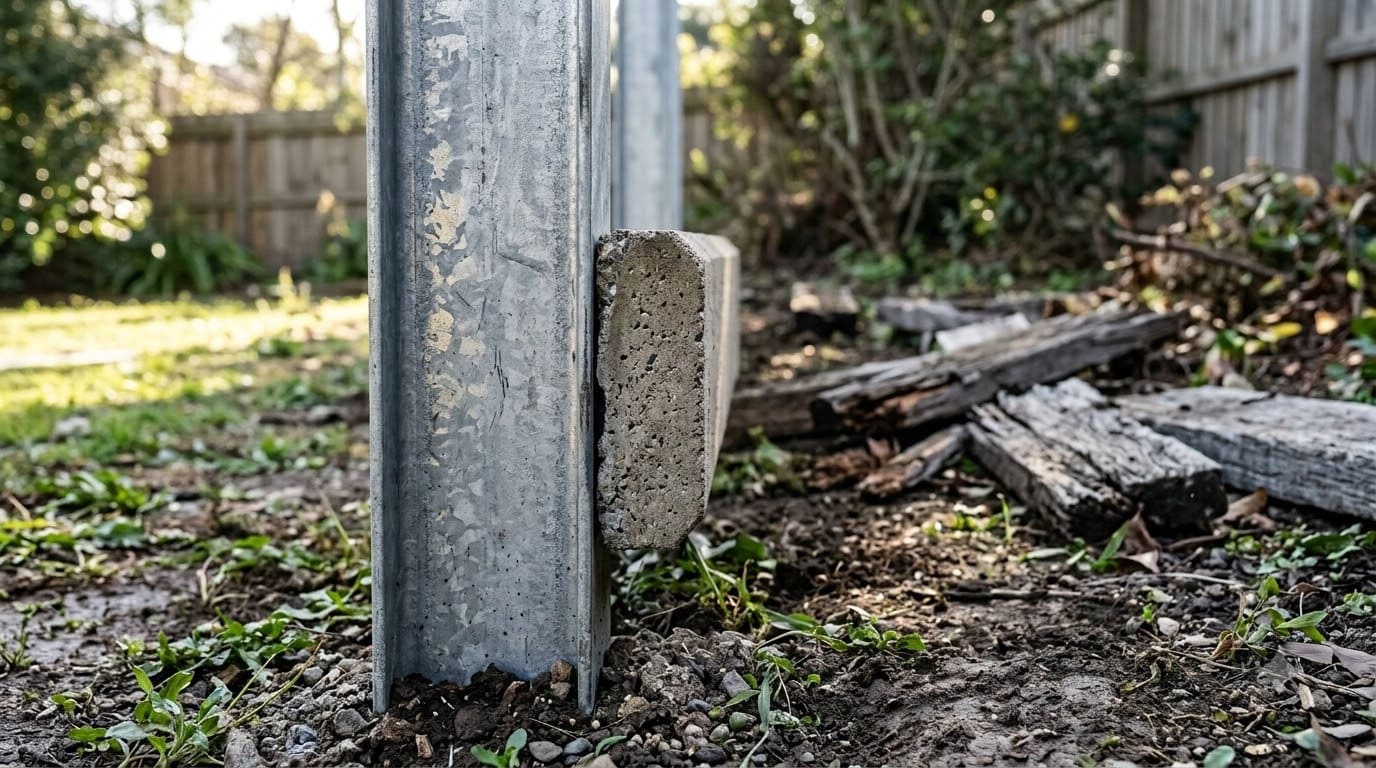
Enter your fence length and material. Get exact posts, rails, pickets, and concrete bags, with post hole depth checked against frost line risk, a step most calculators skip.
Enter your lawn size and grass type. Get exact seed pounds or sod pallets, using real per-species rates instead of one generic number for every lawn.
Enter your slab or footing dimensions. Get exact cubic yards, premix bags, the right PSI strength, and a frost-depth check most calculators skip entirely.
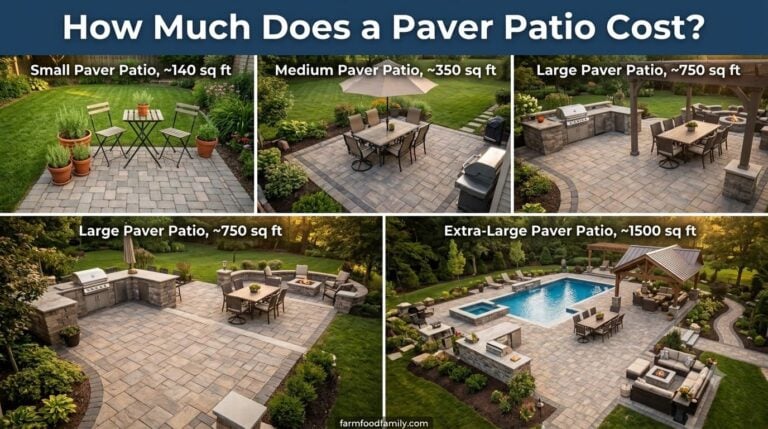
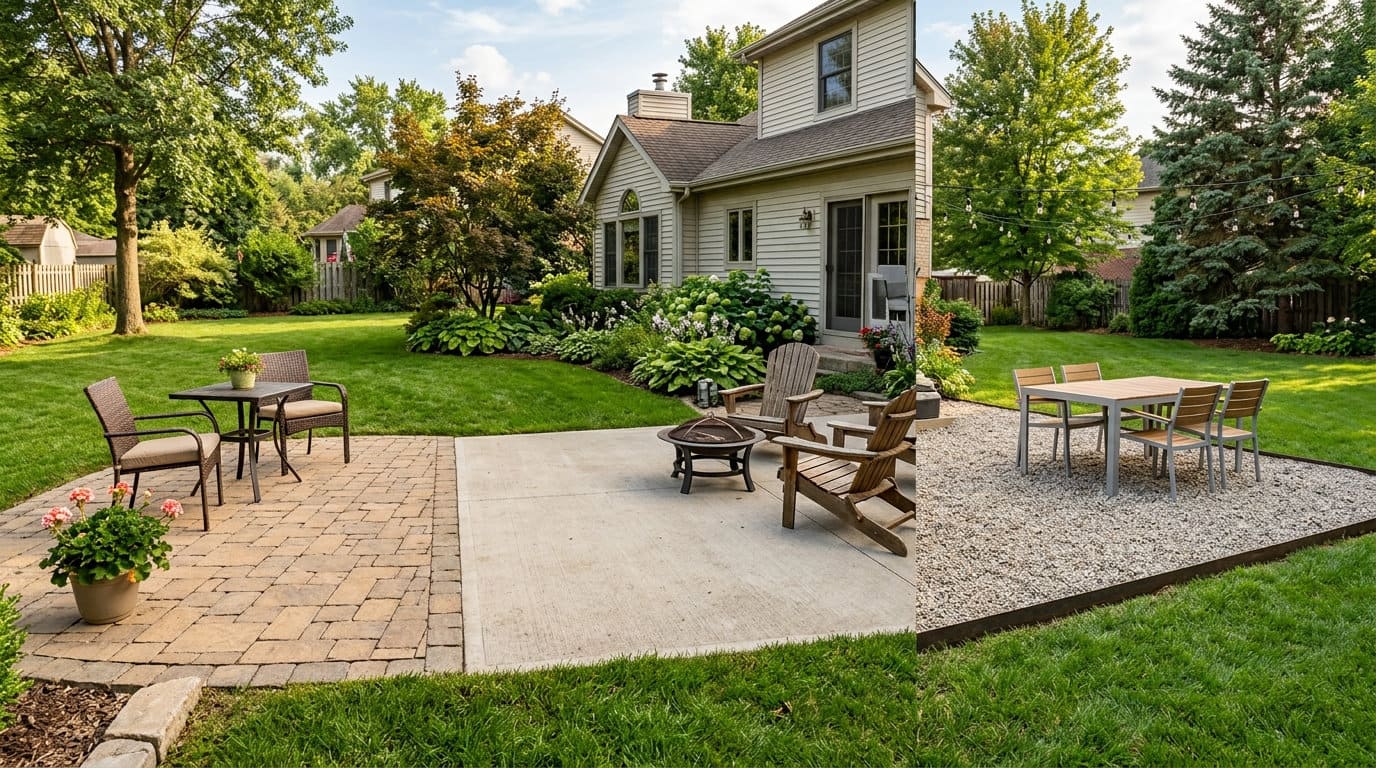
A paver patio usually costs $12 to $40 per square foot. But the number that surprises people most isn’t the pavers. It’s what the online calculators leave out.
Enter your area and paver size. Get the exact paver count, gravel base, and bedding sand you need, plus a warning if your sand depth could cause your patio to sink.

Each of these seven plants has a specific bagua placement that’s stayed consistent across nearly every real source checked, and four of the seven carry a genuine pet-safety flag that almost never makes it into the usual “lucky plants” roundup.
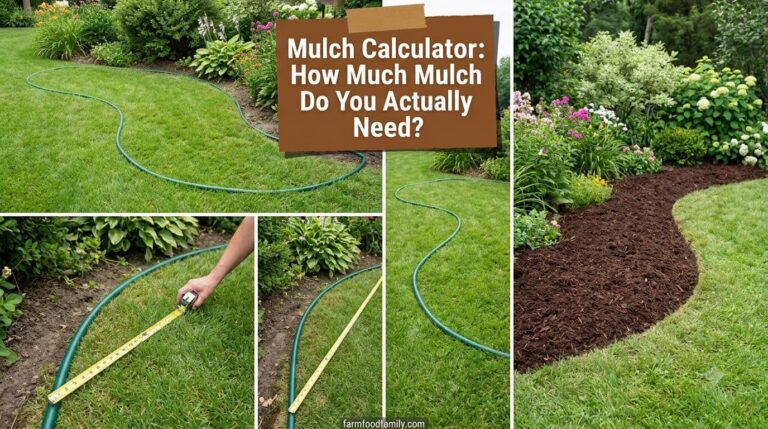
Most garden beds need 2 to 4 inches of mulch. The math is simple. Take your area in square feet. Multiply it by the depth in inches, then divide by 12 to get cubic feet. Divide that by 27 to get cubic yards, since that is how bulk mulch is sold. For a typical 100 sq…