Why Privacy Trees Aren’t Growing as Fast as Promised
Slow top growth in the first two or three years is exactly what a healthy privacy tree should do, but a truly stalled one usually has a fixable problem you can spot in ten minutes.
Our blog shares yard design secrets from top landscapers. Get ideas to upgrade your outdoor space no matter its size or shape.
Discover budget-savvy tips to add walkways, planting beds, water features, patios, decks and more. We explain outdoor construction in simple terms.
You’ll learn skills like building planter boxes, mixing colorful potted arrangements, choosing sturdy (and stylish!) garden furnishings, and planting carefree perennial beds.
Keep coming back as we add new posts to inspire your landscaping visions. Our mission is to help you DIY an outdoor oasis tailor-made for relaxing and entertaining.
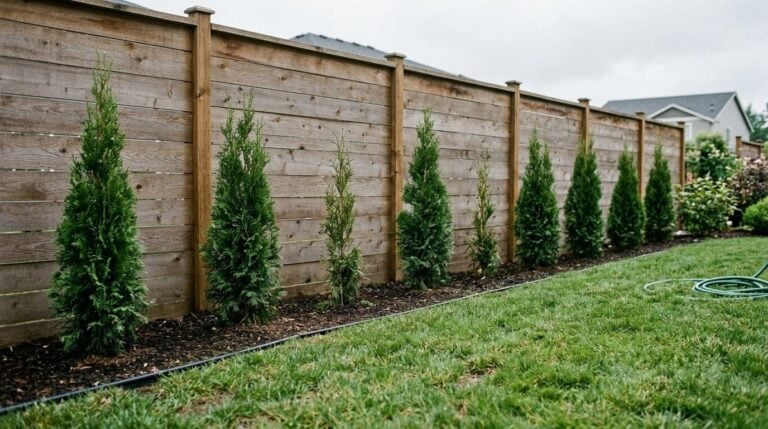
Slow top growth in the first two or three years is exactly what a healthy privacy tree should do, but a truly stalled one usually has a fixable problem you can spot in ten minutes.
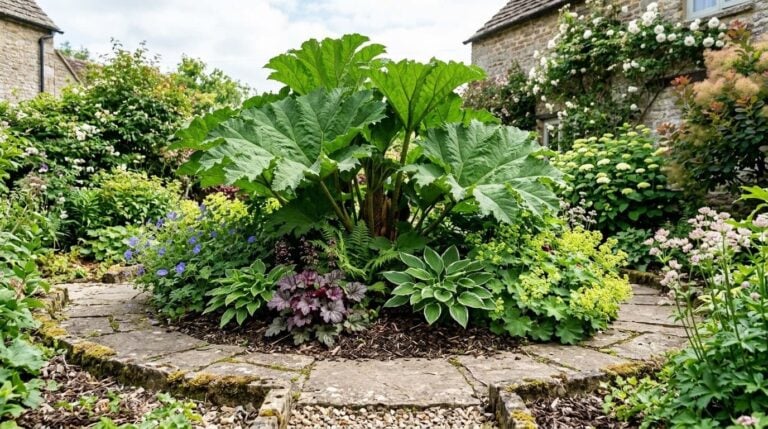
Small garden, small plants seems obvious, and it’s exactly the assumption landscape designers say wrecks a small garden’s design every time.
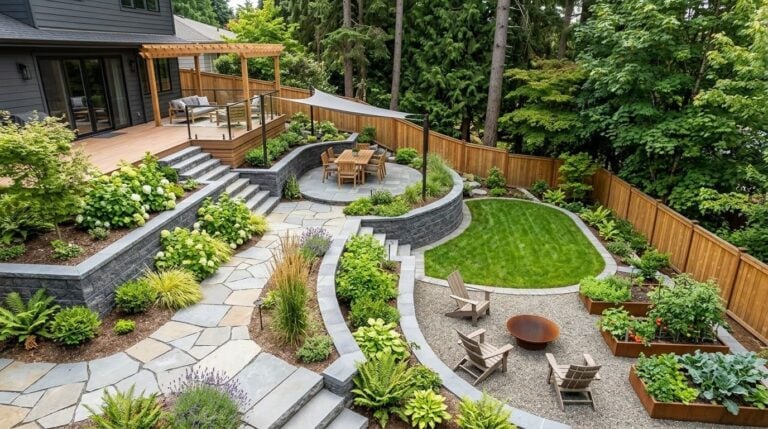
An awkwardly shaped backyard isn’t a lost cause, it’s a design problem with its own real solutions, and these 10 tricks work no matter which kind of “odd” your lot actually is.
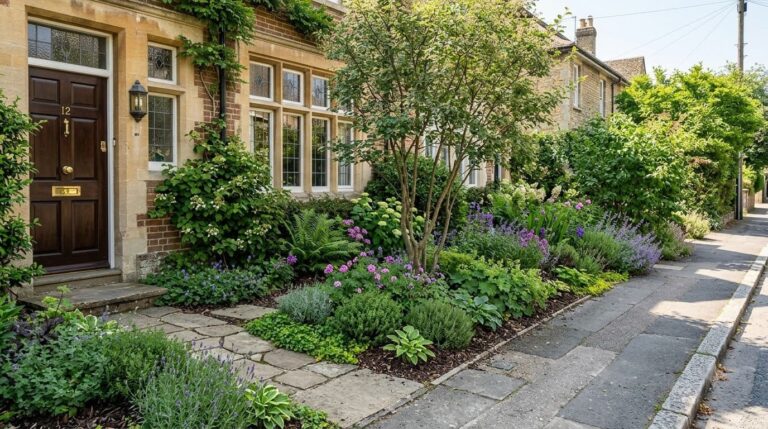
A narrow front garden doesn’t need more width to make a strong first impression, it needs these 7 tricks landscape designers actually use to make a tight strip feel considered.
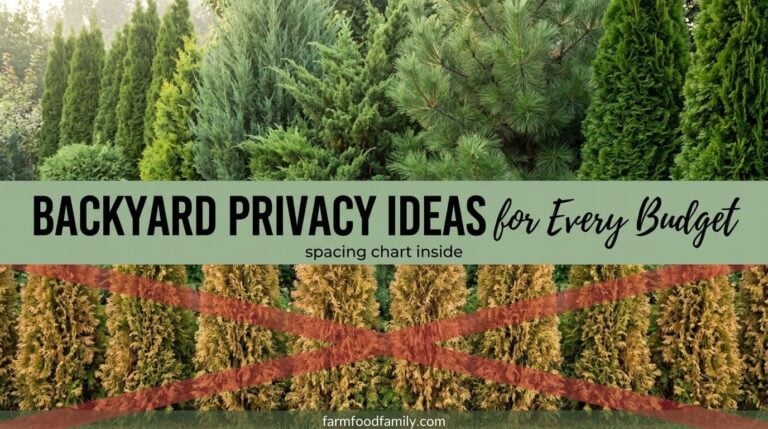
You can screen a backyard for $40 or for $8,000. Both can look great. What matters is matching the fix to your fence-height limit, your property line, and whether the neighbor looks across your yard or straight down into it.
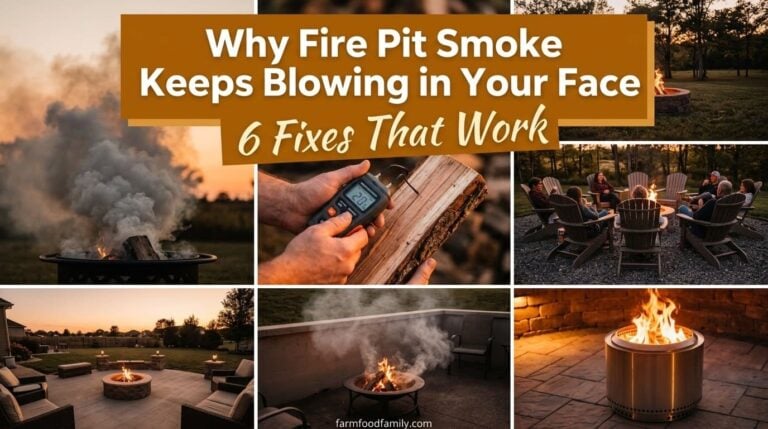
It’s not bad luck and it’s not the wind changing on you. A forest fire scientist explains the physics, and here’s exactly how to stop it.
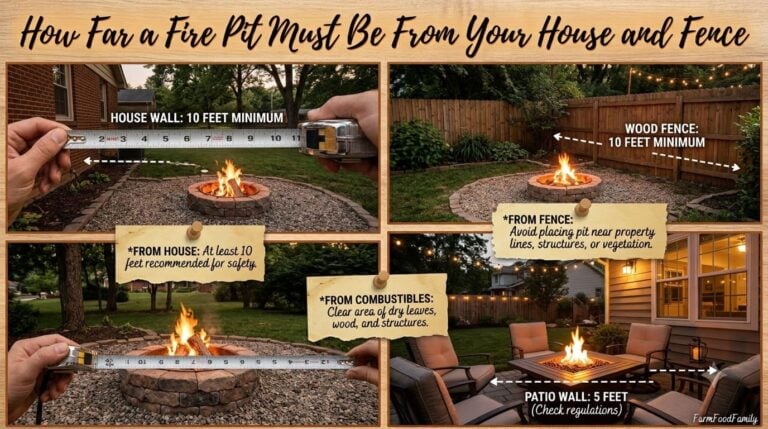
A fire pit built too close to your house or fence isn’t just a fine waiting to happen. It’s a real ember risk, and the safe distance depends on more than one number you saw on Pinterest.
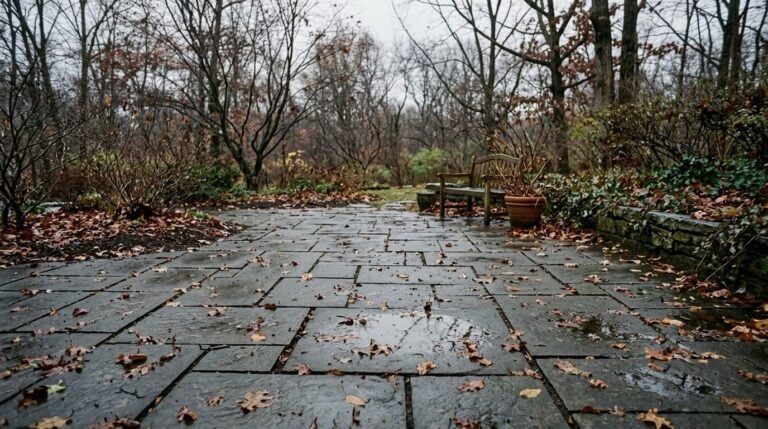
Refilling patio joints in the fall closes the gap that freeze-thaw pries open all winter, as long as you catch it before overnight lows hit freezing and the repair products stop curing.
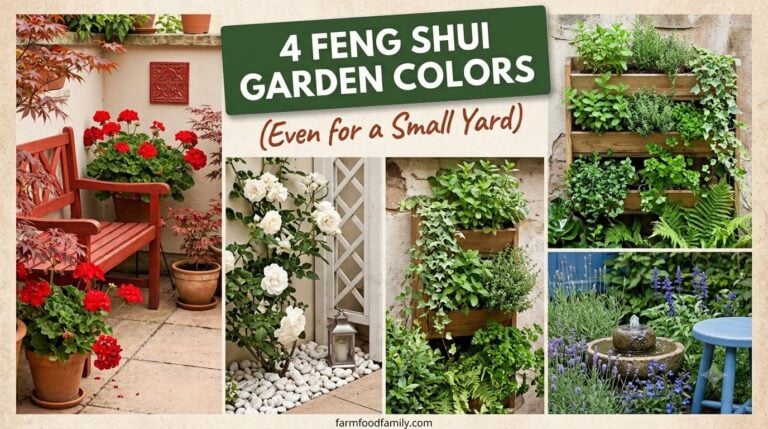
Your garden already has the wood element covered, that’s what all the actual plants are, these are the 4 accent colors feng shui says to add on top, and each one has a real, checkable fact behind it that has nothing to do with chi.
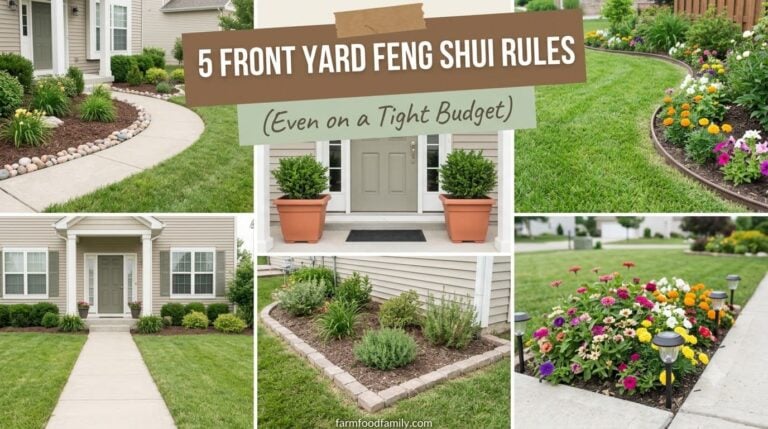
Your front yard is the first thing chi, and every visitor, encounters, and a couple of the “energy” reasons behind these rules turn out to have real acoustic science and resale data standing right behind them.
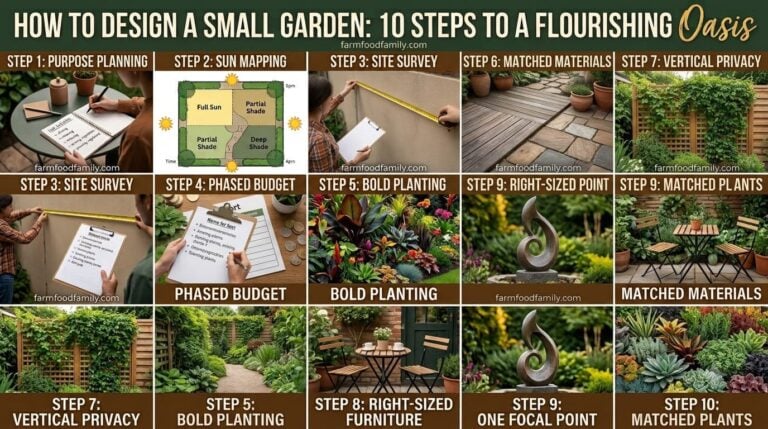
A small garden doesn’t need more square footage to feel finished, it needs these 10 steps done in order, the same sequence professional designers actually follow.
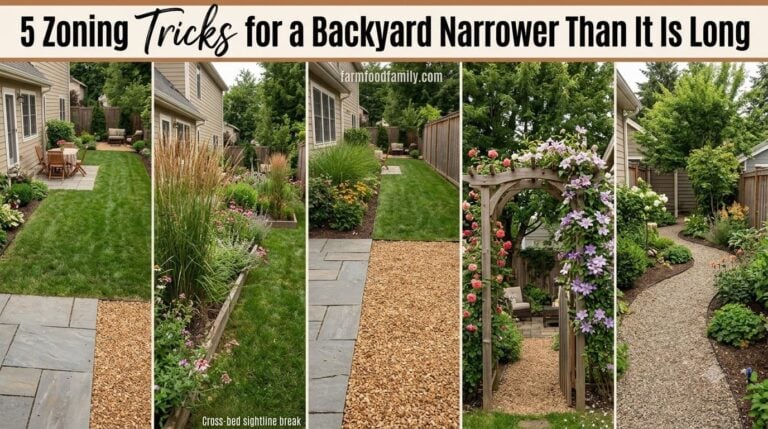
A backyard that’s narrower than it is long doesn’t need more width, it needs to stop reading as one long stretch, and zoning is the fastest way to do that.
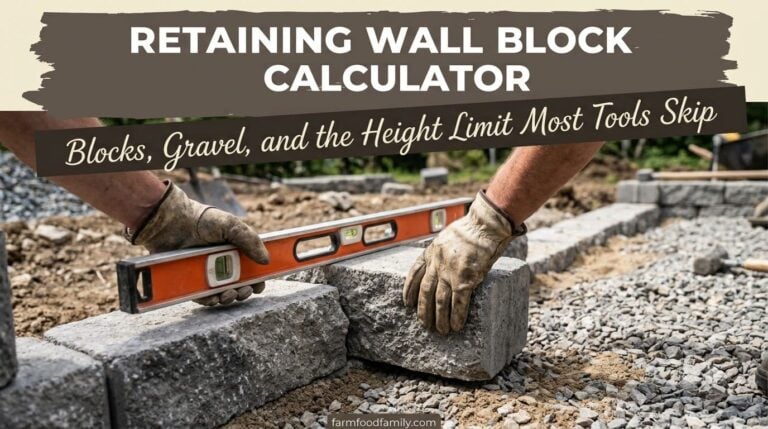
Enter your wall length and height. Get exact blocks, base and drainage gravel, plus a warning if your wall crosses the height where DIY gravity walls typically need an engineer.
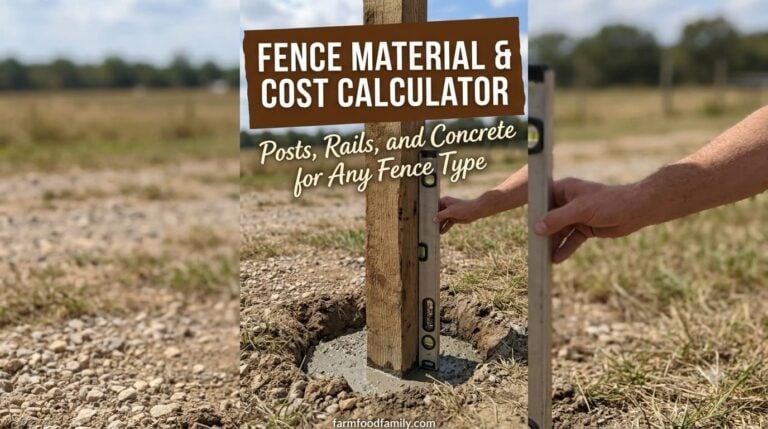
Enter your fence length and material. Get exact posts, rails, pickets, and concrete bags, with post hole depth checked against frost line risk, a step most calculators skip.
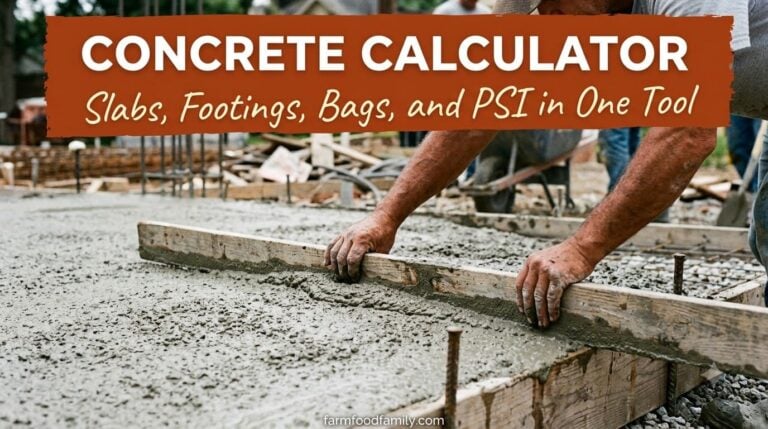
Enter your slab or footing dimensions. Get exact cubic yards, premix bags, the right PSI strength, and a frost-depth check most calculators skip entirely.
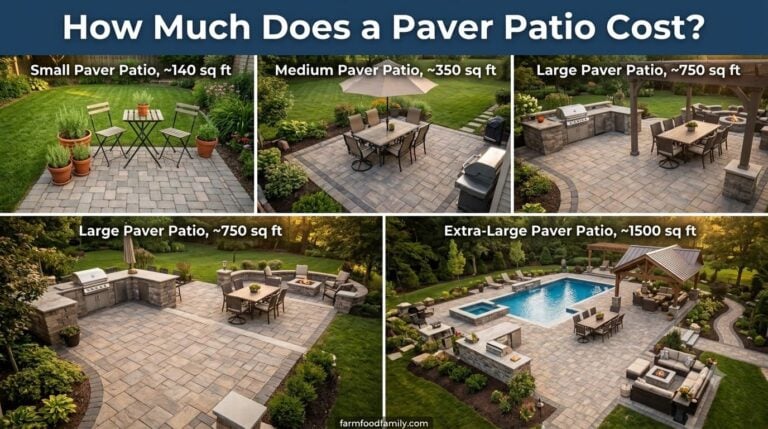
A paver patio usually costs $12 to $40 per square foot. But the number that surprises people most isn’t the pavers. It’s what the online calculators leave out.
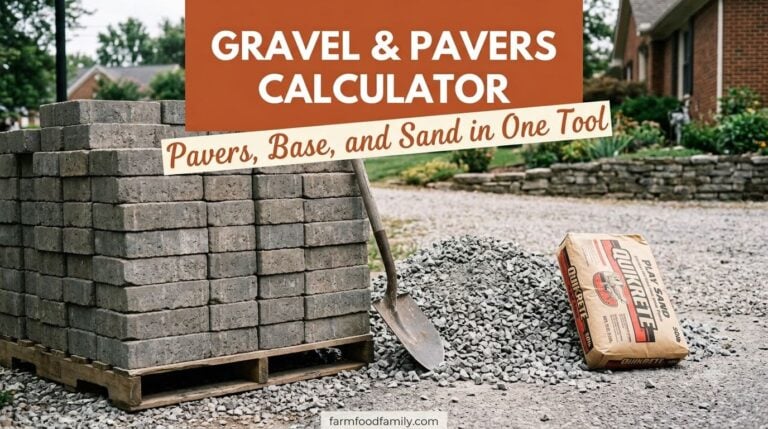
Enter your area and paver size. Get the exact paver count, gravel base, and bedding sand you need, plus a warning if your sand depth could cause your patio to sink.
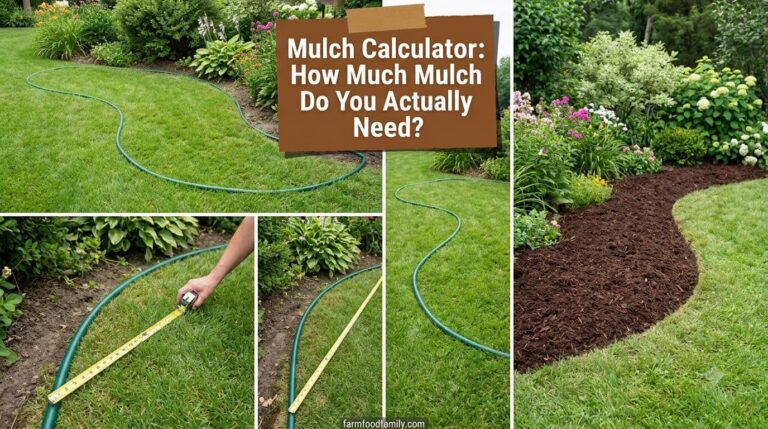
Most garden beds need 2 to 4 inches of mulch. The math is simple. Take your area in square feet. Multiply it by the depth in inches, then divide by 12 to get cubic feet. Divide that by 27 to get cubic yards, since that is how bulk mulch is sold. For a typical 100 sq…
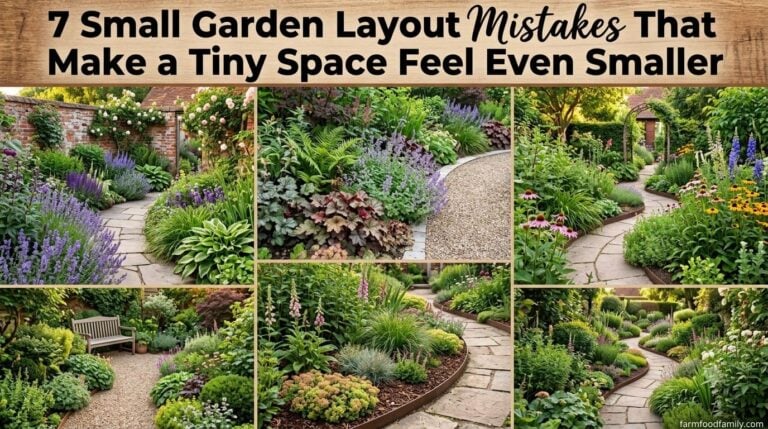
Most small gardens aren’t actually small, they’re just laid out in a way that makes every square foot fight against you, and these 7 fixes stop that.
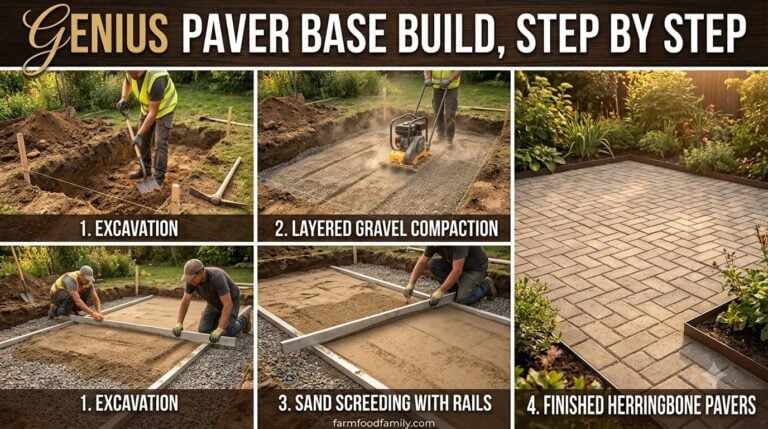
A paver patio can look flawless the day it’s laid and still sink within two years, and the difference almost always comes down to what’s buried under it, not the pavers themselves.
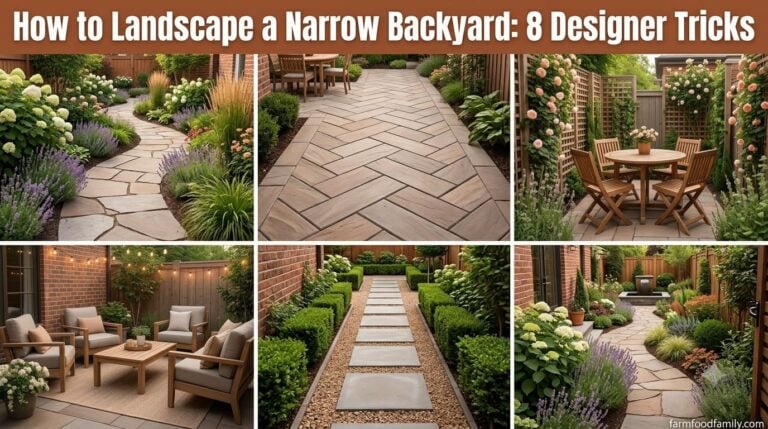
The problem with most narrow backyards isn’t the width, it’s a straight line running down the middle of it, and these 8 tricks fix exactly that.
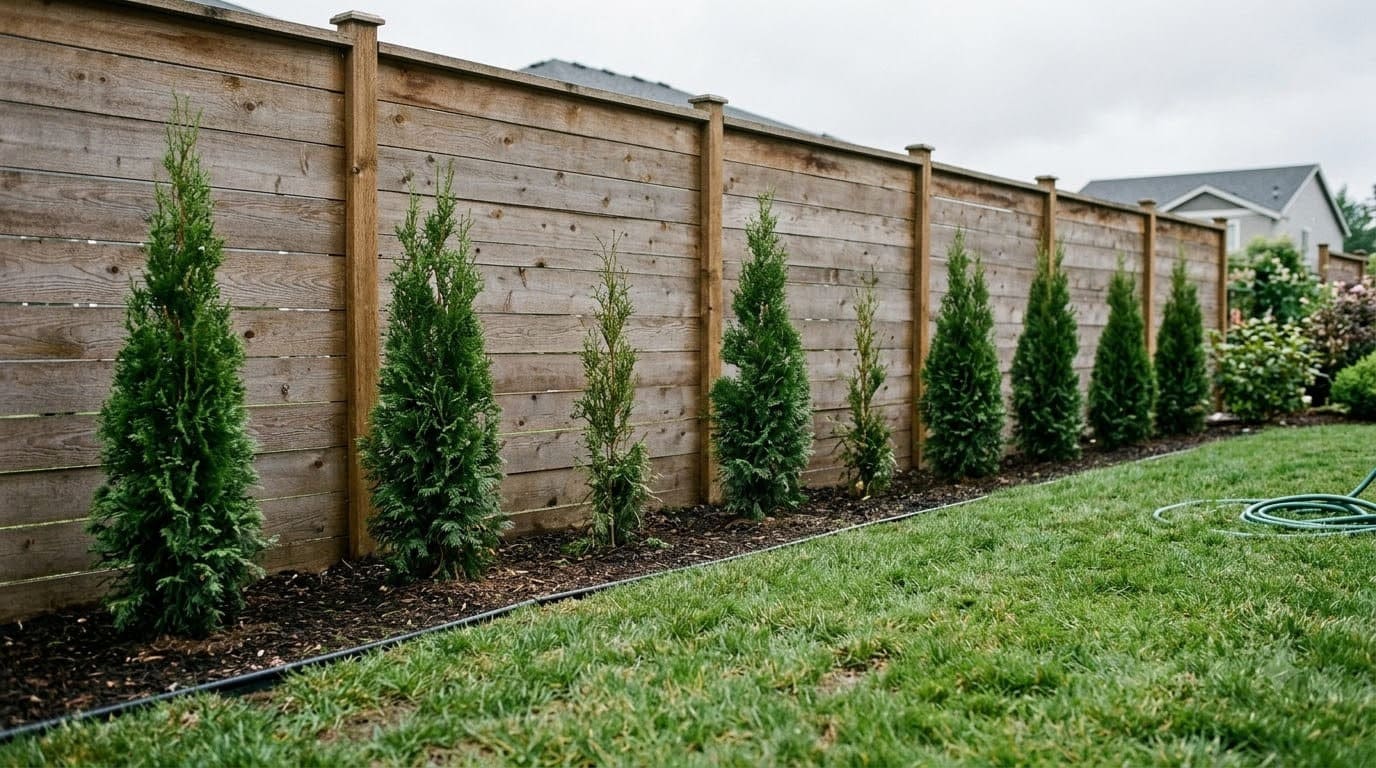 Why Privacy Trees Aren’t Growing as Fast as Promised
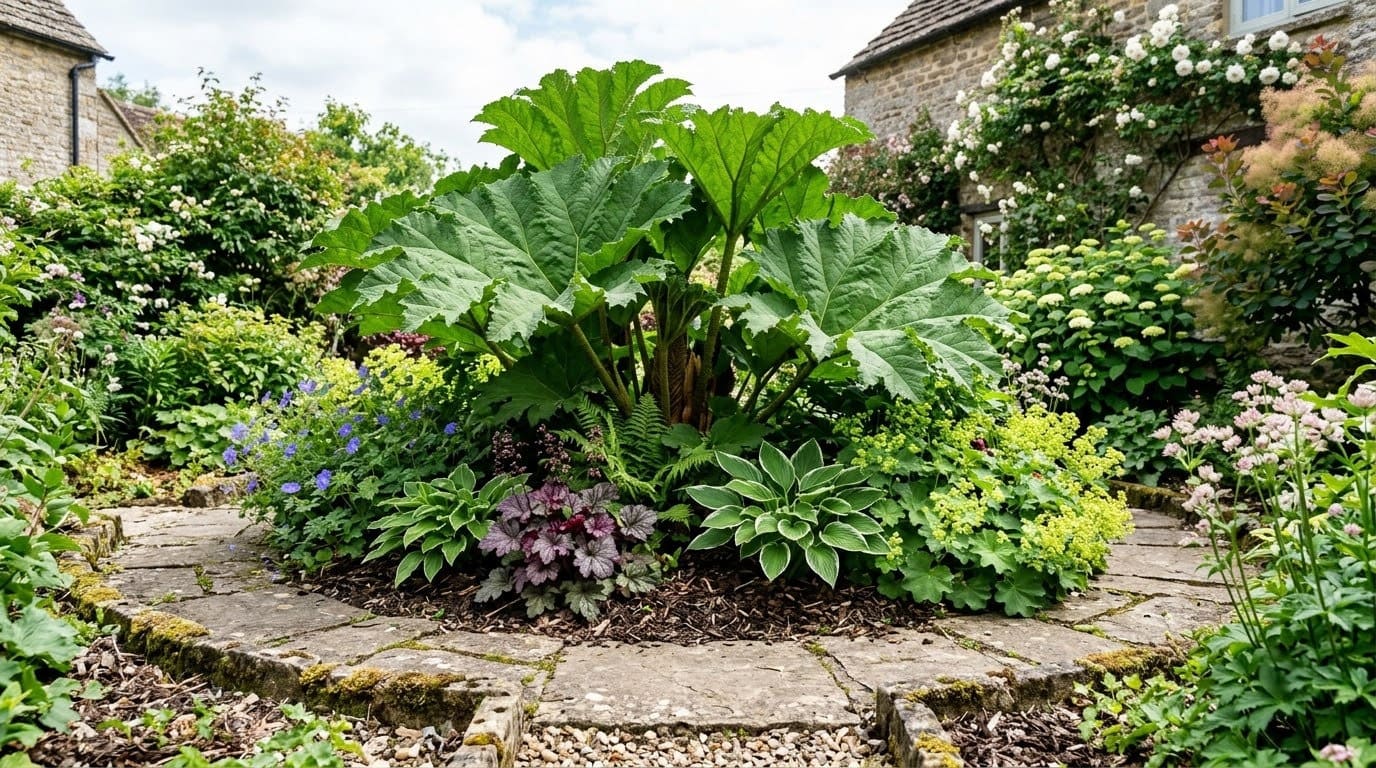 Why Landscape Designers Say You Should Never Use Small Plants in a Small Garden (7 Options)
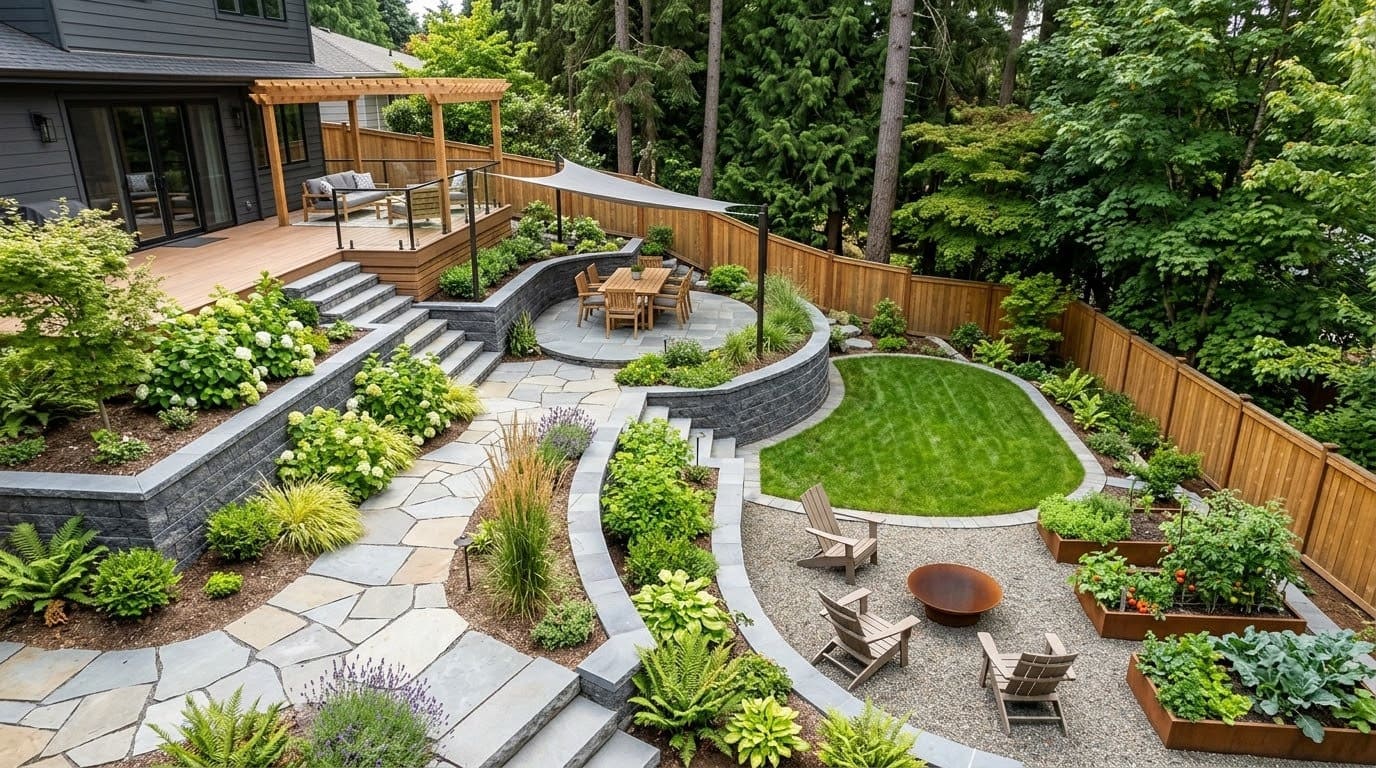 L-Shaped, Sloped, or Just Plain Odd: 10 Tricks for Landscaping the Backyard Nobody Else Wants
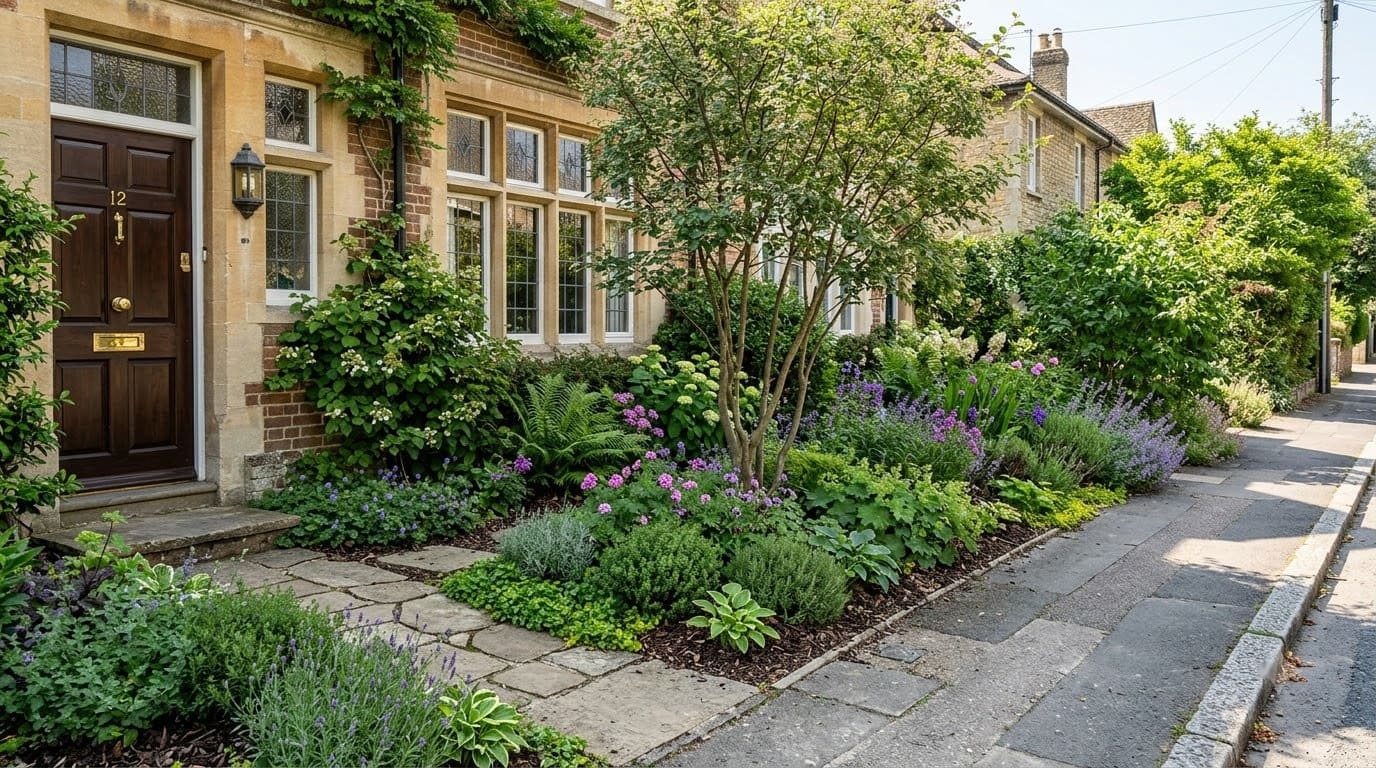 7 Design Tricks for Narrow Front Gardens That Make Them Feel Luxurious, In Spite of Their Size
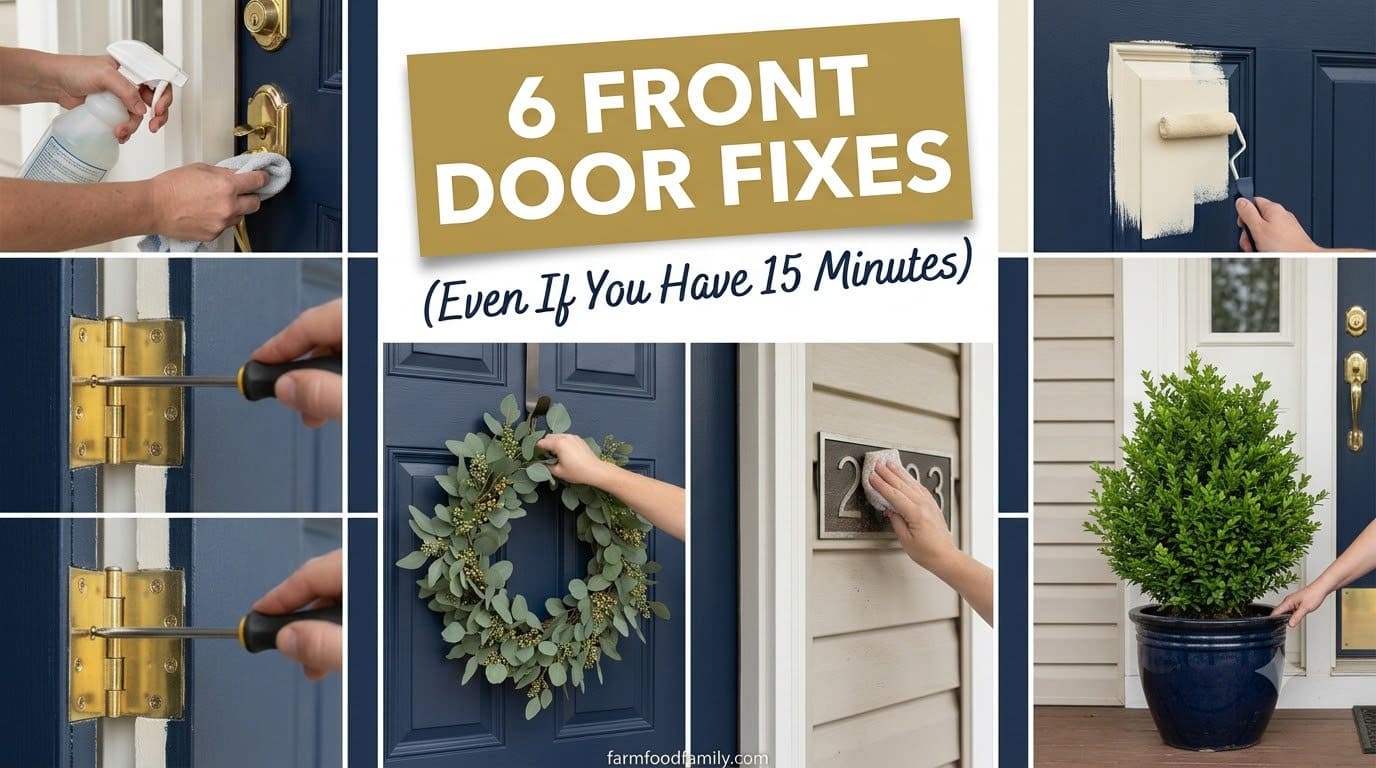 Front Door Feng Shui: 6 Fast Fixes, Including the Real FBI Lock Data No Guide Mentions
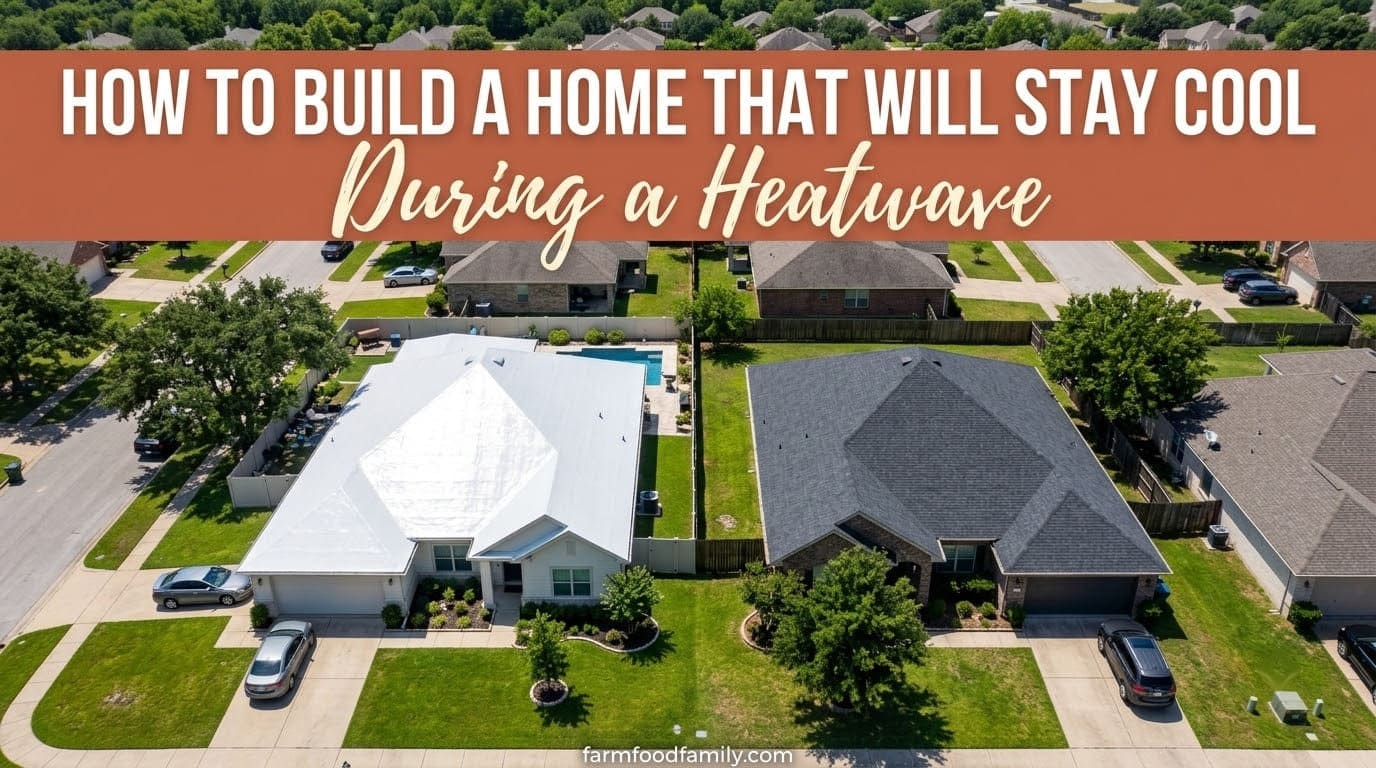 10 Foolproof Ways to Build a Home That Stays Cool During a Heatwave
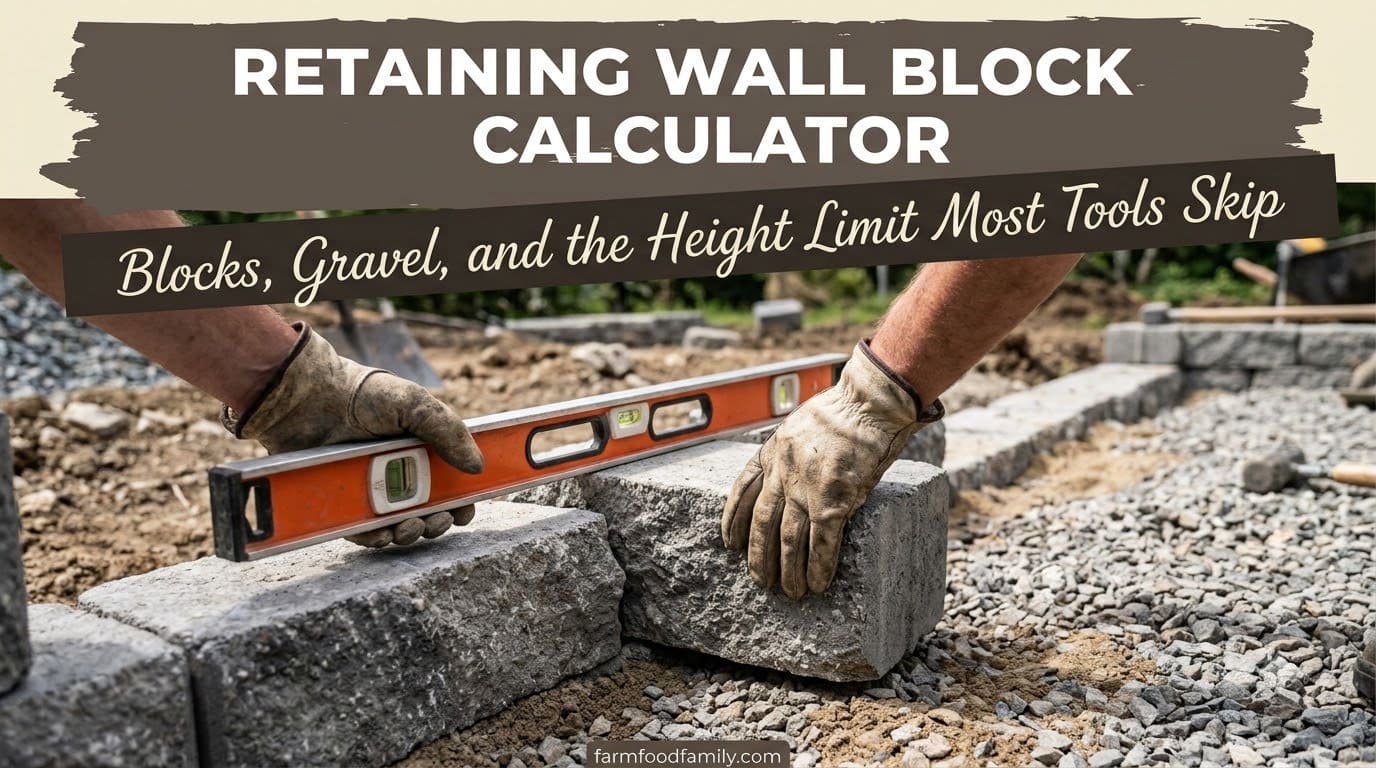 Retaining Wall Block Calculator: Blocks, Gravel, and the Height Limit Most Tools Skip
 Fence Material & Cost Calculator: Posts, Rails, and Concrete for Any Fence Type