Hugelkultur Raised Beds: The Genius Trick That Cuts Your Soil Bill in Half
Hugelkultur fills your raised bed with free logs and yard waste instead of bagged soil, as long as you know it needs a nitrogen boost and a top-off every few years.

Hugelkultur fills your raised bed with free logs and yard waste instead of bagged soil, as long as you know it needs a nitrogen boost and a top-off every few years.

A home bar makes a basement feel like a real hangout spot, but only if you size it to the room you actually have, not the 8-foot showroom bar in every gallery photo.
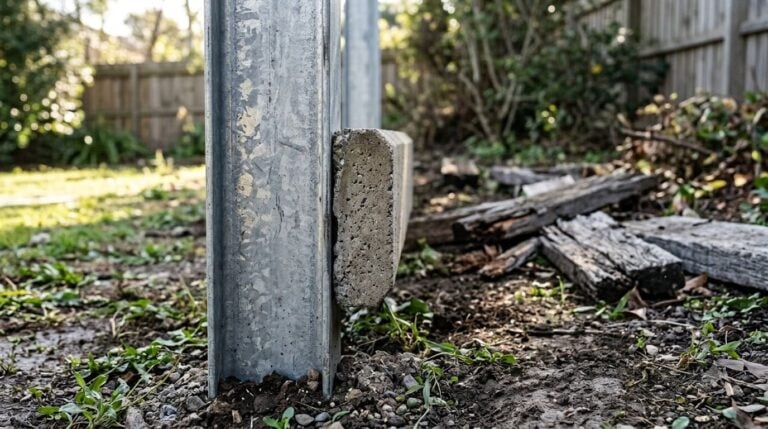
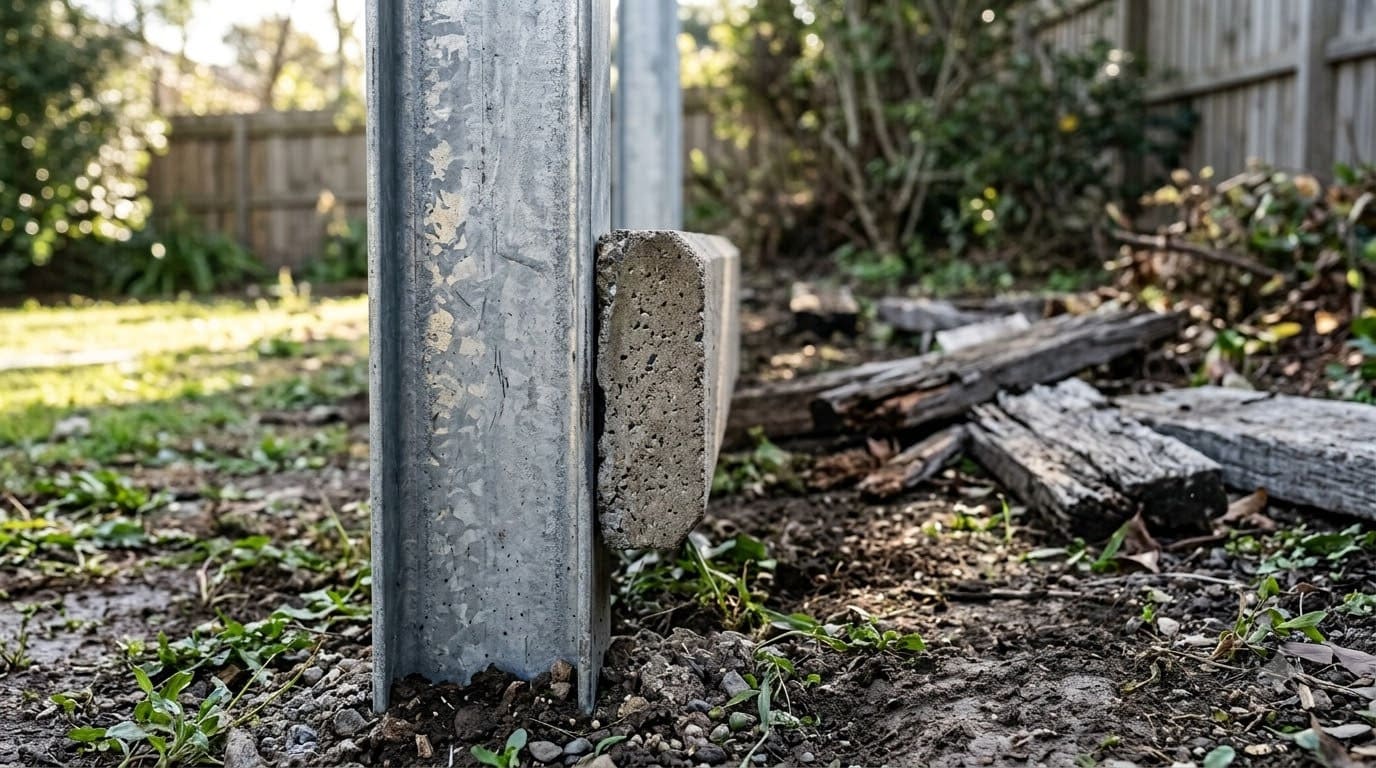
We pulled out a rotten timber sleeper wall last spring and rebuilt it in concrete and galvanised steel. One wet season later, nothing has warped and no corner has gone soft.

It’s not your paint or your furniture. One number on your lightbulb box can make an expensive room photograph like a motel. Here’s how to check it.

If you keep a family milk cow, the day you stop milking her can feel stranger than the day she freshened. The routine you built your mornings around suddenly ends, and the animal standing in the pasture looks the same, so it is tempting to keep feeding her the same way. That instinct is where…

There’s one calendar here, with a simple shift for your zone built in, but the catch is that a fixed date is wrong the moment you’re not standing in a moderate climate, so the plants themselves matter more than the month on the page.
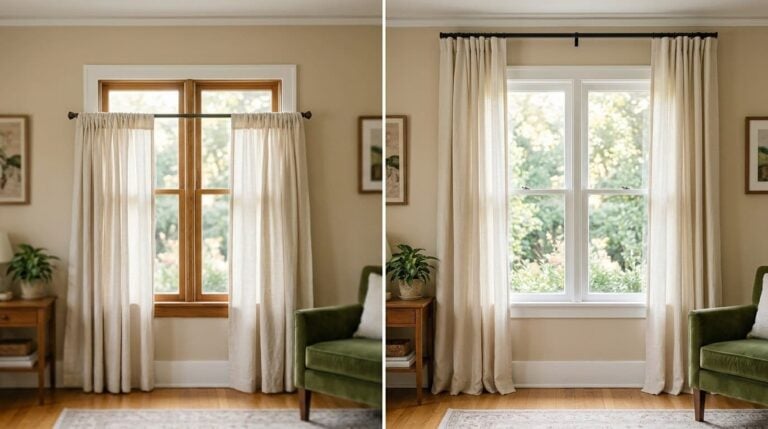
Your curtains aren’t just decor. Hung wrong, they can visually cut your windows down to size. Here’s how to tell, and the exact inches to fix it.
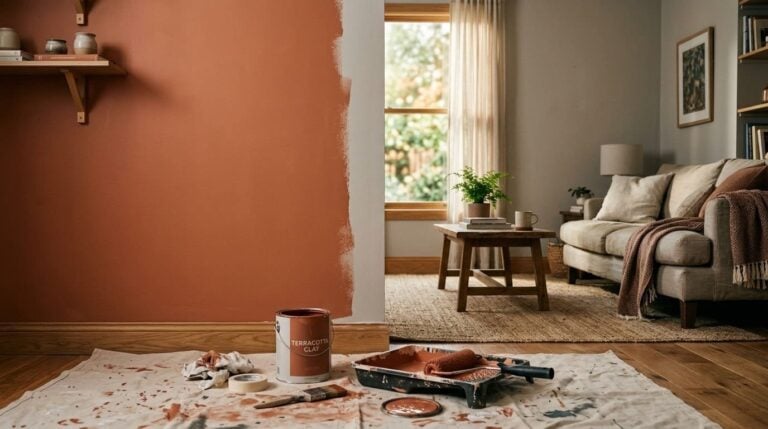
Your house photographs fine and feels like nobody’s home. Here’s why, and the fix that doesn’t start with a full repaint.

There’s a locked list of what to actually ask before you hire, with what a good answer sounds like, but the catch is that the questions about money and paperwork matter more than the ones about plants.
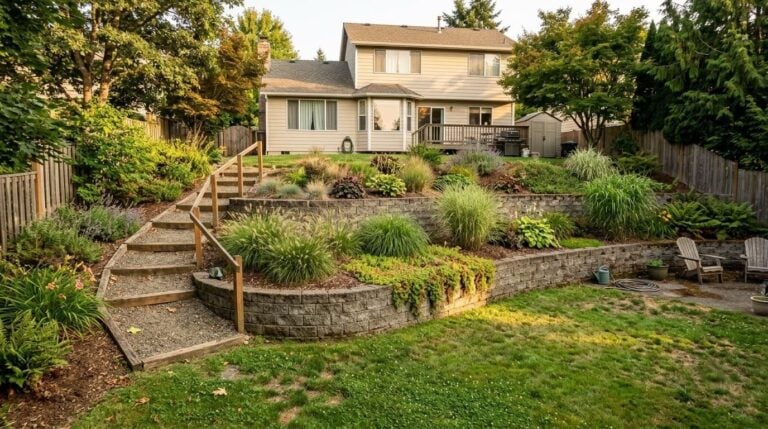
There’s a clear way to read your slope and pick an approach that fits the grade and the budget, but the catch nobody tells you is that water always comes from the top, and if you plant before you divert it, you plant twice.

There’s a real number for every way a designer charges and every drawing they hand you, but the catch most people miss is that a walk-around consultation is not a plan, and the plan a contractor can actually bid from costs more than the sketch you’re probably picturing.

You can get a clear per-foot price for each of the four common wall materials, but the two things that actually move your quote are the 4-foot height line and the drainage you never see once the job is done.
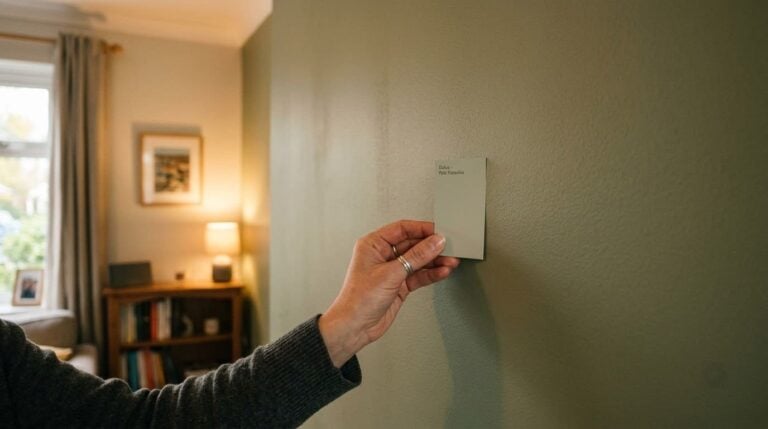
A paint chip is a poor stand-in for a painted wall, and these nine reasons explain exactly what changes between the store rack and your living room, plus how to test a color so it never surprises you again.

A thermostat only measures the air, and your body loses heat four other ways, so a living room can sit at 70 degrees and still feel cold, and these nine reasons explain which one is doing it to yours.

An open-concept room is really three or four rooms sharing the air, and it reads as unfinished when nothing marks where one ends and the next begins, so here are the nine signs and the fix for each.

A sofa is too big when it breaks the room’s function or its balance, and these nine signs tell you which problem you have, whether you can fix it in place, and how to check before you ever buy one.

Twenty real ways to add an island to a narrow galley kitchen, plus the actual clearance numbers most kitchen island galleries never mention.

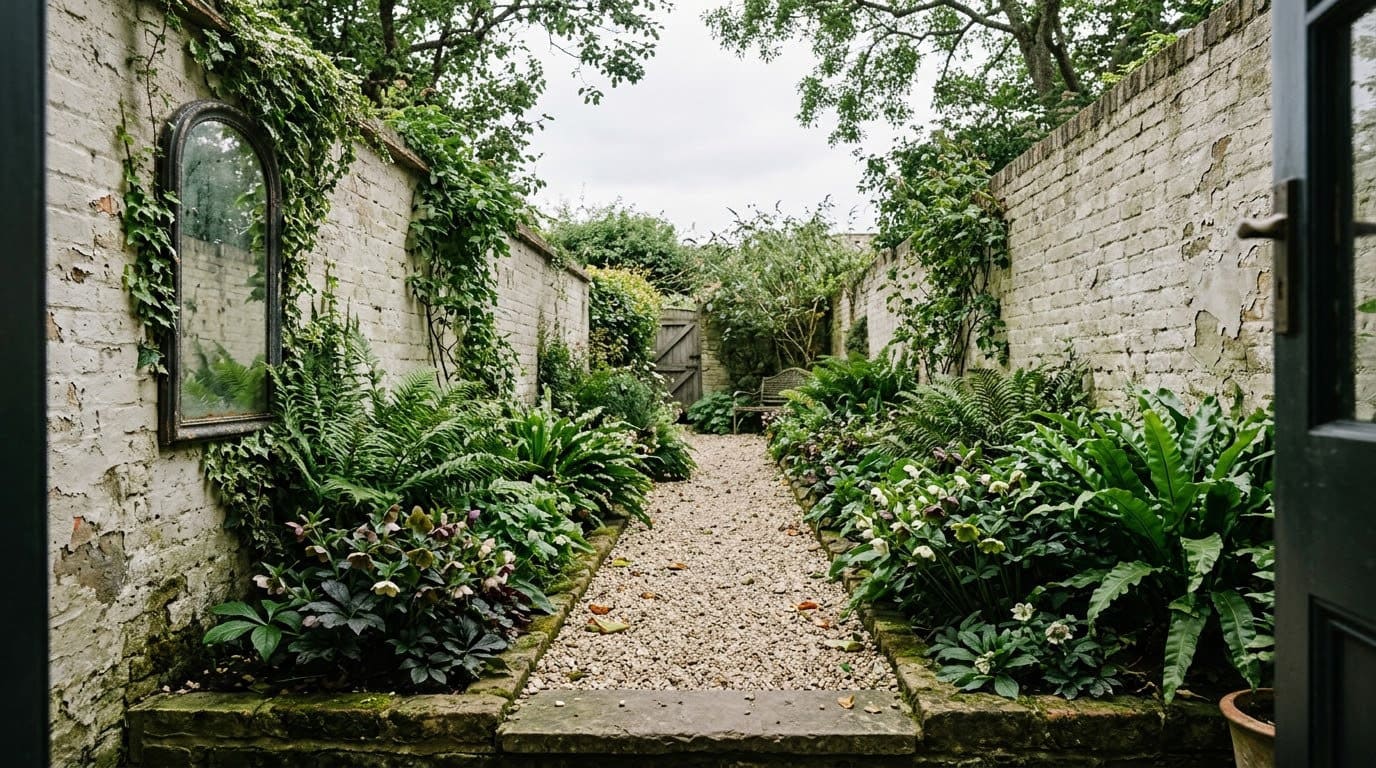
A path border does two jobs at once. It releases scent every time you brush past, and it gives bees a strip of food they can work all season, so they nest nearby instead of just passing through.

Against the wall is a real choice for small rooms and tight traffic lanes, but most of us do it on autopilot, so here are nine signs the habit is quietly working against your room.

Straw mulch is the cheapest thing you can do for a strawberry bed, and it does three jobs at once. But a layer that is too deep or too damp turns into a slug motel, so the trick is all in how you lay it.

A cold pile takes a year and does nothing to weed seeds or disease. A hot pile is warm to the touch in two days, done in three weeks, and comes down to four things you set before you build it.