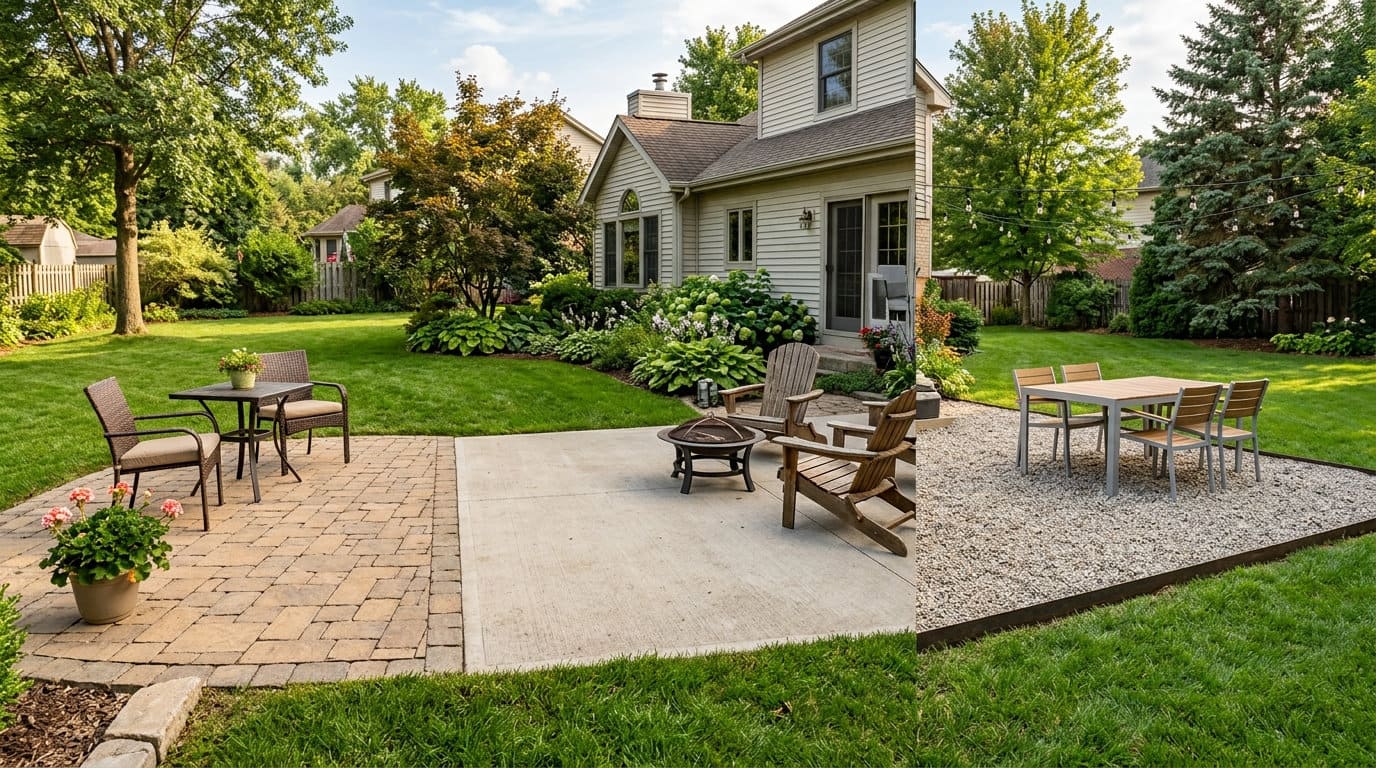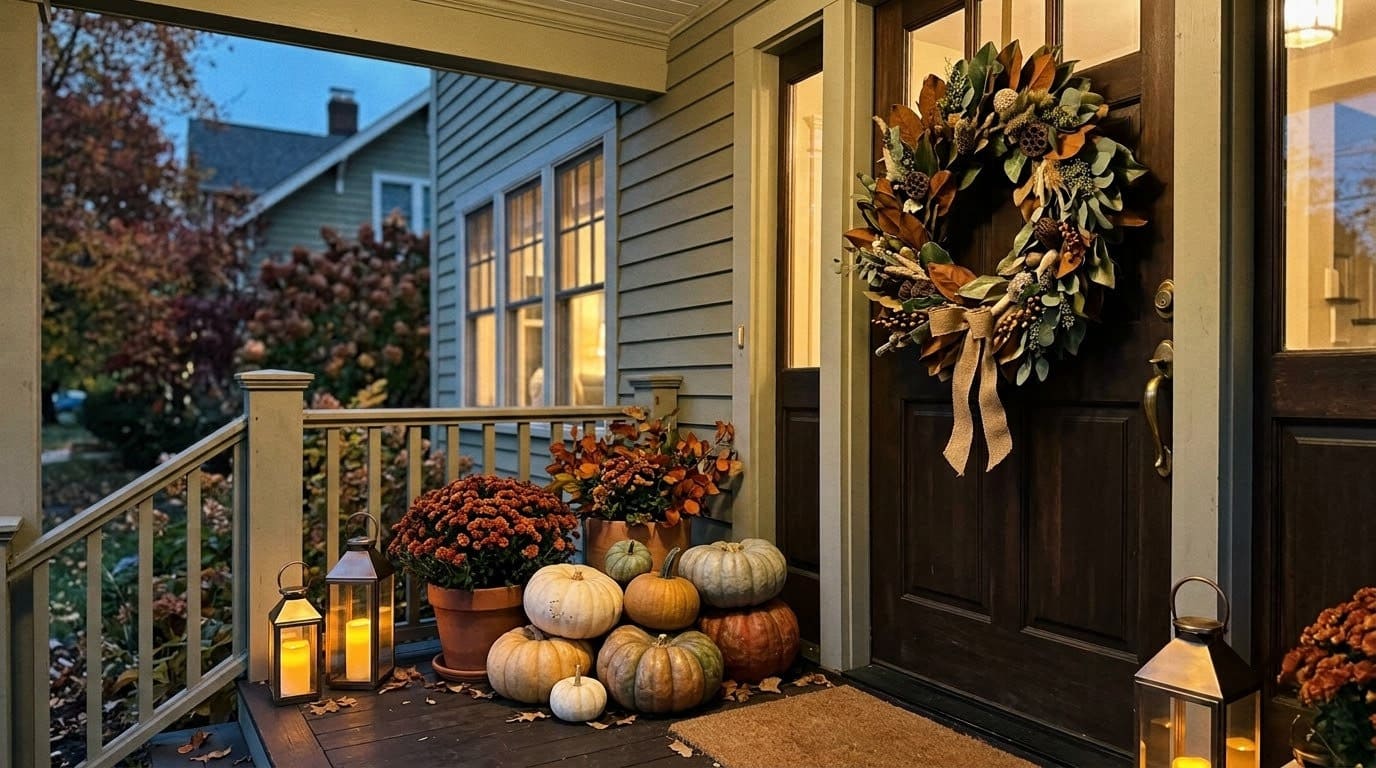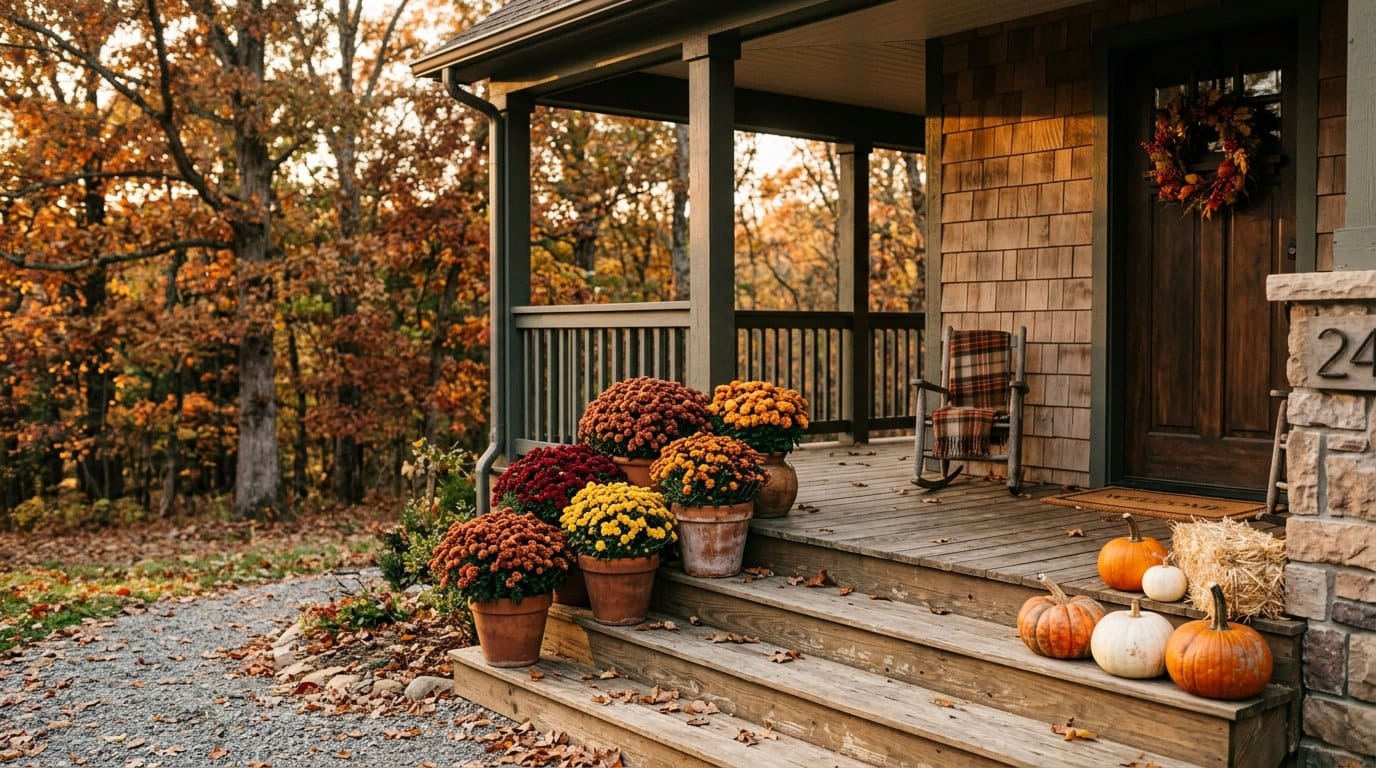
8 Cozy Fall Patio Decor Trends for 2026 You Can Copy This Weekend for Under $100
This year’s biggest patio trends were built for renovation budgets, here’s the honest, sub-$100 version of every single one.
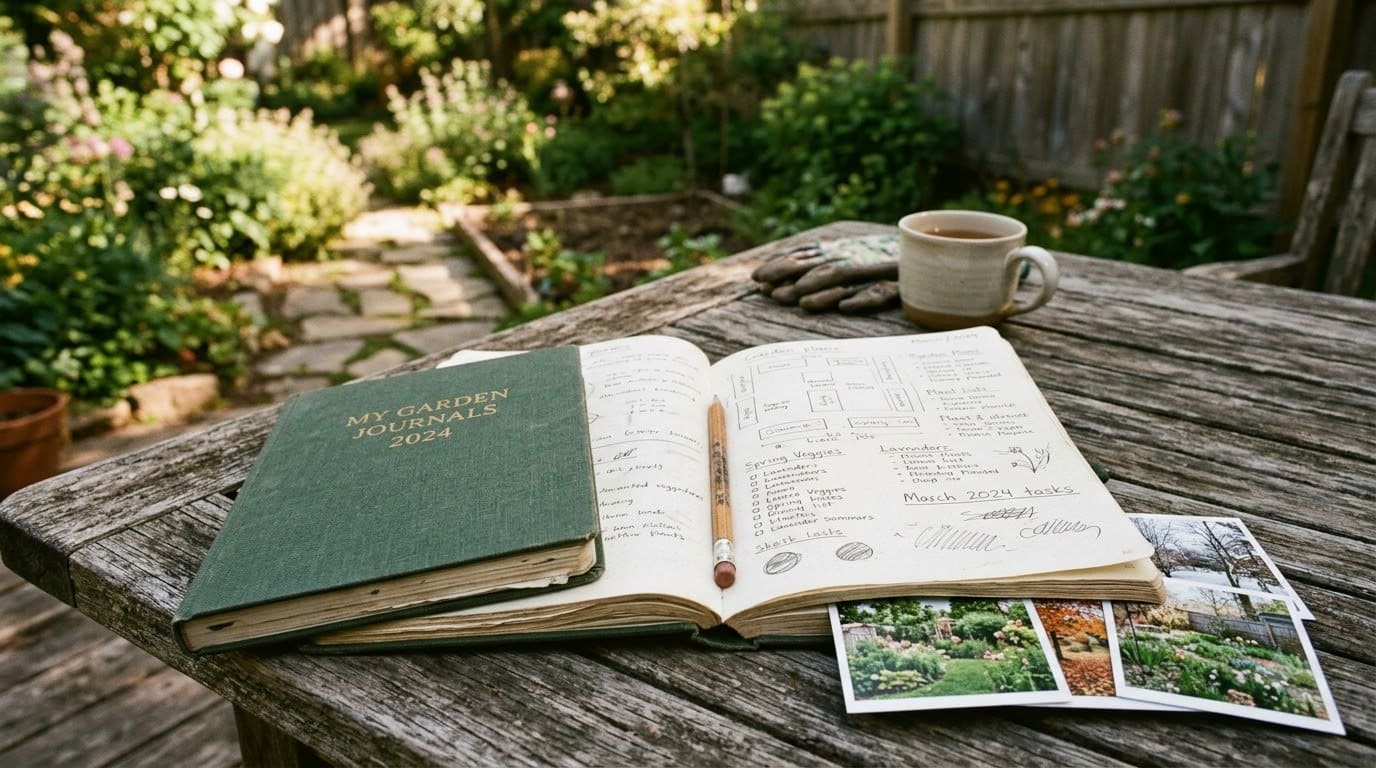
Welcome to our blog’s advice on growing plants. Here you’ll find tips to green your thumb, whether you’re new to gardening or want to take your skills up a notch.
We dish practical guidance from planting to harvest. Learn how to start seeds, deal with pests safely, and reap abundant veggies and blooms.
Our farming experts break information down into simple steps. Follow their instructions to grow thriving container or raised bed gardens that fit your space.
Stop by regularly as we add new posts to help your garden thrive! We want to see you succeed at urban farming right at home.
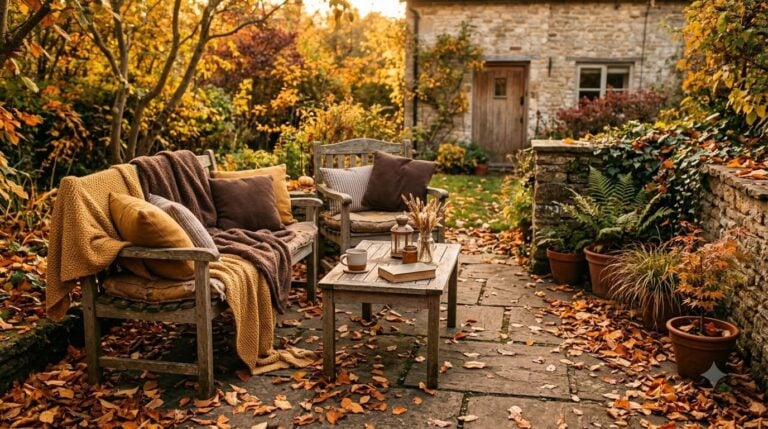
This year’s biggest patio trends were built for renovation budgets, here’s the honest, sub-$100 version of every single one.
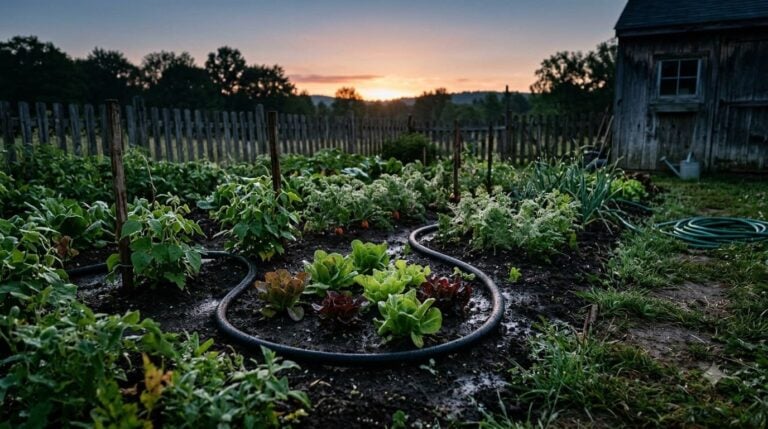
Most watering advice stops at “water in the morning,” but the real answer changes depending on your irrigation system, your climate, and even whether a thunderstorm is rolling in this afternoon.
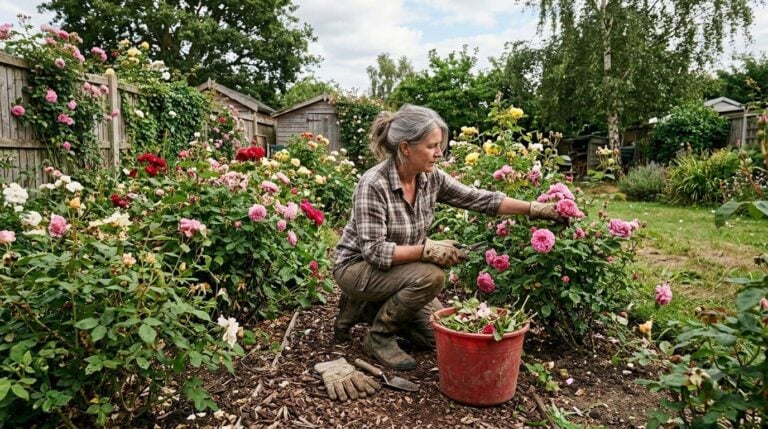
Most deadheading advice stops at “snip the dead flower,” but the real damage happens at the cut location, the timing, and the plants you shouldn’t be cutting at all.
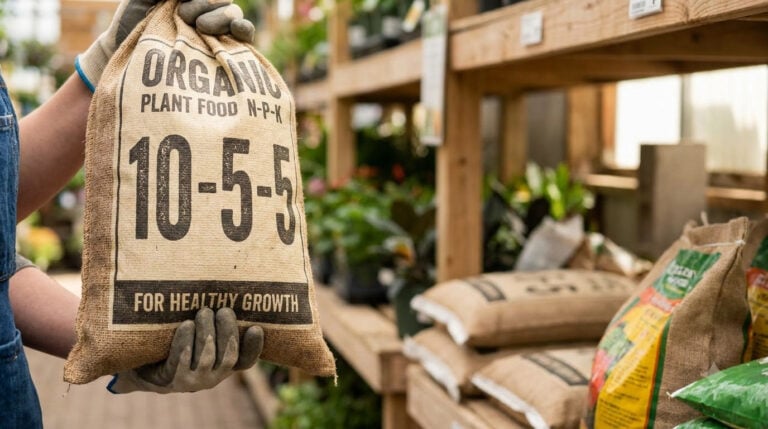
Those three numbers on every fertilizer bag aren’t random, they’re a real formula, and once you can read it you’ll never grab the wrong bag out of confusion again.
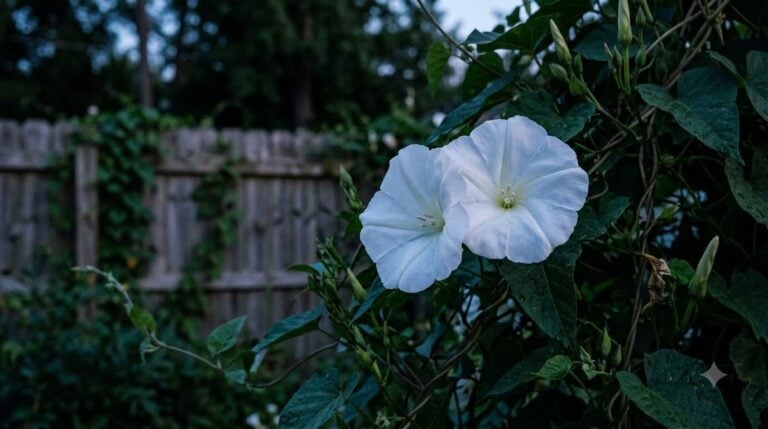
A glow garden turns your yard into something worth stepping outside for after sunset, as long as you plant the right pale-colored varieties and skip the paint tricks that fade in an hour.
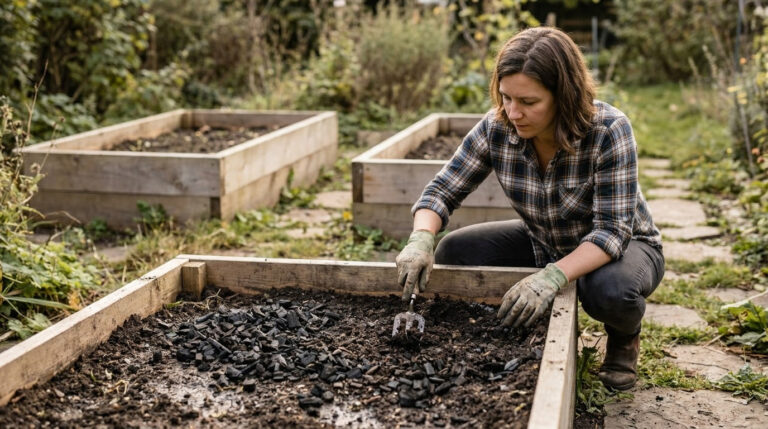
Biochar promises better soil in a bag, but the real research is more mixed than the marketing, and my own one-season trial landed somewhere honest in between.
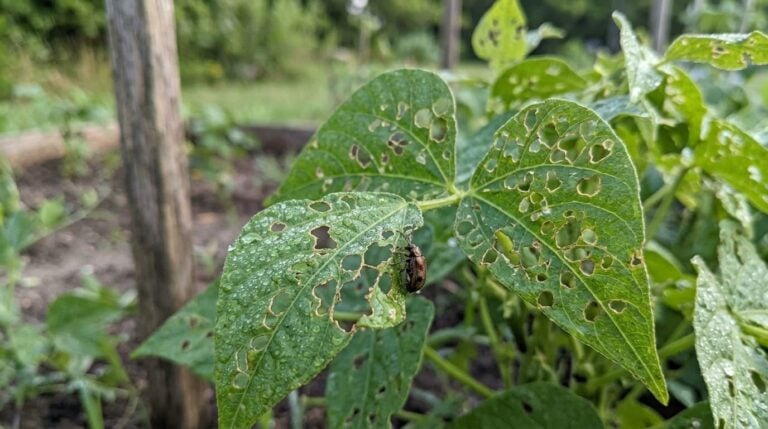
Six real diagnostic signs, six non-pest lookalikes that fool most gardeners, and the specific August fix for each, so you stop guessing and start treating the actual problem.
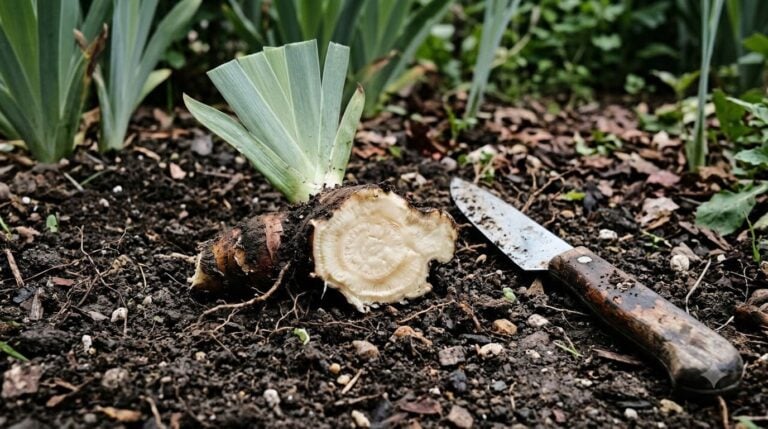
August is the right window to divide some perennials for free plants, but the wrong month for a few common ones people divide anyway, and this guide sorts out which is which.
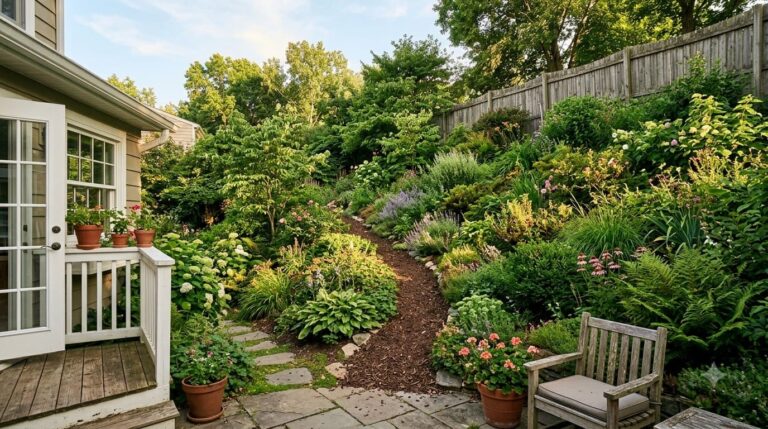
When a yard climbs away from the house instead of falling from it, the water, the view, and even your privacy all run in the opposite direction, and most sloped-yard advice never mentions that.
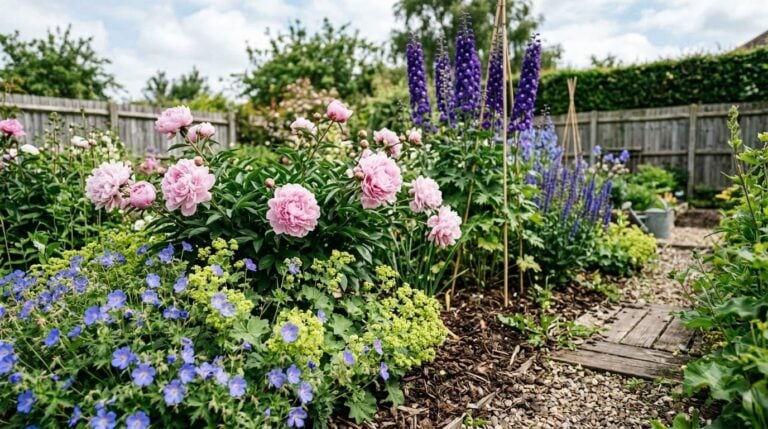
Most “all season perennial” lists just hand you 30 plant names and leave you to figure out the July and October gaps yourself, this one doesn’t.
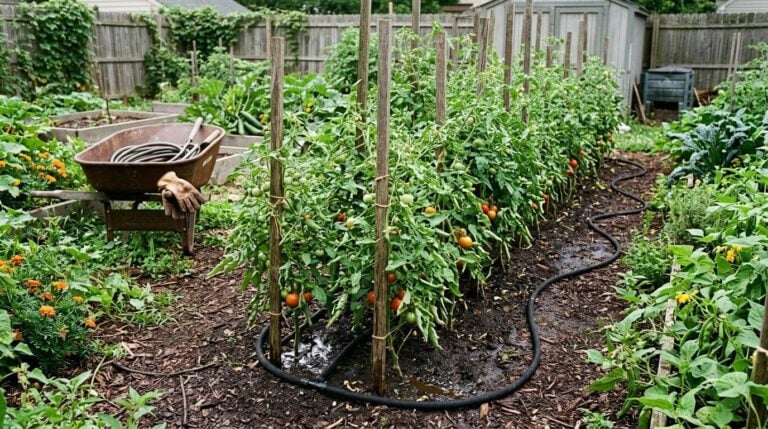
August makes or breaks a tomato harvest, and the difference usually comes down to water, nitrogen, and how fast you catch a spider mite before it wrecks a whole plant.
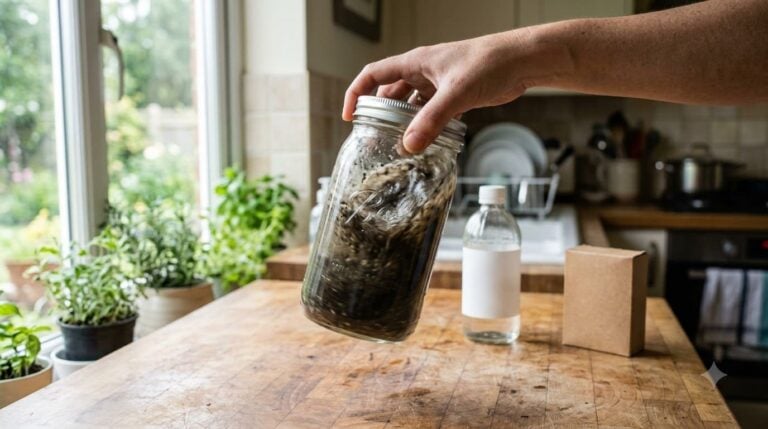
A real soil test tells you exactly what your garden needs, but you don’t need to mail off a sample to get a genuinely useful first read, a few kitchen staples and 48 hours will do.
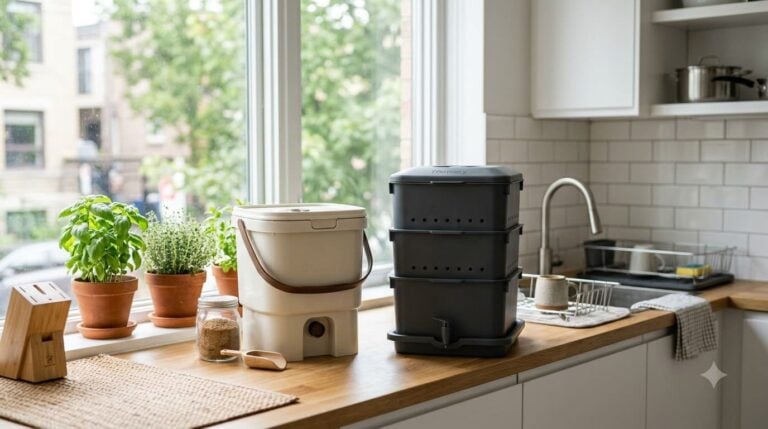
No yard doesn’t mean no composting, it just means picking the one method (bokashi, worms, or electric) that actually fits your space and budget instead of assuming it’s not possible at all.
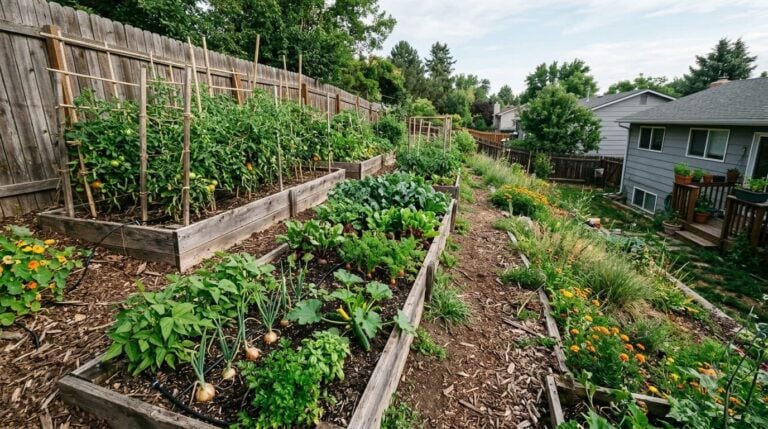
A slope will grow vegetables just fine, but only if you stop the water and the fertilizer from leaving before your plants get to use them.
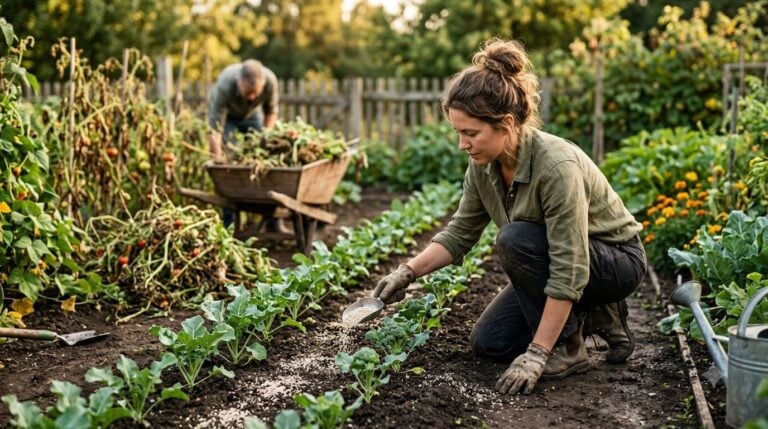
The fertilizer you applied back in May is mostly gone by August, and skipping a fresh feeding now is the quiet reason so many fall gardens underperform.
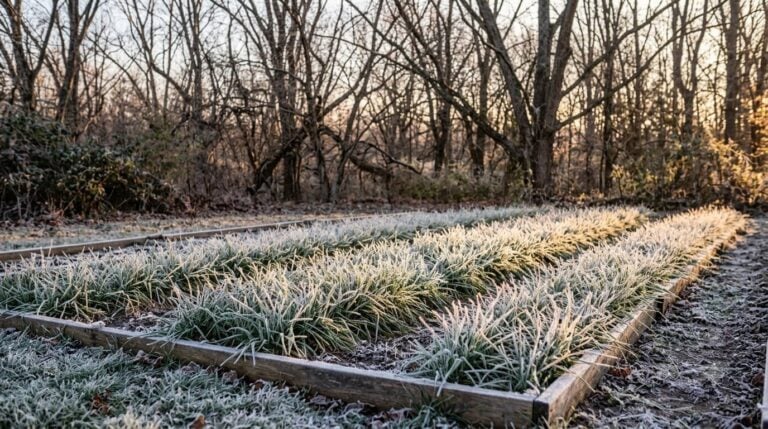
Your soil doesn’t need a bag of fertilizer in winter, it needs a cover crop, and skipping that one cheap step is why so many gardens start spring already behind.
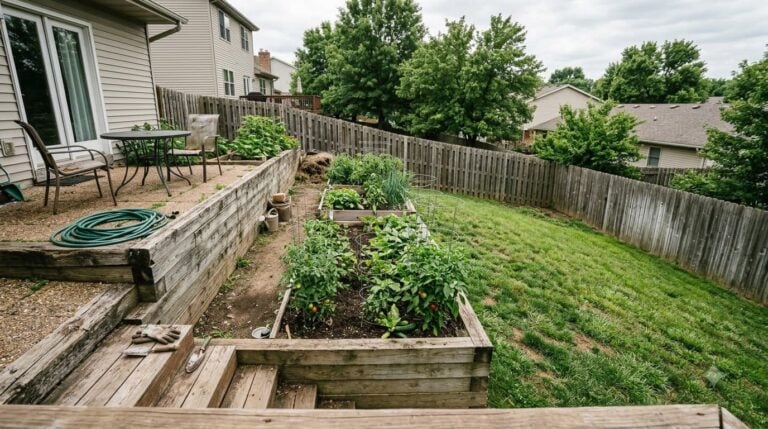
A slope forces you to design in layers instead of one flat lawn, and once you stop fighting the grade, it usually ends up being the most interesting backyard on the block.
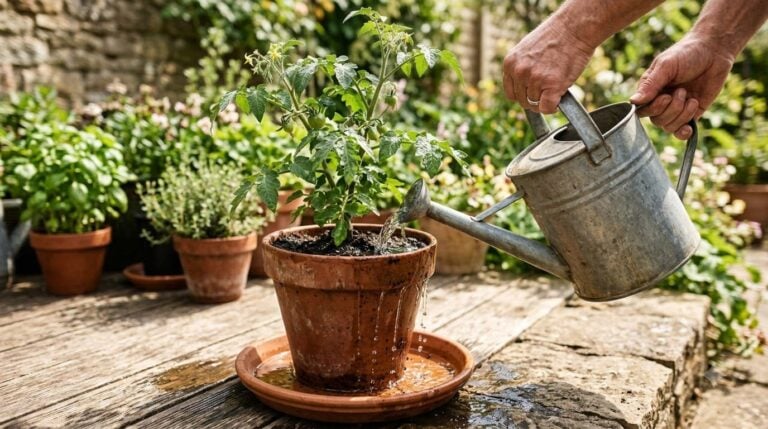
Potted plants burn through nutrients faster than garden beds because every watering washes some away, so a real container feeding schedule needs its own rhythm, not a borrowed one.
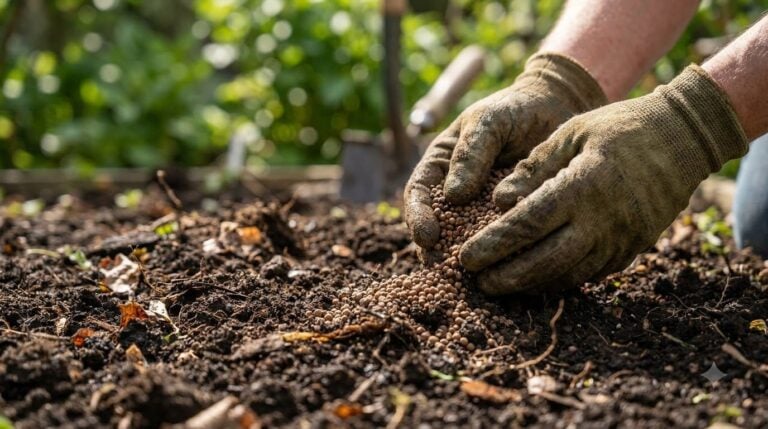
Organic fertilizer isn’t broken or fake if your plants look the same three weeks later, it’s just waiting on soil microbes to finish a job synthetic fertilizer skips entirely.
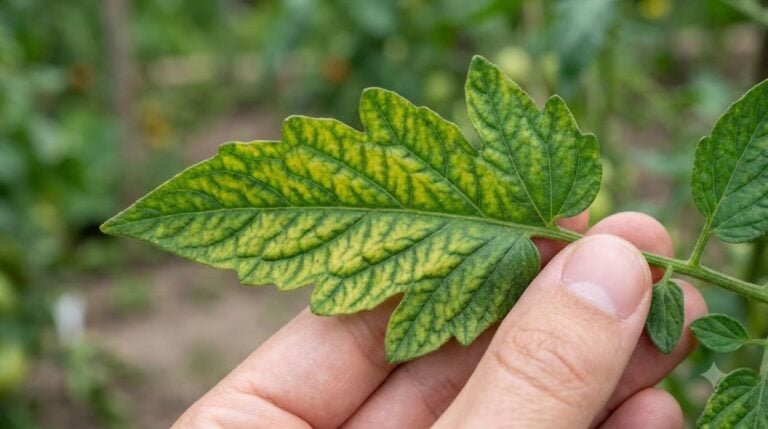
Plants signal nutrient trouble weeks before it looks serious, and the fastest way to read that signal is checking which leaves are affected first, not just what color they’ve turned.
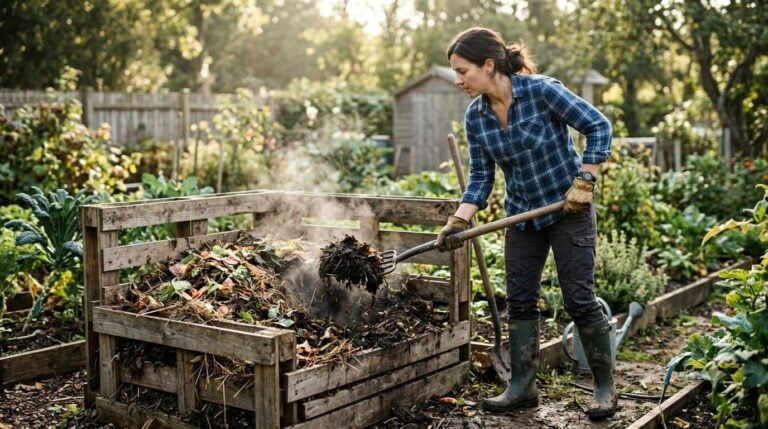
A stinking compost pile feels like a five-alarm problem, but the real fix is usually just adding the right dry material and turning the pile once, and you’ll notice a difference by tomorrow.