
15 Elegant DIY Container Topiary Ideas for Pots, Indoors and Out
A topiary in a pot gives your porch or table a sculpted focal point, as long as you pick the right plant, size the pot well, and trim on a steady schedule.
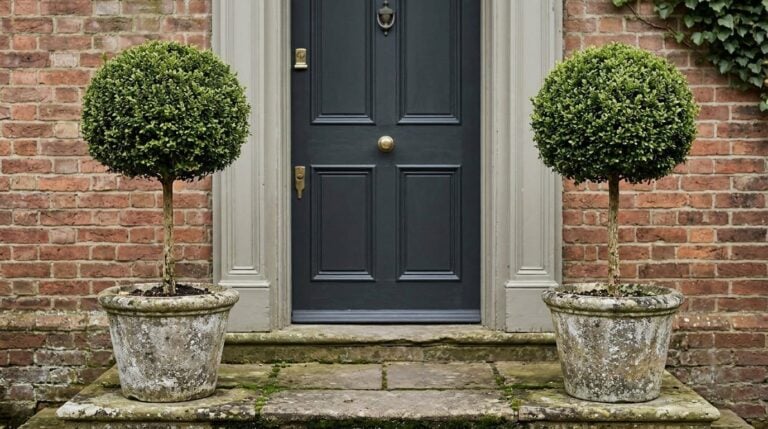
A topiary in a pot gives your porch or table a sculpted focal point, as long as you pick the right plant, size the pot well, and trim on a steady schedule.
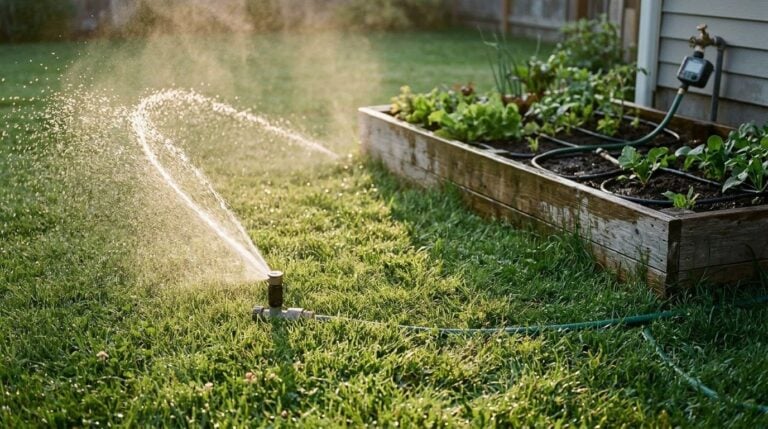
A DIY sprinkler system can save you hundreds in labor and a lot of water, as long as you test your flow, protect the water supply and match the build to your skill level.
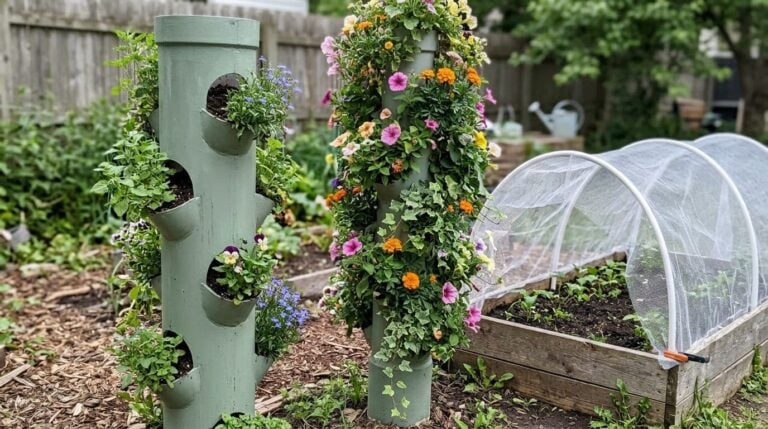
PVC pipe turns into planters, towers, tunnels, and drip lines for a few dollars, as long as you shade it from sun and think twice before growing food in it.
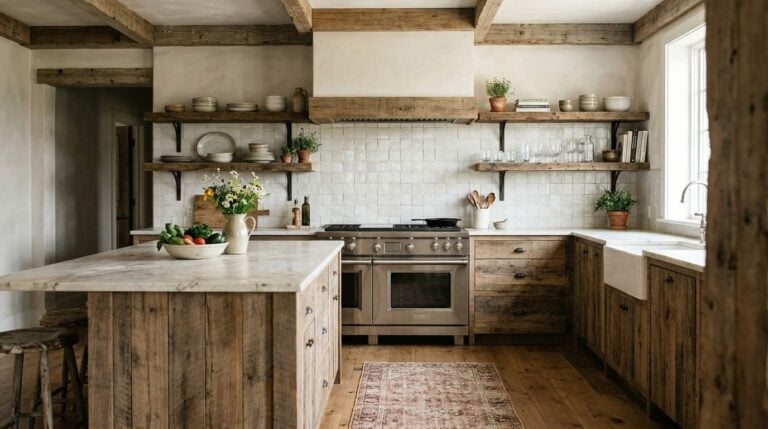
Reclaimed wood gives a kitchen warmth that new lumber can’t fake, as long as you test for lead, pull the hidden nails and keep wood well clear of the stove.
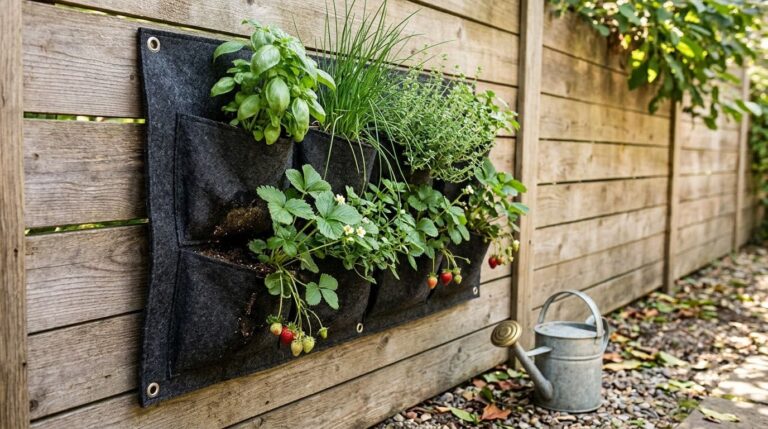
Pocket planters turn a bare wall into a herb garden, as long as you plan for the weight of wet soil, the drainage and the sun the pockets will really get.
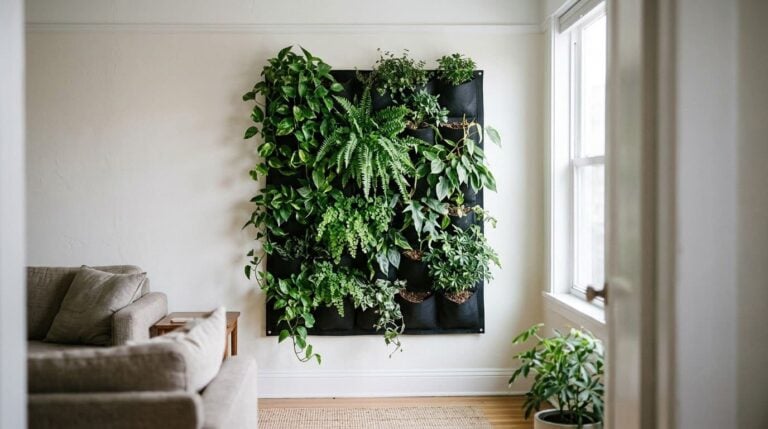
An indoor plant wall turns a blank wall into a living feature, as long as you plan for wet weight, drips, light, and curious pets before you hang a single pot.
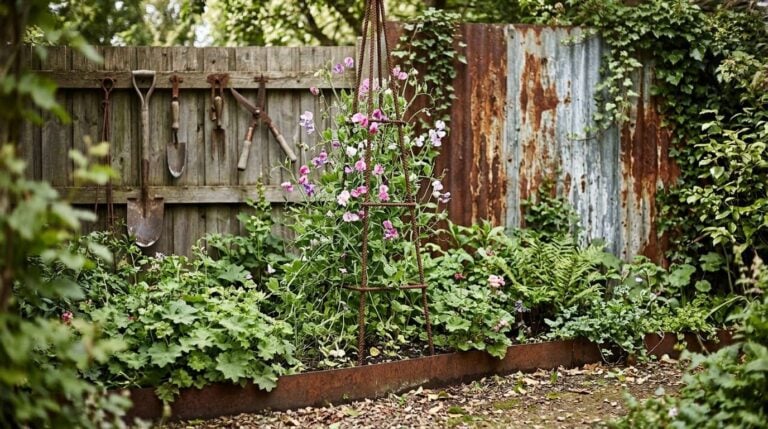
Rusty metal gives a garden instant age and texture, as long as you know which rust is safe to handle, how to seal it and which salvage to leave behind.
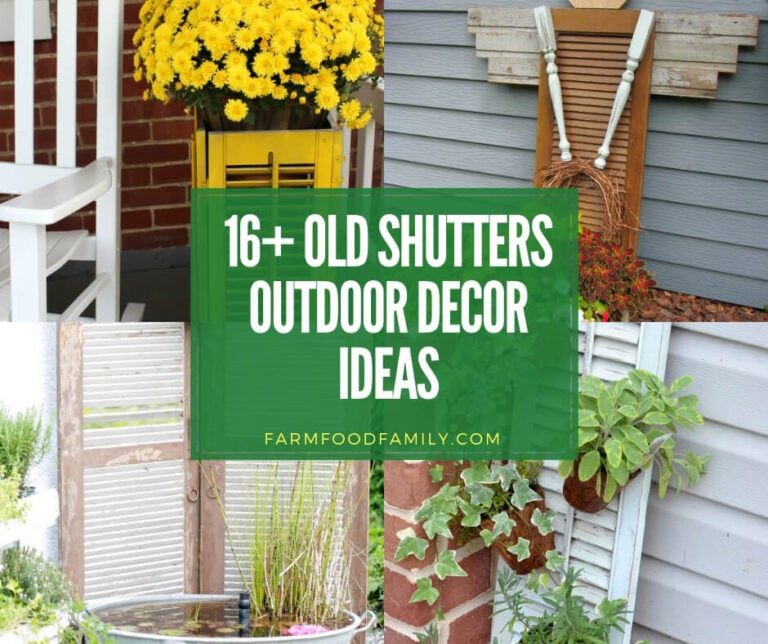
An old wooden shutter has real character, weathered paint, real joinery, the kind of texture you can’t fake with new lumber. But that same weathered paint is exactly why an old shutter needs one check before it becomes a planter, a shelf, or anything else. So before the 16 ideas below, here’s the part most…
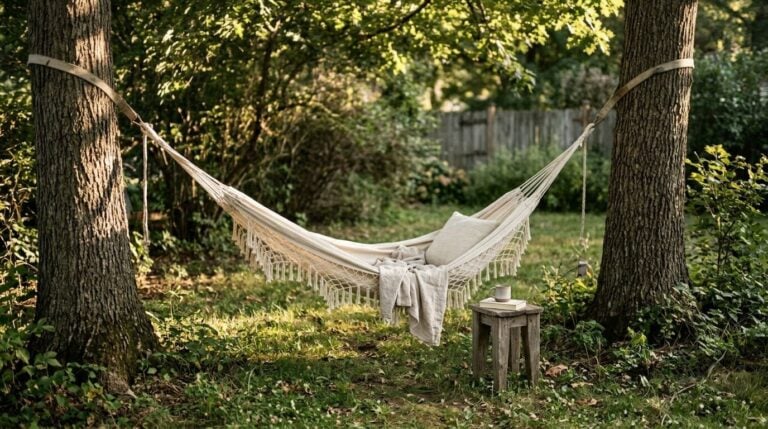
A hammock turns any corner of your yard into a getaway, as long as you hang it at the right height and angle on anchors that can take the load.
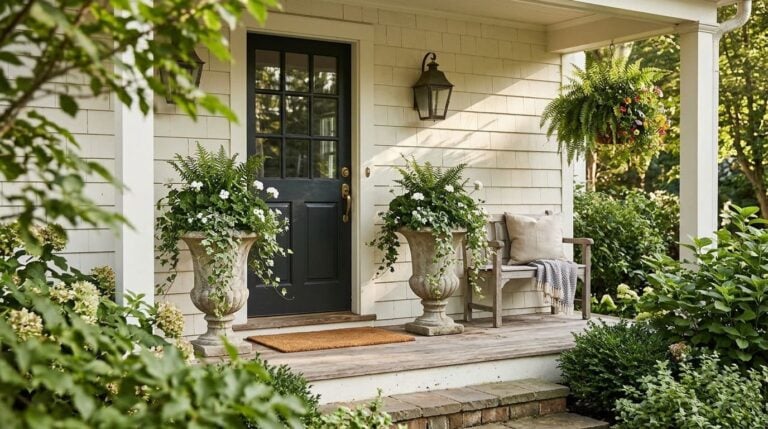
A porch planter looks great on day one and fails by July unless you match the plants to your real light, the pot to your watering habits and the mix to your pets.
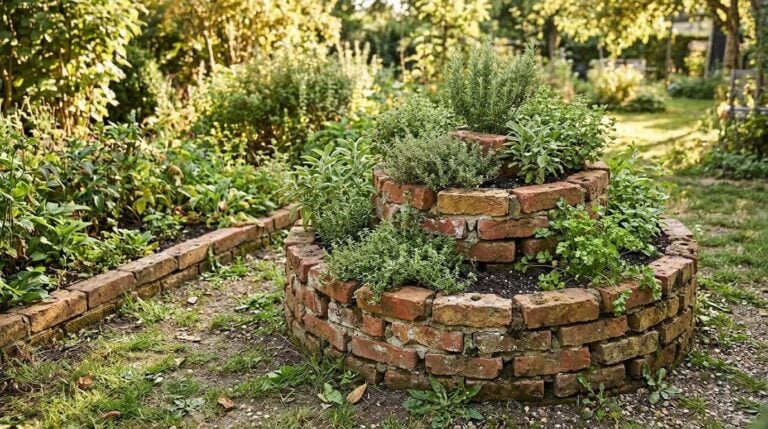
Old bricks make herb spirals, bug hotels, raised beds, and borders for almost nothing, as long as you test them first and skip the uses where soft bricks crumble.
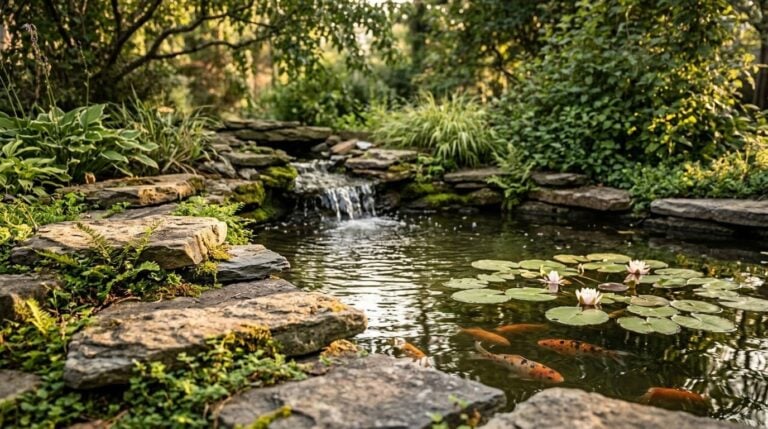
An outdoor fish pond turns a plain yard into a living feature, as long as you plan the depth, the power, the mosquitoes and the winter before you dig.
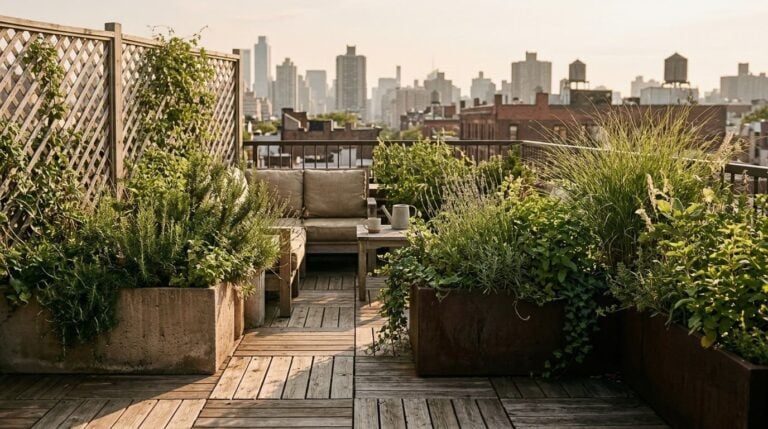
A rooftop garden gives you green space above the city, as long as an engineer checks the load, the membrane stays protected, and you plan for wind.
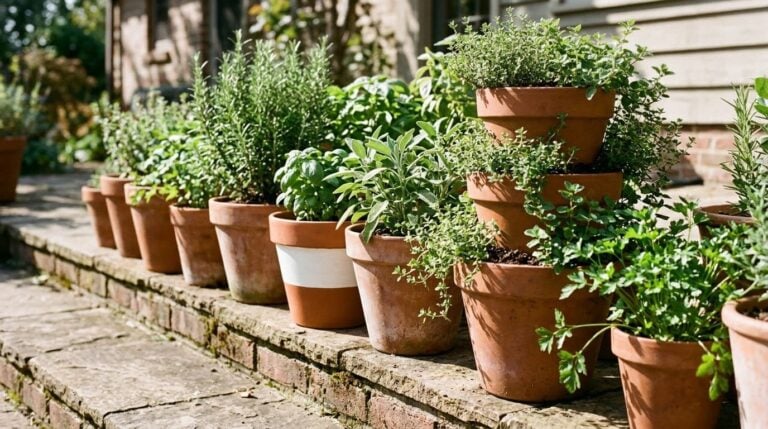
Terracotta pots look good with almost anything, as long as you soak them, seal the paint, drill them slowly and bring them in before the first hard freeze.
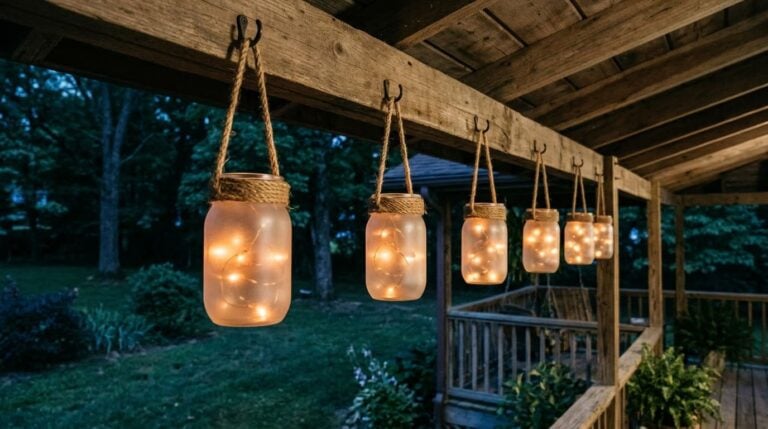
Mason jar lights add warm glow to a porch, table, or kitchen, as long as you pick the right light source and keep flame and wiring safe.

Cinder blocks are cheap, modular, and genuinely versatile outdoors, tables, planters, benches, garden beds, even a fire pit if you build it right. Below are 17 real ways to use them, plus an honest answer to the question most guides either dodge or overclaim: is it actually safe to grow vegetables in them? 1. Simple…
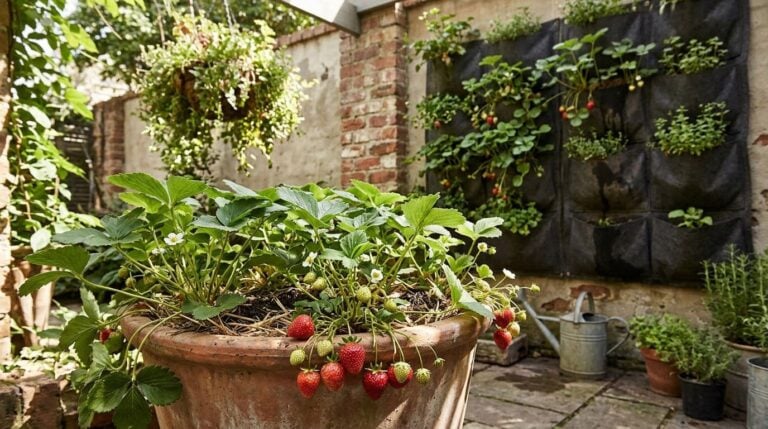
You can grow a real strawberry harvest on a balcony, a wall or a few square feet of soil, as long as you pick the right variety, the right container size and a watering plan that works.
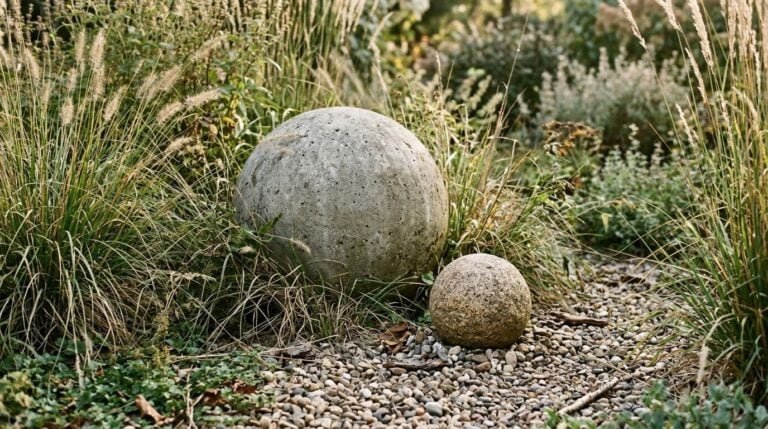
A big garden globe gives a bed a strong focal point, as long as you plan the weight, the base, and the winter before you build or buy.
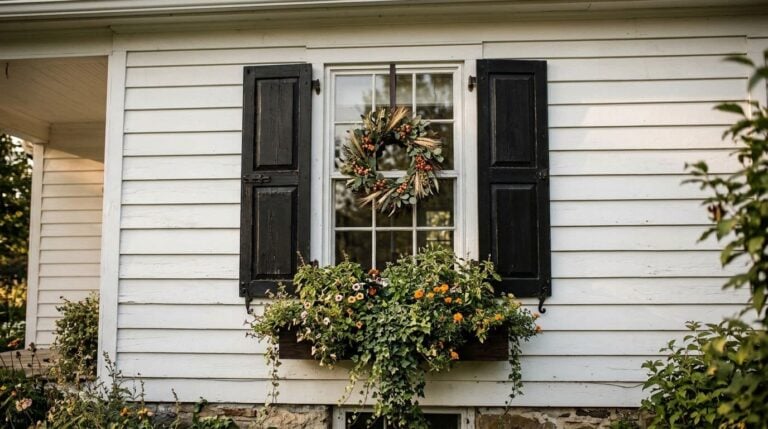
Window boxes, shutters, trim, and lights make a plain facade look finished, as long as you hang everything level, size it right, and keep birds and ladders in mind.
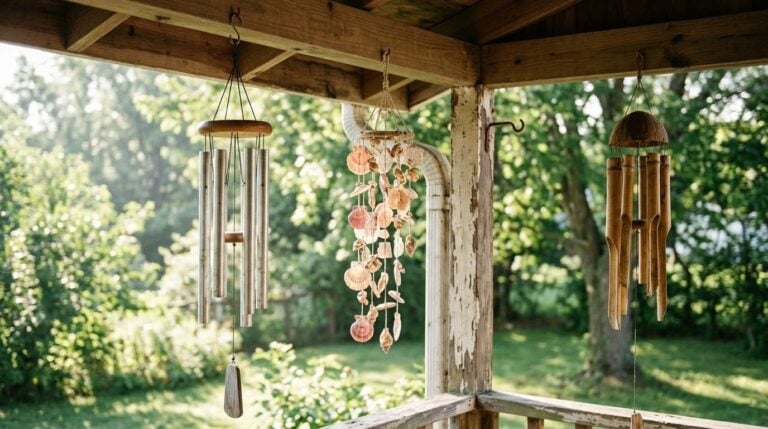
A homemade wind chime can sound lovely for years, as long as you pick the right tube length, a line that survives sun and freezing, and a spot your neighbors can live with.
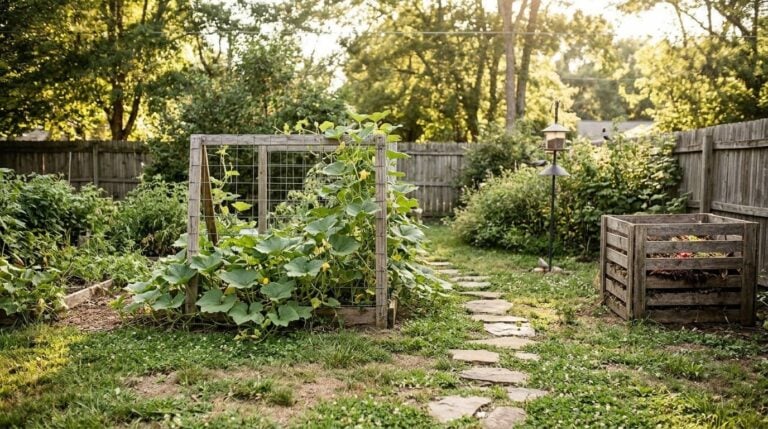
A few weekend builds, like a sturdy trellis, a compost bin, and a rain barrel, make a garden grow more, feed wildlife, and save water, as long as you build each one to last.











